Tag: coffee

  • Specialty vs Commercial Coffee: Which One is Right for You?

    Specialty vs Commercial Coffee: Which One is Right for You?

    Speacialty vs Commercial Coffee

    There are huge differences between specialty and commercial coffee. The most significant one is that you can find commercial types easily in supermarkets under widely advertised brand names. 

    Otherwise, specialty coffee, like Indonesian specialty coffee,  is commonly served through coffee shops, small coffee factories, or coffee houses prepared by a skilled barista. 

    If you find yourself captured by the hype, yet unsure about what the differences between specialty and commercial coffee is, then equip yourself with some grasp about it before picking your cuppa coffee. 

    Understanding The Specialty & Commercial Coffee 

    To better differentiate specialty coffee from commercial coffee, let’s learn about the definitions of the terms first.

    Commercial coffee refers to the coffee widely traded in the international stock exchanges, which national supply and brands buy and roast in mass volume. The commercial coffee grade range is generally under 75 points. This coffee is also described as the C-market or commodity coffee. 

    Not to drop the reputation of the commercial types, but specialty coffee refers to premium quality coffee. The beans points score, which consists of various coffee scoring protocols, is normally above 80, graded by certified coffee tasters, and scaled by specific organizations. 

    The Origin of Coffee 

    Knowing the roots, or in this regard, the origins of coffee, is also an essential step to better understanding their differences. 

    Speaking of commercial coffee, typically, the information provided about the origins is limited to the continent or the origin country where it was produced. Lucky enough, if you can get deeper information about the area where the coffee is grown. 

    Also, commercial coffee flavors likely came from different origins and consisted of various coffee beans.  However, when it comes to specialty coffee, you can find out the root of the coffee served in coffee shops, factories, or coffee houses. 

    You may expect to get information about the coffee plantation where they were grown, the altitude, the coffee variety, the harvesting date, and even the whole process of making that specialty coffee. 

    Regarding Coffee Quality

    quality is one of the differences between specialty vs commercial coffee

    What the differences between specialty and commercial coffee is fundamentally the quality, as explained earlier in the article. 

    To get specialty coffee, there are several elements of quality control of the coffee beans, which are standardized according to the Specialty Coffee Association of America (SCAA). More intricate processes are involved in producing specialty coffees. It is not only about the cultivation location but also the perfect latitude, timing, and end-to-end labor of love. 

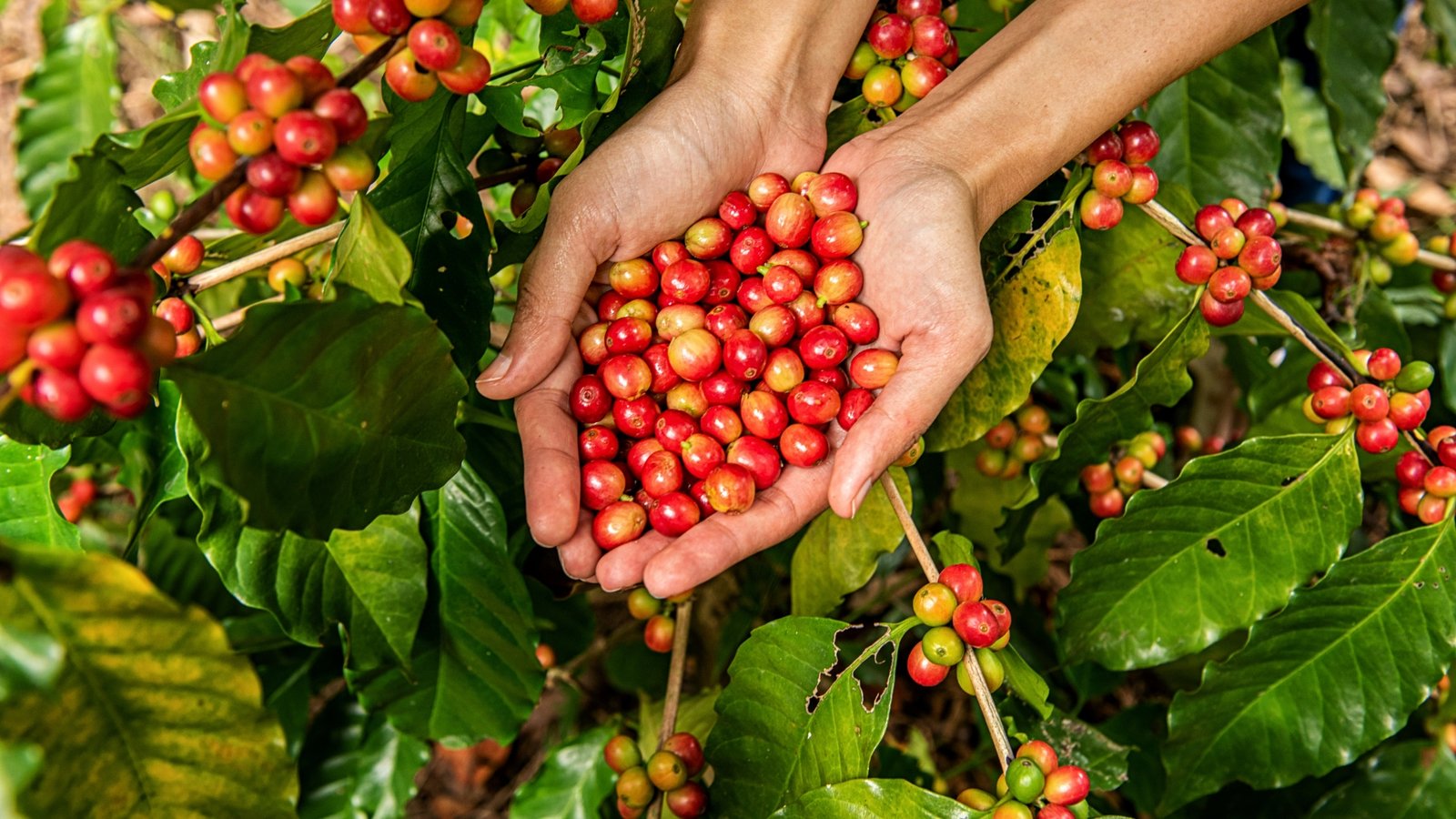
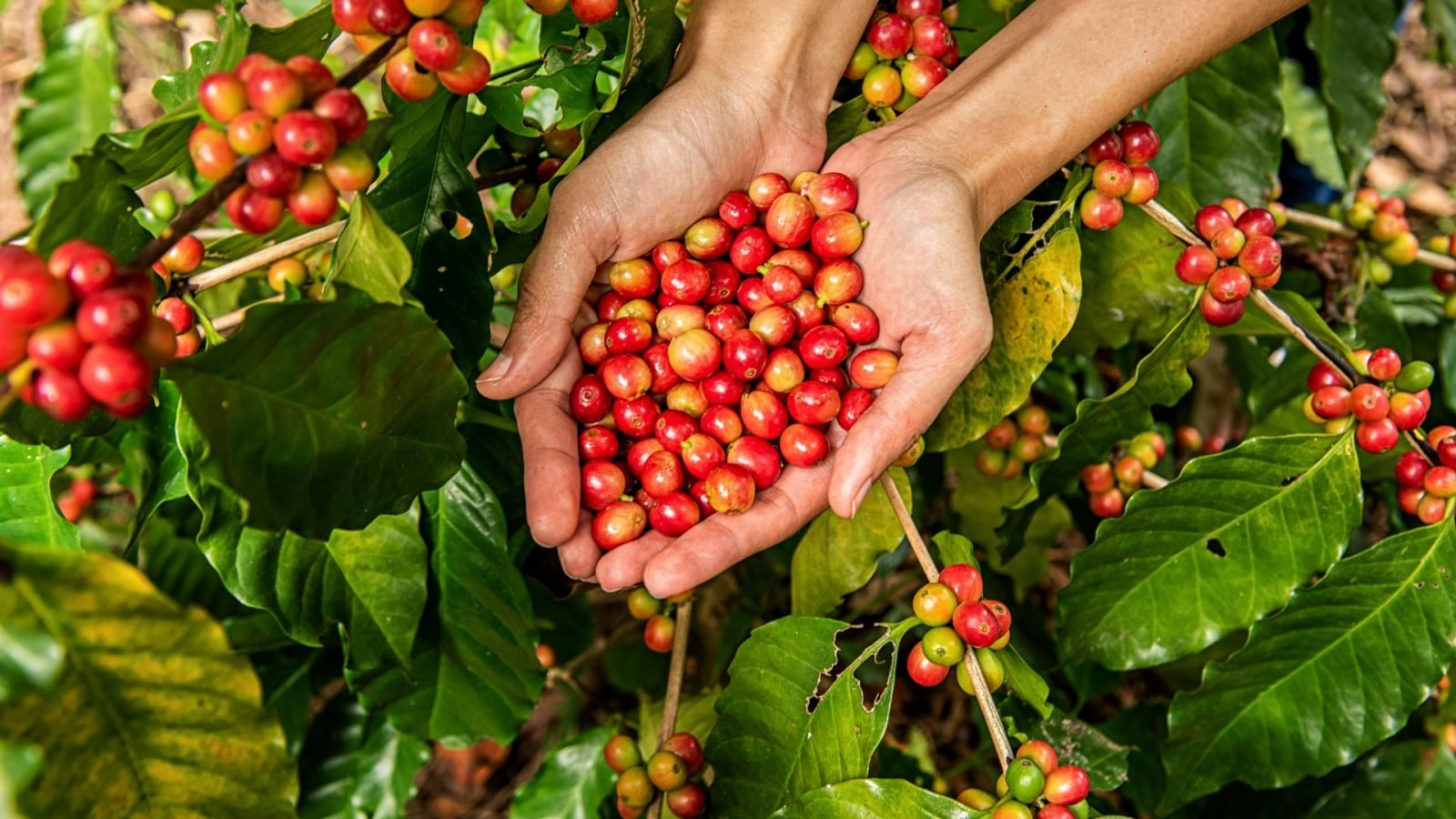
    Only the completely ripe red coffee cherry should be picked by trained coffee cherry pickers, with the least primary blemishes (fully black, foreign matter, dried cherry, full sour, severe insect damage, and fungus damage).

    Whereas for commercial coffee, they usually use any coffee cherry, ripe or unripe, green, red, or even black, with little to no control over the quality through the hulling process.

    Flavor of Coffee Beans 

    The condition of the coffee cherries has a major impact on the outcome when coffee is brewed and served in a cup. 

    Commercial coffee produced with little to no quality control can offer an acute sour or even bitter flavor or an unpleasant moldy and baggy hint. Commercial coffee flavors usually have a short range of roast and blend of Arabica and Robusta coffee bean varieties, so no wonder that the variety of flavors is also short. If you want to taste the rich flavors of coffee, you’ll find it best through specialty coffee. 

    Since the specialty coffee is produced fresh, at perfect ripeness, and with zero defects, it will offer an enjoyable acidity and a gradation of rich and unique flavors and aromas.  Besides Arabica and Robusta, the type of coffee beans grown for specialty types is also varied, including Liberica, Kent, Excelsa, and many more. 

    In addition, the soil also plays a pivotal role in determining the coffee flavor. It can be varied according to the cultivation location. There are many coffee beans in Indonesia that come as Indonesia specialty coffee, such as Toraja, Sumatra Arabica Gayo.

    Availability of Coffee Beans 
    Now, you may question which has the most availability to meet the consumers’ needs in terms of supply. Well, the fact is that the big commercial coffee producers would prefer to take any type of coffee beans regardless of the quality or variety to secure their market needs. Hence, they are ready to serve all year long. 

    On the contrary, specialty coffee might not be available anytime you wish. There is an extraordinary amount of work that should be done. 

    Not only to consider the matter of natural conditions and factors that will affect the coffee cultivation but also layers of quality control to maintain the quality that may impact the amount of the production. 

    So, Which is Better In The Battle Of Specialty vs Commercial Coffee? 

    In a nutshell, according to the explanation of what the differences between specialty and commercial coffee is, it’s undeniable that specialty coffee is the best in terms of quality, flavors, richness, blends, and variety. 

    Besides the consumers, specialty coffee also provides a better way of making a living for the coffee farmers. They possibly get a higher pay rate according to the quality of the coffee beans they collected despite the small amount of the coffee beans harvested.
  • Rainforest Alliance Certified Coffee, What and Why Its Important?

    Rainforest Alliance Certified Coffee, What and Why Its Important?

    Rainforest Alliance Certified Coffee, What Is It and Why Important

    Whether you are a coffee house owner, coffee exporter, or importer, do not only think about the quality of the coffee you buy or trade with. 

    Next time you buy a pack of or wholesale green coffee beans, start thinking about how the coffee was grown, the living condition of the workers, and the sustainability of the environment. 

    So much impact needs to be established and thought about around the coffee industry. It is what makes coffee certifications, like Rainforest Alliance Certified coffee, an important thing to look for in the current trading market.  

    What is Rainforest Certified Coffee for Coffee Beans?

    There are quite a number of labor and real challenges faced by coffee farmers, all along with the workers in the industries. From natural factors to the economic and trade market aspects, all challenges surround the end-to-end process.

    The RainForest Alliance saw those problems. They established a movement to support the coffee farmers (in this case), their families, and the community, as well as to ensure the protection of our living environment while conserving biodiversity. 

    As cited from Rain Forest Alliance Website, this coffee certification shows that coffee production is applied within accurate standards which support communities and empower the producers while protecting the environment.  

    How Environmental Standards and How Rainforest Alliance Help Coffee Farmers?

    The agriculture industries are developed based on human needs and are also run by humans. Its sustainability is necessary and depends much or less on human resources. If not maintained properly, both the environment and human resources would collapse, and the agriculture business won’t last longer to provide necessary supplies. 

    Hence, considering how everyone can take part in protecting the environment and supporting the farmers and workers in the industry is indispensable. 

    There are four aspects that the Rainforest Alliance works on to support the sustainability of agriculture industries. 

    1. The Human Rights

    The Rainforest Alliance Certified Coffee have set up a strategy with risk-based assess and address to encourage human rights by implementing precautions against several human rights issues in the workplace, community awareness and engagement, and persistent improvement. 

    In addition, the certification program also facilitates companies and farms with tools to comprehend and deal with the gender equality gaps in their operations. 

    2. The Climate

    There is a standard of the best climate for growing coffee. One of the standards is the temperature which has to be between 18 to 22 ℃ for Arabica and 20 – 26 ℃ for Robusta in general. 

    Climate change has shown rising temperatures, along with unpredictable rainfall patterns, which have a major impact on the coffee-growing process. Thus, the certification program nurtures a coffee-growing method called climate-smart by analyzing the local climate challenge they face and customizing an action plan accordingly.

    3. The Livelihood

    The unstable price of coffee in the trade market has hindered farmers from making long-term investments in their businesses. It also aims to support farmers in reinforcing their productivity and enhancing their profitability by applying better farm management and more sustainable techniques.  


    Yet, to help the farmers with the cost, through the rainforest-certified coffee program, they divide the financial charge down the supply chain. It requires companies to invest in certified farms through what The Rainforest Alliances calls Sustainable Investment (SI) and settle Sustainable Differential (SD) costs to the certified farmers for their crops above the market price. 

    4. The Forest and Biodiversity

    Farming inevitably ruins biodiversity in some kinds of ways, yet through the implementation of proper techniques, it may enrich nature. The certification program insists on broadening the impact of forest and biodiversity protection with innovations and reinforced requirements.

    Also Read: Where Coffee Beans Grown? Let’s Find It Out, Coffee Lover!

    Benefits of Having Rainforest Alliance Certification for Coffee Beans 

    Consumers have developed awareness about environmental sustainability and workforce living conditions issues. Thus, having rainforest alliance certified coffee beans would definitely be beneficial for your business. 

    It reflects that you run the business with concern and purpose and act beyond the year-end results in numbers. It also shows that you are aware and care about the standards of the products, which are harmonized with environmental sustainability and suppression of human right abuse. 

    How to Get Rainforest Alliance Certified Coffee 

    If you are concerned about getting your coffee the rainforest alliance certification, here is a concise guide to getting it.

    1. Audit preparation – Ensure that your farm complies with the Rainforest Alliance Sustainable Agriculture Standard requirement for certification.
    1. Contact the authorized certification body – When ready, contact the authorized certification body in your region to have them audit your farms. Farmers should settle the audit payment, and costs vary according to the size of the farm, its geographic location, and complexity.
    1. Organize the audit – The auditors will settle an audit visit schedule to ensure your farm is following the mentioned standards. If you fail this stage, the auditors will provide feedback for improvement.
    1. Your crops with the certification – Passing the standard compliance audit means you can get the certification and sell your crops as Rainforest Alliance Certified.

    Does FnB Tech use Rainforest Certified Coffee? 

    As our commitment to the holistic, sustainable process of coffee beans, FnB Tech Indonesia coffee products are already known as rainforest-certified coffee by the Rainforest Alliance.

  • 8 Types of Coffee Beans in Indonesia, Unique & You Must Try!

    8 Types of Coffee Beans in Indonesia, Unique & You Must Try!

    Types Coffee Beans in Indonesia

    As one of the most consumed beverages globally, coffee is ranked as one of the top commodities in the world. According to Visual Capitalist data, Indonesia is positioned in the 4th rank among the largest producers of coffee in the world in 2020.

    Out of many types of coffee beans in Indonesia, there are four main coffee bean categories that Indonesia produces annually. They are the following types:

    • Arabica coffee beans, 
    • Robusta coffee beans,
    • Indonesian specialty coffee beans like Luwak coffee one of the rarest green coffee beans of Indonesia processed in the tummy of the Asian wild civet, and
    • Liberica coffee beans.

    The four types mentioned have captured both coffee lovers and casual people globally. They are known as well as the best Indonesian coffee beans.

    Best Coffee Beans from Indonesia 

    Coffee Beans From Province Indonesia
    Coffee Beans in Indonesia

    1. Gayo Coffee Beans, From Aceh (Arabica)

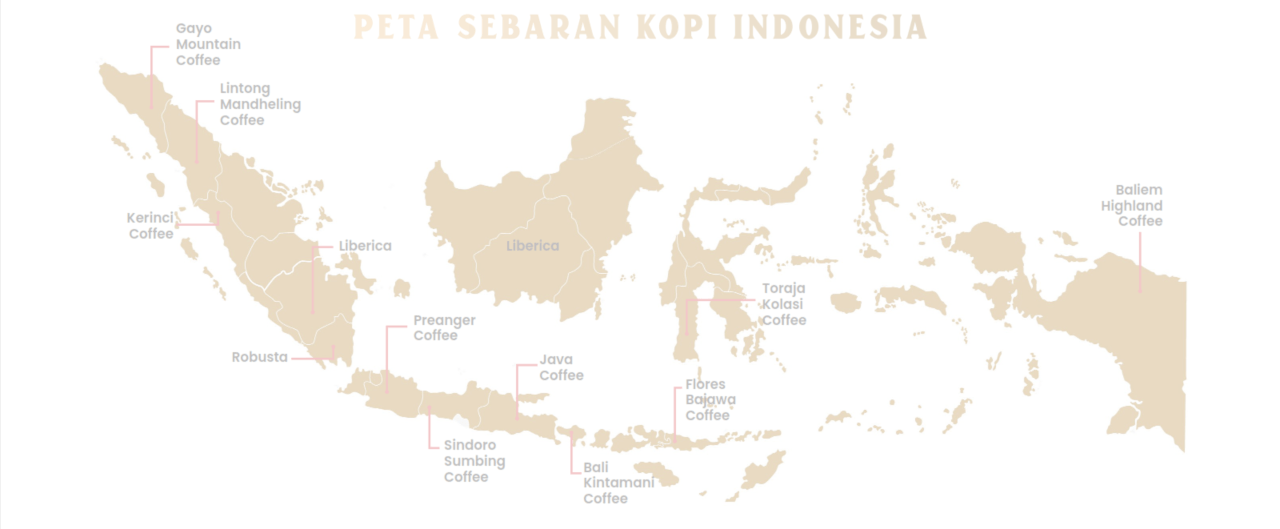
    Gayo coffee beans are produced in the Northern part of Indonesia in Aceh. The most producing areas of Gayo coffee beans are Central Aceh, Bener Meriah, and a part of Gayo Lues. 

    Gayo coffee beans is known widely for its rich yet remarkable taste, which tends to be buttery and nutty. It has a good acidity level that shapes powerful characteristics yet provides a clean aftertaste. The aroma may vary, but it is considered to have hints of spicy aroma.

    Also Read: You Never Know This! 7 Benefits of Gayo Coffee for Your Body

    2. Mandheling Coffee Beans, From North Sumatra (Arabica)

    The name was taken after a north Sumatranese ethnic group from the Batak region, Mandailing. The beans grow in volcanic soil at an altitude between 750 to 1500 above sea level in west-central Sumatra, Aceh. 

    The varieties of Arabica beans that are mostly used are the Catimor and Typica. Mandheling coffee beans taste is considered to have an enjoyable amount of acidity with a deep herbal aroma and woody yet clean earthy notes. 

    3. Kintamani Coffee Beans, From Bali (Arabica)

    Kintamani coffee beans provide a distinctive taste, suitable for those who do not like the bitter taste generally found in coffee. As a substitute, you’ll get a milder taste and sweet flavor with a hint of sour freshness. 

    The citrus-like sour taste is developed since the coffee farmers grow the coffee in the same areas as vegetables and oranges. They also implement subak irrigation systems to grow the coffee organically. Bali Beans Plantation is the best coffee plantation to visit in Bali to taste the coffee and know the end-to-end process better. 

    4. Toraja Coffee Beans, From Toraja (Arabica)

    Cultivated mostly by numerous individuals in the north of Makassar, South Sulawesi, the Toraja Coffee Beans have left a taste of sensation that has become a favorite for Northern European countries. 

    The flavor it offers is also complex. Aside from spicy notes similar to other Indonesian coffee beans, it hints at a savory note, along with an intensely fruity and earthy taste. In addition, it also offers a pleasant aroma mixed with spices like cinnamon, nutmeg, and cloves. Still, the aftertaste is clean and balanced. 

    5. Luwak Coffee Beans (Indonesian Specialty Coffee)

    Indonesian Luwak coffee beans are cultivated in only a few regions and become part of Indonesia specialty coffee beans. The largest producing regions are in the Sumatra Islands, which are Central Aceh, Sidikalang, West Sumatra, and Lampung. 

    It is called so since Luwak, or Asian palm civet, has a major role in its production. Civet eats coffee beans but only the perfectly ripe ones, then known to be the best quality coffee beans.

    It goes to their digestive system for around 24 to 36 hours before it comes out within the animal’s poop and can be washed, roasted, and grounded. The exclusivity in the process is what makes its flavor particular and pricey. 

    6. Temanggung Coffee Beans, From Central Java (Robusta)

    Robusta is still the largest coffee bean variety that is cultivated in Indonesia. One of the types comes from a region in Central Java, which is called Temanggung. 

    The Temanggung coffee beans offer a slight taste of tobacco. Generally, it has a medium level of acidity along with a balanced sweet and bitter taste and a toothsome aroma of mocha. 

    7. Ijen Raung’s Java Coffee, East Java (Arabica)

    Ijen Raung’s Java coffee beans taste exotic with thinner bitterness, lower acidity level with a nutty flavor, and hints of chocolate. This coffee bean cultivation is located in the eastern part of Java Island, in Bondowoso, precisely in the mountains of Ijen and Raung. 

    8. Wamena Coffee Beans, Papua (Arabica)

    If other coffee beans in Indonesia have a similar flavor with a spicy aroma and nutty hint, it is a different case for Wamena coffee beans. 

    The coffee plantation is located in the valley on the east side of Gunung Jaya Wijaya, the only snowy mountain in Indonesia, which offers a perfect climate and altitude to grow the best quality coffee beans. The farmers avoid using pesticides to grow their coffee, and it is what is considered to develop the floral aroma it has. Within the altitude of 1,200 – 1,600 masl, the volcanic soil is organically fertile and has the best climate for growing coffee, especially for the Arabica bean variety. 

    If you are curious about more types of coffee beans in Indonesia, find out the extensive list in Fnb Tech Indonesia!

  • Green Coffee Vs Black Coffee, Different and Which One is Better?

    Green Coffee Vs Black Coffee, Different and Which One is Better?

    Black Coffee vs Green Coffee

    There is a shift in enjoying the cup of daily coffee. People are now considering drinking coffee based on green coffee beans. However, coffee based on black coffee beans is still also enjoyed.  

    Some differences between green coffee vs black coffee were causing the new trend. It consists of the differences in terms of flavors, nutrition, the amount of caffeine, and health benefits. 

    Yet, the first and foremost point that differentiates them from each other is the process the coffee beans go through before their consummation. 

    Table of Content

    What Is Green Coffee and Black Coffee? 

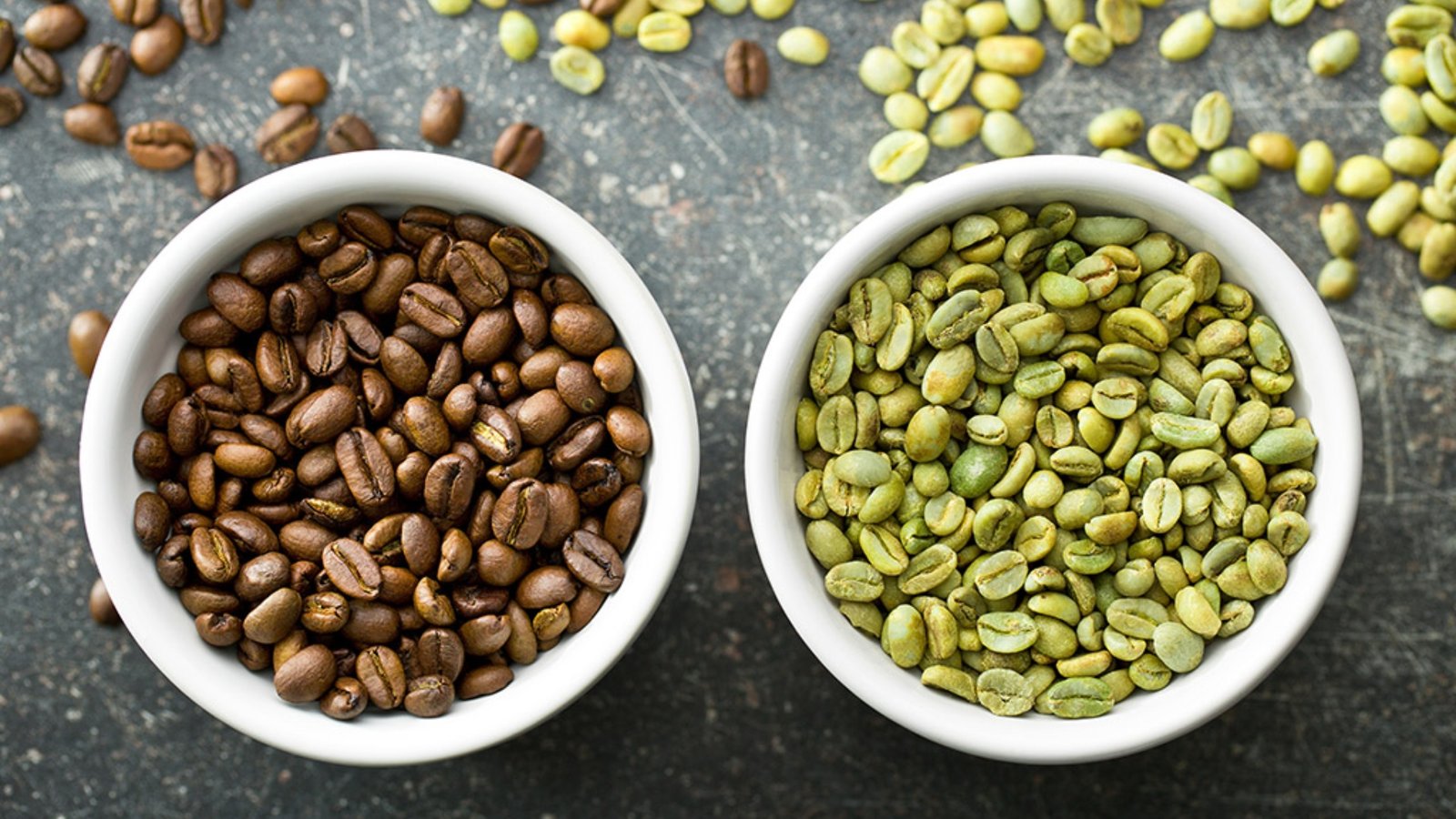
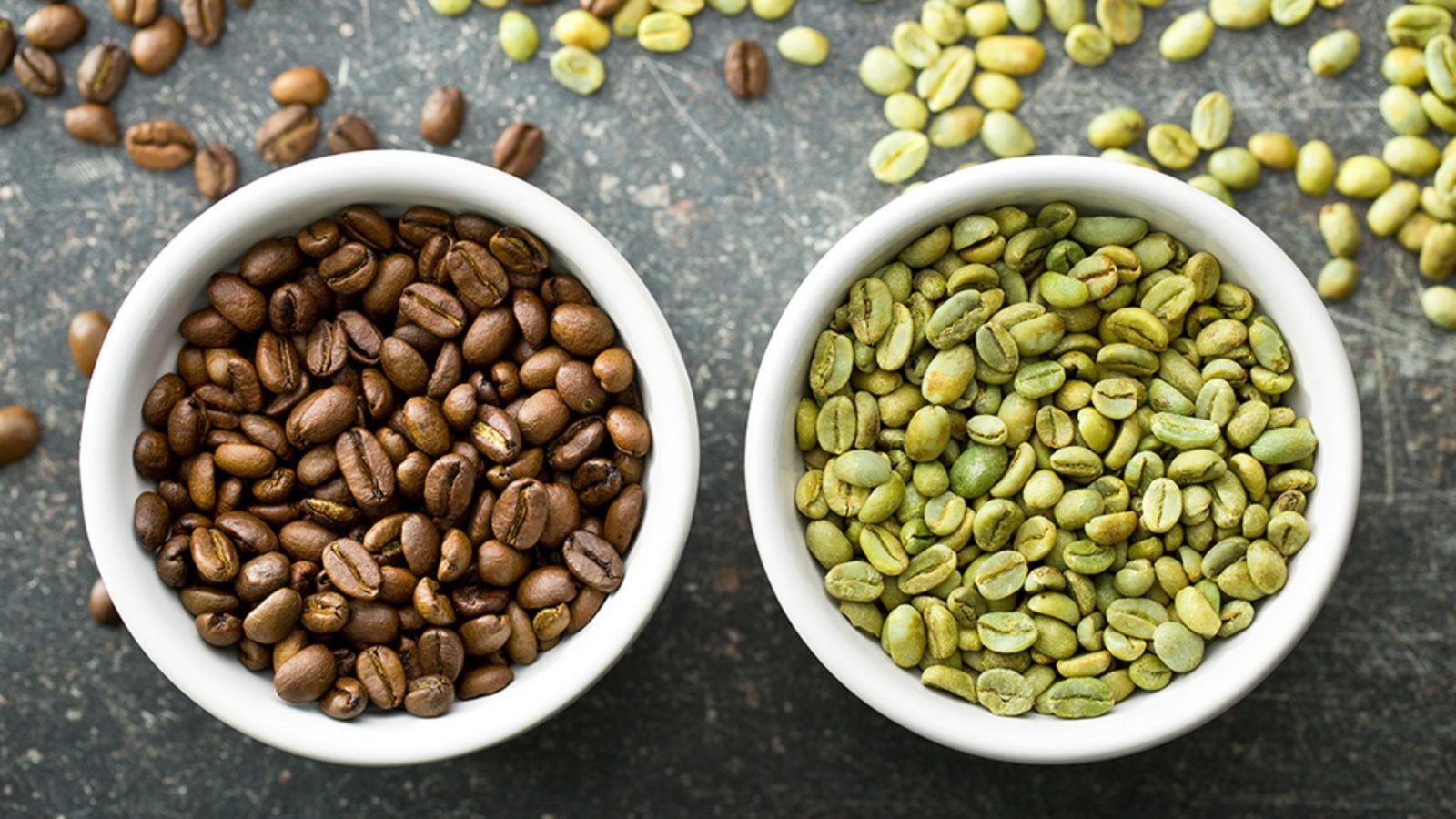
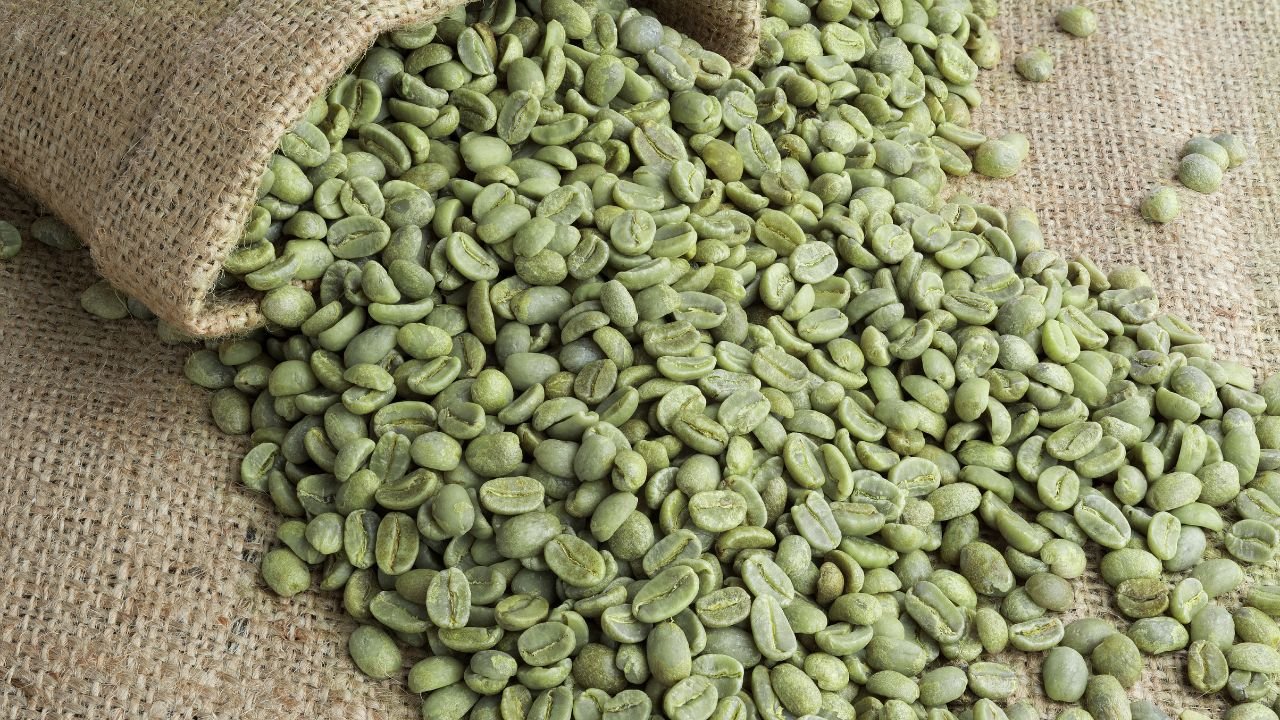
    The same source derives both green coffee and black coffee. Yes, they are generally the same coffee beans. Even so, black coffee is made from raw coffee beans roasted. Green coffee is made using green coffee beans, unroasted ones. 

    4 Differences Between Green Coffee and Black Coffee 

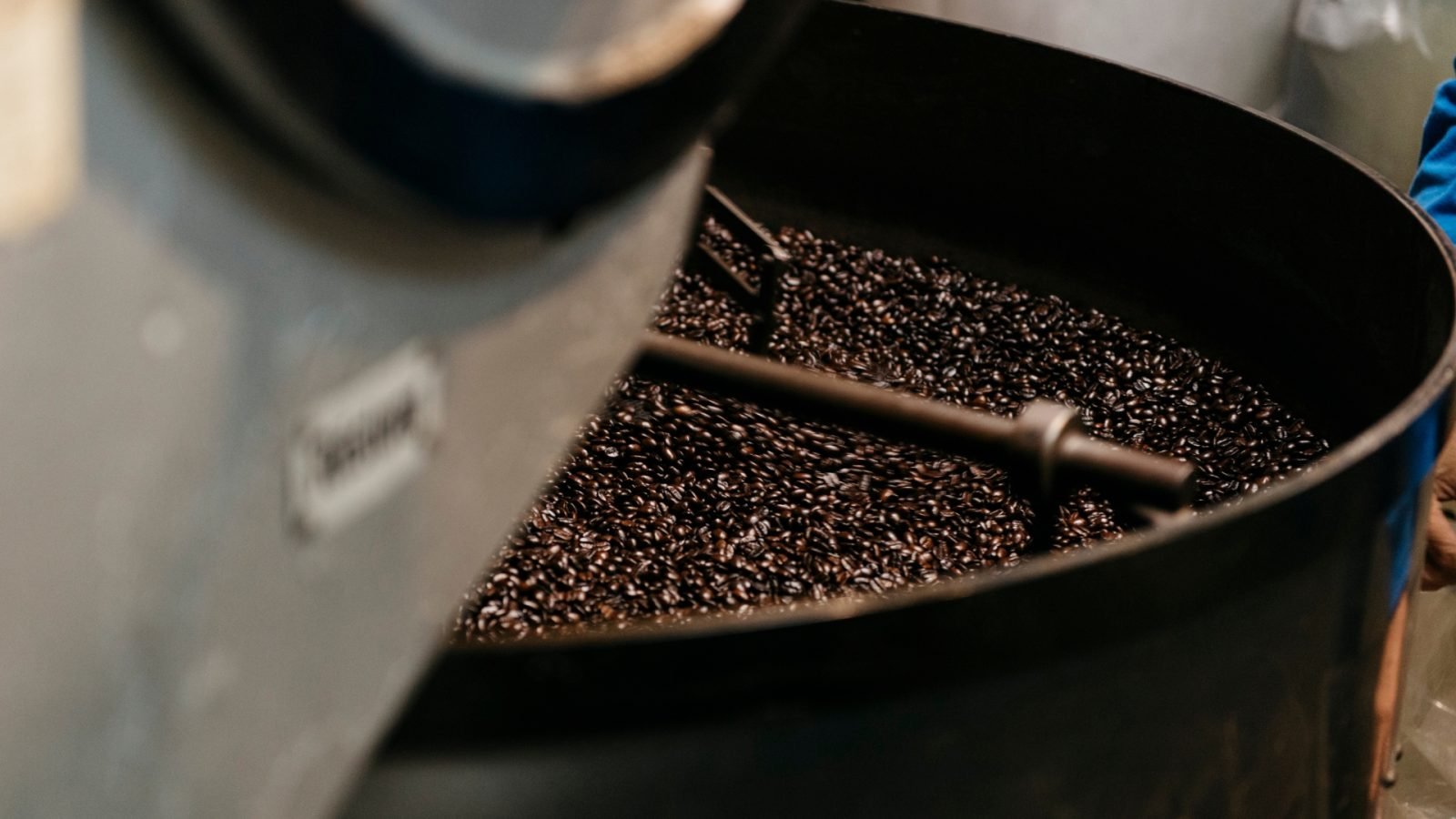
    Coffee Roasting

    When the roasting takes place, some changes are made. The National Coffee Association page explained the changes caused by the roasting process, as cited here:

    “Roasting causes chemical changes to take place as the beans are rapidly brought to very high temperatures”. 

    Hence, the process triggers some changes which differentiate green coffee vs black coffee, as follows:

    1. Change of colors

    During the roasting process, the colors change from their original colors according to the roasting level that coffee roasters determine (Coffee Color Spectrum). 

    Also Read: Be The Master! 4 Coffee Roasting Levels Chart: W/ Image & Guide

    2. Mass of the Coffee Beans and Their Humidity

    The roasting process releases moisture from the coffee beans, which makes the beans weigh less. It also removes some organic gasses and the husks. Yet the coffee bean’s body becomes more solid and crunchy when chewed.

    3. The Change in Delicateness and Volume 

    There will be changes in the coffee beans’ volume throughout the roasting since a chain of sugars will be developed. According to the roasting point, the size might multiply from its original size.

    In addition, the delicateness or porosity increases, making it easier to dissolve when preparing your coffee drink. 

    4. Oil Extraction

    The lipids or oils that coffee beans primarily contain will be extracted and coat the coffee beans thanks to the roasting process. The oils keep the volatile compounds necessary to produce coffee flavor and aroma inside the coffee beans.

    Thanks to the roasting process, the coffee beans will have appealing colors, tempting aromas, and rich flavors with various coffee consistency.

    Otherwise,  green coffee produced using green coffee beans offers a smoother coffee flavor. You’ll notice that the taste at some point resembles herbal green tea. While the roasting process removes the coffee bitterness and brings out flavors, colors, and aroma, on the contrary, it also reduces some nutrients from the coffee beans.

    Green coffee is claimed to be more nutritious since it does not undergo roasting. 

    Know What Are the Health Benefits of Green Coffee Beans 

    Drink Coffee for Health Benefit

    As stated by Coffee Affection, a scientific study has shown that the intensive heat during the roasting process lowers nutrition in food or coffee beans.

    Therefore, green coffee is claimed to bring more benefits to health since the nutritions are kept and do not reduce through the roasting process. Hence, green coffee offers a higher amount of antioxidants than black coffee. 

    The particular type of antioxidant it has is chlorogenic acid which has many health benefits. It helps to reduce the cortisol amount in the human bloodstream, which helps to lower blood pressure. 

    Meanwhile, Net Med explained that the chlorogenic acids in green coffee beans might help regulate blood sugar with their ability to increase sensitivity to insulin, lowering fat accumulation and inflammation. 

    Green coffee also contains caffeine, but it is known to be at a moderate level. It helps to boost energy. Together with the high level of chlorogenic acid, they promote your function throughout the day.

    Green Coffee Beans Help You Lose Weight? 

    Besides all the health benefits mentioned above, Net Med said that green coffee beans are a potential supplement to stimulate weight loss. Again, it is thanks to the chlorogenic acid level that green coffee beans keep.

    Body metabolism benefits from the acid in lowering the absorption of carbs, regulating the lipid profile in the body, burning the glucose and fat, and avoiding the spike of blood sugar.  

    Therefore, a regular and proper amount of green coffee consumption will help stimulate the metabolism, burning fat which is impacting to maintain a healthy weight. 

    Does Green Coffee Contain Caffeine? 

    Caffein in Coffee Beans

    Both green coffee and black coffee contain caffeine. The difference is the amount of caffeine a cup of green and black coffee offer when brewed.

    A cup of black coffee generally contains 100 gr of caffeine. If you want to lower your caffeine consumption, a cup of green coffee beans is the perfect choice since green coffee’s caffeine amount is only 20 mg per cup. 

    All in all, the winning position of the health benefit battle of green coffee vs black coffee is deemed green coffee’s side. But, you also need to implement regular exercise and a healthy diet accordingly. Aside, you can still consume black coffee with a decent amount once in a while to indulge your palate with its rich and deep taste.

  • The Timeline and History of Coffee in Indonesia

    The Timeline and History of Coffee in Indonesia

    Do you know the complete history of coffee in Indonesia? Are you aware that Indonesia has many renowned coffees throughout the world? If you don’t but want to understand more about this topic, read the rest of the article!

    Check This Out! History Of Coffee In Indonesia

    It is important to note that there are many theories about how they discovered coffee and who discovered the coffee beans before moving on to the main topic. The most famous story began in Kaffa, Ethiopia, in 1671. There was a shepherd named Kaldi.

    At that time, he discovered something strange about his goats. They behaved erratically energetic and would not sleep after eating some berries.

    Then, Kaldi took and brought some of the berries to the monastery. He explained the whole story about his goats, yet the chaplain considered the berries devil’s sustenance. When he tossed the berries into the fire pit, they smelled the berries’ aroma.

    After saving the coffee beans, they chose to brew the beans. After discovering the beans’ effect, they started making coffee drinks, which could keep them awake and do the long-hour prayer.

    The early history of coffee was brimmed with controversy. There were a lot of forbidden laws concerning the act of drinking coffee. For example, in Europe, King Charles II prohibited the existence of coffeehouses because the places had a link to rebellious activities. Yet it might be the most popular choice of drink nowadays.

    A Timeline of the History of Coffee in Indonesia

    1. In the 17th Century, the Dutch Colonization

    The history started in 1696 when Dutch traders bought coffee seeds from Mocha, Yemen, to Indonesia. Then, they began to plant these seeds in the Kedawoeng Estate, Batavia, Dutch East Indies (now known as Jakarta). However, the plantation failed because of floods.

    In the next three years, they tried to plant the seeds again until this effort was successful. Then, they began to cultivate coffee plants in areas with high altitudes. The sources were of the Arabica variety, which was grown into one of Indonesia’s majority of Arabica coffee.

    2. In the 18th Century, Global Coffee Trading

    After the success of cultivating Indonesian coffee in many areas of Java island, the Dutch began to ship these coffees to other continents. Thousands of tons of coffee became the most sought-after commodity in Europe in 1726.

    Since the trade was brimming with money, the Dutch colonial government took control of the monopoly. No Java coffee was approved to be shipped to Arabian Peninsula. 

    As such, Amsterdam City was known as the world’s coffee capital. To keep up with the overflowing demand, the Dutch began cultivating coffee plants in other areas of East Java, such as Sumatra, Sulawesi, and Bali.

    3. From the 20th Century to the Present Day

    In the years following the end of Dutch colonization, the colonial government gave Indonesians the right and ownership to cultivate the remaining coffee plantations. Afterward, with the spread of coffee in the country, the people began to raise plants on each island.

    Right now, Indonesian coffee has gained global recognition to be one of the best coffees in the world (Indonesia Specialty Coffee), such as Toraja from Sulawesi, Bali Kintamani from Bali, and Mandheling from Sumatra. In addition, our country will be the fourth biggest coffee producer in the world in 2022, with a total of 1,455,050,000 pounds (data provided by World Population Review).

    Despite the Dutch colonization of Indonesia coffee history, the current renowned coffees result from the people’s hard work. With its unique and distinct taste, it’s no wonder that many locals and foreign people favor coffee from Indonesia. You can get the coffee at FnB Tech Indonesia if you want to taste it.

  • You Must Try This Popular Kopi Joss from Yogyakarta, Indonesia

    You Must Try This Popular Kopi Joss from Yogyakarta, Indonesia

    Indonesia is land of various ethnicity and cultures. This includes the way Indonesian serve coffee. Since Indonesian cultures are so diverse, you can find many different traditional hot and iced coffee beverages while gallivanting around the country.

    Each region has produced a unique yet creative way to make coffee drinks. The distinctive methods of life of the local community caused this. Moreover, each island of Indonesia is famous as a major coffee producer. For example, Sumatra island is known for its Robusta coffee from Bengkulu and Mandheling coffee from North Sumatra. Kopi Luwak from Sumatra and Java islands is the most popular and expensive.

    Many locals and foreigners favour several Indonesian coffee drinks. If you are an avid coffee lover and plan to visit Yogyakarta City, we recommend these hot and iced coffee beverages popular in the city. Take the chance to have a taste!

    What is Kopi Joss?

    The Indonesian word for coffee is “kopi.” Hence, we will call this hot coffee drink by its original name. This hot coffee is a unique drink from Yogyakarta, Indonesia. This is not your usual coffee because Kopi Joss uses literal charcoal as one of the ingredients. This is the traditional Java method of serving hot coffee.

    This charcoal coffee (the non-native’s term for the coffee) is started by pouring boiling water straight into the coffee grounds in a glass. Sometimes, people choose to add sugar or condensed milk to the glass. Then, burnt charcoal is added on top of the coffee.

    You can find this coffee in many local food stalls in every crook of Yogyakarta City, especially at Tugu Muda, Malioboro, and Yogyakarta Station. Local food stalls in Yogyakarta refer to the wheelbarrow pushed by people, or simple food stands called angkringan. These food stalls are usually open during the night until dawn. The price for each cup is only IDR 5,000.

    Who Invented This Coffee Drink?

    An order started the invention of this charcoal coffee from the machinist at Tugu Station. The first food stall that made this coffee was Angkringan Lik Man in the late 1980s. A machinist then asked for a hot coffee drink by boiling the water in a can or klotok.

    Then, Lik Man (the owner) made the coffee and served it straight away. However, he added burnt charcoal because he thought it would cook the coffee more cooked by adding it. To his surprise, the machinist loved this coffee.

    Afterwards, Link Man started to offer this coffee drink to others. Many people liked the coffee due to its unique way of serving. To this day, this Yogyakarta coffee has become one of the most famous traditions in the region, even in Indonesia.

    The Health Benefits

    Ever since Kopi Joss received massive attention, many argued that this way of serving coffee could be fatal to someone’s health. However, this Yogyakarta coffee has several benefits for improving health.
    Activated charcoal is very effective in cleansing the body of many toxins. It has many health benefits, such as reducing abdominal cramps, flatulence, and bloating. In addition, activated charcoal can restore body condition when suffering from a cold. Moreover, the coffee drink can warm the body from the cold temperature of Yogyakarta during the night!

    The diversity of Indonesia culture has brought many innovative ways for the locals to create something new, especially in coffee. A random order from a customer in Yogyakarta created the unique coffee drink we know today.

  • These are 5 Provinces of Coffee Exporter from Indonesia

    These are 5 Provinces of Coffee Exporter from Indonesia

    These are 5 Provinces of Coffee Exporter from Indonesia

    Indonesia is in the top 5 as the world’s largest coffee producer and exporter. More clearly, Indonesia is in fourth place, right after Brazil, Vietnam, and Colombia. BPS recorded that coffee production in Indonesia reached 774.60 thousand tons. These coffees are exported to various countries. So, where do the coffees exported from Indonesia come from? The following are five coffee exporters from Indonesia.

    Five Coffee Exporter From Indonesia 

    South Sumatra

    It is widely known that the island of Sumatra is one of the largest coffee exporter from Indonesia. Generally, coffee beans from Sumatra have a thick shape with low acidity. The specific area is known to have the largest coffee plantations in South Sumatra. South Sumatra Province has a coffee plantation area of ​​249,963 hectares, where most of its production comes from smallholder plantations. Discussing specific locations, popular coffee plantation areas in South Sumatra can be found in Pagar Alam, Lahat, Muara Enim, and Empat Lawang. The ideal type of coffee in this province itself is the robusta type.

    Lampung

    Like South Sumatra, Robusta is also a popular coffee production in Lampung. The area of ​​coffee plantations in this province alone reaches 156,836 hectares. With such a large plantation area, the harvest is said to be able to contribute as much as 17.44 percent of the total coffee commodities produced by Indonesia. An example of a well-known and quite large coffee plantation in Lampung can be found in UluBelu, where the harvest is spread not only to the national market but also to the international market with successful exports abroad.

    Aceh

    Hearing the name Aceh, the coffee that automatically comes to mind is gayo coffee. Some say coffee from Aceh is also a prima donna in the coffee world. In the Central Aceh region, the Gayo Highlands is known to be the center of the growth of superior-quality Arabica coffee. Expressly, it is stated that the area of ​​coffee plantations in Aceh reaches 125,443 hectares. While some specific coffee-producing regions can be found in Central Aceh District, Kab. Takengon, Kab. Gayo Lues, and Kab. Right.

    North Sumatra

    Of the coffee commodities produced by Indonesia, about 9.9 percent come from North Sumatra. The area of ​​coffee plantations in this province reaches 95,263 hectares. More detail, the coffee plantation area can be found in the Mandailing Natal or Panyabungan area. The uniqueness of coffee from North Sumatra is that it has an enormous appeal. Even the world community glances at it because of its taste. One of the popular types of coffee from this province is the Mandailing Sumatra Arabica coffee.

    East Java

    Another Coffee Exporter from Indonesia is East Java. This province has a total coffee plantation area of ​​89,894 hectares. As is known, East Java is an area that has many volcanoes. Volcanic ash that appears from various eruptions in the East Java area is believed to fertilize the soil so that the coffee plantation area in Java is considered no less superior than that in Sumatra. Overall, it is stated that coffee production in East Java accounts for 9.7 percent of the total coffee commodities produced by Indonesia.

    Those are 5 Coffee Exporter from Indonesia. Interested in trying one of these coffees? You can get it at FnB Tech Indonesia.

  • Delicious, These are 5 Sumatra Specialty Coffees that You Must Try

    Delicious, These are 5 Sumatra Specialty Coffees that You Must Try

    Delicious, These are 5 Sumatra Specialty Coffees that You Must Try

    Sumatra’s natural beauty has tremendous potential. In addition to having one of the super-priority destinations of the charming Lake Toba, the area has other natural potentials that are no less proud, such as coffee. The types of coffee in this area are Arabica and Robusta coffee, whose delicious aroma can enchant coffee connoisseurs in Indonesia and around the world. A Sumatran coffee’s smooth texture and unique taste make it a pleasure to drink. Here are 5 Sumatra specialty coffees that you must try.

    1. Sidikalang Coffee

    As the name implies, this Sumatra specialty coffee comes from the Sidikalang area, Dairi Regency, North Sumatra. Sidikalang coffee grows in Bukit Barisan, which has cool air at 1,500 meters above sea level. Sidikalang coffee has a smoother texture than other types of coffee, and the aroma is not too strong, so it is suitable for consumption by anyone.

    2. Sipirok Coffee

    The dominance of spice taste in Sipirok coffee is quite strong, in contrast to most types of coffee, which are more dominant in fruit flavor. The aroma also smells very typical of thick Arabica.

    Another characteristic of Sipirok coffee is its thick, bitter taste with a slightly sweet taste due to its low acidity. If you want to taste coffee but have stomach acid problems, Sipirok coffee can be a safe choice.

    3. Mandailing Coffee

    Since the 1980s, Mandailing coffee has been known as one of the best coffees in the world. Mandailing coffee was first grown in the Mandailing Natal area, precisely in the Pekantan area.

    Mandailing coffee has a distinctive taste favored by world coffee lovers, namely low acidity and high viscosity. Meanwhile, the most preferred type of Mandailing coffee is Arabica coffee.

    4. Tarutung Coffee

    The name of this coffee comes from its origin, Tarutung, the capital of North Tapanuli Regency, North Sumatra. Arabica coffee and Robusta coffee are the two types of coffee. Taste and aroma are the specialties of Tarutung coffee.

    Coffee from Tarutung has a bitter, savory, and slightly sour flavor. Due to the varying plants, it grows around, the aroma of this coffee is also extraordinary, with different scents.

    5. Lintong Coffee

    Another Sumatra specialty coffee recommendation that is worth a try is Lintong coffee. The name Lintong coffee is taken from its area of ​​origin, namely Lintong Nihuta District, Humbang Hasundutan Regency, North Tapanuli.

    The characteristics possessed by this type of Arabica coffee are its soft texture and sharp aroma. Lintong coffee has a distinctive taste, combining spicy, herbal, spices, nuts, and chocolate flavors.

    Those are the 5 Sumatra specialty coffees that you must taste. With each unique taste, several types of coffee in Sumatra can be a choice for your beloved family. You can get it at FnB Tech Indonesia.