Tag: coffee

  • Why Gayo Coffee is the Perfect Choice for Coffee Connoisseurs

    Why Gayo Coffee is the Perfect Choice for Coffee Connoisseurs

    Gayo Coffee

    Coffee has become more than just a beverage it has evolved into a passion for many individuals, giving rise to the term “coffee connoisseurs.” These enthusiasts seek unique flavors and experiences in their pursuit of the perfect cup. Among the wide variety of coffee options available, Gayo Coffee stands out as an exceptional choice. With its distinct characteristics and rich cultural heritage, This Coffee captures the hearts of coffee lovers worldwide.

    Also Read: Pulled Coffee Technique to Create the Optimal Taste For Aceh Gayo Coffee

    Gayo Coffee: A Brief Overview

    Gayo Coffee finds its roots in the enchanting Gayo Highlands, located in Aceh, Indonesia. Nestled amidst the verdant landscapes of this region, benefits from its unique geographical attributes. The Gayo Highlands’ volcanic soil, coupled with its altitude and favorable climate, creates the perfect environment for cultivating exceptional coffee beans. This natural setting contributes to the distinctiveness and high quality of Gayo Coffee.

    Gayo Coffee is renowned for its remarkable flavor profile, captivating the palates of coffee connoisseurs. It boasts a medium to full body, providing a satisfying richness and depth. The coffee exhibits a low acidity level, making it smooth and gentle on the taste buds. Moreover, This Coffee delights with its intriguing notes of chocolate and subtle herbal undertones. This intricate combination of flavors contributes to a memorable and pleasurable coffee experience.

    Within the local community of the Gayo Highlands, this coffee has great cultural significance. It is closely related to traditional ceremonies and social gatherings, being an integral part of the regional cultural fabric. Coffee from Gayo plays an important role in various communal activities, symbolizing friendliness, connection and sharing of experiences. Her presence at weddings, festivals and religious ceremonies fosters a sense of community and celebration. Through this ritual, local people protect and respect their cultural heritage.

    Quality and Sustainability

    Meticulous Cultivation Process

    Gayo coffee is cultivated through a careful process that emphasizes the use of organic farming methods and shade growing practices. Organic farming avoids the use of synthetic fertilizers, pesticides and herbicides, ensuring coffee beans are free from harmful chemicals. This not only contributes to the quality and purity of Coffee but also protects the environment and the health of farmers and consumers.

    Additionally, this coffee is shade grown, which involves growing the coffee tree in the shade of a larger tree or using an artificial shade system. This approach promotes biodiversity, as it creates habitats for different species of plants and animals. Shade protects the coffee plant from direct sunlight, resulting in slower ripening and development of a more complex flavor in the bean.

    Careful Handpicking and Rigorous Sorting

    To ensure that only the highest quality beans are selected, Coffee Beans undergo a careful selection and sorting process. Skilled growers hand-pick the ripest coffee cherries, carefully selecting them based on color, size and ripeness. This selective harvesting ensures that only the best coffee beans are selected, thereby increasing the overall quality of the coffee bean. After harvest, the coffee beans undergo a rigorous sorting process, where any defective or underripe beans are removed. Attention to detail during the harvesting and sorting stages ensures that Gayo Coffee maintains exceptional taste quality and consistency.

    Sustainability Efforts

    The Gayo Coffee industry is committed to sustainability, implementing various practices to promote environmental preservation and fair trade. Fair trade practices ensure that farmers receive fair prices for their coffee beans, enabling them to support their families, invest in their farms, and improve their communities’ well-being. By providing equitable compensation, fair trade empowers farmers and contributes to the overall socio-economic development of the region.

    Furthermore, Gayo Coffee promotes environmentally friendly farming techniques. This includes the adoption of water conservation methods, responsible waste management, and soil conservation practices. These efforts help to preserve the natural resources of the Gayo Highlands, minimize the ecological footprint of coffee cultivation, and safeguard the long-term sustainability of the coffee industry.

    By choosing Gayo Coffee, coffee connoisseurs not only enjoy a superior cup of coffee but also support the ethical and sustainable practices associated with its production. The emphasis on organic farming, shade-grown cultivation, meticulous handpicking, and rigorous sorting ensures that Gayo Coffee consistently delivers a high-quality product. Additionally, the commitment to fair trade and environmental sustainability fosters a responsible and conscious coffee culture, benefiting both the farmers and the environment.

    Also Read: 7 Sustainable Coffee Farming Practices You Need to Know

    Ethical Considerations

    Gayo Coffee embraces fair trade practices, which have a profound positive impact on the Gayo Coffee community, particularly the farmers. Fair trade ensures that farmers receive fair prices for their coffee beans, providing them with a more stable and sustainable income. This allows them to improve their standard of living and invest in their farms, which leads to better agricultural practices and higher-quality coffee. Fair trade also promotes transparency and accountability in the supply chain, ensuring that the benefits of coffee production are shared equitably among all stakeholders.

    Gayo Coffee plays a significant role in empowering local farmers, bringing about tangible improvements in their living conditions. The fair prices obtained through fair trade enable farmers to access better housing, clean water, and improved sanitation facilities. Moreover, the increased income allows farmers to invest in education, providing their children with better opportunities for a brighter future. Additionally, Gayo Coffee initiatives often include healthcare programs, which offer access to medical facilities, health insurance, and preventive care, enhancing the overall well-being of the farming communities.

    The Gayo Coffee industry supports various social initiatives that aim to empower the community and foster sustainable development. One notable area of focus is women empowerment. Recognizing the vital role women play in coffee production, initiatives are implemented to provide them with training, resources, and support to actively participate in all aspects of the coffee value chain. By involving women in decision-making processes and income generation, Gayo Coffee promotes gender equality and improves the overall welfare of the community.

    Health Benefits

    Gayo Coffee, known for its distinct flavor and cultural significance, also offers potential health benefits for coffee connoisseurs. Here are some of the key health benefits associated with Gayo Coffee:

    1. Rich in Antioxidants: Gayo Coffee contains high levels of antioxidants, such as polyphenols and chlorogenic acids. Antioxidants help combat oxidative stress and protect the body’s cells from damage caused by harmful free radicals. These compounds have been linked to various health benefits, including reducing inflammation, supporting heart health, and boosting the immune system.
    2. Potential Positive Effects on Cognitive Function: The natural compounds present in Gayo Coffee, including caffeine and antioxidants, have been associated with improved cognitive function. Moderate consumption of Gayo Coffee may enhance focus, alertness, and mental performance. It can provide a natural boost to productivity and help maintain mental acuity.
    3. Reduced Risk of Chronic Diseases: Scientific studies suggest that moderate coffee consumption, including Gayo Coffee, may be associated with a reduced risk of certain chronic diseases. The antioxidants and other bioactive compounds in Gayo Coffee have been linked to a lower risk of conditions such as heart disease, type 2 diabetes, certain cancers, and neurodegenerative disorders.
    4. Liver Health Benefits: Some research indicates that regular, moderate coffee consumption may have protective effects on liver health. The bioactive compounds in Gayo Coffee have shown potential in preventing liver diseases, including liver cancer and cirrhosis. They may also help improve liver enzyme levels and reduce the risk of developing liver-related conditions.
    5. Mood and Mental Well-being: Gayo Coffee can positively impact mood and mental well-being. Caffeine, present in Gayo Coffee, stimulates the release of neurotransmitters like dopamine and serotonin, which are associated with improved mood and feelings of well-being. Enjoying a cup of Gayo Coffee can provide a pleasant and uplifting experience.

    It’s important to note that individual responses to Gayo Coffee and its health effects may vary. Factors such as individual health conditions, caffeine sensitivity, and overall lifestyle should be taken into consideration. Moderation is key, and it’s always advisable to consult with a healthcare professional regarding any specific health concerns or considerations related to coffee consumption.

    Also Read: You Never Know This! 7 Benefits of Gayo Coffee for Your Body

    Conclusion

    Gayo Coffee is the epitome of excellence for coffee connoisseurs. Its distinctive flavor profile, derived from the fertile Gayo Highlands, captures the essence of a truly remarkable coffee experience. Moreover, Gayo Coffee’s commitment to quality, sustainability, and fair trade practices makes it an ethically responsible choice. As you embark on your coffee journey, we encourage you to explore the wonders of Gayo Coffee, available at specialty coffee shops and online platforms. Indulge in its unique flavors and contribute to the upliftment of the Gayo Coffee community while savoring every sip.

  • Finding the Best Indonesian Coffee Bean Supplier for Your Business

    Finding the Best Indonesian Coffee Bean Supplier for Your Business

    In the world of coffee, choosing the right Indonesian coffee bean supplier is crucial for the success and quality of your products. This article aims to guide you through the process of finding the best supplier and highlights the key factors to consider.

    indonesian coffee bean supplier

    Importance of Finding the Best Indonesian Coffee Bean Supplier

    Finding the best Indonesian coffee bean supplier for your company is critical. The supplier you select has a big impact on the taste and quality of your coffee goods. The beans they supply will have a direct impact on the flavors and attributes that your customers encounter. By working with a dependable and respected provider, you can ensure that your clients receive consistently good coffee.

    Also Read: Raw Coffee Beans: From Farm to Cup – The Enchanting Path of Fresh Flavors

    Customer satisfaction is critical for any business, and the quality of your coffee contributes significantly to that satisfaction. When you acquire high-quality coffee beans from a reliable provider, you can provide a product that exceeds your clients’ expectations. Coffee with exceptional taste characteristics, aroma, and overall quality will enhance their experience, making a lasting impact and increasing customer loyalty.

    Furthermore, the reputation of your brand is inextricably linked to the quality of your items. You associate your brand with excellence and authenticity by working with a recognized Indonesian coffee bean supplier. Customers will identify your brand with high-quality coffee, which will lead to favorable word-of-mouth referrals and an improved brand reputation in the industry.

    Understanding the Indonesian Coffee Industry

    The Indonesian coffee industry has received international acclaim for its superior coffee production. Indonesia is one of the world’s top coffee producers, noted for its different and diversified coffee regions, each with its distinctive flavor profile.

    The reputation of Indonesia as a significant coffee grower originates from its favorable geographical and climatic characteristics. The volcanic soil, tropical temperature, and high altitude portions of the country provide an ideal environment for coffee growth. These elements contribute to the high quality of Indonesian coffee beans.

    One notable aspect of the Indonesian coffee industry is the variety of coffee regions across the archipelago. Each region produces coffee beans with distinct flavor profiles, providing a wide range of taste experiences for coffee enthusiasts. Some renowned coffee regions in Indonesia include Aceh, Sumatra, Java, Bali, and Sulawesi. Each region’s coffee beans exhibit unique characteristics, such as earthy flavors, rich aromas, and low acidity, setting them apart in the global coffee market.

    Key Factors to Consider in Choosing a Coffee Bean Supplier

    indonesian coffee bean supplier

    When choosing a coffee bean supplier for your business, there are key factors to consider that will impact the quality of your coffee products and align with your brand values. Here are the factors to prioritize:

    Quality and Flavor Profiles

    • Ensure that the supplier consistently provides high-quality coffee beans that meet your standards.
    • Consider the flavor profiles offered by the supplier and how well they align with the taste preferences of your target market.
    • Look for a supplier that offers customization options, allowing you to create unique blends or tailor the flavor characteristics to match your brand identity.

    Certifications and Sustainable Practices

    • Give preference to suppliers who hold certifications such as Fairtrade or Rainforest Alliance. These certifications ensure ethical sourcing practices and fair treatment of farmers.
    • Consider suppliers that prioritize sustainable practices, such as organic farming methods and environmentally-friendly production processes. This reflects your commitment to sustainability and resonates with conscious consumers.

    Consistency in Bean Supply and Availability

    • Choose a supplier that can reliably meet your bean supply requirements. Consistency is essential to maintain product quality and meet customer demands.
    • Ensure that the supplier has a sufficient and diverse range of coffee bean varieties. This allows you to offer a variety of options to your customers and adapt to changing market trends.
    • Consider seasonal offerings if you plan to feature limited edition or specialty coffees. A supplier with access to seasonal beans can add variety and exclusivity to your product lineup.

    Pricing and Cost-Effectiveness

    • Find a balance between quality and competitive pricing to ensure that the beans are cost-effective for your business.
    • Assess the value for money by considering factors like bean quality, consistency, and the long-term cost sustainability of the supplier.

    Reliability and Reputation

    • Research the supplier’s track record, industry reputation, and customer reviews to gauge their reliability.
    • Consider their ability to deliver orders on time and their responsiveness to customer inquiries and concerns.

    By considering these factors, you can select a coffee bean supplier that delivers consistent quality, aligns with your sustainability goals, and provides a diverse range of beans to meet your business needs. This ensures that you can consistently offer high-quality coffee products that delight your customers and strengthen your brand’s reputation.

    Also Read: Indonesian Coffee Beans: Flavorful Delights with Mandheling Coffee

    Researching and Identifying Potential Suppliers

    When researching and identifying potential coffee bean suppliers in Indonesia, there are several effective strategies to employ. Consider the following approaches:

    Utilizing Online Resources and Directories:

    • Utilize online resources and directories specific to the coffee industry to find a comprehensive list of Indonesian coffee suppliers. Some examples include coffee trade websites, industry directories, and online marketplaces.
    • These platforms often provide detailed information about the suppliers, including their offerings, certifications, and contact details. Take advantage of search filters and keywords to narrow down your options based on specific criteria.

    Seeking Recommendations from Industry Peers or Coffee Associations:

    • Reach out to industry peers, fellow coffee business owners, or professionals within the coffee community to seek recommendations for reputable Indonesian coffee suppliers.
    • Engage with coffee associations or organizations related to the coffee industry, both locally and internationally, as they can provide valuable insights and recommendations.

    Attending Coffee Trade Shows and Exhibitions:

    • Attend coffee trade shows, exhibitions, and events that feature a diverse range of coffee suppliers, including those from Indonesia.
    • These events offer opportunities for networking, exploring different coffee offerings, and connecting directly with potential suppliers. Take note of the suppliers that catch your interest and gather their contact information for further research.

    By utilizing online resources, seeking recommendations from industry peers or coffee associations, and attending coffee trade shows and exhibitions, you can gather a comprehensive list of potential Indonesian coffee bean suppliers. Remember to take notes, compare offerings, and conduct further research on each supplier to assess their suitability for your business.

    Indonesian Coffee Bean Suppliers

    FandB Tech Indonesia

    indosian coffee bean supplier

    FandB Tech Indonesia is a trusted supplier that specializes in F&B technology, including coffee bean sourcing. They have established themselves as a reliable partner in the industry, offering high-quality coffee beans to businesses. Their commitment to quality is evident in their rigorous sourcing and selection process.

    FandB Tech Indonesia supports sustainable methods in addition to quality. They collaborate closely with coffee growers who use sustainable farming methods to ensure that their beans are produced in an environmentally friendly manner. By partnering with FandB Tech Indonesia, you can align your company with sustainable sourcing methods and contribute to a greener future.

    To explore FandB Tech Indonesia’s offerings and expertise, you can visit their website at www.fnb.co.id. Their website provides detailed information about their coffee bean selection, sourcing practices, and additional services they offer. Take the opportunity to learn more about their commitment to quality and sustainability, which can further inform your decision-making process.

    FandB Tech Indonesia’s expertise in F&B technology and their dedication to quality and sustainable practices make them a promising option for businesses seeking reliable Indonesian coffee bean suppliers. Consider exploring their website and reaching out to them for more information to assess how they can meet your specific needs and contribute to the success of your coffee business.

    Also Read: These are 5 Provinces of Coffee Exporter from Indonesia

    Evaluating and Selecting the Best Supplier

    When it comes to evaluating and selecting the best Indonesian coffee bean supplier for your business, several key factors should be considered. Take the following steps to ensure you make an informed decision:

    Request Coffee Samples:
    Request samples from potential suppliers to evaluate the taste, aroma, and quality of their coffee beans. Conduct thorough taste testing to assess if the flavor profiles align with your desired standards.

    Verify Certifications and Sustainable Practices:
    Verify the supplier’s certifications, such as Fairtrade or Rainforest Alliance, which indicate ethical sourcing and sustainable practices. Ensure their commitment to environmentally-friendly farming methods and social responsibility.

    Consider Pricing, Shipping Options, and Delivery Timelines:
    Evaluate the pricing structure of the supplier and compare it to the quality and value they offer. Consider the overall cost-effectiveness and how it fits within your budget. Discuss shipping options, both domestically and internationally, to ensure they can meet your delivery requirements. Assess delivery timelines to ensure timely and reliable shipments.

    Assessing Customer Service and Responsiveness:
    Interact with the supplier’s customer service team to gauge their professionalism, responsiveness, and willingness to address any concerns or inquiries. Consider their ability to provide ongoing support, handle order changes, and resolve any potential issues that may arise.

    Remember to communicate openly with the suppliers, ask relevant questions, and establish a strong rapport. This evaluation process will help you identify the best coffee bean supplier that offers high-quality beans, sustainable practices, competitive pricing, and reliable service – all crucial elements for the success of your coffee business.

    Conclusion

    Finally, choosing the best Indonesian coffee bean supplier for your company is critical to the quality and success of your coffee goods. By collaborating with a trustworthy and recognized provider, you can ensure that you continuously deliver outstanding coffee to your clients, increasing their satisfaction and loyalty.

    Therefore, I encourage you to conduct comprehensive research, consider all relevant factors, and make a well-informed decision when selecting your Indonesian coffee bean supplier. Invest the time and effort into finding the right partner who shares your commitment to quality, sustainability, and customer satisfaction.

    Remember, the right supplier can contribute significantly to the growth and prosperity of your coffee business. Choose wisely and embark on a fruitful partnership that will elevate your brand and delight coffee enthusiasts with exceptional Indonesian coffee experiences.

  • The History and Process of Civet Coffee Indonesia

    The History and Process of Civet Coffee Indonesia

    Civet coffee indonesia, also known as Kopi Luwak, is a unique and highly prized coffee variety renowned for its distinctive taste and intriguing production process. Indonesia, with its rich biodiversity and coffee-growing heritage, has played a significant role in the history and development of Civet Coffee. In this article, we will explore the fascinating journey of Civet Coffee, from its origins to the meticulous production process, and its cultural and economic significance in Indonesia.

    Also Read: Luwak Coffee Benefits: Buckle up, This Will Be A Long List!

    The Origins of Civet Coffee Indonesia.

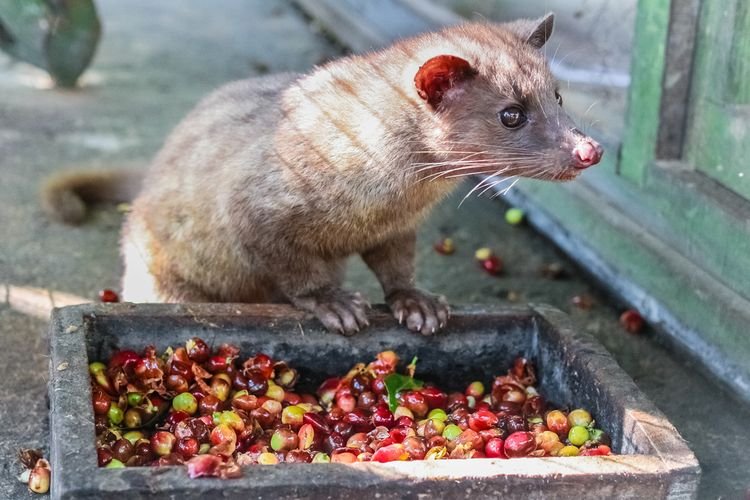
    Civet coffee indonesia traces its origins back to the early 18th century when Dutch colonizers introduced coffee cultivation to the Indonesian archipelago. However, it was during the era of Dutch colonization that the unique process of Civet Coffee production was discovered. Local farmers noticed that Asian palm civets, small mammalian creatures, consumed coffee cherries and later excreted partially digested coffee beans. This discovery led to the birth of Civet Coffee, with Indonesia being at the forefront of its production.

    Curiosity sparked further exploration, leading to the realization that the civet cats’ digestive enzymes interacted with the coffee beans during the digestion process. This interaction, combined with the fermentation that occurred in the civets’ digestive tract, resulted in distinct changes to the coffee beans’ composition and flavor profile.

    Indonesia’s diverse ecosystems and fertile landscapes provide an ideal habitat for civet cats, contributing to the proliferation of Civet coffee production in the country. The coffee-growing regions of Sumatra, Java, Bali, and Sulawesi have become renowned for their high-quality Civet coffee.

    The Civet Coffee Indonesia Production Process

    The production process of Civet coffee, also known as Kopi Luwak, involves several meticulous steps that contribute to its unique flavor and highly sought-after status. Let’s delve into the intricacies of the Civet coffee production process:

    1. Selection of Coffee Cherries
      Farmers carefully select only the finest and ripest coffee cherries for Civet coffee production. These cherries must be at their peak of flavor and quality to ensure the best results.
    2. Consumption and Digestion by Civet Cats
      The selected coffee cherries are fed to captive civet cats, primarily the Asian palm civet. These small mammals have a particular fondness for coffee cherries. Once consumed, the cherries go through the civets’ digestive system.
    3. Harvesting of Civet Coffee Beans
      After the civets have ingested the coffee cherries, the beans go through the digestive process. While in the civets’ stomach, enzymes interact with the beans, resulting in fermentation and chemical changes. The beans are then excreted in the civets’ feces.
    4. Collection and Cleaning
      The excreted coffee beans are collected from the civet cat feces, typically done manually. The beans are carefully sorted and meticulously cleaned to remove any impurities.
    5. Fermentation and Processing
      The collected coffee beans undergo a fermentation process, usually in a controlled environment. This fermentation stage helps develop the distinct flavors and characteristics that Civet coffee is known for. After fermentation, the beans are thoroughly washed and carefully dried.
    6. Roasting
      Once dried, the Civet coffee beans are ready for roasting. Roasting is a crucial step in bringing out the desired flavors and aromas. Experienced roasters carefully monitor the roasting process to ensure the beans reach the optimal level of roast.
    7. Grinding and Brewing
      After roasting, the beans are ground to the desired consistency, depending on the brewing method preferred by consumers. Civet coffee can be prepared using various brewing techniques such as drip brewing, French press, or espresso machines.

    It should be noted that the Civet coffee indonesia production process necessitates rigorous attention to detail and experience at all stages. Because each batch of Civet coffee is quite tiny, there are only a limited number of them accessible on the market. This exclusivity, combined with the distinct flavor profile produced by the civets’ digestive process, leads to Civet coffee’s high value and popularity.

    The Rise of Civet Coffee Indonesia

    The rise of Civet coffee, also known as Kopi Luwak, in Indonesia has been characterized by increasing local and international demand, along with several challenges and considerations. Let’s explore these factors in more detail:

    Local and international demand for Civet Coffee

    Civet coffee’s distinct flavor profile and unusual production technique have piqued the interest of coffee connoisseurs all over the world. Civet coffee is highly sought after by connoisseurs and those looking for a one-of-a-kind coffee experience due to its scarcity and exclusivity. This rising demand has spurred the rise of Civet coffee in both domestic and international coffee markets.

    Challenges faced by Civet Coffee producers

    Despite rising demand, Civet coffee production creates a number of hurdles for growers. One key difficulty is the scarcity of Civet coffee. The production procedure is time-consuming and labor-intensive, with each civet generating only a little amount of beans. This scarcity raises the price of Civet coffee and creates logistical challenges in supplying the expanding market demand.

    Certification and ethical concerns

    The growing popularity of Civet coffee has sparked questions about the ethical treatment of civet cats used in the manufacturing process. There have been instances of animal welfare difficulties in the past, such as civets being kept in deplorable conditions. To address these concerns, certificates and norms for the ethical care of civet cats have been devised. These certifications confirm that the coffee beans were sourced properly, without jeopardizing the animals’ well-being.

    Economic impact on local communities

    Civet coffee manufacturing has had a substantial economic influence on local people in Indonesia’s coffee-growing regions. Farmers now have a vital source of income thanks to the increased demand for Civet coffee. Furthermore, the emergence of Civet coffee has boosted tourism in these areas, attracting people who want to see the production process firsthand and sample this distinctive coffee variety. This flood of tourists has helped to boost local economies and the development of linked businesses.

    Civet coffee’s rise in Indonesia has been spurred by both domestic and international demand. While this provides economic opportunity for farmers and communities, it also raises issues such as limited supply and ethical problems. The industry aspires to secure the continuous expansion and sustainability of Civet coffee production by establishing certifications and encouraging responsible methods, benefiting both the local economy and the welfare of civet cats participating in the process.

    Also Read: Do You Know? Fun Facts About Asian Palm Civet for You!

    The Future of Civet Coffee

    As we look ahead, several trends and opportunities emerge for Civet Coffee:

    Emerging trends and innovations: Continued research and innovation in coffee production techniques can further enhance the quality and sustainability of Civet Coffee.
    Market potential and growth opportunities: The growing appreciation for specialty and unique coffee varieties presents an optimistic outlook for Civet Coffee in the global market.
    Sustainability initiatives and certifications: Increased focus on sustainability and certifications will further strengthen the reputation and demand for ethically produced Civet Coffee.

    Conclusion

    Civet Coffee, with its captivating history and meticulous production process, remains a cultural and culinary treasure in Indonesia. Its unique flavors and the dedication of farmers and producers have made it a prized delicacy worldwide. As the industry moves forward, it is crucial to maintain a balance between quality, sustainability, and the well-being of civet cats to preserve the legacy of Civet Coffee for future generations.

  • Brewing Concerns: Can I Safely Drink Coffee While Breastfeeding?

    Brewing Concerns: Can I Safely Drink Coffee While Breastfeeding?

    Coffee and breastfeeding

    Understanding the Effects of Coffee While Breastfeeding

    As a breastfeeding mother, you may be wondering if it’s okay to have your daily cup of coffee. Understanding the effects of coffee while breastfeeding is critical for making informed decisions that benefit both your health and the health of your baby.

    Also Read: Can We Drink Coffee During Pregnancy? Look This Potential Risk

    The Presence of Caffeine in Coffee and its Impact on the Body

    Caffeine is a stimulant that can impact the central nervous system. Caffeine is taken into your circulation and can transfer into your breast milk when you drink coffee. As a result, your infant may be exposed to caffeine through nursing.

    How Caffeine Passes through Breast Milk

    Caffeine passes easily into breast milk and reaches a peak in your milk about an hour after consumption. Caffeine can take hours to clear from your system and your breast milk. Keep in mind that each individual’s metabolism of caffeine is different.

    Potential Effects of Caffeine on Infants

    While caffeine affects everyone differently, newborns’ metabolic systems are immature, making it more difficult for them to metabolize and eliminate caffeine. Caffeine consumption by nursing mothers may cause increased irritability, trouble sleeping, or fussiness in some newborns. It is crucial to remember, however, that not all infants will react the same way.

    Safe Limits of Coffee Consumption

    Determining the safe limits of coffee consumption while breastfeeding is critical for ensuring your baby’s safety while yet enjoying your favourite beverage.

    • Recommended Guidelines for Caffeine Intake during Breastfeeding
      Caffeine intake should be limited to 200 milligrams (mg) per day when breastfeeding, according to medical professionals. This is roughly the size of one 12-ounce cup of coffee. Individual sensitivity to caffeine might vary, so pay attention to how your baby reacts and regulate your intake accordingly.
    • Factors Influencing Individual Sensitivity to Caffeine
      Some people may be more sensitive to caffeine’s effects than others. Caffeine metabolism is influenced by factors such as body weight, metabolism, and heredity. Monitoring your baby’s behaviour and modifying your coffee consumption accordingly can assist you in striking the proper balance.
    • Balancing Coffee Consumption with a Healthy Breastfeeding Routine
      Finding a balance that works for you and your baby while incorporating coffee into your breastfeeding regimen is essential. Consider timing your coffee use to reduce the quantity of caffeine in your breast milk at important times, such as bedtime or when your infant is most susceptible to its effects.

    Risks and Considerations

    While moderate coffee drinking is generally considered safe for nursing women, it is critical to be aware of potential hazards and precautions.

    • Possible Negative Effects of Excessive Caffeine on Breastfeeding Babies
      Caffeine consumption by nursing mothers might cause irritability, poor sleep patterns, and increased fussiness in some newborns. If you detect these symptoms in your kid, limiting your coffee intake may be worth a try to see if there is an improvement.
    • Identifying Signs of Caffeine Sensitivity in Infants
      Because every baby is different, some may be more sensitive to caffeine than others. If you suspect your baby is caffeine sensitive, look for symptoms such as restlessness, irritability, or difficulty sleeping. Consultation with your healthcare professional can assist in determining whether caffeine is the culprit.
    • Special Considerations for Preterm Infants or Babies with Health Conditions
      Preterm infants or babies with certain health conditions may be more susceptible to the effects of caffeine. In these cases, it’s crucial to consult with your healthcare provider to determine the best course of action and whether caffeine consumption should be limited or avoided altogether.

    Benefits and Alternatives

    While there are concerns about drinking coffee while breastfeeding, there are also benefits to drinking coffee in moderation. Alternatives to coffee can also deliver similar joys without caffeine.

    Benefits of Moderate Coffee Consumption for Breastfeeding Mothers

    For sleep-deprived breastfeeding women, moderate coffee consumption might deliver a much-needed energy boost. It can also be a soothing ritual and a moment of relaxation amid a hectic day. A cup of coffee in moderation can improve your overall well-being and breastfeeding experience.

    Exploring Alternatives to Coffee for Nursing Moms

    There are alternatives to consider if you choose to limit your caffeine intake or if your infant exhibits signs of caffeine sensitivity. Herbal teas, decaffeinated coffee, and caffeine-free beverages can be refreshing alternatives to the norm.

    How to Minimize Caffeine Exposure for Breastfeeding Infants

    If you choose to drink coffee while breastfeeding, there are ways to limit your baby’s caffeine intake. This includes breastfeeding before the consumption of coffee, providing time for caffeine metabolism before breastfeeding, and pumping and storing breast milk before using coffee.

    Tips for Enjoying Coffee Safely

    Coffee and breastfeeding

    You can drink coffee while breastfeeding safely and responsibly if you follow a few easy guidelines.

    • Strategies for Monitoring Caffeine Intake while Breastfeeding
      Keeping track of your caffeine consumption by counting the number of cups consumed can assist you in staying under the suggested limits. Being aware of the size of your coffee cups as well as the caffeine level of various coffee varieties might also be beneficial.
    • Optimal Timing for Consuming Coffee to Minimize Potential Risks
      Strategic coffee drinking can help reduce the quantity of caffeine in your breast milk during times when your infant may be more sensitive to its effects. Nursing your kid just before drinking a cup of coffee, for example, can give caffeine more time to be digested.
    • Staying Hydrated and Maintaining a Balanced Diet during Breastfeeding
      While breastfeeding, drinking water and eating a balanced diet are critical for overall health and well-being. Hydration can help counteract the diuretic effects of coffee, while a well-balanced diet can offer the nutrients you and your baby require.

    Conclusion

    You can safely have your cup of coffee while nurturing your baby if you understand the effects of coffee on breastfeeding, follow prescribed guidelines, and pay attention to your baby’s response. Balancing your coffee use with a healthy breastfeeding practice and obtaining professional advice will enable you to make informed decisions that emphasize the health of both you and your baby.

  • Are Coffee Halal vs. Haram : Sorting Fact from Fiction

    Are Coffee Halal vs. Haram : Sorting Fact from Fiction

    Coffee Halal or Haram

    Is coffee halal or haram? As you may already know, coffee is one of the world’s most popular drinks. However, whether coffee and caffeine are halal or haram is a significant issue for Muslims. Halal is an Arabic term for something permissible for Muslims to perform, use or consume. Meanwhile, the opposite of it is called haram in Arabic.

    The concept of halal and haram has been mentioned in Quran.

    “Eat of the good, lawful things provided to you by Allah; and be mindful of Allah in Whom you believe.”

    Surah Al-Ma’idah (88)

    Halal in this verse not only refers to how the food is obtained but is also related to the content and benefits for the body.

    Then, are all coffees halal? That is one of the questions we will explore in the discussion below. So whether you are a coffee shop owner or simply learning more about the halal status of coffee, keep reading!

    Is Coffee and Caffeine Halal?

    Halal Logo
    Halal Logo in FnB

    The Quran is not explicit in discussing the halal status of coffee and caffeine. However, suppose we refer to Surah Al-Ma’idah (88). In that case, coffee is definitely halal because the process of coffee production doesn’t involve any fermentation step that can produce alcohol.

    While coffee is rich in caffeine and is considered intoxicant, this beverage doesn’t result in drunkenness, drowsiness, or any other inebriating effects, as stated by a Fatwa by Imam Shihab al-Din.

    Shaykh Farza A. Khan also mentioned that “intoxicant” in the Quran refers to substances like weed or wine that have inebriating effects. Dar al-Ifta Al Misriyyah’s Fatwa further supported the halal status of coffee and caffeine by addressing that small amounts of anything are prohibited if excessive intake causes drunkenness.

    As a result, practically all Muslim scholars concur that coffee is halal. Such matters must always have a firm foundation and supporting scientific data.

    Are Luwak Coffee Halal?

    Facts About Asian Palm Civet
    Luwak Coffee/ Asian Palm Civet

    All coffees are practically halal to consume, even the well-known Luwak coffee. Luwak is the Indonesian word for civet, an animal from which Luwak coffee is obtained.

    The droppings 

    of the civet are properly cleansed and processed to produce quality coffee. Therefore, Luwak coffee is considered halal by Irsyad Al-Fatwa. Indonesian Ulema Council also issued the halal status of Luwak coffee. 

    While the coffee comes from the civet’s anus, it’s considered safe and halal since coffee beans are correctly processed. So, is this coffee halal or haram? If you are still asking this question, there is no wrong with choosing brands with halal certification to clear your doubts.

    Related Article: Do You Know? Fun Facts About Asian Palm Civet for You!

    Are All Coffees Halal?

    In general, all coffees are halal, yet there is one that cannot be considered halal, namely wine coffee. It is due to the product’s name, which contains the word “wine .”According to Dr. Ir. Muslich, M.Si., there are specific criteria regarding the halal certificates for food products in Indonesia.

    One of the criteria is related to the product’s name. Coffee wine, for instance, is not considered halal because it has “wine” in it, and the name is considered haram. While the product doesn’t have any haram ingredients, they remain haram.

    Fatwa About Coffee and Caffeine Considered Halal

    Islamic Jurist
    Islamic Jurist

    Fatwas regarding the halal status of coffee and caffeine have been stated above. But there is one additional Fatwa by Imam Shihab al-Din which addressed that it is lawful to consume everything permissible, excluding what Allah has made to be forbidden.

    So, coffee is lawful to drink since it’s free of anything that leads to drunkenness and doesn’t harm the body. In fact, this bitter beverage makes your body feels energized to tackle all your daily chores. Still, it’s important to note that all lawful things to be consumed can harm the body if consumed excessively.

    Islamic Attitudes Toward Coffee and Caffeine Consumption

    While coffee is now halal-friendly, it was once considered ‘sinful’ by Kha’ir Beg, a governor of Mecca, in 1511 CE. It was once again banned in Cairo and Constantinople during the reign of the Ottoman Empire. Seyhulislam Ebussuud, the Ottoman’s official religious scholar, issued a fatwa against the consumption of coffee. 

    During those eras, governors and purist Muslims deemed coffee a stimulant with the same harmful effects as alcoholic beverages. Due to the increase in people gathering in coffee shops, thoughts considered radical by those rulers were on the rise. 

    There was a possibility of riot since people might have plans to overthrow the ruler; thus, the ban. They even issued death threats to anybody who disobeyed the order. All these were because the government was worried about their collapse.

    It was not until 1524 the ban on coffee consumption was lifted. Mufti Mehmet Ebussuud el-Imadi, the grand scholar of Sulat Selim I’s reign in the Ottoman Empire, issued a fatwa declaring coffee acceptable. To this day, coffee remains halal and is consumed by all Muslims worldwide.

    Conclusion

    So, is coffee halal or haram? As already elaborated above, coffee is considered halal because it has no ingredients that can lead to drunkenness or inebriating effects. Also, all coffees are practically halal, including the well-known Luwak coffee, which comes from civet droppings. However, wine coffee cannot be considered halal because of the word “wine” in its name.

  • Wet Hulled Coffee Process: Unique Technique from Indonesia

    Wet Hulled Coffee Process: Unique Technique from Indonesia

    Wet Hulled Process

    Ever heard of the wet hulled coffee process? It may be less common than other coffee processes, yet it’s popular in Indonesia, particularly in Sumatra and Sulawesi. However, it needs to be clarified when it was first introduced; some believe it was way before the Dutch introduced coffee in the country. Then, what makes it unique, and why do Indonesian coffee farmers prefer this method? 

    So, What is Wet Hulled Coffee Process?

    Wet Hulled Process Explanation
    Coffee Grinding

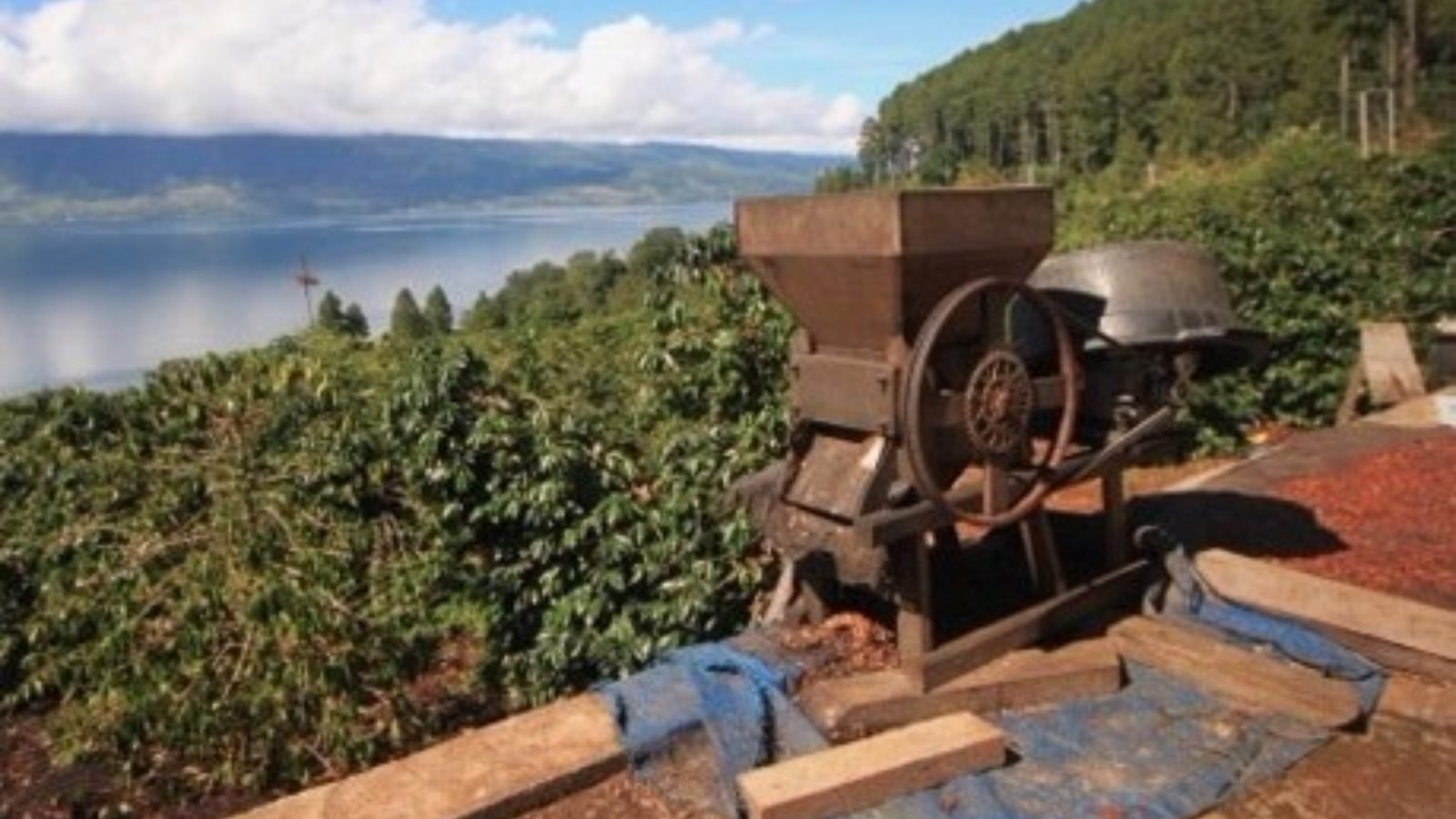
    The wet hull process, also called giling basah in the Indonesian language, is a method of drying coffee cherries in an area with high humidity, like in Indonesia. This process begins with harvesting the fruits before putting them in a hand-cranked coffee de-pulper. This machine removes the fruits’ skin rather than the pulpy. 

    The skinned coffee fruits are then set aside to undergo overnight fermentation. This results in the breakdown of the mucilage or layer beneath the coffee cherries’ skin. The following day, the coating is thoroughly rinsed away, leaving only the thin layer of parchment. The fruits are then sun-dried for a total of 2-3 days, faster than the other processes.

    Characteristics of Wet Hulled Coffee

    Characteristic of Wet Hulled Process
    Coffee Color After Through Wet Hulled

    Of all types of coffee processing methods, the wet hulled is hands down the fastest. This method provides a reasonably distinct flavor that will increase one’s experience sipping a cup of coffee. It’s rich and earthy, with a hint of herbal flavor here and there.

    The unique flavor profile of wet hulled coffees results from air-drying after coffee fruits are hulled. Therefore, specific batches may offer stronger earthy tones than others, depending on the likelihood of irregularities. However, the anomalies will result in a rich flavor if the beans you use are top quality.

    The wet hull method is widely used to process various types of coffee beans in Indonesia. The following are some of the popular ones:

    • Sumatra coffee: The island of Sumatra provides quality coffee beans processed with the wet hulled method. The most popular ones include Gayo (Aceh), Sidikalang (North Sumatra), and Lampung coffee (Lampung).
    • Sulawesi: Sulawesi or Toraja coffee is known as one of the highest quality coffee beans in the world that also uses the wet hulled method.
    • Java:  Wet hull is also implemented to produce Java arabica coffees cultivated on the Ijen plateau.

    Why Indonesian Farmers Wet Hull Their Coffee?

    Indonesia farmers
    Indonesian farmers are doing Wet Hulled Process

    Average quality coffee requires between 2 and 3 weeks to thoroughly dry in a warm climate area. This would take much longer in Indonesia, where most parts of the country have high rainfall. Based on Statista data from 1991-2020, the average monthly rainfall in Indonesia ranged from 166.9 millimeters (August) to 299.19 millimeters (December).

    The rainy season occurs from October to April, although there is a regional variation. All in all, the wet season runs in Indonesia almost throughout the year. Thus, coffee farmers prefer the wet hulled coffee process, which takes much less time than other methods. If farmers used the dry method, the coffee would defect because of its high moisture content.

    The Benefits of Wet Hulled Coffee Process?

    Most benefits of the wet hulled process are not for coffee connoisseurs keen on even the subtle flavor of their drinks but for the farmers. How so? In general, the wet hull is a time-efficient method for producing coffee. 

    That means coffee farmers can make a profit much more quickly. Especially for small-scale coffee farmers who rely heavily on earning a fast income, this method truly helps them a lot in living off their land. 

    However, most farmers only earn a small economic reward if the quality of wet hulled coffee is run-of-the-mill. Also, the beans are mainly used for blends in businesses that serve coffee, where average joes would do.

    Wet Hulled Process for Roaster and Barista

    Wet Hulled Process Roaster
    Wet Hulled Process Roaster

    Wet hulled coffee beans can be challenging to roast. Yet a small amount of these beans can increase a blend’s body, thus, affecting the flavor of the end product. But use a low percentage of it since high use of it make the blend taste muddy. The rule of thumb is finding the correct ratio.

    For baristas, wet hulled coffees only have minimal sweetness and acidity but have a hefty body. Therefore, pay attention to your temperature to avoid burning the already hefty blend’s body. Also, keep your shot runs short to maintain a balance in your flavor combinations to bring out the most unique profiles of the coffee. 

    When done properly, the wet hulled coffee process can produce coffee beans with a distinct flavor. It may not be for everyone, but if you get quality wet hulled coffee, you will find the taste unique. Wonder where to get quality wet hulled coffee beans? You can always reach out to FnB Tech Indonesia. We have years of experience selling Indonesian quality coffee beans to over 17,000 buyers in local and international markets. So, don’t hesitate to contact us to experience Indonesia’s most authentic coffee beans.

  • Environmental Impact and Taste: Organic vs Non Organic Coffee

    Environmental Impact and Taste: Organic vs Non Organic Coffee

    Organic Coffee Plants

    Organic food has been increasingly popular during the last ten years. Yet, in terms of coffee, do coffee enthusiasts really need to put it into mind? What’s the difference with regular coffee, and which is better? We are going to find out the thorough answers to the battle of organic vs non organic coffee in the discussion below.

    Definition of Organic Coffee

    Organic Coffee
    Ilustration of Organic Coffee

    Organic coffee refers to coffee that is cultivated without the use of pesticides, synthetic fertilizers, and GMOs (genetically modified organisms). Simply put, farmers use all-natural methods to grow coffee. 

    Even if farmers use pest control methods and fertilizers, it’s all-natural, such as using leftover coffee grounds and cattle manure. In the US, farmers must adhere to the existing organic standards and practices to obtain organic certification from the USDA.

    Benefits of Organic Coffee

    Since it is devoid of potentially dangerous chemicals, organic coffee is believed to benefit health and the environment. For consumers, this coffee is rich in nutrients. It is the simplest option to protect the body from toxic substances used in regular coffee. This also benefits the farmers’ health since they no longer be exposed to harmful chemicals to cultivate coffee.

    Indeed, organic coffee is also a better choice for the environment. Coffee plants are typically grown under shades to provide habitat for surrounding species. Because no harmful chemicals are involved, soil health and biodiversity can also be promoted. 

    Organic Coffee Healthier than Regular Coffee? 

    The safest answer is that organic coffee is a better option than regular coffee if we merely talk about the use of toxic substances in cultivation. Why better? Just because coffee is organically grown, it doesn’t mean it is free of harmful stuff. When poorly processed and stored, coffee beans can grow mold that produces mycotoxins, leading to health concerns.

    According to Healthline, various studies show that these toxins are found in a significant amount of beans and even end up in the end product. Fortunately, molds can be eliminated by employing the correct wet processing method. 

    Employing a correct roast method can also kill molds. According to a study published in Pubmed, ochratoxin A content on coffee beans can be decreased by 69% to 96% with proper roasting.

    So, comparing organic vs non organic coffee, the former is the healthiest option if the brand you purchase has a certificate that it has been tested by a third party to make sure it’s free of health concerning mold.

    Definition of Non-Organic Coffee

    Ilustration of Non Organic Coffee
    Ilustration of Non-Organic Coffee

    Non-organic coffee, also called regular coffee, is grown with many substances from fertilization to pest removal treatments. Regular coffee plants are typically cultivated as monoculture and in controlled rows.

    In this setting, regular coffee shrubs have no additional shade from other trees, making them uncovered from the sunlight and a variety of pests. These make the birds that typically feed on coffee pests unable to thrive.

    Difference Between Organic and Non-Organic Coffee

    From the elaboration above, you can see that organic coffee is a much better option for consumers, farmers, and the environment. But let’s delve more into the other comparison aspects of organic and regular coffee.

    Nutritional value comparison

    As reported by Mayoclinic, various studies have reported that organic products have a small to moderate nutrient boost. Some antioxidants may also be present in higher concentrations in organic products. So, it can be said that organic coffee is packed with more nutrients than its counterpart. 

    Environmental impact comparison

    Regular coffee plants use the monoculture farming method, which requires various substances. In contrast, the organic one uses the shade trees farming method. In short, the latter is better for the environment because shade trees eliminate the need to use chemicals. It also protects the surrounding ecosystem by promoting water and soil quality, which can help reduce carbon footprints.

    Taste and quality comparison

    There has yet to be research studying the taste and quality of organic coffee beans. They could be on par with regular coffee beans. Yet, some sources also mentioned that particular coffee drinkers could taste the difference between the two. 

    Either way, the taste and quality types of coffee beans are influenced by four factors: where and when the coffee is cultivated, how the fruits are processed and roasted, the variety, and how the beans are brewed.

    Price comparison

    In terms of price, organic coffee is more costly than regular. The reasons are that organic coffee requires cost for certification, labor cost, and all expenses for the additional work involved in maintaining the crops.

    So, What Makes Organic Coffee Better?

    Comparing organic vs non organic coffee, the former could be a better option if it’s already third-party tested to ensure it’s devoid of toxins. Also, opt for the specialty one because the differences between specialty vs commercial coffee that is organically cultivated are so noticeable, especially in the taste and quality. Don’t know where to buy such coffee for your coffee shop needs? FnB Tech Indonesia can supply quality organic coffee beans for you. We have years of experience providing over 17,000 customers with quality Indonesian coffee beans.

  • Knowing the Differences between Americano and Long Black Coffee

    Knowing the Differences between Americano and Long Black Coffee

    Americano vs Long Black Coffee

    How to enjoy espresso in different ways? You can try Americano or Long Black. At first, you may find both beverages look and taste alike, to the point that you can’t even distinguish them. Indeed, they are both espresso-based and use hot water in the making. However, there are interestingly some subtle differences between Americano and Long Black. 

    Let’s see what makes these two popular variations of black coffee different.

    What Is Americano Coffee

    Americano Coffee
    Americano Coffee

    A staple in most coffee shops, Americano is a black coffee made by combining a shot(s) of espresso with hot water. What will make it different from Long Black is how to make it – the making order. Based on the general consensus, you make Americano by adding espresso to the cup and then pouring hot water over it. 

    We can trace back the history of Americano to Italy – originally Café Americano – evolving from the Italian cafe culture. The Italian baristas realized that espresso was too strong and flavorful, especially for Americans. Therefore, they watered down the espresso and served it in a larger cup. 

    The flavor profile of Americano will depend on several factors, like the type of beans used, different regions where coffee beans grow, roasting processes, and many more. Generally speaking, darker roast coffee beans – dubbed as espresso beans – are preferable for making a great Americano. 

    Also read: Be The Master! 4 Coffee Roasting Levels Chart: W/ Image & Guide

    What Is Long Black Coffee

    Long Black Coffee
    Long Black Coffee

    Long Black is another type of black coffee, pretty similar to Americano, having the same ingredients – espresso and hot water. However, you make Long Black in a different order – add a small amount of hot water to a cup and then pull one or two shots of espresso into it.

    The order surprisingly makes a difference! You will get a distinct result of a stronger, bolder flavor compared to Americano since the aromatics of crema are not disrupted. Crema is a thin, tan-brownish foam layer you will get on top of a shot of espresso. It is said that crema maintains the taste of the espresso and the tiny bubbles boost the sweetness. 

    First made in Australia and New Zealand, the story was almost similar, namely to appease American tourists with milder espresso-based coffee drinks.

    The Difference in Caffeine Content in Americano and Long Black 

    The differences between Americano and Long Black also lie in their caffeine content. For both drinks, the caffeine content will greatly depend on the number of espresso shots they use. It also can vary due to other factors, such as the coffee quality and the barista’s preciseness. 

    By and large, the common serving of a single drink uses double shots of espresso. 

    Caffeine Content in Americano:

    If 1 shot of espresso equals 77mg of caffeine (on average), hence typically:

    • A serving size of 6-8 fl oz may have 77mg caffeine content
    • A serving size of 12-16 fl oz may have 154mg caffeine content, which is very high, and 5 calories
    • A serving size of 20-24 fl oz may have 231mg caffeine content

    Caffeine Content in Long Black:

    • A serving size of Long Black per fl oz contains 25.67mg of caffeine or about 86.79 mg of caffeine per 100 ml. 
    • A serving size of 6 fl oz contains total caffeine of 154mg, which is very high, and 2 calories.   

    Which Is Stronger between Americano and Long Black Coffee

    differences between americano and long black

    Originating from Americans who longed for a lighter version of espresso, Americano is a freshly brewed espresso topped with hot water. As a result, it is milder and smoother.

    On the other hand, Long Black is usually brewed with lesser water than Americano, therefore, it is stronger in aroma and fuller in taste. Pouring espresso on top of the water will preserve the so-called crema and richness. 

    Moreover, you can usually find Long Black in a serving size of 8oz cup (about 230ml). Meanwhile, you can order Americano in 8oz, 12oz (about 350ml), or even 16oz (about 470ml) serving cups. 

    Benefits of Drinking Americano and Long Black Coffee?

    So, what is the benefit of drinking Americano and Long Black? First, both of them give you incredible caffeine boosts – kick and shot. And second, they contain low-level calories which are good choices for health-conscious coffee drinkers, especially regarding their calorie intake. 

    Also read: Can We Drink Coffee During Pregnancy? Check Out These Facts!

    So, Which is Better between Americano and Long Black Coffee

    To sum up, both Americano and Long Black are espresso-based drinks that nearly have undistinguishable features. Invented in Italy, we make Americanos by pouring hot water on top of freshly brewed shots of espresso. Meanwhile, Long Black, originating from Australia and New Zealand, is made by the polar opposite of that. 

    Also read: Cold Brew vs Hot brew: Everything You Need to Know

    The making order may appear a trivial distinction, but the differences between Americano and Long Black, particularly in their flavors, are obvious. If you like espresso in milder and mellower versions, you can try Americano. If you prefer a stronger aroma and fuller taste than Americano, you can pick Long Black.