Tag: coffee

  • Japanese Coffee Culture: Exploring the Top 10 Japanese Coffee Brands

    Japanese Coffee Culture: Exploring the Top 10 Japanese Coffee Brands

    Coffee enthusiasts often associate Japan with traditional tea ceremonies, cherry blossoms, and cat cafes. However, Japan has developed a thriving coffee culture with a rich history that dates back to the 18th century when Dutch merchants introduced coffee to the country. Today, Japan boasts an array of coffee brands that offer a diverse range of coffee experiences, from major corporate coffee companies to traditional kissaten-style brands and cutting-edge third-wave coffee establishments. In this article, we will explore the top 10 Japanese coffee brands, each offering a unique perspective on the world of coffee.

    Japanese Coffee Culture: 1. UCC (Ueshima Coffee Company):

    UCC, short for Ueshima Coffee Company, is a true pioneer in the Japanese Coffee Culture. Established in 1933 as a modest shop in Kobe, UCC has grown into a global coffee giant with a rich history of innovation. Their most notable contribution to the coffee world is the introduction of the world’s first canned coffee in April 1969. This groundbreaking development revolutionized coffee consumption, making it convenient and readily available to people on the go.

    Japanese Coffee Culture UCC (Ueshima Coffee Company)

    UCC’s commitment to quality extends to a diverse range of coffee-related products, catering to various consumer preferences. They offer everything from ground coffee to instant coffee, pre-made coffee products, and even drip pods. This extensive product line ensures that coffee enthusiasts can enjoy the UCC experience both at home and on the move.

    In addition to their coffee products, UCC has ventured into the café business with multiple café brands. Each of these brands offers a unique ambiance and brewing method, catering to different tastes and preferences. Ueshima Ko-hee-ten, for instance, embraces a traditional kissaten vibe and serves coffee brewed using the Nel-drip method, a manual brewing technique highly popular in Japan. On the other hand, Mellow Brown Coffee provides a more Western atmosphere, offering a variety of espresso-based drinks and even pioneering the concept of ‘draft coffee’ using nitrogen gas infusion to create a delightful foam on their iced black coffee.

    UCC’s legacy in the Japanese coffee scene is a testament to their dedication to innovation, quality, and catering to a wide range of coffee experiences.

    2. BOSS (by Suntory):

    BOSS coffee, created by Suntory, has established itself as a prominent name in the ready-to-drink coffee market. Suntory, a beverage industry leader with a history dating back to 1899, has successfully leveraged its expertise to craft delightful canned coffee. Despite its reputation for alcoholic beverages, Suntory’s foray into the coffee world has been nothing short of impressive.

    The BOSS coffee brand has become synonymous with “Working man’s companion,” an ethos rooted in providing individuals with a convenient and satisfying coffee experience. This brand’s success can be attributed to its unique blend of flavors, rich and deep with no unpleasant aftertastes often associated with ready-to-drink coffee products.

    BOSS coffee offers a variety of options to cater to different tastes. Some popular choices include the BOSS Rainbow Mountain Blend, which features a double espresso made from beans certified by the Guatemalan National Coffee Association as the ‘Rainbow Mountain blend.’ Other favorites include BOSS Coffee No-sugar Black and Premium BOSS black coffee.

    One of the secrets behind the exceptional taste of BOSS coffee is its ‘flash brewing’ process. This method involves brewing coffee using hot water, similar to a pour-over, but cooling it rapidly over ice. This process preserves the coffee’s flavor while preventing the loss of its delicious qualities. BOSS also sources high-quality beans from Brazil and Colombia, using a fully developed roastery to ensure that the beans are roasted to perfection.

    BOSS coffee has managed to win over coffee lovers with its commitment to excellence and balance of sweetness and bitterness in its offerings.

    3. Dotour:

    Dotour is a well-known chain of coffee shops in Japan, celebrated for providing a comfortable and inviting atmosphere to enjoy quality coffee and food. This coffee brand has successfully combined relaxation with affordability, making it a popular choice for locals and travelers alike.

    The Dotour experience begins with its warm and welcoming café spaces, designed to be clean and relaxing, creating the ideal setting for savoring a cup of coffee. What sets Dotour apart is its commitment to offering an array of espresso-based drinks, ensuring that the quality of their coffee remains consistent even in the era of third-wave coffee. This dedication to providing a range of coffee experiences has earned Dotour a loyal following.

    In addition to their café offerings, Dotour extends its influence to Japanese airports, providing travelers with a taste of their signature coffee as soon as they arrive in the country. This strategic move allows them to leave a memorable impression on tourists and coffee aficionados from around the world.

    Dotour’s commitment to coffee quality and overall customer experience is a testament to their role as a major player in the Japanese Coffee Culture.

    4. Sapporo Coffee Kan:

    Sapporo Coffee Kan, hailing from Hokkaido, a region celebrated for its natural beauty and gastronomic delights, has garnered attention for its commitment to bringing out the best qualities of Japanese coffee culture. This brand’s approach goes beyond offering coffee; it embodies unique ingredients, roasting techniques, ‘Kodawari’ (pursuit of perfection), and ‘Omotenashi’ (Japanese hospitality).

    Since its inception in 1982, Sapporo Coffee Kan has been roasting its coffee beans using a rare and traditional Japanese technique called Sumiyaki (Charcoal) Coffee Roasting. This method imparts a rich, smoky flavor to the coffee while preserving the original taste and characteristics of each coffee bean. The attention to detail doesn’t stop at roasting; Sapporo Coffee Kan also customizes the café experience to suit the time of day, changing lighting and background music to create the perfect ambiance for guests.

    As a testament to their commitment to Japanese culture, the café features limited edition items on its menu, such as ‘Cherry Blossoms Chiffon Cake’ during the spring season, reflecting the importance of seasonal change in Japan. Sapporo Coffee Kan’s dedication to ‘Kodawari’ and ‘Omotenashi’ has allowed them to stand out in the Japanese coffee scene, making it a must-visit for coffee enthusiasts seeking a unique coffee experience.

    5. Komeda Coffee:

    Komeda Coffee, founded in 1968, has committed itself to creating an atmosphere where guests can truly relax. The founder’s vision was to establish a space that serves as a “second living room,” and this philosophy is deeply ingrained in the brand’s culture. This coffee brand is known for its unwavering dedication to the small details of coffee, customer service, food, and interior design.

    One of the standout features of Komeda Coffee is its in-house bakery, where highly skilled artisan bakers craft bread with great care and craftsmanship. The quality of customer service is reflected in the design of their coffee cups, which feature a thick rim to minimize heat loss, ensuring that guests can enjoy their coffee piping hot.

    When visiting Komeda Coffee, there are several signature items that come highly recommended. These include the Ogura Toast, which features toasted white bread with sweet red bean paste and butter, and the Morning Set, offering their house blend pour-over coffee served with toast and a boiled egg. Another specialty worth trying is the ‘Azuki Komachi Coffee,’ a delightful blend of coffee with sweet red bean paste.

    Komeda Coffee’s commitment to quality, both in terms of coffee and customer experience, sets it apart as a quintessential Japanese coffee brand for those looking to enjoy a peaceful and enjoyable coffee break.

    6. Hoshiyama Coffee:

    Located in Sendai, Hoshiyama Coffee has been providing a unique and elegant coffee experience since its establishment in 1974. The brand’s mission revolves around creating an environment where guests can truly feel happiness and excitement during their coffee time. Upon entering one of their cafes, visitors are welcomed with a spacious interior reminiscent of a luxury hotel lobby, complete with high ceilings, exquisite flower bouquets, darkwooden furniture, and artwork on the walls.

    Hoshiyama Coffee offers a diverse range of coffee beans, including beans from Papua New Guinea, Ethiopia, and Brazil. Customers can choose from a wide selection of coffee brewing methods, including pour-over, espresso, and siphon. The baristas are trained to provide personalized service, and each cup of coffee is carefully prepared.

    One of the unique features of Hoshiyama Coffee is its extensive collection of over 1,000 cups and saucers. When a customer places an order, the barista meticulously selects a specific cup and saucer from this extensive collection, making each coffee experience unique.

    Their dedication to creating a luxurious and special environment, combined with a focus on brewing high-quality coffee, has made Hoshiyama Coffee a favored destination for coffee enthusiasts seeking a refined and elegant coffee experience.

    7. Glitch Coffee Roasters:

    Glitch Coffee Roasters is a prime example of a third-wave coffee brand based in Japan, a movement that emphasizes the nuances and complexities of coffee. Founded by an American, Obscura Coffee, which later became Glitch Coffee Roasters, helped pioneer the third-wave coffee movement in Tokyo.

    What sets Glitch apart is its commitment to serving single-origin coffee exclusively. Unlike traditional coffee shops that offer blends, Glitch celebrates the distinct flavors and aromas of coffee sourced from a specific region or farm. The brand’s coffee menu showcases a variety of beans from countries such as Ethiopia, Colombia, and Kenya, each with unique tasting notes.

    Glitch Coffee Roasters meticulously controls the roasting process to highlight the characteristics of each coffee bean. They also use brewing methods like pour-over, AeroPress, and siphon to ensure the flavors are preserved and accentuated. The attention to detail extends to the design of their coffee shops, which are minimalistic and tranquil, creating a serene environment for savoring coffee.

    The establishment’s knowledgeable baristas are always ready to guide customers through their coffee journey, explaining the differences between various single-origin beans and brewing techniques, making it an ideal destination for those who want to explore the intricate and diverse world of coffee flavors.

    8. Onibus:

    Onibus Coffee is one of the pioneers in Tokyo’s third-wave coffee scene. The brand, founded in 2011, quickly gained recognition for its commitment to quality coffee and a welcoming atmosphere. The founder, Atsushi Sakao, aimed to create a space where visitors could enjoy high-quality coffee without pretension.

    Onibus Coffee’s coffee menu features a wide selection of coffee beans and blends, including single origins from countries like Ethiopia, Kenya, and Panama. They offer both filter coffee and espresso-based drinks, ensuring that customers can find a coffee that suits their preferences.

    One of the standout features of Onibus is its friendly and approachable staff. Baristas are known for their welcoming attitude and willingness to engage in conversations about coffee. The brand focuses on fostering a sense of community, friendship, and family among its customers.

    The café space at Onibus is cozy, with natural wood interiors and large windows that let in ample light. This, along with their warm service, makes Onibus Coffee a favorite among both locals and coffee enthusiasts exploring the Tokyo coffee scene.

    9. Koffee Mameya:

    A visit to Koffee Mameya is akin to a pilgrimage for coffee connoisseurs. This Tokyo-based café offers a unique and immersive coffee experience that revolves around the essence of coffee itself. The space is minimalistic and simple, focusing solely on the coffee.

    Koffee Mameya’s primary focus is on selling beans, not brewed coffee. Guests can engage with coffee experts who assist them in selecting specific coffee beans based on their flavor preferences. The beans are meticulously weighed, ground, and packaged right in front of customers, ensuring that the beans are as fresh as can be.

    The café sources coffee from a variety of origins and roasters, celebrating the diversity of flavors that different beans can offer. This approach highlights the subtle variations and characteristics of coffee from around the world, making it a haven for those who appreciate the intricacies of coffee.

    Koffee Mameya’s philosophy is simple: coffee should be experienced in its purest form. This minimalistic approach, combined with a strong emphasis on customer education and engagement, creates an authentic and intimate coffee experience.

    10. %Arabica:

    Founded in Kyoto in 2013, %Arabica has rapidly become an iconic name in the specialty coffee world. The brand’s mission is to help people “see the world through coffee.” The first café, with its bold % logo and striking design, quickly gained popularity not only in Japan but also internationally.

    %Arabica is known for its commitment to offering a wide variety of specialty coffee options, including single-origin beans and a range of brewing methods such as pour-over, espresso, and cold brew. Their menu celebrates the uniqueness of each coffee beans and origin, emphasizing the diversity of flavors and aromas.

    The brand has expanded beyond Japan, opening cafes in locations across the globe, from Hong Kong to Paris and Los Angeles. This global presence has helped introduce the world to Japanese coffee culture and has made %Arabica a sought-after destination for coffee lovers around the world.

    With its bold branding and dedication to exceptional coffee, %Arabica has succeeded in making specialty coffee accessible and approachable to a broad audience, transcending cultural boundaries.

    These are just a few examples of the diverse and vibrant Japanese coffee culture, showcasing the range of experiences available, from traditional kissaten-style establishments to modern third-wave coffee roasters. Each brand reflects the unique characteristics of Japanese coffee culture and is a testament to the nation’s rich coffee heritage. Whether you’re seeking a peaceful cup of coffee in a traditional setting or an immersive journey into the intricacies of coffee flavors, Japan’s coffee brands offer something for everyone.
  • Exploring the Best Coffee Capsules: A Complete Guide

    Exploring the Best Coffee Capsules: A Complete Guide

    Coffee enthusiasts all around the world can attest to the sheer joy of a perfectly brewed cup of coffee. While traditional brewing methods have their charm, the modern era has ushered in a convenient and efficient alternative – coffee capsules. These tiny, pre-measured pods have revolutionized the way we enjoy coffee at home and in the office. In this comprehensive guide, we’ll delve into the world of coffee capsules, helping you discover the best coffee capsules available and the factors to consider when making your selection.

    The Rise of Coffee Capsules: A Revolution in Brewing Convenience

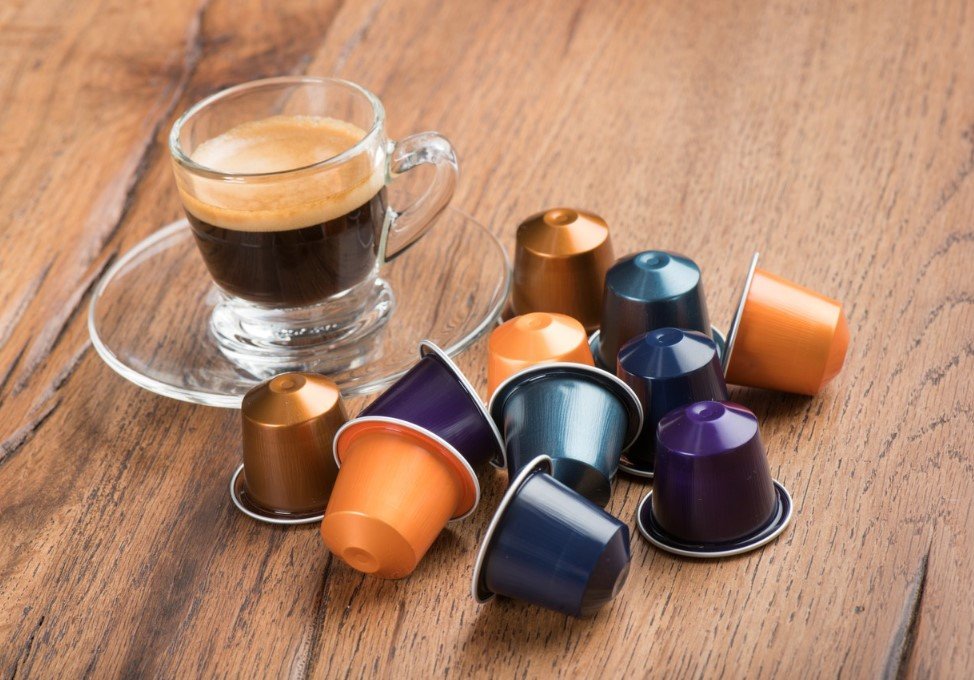
    Coffee capsules, also known as coffee pods, have experienced a meteoric rise in popularity over the last two decades. The concept was initially introduced by Nespresso, and it has since been embraced by a multitude of brands worldwide. The main appeal of coffee capsules is their convenience, consistency, and the ability to enjoy high-quality coffee without the need for specialized equipment or barista skills.

    Best Coffee Capsules

    Coffee capsules, often referred to as coffee pods, have witnessed a remarkable ascent in popularity over the past two decades. Their emergence has revolutionized the way we approach coffee brewing and consumption. To truly appreciate the meteoric rise of coffee capsules, it’s essential to delve into their origins, the factors driving their success, and the impact they have had on the world of coffee.

    The Origins of Coffee Capsules:

    The concept of coffee capsules can be traced back to the early 1970s when the Nestlé Group, in collaboration with Nespresso, pioneered the idea of single-serving coffee pods. The primary aim was to provide coffee enthusiasts with a convenient and consistently high-quality coffee experience at home. In 1986, Nespresso introduced its first home coffee machine, which marked a pivotal moment in the history of coffee brewing. These early efforts laid the foundation for the growth of coffee capsules.

    Convenience and Consistency:

    One of the key factors driving the rise of best coffee capsules is the unparalleled convenience they offer. Coffee enthusiasts no longer need to grapple with the complexities of traditional brewing methods, such as grinding beans, measuring coffee grounds, adjusting water temperature, and mastering the art of the perfect extraction. With coffee capsules, a barista-quality cup of coffee is accessible at the press of a button. The simplicity and speed of brewing coffee capsules make them an attractive option for busy mornings and on-the-go lifestyles.

    Moreover, coffee capsules provide unparalleled consistency. Each capsule contains a precisely measured amount of coffee grounds, ensuring that the coffee is brewed to perfection every time. The pre-set parameters, including water temperature and brewing time, are meticulously calibrated to produce an ideal cup, eliminating the variability often associated with traditional brewing methods.

    Variety to Suit Every Palate:

    The diversity of coffee capsules is another driving force behind their popularity. Coffee capsules are available in a wide range of flavors and coffee types, catering to a broad spectrum of tastes. Whether one craves a robust espresso, a silky latte, or a refreshing iced coffee, there is a coffee capsule for every preference. This versatility allows coffee lovers to explore a multitude of coffee styles without the need for multiple machines or complex equipment.

    Freshness Locked In:

    Coffee capsules are designed with airtight seals to preserve the freshness and aroma of the coffee until it’s brewed. Unlike traditional bags of coffee that can gradually lose their flavor and aroma over time, capsules ensure that the coffee remains at its peak of freshness until the moment it is extracted. This preservation of freshness is a significant factor in the popularity of coffee capsules.

    Reduced Waste and Environmental Considerations:

    In an era of heightened environmental awareness, coffee capsules have often been criticized for their perceived environmental impact due to the disposal of single-use plastic or aluminum pods. However, the industry has responded to these concerns. Many coffee capsule manufacturers have begun using recyclable materials for their capsules, making efforts to minimize their ecological footprint. Additionally, various brands have implemented recycling programs, encouraging consumers to return used capsules for eco-friendly disposal or upcycling.

    Coffee capsules, when managed with sustainability in mind, can significantly reduce the waste generated by traditional brewing methods. Capsules not only reduce the need for disposable paper filters but also diminish the quantity of coffee wasted due to incorrect measurements or brewing techniques.

    Accessibility and Widespread Availability:

    Another factor contributing to the rise of coffee capsules is their accessibility. Coffee capsule machines and their accompanying capsules have become readily available in the global marketplace. Major coffee brands have invested heavily in marketing and distribution, making it easier than ever to purchase compatible capsules for a wide variety of machines. This accessibility has allowed consumers to embrace coffee capsules and experience cafe-quality coffee in the comfort of their homes.

    The Future of Coffee Capsules:

    As the coffee capsule industry continues to evolve, it is expected to address environmental concerns through innovative, sustainable packaging solutions. Manufacturers are exploring biodegradable and compostable materials, reducing their reliance on traditional plastics and aluminum.

    Furthermore, advancements in coffee capsule technology are likely to yield even more precise brewing methods, enhancing the overall coffee experience. The diversity of coffee capsule flavors and styles is expected to expand, ensuring that consumers have an even wider array of choices to explore.

    In conclusion, the rise of coffee capsules can be attributed to their convenience, consistency, versatility, and preservation of coffee freshness. As coffee enthusiasts continue to seek high-quality coffee experiences at home and on the go, the coffee capsule industry is likely to remain a dominant force in the world of coffee brewing, providing both traditional and innovative coffee lovers with an accessible and exceptional coffee experience.

    Why Coffee Capsules?

    1. Consistency: Coffee capsules are designed to provide consistent results with each use. The precise amount of coffee grounds, the brewing time, and the water temperature are pre-set, ensuring that every cup is just as good as the last.
    2. Convenience: Making coffee with capsules is remarkably easy. It requires minimal effort – just pop a capsule into a compatible machine, press a button, and your coffee is ready in seconds. There’s no need to grind beans, measure out coffee grounds, or deal with messy filters.
    3. Variety: Coffee capsules come in a wide range of flavors and coffee types. Whether you prefer a robust espresso, a creamy latte, or a fruity iced coffee, there’s a capsule for every taste.
    4. Freshness: Coffee capsules are sealed to keep the coffee fresh until use. This means you won’t have to worry about your coffee losing its flavor or aroma over time.
    5. Less Waste: Capsules generate less waste compared to traditional brewing methods. They are usually made of recyclable materials, and many brands offer recycling programs for used capsules.

    Choosing the Best Coffee Capsules

    Now that we understand the appeal of coffee capsules, let’s explore the factors to consider when selecting the best coffee capsules:

    1. Coffee Type: Different brands offer various coffee types, including espresso, lungo, Americano, and flavored options. Consider your preferred coffee style before making a choice.
    2. Brand: Reputable brands like Nespresso, Keurig, and Lavazza have a long history of producing quality capsules. However, smaller, boutique brands can also offer unique and high-quality options.
    3. Compatibility: Ensure that the coffee capsules you choose are compatible with your coffee machine. Not all capsules fit every machine, so check for compatibility before purchasing.
    4. Flavor and Aroma: Read reviews and descriptions to get an idea of the flavor profile and aroma of the coffee. Personal taste is essential, so choose capsules that align with your preferences.
    5. Sustainability: If you’re environmentally conscious, consider brands that offer recyclable or biodegradable capsules. Some companies even have recycling programs for used capsules.
    6. Price: Coffee capsules can vary in price, so set a budget and choose capsules that fit within your price range. While premium options exist, there are also more budget-friendly choices.
    7. Quantity: Coffee capsules are often sold in packs, ranging from a few capsules to bulk quantities. Choose the pack size that suits your consumption habits.

    Top Coffee Capsules

    To help you get started on your journey to finding the best coffee capsules, here are some top picks across various categories:

    1. Best Overall Coffee Capsules: Nespresso Nespresso is renowned for its consistency, quality, and extensive range of coffee options. Their machines are widely available, and they offer various coffee styles, from espresso to lungo.
    2. Best Eco-Friendly Coffee Capsules: Halo Halo is a brand committed to sustainability. Their capsules are biodegradable, and they offer Fair Trade and organic coffee options, making them an excellent choice for environmentally-conscious coffee lovers.
    3. Best for Variety: Illy Illy offers an impressive selection of coffee capsules, including single-origin options. If you enjoy exploring different coffee flavors, Illy’s range is sure to delight your palate.
    4. Best Budget Coffee Capsules: Amazon Solimo Amazon’s Solimo brand provides affordable yet decent quality coffee capsules. If you’re looking for a cost-effective option, Solimo is worth considering.
    5. Best Gourmet Coffee Capsules: Peet’s Coffee For those who crave a gourmet coffee experience, Peet’s Coffee capsules deliver a premium coffee taste right in your home. They offer a variety of roasts and flavors for discerning palates.

    The world of coffee capsules has evolved into a diverse landscape, offering coffee enthusiasts a plethora of options to choose from. Whether you prioritize convenience, sustainability, flavor, or variety, there’s a coffee capsule that meets your criteria.

    While the options may seem overwhelming, understanding your personal preferences and considering factors like coffee type, brand reputation, compatibility, flavor, sustainability, price, and quantity will guide you toward selecting the best coffee capsules for your taste. Enjoy the convenience and consistency of coffee capsules, and explore the world of coffee from the comfort of your own home or office.

    Read another: Are Coffee Halal vs. Haram : Sorting Fact from Fiction

    What is the best brand of coffee capsules?

    1. Nespresso:

    • Brand Overview: Nespresso is a pioneer in the coffee capsule industry, known for its commitment to quality and innovation. They offer a wide variety of coffee styles and flavors.
    • Notable Features: Nespresso capsules are designed to provide consistent and high-quality results with each brew. They are compatible with Nespresso machines, which are widely available. Nespresso is also praised for its environmental initiatives, including capsule recycling programs and the use of sustainably sourced coffee beans.

    2. Lavazza:

    • Brand Overview: Lavazza, an Italian coffee giant, is celebrated for its rich and authentic espresso. They have a long history of coffee production and a reputation for premium-quality coffee.
    • Notable Features: Lavazza coffee capsules offer a diverse range of coffee blends, each crafted to provide a distinctive flavor profile. Their capsules are compatible with Lavazza machines and provide an authentic Italian coffee experience. Lavazza is also involved in sustainability efforts, promoting eco-friendly practices.

    3. Illy:

    • Brand Overview: Illy is renowned for its dedication to producing high-quality coffee. They have a strong presence in the gourmet coffee market and offer a selection of premium coffee capsules, including single-origin options.
    • Notable Features: Illy’s coffee capsules are characterized by their rich, well-balanced flavors and aromatic profiles. They cater to coffee connoisseurs who appreciate the nuances of different coffee beans. Illy is committed to sustainability, focusing on ethical sourcing and responsible practices.

    4. Keurig:

    • Brand Overview: Keurig is a prominent brand in the United States, known for its single-serve coffee machines and a vast selection of compatible coffee capsules.
    • Notable Features: Keurig coffee capsules are synonymous with convenience. They are widely available and compatible with Keurig machines, making them a go-to choice for quick and easy coffee. Keurig offers a wide range of flavors and coffee styles to suit various tastes.

    5. Peet’s Coffee:

    • Brand Overview: Peet’s Coffee is renowned for its commitment to sourcing high-quality beans and producing a rich, full-bodied coffee experience.
    • Notable Features: Peet’s Coffee capsules deliver a gourmet coffee taste right at home. They offer a variety of roasts and flavors, including dark roasts, light roasts, and unique blends. The brand is known for its premium quality and depth of flavor.

    6. Halo:

    • Brand Overview: Halo is recognized for its dedication to sustainability and eco-friendly practices. They produce biodegradable coffee capsules and focus on Fair Trade and organic options.
    • Notable Features: Halo’s eco-conscious approach appeals to consumers who prioritize sustainability. Their coffee capsules are made from biodegradable materials, reducing environmental impact. They also offer organic and Fair Trade coffee options, promoting ethical and responsible coffee production.

    7. Gourmesso:

    • Brand Overview: Gourmesso is a budget-friendly option for those who enjoy the convenience of coffee capsules.
    • Notable Features: Gourmesso offers an affordable alternative without compromising on taste. They provide a variety of coffee styles and flavors, catering to cost-conscious consumers while maintaining a reasonable level of quality.

    8. Café La Llave:

    • Brand Overview: Café La Llave specializes in Cuban-style espresso capsules, delivering a bold and intense coffee experience.
    • Notable Features: Café La Llave capsules are ideal for those who favor a strong, Latin-inspired coffee. Their Cuban-style espresso capsules provide a rich and robust flavor, reminiscent of traditional Cuban coffee.

    Ultimately, the choice of the best coffee capsule brand for you will depend on your personal preferences, including taste, convenience, sustainability values, and budget. Exploring the offerings of these brands and understanding their unique characteristics will help you make an informed decision and find the perfect coffee capsules to suit your coffee-drinking experience.

  • Best Coffee Shops in New York City: A Caffeine Lover’s Guide

    Best Coffee Shops in New York City: A Caffeine Lover’s Guide

    New York City’s dynamic coffee scene offers an array of caffeine havens, each with its unique charm and flavor. From the pioneers at Variety Coffee Roasters to the hidden gems that define the city’s coffee culture, we present a curated guide to the best coffee shops in the city that never sleeps.

    Coffee Shops: Variety Coffee Roasters: A Taste of Excellence

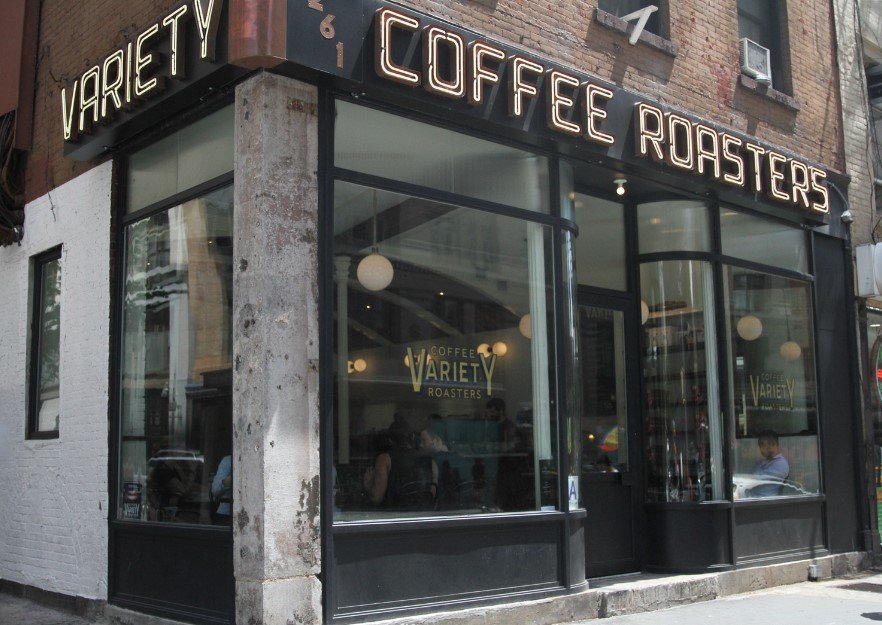
    New York City is known for many things – its towering skyscrapers, bustling streets, and diverse culture. However, another thing that makes this city truly remarkable is its thriving coffee culture. Among the plethora of coffee shops that dot the cityscape, Variety Coffee Roasters stands out as a pioneer and a true gem for coffee aficionados.

    Variety Coffee Roasters, with its impeccable blend of quality and ambiance, has been a beloved fixture in New York City since its inception. Founded in 2014, this coffee shop quickly gained recognition for its nutty, chocolatey roasts. With multiple locations scattered across the city, including the Upper East Side, Chelsea, Park Slope, Williamsburg, Greenpoint, and Bushwick, Variety Coffee Roasters has become a household name for coffee enthusiasts.

    Variety Coffee Roasters

    Variety Coffee Roasters’ Upper East Side location exudes sophistication, with wood paneling and tasteful lighting. The Chelsea and Park Slope branches equally embrace urbane aesthetics, ensuring that wherever you are in the city, you can savor the exceptional coffee they offer. Additionally, Variety Coffee Roasters has expanded its presence beyond its own cafes, as its coffee is now available in various other coffee shops throughout the city. You can also enjoy their coffee at Three Decker, a diner owned by Variety’s founder, Gavin Compton, located in Greenpoint.

    Location:

    • Address: 1269 Lexington Ave, New York, NY 10028
    • Phone: (212) 289-2104

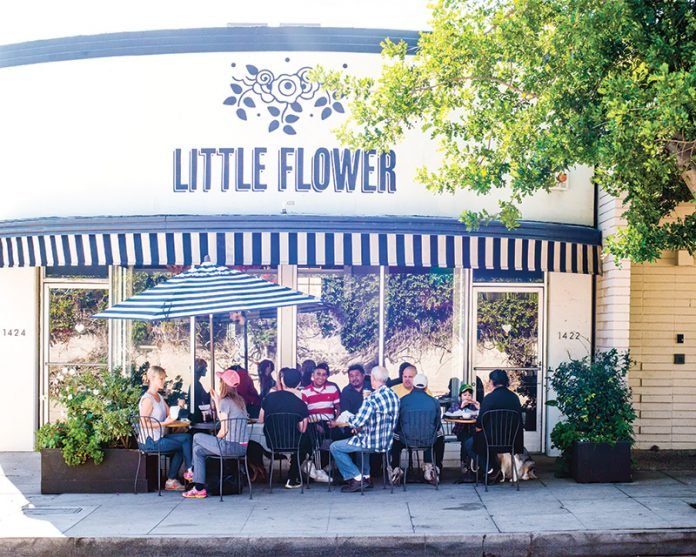
    Little Flower Cafe: Where Tradition Meets Innovation

    Little Flower Cafe Coffee Shops
    Little Flower Cafe Coffee Shops

    In 2022, the family behind Sami’s Kabab House opened the Little Flower Cafe, an exciting addition to Astoria’s coffee scene. This cafe offers a modern take on the classic New York coffee shop, with a special focus on halal options. Apart from delicious coffee, you can indulge in an array of pastries, sandwiches, and frequent pop-up events.

    Location:

    • Address: 25-35 36th Ave, Queens, NY 11106

    Gumption Coffee: From Sydney to NYC

    Originally founded in Sydney, Australia under the name Coffee Alchemy, Gumption Coffee has made a significant impact on the coffee scene in New York City. The coffee shop, owned by Hazel de los Reyes and Clare Lim, opened its 6,000-square-foot Industry City roastery and cafe in 2018, followed by a retail location in Manhattan in 2021 and another in Flatiron in the subsequent year. Gumption Coffee prides itself on offering an array of coffee options, with a particular preference for drip coffee to bring out the unique flavors of the beans.

    Location:

    • Address: 106 W 45th St, New York, NY 10036
    • Phone: (845) 605-6218

    Do Not Feed Alligators: A Cozy Hangout

    Do Not Feed Alligators, a small coffee shop, wine bar, and bookstore in the heart of the city, is a hidden gem. Founded by Swiss photographer David Shama, this coffee shop is known for its excellent coffee, with a rotating pour-over menu that highlights the origin and flavor profile of the beans. The warm and welcoming ambiance makes it a perfect spot for a casual hangout or some quiet reading time.

    Location:

    • Address: 337 Bleecker St, New York, NY 10014

    La Cabra: A Taste of Denmark in NYC

    Is La Cabra the best coffee shop in New York City? Many locals seem to think so. With lines snaking out the door during rush hours, this Danish import has captured the hearts of coffee enthusiasts. La Cabra offers excellent coffee, exquisite pastries, table service, and a Scandinavian style that’s as appealing as the brew itself. If you’re lucky, your day could start with a perfect cappuccino in an earthenware cup and a delectable cardamom bun. La Cabra also has a second location in Soho, which boasts a slightly more upscale feel.

    Location:

    • Address: 152 2nd Ave, New York, NY 10003

    Abraço: Where Personality Meets Coffee

    Abraço, situated in the vibrant East Village, is a coffee shops with a personality that’s hard to ignore. The coffee, known for its distinct character, is often served by the wild-haired co-owner, Jamie McCormick. However, the experience doesn’t end with coffee. Abraço offers mouthwatering pastries, including the famous orange-scented olive oil cake, crafted by co-owner Liz Quijada. It’s not just the coffee; it’s the lively atmosphere and the chatty locals that make Abraço a top choice for coffee lovers.

    Location:

    • Address: 81 E 7th St, New York, NY 10003
    • Phone: (212) 388-9731

    Devoción: Freshness at Its Best

    Devoción, a sprawling Williamsburg roastery and cafe, is a unique addition to the city’s coffee scene. As an outpost of a coffee roaster in Bogota, Colombia, Devoción sets itself apart by receiving raw beans directly from Colombia, just days after harvesting. This ensures that their coffee is among the freshest in the city. While the space offers plenty of seating, the abundance of plants gives it a distinct natural feel. Devoción also has locations in Downtown Brooklyn, Dumbo, and Flatiron.

    Location:

    • Address: 69 Grand St, Brooklyn, NY 11249
    • Phone: (718) 285-6180

    Freehold: Work and Relax in Style

    Freehold, located in Williamsburg, is more than just a coffee shop. It offers an expansive space that includes a coffee shop, a lobby, and a courtyard. It’s the perfect place to work, socialize, or simply enjoy the city’s vibrant atmosphere. What makes Freehold even more special is its partnership with Regina’s Grocery, which serves sandwiches and salads that have garnered popularity since the shop’s opening on the Lower East Side in 2018.

    Location:

    • Address: 45 S 3rd St, Brooklyn, NY 11249
    • Phone: (718) 388-7591

    Suited: A Hub for Coffee Connoisseurs

    Suited, nestled in the Financial District, has established itself as a hub for coffee connoisseurs. It collaborates with some of the biggest names in New York roasting, including Sey and Little Wolf, as well as international roasters. The coffee menu features a selection of obligatory drinks, but it’s recommended to stick with a cup of espresso or drip coffee to fully appreciate the thoughtful sourcing that goes into each cup.

    Location:

    • Address: 45 John St, New York, NY 10038

    Black Fox Coffee: An International Journey

    Black Fox Coffee, located on Pine Street, boasts an impressive selection of coffee from esteemed roasters around the world. One standout offering is the iced matcha latte, best enjoyed with the coffee shop’s housemade nut milk. Black Fox Coffee has expanded to include another coffee bar in the Financial District, a cafe in Midtown, and a coffee shop in the Pendry Hotel behind the new

    Penn Station build-out at Moynihan Hall.

    Location:

    • Address: 70 Pine St, New York, NY 10005
    • Phone: (917) 742-0133

    Honey Moon Coffee Shop: Where Coffee Meets Literature

    Honey Moon Coffee Shop in Ridgewood not only sells coffee but also uses its own house blend of beans to craft delicious coffee drinks. It doubles as a bookstore, in collaboration with nearby Molasses Books, with shelves lined with both new and old titles. The cozy corner space also offers ample outdoor seating, making it an excellent spot for both work and relaxation.

    Location:

    • Address: 517 Onderdonk Ave, Queens, NY 11385

    Sey Coffee: A Beacon of Light in Bushwick

    Sey Coffee, located in Bushwick, is a bright and airy warehouse adorned with potted plants. It stands out as one of the top micro roasters in NYC, thanks to the efforts of its founders, Tobin Polk and Lance Schnorenberg. Sey Coffee is known for its light, clean Nordic-style flavor profile, a favorite among coffee enthusiasts.

    Location:

    • Address: 18 Grattan St, New York, NY 11206
    • Phone: (347) 871-1611

    % Arabica: The Freshest Coffee Beans in Brooklyn

    For the freshest roasted coffee beans in town, % Arabica is the place to be. This Kyoto-based import opened its first U.S. location in Brooklyn, offering an extensive coffee selection, a souped-up espresso machine, and baked goods from the renowned Balthazar bakery. What sets % Arabica apart is its “green bean corner,” where customers can purchase beans to be roasted on the spot in just seven minutes.

    Location:

    • Address: 20 Old Fulton St, Brooklyn, NY 11201
    • Phone: (718) 865-2551

    Villager: Ambition Meets Coziness

    Villager, although appearing as a laid-back neighborhood cafe, is an ambitious coffee shop that has garnered a dedicated following. Located on a quiet side street at the border of Prospect and Crown Heights, Villager offers a thoughtful selection of coffee beans sourced from renowned roasters like Sey and Dayglow, a Los Angeles coffee company soon to open in Brooklyn.

    Location:

    • Address: 841 Classon Ave, Brooklyn, NY 11238

    Yafa Cafe: Yemeni Coffee Culture in Sunset Park

    Yafa Cafe, established in 2019 by cousins Ali Suliman and Hakim Sulaimani, shines a light on Yemeni coffee culture in Sunset Park. This cafe has grown into a neighborhood cornerstone, offering a delightful blend of Yemeni-rooted food and a diverse assortment of coffees. The cousins have also ventured into roasting their in-house line of coffee, available for purchase at the shop and online.

    Location:

    • Address: 4415 4th Ave, Brooklyn, NY 11220
    • Phone: (347) 464-3999

    In a city where coffee is more than just a beverage but a way of life, these coffee shops stand out for their unique offerings, dedicated roasters, and inviting atmospheres. Whether you’re seeking the perfect cappuccino, a cozy corner to read, or a place to work, these coffee shops in New York City have it all. So, make sure to visit them and savor the delightful world of coffee that the city has to offer.

  • Exploring the Ultimate Coffee Cake of the Moment

    Exploring the Ultimate Coffee Cake of the Moment

    Coffee cakes have become an integral part of our daily lives, offering a delightful blend of rich flavors and comforting textures. In recent years, coffee cake aficionados have witnessed a renaissance in the world of coffee cakes, with bakers and pastry chefs pushing the boundaries of creativity and taste. If you’re on the hunt for the best coffee cake at the moment, look no further. This article will guide you through a delectable journey, showcasing the top contenders in the coffee cake world, so you can savor each mouthwatering bite.

    1. Classic Cinnamon Coffee Cake

    A timeless favorite, the classic cinnamon coffee cake is a revelation in simplicity and comfort. Its tender, buttery crumb is generously layered with cinnamon and sugar, creating a warming sensation with every bite. Some versions even include a streusel topping for that extra bit of crunch. Whether enjoyed with a steaming cup of black coffee or a frothy latte, this classic is still a strong contender for the best coffee cake.

    Coffee Cake

    Classic Cinnamon Coffee Cake:

    Ingredients:

    • 2 cups all-purpose flour
    • 1 1/2 teaspoons baking powder
    • 1/2 teaspoon baking soda
    • 1/2 cup unsalted butter, softened
    • 1 cup granulated sugar
    • 2 large eggs
    • 1 teaspoon vanilla extract
    • 1 cup sour cream
    • 1/4 cup milk
    • For the cinnamon-sugar filling: 1/2 cup brown sugar and 1 1/2 teaspoons ground cinnamon

    Instructions:

    1. Preheat your oven to 350°F (175°C) and grease a 9×9-inch baking pan.
    2. In a medium-sized bowl, whisk together the flour, baking powder, and baking soda.
    3. In a large bowl, cream the butter and sugar together until light and fluffy. Beat in the eggs and vanilla.
    4. Add the dry ingredients to the wet ingredients in three parts, alternating with the sour cream and milk.
    5. In a separate bowl, mix the brown sugar and ground cinnamon for the filling.
    6. Spread half of the batter in the prepared pan, then sprinkle with half of the cinnamon-sugar mixture. Repeat with the remaining batter and cinnamon-sugar.
    7. Bake for 30-35 minutes, or until a toothpick inserted into the center comes out clean.

    2. Blueberry Bliss Coffee Cake

    For those who prefer a fruity twist, the blueberry coffee cake is a heavenly creation. Bursting with plump, juicy blueberries, this cake delivers a delightful combination of tartness and sweetness. The blueberries add a refreshing contrast to the dense, moist cake, and a crumbly streusel topping finishes the experience. It’s the perfect accompaniment to a morning brunch or afternoon tea.

    Blueberry Bliss Coffee Cake:

    Ingredients:

    • 2 cups all-purpose flour
    • 1 1/2 teaspoons baking powder
    • 1/2 teaspoon baking soda
    • 1/2 cup unsalted butter, softened
    • 1 cup granulated sugar
    • 2 large eggs
    • 1 teaspoon vanilla extract
    • 1 cup sour cream
    • 1 1/2 cups fresh blueberries

    Instructions:

    1. Preheat your oven to 350°F (175°C) and grease a 9×9-inch baking pan.
    2. In a medium-sized bowl, whisk together the flour, baking powder, and baking soda.
    3. In a large bowl, cream the butter and sugar together until light and fluffy. Beat in the eggs and vanilla.
    4. Add the dry ingredients to the wet ingredients in three parts, alternating with the sour cream.
    5. Gently fold in the fresh blueberries.
    6. Spread the batter in the prepared pan and bake for 30-35 minutes, or until a toothpick inserted into the center comes out clean.

    3. Lemon Poppy Seed Coffee Cake

    Tangy, zesty, and speckled with poppy seeds, the lemon poppy seed coffee cake is a delightful choice for those who enjoy a bright, citrusy kick. The lemon flavor cuts through the richness, offering a burst of freshness in every bite. This cake is usually glazed with a lemon drizzle, making it an ideal partner for a refreshing cup of herbal tea.

    Lemon Poppy Seed Coffee Cake:

    Ingredients:

    • 2 cups all-purpose flour
    • 1 1/2 teaspoons baking powder
    • 1/2 teaspoon baking soda
    • 1/2 cup unsalted butter, softened
    • 1 cup granulated sugar
    • 2 large eggs
    • 1 teaspoon vanilla extract
    • Zest and juice of 2 lemons
    • 1/4 cup poppy seeds
    • 1 cup sour cream

    Instructions:

    1. Preheat your oven to 350°F (175°C) and grease a 9×9-inch baking pan.
    2. In a medium-sized bowl, whisk together the flour, baking powder, and baking soda.
    3. In a large bowl, cream the butter and sugar together until light and fluffy. Beat in the eggs and vanilla.
    4. Mix in the lemon zest, lemon juice, and poppy seeds.
    5. Add the dry ingredients to the wet ingredients in three parts, alternating with the sour cream.
    6. Spread the batter in the prepared pan and bake for 30-35 minutes, or until a toothpick inserted into the center comes out clean.

    4. Chocolate Lover’s Delight

    For the chocoholics out there, the chocolate coffee cake is an irresistible temptation. Rich cocoa flavors are woven into the cake’s layers, while chocolate chips and chunks are generously spread throughout. Some varieties include a luscious chocolate ganache drizzle that adds an extra layer of indulgence. It’s the perfect way to satisfy your sweet tooth while sipping a creamy cappuccino.

    Chocolate Lover’s Delight:

    Ingredients:

    • 1 3/4 cups all-purpose flour
    • 1 1/2 teaspoons baking powder
    • 1/2 teaspoon baking soda
    • 1/2 cup unsalted butter, softened
    • 1 cup granulated sugar
    • 2 large eggs
    • 1 teaspoon vanilla extract
    • 1/2 cup unsweetened cocoa powder
    • 1 cup chocolate chips

    Instructions:

    1. Preheat your oven to 350°F (175°C) and grease a 9×9-inch baking pan.
    2. In a medium-sized bowl, whisk together the flour, baking powder, baking soda, and cocoa powder.
    3. In a large bowl, cream the butter and sugar together until light and fluffy. Beat in the eggs and vanilla.
    4. Add the dry ingredients to the wet ingredients in three parts.
    5. Stir in the chocolate chips.
    6. Spread the batter in the prepared pan and bake for 30-35 minutes, or until a toothpick inserted into the center comes out clean.

    5. Pecan Streusel Coffee Cake

    Nut lovers will relish the pecan streusel coffee cake. This variation is enriched with a generous portion of chopped pecans, both within the cake and on top as a crunchy streusel. The nuts add a delightful earthiness that balances the sweetness, making it a top pick for those who appreciate texture and flavor contrast.

    Pecan Streusel Coffee Cake:

    Ingredients:

    • 2 cups all-purpose flour
    • 1 1/2 teaspoons baking powder
    • 1/2 teaspoon baking soda
    • 1/2 cup unsalted butter, softened
    • 1 cup granulated sugar
    • 2 large eggs
    • 1 teaspoon vanilla extract
    • 1 cup sour cream
    • 1 cup chopped pecans
    • For the streusel topping: 1/2 cup brown sugar, 1/2 cup chopped pecans, and 1 teaspoon ground cinnamon

    Instructions:

    1. Preheat your oven to 350°F (175°C) and grease a 9×9-inch baking pan.
    2. In a medium-sized bowl, whisk together the flour, baking powder, and baking soda.
    3. In a large bowl, cream the butter and sugar together until light and fluffy. Beat in the eggs and vanilla.
    4. Add the dry ingredients to the wet ingredients in three parts, alternating with the sour cream.
    5. Gently fold in the chopped pecans.
    6. In a separate bowl, mix the brown sugar, pecans, and ground cinnamon for the streusel topping.
    7. Spread half of the batter in the prepared pan, then sprinkle with half of the streusel mixture. Repeat with the remaining batter and streusel.
    8. Bake for 30-35 minutes, or until a toothpick inserted into the center comes out clean.

    6. Raspberry Almond Coffee Cake

    Raspberry and almond are a match made in coffee cake heaven. The tartness of ripe raspberries blends beautifully with the nutty notes of almonds. This coffee cake often includes a layer of raspberry jam for extra fruitiness, and sliced almonds for added crunch. It’s a delightful blend of sweet, tangy, and nutty, all in one delectable package.

    Raspberry Almond Coffee Cake:

    Ingredients:

    • 2 cups all-purpose flour
    • 1 1/2 teaspoons baking powder
    • 1/2 teaspoon baking soda
    • 1/2 cup unsalted butter, softened
    • 1 cup granulated sugar
    • 2 large eggs
    • 1 teaspoon vanilla extract
    • 1 cup sour cream
    • 1 1/2 cups fresh raspberries
    • 1/2 cup sliced almonds

    Instructions:

    1. Preheat your oven to 350°F (175°C) and grease a 9×9-inch baking pan.
    2. In a medium-sized bowl, whisk together the flour, baking powder, and baking soda.
    3. In a large bowl, cream the butter and sugar together until light and fluffy. Beat in the eggs and vanilla.
    4. Add the dry ingredients to the wet ingredients in three parts, alternating with the sour cream.
    5. Gently fold in the fresh raspberries.
    6. Spread the batter in the prepared pan and sprinkle sliced almonds on top.
    7. Bake for 30-35 minutes, or until a toothpick inserted into the center comes out clean.

    7. Apple Cinnamon Coffee Cake

    The apple cinnamon coffee cake combines the comforting flavors of autumn. Sliced or diced apples are folded into the cake batter, infusing it with a subtle sweetness and a hint of spice. Cinnamon adds a warm, cozy aroma, and sometimes a caramel drizzle tops it off, enhancing the overall experience.

    Apple Cinnamon Coffee Cake:

    Ingredients:

    • 2 cups all-purpose flour
    • 1 1/2 teaspoons baking powder
    • 1/2 teaspoon baking soda
    • 1/2 cup unsalted butter, softened
    • 1 cup granulated sugar
    • 2 large eggs
    • 1 teaspoon vanilla extract
    • 1 cup sour cream
    • 2 cups diced apples (such as Granny Smith)
    • 1 1/2 teaspoons ground cinnamon
    • For the caramel drizzle: 1/4 cup caramel sauce

    Instructions:

    1. Preheat your oven to 350°F (175°C) and grease a 9×9-inch baking pan.
    2. In a medium-sized bowl, whisk together the flour, baking powder, and baking soda.
    3. In a large bowl, cream the butter and sugar together until light and fluffy. Beat in the eggs and vanilla.
    4. Add the dry ingredients to the wet ingredients in three parts, alternating with the sour cream.
    5. In a separate bowl, toss the diced apples with ground cinnamon.
    6. Spread half of the batter in the prepared pan, then layer the spiced apples. Repeat with the remaining batter.
    7. Bake for 30-35 minutes, or until a toothpick inserted into the center comes out clean.
    8. Drizzle caramel sauce on top while the cake is still warm.

    8. Cardamom Coffee Cake

    For those with a penchant for exotic flavors, the cardamom coffee cake is a revelation. Cardamom, a fragrant spice often used in Indian cuisine, lends a unique and slightly floral note to the cake. Paired with a delicate lemon or orange glaze, this cake is perfect for those who appreciate the finer nuances of flavor.

    Cardamom Coffee Cake:

    Ingredients:

    • 2 cups all-purpose flour
    • 1 1/2 teaspoons baking powder
    • 1/2 teaspoon baking soda
    • 1/2 cup unsalted butter, softened
    • 1 cup granulated sugar
    • 2 large eggs
    • 1 teaspoon vanilla extract
    • 1 1/2 teaspoons ground cardamom
    • Zest of 1 orange
    • 1 cup sour cream
    • For the citrus glaze: 1 cup powdered sugar, 2 tablespoons orange juice

    Instructions:

    1. Preheat your oven to 350°F (175°C) and grease a 9×9-inch baking pan.
    2. In a medium-sized bowl, whisk together the flour, baking powder, baking soda, ground cardamom, and orange zest.
    3. In a large bowl, cream the butter and sugar together until light and fluffy. Beat in the eggs and vanilla.
    4. Add the dry ingredients to the wet ingredients in three parts, alternating with the sour cream.
    5. Spread the batter in the prepared pan and bake for 30-35 minutes, or until a toothpick inserted into the center comes out clean.
    6. While the cake is cooling, mix the powdered sugar and orange juice to make the citrus glaze. Drizzle the glaze over the cooled cake.

    9. Maple Pecan Coffee Cake

    Maple syrup and pecans come together harmoniously in this coffee cake. The rich, sweet aroma of maple syrup infuses every bite, while the pecans provide a delightful crunch. It’s like enjoying pancakes and coffee in a single slice.

    Maple Pecan Coffee Cake:

    Ingredients:

    • 2 cups all-purpose flour
    • 1 1/2 teaspoons baking powder
    • 1/2 teaspoon baking soda
    • 1/2 cup unsalted butter, softened
    • 1 cup granulated sugar
    • 2 large eggs
    • 1 teaspoon vanilla extract
    • 1/2 cup pure maple syrup
    • 1 cup chopped pecans

    Instructions:

    1. Preheat your oven to 350°F (175°C) and grease a 9×9-inch baking pan.
    2. In a medium-sized bowl, whisk together the flour, baking powder, and baking soda.
    3. In a large bowl, cream the butter and sugar together until light and fluffy. Beat in the eggs and vanilla.
    4. Mix in the pure maple syrup.
    5. Add the dry ingredients to the wet ingredients in three parts.
    6. Gently fold in the chopped pecans.
    7. Spread the batter in the prepared pan and bake for 30-35 minutes, or until a toothpick inserted into the center comes out clean.

    10. Mocha Coffee Cake

    The mocha coffee cake is a delightful combination of coffee and chocolate. Coffee-flavored cake layers are adorned with chocolate chips or chunks, offering a perfect blend of two beloved flavors. A drizzle of mocha icing takes it to the next level, making it a must-try for any coffee enthusiast.

    Mocha Coffee Cake:

    Ingredients:

    • 2 cups all-purpose flour
    • 1 1/2 teaspoons baking powder
    • 1/2 teaspoon baking soda
    • 1/2 cup unsalted butter, softened
    • 1 cup granulated sugar
    • 2 large eggs
    • 1 teaspoon vanilla extract
    • 1/4 cup unsweetened cocoa powder
    • 1/2 cup strong brewed coffee, cooled
    • 1 cup chocolate chips
    • For the mocha icing: 1 cup powdered sugar, 2 tablespoons unsweetened cocoa powder, 2 tablespoons strong brewed coffee

    Instructions:

    1. Preheat your oven to 350°F (175°C) and grease a 9×9-inch baking pan.
    2. In a medium-sized bowl, whisk together the flour, baking powder, baking soda, and cocoa powder.
    3. In a large bowl, cream the butter and sugar together until light and fluffy. Beat in the eggs and vanilla.
    4. Mix in the unsweetened cocoa powder and brewed coffee.
    5. Add the dry ingredients to the wet ingredients in three parts.
    6. Stir in the chocolate chips.
    7. Spread the batter in the prepared pan and bake for 30-35 minutes, or until a toothpick inserted into the center comes out clean.
    8. While the cake is cooling, mix the powdered sugar, cocoa powder, and brewed coffee to make the mocha icing. Drizzle the icing over the cooled cake.

    Conclusion

    As coffee cake enthusiasts, we are indeed living in an era of extraordinary choices and flavor experiences. While choosing the best coffee cake is ultimately a matter of personal taste, the options listed above are among the most captivating and delightful in the world of coffee cakes today. Whether you prefer a classic cinnamon coffee cake or an exotic cardamom-infused delight, there is something for everyone to savor.

    The key to finding your ultimate coffee cake is to explore the flavors and textures that resonate most with your palate. Enjoying a slice of coffee cake with a cup of your favorite coffee or tea can be a simple yet sublime pleasure. So, why not embark on a delightful journey of coffee cake exploration and discover your own personal favorite? Whether it’s the comforting classic or an innovative flavor fusion, the best coffee cake for you is waiting to be savored.

  • Which Country Drinks the Most Coffee? Exploring the Global Caffeine Craze

    Which Country Drinks the Most Coffee? Exploring the Global Caffeine Craze

    Coffee is a beloved beverage enjoyed by people all over the world. It is a source of energy, a social lubricant, and a culinary delight. But which country drinks the most coffee? The answer may surprise you. The top coffee-consuming country in the world is not Brazil, Colombia, or Vietnam, all of which are major coffee producers. Instead, it is Finland.

    The average Finn drinks an astonishing 12 kilograms (26 pounds) of coffee per year. That’s about four cups of coffee per day. Coffee is so popular in Finland that two 10-minute coffee breaks are legally mandated for Finnish workers.

    Other countries that rank high in coffee consumption include Norway, Iceland, Denmark, and the Netherlands. These countries all have long, cold winters, which may contribute to their high coffee consumption. In the United States, the average person consumes about 4.4 kilograms (9.7 pounds) of coffee per year. This makes the U.S. only the 25th biggest consumer of coffee worldwide on a per-person basis.

    Coffee, with its rich aroma and caffeine kick, is one of the world’s most beloved non-alcoholic beverages. The history of coffee is as intricate as its flavor, with roots that stretch back to ancient Ethiopia. According to legend, a goat herder named Kaldi stumbled upon the stimulating potential of coffee beans when he noticed how his goats became more energetic after munching on coffee berries. This discovery laid the foundation for one of the most cherished beverages on the planet.

    coffee

    Coffee’s journey began in the Middle East, where it was cultivated and brewed in various forms. By the 15th century, coffee houses had become commonplace in regions like Turkey, Persia, Syria, and Arabia. Despite being an integral part of Middle Eastern culture, coffee was initially met with skepticism by many in Europe. However, the tide turned when Pope Clement VIII sampled a cup and gave his blessing to this dark elixir. Subsequently, coffee spread like wildfire across Europe and eventually found its way to the Americas.

    Today, coffee is not only enjoyed globally but also forms an essential part of the economies of more than 70 tropical countries. It holds the second position in the list of the world’s most exported commodities, following closely behind oil. Yet, when it comes to the question of which country drinks the most coffee per person, some intriguing trends emerge.

    Top 10 Countries with the Highest Per-Person Coffee Consumption

    1. Finland – 12 kg/26 lbs: Finland holds the title for the world’s largest per-capita consumer of coffee. The average Finn consumes nearly four cups a day, and coffee is so deeply ingrained in Finnish culture that two 10-minute coffee breaks are legally mandated for workers.
    2. Norway – 9.9 kg/22 lbs: Norwegians aren’t far behind, with an average of over three cups of coffee consumed daily. Coffee houses in Norway are bustling hubs for socializing, quite different from the United States where they often serve as workspaces or to-go destinations.
    3. Iceland – 9 kg/20 lbs: Coffee is more than just a beverage in Iceland; it’s a cultural cornerstone. Beer was illegal in Iceland until 1987, and wine remains relatively expensive, making coffee the go-to choice for social interactions. Offering a visitor a cup of coffee is customary, and a “ten drops” coffee request is a polite way of asking for a small cup.
    4. Denmark – 8.7 kg/19 lbs: Denmark’s love for coffee is so profound that they have a word for informal gatherings where coffee and cake are served, known as “kaffeslabberas.” Even at weddings, a “bryllupskaffe” or wedding coffee reception is a cherished tradition.
    5. Netherlands – 8.4 kg/19 lbs: Dutch merchants played a pivotal role in introducing coffee to the Western world. They shipped coffee plants from the Yemeni port of Mocha to India and Indonesia, setting the stage for coffee plantations that would supply beans to Europe.
    6. Sweden – 8.2 kg/18 lbs: Swedes are passionate about their “Fika,” an extended coffee break from work where friends socialize over a cup. On average, Swedes spend 9.5 days each year enjoying a “fikarast.”
    7. Switzerland – 7.9 kg/17 lbs: Swiss coffee culture combines the best of both worlds, merging coffee and wine to create a popular drink called “Luzerner Kafi,” featuring red wine mixed with sugar and thin coffee. Additionally, Switzerland is home to Nespresso, one of the world’s leading coffee brands.
    8. Belgium – 6.8 kg/15 lbs: Belgian cities like Brussels and Antwerp boast numerous coffee houses, including Wittamer’s, which serves “brûlot,” an espresso drink with sugar, cinnamon, cloves, shredded lemon peel, and warm cognac set alight.
    9. Luxembourg – 6.5 kg/14 lbs: Despite its small size, Luxembourg has a thriving coffee scene, ranging from elegant coffee houses with white linen tablecloths to cozy stand-up coffee bars.
    10. Canada – 6.5 kg/14 lbs: Canada, the only non-European nation in the top ten, gave birth to one of the world’s earliest coffee chains, Tim Horton’s, which serves three out of every four cups of coffee sold in Canada.

    The list highlights the Scandinavian nations’ affinity for coffee, where long, dark, and cold winters make coffee a cherished companion. In contrast, the United States ranks 25th in per-person coffee consumption, with an annual average of about 4.4 kilograms (9.7 lbs) of coffee per person, equivalent to roughly three cups a day.

    But when we switch our focus to total coffee consumption, a different set of countries takes the lead.

    Top 10 Countries with the Highest Total Coffee Consumption (by 1000s of 60-lb bags of dry coffee beans consumed)

    1. United States of America – 27,310: The United States claims the top spot in total coffee consumption, with a staggering 27,310 thousand 60-lb bags of dry coffee beans consumed. Coffee is an integral part of American culture, with a thriving coffee shop scene that caters to a diverse range of tastes.
    2. Germany – 8,670: Germany comes in second place, consuming 8,670 thousand bags of coffee beans. Coffee culture in Germany encompasses a variety of brews, including filter coffee and specialty options.
    3. Japan – 7,551: Japan has embraced coffee as a modern cultural staple, with 7,551 thousand bags of coffee beans consumed. Coffee shops in Japan offer a unique blend of tradition and innovation.
    4. France – 6,192: France takes the fourth spot with 6,192 thousand bags of coffee beans consumed. The French have a deep appreciation for café culture, savoring espresso in charming sidewalk cafés.
    5. Italy – 5,469: Italy, the birthplace of espresso, ranks fifth in total coffee consumption, with 5,469 thousand bags of coffee beans consumed. Italian coffee is renowned for its bold flavor and meticulous preparation.
    6. Russia – 4,820: Russia, known for its preference for strong, dark coffee, ranks sixth with 4,820 thousand bags of coffee beans consumed.
    7. United Kingdom – 3,770: The United Kingdom stands in seventh place, consuming 3,770 thousand bags of coffee beans. British coffee culture has witnessed a renaissance in recent years, with specialty coffee shops on the rise.
    8. Spain – 3,253: Spain, famous for its café con leche, ranks eighth with 3,253 thousand bags of coffee beans consumed.
    9. Poland – 2,501: Poland, with its growing love for coffee, takes the ninth spot, consuming 2,501 thousand bags of coffee beans.
    10. Netherlands – 2,030: The Netherlands, also featured in the per-person consumption list, secures the tenth spot in total coffee consumption, with 2,030 thousand bags of coffee beans consumed.

    These rankings showcase the sheer volume of

    coffee consumed in these countries, emphasizing the role of coffee as an integral part of daily life. The United States, with its love for diverse coffee options, stands atop this list, indicating the extent of coffee’s popularity in the country.

    In conclusion, while the love for coffee transcends borders and cultures, the extent of coffee consumption varies from country to country. Whether you’re exploring the Scandinavian tradition of coffee breaks or enjoying an espresso in an Italian café, one thing is certain: coffee has a remarkable ability to bring people together, making it an enduring global phenomenon.

  • Black Rock Coffee Bar: Where Coffee Meets Passion

    Black Rock Coffee Bar: Where Coffee Meets Passion

    In the bustling realm of coffee chains, Black Rock Coffee Bar stands out as a beacon of quality and innovation. Founded in 2008 by Jeff Hernandez and Daniel Brand, two passionate coffee enthusiasts, Black Rock has quickly grown into a formidable force in the industry, with over 100 locations across the United States.

    From the outset, Black Rock has been committed to providing its customers with an exceptional coffee experience. The company sources its beans from the finest Arabica coffee farms around the world, and its baristas are expertly trained to craft delicious and satisfying beverages. Black Rock’s menu features a wide variety of classic and specialty drinks, all made with fresh, high-quality ingredients.

    In addition to its commitment to quality, Black Rock is also known for its innovative approach to the coffee industry. The company has been at the forefront of developing new and exciting coffee drinks, such as its Nitro Cold Brew and its signature Black Rock Mocha. Black Rock is also constantly experimenting with new flavors and brewing methods, ensuring that its customers always have something new to try.

    Black Rock Coffee Bar

    But Black Rock is more than just a great cup of coffee. The company is also committed to creating a welcoming and engaging atmosphere for its customers. Black Rock stores are designed to be warm and inviting, with comfortable seating and plenty of space to relax and socialize. The company also hosts a variety of events and promotions throughout the year, giving customers a chance to connect with each other and with the Black Rock brand.

    As a result of its commitment to quality, innovation, and customer service, Black Rock Coffee Bar has quickly become a favorite among coffee lovers across the country. The company is poised for continued growth in the years to come, and its dedication to providing an exceptional coffee experience is sure to win over even more fans.

    A Journey Through History

    Black Rock Coffee Bar’s journey began with a simple dream – to provide a remarkable coffee experience that would ignite the senses and bring communities together. Founded by a group of coffee enthusiasts, the brand has its roots firmly planted in the rich coffee culture of the Pacific Northwest. As of my last knowledge update in September 2021, the company had expanded to over 70 locations across the United States, a testament to its rapid growth and success.

    The coffee bar’s name, ‘Black Rock,’ is inspired by the rugged and resilient spirit of the region, as well as the bold flavors the brand offers. Since its inception, Black Rock Coffee Bar has been on a relentless pursuit to not just serve coffee but to create moments of connection, forging relationships over a cup of their exceptional brew.

    The Commitment to Quality: A Deep Dive

    At the heart of Black Rock Coffee Bar’s success is an unwavering commitment to quality. They recognize that crafting the perfect cup of coffee is both an art and a science, which is why they source the finest beans from around the world. Their expert roasters meticulously select and roast the beans to perfection, ensuring a delightful blend of flavors and aromas in every cup.

    The brand’s focus on quality extends beyond the coffee beans. Black Rock Coffee Bar places great emphasis on the skill and passion of their baristas. These coffee artisans undergo rigorous training to master the art of brewing, creating an experience that stands apart from the ordinary. It’s this dedication to excellence that ensures each cup of coffee is a testament to their commitment to quality.

    Black Rock Coffee Bar’s unwavering commitment to quality is the very essence that defines their brand and sets them apart in the competitive world of coffee. This commitment transcends mere slogans and marketing gimmicks; it is deeply embedded in every facet of their coffee-making process. To truly appreciate the dedication to quality that Black Rock Coffee Bar upholds, let’s delve deeper into the key aspects that make this commitment so extraordinary.

    Sourcing and Selection of Coffee Beans

    At the heart of crafting exceptional coffee lies the selection of coffee beans. Black Rock Coffee Bar goes to great lengths to source the finest coffee beans from across the globe. Their dedication to quality starts at the very beginning of the coffee-making journey. They partner with trusted suppliers who share their passion for top-tier beans.

    These suppliers often work directly with coffee farms, ensuring that the beans are sustainably and ethically sourced. Black Rock Coffee Bar places a strong emphasis on supporting responsible farming practices, which not only guarantee the best quality but also promote environmental and social sustainability.

    The meticulous selection process involves choosing beans that exhibit the desired flavor profiles, aroma, and character. This attention to detail is vital in creating a consistent, high-quality taste that customers have come to expect from Black Rock Coffee Bar.

    Masterful Roasting

    The journey of coffee beans from harvest to your cup is incomplete without expert roasting. Black Rock Coffee Bar takes this step extremely seriously. Their team of skilled roasters undergoes rigorous training to perfect the art of roasting. Roasting is a delicate balance, as the timing and temperature can profoundly influence the flavor and aroma of the coffee.

    The roasters at Black Rock Coffee Bar meticulously roast the beans to bring out the unique flavors and characteristics that define their coffee. They have honed their craft to perfection, resulting in a rich and aromatic cup of coffee that consistently delights their customers. The roasting process is as much a science as it is an art, and Black Rock’s commitment to this craft ensures that each cup is an exceptional experience.

    Barista Expertise

    Coffee doesn’t make itself, and the baristas at Black Rock Coffee Bar are at the forefront of the quality commitment. These coffee artisans are more than just skilled employees; they are passionate individuals dedicated to delivering a memorable coffee experience. They undergo intensive training that covers everything from the science of brewing to the art of latte art.

    Black Rock Coffee Bar’s baristas are not merely button-pushers; they are curators of coffee. They know the perfect grind size, water temperature, and brewing time for each coffee type. They understand the intricate chemistry that occurs during the brewing process, ensuring that every cup is brewed to perfection. This level of expertise guarantees that your coffee is not just a beverage; it’s a work of art.

    Rigorous Quality Control

    Maintaining quality consistency is an ongoing commitment. Black Rock Coffee Bar has established a rigorous quality control system to ensure that each cup meets their high standards. This system includes frequent taste testing, inspections of the roasting process, and equipment maintenance.

    A team of quality control experts works diligently to monitor every step, from the moment the coffee beans are sourced to the final cup served to a customer. Any deviation from the established standards is promptly identified and addressed, ensuring that the Black Rock Coffee Bar experience is always exceptional.

    Customer Feedback and Improvement

    Black Rock Coffee Bar’s dedication to quality doesn’t end with a well-brewed cup of coffee. They actively seek and welcome feedback from their customers. This open line of communication allows them to constantly adapt and improve their offerings. If a customer ever has a suggestion or encounters an issue, Black Rock Coffee Bar is quick to respond, further demonstrating their commitment to quality and customer satisfaction.

    The brand understands that tastes and preferences can evolve, and they are agile in adapting to these changes. This feedback loop with their loyal customer base ensures that Black Rock Coffee Bar remains at the forefront of coffee innovation while maintaining their unwavering dedication to quality.

    A Sustainable Future

    In addition to their pursuit of coffee excellence, Black Rock Coffee Bar is committed to a sustainable future. They are aware of the environmental impact of coffee production and consumption and actively work to reduce their carbon footprint. This includes initiatives such as sustainable packaging, energy-efficient equipment, and responsible waste management.

    The commitment to sustainability extends to their relationships with coffee farmers and their support for fair trade practices. They strive to ensure that the entire coffee supply chain, from the farm to your cup, operates with fairness and respect for the environment.

    Conclusion: Quality as a Way of Life

    Black Rock Coffee Bar’s commitment to quality is not merely a business strategy; it’s a way of life. It’s a dedication to the art and science of coffee-making, an unwavering promise to their customers, and a testament to the importance of excellence in the world of coffee. The next time you savor a cup of Black Rock Coffee, you can do so knowing that it represents the culmination of a meticulous journey from the coffee farm to your cup, a journey steeped in quality at every step.

    A Unique Coffee Experience: Unraveling the Magic of Black Rock Coffee Bar

    What sets Black Rock Coffee Bar apart is not just the quality of their coffee but the unique experience they offer to their customers. Their coffee shops are designed to be welcoming and vibrant spaces, where people can connect, relax, and enjoy the sensory journey that is coffee.

    A standout feature of Black Rock Coffee Bar is their diverse menu, catering to the preferences of every coffee lover. Whether you’re an aficionado who savors the simplicity of a perfectly brewed black coffee or someone who enjoys a delightful espresso-based creation, Black Rock has something for you. Their seasonal and signature drinks provide a delightful twist to traditional favorites, ensuring there’s always something new to explore.

    The brand’s dedication to personalization is reflected in their ‘Create Your Own Adventure’ menu, allowing customers to customize their drinks according to their taste preferences. This level of customization is rare in the coffee industry and showcases Black Rock’s commitment to putting the customer first.

    Black Rock Coffee Bar isn’t just another stop for your daily caffeine fix; it’s a destination that promises a unique and memorable coffee experience. The brand has masterfully woven together various elements to create an ambiance and a menu that go beyond the ordinary. Here’s a closer look at what makes Black Rock Coffee Bar’s coffee experience truly exceptional:

    Coffee Shop Ambiance

    The moment you step into a Black Rock Coffee Bar, you’re greeted by an ambiance that’s warm, inviting, and a departure from the sterile and impersonal settings of some other coffee chains. Their coffee shops are meticulously designed to create an atmosphere that resonates with a diverse range of customers.

    From the cozy seating arrangements that encourage you to relax, chat, or work, to the visually appealing decor and comfortable lighting, Black Rock Coffee Bar’s shops are designed to be more than just places to grab a drink. They’re spaces where people come together, strike up conversations, hold meetings, or simply unwind.

    The vibrant and welcoming atmosphere is further enhanced by the friendly and passionate staff. Baristas at Black Rock Coffee Bar don’t just serve coffee; they engage with customers, share their enthusiasm for coffee, and make every visit a personalized experience.

    Diverse and Innovative Menu

    One of the most striking features of Black Rock Coffee Bar is its menu diversity. While they maintain the classics that every coffee lover adores, they also introduce seasonal and signature drinks that tantalize the taste buds. These innovative creations showcase the brand’s willingness to push the boundaries of coffee creativity.

    Whether it’s a flavorful seasonal latte inspired by the season’s offerings or a unique signature drink that combines unexpected ingredients in the most delightful way, Black Rock Coffee Bar’s menu always has something new to explore. This diversity allows customers to embark on a sensory journey and discover new favorite flavors.

    Their commitment to customization stands out as well. The ‘Create Your Own Adventure’ menu is a unique feature that lets customers personalize their drinks down to the last detail. This level of flexibility is rarely found in the coffee industry, and it’s a testament to Black Rock Coffee Bar’s dedication to making every visit a personalized experience.

    Quality Ingredients and Craftsmanship

    The uniqueness of Black Rock Coffee Bar’s experience extends to the ingredients and craftsmanship behind each cup. The focus on quality ingredients, as discussed earlier, ensures that each drink is crafted with care. They don’t cut corners or compromise on the excellence of their brews.

    From the finest coffee beans sourced from around the world to the top-tier milk and flavorings, everything that goes into a Black Rock Coffee Bar beverage is carefully chosen to guarantee an extraordinary flavor profile. This commitment to quality extends to the preparation of the drinks.

    Their skilled baristas, as mentioned in the previous section, are experts in their craft. They understand the nuances of brewing and take great pride in mastering the art of coffee. This craftsmanship is evident in every sip, making the experience akin to enjoying a work of art rather than just a beverage.

    Community Engagement

    Black Rock Coffee Bar’s unique experience is not confined within the four walls of their shops. They have a profound commitment to community engagement. This is not a marketing ploy but a genuine desire to be an active part of the neighborhoods they serve.

    Their events and outreach programs often revolve around creating a sense of belonging. Whether it’s hosting local events, supporting community initiatives, or giving back through their nonprofit foundation, Black Rock Coffee Bar demonstrates a dedication to making a positive impact. This commitment to community makes their experience unique in that it extends beyond the coffee and fosters connections and relationships.

    Innovation and Adaptation

    The unique coffee experience offered by Black Rock Coffee Bar is not static; it’s dynamic and evolving. The brand is consistently innovating and adapting to changing tastes and preferences. Their willingness to listen to customer feedback and introduce new seasonal drinks or menu items keeps the experience fresh and exciting.

    Innovation isn’t just about introducing new flavors; it’s also reflected in their approach to sustainability and responsible business practices. They understand that being environmentally conscious is part of offering a unique experience. This includes efforts to reduce their environmental footprint through sustainable packaging and energy-efficient equipment.

    Conclusion: An Unforgettable Coffee Journey

    In conclusion, the Black Rock Coffee Bar experience is not merely about coffee; it’s about creating lasting memories and connections over a cup of exceptional brew. It’s the welcoming ambiance, the diverse and innovative menu, the dedication to quality, the engagement with the community, and the ever-evolving approach to customer satisfaction that makes Black Rock Coffee Bar truly unique.

    Whether you’re a coffee connoisseur seeking the next exciting flavor, a professional looking for a cozy place to work, or someone who simply enjoys great coffee in a vibrant atmosphere, Black Rock Coffee Bar offers an experience that transcends the ordinary. It’s an experience that transforms a routine coffee stop into a journey of taste, community, and connection.

    Community and Giving Back

    Community involvement and giving back have always been at the core of Black Rock Coffee Bar’s philosophy. They believe in using their success to make a positive impact on the communities they serve. Over the years, they have been involved in various philanthropic efforts, including supporting local charities, educational programs, and more.

    The ‘BRCB Foundation,’ their nonprofit initiative, demonstrates their dedication to giving back. Through this foundation, they have funded scholarships, supported organizations addressing crucial social issues, and made meaningful contributions to their local communities.

    The Essence of the Brand

    At its core, Black Rock Coffee Bar is about more than just coffee. It’s about celebrating life’s moments, both big and small, and doing so with a cup of exceptional coffee in hand. Their brand is synonymous with passion, quality, and community. They strive to create an environment where coffee lovers can come together, connect, and make memories over a shared love for a great brew.

    Future Growth and Innovation

    As of my last knowledge update in September 2021, Black Rock Coffee Bar had shown impressive growth, expanding its footprint across the United States. Their commitment to quality and unique experience has certainly contributed to their success. While I don’t have access to current data, it’s likely that the brand has continued to innovate and expand.

    Given their track record, one can expect Black Rock Coffee Bar to keep pushing the boundaries of coffee excellence. This might include the introduction of new and exciting beverages, further expansion, and continued community involvement. In an ever-evolving coffee landscape, Black Rock Coffee Bar’s unwavering dedication to quality and customer experience will undoubtedly remain a central focus.

    Conclusion

    In a world where coffee is more than just a beverage, Black Rock Coffee Bar has carved out a special place. From its humble beginnings in Portland, Oregon, to its expansion across the United States, this brand has stood the test of time by consistently delivering exceptional quality and a unique coffee experience. Their commitment to community and philanthropy adds a deeper layer to their brand, making them more than just a coffee chain. Black Rock Coffee Bar is a community, a place of connection, and a testament to the enduring appeal of a great cup of coffee. While this piece offers a snapshot of their story, the best way to truly experience Black Rock Coffee Bar is to savor a cup of their exquisite coffee and immerse yourself in the vibrant atmosphere of their coffee shops.

  • Exploring the Fourth Wave of Coffee: A Revolution in Every Sip

    Exploring the Fourth Wave of Coffee: A Revolution in Every Sip

    In recent decades, coffee has undergone a remarkable transformation, evolving from a simple beverage to a complex and nuanced experience. This transformation has given rise to what is known as the “Fourth Wave of Coffee.” The Fourth Wave represents a seismic shift in the coffee industry, focusing on an elevated appreciation of coffee as an artisanal product, the pursuit of quality and sustainability, and an exploration of diverse flavors. In this comprehensive exploration, we’ll delve deep into the Fourth Wave of Coffee, understanding its origins, key principles, and the impact it has on coffee culture and the global coffee market.

    The Evolution of Coffee Waves

    To comprehend the Fourth Wave of Coffee, it’s essential to examine its predecessors – the First, Second, and Third Waves. These waves have laid the foundation for the current revolution.

    1. First Wave: Utility and Accessibility
      The First Wave of coffee, spanning from the early 20th century until the latter part of the century, was characterized by a focus on convenience and accessibility. This era introduced pre-ground, instant coffee and coffee as a ubiquitous commodity.
    2. Second Wave: Quality and Variety
      The Second Wave, emerging in the 1960s and gaining momentum through the 1990s, brought an emphasis on improved coffee quality and diversity. Brands like Starbucks popularized the espresso-based coffee culture and introduced consumers to terms like “latte” and “cappuccino.”
    3. Third Wave: Artisanal and Single-Origin Coffee
      The Third Wave, which began around the early 2000s, marked a significant shift in the coffee industry. It highlighted the artisanal aspect of coffee production, with a strong focus on sourcing high-quality beans and roasting them to perfection. Single-origin coffee and pour-over brewing methods became the norm.
    4. Fourth Wave: The Pursuit of Coffee Excellence

    The Fourth Wave of Coffee, which we find ourselves in today, takes the principles of the previous waves and elevates them to new heights. This wave is defined by three core principles:

    1. Quality is Paramount

    Quality is the keystone of the Fourth Wave of Coffee. Coffee enthusiasts, baristas, and roasters are dedicated to sourcing the best beans, meticulously roasting them, and precisely brewing them to extract the full range of flavors. This pursuit of excellence ensures that every cup of coffee is a revelation, not just a caffeine fix.

    2. Sustainability and Ethics

    The Fourth Wave of Coffee places a strong emphasis on sustainability and ethical sourcing. Coffee farms and cooperatives work towards environmentally friendly practices, fair wages for farmers, and fostering long-term relationships. It’s not just about the coffee; it’s about the people and the planet behind it.

    3. Diversity and Flavor Exploration

    In the Fourth Wave, coffee is celebrated for its diversity of flavors, much like wine or chocolate. The exploration of different coffee varieties, processing methods, and regional profiles has become a central focus. Coffee is no longer a monolithic entity; it’s a world of diverse tastes waiting to be discovered.

    Fourth Wave of Coffee: The Impact on Coffee Culture

    The Fourth Wave of Coffee has brought about a transformation in coffee culture, influencing not only what we drink but also how we consume coffee.

    Fourth Wave of Coffee

    1. Specialty Coffee Shops

    Specialty coffee shops have sprung up worldwide, showcasing a dedication to quality, often serving single-origin, freshly roasted beans. These shops prioritize manual brewing methods like pour-over, Aeropress, and siphon brewing, allowing customers to savor the nuances of each coffee.

    2. Home Brewing

    The Fourth Wave of Coffee has elevated home brewing to an art form. Enthusiasts invest in quality grinders, precision scales, and pour-over equipment. Many brew their coffee using precise recipes and techniques to replicate the café experience at home.

    3. Education and Certification

    The Fourth Wave has fostered a culture of education. Baristas seek certification from organizations like the Specialty Coffee Association, coffee lovers attend workshops, and consumers become more informed about the complexities of coffee production and brewing.

    4. Embracing Seasonality

    Fourth Wave coffee culture places a strong emphasis on seasonality. Coffee enthusiasts look forward to the release of new, limited-edition beans, and cafés often feature rotating menus based on the availability of different crops from around the world.

    The Global Coffee Market

    The Fourth Wave of Coffee is not just influencing coffee culture; it’s also reshaping the global coffee market.

    1. Price Premiums for Quality

    Coffee producers are rewarded for producing high-quality beans. Specialty coffee commands higher prices, and this incentivizes farmers to focus on quality rather than quantity.

    2. Direct Trade and Fair Practices

    Direct trade relationships between coffee producers and buyers have become more common, ensuring that farmers receive fair compensation and support for sustainable farming practices.

    3. Expansion of Coffee Varietals

    The Fourth Wave’s emphasis on flavor diversity has led to the exploration and cultivation of unique coffee varietals and processing methods. The market is now more dynamic, with consumers seeking new and exciting flavor experiences.

    4. Sustainability Initiatives

    The Fourth Wave has fueled initiatives for sustainable and environmentally responsible coffee production. These initiatives address issues such as water usage, waste management, and forest preservation.

    The Importance of Terroir

    Terroir, a concept borrowed from the world of wine, plays a significant role in the Fourth Wave. It refers to the unique environmental factors that influence a coffee’s flavor. These factors include the altitude, soil composition, climate, and cultivation methods of the region where the coffee is grown.

    For example, Ethiopian coffee, renowned for its floral and fruity notes, is strongly influenced by the country’s high altitudes and unique heirloom coffee varieties. Terroir has led to a newfound appreciation of coffee’s regional distinctiveness, and coffee enthusiasts seek out beans from specific terroirs to experience their unique flavors.

    The Role of Technology

    Technology is an essential companion to the Fourth Wave of Coffee. It aids in enhancing the quality, consistency, and precision of coffee production.

    Roasting Technology

    Roasters now have access to advanced technology that allows them to control the roast profile with incredible precision. This ensures that the beans are roasted to bring out their best flavors.

    Brewing Methods

    In the Fourth Wave, manual brewing methods like pour-over, French press, and espresso machines have gained popularity due to their ability to extract flavors more precisely.

    Online Coffee Communities

    The digital age has given rise to a flourishing online coffee community. Coffee enthusiasts can share their experiences, recipes, and knowledge on various platforms, fostering a culture of continuous learning and exploration.

    The Future of the Fourth Wave

    The Fourth Wave of Coffee shows no signs of slowing down. Its commitment to quality, sustainability, and flavor exploration has resonated with coffee lovers around the world.

    Expanding Coffee Origins

    As the Fourth Wave continues to grow, coffee enthusiasts will explore new and emerging coffee origins. Previously undiscovered regions and terroirs will become exciting frontiers in the search for unique flavors.

    Sustainable Innovations

    Sustainability will remain a critical focus. Innovations in sustainable farming practices, eco-friendly packaging, and waste reduction will shape the industry’s future.

    Coffee as an Art Form

    The Fourth Wave has elevated coffee to an art form. Baristas and coffee professionals will continue to push the boundaries of what’s possible in terms of flavor and presentation.

    Consumer Education

    Consumer education will play a pivotal role. As more people become aware of the nuances of coffee, they will demand better quality and sustainable practices, driving the industry towards continued improvement.

    Conclusion

    The Fourth Wave of Coffee represents a remarkable evolution in the world of coffee. It’s a journey that celebrates quality, ethics, diversity, and the joy of exploration. With each cup, coffee lovers experience not just a beverage but a story, a place, and a culture. As we continue to ride the Fourth Wave, we can expect coffee to become even more exciting and diverse, offering endless possibilities for those who savor the journey from bean to cup.

  • Navigating the Perfect Brew: How Many Cups of Coffee Should You Drink a Day?

    Navigating the Perfect Brew: How Many Cups of Coffee Should You Drink a Day?

    Coffee, with its rich aroma and bold flavor, has become an integral part of many people’s daily routines. For some, it’s the elixir that kickstarts their day, while others savor its warmth during work breaks. However, as the love for coffee grows, so does the concern about its impact on health. The question arises: How many cups of coffee should one drink in a day to strike the right balance between pleasure and potential health risks?

    Understanding the Benefits: Unveiling the Rich Tapestry of Coffee’s Health Perks

    Coffee is not just a pick-me-up; it’s a beverage laden with antioxidants and essential nutrients. Studies suggest that moderate coffee consumption is associated with various health benefits, such as improved mental alertness, reduced risk of certain diseases like Parkinson’s and Alzheimer’s, and even a potential boost in metabolism. A moderate intake is typically considered to be around 3 to 4 cups per day.

    Coffee

    As you savor that steaming cup of coffee each morning, you’re not just indulging in a delightful ritual — you’re also inviting a host of potential health benefits into your life. Beyond its role as a morning pick-me-up, coffee boasts a rich tapestry of advantages that have been the subject of numerous studies and scientific exploration.

    1. Antioxidant Powerhouse:

    Coffee is brimming with antioxidants, which are compounds that help neutralize harmful free radicals in the body. Free radicals, byproducts of metabolism and environmental exposures, can contribute to oxidative stress and cellular damage. The antioxidants in coffee, such as chlorogenic acid, are believed to play a crucial role in mitigating this oxidative stress, potentially reducing the risk of chronic diseases.

    2. Boosting Mental Alertness and Cognitive Function:

    One of coffee’s most celebrated effects is its ability to enhance mental alertness and cognitive function. Caffeine, the central nervous system stimulant found in coffee, blocks the action of adenosine, a neurotransmitter responsible for promoting sleep and relaxation. By doing so, caffeine promotes the release of other neurotransmitters like dopamine and norepinephrine, leading to increased alertness, improved mood, and enhanced cognitive performance.

    3. Protective Effects on Neurological Health:

    Research suggests that regular coffee consumption may offer protective effects against neurodegenerative diseases. Studies have shown a correlation between coffee intake and a reduced risk of conditions like Parkinson’s and Alzheimer’s disease. The exact mechanisms behind these protective effects are still under investigation, but they likely involve a combination of caffeine and the myriad of antioxidants found in coffee.

    4. Potential Metabolic Boost:

    For those mindful of their waistline, coffee may offer an unexpected ally. Caffeine has been shown to increase metabolic rate, potentially aiding in weight management. This boost in metabolism is attributed to caffeine’s ability to stimulate thermogenesis — the process by which the body generates heat and energy from digesting food.

    5. Liver Health and Disease Prevention:

    The liver, a vital organ responsible for detoxification and metabolic processes, may benefit from moderate coffee consumption. Research indicates that coffee drinkers may have a lower risk of liver diseases, including liver cirrhosis and liver cancer. The precise mechanisms behind this association are complex and may involve the modulation of enzymes and reduction of inflammation.

    coffee
    coffee

    6. Cardiovascular Health:

    Contrary to past concerns, moderate coffee consumption has been associated with a reduced risk of certain cardiovascular diseases. Some studies suggest that coffee may contribute to improved heart health by lowering the risk of stroke and heart failure. However, it’s crucial to note that excessive caffeine intake may have adverse effects on blood pressure, emphasizing the importance of moderation.

    7. Rich in Essential Nutrients:

    Coffee is not just a source of caffeine; it also contains essential nutrients. A cup of coffee provides a modest amount of vitamins B2 (riboflavin), B3 (niacin), B5 (pantothenic acid), and manganese. While these amounts may not be substantial, they contribute to your overall nutrient intake, especially if you’re a regular coffee drinker.

    In the symphony of flavors that coffee presents, there’s a hidden orchestra of health benefits waiting to be appreciated. From the antioxidant-packed composition to the mental acuity boost provided by caffeine, coffee is more than just a beverage; it’s a complex elixir that, when consumed in moderation, can contribute to a tapestry of well-being. As you savor that next cup, relish not just the taste but also the potential health perks that come with each aromatic sip.

    The Role of Caffeine

    Caffeine, the primary psychoactive substance in coffee, is both a blessing and a potential concern. It stimulates the central nervous system, warding off fatigue and promoting a sense of wakefulness. However, excessive caffeine intake can lead to issues such as insomnia, increased heart rate, and anxiety. The key is to find the sweet spot where you enjoy the benefits without experiencing adverse effects.

    Individual Variability

    One size does not fit all when it comes to coffee consumption. People metabolize caffeine differently based on factors like age, genetics, and overall health. Some individuals may be more sensitive to caffeine, while others can handle higher doses without apparent side effects. It’s crucial to pay attention to your body’s signals and adjust your coffee intake accordingly.

    Certain health conditions and medications can influence how your body responds to caffeine. Individuals with heart problems, anxiety disorders, or insomnia may need to limit their coffee intake. Additionally, certain medications can interact with caffeine, either enhancing or diminishing its effects. Consulting with a healthcare professional can help you understand how your unique circumstances may impact your optimal coffee consumption.

    While the aroma of freshly brewed coffee can be enticing, it’s crucial to be mindful of how your coffee consumption aligns with your health conditions and medications. Coffee’s complex interactions with the body may have varying effects, and understanding these considerations is vital for maintaining overall well-being.

    1. Cardiovascular Conditions:

    Individuals with cardiovascular issues, such as hypertension or arrhythmias, should approach coffee consumption with caution. While moderate coffee intake has been associated with potential cardiovascular benefits, excessive caffeine can elevate heart rate and blood pressure. It’s advisable for those with heart-related concerns to consult with a healthcare professional to determine the appropriate level of coffee consumption for their specific condition.

    2. Anxiety and Sleep Disorders:

    Caffeine is a stimulant that can exacerbate symptoms for those with anxiety disorders or sleep disorders. Excessive caffeine intake may lead to increased anxiety, restlessness, and difficulty falling asleep. Individuals experiencing such conditions should be mindful of their coffee intake, especially in the hours leading up to bedtime, to avoid disrupting sleep patterns.

    3. Gastrointestinal Concerns:

    For some, coffee can be a trigger for gastrointestinal issues such as acid reflux or gastritis. The acidity of coffee may contribute to discomfort for individuals prone to such conditions. Adjusting the type of coffee bean and brewing method or opting for low-acid coffee varieties may be considerations for those with sensitive stomachs.

    4. Pregnancy:

    Pregnant individuals face specific guidelines regarding caffeine intake. High levels of caffeine have been linked to an increased risk of miscarriage and low birth weight. To promote a healthy pregnancy, healthcare providers often recommend limiting caffeine intake. It’s crucial for expectant mothers to discuss their coffee consumption with their healthcare professionals to ensure they are adhering to safe guidelines.

    5. Medication Interactions:

    Coffee can interact with certain medications, either intensifying or diminishing their effects. For example, coffee may enhance the effects of medications with stimulant properties, potentially leading to an increased risk of side effects. On the other hand, coffee can interfere with the absorption of some medications, reducing their efficacy. If you’re on medication, consult with your healthcare provider to understand how coffee may interact with your specific prescription and whether any adjustments to your coffee habits are advisable.

    6. Osteoporosis Concerns:

    Excessive coffee consumption has been associated with a potential reduction in bone density. While the exact mechanisms are not fully understood, some studies suggest that high caffeine intake may interfere with calcium absorption. Individuals at risk of osteoporosis or with concerns about bone health should be mindful of their coffee consumption and ensure they maintain an adequate intake of calcium through other dietary sources.

    7. Blood Sugar Management:

    Caffeine can impact insulin sensitivity, which may have implications for individuals managing diabetes. While some studies suggest that coffee may have benefits for diabetes prevention, excessive caffeine intake might lead to fluctuations in blood sugar levels. Those with diabetes should monitor their coffee intake and consider consulting with their healthcare provider to ensure it aligns with their overall diabetes management plan.

    Coffee’s intricate dance with the body requires a thoughtful approach, especially for individuals with specific health conditions or those taking medications. While moderate coffee consumption can often be a part of a healthy lifestyle, it’s essential to consider individual circumstances and consult with healthcare professionals when necessary. By navigating these considerations with awareness, coffee enthusiasts can continue to savor their favorite brew while safeguarding their health.

    Pregnancy and Coffee

    Pregnant individuals often face specific guidelines regarding caffeine intake. High levels of caffeine have been linked to an increased risk of miscarriage and low birth weight. As a result, many health authorities recommend limiting caffeine intake during pregnancy. It’s essential for expectant mothers to discuss their coffee consumption with their healthcare providers to ensure a safe and healthy pregnancy.

    Quality Matters: Elevating Your Coffee Experience for Better Health

    Not all cups of coffee are created equal. The type of coffee bean, the brewing method, and the additives can significantly affect the overall health impact of your cup. Opting for high-quality, organic coffee beans and minimizing the use of sugary or high-calorie additives can contribute to a healthier coffee-drinking experience.

    In the world of coffee, the term “quality” transcends mere taste preferences; it encapsulates a holistic perspective that considers the origin of beans, the brewing process, and the additives incorporated. Elevating your coffee experience by prioritizing quality not only enhances the sensory pleasure but also contributes to a healthier and more satisfying coffee ritual.

    1. The Bean’s Journey:

    The journey of a coffee bean, from its cultivation to your cup, significantly impacts its quality. Opting for high-quality, ethically sourced beans ensures a better-tasting and more nuanced brew. Beans grown in favorable climates, at higher altitudes, and under sustainable farming practices tend to possess richer flavors and a more robust composition of beneficial compounds.

    2. Organic Versus Conventional:

    Choosing organic coffee can be a key consideration for health-conscious consumers. Organic coffee is grown without synthetic pesticides and fertilizers, reducing the risk of residual chemicals in the final product. The absence of these potentially harmful substances contributes to a cleaner and more health-friendly cup.

    3. Roast Levels and Acrylamide:

    The roasting process not only determines the flavor profile but also influences the levels of acrylamide, a compound that forms during the roasting of coffee beans. Acrylamide has been a topic of concern due to its potential link to cancer. Lighter roasts tend to have higher acrylamide levels than darker roasts. While the health implications of acrylamide in coffee are still debated, choosing a roast level that aligns with your taste preferences and potential health considerations is a personal choice worth exploring.

    4. Brewing Methods:

    The brewing method is a critical factor that shapes your coffee’s flavor and nutritional content. From pour-over and French press to espresso and cold brew, each method extracts different compounds from the coffee grounds. For instance, espresso has a higher concentration of caffeine compared to drip coffee. Understanding your preferred brewing method and its effects on the final cup empowers you to tailor your coffee experience to both your taste buds and health goals.

    5. Minimizing Additives:

    While the aroma of flavored syrups and sugary additives might be tempting, they can significantly alter the health profile of your coffee. Excessive sugar and high-calorie additions contribute to an increased overall caloric intake and may counteract some of the health benefits associated with coffee. Embracing the natural flavors of high-quality beans allows you to savor the intricate notes without compromising your coffee’s healthful attributes.

    6. Considerations for Specialty Coffees:

    Exploring the world of specialty coffees can be a delightful journey for coffee enthusiasts. These coffees often come from specific regions, showcasing unique flavors influenced by factors like soil composition, altitude, and climate. While specialty coffees might come with a higher price tag, their exceptional quality and distinct flavors can make them a worthwhile indulgence for those seeking a truly premium coffee experience.

    7. Sustainability Matters:

    Beyond personal health considerations, choosing sustainably sourced coffee contributes to environmental and social well-being. Coffee cultivation can have significant ecological impacts, and opting for beans grown using sustainable practices supports a healthier planet. Look for certifications such as Rainforest Alliance or Fair Trade to ensure your coffee aligns with ethical and sustainable standards.

    In the world of coffee, the pursuit of quality is not just about taste; it’s a holistic approach that encompasses health, ethics, and environmental responsibility. By prioritizing high-quality beans, exploring diverse brewing methods, and minimizing additives, you can craft a coffee experience that not only tantalizes your taste buds but also aligns with your health-conscious lifestyle. Elevating your coffee journey to one of quality is a delightful exploration that pays dividends in both flavor and well-being.

    Hydration and Balance

    While coffee can contribute to your daily fluid intake, it’s essential to balance it with other hydrating beverages, such as water. Too much coffee can have a diuretic effect, potentially leading to dehydration. Maintaining a balance between coffee and water consumption ensures that you stay adequately hydrated throughout the day.

    Listening to Your Body

    Ultimately, the answer to the question of how many cups of coffee you should drink a day lies in listening to your body. Pay attention to how coffee affects your mood, energy levels, and sleep patterns. If you experience adverse effects, consider adjusting your intake. Regularly reassessing your coffee habits ensures that you strike a balance that aligns with your individual needs and health goals.

    Conclusion

    In the quest for the perfect cup of coffee, finding the right balance is key. While the rich aroma and robust flavor of coffee can enhance your daily routine, it’s essential to be mindful of your body’s signals and potential health implications. Moderation, individual variability, and consideration of personal health conditions are crucial factors in determining the optimal number of cups of coffee for you. By approaching your coffee consumption with awareness and balance, you can continue to enjoy this beloved beverage while prioritizing your overall well-being.