Category: Artikel

  • Review of Aceh Gayo Green Coffee Beans: Characteristics, Flavor Profile, and Brewing Tips

    Review of Aceh Gayo Green Coffee Beans: Characteristics, Flavor Profile, and Brewing Tips

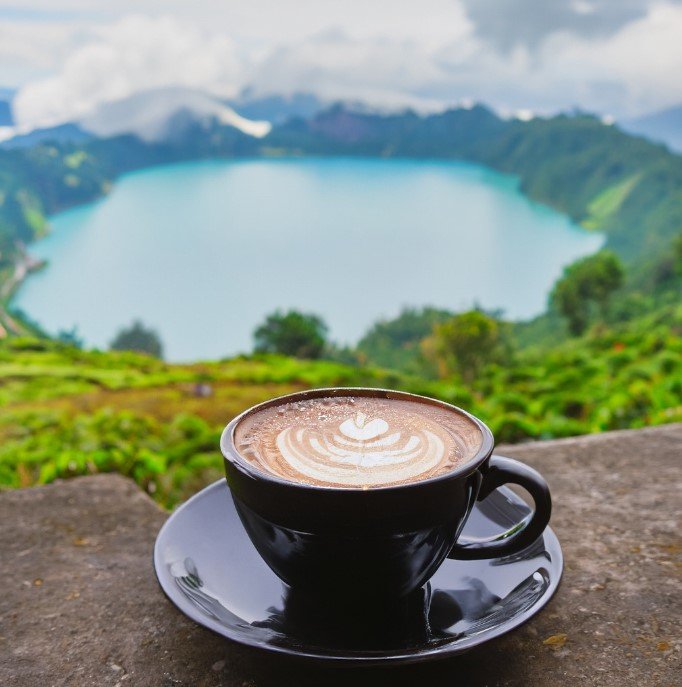
    In the world of coffee connoisseurs and enthusiasts, the mention of Aceh Gayo green coffee beans often evokes intrigue and curiosity. Located in the northern part of Sumatra, Indonesia, the Aceh region has gained recognition for its exceptional coffee, particularly the Gayo coffee variety. Aceh Gayo green coffee beans have become a sought-after treasure in the specialty coffee industry, celebrated for their unique flavors, distinct processing methods, and their contribution to the sustainable coffee movement.

    Aceh Gayo Coffee: A Legacy of Excellence

    The history of coffee cultivation in the Aceh region dates back to the Dutch colonial era. Over time, the Gayo Highlands in Aceh became renowned for its high-quality coffee production. Aceh Gayo green coffee beans are predominantly sourced from the Gayo Highlands, which benefit from the ideal altitude, climate, and volcanic soil conditions that coffee plants thrive in. These factors combine to create a terroir that produces beans with a distinctive flavor profile.

    Unique Flavor Profile

    What sets Aceh Gayo green coffee beans apart from other coffee varieties is their unique flavor profile. The Gayo coffee beans are known for their full-bodied, earthy flavor with notes of dark chocolate, herbs, and a subtle hint of spiciness. This unique taste is a result of the Gayo Highlands’ specific environmental conditions and traditional processing methods.

    Traditional Processing Methods

    One of the key factors contributing to the unique flavor of Aceh Gayo coffee is the traditional wet-hulling or “Giling Basah” processing method. Unlike other coffee-producing regions that use dry processing or fully washed methods, Gayo coffee undergoes a distinctive wet-hulling process.

    In wet-hulling, freshly harvested coffee cherries are pulped to remove the outer skin, after which the beans are fermented for a short period. The partially dried beans are then hulled, revealing a parchment layer. At this stage, the beans still contain moisture, which is reduced during the final drying process. This traditional approach imparts the distinctive earthy notes and complex flavors to Aceh Gayo green coffee beans.

    Sustainability and Community Impact

    Aceh Gayo coffee cultivation is deeply intertwined with the local community, and its success has significant social and environmental implications. The region’s coffee farmers have embraced sustainable farming practices, often growing their coffee under shade trees and employing organic cultivation methods.

    Furthermore, the Fair Trade and organic certifications that many Aceh Gayo coffee producers have acquired ensure that growers receive fair compensation for their efforts. This not only improves the living standards of coffee farming families but also supports community development projects, including education and healthcare.

    Environmental Impact

    The cultivation of Aceh Gayo green coffee beans also has a positive environmental impact. The shade-grown coffee practices protect the local ecosystem by maintaining the natural biodiversity of the region. The coffee trees provide habitat for various bird species and help prevent soil erosion. Additionally, organic farming practices reduce the use of harmful chemicals, benefiting both the environment and the health of the farmers.

    Global Recognition and Specialty Coffee Scene

    Aceh Gayo green coffee beans have garnered international acclaim in the specialty coffee scene. Their unique flavor profile and sustainable cultivation practices have made them a favorite among roasters and baristas worldwide. The Gayo coffee has been featured in various coffee competitions and has received accolades for its exceptional taste.

    Roasters and coffee shops in major cities around the world often showcase Aceh Gayo coffee as a premium offering. The distinctive flavors of Gayo coffee make it an excellent choice for espresso blends, single-origin pour-overs, and cold brews, appealing to a wide range of coffee enthusiasts.

    Exploring the Aromas and Tastes

    For those fortunate enough to sample Aceh Gayo green coffee beans, the tasting experience can be a revelation. Brewed coffee from these beans offers a sensory journey through the lush tropical forests of the Gayo Highlands. The aroma is often described as earthy and herbal, reminiscent of the rich soil that nourishes the coffee plants. As you take your first sip, you’ll encounter the harmonious blend of dark chocolate and herbal notes, followed by a subtle spiciness that lingers on the palate. This complex flavor profile is what makes Aceh Gayo coffee truly exceptional.

    Characteristics of Aceh Gayo Coffee

    1. Origin: Aceh Gayo coffee hails from the Gayo Highlands in the Aceh region of Sumatra, Indonesia. The combination of high altitudes, volcanic soil, and the region’s unique microclimate contributes significantly to the coffee’s distinct characteristics.
    2. Bean Variety: The Arabica coffee bean variety dominates Aceh Gayo coffee production, with its Arabica Typica and Gayo 1 varietals being the most common. Arabica beans are celebrated for their nuanced and complex flavors.
    3. Altitude: Coffee grown at higher altitudes tends to develop more desirable flavor characteristics. In the Gayo Highlands, coffee is cultivated at elevations ranging from 1,200 to 1,500 meters above sea level, allowing for the development of unique flavors and aromas.
    4. Processing Method: Aceh Gayo coffee is traditionally processed using the wet-hulling method, known locally as “Giling Basah.” This method involves pulping, fermenting, and hulling the coffee beans while they still contain some moisture. This unique processing imparts distinctive earthy and herbal notes to the beans.

    Flavor Profile of Aceh Gayo Coffee

    Aceh Gayo coffee is renowned for its rich and complex flavor profile, which includes the following characteristics:

    1. Earthy: The earthy notes in Aceh Gayo coffee are pronounced, reminiscent of the fertile volcanic soil in which the coffee trees thrive. This earthiness provides a solid foundation for the coffee’s flavor.
    2. Herbal: A prominent herbal quality adds depth to the flavor profile. It can be likened to the fragrance of fresh herbs, creating a refreshing and invigorating taste.
    3. Dark Chocolate: Dark chocolate undertones are a delightful aspect of Aceh Gayo coffee. These notes contribute to the coffee’s overall richness and are often highlighted when brewed properly.
    4. Spicy Undertones: A subtle hint of spiciness is another intriguing characteristic of Aceh Gayo coffee. This adds a layer of complexity and a mild kick to the flavor, making each sip a unique experience.
    5. Full-Bodied: Aceh Gayo coffee boasts a full-bodied quality that provides a satisfying mouthfeel. The richness of the coffee coats the palate, leaving a lasting impression.

    Brewing Tips for Aceh Gayo Coffee

    To fully appreciate the characteristics and flavor profile of Aceh Gayo coffee, consider the following brewing tips:

    1. Use Fresh Beans: Start with freshly roasted Aceh Gayo coffee beans. Coffee beans are at their peak flavor within a few weeks of roasting.
    2. Grind Just Before Brewing: Grind the beans just before brewing to preserve their freshness and aroma. Use a medium-coarse grind for methods like pour-over or French press.
    3. Water Quality: Use filtered water with a temperature of around 200°F (93°C). Water quality plays a significant role in the coffee’s taste.
    4. Brewing Method: Aceh Gayo coffee is versatile and can be brewed using various methods, including pour-over, French press, espresso, and Aeropress. Experiment to find your preferred brewing style.
    5. Brew Time: Pay attention to the brew time to control the strength of the coffee. Typically, a brew time of 3-4 minutes for pour-over and French press methods works well.
    6. Enjoy Black or with Minimal Additions: To fully appreciate the coffee’s unique flavors, consider tasting it black or with minimal additions like a dash of cream or a touch of sugar.

    Conclusion

    Aceh Gayo coffee is a treasure for coffee enthusiasts seeking unique flavor experiences. Its distinct characteristics, including earthy and herbal notes, dark chocolate undertones, and subtle spiciness, make it a standout choice in the world of specialty coffee. By following proper brewing techniques and savoring its complex flavors, you can fully appreciate the exceptional qualities of Aceh Gayo coffee, a testament to the rich coffee heritage of the Gayo Highlands in Aceh, Indonesia.

    Aceh Gayo green coffee beans represent a delightful convergence of tradition, sustainability, and exceptional flavor. The unique wet-hulling processing method, coupled with the region’s ideal terroir, gives these beans a flavor profile that stands out in the world of coffee. Furthermore, the commitment to sustainable farming practices and Fair Trade principles ensures that the Aceh Gayo coffee industry contributes positively to the local community and environment.

    As you sip a cup of Aceh Gayo coffee, you not only savor its rich and complex flavors but also become part of a global movement that values quality, sustainability, and the preservation of unique coffee traditions. Aceh Gayo green coffee beans are not just a beverage; they are a journey into the heart of a coffee culture that has been cherished for generations and promises to delight coffee lovers for generations to come.

  • Bali Kintamani Robusta: A Coffee Journey to Remember

    Bali Kintamani Robusta: A Coffee Journey to Remember

    Bali, the Indonesian island known for its stunning beaches, lush landscapes, and vibrant culture, is also home to a hidden gem that coffee enthusiasts are increasingly discovering – Kintamani Robusta coffee. Nestled in the highlands of Bali, the Kintamani region offers a unique and unforgettable coffee experience that combines breathtaking scenery with the rich flavors of Robusta beans. We will explore the origins, characteristics, and cultural significance of Kintamani Robusta coffee.

    A Rich Coffee Heritage

    The story of Kintamani Robusta coffee begins in the fertile volcanic soil of the Kintamani highlands, situated in the Bangli regency of Bali. This region’s elevation, ranging from 2,000 to 3,000 feet above sea level, provides an ideal environment for coffee cultivation. The volcanic soil, abundant rainfall, and cool temperatures create the perfect conditions for coffee plants to thrive.

    Bali Kintamani Robusta

    Kintamani Robusta coffee is part of Bali’s rich agricultural heritage, which has sustained the island’s economy for centuries. Balinese farmers have been cultivating coffee since the early 20th century, and today, coffee plantations cover extensive areas of the Kintamani region. The coffee farms are often family-owned, and the cultivation methods have been passed down through generations, preserving traditional techniques.

    Distinctive Characteristics

    What sets Kintamani Robusta apart from other coffee varieties is its distinctive flavor profile. Robusta beans, known for their robust and bold taste, are the primary coffee variety grown in the Kintamani region. Unlike their Arabica counterparts, which are typically grown in other parts of the world, Robusta beans are characterized by a stronger, full-bodied flavor with hints of earthiness and nuttiness.

    The Kintamani Robusta coffee beans are handpicked and sun-dried, ensuring that only the ripest cherries are selected. This meticulous harvesting process contributes to the coffee’s exceptional quality. When brewed, Kintamani Robusta coffee exhibits a rich, chocolatey flavor with subtle herbal notes, making it a favorite among those who appreciate a robust and aromatic cup of coffee.

    Coffee and Culture

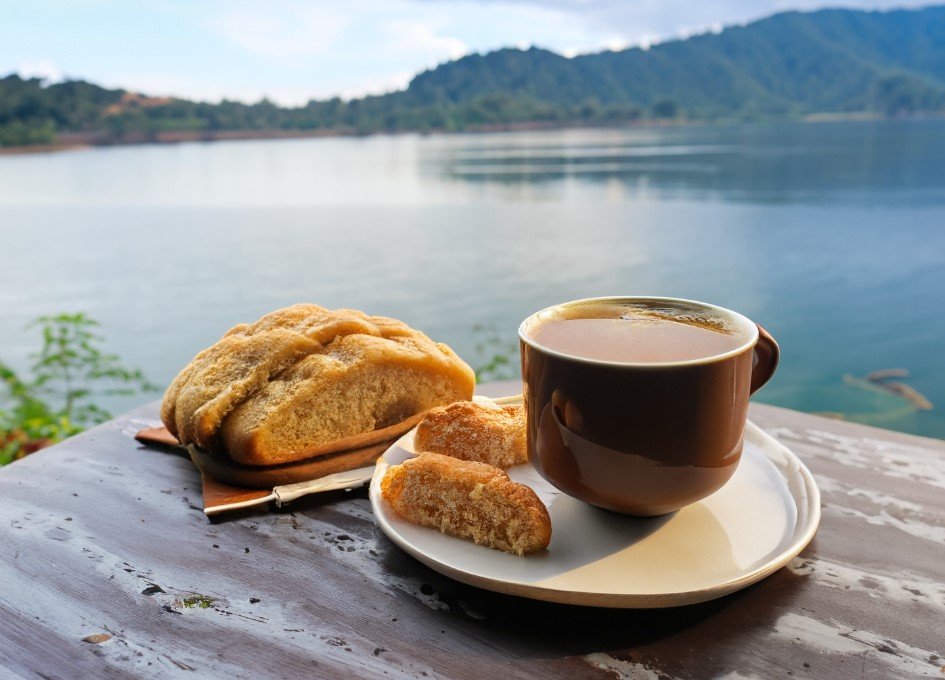
    In Bali, coffee is not just a beverage; it is deeply ingrained in the island’s culture and traditions. Coffee ceremonies are an essential part of Balinese hospitality, often accompanied by snacks and lively conversation. The brewing and sharing of coffee are considered acts of friendship and community, reinforcing the bonds between individuals.

    Visitors to Bali’s Kintamani region can experience these coffee traditions firsthand. Many coffee farms and plantations offer guided tours where tourists can witness the entire coffee-making process, from the cultivation of coffee plants to the final cup of freshly brewed Kintamani Robusta. This immersive experience allows visitors to appreciate not only the flavors but also the cultural significance of coffee in Bali.

    Sustainable Farming Practices

    Balinese coffee farmers take great pride in their sustainable and eco-friendly farming practices. Unlike large-scale commercial coffee plantations that may prioritize quantity over quality, Kintamani Robusta coffee is typically grown on small, family-owned farms that prioritize environmental responsibility.

    Many farmers in the Kintamani region use organic farming methods, avoiding the use of synthetic pesticides and fertilizers. This commitment to sustainability not only preserves the natural beauty of the region but also ensures the long-term viability of coffee cultivation in Bali.

    The Journey Continues

    For coffee enthusiasts, a journey to Bali’s Kintamani region is not just about tasting exceptional coffee; it’s about immersing oneself in the rich culture and traditions that surround coffee cultivation. Whether you’re exploring the lush coffee plantations, witnessing the meticulous harvesting process, or participating in a traditional coffee ceremony, every moment is an opportunity to connect with both the flavors and the people of Bali.

    In recent years, Kintamani Robusta coffee has gained recognition beyond the island of Bali. Its unique taste and sustainable farming practices have attracted coffee connoisseurs from around the world. As a result, Bali’s coffee industry has seen growth and increased recognition on the global stage.

    Conclusion

    Bali’s Kintamani Robusta coffee is a journey of the senses and a testament to the harmonious relationship between nature, culture, and coffee. The coffee’s distinctive flavor, cultivated in the highlands of Bali, reflects the island’s natural beauty and the dedication of its coffee farmers.

    For those seeking an unforgettable coffee experience, a trip to the Kintamani region is a journey to remember. It is a journey that not only tantalizes the taste buds but also offers a deeper connection to the traditions, culture, and landscapes that make Bali a truly enchanting destination. So, the next time you savor a cup of Kintamani Robusta coffee, remember that it represents much more than just a beverage; it embodies the spirit of Bali itself.

  • Brewing Culture: The Story of Gayo Coffee

    Brewing Culture: The Story of Gayo Coffee

    Coffee is more than just a beverage; it’s a cultural phenomenon that transcends borders and connects people from around the world. Each region that cultivates coffee beans brings its unique flavors, aromas, and traditions to the global coffee tapestry. In this 900-word exploration, we delve into the captivating story of Gayo Coffee, a jewel in Indonesia’s coffee crown.

    Origins of Gayo Coffee

    To truly understand Gayo Coffee, we must begin with its origins. Gayo, also known as Aceh Gayo, is a highland region located in the Aceh province of northern Sumatra, Indonesia. It’s nestled among lush forests, mountainous terrain, and pristine rivers, creating an ideal environment for coffee cultivation.

    Gayo Coffee

    Coffee has a long history in this region, dating back to the late 19th century when Dutch colonists introduced coffee plants to the area. Over time, Gayo Coffee became renowned for its exceptional quality, attracting attention not only in Indonesia but also on the international stage.

    Unique Growing Conditions

    What sets Gayo Coffee apart from other coffee varieties is the exceptional growing conditions in the Gayo Highlands. Situated at elevations ranging from 1,000 to 1,600 meters above sea level, the Gayo region enjoys a cool, tropical climate with ample rainfall. These conditions provide the perfect foundation for the cultivation of Arabica coffee, the most coveted coffee species globally.

    The volcanic soil in the region adds to the coffee’s distinct flavor profile. The rich, mineral-laden earth contributes to the beans’ unique character, characterized by bright acidity and full-bodied richness. Farmers in Gayo take pride in their sustainable farming practices, often using organic methods, which further enhance the coffee’s quality and appeal to environmentally conscious consumers.

    The Gayo Coffee Culture

    Coffee is not just an agricultural product in Gayo; it’s an integral part of the local culture. Coffee plantations dot the landscape, and coffee production is a source of livelihood for many families in the region. Coffee farming has been passed down through generations, preserving the traditional techniques and knowledge required to produce top-quality beans.

     Gayo Coffee
    Gayo Coffee

    In Gayo, coffee farming isn’t just about growing the beans; it’s also about fostering a sense of community. Coffee plantations often serve as meeting places where farmers gather to discuss their crops, share stories, and exchange ideas. The cultivation and processing of Gayo Coffee are a collective effort, reflecting the strong bond among the people of the region.

    The Journey from Bean to Cup

    The journey of Gayo Coffee from bean to cup is a meticulous process that involves various stages. It all begins with the cultivation of coffee trees, where farmers carefully tend to their crops, ensuring they receive the right amount of sunlight, water, and nutrients. Once the coffee cherries ripen, they are handpicked, a labor-intensive but crucial step to select only the ripest, highest-quality cherries.

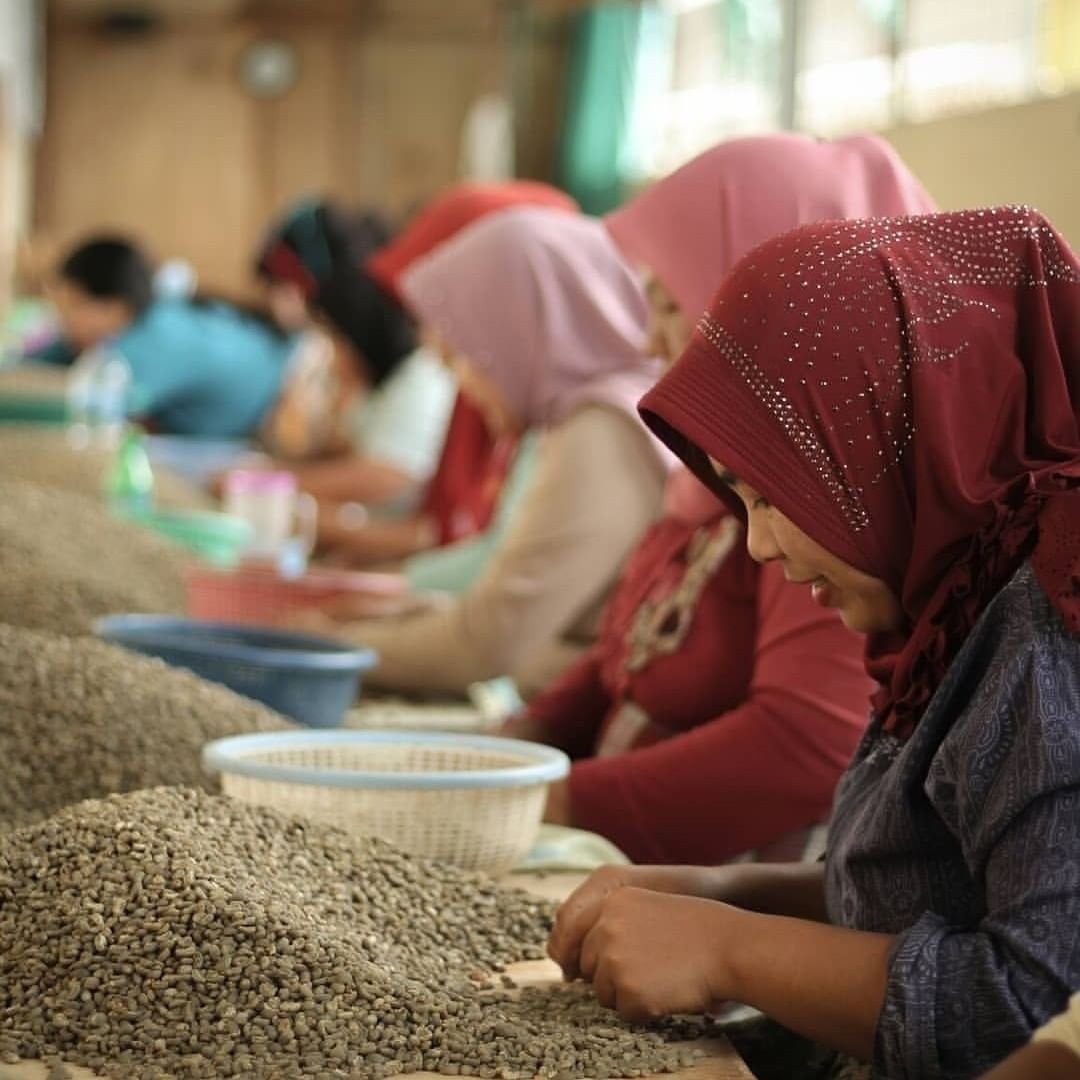
    After harvesting, Gayo Coffee undergoes a meticulous process of washing, drying, and sorting. This process is essential for removing the pulp and mucilage from the beans while preserving their natural flavors. The beans are then sun-dried on patios or raised beds, allowing them to develop their distinct taste.

    Once dried, the coffee beans are carefully sorted to remove any defects or impurities. This attention to detail ensures that only the best beans make it to the final stages of processing. The sorted beans are then roasted to perfection, with experienced roasters bringing out the beans’ unique flavors and aromas.

    Flavor Profile of Gayo Coffee

    Gayo Coffee is celebrated for its exceptional flavor profile. When you take a sip of a well-brewed cup of Gayo Coffee, you’ll experience a symphony of flavors. The coffee is known for its bright acidity, which provides a pleasant tanginess that awakens the taste buds. This acidity is complemented by a full-bodied richness, creating a well-balanced and complex taste.

    One of the standout characteristics of Gayo Coffee is its aromatic qualities. The beans often exhibit a fragrance that hints at floral notes, earthiness, and even a subtle spiciness. When ground and brewed, Gayo Coffee fills the room with an enticing aroma that adds to the overall coffee-drinking experience.

    The Global Impact

    While Gayo Coffee has deep roots in the Gayo Highlands, its impact extends far beyond the region. The coffee has gained recognition on the global stage and is sought after by coffee enthusiasts and connoisseurs worldwide. Its unique flavor profile, coupled with the sustainable and ethical farming practices of the region, has made Gayo Coffee a symbol of quality and responsibility in the coffee industry.

    Moreover, the success of Gayo Coffee has had a positive economic impact on the Gayo Highlands, providing income and livelihoods to countless families. The cultivation of coffee has also encouraged the preservation of the region’s lush forests, as many coffee farms embrace eco-friendly farming methods.

    Conclusion

    In the world of coffee, Gayo Coffee stands as a testament to the remarkable interplay between geography, culture, and tradition. It’s more than just a beverage; it’s a symbol of the Gayo Highlands’ rich history, strong sense of community, and commitment to sustainable farming practices. Whether you’re a coffee aficionado or someone seeking to explore new flavors, Gayo Coffee offers a unique and captivating experience that’s worth savoring. So, the next time you enjoy a cup of Gayo Coffee, remember that you’re not just drinking a beverage; you’re immersing yourself in a rich cultural and culinary heritage that spans generations.

  • Indonesia Robusta Coffee Beans: A Taste of Tradition and Excellence

    Indonesia Robusta Coffee Beans: A Taste of Tradition and Excellence

    Indonesia Robusta coffee beans are prized across the world for their rich aroma and unique taste. With a history dating back centuries, these beans are a true embodiment of tradition and excellence.

    Grown in the lush fertile soil of Indonesia’s volcanic regions, Robusta coffee beans thrive in the country’s tropical climate, where they develop their distinct flavor profile. The combination of volcanic soil, ample rainfall, and optimal temperature creates the perfect conditions for these beans to flourish.

    Indonesia Robusta coffee beans are known for their bold and earthy flavor, with notes of chocolate and spices. This flavor profile sets them apart from other coffee varieties, making them a favorite among coffee enthusiasts.

    What sets Indonesian coffee apart is not just its taste, but also the unique way it is cultivated and processed, using traditional methods passed down through generations. This dedication to preserving time-honored techniques ensures that every cup of Indonesian coffee tells a story of craftsmanship and authenticity.

    Whether you enjoy a strong and full-bodied espresso or a smooth and balanced cup of coffee, Indonesia’s Robusta beans will delight your taste buds and transport you to the captivating world of Indonesian coffee culture.

    Robusta coffee: History and origins

    Robusta coffee, also known as Coffea canephora, is one of the two main species of coffee beans, the other being Arabica. While Arabica coffee is more widely recognized and consumed, Robusta holds a special place in the hearts of coffee enthusiasts.

    Robusta Coffee

    Originally native to the Congo Basin in Africa, Robusta coffee was introduced to Indonesia during the colonial era. The Dutch, who colonized Indonesia, recognized the country’s potential for coffee cultivation and brought Robusta coffee plants to the archipelago.

    Indonesia’s tropical climate and volcanic soil provided the perfect environment for Robusta beans to thrive. Today, Indonesia is one of the largest producers of Robusta coffee in the world, known for its exceptional quality and unique flavor profile.

    Unique characteristics of Indonesian Robusta coffee beans

    Indonesia’s Robusta coffee beans have distinct characteristics that set them apart from other varieties. Grown in the lush fertile soil of the country’s volcanic regions, these beans develop a bold and earthy flavor, with notes of chocolate and spices.

    The volcanic soil, rich in minerals, adds depth and complexity to the beans’ flavor profile. Additionally, the ample rainfall and optimal temperature in Indonesia’s tropical climate contribute to the beans’ unique taste and aroma.

    Robusta coffee beans are also known for their high caffeine content, making them a popular choice for those seeking a strong and energizing cup of coffee. The higher caffeine levels in Robusta beans give them a bolder and more robust flavor compared to Arabica beans.

    Traditional coffee farming practices in Indonesia

    What sets Indonesian coffee apart is not just its taste, but also the unique way it is cultivated and processed, using traditional methods passed down through generations. This dedication to preserving time-honored techniques ensures that every cup of Indonesian coffee tells a story of craftsmanship and authenticity.

    Coffee farming in Indonesia is often done on small, family-owned farms, where farmers carefully tend to their coffee plants. The cultivation process begins with selecting the right variety of Robusta coffee plants and ensuring they are planted in the ideal location.

    Farmers in Indonesia follow sustainable farming practices, using organic fertilizers and natural pest control methods to protect the coffee plants. This commitment to sustainability not only preserves the environment but also enhances the flavor and quality of the coffee beans.

    Once the coffee cherries have ripened, they are handpicked by skilled farmers, ensuring only the ripest cherries are selected. This meticulous process ensures that only the highest quality beans make it to the next stage of processing.

    The importance of sustainable coffee production in Indonesia

    Sustainable coffee production is an integral part of the coffee industry in Indonesia. The country’s unique ecosystem and fragile environment require careful stewardship to ensure the long-term viability of coffee farming.

    Indonesia is known for its diverse flora and fauna, and coffee farming plays a crucial role in preserving this biodiversity. Sustainable farming practices, such as shade-grown coffee cultivation, help maintain the balance of the ecosystem and protect wildlife habitats.

    Indonesia Robusta Coffee Beans
    Indonesia Robusta Coffee Beans

    In recent years, there has been a growing focus on the importance of fair trade and ethical sourcing in the coffee industry. Indonesian coffee farmers have embraced these principles, ensuring fair wages and working conditions for their workers.

    By supporting sustainable coffee production in Indonesia, consumers can make a positive impact on the lives of coffee farmers and contribute to the preservation of the country’s unique natural resources.

    Indonesian coffee culture and traditions

    Coffee holds a special place in Indonesian culture and traditions. The country’s coffee shops, known as “warungs kopi,” are social hubs where people gather to enjoy a cup of coffee and engage in lively conversations.

    Indonesian coffee culture emphasizes the art of slow coffee brewing, where the focus is on savoring each step of the coffee-making process. The traditional brewing methods, such as the “pour-over” technique, allow the flavors to fully develop, resulting in a rich and aromatic cup of coffee.

    In addition to coffee shops, Indonesia is also famous for its traditional coffee ceremonies. These ceremonies, often performed during special occasions, involve the preparation and serving of coffee in a ceremonial manner, symbolizing hospitality and togetherness.

    The role of Robusta coffee in the global coffee industry

    Robusta coffee plays a significant role in the global coffee industry. While Arabica coffee is often associated with specialty coffee and high-end cafes, Robusta beans are widely used in the production of instant coffee and espresso blends.

    The high caffeine content and bold flavor of Robusta coffee make it a popular choice for espresso blends, where it adds body and crema to the final cup. Additionally, the affordability of Robusta beans makes them a key ingredient in many instant coffee products consumed worldwide.

    Indonesia’s Robusta coffee beans have gained recognition for their quality and flavor, and they are sought after by coffee roasters and manufacturers around the globe. The country’s coffee exports contribute to its economy and help promote Indonesian coffee to a wider audience.

    Indonesia is home to several renowned coffee brands that produce exceptional Robusta coffee. One such brand is Kapal Api, which has been a household name in Indonesia for over 90 years. Known for its strong and full-bodied coffee, Kapal Api has become synonymous with quality and tradition.

    Another popular Indonesian coffee brand is Toraja Coffee, named after the region in Sulawesi where the coffee is grown. Toraja coffee is known for its unique flavor profile, characterized by its earthy and fruity notes.

    In addition to these established brands, there is a growing number of specialty coffee roasters in Indonesia that focus on sourcing and roasting high-quality Robusta beans. These roasters are dedicated to showcasing the true potential of Indonesian coffee and highlighting its unique flavors.

    How to brew and enjoy Indonesian Robusta coffee

    Brewing and enjoying Indonesian Robusta coffee is a delightful experience that allows you to savor the rich flavors and aromas of this unique variety. Here are a few tips to help you make the most of your Indonesian coffee:

    1. Start with freshly roasted beans: To ensure the best flavor, use freshly roasted Robusta coffee beans. Look for the roast date on the packaging and try to use the beans within two weeks of the roast date.

    2. Grind the beans just before brewing: For optimal flavor extraction, grind the coffee beans just before brewing. Use a burr grinder and adjust the grind size based on your preferred brewing method.

    3. Choose the right brewing method: There are various brewing methods you can use to prepare Indonesian Robusta coffee, such as pour-over, French press, or espresso. Experiment with different methods to find the one that suits your taste.

    4. Control the water temperature: The ideal water temperature for brewing Robusta coffee is between 195°F and 205°F (90°C to 96°C). Use a thermometer or an electric kettle with temperature control to achieve the desired temperature.

    5. Take your time to enjoy: Indonesian Robusta coffee is best enjoyed slowly, allowing the flavors to develop and unfold. Take a moment to appreciate the aroma and taste of each sip, immersing yourself in the rich heritage of Indonesian coffee.

    Conclusion: Celebrating the rich heritage of Indonesian Robusta coffee

    Indonesia’s Robusta coffee beans are more than just a beverage; they are a testament to the country’s rich heritage and tradition. Grown in the fertile volcanic soil of Indonesia’s tropical regions, these beans develop a unique flavor profile that captivates coffee enthusiasts worldwide.

    Through sustainable farming practices and traditional cultivation methods, Indonesian coffee farmers have preserved the authenticity and craftsmanship that goes into every cup of Indonesian coffee.

    Whether you prefer a strong and bold espresso or a smooth and balanced cup of coffee, Indonesian Robusta beans have something to offer. Celebrate the rich heritage of Indonesian coffee by exploring the diverse flavors and aromas of this remarkable variety.

  • Luwak Coffee: A Unique Brew with a Wild Twist

    Luwak Coffee: A Unique Brew with a Wild Twist

    Coffee aficionados around the world are always on the lookout for unique and exotic brews that tantalize their taste buds. One such coffee that has gained both fame and notoriety is Luwak coffee. Often referred to as the “caviar of coffee,” Luwak coffee is celebrated for its distinctive flavor profile, but its journey from wild to cup is what truly sets it apart. In this exploration, we delve into the fascinating world of Luwak coffee, a unique brew with a wild twist.

    The Origins of Luwak Coffee

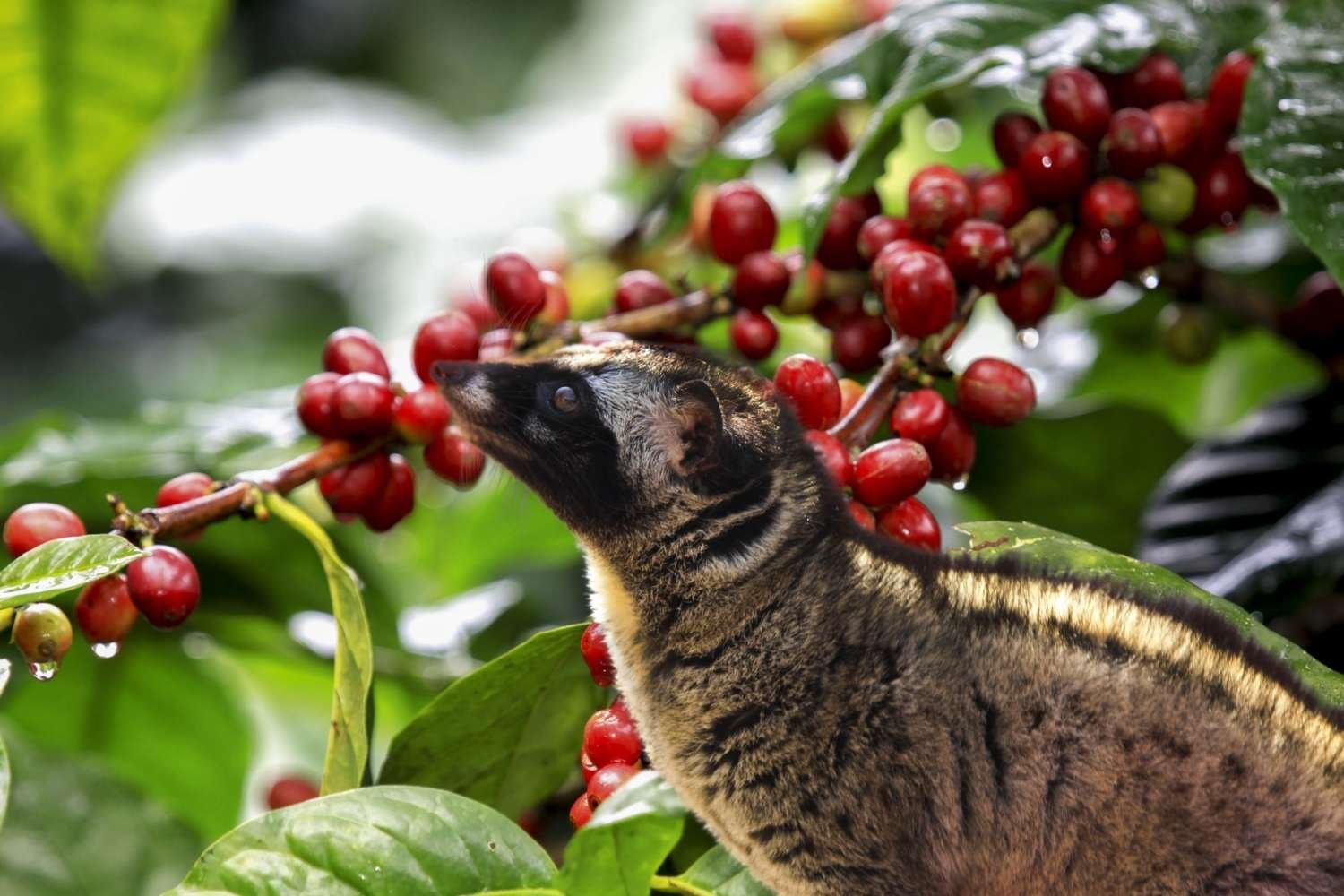
    Luwak coffee, also known as civet coffee, takes its name from the civet, a small, cat-like mammal found in the coffee-growing regions of Southeast Asia. These creatures play a pivotal role in the production of this unique brew. The story of Luwak coffee begins when civets roam the coffee plantations at night, selectively choosing the ripest coffee cherries to eat. These cherries pass through the civet’s digestive system, where enzymes and fermentation processes take place.

    Wild Civet Coffee

    The Digestive Alchemy

    The magic of Luwak coffee happens during the journey through the civet’s digestive tract. Enzymes in the civet’s stomach break down the proteins in the coffee cherries, reducing their bitterness and acidity. This natural fermentation process imparts unique flavors to the beans, making Luwak coffee unlike any other coffee in the world.

    After the civet has digested the outer pulp of the cherries, the beans are excreted by the animal. These beans are then carefully collected by farmers, who meticulously clean and process them. It might sound unappealing, but it’s this unusual journey that contributes to Luwak coffee’s distinct taste.

    The Roasting and Brewing Process

    Once the Luwak coffee beans are collected, they go through the typical coffee production process, including washing, drying, and roasting. Roasting is a crucial step that transforms the green, fermented beans into the aromatic, brown coffee beans we’re familiar with. Roasting temperatures and times are carefully controlled to bring out the unique flavors developed during the fermentation process.

    Luwak coffee is often roasted to a medium or dark roast level, which helps to accentuate its bold, earthy flavors. The aroma of freshly roasted Luwak coffee beans is intoxicating, with hints of chocolate, caramel, and spices.

    Tasting the Wild Twist

    The true test of any coffee is in the tasting, and Luwak coffee doesn’t disappoint. When you take your first sip of Luwak coffee, you’ll notice a complex flavor profile that includes notes of chocolate, nutty undertones, and a syrupy sweetness. Its unique aroma is often described as earthy and herbal, with a hint of exotic spices.

    What sets Luwak coffee apart is its remarkably smooth and velvety texture, which is a result of the enzymatic changes that occur during the civet’s digestive process. The acidity in Luwak coffee is notably lower than in regular coffee, making it a great choice for those who find traditional coffees too sharp or bitter.

    Ethical Concerns and Sustainability

    While Luwak coffee is undoubtedly unique and intriguing, it has faced its fair share of ethical concerns. The increasing demand for this exotic brew has led to a rise in the mistreatment of civets. Some unscrupulous producers keep civets in captivity and force-feed them coffee cherries, exploiting the animals for profit. This has raised concerns about animal welfare and sustainability.

    In response to these concerns, ethical and sustainable practices have been gaining traction in the Luwak coffee industry. Some coffee producers have established sanctuaries where civets can roam freely and select coffee cherries on their own terms. These efforts aim to preserve the integrity of the coffee while ensuring the welfare of the animals involved.

    The Price of Uniqueness

    Luwak coffee’s exotic and labor-intensive production process comes with a high price tag. It is often one of the most expensive coffees in the world, with prices that can reach hundreds of dollars per pound. This exclusivity makes it a luxury item, reserved for special occasions or for those seeking a truly unique coffee experience.

    The Allure of Luwak Coffee

    The allure of Luwak coffee lies not only in its remarkable flavor but also in the story behind each cup. From the wild civets roaming coffee plantations to the meticulous processing and roasting, Luwak coffee is a testament to the harmony between nature and human craftsmanship.

    Every sip of Luwak coffee carries with it the essence of the lush coffee-growing regions of Southeast Asia and the untamed spirit of the civet. It’s a coffee that appeals to adventurers and connoisseurs alike, offering a taste of the wild with every twist of the cup.

    In Conclusion

    Luwak coffee, with its wild twist, remains a unique and enigmatic brew in the world of coffee. Its journey from the coffee cherry to the cup is a testament to the wonders of nature and human ingenuity. While it has faced ethical challenges in its production, the growing emphasis on ethical and sustainable practices is paving the way for a more responsible and enjoyable Luwak coffee experience.

    If you’re a coffee enthusiast seeking an exotic and unforgettable brew, Luwak coffee should be on your list. It’s a coffee that not only tantalizes the taste buds but also invites you to explore the fascinating interplay between nature and the coffee-making process.

  • Mandheling Coffee: From the Heart of Sumatra to Your Cup

    Mandheling Coffee: From the Heart of Sumatra to Your Cup

    Coffee enthusiasts, brace yourselves for a delightful journey into the world of Mandheling coffee, a brew that beckons with its enchanting history and tantalizing flavors and cherish the opportunity to savor the diverse flavors and aromas that coffee can offer. While coffee beans are celebrated across the globe, there’s something truly magical about the coffee that springs forth from the lush plantations of Indonesia’s North Sumatra. One coffee variety that stands out for its exceptional quality is Mandheling coffee, which hails from the lush coffee plantations of Indonesia. This exquisite coffee is celebrated for its rich, earthy flavors, full body, and captivating history. This article will explore what makes Mandheling coffee so unique and why it is a must-try for any coffee enthusiast.

    The Origin of Mandheling Coffee

    Mandheling coffee has a history as rich as its taste. Named after the Mandailing people, its legacy stretches back to the early 19th century. In a land where coffee production is an art form, Mandheling coffee stands as a testament to the dedication of Indonesian farmers. Interestingly, the name “Mandheling” itself is a misnomer, as it doesn’t refer to a specific coffee variety but rather to the region and the people who cultivate it.

    Aceh Gayo Coffee

    Mandheling coffee takes its name from the Mandailing people, an ethnic group in North Sumatra, Indonesia. While it’s primarily grown in the region surrounding Lake Toba, it’s important to note that Mandheling is not a coffee bean variety but a trade name. Most Mandheling coffee is actually made from Arabica beans, specifically the Typica and Bourbon varieties, which thrive in the unique microclimates of North Sumatra.

    Flavor Profile

    One of the defining characteristics of Mandheling coffee is its complex flavor profile. Coffee connoisseurs often describe it as having a full body with low acidity. Here are some key flavor notes associated with Mandheling coffee:

    1. Earthy and Herbal: Mandheling coffee boasts a deep, earthy aroma reminiscent of the fertile soil in which it’s grown. This earthiness is often accompanied by subtle herbal undertones, providing a truly unique taste experience.
    2. Spice and Dark Chocolate: A well-brewed cup of Mandheling coffee can reveal hints of spice, which add depth and complexity to the flavor. Additionally, you may detect notes of dark chocolate, creating a delightful balance of sweetness and bitterness.
    3. Smooth and Velvety: Its low acidity and full body contribute to a smooth, velvety texture that coats the palate, leaving a lasting impression.

    Flavors That Dance on Your Palate

    Pour yourself a cup of Mandheling coffee, and you’ll embark on a sensory adventure like no other:

    1. Exotic Spice Symphony: Mandheling coffee’s flavor profile is like an orchestra of spices. It often presents hints of clove, cardamom, and black pepper. Sipping it feels like a journey through a spice market, with each note distinct yet harmonious.
    2. The Chocolate Elixir: If you’re a fan of chocolate, Mandheling coffee is your elixir. Dark chocolate undertones meld seamlessly with the spiciness, creating a heavenly balance that’s both comforting and exciting.
    3. A Journey Through the Forest: Close your eyes as you sip, and you might envision yourself wandering through a lush Indonesian forest. The earthy and herbal notes transport you to the very soil where these coffee beans take root.

    Processing Methods

    The traditional wet-hulling processing method is commonly used for Mandheling coffee. This method involves removing the outer skin of the coffee cherries and letting the beans ferment for a short period before drying. This unique processing technique contributes to the distinct flavor profile of Mandheling coffee, adding to its appeal. The beans are then dried to perfection. The result? A flavor that’s uniquely Mandheling, capturing the essence of the region’s fertile soils and climate.

    The Global Impact

    Mandheling Coffee has a significant presence in the international coffee market. This Coffee has found its way into the hearts and cups of coffee worldwide. Its distinctiveness has made it a favorite among coffee roasters and enthusiasts who appreciate the challenge of bringing out the best in each bean. For consumers, it’s a passport to adventure, inviting them to explore the diverse world of coffee from the comfort of their homes.

    The Magical of Mandheling Coffee

    Beyond its exceptional flavor, Mandheling coffee plays a crucial role in supporting local communities. The coffee industry in North Sumatra provides employment opportunities for countless farmers and contributes to the region’s economic growth. So, when you savor a cup of Mandheling coffee, you’re not just enjoying a brew; you’re participating in a rich cultural heritage.

    In the world of coffee, few varieties can match the exceptional quality and distinctive flavors of Mandheling coffee. From its origins in the fertile soil of North Sumatra to its unique flavor profile characterized by earthy and herbal notes, this coffee is a testament to the artistry and dedication of Indonesian coffee farmers. Whether you’re a seasoned coffee aficionado or simply looking to expand your coffee horizons, Mandheling coffee is a taste of Indonesia’s finest brew that should not be missed. So, the next time you’re in search of a truly exceptional cup of coffee, be sure to explore the world of Mandheling coffee – a sensory journey like no other.

    The Greatest of Mandheling Coffee

    However, both semi-washed and fully-washed processing methods have their own unique characteristics, and what may be considered “best” in terms of flavor can be subjective and dependent on individual preferences.

    1. Semi-washed Mandheling coffee tends to have a distinctive and bold flavor. It often exhibits earthy, herbal, and spicy notes, with a full body. The method is known for creating a unique and complex flavor profile that’s rich and rustic.
    2. Fully washed Mandheling coffee typically has a cleaner and brighter flavor compared to the semi-washed variety. It may have a more pronounced acidity, a lighter body, and a more straightforward flavor profile. You might find it to be fruitier and more vibrant in taste.

    The “best” flavor between these two processing methods depends on your personal preferences. If you prefer a coffee with a bold and complex character, you might favor the semi-washed Mandheling coffee. On the other hand, if you appreciate a cleaner, brighter, and more acidic coffee, the fully washed version may be more to your liking.

    Our Mandheling Coffee has Herbal, Spicy, and Mild Caramel flavors. The acidity is Medium, and the caffeine is 0.8 to 1.4% For more details information about this Coffee you can visit our website here.

    So, if you looking for the best quality Mandheling Coffee,you can contact us just by click here.

  • Types of Indonesia Robusta Coffee that you must try

    Types of Indonesia Robusta Coffee that you must try

    Indonesia, with its diverse landscapes and unique climate, is a land of coffee lovers. While the world often associates Indonesia with its famous Arabica coffee, the country’s robusta coffee beans deserve just as much attention. In this article, we will delve into the world of typical Indonesian Robusta coffee and why it’s a must-try for coffee aficionados.

    The Robusta Coffee Variety

    Robusta coffee (Coffea canephora) is one of the two primary species of coffee beans used in the global coffee industry, the other being Arabica. Robusta beans are known for their distinct characteristics, including a stronger, more bitter taste, higher caffeine content, and greater resistance to pests and diseases. Indonesia, with its favorable climate and fertile soil, is a natural home for robusta coffee cultivation.

    Indonesian Robusta Coffee

    Regions of Indonesian Robusta Coffee

    Indonesia boasts several regions where Robusta coffee is cultivated, each with its unique flavors and qualities. Some of the most notable regions include:

    1. Lampung: Located in southern Sumatra, Lampung is known for its robusta coffee with a bold and earthy flavor profile. The region’s volcanic soil and tropical climate contribute to the coffee’s unique taste.
    2. Java: The island of Java is famous for its rich coffee history, dating back to Dutch colonial times. Java Robusta coffee is characterized by its full-bodied, chocolaty taste with a hint of nuttiness.
    3. Bali: Bali, the picturesque island known for its stunning beaches and lush landscapes, also produces exceptional Robusta coffee. Bali coffee is often described as having a medium body with a well-balanced acidity and a hint of spiciness.
    4. Flores: The island of Flores is home to coffee plantations that yield robusta beans with a bright and fruity flavor profile. The region’s high altitudes and volcanic soil contribute to the coffee’s unique taste.

    Unique Processing Methods

    Indonesian Robusta coffee is known for its unique processing methods, which add to its distinct flavor profile. One such method is the “giling basah” or wet-hulled process. This method involves removing the coffee’s parchment layer when the beans are still relatively wet, giving the coffee a distinct flavor that is often described as rustic and intense.

    Flavor Profiles

    Indonesian Robusta coffee offers a wide range of flavor profiles that cater to various preferences. Some common flavor notes found in Indonesian Robusta coffee include:

    1. Earthy: Many Indonesian Robusta coffees have earthy undertones, often resembling the aroma of damp soil or fresh mushrooms.
    2. Nutty: Some varieties exhibit nutty flavors, such as hints of roasted almonds or cashews, adding depth to the coffee’s taste.
    3. Chocolatey: The chocolaty notes in Indonesian Robusta coffee can range from dark cocoa to milk chocolate, providing a delightful sweetness.
    4. Spicy: In some regions, you might find Robusta coffee with subtle spicy undertones, which can add an exciting kick to your morning brew.
    5. Fruity: Certain Robusta coffees from Indonesia surprise with fruity notes, reminiscent of berries or tropical fruits.

    Robusta Coffee and Blending

    Indonesian Robusta coffee is often used in coffee blends to enhance their flavor and body. Its high caffeine content and unique taste make it a popular choice for espresso blends, where it adds a robust and creamy texture to the shot. When combined with Arabica beans, it can create a well-balanced and complex cup of coffee that appeals to a wide range of palates.

    Sustainability and Fair Trade

    In recent years, many Indonesian coffee producers have embraced sustainable and fair trade practices. This commitment not only benefits the environment but also ensures that coffee farmers receive fair compensation for their hard work. When you choose Indonesian Robusta coffee, you are supporting these efforts and contributing to the well-being of local communities.

    The Experience of Trying Indonesian Robusta Coffee

    If you’re a coffee enthusiast, trying Indonesian Robusta coffee is a rewarding experience. To fully appreciate its flavors, consider these tips:

    1. Freshness Matters: Like any coffee, freshness is key. Opt for freshly roasted beans to enjoy the full range of flavors.
    2. Brew with Care: Experiment with different brewing methods to find the one that brings out the best in your Indonesian Robusta coffee. Espresso, French press, pour-over, and Aeropress are all worth exploring.
    3. Savor the Aroma: Before taking your first sip, inhale the rich aroma of the coffee. Indonesian Robusta coffee often has a captivating scent that sets the stage for the taste experience.
    4. Taste the Terroir: Take note of the region where the coffee was grown. Different regions produce different flavor profiles, so exploring Indonesian Robusta coffee from various areas can be a delightful journey.

    Conclusion

    Indonesian Robusta coffee offers a diverse range of flavors and experiences for coffee enthusiasts to explore. Whether you’re drawn to its earthy, nutty, chocolaty, spicy, or fruity notes, there’s a Robusta coffee from Indonesia that’s sure to captivate your taste buds. By choosing this coffee variety, you not only get to enjoy a unique and satisfying cup but also support sustainable and fair trade practices that benefit coffee producers and their communities. So, the next time you’re in search of a memorable coffee experience, make sure to try some typical Indonesian Robusta coffee—you won’t be disappointed.

  • Bali’s Coffee Plantations: A Taste of Paradise

    Bali’s Coffee Plantations: A Taste of Paradise

    Bali, often referred to as the “Island of the Gods,” is renowned for its breathtaking landscapes, rich culture, and warm hospitality. While many visitors flock to this Indonesian paradise for its pristine beaches and lush rice terraces, few are aware of Bali’s hidden gem: its coffee plantations. Nestled amidst the island’s picturesque landscapes, Bali’s coffee plantations offer a unique and immersive experience for coffee enthusiasts and curious travelers alike. In this article, we will explore the history, cultivation, and flavors of Bali’s coffee, as well as the cultural significance it holds for the Balinese people.

    A Rich History

    Coffee cultivation in Bali dates back to the early 19th century when the Dutch colonialists introduced coffee plants to the island. These pioneers recognized Bali’s ideal climate and fertile volcanic soil as the perfect conditions for growing high-quality Arabica coffee beans. Over the years, coffee farming in Bali has evolved from small-scale family enterprises to a thriving industry, earning a reputation for its unique coffee varieties and sustainable practices.

    Nayural Coffee Processing

    Cultivation and Varieties

    Bali’s coffee plantations predominantly produce two main varieties of coffee beans: Arabica and Robusta. Arabica coffee, known for its delicate flavors and complex profiles, thrives in Bali’s higher altitudes. The rich volcanic soil of the mountains, combined with the cool, misty climate, results in a coffee with a distinct taste characterized by floral and fruity notes. The Kintamani region in the central highlands is particularly famous for its Arabica coffee, often referred to as “Kintamani Coffee.” Visitors to Bali’s coffee plantations can witness the meticulous process of hand-picking these beans, which contributes to their premium quality.

    Robusta coffee, on the other hand, is cultivated in the lower elevations of Bali, offering a stark contrast to the Arabica variety. Robusta beans are known for their robust and earthy flavor, making them an integral component of many Balinese coffee blends. They are also known for their high caffeine content, which gives Balinese coffee its signature kick. Robusta coffee farms provide an opportunity for travelers to explore the heart of Bali’s agricultural practices and see the coffee cherries being harvested by skilled workers.

    Sustainable Farming Practices

    One of the remarkable aspects of Bali’s coffee plantations is their commitment to sustainable and organic farming practices. Many coffee farms on the island prioritize environmental conservation and ethical farming. Organic fertilizers, shade-grown coffee plants, and responsible water management are common practices. Additionally, several coffee plantations in Bali have adopted fair trade principles, ensuring that coffee farmers receive a fair wage for their hard work and dedication.

    Coffee Tours and Experiences

    Visiting a coffee plantation in Bali is more than just a tour; it’s a sensory journey through the world of coffee. Many plantations offer guided tours where visitors can learn about the entire coffee-making process, from planting and harvesting to roasting and brewing. During these tours, you’ll have the opportunity to pick your own coffee cherries, observe traditional coffee roasting techniques, and savor freshly brewed cups of Bali’s finest coffee.

    A highlight of any coffee plantation tour in Bali is the chance to taste a cup of “kopi tubruk.” This traditional Indonesian coffee is made by boiling coffee grounds with a lump of sugar, resulting in a strong, sweet, and aromatic brew. It’s a unique experience that showcases the rich coffee culture deeply ingrained in the Balinese way of life.

    Cultural Significance

    Coffee holds a special place in Balinese culture and traditions. It is often served as a gesture of hospitality to guests, and the act of making and serving coffee is considered an art form. The “kopi tubruk” ceremony is not only a way to enjoy coffee but also a symbol of unity and social bonding in Bali.

    Moreover, the coffee plantations themselves are integral to the island’s cultural heritage. They provide employment opportunities for local communities, preserving age-old farming practices and supporting the sustainable growth of the region. By visiting Bali’s coffee plantations, travelers not only savor exceptional coffee but also contribute to the preservation of Balinese culture.

    Conclusion

    Bali’s coffee plantations offer a window into the island’s natural beauty, cultural richness, and commitment to sustainable farming practices. From the lush terraces of Arabica coffee in Kintamani to the robust flavors of Robusta coffee in the lowlands, Bali’s coffee scene is a testament to the island’s diverse landscapes and cultural traditions. For those seeking a unique and immersive experience in Bali, a visit to a coffee plantation is a must. It’s a journey that tantalizes the taste buds, enlightens the senses, and leaves a lasting appreciation for the magic of Balinese coffee.