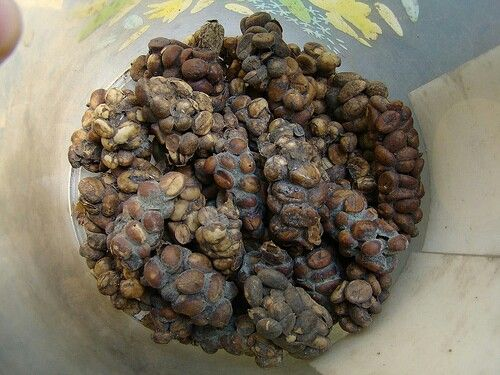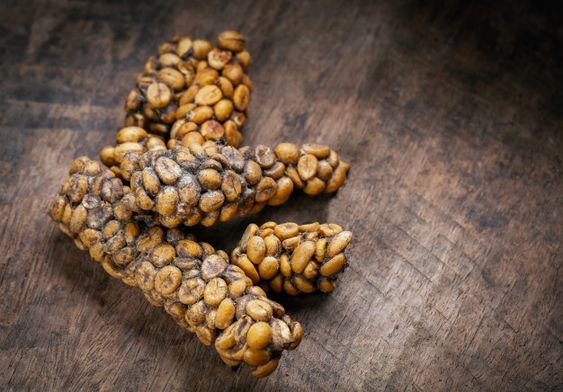
Category: Artikel

  • Improving Coffee Taste: Techniques, Benefits, and Strategies

    Improving Coffee Taste: Techniques, Benefits, and Strategies

    Improving Coffee Taste is more than just a morning ritual—it’s a complex beverage with a rich history and a world of flavors. From its humble beginnings to its current status as a global favorite, coffee’s journey from bean to cup involves numerous factors that impact its taste. Improving coffee taste involves understanding and mastering various aspects of coffee preparation and consumption. This comprehensive guide explores how to enhance coffee taste, covering techniques, benefits, goals, and strategies to achieve the perfect cup of coffee.

    Improving Coffee Taste

    To improve coffee taste, it’s crucial to understand the factors that influence flavor. Here’s a deeper look into what affects coffee’s taste profile:

    Bean Origin

    Coffee beans are grown in diverse regions, each imparting unique characteristics to the beans. For example:

    • Ethiopian Beans: Often known for their bright acidity and floral notes.
    • Colombian Beans: Typically have a well-balanced flavor with mild acidity and nutty undertones.
    • Brazilian Beans: Known for their full body and chocolatey, nutty flavors.

    The climate, soil, and altitude of the growing region play significant roles in shaping these flavors.

    Bean Variety

    Arabica and Robusta are the two primary species of coffee beans, each with distinct flavors:

    • Arabica: Known for its smooth, complex flavors with notes ranging from fruity to nutty. It generally has lower caffeine content compared to Robusta.
    • Robusta: Has a stronger, more bitter flavor and higher caffeine content. It often adds a more robust body to the coffee.

    Processing Method

    After harvesting, coffee beans are processed to remove the outer layers. The processing method impacts flavor:

    • Washed (or Wet) Processing: Results in a cleaner, more acidic flavor.
    • Natural (or Dry) Processing: Imparts a fuller body and more fruity flavors.
    • Honey Processing: Offers a balanced flavor with some sweetness and body.

    Roasting

    Roasting transforms green coffee beans into aromatic brown beans. Different roast levels affect taste:

    • Light Roasts: Preserve more of the bean’s original flavors and have higher acidity.
    • Medium Roasts: Balance acidity and body, offering a more rounded flavor.
    • Dark Roasts: Develop deep, bold flavors and a fuller body but may lose some of the bean’s original characteristics.

    Grinding

    The grind size impacts the extraction process and overall taste. Consistent grinding is essential:

    • Coarse Grind: Best for methods like French press.
    • Medium Grind: Suitable for drip coffee makers.
    • Fine Grind: Ideal for espresso machines.

    Brewing Method

    Each brewing method extracts different flavors from coffee:

    • Drip Coffee Makers: Offer convenience and a consistent brew but may lack complexity.
    • French Press: Enhances body and flavor richness.
    • Espresso Machines: Provide a concentrated, intense flavor.
    • Pour-Over: Allows for precise control over extraction and clarity.

    Water Quality

    Water quality affects the taste of coffee significantly. Use clean, filtered water to avoid any off-flavors. The ideal water temperature for brewing is between 195°F and 205°F (90°C to 96°C), as water that’s too hot or too cold can negatively impact flavor extraction.

    Techniques to Improve Coffee Taste

    Improving coffee taste involves refining each aspect of the coffee-making process. Here are detailed techniques to enhance your coffee experience:

    1. Select High-Quality Beans

    Source Fresh Beans: Purchase beans from reputable roasters or specialty shops. Look for information about the roast date, origin, and processing method to ensure freshness and quality.

    Explore Single-Origin Beans: Single-origin coffees highlight specific regional flavors. Experiment with beans from different regions to discover your preferred taste profile.

    Consider Specialty Grades: Specialty coffees are graded based on quality and flavor. Opt for high-grade beans for a superior coffee experience.

    2. Store Coffee Properly

    Use Airtight Containers: Store coffee beans in an airtight container to protect them from exposure to air, light, and moisture.

    Avoid Refrigeration: Storing coffee in the refrigerator or freezer can lead to moisture absorption. Instead, keep beans in a cool, dark place.

    Buy in Small Quantities: Purchase only the amount of coffee you can consume within a couple of weeks to ensure freshness.

    3. Grind Beans Correctly

    Invest in a Burr Grinder: Burr grinders provide a consistent grind size, which is crucial for optimal extraction. Blade grinders can produce uneven grinds, leading to inconsistent flavors.

    Adjust Grind Size: Match the grind size to your brewing method. For example, use a coarse grind for French press and a fine grind for espresso.

    Grind Before Brewing: Grind beans just before brewing to preserve their freshness and flavor. Pre-ground coffee loses its aromatic compounds quickly.

    4. Use Clean Equipment

    Regularly Clean Coffee Makers: Clean your coffee maker, grinder, and other equipment to remove old coffee oils and residues that can affect flavor.

    Descale Equipment: Mineral build-up from hard water can impact brewing efficiency and taste. Regularly descale your coffee maker to maintain optimal performance.

    5. Measure Coffee and Water

    Use Accurate Measurements: Measure coffee and water to ensure a consistent brew. A general guideline is to use 1 to 2 tablespoons of coffee per 6 ounces of water, but adjust based on taste preference.

    Experiment with Ratios: Different coffee-to-water ratios can affect flavor strength. Experiment to find the ratio that best suits your taste.

    6. Brew at the Right Temperature

    Monitor Water Temperature: Use a thermometer to ensure water is within the ideal brewing range of 195°F to 205°F (90°C to 96°C).

    Avoid Boiling Water: Water that is too hot can lead to over-extraction and bitterness. Allow boiling water to cool slightly before brewing.

    7. Experiment with Brewing Methods

    Try Different Techniques: Explore various brewing methods such as pour-over, Chemex, Aeropress, or cold brew. Each method extracts flavors differently and can highlight unique characteristics of your coffee.

    Adjust Brewing Time: Experiment with brewing times to achieve the desired strength and flavor. Shorter brew times can result in a lighter cup, while longer times can enhance body and richness.

    8. Enhance with Additives

    Use Flavor Enhancers: Consider adding a pinch of salt to reduce bitterness, or spices like cinnamon and nutmeg for added complexity.

    Be Cautious with Additives: While additives can enhance flavor, use them sparingly to avoid overpowering the coffee’s natural taste.

    9. Use Filtered Water

    Invest in a Water Filter: A good water filter removes impurities and minerals that can affect coffee flavor. Use filtered water for the best results.

    Check Water Quality Regularly: Test your water for any changes in taste or quality that could impact your coffee.

    Benefits of Improving Coffee Taste

    1. Enhanced Enjoyment

    A well-prepared cup of coffee offers a richer, more enjoyable experience. Improved taste means savoring the full spectrum of flavors and aromas that high-quality coffee can provide.

    2. Increased Aroma

    Properly brewed coffee with high-quality beans produces a more pronounced and appealing aroma. Aroma plays a significant role in the overall coffee experience, contributing to the perceived flavor.

    3. Better Energy Boost

    A well-made cup of coffee delivers a more satisfying energy boost. Quality coffee maximizes the benefits of caffeine, providing a more effective and enjoyable pick-me-up.

    4. Health Benefits

    Good-quality coffee retains beneficial compounds such as antioxidants and nutrients. Improved coffee preparation ensures you get the full range of potential health benefits without sacrificing taste.

    5. Elevated Coffee Culture

    Enhancing coffee taste fosters a greater appreciation for coffee culture. By exploring different beans, methods, and techniques, you contribute to a deeper understanding and enjoyment of this global beverage.

    Goals for Improving Coffee Taste

    1. Achieve Consistency

    Improving Coffee Taste,Consistency is key to a satisfying coffee experience. Refine your brewing techniques and maintain high-quality ingredients to produce a consistently excellent cup.

    2. Discover Personal Preferences

    Improving Coffee Taste,Experiment with different beans, methods, and additives to discover your ideal coffee profile. Understanding your preferences allows for a more tailored and enjoyable coffee experience.

    3. Enhance Flavor Complexity

    Improving Coffee Taste,Improving coffee taste involves exploring and appreciating the complexity of flavors. By focusing on the nuances of different beans and brewing methods, you can elevate your coffee experience.

    4. Educate Yourself and Others

    Knowledge about coffee preparation and flavor profiles enhances your own experience and that of others. Share your insights with friends, family, or customers to promote a greater appreciation for quality coffee.

    Ideas and Topic Suggestions

    1. Comparative Tasting Events

    Organize tasting events to compare different beans, roasts, or brewing methods. These events can provide valuable insights into flavor preferences and improve your coffee-making skills.

    2. Coffee Subscription Services

    Explore coffee subscription services that offer a variety of freshly roasted beans from different origins. Subscriptions can introduce you to new flavors and help you discover your favorites.

    3. Home Coffee Roasting

    Consider roasting your own coffee beans for a personalized touch. Home roasting allows you to experiment with different roast levels and develop a deeper understanding of flavor development.

    4. Coffee and Food Pairings

    Experiment with pairing coffee with different foods to enhance flavor profiles. For example, try pairing a bright, fruity coffee with a citrus dessert or a dark roast with a rich chocolate cake.

    5. Sustainable Coffee Practices

    Explore sustainable coffee practices such as fair trade and organic certifications. These practices not only improve coffee quality but also support ethical and environmental considerations.

    6. Coffee Science and Innovation

    Stay informed about advancements in coffee science and technology. Innovations in brewing techniques, bean processing, and flavor analysis can offer new opportunities for improving coffee taste.

    Advantages of Improving Coffee Taste

    1. Personal Satisfaction

    Improving Coffee Taste,Achieving the perfect cup of coffee provides a sense of personal satisfaction and accomplishment. Enjoying a well-crafted coffee can be a rewarding daily ritual.

    2. Greater Appreciation for Coffee

    Improving Coffee Taste,Improving coffee taste fosters a deeper appreciation for the complexity and diversity of coffee. It enhances your understanding of coffee’s journey from bean to cup.

    3. Social Enjoyment

    Improving Coffee Taste,Sharing high-quality coffee with others enhances social interactions and creates memorable experiences. Improved coffee taste can be a conversation starter and a way to connect with fellow coffee lovers.

    4. Professional Opportunities

    Improving Coffee Taste,For those in the coffee industry, mastering coffee preparation can lead to professional opportunities. Baristas, roasters, and coffee shop owners who excel in coffee-making can attract a loyal customer base and gain industry recognition.

    5. Enhanced Health Benefits

    Improving Coffee Taste,Quality coffee offers potential health benefits, including antioxidants and improved cognitive function. By improving coffee taste, you ensure that these benefits are enjoyed without compromising on flavor.

    Improving coffee taste involves a multifaceted approach, from selecting high-quality beans to refining brewing techniques. By understanding and mastering each aspect of coffee preparation, you can elevate your coffee experience and enjoy a richer, more satisfying cup. The journey to perfecting coffee taste offers endless opportunities for discovery and delight, whether you’re a casual drinker or a dedicated enthusiast. Embrace the art and science of coffee making to savor every cup to its fullest potential.
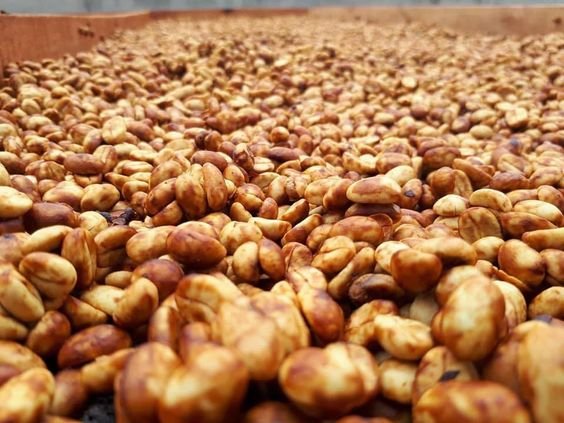
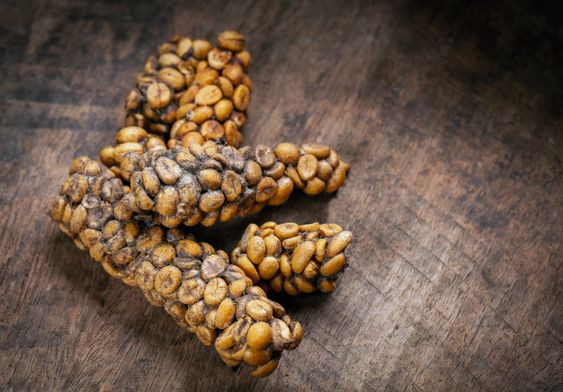
  • Natural Luwak Coffee: A Unique and Controversial Delicacy

    Natural Luwak Coffee: A Unique and Controversial Delicacy

    Natural Luwak Coffee, also known as civet coffee, is one of the most exclusive and expensive coffees in the world. Originating from Indonesia, this coffee has captured the attention of coffee enthusiasts and connoisseurs globally due to its unique production process and distinctive flavor profile. The coffee is made from beans that have been eaten and excreted by the Asian palm civet, a small mammal native to Southeast Asia. The digestive process of the civet is said to enhance the flavor of the coffee beans, resulting in a smoother, less acidic brew. Despite its popularity, Natural Luwak Coffee has also sparked significant controversy, particularly regarding animal welfare and the ethics of its production.

    The Unique Production Process

    The process of making Natural Luwak Coffee is unlike any other. It begins with the Asian palm civet consuming ripe coffee cherries. The cherries pass through the civet’s digestive system, where enzymes in the stomach partially ferment the beans. After being excreted, the beans are collected, thoroughly cleaned, and then processed like regular coffee beans.

    This process is believed to alter the chemical composition of the coffee beans, breaking down proteins that contribute to the bitterness of coffee. As a result, the coffee produced from these beans is known for its smooth, rich flavor with a chocolatey or fruity undertone, depending on the region where the beans were harvested.

    Natural Luwak Coffee

    Natural Luwak Coffee has its roots in Indonesia during the Dutch colonial period in the 18th century. Local farmers, who were prohibited from picking coffee cherries for their own use, discovered that the civets were consuming the cherries and excreting the beans. The farmers collected and processed these beans, eventually discovering that the coffee made from them had a unique and pleasant flavor.

    Over time, this coffee became highly valued, first among the locals and later among the colonial rulers and traders. Its rarity and the labor-intensive process required to collect the beans contributed to its high value. Today, Natural Luwak Coffee is still produced primarily in Indonesia, although similar methods are employed in other Southeast Asian countries such as the Philippines and Vietnam.

    The Benefits of Natural Luwak Coffee

    1. Unique Flavor Profile: The most notable benefit of Natural Luwak Coffee is its unique taste. The fermentation process that occurs in the civet’s digestive system gives the coffee a smooth, rich flavor that is less acidic and less bitter than regular coffee. Many describe it as having a chocolatey, earthy, or fruity taste.
    2. Rarity and Exclusivity: Natural Luwak Coffee is one of the rarest and most expensive coffees in the world. Its production process is labor-intensive and time-consuming, which adds to its exclusivity. For coffee enthusiasts, the opportunity to try Natural Luwak Coffee is a unique experience.
    3. Health Benefits: Like other types of coffee, Natural Luwak Coffee contains antioxidants, which can help protect the body against free radicals and reduce the risk of certain diseases. Additionally, the lower acidity of Natural Luwak Coffee makes it a better option for those with sensitive stomachs.
    4. Cultural Significance: Natural Luwak Coffee holds cultural significance in the regions where it is produced. It is often seen as a symbol of local tradition and expertise in coffee production. For many coffee lovers, drinking Natural Luwak Coffee is not just about the taste, but also about experiencing a piece of the culture.

    The Ethical Concerns and Controversies

    While Natural Luwak Coffee is highly prized for its flavor, it is also the subject of significant ethical concerns. The main issue revolves around the treatment of civets in commercial production. In many cases, civets are kept in captivity and fed a diet of coffee cherries to maximize production. These conditions can be detrimental to the animals’ health and well-being.

    Animal Welfare: The practice of keeping civets in captivity for coffee production has led to widespread criticism from animal rights groups. In the wild, civets have a varied diet and roam freely. However, in captivity, they are often kept in small cages and fed a diet primarily consisting of coffee cherries, which can lead to malnutrition and stress.

    Sustainability: The demand for Natural Luwak Coffee has led to concerns about sustainability. The practice of capturing wild civets to increase production can have negative impacts on wild populations. Additionally, the intensive farming practices used in some production areas can lead to environmental degradation.

    Consumer Awareness: Due to the controversy surrounding the production of Natural Luwak Coffee, there has been a push for greater transparency and consumer awareness. Some producers now label their products as “wild-sourced” or “ethically sourced” to indicate that the coffee was produced without harming civets.

    Goals of Producing Natural Luwak Coffee

    The goals of producing Natural Luwak Coffee vary depending on the perspective. For producers, the primary goal is to create a high-quality product that can be sold at a premium price. This involves maintaining the traditional production methods while also addressing ethical concerns.

    1. Quality Production: The primary goal for producers is to create a high-quality coffee that meets the expectations of consumers. This involves careful selection of coffee cherries, proper care of civets (if used), and meticulous processing of the beans.
    2. Ethical Practices: In response to ethical concerns, some producers aim to ensure that their coffee is produced in a way that is humane and sustainable. This includes using wild civets instead of captive ones, or ensuring that captive civets are kept in conditions that mimic their natural environment.
    3. Sustainability: Another goal is to ensure that the production of Natural Luwak Coffee is sustainable, both in terms of environmental impact and the well-being of civet populations. This can involve using organic farming methods, avoiding deforestation, and protecting wild civet populations.
    4. Cultural Preservation: For some producers, preserving the cultural heritage associated with Natural Luwak Coffee is also a key goal. This involves maintaining traditional production methods and sharing the history and cultural significance of the coffee with consumers.

    Ideas for Further Research

    The production and consumption of Natural Luwak Coffee offer a variety of opportunities for further research. Some potential areas of exploration include:

    1. Impact of Digestion on Flavor: Further research could explore the specific chemical changes that occur during the digestion of coffee beans by civets and how these changes impact the flavor profile of the coffee.
    2. Ethical Alternatives: Research could be conducted to develop ethical alternatives to traditional Luwak Coffee production, such as synthetic methods that mimic the digestive process or using other natural fermentation processes.
    3. Consumer Perception: Another area of interest is consumer perception of Natural Luwak Coffee, particularly in relation to ethical concerns. Understanding how consumers weigh the unique flavor against the ethical implications could help shape future production practices.
    4. Sustainability Practices: Research into sustainable farming practices for Natural Luwak Coffee could help mitigate the environmental impact of production. This could include studies on organic farming, wildlife conservation, and the long-term viability of wild civet populations.
    5. Cultural Impact: The cultural significance of Natural Luwak Coffee in its regions of origin could also be a topic of research, particularly in relation to how globalization and commercial demand have impacted traditional practices and local communities.

    Topic Suggestions for Articles and Discussions

    Given the complexity and controversy surrounding Natural Luwak Coffee, there are numerous topics that could be explored in articles, blog posts, or discussions. Some suggestions include:

    1. The Ethics of Natural Luwak Coffee Production: This topic could explore the ethical concerns related to civet welfare and discuss what can be done to address these issues.
    2. The Science Behind Natural Luwak Coffee’s Flavor: An article could delve into the science of how the civet’s digestion process impacts the flavor of the coffee and compare it to other types of fermentation processes.
    3. Consumer Responsibility in the Coffee Industry: This could focus on how consumers can make informed choices when purchasing Natural Luwak Coffee, including understanding labels like “wild-sourced” or “ethically sourced.”
    4. The History and Cultural Significance of Luwak Coffee: An exploration of the origins of Natural Luwak Coffee and its cultural importance in Southeast Asia.
    5. Sustainable Coffee Production Practices: A discussion on how the coffee industry, including the production of Natural Luwak Coffee, can adopt more sustainable practices to protect the environment and wildlife.

    Advantages of Natural Luwak Coffee

    Despite the controversies, Natural Luwak Coffee offers several advantages that contribute to its global appeal:

    1. Exclusivity and Prestige: As one of the rarest and most expensive coffees in the world, Natural Luwak Coffee is often associated with luxury and prestige. For many, the experience of drinking this coffee is a status symbol.
    2. Unique Flavor Profile: The fermentation process that occurs in the civet’s digestive system creates a flavor profile that is distinct from other types of coffee. This uniqueness is a major draw for coffee enthusiasts looking for something different.
    3. Cultural Experience: Drinking Natural Luwak Coffee offers more than just a unique flavor; it also provides a cultural experience. The coffee’s history and production methods are deeply rooted in the culture of Southeast Asia, making it a way to connect with that heritage.
    4. Potential Health Benefits: The lower acidity of Natural Luwak Coffee makes it a better option for individuals with sensitive stomachs. Additionally, like other coffees, it contains antioxidants that can offer various health benefits.
    5. Support for Local Economies: The production of Natural Luwak Coffee, particularly when done ethically, can support local economies in the regions where it is produced. This includes providing jobs and preserving traditional farming methods.

    The Role of Technology in Sustainable Luwak Coffee Production

    As the coffee industry evolves, technology is playing an increasingly important role in promoting sustainable practices, including in the production of Natural Luwak Coffee. Here are some ways technology is being leveraged to improve sustainability and ethics in this unique sector:

    1. Precision Agriculture

    Precision agriculture involves the use of technology to monitor and manage crop production more efficiently. In the context of Luwak Coffee, precision agriculture can help optimize the growth of coffee cherries, reduce waste, and minimize the environmental impact of farming practices. For example, sensors and drones can be used to monitor soil health, water usage, and plant growth, ensuring that resources are used sustainably.

    2. Blockchain for Traceability

    Blockchain technology offers a secure and transparent way to track the journey of Luwak Coffee beans from farm to consumer. By recording every step of the supply chain on a blockchain, producers can provide consumers with verifiable information about the ethical and sustainable practices used in the production of their coffee. This technology can also help prevent fraud and mislabeling, ensuring that consumers receive authentic and ethically sourced Natural Luwak Coffee.

    3. Animal Welfare Monitoring

    Technology is also being used to monitor the welfare of civets in Luwak Coffee production. For example, video surveillance and automated health monitoring systems can ensure that captive civets are kept in conditions that meet ethical standards. These technologies can alert producers to any issues that need to be addressed, helping to maintain high standards of animal welfare.

    The Future of Natural Luwak Coffee

    The future of Natural Luwak Coffee is likely to be shaped by a combination of consumer demand, technological advancements, and evolving ethical standards. As awareness of the ethical concerns associated with Luwak Coffee grows, it is likely that more consumers will seek out ethically sourced options, putting pressure on producers to adopt sustainable and humane practices.

    1. Increased Demand for Ethical Products

    As consumers become more conscious of the impact of their purchasing decisions, the demand for ethically sourced and certified Luwak Coffee is expected to grow. This shift in consumer preferences could drive more producers to seek certification and adopt sustainable practices, ultimately leading to a more ethical and sustainable Luwak Coffee industry.

    2. Innovation in Coffee Production

    Ongoing research and innovation in coffee production could lead to new methods of producing Luwak Coffee that are both ethical and sustainable. For example, scientists may develop new fermentation techniques that mimic the digestive process of the civet, producing a similar flavor profile without the need for animal involvement. Such innovations could make Luwak Coffee more accessible and reduce the ethical concerns associated with its production.

    3. Global Expansion

    While Natural Luwak Coffee is currently produced primarily in Southeast Asia, its popularity has led to the exploration of similar production methods in other parts of the world. As the coffee industry continues to globalize, we may see the emergence of new regions producing their own versions of Luwak Coffee, each with unique flavor profiles influenced by local conditions and practices.

    4. Ethical Consumerism and Awareness

    The rise of ethical consumerism means that more people are considering the social and environmental impact of their purchases. This trend is likely to influence the Luwak Coffee market, with consumers seeking out brands that prioritize animal welfare and sustainability. Increased awareness and education about the issues surrounding Luwak Coffee can also empower consumers to make informed choices, leading to a market that rewards ethical producers.

    Natural Luwak Coffee is a complex and multifaceted product that offers a unique combination of flavor, cultural significance, and controversy. While its distinctive production process and taste have made it a prized commodity among coffee enthusiasts, the ethical and environmental concerns associated with its production cannot be ignored.

    As the demand for Natural Luwak Coffee continues to grow, it is essential for both producers and consumers to consider the impact of their choices. By prioritizing ethical and sustainable practices, the industry can work towards a future where Natural Luwak Coffee can be enjoyed without compromising the welfare of animals or the environment.

  • Coffee Cherries: The Heart of Quality Coffee Production and Sustainability

    Coffee Cherries: The Heart of Quality Coffee Production and Sustainability

    Coffee cherries are the fruit of the coffee plant, and they play a crucial role in determining the quality, flavor, and aroma of the coffee we drink. These small, round fruits are often overlooked, but they are the starting point for every cup of coffee. Understanding coffee cherries and their significance can provide valuable insights into the coffee industry, from farming to brewing. This article delves into the world of coffee cherries, exploring their benefits, goals, ideas, topic suggestions, advantages, and more.

    Coffee cherries are the fruit produced by the coffee plant, scientifically known as Coffea. Each cherry typically contains two coffee beans, although some may contain just one bean, known as a peaberry. The cherries grow on coffee plants that thrive in tropical regions around the world, particularly in countries along the “Coffee Belt,” which includes regions in Central and South America, Africa, and Asia.

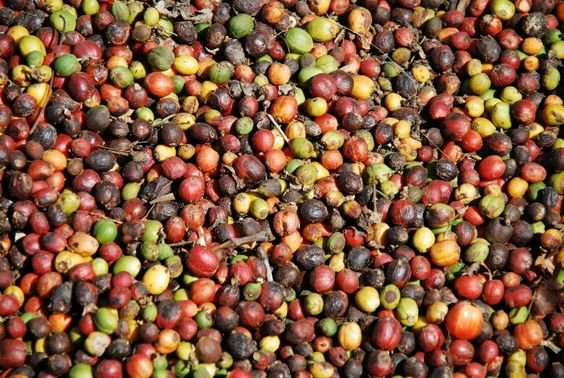
    The color of coffee cherries changes as they mature, transitioning from green to yellow, orange, and finally a deep red or purple when fully ripe. The ripeness of the cherry is a critical factor in determining the quality of the coffee beans inside. Harvesting coffee cherries at the right time is essential for producing high-quality coffee.

    The Anatomy of a Coffee Cherry

    A coffee cherry is composed of several layers, each of which plays a role in the development of the coffee beans:

    1. Skin (Exocarp): The outermost layer of the coffee cherry is the skin, which is smooth and firm. The color of the skin indicates the ripeness of the cherry.
    2. Pulp (Mesocarp): Beneath the skin is the pulp, a fleshy layer that surrounds the coffee beans. The pulp is rich in sugars, which are crucial for the fermentation process during coffee processing.
    3. Mucilage (Parenchyma): The mucilage is a sticky, sugary layer that adheres to the coffee beans. This layer is particularly important in the wet processing method, where it is fermented and then washed off.
    4. Parchment (Endocarp): The parchment is a protective, papery layer that encases the coffee beans. It remains intact during the drying process and is removed before roasting.
    5. Silverskin (Testa): The silverskin is a thin, papery layer that clings to the coffee beans even after the parchment is removed. It often comes off during roasting.
    6. Coffee Beans: Finally, at the center of the coffee cherry are the coffee beans themselves. These are the seeds of the coffee plant and are the most valuable part of the cherry.

    Benefits of Coffee Cherries

    Coffee cherries offer a multitude of benefits that extend beyond just the production of coffee beans. Their impact is felt throughout the entire coffee industry, affecting everything from flavor development to sustainability, nutritional value, and economic impact. Here’s an in-depth look at these benefits:

    1. Flavor Development

    One of the most significant benefits of coffee cherries is their crucial role in flavor development. The sugars, acids, and other organic compounds within the cherry contribute directly to the flavor profile of the coffee beans. The ripeness of the cherries at the time of harvest is particularly important; only ripe cherries contain the ideal balance of sugars and acids that will develop into complex flavors during roasting. Cherries that are overripe or underripe can impart undesirable flavors, leading to a less refined cup of coffee.

    Moreover, the processing method of the coffee cherries—whether dry, wet, or honey processed—also plays a vital role in determining the final flavor of the coffee. For instance, naturally processed coffee cherries, where the fruit is dried with the bean still inside, often result in a coffee that has fruity and sweet undertones. On the other hand, wet processing, where the fruit is removed before drying, tends to produce a cleaner, more acidic flavor. The interplay between the cherry’s inherent characteristics and the processing methods used is what ultimately defines the unique taste of each coffee variety.

    2. Nutritional Value

    Beyond their role in coffee production, coffee cherries themselves are a valuable source of nutrition. They are rich in antioxidants, particularly polyphenols, which help protect the body against free radicals and reduce the risk of chronic diseases. Coffee cherries also contain essential vitamins and minerals, including vitamin C, potassium, and iron, contributing to overall health and well-being.

    In many coffee-growing regions, the cherries are not discarded after the beans are extracted but are instead used to produce cascara, a tea-like beverage made from the dried skins of the cherries. Cascara is gaining popularity not only for its unique flavor, which is often described as a mix between coffee and herbal tea, but also for its health benefits. Cascara is low in caffeine compared to coffee and is packed with antioxidants, making it an appealing choice for health-conscious consumers.

    3. Sustainability

    Sustainability is a growing concern in the coffee industry, and coffee cherries have a role to play in this area as well. Traditionally, much of the coffee cherry—particularly the pulp and skin—was considered waste after the beans were extracted. However, by finding innovative uses for these by-products, the industry can reduce waste and promote more sustainable practices.

    For instance, the production of cascara from the skins of coffee cherries provides an additional product that can be sold, thereby creating new income streams for farmers and reducing the amount of organic waste. Additionally, the pulp from coffee cherries can be composted and used as a natural fertilizer, enriching the soil for future coffee crops and reducing the need for chemical inputs. These practices not only make coffee production more sustainable but also contribute to the overall environmental health of coffee-growing regions.

    4. Economic Impact

    The economic impact of coffee cherries cannot be overstated. They are the foundation of the global coffee industry, which supports millions of farmers, laborers, and workers worldwide. The quality and yield of coffee cherries directly influence the livelihoods of those involved in coffee production, from small-scale farmers to large coffee plantations.

    High-quality coffee cherries fetch higher prices in the market, which can significantly improve the income of coffee farmers. This, in turn, can lead to better living standards and increased investment in sustainable farming practices. Furthermore, the global demand for coffee continues to grow, and with it, the economic opportunities associated with coffee cherries. By maximizing the quality and yield of their coffee cherries, farmers can tap into this demand and secure a better future for their communities.

    Goals in Coffee Cherry Cultivation and Processing

    The primary goals in the cultivation and processing of coffee cherries include:

    1. Maximizing Quality: Achieving the highest quality coffee cherries is a top priority for coffee farmers. This involves selecting the right coffee variety, optimizing growing conditions, and carefully timing the harvest.
    2. Sustainability: Sustainable practices in coffee cherry cultivation are essential for protecting the environment and ensuring the long-term viability of coffee farming. This includes minimizing the use of chemical inputs, conserving water, and promoting biodiversity.
    3. Efficiency in Processing: Efficient processing methods are crucial for preserving the quality of coffee cherries and reducing waste. Different processing methods, such as wet, dry, and honey processing, have specific goals in terms of flavor development and resource use.
    4. Increasing Yield: Maximizing the yield of coffee cherries per plant is important for the economic sustainability of coffee farming. This involves implementing best practices in farming techniques, pest management, and plant nutrition.

    Ideas for Enhancing Coffee Cherry Production and Utilization

    1. Improved Farming Techniques: Advancements in agricultural practices, such as precision farming and agroforestry, can enhance coffee cherry production. These techniques help optimize growing conditions, reduce environmental impact, and improve crop yields.
    2. Selective Breeding: Developing coffee plant varieties that produce higher-quality cherries with improved resistance to pests and diseases can significantly benefit the coffee industry. Selective breeding programs focus on traits like bean size, flavor profile, and plant resilience.
    3. Innovative Processing Methods: Exploring new and innovative processing methods can lead to unique coffee flavors and reduce waste. For example, anaerobic fermentation and carbonic maceration are experimental techniques that are gaining popularity among specialty coffee producers.
    4. Cascara and By-Product Utilization: Cascara, the dried skin of coffee cherries, is an underutilized by-product with potential for various applications. Beyond making cascara tea, it can be used in food products, cosmetics, and even biofuels.
    5. Fair Trade and Direct Trade Models: Promoting fair trade and direct trade practices ensures that coffee farmers receive a fair price for their cherries. This, in turn, supports sustainable farming practices and improves the quality of life for farmers.

    Topic Suggestions for Further Research on Coffee Cherries

    1. Impact of Climate Change on Coffee Cherry Production: Investigate how changing weather patterns and environmental conditions are affecting coffee cherry yields, quality, and the global coffee supply chain.
    2. Exploration of Coffee Cherry By-Products: Research the potential uses of coffee cherry by-products, such as cascara, and their impact on sustainability and the economy.
    3. Comparative Study of Processing Methods: Compare the effects of different coffee cherry processing methods (wet, dry, honey, and experimental) on the flavor profile and quality of the final coffee beans.
    4. Genetic Diversity in Coffee Plants: Study the genetic diversity of coffee plants and its impact on coffee cherry production, with a focus on developing resilient coffee varieties.
    5. Economic Impact of Coffee Cherry Quality: Analyze the relationship between coffee cherry quality and the economic outcomes for coffee farmers, including pricing, market access, and income stability.

    Advantages of High-Quality Coffee Cherries

    1. Superior Flavor Profile: High-quality coffee cherries produce beans with a richer, more complex flavor profile, leading to a better-tasting cup of coffee. This is especially important for specialty coffee markets where consumers seek unique and premium flavors.
    2. Increased Market Value: Coffee beans derived from high-quality cherries command higher prices in the market. This is beneficial for both farmers and retailers, as it allows them to capture a premium for superior products.
    3. Sustainability: Focusing on quality over quantity encourages sustainable farming practices. High-quality coffee cherries often come from farms that prioritize environmental stewardship and ethical labor practices.
    4. Consumer Satisfaction: Coffee consumers are increasingly discerning and willing to pay more for high-quality coffee. Providing them with coffee made from premium cherries enhances customer satisfaction and loyalty.
    5. Global Recognition: Regions known for producing high-quality coffee cherries gain global recognition, boosting tourism and local economies. For example, areas like Ethiopia’s Yirgacheffe and Colombia’s Huila are celebrated for their exceptional coffee cherries.

    The Processing of Coffee Cherries

    Coffee cherry processing is a crucial step in determining the final quality of the coffee beans. There are several methods of processing coffee cherries, each with its own impact on the flavor and characteristics of the coffee.

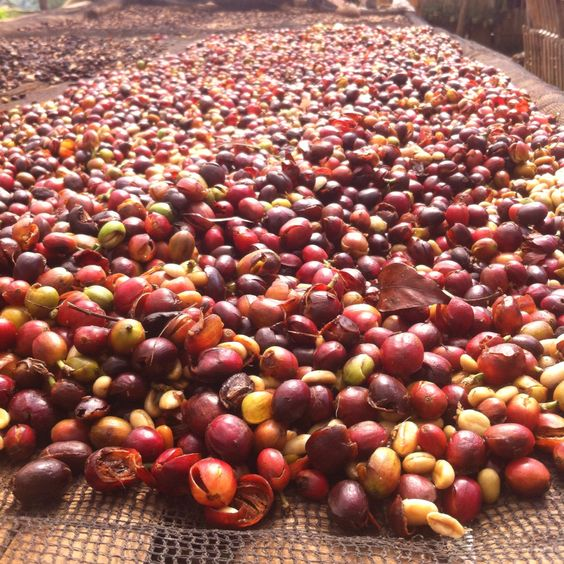
    1. Dry Processing (Natural Processing): In this method, the entire coffee cherry is dried in the sun after harvesting. The cherries are spread out in thin layers on drying beds or patios and turned regularly to ensure even drying. Once the cherries are fully dried, the beans are removed from the dried fruit. Dry processing often results in a fruity, full-bodied coffee with unique flavor notes.
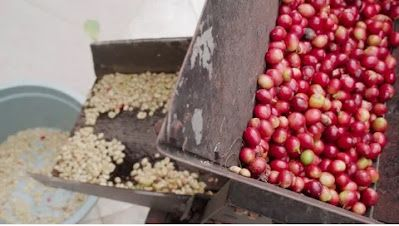
    2. Wet Processing (Washed Processing): Wet processing involves removing the pulp from the cherries shortly after harvesting. The beans are then fermented in water to break down the mucilage before being washed and dried. This method tends to produce cleaner, brighter coffee flavors with a pronounced acidity.
    3. Honey Processing: Honey processing is a hybrid method that falls between dry and wet processing. In this method, the pulp is removed from the cherries, but some or all of the mucilage is left on the beans during drying. The amount of mucilage left on the beans determines the “color” of the honey process (white, yellow, red, or black), with each variation influencing the final flavor profile.
    4. Experimental Processing: Some producers are experimenting with new processing techniques, such as anaerobic fermentation, where cherries are fermented in oxygen-free environments. These methods can result in unique and innovative flavor profiles, appealing to the specialty coffee market.

    The Impact of Coffee Cherry Quality on Coffee Flavor

    The quality of coffee cherries directly affects the flavor, aroma, and overall experience of the coffee. Several factors contribute to the quality of coffee cherries:

    1. Ripeness: Fully ripe cherries produce the best coffee beans. Unripe or overripe cherries can lead to off-flavors and bitterness in the final product.
    2. Harvesting Practices: Selective harvesting, where only ripe cherries are picked, ensures that only the best cherries are processed. This method requires more labor but results in higher-quality coffee.
    3. Processing Methods: The method used to process the cherries has a significant impact on the flavor of the coffee. Each processing method highlights different aspects of the coffee’s flavor profile, from fruity and wine-like to clean and bright.
    4. Fermentation: The fermentation process during wet processing can influence the development of complex flavors in the coffee. Properly controlled fermentation enhances the coffee’s natural characteristics.
    5. Drying: The drying process is crucial for preserving the quality of the coffee beans. Slow, even drying helps develop the beans’ flavor while preventing defects like mold or fermentation issues.

    Sustainability and Coffee Cherries

    Sustainability in coffee cherry production is essential for the long-term health of the coffee industry and the environment. Several practices contribute to the sustainability of coffee cherries:

    1. Shade-Grown Coffee: Growing coffee under the shade of trees mimics the coffee plant’s natural habitat and promotes biodiversity. Shade-grown coffee cherries often have better flavor and are less susceptible to pests and diseases.
    2. Organic Farming: Organic coffee farming avoids the use of synthetic pesticides and fertilizers, reducing the environmental impact of coffee production. Organic coffee cherries are in demand for their health and environmental benefits.
    3. Water Conservation: Processing coffee cherries, especially wet processing, requires significant amounts of water. Implementing water-saving technologies and practices is crucial for conserving this valuable resource.
    4. Waste Reduction: Utilizing coffee cherry by-products, such as cascara, helps reduce waste in the coffee industry. This not only benefits the environment but also provides additional income for coffee farmers.
    5. Fair Trade and Ethical Practices: Supporting fair trade and ethical practices ensures that coffee farmers receive fair compensation for their labor. This promotes social sustainability and improves the livelihoods of those involved in coffee production.

    Coffee Cherry Varieties and Their Impact on Coffee

    There are several varieties of coffee plants, each producing coffee cherries with distinct characteristics. The two main species of coffee are Arabica (Coffea arabica) and Robusta (Coffea canephora), but within these species, there are numerous varieties, each contributing unique qualities to the coffee.

    1. Arabica Varieties: Arabica coffee cherries are known for producing high-quality beans with complex flavor profiles. Some popular Arabica varieties include Bourbon, Typica, SL28, and Geisha. Arabica cherries are typically grown at higher altitudes and are more susceptible to pests and diseases than Robusta.
    2. Robusta Varieties: Robusta coffee cherries are hardier and more resistant to pests and diseases. They thrive at lower altitudes and produce beans with a stronger, more bitter flavor and higher caffeine content. Robusta is often used in espresso blends and instant coffee.
    3. Hybrid Varieties: Hybrid coffee varieties are bred to combine the best traits of Arabica and Robusta, such as disease resistance and flavor. Some hybrids, like Castillo and Catimor, are popular in regions prone to coffee diseases like leaf rust.

    Coffee cherries are the foundation of the coffee industry, and their quality and processing have a profound impact on the coffee we enjoy. From the anatomy of the cherry to the various processing methods, each step in the journey from cherry to cup is crucial in determining the final flavor, aroma, and quality of the coffee.

    The benefits of high-quality coffee cherries extend beyond the cup, influencing the economic sustainability of coffee farming, promoting environmental stewardship, and supporting the livelihoods of millions of people around the world. By focusing on sustainability, innovation, and quality, the coffee industry can continue to thrive and deliver exceptional coffee to consumers.

  • Civet Coffee Processing: Exploring the Unique Advantages and Innovations

    Civet Coffee Processing: Exploring the Unique Advantages and Innovations

    Civet Coffee Processing also known as kopi luwak, is one of the most unique and sought-after coffees in the world. The processing of civet coffee is a complex and fascinating journey from bean to cup, involving a unique fermentation process facilitated by the civet cat. This article delves into the intricacies of civet coffee processing, exploring its benefits, goals, and the many advantages of this distinct coffee. We will also discuss ideas and topic suggestions for further exploration within this specialty coffee segment.

    Civet Coffee Processing: Step-by-Step

    Collection of Beans

    • Initial Discovery: Civet coffee beans are collected from the feces of the civet cat in the wild or from captive civets in coffee plantations. The beans are initially cleaned of any external contaminants before further processing.
    • Sorting: The collected beans are sorted to remove any damaged or defective beans. This ensures that only high-quality beans proceed to the next stages of processing.

    Cleaning

    • Initial Cleaning: Beans are thoroughly washed to remove any remaining fecal matter and impurities. This step is crucial to ensure the beans are hygienic and ready for fermentation.
    • Further Inspection: After washing, beans are inspected for quality, and any remaining debris is removed.

    Fermentation

    • Natural Fermentation: The beans are left to ferment naturally, either in a controlled environment or in traditional settings. The fermentation process can vary in duration, depending on environmental conditions and desired flavor profiles.
    • Monitoring: During fermentation, the beans are monitored for temperature and moisture levels to ensure optimal fermentation conditions. This stage is vital for developing the unique flavors associated with civet coffee.

    Drying

    • Sun Drying: After fermentation, the beans are spread out under the sun to dry. This process can take several days and helps to reduce the moisture content of the beans.
    • Mechanical Drying: In some cases, mechanical dryers are used to expedite the drying process, especially in regions with high humidity.

    Roasting

    • Roasting Techniques: The dried beans are roasted to develop their full flavor profile. Roasting can be done using various techniques, including drum roasting or air roasting.
    • Flavor Development: The roasting process is carefully controlled to enhance the unique flavors of the beans, which are influenced by the fermentation and drying stages.

    Grinding and Brewing

    • Grinding: After roasting, the beans are ground to the desired consistency, depending on the brewing method. Grinding size can affect the flavor and strength of the coffee.
    • Brewing: Civet coffee can be brewed using various methods, including drip coffee makers, espresso machines, or French presses. Each method can highlight different aspects of the coffee’s flavor profile.

    Benefits of Civet Coffee Processing

    Unique Flavor Profile

    Civet Coffee Processing,One of the primary benefits of civet coffee processing is its distinctive and complex flavor profile. The fermentation process that the beans undergo in the civet’s digestive system plays a crucial role in shaping the coffee’s taste.

    • Reduced Bitterness: Traditional coffee beans can sometimes have a harsh, bitter taste due to certain proteins that are present in the beans. However, during the fermentation process in the civet’s stomach, these proteins break down, which significantly reduces the coffee’s bitterness. This results in a smoother, more balanced coffee that is less likely to cause the unpleasant, bitter aftertaste often associated with other coffees. This reduced bitterness enhances the overall drinking experience, making civet coffee more palatable and enjoyable.
    • Complex Flavors: Civet Coffee Processing,The unique fermentation process also leads to the development of a range of complex flavors that are less common in regular coffee. Civet coffee often exhibits rich, nuanced flavors, including notes of chocolate, caramel, and fruit. These flavors are a result of the intricate chemical transformations that occur during fermentation. The combination of these complex flavors creates a more sophisticated and pleasurable coffee experience, which is highly prized by coffee connoisseurs and enthusiasts.

    Exclusive Market Appeal

    Civet Coffee Processing exclusivity and rarity further enhance its market appeal and value.

    • High Demand: Civet coffee is relatively rare compared to other types of coffee due to its unique production process and limited supply. The process involves capturing beans from the feces of civet cats, which requires both careful handling and significant labor. This rarity contributes to its high demand among coffee lovers who seek out unique and premium products. The exclusivity of civet coffee makes it a sought-after commodity in the coffee market, adding to its allure and desirability.
    • Premium Pricing: The labor-intensive and time-consuming nature of civet coffee processing, combined with its limited availability, results in higher prices for this specialty coffee. The high cost is reflective of the effort required to produce it and the rarity of the product. As a result, civet coffee is positioned as a luxury item within the coffee market. This premium pricing not only reinforces its status as a high-end product but also ensures that it remains a coveted choice among those willing to invest in a unique and exceptional coffee experience.

    Natural Fermentation Benefits

    Civet Coffee Processing,The natural fermentation process involved in civet coffee processing offers several benefits that contribute to the coffee’s overall quality.

    • Enhanced Aroma: Civet Coffee Processing,One of the key benefits of the natural fermentation process is the enhancement of the coffee’s aroma. During fermentation, the beans undergo chemical changes that amplify their aromatic compounds. This results in a coffee with a more pronounced and pleasing fragrance. The enhanced aroma contributes to a richer sensory experience, as the smell of coffee often influences its perceived taste and quality. A fragrant coffee not only enhances the enjoyment of the beverage but also adds to its appeal.
    • Flavor Development: Civet Coffee Processing,The natural fermentation process is instrumental in developing the complex flavor profiles of civet coffee. As the beans ferment, various chemical reactions occur, leading to the creation of unique and intricate flavors. This process allows for the development of taste notes that are not typically present in other types of coffee. The result is a coffee with a rich and multifaceted flavor profile that stands out from conventional varieties. The depth and complexity of flavors in civet coffee make it a distinctive and valued choice for coffee enthusiasts seeking a unique and premium coffee experience.

    Goals of Civet Coffee Processing

    Preserving Quality

    Maintaining the quality of civet coffee is a central goal throughout its processing. This involves several key objectives aimed at ensuring that the final product remains true to its unique characteristics.

    • Maintaining Standards: Civet Coffee Processing,One of the primary goals of civet coffee processing is to uphold high standards throughout every stage of production. This means that from the moment the beans are collected to their final roasting and packaging, meticulous care must be taken to preserve their quality. Proper handling, cleaning, and fermentation are essential to maintaining the beans’ integrity and flavor. By adhering to strict quality control measures, producers can ensure that each batch of civet coffee meets the high expectations of consumers and maintains the distinctive characteristics that make it unique.
    • Consistency: Civet Coffee Processing,Achieving consistency in flavor and quality is another crucial goal. Civet coffee is valued for its unique taste, which results from its specialized processing. To meet consumer expectations, it is important to control the processing methods carefully and ensure that each batch of coffee delivers a consistent flavor profile. This involves monitoring variables such as fermentation time, roasting temperature, and grinding size. Consistent quality not only enhances consumer satisfaction but also helps in building and maintaining a strong brand reputation.

    Sustainable Practices

    Civet Coffee Processing,As the demand for civet coffee grows, adopting sustainable practices becomes increasingly important to address environmental and ethical concerns.

    • Ethical Sourcing: Emphasizing ethical practices in the collection and processing of civet coffee is a key goal for promoting sustainable and responsible production. This includes ensuring that civets are treated humanely, whether they are wild or kept in captivity for coffee production. Ethical sourcing involves verifying that the beans are collected in a manner that does not harm the animals or their natural habitats. Additionally, it encompasses fair labor practices and supporting local communities involved in the coffee production process. By focusing on ethical sourcing, producers can contribute to a more sustainable and responsible coffee industry.
    • Environmental Impact: Minimizing the environmental impact of civet coffee processing is another important goal. This can be achieved through the implementation of eco-friendly practices throughout the production stages. For instance, using organic methods for growing coffee, reducing water usage during cleaning and fermentation, and employing energy-efficient roasting techniques can all contribute to a lower environmental footprint. By adopting these practices, producers can help preserve natural resources and reduce waste, aligning with global sustainability efforts and appealing to environmentally conscious consumers.

    Market Expansion

    Civet Coffee Processing,Expanding the market for civet coffee involves several strategic goals aimed at increasing its reach and accessibility.

    • Increasing Awareness: Civet Coffee Processing,Educating consumers about the unique qualities of civet coffee and its processing methods is crucial for expanding its market reach. This involves raising awareness about the distinctive attributes of civet coffee, such as its reduced bitterness, complex flavors, and exclusive nature. Marketing campaigns, educational materials, and events can help inform consumers about what makes civet coffee special and why it is worth the premium price. Increased awareness can drive demand and attract new customers who are interested in experiencing this unique coffee.
    • Diversification: Civet Coffee Processing,Exploring new markets and distribution channels is essential for increasing the availability and accessibility of civet coffee. This can involve targeting emerging markets where consumer interest in specialty coffee is growing, as well as expanding distribution through online platforms and specialty coffee shops. By diversifying market strategies and distribution methods, producers can reach a broader audience and enhance the accessibility of civet coffee. This not only helps in growing the market but also ensures that more consumers have the opportunity to enjoy this distinctive coffee.

    Ideas for Further Exploration in Civet Coffee

    Civet Coffee Varieties

    Civet Coffee Processing,Exploring the different varieties of civet coffee and the factors that influence their unique characteristics offers valuable insights for both producers and consumers.

    • Different Regions: Civet coffee is produced in various regions around Southeast Asia, each imparting distinct flavors and processing techniques to the beans. For example, civet coffee from Sumatra, Java, and the Philippines each have their own unique profiles due to regional differences in climate, soil, and processing methods. Sumatra’s civet coffee is often noted for its earthy, full-bodied flavor, while Java’s might present more nuanced, aromatic notes. The Philippines’ civet coffee could offer a different spectrum of fruity and floral flavors. Exploring these regional variations can provide a deeper understanding of how geography and local practices influence the flavor profile and quality of civet coffee. Researchers can delve into how different environmental conditions and traditional processing techniques affect the final product, offering consumers a broader selection and a more nuanced appreciation of civet coffee.
    • Processing Innovations: Innovations in civet coffee processing can lead to enhanced flavors and more efficient production methods. Exploring new technologies, such as advanced fermentation techniques, precise temperature controls during drying, or improved methods for cleaning and handling beans, can significantly impact the quality and consistency of civet coffee. Investigating these innovations could lead to the development of more refined processing practices that enhance the unique characteristics of civet coffee while also improving sustainability and efficiency in production. By staying at the forefront of technological advancements, producers can offer even more distinctive and high-quality products to the market.

    Ethical and Sustainable Practices

    As Civet Coffee Processing continues to gain popularity, it is crucial to address ethical and sustainable practices to ensure responsible production.

    • Animal Welfare: The impact of civet coffee production on animal welfare is a significant area of concern. It is essential to examine how civets are treated during the production process and to explore humane and ethical farming practices. This includes ensuring that civets are kept in appropriate conditions that allow them to express natural behaviors and are not subjected to stress or harm. Implementing standards for humane treatment and certifying ethical practices can improve the welfare of the animals involved and address consumer concerns about animal cruelty. Researching and developing guidelines for the ethical treatment of civets can enhance the overall reputation of civet coffee and contribute to more responsible production practices.
    • Environmental Sustainability: Sustainable practices in civet coffee farming and processing are crucial for minimizing environmental impact. Researching methods for reducing water usage, managing waste, and using organic farming practices can contribute to more eco-friendly production. Additionally, exploring ways to minimize the carbon footprint of transportation and processing can further support environmental sustainability. Implementing these practices not only helps preserve natural resources but also appeals to environmentally conscious consumers who prioritize sustainability in their purchasing decisions.

    Consumer Trends

    Understanding consumer preferences and trends is key to successfully marketing and expanding the reach of Civet Coffee Processing.

    • Market Preferences: Analyzing current consumer preferences and trends related to civet coffee can provide valuable insights into market demands. This includes studying preferences for specific flavor profiles, packaging, and price points. Identifying trends in consumer behavior, such as an increasing interest in specialty and luxury coffees, can help producers tailor their offerings to meet market demands. Conducting market research and surveys can provide data on consumer preferences, allowing producers to adjust their products and marketing strategies accordingly.
    • Educational Campaigns: Developing educational campaigns to inform consumers about the unique aspects of civet coffee and its processing can enhance market engagement and increase awareness. Educating consumers about the distinctive qualities of civet coffee, the ethical and sustainable practices involved in its production, and the benefits of its unique processing can build a deeper appreciation for the product. Effective educational campaigns can include informational materials, online content, and interactive events that highlight the value and uniqueness of civet coffee. By fostering a better understanding of civet coffee, producers can attract more informed and engaged consumers who are eager to explore this specialty coffee.

    Advantages of Civet Coffee Processing

    Distinctive Quality

    One of the most notable advantages of civet coffee processing is the distinctive quality that it imparts to the coffee. This unique processing method results in several key benefits:

    • Flavor Profile: Civet coffee is renowned for its exceptional and unique flavor profile, which sets it apart from other coffee varieties. The fermentation process that occurs in the civet’s digestive system breaks down proteins and other compounds in the coffee beans, leading to a smoother and less acidic taste. This process enhances the coffee’s natural flavors and introduces complex notes that are highly sought after. As a result, civet coffee often features rich, nuanced flavors such as chocolate, caramel, and hints of fruit. These distinctive flavors contribute to the coffee’s allure and make it a standout choice in the competitive coffee market. The unique taste experience provided by civet coffee is a significant advantage that appeals to both casual coffee drinkers and connoisseurs alike.
    • Aromatic Experience: The enhanced aroma of civet coffee is another significant advantage. The fermentation process not only improves the flavor but also intensifies the coffee’s aromatic compounds. This results in a more fragrant and aromatic coffee that appeals to the senses. The pleasing aroma of civet coffee adds to the overall drinking experience, making it a premium choice for those who appreciate a rich and full-bodied coffee. The combination of unique flavors and an enhanced aroma makes civet coffee a luxury product that offers a superior sensory experience.

    Luxury Market Appeal

    Civet coffee’s distinctive processing method and limited availability contribute to its appeal in the luxury market.

    • Exclusivity: The rarity of civet coffee is a key factor in its luxury status. The complex and labor-intensive processing method, combined with the limited supply of beans that can be harvested, creates a sense of exclusivity. Civet coffee is produced in small quantities, which adds to its prestige and allure. This exclusivity appeals to high-end consumers who seek unique and rare products. The perception of rarity and luxury enhances the coffee’s desirability and helps position it as a premium product in the market.
    • High Value: The high price point of civet coffee is justified by its labor-intensive production process and limited supply. The meticulous care required to collect and process the beans, coupled with the small-scale nature of production, contributes to the coffee’s high value. Consumers are willing to pay a premium for civet coffee due to its unique qualities and the effort involved in its production. The high value of civet coffee not only reflects its exclusivity but also underscores the craftsmanship and dedication that go into creating this luxury product.

    Innovation and Tradition

    Civet coffee processing represents a blend of traditional methods and modern innovations, highlighting the rich heritage of coffee production.

    • Cultural Heritage: The processing of civet coffee reflects a deep cultural heritage, combining traditional practices with innovative techniques. The methods used in civet coffee production have been passed down through generations, showcasing the historical significance of this unique coffee. By preserving traditional practices while integrating new technologies, producers can maintain the cultural essence of civet coffee while enhancing its quality. This blend of tradition and innovation adds to the coffee’s appeal and helps preserve the rich heritage of coffee production.
    • Ongoing Research: Continuous research and development in civet coffee processing offer opportunities for new discoveries and improvements. Ongoing studies into fermentation techniques, processing methods, and the impact of different variables on flavor can lead to advancements in the quality and taste of civet coffee. Research efforts contribute to refining the processing methods, ensuring that civet coffee remains at the forefront of specialty coffee. Innovations in this field can lead to the development of new processing techniques that further enhance the coffee’s unique characteristics and maintain its status as a premium product.
    1. Unique Luwak Coffee: Discover the World’s Most Exotic Brew

      Unique Luwak Coffee: Discover the World’s Most Exotic Brew

      Unique Luwak coffee, also known as Civet coffee, is a rare and exotic type of coffee that has garnered significant attention and curiosity around the world. This coffee is produced using beans that have been eaten and excreted by the Asian palm civet, a small mammal found in Southeast Asia. The unique fermentation process that occurs in the civet’s digestive tract is believed to impart a distinctive flavor and aroma to the beans, making it one of the most sought-after and expensive coffees in the world.

      The Origins of Unique Luwak Coffee

      Unique Luwak coffee originates from Indonesia, particularly from the islands of Sumatra, Java, and Bali. The tradition of producing Luwak coffee dates back to the Dutch colonial era when local farmers were forbidden from harvesting coffee for personal use. They began collecting coffee beans from the droppings of wild civets, discovering that the beans, after being processed by the civet’s digestive enzymes, produced a unique and smoother coffee.

      The Unique Production Process

      The production process of Unique Luwak coffee is what sets it apart from other types of coffee. It involves several steps:

      1. Consumption by Civet: The process begins when civets consume ripe coffee cherries. They are known to be selective eaters, often choosing the best and ripest cherries.
      2. Digestion: As the cherries pass through the civet’s digestive system, the pulp is digested, but the beans remain intact. During this process, the beans undergo fermentation, which is believed to break down proteins and reduce the bitterness of the coffee.
      3. Collection: After the beans are excreted, they are collected from the feces of the civets. This is a labor-intensive process that requires careful cleaning and sanitizing of the beans.
      4. Processing: The collected beans are thoroughly cleaned, dried, and then roasted to produce the final product. The roasting process further enhances the flavor and aroma of the coffee.

      Benefits of Unique Luwak Coffee

      Unique Luwak coffee is not just known for its novelty; it also offers several benefits:

      1. Unique Flavor Profile: The fermentation process that occurs in the civet’s digestive system imparts a distinctive flavor to the coffee. It is often described as smooth, rich, and less bitter than regular coffee.
      2. Health Benefits: Like other types of coffee, Luwak coffee contains antioxidants that can help protect against certain diseases. Additionally, the reduced bitterness might make it more palatable for people who are sensitive to the acidity of regular coffee.
      3. Exclusive Experience: Drinking Unique Luwak coffee is often seen as a luxury experience due to its rarity and the labor-intensive production process.

      Goals for Exploring Unique Luwak Coffee

      The primary goals for exploring and understanding Unique Luwak coffee include:

      1. Appreciating the Unique Production Process: Understanding the meticulous and natural process behind Luwak coffee can enhance appreciation for this exotic beverage.
      2. Exploring Flavor Profiles: Tasting Unique Luwak coffee allows coffee enthusiasts to experience a distinct and rare flavor that differs significantly from conventional coffee.
      3. Promoting Ethical Practices: Given the concerns about animal welfare, it is crucial to support producers who ensure humane and ethical treatment of civets in the production process.

      Ideas for Incorporating Unique Luwak Coffee into Daily Life

      1. Special Occasions: Due to its exclusivity and price, Unique Luwak coffee can be reserved for special occasions, providing a memorable experience for coffee lovers.
      2. Gourmet Recipes: Incorporating Luwak coffee into gourmet recipes, such as desserts or specialty beverages, can add a unique twist and enhance the flavor profile of the dish.
      3. Gifts: Given its uniqueness, Luwak coffee makes for an exceptional gift for coffee enthusiasts or those who appreciate rare and exotic items.

      Topic Suggestions for Further Exploration

      1. The History and Cultural Significance of Luwak Coffee: Exploring the historical context and cultural importance of Luwak coffee in Southeast Asia.
      2. Ethical and Sustainable Production Practices: Investigating the efforts being made to ensure ethical treatment of civets and sustainable production methods.
      3. Comparative Analysis of Luwak Coffee and Regular Coffee: Conducting a detailed comparison of the taste, aroma, and health benefits of Luwak coffee versus traditional coffee.
      4. Economic Impact on Local Communities: Examining how the production of Luwak coffee affects the economies of local communities in Indonesia and other regions.

      Advantages of Unique Luwak Coffee

      1. Distinctive Taste: The unique fermentation process results in a coffee that is smoother and less acidic than many other types of coffee, making it highly appealing to those who find regular coffee too harsh.
      2. Exclusivity and Prestige: The rarity and labor-intensive production process make Luwak coffee a prestigious item, often sought after by coffee aficionados and those looking for a unique experience.
      3. Natural Processing Method: The natural fermentation process that occurs in the civet’s digestive system is a unique, organic method of processing coffee, which appeals to those interested in natural and artisanal products.

      Challenges and Controversies

      Despite its allure, Unique Luwak coffee is not without its challenges and controversies:

      1. Animal Welfare Concerns: There have been reports of unethical practices where civets are kept in captivity under poor conditions to mass-produce Luwak coffee. Ensuring humane and ethical treatment of civets is a critical concern.
      2. High Cost: The labor-intensive production process and rarity of Luwak coffee contribute to its high price, making it inaccessible to many consumers.
      3. Quality Control: The quality of Luwak coffee can vary significantly depending on how it is produced and processed. Ensuring consistent quality is a challenge for producers.

      Unique Luwak coffee represents a fascinating intersection of tradition, luxury, and controversy. Its unique production process, distinctive flavor profile, and exclusivity make it a highly sought-after beverage among coffee enthusiasts. However, it is essential to address the ethical concerns and support sustainable and humane production practices to ensure the long-term viability of this exotic coffee.

    2. The Most Expensive Luwak Coffee: A Comprehensive Guide

      The Most Expensive Luwak Coffee: A Comprehensive Guide

      The Most Expensive Luwak Coffee, also known as civet coffee, has captivated the world with its unique production process and luxurious appeal. Renowned for being one of the most expensive coffees globally, it has intrigued coffee enthusiasts and connoisseurs alike. This article delves into the intricacies of Luwak coffee, exploring its origins, production process, benefits, goals, and more, providing a complete guide to understanding this extraordinary beverage.

      The Most Expensive Luwak Coffee

      Luwak coffee is made using beans that have been eaten and subsequently excreted by the Asian palm civet, a small mammal native to Southeast Asia. The civet’s digestive process is believed to enhance the flavor profile of the coffee beans, resulting in a unique and highly sought-after brew.

      Luwak coffee originates from Indonesia, particularly the islands of Sumatra, Java, Bali, and Sulawesi. The name “Luwak” comes from the local term for the civet. The tradition of using civet-processed beans dates back to the Dutch colonial period when Indonesian farmers began collecting and processing these beans.

      The Production Process

      1. Civet Consumption

      The first step in producing Luwak coffee involves the Asian palm civet consuming ripe coffee cherries. These animals select the ripest and most flavorful cherries, which are then ingested.

      2. Fermentation

      As the cherries pass through the civet’s digestive system, they undergo a fermentation process. The enzymes in the civet’s stomach alter the chemical composition of the beans, reducing their bitterness and enhancing their flavor.

      3. Collection

      Once the beans are excreted, they are collected from the forest floor or civet farms. This part of the process is labor-intensive, as the beans must be carefully gathered and cleaned.

      4. Cleaning and Drying

      The Most Expensive Luwak Coffee,The beans are thoroughly cleaned to remove any remaining residue and are then dried. This drying process is crucial to ensure that the beans retain their unique flavor profile.

      5. Roasting

      Finally, the beans are roasted to perfection. The roasting process is tailored to bring out the distinctive flavors that have developed during the fermentation process.

      Benefits The Most Expensive Luwak Coffee

      1. Unique Flavor Profile

      The Most Expensive Luwak Coffee is renowned for its smooth, rich flavor with a distinctive aroma. The fermentation process reduces the acidity and bitterness, resulting in a well-balanced cup.

      2. Antioxidant Properties

      The Most Expensive Luwak Coffee,Like other high-quality coffees, Luwak coffee contains antioxidants that can help protect the body against free radicals, potentially reducing the risk of certain diseases.

      3. Digestive Benefits

      The Most Expensive Luwak Coffee,The fermentation process that the beans undergo in the civet’s digestive system is believed to make the coffee easier on the stomach for some individuals, reducing the likelihood of acid reflux and other digestive issues.

      The Most Expensive Luwak Coffee Goals

      1. Luxury Experience

      For many, drinking Luwak coffee is about indulging in a luxury experience. The rarity and unique production process make it a prestigious choice for coffee aficionados.

      2. Exploration of Unique Flavors

      Coffee enthusiasts often seek out Luwak coffee to explore its distinctive flavor profile, which differs significantly from other types of coffee.

      3. Cultural Appreciation

      The Most Expensive Luwak Coffee,Consuming Luwak coffee can also be a way to appreciate the cultural heritage of Indonesia and the traditional methods used in its production.

      The Most Expensive Luwak Coffee Ideas and Topic Suggestions

      1. Ethical Considerations

      The Most Expensive Luwak Coffee,The production of Luwak coffee has raised ethical concerns, particularly regarding the treatment of civets. Exploring the impact of this industry on wildlife and discussing ethical alternatives can be a compelling topic.

      2. Comparisons with Other Luxury Coffees

      The Most Expensive Luwak Coffee,Comparing Luwak coffee to other high-end coffees, such as Jamaican Blue Mountain or Hawaiian Kona, can provide insights into what sets it apart and why it commands such a high price.

      3. Brewing Methods

      The Most Expensive Luwak Coffee,Investigating the best brewing methods for Luwak coffee can help readers make the most of their investment. From French press to pour-over, each method can highlight different aspects of the coffee’s unique flavor.

      4. The Economics of Luwak Coffee

      The Most Expensive Luwak Coffee,Examining the economics behind Luwak coffee, including the costs of production, marketing, and distribution, can shed light on why it is so expensive.

      Advantages of Luwak Coffee

      1. Exclusivity

      The Most Expensive Luwak Coffee,The limited availability and labor-intensive production process of Luwak coffee contribute to its exclusivity, making it a prized possession for coffee connoisseurs.

      2. Conversation Starter

      Serving Luwak coffee can be a fascinating conversation starter, allowing individuals to share the unique story behind this extraordinary beverage.

      3. Memorable Experience

      For many, trying Luwak coffee is a memorable experience, often enjoyed on special occasions or as part of a luxury coffee tasting.

      The Most Expensive Luwak Coffee stands out in the world of luxury beverages due to its unique production process, distinctive flavor profile, and the cultural heritage it represents. While it is one of the most expensive coffees available, the experience it offers can be unparalleled for those who appreciate fine coffee. Whether you are a seasoned coffee enthusiast or a curious newcomer, Luwak coffee provides an opportunity to explore a unique and luxurious side of coffee culture.

      Ethical and Sustainable Considerations

      1. Impact on Civet Welfare

      One of the major ethical concerns surrounding Luwak coffee production is the welfare of the civets. In some cases, civets are kept in captivity under poor conditions, which raises significant animal welfare issues. Ensuring that the coffee is sourced from wild civets or from farms that adhere to high standards of animal care is crucial.

      2. Environmental Impact

      The production of Luwak coffee can also have environmental implications. Sustainable farming practices and efforts to protect the natural habitats of civets are essential to mitigate these impacts. Supporting brands that prioritize environmental sustainability can help reduce the negative effects on the ecosystem.

      Alternatives to Traditional Luwak Coffee

      1. Ethical Luwak Coffee

      Some producers focus on ethical practices by ensuring civets are kept in natural, free-range environments. These producers often have certifications and transparent sourcing practices to reassure consumers about the ethical standards of their coffee.

      2. Synthetic Luwak Coffee

      In recent years, researchers have developed methods to replicate the fermentation process of Luwak coffee without using civets. This synthetic approach aims to produce coffee with similar flavor characteristics while avoiding ethical and environmental concerns.

      How to Choose the Best Luwak Coffee

      1. Certifications

      Look for certifications that indicate ethical and sustainable practices, such as Fair Trade, Rainforest Alliance, or specific certifications for animal welfare.

      2. Transparency

      Choose brands that provide detailed information about their sourcing and production processes. Transparency is a good indicator of ethical practices.

      3. Reviews and Recommendations

      Read reviews and seek recommendations from trusted sources or coffee experts. Personal experiences can offer valuable insights into the quality and authenticity of the coffee.

      Brewing the Perfect Cup of Luwak Coffee

      1. Selecting the Right Equipment

      The quality of your brewing equipment can significantly impact the final cup. High-quality grinders, filters, and coffee makers are essential to bring out the best in Luwak coffee.

      2. Grinding

      Freshly ground beans are crucial for a superior cup of coffee. Grind the beans just before brewing to preserve their unique flavors and aromas.

      3. Water Quality

      Use filtered water to avoid any impurities that might alter the taste of the coffee. The water temperature should be around 195-205°F (90-96°C) for optimal extraction.

      4. Brewing Methods

      Each brewing method can highlight different aspects of Luwak coffee’s flavor profile. Experiment with various methods to find your preferred taste:

      • French Press: Offers a full-bodied and robust flavor.
      • Pour-Over: Provides a clean and nuanced cup.
      • Espresso: Intensifies the unique characteristics of the coffee.
      • Aeropress: Combines the best of both immersion and pressure brewing.

      The Future of Luwak Coffee

      1. Technological Advancements

      Advances in technology may lead to improved methods of replicating the fermentation process, making synthetic Luwak coffee more accessible and sustainable.

      2. Increased Awareness

      Growing awareness of ethical and environmental issues is likely to drive demand for more sustainable and humane production practices. This shift could lead to industry-wide changes and improvements.

      3. Market Trends

      As consumer preferences evolve, the market for luxury coffees, including Luwak coffee, may expand. Innovations in marketing and distribution could also play a role in shaping the future of this unique beverage.

      Luwak coffee remains a symbol of luxury and exclusivity in the coffee world. Its unique production process, rich history, and distinctive flavor profile make it a fascinating subject for coffee enthusiasts and casual drinkers alike. By understanding the intricacies of Luwak coffee, from its origins to its ethical considerations, consumers can make informed choices and fully appreciate this extraordinary beverage. Whether enjoyed as a rare treat or a topic of conversation, Luwak coffee offers a unique and memorable experience that continues to captivate and intrigue.

    3. Special Luwak Coffee: A Comprehensive Exploration

      Special Luwak Coffee: A Comprehensive Exploration

      Special Luwak coffee, also known as civet coffee, is one of the most unique and expensive coffees in the world. It is produced using a method that involves the Asian palm civet, a small mammal native to Southeast Asia. The civet eats the coffee cherries, and during digestion, the beans undergo a fermentation process that enhances their flavor. After being excreted by the civet, the beans are collected, thoroughly cleaned, roasted, and brewed to produce this extraordinary coffee.

      Special Luwak coffee has gained significant attention and a reputation for its smooth and rich taste. Despite its high price and the controversy surrounding its production, it continues to attract coffee enthusiasts worldwide. This article delves into the history, benefits, goals, and various aspects of Special Luwak coffee, providing a thorough understanding of what makes it so special.

      History of Coffee

      Origins

      The origins of Special Luwak coffee can be traced back to Indonesia during the Dutch colonial period in the early 18th century. Coffee plantations were established by the Dutch, but the local farmers and workers were prohibited from consuming the coffee beans. However, they noticed that the civets would eat the coffee cherries and excrete the beans. Curious, the farmers collected these beans, cleaned, roasted, and brewed them, discovering that the resulting coffee had a distinctive and pleasant flavor.

      Evolution

      Over time, the unique process of producing Luwak coffee became widely known, and its popularity grew. Today, it is produced in various parts of Southeast Asia, including Indonesia, the Philippines, Vietnam, and Thailand. The traditional method of collecting wild civet droppings has largely been replaced by farming civets in captivity to meet the growing demand, which has sparked ethical concerns and debates.

      Benefits of Coffee

      Unique Flavor Profile

      One of the primary benefits of Special Luwak coffee is its unique flavor profile. The fermentation process that the beans undergo in the civet’s digestive system reduces acidity and enhances the coffee’s smoothness and richness. This results in a coffee that is less bitter and has complex flavor notes that are often described as earthy, nutty, and chocolaty.

      Low Acidity

      The low acidity of Special Luwak coffee makes it an excellent choice for individuals who have sensitive stomachs or acid reflux issues. The fermentation process breaks down some of the proteins responsible for acidity, making the coffee gentler on the digestive system.

      Antioxidant Properties

      Like other types of coffee, Special Luwak coffee is rich in antioxidants, which help protect the body against damage from free radicals. Regular consumption of coffee has been linked to a reduced risk of several chronic diseases, including Parkinson’s disease, Alzheimer’s disease, and certain types of cancer.

      Mental Alertness and Mood Improvement

      The caffeine content in Special Luwak coffee provides the usual benefits associated with coffee consumption, such as improved mental alertness, enhanced concentration, and elevated mood. These effects can help boost productivity and improve overall well-being.

      Goals of Producing Special Luwak Coffee

      Preserving Traditional Methods

      One of the main goals of producing Special Luwak coffee is to preserve the traditional methods and cultural heritage associated with its production. This involves maintaining ethical and sustainable practices, such as using wild or free-range civets and ensuring their well-being.

      Promoting Sustainable Agriculture

      Producers of Special Luwak coffee aim to promote sustainable agriculture by implementing environmentally friendly practices. This includes using organic farming methods, reducing the use of pesticides and fertilizers, and conserving natural habitats for civets and other wildlife.

      Supporting Local Communities

      The production of Special Luwak coffee provides economic opportunities for local communities in coffee-growing regions. By supporting small-scale farmers and local businesses, the industry can contribute to the social and economic development of these areas.

      Enhancing Quality and Consistency

      Another goal is to enhance the quality and consistency of Special Luwak coffee. This involves improving the methods of collecting, processing, and roasting the beans to ensure that the final product meets high standards of excellence.

      Ideas for Enjoying Special Luwak Coffee

      Savoring the Experience

      To fully appreciate the unique flavors of Special Luwak coffee, it is recommended to savor the experience. Use a method of brewing that highlights the coffee’s distinct characteristics, such as a French press or pour-over. Take the time to enjoy the aroma and taste, noting the subtle flavor notes and smooth texture.

      Pairing with Complementary Foods

      Pairing Special Luwak coffee with complementary foods can enhance the overall experience. Consider pairing it with dark chocolate, nuts, or a cheese platter to bring out the coffee’s nutty and chocolaty flavors. Experimenting with different pairings can create a memorable and enjoyable coffee experience.

      Sharing with Friends and Family

      Sharing Special Luwak coffee with friends and family can make the experience more special. Hosting a coffee tasting event or serving it during gatherings can introduce others to this unique coffee and create lasting memories.

      Gifting Special Luwak Coffee

      Special Luwak coffee makes an excellent gift for coffee lovers and connoisseurs. Its uniqueness and luxury status make it a thoughtful and impressive gift for special occasions, such as birthdays, anniversaries, or holidays.

      Topic Suggestions for Further Exploration

      Ethical Considerations

      Explore the ethical considerations surrounding the production of Special Luwak coffee. Discuss the impact of civet farming on animal welfare and the environment, and highlight the importance of supporting ethical and sustainable producers.

      Comparison with Other Specialty Coffees

      Compare Special Luwak coffee with other specialty coffees, such as Jamaican Blue Mountain, Kona, and Ethiopian Yirgacheffe. Analyze the differences in flavor profiles, production methods, and price points.

      Health Benefits and Risks

      Investigate the health benefits and potential risks associated with consuming Special Luwak coffee. Provide scientific evidence and expert opinions on its nutritional value, antioxidant content, and potential side effects.

      Economic Impact

      Examine the economic impact of Special Luwak coffee on local communities and the global coffee market. Discuss the challenges and opportunities faced by producers, exporters, and retailers.

      Sustainable Practices

      Highlight sustainable practices in the production of Special Luwak coffee. Discuss the role of certifications, such as Fair Trade and Rainforest Alliance, in promoting ethical and environmentally friendly practices.

      Advantages of Special Luwak Coffee

      Exclusivity and Luxury

      One of the main advantages of Special Luwak coffee is its exclusivity and luxury status. Its unique production process and limited availability make it a sought-after commodity among coffee enthusiasts and connoisseurs.

      Enhanced Flavor

      The fermentation process that the beans undergo in the civet’s digestive system enhances the flavor of the coffee, resulting in a smooth, rich, and complex taste. This sets it apart from other types of coffee and appeals to those who appreciate fine coffee.

      Health Benefits

      Special Luwak coffee offers several health benefits, including its antioxidant properties and low acidity. Regular consumption can contribute to overall health and well-being.

      Economic Opportunities

      The production and sale of Special Luwak coffee provide economic opportunities for local communities in coffee-growing regions. It supports small-scale farmers and businesses, contributing to social and economic development.

      Cultural Heritage

      Special Luwak coffee is a part of the cultural heritage of Southeast Asia. Its production and consumption preserve traditional methods and practices, promoting cultural appreciation and awareness.

      Special Luwak coffee is a fascinating and unique coffee that offers a distinctive flavor profile, health benefits, and economic opportunities. Despite the ethical considerations and controversy surrounding its production, it continues to be a popular and sought-after coffee among enthusiasts and connoisseurs.

    4. Robusta Coffee Taste: A Comprehensive Guide to Its Flavor, Benefits, and Advantages

      Robusta Coffee Taste: A Comprehensive Guide to Its Flavor, Benefits, and Advantages

      Robusta Coffee Taste, one of the world’s most beloved beverages, comes in various types and flavors, largely determined by the species of coffee beans used. Among the prominent species, Arabica and Robusta are the most notable. While Arabica beans dominate the high-end coffee market due to their smooth, complex flavor, Robusta beans present a different profile with their own unique set of characteristics. This article will delve into the taste of Robusta coffee, its benefits, goals, and advantages, providing a comprehensive overview of why this coffee variety deserves attention.

      Robusta Coffee Taste Profile

      Robusta Coffee Taste, derived from the Coffea canephora plant, is distinct from its Arabica counterpart in both flavor and structure. The taste of Robusta coffee is often described as earthy, woody, or nutty. Unlike the complex acidity and subtle fruity notes found in Arabica beans, Robusta coffee is characterized by a stronger, more robust flavor.

      Flavor Characteristics:

      • Earthy and Woody Notes: Robusta coffee beans are known for their deep, earthy undertones. This taste can be reminiscent of wet soil or freshly turned earth, contributing to a rich, grounded flavor profile.
      • Nuttiness: Some varieties of Robusta coffee have a pronounced nutty taste, often described as similar to peanuts or almonds.
      • Bitterness: Robusta coffee is generally more bitter than Arabica. This bitterness is due to the higher concentration of chlorogenic acids present in Robusta beans.
      • Strong and Bold: The overall taste of Robusta coffee is stronger and more intense, making it a popular choice for espresso blends where a robust flavor is desired.

      Comparison with Arabica:

      • Acidity: Robusta coffee is less acidic than Arabica, which contributes to its smoother taste but with less of the bright, fruity notes found in Arabica.
      • Body: Robusta coffee typically has a fuller body, giving it a heavier mouthfeel compared to the lighter body of Arabica coffee.
      • Sweetness: Arabica coffee tends to have a sweeter profile due to its higher sugar content, whereas Robusta’s natural sugars are less pronounced.

      Benefits of Robusta Coffee Taste

      Robusta Coffee Taste isn’t just known for its distinctive taste but also offers several benefits, which can appeal to different types of coffee drinkers.

      Higher Caffeine Content:

      • Increased Stimulation: Robusta beans contain about twice as much caffeine as Arabica beans. This higher caffeine content contributes to a stronger, more stimulating effect, making it a popular choice for those needing a more potent energy boost.

      Cost-Effectiveness:

      • Economic Value: Robusta coffee is generally less expensive to produce than Arabica coffee. The Robusta plant is hardier and more resistant to pests and diseases, which can lead to lower production costs and, subsequently, lower prices for consumers.

      Better Resilience:

      • Climate Adaptability: Robusta plants thrive in lower altitudes and can withstand harsher growing conditions. This resilience makes them a more reliable crop in regions where Arabica might struggle due to climate change or disease.

      Health Benefits:

      • Antioxidant Properties: Like all coffee, Robusta contains antioxidants that can help combat free radicals in the body, potentially reducing the risk of certain diseases.
      • Improved Cognitive Function: The higher caffeine content in Robusta coffee can help improve alertness and cognitive function, providing mental clarity and focus.

      Goals of Drinking Robusta Coffee

      Robusta Coffee Taste,Understanding the goals of drinking Robusta coffee can help consumers appreciate why it might be the right choice for them.

      Seeking Bold Flavors:

      • Preference for Robust Taste: Those who prefer a stronger, more intense coffee experience might gravitate toward Robusta due to its bold flavor and higher bitterness.

      Energy Boost:

      • Enhanced Caffeine Effect: Individuals looking for a more potent caffeine kick will find Robusta beneficial due to its higher caffeine concentration.

      Economic Considerations:

      • Affordable Choice: For those seeking a more budget-friendly option, Robusta coffee offers an economical alternative to the more expensive Arabica.

      Ideas for Incorporating Robusta Coffee

      Robusta Coffee Taste,There are several ways to enjoy and make the most of Robusta coffee, whether you are brewing at home or exploring coffee blends.

      Espresso Blends:

      • Creating Depth: Robusta coffee is often used in espresso blends to add depth and a rich crema, enhancing the overall espresso experience.

      Cold Brew Coffee:

      • Smooth and Strong: Robusta Coffee Taste strong flavor makes it a good choice for cold brew coffee, where its robust taste can shine through and provide a satisfying cold coffee experience.

      Blending with Arabica:

      • Balanced Flavor: Blending Robusta with Arabica beans can create a balanced coffee that combines the smooth, nuanced flavors of Arabica with the bold, intense characteristics of Robusta.

      International Coffee Recipes:

      • Exploring Varieties: Experimenting with Robusta in various international coffee recipes can reveal its versatility and potential in different coffee cultures and preparations.

      Topic Suggestions Related to Robusta Coffee

      If you’re interested in exploring further, here are some related topics that can provide additional insights into Robusta coffee and its broader context.

      The Growing Regions of Robusta Coffee:

      • Geographical Influence: Explore the key regions where Robusta coffee is cultivated and how geographical factors influence its taste and quality.

      Robusta vs. Arabica: A Detailed Comparison:

      • In-Depth Analysis: A deeper look into the differences between Robusta and Arabica coffee, including taste, cultivation, and economic aspects.

      Sustainable Practices in Robusta Coffee Farming:

      • Environmental Impact: Examine the sustainability practices in Robusta coffee farming and their impact on the environment and local communities.

      The History and Evolution of Robusta Coffee:

      • Cultural Significance: Investigate the historical development of Robusta coffee and its role in the global coffee market.

      Advantages of Robusta Coffee Taste

      Robusta Coffee Taste offers several advantages that can cater to different preferences and needs:

      Affordability:

      • Budget-Friendly: Robusta coffee is often less expensive than Arabica, making it a more accessible option for consumers on a budget.

      Consistency:

      • Reliable Production: Due to its hardiness, Robusta coffee tends to have more consistent quality and availability compared to Arabica.

      Higher Caffeine Content:

      • Enhanced Alertness: The increased caffeine levels in Robusta coffee provide a stronger stimulant effect, beneficial for those needing an energy boost.

      Robust Flavor Profile:

      • Distinct Taste: The unique taste characteristics of Robusta coffee make it a distinctive choice for those who enjoy a more intense coffee flavor.

      Robusta Coffee Taste stands out in the world of coffee for its robust flavor profile, higher caffeine content, and cost-effectiveness. While it may not have the complex flavors of Arabica, its distinct taste and practical benefits make it a valuable choice for many coffee enthusiasts. Understanding Robusta coffee’s characteristics, benefits, and applications can enhance your coffee experience and help you appreciate the diverse world of coffee beans. Whether you’re an espresso aficionado, a budget-conscious consumer, or simply curious about different coffee varieties, Robusta coffee offers something unique to explore and enjoy.