Category: Artikel

  • The World of Indonesian Coffee Exporters: A Comprehensive Guide

    The World of Indonesian Coffee Exporters: A Comprehensive Guide

    Indonesian Coffee Exporters, a vibrant archipelago nation, boasts a rich history and diverse landscape, perfectly suited for cultivating some of the world’s most coveted coffee beans. From the volcanic slopes of Sumatra to the lush rainforests of Sulawesi, Indonesia’s coffee industry thrives, driven by a network of passionate exporters who connect these exceptional beans with international markets. This comprehensive guide delves into the world of Indonesian coffee exporters, exploring their role, objectives, advantages, and the exciting future of this dynamic industry.

    Indonesian Coffee: A Legacy of Flavor

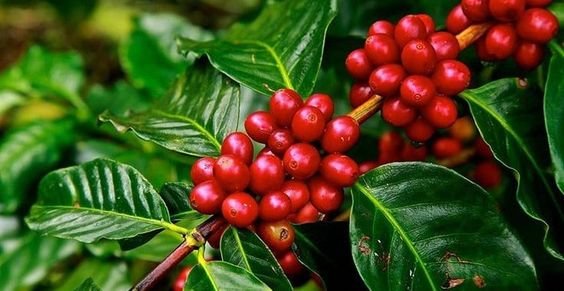
    Indonesian Coffee Exporters arrived in Indonesia in the 17th century, courtesy of the Dutch. Over time, it blossomed into a cornerstone of the nation’s agricultural sector. Today, Indonesia ranks as the world’s fourth-largest coffee producer, renowned for its unique bean varieties like Arabica, Robusta, and the exotic Kopi Luwak.

    The distinct taste profiles of Indonesian coffee are attributed to a confluence of factors. Volcanic soils rich in minerals provide a foundation for robust flavors. The diverse microclimates across the archipelago, with varying elevations and rainfall patterns, further influence the character of the beans. The meticulous processing techniques employed by Indonesian farmers, from handpicking to sun-drying, ensure the highest quality.

    Indonesian Coffee Exporters: The Bridge Between Farm and Cup

    Indonesian coffee exporters play a critical role in connecting these exceptional beans with coffee lovers across the globe. They act as a bridge between the dedicated farmers who cultivate the beans and the international market. Here’s a breakdown of their key functions:

    • Sourcing: Exporters establish relationships with coffee farmers and cooperatives, ensuring a steady supply of high-quality beans. They often specialize in specific regions or bean varieties, catering to niche markets.
    • Grading and Processing: Exporters meticulously grade coffee beans based on size, density, and visual imperfections. This ensures consistency and caters to the specific requirements of roasters and consumers. Additionally, some exporters may undertake processing tasks like roasting and grinding to meet specific client needs.
    • Logistics and Documentation: Exporting coffee involves navigating complex international trade regulations, customs procedures, and shipping logistics. Experienced exporters ensure seamless movement of the beans from farm to roaster, handling all necessary documentation and ensuring compliance with international regulations.
    • Marketing and Promotion: Exporters actively market Indonesian coffee to international buyers. They participate in trade shows, source potential customers, and promote the unique characteristics and quality of Indonesian coffee.
    • Building Relationships: Building strong relationships with farmers, roasters, and international buyers is fundamental for success. Exporters foster trust and transparency throughout the supply chain, creating long-term partnerships that benefit all stakeholders.

    Benefits of Working with Indonesian Coffee Exporters

    Sourcing coffee directly from Indonesia can be a daunting task for international buyers, especially those unfamiliar with the complexities of navigating the origin market. Partnering with a reputable Indonesian coffee exporter offers a multitude of benefits:

    • Expertise and Market Knowledge: Exporters possess a deep understanding of the Indonesian coffee industry, from diverse bean varietals and regional specialties to grading practices and market trends. They can guide buyers in selecting the perfect coffee for their needs.
    • Quality Assurance: Exporters ensure strict quality control measures are in place, from farm to final product. This guarantees buyers receive consistent, high-quality coffee that meets their expectations.
    • Efficiency and Cost-Effectiveness: Exporters handle intricate logistics and documentation, streamlining the sourcing process for buyers and optimizing costs.
    • Relationships and Network: Exporters have established relationships with farmers and cooperatives, offering buyers access to a wider range of coffees. Additionally, their network may extend to roasters and distributors, facilitating further business connections.
    • Ethical Sourcing: Many Indonesian coffee exporters prioritize ethical sourcing practices. They work with farmers who employ sustainable agricultural techniques and ensure fair compensation throughout the supply chain.

    Objectives of Indonesian Coffee Exporters

    The primary objective of Indonesian coffee exporters is to connect high-quality Indonesian coffee with international markets, achieving mutually beneficial outcomes. Here are some specific objectives exporters strive for:

    • Expanding Market Reach: Exporters continuously seek new markets for Indonesian coffee, promoting the unique offerings and fostering global appreciation for Indonesian beans.
    • Building Brand Recognition: By highlighting the distinct characteristics of specific regions and bean varieties, exporters aim to establish a strong brand recognition for Indonesian coffee on the international stage.
    • Promoting Sustainability: Many exporters champion sustainable practices, encouraging farmers to adopt eco-friendly agricultural techniques and ensuring fair compensation through fair-trade initiatives.
    • Adding Value: Exporters not only source and export coffee but also strive to add value by offering services like roasting, grinding, and packaging, catering to diverse customer needs.
    • Increasing Profitability: Ultimately, exporters aim to operate profitable businesses, ensuring fair returns for farmers, themselves, and other stakeholders within the coffee supply chain.

    Ideas and Suggestions for Partnering with Indonesian Coffee Exporters

    The world of Indonesian coffee offers a treasure trove of flavors and unique experiences for international buyers. Here are some ideas and suggestions to make the most of your partnership with an Indonesian coffee exporter:

    • Clearly Define Your Needs: Communicate your specific requirements clearly to the exporter. This includes desired bean varieties, roast profiles, quantities, and any sustainability or ethical sourcing preferences.
    • Visit Origin (if possible): For a deeper understanding of the coffee you’re sourcing, consider visiting the farms or processing facilities in Indonesia. This firsthand experience allows you to connect with the origin story and witness the meticulous practices behind your coffee.
    • Sample and Cup: Exporters often provide samples for evaluation. Carefully cup these samples to assess the flavor profile and identify beans that align with your needs. Don’t hesitate to ask for additional samples to ensure a perfect match.
    • Negotiate Contracts: Clearly define terms and conditions in a written contract. This includes pricing, payment schedules, minimum order quantities, quality specifications, and dispute resolution mechanisms.
    • Build Long-Term Relationships: Foster a collaborative and trusting relationship with your chosen exporter. Regular communication, transparency, and mutual respect are key to a successful long-term partnership.

    Advantages of Indonesian Coffee Exporters for International Buyers

    Indonesian coffee offers a compelling proposition for international buyers seeking exceptional quality, diversity, and a unique taste experience. Here are some key advantages:

    • Rich Flavor Profiles: From the earthy and full-bodied Sumatran Mandheling to the bright and floral notes of Flores Bajawa, Indonesian coffee boasts a spectrum of flavor profiles to cater to diverse preferences.
    • Variety of Bean Types: Indonesia offers a choice between the strong, bold Robusta and the more nuanced Arabica beans, allowing buyers to select the perfect base for their coffee blends or single-origin offerings.
    • Sustainability Focus: A growing number of Indonesian coffee exporters prioritize sustainable practices. This aligns with the increasing consumer demand for ethically sourced and environmentally responsible coffee.
    • Competitive Pricing: Compared to other major coffee producers, Indonesian coffee can be a cost-effective option while maintaining exceptional quality.
    • Exotic Offerings: For those seeking a truly unique experience, Indonesian coffee offers the rare and highly sought-after Kopi Luwak, known for its unconventional processing method.

    Exploring the Future of Indonesian Coffee Export

    The future of Indonesian coffee exports is brimming with potential. Here are some exciting trends shaping the industry:

    • Specialty Coffee Boom: The global demand for Indonesian Coffee Exporters is on the rise. Indonesian exporters are well-positioned to capitalize on this trend by focusing on unique varietals, micro-lot offerings, and highlighting the distinct terroir of specific regions.
    • Direct Trade and Transparency: Consumers are increasingly interested in the origin story of their coffee and the working conditions within the supply chain. Indonesian exporters who prioritize ethical sourcing and direct trade models will find favor with this discerning customer base.
    • Innovation in Processing: Experimentation with fermentation techniques and drying methods paves the way for even more exciting flavor profiles. Indonesian Coffee Exporters partnering with innovative farmers can offer unique and differentiated coffees to the international market.
    • Sustainability Initiatives: As environmental consciousness grows, sustainable practices will become even more crucial. Exporters who advocate for eco-friendly farming methods and support farmer livelihoods will contribute to a thriving and responsible coffee industry in Indonesia.
    • Technology and Traceability: Embracing technology for traceability and data analysis can enhance transparency and build trust with consumers. Exporters can leverage blockchain and other technologies to showcase the journey of coffee beans from farm to cup.
  • The Complete Guide to Toraja Sulawesi Coffee Beans: Flavor, Origin, Brewing

    The Complete Guide to Toraja Sulawesi Coffee Beans: Flavor, Origin, Brewing

    Toraja Sulawesi Coffee beans lovers around the world hold a special reverence for Toraja Sulawesi coffee. Cultivated in the remote highlands of Indonesia’s Sulawesi island, these beans boast a unique and complex flavor profile, capturing the essence of volcanic soil, pristine mountain air, and generations-old traditions. This comprehensive guide delves into the world of Toraja Sulawesi coffee, exploring its origins, cultivation practices, unique characteristics, brewing methods, and the cultural significance it holds for the Toraja people.

    A Land Steeped in Tradition: The Toraja Highlands

    Nestled amidst the lush, emerald embrace of Sulawesi’s central mountains lies Tana Toraja, the ancestral homeland of the Toraja people. This region, renowned for its breathtaking landscapes and rich cultural heritage, provides the perfect setting for cultivating some of the world’s most prized coffee beans.

    The Toraja people have inhabited this region for centuries, developing a deep connection with the land and its resources. Coffee cultivation has become an integral part of their way of life, passed down through generations with meticulous care and a profound respect for nature’s bounty.

    Volcanic Origins: The Perfect Blend of Soil and Climate

    The volcanic soil of the Toraja Sulawesi Coffee beans highlands is a crucial factor contributing to the exceptional quality of the coffee beans. Rich in minerals and nutrients, this soil provides the perfect foundation for coffee plants to thrive. The high altitude, with its cool temperatures and ample rainfall, further fosters ideal growing conditions.

    Cultivation with Care: The Toraja Approach

    The Toraja Sulawesi Coffee beans people employ traditional, sustainable farming methods that minimize environmental impact. Small, family-owned farms dominate the landscape, with meticulous attention paid to every stage of the coffee-growing process. From hand-selecting the best beans to meticulously sun-drying them, each step is undertaken with a dedication to quality and preservation of tradition.

    The Unique Bean: Arabica vs Robusta

    While Arabica beans are typically the most widely recognized Toraja Sulawesi Coffee beans variety, Toraja Sulawesi Coffee beans is predominantly of the Robusta type. Robusta beans are known for their higher caffeine content and a bolder, earthier flavor profile compared to Arabica’s smoother, more delicate notes. However, Toraja Robusta beans stand out from the crowd with their unique characteristics.

    A Flavor Profile Defined: Earthy, Spicy, and Full-Bodied

    Toraja Sulawesi Coffee beans is celebrated for its complex and intriguing flavor profile. Unlike other Robusta varieties, Toraja beans display a surprising lack of bitterness. Instead, they present a rich tapestry of flavors, ranging from earthy and herbal notes to hints of spice, dark chocolate, and even subtle fruity undertones. This unique combination creates a full-bodied cup with a clean and lingering finish.

    Beyond the Cup: The Benefits of Toraja Sulawesi Coffee beans

    The enjoyment of a perfectly brewed cup of Toraja Sulawesi Coffee beans goes beyond its captivating flavor. Robusta beans are naturally higher in caffeine compared to Arabica beans, making Toraja coffee an excellent choice for those seeking an invigorating morning pick-me-up. Additionally, studies suggest that Robusta coffee may offer some health benefits, including improved blood sugar control and increased focus.

    Objectives for the Discerning Toraja Sulawesi Coffee beans Enthusiast

    For Toraja Sulawesi Coffee beans aficionados seeking a truly exceptional experience, Toraja Sulawesi coffee presents a unique opportunity. Here are some objectives to consider when exploring this exquisite bean:

    • Discover a new and exciting flavor profile: Move beyond the typical coffee experience and delve into the complex world of Toraja coffee.
    • Experience the culmination of tradition and quality: Appreciate the dedication and care invested in each cup by the Toraja people.
    • Support sustainable farming practices: Choose coffee beans cultivated with respect for the environment and the local community.

    Brewing Methods to Unlock the Full Potential

    To fully appreciate the nuanced flavors of Toraja Sulawesi coffee, selecting the appropriate brewing method is crucial. Here are a few suggestions:

    • French Press: This brewing method allows for a full immersion of the grounds, resulting in a robust and full-bodied cup that captures the essence of Toraja coffee.
    • Moka Pot: This stovetop brewer creates a strong and concentrated coffee with a touch of crema, highlighting the bold notes of the beans.
    • AeroPress: This versatile brewing method allows for experimentation with grind size and water temperature, enabling you to tailor the coffee to your preferences.
    • Pour-Over: This method offers precise control over the brewing process, allowing you to extract the delicate flavors and aromas of Toraja coffee.

    The Cultural Significance of Toraja Sulawesi Coffee beans: A Deeply Woven Tradition

    Coffee is not just a beverage for the Toraja people; it is deeply ingrained in their cultural fabric. Traditional ceremonies, known as Rambu Solo, often involve the consumption of coffee as a symbol of hospitality and respect. The elaborate preparation and serving rituals showcase the significance coffee holds within their society.

    A Window into the Torajan Way of Life

    Beyond its role in ceremonies, coffee serves as a social lubricant, fostering connections and conversations within the community. Farmers gather to share stories and knowledge while enjoying a cup of freshly brewed coffee. This shared experience strengthens community bonds and preserves their cultural heritage.

    The Economic Engine of Tana Toraja

    Coffee has become a vital economic driver for the Toraja people. The high demand for their specialty beans provides a source of income and supports local livelihoods. This economic empowerment contributes to the preservation of their traditional farming methods and ensures the continued production of this exceptional coffee.

    Challenges and Considerations: Ensuring a Sustainable Future

    While the future of Toraja coffee appears bright, there are challenges to be addressed. Climate change poses a significant threat, with rising temperatures and unpredictable rainfall patterns potentially impacting crop yields. Additionally, ensuring fair compensation for farmers and promoting sustainable farming practices remain ongoing concerns.

    Sustainable Practices: A Commitment to the Future

    Many Toraja coffee producers are actively adopting sustainable practices to ensure the long-term viability of the industry. These practices include:

    • Intercropping: Planting other crops alongside coffee trees provides shade and helps maintain soil health.
    • Organic farming methods: Utilizing natural fertilizers and pest control techniques protects the environment and ensures the quality of the beans.
    • Water conservation: Employing efficient irrigation techniques minimizes water usage and promotes responsible resource management.

    Fair Trade Initiatives: Empowering Farmers

    Fair trade initiatives play a crucial role in ensuring that Toraja coffee farmers receive fair compensation for their labor. These initiatives guarantee a minimum price for the beans, fostering economic stability and incentivizing sustainable practices.

    Supporting Sustainable Toraja Sulawesi Coffee beans: A Conscious Consumer’s Guide

    As a discerning coffee consumer, you can contribute to the sustainability of Toraja coffee production by making informed choices. Here are some ways to support responsible practices:

    • Look for Fair Trade certified coffee: Look for the Fair Trade certification label on coffee packaging. This ensures that farmers receive a fair price for their beans.
    • Purchase directly from small roasters: Small roasters often source their beans directly from Toraja farmers, allowing for a closer connection and potentially better prices for the producers.
    • Be willing to pay a premium: High-quality, ethically sourced coffee often commands a higher price. Recognizing the value of sustainable practices justifies paying a premium for your Toraja coffee.
  • Specialty Coffee Roasting Suppliers: The Essential Guide to Sourcing Exceptional Beans

    Specialty Coffee Roasting Suppliers: The Essential Guide to Sourcing Exceptional Beans

    Specialty Coffee Roasting Suppliers,For any coffee aficionado, the journey from bean to cup is a sacred one. But the quest for the perfect cup begins long before the grinder hums. It starts with the selection of high-quality green coffee beans, a task entrusted to specialty coffee roasting suppliers. This comprehensive guide delves into the world of these suppliers, exploring their role, the benefits they offer, and how to navigate the landscape to find the perfect partner for your roasting needs.

    These beans are meticulously sourced, ensuring optimal growing conditions, harvesting techniques, and processing methods. This meticulous approach results in complex flavor profiles, vibrant aromas, and a truly exceptional coffee experience.

    The Role of a Specialty Coffee Roasting Supplier:

    Specialty coffee roasting suppliers act as the bridge between meticulous coffee farms and passionate roasters. They possess a deep understanding of coffee origins, harvest seasons, varietals, processing methods, and the intricate nuances that influence a bean’s character. Here’s a breakdown of their key roles:

    • Sourcing: Suppliers establish relationships with coffee farms worldwide, ensuring access to a diverse range of high-quality green beans. They travel to origin, building trust with farmers and understanding their practices.
    • Quality Control: Rigorous quality control measures are implemented, including cupping (sensory evaluation) to assess a bean’s flavor profile, aroma, acidity, and body. Only beans that meet strict quality standards are offered to roasters.
    • Logistics and Storage: Suppliers ensure efficient and safe transportation of green coffee beans, maintaining optimal storage conditions to preserve freshness and quality until they reach the roaster.
    • Market Knowledge: Suppliers stay abreast of market trends, varietal innovations, and emerging coffee regions, keeping roasters informed and ahead of the curve.
    • Relationships and Transparency: Building strong relationships with both roasters and farmers fosters transparency throughout the supply chain. Ethical sourcing practices and fair trade principles are often prioritized.

    Benefits of Partnering with a Specialty Coffee Roasting Supplier:

    Partnering with a reputable Specialty Coffee Roasting Suppliers offers a plethora of advantages for your roasting business:

    • Quality Assurance: Access to consistently high-quality green beans translates to superior roasted coffee and a satisfied customer base.
    • Variety and Innovation: Suppliers offer a diverse range of origins, varietals, and processing methods, allowing you to experiment and create unique coffee blends.
    • Market Expertise: Gain valuable insights into market trends, allowing you to cater to evolving consumer preferences and stay competitive.
    • Efficiency and Streamlining: Suppliers handle sourcing, logistics, and quality control, freeing you to focus on roasting and building your brand.
    • Relationships and Transparency: Building strong connections with a supplier fosters trust and allows you to source ethically and sustainably.

    Finding the Right Specialty Coffee Roasting Suppliers:

    With a vast array of suppliers, choosing the right one can seem daunting. Here are some key factors to consider:

    • Reputation and Experience: Seek suppliers with a proven track record of sourcing exceptional coffee beans and established relationships with reputable farms.
    • Focus on Specialty Coffee: Ensure the supplier prioritizes specialty-grade beans, with a deep understanding of the SCA scoring system and commitment to quality.
    • Diversity of Offerings: Choose a supplier with a diverse portfolio of origins, varietals, and processing methods to cater to your roasting needs and customer preferences.
    • Transparency and Sustainability: Look for suppliers who champion ethical sourcing practices, fair trade agreements, and sustainable farming methods.
    • Minimum Order Quantities: Understand a supplier’s minimum order quantities, ensuring they align with your roasting volume and business needs.

    Building a Strong Partnership:

    A successful partnership with your specialty coffee roasting supplier is crucial for long-term success. Here are some tips to nurture a strong relationship:

    • Open Communication: Maintain open communication, discussing your roasting goals, desired bean profiles, and any specific needs.
    • Regular Cuppings: Schedule regular cupping sessions with your supplier, allowing you to explore new offerings and refine your roasting profiles.
    • Transparency and Trust: Foster transparency by sharing your roasting techniques and providing feedback on the quality of beans you receive.
    • Commitment to Sustainability: Discuss shared values regarding ethical sourcing and explore ways to support sustainable farming practices.

    Beyond the Basics: Exploring Additional Services

    Some specialty coffee roasting suppliers extend their services beyond sourcing green beans. Here are some additional offerings you might encounter:

    • Roasting Education: Specialty Coffee Roasting Suppliers may offer roasting workshops or educational programs, helping you hone your roasting skills and explore new techniques.
    • Green Coffee Storage and Management: For roasters with limited storage space, some suppliers offer secure, climate-controlled storage facilities for green coffee beans.
    • Green Coffee Inventory Management: Suppliers can assist with inventory management, ensuring a consistent supply of beans to meet your roasting needs.
    • Custom Blending and Sourcing: Some suppliers may offer custom blending services, collaborating with you to create unique and innovative coffee blends.
    • Marketing and Branding Support: A few suppliers provide marketing and branding assistance, helping you develop a compelling brand story that resonates with your target audience.

    The Future of Specialty Coffee Roasting Suppliers:

    The future of specialty coffee roasting suppliers is brimming with exciting possibilities. Here are some trends to keep an eye on:

    • Focus on Sustainability: Expect even greater emphasis on sourcing beans from farms that implement sustainable practices, ensuring environmental and social responsibility.
    • Direct Trade Relationships: Increased focus on direct trade relationships between roasters and farms, fostering transparency and empowering producers.
    • Technology Integration: Integration of technology into the sourcing process, such as digital cupping tools and blockchain technology for supply chain traceability.
    • Micro-lot Sourcing: Growing interest in sourcing unique micro-lots from specific farms or regions, offering greater nuance and flavor complexity.

    Specialty coffee roasting suppliers are the unsung heroes of the coffee industry. They connect passionate roasters with exceptional beans, ensuring a continuous flow of high-quality coffee that delights consumers. By partnering with a reputable supplier, roasters gain access to diverse offerings, market expertise, and support, allowing them to focus on their craft and build thriving businesses. As the specialty coffee industry continues to evolve, expect these suppliers to play an increasingly essential role, driving innovation, sustainability, and the pursuit of the perfect cup.

  • Aceh Gayo Coffee Beans: Unveiling the Enchantment of a Legendary Coffee

    Aceh Gayo Coffee Beans: Unveiling the Enchantment of a Legendary Coffee

    Aceh Gayo coffee beans, a name synonymous with exquisite aroma and captivating flavor, have carved a niche for themselves in the world of specialty coffee. Cultivated in the heart of the Gayo Highlands in Indonesia’s Aceh province, these beans boast a unique character that tantalizes the taste buds of coffee connoisseurs worldwide. This comprehensive exploration delves into the captivating world of Aceh Gayo coffee beans, unraveling their journey from volcanic slopes to your cup, their distinctive characteristics, and the reasons behind their global acclaim.

    A Legacy Steeped in Tradition: The Origins of Aceh Gayo Coffee Beans

    Coffee cultivation in the Gayo Highlands dates back centuries, with the Gayo people, known for their deep respect for nature, meticulously tending to their coffee trees. Traditional farming practices, passed down through generations, emphasize sustainability and a harmonious relationship with the environment. Volcanic soil rich in minerals, coupled with a cool, misty climate at high altitudes, provides the perfect canvas for these exceptional beans to flourish.

    The meticulous hand-picking process ensures only the ripest cherries are selected, further contributing to the exceptional quality of Aceh Gayo coffee. Following harvest, the beans undergo meticulous processing, often utilizing the wet-hulled method, which preserves the delicate flavors and aromas within the bean. This time-tested approach, combined with the ideal growing conditions, results in a truly remarkable coffee experience.

    A Symphony of Flavors: The Allure of Aceh Gayo Coffee Beans

    One of the defining characteristics of Aceh Gayo coffee is its complex flavor profile. Unlike some coffees dominated by a single note, Aceh Gayo beans present a harmonious blend of tastes. Expect subtle hints of earthiness, balanced with a touch of floral sweetness and a smooth, creamy body. The acidity is pleasantly low, making it a delightful choice for those with sensitive palates.

    The unique flavor profile of Aceh Gayo coffee can be attributed to several factors. The volcanic soil imparts a distinctive mineral character, while the high altitude contributes to a brighter acidity. The meticulous processing methods further enhance the inherent sweetness and floral notes present in the beans. Each sip offers a captivating journey, showcasing the perfect interplay between these elements.

    Beyond the Cup: The Benefits of Aceh Gayo Coffee Beans

    Indulging in a cup of Aceh Gayo coffee goes beyond the pure pleasure it delivers. These beans are known for their potential health benefits. Studies suggest that coffee, in moderation, can offer a range of advantages, including:

    • Enhanced cognitive function: Coffee can improve alertness, focus, and memory.
    • Protection against certain diseases: Studies suggest a link between moderate coffee consumption and a reduced risk of type 2 diabetes, Parkinson’s disease, and Alzheimer’s disease.
    • Improved physical performance: Coffee can enhance athletic performance by increasing endurance and reducing fatigue.

    While further research is ongoing, the potential health benefits of Aceh Gayo coffee, coupled with its exquisite taste, make it a truly compelling choice for health-conscious coffee enthusiasts.

    A Sustainable Choice: Supporting the Gayo Community

    Choosing Aceh Gayo Coffee Beans isn’t just about indulging in a luxurious beverage; it’s also about supporting a sustainable and ethical farming practice. Many Gayo coffee farmers employ traditional, sustainable methods that minimize environmental impact. By opting for Aceh Gayo beans, you can contribute to the economic well-being of the Gayo communities and promote responsible coffee production practices.

    Brewing Bliss: Unveiling the Perfect Cup of Aceh Gayo Coffee Beans

    The true magic of Aceh Gayo Coffee Beans lies in unlocking its full potential through proper brewing. Here are some tips to ensure you savor the full depth of flavor:

    • Grind: The ideal grind size depends on your brewing method. A medium grind works well for most methods, while a finer grind is suitable for espresso and a coarser grind for French press.
    • Freshness: Opt for freshly roasted beans for the most vibrant and nuanced flavor experience.
    • Water quality: Use filtered or bottled water for optimal taste.
    • Brewing method: Experiment with different brewing methods to discover your preference. Pour-over, French press, and AeroPress are all excellent options for highlighting the unique characteristics of Aceh Gayo coffee.

    Remember, brewing is a journey of exploration. Experiment with different ratios, water temperatures, and brewing times to personalize your coffee experience and discover your perfect cup of Aceh Gayo Coffee Beans.

    A Celebration of Culture: The Gayo Coffee Experience

    Aceh Gayo Coffee Beans is more than just a beverage in the Gayo Highlands; it’s deeply woven into the cultural fabric of the region. Traditional coffee ceremonies, known as “minum kopi,” are a cornerstone of Gayo hospitality. Guests are welcomed with steaming cups of freshly brewed coffee, fostering a sense of community and connection.

    Participating in a Aceh Gayo Coffee Beans ceremony allows you to experience the rich cultural heritage surrounding this beloved beverage firsthand. The meticulous preparation process, involving the roasting and grinding of beans using traditional tools, adds to the charm and authenticity of the experience. Witnessing the ceremony and savoring a cup of coffee prepared with such care fosters a deeper appreciation for the dedication and skill of Gayo coffee producers.

    Beyond the Beans: Exploring the Gayo Highlands

    The journey to discover Aceh Gayo coffee extends beyond the cup. The Gayo Highlands offer breathtaking landscapes, captivating local traditions, and a warm welcome from the Gayo people. Here are some suggestions to enrich your exploration:

    • Trekking adventures: Immerse yourself in the stunning scenery of the Gayo Highlands through trekking expeditions. Lush rainforests, cascading waterfalls, and majestic mountains provide a scenic backdrop for an unforgettable adventure.
    • Cultural immersion: Delve deeper into the rich cultural tapestry of the Gayo people. Visit traditional villages, learn about their customs and traditions, and witness the intricate art of weaving and embroidery.
    • Coffee farm tours: Embark on a guided tour of a Gayo coffee farm. Watch firsthand the meticulous care taken throughout the coffee production process, from cultivation to processing. Interact with local farmers, learn about their sustainable practices, and gain a deeper appreciation for the journey your coffee beans have taken.

    By immersing yourself in the culture and environment that nurtures these exceptional beans, you gain a profound appreciation for the artistry and dedication behind each cup of Aceh Gayo coffee.

    A Guide for the Discerning Coffee Enthusiast: Selecting High-Quality Aceh Gayo Coffee

    With the growing popularity of Aceh Gayo Coffee Beans, navigating the market can be challenging. Here are some pointers to ensure you’re selecting high-quality beans:

    • Look for reputable roasters: Seek out established roasters with a proven track record of sourcing high-quality Aceh Gayo beans. Look for roasters who prioritize ethical sourcing practices and sustainable farming methods.
    • Freshness is key: As with all coffee beans, freshness is paramount. Opt for roasters who practice small-batch roasting to guarantee the beans retain their vibrant flavors and aromas.
    • Transparent sourcing: Choose roasters who provide transparent information about their sourcing practices. Ideally, look for roasters who work directly with Gayo farmers, ensuring fair trade and supporting local communities.
    • Explore roast profiles: Aceh Gayo coffee can be roasted to various profiles, each highlighting different flavor characteristics. A light roast emphasizes the natural sweetness and floral notes, while a darker roast brings out a richer, more chocolatey body. Experiment with different roasts to discover your preference.

    By following these guidelines, you can confidently select high-quality Aceh Gayo coffee beans and embark on a rewarding coffee experience.

    A Sustainable Future: Ensuring the Legacy of Aceh Gayo Coffee

    The future of Aceh Gayo Coffee Beans hinges on ensuring the sustainability of its production. This involves supporting initiatives that promote:

    • Sustainable farming practices: Encouraging the adoption of eco-friendly farming methods that minimize environmental impact and protect the delicate ecosystem of the Gayo Highlands.
    • Fair trade initiatives: Supporting fair trade practices that ensure Gayo coffee farmers receive fair compensation for their labor and expertise. This empowers local communities and promotes economic stability within the region.
    • Coffee education programs: Investing in programs that educate Gayo coffee farmers about sustainable practices, roasting techniques, and market trends. This empowers them to adapt to changing demands and ensure the continued success of their craft.

    By promoting these initiatives, we can contribute to the long-term sustainability of Aceh Gayo coffee production and safeguard the legacy of this exceptional coffee for generations to come.

  • The Captivating World of Indonesian Coffee Sellers: From Local Legends to Global Players

    The Captivating World of Indonesian Coffee Sellers: From Local Legends to Global Players

    Indonesian Coffee Sellers, an archipelago nation adorned with emerald rainforests and volcanic landscapes, boasts a rich heritage in coffee cultivation. This legacy translates into a vibrant community of Indonesian coffee sellers, passionate individuals who bring the unique flavors of Indonesian beans to the world. This comprehensive exploration delves into the world of Indonesian coffee sellers, examining their diverse roles, the benefits they offer, and the exciting possibilities that lie ahead.

    Unveiling the Tapestry of Indonesian Coffee Sellers

    Indonesian coffee sellers come in a multitude of forms, each contributing to the vibrant tapestry of the coffee industry. Here’s a glimpse into some of the key players:

    • The Traditional Warung Owner: A cornerstone of Indonesian coffee culture, the warung owner operates a small, family-run establishment. Warungs offer a quintessential Indonesian coffee experience, brewing strong, aromatic coffee on traditional methods like the tubruk (boiling water poured over grounds in a cup). These warungs are not just coffee havens; they serve as social hubs where communities gather, fostering a sense of belonging.
    • The Specialty Coffee Roaster: A passionate advocate for high-quality beans, the specialty coffee roaster meticulously sources single-origin Indonesian beans. They roast these beans to perfection, unlocking their unique flavor profiles. Specialty coffee roasters often operate cafes or partner with local restaurants, providing a premium coffee experience for discerning consumers.
    • The Coffee Farmer & Direct Seller: Indonesia’s coffee story starts with the dedicated coffee farmers who nurture the precious beans. Some enterprising farmers have taken the initiative to sell their beans directly to consumers, bypassing middlemen. This allows them to capture a larger share of the profits and connect directly with coffee enthusiasts who appreciate the origin story behind their cup.
    • The Online Coffee Entrepreneur: The digital age has empowered a new breed of coffee seller – the online entrepreneur. These individuals leverage e-commerce platforms to connect with customers across Indonesia and even internationally. They offer a curated selection of Indonesian beans, often highlighting specific regions or processing methods.

    Beyond these primary roles, the world of Indonesian coffee sellers also encompasses wholesalers, exporters, and baristas, each playing a crucial part in the journey of Indonesian coffee from farm to cup.

    Unveiling the Allure: Benefits of Buying from Indonesian Coffee Sellers

    Indonesian coffee sellers offer a multitude of benefits for coffee aficionados. Here are some key advantages:

    • Unparalleled Freshness: Purchasing from local roasters and farmers guarantees the freshest possible beans. Freshly roasted beans haven’t had the opportunity to lose their volatile aromatic compounds, resulting in a more vibrant and nuanced cup.
    • Supporting Local Communities: Choosing Indonesian coffee sellers empowers local businesses and farmers. This injects income directly into the Indonesian economy and helps sustain traditional coffee-growing practices.
    • Unique Bean Varietals and Processing Methods: Indonesia boasts a wealth of unique coffee bean varietals, like Mandheling and Typica, each offering distinct flavor profiles. Indonesian coffee sellers often highlight specific regions and processing methods like wet hulled (Giling Basah) or sun-dried (natural) processing, allowing you to explore the diverse taste landscape of Indonesian coffee.
    • Transparency and Traceability: Many Indonesian coffee sellers, particularly specialty roasters and farmers, prioritize transparency. They might share details about the origin of the beans, the farming practices employed, and the roasting profile used. This level of transparency allows you to make informed choices about the coffee you consume.
    • Cultural Immersion: Indonesian coffee is more than just a beverage; it’s a cultural experience. Buying from Indonesian coffee sellers allows you to connect with the rich traditions and passionate people behind the coffee. You might even discover unique brewing methods or brewing equipment used in Indonesia.

    Objectives and Aspirations: A Vision for the Future

    The future of Indonesian coffee sellers is brimming with exciting possibilities. Here are some key objectives and aspirations for the community:

    • Elevating the Profile of Specialty Coffee: Indonesian coffee has a well-deserved reputation for bold flavors and earthy aromas. However, there’s also immense potential for showcasing the specialty coffee scene within Indonesia. Specialty coffee roasters can play a vital role in highlighting the delicate and nuanced flavors that can be achieved with high-quality Indonesian beans.
    • Promoting Sustainable Practices: Sustainability is a growing concern in the coffee industry. Indonesian coffee sellers have the opportunity to champion sustainable farming practices that protect the environment and ensure the long-term viability of coffee production.
    • Enhancing Farmer Livelihoods: There’s a need to bridge the gap between farmers and consumers. Supporting initiatives that provide farmers with fair prices and empower them to improve their livelihoods is crucial.
    • Embracing Innovation: Innovation plays a vital role in the coffee industry. Indonesian coffee sellers can explore and embrace new technologies in roasting, brewing, and packaging to further enhance the coffee experience.

    Cultivating Success: Ideas and Strategies for Indonesian Coffee Sellers

    The global coffee market is a dynamic landscape, brimming with opportunities for Indonesian coffee sellers. Here are some insightful ideas and strategies to help them navigate this exciting yet competitive space:

    Building a Brand Identity:

    • Storytelling is Key: Indonesian coffee boasts a rich history and diverse origins. Sellers can leverage storytelling to captivate consumers. Share the story behind the beans, highlighting the unique terroir, the meticulous farming practices, and the passionate people involved. This emotional connection can elevate a simple cup of coffee into a captivating experience.
    • Embrace Transparency: Consumers increasingly seek information about the products they consume. Indonesian coffee sellers can build trust by providing detailed information about their beans, sourcing practices, and roasting techniques. Sharing farm photos, processing methods, and roasting profiles showcases the dedication and expertise behind the coffee.
    • Visual Appeal Matters: In today’s digital world, visual presentation is crucial. Invest in high-quality photographs and captivating videos that showcase the beauty of the beans, the brewing process, and the final product. Create a consistent visual identity across all platforms, from packaging to social media, to build brand recognition.

    Expanding Reach and Engagement:

    • Harnessing the Power of E-commerce: The internet has revolutionized coffee sales. Indonesian coffee sellers should establish a user-friendly e-commerce platform or partner with existing platforms to reach a wider audience. Offer subscription services and curated coffee packages to attract loyal customers.
    • Exploring Social Media Marketing: Social media platforms provide a powerful tool for community engagement and brand awareness. Utilize platforms like Instagram and Facebook to share the coffee story, connect with potential customers, and build a loyal following. Run interactive campaigns, host live Q&A sessions with farmers or roasters, and collaborate with coffee influencers to expand reach.
    • Building Strategic Partnerships: Collaboration can be a powerful tool for growth. Partner with local coffee shops, restaurants, or hotels to showcase and distribute your coffee. Explore collaborations with travel companies or tourism boards to promote Indonesian coffee as a unique aspect of the tourism experience.

    Enhancing the Customer Experience:

    • Cultivating Expertise: Investing in training and education empowers staff to become coffee connoisseurs. Educate baristas about brewing methods, flavor profiles of different Indonesian beans, and the nuances of various processing methods. Knowledgeable staff can provide exceptional customer service and guide consumers towards the perfect cup.
    • Curating Coffee Experiences: Go beyond simply selling beans. Offer workshops and educational sessions on brewing techniques, coffee origins, and tasting. Host cupping events where customers can explore the diverse flavor profiles of Indonesian coffee. Create an immersive coffee experience that fosters a deeper appreciation for the beverage.
    • Personalization is Key: Consumers today seek personalized experiences. Offer subscription boxes with curated selections of beans based on customer preferences. Develop loyalty programs and reward repeat customers. This personalized approach fosters stronger relationships with your customers.
  • Flores Arabica Coffee: A Journey Through Taste and Tradition

    Flores Arabica Coffee: A Journey Through Taste and Tradition

    Flores Arabica coffee, a name synonymous with exquisite aroma and captivating flavor, hails from the heart of Indonesia. Cultivated on the idyllic island of Flores, this prized coffee bean boasts a unique character, captivating the palates of coffee connoisseurs worldwide. This comprehensive guide delves into the world of Flores Arabica coffee, exploring its origins, cultivation practices, distinctive flavor profile, and the profound impact it has on the local communities.

    Unveiling the Origins: A Legacy Steeped in History

    The story of Flores Arabica coffee unfolds in the lush highlands of Flores, a volcanic island adorned with breathtaking landscapes. Coffee cultivation can be traced back to the 17th century, when Dutch colonists first introduced the Arabica bean to the fertile soil of the island. Over centuries, the unique blend of volcanic soil, ideal climate, and traditional farming methods fostered a coffee bean unlike any other.

    The cultivation of Flores Arabica coffee is primarily concentrated in the Ngada Regency, specifically in the regions surrounding Bajawa, a town nestled amidst majestic mountains. Here, smallholder farmers meticulously tend to their coffee trees, adhering to time-honored practices passed down through generations. This dedication to tradition ensures the exceptional quality and distinctive character of Flores Arabica coffee.

    A Labor of Love: The Art of Cultivation

    The journey of a Flores Arabica coffee bean from seedling to steaming cup is an intricate process steeped in tradition. Here’s a glimpse into the meticulous cultivation practices that define this exceptional coffee:

    • Soil and Climate: The volcanic soil of Flores, rich in minerals, provides the perfect foundation for coffee trees to thrive. The high altitude, coupled with cool temperatures and ample rainfall, creates an ideal microclimate for slow, steady bean development. This slow maturation process contributes to the bean’s complex flavor profile.
    • Shade Cultivation: Flores Arabica coffee is traditionally grown under the shade of native trees. This practice mimics the natural forest environment, protecting the delicate coffee plants from harsh sunlight and regulating soil temperature. Additionally, the shade trees contribute to the biodiversity of the ecosystem, fostering a healthy balance in the coffee forests.
    • Hand-Picking: Selective hand-picking ensures only the ripest cherries are harvested. This meticulous process allows for optimal flavor development and guarantees a superior quality final product.
    • Traditional Processing: The most common processing method for Flores Arabica coffee is the wet-hulled, or Giling Basah, technique. The coffee cherries are pulped to remove the fruit flesh, then fermented in water tanks to break down the mucilage layer. Following fermentation, the beans are washed and sun-dried on patios, allowing for a slow, even drying process that preserves the delicate flavors.

    A Symphony of Flavors: The Allure of Flores Arabica

    The essence of Flores Arabica coffee lies in its captivating flavor profile. Unlike other Indonesian coffees renowned for their earthy and bold notes, Flores Arabica offers a more nuanced and delicate cup. Here’s a breakdown of the sensory experience that awaits you:

    • Aroma: The first encounter with Flores Arabica is an explosion of enticing aromas. Floral notes, reminiscent of jasmine and lavender, are often present, intertwined with subtle hints of citrus and spice.
    • Taste: The initial taste is smooth and well-balanced, with a gentle acidity that dances on the palate. As the coffee lingers, subtle sweetness emerges, often accompanied by hints of chocolate, nutty caramel, and a touch of stone fruit. The aftertaste is clean and long-lasting, leaving a lingering pleasantness.
    • Body: Flores Arabica boasts a medium body, offering a satisfying fullness without overwhelming the palate. This characteristic makes it ideal for those who appreciate a balanced and elegant cup.

    Beyond the Cup: The Ripple Effect of Flores Arabica

    The impact of Flores Arabica coffee extends far beyond the realm of taste. Coffee cultivation plays a pivotal role in the economic and social fabric of the Ngada Regency. Here’s how this treasured bean empowers the local community:

    • Economic Sustainability: Coffee farming provides a stable source of income for thousands of families in the region. The fair trade practices associated with Flores Arabica ensure farmers receive a fair price for their crop, contributing to improved livelihoods and fostering economic independence.
    • Environmental Preservation: The traditional shade cultivation practices employed in Flores Arabica production contribute to environmental sustainability. The shade trees help conserve soil moisture, prevent erosion, and promote biodiversity.
    • Cultural Heritage: Coffee cultivation in the Ngada Regency is deeply intertwined with local traditions and cultural identity. The meticulous hand-picking and processing methods are passed down through generations, preserving a rich cultural heritage and fostering a sense of community pride.

    Immersing Yourself in the Experience: Brewing the Perfect Cup

    The journey from bean to cup culminates in the brewing experience. Here are some tips to unlock the full potential of your Flores Arabica coffee:

    • Freshly Roasted Beans: Always opt for freshly roasted Flores Arabica beans for optimal flavor. Locally roasted options often provide the freshest beans and support local businesses.
    • Grind Size: The ideal grind size depends on your brewing method. For a pour-over, a medium-fine grind is recommended. A coarser grind is suitable for French press brewing, while a finer grind is preferred for espresso machines.
    • Brewing Method: There are various brewing methods that can beautifully showcase the delicate nuances of Flores Arabica coffee. Here are a few popular options:
      • Pour-Over: This method allows for precise control over the brewing process, resulting in a clean and flavorful cup. Utilize a pour-over dripper and filter paper for this method.
      • AeroPress: This versatile brewer offers a quick and convenient way to brew a delicious cup of Flores Arabica. Experiment with different brewing times and water temperatures to find your ideal cup.
      • French Press: The French press brewing method produces a full-bodied cup of coffee. Ensure you use a coarse grind and avoid over-extraction by plunging at the appropriate time.

    Beyond the Basics: Experimentation and Personalization

    Once you’ve mastered the basics, explore different brewing methods and water temperatures to tailor the flavor profile to your preference. Experiment with adding a pinch of salt to enhance the sweetness or a splash of milk for a touch of creaminess.

    Ethical Sourcing: Supporting Sustainable Practices

    Look for Flores Arabica coffee beans sourced through fair trade practices. This ensures fair compensation for farmers, promotes sustainable farming methods, and allows you to contribute positively to the Ngada community.

    Expanding Your Coffee Journey: Pairings and Culinary Adventures

    Flores Arabica coffee’s elegant flavor profile makes it a versatile beverage, perfectly complementing various culinary experiences. Here are some suggestions:

    • Sweet Pairings: The subtle sweetness and floral notes of Flores Arabica coffee pair beautifully with pastries, fruit tarts, and breakfast dishes. It also complements delicate chocolates and desserts with light sweetness.
    • Savory Pairings: The balanced acidity of Flores Arabica cuts through rich flavors, making it an excellent accompaniment to cheese platters, charcuterie boards, and smoked salmon.
    • Regional Inspiration: Embrace the spirit of Flores by pairing your coffee with local Indonesian delicacies. Consider indulging in a cup alongside sweet martabak pastries, savory rendang (spicy meat curry), or a light tempe (soybean cake) dish.

    Beyond the Bean: Exploring Flores and its Coffee Culture

    For the ultimate coffee enthusiast, a trip to Flores offers a truly immersive experience. Immerse yourself in the breathtaking landscapes, witness traditional coffee cultivation practices firsthand, and connect with the passionate coffee farmers. Here are some potential experiences:

    • Coffee Farm Tours: Several coffee farms in the Ngada Regency offer guided tours, allowing visitors to witness the entire coffee production process, from picking the cherries to drying the beans.
    • Homestays: Consider a homestay experience in a local village, allowing you to experience the rhythm of life in a coffee-producing community and engage with the farmers directly.
    • Coffee Festivals: Flores hosts several coffee festivals throughout the year, offering a vibrant celebration of the region’s coffee culture. These festivals often include tastings, competitions, and cultural performances.

    A Legacy Enduring: The Future of Flores Arabica Coffee

    The future of Flores Arabica coffee is bright. As consumer demand for ethically sourced, high-quality coffee continues to rise, this treasured bean has the potential to further empower the local communities of the Ngada Regency. Continued support for fair trade practices and sustainable farming methods are crucial in ensuring the longevity and prosperity of this unique coffee tradition.

    By appreciating the story behind each cup, you’re not just indulging in a delicious beverage; you’re contributing to a legacy steeped in tradition, environmental responsibility, and community empowerment. So, the next time you savor a cup of Flores Arabica coffee, take a moment to acknowledge the journey it has taken, from the volcanic soil of Flores to your cup, a testament to the dedication of generations of coffee farmers.

  • Unveiling the Bold Character of Java Robusta: A Comprehensive Exploration of Flavor and Function

    Unveiling the Bold Character of Java Robusta: A Comprehensive Exploration of Flavor and Function

    Java Robusta, a coffee bean variety hailing from the lush Indonesian island of Java, has carved a distinct niche in the world of coffee. Often overshadowed by its more celebrated counterpart, Arabica, Robusta boasts a unique flavor profile and a potent punch that deserves exploration. This definitive guide delves into the essence of Java Robusta, dissecting its flavor characteristics, uncovering its benefits, and offering practical insights for incorporating it into your coffee experience.

    Unveiling the Allure: A Journey Through Java Robusta’s Flavor Landscape

    Java Robusta is renowned for its bold and assertive flavor profile. Unlike the nuanced acidity and delicate sweetness of Arabica, Robusta presents a more robust and intense taste experience. Here’s a breakdown of its key flavor components:

    • Bitterness: A defining characteristic of Robusta is its pronounced bitterness. This arises from a higher concentration of caffeine (nearly double that of Arabica) and the presence of chlorogenic acid.
    • Earthy Notes: Earthy and nutty undertones are prevalent in Robusta, adding a depth and richness to the flavor profile. These notes can be likened to roasted peanuts, dark chocolate, or even a hint of leather.
    • Grainy Texture: The Robusta bean is denser than Arabica, resulting in a slightly grainy texture in the cup. This can be perceived as a pleasant fullness or a touch of astringency, depending on brewing method and personal preference.

    However, the story doesn’t end there. Java Robusta, when cultivated and processed with care, transcends the stereotypical harshness sometimes associated with Robusta beans. Here’s where the magic of origin comes into play:

    • Indonesian Influence: The volcanic soils and unique climate of Java impart subtle nuances to the Robusta bean. Hints of spice, pepper, and even a touch of smokiness can emerge in expertly roasted Javanese Robusta.
    • Processing Techniques: The processing method employed can significantly influence the final flavor. Wet-hulled Robusta tends to be smoother and less bitter, while natural processing can enhance the earthy and nutty characteristics.

    Beyond these core elements, the specific flavor profile of Java Robusta can vary depending on factors like:

    • Roast Level: Lighter roasts tend to highlight the brighter, more acidic aspects of the bean, while darker roasts emphasize the chocolatey and earthy notes.
    • Freshness: Like any coffee, freshness is paramount. Properly stored, freshly roasted Java Robusta delivers the most vibrant and nuanced flavor experience.

    Beyond the Cup: Unveiling the Benefits of Java Robusta

    Java Robusta offers more than just a bold flavor profile. Here’s a closer look at its potential benefits:

    • Higher Caffeine Content: As mentioned earlier, Robusta boasts nearly double the caffeine content of Arabica. This translates to a more pronounced energy boost, making it a favorite among those who crave a stronger cup.
    • Creamier Texture: Robusta beans naturally contain higher levels of crema, the rich, foamy layer that forms on top of espresso. This can be a welcome addition for those who enjoy a thicker, more luxurious coffee experience.
    • Lower Acidity: For individuals with sensitive stomachs, Robusta’s lower acidity can be a welcome change from the acidity of Arabica. However, it’s important to note that brewing method can also significantly impact acidity levels.

    Brewing Java Robusta: Techniques to Unlock its Potential

    To fully appreciate the unique character of Java Robusta, consider these brewing methods:

    • Espresso: Robusta’s higher crema and bold flavor make it a popular choice for espresso blends. It adds body and intensity, creating a more robust espresso base for milk-based drinks.
    • Moka Pot: The Moka pot, also known as a stovetop espresso maker, is another excellent match for Robusta. It produces a strong, concentrated coffee brew that highlights Robusta’s boldness.
    • Vietnamese Phin: This traditional Vietnamese coffee filter allows for a slow drip brew that emphasizes the smoother, richer aspects of Robusta.
    • Cold Brew: Cold brewing can help tame Robusta’s bitterness, resulting in a smooth and refreshing coffee drink.

    Pro Tip: Experiment with grind size and brewing time to fine-tune the flavor profile to your preference. A coarser grind and shorter brewing time can help reduce bitterness.

  • Delicious Sumatran Mandheling Coffee: A Journey Through Earthy Elegance

    Delicious Sumatran Mandheling Coffee: A Journey Through Earthy Elegance

    Delicious Sumatran Mandheling Coffee,For coffee aficionados, the world is a vast tapestry woven with diverse flavors and aromas. Among this rich landscape, Sumatran Mandheling coffee stands out as a true gem. Cultivated in the heart of Indonesia’s largest island, Sumatra, these beans boast a unique character that has captivated coffee lovers for generations.

    This comprehensive guide delves into the world of Sumatran Mandheling coffee, exploring its history, cultivation methods, distinctive flavor profile, and brewing techniques. We’ll embark on a journey that unveils the secrets behind this exquisite coffee, equipping you with the knowledge to appreciate its full potential.

    A Legacy Steeped in Tradition

    Delicious Sumatran Mandheling Coffee,The story of Sumatran Mandheling coffee is intrinsically linked to the Mandailing people, an ethnic group indigenous to the Tapanuli region of Sumatra. Coffee cultivation has been a cornerstone of their way of life for centuries. Traditional methods, passed down through generations, have shaped the unique characteristics of Mandheling coffee.

    From Volcanic Soil to Your Cup: Unveiling the Cultivation Process

    Delicious Sumatran Mandheling Coffee volcanic soil provides a fertile ground for Arabica coffee plants to thrive. The Tapanuli region, nestled amidst lush rainforests and towering mountains, boasts a perfect blend of sunshine and rainfall, creating an ideal microclimate for coffee cultivation.

    Delicious Sumatran Mandheling Coffee people employ a unique wet-hulled processing method. After harvesting, the coffee cherries undergo a meticulous process of pulping, fermenting, and washing. Unlike many other wet-processed coffees, the Mandheling beans are partially dried with their parchment layer intact. This distinctive method contributes to the coffee’s earthy and full-bodied flavor.

    A Symphony of Flavors: The Distinctive Profile of Mandheling Coffee

    Delicious Sumatran Mandheling Coffee is renowned for its bold and complex flavor profile. Unlike coffees known for their bright acidity, Mandheling boasts a low-acidity character. This translates to a smooth and creamy mouthfeel, devoid of the sharp tanginess found in other varieties.

    Delicious Sumatran Mandheling Coffee,The dominant flavor notes in Delicious Sumatran Mandheling Coffee are often described as earthy, herbal, and spicy. Hints of dark chocolate, cedar, tobacco, and even licorice can emerge depending on the roast level. This symphony of flavors creates a truly unique and satisfying coffee experience.

    Beyond the Cup: The Benefits of Sumatran Mandheling Coffee

    Delicious Sumatran Mandheling Coffee,While the primary delight of Mandheling coffee lies in its exquisite taste, it also offers potential health benefits. Coffee, in general, is a rich source of antioxidants, which can help combat free radicals in the body. Some studies suggest that coffee consumption may be linked to improved cognitive function, alertness, and even a reduced risk of certain diseases.

    It’s important to note that moderation is key when it comes to enjoying coffee. Consulting your doctor is always recommended before increasing your coffee intake significantly.

    Objectives and Ideas: Exploring the Versatility of Mandheling Coffee

    Delicious Sumatran Mandheling Coffee,The true beauty of Mandheling coffee lies in its versatility. Whether you’re a seasoned coffee enthusiast or a curious newcomer, there’s a way to appreciate its unique character. Here are some objectives and ideas to consider:

    • Discover Your Perfect Roast: Mandheling coffee can be enjoyed in a variety of roasts, from light and bright to dark and full-bodied. Experiment with different roasts to find one that suits your taste preference. Lighter roasts tend to highlight the coffee’s earthy notes, while darker roasts emphasize the richer chocolatey and spicy flavors.
    • Brewing Techniques: The brewing method you choose can significantly impact the final taste of your coffee. Experiment with different brewing methods such as French press, pour-over, or drip coffee maker. Each method offers a slightly different experience, allowing you to explore the nuances of Mandheling coffee.
    • Pairing Perfection: Mandheling coffee pairs beautifully with various foods. Its bolder flavor profile complements richer desserts like chocolate cake or cheese. It can also stand up well to savory dishes with strong flavors.

    A World of Possibilities: Suggestions and Advantages

    Delicious Sumatran Mandheling Coffee,If you’re looking to delve deeper into the world of Sumatran Mandheling coffee, here are some suggestions and advantages to consider:

    • Support Local Roasters: Look for roasters who source their beans directly from Sumatra and prioritize fair-trade practices. This ensures you’re getting high-quality beans while supporting local communities.
    • Explore Single-Origin Coffee: Single-origin coffees, like Sumatran Mandheling, offer a unique flavor profile that reflects the specific growing region. Explore other single-origin coffees to discover a world of diverse coffee experiences.
    • Investment in Quality:Investing in quality equipment, such as a burr grinder and a reliable brewing device, can significantly enhance your coffee experience. Freshly ground beans release their aromatic oils more readily, leading to a more flavorful cup.
    • The Grind Delicious Sumatran Mandheling Coffee:The grind size plays a crucial role in the extraction process. For brewing methods like French press, a coarse grind is ideal. Conversely, pour-over methods require a medium-fine grind to ensure optimal water flow through the grounds. Experiment with different grind sizes to find the perfect balance for your chosen brewing technique.
    • Water Matters:Water makes up a significant portion of your brewed coffee, so its quality significantly impacts the final taste. Opt for filtered or spring water for the best results. Avoid using tap water with a strong mineral content, as it can alter the coffee’s flavor profile.

    Freshness is Key:Coffee beans are at their peak flavor shortly after roasting. To maximize the enjoyment of your Mandheling coffee, buy beans in small quantities and store them in an airtight container away from light and heat. Whole beans stay fresher for longer compared to pre-ground coffee.

    The Brewing Process Delicious Sumatran Mandheling Coffee:

    Delicious Sumatran Mandheling Coffee,Here’s a breakdown of a basic pour-over brewing method, ideal for highlighting the nuances of Sumatran Mandheling coffee:

    1. Preparation Delicious Sumatran Mandheling Coffee: Heat your kettle to just below boiling (around 195°F or 90°C). Rinse your filter and preheat your mug or carafe with hot water to maintain optimal brewing temperature.
    2. Grinding: Grind your Mandheling beans to a medium-fine consistency. A good rule of thumb is to use a grind that resembles coarse sand.
    3. Blooming: Place the coffee grounds in the filter and add a small amount of hot water (just enough to saturate the grounds). Let the coffee bloom for 30 seconds, allowing the grounds to release their CO2 and expand.
    4. Pouring: Slowly and gently pour the remaining hot water over the grounds in a circular motion. Aim for even saturation to ensure consistent extraction.
    5. Steeping and Enjoying: Allow the coffee to steep for a total of 2-3 minutes. Once brewing is complete, discard the filter and grounds, and savor your perfectly brewed cup of Sumatran Mandheling coffee.

    Beyond the Basics: Exploring Advanced Brewing Techniques

    Delicious Sumatran Mandheling Coffee,For the more adventurous coffee enthusiast, there’s a world of brewing techniques waiting to be explored. Here are a few methods that can unlock unique characteristics of Sumatran Mandheling coffee:

    • French Press: This immersion brewing method steeps the coffee grounds in hot water for a full-bodied and earthy cup.
    • AeroPress: This versatile brewer offers a quick and convenient way to brew coffee. By using pressurized hot water, the AeroPress produces a clean and flavorful cup with minimal bitterness.
    • Siphon Brewer: This visually stunning brewing method uses a vacuum to create a unique extraction process. The resulting cup is known for its clarity and bright acidity, potentially highlighting different aspects of the Mandheling bean.

    Aromatic Alchemy: Pairing Food with Delicious Sumatran Mandheling Coffee

    Delicious Sumatran Mandheling Coffee,The bold and earthy character of Sumatran Mandheling coffee makes it a versatile pairing partner for various foods. Here are some suggestions to elevate your coffee experience:

    • Sweet Treats: Pair your Mandheling coffee with decadent desserts like chocolate cake, brownies, or dark chocolate. The coffee’s richness complements the sweetness of the dessert, creating a harmonious flavor combination.
    • Spicy Delights: The earthy notes of Mandheling coffee can hold their own against spicy dishes. Consider pairing it with curries, chili, or peppery cheeses. The coffee can help cut through the heat and cleanse the palate.
    • Salty Snacks: Salty snacks like nuts, cheese, or cured meats can also be a delightful pairing with Mandheling coffee. The salt helps to enhance the coffee’s natural sweetness and complexity.

    A Sustainable Future: Ethical Sourcing and Environmental Responsibility

    Delicious Sumatran Mandheling Coffee industry has a significant impact on the environment and the lives of coffee farmers. When choosing Sumatran Mandheling coffee, consider these factors to ensure a more sustainable future:

    • Fair-Trade Practices: Look for certifications like Fairtrade or Rainforest Alliance that guarantee fair wages and sustainable farming practices for coffee producers.
    • Direct Trade: Supporting roasters who source their beans directly from farmers in Sumatra helps ensure that a larger portion of the profits goes back to the communities that cultivate these exceptional beans.
    • Organic Farming: Opting for organic coffee reduces the environmental impact of coffee production by minimizing the use of pesticides and fertilizers.