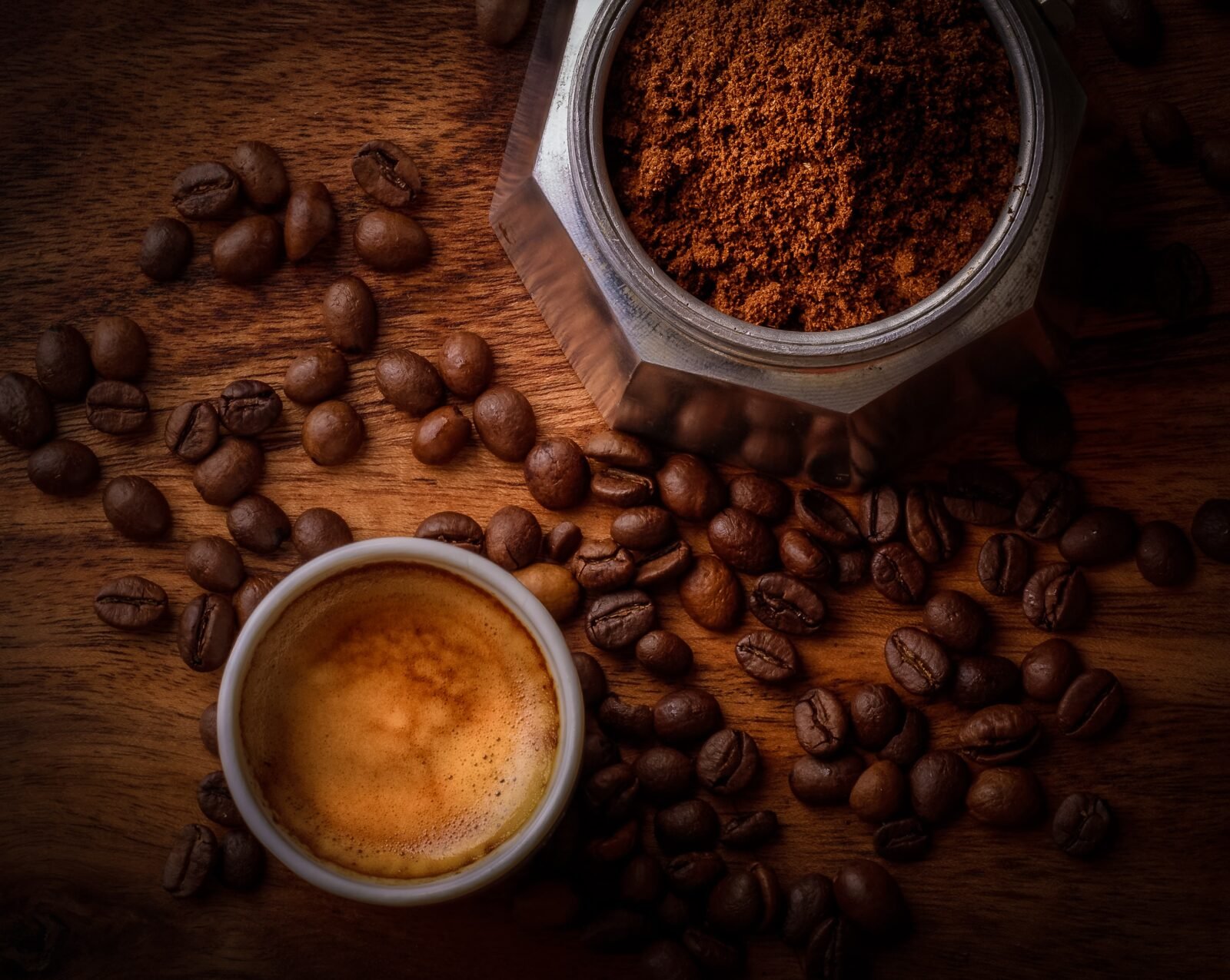
Delicious Madheling Coffee,When it comes to indulging in the world of exquisite coffee, one name that stands out is Madheling. Renowned for its exceptional flavor profile and aromatic richness, Madheling coffee has captivated the taste buds of coffee enthusiasts worldwide. In this comprehensive exploration, we delve into the origins, processing methods, and distinctive characteristics that make Madheling coffee truly exceptional.
I. Origin and Background Delicious Madheling Coffee
Madheling coffee traces its roots to the high-altitude regions of the Madheling Mountains, nestled in the heart of Southeast Asia. This unique geographical location, with its fertile soil and optimal climate, contributes significantly to the exceptional quality of the coffee beans produced in this region.
The coffee plantations in Madheling are often family-owned, with generations of expertise passed down in the art of cultivating and harvesting coffee beans. The careful cultivation and meticulous attention to detail from seed to cup result in a coffee experience that is unparalleled in its depth and complexity.
II. The Harvesting Process Delicious Madheling Coffee
One of the key factors that contribute to the distinctiveness of Madheling coffee is the harvesting process. The coffee cherries are handpicked at the peak of ripeness, ensuring that only the finest beans make their way into production. This labor-intensive method may be time-consuming, but it is a crucial step in maintaining the quality and flavor for which Madheling coffee is renowned.
Farmers in Madheling take pride in adhering to traditional harvesting methods, respecting the natural rhythm of the coffee plants. This commitment to sustainable and eco-friendly practices not only benefits the environment but also adds to the overall appeal of Madheling coffee for conscientious consumers.
III. Processing Techniques Delicious Madheling Coffee
Once the coffee cherries are harvested, the processing techniques employed in Madheling play a pivotal role in shaping the final flavor profile. The beans are carefully extracted from the cherries and subjected to a meticulous washing and drying process. This method not only enhances the purity of the coffee but also preserves the intrinsic flavors of the Madheling beans.
Madheling coffee is often processed using the wet method, which involves fermenting the beans before drying them. This nuanced approach allows for the development of intricate flavors and contributes to the coffee’s characteristic brightness and acidity. The result is a cup of coffee that is not only delicious but also showcases the unique terroir of the Madheling region.
IV. Flavor Profile of Delicious Madheling Coffee
The hallmark of Madheling coffee lies in its extraordinary flavor profile. As you take your first sip, you are greeted with a symphony of flavors that dance on your palate. The initial notes are often characterized by a delightful brightness, accompanied by a subtle acidity that adds a refreshing zing to each sip.
The medium to full body of Madheling coffee provides a satisfying and robust mouthfeel, making it an ideal choice for those who appreciate a well-rounded and substantial cup of coffee. The flavor notes can range from fruity and floral to earthy and nutty, showcasing the diversity that Madheling coffee has to offer.
One of the defining features of Madheling coffee is its complex aroma. The fragrance that wafts from a freshly brewed cup is nothing short of intoxicating, with hints of caramel, chocolate, and sometimes a whisper of spice. This aromatic richness adds an extra layer to the overall sensory experience, making every cup of Madheling coffee a journey of indulgence.
V. Brewing Recommendations Delicious Madheling Coffee
To fully appreciate the nuances of Delicious Madheling Coffee, it is essential to use brewing methods that allow the flavors to shine. Pour-over and French press methods are popular choices, as they give you control over the brewing time and extraction process. Grinding the coffee just before brewing ensures maximum freshness and flavor retention.
Maintaining the water temperature between 195°F to 205°F is crucial for extracting the optimal flavors from Madheling coffee. Experimenting with the coffee-to-water ratio allows you to tailor the strength of your brew to suit your personal preferences. Whether you enjoy it black or with a touch of cream, Madheling coffee adapts beautifully to various brewing styles.
VI. The Art of Pairing Delicious Madheling Coffee
The versatility of Delicious Madheling Coffee extends beyond its brewing methods; it also pairs exceptionally well with a variety of foods. The bright acidity and medium to full body make it a fantastic companion to both sweet and savory dishes. Consider pairing it with a piece of dark chocolate to accentuate the coffee’s natural sweetness or enjoy it with a buttery croissant for a delightful breakfast experience.
For a more adventurous pairing, try Madheling coffee with cheese, particularly those with nutty or creamy profiles. The interplay of flavors between the coffee and cheese creates a harmonious combination that elevates the tasting experience to new heights.
VII. The Future of Madheling Coffee
As Madheling coffee continues to gain recognition and popularity among coffee connoisseurs, the future looks promising for this exceptional brew. The commitment of Madheling farmers to sustainable and ethical practices ensures the longevity of this unique coffee, preserving both the environment and the cultural heritage associated with its production.
In conclusion, the journey into the world of Madheling coffee is a sensory adventure that encompasses the rich tapestry of flavor, aroma, and culture. From its humble origins in the Madheling Mountains to the global stage, Madheling coffee has earned its place as a symbol of excellence in the coffee industry. Indulge in a cup of delicious Madheling coffee, and embark on a voyage of taste that is sure to leave a lasting impression.
Mandheling specialty coffee stands as a testament to the exquisite world of premium coffee experiences. Hailing from the lush landscapes of Indonesia, particularly the Mandailing region in North Sumatra, this coffee variety has earned its place among the elite ranks of specialty coffees. In this comprehensive exploration, we will delve into the unique characteristics, cultivation practices, and the captivating journey from bean to cup that define Mandheling specialty coffee.
Understanding Mandheling Coffee:
Mandheling coffee is renowned for its distinctive flavors and aromas, captivating coffee enthusiasts worldwide. The term “Mandheling” does not refer to a specific coffee variety but rather to the region of origin – a region celebrated for producing high-quality Arabica coffee beans. The Mandailing people, known for their coffee cultivation expertise, have contributed significantly to the global recognition of Mandheling specialty coffee.
Unique Characteristics:
One of the key factors that distinguish Mandheling specialty coffee is its full-bodied and bold flavor profile. The beans are often characterized by low acidity, making for a smooth and rich cup. Tasting notes commonly include earthy tones, hints of chocolate, and a pronounced syrupy sweetness. These distinct characteristics make Mandheling coffee a favorite among those who appreciate a robust and complex coffee experience.
Cultivation Practices:
The success of Mandheling specialty coffee is deeply rooted in the region’s unique climate and topography. The Mandailing region benefits from high altitudes, volcanic soil, and a tropical climate – ideal conditions for cultivating Arabica coffee. The coffee plants thrive in the shade provided by the surrounding forests, contributing to the beans’ slow maturation process, which enhances their flavor complexity.
Harvesting and Processing:
Mandheling coffee undergoes meticulous harvesting and processing methods that contribute to its premium quality. The coffee cherries are handpicked at the peak of ripeness, ensuring that only the finest beans are selected. Following harvest, the beans are processed through the wet-hulling method, a traditional Indonesian technique. This method involves removing the outer parchment layer of the coffee bean while it still contains a relatively high moisture content, imparting unique characteristics to the final cup.
Sustainability and Fair Trade:
Mandheling coffee producers are increasingly embracing sustainable and fair trade practices. The region’s commitment to environmental conservation and ethical farming has garnered recognition in the global coffee industry. Sustainable farming practices not only contribute to the preservation of the region’s unique ecosystem but also ensure the longevity of Mandheling specialty coffee for future generations.
Brewing Mandheling Coffee:
To fully appreciate the nuances of Mandheling specialty coffee, brewing techniques play a crucial role. Given its full-bodied nature, Mandheling coffee is well-suited for methods such as French press, pour-over, or espresso. The choice of grind size and brewing time can further enhance or highlight specific flavor notes. Experimentation is encouraged to find the perfect balance that suits individual preferences.
Mandheling Specialty Coffee on the Global Stage:
In recent years, Mandheling specialty coffee has gained increasing prominence on the global stage, with coffee connoisseurs seeking out this unique Indonesian offering. Specialty coffee shops and roasters around the world showcase Mandheling coffee in their selections, further elevating its status among coffee aficionados.
Exploring Mandheling in the Modern Coffee Culture:
The rise of specialty coffee culture has provided a platform for Mandheling coffee to shine. Its distinctive flavor profile and cultural significance make it a sought-after choice in the evolving landscape of coffee preferences. Whether enjoyed black, as a single-origin espresso, or as part of a carefully crafted blend, Mandheling coffee continues to captivate discerning palates.
Conclusion:
Mandheling specialty coffee stands as a symbol of Indonesia’s rich coffee heritage, offering a sensory journey that transcends ordinary coffee experiences. From the fertile soils of the Mandailing region to the cups of coffee enthusiasts worldwide, the story of Mandheling coffee is one of passion, tradition, and unparalleled quality. As we savor each cup, we not only indulge in the rich flavors but also pay homage to the generations of farmers who have perfected the art of cultivating this extraordinary coffee.
Sumatra Mandheling Bean Coffee is a treasure among coffee enthusiasts, known for its unique flavor profile and distinct characteristics. Grown in the lush landscapes of Sumatra, Indonesia, this coffee variety has carved a niche for itself in the world of specialty coffee. In this comprehensive guide, we will delve into the origins, cultivation, processing methods, flavor notes, and the overall significance of Sumatra Mandheling bean coffee.
Origins and Geography Sumatra Mandheling Bean Coffee
Sumatra Mandheling Bean Coffee takes its name from the Mandailing people, an ethnic group in North Sumatra, where these beans are predominantly grown. The fertile volcanic soil, high altitudes, and tropical climate of the region create optimal conditions for coffee cultivation. The Mandheling region, situated near Lake Toba, is renowned for producing some of the finest Arabica beans globally.
Cultivation and Harvesting Sumatra Mandheling Bean Coffee
Sumatra Mandheling Bean Coffee is primarily cultivated at altitudes ranging from 2,000 to 5,000 feet above sea level. The Arabica coffee plants thrive in the volcanic soil, benefiting from the rich nutrients and ideal drainage. The high altitude not only contributes to the coffee’s unique flavor but also plays a role in its slow maturation, allowing for a more concentrated and nuanced taste.
Harvesting typically takes place between June and December, with coffee cherries picked by hand. This meticulous harvesting method ensures that only the ripest cherries are selected, contributing to the coffee’s exceptional quality. The labor-intensive process is a testament to the dedication of the local farmers to producing a premium product.
Processing Methods
After harvesting, the Sumatra Mandheling Bean Coffee undergo a distinct processing method known as “Giling Basah” or wet hulling. This method is specific to Indonesia and involves removing the parchment layer from the beans while they still have a high moisture content. The wet hulling process imparts a characteristic boldness and full body to the coffee, setting it apart from beans processed using traditional methods.
Flavor Profile
One of the defining features of Sumatra Mandheling coffee is its complex and bold flavor profile. The wet hulling process, coupled with the unique terroir of the Mandheling region, imparts a low acidity and full body to the coffee. Tasting notes often include earthy, herbal, and chocolate undertones, with a syrupy sweetness and hints of spice. The coffee’s flavor evolves, revealing layers of complexity with each sip.
The presence of unique compounds such as pyrazines contributes to the coffee’s distinct aroma, characterized by a medley of earthy and woody notes. Sumatra Mandheling coffee stands out for its ability to provide a sensory journey that captivates even the most discerning palates.
Specialty Coffee Status
Sumatra Mandheling beans have earned a coveted status in the world of specialty coffee. The meticulous cultivation, distinctive processing, and unique flavor profile contribute to its appeal among coffee connoisseurs. The beans are often sought after for single-origin offerings, showcasing the terroir-specific characteristics that make Sumatra Mandheling coffee a standout choice.
Brewing Recommendations
To fully appreciate the nuances of Sumatra Mandheling coffee, careful consideration should be given to the brewing method. The bold flavors and full body of the coffee make it well-suited for brewing methods that highlight these characteristics. French press and pour-over methods are popular choices, allowing the coffee’s complexity to shine through.
The use of freshly ground beans is crucial to preserving the coffee’s aroma and flavor. Additionally, experimenting with different water temperatures and grind sizes can help tailor the brewing process to individual preferences. Whether enjoyed black or with a touch of cream, Sumatra Mandheling coffee promises a rich and satisfying experience.
Sustainability and Ethical Practices
The cultivation of Sumatra Mandheling coffee is often deeply intertwined with the local communities. Many coffee farms in the region prioritize sustainable and ethical practices, emphasizing environmental conservation and fair labor practices. Certification programs such as Fair Trade and Rainforest Alliance play a crucial role in promoting responsible coffee production, ensuring that consumers can enjoy their cup of Sumatra Mandheling coffee with a clear conscience.
Conclusion
In conclusion, Sumatra Mandheling bean coffee stands as a testament to the rich diversity and complexity that the world of coffee has to offer. From its origins in the fertile lands of Sumatra to the meticulous cultivation and unique processing methods, every aspect of its journey contributes to the cup of liquid gold that graces coffee cups worldwide.
The distinctive flavor profile, full body, and low acidity make Sumatra Mandheling coffee a favorite among those who appreciate the artistry of coffee. Whether you are a seasoned coffee enthusiast or a casual drinker looking to explore new flavors, the journey into the world of Sumatra Mandheling bean coffee is sure to be a rewarding one. Indulge in the richness of this Indonesian gem, and let each sip transport you to the picturesque landscapes of North Sumatra, where passion and nature converge to create a truly exceptional coffee experience.
Mandheling ground coffee stands out among the myriad coffee varieties for its unique characteristics, captivating aroma, and bold flavor profile. Hailing from the lush landscapes of Sumatra, Indonesia, Mandheling coffee has gained a reputation as one of the finest Arabica coffees globally. In this comprehensive exploration, we delve into the origins, cultivation, processing methods, and distinctive qualities of Mandheling ground coffee, showcasing why it has become a favorite among coffee connoisseurs worldwide.
Origins of Mandheling Coffee
Mandheling coffee takes its name from the Mandailing people, an ethnic group in North Sumatra, Indonesia. The Mandheling region, nestled in the rugged terrains around Lake Toba, boasts an ideal climate and altitude for cultivating high-quality Arabica coffee beans. The combination of volcanic soil, high elevations, and a tropical climate contributes to the unique flavor profile that distinguishes Mandheling coffee from other varieties.
Cultivation and Harvesting
The cultivation of Mandheling coffee involves a meticulous process that begins with selecting the right altitude and climate conditions. Coffee plants thrive in elevations ranging from 2,000 to 5,000 feet, and the Mandheling region provides the perfect altitude for the Arabica beans to flourish.
Mandheling coffee is primarily grown on small family-owned farms, emphasizing sustainable and traditional farming practices. The use of shade-grown methods helps protect the delicate coffee plants from direct sunlight, preserving the integrity of the beans and enhancing the depth of flavor. These farms contribute to the unique and environmentally conscious character of Mandheling coffee.
Harvesting usually occurs between May and September, with skilled farmers handpicking only the ripest cherries. This selective harvesting ensures a consistent and high-quality product. The cherries are then pulped to extract the beans, which are subsequently sun-dried on large patios or raised beds. This careful drying process is crucial for developing the distinct flavors associated with Mandheling coffee.
Processing Methods
Mandheling coffee undergoes a semi-washed processing method, also known as wet-hulled or Giling Basah. This method is unique to the region and plays a pivotal role in shaping the flavor profile of Mandheling coffee. The process involves removing the outer skin of the coffee cherries before drying, allowing the beans to absorb more of the surrounding mucilage.
This distinctive processing method contributes to the coffee’s full body, low acidity, and earthy, herbal undertones. The wet-hulling process is labor-intensive and requires expertise, making it an integral part of the Mandheling coffee tradition.
Flavor Profile
Mandheling ground coffee is celebrated for its rich, full-bodied flavor with low acidity and a complex aroma. The cup often reveals notes of chocolate, tobacco, and an earthy spiciness that sets it apart from other coffee varieties. The coffee’s boldness and unique character make it an excellent choice for those who appreciate a robust and distinctive brew.
The low acidity in Mandheling coffee is a result of the wet-hulling process, which minimizes the exposure of the beans to acidity-inducing elements. This makes Mandheling coffee particularly well-suited for those who prefer a smoother, less tangy cup.
Brewing Mandheling Ground Coffee
To fully savor the nuances of Mandheling ground coffee, it’s essential to use the right brewing method. Whether using a French press, pour-over, or espresso machine, the coarse grind of Mandheling coffee is crucial for extracting its full flavor potential.
French Press: Use a coarse grind and steep the coffee for around 4 minutes. The French press method allows the full-bodied characteristics of Mandheling coffee to shine, delivering a robust and flavorful cup.
Pour-Over: Opt for a medium-coarse grind and control the pouring rate to extract the desired flavors. This method accentuates the subtle notes of Mandheling coffee, offering a well-balanced and aromatic experience.
Espresso: Use a fine grind and a shorter extraction time to highlight the coffee’s intensity. Mandheling coffee’s bold flavors make it an excellent choice for espresso enthusiasts seeking a distinctive and powerful shot.
Mandheling Ground Coffee Keyword Importance
Understanding the significance of keywords, especially “Mandheling ground coffee,” is crucial in promoting and showcasing this unique coffee variety online. Including such keywords in content helps improve search engine visibility, making it easier for consumers to find relevant information about Mandheling coffee.
When crafting content, it’s essential to organically incorporate the keyword in titles, headings, and throughout the body of the text. This not only enhances the content’s search engine optimization (SEO) but also ensures that the information provided aligns with what users are actively searching for.
Conclusion
In conclusion, Mandheling ground coffee offers a sensory journey through the lush landscapes of Sumatra, Indonesia. From its origins in the Mandheling region to the meticulous cultivation, processing methods, and distinctive flavor profile, Mandheling coffee stands as a testament to the artistry and tradition of coffee production.
Whether you’re a seasoned coffee enthusiast or a casual drinker, exploring the rich aroma and bold flavor of Mandheling ground coffee provides a unique and unforgettable experience. As you embark on your coffee journey, savor the complexity of Mandheling coffee, appreciating the craftsmanship and expertise that go into every cup.
Sumatran Mandheling coffee stands as a true gem in the world of specialty coffees, renowned for its unique flavor profile, full-bodied richness, and distinctive characteristics. Hailing from the fertile lands of Sumatra, Indonesia, this coffee has captivated the palates of coffee enthusiasts worldwide. In this comprehensive guide, we delve into the essence of Sumatran Mandheling coffee, exploring its origins, cultivation methods, flavor notes, and the best varieties available.
I. Origins and Geography
Sumatra, the sixth-largest island in the world, is home to Mandheling coffee, which is grown in the lush highlands of North Sumatra. The region’s volcanic soil and high altitude create an optimal environment for cultivating coffee, contributing to the distinct flavors that Mandheling coffee is known for. The Mandheling region itself, nestled near Lake Toba, plays a crucial role in shaping the unique characteristics of this coffee.
II. Cultivation and Harvesting
The cultivation of Sumatran Mandheling coffee involves a meticulous process that begins with selecting the finest Arabica beans. The coffee plants thrive in the shade of diverse flora, contributing to the beans’ complex flavors. The cherries are handpicked, and the wet-hulling method, known as “Giling Basah,” is employed during processing. This method, unique to Sumatra, involves removing the parchment from the beans at a higher moisture content, resulting in the distinct earthy and full-bodied flavor profile.
III. Flavor Profile
Sumatran Mandheling coffee is celebrated for its bold and distinctive flavor profile. The tasting notes often include earthy undertones, a syrupy body, low acidity, and a lingering herbal or chocolate finish. The complex flavors are attributed to the combination of the unique processing method, the volcanic soil, and the diverse microclimates of the region.
IV. Best Sumatran Mandheling Coffee Varieties
Mandheling Grade 1 represents the highest quality of Sumatran Mandheling coffee. These beans are carefully selected, handpicked, and processed with precision. The Grade 1 Mandheling coffee exhibits a well-balanced cup with pronounced earthy and herbal notes, making it a favorite among connoisseurs.
Best Sumatran Mandheling Coffee Keyword: Mandheling Grade 1
Lintong
Lintong is another distinguished variety of Sumatran Mandheling coffee, hailing from the Lintong Nihuta region. Known for its full body and bright acidity, Lintong coffee offers a unique twist on the classic Mandheling profile. The beans are often characterized by their clean and vibrant flavor, making them a popular choice for those seeking a more nuanced cup.
Best Sumatran Mandheling Coffee Keyword: Lintong
Gayo
Grown in the Gayo Highlands of Aceh, Gayo coffee stands out with its exceptional quality and unique flavor profile. The high altitude and volcanic soil contribute to the beans’ bright acidity and floral notes. Gayo Mandheling coffee is often sought after for its clean cup and lively character.
Best Sumatran Mandheling Coffee Keyword: Gayo Mandheling
Blue Batak
Blue Batak coffee, originating from the Batak region, is prized for its deep, winey acidity and complex flavor profile. The beans are often described as having a syrupy body with hints of fruity and spicy notes. Blue Batak Mandheling coffee offers a captivating sensory experience, making it a favorite among coffee enthusiasts.
Best Sumatran Mandheling Coffee Keyword: Blue Batak
V. Brewing Recommendations
To fully appreciate the nuanced flavors of Sumatran Mandheling coffee, proper brewing methods are essential. The coarse grind size and various brewing techniques, such as French press or pour-over, can enhance the richness and depth of the coffee. Experimenting with different ratios and brewing times allows coffee lovers to tailor their experience and unlock the full potential of these exceptional beans.
VI. Sustainability Practices
Many Sumatran coffee producers prioritize sustainable and environmentally friendly practices. Organic farming methods, shade-grown cultivation, and fair trade initiatives are common in the region. Supporting coffee brands that emphasize ethical and sustainable sourcing ensures that the unique ecosystems and communities involved in coffee production are preserved for future generations.
Conclusion
Sumatran Mandheling coffee stands as a testament to the rich tapestry of flavors that the world of coffee has to offer. From the volcanic highlands of Sumatra to your cup, the journey of Mandheling coffee is one of meticulous cultivation, unique processing methods, and a commitment to excellence. By exploring the best varieties and understanding the nuances of flavor, coffee enthusiasts can embark on a sensory adventure that showcases the unparalleled beauty of Sumatran Mandheling coffee.
Mandheling Coffee at Affordable Prices, originating from the fertile lands of North Sumatra, Indonesia, is renowned for its full-bodied flavor, earthy tones, and distinct aroma. In recent times, the demand for Mandheling coffee has surged, and coffee enthusiasts worldwide are seeking affordable options without compromising on quality. This comprehensive guide delves into the origins, characteristics, and how to find Mandheling coffee at affordable prices.
I. Understanding Mandheling Coffee:
Nestled within the highlands of North Sumatra, Indonesia, the essence of Mandheling coffee transcends the boundaries of a mere beverage, weaving itself into the cultural and historical fabric of the region. The journey of Mandheling coffee begins in the verdant landscapes, where the coffee plants thrive in the unique terroir that defines this renowned coffee-producing region.
The cultural significance of Mandheling coffee is deeply rooted in the traditions of the local communities. Passed down through generations, the cultivation and processing of Mandheling coffee have become not just a livelihood but a legacy. Families, often working hand in hand, cultivate the coffee plants with a sense of pride and reverence, understanding that they are stewards of a legacy that spans centuries.
The terroir of North Sumatra plays a pivotal role in shaping the essence of Mandheling coffee. The region’s volcanic soil imparts a distinct character to the coffee beans, contributing to the rich and complex flavor profile that sets Mandheling coffee apart. The high-altitude plantations, coupled with the equatorial climate, create optimal conditions for the slow maturation of the coffee cherries, allowing them to develop the nuanced flavors that coffee connoisseurs cherish.
As the coffee cherries ripen and are meticulously harvested, the beans undergo a journey of transformation, encapsulating the essence of Mandheling coffee. The processing methods, deeply rooted in tradition, involve a careful balance of sun-drying and meticulous sorting, preserving the intrinsic qualities that define Mandheling coffee’s taste.
The resulting flavor profile is a symphony of sensory delights. Mandheling coffee is celebrated for its full-bodied richness, a velvety texture that caresses the palate, and an amalgamation of notes that dance across the taste buds. A sip of Mandheling coffee unveils layers of complexity—deep, earthy tones reminiscent of the region’s fertile soil, subtle hints of chocolate that linger on the palate, and a whisper of tobacco that adds a touch of mystery to each cup.
Moreover, Mandheling coffee’s low acidity distinguishes it as a coffee lover’s dream. The absence of sharp acidity allows the true essence of the coffee to shine, providing a smooth and harmonious experience that captivates the senses without overwhelming them.
In essence, Mandheling coffee transcends being merely a beverage; it is a cultural expression, a testament to the craftsmanship of the local communities, and a sensory journey that encapsulates the soul of North Sumatra. As one savors the richness of Mandheling coffee, they partake in a tradition that has withstood the test of time, embracing the essence of a region where every cup is a story, every sip is a journey, and every harvest is a celebration of nature’s bountiful gifts.
II. Factors Influencing Mandheling Coffee at Affordable Prices
The intricate tapestry of Mandheling coffee pricing is woven from a myriad of factors, each contributing to the final cost of this esteemed coffee variety. Understanding these factors unveils the complexities that shape the economic landscape of Mandheling coffee production, influencing everything from the livelihoods of local farmers to the choices made by global coffee consumers.
Geographic Variations:
The vast expanse of North Sumatra encompasses diverse microclimates and altitudes, leading to varying coffee profiles. Mandheling coffees from specific regions within North Sumatra can command different prices based on the unique characteristics imparted by their geographic location. Factors such as soil composition, rainfall, and temperature variations play a pivotal role in the development of flavor, and subsequently, in determining the market value. Coffee Bean Grading:
The meticulous process of grading Mandheling coffee beans establishes a hierarchy based on size, shape, and freedom from defects. Grading directly influences the pricing, with larger, well-shaped beans of higher quality commanding a premium in the market. Coffee connoisseurs often seek out higher-grade Mandheling beans for a more refined and nuanced flavor experience. Processing Methods:
The methods employed in processing Mandheling coffee, whether traditional or modern, significantly impact the final price. Traditional, time-intensive processing methods, such as sun-drying and hand-sorting, contribute to the labor-intensive nature of production, potentially elevating the overall cost. Conversely, modern processing methods may introduce efficiencies but could alter the flavor profile, creating a delicate balance between efficiency and preserving the unique qualities of Mandheling coffee. Quality Control Measures:
Rigorous quality control measures at each stage of production, from harvesting to packaging, contribute to the consistency and excellence of Mandheling coffee. Investments in quality control systems, including advanced sorting technologies, contribute to a higher cost structure that is reflected in the final price of the coffee. Market Demand and Supply:
The principles of basic economics play a crucial role in Mandheling coffee pricing, with market demand and supply dynamics influencing costs. Fluctuations in global demand for Mandheling coffee, influenced by factors such as consumer trends and preferences, can impact prices. Supply chain disruptions, weather events, or unforeseen circumstances affecting crop yield may lead to variations in supply, further influencing market dynamics. Economic and Political Factors:
The broader economic and political landscape of Indonesia can impact the production and pricing of Mandheling coffee. Currency exchange rates, government policies, and geopolitical events may introduce uncertainties that influence the overall cost structure of coffee production. Certifications and Sustainability Practices:
Mandheling coffees adhering to certifications such as fair trade or organic practices often involve additional costs associated with compliance. Consumers willing to pay a premium for ethically sourced or sustainably produced coffee contribute to the economic sustainability of the local coffee industry. Understanding these multifaceted factors provides a nuanced perspective on the pricing of Mandheling coffee. It is a delicate dance between the artistry of coffee cultivation, the demands of the market, and the commitment to quality that defines the economic ecosystem supporting this exceptional coffee variety.
III. Finding Affordable Mandheling Coffee at Affordable Prices:
Embarking on the quest for affordable Mandheling coffee opens up a world of possibilities, where the aroma of freshly brewed coffee meets the satisfaction of a budget-friendly purchase. Whether you are a seasoned coffee connoisseur or a casual drinker seeking an affordable yet exquisite coffee experience, various avenues exist to procure Mandheling coffee without compromising on quality.
Direct Sourcing:
Building direct relationships with local coffee farmers in North Sumatra is a pathway to both affordability and authenticity.
By engaging with farmers, consumers can potentially negotiate better prices, cutting out middlemen and ensuring a fair deal for both parties.
This direct sourcing approach not only supports local communities but also guarantees the freshness and traceability of the coffee beans.
Online Marketplaces:
The digital era has brought Mandheling coffee to the fingertips of consumers worldwide through online marketplaces.
Reputable platforms that specialize in coffee often offer a diverse range of Mandheling options at various price points.
Consumers can explore customer reviews, ensuring the reliability of the seller, and benefit from the convenience of having Mandheling coffee delivered directly to their doorstep.
Wholesale Opportunities:
Purchasing Mandheling coffee in bulk from wholesalers can be a cost-effective strategy for those who consume coffee regularly.
Wholesale distributors often provide competitive prices, making it an economically viable option for both individuals and businesses.
This approach is particularly advantageous for coffee enthusiasts who enjoy experimenting with different brewing methods and coffee blends.
Subscription Services:
Subscription models tailored for Mandheling coffee enthusiasts offer a convenient and budget-friendly way to enjoy a steady supply of high-quality coffee.
Subscribers often benefit from discounts, exclusive blends, and the assurance of regular deliveries without the hassle of reordering.
Customization options, such as choosing the roast level or bean type, add a personalized touch to the subscription experience.
Local Coffee Shops and Roasters:
Exploring local coffee shops and roasters is a fantastic way to discover affordable Mandheling coffee while supporting businesses within your community.
Some local establishments may offer direct relationships with farmers, ensuring transparency in the sourcing process.
Building a rapport with local coffee purveyors may lead to insider knowledge about special promotions, discounts, or seasonal offerings.
Farmers’ Markets and Coffee Festivals:
Farmers’ markets and coffee festivals present opportunities to connect directly with coffee producers and artisans.
These events often feature local and international coffee producers, providing a platform to explore diverse Mandheling coffee options at affordable prices.
Engaging with producers at such events fosters a deeper understanding of the coffee-making process and can lead to unique, budget-friendly finds.
Cooperative Initiatives:
Joining or supporting cooperative initiatives that focus on sustainable and fair trade practices can be a socially responsible way to access affordable Mandheling coffee.
Cooperatives often work closely with farmers, ensuring fair compensation and promoting ethical and environmentally friendly production methods.
In the pursuit of affordable Mandheling coffee, the key lies in exploring diverse avenues and adopting a consumer approach that aligns with individual preferences and values. Whether through direct interactions with farmers, online platforms, wholesale channels, or local establishments, the world of Mandheling coffee opens up to those eager to savor its richness without exceeding their budget.
IV. Brewing Mandheling Coffee at Home:
The journey of savoring Mandheling coffee reaches its zenith when the aromatic beans make their way into the comforting confines of your home. Brewing Mandheling coffee at home allows you to control every aspect of the process, from selecting the beans to perfecting the brewing method. Here’s a comprehensive guide to help you extract the best flavors from Mandheling coffee within the intimate setting of your own kitchen.
1. Grinding and Storage:
Begin with whole Mandheling coffee beans for optimal freshness.
Invest in a high-quality burr grinder to ensure an even grind, as the coarseness or fineness can significantly impact the flavor.
Grind only the amount of coffee you plan to brew immediately to preserve the beans’ essential oils and flavors.
Store the remaining whole beans in an airtight container in a cool, dark place to maintain their freshness for an extended period.
2. Selecting Brewing Methods:
Mandheling coffee’s rich and robust flavor can be accentuated through various brewing methods.
Popular choices include the French press for a full-bodied experience, pour-over for a clean and nuanced cup, or espresso for a concentrated and bold shot.
Each method offers a unique perspective on Mandheling coffee, allowing you to tailor your brew to personal preferences.
3. Adjusting Variables:
Grind Size: Experiment with different grind sizes to find the one that complements your chosen brewing method. Coarser grinds are generally preferred for French press, while finer grinds work well for espresso.
Water Temperature: Mandheling coffee typically brews best at temperatures between 195-205°F (90-96°C). Consistency in water temperature is crucial for achieving a balanced extraction.
Brewing Time: Fine-tune the brewing time according to your chosen method. Longer steeping times for methods like French press may extract different flavor notes than quicker methods like espresso.
4. Experimenting with Ratios:
The coffee-to-water ratio is a critical element in achieving the desired strength and flavor.
A standard starting point is one to two tablespoons of coffee per six ounces of water, but feel free to adjust based on personal preference.
5. Brewing Mandheling Coffee with a French Press:
Coarsely grind the Mandheling coffee beans.
Add the coffee grounds to the French press.
Heat water to the recommended temperature and pour it over the grounds.
Allow the coffee to steep for about four minutes.
Press down the plunger slowly to separate the grounds from the brewed coffee.
Pour and enjoy the robust and full-bodied flavor of Mandheling coffee.
6. Brewing Mandheling Coffee with Pour-Over:
Use a medium grind for pour-over brewing.
Wet the filter in the pour-over cone and discard the water.
Add the coffee grounds to the wet filter.
Start pouring hot water in a circular motion over the grounds, allowing the coffee to bloom.
Continue pouring in a steady stream, maintaining consistency.
Enjoy the nuanced and clean flavors of Mandheling coffee.
7. Brewing Mandheling Coffee with Espresso:
Finely grind the Mandheling coffee beans for espresso.
Tamp the grounds evenly in the portafilter.
Insert the portafilter into the espresso machine and start the extraction process.
Aim for a balanced shot with a rich crema.
Savor the concentrated and bold essence of Mandheling coffee in your espresso.
8. Pairing Suggestions:
Complement the rich flavors of Mandheling coffee with foods that enhance its profile.
Dark chocolate, nuts, and hearty pastries can be delightful accompaniments, accentuating the coffee’s chocolate and earthy notes.
In the realm of home brewing, the key to unlocking Mandheling coffee’s full potential lies in experimentation and an understanding of the variables at play. By customizing the grind size, brewing method, and ratios to suit your taste preferences, you can create a personalized Mandheling coffee experience that resonates with the richness and complexity for which this Indonesian coffee is celebrated.
V. Community and Sustainability:
In an era where conscious consumerism and environmental responsibility are at the forefront of global conversations, the sustainability aspect of Mandheling coffee takes center stage. Beyond the enticing aroma and rich flavors, the sustainable practices associated with Mandheling coffee production contribute to its appeal, fostering a positive impact on both the environment and the communities involved in its cultivation. Here’s an in-depth exploration of the sustainability aspect surrounding Mandheling coffee.
1. Supporting Local Communities:
Sustainable Mandheling coffee production emphasizes fair trade practices, ensuring that local farmers receive equitable compensation for their efforts.
The direct relationship between consumers and coffee producers promotes economic stability within local communities, empowering farmers to invest in education, healthcare, and infrastructure.
2. Fair Trade Initiatives:
Many Mandheling coffee producers participate in fair trade initiatives, which prioritize fair wages, ethical treatment, and safe working conditions for farmers.
By choosing fair trade Mandheling coffee, consumers actively contribute to the well-being of the farming communities, fostering social and economic sustainability.
3. Environmental Stewardship:
Sustainable agriculture practices are integral to Mandheling coffee production, with an emphasis on minimizing environmental impact.
Organic farming methods, which exclude synthetic pesticides and fertilizers, are often employed to preserve the natural biodiversity of the coffee plantations.
Shade-grown coffee, a prevalent practice in Mandheling regions, protects the ecosystem by maintaining the integrity of the surrounding flora and fauna.
4. Biodiversity Conservation:
The lush landscapes of North Sumatra, where Mandheling coffee thrives, are home to diverse ecosystems.
Sustainable coffee farming endeavors to preserve this biodiversity, recognizing the interconnectedness between healthy ecosystems and the quality of the coffee produced.
5. Eco-Friendly Processing:
Sustainable Mandheling coffee production extends to the processing phase, where eco-friendly methods are prioritized.
Water conservation, efficient waste management, and the use of renewable energy sources are key components of sustainable processing practices.
6. Certification Programs:
Various certification programs, such as Rainforest Alliance and USDA Organic, validate the sustainability credentials of Mandheling coffee.
These certifications provide consumers with assurance that the coffee they are purchasing adheres to strict environmental and social standards.
7. Climate Change Resilience:
The coffee industry is susceptible to the impacts of climate change, including shifts in temperature and rainfall patterns.
Sustainable Mandheling coffee production involves strategies to enhance climate change resilience, such as implementing agroforestry practices and water conservation measures.
8. Community Development Projects:
Some Mandheling coffee producers engage in community development projects funded by a portion of the proceeds from coffee sales.
These projects may include initiatives related to education, healthcare, or infrastructure development, fostering long-term sustainability within the community.
9. Consumer Education and Awareness:
Creating awareness among consumers about the sustainability aspect of Mandheling coffee is crucial.
Educated consumers can make informed choices, actively supporting sustainable practices and encouraging the adoption of responsible farming methods.
In essence, the sustainability aspect of Mandheling coffee extends far beyond the cup, encompassing ethical sourcing, environmental stewardship, and community empowerment. By choosing sustainably produced Mandheling coffee, consumers become partners in a broader movement that seeks to harmonize coffee cultivation with ecological balance and social responsibility, ensuring that the rich legacy of Mandheling coffee endures for generations to come.
Conclusion:
In conclusion, Mandheling coffee, with its rich history and unique flavor profile, offers a delightful experience for coffee connoisseurs. Affordable options are available through various channels, and by understanding the factors influencing prices, consumers can make informed choices. Brewing Mandheling coffee at home adds a personal touch, and supporting sustainable practices ensures a positive impact on both the environment and local communities. Embrace the world of Mandheling coffee at affordable prices, and savor the essence of Indonesian coffee culture.
Nearest Indonesia Coffee known for its breathtaking landscapes and diverse culture, is also celebrated for its exceptional coffee. The archipelago, comprising over 17,000 islands, is home to some of the world’s finest coffee beans. In this comprehensive guide, we will delve into the fascinating world of Indonesian coffee, exploring its origins, unique characteristics, and the nearest Indonesian coffee plantations that contribute to its global acclaim.
Nearest Indonesia Coffee Varieties: A Glimpse into Diversity
Nearest Indonesia Coffee boasts a plethora of coffee varieties, each offering a distinctive flavor profile. The most renowned Indonesian coffees include Sumatra, Java, Sulawesi, and Bali. Sumatra, in particular, is famous for its Mandheling and Gayo beans, characterized by a full body, low acidity, and earthy undertones. Java coffee, on the other hand, is revered for its smooth, mild taste with a hint of chocolate.
Nearest Indonesia Coffee Plantations: A Closer Look
a. Sumatra – Mandheling Coffee Plantations:
Mandheling coffee, grown in the lush landscapes of Sumatra, is a hallmark of Indonesian coffee excellence. The plantations in North Sumatra, near the towns of Medan and Takengon, produce beans that are known for their heavy body and notes of chocolate. One of the nearest plantations to explore is the Ketiara Cooperative, where visitors can witness the meticulous process of coffee cultivation and processing.
b. Java – Blawan Coffee Estate:
Located on the Ijen Plateau, the Blawan Coffee Estate in East Java is a prime destination for coffee enthusiasts. Java coffee, with its balanced acidity and rich flavor, is cultivated in the shadow of the majestic Ijen volcano. Visitors can tour the estate, gaining insights into the traditional methods of coffee farming that have been passed down through generations.
c. Sulawesi – Toraja Coffee Farms:
The highlands of Toraja in Sulawesi are home to exceptional Arabica coffee. With its vibrant acidity and notes of fruit, Toraja coffee is a favorite among connoisseurs. The nearest coffee farms in the Toraja region provide a captivating experience, allowing visitors to witness the unique “giling basah” or wet-hulling process that sets Sulawesi coffee apart.
Unique Processing Methods: Unveiling Indonesian Traditions
Nearest Indonesia Coffee is renowned for its distinctive coffee processing methods, contributing to the unparalleled flavor profiles of its beans.
a. Wet-Hulling in Sulawesi:
Sulawesi’s wet-hulling process involves removing the coffee cherry’s skin and pulp before drying the beans. This method imparts a distinct flavor, often described as bold and exotic, making Sulawesi coffee stand out in the global market.
b. Giling Basah in Sumatra:
Sumatra’s Mandheling coffee undergoes the giling basah process, where the beans are hulled while still wet. This unique method results in a heavy body, low acidity, and a unique flavor profile that has gained international acclaim.
Environmental Impact and Sustainability: A Growing Concern
As the demand for Indonesia coffee continues to rise, so does the importance of sustainable and eco-friendly practices in coffee production. Many coffee plantations are now adopting environmentally conscious methods, such as shade-grown cultivation and organic farming, to preserve the natural ecosystems and biodiversity.
The Nearest Indonesia Coffee Culture: A Social Experience
Coffee is deeply embedded in Indonesia culture, serving as a social lubricant that brings people together. Whether sipping a cup of Java coffee in a bustling Jakarta café or enjoying a traditional “kopi tubruk” in a rural village, the social aspect of coffee consumption is an integral part of Indonesian daily life.
Conclusion: A Journey Through Indonesian Coffee Heritage
Nearest Indonesia Coffee conclusion, exploring the nearest Indonesian coffee plantations offers a unique opportunity to immerse oneself in the rich heritage and traditions of Indonesian coffee. From the volcanic slopes of Sumatra to the highlands of Sulawesi, each region contributes to the diverse tapestry of Indonesian coffee, showcasing the country’s commitment to quality and sustainability. As coffee enthusiasts embark on this journey, they not only savor the exquisite flavors but also become part of a legacy that has been brewing for centuries. Indonesia’s coffee culture is a testament to the nation’s passion for excellence and a warm invitation to experience the world of coffee like never before.
Indonesian Ground Coffee, a country renowned for its diverse landscapes and vibrant cultures, is also celebrated for its exceptional coffee. Among the myriad coffee varieties produced in this archipelagic nation, Indonesian ground coffee stands out for its unique flavors, distinct characteristics, and traditional cultivation methods. In this comprehensive exploration, we delve into the world of Indonesian ground coffee, uncovering its origins, processing techniques, popular varieties, and the cultural significance that makes it a global favorite.
Geographical Diversity and Ideal Growing Conditions
Indonesia’s sprawling geography provides an ideal environment for cultivating high-quality coffee. The archipelago’s volcanic soil, coupled with a tropical climate, contributes to the distinct flavors found in Indonesian coffee beans. The regions of Sumatra, Java, Bali, Sulawesi, and Flores are particularly known for their coffee plantations, each offering a different nuance to the final brew.
Varieties of Indonesian Coffee Beans
a. Sumatra Mandheling: One of the most famous Indonesian coffee varieties, Sumatra Mandheling, hails from the volcanic slopes of Sumatra. Known for its full-bodied and earthy flavor profile, this coffee often exhibits low acidity with hints of chocolate and herbal notes. The wet-hulling processing method used in Sumatra enhances the unique characteristics of this coffee.
b. Java Arabica: Java, an island synonymous with coffee production, produces Arabica beans with a mild yet complex taste. The gradual ripening of coffee cherries on the slopes of Java’s volcanic mountains imparts a well-balanced acidity and a pleasant, slightly spicy finish to the coffee.
c. Bali Kintamani: Grown in the highlands of Bali, Kintamani coffee is characterized by its bright acidity and fruity undertones. The volcanic soil of Mount Batur contributes to the unique flavor profile, making it a favorite among coffee enthusiasts who appreciate a lighter, more citrusy brew.
d. Toraja Sulawesi: Hailing from the mountainous region of Toraja in Sulawesi, this coffee is renowned for its full body, low acidity, and complex flavor notes. The beans are often processed using the wet-hulling method, resulting in a distinctive cup with hints of spice and a lingering aftertaste.
e. Flores Bajawa Ngura: Flores, an island in eastern Indonesia, produces the Bajawa Ngura coffee with a medium body and vibrant acidity. The beans are typically grown at high altitudes, contributing to their unique flavor profile characterized by floral and fruity notes.
Traditional Cultivation and Processing Methods
a. Wet-Hulling (Giling Basah): A traditional Indonesian coffee processing method, wet-hulling involves harvesting coffee cherries and removing the outer skin before the beans fully dry. This unique method is prevalent in Sumatra and Sulawesi, imparting a distinctive flavor and boldness to the coffee.
b. Dry Processing: In contrast, some Indonesian regions, such as Java and Bali, utilize the dry processing method. The coffee cherries are sun-dried with the outer skin intact, allowing the beans to absorb the fruity flavors of the pulp, resulting in a sweeter and more nuanced cup.
Flavor Profiles and Aromas
Indonesian ground coffee boasts a wide range of flavor profiles, influenced by factors such as the region of cultivation, processing method, and altitude. Common tasting notes include earthiness, spice, chocolate, citrus, and floral undertones. The complex aromas and rich flavors make Indonesian coffee a favorite choice for those seeking a truly unique and memorable coffee experience.
Indonesian Coffee Culture
Coffee holds a special place in Indonesian culture, symbolizing hospitality and social bonding. The traditional coffee ceremony, known as “kopi tubruk,” involves brewing coffee with sugar in a special pot and serving it in small cups. This ritual is a reflection of the warmth and generosity ingrained in Indonesian hospitality.
Sustainability and Fair Trade Practices
In recent years, there has been a growing emphasis on sustainability and fair trade practices in the Indonesian coffee industry. Many farmers and cooperatives are adopting environmentally friendly cultivation methods, ensuring fair wages for workers, and promoting ethical business practices. These initiatives not only benefit local communities but also contribute to the global demand for responsibly sourced coffee.
Indonesian Ground Coffee in the Global Market
The popularity of Indonesian ground coffee has soared in the global market, with coffee enthusiasts and connoisseurs appreciating its unique flavors and exotic profiles. The global demand for specialty coffee has opened up new opportunities for Indonesian coffee producers, leading to increased recognition on the international stage.
Popular Brewing Methods for Indonesian Ground Coffee
Whether it’s the traditional kopi tubruk or modern brewing methods like pour-over, French press, or espresso, Indonesian ground coffee adapts well to various brewing techniques. The versatility of these beans allows coffee enthusiasts to experiment and discover the best brewing method that suits their taste preferences.
Challenges and Opportunities for the Indonesian Coffee Industry
Despite its success, the Indonesian coffee industry faces challenges such as climate change, pests, and market fluctuations. However, innovative approaches, sustainable farming practices, and increased awareness about the uniqueness of Indonesian coffee present opportunities for growth and resilience.
Conclusion
Indonesian ground coffee, with its diverse varieties, unique processing methods, and rich cultural significance, offers a captivating journey for coffee enthusiasts. From the volcanic slopes of Sumatra to the highlands of Bali, each cup tells a story of tradition, craftsmanship, and the natural beauty of Indonesia. As global appreciation for specialty coffee continues to rise, Indonesian ground coffee stands as a testament to the country’s contribution to the world of coffee, inviting all to savor the rich aromas and flavors of this unique and exotic brew.