Category: Artikel

  • The Wondrous World of Coffee Cocktails: A Comprehensive Guide

    The Wondrous World of Coffee Cocktails: A Comprehensive Guide

    Coffee Cocktails, the beloved elixir of mornings and productivity, transcends its role as a simple beverage. It delves into the realm of mixology, offering a delightful and sophisticated twist: coffee cocktails. This guide explores the world of coffee cocktails, delving into their benefits, objectives, and a vibrant tapestry of ideas and suggestions for creating these unique libations.

    Unveiling the Allure of Coffee Cocktails

    Coffee cocktails combine the rich, stimulating flavors of coffee with the diverse world of spirits and liqueurs. This marriage creates a spectrum of possibilities, from invigorating pick-me-ups to decadent after-dinner treats. Coffee cocktails cater to a variety of palates, offering options for those who enjoy the robust bitterness of espresso to those who prefer the sweeter notes of flavored coffees.

    A Toast to the Benefits

    Coffee cocktails offer a multitude of advantages:

    • Enhanced Flavor Profile: Coffee’s inherent bitterness and acidity create a dynamic base for cocktails, complementing spirits and liqueurs in exciting ways.
    • Versatility: From light and refreshing to rich and decadent, coffee cocktails can be crafted for any occasion and season.
    • Social Lubricant: Coffee cocktails provide a unique conversation starter, offering a shared experience for friends and family.
    • Responsible Consumption: Coffee’s natural caffeine content can allow for a more measured approach to alcohol consumption.

    Objectives: Crafting the Perfect Coffee Cocktail

    Before embarking on your coffee cocktail journey, consider your objectives:

    • Desired Effect: Do you seek an invigorating morning pick-me-up, a post-dinner digestif, or a celebratory drink?
    • Flavor Profile: Do you prefer a bold and boozy concoction or something more delicate and nuanced?
    • Dietary Restrictions: Are there any allergies or preferences to consider (e.g., dairy-free, sugar-free)?

    Once you’ve established your goals, you can delve into the exciting world of recipe creation.

    A Tapestry of Ideas: Exploring Coffee Cocktail Variations

    The world of coffee cocktails is vast and ever-evolving. Here’s a glimpse into some popular variations:

    • Classics with a Twist: Revamp traditional cocktails like the Espresso Martini, Irish Coffee, or White Russian with different coffee brewing methods or flavored liqueurs.
    • Seasonal Sips: Incorporate seasonal flavors like pumpkin spice, peppermint, or spiced rum for festive cocktails.
    • Coffee Liqueur Delights: Experiment with coffee liqueurs like Kahlua, Tia Maria, or Baileys to create creamy and decadent drinks.
    • Cold Brew Creations: Utilize cold brew coffee’s smooth and naturally sweet character for refreshing summer cocktails.

    Unveiling the Toolbox: Essential Ingredients

    • Coffee: The foundation of your drink. Explore different roasts, brewing methods (espresso, cold brew, etc.), and flavored coffees.
    • Spirits: Vodka, rum, bourbon, tequila, and gin all work well in coffee cocktails, offering diverse flavor profiles.
    • Liqueurs: Coffee liqueurs are a natural choice, but experiment with chocolate, vanilla, or herbal liqueurs for added complexity.
    • Sweeteners: Simple syrup, maple syrup, honey, or flavored liqueurs can add sweetness and balance bitterness.
    • Garnishes: Coffee beans, chocolate shavings, citrus peels, or cinnamon sticks can elevate the visual appeal and add subtle flavor notes.

    Essential Techniques: Mastering the Craft

    • Shaking: Shaking chills and aerates the drink, creating a frothy texture for creamy coffee cocktails.
    • Stirring: Stirring gently dilutes and chills the drink without excessive aeration, ideal for spirit-forward cocktails.
    • Layering: Carefully pouring ingredients one over the other creates a visually stunning and flavorful layered drink.
    • Building: Building a drink directly in the glass allows for a visual presentation of the layered ingredients.

    A Symphony of Flavors: Pairing Coffee and Spirits

    • Bold Roasts: Pair with bolder spirits like bourbon, rum, or smoky mezcal for a robust and flavorful drink.
    • Light Roasts: Complement their delicate nature with lighter spirits like vodka, gin, or white rum.
    • Flavored Coffees: Choose spirits and liqueurs that complement the chosen flavor (e.g., hazelnut coffee with chocolate liqueur).

    Beyond the Basics: Experimentation and Personalization

    The beauty of coffee cocktails lies in their endless customization possibilities. Don’t be afraid to experiment!

    • Infused Coffees: Infuse coffee beans with spices, herbs, or citrus peels for unique flavor profiles.
    • Homemade Syrups:Craft syrups with flavors that complement your chosen coffee and spirit combination. Vanilla, lavender, cinnamon, or even rosemary can add unexpected depth.
    • Spice Up Your Life:Incorporate spices like cardamom, nutmeg, or cayenne pepper for a touch of warmth and complexity.
    • Fruity Fusion:Balance the bitterness of coffee with fresh fruit purees, muddled berries, or fruit liqueurs for a refreshing twist.
    • The Art of Presentation:Presentation is key! Utilize coupe glasses, martini glasses, or Irish coffee mugs for a visually appealing and Instagram-worthy drink.

    Coffee Cocktails for Every Occasion:

    Here are some specific coffee cocktail ideas to inspire your next gathering:

    • Brunch Buzz: A light and refreshing Espresso Tonic with cold brew coffee, tonic water, a squeeze of citrus, and a sprig of rosemary.
    • Afternoon Delight: A creamy and decadent White Russian with vodka, coffee liqueur, and a touch of vanilla syrup, served over ice cream.
    • After-Dinner Digestif: A sophisticated Spiked Coffee with dark roast coffee, cognac, orange liqueur, and a flamed orange peel for a touch of drama.
    • Summer Soiree: A tropical-inspired Caffeinated Colada with cold brew coffee, rum, pineapple juice, and a dash of coconut cream, served in a hollowed-out pineapple.

    Safety First: Responsible Coffee Cocktail Consumption:

    Coffee cocktails offer a delightful buzz, but remember to be mindful:

    • Moderate Consumption: Coffee is a stimulant, so enjoy your coffee cocktails responsibly.
    • Know Your Limits: Be aware of your alcohol tolerance and avoid overindulgence.
    • Consider Caffeine Content: Factor in the caffeine content of coffee when planning your day’s intake.
    • Designated Driver: Always have a designated driver if you plan on enjoying multiple coffee cocktails.

    The Future of Coffee Cocktails:

    Coffee cocktails are constantly evolving as new techniques and flavor combinations emerge. Here’s a glimpse into what the future might hold:

    • Sous Vide Coffee Infusions: Sous vide technology allows for precise temperature control, potentially leading to more nuanced and complex coffee infusions for cocktails.
    • Coffee-Based Spirits: The emergence of coffee-based spirits distilled from coffee beans opens exciting possibilities for unique coffee cocktail creations.
    • Sustainability Focus: Expect to see a focus on using sustainable coffee sources and eco-friendly practices in coffee cocktail creation.

    By embracing these trends and continuing to experiment, coffee cocktails will undoubtedly remain a vibrant and exciting domain for years to come.

    The world of coffee cocktails is a playground for creativity and exploration. So, unleash your inner mixologist, grab your favorite coffee and spirits, and embark on a delicious journey. With a little practice and these helpful tips, you’ll be whipping up impressive and delightful coffee cocktails in no time. Remember, the most important ingredient is your own personal taste. So, experiment, have fun, and enjoy the wonderful world of coffee cocktails!

  • The Uniqueness of Green Coffee: A Deep Dive into Flavor, Benefits, and Search Landscape

    The Uniqueness of Green Coffee: A Deep Dive into Flavor, Benefits, and Search Landscape

    Uniqueness of Green Coffee, the unroasted predecessor of our beloved cup of joe, holds a unique position in the world of caffeine. While roasted coffee dominates consumption, green coffee offers a distinct experience and potential health benefits that are only beginning to be explored. This article delves into the fascinating world of green coffee, examining its inherent uniqueness and the vast potential it holds for both consumers and the search landscape.

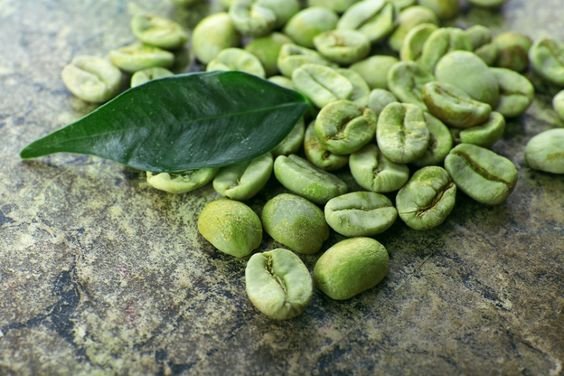
    Uniqueness of Green Coffee, in its roasted form, is a ubiquitous drink enjoyed by billions worldwide. However, the journey from coffee plant to steaming cup begins with a green bean, brimming with its own set of characteristics and flavors. Green coffee beans are the raw, unroasted seeds of Coffea plants, primarily Arabica and Robusta. These beans haven’t undergone the roasting process, which transforms their chemical makeup and unlocks the familiar taste and aroma of roasted coffee.

    The uniqueness of green coffee lies in its untouched state. Unlike roasted coffee, green coffee retains a higher concentration of chlorogenic acid, a compound linked to various potential health benefits. Additionally, green coffee boasts a distinct flavor profile, often described as grassy, herbal, and slightly acidic, a stark contrast to the roasted coffee’s complex and nuanced flavors.

    Benefits: Beyond the Buzz

    Uniqueness of Green Coffee has garnered attention for its potential health benefits, although more research is needed to solidify these claims. Here’s a glimpse into some of the promising areas:

    • Weight Management: Chlorogenic acid is believed to play a role in regulating blood sugar levels and potentially aiding weight management by promoting satiety and boosting metabolism.
    • Increased Energy: While it contains caffeine, green coffee might offer a more sustained energy boost compared to roasted coffee due to the presence of chlorogenic acid, which may slow down caffeine absorption.
    • Antioxidant Powerhouse: Green coffee is rich in antioxidants, which can help combat cell damage and potentially reduce the risk of chronic diseases.
    • Improved Brain Function: Some studies suggest that green coffee may enhance cognitive function and memory due to its caffeine content.

    Goals: Unveiling the Power of Uniqueness of Green Coffee

    For those seeking a unique taste experience and potential health benefits, incorporating Uniqueness of Green Coffee into their routine can be a worthwhile goal. Here’s how you can approach this:

    • Gradual Introduction: Due to its strong flavor, start with smaller portions of green coffee and gradually increase intake as your palate adjusts.
    • Exploration of Brewing Methods: Green coffee can be brewed using various methods, including cold brew, French press, and specialized green coffee machines. Experiment to find your preferred cup.
    • Focus on Quality: Look for reputable sellers who source high-quality, fresh green coffee beans. Opt for organic options whenever possible.
    • Combining with Flavors: The strong flavor profile of green coffee can be balanced with natural sweeteners, spices like cinnamon or nutmeg, or even a splash of citrus juice.

    Ideas: Unlocking the Potential of Uniqueness of Green Coffee

    Uniqueness of Green Coffee presents exciting possibilities beyond the realm of individual consumption. Here are some innovative ideas that can tap into its unique character:

    • Culinary Applications: Green coffee’s distinct flavor profile can be incorporated into culinary creations. Imagine savory rubs for meat or fish, or even green coffee-infused sauces and desserts for a touch of intrigue.
    • Green Coffee Blends: Coffee roasters can experiment with blending green coffee beans with roasted beans to create unique flavor profiles with a potential health boost.
    • Skincare Products: The antioxidant properties of green coffee can be harnessed for skincare products like scrubs, masks, and serums.
    • Weight Management Supplements: Green coffee extract, with its chlorogenic acid content, could be explored as an ingredient in weight management supplements, following further research and regulatory approval.

    Search Landscape: A Green Frontier

    The search landscape surrounding green coffee offers a fertile ground for exploration. Here’s a closer look at the current scenario and its potential:

    Current Landscape:

    • Limited Knowledge: Compared to roasted coffee, information about green coffee is scarce online. This presents an opportunity for content creators to educate consumers about its benefits, brewing methods, and unique qualities.
    • Untapped Keywords: “Green coffee” as a keyword holds significant potential for bloggers, health enthusiasts, and even coffee roasters looking to target a niche audience.
    • Recipe Inspiration: Recipes and brewing guides specifically designed for green coffee can be a valuable resource for curious consumers searching online.
    • Addressing Concerns: Some consumers might have concerns about the safety and taste of green coffee. Content creators can address these concerns through informative and balanced articles.

    Beyond the Bean: Exploring Green Coffee Sustainability

    The environmental impact of coffee production is an ongoing concern. Uniqueness of Green Coffee offers potential for a more sustainable approach:

    • Reduced Roasting Energy: Since green coffee skips the roasting process, it eliminates the associated energy consumption, lowering the environmental footprint.
    • Supporting Local Farmers: Green coffee production can empower coffee-growing communities by creating a market for unroasted beans, potentially increasing their income and promoting sustainable farming practices.

    Addressing Skepticism: Separating Fact from Fiction

    Uniqueness of Green Coffee has gained popularity as a weight-loss supplement, but it’s crucial to address some common misconceptions:

    • Magic Bullet Myth: Green coffee is not a miracle weight-loss solution. It may offer some benefits, but a healthy diet and exercise are essential for sustainable weight management.
    • Dosage Dilemma: There’s no universally recommended dosage for green coffee. It’s best to consult a healthcare professional before incorporating it into your routine, especially if you have any underlying health conditions.
    • Side Effects: Like regular coffee, green coffee contains caffeine, which can cause side effects like anxiety, insomnia, and digestive issues in some individuals. Moderation is key.

    The Science Behind Green Coffee: A Look at Ongoing Research

    While promising, research on Uniqueness of Green Coffee health benefits is ongoing. Here’s a glimpse into some key areas of study:

    • Weight Management: More research is needed to determine the long-term efficacy of green coffee for weight loss and its potential mechanisms of action.
    • Blood Sugar Regulation: Studies are investigating how green coffee might impact blood sugar levels and potentially benefit individuals with type 2 diabetes.
    • Antioxidant Properties: Research is ongoing to understand how green coffee’s antioxidants may contribute to overall health and potentially reduce the risk of chronic diseases.

    Navigating the Uniqueness of Green Coffee Market: Choosing Quality and Safety

    With increasing interest in green coffee, navigating the market requires some caution:

    • Beware of Exaggerated Claims: Be wary of products boasting unrealistic weight-loss promises or miraculous health benefits.
    • Source Matters: Look for reputable sellers who offer high-quality, fresh green coffee beans. Opt for organic options whenever possible.
    • Checking for Certifications: Consider brands with certifications that ensure safe and sustainable farming practices.

    Green coffee presents a unique opportunity for coffee enthusiasts and health-conscious individuals. It’s a journey of exploration, from discovering its distinct flavor profile to potentially reaping its health benefits. As research progresses, green coffee has the potential to become a more prominent player in the coffee world, offering a sustainable and potentially health-enhancing alternative.

  • Matcha Coffee: A World of Flavor and Focus Awaits

    Matcha Coffee: A World of Flavor and Focus Awaits

    Matcha Coffee, a vibrant green powder made from finely ground green tea leaves, and coffee, the world’s most popular morning beverage, are both well-known for their unique flavor profiles and potential health benefits. But what happens when you combine these two powerhouses? Enter matcha coffee, a beverage that’s gaining traction among coffee and tea enthusiasts alike. This article delves into the world of matcha coffee, exploring its origins, brewing methods, potential benefits, and creative uses.

    While the exact origin of matcha coffee is unclear, anecdotal evidence suggests it emerged in cafes and homes in Asia and North America over the past decade. The growing popularity of matcha, coupled with the desire for a more nuanced coffee experience, likely fueled this innovation.

    Benefits of Matcha Coffee

    Matcha and coffee each offer a distinct set of benefits, and combining them creates a potentially powerful synergy. Let’s explore these benefits in detail:

    • Increased Focus and Energy: Matcha contains L-theanine, an amino acid that promotes relaxation and focus. Coffee, on the other hand, provides a jolt of caffeine. When combined, these two compounds can create a state of heightened alertness without the jitters often associated with high caffeine intake.
    • Enhanced Antioxidant Profile: Both matcha and coffee are rich in antioxidants, which can help protect cells from damage caused by free radicals.
    • Potential Health Benefits: Studies suggest that matcha consumption may support heart health, cognitive function, and weight management. Coffee may offer benefits for mood, athletic performance, and reducing the risk of certain diseases. However, further research is needed to confirm these potential benefits specifically in the context of matcha coffee.
    • Unique Flavor Profile: Matcha’s grassy, umami notes can complement the bitterness of coffee, creating a complex and intriguing flavor experience. Experimenting with different ratios allows you to tailor the taste to your preference.

    Goals for Drinking Coffee

    Here are some goals you might have when incorporating into your routine:

    • Boosting Morning Energy: The combined caffeine content of matcha and coffee can be an effective way to start your day feeling energized and focused.
    • Improving Focus and Concentration: L-theanine in matcha may help counter the jittery side effects of caffeine, leading to a more sustained focus.
    • Adding Variety to Your Coffee Routine: If you’re looking for a way to break the monotony of your daily coffee, matcha coffee offers a unique and exciting alternative.
    • Exploring New Flavors: Matcha coffee caters to those who enjoy complex and layered flavor profiles.

    Ideas and Suggestions for Using Matcha Coffee

    Brewing Techniques:

    • Simple Coffee: Whisk matcha powder with hot water to create a traditional matcha tea. Add a shot of espresso or brewed coffee to the matcha for a quick and easy matcha coffee.
    • Latte-Style Matcha Coffee: Steam milk and combine it with brewed matcha and coffee for a creamy and delicious latte. You can experiment with different milk alternatives like almond or oat milk.
    • Iced Coffee: This refreshing option is perfect for warmer months. Blend brewed matcha, coffee, ice, and your preferred milk for a cool and invigorating drink.

    Flavor Variations:

    • Spiced: Add a touch of cinnamon, ginger, or cardamom to your matcha coffee for a warm and comforting experience.
    • Vanilla: A splash of vanilla extract or vanilla bean powder can add a touch of sweetness and complexity to the drink.
    • Chocolate: Enhance the decadent side of your coffee by adding a drizzle of chocolate syrup or a spoonful of cocoa powder.
    • Fruity: For a bright and refreshing twist, try adding muddled berries or a splash of fruit juice to your matcha coffee.

    Considerations and Suggestions

    • Quality of Ingredients: Use high-quality matcha powder and freshly brewed coffee for the best flavor and potential health benefits.
    • Matcha to Coffee Ratio: Experiment with different ratios to find your ideal balance. Start with a smaller amount of matcha and adjust to your taste.
    • Sweeteners: If desired, choose natural sweeteners like honey or maple syrup to complement the flavors of matcha and coffee.
    • Milk Alternatives: For those with dairy sensitivities or vegan preferences, explore using various plant-based milk alternatives like almond, oat, or soy milk.

    Safety Considerations

    While generally safe for most people, there are a few things to keep in mind when consuming matcha coffee:

    • Caffeine Content: The combined caffeine content of matcha and coffee can be higher than a regular cup of coffee. Be mindful of your caffeine tolerance and avoid excessive consumption, especially if you’re sensitive to caffeine.
    • Potential for Interactions: Matcha may interact with certain medications. If you have any concerns, consult your doctor before consuming matcha coffee.
    • Quality Control: Choose reputable matcha brands to ensure quality and avoid potential contaminants.

    The Future of Coffee

    coffee is still a relatively new beverage, but its potential for growth is evident:

    • Cafe Innovation: As matcha coffee gains popularity, cafes might offer unique variations on this beverage, including nitro brews, cold brew options, and creative flavor combinations.
    • Home Experimentation: With its versatility, matcha coffee allows for endless experimentation at home. Explore different brewing methods, milk alternatives, and flavor combinations to personalize your matcha coffee experience.
    • Pairings: Matcha coffee can be enjoyed on its own or paired with breakfast items like pastries, fruit, or yogurt. Experiment with different pairings to discover what complements the flavors of your matcha coffee creation.

    Conclusion presents a unique opportunity for coffee and tea enthusiasts to explore a new and exciting beverage. With its potential benefits and intriguing flavor profile, matcha coffee can be a welcome addition to your daily routine. Whether you’re seeking a morning energy boost, a creative way to enjoy matcha and coffee, or simply want to experiment with new flavors, matcha coffee offers a world of possibilities. Remember to prioritize quality ingredients, experiment with different brewing methods and flavor variations, and be mindful of your caffeine tolerance. So, the next time you’re looking for a way to elevate your coffee or tea experience, give matcha coffee a try and discover a fusion of focus and flavor.

  • The Luwak Coffee Market: A Deep Dive into Luxury and Ethics

    The Luwak Coffee Market: A Deep Dive into Luxury and Ethics

    Luwak Coffee Market, also known as Kopi Luwak, is a specialty coffee variety revered for its unique flavor profile and high price tag. Produced from coffee beans that have been eaten and partially digested by Asian palm civets, this coffee undergoes a natural fermentation process within the animal’s digestive tract, altering the taste and aroma of the final product. The Luwak coffee market caters to a niche audience seeking an exclusive and exotic coffee experience.

    This article delves into the complexities of the Luwak coffee market, exploring its history, production methods, economic landscape, and ethical considerations. We will analyze the factors driving market growth, potential challenges, and the future outlook for this unique beverage. Additionally, the article will explore potential market expansion strategies, ethical sourcing practices, and alternative approaches to capitalize on the consumer demand for high-quality coffee.

    History of Luwak Coffee

    The origins of Luwak Coffee Market can be traced back to the Indonesian islands of Java, Sumatra, and Sulawesi. Local farmers observed wild Asian palm civets, known as Luwaks, consuming coffee cherries. Upon finding partially digested coffee beans in the civet droppings, they began collecting and processing these beans, discovering a coffee with a distinct and smooth flavor profile.

    Traditionally, Luwak coffee was a local delicacy enjoyed by farmers and villagers. However, its fame gradually spread beyond Southeast Asia, attracting international attention for its rarity and unique taste. In recent decades, the Luwak coffee market has experienced significant growth, fueled by a growing global demand for luxury goods and exotic experiences.

    Production Methods

    The production process of Luwak coffee can be categorized into two main methods: wild collection and caged civet farming.

    • Wild Collection: This traditional method involves collecting coffee beans from the droppings of wild Luwaks in their natural habitat. It is a labor-intensive process, with limited yields due to the selective nature of civet feeding habits. Wild Luwaks consume only the ripest coffee cherries, further enhancing the quality of the beans. However, wild collection raises ethical concerns regarding animal welfare and the potential for habitat disruption.
    • Caged Civet Farming: This method involves raising Luwaks in captivity and feeding them a diet primarily consisting of coffee cherries. While this approach ensures higher yields, the ethical implications are significant. Confined animals often experience stress and inadequate living conditions, leading to concerns about animal cruelty. Additionally, the unnatural diet can negatively impact the quality of the coffee beans.

    Benefits and Drawbacks of Luwak Coffee

    Benefits:

    • Unique flavor profile: The enzymatic process within the civet’s digestive system removes bitterness and acidity, resulting in a smooth and complex flavor profile with notes of chocolate, caramel, and fruit.
    • Potential health benefits: Some proponents claim that Luwak coffee offers health benefits due to the civet digestion process, though these claims lack strong scientific backing.

    Drawbacks:

    • Ethical concerns: Animal cruelty associated with caged civet farming raises significant ethical dilemmas for consumers.
    • High price: The rarity and labor-intensive production process make Luwak coffee significantly more expensive than regular coffee.
    • Potential for fraud: Due to the high price tag, the Luwak coffee market is susceptible to fraud, with some retailers selling regular coffee beans as Luwak coffee.

    Goals and Ideas for the Luwak Coffee Market

    Goals:

    • Promoting ethical sourcing practices: The market can benefit from the adoption of certification programs that ensure ethical treatment of civets and sustainable harvesting methods.
    • Improving transparency: Consumers deserve clear information about the origin and production methods of Luwak coffee. Retailers could implement labeling systems that differentiate between wild-collected and farmed Luwak coffee.
    • Exploring alternative methods: Research into replicating the Luwak coffee fermentation process using enzymes could potentially deliver a similar taste profile without relying on animal involvement.

    Ideas

    • Focus on high-quality, ethically sourced Luwak coffee: Promote Luwak coffee produced through responsible wild collection practices, highlighting the rarity and unique flavor profile while maintaining ethical standards.
    • Develop Luwak coffee blends: Introduce blends that combine a small amount of ethically sourced Luwak coffee with other high-quality beans, offering a more accessible price point and a subtle Luwak flavor experience.
    • Target specialty coffee shops and connoisseurs: Cater to a niche market of coffee enthusiasts willing to pay a premium for a unique and ethically sourced Luwak coffee experience. Offer education and tasting sessions to build brand loyalty and appreciation for the product’s rarity and quality.
    • Invest in sustainable farming practices: Support the development of humane and sustainable civet farming methods that prioritize animal welfare and habitat conservation. This could involve larger enclosures, enrichment activities, and a diverse diet for the civets.
    • Direct-to-consumer marketing: Utilize online platforms and targeted marketing campaigns to connect directly with consumers interested in ethically sourced Luwak coffee. Provide transparent information about the origin, production methods, and ethical certifications of the product.
    • Partnerships with conservation organizations: Collaborate with wildlife conservation groups to promote responsible Luwak coffee production that supports wild civet populations and their natural habitats. This can enhance brand reputation and attract environmentally conscious consumers.

    Challenges and Future Outlook for the Luwak Coffee Market

    Despite the projected market growth, the Luwak coffee market faces several challenges:

    • Ethical concerns: Consumer awareness of animal cruelty in caged civet farming continues to rise, potentially impacting market demand.
    • Competition from alternative high-end coffees: The specialty coffee market offers a wide variety of high-quality, ethically sourced coffees that may compete with Luwak coffee.
    • Sustainability concerns: Ensuring sustainable wild collection practices and responsible civet farming will be crucial for the long-term viability of the market.

    Future Outlook:

    The future of the Luwak coffee market hinges on its ability to address ethical concerns and ensure responsible production methods. Consumers are increasingly demanding transparency and sustainability in their purchasing decisions.

    Here are some potential future scenarios:

    • Shift towards ethically sourced Luwak coffee: The market could evolve to focus solely on ethically sourced wild-collected Luwak coffee, with a premium price reflecting its rarity.
    • Emergence of alternative fermentation methods: Scientific advancements in replicating the civet digestion process using enzymes could lead to the development of Luwak-like coffee without relying on animals.
    • Decline of the market: If ethical concerns outweigh the appeal of the unique flavor profile, the Luwak coffee market could experience a decline.
  • The Aroma of Arabica Coffee: A Guide to the World’s Favorite Bean

    The Aroma of Arabica Coffee: A Guide to the World’s Favorite Bean

    Aroma of Arabica Coffee, the world’s beloved beverage, is more than just a morning pick-me-up. It’s a sensory experience, a ritual that awakens not only the mind but also the olfactory senses. The aroma of freshly brewed Arabica coffee is an art form in itself, a complex tapestry of scents that can transport you to faraway lands and evoke a range of emotions. This article delves into the captivating world of Arabica coffee’s aroma, exploring its intricacies, the factors that influence it, and how to maximize your coffee’s aromatic potential.

    The Enchantment of Aroma of Arabica Coffee:

    Unlike its robust cousin, Robusta, Aroma of Arabica Coffee is renowned for its delicate and nuanced aroma. Arabica beans boast a wider range of volatile compounds, the aromatic molecules responsible for the delightful fragrance we experience. These compounds, numbering in the hundreds, create a symphony of scents that can be broadly categorized into:

    • Fruity Notes: Delicate hints of berries like blueberry, cherry, and citrus fruits are common in Arabica coffee. These notes add a touch of sweetness and vibrancy to the aroma.
    • Floral Notes: Fragrances reminiscent of jasmine, lavender, and honeysuckle can elevate the aromatic profile. These add a touch of elegance and complexity.
    • Chocolatey Notes: Hints of dark chocolate, cocoa, and caramel can provide a comforting and rich dimension to the aroma.
    • Nutty Notes: Subtle notes of almond, hazelnut, and even peanut can add a touch of earthiness and depth.
    • Spicy Notes: Depending on the origin and processing method, Arabica coffee can exhibit hints of cinnamon, clove, or nutmeg, adding a touch of intrigue.

    The specific aroma profile of your Arabica coffee is influenced by a multitude of factors, making it a fascinating journey of discovery.

    The Journey of Aroma of Arabica Coffee: From Bean to Breath

    The captivating aroma of Arabica coffee is a result of a meticulous journey, beginning with the bean itself.

    • Origin and Varietal: Different Aroma of Arabica Coffee varietals, like Yirgacheffe from Ethiopia or Colombian Supremo, have distinct inherent aromatic profiles due to factors like genetics and soil composition.
    • Growing Conditions: The climate, altitude, and rainfall all play a role in shaping the aroma profile. High-altitude Arabica beans are often praised for their brighter and more floral notes.
    • Processing Techniques: The processing method, whether washed, natural, or honey, significantly impacts the final aroma. Washed coffees tend to be cleaner and more fruit-forward, while natural coffees can develop richer, chocolaty notes.
    • Roasting: This is the crucial stage where the magic happens. Roasting unlocks the volatile compounds trapped within the green beans, transforming them into the fragrant molecules we experience. A lighter roast will preserve the delicate floral and fruity notes, while a darker roast will emphasize chocolaty, caramelized aromas.
    • Grinding: The size and uniformity of your grind significantly impact the release of aromatic compounds. A finer grind exposes more surface area, allowing for a more pronounced aroma. However, over-grinding can lead to bitterness.
    • Brewing Method: The chosen brewing method plays a role in extracting the volatile compounds. French press brewing tends to produce a more full-bodied coffee with a bolder aroma, while pour-over methods can highlight the subtler nuances.

    The Benefits of a Delightful Aroma of Arabica Coffee

    Beyond the sheer pleasure of a captivating scent, a well-developed Aroma of Arabica Coffee offers several benefits:

    • Enhanced Flavor Perception: Aroma and taste are intricately linked. A delightful aroma sets the stage for a more enjoyable tasting experience, as the olfactory senses prime the palate for specific flavor profiles.
    • Freshness Indicator: A fresh, vibrant aroma is a tell-tale sign of high-quality, properly stored coffee. A dull or absent aroma can indicate stale beans or improper storage.
    • Mood Elevation: Studies have shown that the aroma of coffee can have a positive impact on mood, promoting alertness, focus, and even reducing stress.
    • Aromatherapy Experience: The act of savoring the aroma of freshly brewed coffee can be a mindful and relaxing ritual, promoting a sense of well-being.

    Grinding and Brewing for Aromatic Excellence

    • Grind Fresh: Pre-ground coffee has been exposed to air for a longer period, leading to aroma loss. Grinding your beans just before brewing preserves the volatile compounds for the optimal experience.
    • Choose the Right Grind: The grind size should be appropriate for your brewing method. A finer grind is ideal for espresso machines, while a medium grind works well for pour-over methods and drip coffee makers. A coarse grind is best for French press brewing.
    • Water Matters: Water quality impacts both taste and aroma. Use filtered or bottled water for optimal results.
    • Brewing Temperature: The ideal brewing temperature varies depending on the method. Generally, hotter water (around 90-96°C or 194-205°F) will extract more volatile compounds, resulting in a more robust aroma. However, overly hot water can lead to bitterness. Refer to your specific brewing method for optimal temperature recommendations.
    • Bloom Time: For pour-over methods, a brief “bloom” phase allows the grounds to release Co2 and allows for a more even extraction. This can enhance the aroma and overall flavor profile.

    Beyond the Basics: Advanced Techniques

    For the truly adventurous Aroma of Arabica Coffee enthusiast, there are a few advanced techniques to explore:

    • Grinding with Burr Grinder: Burr grinders produce a more uniform grind, maximizing surface area and promoting even extraction, leading to a more consistent and flavorful cup with a pronounced aroma.
    • Water Filtration: Using a water filter specifically designed for coffee brewing can remove impurities that can dull the aroma and taste.
    • Preheating Brewing Equipment: Preheating your brewer, whether it’s a pour-over carafe or an espresso machine, ensures optimal brewing temperature and can lead to a more pronounced aroma.
    • Slow Brewing Methods: Slow brewing methods like cold brew or immersion methods (e.g., Clever Dripper) can highlight subtle aromatic notes that might be masked in faster brewing methods.

    Aromatic Exploration: Matching Aroma of Arabica Coffee

    Aroma of Arabica Coffee,As you delve deeper into the world of Arabica coffee, you’ll discover how specific origins and processing methods can influence the aroma profile. Here’s a brief guide to some popular origins and their characteristic aromas:

    • Ethiopian Yirgacheffe: Known for its bright and vibrant aroma with hints of citrus, blueberry, and floral notes.
    • Colombian Supremo: Offers a balanced aroma with notes of chocolate, caramel, and sometimes stone fruit.
    • Kenyan AA: Renowned for its complex aroma with hints of black currant, spice, and sometimes a touch of wine.
    • Sumatra Mandheling: This full-bodied coffee boasts an earthy aroma with hints of herbal notes, smoke, and sometimes even cedar.
  • The Unique Culture of Aceh Coffee Drinkers: A Deep Dive into the Richness of Acehnese Coffee Culture

    The Unique Culture of Aceh Coffee Drinkers: A Deep Dive into the Richness of Acehnese Coffee Culture

    Aceh Coffee Drinkers, a picturesque region located on the northern tip of Sumatra, Indonesia, is not only renowned for its stunning landscapes but also for its unique coffee culture. The people of Aceh have a deep-rooted connection with coffee, making it an integral part of their daily lives. In this exploration, we will delve into the distinctive characteristics of Aceh coffee drinkers, shedding light on their rituals, preferences, and the significance of coffee in their social fabric.

    Historical Background:

    The history of coffee in Aceh dates back to the 17th century when the Dutch East India Company introduced coffee cultivation to the region. Since then, Aceh has evolved into a prominent coffee-producing hub, known for its high-quality Arabica beans. The rich volcanic soil and favorable climate contribute to the unique flavor profiles that distinguish Acehnese coffee from others.

    Aceh Coffee Drinkers’ Rituals:

    The act of drinking coffee in Aceh is not merely a routine; it’s a ritual embedded in the cultural fabric of the community. The process of preparing and enjoying coffee is considered sacred, often involving traditional ceremonies. Aceh coffee drinkers take pride in their meticulous preparation methods, which include roasting the beans to perfection, grinding them to the desired consistency, and brewing the coffee using traditional methods.

    One of the key aspects of Aceh coffee culture is the practice of gathering for coffee sessions. Families and friends often come together to share stories, discuss local news, and strengthen social bonds over a cup of freshly brewed Acehnese coffee. These gatherings are characterized by warmth, hospitality, and a sense of community that transcends generations.

    Aceh Coffee Varieties and Preferences:

    Acehnese coffee aficionados have a discerning palate, appreciating the nuances of different coffee varieties. The region is particularly known for its Arabica beans, prized for their mild acidity, full body, and distinct flavor notes. Popular Aceh coffee varieties include Gayo coffee, which is grown in the Gayo Highlands and recognized for its smooth, chocolatey undertones.

    The brewing methods also play a crucial role in shaping the taste preferences of Aceh coffee drinkers. Traditional methods such as “tubruk” and “kopi tubruk” involve boiling the coffee grounds with sugar, resulting in a strong and sweet concoction. These brewing techniques have been passed down through generations, preserving the authenticity of Acehnese coffee preparation.

    Social Significance of Aceh Coffee:

    Beyond its exquisite taste, coffee holds significant social and cultural value in Aceh. The coffee plantations provide a source of livelihood for many locals, contributing to the region’s economic stability. Additionally, the act of sharing coffee is symbolic of hospitality and camaraderie, making it an integral part of social interactions.

    The coffee trade has also played a role in shaping Aceh’s economic landscape. The global demand for high-quality Acehnese coffee has opened up avenues for international trade, creating opportunities for local farmers to showcase their expertise on the global stage.

    Challenges and Innovations:

    Despite the rich coffee culture in Aceh, the industry faces challenges such as climate change, pests, and market fluctuations. To address these issues, Acehnese coffee farmers are increasingly adopting sustainable and innovative farming practices. Initiatives to promote organic farming, improve processing techniques, and enhance the quality of coffee beans are gaining traction, ensuring the longevity of Aceh’s coffee heritage.

    Conclusion:

    The coffee culture in Aceh is not just about a beverage; it’s a way of life that intertwines tradition, community, and a love for the finest coffee. Aceh coffee drinkers, with their meticulous rituals and discerning palates, stand as guardians of a rich cultural legacy. As the global appreciation for specialty coffee grows, Acehnese coffee is poised to continue captivating the world with its unique flavors and the warm hospitality of its coffee-loving community.

  • Exploring the Fascinating World of Luwak Coffee Drinkers: A Connoisseur’s Delight

    Exploring the Fascinating World of Luwak Coffee Drinkers: A Connoisseur’s Delight

    Luwak Coffee Drinkers, also known as civet coffee, is a rare and unique beverage that has gained global recognition for its distinctive production process. The coffee beans used to make luwak coffee pass through the digestive system of civets, a small mammal found in various parts of Asia and Africa. The fermentation that occurs during this process is believed to enhance the flavor profile of the beans. In this article, we delve into the world of luwak coffee drinkers, exploring the characteristics that make them distinct, their preferences, and the allure of this exotic brew.

    The Rise of Luwak Coffee Drinkers:

    Luwak coffee has become a sought-after choice among coffee enthusiasts, attracting a niche community of connoisseurs who appreciate its unique origin and flavor. The rise of luwak coffee drinkers can be attributed to the allure of exclusivity and the curiosity surrounding the unconventional production method. Those who indulge in luwak coffee often seek a taste that goes beyond the ordinary, embracing the mystique of a brew that has passed through the digestive tract of a civet.

    Characteristics of Luwak Coffee Drinkers:

    Adventurous Palates:


    Luwak coffee drinkers are characterized by their adventurous and open-minded approach to coffee tasting. They are individuals who enjoy exploring the diverse and sometimes unconventional aspects of the coffee world. The unique flavor profile of luwak coffee, influenced by the civet’s digestive enzymes, appeals to those who seek new and exciting taste experiences.

    Appreciation for Craftsmanship:


    Connoisseurs of luwak coffee often have a deep appreciation for the craftsmanship involved in its production. From the meticulous selection of civets to the careful processing of beans, these coffee drinkers value the labor-intensive nature of creating this rare and exclusive brew.

    Passion for Ethical Sourcing:


    Many luwak coffee enthusiasts are keen on ethical sourcing and animal welfare. They seek out producers who prioritize the well-being of civets, ensuring they are not mistreated or exploited in the coffee production process. This passion for ethical practices adds an additional layer of significance to the act of enjoying luwak coffee.

    Preferences of Luwak Coffee Drinkers:

    Single-Origin Varieties:


    Luwak coffee drinkers often show a preference for single-origin varieties, appreciating the distinct characteristics that come from beans grown in specific regions. This preference aligns with the connoisseurship associated with luwak coffee, as enthusiasts savor the nuanced flavors derived from the interaction between coffee plants and local ecosystems.

    Medium to Dark Roasts:


    The distinctive taste of luwak coffee is often complemented by medium to dark roasts, bringing out the rich and robust flavors that result from the fermentation process. Luwak coffee drinkers may favor these roast profiles to accentuate the unique qualities of the beans, creating a brew that stands out from more conventionally processed coffees.

    The Allure of Luwak Coffee:

    Exclusivity and Rarity:

    The limited availability of luwak coffee contributes to its allure. As a rare and exclusive brew, it appeals to those who seek a coffee experience that goes beyond the ordinary. The scarcity of luwak coffee adds a layer of prestige and desirability for enthusiasts who relish the opportunity to indulge in a truly unique beverage.

    Culinary Pairing Opportunities:


    Luwak coffee’s distinct flavor profile opens up exciting possibilities for culinary pairings. Connoisseurs may experiment with pairing luwak coffee with various foods, exploring how its unique characteristics complement or contrast with different flavors. This culinary exploration adds an extra dimension to the overall experience of being a luwak coffee enthusiast.

    Conclusion:

    In the world of coffee connoisseurship, luwak coffee drinkers stand out as a distinctive and adventurous group. Their appreciation for the unique origin, ethical sourcing, and meticulous craftsmanship involved in the production of luwak coffee sets them apart. As this rare brew continues to captivate the palates of coffee enthusiasts around the world, the allure of luwak coffee and its dedicated community of drinkers will undoubtedly continue to grow, making it a fascinating niche within the broader coffee culture.

  • Unlocking the Efficiency of Indonesian Coffee: A Rich Blend of Culture and Productivity

    Unlocking the Efficiency of Indonesian Coffee: A Rich Blend of Culture and Productivity

    Indonesian coffee has emerged as a global sensation, captivating the palates of coffee enthusiasts around the world. Beyond its rich and diverse flavors, Indonesian coffee is celebrated for its efficiency, stemming from a unique blend of cultural practices, geographical advantages, and meticulous farming techniques. In this comprehensive exploration, we delve into the efficiency of Indonesian coffee, uncovering the key factors that contribute to its global acclaim.

    Geographical Advantage Indonesian Coffee:

    One of the primary reasons for the efficiency of Indonesian coffee lies in the country’s favorable geographical conditions. The archipelago’s diverse landscapes provide an ideal environment for cultivating various coffee varieties. Regions such as Sumatra, Java, Sulawesi, and Bali are renowned for their distinct coffee profiles, each shaped by the specific microclimates and soil compositions.

    The volcanic soil, prevalent in many coffee-producing regions, imparts a unique character to Indonesian coffee beans. The rich, fertile soil contributes to the efficient growth of coffee plants, yielding robust beans with complex flavors. Additionally, the altitude at which coffee is cultivated in Indonesia further enhances its quality and efficiency, as higher elevations often result in slower bean maturation, allowing for the development of nuanced flavors.

    Cultural Practices and Traditions:

    production is deeply intertwined with cultural practices and traditions that have been passed down through generations. The meticulous and hands-on approach of Indonesian farmers contributes significantly to the efficiency of the coffee industry. Many farmers still use traditional methods of cultivation, emphasizing the importance of manual labor in ensuring the quality of the coffee crop.

    The practice of wet-hulling, unique to Indonesia, exemplifies the efficient methods employed by local farmers. Wet-hulling involves removing the parchment from the coffee beans at a higher moisture content than in other regions. This technique is believed to contribute to the distinctive flavors of Indonesian coffee, while also expediting the processing time, making the overall production more efficient.

    Sustainable Farming Practices:

    Efficiency extends beyond traditional methods to encompass sustainable farming practices. Many coffee producers in Indonesia are embracing environmentally friendly approaches, recognizing the importance of preserving the natural resources that contribute to the quality of their beans.

    Agroforestry, shade-grown cultivation, and organic farming methods are gaining traction in Indonesian coffee plantations. These practices not only enhance the flavor profile of the coffee but also contribute to the long-term sustainability of the industry. The efficiency of Indonesian coffee production is thus rooted in a balance between tradition and innovation, ensuring a harmonious relationship between the environment and the coffee plants.

    Robusta Dominance and Economic Efficiency:

    the Robusta variety, known for its bold and intense flavor profile. Robusta is well-suited to the Indonesian climate, and its cultivation contributes to the economic efficiency of the coffee industry. Robusta plants are hardier and more resistant to pests, resulting in higher yields and lower production costs.

    The economic efficiency of Indonesian coffee is further bolstered by the country’s position as one of the world’s largest coffee producers. The abundance of high-quality coffee beans allows Indonesia to meet both domestic and international demand, fostering economic growth within the coffee sector and the broader economy.

    Global Recognition and Market Efficiency:

    a prominent place in the global market, with its efficiency reflected in the increasing demand from consumers and businesses alike. The unique flavors, coupled with the efficiency of production, make Indonesian coffee an attractive choice for coffee roasters and enthusiasts worldwide.

    The global recognition of Indonesian coffee has led to the establishment of direct trade relationships between Indonesian farmers and international buyers. This direct trade model enhances market efficiency by ensuring fair compensation for farmers, fostering sustainable practices, and promoting the continued excellence of Indonesian coffee.

    Challenges and Opportunities for Further Efficiency:

    While Indonesian coffee has proven its efficiency on various fronts, there are challenges that the industry faces. Climate change, volatile market conditions, and the need for infrastructure development pose potential threats to the efficiency of coffee production. However, these challenges also present opportunities for innovation and collaboration within the industry.

    Investments in technology, research, and infrastructure can further enhance the efficiency of Indonesian coffee production. Embracing sustainable practices and promoting fair trade will not only ensure the continued success of the industry but also contribute to the global effort towards a more equitable and environmentally conscious coffee sector.

    Conclusion:

    Indonesian coffee stands as a testament to the efficient harmony between nature, culture, and innovation. From the favorable geographical conditions and traditional farming practices to the global recognition and economic impact, Indonesian coffee exemplifies efficiency at every stage of its journey from farm to cup. As the industry continues to evolve, embracing sustainability and addressing challenges, Indonesian coffee is poised to maintain its status as a global powerhouse, captivating coffee lovers with its rich flavors and unparalleled efficiency.