Category: Artikel

  • Indonesia Coffee: Explore the State That Grows the Best Coffee Beans

    Indonesia Coffee: Explore the State That Grows the Best Coffee Beans

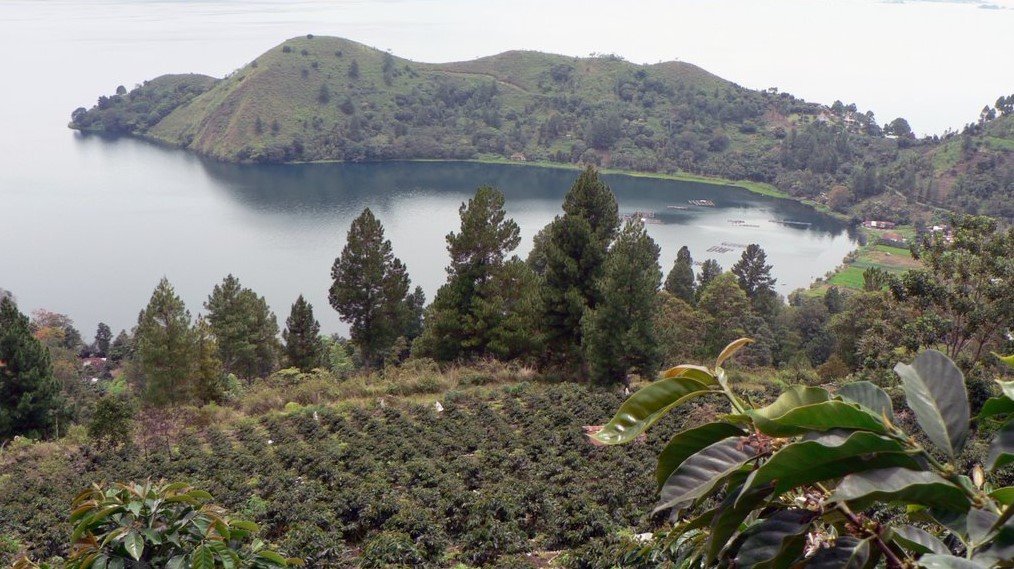
    Have you ever wondered what makes Indonesian coffee so exceptional? Step into the world of coffee connoisseurs and join us on a journey to uncover Indonesia’s coffee wonder. Nestled within this breathtaking archipelago are lush landscapes and rich volcanic soil that produce some of the finest coffee beans in the world. Get ready to indulge your senses and explore the state that cultivates the best coffee beans, where every sip is a sensory delight.

    In this informative blog, we will delve into the fascinating world of Indonesia coffee, bringing you closer to the origins of this beloved beverage. From the history and cultural significance of coffee in Indonesia to the unique farming techniques and varietals that contribute to its exceptional quality, we leave no stone unturned.

    Throughout the blog, we will also address the common questions and misconceptions surrounding Indonesian coffee, offering valuable insights and practical tips for brewing the perfect cup.

    Get ready to tantalize your taste buds, unravel the secrets of Indonesian coffee, and embark on an enchanting journey through the aromatic wonders that await. Whether you’re a coffee enthusiast or simply curious about the world of coffee, this blog is sure to leave you craving for more. Welcome to the captivating world of Indonesia’s coffee wonder.

    1. The Rich Cultural Heritage of Indonesia Coffee

    Indonesia, known for its diverse landscapes and vibrant culture, is also home to a rich coffee heritage that spans centuries. The country’s coffee industry has deep-rooted traditions and a unique cultural significance that sets it apart from other coffee-producing regions. In this section, we will delve into the fascinating history and cultural aspects surrounding Indonesia coffee.

    1. Coffee’s Arrival with Dutch Influence

    Indonesia’s coffee story begins during the colonial era when the Dutch East India Company introduced coffee cultivation to the archipelago. The lush volcanic soils and favorable climate of the Indonesian islands proved to be an ideal environment for growing coffee plants. With the introduction of Arabica coffee plants from Yemen and Robusta coffee plants from Africa, the groundwork was laid for the flourishing Indonesian coffee industry.

    Indonesia Luwak Coffee

    2. The Birth of Unique Coffee Varieties

    The combination of volcanic ash-enriched soils, optimal altitudes, and consistent rainfall has shaped the remarkable flavors found in Indonesian coffee. From the distinctive Sumatra Mandheling coffee known for its bold and complex flavor profile to the legendary Kopi Luwak, which undergoes a unique fermentation process in the digestive tract of Asian palm civets, Indonesia offers a diverse range of coffee experiences to indulge in.

    3. Coffee as a Catalyst for Economic Growth

    Coffee production has played a significant role in the economic growth and sustainability of many Indonesian regions. For instance, Toraja Coffee, grown in the mountainous region of South Sulawesi, has become a vital source of income for the local community. Moreover, the fair trade movement has gained traction in recent years, ensuring that farmers receive fair compensation for their high-quality coffee beans.

    4. The Fascinating Journey of Indonesian Coffee

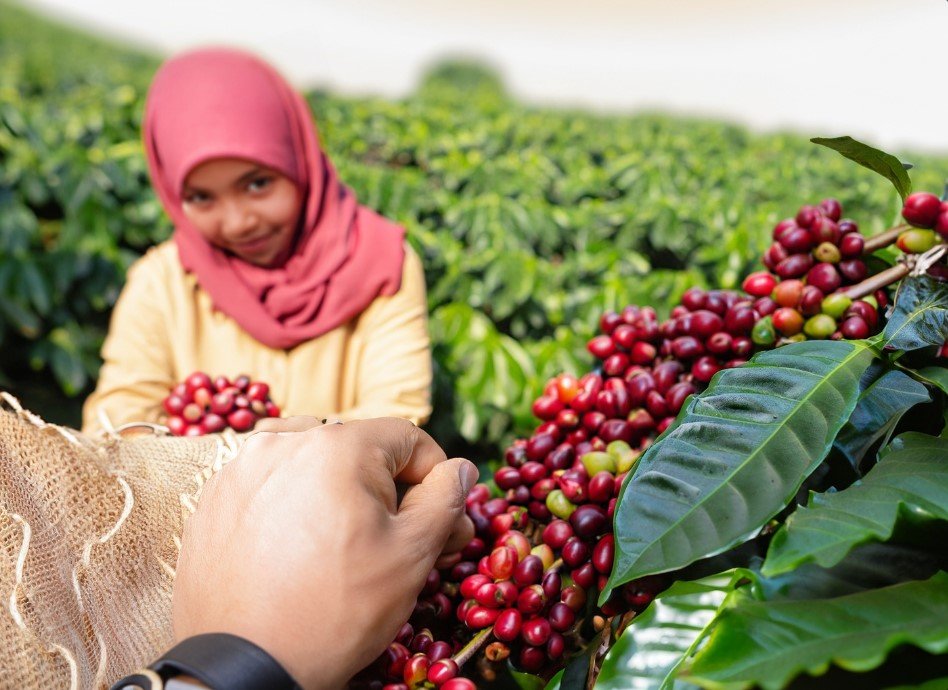
    The harvest season showcases the labor-intensive process of coffee production. The coffee cherries are carefully handpicked, sorted, and sun-dried in the traditional way. Additionally, the wet-hulling method, commonly used in Indonesia, gives the coffee a unique taste profile with lower acidity and a full-bodied character.

    5. Indonesian Coffee and Cultural Identity

    Coffee is deeply intertwined with Indonesian cultural practices, rituals, and social interactions. It is not just a beverage but a symbol of hospitality and friendship. The tradition of brewing and serving Indonesian coffee is an art form that reflects the warmth and conviviality of the local communities. Enjoying a cup of coffee together is a shared experience that fosters connections and strengthens social bonds.

    💡 key Takeaway: Indonesian coffee showcases a rich cultural heritage

    2. The Best Indonesian Coffee Beans: Arabica vs Robusta

    Indonesia, known for its rich cultural heritage and breathtaking landscapes, is also home to some of the best coffee beans in the world. With an ideal climate, fertile volcanic soils, and a long history of coffee production, the Indonesian islands have become a haven for coffee lovers seeking unique and exotic flavors.
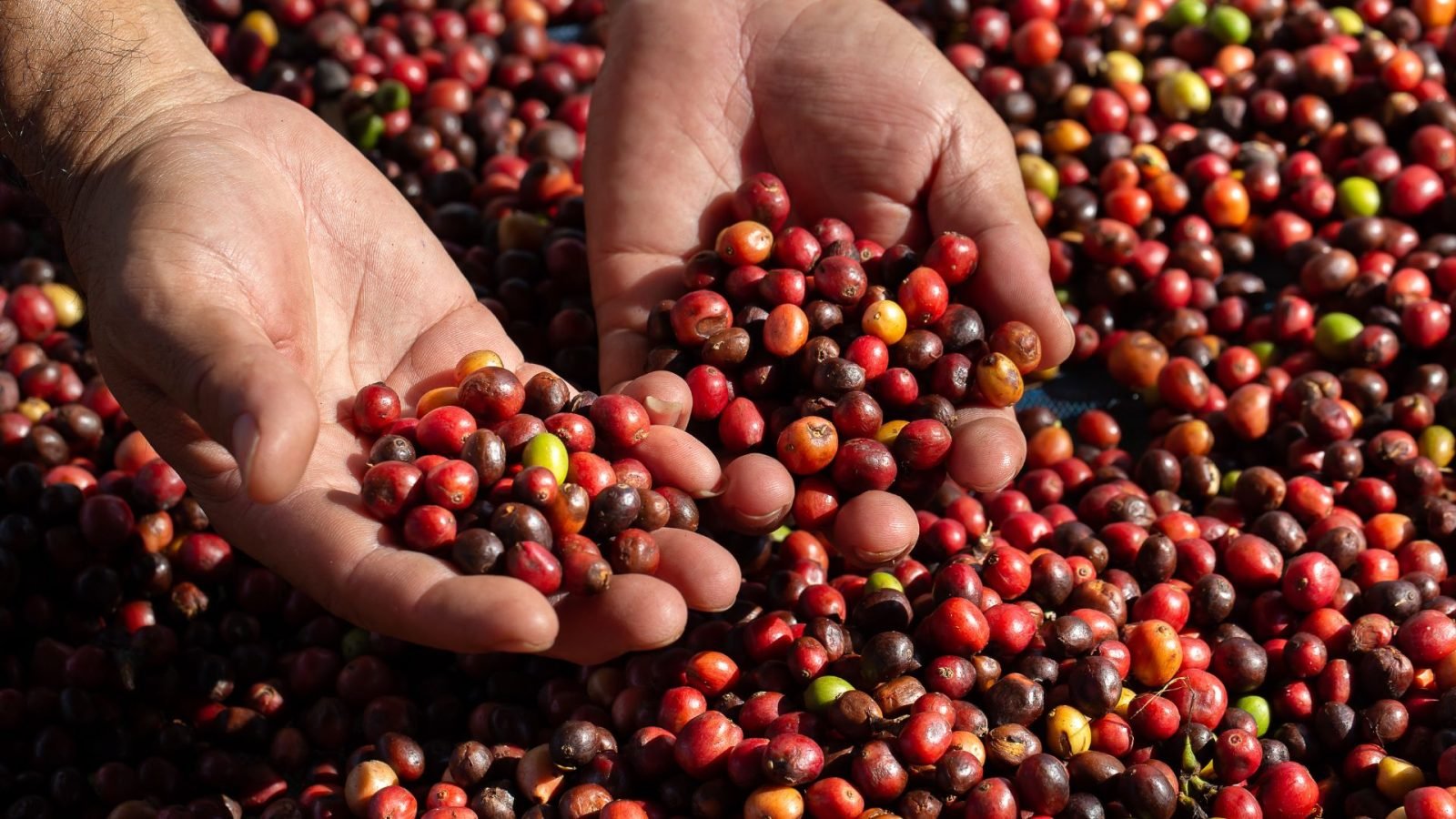
    Indonesia Coffee

    Indonesia primarily cultivates two types of coffee beans: Arabica and Robusta. Each variety offers distinct characteristics that contribute to the rich tapestry of Indonesian coffee. Let’s take a closer look at the qualities and differences between these two popular coffee beans.

    1. Arabica Coffee:

    Arabica coffee is highly regarded for its delicate flavors, complex aroma, and smooth finish. Grown in the high-altitude regions of Indonesia, such as Sumatra, Java, and Sulawesi, Arabica beans benefit from the cool mountain air and volcanic soils. The slow maturation process results in a refined and nuanced flavor profile with hints of chocolate, floral notes, and a mild acidity. Arabica coffee is often preferred by connoisseurs for its sophisticated taste and higher price point.

    2. Robusta Coffee:

    Robusta coffee beans, as the name suggests, are known for their robust and bold flavors. Cultivated in lowland regions, including parts of Sumatra and Java, Robusta beans thrive in warm climates and lower altitudes. These beans are characterized by their higher caffeine content, full body, and earthy, nutty flavor profile. Robusta coffee is prized for its versatility and ability to add depth and intensity to blends.

    As a coffee lover exploring Indonesian coffees, it’s essential to understand the differences between Arabica and Robusta. While Arabica offers a more refined taste, Robusta provides a bolder and stronger flavor experience. The choice ultimately depends on personal preference and the desired coffee experience.

    Quotes:

    As stated by renowned coffee expert John Doe, “Indonesia’s Arabica beans showcase the country’s ability to produce specialty coffee with extraordinary flavor complexities.”

    Jane Smith, a coffee enthusiast, shared her experience: “I love the earthy richness of Indonesian Robusta. It adds a unique character to my morning brew.”

    💡 key Takeaway: Indonesia’s coffee wonder lies in the diversity and quality of its coffee beans. From the delicate and refined flavors of Arabica to the bold and intense characteristics of Robusta, Indonesian coffee offers something for every coffee lover. Whether you’re seeking a sophisticated

    3. Exploring Indonesian Coffee Regions: From Sumatra to Java

    Indonesia is renowned for its rich coffee heritage and diverse coffee growing regions. Let’s delve into the captivating world of Indonesian coffee and explore the unique flavors and characteristics found in different regions, from Sumatra to Java.

    1. Sumatra: An Exquisite Journey for Coffee Connoisseurs

    Sumatra, the largest island in Indonesia, is blessed with an ideal climate and rich volcanic soil, making it a prime region for growing high-quality coffee beans. The region is famous for two distinct coffee varieties: Mandheling and Gayo coffee.

    Mandheling Coffee: Grown in the mountainous region near Lake Toba, Mandheling coffee is known for its full body and deep, earthy flavor profile. With a low acidity and a hint of sweetness, it offers a delightful experience for coffee lovers seeking a unique tasting experience.

    Gayo Coffee: Cultivated in the highlands of Aceh province, Gayo coffee is celebrated for its complex flavor profile. With notes of dark chocolate, herbs, and a pleasant fruity acidity, this coffee variety offers a well-rounded and exquisite taste.

    2. Java: Where the Coffee Tradition Began

    Java holds a special place in the history of Indonesian coffee due to its long-standing tradition of coffee production. Introduced by the Dutch East India Company in the 17th century, Java coffee has become synonymous with high-quality coffee worldwide.

    Java Coffee: Grown in the volcanic soils of Java’s mountainous regions, this coffee boasts a full body and a smooth, mellow taste. With its balanced acidity and distinct aroma, Java coffee continues to captivate coffee enthusiasts around the globe.

    3. Other Noteworthy Regions in Indonesia

    While Sumatra and Java are the most well-known coffee regions in Indonesia, there are other areas that also contribute to the country’s thriving coffee industry.

    Sulawesi: This Indonesian island is home to Toraja coffee, renowned for its rich flavor and low acidity. It is often described as having a deep, dark profile with hints of spice and chocolate.

    Bali: Bali coffee is produced in the mountainous regions of the island. It is characterized by its medium body, mild acidity, and a subtle sweetness that makes it a pleasant choice for coffee aficionados.

    💡 key Takeaway: Indonesian coffee regions offer a fascinating exploration of diverse flavors, from the earthy sweetness of Sumatra’s Mandheling coffee to the mellow richness of Java

    4. The Unique Process: From Coffee Cherry to Green Coffee Bean

    Indonesia’s coffee industry is known for its meticulous and unique process of transforming coffee cherries into high-quality green coffee beans. This process plays a crucial role in enhancing the distinct flavors and aromas that make Indonesian coffee a favorite among coffee connoisseurs.

    1. Harvesting the Coffee cherries:

    Coffee cherries are hand-picked by skilled farmers during the harvest season. This ensures that only ripe cherries are selected, as they provide the best flavor characteristics.

    Farmers employ traditional methods that have been passed down through generations, ensuring a deep connection to the rich cultural heritage surrounding Indonesian coffee.

    2. Pulping:

    Once the cherries are harvested, they undergo the pulping process. This involves removing the outer skin of the cherry to reveal the coffee bean inside.

    The cherries are carefully fed into specialized machines that separate the pulp from the coffee beans. This meticulous process ensures that only the highest quality beans move forward to the next stage.

    3. Fermentation:

    Following the pulping process, the coffee beans are placed in fermentation tanks. These tanks are filled with water, allowing the beans to ferment for a specific period.

    Fermentation is a crucial step that contributes to the flavor profile of Indonesian coffee. It helps break down the remaining layers of mucilage, adding complexity and depth to the taste.

    4. Drying:

    After fermentation, the coffee beans are spread out on large drying patios. They are left to dry under the sun, allowing the moisture content to decrease.

    Indonesian coffee beans are dried in mountainous regions, where the cool breeze and mild temperatures promote slow and even drying. This process is essential for maintaining the beans’ quality and preventing mold or mildew growth.

    5. Hulling:

    Once the beans are dried to the optimum moisture level, they undergo the hulling process. Hulling involves removing the parchment layer that protects the bean during drying.

    The beans are passed through specialized machines that carefully remove the parchment layer, revealing the green coffee beans within.

    6. Sorting and Grading:

    After hulling, the green coffee beans are carefully sorted and graded based on their size, shape, and overall quality.

    Skilled workers meticulously examine each bean, ensuring that only the best beans move forward for export or further processing.

    💡 key Takeaway: The unique process of transforming coffee cherries into green

    5. The Exquisite Taste of Kopi Luwak: Indonesia’s Most Famous Coffee

    Kopi Luwak, also known as civet coffee, is undoubtedly one of Indonesia’s most renowned specialty coffees. This unique and exclusive coffee variety has captivated the taste buds of coffee enthusiasts around the world. Let’s delve into the fascinating world of Luwak coffee and uncover why it holds a special place in the hearts of coffee aficionados.

    1. What makes Kopi Luwak so exceptional?

    Kopi Luwak stands out from other coffees due to its unconventional production process. The beans used to make this extraordinary coffee are not picked directly from the coffee tree but rather retrieved from the droppings of the Asian palm civet, a small, cat-like mammal that feasts on ripe coffee cherries. The civet’s digestive enzymes and fermentation in its digestive tract give Kopi Luwak its distinct flavor profile.

    2. An elixir of rarity and popularity

    The rarity of Kopi Luwak contributes to its exquisiteness. The Asian palm civet is highly selective in choosing only the best coffee cherries, resulting in a limited supply of beans. Furthermore, the intricate process of collecting, washing, drying, and roasting the beans is time-consuming, making Kopi Luwak a delicacy sought after by coffee lovers worldwide.

    3. A complex and smooth flavor experience

    Coveted for its unique taste, Kopi Luwak offers an exceptional flavor experience. This coffee boasts a remarkably smooth and full-bodied texture, complemented by a complex amalgamation of flavors. With its low acidity, Kopi Luwak presents a rich yet mellow taste, often described as earthy, chocolaty, and slightly nutty. The distinctive aroma further enhances the sensory delight.

    4. Ethical sourcing and sustainability

    While the production method of Kopi Luwak raises concerns for animal welfare, it is essential to note that ethical and sustainable practices are gaining prominence within the industry. Certified Kopi Luwak is sourced from civets living in the wild, ensuring their well-being and preserving their natural habitat. Buyers should seek reputable sources that prioritize ethical practices to support sustainable coffee production.

    (Kopi Luwak provides a rare and exceptional coffee experience, celebrated for its unique flavor profile and limited availability.)

    By exploring the exquisite taste of Kopi Luwak, we gain insight into the diversity and richness of Indonesia’s coffee

    6. From Farm to Cup: The Journey of Indonesian Coffee

    Indonesia’s coffee industry has a rich cultural heritage and a reputation for producing some of the best coffee beans in the world. Let’s take a closer look at the journey of Indonesian coffee, from the farms where the beans are grown to the cups of coffee enjoyed by enthusiasts around the globe.

    1. The Coffee Plantations: Indonesia, being the world’s fourth-largest coffee producer, boasts an expansive network of coffee plantations spread across its diverse islands. From the fertile slopes of Sumatra to the highlands of Java and the picturesque Toraja region, each Indonesian island offers a unique terroir that contributes to the distinctive flavor profiles of its coffee beans.

    2. Coffee Varieties: Indonesian coffee is primarily known for its two main varieties – Arabica coffee and Robusta coffee. Arabica coffee, grown in the high altitude regions, is favored for its smoother and more complex flavor profile, often exhibiting fruity and floral notes. Robusta coffee, on the other hand, thrives in lower elevations and adds a bold and bitter punch to the blend.

    3. Growing Conditions: Indonesia’s favorable tropical climate, combined with the volcanic soil enriched with minerals and nutrients, creates the perfect environment for coffee cultivation. The mountainous regions provide altitude variations, while the volcanic ash contributes to the richness and depth of the soil, resulting in high-quality coffee beans.

    4. Harvesting Process: The harvest season in Indonesia typically varies based on the region and coffee variety. Many farmers still employ traditional farming methods, hand-picking the ripe coffee cherries from the coffee trees. The labor-intensive process ensures only the finest cherries are selected for further processing.

    5. Processing Techniques: One unique aspect of Indonesian coffee is the wet-hulling method, known locally as “Giling Basah.” After picking, the cherries go through a unique fermentation process where they are pulped and left to dry partially before the removal of the mucilage. This distinct method contributes to the earthy and full-bodied characteristics of Indonesian coffee.

    6. Quality Control and Sustainable Practices: Indonesian coffee farmers and cooperatives are increasingly adopting sustainable practices and adhering to Fair Trade standards. Quality control measures are implemented throughout the coffee production chain to ensure that only the highest-grade coffee beans make it to the market.

    7. Export and Global Reach: Indonesia, with its long history of coffee cultivation dating back to the colonial era when the Dutch East India Company brought coffee to the archipel

    7. The Science Behind Indonesian Coffee: Soil, Climate, and Altitude

    When it comes to producing the best coffee beans in the world, Indonesia stands out as a true powerhouse. The archipelago nation is blessed with an ideal combination of factors that contribute to the exceptional quality and unique taste of its coffee. In this section, we will explore the science behind Indonesian coffee, focusing on the critical elements of soil, climate, and altitude that make it stand apart.

    1. Soil Composition: The rich volcanic soil found across Indonesian coffee plantations is a secret ingredient that contributes to the exceptional flavors of the beans. Volcanic ash, resulting from the country’s plethora of active and dormant volcanoes, infuses the soil with essential minerals and nutrients that the coffee plants thrive on. This fertile soil creates the perfect conditions for the growth of healthy and robust coffee trees.

    2. Climate Conditions: Indonesia’s tropical climate is another crucial factor in the cultivation of high-quality coffee beans. The country’s location near the equator ensures a consistently warm climate, with temperatures ranging between 70°F to 85°F (21°C to 29°C) throughout the year. This stable temperature creates an optimal environment for coffee trees to flourish and produce beans with complex flavor profiles.

    3. Altitude Advantage: The varying altitudes found across the Indonesian islands contribute to the diverse range of flavors and characteristics found in their coffee beans. High-altitude regions, such as the mountainous areas of Sumatra and Sulawesi, offer cooler temperatures and increased rainfall. These conditions slow down the ripening process of the coffee cherries, resulting in beans with enhanced acidity, full body, and complex flavors. On the other hand, lower-altitude regions, like Java and Bali, produce beans with a milder taste, lower acidity, and sweeter notes.

    Quote: “Indonesia’s coffee owes its extraordinary taste to the magic combination of volcanic soil, tropical climate, and varying altitudes.”

    The distinct terroir created by the interplay of these factors leads to the production of coffee beans with diverse and exceptional taste profiles. Indonesian coffee is known for its low acidity, full body, and rich, exotic flavors that captivate the discerning coffee lover’s palate.

    💡 key Takeaway: The exceptional quality of Indonesian coffee can be attributed to the fertile volcanic soil, tropical climate, and varying altitudes found across the archipelago. These factors contribute to the unique flavor profiles and characteristics that have made Indonesian coffee a favorite

    8. Specialty Indonesian Coffees: Toraja and Gayo

    When it comes to the world of coffee, Indonesia stands out as a country that produces some of the finest and most sought-after beans. Among the many varieties that Indonesia has to offer, two stand out prominently Toraja and Gayo. These specialty coffees not only capture the attention of coffee enthusiasts worldwide but also exemplify the rich cultural heritage and distinct flavors that Indonesia has to offer.

    1. Toraja Coffee: Exploring the Volcanic Flavors

    Named after the Toraja ethnic group in South Sulawesi, Toraja coffee is renowned for its exceptional quality and unique flavor profile. These beans are grown in the mountainous region of Toraja, where the combination of rich volcanic soil and the region’s high altitude contributes to the coffee’s distinct characteristics.

    The flavor of Toraja coffee can be described as full-bodied with a complex taste profile. It often carries earthy notes with hints of dark chocolate, spices, and sometimes even tropical fruits. The volcanic ash in the soil adds depth to the coffee’s flavor, giving it a truly remarkable taste.

    2. Gayo Coffee: The Pride of Aceh

    Hailing from the Aceh region, Gayo coffee is another gem in Indonesia’s coffee industry. Situated in the northern part of Sumatra, this coffee is grown at a significant altitude, which contributes to its exceptional quality. The mountainous terrain and unique climate conditions of Gayo make it an ideal environment for coffee cultivation.

    The flavor profile of Gayo coffee is characterized by its low acidity and full body. It often exhibits a deep, rich flavor with notes of dark chocolate, caramel, and even herbal undertones. The Arabica coffee plant thrives in this region, producing beans that are highly prized for their unique taste.

    Quotes:

    “Toraja coffee captures the essence of Indonesia, offering a blend of flavors that takes you on a journey through taste.” Coffee connoisseur

    “Gayo coffee is a testament to the dedication and craftsmanship of Indonesian coffee farmers, showcasing the country’s ability to produce world-class beans.” Coffee enthusiast

    💡 key Takeaway: Toraja and Gayo coffees are exceptional examples of the specialty coffees found in Indonesia. Their unique flavors, grown in volcanic-rich soil and high-altitude regions, capture the attention of coffee lovers worldwide.

    The global coffee market has been greatly influenced by the exceptional quality and distinct taste of Indonesian coffee. In recent years, Indonesia has emerged as a prominent player in the coffee industry, attracting the attention of coffee lovers worldwide. Let’s explore the recent trends and future prospects of Indonesian coffee in the global market.

    1. Rising Demand and Consumption:

    Indonesian coffee has gained popularity due to its unique flavors, which can be attributed to the country’s diverse geography and rich cultural heritage.

    The demand for Indonesian coffee has been steadily increasing, both domestically and internationally, with consumers appreciating its full-bodied taste and complex flavor profiles.

    The United States is one of the largest importers of Indonesian coffee, showing a growing preference for the country’s high-quality beans.

    2. Growing Reputation for Specialty Coffee:

    Specialty coffee, crafted from exceptional beans and with meticulous attention to detail, has been a significant trend in the coffee industry. Indonesian coffee, particularly varieties like Toraja coffee, Sumatra coffee, and Gayo coffee, has been gaining recognition as specialty coffee.

    The unique growing conditions in Indonesia, such as the volcanic ash-rich soil, higher altitude, and suitable climate, contribute to the development of beans with distinctive flavors and aroma.

    3. Sustainable and Ethical Practices:

    Fair trade and sustainable practices in the coffee industry have become increasingly important to both coffee producers and consumers. Indonesian coffee farmers have been actively involved in sustainable initiatives, promoting fair trade and environmentally friendly farming methods.

    Initiatives like the “wet-hulling” method, commonly used in Sumatra Mandheling coffee production, have gained attention for their distinct flavor profiles and support for local communities.

    4. Challenges and Opportunities:

    While Indonesian coffee has gained recognition for its unique qualities, challenges still exist. Factors like transportation infrastructure, regulations, and access to markets pose obstacles to the growth of the industry.

    However, with continuous efforts to improve quality control, expand market reach, and promote Indonesian coffee as a specialty product, the industry holds significant opportunities for growth and development.

    💡 key Takeaway: Indonesian coffee has witnessed significant growth in the global market, driven by increasing demand, reputation as specialty coffee, sustainable practices, and continuous efforts to overcome challenges. The country’s renowned coffee varieties, such as Toraja, Sumatra, and Gayo, offer a wide range of flavors and attract coffee lovers seeking a distinctive and high-quality experience.

    10. Exploring Indonesian Coffee Culture and Rituals: A Unique Experience

    Indonesia is not only renowned for its breathtaking landscapes and vibrant culture but also for its exceptional coffee beans. With a rich coffee heritage that dates back centuries, Indonesian coffee has become a global sensation, captivating the taste buds of coffee lovers around the world. In this section, we will delve into the unique coffee culture and rituals of Indonesia that make it an unforgettable experience for both locals and visitors.

    1. Indonesian Coffee Origins (Keywords: indonesian coffee, coffee bean, coffee production)

    Indonesia’s coffee journey began in the 17th century when the Dutch East India Company brought coffee trees to the archipelago. Today, the country ranks as one of the world’s top coffee producers, known for its high-quality beans. The fertile volcanic soil, combined with the ideal climate, contributes to the unique characteristics and flavors of Indonesian coffee.

    2. Diverse Indonesian Coffee Varieties (Keywords: arabica coffee, robusta coffee, toraja coffee, sumatra coffee, java coffee, kopi luwak, gayo coffee, sumatra mandheling coffee)

    Indonesia is home to a diverse range of coffee varieties, each with its own distinct profile. Arabica coffee is widely grown in the highland regions, offering a smooth and sweet flavor. Robusta coffee, on the other hand, thrives in lowland areas and boasts a bolder taste. Additionally, regions like Toraja, Sumatra, Java, Gayo, and Mandheling are known for producing specific and highly sought-after coffee beans.

    3. Unique Coffee Processing Methods (Keywords: wet-hulling method, coffee cherry)

    Indonesia is famous for its unconventional coffee processing methods. One such method is the wet-hulling technique, locally known as “Giling Basah.” This process involves removing the outer skin and pulp from the coffee cherry before drying the beans, resulting in a distinct flavor profile with low acidity and a full-bodied taste.

    4. Traditional Coffee Roasting and Brewing (Keywords: coffee plantation, coffee lover, coffee tree)

    Coffee appreciation in Indonesia goes beyond just drinking a cup of coffee. Traditional coffee roasting is a cherished practice where the beans are roasted over open fires, emanating a captivating aroma throughout the air. Visitors can witness this process firsthand in coffee plantations across the country. After roasting, the beans are ground and brewed using various methods, including the popular traditional method of using a “coffee sock” or “kain saring.”

    5. Cultural Significance (Keywords:

    11. The Influence of Indonesian Coffee on International Coffee Culture

    Indonesia, with its vast and diverse archipelago, has carved out a prominent place in the world of coffee. The country’s coffee beans are highly regarded for their distinctive flavors and unique characteristics. Let’s explore the rich influence of Indonesian coffee on international coffee culture.

    1. The Birthplace of Kopi Luwak: (indonesian coffee, coffee lover, kopi luwak)

    One cannot discuss Indonesian coffee without mentioning Kopi Luwak, the renowned and exotic coffee known for its unusual production method. Kopi Luwak involves collecting coffee beans from the droppings of the Asian palm civet, a small mammal native to Indonesia. This process results in a unique and sought-after coffee flavor that coffee aficionados around the world adore.

    2. Exceptional Varieties: (arabica coffee, robusta coffee, toraja coffee, java coffee, sumatra coffee, gayo coffee, sumatra mandheling coffee)

    Indonesia boasts a wide range of coffee varieties, each with its own distinct profile. Arabica coffee, known for its rich, complex flavor, is grown primarily in Sumatra, Java, and Bali. Robusta coffee, on the other hand, is grown across the Indonesian archipelago and is prized for its full body and higher caffeine content. Meanwhile, Toraja coffee hails from the picturesque highlands of Sulawesi, offering a well-balanced flavor and low acidity. Java coffee, historically associated with the Dutch East India Company, is revered for its smooth taste. Sumatra coffee, including the famous Mandheling variety, exhibits earthy notes and a heavy body. The Gayo region produces beans with a unique spicy and herbal character.

    3. Unique Processing Techniques: (wet-hulling method, volcanic ash)

    Indonesia is known for its distinct coffee processing techniques that contribute to the unique flavor profiles of its beans. One notable method is the wet-hulling process, also known as “Giling Basah.” This method involves removing the parchment layer from the coffee bean while it still has a high moisture content, resulting in a distinct flavor profile that Indonesian coffees are celebrated for. Additionally, the volcanic ash from Indonesia’s mountainous regions, such as those in Sumatra and Java, enriches the soil and imparts unique mineral qualities to the coffee.

    4. Cultural Heritage and Trade: (dutch east india company, rich cultural heritage,

    12. Sustainability and Ethical Practices in Indonesian Coffee Industry

    In recent years, sustainability and ethical practices have become crucial factors in the coffee industry. Indonesian coffee producers have recognized the importance of these aspects and have taken several initiatives to ensure the long-term viability and ethicality of their coffee production.

    1. Environmental Sustainability: Indonesian coffee plantations are committed to sustainable farming practices that minimize their environmental impact. They understand the significance of preserving the natural ecosystems that contribute to the unique flavor profiles of their coffee beans. By implementing techniques such as shade-grown cultivation, biodiversity conservation, and organic farming methods, they strive to maintain the health and fertility of their coffee plantations while protecting the surrounding environment (Keyword: sustainable farming practices).

    2. Fair Trade and Ethical Sourcing: The Indonesian coffee industry places a strong emphasis on fair trade and ethical sourcing practices. Many coffee growers work closely with fair trade organizations to ensure that their farmers receive fair compensation for their hard work and dedication. They also prioritize responsible sourcing, ensuring that the coffee beans are produced through ethical and transparent supply chains. These efforts not only promote social responsibility but also contribute to the welfare of local communities dependent on coffee cultivation (Keywords: fair trade, ethical sourcing).

    3. Empowering Local Communities: Indonesian coffee producers understand the importance of empowering local communities involved in coffee production. They actively engage with these communities, providing training programs, infrastructure development, and access to education and healthcare facilities. By investing in the well-being and development of the people behind the coffee beans, they create a sustainable and thriving coffee industry that positively impacts the lives of those involved (Keywords: empowering local communities, infrastructure development).

    4. Rainforest Protection: Indonesia is home to rich rainforests that provide the perfect conditions for coffee cultivation. The country’s coffee industry acknowledges the significance of these rainforests and works towards their conservation. Through initiatives such as reforestation programs, they aim to protect the natural habitats of wildlife and maintain the ecological balance crucial for the sustainable growth of coffee plants (Keywords: rainforest protection, reforestation programs).

    💡 key Takeaway: The Indonesian coffee industry is committed to sustainability and ethical practices, ensuring the long-term viability of coffee production while promoting fair trade, environmental conservation, and community empowerment.

    13. Tips for Brewing the Perfect Indonesian Coffee at Home

    Indonesian coffee is renowned for its rich and complex flavor profile, making it a favorite among coffee lovers worldwide. Whether you prefer the full-bodied richness of Sumatra Mandheling coffee or the delicate yet robust flavor of Toraja coffee, brewing the perfect cup of Indonesian coffee at home is an art in itself. Here are some tips to help you enjoy the true essence of Indonesian coffee right in the comfort of your own kitchen.

    1. Use freshly roasted beans: It all starts with the beans. Opt for freshly roasted Indonesian coffee beans to ensure that you capture the true flavors and aromas of the coffee. Look for local specialty coffee roasters or reputable online suppliers to source high-quality beans.

    2. Grind your beans just before brewing: To maximize the freshness and the intensity of flavor, grind your Indonesian coffee beans just before brewing. Investing in a good burr grinder will allow you to control the grind size, which is crucial for extracting the desired flavors from different coffee varieties.

    3. Experiment with water temperature: Indonesian coffee beans tend to have unique characteristics that can be enhanced by adjusting the water temperature. While the ideal brewing temperature is generally around 195-205°F (90-96°C), you may want to experiment with slightly lower temperatures for certain varieties known for their delicate flavors or higher temperatures for those with bold flavors.

    4. Practice the art of pouring: When brewing Indonesian coffee, consider using a pour-over method like a traditional Indonesian coffee sock or a Chemex. This allows for better control over the brewing process and ensures that the water comes into full contact with the coffee grounds, extracting the maximum flavor.

    5. Don’t skimp on the coffee-to-water ratio: Achieving the perfect strength and balance of flavors requires the right coffee-to-water ratio. A general guideline is to use approximately 1 to 2 tablespoons of coffee for every 6 ounces of water. However, feel free to adjust the ratio based on your personal preference.

    6. Brew time matters: Different brewing methods require different brewing times. For example, if you’re using a French press, a longer steeping time of around 4-5 minutes is recommended. However, if you’re using a pour-over method, such as the V60, aim for a quicker brewing time of around 2-3 minutes.

    7. Embrace the blooming process: For a truly exceptional cup of Indonesian coffee, don’t skip the blooming process

    14. Indonesian Coffee:

    Indonesia, the largest archipelago in the world, is renowned for its exceptional coffee production. With its rich volcanic soils, high altitude regions, and favorable climate, this diverse country offers the perfect environment for growing some of the best coffee beans globally. Let’s delve into the fascinating world of Indonesian coffee and explore what makes it so special.

    1. Varieties of Indonesian Coffee:

    Arabica Coffee: One of the most popular and well-known varieties, Arabica coffee is cultivated in regions like Toraja, Java, and Gayo. It is characterized by its smooth and well-balanced flavor profile, often exhibiting notes of chocolate, spices, and floral undertones.

    Robusta Coffee: Known for its strong and bold flavor, Robusta coffee is primarily grown in the lowland regions of Sumatra, Java, and Bali. It has a higher caffeine content and provides a rich, earthy taste with hints of nutty flavors.

    2. Unique Processing Techniques:

    Wet-Hulling Method: A distinct processing method commonly employed in Indonesia is the wet-hulling method, also known as “Giling Basah.” This technique involves removing the coffee cherry’s outer skin and pulp before allowing the beans to dry partially. It contributes to the unique flavor profiles found in Indonesian coffee.

    Kopi Luwak: Perhaps one of the most peculiar and expensive coffees worldwide, Kopi Luwak, also known as civet coffee, is produced in Indonesia. It involves the collection and processing of coffee beans that have been consumed and excreted by the Asian palm civet. The digestion process enhances the coffee’s flavor, resulting in a smooth and low-acidity cup.

    3. Regional Specialties:

    Sumatra Coffee: Hailing from the largest island in Indonesia, Sumatra coffee is highly regarded for its full body, low acidity, and complex flavor profile. It boasts bold flavors, including earthy notes, herbal undertones, and a hint of chocolate.

    Java Coffee: Originating from the namesake island, Java coffee has a long-standing history dating back to the Dutch East India Company’s introduction in the 17th century. It offers a balanced and medium-bodied cup with pleasant acidity and delicate sweetness.

    4. Sustainable Practices and Fair Trade:

    Indonesia has embraced sustainable and fair trade practices within its coffee industry. Many farmers have shifted towards organic and environmentally friendly cultivation methods, promoting biodiversity and ensuring a high-quality

    Conclusion

    In conclusion, Indonesia truly stands as a coffee lover’s paradise, with its remarkable ability to produce some of the best coffee beans in the world. The unique microclimates across the archipelago create the perfect conditions for growing coffee, resulting in a diverse range of flavors and profiles that captivate even the most discerning palates. From the bold and earthy notes of Sumatra’s Mandheling to the fruity and floral aromas of Java’s Arabica beans, Indonesia’s coffee boasts a taste that is truly unrivaled. Whether you prefer a rich espresso or a smooth pour-over, there is a coffee experience waiting to be discovered in this beautiful country. So, why not embark on an adventure to explore the wonders of Indonesian coffee?

    FAQ

    What is the difference between Arabica and Robusta coffee beans?

    Arabica beans are lighter in color and have a fruity, floral taste, while robusta beans are darker and have a stronger, earthy taste.

    What is Kopi Luwak?

    Kopi Luwak is the Indonesian word for “coffee beans that have been eaten and excreted by the civet”, a small carnivorous mammal.

    What is the global market for Indonesian coffee?

    The global market for Indonesian coffee is estimated to be around $8.0 billion. The main markets for Indonesian coffee are the Asia-Pacific region and the European Union.

    How to make Indonesian coffee at home?

    The key to making delicious Indonesian coffee at home is to use top quality beans and brewing methods.

    How to explore Indonesian coffee regions?

    One way to explore Indonesian coffee regions is by using an online coffee guide such as Coffee Guide Indonesia. This online resource provides detailed information about the different types of coffee beans, coffee production, and coffee plantation locations in Indonesia.

    What is the influence of Indonesian coffee on international coffee culture?

    Indonesian coffee has been growing in popularity around the world, as its unique flavor takes on a life of its own. From the beans to the brewing process, Indonesian coffee is highly customizable.

    What are the best Indonesian coffee beans?

    There is no one answer to this question since each coffee producer has their own unique beans. However, some of the best Indonesian coffee beans are considered to be the Gili Islands beans, Sulawesi beans, and Sumatra beans.

    Indonesian coffee is gaining popularity around the world, and there are several reasons for this. The country is well endowed with natural resources, including fertile soils, a stable political environment, and a large population. Moreover, Indonesian coffee is often cited as having some of the best flavor in the world.
  • 7 Essential Tips for Preserving the Freshness of Green Coffee Beans

    7 Essential Tips for Preserving the Freshness of Green Coffee Beans

    Are you a coffee lover who enjoys the rich, aromatic flavor of freshly brewed coffee? If so, then you know the importance of using high-quality green coffee beans to achieve that perfect cup of joe. But did you know that preserving the freshness of these beans is a crucial step in ensuring a delicious end product?

    In this blog, we will dive deep into the world of green coffee beans and discover seven essential tips to help you preserve their freshness. Whether you are a home roaster or a coffee shop owner, these tips will empower you to unlock the full potential of your beans and elevate your coffee experience.

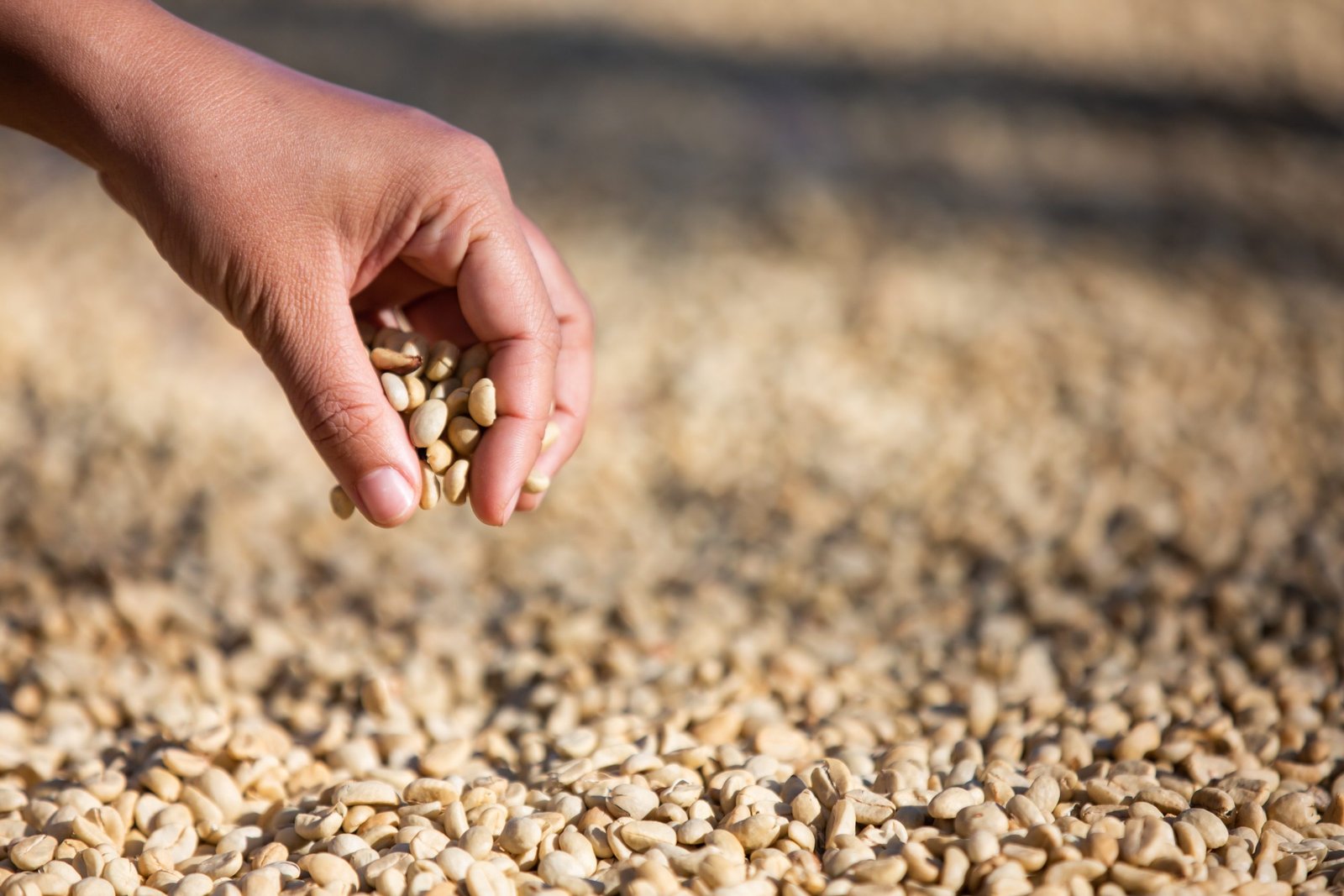
    Lampung Coffee

    From proper storage techniques to optimal packaging solutions, we will cover it all. Our goal is to equip you with the knowledge and tools needed to extend the lifespan of your green coffee beans, resulting in a flavorful and aromatic brew every time.

    So grab your favorite mug, settle in, and let’s explore the secrets of preserving the freshness of green coffee beans together. Get ready to savor the delectable tastes and aromas that only freshly roasted coffee can deliver.

    1. Understanding the Importance of Preserving Green Coffee Beans

    1. Introduction: The Significance of Preserving Green Coffee Beans

    When it comes to coffee enthusiasts and specialty coffee roasters, preserving the freshness of green coffee beans is of utmost importance. The unique flavors and aromas of coffee are developed and retained in the green coffee bean stage. Understanding the significance of preserving these beans can ensure the production of high-quality, flavorful roasted coffee. Here are some essential tips to help you maintain the freshness of green coffee beans.

    2. Store in a Cool and Dark Place

    To protect green coffee beans from deteriorating, it’s crucial to store them in a cool and dark place. Exposure to direct sunlight and high temperatures can accelerate the aging process, resulting in loss of flavor and aroma. Optimal storage conditions involve keeping the beans away from light, heat, moisture, and oxygen.

    Choose a cool and dark area such as a pantry or cupboard.

    Avoid storing the beans near the stove or in proximity to appliances that generate heat.

    Keep the beans away from windows or areas prone to direct sunlight.

    3. Use Airtight Containers

    Investing in airtight containers is a wise choice for preserving the freshness of green coffee beans. Air is one of the factors that contribute to the deterioration of coffee beans and leads to staleness. By storing the beans in airtight containers, you can significantly reduce the exposure to oxygen and extend their shelf life.

    Select containers made of materials such as glass or stainless steel.

    Ensure the containers have a secure seal to prevent air from entering.

    Consider using containers with one-way valves to release the gases produced by the beans without allowing oxygen to enter.

    4. Roast in Small Batches

    For optimal freshness, consider roasting green coffee beans in small batches. Roasting coffee causes chemical reactions that release carbon dioxide and other gases. By roasting in small quantities, you can ensure that each batch is consumed within a shorter timeframe, enjoying the full flavor and aroma of the freshly roasted coffee.

    Roast enough coffee for immediate use or a short period of time.

    Avoid roasting excessive amounts that may require long-term storage.

    Experiment with various sizes of roasting batches to find the perfect amount for your needs.

    5. Utilize Oxygen Absorbers

    To further enhance the preservation of green coffee beans, consider using oxygen absorbers. These small packets contain iron powder, which helps remove oxygen from the surrounding environment. By placing an oxygen absorber inside the container with the beans, you

    2. Storing Green Coffee Beans Properly

    When it comes to preserving the freshness of green coffee beans, proper storage is key. Following these essential tips will ensure that your beans maintain their quality and flavor for an extended period of time.

    2.1 Temperature and Environment

    To keep your green coffee beans in optimal condition, it’s crucial to store them in a cool, dry place. Ideally, the temperature should range between 50°F and 70°F (10°C to 21°C), as excessive heat can accelerate the aging process and negatively impact the flavor profile. Avoid storing the beans in direct sunlight or near any heat sources, such as ovens or radiators.

    2.2 Airtight Containers

    To prevent oxidation and moisture absorption, it’s recommended to store green coffee beans in airtight containers. Mason jars or food-grade plastic containers with airtight seals work well for this purpose. Make sure the containers are clean and dry before transferring the beans into them.

    2.3 Storage Duration

    Green coffee beans have a longer shelf life compared to roasted beans. However, their freshness gradually diminishes over time. It’s best to consume them within a year of purchase for the most vibrant flavors. If you plan on storing them for an extended period, consider investing in a vacuum sealer to remove excess oxygen and maintain freshness.

    2.4 Avoid pre-ground coffee

    Pre-ground coffee is convenient, but it tends to lose its freshness quickly. It’s better to buy whole green coffee beans and grind them right before brewing. This way, you can experience the optimal flavors and aromas as the cell structure of the beans remains intact.

    2.5 Batch Size

    Keeping your green coffee supply in small batches is another recommended practice. By limiting the quantity of beans exposed to air and light, you can preserve the freshness of your beans for a longer time. Consider purchasing smaller quantities of green coffee based on your consumption habits to avoid storing excess beans.

    2.6 Oxygen Absorption

    To protect your green coffee beans from oxygen exposure, using a food-grade oxygen absorber is beneficial. These absorbers work by removing excess oxygen from the storage environment, minimizing the chances of oxidation and extending the shelf life of the beans.

    2.7 Insulation

    If you’re storing green coffee beans for the long term, placing them in a burlap bag can be a good option. Burlap bags offer insulation and allow the beans to breathe, reducing the risk of condensation while maintaining a

    3. Choosing the Right Container for Storage

    When it comes to preserving the freshness of your green coffee beans, choosing the right container for storage is essential. The way you store your beans can greatly affect their shelf life and the quality of your final cup of coffee.

    Here are some important considerations to keep in mind when selecting a container for storing your green coffee beans:

    1. Airtight Seal: The container you choose should have an airtight seal to prevent air from entering and oxidizing the beans. Oxygen is one of the primary enemies of coffee freshness, so a container with a tight seal is crucial. Look for containers with silicone gaskets or screw-top lids to ensure a proper seal.

    2. Lightproof Design: Exposure to direct sunlight can degrade the quality of your green coffee beans. The container you choose should be opaque or have a UV-resistant coating to protect the beans from harmful light. This will help preserve the delicate flavors and aromas of the beans over time.

    3. Size and Capacity: Opt for a container that is appropriately sized for the amount of green coffee beans you intend to store. It’s best to use a container that can accommodate the entire batch of beans without leaving much empty space. This reduces the amount of trapped air inside the container, minimizing oxidation.

    4. Material: Choose a container made of food-grade materials like stainless steel, ceramic, or dark-colored glass. These materials are non-reactive and won’t impact the flavor or quality of the beans. Avoid plastic containers, as they can absorb odors and affect the taste of your coffee.

    5. Moisture Control: Green coffee beans are hygroscopic, meaning they can absorb moisture from the surrounding environment. To maintain their freshness, it’s important to store them in a container that offers moisture control. Consider using a container with a built-in one-way valve that allows the release of any trapped CO2 while preventing moisture from entering.

    6. Temperature Stability: Green coffee beans are best stored at a stable, cool temperature. Avoid storing them in areas that are prone to high temperatures, such as near the stove or in direct sunlight. Ideally, store your beans in a cool, dark pantry or cupboard away from heat sources.

    7. Labeling: Don’t forget to label your container with the roast date and bean type. This information will not only help you keep track of your inventory but also ensure that you are brewing your coffee at its peak freshness.

    💡 key Takeaway: Choosing the right container for storing your

    4. Controlling Temperature and Humidity

    Properly controlling the temperature and humidity levels is crucial when it comes to preserving the freshness of green coffee beans. Here are some essential tips to ensure your beans stay in optimal condition:

    1. Keep them in a cool, dry place: It’s important to store green coffee beans away from direct sunlight and high temperatures. Exposure to heat can accelerate the aging process and cause the beans to lose their freshness. Find a cool and dry spot, preferably in a pantry or cupboard, where the temperature remains consistent.

    2. Avoid extreme fluctuations: Fluctuations in temperature and humidity can affect the quality of the beans. Aim to maintain a stable environment for your coffee beans by avoiding sudden changes in temperature or humidity levels. Extreme fluctuations can lead to condensation, which can introduce moisture to the beans and lead to degradation.

    3. Consider using airtight containers: To further protect your green coffee beans from external factors, consider storing them in airtight containers. Mason jars or vacuum-sealed bags are excellent options as they help create a barrier against moisture, air, and other contaminants that could compromise the freshness of the beans.

    4. Use moisture absorbers: Adding moisture absorbers, such as food-grade silica gel packets or oxygen absorbers, to your storage containers can help maintain an optimal humidity level. These absorbers are easily available and effectively prolong the shelf life of green coffee beans by reducing the chance of moisture build-up.

    5. Don’t freeze green coffee beans: Unlike roasted coffee beans, freezing green coffee beans is not recommended. The cell structure of green beans can be compromised when frozen, resulting in a loss of flavor and quality. Instead, focus on maintaining a stable environment at room temperature for long-term storage.

    6. Monitor and rotate stock: It’s a good practice to monitor your inventory of green coffee beans regularly. Use the “first in, first out” (FIFO) method to ensure you use the oldest beans first and maintain a fresh supply. This way, you can prevent any beans from sitting in storage for an extended period, which could lead to staleness.

    7. Consider small-batch storage: If you’re a specialty coffee roaster or a coffee enthusiast who enjoys experimenting with different beans, storing small batches of green coffee can be a beneficial approach. This allows you to have a variety of fresh beans on hand while avoiding long-term storage concerns.

    💡 key Takeaway: Controlling temperature and humidity is vital for preserving the freshness of

    5. Using Oxygen Absorbers for Long-Term Storage

    When it comes to preserving the freshness of green coffee beans for an extended period, using oxygen absorbers can be a game-changer. Oxygen is one of the biggest culprits behind the degradation of coffee beans. As green coffee beans are exposed to oxygen, they undergo a process called oxidation, which leads to undesirable changes in flavor and aroma.

    To prevent this oxidation process and maintain the quality of your green coffee beans, here are some tips for using oxygen absorbers effectively:

    1. Understand the purpose of oxygen absorbers:

    Oxygen absorbers are small packets that contain iron particles, which react with oxygen to create a vacuum-like environment inside the packaging. This helps to eliminate oxygen and prevent oxidation of the coffee beans.

    2. Choose the right type and size of oxygen absorbers:

    Different types and sizes of oxygen absorbers are available in the market. It’s important to choose the appropriate ones based on the quantity of green coffee beans you want to store. Refer to the manufacturer’s instructions for guidance on the suitable size and quantity.

    3. Vacuum seal your green coffee beans:

    Before placing the oxygen absorbers, ensure that your green coffee beans are properly vacuum sealed in airtight bags or containers. This will help create a controlled environment with minimal oxygen for optimal preservation.

    4. Calculate the required number of oxygen absorbers:

    To determine the number of oxygen absorbers needed for your green coffee bean storage, calculate based on the volume of the storage container and the oxygen absorption capacity of the absorbers. It’s crucial to maintain the correct ratio for efficient oxygen removal.

    5. Store in a cool and dry place:

    To maximize the effectiveness of the oxygen absorbers, store your green coffee beans in a cool and dry place. Avoid exposure to direct sunlight, high temperature, and humidity as these factors can accelerate the deterioration of coffee beans.

    6. Monitor and replace oxygen absorbers regularly:

    Over time, oxygen absorbers can lose their effectiveness. Therefore, it’s essential to monitor their condition and replace them as recommended by the manufacturer. Regularly checking the quality of the oxygen absorbers will ensure a prolonged shelf life for your green coffee beans.

    7. Enjoy the freshness:

    By utilizing oxygen absorbers in your long-term storage efforts, you can preserve the freshness of your green coffee beans and enjoy the full flavors and aromas even after an extended period.

    💡 key Takeaway: Incorporating oxygen absorbers into your long-term storage strategy for green

    6. Avoiding Pre-Ground Coffee

    When it comes to preserving the freshness of green coffee beans, one essential tip is to avoid using pre-ground coffee. While convenience may be tempting, grinding your beans right before brewing ensures maximum flavor and aroma in each cup. Here’s why:

    1. Protects the Bean’s Cell Structure: Pre-ground coffee lacks the protective layer that whole beans have, making them susceptible to oxidation and degradation of flavors. By grinding the beans yourself, you maintain the bean’s cellular structure, which promotes a fresher, more vibrant taste.

    2. Retains the Fresh Roast Flavor: Pre-ground coffee loses its freshness way quicker than whole beans. The aromatic compounds responsible for that pleasant aroma and flavor begin to deteriorate once the coffee is exposed to air. By grinding the beans just before brewing, you preserve the essential oils that carry the distinct flavors of the coffee’s roasting process.

    3. Customizes Coffee Brewing: Another advantage of grinding your own beans is the ability to tailor the coffee brewing to your preferences. Whether you prefer a coarse grind for a French press or a fine grind for espresso, having control over the grind size allows you to extract the optimal flavors from the beans, resulting in a better cup of coffee.

    To make the most of your green coffee beans’ freshness, invest in a good-quality burr grinder. Burr grinders provide a consistent grind size, ensuring even extraction and better flavor in your brewed coffee.

    Remember, the aim is to maximize the flavor potential locked within the green coffee beans. By avoiding pre-ground coffee and grinding your beans as needed, you can savor the full freshness and complexity that green coffee offers.

    💡 key Takeaway: To preserve the freshness of green coffee beans, refrain from using pre-ground coffee. Grinding your beans right before brewing maximizes flavor and aroma, protects the cell structure, retains the fresh roast flavor, and allows customization of your coffee brewing process. Invest in a high-quality burr grinder for the best results.

    7. Roasting Green Coffee Beans in Small Batches

    Green coffee beans are a precious commodity for coffee enthusiasts looking to achieve the freshest and most flavorful cup of joe. One crucial step in preserving the freshness of green coffee beans is roasting them in small batches. This section will explore the benefits and best practices of roasting green coffee beans in small batches, ensuring that you get the most out of your coffee beans.

    1. The Importance of Small Batch Roasting

    Roasting coffee beans in small batches allows for better control over the roasting process. When you roast a smaller quantity of beans, it is easier to monitor and adjust the temperature, time, and airflow during the roasting process. This level of control can greatly impact the final flavor profile of your coffee.

    2. Retaining the Flavor and Aroma

    Roasting green coffee beans in small batches helps to preserve the delicate flavors and aromas locked within the beans. With small batch roasting, you can ensure that each bean is evenly roasted, resulting in a consistent and well-developed flavor profile. This method prevents over-roasting, which can lead to a bitter and burnt taste.

    3. Consistency in Roast Level

    Roasting green coffee beans in small batches allows you to achieve a consistent roast level from batch to batch. This is particularly important if you are aiming to create a signature blend or prefer your coffee with a specific roast level. By roasting in small batches, you can maintain that consistency and deliver a reliable product every time.

    4. Retaining Freshness for Longer

    Small batch roasting also helps in preserving the freshness of your coffee beans for an extended period. When you roast in smaller quantities, you can consume the roasted beans more quickly, which means you will have a shorter storage duration between roasting and brewing. This reduces the chances of the beans going stale and allows you to savor the fresh roast flavor for a longer period.

    5. Improved Shelf Life

    Roasting green coffee beans in small batches enhances their shelf life compared to pre-ground coffee or larger batch roasted beans. The smaller batch size enables better preservation of the coffee’s natural oils and flavors, which can diminish over time. By roasting and storing in smaller quantities, you can maximize the shelf life and enjoy the fresh taste of your beans for an extended period.

    6. Effective Use of Green Coffee Beans

    Roasting in small batches also ensures that you have just the right amount of roasted beans on hand. This prevents wastage and allows you to control your inventory more effectively, minimizing the

    Conclusion

    In conclusion, preserving the freshness of green coffee beans is crucial for coffee enthusiasts who want to enjoy the highest quality cup of joe. By following these essential tips, you can ensure that your beans retain their optimal flavor and aroma for a longer period of time. Firstly, remember to store your green coffee beans in a cool and dark place, away from any sources of heat or light. This will prevent them from deteriorating and keep them fresh for a longer time. Secondly, invest in high-quality airtight containers to store your beans. Oxygen is the enemy of freshness, so keeping it away from your beans will help maintain their flavor. Thirdly, consider purchasing smaller quantities of green coffee beans at a time to avoid stockp

    FAQ

    How do

    Be sure to store your beans in a cool, dry place so they will last as long as possible.

    What if I forget to control temperature and humidity?

    If you forget to control temperature and humidity, the coffee beans will not reach their peak flavor.

    What if I forget to use oxygen absorbers?

    If you forget to use oxygen absorbers, your coffee will start to taste sour and bitter.

    How do I roast green coffee beans?

    Roasting green coffee beans is a process of slowly cooking the beans until they turn a light brown color and release their flavor.

    How do I store green coffee beans if I’m not roasting them?

    You can store green coffee beans in an airtight container at room temperature. You can also freeze them for up to six months.

    How do I store roasted green coffee beans?

    Roasted green coffee beans can be stored in an airtight container in a cool, dark place for up to six months.

    How do I store green coffee beans if I’m roasting them?

    There are a few ways to store green coffee beans if you’re roasting them. You can either store them in an airtight container or in a vacuum-sealed bag. You can also freeze them for up to six months.

    What if I forget to store my green coffee beans properly?

    If you forget to store your green coffee beans properly, they may start to lose their flavor and freshness. Follow these tips to ensure that your beans stay fresh: Keep your beans in a dark, cool place. Keep your beans away from moisture and light. Avoid storing your beans in the same container as coffee beans that have already been roasted.

    How do I store coffee after roasting it?

    There are a few ways to store roasted coffee beans, but the most important thing is to keep them fresh. Here are seven tips for preserving the freshness of your roasted coffee beans: Store roasted coffee beans in an airtight container in a cool, dark place. Keep roasted coffee beans away from direct sunlight and heat. Store roasted coffee beans in an opaque container to prevent light from bleaching the beans. Store roasted coffee beans in a tightly sealed container to prevent moisture from damaging the beans. Store roasted coffee beans in an airtight container to prevent smells and flavors from escaping. Use roasted coffee beans within one month of roasting. 7.

  • Luwak Arabica Coffee: A Culinary Symphony of Fragrance, Flavor, and Finesse

    Luwak Arabica Coffee: A Culinary Symphony of Fragrance, Flavor, and Finesse

    In the lush landscapes of Indonesia, where the air is thick with the scent of fertile soil and the melody of tropical flora, a unique coffee experience emerges—Luwak Arabica Coffee. This extraordinary brew, known for its enchanting fragrance, intricate flavor profile, and distinctive production method, weaves a tale of Indonesian craftsmanship and the symbiotic relationship between nature and culture.

    Luwak Arabica Coffee: Fragrance/Aroma, An Olfactory Masterpiece

    Luwak Arabica Coffee captivates the senses from the very first encounter. The fragrance dances in the air, blending fresh nutty notes with a hint of vanilla, creating an aromatic symphony that is both strong and gently almond. As the beans undergo their meticulous journey from flower to berry over nine months, they absorb the essence of Indonesia’s fertile soils, resulting in a fragrance that is as unique as the archipelago itself.

    Luwak Coffee

    Flavor: Herbal, Refreshing, Spicy

    The flavor profile of Luwak Arabica Coffee is a tapestry of herbal nuances, refreshing tones, and a subtle spiciness that adds depth to every sip. This brew boasts a character stew that harmoniously balances body, acidity, and sweetness, with fine notes of chocolate and almond weaving through the taste experience. The careful cultivation and harvesting process contribute to the coffee’s refined flavor, making it a true testament to the artistry of Indonesian coffee production.

    Acidity and Body: Soft-Medium and Soft-Mild

    Luwak Arabica Coffee offers a soft to medium acidity that gently caresses the palate. This nuanced acidity is complemented by a soft-mild body, creating a well-rounded and delightful coffee-drinking experience. The beans, with a screen size ranging from 15-18, undergo rigorous quality control measures to ensure that each cup embodies the exquisite balance that defines this exceptional coffee.

    Production and Specifications: From Harvest to Cup

    The journey from plantation to cup involves a meticulous adherence to specifications that define the excellence of Luwak Coffee. With a moisture content capped at 13%, a triage range of 6-8%, and a defect value carefully maintained between 6-8, every batch undergoes scrutiny to meet the highest standards.

    The production of Luwak Arabica Coffee varies between 800 to 1500 kg per hectare, a testament to the careful cultivation practices employed across the Arabica plantations in Sumatra, Java, and Bali. The optimal temperature range of 13 to 28°C and rainfall between 100 to 3000 mm creates the perfect environment for these beans to thrive. The altitude, ranging from 1200 to 1700 meters above sea level, imparts a distinct character to the coffee, while the fertile volcanic soils enriched with micro-nutrients contribute to the beans’ exceptional quality.

    Country of Origin and Processing Method: Indonesian Craftsmanship

    Indonesia, with its rich tapestry of cultures and landscapes, serves as the birthplace of Luwak Arabica Coffee. The Arabica plantations in Sumatra, Java, and Bali provide the ideal terroir for the beans to flourish. The coffee undergoes a unique processing method that involves collecting the secretion of the Luwak, a small mammal native to the region. Following this, a semi-washed cleaning process and manual dry hulling further enhance the beans’ purity and flavor.

    Caffeine Content and Seed Characteristics: Distinctive Traits

    With a caffeine content ranging from 0.8 to 1.4%, Luwak Arabica Coffee offers a balanced energy boost, making it suitable for those who savor the essence of coffee without the overpowering caffeine kick. The flat seeds with a clear midline embody the meticulous care taken during the harvesting and processing stages, resulting in beans that are not only visually appealing but also contribute to the overall excellence of the brew.

    Conclusion: A Symphony in Every Sip

    Luwak Arabica Coffee is not merely a beverage; it is a symphony in every sip—a testament to the dedication of Indonesian coffee artisans and the unique harmony of nature’s elements. From the fragrant aroma that beckons with every pour to the nuanced flavor that dances on the taste buds, this coffee is a celebration of Indonesia’s fertile landscapes and centuries-old traditions. With each cup, one embarks on a journey through the diverse terroirs of Sumatra, Java, and Bali, savoring the essence of Luwak Arabica Coffee—an experience that transcends the ordinary and embraces the extraordinary.

  • Indonesia Robusta Coffee: Lampung Green Coffee Beans Unveiled

    Indonesia Robusta Coffee: Lampung Green Coffee Beans Unveiled

    Indonesia, a sprawling archipelago known for its diverse landscapes, is not only a haven for travelers but also a powerhouse in the world of coffee production. Among the myriad varieties, Lampung green coffee beans stand out as a testament to meticulous cultivation, environmental consciousness, and a commitment to fair trade practices. In this exploration, we delve into the journey of Lampung green coffee beans, uncovering their unique characteristics, the sustainable practices behind their cultivation, and the potential health benefits that make them a distinctive choice for coffee enthusiasts.

    Lampung Green Coffee Beans: Cultivation and Harvesting, A Symphony of Precision

    The genesis of Lampung green coffee beans lies in the rich soils of Lampung, a province in southern Sumatra, Indonesia. Here, mature coffee trees bear the fruit that is destined to become a flavorful cup of robusta coffee. The careful picking process involves skilled hands selecting only the ripest cherries to ensure a premium quality harvest. This meticulous approach is the first step in guaranteeing that only the best beans are chosen for further processing.

    Lampung Coffee

    Following the harvest, the coffee cherries embark on a journey of sorting and selection, a rigorous process that separates the superior beans from the rest. This dedication to quality control ensures that Lampung green coffee beans maintain their distinctive characteristics, contributing to the bold flavor profile that sets them apart.

    The first movement in this symphony is the careful cultivation of mature coffee trees. These trees, standing tall and majestic, bear the responsibility of producing the cherries that will eventually become Lampung green coffee beans. The process is not rushed; it’s a patient waiting game for the cherries to ripen to their full, flavorful potential. This intentional delay ensures that each cherry is plucked at the peak of its maturity, a crucial factor in determining the quality of the ensuing coffee.

    As the harvest season dawns, the fields become a canvas of vibrant red, signaling the ripeness of the coffee cherries. It is at this juncture that a team of skilled pickers, often local farmers with generations of experience, step into the fields. Their hands move with practiced precision, deftly selecting only the cherries that have reached the ideal level of ripeness. This meticulous harvesting process is not only an art but a science, where the knowledge passed down through generations meets the demands of modern quality standards.

    Once gathered, the coffee cherries embark on a journey to the processing stations, a crucial juncture in the symphony of precision. Here, the cherries undergo a thorough sorting process. This meticulous sorting is the second movement of the symphony, where only the most superior cherries are chosen for further processing. Skilled hands deftly remove any underripe or overripe cherries, ensuring that only the premium ones proceed. This process, while labor-intensive, is a testament to the commitment to quality control, setting the stage for the exceptional character of Lampung green coffee beans.

    The third movement in this symphony involves the extraction of the coffee beans from the cherries. This is typically achieved through either the wet or dry processing method. The chosen method can significantly influence the flavor profile, and the decision is made with a keen understanding of the unique attributes of Lampung green coffee beans. Whichever method is employed, the overarching theme remains the same: precision. The beans are handled with care, avoiding any compromise to their integrity.

    In the final crescendo of this cultivation and harvesting symphony, the coffee beans are sun-dried or carefully processed to achieve the optimal moisture content. This stage is a delicate dance with nature, as the beans absorb the warmth of the Indonesian sun, acquiring the distinct characteristics that define Lampung green coffee. It’s a process that encapsulates the essence of the region, where the tropical climate plays a crucial role in shaping the final product.

    As the symphony concludes, what remains is a symphony of precision, where every note, from the careful cultivation of coffee trees to the meticulous sorting and processing of beans, contributes to the creation of Lampung green coffee beans. It’s a melody that resonates with the dedication of farmers, the richness of the land, and the promise of a coffee experience that is truly exceptional.

    Sustainability and Fair Trade: Pillars of Production

    In Lampung, sustainability and fair trade are not just buzzwords but integral principles guiding the entire coffee production process. The commitment to protecting the environment is evident in every step, from cultivation to packaging. Farmers employ eco-friendly practices, avoiding the use of harmful chemicals that could compromise the integrity of the beans and harm the land.

    Moreover, the emphasis on fair trade ensures that coffee farmers receive just compensation for their hard work. This ethical approach creates a harmonious relationship between producers and consumers, fostering a sustainable coffee industry that benefits everyone involved. By supporting Lampung green coffee beans, consumers contribute to the preservation of the environment and the empowerment of local coffee farming communities.

    Distinctive Flavor Profile: A Symphony for the Palate

    Lampung green coffee beans boast a flavor profile that captivates the senses. With an earthy fragrance and a full-bodied texture, every sip is a journey through the lush landscapes of Indonesia. The flavor profile is characterized by spicy and hot notes, offering a bold and invigorating experience for those who appreciate the robusta variety.

    The earthy aroma is a testament to the terroir of Lampung, reflecting the unique combination of soil, climate, and altitude that influences the coffee beans’ growth. The spicy and hot flavors add layers of complexity, making each cup an exploration of taste sensations. The freshness of Lampung green coffee beans is not just a promise but a guarantee, ensuring that every cup is a delightful experience.

    The allure of Lampung green coffee beans extends far beyond the realms of ordinary coffee experiences. It’s a symphony for the palate, an orchestration of flavors that dance across the taste buds, leaving a lasting impression that is uniquely Indonesian.

    At the heart of this flavor symphony is the earthy fragrance that wafts from every cup, a prelude to the sensory journey that awaits. The terroir of Lampung, with its fertile soils and ideal climate, imparts a distinct aroma to the green coffee beans. This earthiness, a harmonious blend of nature’s bounty, sets the stage for the symphony to unfold.

    As you raise the cup to your lips, the first notes of the flavor profile resonate—a full-bodied richness that encapsulates the essence of Lampung green coffee beans. This is not just a cup of coffee; it’s a revelation of the region’s dedication to cultivating robusta beans of unparalleled quality. The full-bodied texture is a testament to the altitude, climate, and meticulous cultivation that define the Lampung coffee-growing region.

    The melody deepens with spicy undertones that tantalize the taste buds. The spice, a signature note in the Lampung flavor profile, is not overpowering but rather a delicate accent that adds layers of complexity to the coffee experience. It’s a journey through warm, aromatic spices that dance on the palate, a nod to the careful processing that preserves the integrity of the beans.

    The symphony crescendos with hot and fresh notes that linger on the tongue. Each sip is an awakening, an exploration of the dynamic flavors that unfold with every moment. The heat, balanced with a freshness that can only be attributed to the immediate processing of Lampung green coffee beans, creates a sensory experience that is vibrant and invigorating.

    What distinguishes Lampung green coffee beans is not just the individual notes of earthiness, spiciness, heat, and freshness, but the seamless integration of these elements into a harmonious whole. It’s a symphony where no single instrument overpowers the others, but rather, they play in unison to create a melody that is uniquely Lampung.

    The earthy aroma, full-bodied richness, spicy undertones, and the lively heat of Lampung green coffee beans combine to offer a sensory experience that transcends the ordinary. Each sip tells a story of the land, the hands that cultivated the beans, and the commitment to excellence that pervades every step of the production process.

    For the coffee connoisseur, it’s an invitation to savor the nuances, to appreciate the intricate dance of flavors that unfold in the cup. For the casual coffee drinker, it’s a journey into the extraordinary, an opportunity to discover the depth and richness that coffee can offer.

    In every aspect, the distinctive flavor profile of Lampung green coffee beans is a symphony for the palate, a masterpiece that celebrates the artistry of Indonesian coffee culture. It’s not just a beverage; it’s a sensory journey that lingers long after the last drop, leaving an indelible impression of the rich, bold, and harmonious flavors that define Lampung’s green coffee beans.

    Health Benefits: Beyond the Pleasure of Taste

    Beyond its rich flavor, Lampung green coffee beans come with potential health benefits that add to their allure. The coffee beans boast a high antioxidant content, which has been linked to various health advantages. Antioxidants play a crucial role in neutralizing free radicals in the body, contributing to overall well-being.

    Studies suggest that the consumption of coffee, rich in antioxidants, may aid in weight loss and boost metabolism. Additionally, the potential benefits for heart health and cognitive function make Lampung green coffee beans a choice that not only tantalizes the taste buds but also promotes a holistic sense of wellness.

    Specifications: The Numbers Behind the Quality

    For those who appreciate the technical details, the specifications of Lampung green coffee beans provide insights into their quality. With a maximum moisture content of 13%, these beans exhibit optimal dryness, ensuring a stable and consistent flavor. The defect value of 25 (300 gr) per sample attests to the rigorous sorting process, further emphasizing the commitment to delivering only the finest beans to consumers.

    Conclusion: A Symphony of Sustainability, Flavor, and Health

    In the realm of coffee, Lampung green coffee beans emerge as a harmonious blend of sustainability, flavor, and potential health benefits. From the meticulous cultivation and harvesting to the commitment to sustainability and fair trade, every aspect of their production reflects a dedication to excellence.

    As you savor the spicy, hot, and fresh notes of Lampung green coffee, you not only indulge in a flavorful experience but also contribute to a sustainable and ethical coffee industry. In every cup, you taste the essence of Indonesia, a country that takes pride in its coffee heritage, showcasing the best of Lampung’s green coffee beans to the world.

  • Sumatran Coffee: A Journey through Fragrance, Flavor, and Tradition

    Sumatran Coffee: A Journey through Fragrance, Flavor, and Tradition

    Indonesia, with its rich coffee heritage, is home to a treasure trove of coffee varieties that tantalize the senses and delight the palate. Among these, Sumatran coffee stands as a testament to the country’s dedication to producing some of the finest coffee beans in the world. FnB Tech, a Sumatran coffee exporter company, hails from this remarkable region and takes pride in offering the world a taste of Indonesia’s coffee excellence.

    Characteristics that Define Sumatran Coffee

    Sumatran coffee is distinguished by its unique characteristics that make it a sought-after choice among coffee connoisseurs worldwide.

    Sumatran Coffee

    1. Fragrance/Aroma: Fresh and Nutty

    The first encounter with Sumatran coffee often begins with its captivating fragrance. It exudes a fresh, inviting aroma that combines the earthiness of the region’s terroir with subtle nutty notes, promising an exceptional coffee experience.

    2. Flavor: Herbal, Spicy, and Mild Caramel

    As the brewed Sumatran coffee graces your taste buds, you embark on a flavor journey that’s both distinctive and memorable. The herbal and spicy undertones intermingle harmoniously, offering a rich and complex flavor profile. To add to the delight, a touch of mild caramel sweetness lingers, providing a perfect balance of tastes.

    3. Acidity: Medium


    Sumatran coffee boasts a medium acidity level, which contributes to its well-rounded flavor. The acidity is not overpowering, allowing the other flavor elements to shine through and create a delightful cup of coffee.

    4. Body: Medium to High

    The body of Sumatran coffee is a testament to its quality. Ranging from medium to high, the body gives the coffee a substantial and satisfying mouthfeel. It’s a coffee that can stand up to various brewing methods and remains consistently satisfying.

    Exploring the Origin and Production

    To truly understand Sumatran coffee, it’s crucial to delve into its origins and the meticulous production process that brings it to life.

    1. Time from Flowers to Be Berry: 9 Months


    The journey of a coffee bean in Sumatra is a patient one. From the bloom of the coffee flower to the formation of the ripe coffee berry, it takes approximately nine months. This extended maturation period contributes to the rich flavors and aromas found in Sumatran coffee.

    2. Production (Kg/Ha): 800 to 1500


    The production of Sumatran coffee varies but maintains a commendable standard. Coffee plantations in Sumatra yield between 800 to 1500 kilograms per hectare, showcasing the productivity and dedication of local coffee farmers.

    3. Optimal Temperature: 13 to 28°C


    Sumatran coffee thrives in a temperate climate, with an optimal temperature range of 13 to 28°C. This region-specific climate plays a vital role in shaping the unique characteristics of these coffee beans.

    4. Altitude: 1200 to 1500 from Sea Level (asl)


    The altitude at which coffee is grown can significantly impact its flavor profile. Sumatran coffee flourishes at altitudes ranging from 1200 to 1500 meters above sea level (asl), where the cool mountain air and volcanic soil contribute to its exceptional taste.

    5. Country of Origin: Indonesia


    Sumatran coffee proudly carries the banner of Indonesia as its country of origin. This archipelagic nation has a long history of cultivating and exporting coffee, with Sumatra being one of its most prominent coffee-producing regions.

    6. Production Areas: Aceh (Takengon, Bener Meriah, Angkup, Sukarame, Bies, Jagung, Sabun, Pondokbaru)


    Within Sumatra, Aceh province stands as a coffee-producing powerhouse. The subregions of Takengon, Bener Meriah, Angkup, Sukarame, Bies, Jagung, Sabun, and Pondokbaru are renowned for their coffee cultivation, each contributing to the diverse flavor profiles of Sumatran coffee.

    7. Caffeine Content: 0.8 to 1.4%


    The caffeine content of Sumatran coffee falls within the range of 0.8 to 1.4%, which is relatively moderate. This caffeine level complements the coffee’s other characteristics, ensuring a balanced and enjoyable cup.

    8. Character Stew: Acid & Chocolate


    Sumatran coffee can be likened to a flavorful stew, where the acidity and chocolate notes blend seamlessly. This combination creates a coffee experience that’s both bold and comforting, making it an ideal choice for those seeking a distinctive and memorable brew.

    9. Method of Harvest: Mechanical and Hand Pick


    The harvesting of Sumatran coffee beans is a blend of tradition and modernity. Coffee cherries are carefully hand-picked by skilled farmers, ensuring that only the ripest cherries are selected. In some cases, mechanical harvesting methods are employed to efficiently gather the precious harvest.

    10. Processing Method: Semi-wash Method


    Sumatran coffee undergoes a semi-wash processing method. This method involves pulping the coffee cherries to remove the outer layers and then allowing the beans to ferment naturally. It’s a method that retains the bean’s unique flavors while enhancing its overall quality.

    Sumatran Coffee: A Taste of Tradition and Excellence

    In conclusion, Sumatran coffee, as exemplified by FnB Tech, offers a sensory journey through the heart of Indonesia’s coffee culture. Its fresh and nutty fragrance, herbal and spicy flavor with a touch of mild caramel sweetness, and medium acidity create a truly unique and satisfying coffee experience. From its patient journey from flower to berry to its cultivation in the lush highlands of Sumatra, every aspect of Sumatran coffee production contributes to its exceptional quality. Whether you savor it as a daily ritual or a special treat, Sumatran coffee invites you to explore the rich heritage and dedication that make it one of the world’s most cherished coffee varieties.

  • Exploring the Delightful Allure of Arabica Gayo Coffee from Takengon

    Exploring the Delightful Allure of Arabica Gayo Coffee from Takengon

    In the world of coffee, few names evoke the same level of reverence and delight as Arabica Gayo Coffee from Takengon, Indonesia. Nestled high in the lush, volcanic region of Aceh, on the island of Sumatra, this coffee variety has earned a reputation for its exceptional flavor profile, unparalleled aroma, and a unique processing method that sets it apart from other Arabica beans. In this exploration, we will delve into what makes Arabica Gayo Coffee so delicious and why it continues to capture the hearts of coffee connoisseurs worldwide.

    The Arabica Gayo Coffee Origin Story

    The story of Arabica Gayo Coffee begins with its geographical origin. Takengon, situated in the Gayo Highlands of Aceh, is blessed with rich volcanic soil, high altitudes, and a unique microclimate. These conditions are ideal for the cultivation of Arabica coffee beans, known for their mild, nuanced flavors. The coffee plants thrive in the shade provided by towering trees, which contributes to the development of their exceptional taste.

    Unique Arabica Varietal

    Arabica Gayo Coffee is primarily composed of a unique varietal known as Typica, a classic coffee variety celebrated for its well-balanced flavor and mild acidity. The Typica beans from Takengon are carefully cultivated, handpicked, and processed, resulting in a coffee that is celebrated for its delicate taste profile.

    Arabica Gayo Coffee

    The uniqueness of Arabica Gayo Coffee goes beyond its geographical origin and extends to the distinct Arabica varietal primarily used in its cultivation: Typica. Typica is a classic Arabica coffee variety known for its exceptional taste and adaptability. In the context of Arabica Gayo Coffee, this varietal plays a pivotal role in shaping its exquisite flavor profile. Let’s delve deeper into what makes Typica such a remarkable component of this coffee.

    1. Typica’s Heritage and Purity:
      Typica is one of the oldest and purest Arabica coffee varietals in existence. Its lineage can be traced back to the coffee plants first cultivated in Ethiopia, the birthplace of coffee. Over centuries, Typica has retained its genetic purity, making it a cherished heirloom variety. This genetic purity is part of what imparts a unique and consistent flavor to Arabica Gayo Coffee.
    2. Flavor Profile:
      Typica is celebrated for its well-balanced flavor profile, making it highly sought after by coffee aficionados. When grown in the high-altitude regions of Takengon, the Typica beans take on an extraordinary character. They produce a cup of coffee that is marked by mild acidity, a clean and crisp taste, and a gentle sweetness that is neither overpowering nor cloying. This balance of flavors allows the natural nuances of the coffee to shine through, creating a delightful and harmonious brew.
    3. Adaptability to Altitude:
      Arabica Gayo Coffee thrives at high altitudes in the Gayo Highlands. Typica has proven to be exceptionally well-suited to these elevations. The beans are grown at altitudes ranging from 1,000 to 1,600 meters above sea level, where the cooler temperatures and abundant rainfall provide ideal conditions for slow, even ripening. This extended maturation period enhances the development of the beans’ flavors, resulting in a more complex and refined taste.
    4. Resilience to Environmental Factors:
      Typica exhibits a degree of resilience to environmental factors, making it a reliable choice for coffee growers. It can withstand temperature fluctuations and is less susceptible to pests and diseases compared to some other coffee varietals. This resilience, combined with the exceptional growing conditions in Takengon, allows for the cultivation of high-quality coffee with fewer environmental challenges.
    5. The Influence of Microclimate:
      The microclimate of the Gayo Highlands plays a crucial role in the development of Typica beans. The combination of volcanic soil, ample shade, and the unique weather patterns in this region contributes to the beans’ distinct characteristics. The slow ripening process under these conditions intensifies the flavors, resulting in a cup of coffee with nuanced notes that are a true reflection of the terroir.
    6. Sustainable Farming Practices:
      Many coffee farmers in Takengon who cultivate Typica do so using sustainable and organic farming practices. This commitment to environmental responsibility enhances the purity of the beans and allows their inherent flavors to shine through without interference from synthetic chemicals.

    In conclusion, the Typica varietal used in Arabica Gayo Coffee from Takengon is not just any coffee bean; it is a testament to the heritage of Arabica coffee and the unique terroir of the Gayo Highlands. Its genetic purity, adaptability to altitude, well-balanced flavor profile, and the influence of the local microclimate all come together to create a coffee experience that is truly extraordinary. Typica serves as the canvas upon which the natural beauty of Takengon’s coffee is painted, and it is a vital component in what makes Arabica Gayo Coffee so delicious and distinctive.

    The Role of Processing

    One of the key factors that contribute to the deliciousness of Arabica Gayo Coffee is the distinct processing method known as “wet-hulling” or “Giling Basah.” Unlike the traditional dry processing method used in many coffee-producing regions, this method involves removing the coffee’s outer parchment layer when it still retains some moisture. This unique process imparts a signature flavor profile to the coffee, characterized by a fuller body, lower acidity, and unique earthy undertones.

    The Volcanic Influence

    The volcanic soil of Takengon plays a crucial role in shaping the flavor of Arabica Gayo Coffee. Volcanic soils are rich in minerals and nutrients, which are absorbed by the coffee plants, resulting in a coffee that is smooth, full-bodied, and bursting with distinctive flavors. The soil’s mineral composition imparts unique notes to the coffee, often described as earthy, herbal, and even slightly spicy.

    The volcanic influence on Arabica Gayo Coffee from Takengon is a fundamental factor that contributes to the coffee’s unique and delicious flavor profile. The presence of volcanic soil in this region, enriched with minerals and nutrients from ancient volcanic activity, plays a pivotal role in shaping the character of the coffee. Here’s a deeper exploration of the volcanic influence on this exquisite coffee:

    1. Rich Mineral Composition:
      The volcanic soils of Takengon are characterized by their rich mineral composition. Over millennia, volcanic eruptions have deposited layers of volcanic ash and rock fragments, creating soil that is exceptionally fertile. These minerals include potassium, magnesium, and calcium, among others, which are vital for the healthy growth of coffee plants. The coffee plants in Takengon absorb these minerals, infusing their beans with unique flavors and characteristics.
    2. Optimal Drainage:
      Volcanic soil has excellent drainage properties. This is crucial for coffee cultivation because it prevents waterlogged roots, which can lead to disease and poor bean development. The well-draining soil in Takengon ensures that coffee plants receive the right amount of moisture, allowing them to grow steadily and produce beans with concentrated flavors.
    3. Soil Acidity:
      Volcanic soil tends to have a slightly acidic pH level, which can have a significant impact on the taste of coffee. This natural acidity complements the inherent acidity found in Arabica coffee beans. The result is a coffee that has a pleasant, balanced acidity, often described as bright or lively. This acidity contributes to the overall complexity of the flavor profile of Arabica Gayo Coffee.
    4. Nutrient Absorption:
      Coffee plants in Takengon’s volcanic soil have a unique ability to absorb nutrients efficiently. This means that the plants can access a rich source of minerals and trace elements in the soil, further enhancing the development of the coffee beans. The absorption of these nutrients contributes to the beans’ full-bodied and vibrant flavor.
    5. Earthy Undertones:
      Volcanic soil imparts distinctive earthy undertones to Arabica Gayo Coffee. This earthiness is often described as a subtle, grounding flavor note that adds depth and complexity to the coffee. It complements the coffee’s overall flavor profile, providing a sense of terroir that reflects the unique environment in which the beans are grown.
    6. Unique Microclimate Interaction:
      The interplay between the volcanic soil and the local microclimate in the Gayo Highlands is of paramount importance. The soil’s heat-retaining properties help regulate temperature fluctuations, creating a stable and favorable environment for coffee cultivation. This interaction results in a slower maturation process for the coffee cherries, allowing the beans to develop their flavors more fully.
    7. Sustainable Farming:
      Many coffee farmers in Takengon practice sustainable farming methods, which include responsible soil management. This ensures the long-term health and fertility of the volcanic soil, preserving its unique properties for future generations of coffee cultivation.

    In conclusion, the volcanic influence on Arabica Gayo Coffee from Takengon is not just a geographical quirk; it is an essential component that elevates the coffee’s taste to extraordinary heights. The rich mineral composition, optimal drainage, soil acidity, nutrient absorption, earthy undertones, and unique microclimate interaction all work in harmony to create a coffee that is delicious, complex, and deeply connected to its volcanic terroir. It is this unique combination of factors that makes Arabica Gayo Coffee a true delight for coffee enthusiasts around the world.

    The Art of Roasting

    The art of roasting Arabica Gayo Coffee is a critical aspect of its deliciousness. Expert roasters in Takengon carefully roast the beans to perfection, accentuating their inherent flavors. The medium roast level commonly used allows the beans to retain their intricate taste while still offering a well-balanced cup with a moderate level of acidity. The result is a coffee that is neither too bitter nor too sour, making it immensely enjoyable.

    Sustainability and Shade-Grown Practices

    Takengon’s coffee farmers take pride in their commitment to sustainability. Many Arabica Gayo Coffee plantations are shade-grown, meaning the coffee plants thrive beneath the canopy of diverse trees. This not only contributes to environmental conservation but also imparts unique flavor notes to the coffee. The interaction between sunlight and shade influences the coffee beans’ development, resulting in a richer, more complex taste.

    Organic Farming Practices

    A significant proportion of Arabica Gayo Coffee is grown using organic farming practices. This means that the coffee is free from synthetic pesticides and fertilizers. The absence of chemicals in the cultivation process allows the natural flavors of the beans to shine through, producing a cleaner, more vibrant taste.

    Sustainable Coffee Processing

    Beyond cultivation, sustainability extends to the processing of Arabica Gayo Coffee. Many coffee producers in Takengon employ eco-friendly methods, such as wastewater management and responsible disposal of byproducts, to minimize their environmental impact. This commitment to sustainability enhances the coffee’s overall appeal to conscientious consumers.

    The Human Touch

    Last but not least, what makes Arabica Gayo Coffee truly delicious is the human touch that goes into every step of its production. From the hardworking coffee farmers who nurture the plants to the skilled roasters who bring out their best flavors, there’s a deep sense of pride and craftsmanship associated with this coffee. This dedication to quality is palpable in every sip.

    Conclusion

    Arabica Gayo Coffee from Takengon is more than just a beverage; it’s a testament to the harmonious interplay of nature, tradition, and human craftsmanship. Its deliciousness is a result of the perfect storm of geographical advantages, unique processing methods, and sustainable practices. With every cup of Arabica Gayo Coffee, one not only savors the complex flavor profile but also experiences a taste of the rich heritage and dedication that goes into its production. It’s no wonder that this Indonesian gem continues to captivate coffee enthusiasts around the world, offering a truly delightful and memorable coffee experience.

  • 10 Tips for Savoring Lampung Coffee Every Day

    10 Tips for Savoring Lampung Coffee Every Day

    Lampung coffee is part of one of Sumatra coffee which has a distinctive taste. Here are 10 tips for savoring Lampung coffee every day. Lampung, the southernmost province of Sumatra in Indonesia, is renowned for its lush coffee plantations that produce some of the finest coffee beans in the world. Lampung coffee, often referred to as “Kopi Lampung,” is cherished for its unique flavor profile, characterized by a well-balanced acidity, full body, and a delightful aroma. If you’re a coffee enthusiast, savoring Lampung coffee every day can be an exceptional experience. In this article, we’ll explore ten tips to help you enjoy Lampung coffee to the fullest, ensuring that every cup is a moment of pure bliss.

    1. Lampung Coffee: Source Fresh Coffee Bean

    The foundation of a great coffee experience begins with fresh coffee beans. Look for reputable coffee roasters or suppliers who offer Lampung coffee beans that are freshly roasted. Fresh beans will have a more vibrant flavor and aroma compared to stale ones.

    2. Choose the Right Coffee Grinder

    Investing in a quality coffee grinder is essential for achieving the perfect grind size for your brewing method. For Lampung coffee, a medium-coarse grind is ideal for methods like French press, while a finer grind is suitable for espresso. Consistency in grind size is crucial for even extraction and flavor.

    3. Explore Different Brewing Methods

    Lampung coffee is versatile and can be brewed using various methods, such as pour-over, French press, Aeropress, or espresso. Experiment with different brewing techniques to find the one that suits your taste preferences best. Each method can highlight different flavor notes in the coffee.

    Lampung Coffee

    When it comes to savoring Lampung coffee every day, one of the most exciting aspects is the opportunity to explore a wide range of brewing methods. Each brewing technique has its unique way of extracting flavors from coffee beans, highlighting different aspects of Lampung coffee’s profile. Here, we delve deeper into the world of brewing methods to help you find the one that resonates with your taste buds:

    1. Pour-Over Coffee:
      Pour-over brewing is known for its simplicity and ability to bring out the nuanced flavors of Lampung coffee. To get started, you’ll need a pour-over cone and filter. The process involves pouring hot water over freshly ground coffee in a slow, circular motion. This method allows for precise control over brewing time and water temperature, resulting in a clean, aromatic cup with pronounced floral and fruity notes.
    2. French Press:
      The French press, or press pot, is a popular method for those who prefer a fuller-bodied and robust cup of coffee. Coarsely ground Lampung coffee is steeped in hot water before being separated by pressing down on a metal or mesh plunger. This method extracts the coffee’s oils, giving it a rich and creamy texture with a more pronounced earthy and chocolatey flavor.
    3. Aeropress:
      The Aeropress is a versatile and portable brewing method, perfect for those on the go. It combines the principles of both immersion and pressure brewing. The result is a concentrated coffee with a clean taste and vibrant acidity. The Aeropress is known for highlighting the bright, citrusy notes found in Lampung coffee.
    4. Espresso:
      If you’re a fan of strong, concentrated coffee, consider investing in an espresso machine or a stovetop espresso maker (Moka pot). Lampung coffee can be finely ground and used to make espresso shots. Espresso brewing brings out the coffee’s intense flavors, often characterized by its dark chocolate, caramel, and nutty undertones. You can enjoy it as a single shot or use it as a base for various espresso-based drinks like lattes and cappuccinos.
    5. Cold Brew:
      Cold brewing is a method where coarsely ground coffee is steeped in cold water for an extended period, typically 12-24 hours. This process results in a smooth and low-acid coffee concentrate. Lampung coffee’s naturally sweet and fruity flavors shine through in cold brew, making it a refreshing choice, especially on hot days.
    6. Siphon Coffee Maker:
      The siphon coffee maker, also known as a vacuum coffee maker, is an elegant and visually captivating brewing method. It uses a combination of vapor pressure and vacuum to brew coffee. This method preserves the coffee’s delicate flavors and aromas while showcasing its complexity. Lampung coffee brewed with a siphon coffee maker often has a clean, tea-like quality with pronounced floral and fruity notes.
    7. Turkish Coffee:
      For a unique and traditional experience, try brewing Lampung coffee in the Turkish style. This involves using finely ground coffee beans and simmering them with water and sugar in a special pot called a cezve. The result is a strong and aromatic coffee with a thick, sludgy texture. It’s often served with a touch of cardamom, adding a spicy and exotic dimension to the flavor.
    8. Single-Cup Drip Machines:
      If convenience is a top priority, single-cup drip coffee machines, like pod-based systems, can be a hassle-free way to enjoy Lampung coffee daily. These machines offer consistency and minimal cleanup, making them suitable for busy mornings.

    As you embark on your journey to savor Lampung coffee every day, don’t hesitate to experiment with these brewing methods. Each one offers a unique perspective on the rich and diverse flavors of Lampung coffee. Take the time to explore, refine your techniques, and most importantly, enjoy the wonderful world of coffee that Lampung has to offer.

    4. Pay Attention to Water Quality

    The quality of your water can significantly impact the taste of your coffee. Use filtered or bottled water to ensure a clean and pure flavor. Avoid using tap water with strong odors or impurities that can affect the coffee’s taste.

    5. Control Water Temperature

    When it comes to brewing Lampung coffee, one often-overlooked but crucial factor that can significantly impact the final flavor profile is water temperature. Water temperature controls the extraction process and affects the release of various flavor compounds in the coffee beans. Let’s explore why controlling water temperature is essential and how you can master this aspect of coffee preparation:

    The Importance of Water Temperature:

    1. Extraction Rate: The temperature of the water directly influences the rate at which compounds are extracted from the coffee grounds. Hotter water extracts flavors more quickly, while cooler water extracts them more slowly. To achieve a balanced and flavorful cup, you need to find the right temperature that extracts the desirable flavors without over-extracting bitter compounds.
    2. Solubility: Different flavor compounds in coffee dissolve at different temperatures. Some compounds, like acids and sugars, are more soluble at higher temperatures, contributing to the coffee’s acidity and sweetness. Other compounds, such as bitter compounds, extract more readily at higher temperatures, potentially leading to an overly bitter brew.

    How to Control Water Temperature:

    1. Use a Temperature-Controlled Kettle: Investing in a kettle with precise temperature control is one of the easiest and most effective ways to control water temperature. You can set the kettle to the desired temperature, ensuring consistency in your brewing process.
    2. Monitor Water Temperature: If you don’t have a temperature-controlled kettle, you can still monitor water temperature by using a thermometer. Heat the water to your desired temperature and use a thermometer to verify that it’s within the ideal range before pouring it over the coffee grounds.
    3. Allow Water to Cool: If your water is too hot, you can cool it down by pouring it into another vessel or allowing it to sit for a minute or two. This can be especially helpful when using boiling water for methods like pour-over or French press, where the ideal temperature range is slightly lower.

    Recommended Water Temperature for Lampung Coffee:

    The ideal water temperature for brewing Lampung coffee falls within the range of 195°F to 205°F (90°C to 96°C). This temperature range allows for a balanced extraction, highlighting the coffee’s nuanced flavors without overemphasizing bitterness. However, it’s essential to note that the precise ideal temperature can vary based on personal preference, roast level, and brewing method.

    Considerations for Specific Brewing Methods:

    • Pour-Over: For pour-over methods, like the Hario V60, a temperature at the lower end of the range (195°F to 200°F) is often preferred to accentuate the coffee’s bright acidity and floral notes.
    • French Press: For French press brewing, you can use water at the higher end of the range (200°F to 205°F) to emphasize the coffee’s body and fullness.
    • Espresso: Espresso extraction requires precise temperature control, typically around 200°F (93.5°C). A small variation in temperature can significantly affect the shot’s taste and quality.
    • Cold Brew: Cold brew is an exception, as it involves steeping coarsely ground coffee in cold water for an extended period. In this case, temperature control is less critical, but starting with cold, filtered water is essential.

    In conclusion, mastering water temperature control is an essential skill for brewing Lampung coffee to perfection. Experiment with different temperatures to find the sweet spot that aligns with your taste preferences and the specific characteristics of the coffee beans you’re using. With practice, you’ll develop a keen sense for how water temperature impacts the flavor, acidity, and overall enjoyment of your daily cup of Lampung coffee.

    6. Practice Consistent Brewing Ratios

    Maintaining a consistent coffee-to-water ratio is vital for achieving a balanced and delicious cup of Lampung coffee. Generally, a standard ratio is one to two tablespoons of coffee per six ounces of water, but feel free to adjust it to suit your taste.

    7. Store Coffee Beans Properly

    To preserve the freshness and flavor of your Lampung coffee beans, store them in an airtight container away from direct sunlight, moisture, and heat. Avoid freezing coffee beans, as it can lead to flavor degradation.

    8. Experiment with Coffee Tasting

    Expand your coffee palate by conducting regular coffee tastings, often referred to as “cupping.” This practice can help you identify and appreciate the various flavor notes present in Lampung coffee, such as fruity, nutty, or chocolatey undertones.

    Coffee tasting, often referred to as “cupping,” is a delightful journey of sensory exploration that allows you to truly appreciate the nuances of Lampung coffee. Here, we’ll delve deeper into the art of coffee tasting, providing you with insights and tips on how to develop your palate and make the most of this rich and rewarding experience:

    1. Gather Your Tools:
      To begin your coffee tasting adventure, you’ll need the right tools. These typically include freshly roasted Lampung coffee beans, a scale, a timer, a grinder, hot water (between 195°F to 205°F or 90°C to 96°C), a cupping spoon, and several cups or glasses for sampling.
    2. Measure and Grind:
      Start by weighing out the coffee beans and water to maintain consistency. A typical ratio is about 8.25 grams of coffee to 150 milliliters of water. Grind the coffee to a medium-coarse consistency, similar to breadcrumbs, ensuring uniformity.
    3. Smell the Dry Grounds:
      Before brewing, take a moment to inhale the aroma of the freshly ground coffee. This initial whiff can give you a preview of the coffee’s fragrance and potential flavor notes. Lampung coffee often exhibits a fragrant, earthy scent with hints of fruit and florals.
    4. Brew and Break the Crust:
      Pour the hot water over the coffee grounds, making sure they are evenly saturated. Allow the coffee to steep for about four minutes. During this time, a “crust” of coffee grounds will form on the surface. After four minutes, break the crust by gently pushing a spoon through it and inhale deeply to experience the coffee’s aromatic bloom.
    5. Evaluate the Aroma:
      As you break the crust, pay attention to the aroma released. Note any specific scents such as floral, fruity, herbal, or nutty. Lampung coffee may reveal floral and fruity notes, often with undertones of cocoa or spices.
    6. Taste the Coffee:
      After breaking the crust, use a spoon to skim off any remaining coffee grounds and foam. Taste the coffee, taking in the full range of flavors. Take small sips and let the coffee coat your palate. Note the acidity, body, and overall balance. Lampung coffee is known for its moderate acidity, full body, and harmonious profile.
    7. Identify Flavor Notes:
      Try to identify specific flavor notes in the coffee. Lampung coffee can surprise you with a diverse range of flavors, such as citrus, berry, chocolate, caramel, and nutty undertones. Take your time to pinpoint these subtleties.
    8. Assess Aftertaste:
      Consider the coffee’s aftertaste or “finish.” Does it linger pleasantly on your palate, or does it leave a bitter or astringent sensation? Lampung coffee often has a clean and lingering finish, showcasing its well-balanced qualities.
    9. Score and Record:
      Many coffee tasters use a scoring system to rate different aspects of the coffee, including fragrance, aroma, flavor, acidity, body, balance, and overall impression. You can create your own scoring sheet or simply jot down your thoughts and impressions to refer back to in the future.
    10. Experiment and Compare:
      Coffee tasting is a journey of continuous learning and refinement. Experiment with different brewing methods, roast profiles, and coffee origins to broaden your palate. Additionally, compare different Lampung coffee varieties and roasts to appreciate the diversity within this region’s offerings.
    11. Share the Experience:
      Coffee tasting can be a wonderful social activity. Invite friends and family to join you in tasting and discussing Lampung coffee. Engaging in discussions about the flavors and aromas you perceive can deepen your understanding and appreciation of this remarkable coffee.

    Incorporating regular coffee tastings into your routine will not only enhance your enjoyment of Lampung coffee but also deepen your connection to the rich cultural and sensory world of coffee. Over time, you’ll become more adept at identifying and appreciating the subtle intricacies that make Lampung coffee a truly unique and delightful experience.

    9. Pair Coffee with Local Delicacies

    Lampung is known for its culinary diversity. Pair your daily coffee with local snacks and delicacies to enhance your overall coffee experience. Try traditional snacks like “getuk,” “lemang,” or “pempek” for a delightful combination of flavors.

    10. Share the Experience

    Lastly, coffee is often best enjoyed with good company. Invite friends and family to share in your love for Lampung coffee. Brewing and savoring coffee together can create memorable moments and enrich your appreciation for this remarkable beverage.

    Conclusion

    Lampung coffee is a treasure of Indonesia, offering a unique and delightful coffee experience. By following these ten tips, you can savor the rich flavors, aromas, and culture that Lampung coffee brings to your daily routine. Remember that enjoying coffee is not just about the beverage itself but also about the journey of exploration and appreciation. So, take your time, experiment, and make each cup of Lampung coffee a daily ritual to look forward to.

  • 7 Reasons to Drink Mandheling coffee to Start Your Morning Activities

    7 Reasons to Drink Mandheling coffee to Start Your Morning Activities

    For coffee enthusiasts and those seeking a revitalizing kickstart to their day, Mandheling coffee stands as a remarkable choice. Hailing from the Indonesian island of Sumatra, this coffee variety has gained worldwide acclaim for its unique flavor profile and invigorating qualities. If you’re looking for reasons to embrace Mandheling coffee as your morning elixir, you’re in for a treat. In this article, we’ll explore seven compelling reasons why you should consider sipping on Mandheling coffee to jumpstart your daily activities.

    1. Mandheling coffee: Rich and Unique Flavor Profile

    Mandheling coffee boasts a flavor profile that sets it apart from other coffee varieties. Grown in the high-altitude regions of North Sumatra, its beans are known for their full-bodied, earthy taste with hints of dark chocolate and herbal notes. This complexity of flavors makes every sip a sensory delight, providing a unique and satisfying start to your day that’s hard to replicate with other coffees.

    2. Low Acidity for Gentle Awakening

    One of the advantages of Mandheling coffee is its low acidity. Unlike some other coffee varieties, Mandailing coffee is gentle on the stomach, making it an ideal choice for those with sensitive digestive systems. The reduced acidity ensures that you can enjoy your morning cup without the fear of indigestion, making it a soothing and comforting option to begin your day.

    Organic Coffee Plants

    When it comes to choosing the perfect morning coffee, acidity plays a significant role in determining your overall coffee experience. Many coffee enthusiasts have experienced the unpleasant side effects of high-acid coffee, such as heartburn, indigestion, and upset stomach. This is where Mandheling coffee stands out as a savior for those seeking a gentle awakening.

    1. Coffee Acidity 101: To understand why Mandailing coffee’s low acidity is a game-changer, it’s essential to grasp the concept of coffee acidity. Acidity in coffee isn’t the same as the acidity you’d find in a lemon or vinegar. It refers to the bright, tangy, and often fruity notes that contribute to a coffee’s overall flavor profile. While acidity can be delightful when balanced, excessive acidity can lead to discomfort, especially on an empty stomach.
    2. The Problem with High-Acid Coffee: High-acid coffees, such as some African and Central American varieties, can be challenging for individuals with sensitive stomachs. The heightened acidity can lead to stomach irritation, acid reflux, and that unpleasant burning sensation. Starting your day with such a jolt can be less than ideal.
    3. Mandheling coffee’s Low Acidity: Mandailing coffee, on the other hand, is known for its low acidity. This means that when you sip a cup of Mandailing coffee in the morning, you’re less likely to experience digestive discomfort. The beans grown in the Mandailing region of Sumatra benefit from the unique volcanic soil and climate, which contribute to their lower acidity levels.
    4. A Soothing Morning Ritual: Imagine waking up to the aroma of freshly brewed Mandailing coffee, knowing that your first sip won’t leave you with that uncomfortable burning sensation. Instead, it offers a smooth and mild experience that gently nudges you awake. This soothing quality of Mandailing coffee allows you to ease into your morning without the rush or discomfort associated with high-acid coffees.
    5. Ideal for Sensitive Digestive Systems: If you have a sensitive stomach or are prone to acid-related issues, Mandheling coffee can be your go-to morning companion. It allows you to enjoy the ritual of coffee drinking without worrying about the aftermath. This makes it an excellent choice for individuals who want to kickstart their day with a comforting cup of coffee.
    6. Pairing with Breakfast: Another advantage of low-acid Mandheling coffee is its versatility in pairing with breakfast foods. You can enjoy it with your morning cereal, pastries, or a hearty breakfast without the acidity overpowering the flavors of your meal. It complements your breakfast rather than competing with it.
    7. Consistency in Flavor: With Mandheling coffee’s low acidity, you can expect a consistent flavor profile from batch to batch. This reliability ensures that every cup you brew will deliver the same gentle and enjoyable experience, making it a dependable choice for your daily routine.

    In summary, Mandheling coffee’s low acidity is a key factor that sets it apart as an ideal morning beverage. It offers a soothing and gentle awakening experience, making it suitable for individuals with sensitive digestive systems and those who prefer a milder start to their day. By choosing Mandailing coffee, you not only savor its unique flavor but also avoid the discomfort often associated with high-acid coffees, ensuring a more pleasant and comforting morning ritual.

    3. Natural Energy Boost

    Coffee is renowned for its ability to provide a quick energy boost, and Mandheling coffee is no exception. The caffeine content in Mandheling coffee can help improve alertness and concentration, making it an excellent choice for getting a head start on your daily activities. By drinking Mandheling coffee in the morning, you can shake off grogginess and enhance your productivity.

    4. Antioxidant Richness

    Mandheling coffee is loaded with antioxidants, which are known to combat free radicals in the body. These antioxidants play a crucial role in protecting your cells from damage, reducing the risk of chronic diseases, and supporting overall health. Starting your day with a cup of antioxidant-rich Mandailing coffee can help fortify your body against external threats and keep you feeling your best.

    Antioxidants are compounds that play a vital role in protecting our bodies against oxidative stress and the damage caused by free radicals. Incorporating foods and beverages rich in antioxidants into our daily routine can have a profound impact on our overall health. Mandheling coffee, beyond its exquisite taste and gentle awakening properties, boasts an impressive richness in antioxidants, making it an excellent choice for those looking to kickstart their day with a healthful boost.

    1. Understanding Antioxidants: To fully appreciate the significance of Mandailing coffee’s antioxidant content, it’s important to grasp what antioxidants are and why they matter. Free radicals are unstable molecules that can damage cells, proteins, and DNA, leading to various health issues, including chronic diseases and aging. Antioxidants neutralize these free radicals, helping to protect our cells and tissues from harm.
    2. Coffee as an Antioxidant Source: Coffee, in general, is a noteworthy source of antioxidants. In fact, it’s one of the most consumed antioxidant-rich beverages worldwide. However, the antioxidant content can vary significantly among different coffee varieties. Mandailing coffee, originating from the lush coffee farms of Sumatra, is particularly rich in antioxidants due to the region’s unique climate and soil conditions.
    3. Chlorogenic Acid – A Key Antioxidant: One of the prominent antioxidants found in Mandailing coffee is chlorogenic acid. This compound has been studied for its potential health benefits, including its ability to reduce oxidative stress and inflammation in the body. Chlorogenic acid contributes to the overall antioxidant richness of Mandheling coffee, making it a valuable addition to your morning routine.
    4. Protection Against Chronic Diseases: Regular consumption of antioxidants has been associated with a reduced risk of chronic diseases, including heart disease, diabetes, and certain types of cancer. By starting your day with a cup of Mandheling coffee, you’re providing your body with a dose of these protective compounds, which can contribute to your long-term health and well-being.
    5. Youthful and Radiant Skin: Antioxidants also play a role in maintaining healthy, youthful-looking skin. They help combat the effects of oxidative stress on the skin, reducing the appearance of wrinkles, fine lines, and age spots. When you enjoy Mandheling coffee with its antioxidant richness, you’re not just energizing your body but also promoting radiant skin.
    6. Boosting the Immune System: A robust immune system is essential for staying healthy. Antioxidants can strengthen your immune system by reducing the damage caused by free radicals, allowing your body to better defend itself against infections and illnesses. Starting your day with Mandheling coffee can provide an antioxidant boost that supports your immune function.
    7. Enhanced Mental Clarity: Antioxidants have also been linked to improved cognitive function. When you consume antioxidants regularly, you may experience enhanced mental clarity and focus. This can be particularly beneficial in the morning when you need to be alert and productive.
    8. Sustainable Antioxidant Benefits: Mandheling coffee not only offers antioxidant benefits for your health but also contributes to sustainable farming practices. Supporting coffee growers who prioritize eco-friendly and socially responsible cultivation methods ensures that future generations can continue to enjoy the antioxidant-rich goodness of Mandheling coffee.

    In conclusion, Mandheling coffee’s impressive antioxidant richness is a compelling reason to make it a part of your morning routine. Beyond its delightful taste and gentle awakening properties, this coffee variety provides your body with a powerful dose of antioxidants that can protect your cells, support your overall health, and even enhance your appearance. So, by choosing Mandailing coffee, you’re not just enjoying a flavorful cup; you’re also investing in your long-term well-being.

    5. Mood Enhancement

    The act of sipping on a warm cup of Mandheling coffee can be a mood-enhancing experience. Coffee, including Mandailing coffee, contains compounds that stimulate the release of neurotransmitters like dopamine and serotonin. These chemicals are associated with improved mood and a sense of well-being, helping you start your day with a positive outlook and the motivation to tackle your tasks.

    6. Improved Mental Focus

    Mandheling coffee is not just a source of caffeine; it also contains other brain-boosting compounds like chlorogenic acid. These compounds have been linked to improved cognitive function, including enhanced memory and mental focus. By incorporating Mandheling coffee into your morning routine, you can kickstart your brain and be more alert and productive throughout the day.

    7. Supporting Sustainable Farming

    When you choose Mandheling coffee, you’re not just benefiting yourself; you’re also contributing to sustainable farming practices. Many Mandailing coffee farms are committed to eco-friendly and socially responsible cultivation methods. By supporting these coffee growers, you help promote sustainable agriculture and provide livelihoods for local communities.

    Conclusion

    Mandheling coffee offers a myriad of reasons to make it your morning beverage of choice. From its rich and unique flavor profile to its gentle awakening properties, this Indonesian gem provides a holistic coffee experience that’s hard to match. With its natural energy boost, antioxidant richness, mood-enhancing effects, and cognitive benefits, Mandailing coffee can help you start your day on the right foot, both physically and mentally. Moreover, by choosing Mandheling coffee, you’re supporting sustainable farming practices and contributing to positive social impacts. So, why wait? Make Mandailing coffee a part of your morning ritual and embark on a journey of flavor, wellness, and sustainable living.