Category: Artikel

  • Understanding the Dynamics of Tata Coffee Share Price

    Understanding the Dynamics of Tata Coffee Share Price

    Investing in the stock market involves a complex dance between risk and reward, influenced by a myriad of factors such as market trends, economic indicators, and company performance. Tata Coffee, a part of the renowned Tata Group, is a key player in the coffee industry and, as such, its share price is subject to various influences. In this exploration, we’ll delve into the nuances that contribute to the fluctuations in Tata Coffee’s share price and attempt to gain insights into the broader dynamics of the stock market.

    Tata Coffee: Company Overview

    Tata Coffee, a subsidiary of Tata Global Beverages, has carved a niche for itself in the coffee sector. Established in 1943, the company has grown to become one of the largest integrated coffee plantations in the world. Operating across the entire coffee value chain, from cultivation to retail, Tata Coffee has a global footprint with plantations in India and Vietnam. As of my last knowledge update in September 2021, it’s important to check the most recent financial reports and news for the latest information.
    Tata Coffee

    Tata Coffee Limited, a prominent player within the Tata Group, has crafted a compelling narrative in the coffee industry since its inception in 1943. With a rich history and a commitment to quality, sustainability, and innovation, Tata Coffee has become a significant force not only in India but also on the global stage.

    Historical Milestones

    Tata Coffee’s journey began with the establishment of its first coffee estate in Coorg, Karnataka, India. Over the decades, the company has expanded its footprint, acquiring and developing coffee plantations in various regions. These plantations, known for their lush landscapes and adherence to sustainable farming practices, have positioned Tata Coffee as a leader in the production of high-quality Arabica and Robusta coffee beans.

    The company’s commitment to excellence and ethical practices has been recognized through certifications such as Rainforest Alliance and UTZ, underscoring its dedication to environmental conservation and social responsibility.

    Diversified Operations

    Tata Coffee’s operations are not limited to coffee cultivation alone. The company has strategically diversified its portfolio to cover the entire coffee value chain. This includes processing, roasting, and packaging, ensuring control over product quality from the initial stages of cultivation to the final consumer product.

    The brand Tata Coffee is not confined to India; it has made a global imprint with plantations in Vietnam, making it a key player in the international coffee market. This global presence not only enhances the company’s market reach but also exposes it to diverse market conditions and consumer preferences.

    Integrated Approach to Business

    What sets Tata Coffee apart is its integrated approach to business. The company doesn’t just produce coffee; it crafts experiences for consumers. This integration involves blending traditional farming methods with modern technologies to optimize yields while ensuring sustainable practices. Moreover, Tata Coffee has ventured into the retail space, with its signature coffee stores providing a direct channel to connect with consumers.

    Sustainability and Corporate Social Responsibility

    In an era where sustainability is paramount, Tata Coffee has embraced environmentally conscious practices. Sustainable farming, water conservation initiatives, and biodiversity preservation are integral parts of the company’s ethos. Beyond environmental sustainability, Tata Coffee actively engages in community development programs, enhancing the livelihoods of those in and around its plantations.

    Technological Innovation

    The company’s commitment to quality is complemented by a dedication to technological innovation. Tata Coffee invests in advanced processing and roasting technologies to ensure that its products meet the highest international standards. Whether it’s experimenting with new coffee varieties or adopting precision farming techniques, Tata Coffee remains at the forefront of technological advancements in the coffee industry.

    Challenges and Adaptive Strategies

    The coffee industry is not without its challenges, ranging from the impact of climate change on crop yields to the volatility of commodity prices in the global market. Tata Coffee, demonstrating resilience, has been proactive in addressing these challenges. This includes investing in research and development to develop climate-resistant coffee varieties and implementing risk management strategies to navigate market fluctuations.

    Future Outlook

    Looking ahead, Tata Coffee is positioned to capitalize on the growing global demand for high-quality coffee. The company’s focus on sustainability aligns with evolving consumer preferences for ethically sourced products. The expansion of its retail presence, both physical and online, provides avenues for direct consumer engagement and brand building.

    As the world becomes more connected, Tata Coffee’s international presence positions it strategically to tap into emerging markets and respond to changing consumer trends. The company’s ability to balance tradition with innovation, and its unwavering commitment to quality and sustainability, positions it as a formidable player in the dynamic and ever-evolving global coffee industry.

    In conclusion, Tata Coffee’s journey from its humble beginnings to its current stature is not just a story of corporate growth but a testament to its enduring commitment to quality, sustainability, and responsible business practices. As the company continues to evolve, it navigates the complexities of the global coffee market with a blend of tradition, innovation, and a vision for a sustainable future.

    Macroeconomic Factors

    Macroeconomic factors play a pivotal role in determining the share prices of companies, and Tata Coffee is no exception. Economic indicators such as GDP growth, inflation rates, and interest rates can significantly impact the overall market sentiment. For instance, during periods of economic growth, consumer spending tends to rise, benefiting companies like Tata Coffee that operate in the consumer goods sector.

    Moreover, the global coffee market itself is influenced by factors such as weather conditions, which can impact coffee bean production, and geopolitical events that may affect trade relations.

    Understanding the broader trends within the coffee industry is essential for evaluating Tata Coffee’s position. The demand for coffee, both domestically and internationally, can be influenced by shifting consumer preferences, health trends, and economic conditions.

    Competitive dynamics within the industry also play a role. Tata Coffee competes with other global players, and developments within the competitive landscape can affect investor perceptions and, consequently, the share price.

    Financial Performance

    A critical aspect that investors keenly observe is the financial health and performance of a company. Metrics such as revenue growth, profitability, and debt levels provide valuable insights. Positive financial results are likely to bolster investor confidence and contribute to a positive stock performance.

    Investors often scrutinize quarterly and annual reports to gauge how well a company is managing its resources, executing its business strategy, and adapting to market conditions. Any surprises, either positive or negative, can lead to significant movements in the share price.

    Regulatory Environment

    Regulatory changes and compliance issues can have a profound impact on a company’s operations and its stock price. Investors need to stay abreast of any regulatory developments in the regions where Tata Coffee operates. Changes in tax policies, environmental regulations, or labor laws can affect the company’s cost structure and, consequently, its financial performance.

    Investor Sentiment

    The stock market is not only driven by concrete financial data but also by the perceptions and sentiments of investors. News, rumors, and market speculation can influence stock prices. For Tata Coffee, developments within the Tata Group, changes in leadership, or strategic decisions can sway investor sentiment and impact share prices.

    Global and Regional Economic Conditions

    Since Tata Coffee is a global player, it is susceptible to changes in economic conditions worldwide. For instance, if there is a global economic downturn, it might lead to reduced consumer spending, impacting the demand for premium coffee products.

    Similarly, regional economic conditions, especially in the countries where Tata Coffee has its plantations, can have a direct impact on production costs and supply chain logistics.

    Technological Advancements and Innovation

    Innovation within the coffee industry, whether in terms of cultivation techniques or new product offerings, can significantly impact a company’s competitiveness. Investors often look for signs that a company is staying ahead of industry trends and embracing technological advancements.

    For Tata Coffee, developments in sustainable farming practices, new coffee varieties, or innovative processing methods can be factors that influence investor perceptions and, consequently, the share price.

    It’s important for investors to distinguish between short-term market volatility and long-term trends. Short-term fluctuations in Tata Coffee’s share price can be influenced by day-to-day market sentiment, news events, or even speculative trading. Long-term investors may focus more on the fundamental strength of the company, its growth prospects, and its ability to navigate challenges.

    Risks and Challenges

    No investment is without risks, and Tata Coffee is no exception. Investors should be aware of the risks associated with the coffee industry, such as the vulnerability to weather conditions, fluctuations in commodity prices, and the potential impact of global trade tensions.

    Additionally, company-specific risks, such as management changes, supply chain disruptions, or unforeseen legal issues, can affect Tata Coffee’s share price.

    Conclusion

    Investing in Tata Coffee, like any other stock, requires a comprehensive understanding of the myriad factors that contribute to its share price dynamics. From macroeconomic conditions to industry trends, regulatory environments, and the company’s financial performance, investors must navigate a complex landscape.

    While past performance and historical data provide valuable insights, the future is inherently uncertain. Therefore, investors should approach their analysis with a blend of fundamental research, awareness of market sentiment, and a long-term perspective. Keeping abreast of the latest news, financial reports, and industry developments is crucial for making informed decisions in the dynamic world of stock markets.


  • Unraveling the Enigma Behind Decaf Coffee Price Tag

    Unraveling the Enigma Behind Decaf Coffee Price Tag

    Decaffeinated coffee, often referred to as “decaf,” has become a popular choice for those seeking the rich flavors of coffee without the stimulating effects of caffeine. However, a curious conundrum surrounds decaf coffee—the higher price tag compared to its caffeinated counterpart. In this exploration, we delve into the intricate factors that contribute to the costliness of decaf coffee.

    Decaf Coffee: The Decaffeination Process, A Laborious Endeavor

    Decaffeination is a meticulous process that involves removing the caffeine from coffee beans while retaining the flavor compounds that make coffee enjoyable. The two primary methods employed are the Swiss Water Process and the chemical solvent method, both of which demand intricate machinery, skilled labor, and thorough quality control. The additional steps and resources required in the decaffeination process contribute significantly to the elevated cost of decaf coffee.

    Decaf Coffee

    Quality Control and Specialized Equipment

    Maintaining the quality and flavor profile of coffee during the decaffeination process necessitates specialized equipment and expertise. The need for precision in controlling variables such as temperature, pressure, and time demands investment in high-end machinery. Quality control measures to ensure that the coffee remains free of impurities and retains its taste add another layer of complexity to the production, driving up costs.

    Limited Market Demand

    The market demand for decaf coffee is generally lower compared to regular coffee. The lower volume of production results in less economies of scale, making each unit of decaf coffee more expensive to produce. The limited demand further affects the distribution and retailing processes, making it challenging for producers to recover costs through higher sales volumes.

    Sourcing High-Quality Decaf Beans

    The choice of coffee beans significantly influences the final product. Producers often opt for high-quality Arabica beans for decaffeination, as they naturally possess a more nuanced flavor profile. These premium beans come at a higher cost than their less refined counterparts, contributing to the overall expense of decaf coffee.

    Consumer Perception and Marketing

    Consumers may perceive decaf coffee as a specialty product, and producers often leverage this perception in marketing. Packaging, branding, and positioning decaf as a premium or niche product may contribute to a higher price point. Additionally, some consumers are willing to pay a premium for decaf due to health considerations, further influencing market pricing dynamics.

    The enigma behind the higher cost of decaf coffee unravels through a combination of factors—from the intricacies of the decaffeination process to the specialized equipment required, limited market demand, the cost of high-quality beans, and consumer perceptions. While the price may seem steep, it reflects the investment and effort made by producers to deliver a decaf coffee experience that aligns with consumer expectations for both taste and quality. Understanding these factors provides insight into the economics of decaf coffee and why it commands a higher price compared to its caffeinated counterpart.

    Decaf Delights: Unveiling the Best Decaf Coffee Brand of the Moment

    In the ever-expanding universe of coffee, where beans from different corners of the world vie for attention, decaffeinated coffee has carved a niche for itself. As consumers increasingly seek the robust flavors of coffee without the caffeine jolt, the demand for quality decaf options has surged. Among the plethora of brands competing in this space, one rises to the top, offering a harmonious blend of taste, sustainability, and craftsmanship. In this exploration, we unveil the current champion among decaf coffee brands.

    Peet’s Coffee: A Legacy of Quality

    Peet’s Coffee, founded in Berkeley, California, has earned its stripes as a purveyor of premium coffee since 1966. Renowned for its commitment to sourcing high-quality beans, Peet’s has extended its expertise to the realm of decaffeinated coffee. The brand employs the Swiss Water Process, a method known for its ability to decaffeinate coffee without compromising on flavor.

    Peet’s Decaf Major Dickason’s Blend stands out as a testament to the brand’s dedication to quality. This dark roast features a rich, full-bodied flavor that rivals its caffeinated counterparts. The careful selection of beans and meticulous roasting process contribute to a decaf coffee experience that transcends expectations.

    Allegro Coffee: Artisanal Excellence

    Allegro Coffee, a subsidiary of Whole Foods Market, is synonymous with artisanal excellence. The brand places a strong emphasis on sustainability and ethical sourcing, reflecting its commitment to both the planet and the well-being of coffee-producing communities.

    Allegro’s Decaf Organic Espresso Sierra stands as a shining example of the brand’s dedication to quality and sustainability. This blend, crafted from organically grown beans, presents a velvety texture and a symphony of flavor notes. The decaffeination process is performed using the Swiss Water method, ensuring that the essence of the coffee is preserved.

    Kicking Horse Coffee: Organic Prowess

    Hailing from the Canadian Rocky Mountains, Kicking Horse Coffee has gained acclaim for its commitment to organic, fair-trade coffee. The brand’s decaf offering, Smart Ass, reflects a playful spirit combined with a serious dedication to quality.

    Smart Ass Decaf is a medium roast that captures the essence of Kicking Horse Coffee’s commitment to flavor. The brand employs the Swiss Water Process to decaffeinate the beans, resulting in a coffee that is free from artificial chemicals and retains the nuanced notes characteristic of Kicking Horse’s beans.

    Counter Culture Coffee: Pioneering Sustainability

    Counter Culture Coffee has established itself as a pioneer in the specialty coffee industry, championing sustainability and ethical practices. With a mission to redefine the coffee trade, Counter Culture’s commitment to transparency and quality extends to its decaf offerings.

    Hologram Decaf, a product of Counter Culture, is a medium roast that showcases the brand’s dedication to a diverse and vibrant flavor profile. The decaffeination process involves the use of the Swiss Water method, underscoring Counter Culture’s commitment to both taste and sustainability.

    Starbucks: Decaf for the Masses

    As a global coffee giant, Starbucks has been a trendsetter in the coffee industry. Recognizing the growing demand for decaf options, Starbucks offers a decaffeinated version of many of its popular blends.

    Starbucks Decaf Pike Place Roast, a medium-roast coffee, is a staple for those seeking a reliable and consistent decaf option. The brand utilizes the Swiss Water Process, ensuring that the coffee maintains the balanced and approachable flavor profile that has made Pike Place Roast a favorite among coffee enthusiasts.

    Selecting the best decaf coffee brand is a subjective endeavor, as preferences for flavor, roast level, and ethical considerations vary among consumers. However, the aforementioned brands—Peet’s Coffee, Allegro Coffee, Kicking Horse Coffee, Counter Culture Coffee, and Starbucks—have consistently demonstrated a commitment to quality, sustainability, and flavor. Whether one’s palate leans towards the dark, rich notes of Peet’s, the artisanal excellence of Allegro, the organic offerings of Kicking Horse, the sustainability focus of Counter Culture, or the mass appeal of Starbucks, each of these brands contributes to the diverse and expanding landscape of decaffeinated coffee. Ultimately, the best decaf coffee brand is the one that aligns with individual preferences and values, offering a delightful and caffeine-free coffee experience.

  • Flash Coffee in Singapore: Brewing Innovation in Every Cup

    Flash Coffee in Singapore: Brewing Innovation in Every Cup

    In the bustling streets of Singapore, where time is of the essence and innovation is highly valued, Flash Coffee emerges as a beacon of both efficiency and quality in the world of coffee. This rapidly expanding coffee chain has taken the Lion City by storm, redefining the coffee experience for locals and visitors alike. In this exploration of Flash Coffee in Singapore, we delve into its origins, unique offerings, impact on the local coffee culture, and the blend of tradition and modernity that defines its success.

    A Flash of Inspiration: The Birth of Flash Coffee

    The origins of Flash Coffee can be traced back to the vibrant coffee culture of Indonesia, where the brand was conceived in 2020 with a singular vision — to revolutionize the way people experience coffee. Founded against the backdrop of an industry that often sacrificed quality for speed, Flash Coffee emerged as a beacon of change, challenging the conventional norms and setting new standards for coffee service.

    The very essence of the brand’s name, “Flash Coffee,” encapsulates the core philosophy behind its inception. The word ‘flash’ conjures images of swiftness and immediacy, providing a hint at the brand’s commitment to delivering coffee quickly, without compromising on the rich, nuanced flavors that discerning coffee enthusiasts crave. This fusion of speed and quality became the cornerstone of Flash Coffee’s identity.

    The birth of Flash Coffee in Indonesia was propelled by a group of passionate entrepreneurs who identified a gap in the market — the need for a coffee experience that could seamlessly integrate into the fast-paced, modern lifestyles of urbanites. This realization sparked a journey that would lead to the creation of a brand synonymous with innovation, efficiency, and a deep appreciation for the artistry of coffee-making.

    Flash Coffee’s early days were marked by a fervent dedication to sourcing only the finest coffee beans. The brand established robust relationships with coffee farmers, ensuring a direct link between the beans’ origins and the cup of coffee served to the customer. This commitment to quality was not merely a marketing slogan but a fundamental aspect of Flash Coffee’s identity, setting it apart in an industry often characterized by mass production.

    The founders envisioned a space where patrons could experience the richness of global coffee traditions without sacrificing the speed demanded by contemporary life. This blend of tradition and modernity became a guiding principle, shaping everything from the selection of beans to the design of the outlets.

    As the brand gained traction in its home country, it soon outgrew its borders. Flash Coffee embarked on an ambitious journey of international expansion, and Singapore became one of the first destinations for its global venture. The Lion City, with its dynamic and diverse population, provided the perfect backdrop for Flash Coffee to showcase its unique blend of quality and efficiency.

    The introduction of Flash Coffee to Singapore marked not just the arrival of a new coffee chain but a cultural exchange where the rich tapestry of Indonesian coffee culture met the vibrant and sophisticated coffee scene of Singapore. The brand’s commitment to excellence and its innovative approach resonated with a customer base seeking a coffee experience that went beyond the ordinary.

    In essence, the birth of Flash Coffee was a response to the evolving demands of a modern society that craved both speed and substance. It represented a departure from the traditional coffee culture, inviting customers to experience the art of coffee-making in a dynamic and contemporary setting. The journey from its inception in Indonesia to its expansion into Singapore is a testament to the brand’s ability to navigate the complexities of the coffee industry while staying true to its founding principles. Flash Coffee’s story is not just one of a brand but of a movement that seeks to redefine how we approach and enjoy our daily cup of coffee.

    The Flash Coffee Experience: Beyond Speed

    While the emphasis on speed sets Flash Coffee apart, it’s not the only factor that draws patrons in. Flash Coffee places a strong emphasis on the quality of its coffee beans and the expertise of its baristas. The chain works closely with coffee farmers, sourcing high-quality beans from various regions to ensure a rich and diverse flavor profile.

    The menu at Flash Coffee is a testament to its commitment to both tradition and innovation. Classic espresso-based drinks coexist with unique concoctions that showcase the creativity of its baristas. From traditional cappuccinos and lattes to innovative coffee-infused mocktails, Flash Coffee offers a diverse range of beverages to cater to the evolving taste preferences of its customers.

    The coffee chain also takes pride in its commitment to sustainability. Flash Coffee is known for implementing eco-friendly practices, from the sourcing of ethically produced coffee beans to the use of biodegradable packaging. This resonates well with the environmentally conscious consumer base in Singapore, contributing to the brand’s positive image.

    Flash Coffee’s Impact on Local Coffee Culture

    Singapore, with its rich coffee culture deeply rooted in traditional kopitiams (local coffee shops), has seen a surge in modern coffee chains in recent years. Flash Coffee has managed to carve a niche for itself by blending contemporary efficiency with a respect for local coffee traditions.

    The concept of a “flash” coffee service aligns with the city-state’s fast-paced lifestyle, making it a popular choice for professionals on the go. This has led to a transformation in the way people perceive and consume coffee in Singapore. Flash Coffee has become not just a place to get a quick caffeine fix but an integral part of the daily routine for many.

    The chain’s interior design also plays a role in this transformation. Flash Coffee outlets in Singapore often feature sleek, modern aesthetics that attract a younger demographic. The ambiance is designed for quick and efficient service, creating an environment that caters to the needs of a digitally connected and time-conscious generation.

    In the rich tapestry of Singapore’s coffee culture, Flash Coffee has emerged as a catalyst for change, injecting a potent blend of innovation and efficiency into the traditional landscape. The impact of Flash Coffee on local coffee culture extends beyond the consumption of beverages; it represents a paradigm shift, challenging preconceived notions and reshaping the way Singaporeans experience their daily dose of caffeine.

    At the heart of Flash Coffee’s impact is its ability to bridge the gap between tradition and modernity. Singapore, with its deep-rooted kopitiam culture, has long been associated with leisurely sips of kopi (local coffee) in laid-back, nostalgic settings. Flash Coffee disrupts this narrative by introducing a fast-paced, contemporary coffee experience without compromising on the quality that is intrinsic to the local coffee heritage.

    The introduction of Flash Coffee has redefined the notion of a coffee break in Singapore. The chain’s emphasis on speed, without sacrificing the artistry of coffee-making, resonates with a population that values time as much as flavor. This shift is particularly noticeable among urban professionals who, in the midst of a hectic day, find solace in the quick and efficient service provided by Flash Coffee.

    Moreover, the chain’s menu reflects a careful balance between honoring traditional espresso-based beverages and embracing innovation. While a classic kopitiam might offer kopi-o or kopi-c, Flash Coffee’s menu expands the horizon with a diverse array of options, from meticulously crafted espresso drinks to creative coffee-infused mocktails. This diversity caters to a broad spectrum of tastes, appealing to both those seeking a familiar, comforting cup and adventurous individuals eager to explore new flavor profiles.

    The ambiance of Flash Coffee outlets also plays a pivotal role in transforming the coffee-drinking experience. The sleek, modern aesthetics of its spaces provide a departure from the nostalgic charm of kopitiams. Flash Coffee outlets are designed with efficiency in mind, offering an environment conducive to quick service and catering to a younger demographic that values contemporary aesthetics.

    Flash Coffee’s impact on local coffee culture is not solely confined to consumer preferences but extends to the broader coffee industry. By introducing innovative practices, such as mobile ordering and payment systems, Flash Coffee has embraced technology to enhance the overall coffee experience. This digital integration aligns seamlessly with Singapore’s identity as a tech-savvy city, setting a precedent for how traditional industries can embrace modernity without losing their essence.

    While the chain caters to the evolving tastes of a dynamic market, Flash Coffee has also embraced sustainability—a critical factor in the contemporary coffee landscape. The commitment to ethical sourcing and the use of biodegradable packaging aligns with the growing environmental consciousness among consumers in Singapore, creating a positive image that extends beyond the cup.

    However, Flash Coffee’s impact is not without its challenges. In a market saturated with traditional kopitiams and established international chains, winning the hearts and loyalty of locals requires a delicate balance between innovation and cultural sensitivity. The brand’s success lies in its ability to navigate this terrain, adapting to local tastes while staying true to its global identity.

    In essence, Flash Coffee’s impact on local coffee culture in Singapore is akin to a harmonious blend—a marriage of tradition and innovation that enhances the daily ritual of coffee consumption. As the chain continues to weave itself into the fabric of Singaporean society, it stands as a testament to the transformative power of a well-brewed cup, not just as a beverage but as a cultural catalyst.

    Challenges and Opportunities in the Singaporean Market

    While Flash Coffee has experienced success in Singapore, it has not been without its challenges. The city-state has a deeply entrenched coffee culture with strong competition from traditional kopitiams and established international coffee chains. Winning the trust and loyalty of consumers in such a market requires continuous innovation and an understanding of local tastes.

    However, the challenges also present opportunities for growth and adaptation. Flash Coffee’s ability to blend global trends with local preferences has allowed it to resonate with a diverse audience. The chain’s willingness to experiment with its menu, introducing seasonal specials and limited-time offerings, keeps customers curious and engaged.

    The advent of technology also plays a crucial role in Flash Coffee’s success in Singapore. The chain leverages mobile ordering and payment systems, allowing customers to place their orders in advance and pick them up without waiting in line. This integration of technology aligns with Singapore’s status as a tech-savvy city and further enhances the efficiency of Flash Coffee’s service.

    Looking to the Future: Flash Coffee’s Growth Trajectory

    As Flash Coffee continues to establish its presence in Singapore, its growth trajectory indicates a promising future. The brand’s success in navigating the challenges of a competitive market and its commitment to quality and sustainability position it as a key player in the evolving coffee scene.

    The expansion of Flash Coffee across Southeast Asia and beyond suggests that its model of combining speed, quality, and innovation resonates with a global audience. The chain’s ability to adapt to local preferences while maintaining a consistent brand identity demonstrates a nuanced understanding of the diverse markets it enters.

    In conclusion, Flash Coffee in Singapore is not just a coffee chain; it’s a symbol of how innovation and tradition can coexist harmoniously. Through its commitment to quality, sustainability, and efficient service, Flash Coffee has made a significant impact on the local coffee culture, offering a glimpse into the future of coffee consumption in the Lion City and beyond.

  • The Caffeine Revolution: Exploring the Flash Coffee Strike Phenomenon

    The Caffeine Revolution: Exploring the Flash Coffee Strike Phenomenon

    In recent years, the coffee industry has witnessed a revolution fueled by innovation, convenience, and a growing demand for high-quality brews. Among the latest trends sweeping the caffeinated world is the Flash Coffee Strike—a movement that has taken java enthusiasts by storm. This phenomenon is not just about a cup of joe; it’s a statement, a lifestyle, and a testament to the evolving landscape of coffee culture.

    The Birth of Flash Coffee Strike

    The term “Flash Coffee Strike” might sound like a dramatic declaration, but its origins are rooted in a desire for speed, efficiency, and a departure from the traditional coffee shop experience. Born out of the fast-paced nature of modern life, this movement has challenged the conventions of how we perceive and consume our beloved morning elixir.

    At its core, the Flash Coffee Strike embodies the need for quick and convenient coffee consumption without compromising on flavor and quality. It’s about challenging the status quo and redefining the coffee ritual for a generation on the move.

    flash coffee strike

    The birth of the Flash Coffee Strike can be traced back to a confluence of factors, reflecting the changing dynamics of our modern lifestyles and the evolving preferences of coffee enthusiasts. This movement emerged as a response to the demands of a society constantly on the move, where time is a precious commodity, and the traditional coffee shop experience seemed increasingly incompatible with the pace of contemporary life.

    In the not-so-distant past, the image of a quaint coffee shop, with patrons leisurely sipping on their beverages while immersed in conversation or work, was the archetype of the coffee-drinking experience. However, societal shifts, driven by technological advancements, urbanization, and the ever-increasing speed of daily life, led to a growing need for a coffee culture that could keep up.

    The Flash Coffee Strike was, in essence, a rebellion against the sluggishness often associated with the conventional coffee shop model. The birth of this movement marked a departure from the idea that savoring a good cup of coffee required a significant time investment. Instead, it embraced the notion that one could enjoy a high-quality brew without sacrificing efficiency.

    As our work schedules became more demanding, and the concept of the traditional 9-to-5 job evolved into a more fluid and interconnected professional landscape, the need for a coffee culture that aligned with this new reality became apparent. The birth of the Flash Coffee Strike was, therefore, an organic response to the desire for a coffee experience that mirrored the fast-paced, dynamic nature of contemporary life.

    Moreover, the movement gained momentum as a younger generation, accustomed to the instant gratification facilitated by technology, sought a coffee culture that resonated with their values. The rise of on-the-go lifestyles, characterized by multitasking and constant connectivity, fueled the demand for a coffee experience that could seamlessly integrate into this fast-paced rhythm.

    In this context, the term “Flash Coffee Strike” encapsulates the urgency and immediacy that coffee enthusiasts craved. It became a call to arms, urging coffee shops and consumers alike to rethink the conventional wisdom that a good cup of coffee required a languid, time-consuming process.

    The birth of this movement also coincided with advancements in coffee brewing technology. Espresso machines, once considered the domain of skilled baristas, began to evolve into user-friendly, automated devices that could deliver a quality espresso shot at the touch of a button. This technological revolution played a pivotal role in the Flash Coffee Strike’s inception, enabling the rapid extraction of flavors without compromising on taste.

    In summary, the Flash Coffee Strike was born out of a cultural shift, driven by the need for a coffee experience that mirrored the pace and demands of contemporary life. It challenged the traditional notions of coffee consumption, ushering in a new era where speed, convenience, and quality converged to redefine the very essence of the coffee ritual.

    The Rise of Specialty Flash Coffee Outlets

    To accommodate the demand for swift and exceptional coffee experiences, a new breed of coffee shops has emerged—specialty Flash Coffee outlets. These establishments are characterized by their minimalistic design, advanced technology, and a focus on delivering a high-quality cup of coffee in record time.

    Equipped with cutting-edge espresso machines and automated brewing systems, these establishments have mastered the art of extracting flavor quickly without sacrificing the nuanced notes that coffee aficionados crave. The Flash Coffee Strike has become a rallying cry for these specialty outlets, positioning them as the go-to destination for those who seek speed without compromise.

    Tech Meets Brew: The Role of Automation

    Central to the success of the Flash Coffee Strike movement is the integration of technology and automation into the coffee-making process. Automated espresso machines, precision grinders, and smart brewing systems work in harmony to produce consistently excellent coffee at unprecedented speeds.

    These technological advancements not only enhance efficiency but also provide a level of consistency that is often elusive in traditional coffee shops. With the push of a button, customers can enjoy a meticulously crafted cup of coffee, brewed to perfection in a fraction of the time it takes at conventional cafes.

    Sustainability in a Flash

    Beyond speed and efficiency, the Flash Coffee Strike movement places a strong emphasis on sustainability. Recognizing the environmental impact of disposable coffee cups and single-use packaging, many Flash Coffee outlets have adopted eco-friendly practices.

    Reusable cups, compostable packaging, and ethically sourced beans are becoming hallmarks of the movement. This commitment to sustainability aligns with the values of a growing number of environmentally conscious consumers who want their coffee fix without contributing to the global waste crisis.

    The Social Aspect: Flash Coffee Community

    Despite its emphasis on speed, the Flash Coffee Strike movement does not neglect the social aspect of coffee culture. Many Flash Coffee outlets feature communal spaces where patrons can gather, connect, and share the experience of a quick yet satisfying cup of coffee.

    The movement has also gained traction on social media platforms, with hashtags like #FlashCoffeeStrike trending as enthusiasts share their favorite brews, recipes, and experiences. In a world that often feels rushed and disconnected, the Flash Coffee community offers a sense of belonging and shared passion.

    The social aspect of the Flash Coffee Strike extends far beyond the act of grabbing a quick cup of coffee. It has become a vibrant community, both in physical spaces and the digital realm, fostering connections among coffee enthusiasts who share a common appreciation for the movement’s ethos.

    flash coffee strike
    flash coffee strike

    In the physical realm, Flash Coffee outlets are designed to encourage social interaction. Despite the emphasis on speed and efficiency, these spaces often feature communal seating arrangements, creating an atmosphere conducive to conversations and shared experiences. The minimalist yet inviting ambiance of these establishments invites patrons to linger for a moment, savoring their coffee in the company of others.

    These communal spaces serve as hubs where strangers can become acquaintances, and acquaintances can become friends—all over a shared love for a quick, quality cup of coffee. It’s a departure from the individualized, solitary experience often associated with hurried coffee consumption. Instead, the Flash Coffee community encourages a sense of camaraderie among those who appreciate the fusion of speed and quality in their coffee routine.

    In the digital realm, the Flash Coffee community has found a home on social media platforms. Enthusiasts share their experiences, favorite brews, and unique concoctions, using hashtags like #FlashCoffeeStrike to connect with like-minded individuals across the globe. This virtual community has become a space for exchanging tips, exploring new coffee trends, and celebrating the diversity of coffee culture within the context of the Flash Coffee Strike movement.

    Instagram, Twitter, and TikTok are rife with visually appealing content showcasing the artistry of Flash Coffee creations. From aesthetically pleasing latte art to time-lapse videos of the brewing process, social media has become a canvas for enthusiasts to express their creativity and passion for the movement. The Flash Coffee community isn’t just about the beverage; it’s about the culture, the lifestyle, and the artistry that comes with crafting and enjoying a quick yet exquisite cup of coffee.

    Coffee meetups and events organized by the Flash Coffee community further solidify the movement’s social dimension. These gatherings provide a physical space for enthusiasts to come together, share tips, and indulge in their collective love for a fast-paced coffee culture. It’s a modern take on the traditional coffeehouse, where individuals from diverse backgrounds can find common ground over a shared appreciation for the Flash Coffee Strike.

    The community has also become a platform for education and exploration. Enthusiasts exchange information about new brewing techniques, equipment recommendations, and sustainable practices. This collective learning fosters a sense of inclusivity, as novices and seasoned coffee aficionados alike contribute to the communal knowledge pool.

    Ultimately, the social aspect of the Flash Coffee community goes beyond the beverage itself. It’s about creating connections, fostering a sense of belonging, and celebrating the shared passion for a movement that has redefined how we approach and enjoy our daily dose of caffeine. Whether in the physical spaces of trendy Flash Coffee outlets or the digital spaces of social media, this community thrives on the idea that coffee is more than a drink—it’s a shared experience that brings people together.

    Challenges and Criticisms

    As with any trend, the Flash Coffee Strike movement is not without its challenges and criticisms. Traditionalists argue that the art of coffee-making should be a slow and deliberate process, emphasizing the ritualistic nature of the beverage. There are concerns that the emphasis on speed may compromise the artisanal qualities that make coffee an art form.

    Furthermore, questions arise about the impact of automation on employment within the coffee industry. As Flash Coffee outlets rely heavily on technology, the need for skilled baristas may diminish, raising concerns about job displacement and the human touch that is often associated with crafting the perfect cup.

    Conclusion

    The Flash Coffee Strike movement represents a paradigm shift in the world of coffee. It’s a movement driven by the demands of a fast-paced society, where time is a precious commodity, but the love for a good cup of coffee remains unwavering. Whether you’re a staunch traditionalist or an advocate for innovation, there’s no denying that the Flash Coffee Strike has left an indelible mark on the coffee culture landscape, challenging us to rethink how we brew, consume, and savor our daily dose of caffeine.

  • Indonesian Coffee Delights: Unleashing the Perfect Espresso Experience!

    Indonesian Coffee Delights: Unleashing the Perfect Espresso Experience!

    Are you ready to embark on a sensory adventure through the enchanting world of Indonesian coffee? Get ready to unleash the perfect espresso experience! From the lush green landscapes of Sumatra to the fertile volcanic soil of Java, Indonesia is home to some of the finest coffee beans in the world. With its unique flavor profiles and rich cultural heritage, Indonesian coffee offers a tantalizing journey for coffee lovers and connoisseurs alike.

    In this article, we dive deep into the art of making the perfect espresso using Indonesian coffee beans. Discover the secrets behind the velvety-smooth texture, rich crema, and complex flavors that make Indonesian espresso a true delight for the taste buds. We’ll explore the different regions and their distinct coffee-growing traditions, as well as the meticulous process of harvesting, roasting, and brewing these remarkable beans to perfection.

    Whether you’re a fan of the bold and earthy flavors of Sumatran coffee or the bright and lively notes of Javanese coffee, this article will guide you through the steps to create a memorable espresso experience with Indonesian beans. Get ready to awaken your senses and embrace the magic of Indonesian coffee!

    The art of brewing the perfect espresso

    Espresso, a concentrated form of coffee brewed by forcing hot water through finely ground coffee beans, is a true art form. To unleash the perfect espresso experience, it’s crucial to understand the key factors that contribute to its quality. These factors include the coffee beans, grind size, water temperature, brewing time, and pressure.

    indonesia coffee

    When it comes to Indonesian coffee beans, their unique flavor profiles make them ideal for creating a memorable espresso. The bold and earthy flavors of Sumatran coffee or the bright and lively notes of Javanese coffee provide a strong foundation for a rich and flavorful shot. To ensure the best results, it’s essential to choose high-quality beans that have been roasted to perfection.

    The unique flavors of Indonesian coffee

    Indonesian coffee is renowned for its distinct flavors, which are influenced by the country’s diverse geography and rich cultural heritage. Each region in Indonesia has its own unique flavor profile, making Indonesian coffee a true delight for the taste buds.

    Sumatran coffee, grown in the lush green landscapes of Sumatra, is known for its bold and earthy flavors. It offers a complex and deep taste with hints of chocolate, spice, and even tropical fruits. The volcanic soil of Java gives birth to coffee with bright and lively notes, offering a more vibrant and acidic flavor profile. Bali coffee, on the other hand, is characterized by its smooth and well-balanced taste, with hints of citrus and floral undertones.

    Understanding the different types of Indonesian coffee beans

    To fully appreciate the richness of Indonesian coffee, it’s important to understand the different types of coffee beans grown in the country. The most common varieties include Arabica and Robusta, each with its own distinct characteristics.

    Arabica beans, known for their delicate and nuanced flavors, are grown in higher altitudes and produce a more refined and complex cup of coffee. They are generally preferred for specialty coffee and are often used in creating a perfect espresso shot. Robusta beans, on the other hand, are grown in lower altitudes and are known for their higher caffeine content and stronger flavor. They provide a more robust and bitter taste, making them a popular choice for espresso blends.

    The importance of sourcing and roasting beans for espresso

    To achieve the perfect espresso experience, the sourcing and roasting of coffee beans play a critical role. It’s essential to select beans that have been grown and harvested with care, as this directly impacts the flavor and quality of the final cup.

    Sourcing beans directly from Indonesian coffee farmers ensures a fair trade and supports sustainable practices. It also allows for a deeper connection to the origin of the coffee and the people behind its production. Once the beans have been sourced, the next step is roasting. The roasting process is a delicate balance of time, temperature, and airflow, which brings out the unique flavors and aromas locked within the beans.

    Step-by-step guide to making an espresso at home

    Now that we’ve explored the fundamentals of Indonesian coffee and its unique flavors, let’s dive into the step-by-step process of making an espresso at home. With a few simple tools and techniques, you can recreate the perfect espresso experience in the comfort of your own kitchen.

    1. Start by grinding your coffee beans to a fine consistency. The ideal grind size for espresso is similar to that of table salt.

    2. Preheat your espresso machine and ensure that the water temperature is between 195-205°F (90-96°C). This is crucial for extracting the flavors properly.

    3. Distribute the ground coffee evenly in the portafilter and tamp it down firmly. This ensures an even extraction and prevents channeling.

    4. Lock the portafilter into the espresso machine and start the brewing process. The extraction time should be around 25-30 seconds, resulting in a volume of about 1.5 ounces (44 ml).

    5. Once the espresso is brewed, serve it immediately to enjoy the full flavor and aroma. The perfect espresso should have a rich crema, a velvety-smooth texture, and a balanced taste.

    Enhancing the espresso experience with latte art

    One of the joys of enjoying an espresso is the opportunity to enhance the visual experience with latte art. Latte art is a technique that involves pouring steamed milk into the espresso to create intricate designs on the surface. It not only adds a touch of beauty but also showcases the skill of the barista and enhances the overall sensory experience.

    To create latte art, it’s important to start with well-textured milk. The milk should be steamed to a silky-smooth consistency, with microfoam that allows for easy pouring and manipulation. With practice and patience, you can master the art of pouring the milk in a way that creates patterns such as hearts, rosettas, or even intricate designs like tulips and swans.

    Indonesian coffee is not limited to just espresso. There are a variety of popular coffee recipes that showcase the unique flavors and versatility of Indonesian beans. Here are a few recipes to try at home:

    1. Kopi Tubruk: This traditional Indonesian coffee is made by placing coarsely ground coffee directly into a cup or mug, then adding hot water. Allow the coffee to steep for a few minutes before enjoying. It offers a bold and intense flavor, perfect for those who prefer a strong cup of coffee.

    2. Es Alpukat: A refreshing Indonesian coffee and avocado drink, perfect for hot summer days. Blend espresso, avocado, condensed milk, and ice together until smooth. Serve chilled and enjoy the creamy and decadent flavors.

    3. Kopi Susu: A classic Indonesian coffee recipe that combines espresso with sweetened condensed milk. Pour the espresso over a glass of condensed milk, stir well, and serve over ice. It offers a balanced sweetness and creamy texture.

    Exploring the best coffee shops in Indonesia

    If you’re a coffee lover planning a trip to Indonesia, exploring the local coffee scene is a must. Indonesia is home to numerous specialty coffee shops that offer a unique and immersive coffee experience. Here are a few noteworthy coffee shops to visit:

    1. Anomali Coffee: With multiple locations across Indonesia, Anomali Coffee is known for its commitment to quality and sustainability. They offer a wide range of Indonesian coffee beans and brewing methods, ensuring a memorable coffee experience.

    2. Giyanti Coffee Roastery: Located in Jakarta, Giyanti Coffee Roastery is a popular destination for coffee enthusiasts. They roast their own beans and offer a cozy atmosphere where you can enjoy a cup of perfectly brewed Indonesian coffee.

    3. Seniman Coffee Studio: Nestled in the artistic town of Ubud, Bali, Seniman Coffee Studio is a haven for coffee lovers. They source their beans locally and focus on the art of brewing. Enjoy a cup of their expertly crafted coffee while surrounded by the beauty of Bali.

    Conclusion: Embracing the richness of Indonesian coffee

    In conclusion, Indonesian coffee offers a truly enchanting and immersive experience for coffee lovers and connoisseurs. From the unique flavor profiles of Sumatran and Javanese coffee to the art of brewing the perfect espresso, Indonesian coffee provides a journey that engages all the senses. By understanding the different types of Indonesian coffee beans, sourcing and roasting them with care, and following the steps to make an espresso at home, you can unlock the full potential of these remarkable beans.

    So, whether you’re savoring an espresso at a local coffee shop or experimenting with popular Indonesian coffee recipes at home, embrace the richness of Indonesian coffee and indulge in the perfect espresso experience. Awaken your senses to the magic of Indonesian coffee and let it transport you to the lush green landscapes and vibrant culture of this captivating country. Cheers to the perfect cup of Indonesian coffee!

  • The Ultimate Guide to Luwak Coffee Beans: From Harvest to Cup

    The Ultimate Guide to Luwak Coffee Beans: From Harvest to Cup

    Coffee enthusiasts around the world continually seek unique and exotic flavors, and one such gem in the world of coffee is Luwak coffee. Also known as civet coffee, this rare and prized brew is made from beans that have passed through the digestive system of a civet, a small mammal found in coffee-producing regions. In this ultimate guide, we will delve into the fascinating journey of Luwak coffee beans, from their harvest in the wild to the intricate process that leads to the creation of this extraordinary cup of coffee.

    The Civet Coffee Connection

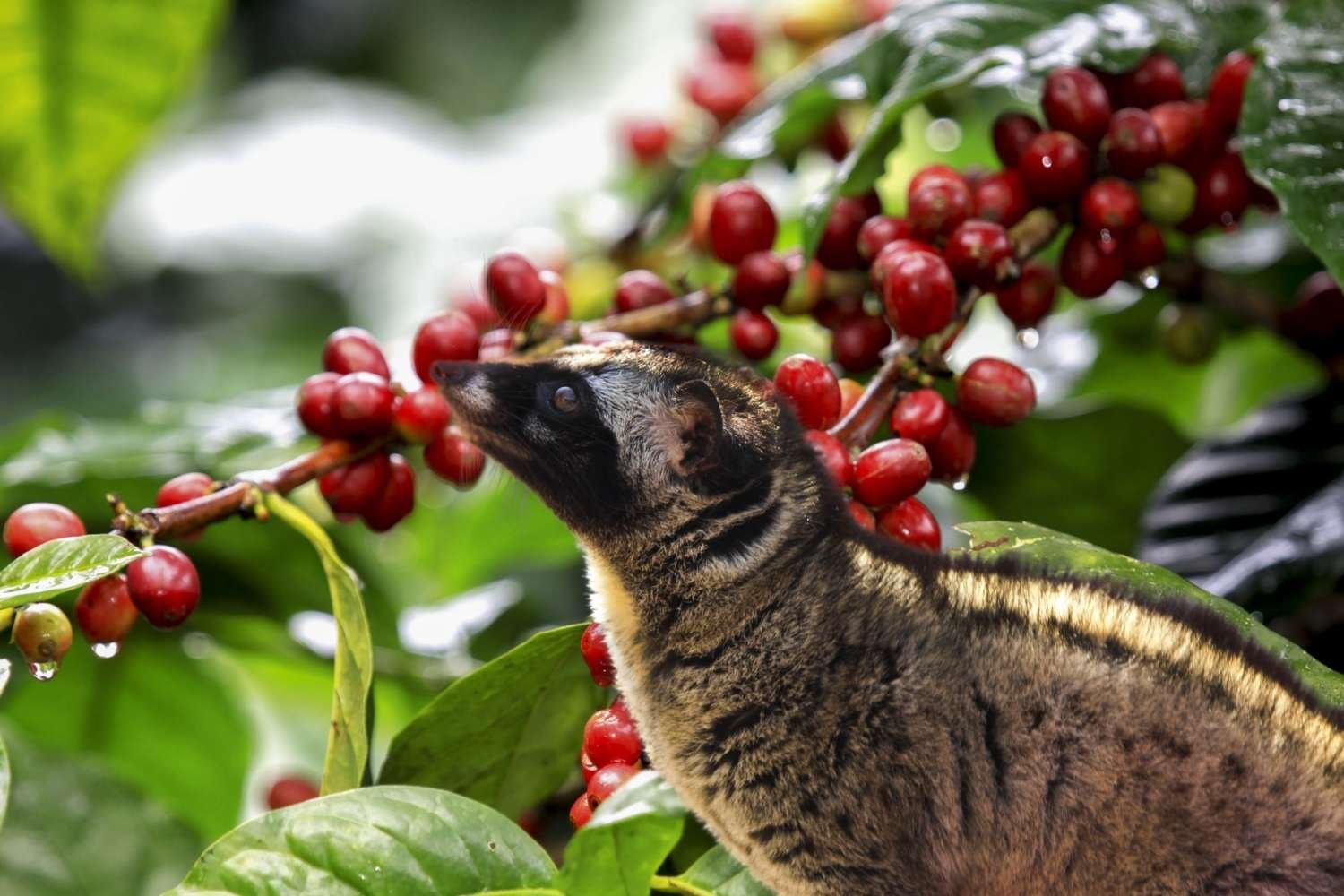
    The story of Luwak coffee begins with the civet, a nocturnal creature with a keen sense of smell and a taste for ripe coffee cherries. In the wild, civets roam through coffee plantations, selecting only the finest and ripest cherries for consumption. Once ingested, the cherries go through a unique fermentation process in the civet’s stomach, where enzymes break down proteins, ultimately impacting the flavor profile of the coffee.

    Harvesting Luwak Coffee Beans: A Delicate Dance with Nature

    The first step in the journey of Luwak coffee is the careful and selective harvesting of coffee cherries. Farmers in regions where civets are prevalent must be vigilant in allowing the civets to choose the cherries naturally. This process requires a delicate balance between human cultivation and the involvement of the civets. It is crucial to maintain an environment that encourages civets to roam freely without disrupting their natural behavior.

    Wild Civet Coffee

    The process of harvesting Luwak coffee beans is a delicate dance between human cultivation and the instinctive behaviors of civets, the small nocturnal mammals that play a pivotal role in the creation of this extraordinary brew. This phase of Luwak coffee production requires a profound understanding of the natural habitat of civets, the art of selective cultivation, and the careful observation of the intricate dynamics between the creatures and the coffee plantations.

    1. Natural Habitat Understanding

    Civets thrive in specific coffee-producing regions, where their natural habitats intersect with lush coffee plantations. These regions often include tropical climates and diverse ecosystems that create an ideal environment for both the civets and the coffee plants. Understanding the natural behavior of civets in these settings is fundamental to the harmonious coexistence necessary for the creation of Luwak coffee.

    2. Selective Plantation Management

    Harvesting Luwak coffee beans begins with the careful management of coffee plantations. Farmers must strike a balance between cultivating coffee cherries for commercial purposes and providing an environment conducive to the wild civets. This involves maintaining biodiversity, preserving natural habitats, and ensuring that the civets have access to the coffee cherries in their natural setting.

    3. Encouraging Natural Foraging

    Unlike traditional coffee harvesting, where humans pick the cherries at a specific stage of ripeness, Luwak coffee relies on civets to act as nature’s discerning selectors. Farmers must encourage civets to forage freely in the coffee plantations, allowing them to choose only the ripest and most flavorful cherries. This natural selection process, driven by the civet’s keen sense of smell and taste, is integral to the unique flavor profile of Civet coffee.

    4. Monitoring Civet Behavior

    Farmers often employ observational techniques and, in some cases, technology to monitor the behavior of civets. This includes studying their movement patterns, feeding habits, and preferences for certain types of coffee cherries. Some coffee plantations even use motion-sensor cameras to gain insights into the civets’ nocturnal activities, enabling a better understanding of their role in the Luwak coffee production process.

    Coffee luwak
    Coffee luwak

    5. Conservation and Education

    In addition to managing the coffee plantations, there is a growing emphasis on conservation efforts and education programs. These initiatives aim to raise awareness about the importance of preserving the natural habitats of civets, not only for the production of Luwak coffee but also for the ecological balance of the entire ecosystem. Farmers, conservationists, and local communities collaborate to ensure the sustainability of both the civet populations and the coffee industry.

    6. Harvesting Techniques

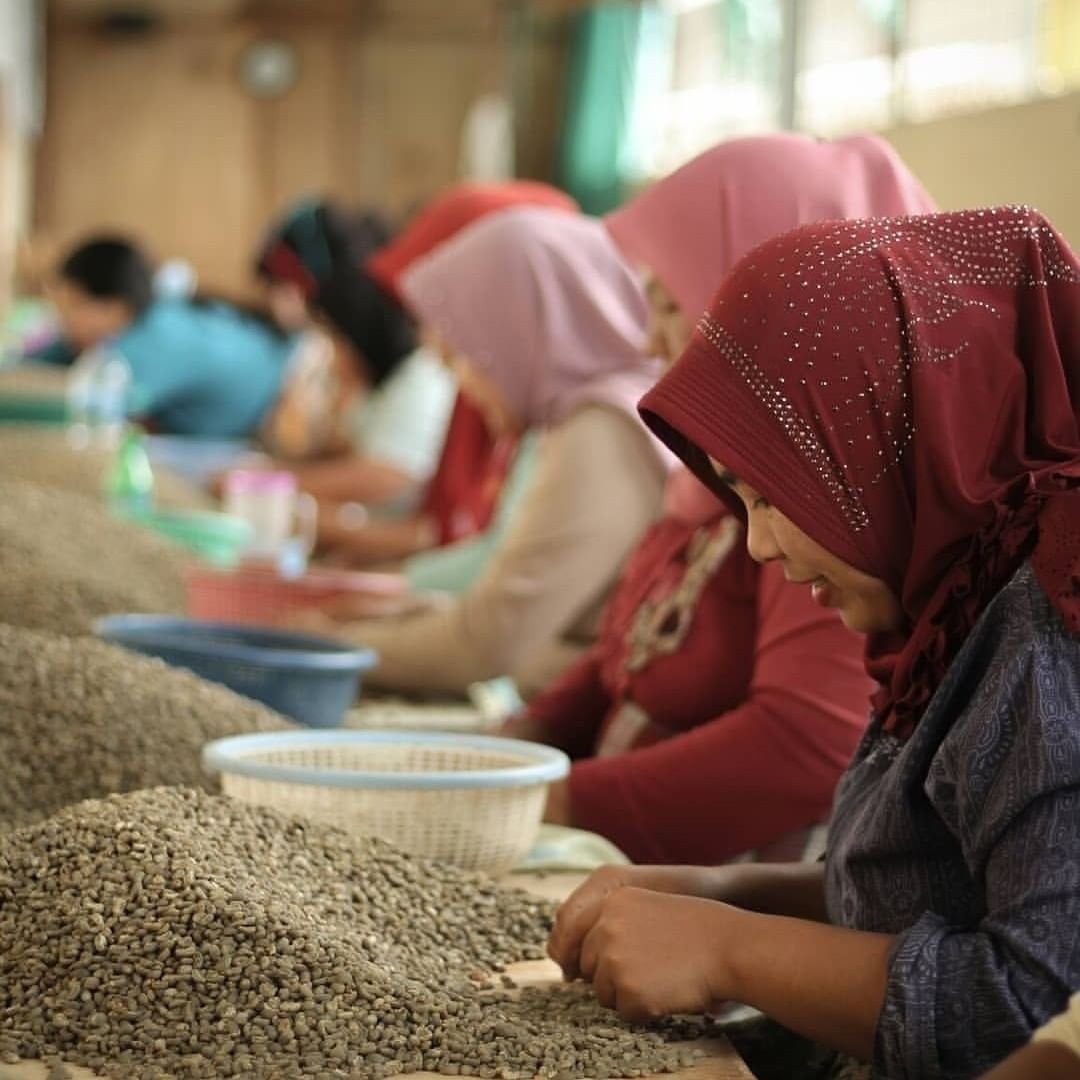
    Once civets have selected and consumed the ripest coffee cherries, the next step is to collect the beans from the civet’s feces. This process requires a meticulous approach, as the beans must be separated from other materials and thoroughly cleaned to remove any impurities. The beans are then sun-dried before undergoing the roasting process.

    7. Quality Control and Ethical Considerations

    Quality control is paramount in the harvesting phase to ensure that only the highest quality beans are used for Luwak coffee production. Ethical considerations also play a crucial role, with an increasing focus on responsible and sustainable practices. Ethical Luwak coffee production involves respecting the natural behaviors of civets, allowing them to roam freely, and avoiding practices that compromise their welfare.

    In conclusion, harvesting Luwak coffee beans is not just a process; it’s a harmonious interplay between nature and human cultivation. It requires a deep understanding of the natural world, a commitment to ethical practices, and a dedication to preserving the unique flavors that emerge from this extraordinary journey. As coffee enthusiasts savor their cup of Luwak coffee, they are not just enjoying a beverage; they are partaking in a tale of ecological balance and the delicate dance between the wild and the cultivated.

    Natural Fermentation Process

    Once the civet has ingested the coffee cherries, the fermentation process begins. This natural fermentation is one of the key factors that contribute to the unique flavor profile of Luwak coffee. The enzymes in the civet’s stomach break down proteins and alter the chemical composition of the beans, resulting in a smoother and less acidic flavor.

    Collection and Cleaning

    After the beans pass through the digestive system of the civet, they are excreted along with other fecal matter. The collected beans undergo a rigorous cleaning process to remove any remaining impurities. This involves thorough washing and sometimes a period of fermentation to ensure that only the pristine beans are retained for further processing.

    Sun Drying and Roasting

    Following the cleaning process, the Luwak coffee beans are spread out to dry under the sun. Sun drying is a crucial step that impacts the final flavor and aroma of the coffee. Once dried, the beans are roasted to perfection. Roasting is an art that requires precision and expertise to unlock the rich flavors developed during the fermentation process. The roasting process can significantly influence the taste, ranging from light and fruity to dark and robust.

    The Art of Brewing Luwak Coffee: Elevating the Extraordinary

    Now that the Luwak coffee beans have undergone a journey of natural fermentation, careful collection, cleaning, sun drying, and roasting, it’s time to brew the ultimate cup. The brewing process is where the true essence of Luwak coffee comes alive. Whether prepared using a traditional drip method, French press, or other brewing techniques, the unique flavor notes, and low acidity of Luwak coffee shine through, offering a distinctive and unforgettable experience for coffee connoisseurs.

    Brewing Luwak coffee is an art form that transcends traditional coffee preparation methods. From selecting the right grind size to embracing the nuanced flavors developed during the intricate journey of the Luwak coffee beans, every step in the brewing process contributes to unlocking the full potential of this exceptional brew.

    1. Selecting the Beans

    The journey of brewing Luwak coffee begins with the careful selection of beans. Coffee connoisseurs often choose freshly roasted and ground Luwak coffee beans to ensure the preservation of the unique flavor notes obtained through the fermentation process. The distinct lack of bitterness and low acidity make Luwak coffee beans particularly well-suited for various brewing methods.

    2. Grinding with Precision

    The grind size is a critical factor in the brewing process. For Luwak coffee, a medium grind is often recommended, allowing for a balanced extraction of flavors. The goal is to maintain consistency in the grind to ensure an even extraction during brewing. This precision in grinding plays a vital role in capturing the rich and complex taste profile of Luwak coffee.

    3. Choosing the Brewing Method

    Luwak coffee can be brewed using various methods, each offering a unique experience. While some enthusiasts prefer the simplicity of a pour-over or drip coffee maker, others opt for immersion methods such as French press or AeroPress. The choice of brewing method allows for customization, letting individuals tailor the brewing process to their preferences and highlighting specific flavor nuances of Luwak coffee.

    4. Water Temperature and Ratios

    Maintaining the right water temperature is crucial in extracting the flavors without compromising the delicate nuances of Luwak coffee. Water that is too hot may result in a bitter brew, while water that is too cold may not extract the full range of flavors. Striking the right balance and adhering to proper coffee-to-water ratios is essential for a well-rounded and satisfying cup.

    5. Brewing Time and Patience

    The art of brewing Luwak coffee requires patience. Unlike some quick-brewing methods, allowing the coffee to steep or percolate over time is often key to unlocking the subtleties of Luwak coffee. This slow process enables the water to interact with the coffee grounds more thoroughly, extracting the rich flavors developed through the fermentation process.

    6. Savoring the Aromas

    As the aroma of freshly brewed Luwak coffee fills the air, connoisseurs are treated to a sensory experience like no other. The unique combination of chocolatey, caramel, and earthy notes emanates from the cup, tantalizing the senses and setting the stage for the tasting experience that follows.

    7. Tasting Notes and Appreciation

    The final act in the art of brewing Luwak coffee is the tasting. As enthusiasts take that first sip, they are greeted with a symphony of flavors that dance across the palate. The absence of bitterness and the smooth, low-acid profile make Luwak coffee a rare and delightful indulgence. Tasting notes often include hints of dark chocolate, caramel sweetness, and a subtle earthiness, creating a complex and layered experience for the discerning palate.

    8. Pairing with Complementary Flavors

    To enhance the Luwak coffee experience, enthusiasts often experiment with pairing it with complementary flavors. Chocolate, nuts, or even a delicate pastry can elevate the tasting experience, creating a harmonious blend of textures and tastes that accentuate the unique qualities of Luwak coffee.

    9. Ethical Considerations in Brewing

    Beyond the technical aspects, ethical considerations also play a role in the art of brewing Luwak coffee. Ensuring that the beans are sourced responsibly, supporting sustainable practices, and promoting the welfare of civets are integral components of the brewing process. Ethical consumption adds an extra layer of satisfaction, knowing that each cup contributes to the preservation of a delicate ecological balance.

    In essence, the art of brewing Luwak coffee is a celebration of the extraordinary. From the careful selection of beans to the precision in grinding, brewing, and savoring, each step is an opportunity to appreciate the unique journey these beans have undertaken. Luwak coffee transcends the ordinary, inviting enthusiasts to embark on a sensory adventure that combines nature’s craftsmanship with the skill of the brewer, resulting in a cup of coffee that is truly one of a kind.

    Flavor Profile and Tasting Notes

    Luwak coffee is celebrated for its smooth, low-acid profile and unique tasting notes. The fermentation process imparts a distinct lack of bitterness, making it a favorite among those who find traditional coffee too sharp. Tasting notes often include hints of chocolate, caramel, and a rare earthiness that sets Luwak coffee apart from other brews. The absence of certain undesirable compounds contributes to its smooth texture, making it a delicacy enjoyed by coffee enthusiasts worldwide.

    Ethical Considerations and Sustainability

    The increasing demand for Luwak coffee has raised concerns about the ethical treatment of civets in the industry. Unscrupulous practices, such as caging civets for mass production, have tarnished the reputation of this unique coffee. Ethical and sustainable sourcing is essential to ensure that civets roam freely in their natural habitat, contributing to the ecological balance of coffee plantations.

    The Future of Luwak Coffee

    As the world of coffee evolves, so does the appreciation for unique and rare brews like Luwak coffee. Coffee enthusiasts, farmers, and conservationists are working together to promote ethical and sustainable practices, ensuring the welfare of civets and the preservation of this exceptional coffee tradition. The future of Luwak coffee lies in the hands of those who appreciate its unique journey, from the wild coffee plantations to the cup, savoring each sip of this extraordinary brew.

  • 15 Tips for Keeping Ground Coffee Flavorful for Longer

    15 Tips for Keeping Ground Coffee Flavorful for Longer

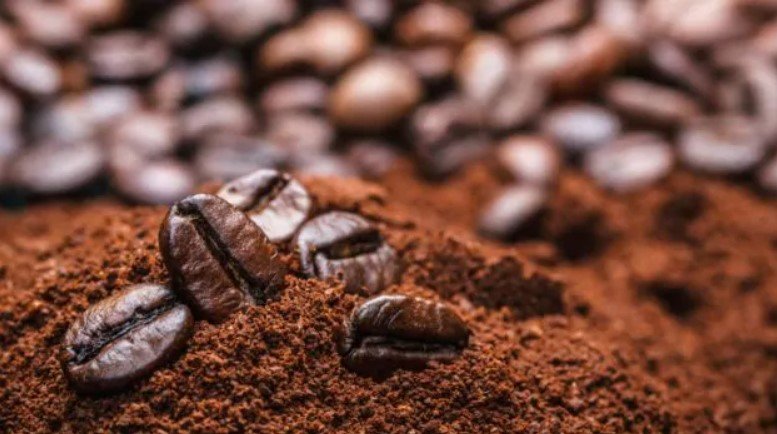
    Nothing beats the rich aroma and robust flavor of freshly ground coffee beans. Whether you’re a casual coffee enthusiast or a dedicated connoisseur, ensuring that your ground coffee stays fresh is essential for a consistently satisfying cup. The moment coffee beans are ground, they begin to lose their flavor and aroma due to increased exposure to air and light. To help you make the most of your ground coffee and extend its lifespan, we’ve compiled a comprehensive guide with tips and tricks that will elevate your coffee experience.

    1. Ground Coffee: Invest in Quality Beans:

    The foundation of a long-lasting ground coffee experience begins with high-quality beans. Opt for freshly roasted, whole coffee beans from reputable sources. Beans that are roasted recently tend to have more vibrant flavors, and their freshness will translate into the ground coffee.

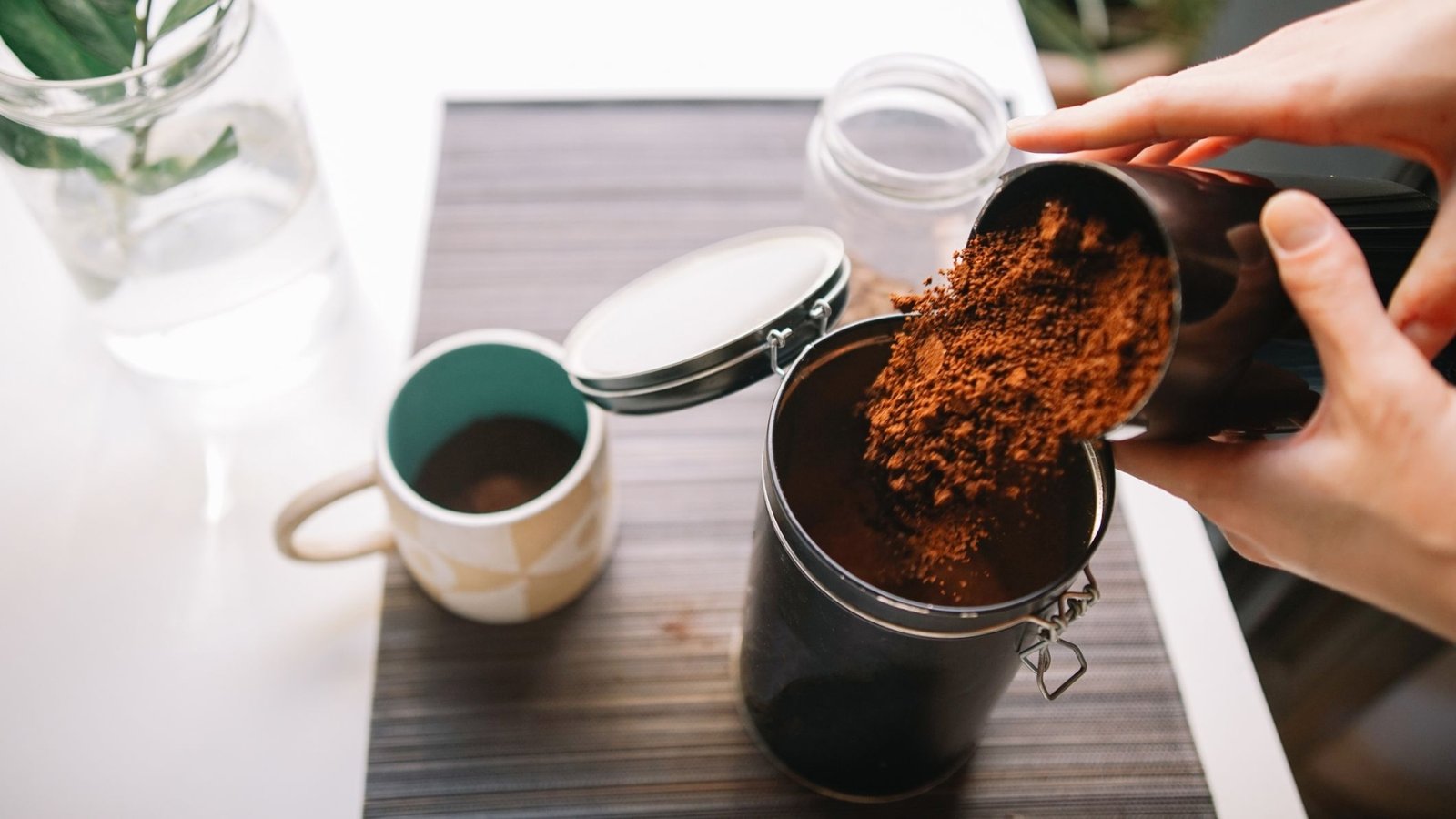
    Ground Coffee

    2. Store Beans Properly:

    Before even thinking about grinding your coffee, ensure proper storage for your beans. Keep them in an airtight container, preferably made of ceramic or glass, in a cool, dark place. Avoid storing coffee beans in the fridge, as the moisture and odors can compromise the flavor.

    3. Grind Just Before Brewing:

    One of the cardinal rules for maintaining the freshness of ground coffee is to grind it just before brewing. Grinding exposes the coffee to oxygen, which accelerates the staling process. Invest in a good quality burr grinder to achieve a consistent grind size, enhancing the flavor extraction during brewing.

    4. Control the Grind Size:

    Different brewing methods require different grind sizes. Adjusting the grind size based on your chosen brewing method ensures optimal extraction. Too fine a grind can lead to over-extraction and a bitter taste, while too coarse a grind may result in under-extraction and a weak cup. Experiment to find the ideal grind size for your preferred brewing method.

    5. Measure Precisely:

    Consistency is key when brewing the perfect cup of coffee. Use a scale to measure your coffee grounds accurately. The right coffee-to-water ratio is crucial for achieving a balanced and flavorful brew. Precision in measuring also helps in reducing waste, making your coffee supply last longer.

    6. Avoid Light and Air Exposure:

    Light and air are coffee’s enemies. Once coffee is ground, it’s more susceptible to these elements. Store your ground coffee in an opaque, airtight container. If you buy pre-ground coffee, transfer it to a light-resistant container as soon as possible.

    7. Consider Vacuum Sealing:

    For those serious about preserving the freshness of their ground coffee, vacuum-sealing is an effective method. This removes the air from the container, significantly slowing down the oxidation process and preserving the flavor and aroma of the coffee.

    8. Mind the Temperature:

    Extremes in temperature can affect the quality of your coffee. Keep your coffee storage area at a consistent, moderate temperature. Avoid storing it near appliances that generate heat, as fluctuations can cause condensation inside the container, degrading the coffee.

    9. Rotate Your Stock:

    It’s easy to fall into the trap of buying large quantities of coffee to save money, but coffee is best when consumed fresh. Try to purchase smaller quantities and rotate your stock regularly to ensure that you’re always brewing with the freshest grounds.

    10. Experiment with Blends:

    Variety is the spice of life, and this applies to coffee as well. Experiment with different coffee blends to keep your palate engaged. By having multiple options, you can extend the life of your ground coffee supply without sacrificing the joy of discovering new flavors.

    11. Clean Your Equipment:

    The oils in coffee can leave residue in your grinder and brewing equipment, affecting the taste of subsequent brews. Regularly clean your grinder and brewing tools to prevent the buildup of rancid oils that can compromise the freshness of your coffee.

    12. Embrace Cold Brewing:

    If you find yourself with a surplus of ground coffee, consider exploring cold brewing methods. Cold brew coffee has a longer shelf life and can be stored in the refrigerator for an extended period without sacrificing flavor.

    13. Educate Yourself on Roast Profiles:

    Different roast profiles affect the shelf life of coffee. Lighter roasts typically have a shorter shelf life compared to darker roasts. Understanding the roast profile of your coffee can help you gauge its expected freshness duration.

    14. Label and Date Your Coffee:

    Keep track of the age of your coffee by labeling the storage container with the roast date. This simple practice ensures that you’re aware of the freshness level of your coffee at all times, helping you prioritize consumption.

    15. Blend Your Own Coffee:

    For the ultimate control over your coffee’s freshness, consider blending your own beans. Purchase different varieties of whole beans and create your unique blend. This allows you to experiment with flavors while ensuring that each component is as fresh as possible.

    In conclusion, maintaining the freshness of ground coffee is an art that requires attention to detail and a commitment to quality. By following these tips, you’ll not only extend the lifespan of your ground coffee but also enhance the overall coffee experience. Remember, the journey from bean to cup is a delicate one, and with a little care, you can savor the rich, nuanced flavors of your favorite coffee beans for an extended period.

  • Brewing Latte Coffee with Gayo Coffee Beans, Here are 6 Tips

    Brewing Latte Coffee with Gayo Coffee Beans, Here are 6 Tips

    The aroma wafts through the air, awakening your senses. With each sip, you savor the smoothness and depth of flavors, feeling a sense of comfort and indulgence. If this scenario appeals to you, then you’ve come to the right place. In this blog, we will dive into the art of brewing the most flavorful latte coffee using Gayo coffee beans. Gayo coffee beans, known for their exceptional quality and unique flavor profiles, are a true delight for coffee enthusiasts. Along the way, we’ll address the pain points that many coffee lovers face when it comes to achieving the perfect latte. Exploring the world of Gayo coffee beans: Discover the origins and characteristics of these remarkable beans, as well as how they contribute to the overall flavor of your latte.Brewing techniques for maximum flavor: Learn the step-by-step process to extract the full potential of Gayo coffee beans, from selecting the right grind size to perfecting the water-to-coffee ratio.

    1. Understanding Gayo Coffee Beans

    Gayo coffee beans, originating from the Aceh region of Indonesia, are known for their exceptional quality and unique flavor profiles. To brew the most flavorful latte coffee with Gayo coffee beans, it’s important to understand their characteristics and the optimal brewing techniques. Here’s everything you need to know:

    1.1 Characteristics of Gayo Coffee Beans

    Fragrance/Aroma: Gayo coffee beans exude a fresh, nutty aroma that adds to the sensory experience of the coffee.

    Flavor: The flavor profile of Gayo coffee beans is complex, offering a delightful combination of coffee flavors with subtle hints of vanilla.

    Acidity: These beans possess good acidity, striking a balanced note in your latte.

    Body: Gayo coffee beans boast a medium to high body, lending a satisfying richness and creaminess to your cup of latte.

    Aceh Gayo Coffee

    1.2 Origin and Production

    Country of Origin: Gayo coffee beans derive from Indonesia, specifically the Aceh region.

    Production Areas: The coffee beans are mainly grown in the areas of Takengon, Bener Meriah, Angkup, Sukarame, Bies, Jagung, Sabun, Pondokbaru.

    Altitude: The coffee plants thrive at altitudes ranging from 1200 to 1700 meters above sea level (asl).

    Time of Harvest: Gayo coffee berries take approximately 9 months to develop from flowers to ripe berries, ensuring a well-developed flavor.

    Production Yield: The production yield ranges from 800 to 1500 kilograms per hectare, a testament to the fertile soil and meticulous cultivation techniques employed.

    1.3 Harvesting and Processing Methods

    Harvesting: Gayo coffee beans are harvested through a combination of mechanical and hand-picking methods to ensure the utmost care and precision.

    Processing: The beans are predominantly wet processed with wet hulling, which enhances the flavor and quality. Smallholders utilize the small quantity wet process, while larger processors employ dry hulling of fully wash processed beans.

    💡 key Takeaway: Gayo coffee beans, originating from the Aceh region of Indonesia, offer a unique flavor profile with a complex coffee flavor and hints of vanilla. These beans possess good acidity, a medium to high body, and are cultivated at an altitude ranging from 1200 to 1700 meters asl. They are predominantly wet processed with wet hulling, ensuring the best quality in every cup of lat

    2. Exploring Gayo Coffee Production

    Coffee enthusiasts around the world appreciate the exceptional flavors and aromas that Gayo coffee beans from Indonesia offer. In this section, we will delve into the details of Gayo coffee production, including the characteristics, cultivation methods, and processing techniques that contribute to its unique profile. So grab your favorite cup of coffee and let’s explore the fascinating world of Gayo coffee!

    2.1 Characteristics of Gayo Coffee Beans

    Gayo coffee beans are renowned for their exceptional fragrance, complex flavors, and medium to high body. Here are the key characteristics that make Gayo coffee stand out:

    Aroma: Gayo coffee boasts a fresh, nutty aroma that delights the senses and sets the stage for the coffee-drinking experience.

    Flavor: When you savor a cup of Gayo coffee, you can expect a complex coffee flavor with delightful hints of vanilla. This profile adds a touch of sophistication and depth to every sip.

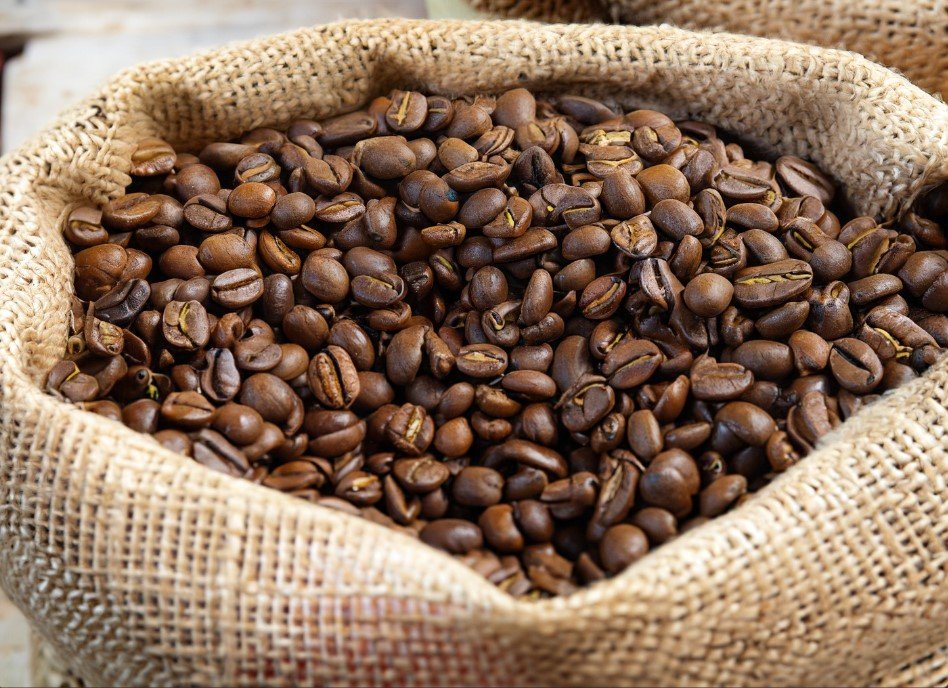
    Gayo Coffee Beans
    Gayo Coffee Beans

    Acidity: Gayo coffee showcases good acidity, providing a pleasant brightness that adds balance to its nuanced flavors.

    Body: With a medium to high body, Gayo coffee offers a satisfying mouthfeel that is both rich and smooth.

    2.2 Cultivation of Gayo Coffee Beans

    Gayo coffee beans thrive in the highlands of Aceh, a region located in the northern part of Sumatra, Indonesia. The geographical and environmental factors contribute significantly to the distinct taste of Gayo coffee. Here are the key aspects of its cultivation:

    Altitude: Gayo coffee is grown at altitudes ranging from 1200 to 1700 meters above sea level (asl). This elevation provides optimal conditions for the coffee plants to develop their unique flavors.

    Optimal Temperature: The coffee plants thrive in temperatures between 13 to 28°C, which are prevalent in the Gayo Highlands. This temperature range allows for the beans to mature slowly, enhancing their flavor complexity.

    Character Stew: The characteristics of Gayo coffee are impacted by the fertile soils and ideal climate of the Aceh region. This creates the perfect environment for the unique combination of acid and chocolate notes in the coffee.

    Method of Harvest: The harvesting of Gayo coffee beans involves a combination of mechanical and hand-picking techniques. This meticulous process ensures that only the ripest cherries are selected, contributing to the coffee’s exceptional quality.

    2.3 Processing Techniques

    The processing methods employed in Gayo coffee production play a crucial role in shaping the final flavor profile. Here

    3. Choosing the Right Gayo Coffee Beans for Brewing

    When it comes to brewing a flavorful latte coffee, selecting the right Gayo coffee beans is crucial. These coffee beans from the Aceh region of Indonesia are known for their unique characteristics and complex flavors. Here are some key factors to consider when choosing Gayo coffee beans for your brew:

    1. Roast Level:

    Gayo coffee beans are available in various roast levels, ranging from light to dark. The roast level plays a significant role in determining the flavor profile of the coffee. If you prefer a lighter and more delicate taste, opt for a light roast Gayo coffee. For a bolder and more robust flavor, go for a dark roast.

    2. Grind Size:

    The grind size of the coffee beans is another important factor in achieving the perfect cup of latte. Different brewing methods require different grind sizes. For a French press or cold brew, a coarse grind is recommended to extract the flavors slowly. If you are using a coffee maker or manual brew technique, a medium grind works well. For an espresso machine, go for a fine grind to ensure proper extraction.

    3. Whole Bean or Ground:

    To preserve the freshness and flavor of the Gayo coffee beans, it’s best to purchase them as whole beans and grind them just before brewing. This allows you to maintain the aroma and taste in their purest form. However, if you don’t have a grinder or prefer convenience, you can also purchase pre-ground Gayo coffee beans. Just make sure to store them in an airtight container to keep them fresh.

    4. Flavor Profile:

    Gayo coffee beans offer a complex coffee flavor with hints of vanilla and a nutty fragrance. This unique profile makes them ideal for crafting a latte with rich and distinct flavors. The medium to high body and good acidity of Gayo coffee beans contribute to a well-balanced and enjoyable cup of coffee. Whether you prefer a strong, bold cup or a smooth and mellow one, Gayo coffee beans can deliver the taste you desire.

    💡 key Takeaway: When brewing a flavorful latte with Gayo coffee beans, consider the roast level, grind size, whole bean or ground, and the unique flavor profile of these Indonesian coffee beans. Experiment with different variables to achieve your perfect cup of latte.

    4. Brewing Techniques for the Perfect Latte with Gayo Coffee Beans

    When it comes to brewing the perfect latte with Gayo coffee beans, there are several techniques you can employ to enhance the flavor profile and create a rich and satisfying drink. Whether you’re using a French press, a coffee maker, or prefer manual brew techniques, understanding the nuances of brewing with Gayo coffee beans will help you achieve optimal results.

    1. Choosing the Right Grind Size:

    To ensure the best extraction and flavor from your Gayo coffee beans, it’s essential to select the correct grind size based on your brewing method. For a French press or manual brew techniques like pour-over or AeroPress, a coarse grind is recommended. This allows for a slower extraction and fuller-bodied coffee. On the other hand, if you’re using a coffee maker or an espresso machine, a fine grind will provide a quicker extraction and more concentrated flavors.

    2. Finding the Ideal Coffee-to-Water Ratio:

    Getting the coffee-to-water ratio right is crucial in brewing a perfect latte. For a medium-bodied cup with balanced flavors, aim for a ratio of 1:15, meaning 1 part coffee to 15 parts water. However, feel free to adjust the ratio according to your personal taste preferences. Experimenting with different ratios can help you discover your ideal brew strength.

    3. Utilizing the Proper Brewing Method:

    There are various ways to brew coffee, and each method imparts unique characteristics to the final cup. If you prefer a bolder, full-bodied latte, consider using a French press. This method allows for a longer steeping time, resulting in a more robust flavor profile. If you enjoy a smoother and more refined cup, opt for manual brew techniques such as pour-over or AeroPress. These methods offer better control over the extraction process, producing a cleaner cup with distinct flavor notes.

    4. Mastering Milk Steaming and Latte Art:

    The true essence of a latte lies in the creamy, velvety texture of steamed milk combined with the rich flavors of Gayo coffee. When steaming milk, it’s important to texture it properly, creating microfoam that is smooth and silky. This technique requires practice and patience, but once mastered, it elevates the latte experience. Additionally, if you’re feeling creative, try your hand at latte art to enhance the visual appeal of your drink.

    Remember, the key to brewing the perfect latte with Gayo coffee

    5. Enhancing Your Gayo Coffee Latte Experience

    If you’re a coffee connoisseur looking to elevate your latte experience, using Gayo Coffee beans from the Aceh region of Indonesia can be a game-changer. Known for their complex flavors and hints of vanilla, Gayo Coffee beans are highly sought after for their ability to deliver a rich and flavorful latte. Here are a few tips to help you brew the most flavorful latte using Gayo Coffee beans:

    1. Start with Freshly Roasted Gayo Coffee Beans: To ensure the best flavor in your latte, opt for freshly roasted Gayo Coffee beans. Look for beans that have a roasted date within the last few weeks. You can either grind the beans yourself or purchase them pre-ground based on your brewing method preference.

    2. Choose the Right Grind Size: The grind size plays a crucial role in the quality of your latte. For a French press or manual brew technique, opt for a coarse grind to allow for maximum extraction of flavors. For an espresso machine, go for a fine grind to ensure a strong and concentrated cup of coffee.

    3. Use the Correct Coffee-to-Milk Ratio: Achieving the perfect balance between coffee and milk is essential for a delicious latte. Start by pouring a shot of freshly brewed Gayo Coffee into your cup and then add steamed milk in a 1:2 ratio. Adjust the ratio according to your taste preferences, whether you prefer a stronger coffee flavor or a creamier texture.

    4. Experiment with Different Milk Options: While traditional lattes are made with cow’s milk, feel free to experiment with alternative milk options such as almond, oat, or soy milk. Each type of milk will impart its own unique flavor profile to your latte, allowing you to create a personalized and indulgent experience.

    5. Garnish and Sweeten to Taste: Enhance the visual appeal of your latte by adding a sprinkle of cocoa powder, cinnamon, or nutmeg on top. These spices not only add a touch of elegance but also complement the flavor notes of the Gayo Coffee beans. Additionally, if you prefer your latte on the sweeter side, consider adding a natural sweetener like honey or maple syrup.

    “To truly savor the flavors of Gayo Coffee, it’s important to pay attention to the brewing process and explore different techniques. By experimenting with grind size, milk options, and garnishes, you’ll be able to enjoy a

    6. Tips for Enjoying Gayo Coffee Black

    When it comes to enjoying the rich flavors of Gayo coffee, one of the best ways to savor its unique characteristics is by enjoying it black. Here are some tips to help you make the most of your Gayo coffee experience:

    1. Choose the Right Coffee Beans: Start by selecting high-quality Gayo coffee beans. Look for beans with characteristics such as fresh nutty fragrance and a complex coffee flavor with hints of vanilla. These characteristics contribute to the unique taste profile of Gayo coffee.

    2. Grind the Beans to Perfection: The grind size of your coffee beans can significantly impact the flavor extraction. For a classic black cup of Gayo coffee, choose a medium grind size. This grind size allows for a balance between flavor extraction and a smooth mouthfeel.

    3. Use a Manual Brew Technique: To truly appreciate the flavors of Gayo coffee, opt for a manual brew technique, such as pour-over or French press. These methods provide more control over the brewing process, allowing you to extract the optimal flavors from the beans.

    4. Optimal Water Temperature: Pay attention to the water temperature when brewing Gayo coffee. The optimal range is between 195°F and 205°F (90°C to 96°C). This temperature range ensures proper extraction and brings out the full range of flavors in the coffee.

    5. Brew Time: The brewing time for Gayo coffee will depend on the brewing method you choose. For a pour-over, aim for a total brew time of three to four minutes, while French press brewing generally takes about four to five minutes. Adjust the brewing time according to your taste preferences.

    6. Savor the Flavor: Once your Gayo coffee is brewed, take a moment to appreciate the aroma and flavors it offers. Each cup may have subtle variations, and by sipping it black, you can fully appreciate the complex flavors and low acidity.

    💡 key Takeaway: Enjoying Gayo coffee black allows you to experience the full complexity of its flavors. Choose high-quality beans, grind them to a medium size, and use a manual brew technique for the best results. Pay attention to the water temperature and brewing time to ensure optimal flavor extraction. Sip slowly and savor the unique characteristics of Gayo coffee.

    Conclusion

    In conclusion, brewing a flavorful latte coffee with Gayo coffee beans is a delightful experience that combines the fresh nutty fragrance with a complex coffee flavor and hints of vanilla. The good acidity and medium to high body create the perfect balance for a truly satisfying cup of coffee. When it comes to sourcing the finest Gayo coffee beans, look no further than Indonesia, specifically the production areas in Aceh. With an optimal temperature range of 13 to 28°C and altitudes ranging from 1200 to 1700 meters above sea level, the conditions in these areas are ideal for cultivating high-quality beans. To ensure the fullest potential of flavor, it is crucial to consider the harvesting and processing methods. Whether it’s mechanical and hand-p

    FAQ

    What are the tips for enjoying Gayo Coffee Black?

    Try it with milk or cream for a richer flavor. Add it to your morning coffee routine for a lively start to the day. Pour a cup before bed for a refreshing and restful sleep.