Category: Artikel

  • Unveiling the Art and Science of Coffee Roast Process and Preparation

    Unveiling the Art and Science of Coffee Roast Process and Preparation

    Coffee Roast Process and preparation

    Introduction

    Coffee roast process, the beloved elixir of many, goes through a magical transformation before it reaches your cup. At the heart of this transformation is the coffee roast process. This intricate dance of time, temperature, and skill turns green coffee beans into the aromatic and flavorful beans we know and love. In this article, we’ll embark on a journey to uncover the secrets of the coffee roast process, exploring its stages, techniques, and the remarkable artistry behind it.

    The Green Beginnings

    The journey of coffee beans begins with their harvest as cherries from coffee trees. These cherries house the green coffee beans we’ve all heard of. Before roasting, these beans are dense, green, and relatively flavorless. The roasting process is where their potential is unlocked.

    Preparation

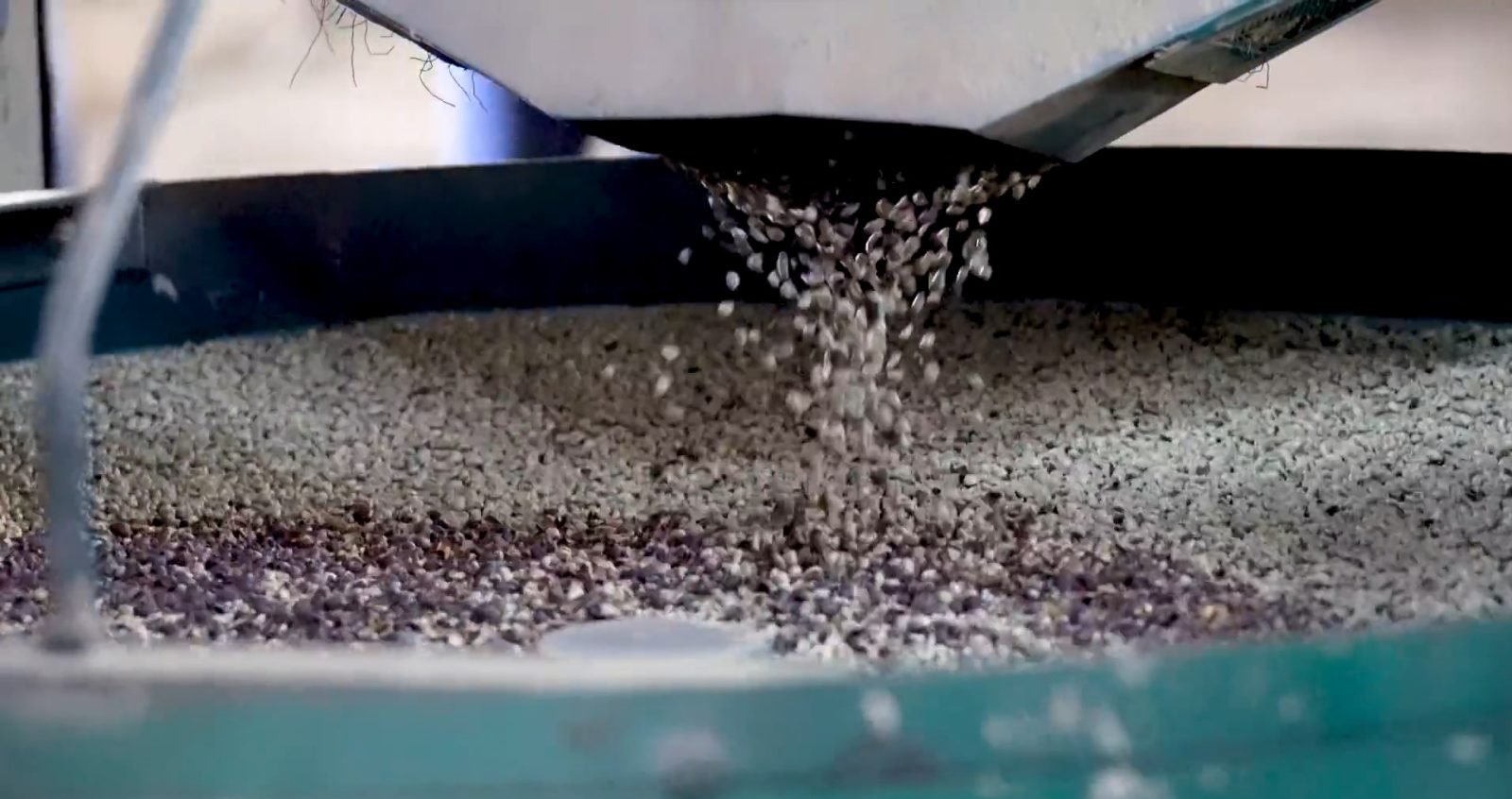
    Before roasting, coffee beans must be sorted, cleaned, and prepped. Any defective beans or foreign objects must be removed. Once they’re ready, it’s time for the roast.

    Roasting Stages

    The coffee roast process can be broken down into several distinct stages, each contributing to the final flavor profile:

    Drying Phase

    At the beginning of the roast, the beans lose moisture. They turn from green to yellow and begin to emit a grassy aroma.

    First Crack

    As the temperature continues to rise, the beans undergo their first crack, a popping sound resembling popcorn. This marks the moment when the beans expand, and their sugars caramelize. The roast level at this point is often referred to as a light roast.

    Development Phase

    After the first crack, the roast enters the development phase. This is where the magic happens. The roaster carefully monitors the temperature to bring out specific flavors. The beans turn darker, and the roast level can vary from medium to dark roast depending on the desired flavor.

    Second Crack (Optional)

    Some beans may undergo a second crack, particularly those destined for dark roast profiles. This is when oils on the bean’s surface are released, resulting in a shiny appearance.

    Cooling

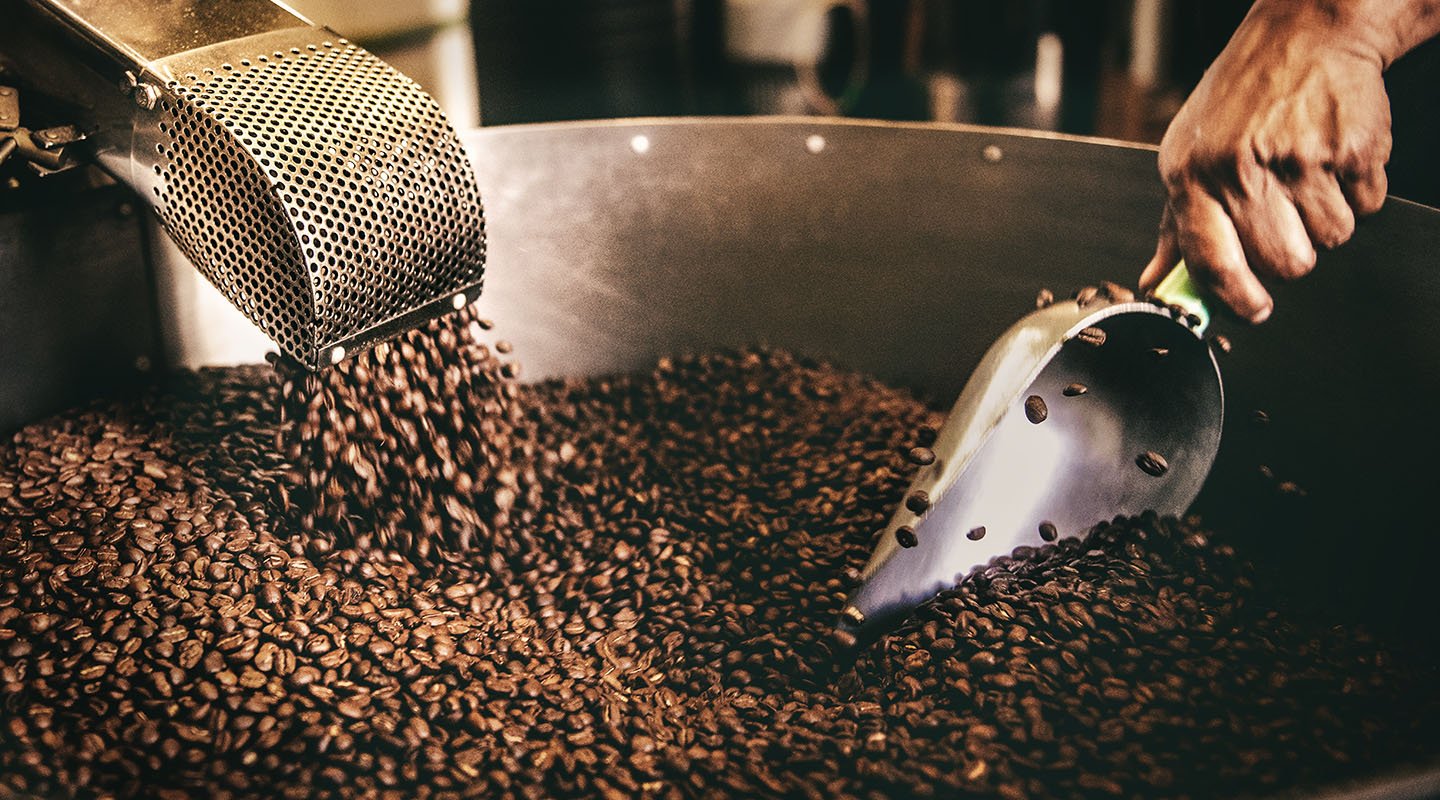
    After reaching the desired roast level, the beans are rapidly cooled to halt the roasting process. This step is critical to prevent over-roasting and to lock in the flavor.

    See we are product: coffee Best Product

    Art and Science

    Coffee roasting of Art and science. Roasters use their senses, experience, and knowledge to make decisions throughout the process. Factors such as bean origin, roast duration, and temperature profile all impact the final flavor.Factors such as bean origin, roast duration, and temperature profile all impact the final flavor.

    Flavor Profiles

    The roast level significantly influences the flavor of the coffee. Light roasts often showcase the beans’ origin flavors, highlighting fruity or floral notes. Medium roasts strike a balance between origin and roast flavors, while dark roasts offer bolder, smokier notes with less emphasis on origin.

    Customization and Precision

    Modern coffee roasters use advanced equipment and software to precisely control variables like temperature, airflow, and timing. This allows them to consistently produce the desired flavor profile and meet the preferences of coffee enthusiasts.

    Conclusion

    The coffee roast process is a captivating journey that transforms ordinary green coffee beans into the aromatic and flavorful beans that grace our cups.Their unique flavor profile, low acidity, and versatility in various coffee preparations make them a valuable component of the global coffee market. As you savor your next cup of coffee, take a moment to appreciate the craftsmanship behind each roast. The delicate balance of time, temperature, and skill is what brings out the unique character of every coffee bean, making every sip a journey of its own.

  • Lasuna Coffee: A Healthy Coffee

    Lasuna Coffee: A Healthy Coffee

    Lasuna Special Coffee

    Introduction

    In the world of Lasuna Coffee, where flavors and innovations constantly evolve, Lasuna Coffee emerges as a unique and promising player. Unlike traditional coffee, Lasuna Coffee blends the rich, earthy notes of coffee beans with the unmistakable aroma and health benefits of garlic. In this article, we’ll explore the intriguing world of Lasuna Coffee, its history, preparation, potential health benefits, and why it’s worth a sip.

    The Origin of Lasuna Special Coffee

    Lasuna Coffee finds its roots in the idyllic regions of Kerala, India, where the cultivation of coffee and garlic thrives. The name “Lasuna” originates from the Sanskrit word for garlic, symbolizing the core ingredient of this innovative brew. Blending these two elements was inspired by the traditional Ayurvedic system of medicine, which values garlic for its numerous health benefits.

    Preparation and Ingredients

    Lasuna Coffee is a carefully crafted blend of finely ground coffee beans and roasted garlic. The garlic is roasted to perfection, ensuring that it imparts its unique aroma and health properties without overpowering the coffee’s flavor. The two ingredients are then expertly blended to create a harmonious fusion of flavors.

    The brewing process of Lasuna Coffee is similar to that of regular coffee. You can use a drip coffee maker, French press, or even a simple filter method to prepare this unique beverage. The recommended ratio of coffee to garlic is approximately one teaspoon of roasted garlic to one tablespoon of coffee grounds, though you can adjust it to suit your taste.

    The Taste of Lasuna Special Coffee

    Lasuna Special Coffee offers a distinct sensory experience that marries the familiar and comforting flavor of coffee with the subtle, earthy notes of roasted garlic. The result is a rich, full-bodied cup of coffee with a mild garlic undertone that doesn’t overpower the palate. It’s an intriguing blend that appeals to both coffee enthusiasts and those looking to explore new flavor profiles.

    Potential Health Benefits

    One of the primary attractions of Lasuna Coffee is its potential health benefits. Garlic has long been celebrated for its medicinal properties, which include:

    Heart Health

    Garlic is known to help reduce blood pressure and lower cholesterol levels, potentially reducing the risk of heart disease.

    Antioxidant Properties

    Garlic is rich in antioxidants, which may help protect cells from damage caused by free radicals.

    Immune Support

    Garlic is believed to enhance the immune system’s function, aiding in the body’s defense against illnesses.

    Anti-Inflammatory

    Garlic contains compounds with anti-inflammatory properties, which can help alleviate various health issues.

    Improved Digestion

    Some individuals find that garlic can aid in digestion, reducing discomfort after meals.

    When combined with coffee, these potential health benefits make Lasuna Special Coffee an intriguing choice for those seeking a flavorful way to incorporate garlic into their diet.

    Culinary Versatility

    Lasuna Special Coffee is not limited to a single preparation method. You can explore its culinary versatility by adding a dash of cinnamon, a sprinkle of cocoa powder, or a touch of honey to suit your taste. It can be enjoyed as a traditional hot brew or transformed into a refreshing iced coffee during warmer months.

    Where to Find Lasuna Special Coffee? :

    You can get this coffee at our shop visit:Lasuna Special Coffee

    While Lasuna Special Coffee may not yet be widely available in every corner of the world, it can often be found in specialty coffee shops and health food stores, particularly in regions with a strong connection to coffee and garlic cultivation. Additionally, some online retailers offer this unique blend, allowing coffee enthusiasts from around the globe to savor its distinctive taste and potential health benefits.

    Check : 10 facts you didnt know about robusta coffee beans

    Conclusion

    Lasuna Special Coffee represents an innovative fusion of flavors and potential health benefits that can add a unique dimension to your coffee experience. With its roots in Ayurvedic traditions and the allure of roasted garlic, this coffee promises a flavorful journey to wellness. Whether you’re an adventurous coffee connoisseur or simply curious about trying something new, Lasuna Special Coffee is a brew that’s worth discovering and savoring, one cup at a time.

  • 10 facts you didn’t know about Robusta Coffee Beans Indonesia

    10 facts you didn’t know about Robusta Coffee Beans Indonesia

    Robusta coffee beans from Indonesia, known for their robust flavor and distinctive characteristics, have a story that goes beyond the cup. Here are eight intriguing facts about Robusta coffee in Indonesia.

    Robusta Coffee: Unveiling the Versatile Bean

    Scientifically known as Coffea canephora, is a species of coffee bean that has carved its place in the global coffee industry. Known for its distinct characteristics and versatility, Robusta beans offer a unique set of qualities that set them apart from their Arabica counterparts. Here’s a comprehensive overview of Robusta coffee

    Conclusion

    Robusta coffee, with its robust flavor, higher caffeine content, and unique characteristics, is an integral part of the global coffee landscape. Its versatile nature and practical advantages have secured its place not only in cups of espresso but also in various blends enjoyed by coffee enthusiasts around the world. Whether savored on its own or blended creatively, Robusta coffee continues to bring its own distinctive flair to the art of coffee consumption.

    Sustainability Considerations

    Robusta coffee’s resistance to pests means that it can often be grown with fewer pesticides, contributing to more sustainable farming practices. Additionally, its adaptability to different climates and altitudes makes it a viable option for regions where Arabica might struggle.

    Altitude Diversity

    Indonesia’s Robusta coffee is unique in its ability to thrive at various altitudes. While Robusta beans are typically associated with lower altitudes, Indonesian Robusta is cultivated at altitudes ranging from sea level to over 3,000 feet (1,000 meters) above sea level.

    Varied Flavors

    Indonesian Robusta beans offer a diverse range of flavors beyond the traditional bitterness associated with Robusta coffee. Depending on the region, you might encounter flavors like dark chocolate, nutty undertones, and even fruity notes.

    Shade-Grown Robusta

    Unlike the sun-drenched conditions in many Robusta-producing regions, some Indonesian farmers cultivate Robusta coffee in shaded environments. This practice helps develop more nuanced flavors and supports sustainable farming practices.

    Harvesting Techniques

    Indonesian Robusta beans are often handpicked, ensuring that only ripe cherries are selected. This meticulous approach to harvesting contributes to the quality and consistency of the beans.

    Processing Methods

    Traditional wet-hulling, a method called “giling basah,” is often used for processing Indonesian Robusta beans. This unique method contributes to the beans’ distinct flavor profiles.

    Unique Terroir

    Indonesia’s diverse geography, including volcanic soils and tropical climates, adds a unique terroir to Robusta beans. This terroir influences the beans’ characteristics, resulting in a wide array of flavor possibilities.

    Role in Blends

    Indonesian Robusta beans are frequently used in espresso blends due to their ability to produce a rich crema and contribute body to the cup. They complement the milder flavors of Arabica beans, creating a balanced and complex blend.

    Economic Importance

    Robusta cultivation is a crucial economic activity in Indonesia, providing livelihoods for many local communities. The beans contribute significantly to the country’s agricultural sector and export earnings.

    See we product : Robusta Coffee Beans Indonesia

    Unique Growing Regions

    Regions such as Lampung, Sumatra, and Java are known for their quality Robusta beans. These areas have harnessed their unique growing conditions to produce Robusta coffee that stands out on the global stage.

    Coffee Diversity

    Indonesia’s Robusta coffee represents a diverse range of flavor profiles that challenge the conventional notions of Robusta beans. The country’s innovative cultivation and processing methods have elevated the reputation of Indonesian Robusta in the coffee world.

    Indonesia’s Robusta coffee beans offer a more nuanced and diverse experience than is often attributed to Robusta varieties. With their unique cultivation practices, flavor profiles, and contribution to local communities, these beans play a significant role in both the global coffee industry and Indonesia’s cultural and economic landscape.

  • Java Preanger Coffee: Unveiling the Treasures of West Java

    Java Preanger Coffee: Unveiling the Treasures of West Java

    Java Preanger Coffee

    Introduction

    Java Preanger coffee, originating from the lush highlands of West Java, Indonesia, is a coffee variety that embodies history, flavor, and cultural significance. Its journey from cultivation to cup is a tale of centuries-old traditions, unique terroir, and a distinct flavor profile that captivates coffee enthusiasts worldwide.

    Historical Significance

    The story of Java Preanger coffee dates back to the Dutch colonial era when the region was under Dutch control. The coffee cultivation in the Preanger highlands played a pivotal role in the colonial economy. The term “Preanger” itself refers to the region and its distinct coffee-growing areas. Today, Java Preanger coffee is more than just a beverage; it’s a link to Indonesia’s past struggles and a symbol of its journey toward independence.

    Terroir and Cultivation

    The high-altitude Preanger highlands provide an ideal environment for coffee cultivation. The volcanic soil, combined with the optimal climate, results in unique coffee beans with exceptional characteristics. The elevation allows the coffee cherries to develop slowly, concentrating the flavors within the beans.

    Buy Java Preanger Coffee here!!

    Harvesting

    The cultivation of Arabica Java Preanger involves meticulous care. Coffee farmers in the region have mastered the art of nurturing the coffee plants amidst the challenging terrain. Hand-picking ensures that only the ripest cherries are chosen, contributing to the coffee’s exceptional quality. The selective process extends to the processing methods, where attention to detail enhances the final product.

    Flavor Profile

    The flavor profile of Java Preanger coffee is a harmonious blend of earthiness and herbal notes, often accompanied by subtle hints of spice. Its medium to full body creates a well-rounded and satisfying cup. Depending on the processing methods and roast, you might encounter additional dimensions, including a delicate fruitiness or floral undertones, adding complexity to the coffee’s character.

    Processing Techniques

    The coffee cherries harvested from the Preanger highlands undergo careful processing to ensure the preservation of their quality. The “giling basah” method, unique to Indonesia, involves a wet hulling process that contributes to the coffee’s distinct flavor. This process leaves a thin layer of mucilage on the beans, leading to the unique flavor profile Java Preanger coffee is known for.

    Giling Basah Processing

    A defining feature of Indonesian coffee production, including Arabica Java Preanger, is the “giling basah” processing method. This wet hulling technique leaves a distinctive mark on the beans, contributing to their unique flavor profile. The process involves removing the parchment layer when the beans still retain some moisture, resulting in a characteristic earthy and full-bodied cup.

    Roasting and Brewing

    Roasting plays a significant role in unveiling the flavors of Java Preanger coffee. A medium to dark roast is often preferred to bring out the coffee’s earthy and herbal notes while minimizing acidity. When brewing, explore different methods such as pour-over, French press, AeroPress, or espresso to find the best way to highlight the coffee’s flavors.

    Brewing the Essence

    Brewing Arabica Java Preanger coffee is a journey that invites experimentation. From the meticulous pour-over to the rich immersion of French press, each method reveals different facets of the coffee’s character. The preparation process becomes an exploration of flavor, offering a chance to tailor the cup to individual preferences.

    Cultural Heritage

    Arabica Java Preanger coffee carries with it the cultural heritage of Indonesia. It represents the land’s resilience, its history, and the people who have cultivated it through generations. Sipping this coffee is more than indulging in a beverage; it’s experiencing the heart of West Java’s coffee culture.

    Conclusion

    Arabica Java Preanger coffee is a testament to the marriage of nature, tradition, and craftsmanship. With each sip, you are transported to the rolling hills of West Java, where the cherries mature slowly, the flavors are refined, and the legacy of Indonesian coffee culture lives on. It’s an invitation to immerse yourself in a cup of artistry that celebrates the land, the people, and the journey that led to this exceptional brew.

  • 5 things Exploring the World of Arabica Coffee Beans: Origins, Flavors, and Culture

    5 things Exploring the World of Arabica Coffee Beans: Origins, Flavors, and Culture

    arabica coffe beans indonesia

    Arabica coffee beans, scientifically known as Coffea arabica, are among the most cherished and widely consumed coffee beans in the world. These beans play a crucial role in the coffee industry due to their unique flavor profile, cultural significance, and economic impact. Let’s take a journey through the world of Arabica coffee beans, exploring their origins, characteristics, and the rich cultural tapestry they’re woven into

    Origins and Growing Regions

    Arabica coffee beans are believed to have originated in the highlands of Ethiopia, where legend has it that a goat herder named Kaldi discovered the stimulating effects of coffee after observing his goats becoming unusually energetic upon consuming the coffee cherries. Today, Arabica coffee is cultivated in diverse regions around the world, each contributing its own distinct flavor nuances.

    Countries like Ethiopia, Colombia, Brazil, Costa Rica, and Kenya are renowned for their Arabica coffee production. The specific altitudes, climates, and soil conditions of these regions influence the beans’ flavors, resulting in a wide spectrum of taste profiles from fruity and floral to chocolatey and nutty.

    Flavor Profile

    Arabica coffee beans are cherished for their complex and nuanced flavors. Compared to their counterpart, Robusta beans, Arabica beans tend to have lower caffeine content and a milder, more aromatic taste. The flavor notes of Arabica beans can vary widely depending on their origin and processing methods. You might encounter hints of:

    • Fruity notes like blueberry, raspberry, and citrus.
    • Floral undertones reminiscent of jasmine or lavender
    • Nutty flavors like almond or hazelnut.
    • Chocolaty, caramel, or honey-like sweetness.

    This diversity in flavors has made Arabica coffee a favorite among coffee enthusiasts seeking a sensory adventure with each cup.

    Cultural Significance

    Arabica coffee beans are deeply woven into the cultural fabric of many societies. Coffeehouses have historically served as centers of social interaction, intellectual exchange, and artistic expression. These establishments, often referred to as “third places,” have provided platforms for discussions ranging from politics and philosophy to literature and the arts. In many cultures, sharing a cup of coffee is a gesture of hospitality and friendship.

    The cultivation and trade of Arabica coffee have also shaped the economies of coffee-producing regions. From the misty mountains of Ethiopia to the highlands of Central America, Arabica coffee has played a pivotal role in providing livelihoods for countless farmers and communities.

    see we product :arabica coffe beans

    Sustainability and Challenges

    Despite its popularity, Arabica coffee faces numerous challenges, including climate change, diseases like coffee rust, and fluctuating market prices. The delicate nature of Arabica plants makes them particularly vulnerable to adverse weather conditions. As a result, sustainable cultivation practices and efforts to combat these challenges are crucial to ensure the future availability of high-quality Arabica aromatic coffee.

    Conclusion

    Arabica coffee beans Resplendent offer more than just a morning pick-me-up; they offer a glimpse into the rich cultural tapestry of coffee-growing regions and provide a sensory experience like no other. From the ancient Ethiopian hills to the modern coffeehouses of bustling cities, Arabica coffee’s journey is one of flavor, culture, and resilience. Whether you savor a cup for its bright acidity or its smooth chocolatey notes, every sip is an invitation to explore the world, one coffee bean at a time.

  • 7 benefits of drinking Aceh Gayo coffee

    7 benefits of drinking Aceh Gayo coffee

    Aceh Gayo Coffe

    Aceh Gayo coffee is known for its unique flavor profile and the specific growing conditions of the Aceh region in Indonesia. Here are 7 potential benefits of drinking Aceh Gayo coffee:

    1.Unique Flavor Profile

    Aceh Gayo coffee is known for its distinct and exceptional flavor profile. It often exhibits a combination of earthy, herbal, and dark chocolate notes, offering a rich and complex taste experience that sets it apart from other coffee varieties

    2.Boost in Energy and Alertness

    The caffeine content in Aceh Gayo coffee can provide a natural energy boost and increase alertness. Consuming moderate amounts of caffeine can enhance focus, concentration, and cognitive function, making it a popular choice for starting the day or overcoming midday fatigue.

    3.High Antioxidant Content

    Like many coffee beans, Aceh Gayo coffee is a natural source of antioxidants. Antioxidants help protect cells from oxidative stress and may contribute to overall health by reducing the risk of chronic diseases and promoting cell repair.

    4.Mood Enhancement

    Caffeine consumption from Aceh Gayo coffee has been linked to a potential improvement in mood. It can stimulate the release of neurotransmitters such as dopamine and serotonin, which are associated with feelings of pleasure and well-being.

    5.Metabolism Support

    Some studies suggest that caffeine may temporarily boost metabolic rate and support fat oxidation. While the effects can vary from person to person, moderate consumption of Aceh Gayo coffee could potentially contribute to weight management efforts.

    More Information About : Coffe Aceh Gayo

    6.Heart Health

    Consumed in moderation, coffee— including Aceh Gayo coffee—has been associated with certain cardiovascular benefits. Some research suggests that coffee consumption may be linked to a reduced risk of certain heart-related issues, such as stroke and heart disease.

    7.Cultural and Social Connection

    Enjoying Aceh Gayo coffee can provide a sense of cultural and regional connection. The coffee is named after the Aceh region in Indonesia, allowing you to explore the history and traditions of the area while savoring its unique flavors.

    It’s important to note that individual responses to coffee can vary based on factors such as genetics, tolerance to caffeine, and overall health. While these potential benefits can make Aceh Gayo coffee an appealing choice, it’s recommended to enjoy it in moderation and as part of a balanced diet. If you have specific health concerns or are sensitive to caffeine, it’s advisable to consult with a healthcare professional before making significant changes to your coffee consumption.

  • The Art of Natural Coffee Processing

    The Art of Natural Coffee Processing

    Natural Coffee Processing

    Introduction

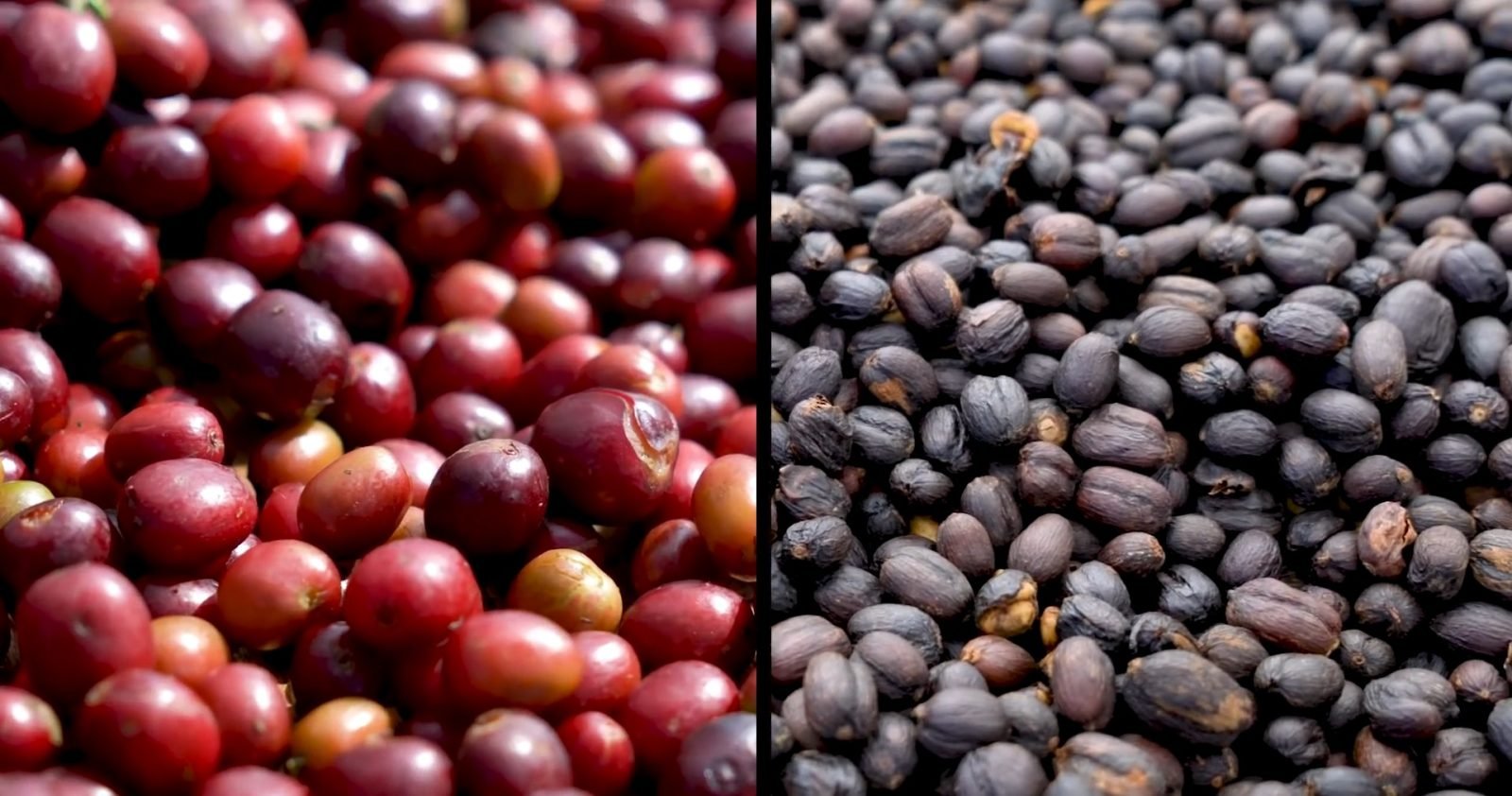
    The natural process, also known as the dry process, stands as the ancient technique employed to extract coffee seeds from the coffee cherry. This traditional method remains prevalent in numerous coffee-producing nations, including Ethiopia, where the discovery of Arabica coffee first unfolded. As Ethiopia holds the original mastery of the natural process, our exploration leads us to Yirgacheffe, where we delve into the intricacies of this exceptional approach. Natural coffees, celebrated for their inherently fruity characteristics, extend a diverse profile reminiscent of coffee cherry, blueberry, raspberry, or strawberry.

    Also Read: Understanding the Methods: Natural Processed Coffee vs Honey Processed Coffees

    Overview

    The allure of natural processing resides in its association with climates marked by aridness, warmth, and sunshine, void of considerable humidity or cloud cover. Today, this technique transcends borders, embraced by coffee producers worldwide, allured by the distinctive flavor arising from prolonged fruit interaction with the seed. As we embark on a journey through the creation of a natural process of coffee, we witness the following steps.

    Picking and Washing

    Natural Coffee Processing

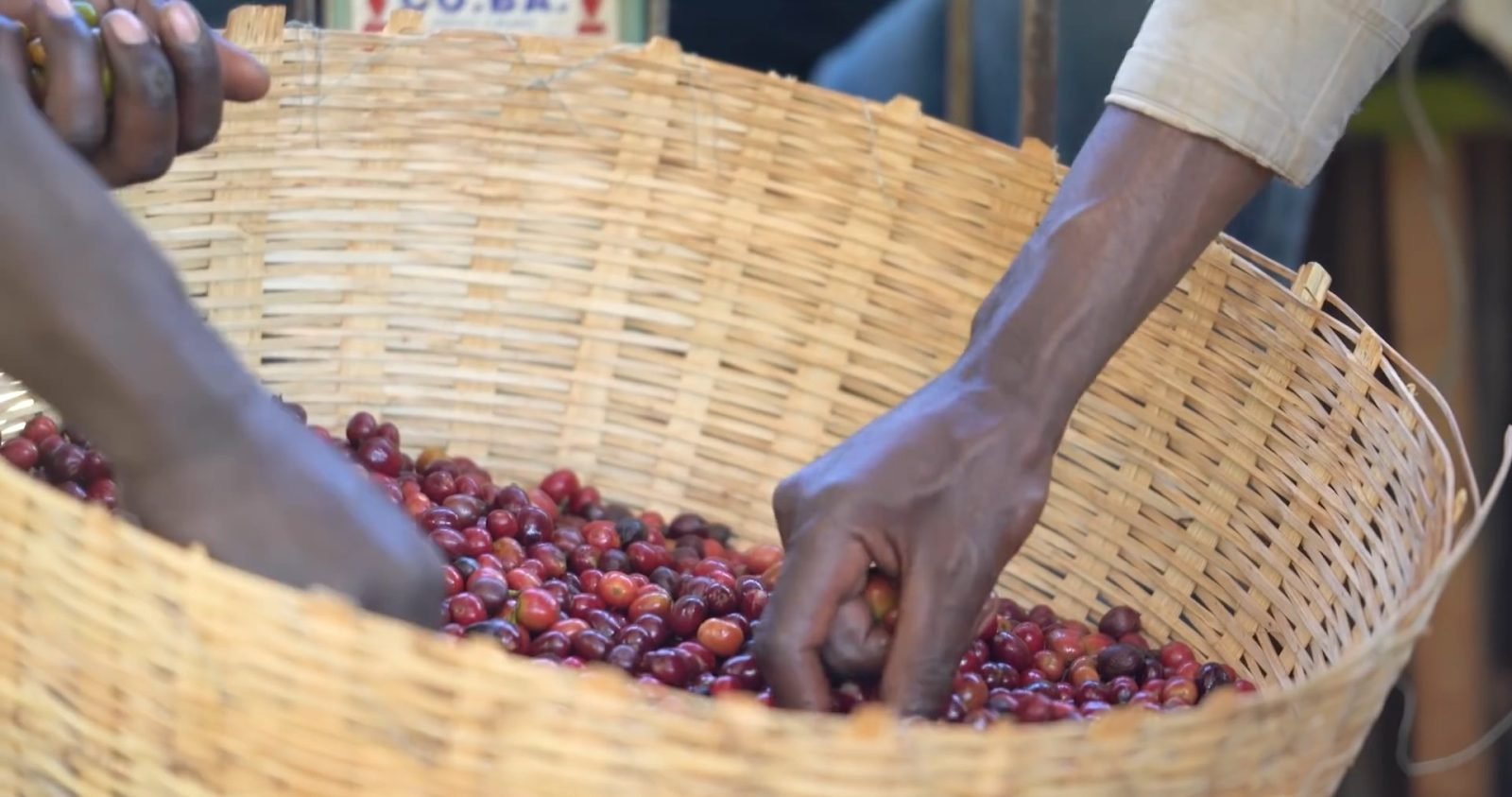
    The journey commences with the careful selection of ripe coffee cherries, which, in Ethiopia, are transported to designated washing stations. Although termed washing stations, these facilities often cater to both washed and natural coffees. The fundamental divergence lies in the duration of coffee seed entwinement with its surrounding fruit. While “washed” coffees undergo swift separation from their cherries within 8 to 12 hours post-harvest, natural coffees bask in the embrace of their fruit throughout the entire drying period, nurturing their distinct flavor profile.

    Sorting

    Natural Coffee Processing

    Integral to the natural process, the cherries themselves hold utmost significance, with only the ripest, freshest, and most developed fruit gaining admission. Meticulous sorting commences during delivery and persists through the drying phase. Unlike conventional processing stages involving de-pulping and washing, coffee in its cherry form is transported to the mill. Here, sorting, weighing, and reporting occur before progressing to the drying area.

    Also Read: Wet Hulled Coffee Process: Unique Technique from Indonesia

    Drying

    Natutal Coffee Processing

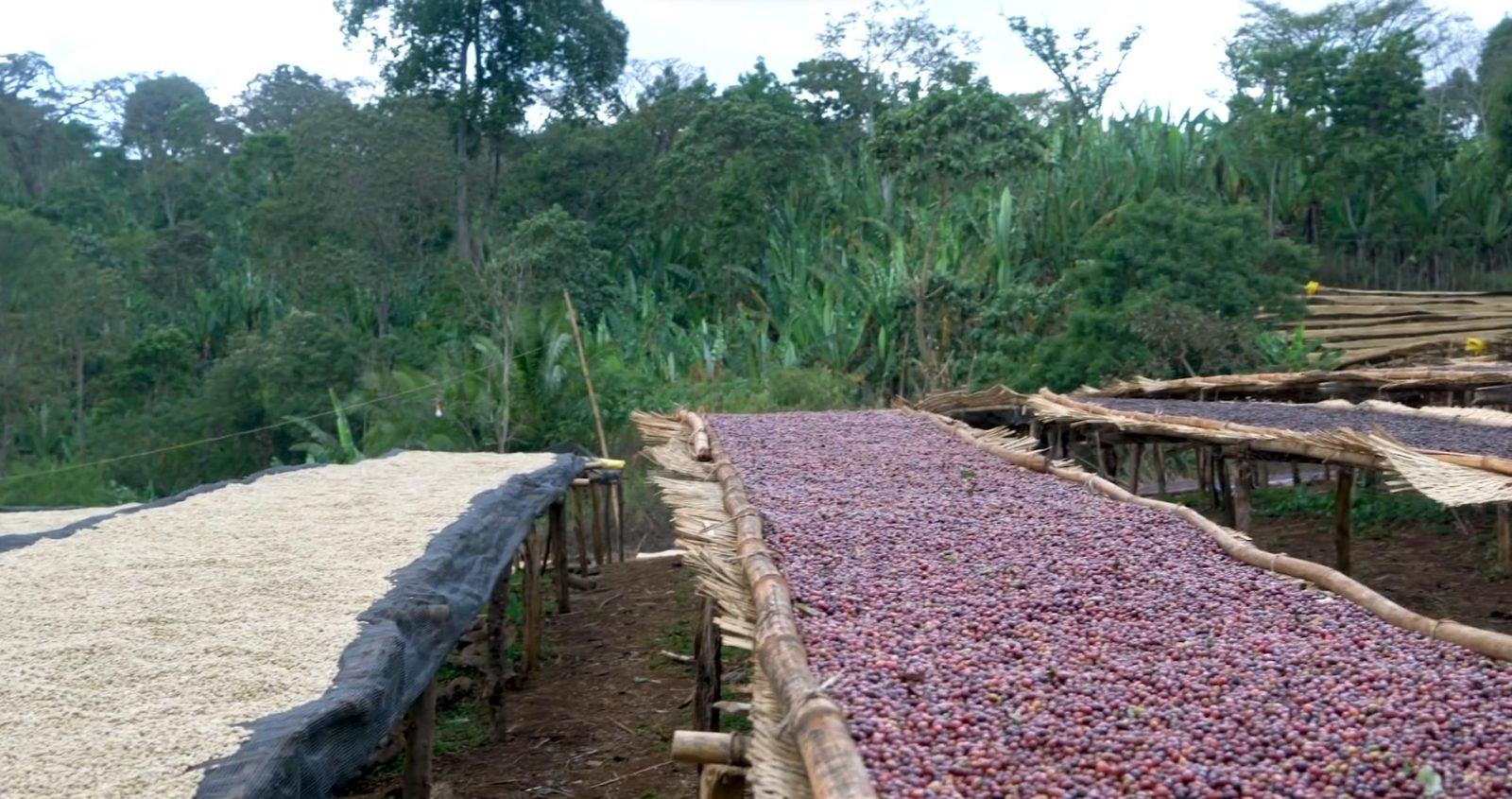
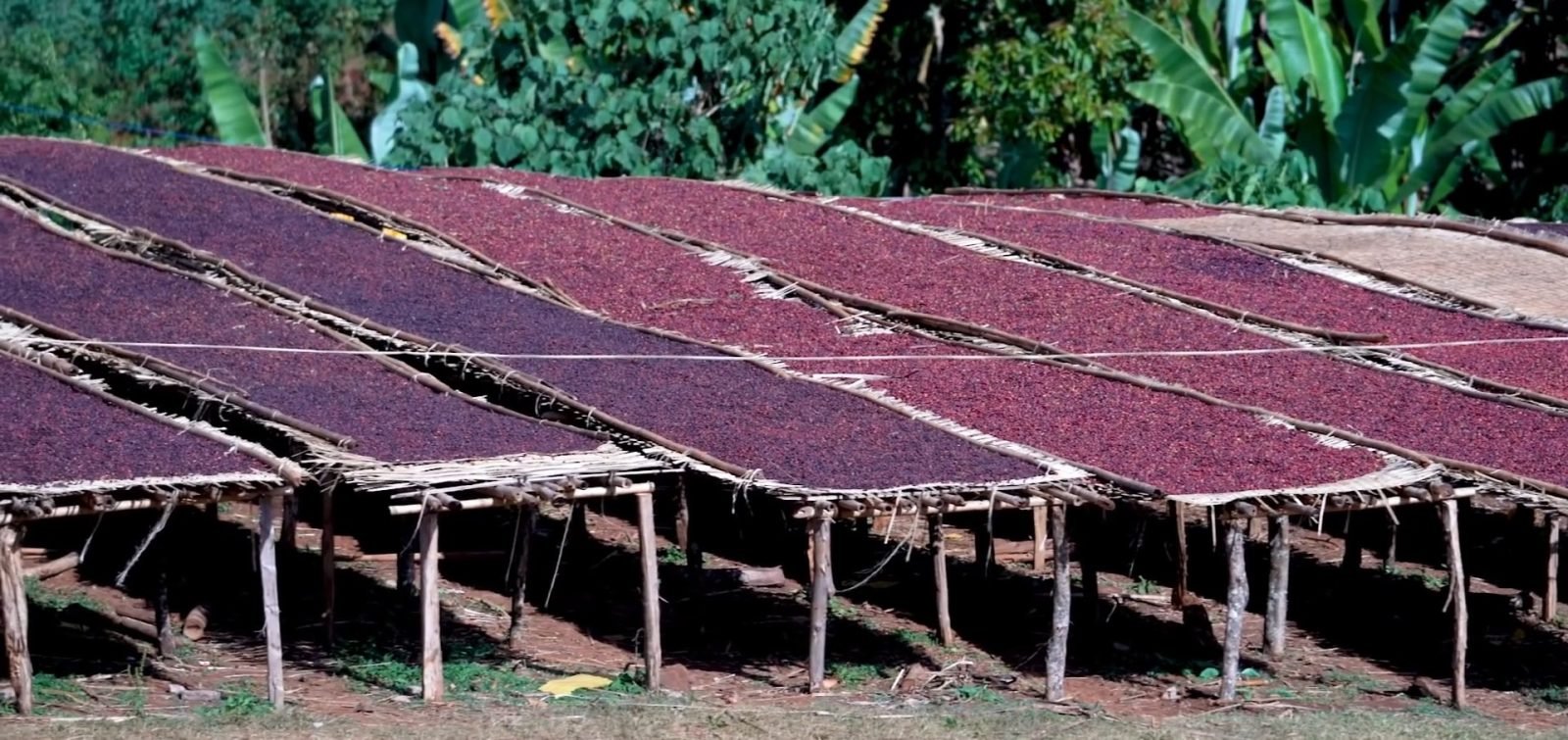
    In Ethiopia, the art of drying unveils itself on raised beds woven from mesh, allowing optimal air circulation around the cherries. This method fosters uniform and even drying across individual lots. Drying naturally, however, poses challenges. Organic fermentation initiates soon after cherry picking, further accelerated under the scorching sun. Attention is imperative to prevent mold and defects, necessitating continuous rotation and sorting.

    Drying naturals extends beyond the timelines of washed or honey coffees, demanding three to four weeks for the fruit to attain the requisite 11% moisture content for export. Workers adeptly regulate the drying process, employing techniques such as piling or covering the coffee.

    Mill and Final Stages

    natural coffee processing

    Once the fruit achieves its dry state, it proceeds to the dry mill. Here, a hulling machine utilizes friction to meticulously shed the fruit and parchment layer, revealing the coveted green coffee. Hand sorting or specialized equipment refines the beans, culminating in a final polishing stage. Subsequently, the coffee is thoughtfully packed into sacks and stored within a warehouse, poised for its impending journey across the globe.

    Three Types of Coffee With Natural Coffee Processing Methods

    Bali natural

    Bali Natural: Tropical Symphony in a Cup

    Hailing from the enchanting island of Bali, the Bali Natural coffee processing method is a testament to the region’s lush landscapes and vibrant culture. The process begins with ripe cherries that are left to dry under the sun, with the seeds still enclosed. This extended contact between the fruit and seed imparts Bali Naturals with a lively and fruity character. The resulting coffee bursts with tropical flavors reminiscent of pineapple, passion fruit, and even hints of citrus. Bali Natural coffees offer a harmonious blend of sweetness and acidity, making each sip a delightful melody of tastes that transports you to the island’s sun-soaked shores.

    Gayo Natural: Earthy Richness in Every Sip

    From the picturesque highlands of Sumatra comes the Gayo Natural coffee processing method. In this approach, carefully selected cherries are spread out under the sun, allowing the seeds to develop amidst the surrounding fruit. This extended interaction gives rise to a unique flavor profile characterized by earthy and herbal undertones. Gayo Naturals boasts a robust body and a satisfying fullness, with notes of dark chocolate and subtle spices that create a warm and inviting cup. This method highlights the region’s terroir, offering coffee lovers a glimpse into the heart of Sumatra’s coffee heritage.

    Java Natural: A Symphony of Balance and Elegance

    The Java Natural coffee processing method takes root on the renowned Indonesian island of Java. Here, cherries are allowed to sun-dry with their seeds intact, fostering a gentle fermentation process. The resulting coffee is a testament to balance and elegance, showcasing a medium body with a delicate interplay of acidity and sweetness. Java Naturals offers a refined cup adorned with notes of citrus and a subtle floral aroma. This processing method is a nod to Java’s enduring coffee legacy and its ability to produce coffees that captivate the palate with their nuanced flavors.

    Also Read: From Trees to Your Cup: 3 Types of Coffee Processing Methods

    Conclusion

    The natural process, deeply rooted in history, emerges as a timeless embodiment of the delicate balance between nature’s rhythms and human ingenuity. As we explored the intricate steps of creating natural process coffee, we unraveled the artistry inherent in each phase. From the meticulous cherry selection to the patient drying process and the final mill refining, the natural process perpetuates its legacy in every aromatic cup enjoyed by coffee aficionados worldwide.

  • Kupi Khop Aceh, a Unique Way to Drink Coffee in an Upside-Down Glass

    Kupi Khop Aceh, a Unique Way to Drink Coffee in an Upside-Down Glass

    Kupi Khop Aceh, a Unique Way to Drink Coffee in an Upside-Down Glass

    Kupi Khop – Drinking coffee has become an essential part of Aceh culture. The routine of drinking coffee has been present since hundreds of years ago, during the rule of the Aceh sultanate. Every community member enjoys a cup of coffee at the beginning and end of the day, regardless of gender or age.

    The province has a very popular coffee bean, known throughout the world, called Gayo. However, Gayo isn’t the only one. There are quite a several famous Aceh coffee drinks served in a traditional way that is unique to the local community.

    You can find such drinks in various coffeehouses and shops in the city. Though, each place offers different kinds of coffee beverages. If you love to taste traditional and authentic coffee in Aceh, you can take a sip of Kupi Khop.

    What’s so Special about Kupi Khop Aceh?

    kupi khop aceh 2

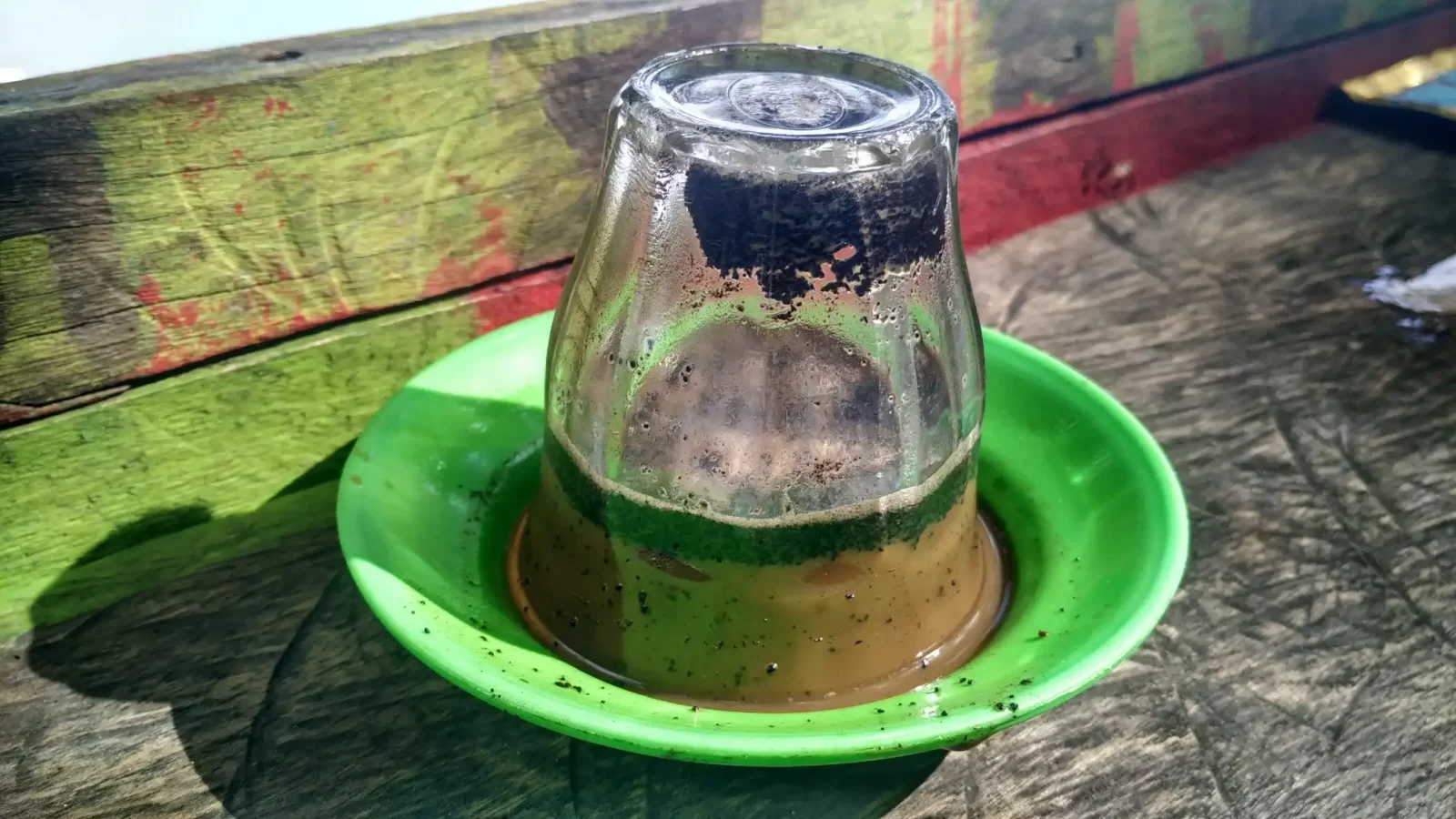
    Kupi Khop is a traditional coffee drink from Meulaboh, West Aceh. If we translate the name of the coffee, it means coffee upside-down or kopi tertelungkup in Indonesian. This coffee receives a lot of attention from coffee enthusiasts because of its unique way of serving. 

    This coffee is made from a combination of robusta coffee grounds and sugar, sometimes with condensed milk. 

    It’s served in an inverted or upside-down glass on a small plate. Yes, since you can’t drink the coffee normally, you will need to slurp the coffee through a straw until it leaves behind only the coffee grounds in the glass. Another way to enjoy the coffee is by sipping it directly from the plate. 

    Yet, the coffee might spill onto your clothes. In addition, you have to be careful in lifting the coffee plate because the shaking from moving it might leak the coffee grounds into the plate. Although Indonesia culture is so diverse and each province has its distinct coffee drink, you won’t find this coffee in any other province besides Aceh.

    The Origin of This Coffee Drink

    kupi khop aceh

    The history of this Aceh culture came from the Meulaboh region. Many male residents of the region worked as fishermen. Before the job, they liked to drink coffee in an inverted glass because this serving could keep the coffee warm for a long time. You also can check for our Aceh green coffee bean product here.

    Since the fishermen have to catch the fish at unpredictable times, they can’t finish the coffee in one go. Thus, they could still enjoy the warm coffee if they returned to the coffeehouse. Apart from keeping the coffee warm, the inverted glass could prevent any dirt or dust from entering the coffee and maintain the coffee acidity. That is how one of Aceh coffee drinks came to be known throughout the country!

    Now, you can easily find this coffee drink in the coastal areas of West Aceh if you want to experience this particular Indonesia culture. Many coffeehouses sell this at a very affordable price, only IDR 5,000 to 8,000 per glass. 

    If you want to add milk or condensed milk and ice to the coffee, you must pay IDR 10,000. While drinking coffee, you can enjoy the coastal areas’ surroundings and hear the sea’s calming waves.

    Due to the uniqueness of Kupi Khop Aceh, the Aceh government recognized this coffee as a Warisan Budaya Takbenda (WBT) or intangible cultural heritage in 2019. This coffee isn’t just a traditional coffee drink but an asset to the province. Don’t forget to try this coffee if you ever want to go to Aceh Province!