Tag: indonesia coffee

Indonesia’s coffee is a rich tapestry of flavors woven into its diverse landscape and unique production methods. Renowned worldwide, Indonesian coffee encompasses various regions, each contributing distinct characteristics to the brew.

Sumatra, famous for its Mandheling and Gayo beans, offers a full-bodied, earthy cup with hints of cocoa and a lingering herbal complexity. Sulawesi’s Toraja beans bring forth a medium-bodied coffee, celebrated for its syrupy body, bright acidity, and notes of spice and fruit.

Java, steeped in coffee history, yields a balanced cup with a mild acidity, often showcasing a smooth, heavy body and subtle sweetness. Bali’s coffee, known for its wet-hulled process, exudes a vibrant, complex profile with citrusy acidity and floral undertones.

The archipelago’s rich volcanic soil and tropical climate foster a nurturing environment for coffee cultivation. From the meticulous wet-hulling process to the traditional sun-drying methods, Indonesian coffee production reflects a harmonious blend of tradition and innovation, resulting in a cup that embodies the essence of the islands. Whether sipped as a bold espresso or savored slowly in a pour-over, Indonesia’s coffee invites enthusiasts to explore its nuanced flavors and embrace its cultural heritage with every sip.

  • Indonesia Coffee Wonderland: Aromatic Adventures Await

    Indonesia Coffee Wonderland: Aromatic Adventures Await

    Indonesia coffee refers to coffee beans grown and produced in the diverse archipelago of Indonesia. Indonesia is renowned for its unique coffee varieties, thanks to its favorable climate and geography, which make it an excellent region for coffee cultivation.

    Coffee Varieties:

    Indonesia boasts a range of coffee varieties, each with distinct flavors and characteristics:

    • Sumatra Coffee: Grown primarily on the island of Sumatra, it is celebrated for its full-bodied, earthy, and slightly herbal notes. Sumatran coffee is often processed using the wet-hulled method, contributing to its unique flavor profile.
    • Java Coffee: Originating from the island of Java, it is known for its well-balanced taste, medium body, and mild acidity. Java coffee has a long history dating back to Dutch colonial times.
    • Bali Coffee: Bali coffee is prized for its smooth and sweet flavor profile with hints of citrus and chocolate. The volcanic soil in Bali contributes to its unique taste.
    • Sulawesi Coffee: Grown on the island of Sulawesi (formerly known as Celebes), this coffee is known for its medium body, low acidity, and nutty, chocolatey notes.
    • Papua Coffee: Coffee from the Papua region is highly regarded for its specialty status. These beans are often grown at high altitudes, resulting in a bright acidity and unique fruity notes.

    Arabica and Robusta:

    Indonesia Coffee Wonderland: Aromatic Adventures Await

    Indonesia produces both Arabica and Robusta coffee beans:

    • Indonesian Arabica Coffee: These beans are grown at higher elevations, resulting in a smoother, more acidic, and often fruity flavor profile. They are favored by specialty coffee enthusiasts.
    • Indonesian Robusta Coffee: Robusta beans thrive at lower elevations and are known for their robust and bold flavor, often characterized by nutty, woody, and slightly bitter notes. They are commonly used in espresso blends.

    Single Origin:

    Single-origin Indonesian coffee refers to beans sourced from a specific region or plantation within Indonesia. This designation allows coffee connoisseurs to explore the unique terroir and flavors associated with a particular area, showcasing the diversity of Indonesian coffee.

    Indonesian Coffee Farms:

    The quality of Indonesian coffee is heavily influenced by the coffee farms and plantations. These farms play a crucial role in nurturing coffee trees, harvesting ripe cherries, and processing the beans with care to maintain the coffee’s integrity.

    Coffee Processing Methods:

    Coffee processing methods in Indonesia vary, impacting the beans’ final flavor. These methods include wet processing (washing the beans), dry processing (natural drying), and semi-washed methods. Each approach contributes distinct nuances to the coffee’s taste, such as the fermentation notes in wet-processed coffee or the fruity undertones in dry-processed beans.

    Indonesian Coffee Culture:

    Indonesia has a rich coffee culture deeply ingrained in daily life. Traditional coffee preparations like “kopi tubruk” and “kopi tubruk madu” involve boiling coffee grounds with sugar and water, resulting in strong, sweet brews. These methods reflect the country’s unique approach to coffee enjoyment.

    Best Indonesian Coffee Brands:

    Indonesia is home to several esteemed coffee brands and roasters celebrated for their commitment to quality and flavor. These brands often source the finest coffee beans from various regions within Indonesia and take pride in their roasting techniques. Notable names include Mandailing Estate, Java Mountain Coffee, and Gayo Coffee.

    Sustainable Coffee:

    Sustainability has become increasingly important in the Indonesian coffee industry. Many farmers and cooperatives are adopting sustainable practices, including organic farming, shade-grown cultivation, and fair trade principles. These efforts promote environmental conservation and ensure fair wages for coffee workers.

    Indonesian Coffee Export:

    Indonesia is one of the world’s largest coffee exporters. Its coffee beans find their way into international markets, making an impact on the global coffee industry. Indonesian coffee’s versatility in catering to various tastes and preferences makes it a sought-after commodity in the international coffee trade.

    Coffee Tasting Notes:

    When savoring the best coffee from Indonesia, you may encounter a diverse range of tasting notes. These can include hints of dark chocolate, cedar, tobacco, tropical fruits like mango and pineapple, or even herbal undertones such as clove or cardamom. The specific tasting notes can vary depending on the coffee’s origin and processing method.

    Coffee Brewing:

    Brewing Indonesian coffee at home or in cafes involves various methods, from pour-over and French press to espresso and traditional Indonesian techniques like “kopi tubruk.” Each brewing method extracts distinct flavors from the coffee beans, allowing coffee enthusiasts to explore and enjoy Indonesian coffee in their preferred style.

    Coffee Tourism:

    Indonesia offers unique opportunities for coffee tourism. Visitors can embark on coffee plantation tours to witness the entire coffee production process, from bean to cup. These experiences provide insight into the cultural significance of coffee in Indonesia and allow travelers to taste freshly brewed, locally sourced coffee.

    Awards and Recognitions:

    Indonesian coffee has gained recognition on the global stage through various coffee competitions and awards. Coffee from specific regions or estates often receives accolades for its exceptional quality and unique flavors. Winning awards further reinforces Indonesia’s reputation as a producer of top-tier coffee.

    Indonesian Coffee Industry:

    The coffee industry in Indonesia plays a significant role in the country’s economy. It provides employment opportunities for many and contributes to both domestic and international trade. The growth of the coffee industry reflects Indonesia’s potential as a powerhouse in the world of coffee production.

    Indonesian Coffee History:

    Understanding the history of coffee in Indonesia is crucial for appreciating its significance. Coffee cultivation in Indonesia dates back to the colonial period when Dutch settlers introduced coffee plants to the region. Over the centuries, coffee has become deeply ingrained in Indonesian culture, making it a pivotal part of the nation’s history.

    Coffee Growing Regions:

    Indonesia’s diverse geography includes several renowned coffee-growing regions, each with its unique characteristics. Some of these regions include Aceh, Toraja, Flores, and Lampung. These areas offer distinct terroirs that influence the flavor profiles of the coffee produced there.

    Volcanic Soil:

    The volcanic soil in many Indonesian coffee-growing regions contributes to the exceptional quality of the coffee beans. Volcanic soil is rich in minerals and nutrients, enhancing the beans’ flavors and aromas. This natural advantage is a key factor in producing some of the best coffee in Indonesia.

    Traditional Coffee Preparation:

    Beyond “kopi tubruk” and “kopi tubruk madu,” Indonesia has a rich tradition of coffee preparation. Methods like “kopi tubruk” involve boiling coarse coffee grounds with a lump of sugar, producing a strong and sweet brew. These traditional preparations offer a glimpse into the country’s unique coffee culture.

    Coffee Export Markets:

    Indonesian coffee beans are exported to various international markets, including the United States, Japan, Europe, and Australia. The exportation of Indonesian coffee beans contributes to the country’s economy and promotes its reputation as a coffee-producing nation.

    Coffee Blends:

    In addition to single-origin coffee, Indonesia is known for its contribution to coffee blends. Indonesian beans, particularly Robusta, are often used to add depth and complexity to coffee blends. These blends may include a combination of beans from different countries to achieve specific flavor profiles.

    Coffee Certification:

    Many Indonesian coffee producers seek certifications such as Fair Trade, Organic, or Rainforest Alliance to adhere to sustainable and ethical practices. These certifications ensure that coffee is grown responsibly, workers are treated fairly, and the environment is protected.

    Indonesian Coffee Festivals:

    Indonesia hosts coffee festivals and events celebrating its rich coffee culture. These festivals often showcase coffee tastings, barista competitions, and cultural performances, offering a vibrant and immersive coffee experience to attendees.

    Coffee Challenges:

    The Indonesian coffee industry faces various challenges, including climate change, pests, and market fluctuations. Efforts to address these challenges, such as sustainable farming practices and disease-resistant coffee varieties, are crucial to the industry’s future.

    Indonesian Coffee Community:

    Coffee communities and cooperatives in Indonesia play a pivotal role in supporting local farmers and promoting the growth of the coffee industry. These communities facilitate knowledge sharing and create a sense of solidarity among coffee growers.

  • Review of Aceh Gayo Green Coffee Beans: Characteristics, Flavor Profile, and Brewing Tips

    Review of Aceh Gayo Green Coffee Beans: Characteristics, Flavor Profile, and Brewing Tips

    In the world of coffee connoisseurs and enthusiasts, the mention of Aceh Gayo green coffee beans often evokes intrigue and curiosity. Located in the northern part of Sumatra, Indonesia, the Aceh region has gained recognition for its exceptional coffee, particularly the Gayo coffee variety. Aceh Gayo green coffee beans have become a sought-after treasure in the specialty coffee industry, celebrated for their unique flavors, distinct processing methods, and their contribution to the sustainable coffee movement.

    Aceh Gayo Coffee: A Legacy of Excellence

    The history of coffee cultivation in the Aceh region dates back to the Dutch colonial era. Over time, the Gayo Highlands in Aceh became renowned for its high-quality coffee production. Aceh Gayo green coffee beans are predominantly sourced from the Gayo Highlands, which benefit from the ideal altitude, climate, and volcanic soil conditions that coffee plants thrive in. These factors combine to create a terroir that produces beans with a distinctive flavor profile.

    Unique Flavor Profile

    What sets Aceh Gayo green coffee beans apart from other coffee varieties is their unique flavor profile. The Gayo coffee beans are known for their full-bodied, earthy flavor with notes of dark chocolate, herbs, and a subtle hint of spiciness. This unique taste is a result of the Gayo Highlands’ specific environmental conditions and traditional processing methods.

    Traditional Processing Methods

    One of the key factors contributing to the unique flavor of Aceh Gayo coffee is the traditional wet-hulling or “Giling Basah” processing method. Unlike other coffee-producing regions that use dry processing or fully washed methods, Gayo coffee undergoes a distinctive wet-hulling process.

    In wet-hulling, freshly harvested coffee cherries are pulped to remove the outer skin, after which the beans are fermented for a short period. The partially dried beans are then hulled, revealing a parchment layer. At this stage, the beans still contain moisture, which is reduced during the final drying process. This traditional approach imparts the distinctive earthy notes and complex flavors to Aceh Gayo green coffee beans.

    Sustainability and Community Impact

    Aceh Gayo coffee cultivation is deeply intertwined with the local community, and its success has significant social and environmental implications. The region’s coffee farmers have embraced sustainable farming practices, often growing their coffee under shade trees and employing organic cultivation methods.

    Furthermore, the Fair Trade and organic certifications that many Aceh Gayo coffee producers have acquired ensure that growers receive fair compensation for their efforts. This not only improves the living standards of coffee farming families but also supports community development projects, including education and healthcare.

    Environmental Impact

    The cultivation of Aceh Gayo green coffee beans also has a positive environmental impact. The shade-grown coffee practices protect the local ecosystem by maintaining the natural biodiversity of the region. The coffee trees provide habitat for various bird species and help prevent soil erosion. Additionally, organic farming practices reduce the use of harmful chemicals, benefiting both the environment and the health of the farmers.

    Global Recognition and Specialty Coffee Scene

    Aceh Gayo green coffee beans have garnered international acclaim in the specialty coffee scene. Their unique flavor profile and sustainable cultivation practices have made them a favorite among roasters and baristas worldwide. The Gayo coffee has been featured in various coffee competitions and has received accolades for its exceptional taste.

    Roasters and coffee shops in major cities around the world often showcase Aceh Gayo coffee as a premium offering. The distinctive flavors of Gayo coffee make it an excellent choice for espresso blends, single-origin pour-overs, and cold brews, appealing to a wide range of coffee enthusiasts.

    Exploring the Aromas and Tastes

    For those fortunate enough to sample Aceh Gayo green coffee beans, the tasting experience can be a revelation. Brewed coffee from these beans offers a sensory journey through the lush tropical forests of the Gayo Highlands. The aroma is often described as earthy and herbal, reminiscent of the rich soil that nourishes the coffee plants. As you take your first sip, you’ll encounter the harmonious blend of dark chocolate and herbal notes, followed by a subtle spiciness that lingers on the palate. This complex flavor profile is what makes Aceh Gayo coffee truly exceptional.

    Characteristics of Aceh Gayo Coffee

    1. Origin: Aceh Gayo coffee hails from the Gayo Highlands in the Aceh region of Sumatra, Indonesia. The combination of high altitudes, volcanic soil, and the region’s unique microclimate contributes significantly to the coffee’s distinct characteristics.
    2. Bean Variety: The Arabica coffee bean variety dominates Aceh Gayo coffee production, with its Arabica Typica and Gayo 1 varietals being the most common. Arabica beans are celebrated for their nuanced and complex flavors.
    3. Altitude: Coffee grown at higher altitudes tends to develop more desirable flavor characteristics. In the Gayo Highlands, coffee is cultivated at elevations ranging from 1,200 to 1,500 meters above sea level, allowing for the development of unique flavors and aromas.
    4. Processing Method: Aceh Gayo coffee is traditionally processed using the wet-hulling method, known locally as “Giling Basah.” This method involves pulping, fermenting, and hulling the coffee beans while they still contain some moisture. This unique processing imparts distinctive earthy and herbal notes to the beans.

    Flavor Profile of Aceh Gayo Coffee

    Aceh Gayo coffee is renowned for its rich and complex flavor profile, which includes the following characteristics:

    1. Earthy: The earthy notes in Aceh Gayo coffee are pronounced, reminiscent of the fertile volcanic soil in which the coffee trees thrive. This earthiness provides a solid foundation for the coffee’s flavor.
    2. Herbal: A prominent herbal quality adds depth to the flavor profile. It can be likened to the fragrance of fresh herbs, creating a refreshing and invigorating taste.
    3. Dark Chocolate: Dark chocolate undertones are a delightful aspect of Aceh Gayo coffee. These notes contribute to the coffee’s overall richness and are often highlighted when brewed properly.
    4. Spicy Undertones: A subtle hint of spiciness is another intriguing characteristic of Aceh Gayo coffee. This adds a layer of complexity and a mild kick to the flavor, making each sip a unique experience.
    5. Full-Bodied: Aceh Gayo coffee boasts a full-bodied quality that provides a satisfying mouthfeel. The richness of the coffee coats the palate, leaving a lasting impression.

    Brewing Tips for Aceh Gayo Coffee

    To fully appreciate the characteristics and flavor profile of Aceh Gayo coffee, consider the following brewing tips:

    1. Use Fresh Beans: Start with freshly roasted Aceh Gayo coffee beans. Coffee beans are at their peak flavor within a few weeks of roasting.
    2. Grind Just Before Brewing: Grind the beans just before brewing to preserve their freshness and aroma. Use a medium-coarse grind for methods like pour-over or French press.
    3. Water Quality: Use filtered water with a temperature of around 200°F (93°C). Water quality plays a significant role in the coffee’s taste.
    4. Brewing Method: Aceh Gayo coffee is versatile and can be brewed using various methods, including pour-over, French press, espresso, and Aeropress. Experiment to find your preferred brewing style.
    5. Brew Time: Pay attention to the brew time to control the strength of the coffee. Typically, a brew time of 3-4 minutes for pour-over and French press methods works well.
    6. Enjoy Black or with Minimal Additions: To fully appreciate the coffee’s unique flavors, consider tasting it black or with minimal additions like a dash of cream or a touch of sugar.

    Conclusion

    Aceh Gayo coffee is a treasure for coffee enthusiasts seeking unique flavor experiences. Its distinct characteristics, including earthy and herbal notes, dark chocolate undertones, and subtle spiciness, make it a standout choice in the world of specialty coffee. By following proper brewing techniques and savoring its complex flavors, you can fully appreciate the exceptional qualities of Aceh Gayo coffee, a testament to the rich coffee heritage of the Gayo Highlands in Aceh, Indonesia.

    Aceh Gayo green coffee beans represent a delightful convergence of tradition, sustainability, and exceptional flavor. The unique wet-hulling processing method, coupled with the region’s ideal terroir, gives these beans a flavor profile that stands out in the world of coffee. Furthermore, the commitment to sustainable farming practices and Fair Trade principles ensures that the Aceh Gayo coffee industry contributes positively to the local community and environment.

    As you sip a cup of Aceh Gayo coffee, you not only savor its rich and complex flavors but also become part of a global movement that values quality, sustainability, and the preservation of unique coffee traditions. Aceh Gayo green coffee beans are not just a beverage; they are a journey into the heart of a coffee culture that has been cherished for generations and promises to delight coffee lovers for generations to come.

  • Bali Kintamani Robusta: A Coffee Journey to Remember

    Bali Kintamani Robusta: A Coffee Journey to Remember

    Bali, the Indonesian island known for its stunning beaches, lush landscapes, and vibrant culture, is also home to a hidden gem that coffee enthusiasts are increasingly discovering – Kintamani Robusta coffee. Nestled in the highlands of Bali, the Kintamani region offers a unique and unforgettable coffee experience that combines breathtaking scenery with the rich flavors of Robusta beans. We will explore the origins, characteristics, and cultural significance of Kintamani Robusta coffee.

    A Rich Coffee Heritage

    The story of Kintamani Robusta coffee begins in the fertile volcanic soil of the Kintamani highlands, situated in the Bangli regency of Bali. This region’s elevation, ranging from 2,000 to 3,000 feet above sea level, provides an ideal environment for coffee cultivation. The volcanic soil, abundant rainfall, and cool temperatures create the perfect conditions for coffee plants to thrive.

    Bali Kintamani Robusta

    Kintamani Robusta coffee is part of Bali’s rich agricultural heritage, which has sustained the island’s economy for centuries. Balinese farmers have been cultivating coffee since the early 20th century, and today, coffee plantations cover extensive areas of the Kintamani region. The coffee farms are often family-owned, and the cultivation methods have been passed down through generations, preserving traditional techniques.

    Distinctive Characteristics

    What sets Kintamani Robusta apart from other coffee varieties is its distinctive flavor profile. Robusta beans, known for their robust and bold taste, are the primary coffee variety grown in the Kintamani region. Unlike their Arabica counterparts, which are typically grown in other parts of the world, Robusta beans are characterized by a stronger, full-bodied flavor with hints of earthiness and nuttiness.

    The Kintamani Robusta coffee beans are handpicked and sun-dried, ensuring that only the ripest cherries are selected. This meticulous harvesting process contributes to the coffee’s exceptional quality. When brewed, Kintamani Robusta coffee exhibits a rich, chocolatey flavor with subtle herbal notes, making it a favorite among those who appreciate a robust and aromatic cup of coffee.

    Coffee and Culture

    In Bali, coffee is not just a beverage; it is deeply ingrained in the island’s culture and traditions. Coffee ceremonies are an essential part of Balinese hospitality, often accompanied by snacks and lively conversation. The brewing and sharing of coffee are considered acts of friendship and community, reinforcing the bonds between individuals.

    Visitors to Bali’s Kintamani region can experience these coffee traditions firsthand. Many coffee farms and plantations offer guided tours where tourists can witness the entire coffee-making process, from the cultivation of coffee plants to the final cup of freshly brewed Kintamani Robusta. This immersive experience allows visitors to appreciate not only the flavors but also the cultural significance of coffee in Bali.

    Sustainable Farming Practices

    Balinese coffee farmers take great pride in their sustainable and eco-friendly farming practices. Unlike large-scale commercial coffee plantations that may prioritize quantity over quality, Kintamani Robusta coffee is typically grown on small, family-owned farms that prioritize environmental responsibility.

    Many farmers in the Kintamani region use organic farming methods, avoiding the use of synthetic pesticides and fertilizers. This commitment to sustainability not only preserves the natural beauty of the region but also ensures the long-term viability of coffee cultivation in Bali.

    The Journey Continues

    For coffee enthusiasts, a journey to Bali’s Kintamani region is not just about tasting exceptional coffee; it’s about immersing oneself in the rich culture and traditions that surround coffee cultivation. Whether you’re exploring the lush coffee plantations, witnessing the meticulous harvesting process, or participating in a traditional coffee ceremony, every moment is an opportunity to connect with both the flavors and the people of Bali.

    In recent years, Kintamani Robusta coffee has gained recognition beyond the island of Bali. Its unique taste and sustainable farming practices have attracted coffee connoisseurs from around the world. As a result, Bali’s coffee industry has seen growth and increased recognition on the global stage.

    Conclusion

    Bali’s Kintamani Robusta coffee is a journey of the senses and a testament to the harmonious relationship between nature, culture, and coffee. The coffee’s distinctive flavor, cultivated in the highlands of Bali, reflects the island’s natural beauty and the dedication of its coffee farmers.

    For those seeking an unforgettable coffee experience, a trip to the Kintamani region is a journey to remember. It is a journey that not only tantalizes the taste buds but also offers a deeper connection to the traditions, culture, and landscapes that make Bali a truly enchanting destination. So, the next time you savor a cup of Kintamani Robusta coffee, remember that it represents much more than just a beverage; it embodies the spirit of Bali itself.

  • Luwak Coffee: A Unique Brew with a Wild Twist

    Luwak Coffee: A Unique Brew with a Wild Twist

    Coffee aficionados around the world are always on the lookout for unique and exotic brews that tantalize their taste buds. One such coffee that has gained both fame and notoriety is Luwak coffee. Often referred to as the “caviar of coffee,” Luwak coffee is celebrated for its distinctive flavor profile, but its journey from wild to cup is what truly sets it apart. In this exploration, we delve into the fascinating world of Luwak coffee, a unique brew with a wild twist.

    The Origins of Luwak Coffee

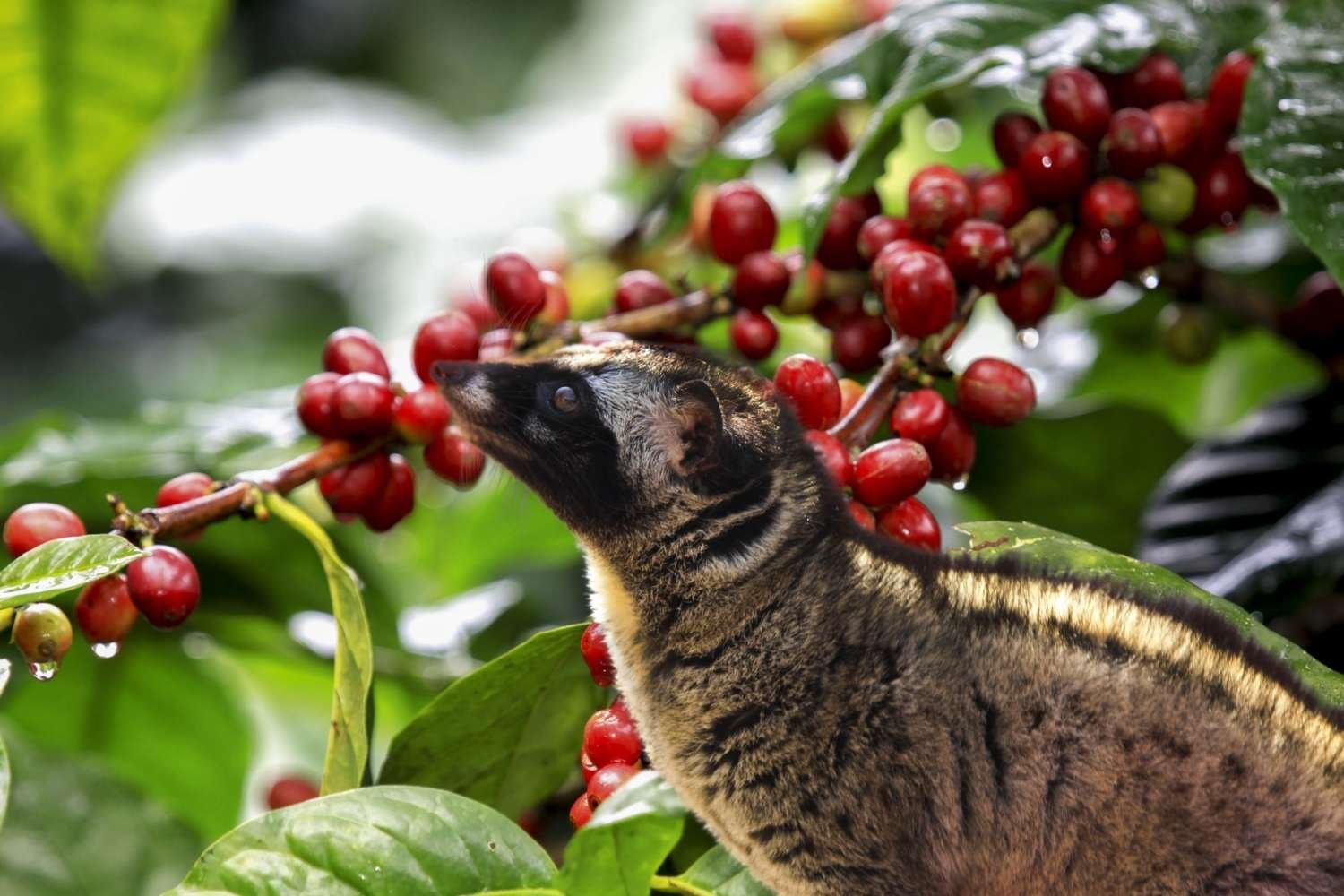
    Luwak coffee, also known as civet coffee, takes its name from the civet, a small, cat-like mammal found in the coffee-growing regions of Southeast Asia. These creatures play a pivotal role in the production of this unique brew. The story of Luwak coffee begins when civets roam the coffee plantations at night, selectively choosing the ripest coffee cherries to eat. These cherries pass through the civet’s digestive system, where enzymes and fermentation processes take place.

    Wild Civet Coffee

    The Digestive Alchemy

    The magic of Luwak coffee happens during the journey through the civet’s digestive tract. Enzymes in the civet’s stomach break down the proteins in the coffee cherries, reducing their bitterness and acidity. This natural fermentation process imparts unique flavors to the beans, making Luwak coffee unlike any other coffee in the world.

    After the civet has digested the outer pulp of the cherries, the beans are excreted by the animal. These beans are then carefully collected by farmers, who meticulously clean and process them. It might sound unappealing, but it’s this unusual journey that contributes to Luwak coffee’s distinct taste.

    The Roasting and Brewing Process

    Once the Luwak coffee beans are collected, they go through the typical coffee production process, including washing, drying, and roasting. Roasting is a crucial step that transforms the green, fermented beans into the aromatic, brown coffee beans we’re familiar with. Roasting temperatures and times are carefully controlled to bring out the unique flavors developed during the fermentation process.

    Luwak coffee is often roasted to a medium or dark roast level, which helps to accentuate its bold, earthy flavors. The aroma of freshly roasted Luwak coffee beans is intoxicating, with hints of chocolate, caramel, and spices.

    Tasting the Wild Twist

    The true test of any coffee is in the tasting, and Luwak coffee doesn’t disappoint. When you take your first sip of Luwak coffee, you’ll notice a complex flavor profile that includes notes of chocolate, nutty undertones, and a syrupy sweetness. Its unique aroma is often described as earthy and herbal, with a hint of exotic spices.

    What sets Luwak coffee apart is its remarkably smooth and velvety texture, which is a result of the enzymatic changes that occur during the civet’s digestive process. The acidity in Luwak coffee is notably lower than in regular coffee, making it a great choice for those who find traditional coffees too sharp or bitter.

    Ethical Concerns and Sustainability

    While Luwak coffee is undoubtedly unique and intriguing, it has faced its fair share of ethical concerns. The increasing demand for this exotic brew has led to a rise in the mistreatment of civets. Some unscrupulous producers keep civets in captivity and force-feed them coffee cherries, exploiting the animals for profit. This has raised concerns about animal welfare and sustainability.

    In response to these concerns, ethical and sustainable practices have been gaining traction in the Luwak coffee industry. Some coffee producers have established sanctuaries where civets can roam freely and select coffee cherries on their own terms. These efforts aim to preserve the integrity of the coffee while ensuring the welfare of the animals involved.

    The Price of Uniqueness

    Luwak coffee’s exotic and labor-intensive production process comes with a high price tag. It is often one of the most expensive coffees in the world, with prices that can reach hundreds of dollars per pound. This exclusivity makes it a luxury item, reserved for special occasions or for those seeking a truly unique coffee experience.

    The Allure of Luwak Coffee

    The allure of Luwak coffee lies not only in its remarkable flavor but also in the story behind each cup. From the wild civets roaming coffee plantations to the meticulous processing and roasting, Luwak coffee is a testament to the harmony between nature and human craftsmanship.

    Every sip of Luwak coffee carries with it the essence of the lush coffee-growing regions of Southeast Asia and the untamed spirit of the civet. It’s a coffee that appeals to adventurers and connoisseurs alike, offering a taste of the wild with every twist of the cup.

    In Conclusion

    Luwak coffee, with its wild twist, remains a unique and enigmatic brew in the world of coffee. Its journey from the coffee cherry to the cup is a testament to the wonders of nature and human ingenuity. While it has faced ethical challenges in its production, the growing emphasis on ethical and sustainable practices is paving the way for a more responsible and enjoyable Luwak coffee experience.

    If you’re a coffee enthusiast seeking an exotic and unforgettable brew, Luwak coffee should be on your list. It’s a coffee that not only tantalizes the taste buds but also invites you to explore the fascinating interplay between nature and the coffee-making process.

  • Mandheling Coffee: From the Heart of Sumatra to Your Cup

    Mandheling Coffee: From the Heart of Sumatra to Your Cup

    Coffee enthusiasts, brace yourselves for a delightful journey into the world of Mandheling coffee, a brew that beckons with its enchanting history and tantalizing flavors and cherish the opportunity to savor the diverse flavors and aromas that coffee can offer. While coffee beans are celebrated across the globe, there’s something truly magical about the coffee that springs forth from the lush plantations of Indonesia’s North Sumatra. One coffee variety that stands out for its exceptional quality is Mandheling coffee, which hails from the lush coffee plantations of Indonesia. This exquisite coffee is celebrated for its rich, earthy flavors, full body, and captivating history. This article will explore what makes Mandheling coffee so unique and why it is a must-try for any coffee enthusiast.

    The Origin of Mandheling Coffee

    Mandheling coffee has a history as rich as its taste. Named after the Mandailing people, its legacy stretches back to the early 19th century. In a land where coffee production is an art form, Mandheling coffee stands as a testament to the dedication of Indonesian farmers. Interestingly, the name “Mandheling” itself is a misnomer, as it doesn’t refer to a specific coffee variety but rather to the region and the people who cultivate it.

    Aceh Gayo Coffee

    Mandheling coffee takes its name from the Mandailing people, an ethnic group in North Sumatra, Indonesia. While it’s primarily grown in the region surrounding Lake Toba, it’s important to note that Mandheling is not a coffee bean variety but a trade name. Most Mandheling coffee is actually made from Arabica beans, specifically the Typica and Bourbon varieties, which thrive in the unique microclimates of North Sumatra.

    Flavor Profile

    One of the defining characteristics of Mandheling coffee is its complex flavor profile. Coffee connoisseurs often describe it as having a full body with low acidity. Here are some key flavor notes associated with Mandheling coffee:

    1. Earthy and Herbal: Mandheling coffee boasts a deep, earthy aroma reminiscent of the fertile soil in which it’s grown. This earthiness is often accompanied by subtle herbal undertones, providing a truly unique taste experience.
    2. Spice and Dark Chocolate: A well-brewed cup of Mandheling coffee can reveal hints of spice, which add depth and complexity to the flavor. Additionally, you may detect notes of dark chocolate, creating a delightful balance of sweetness and bitterness.
    3. Smooth and Velvety: Its low acidity and full body contribute to a smooth, velvety texture that coats the palate, leaving a lasting impression.

    Flavors That Dance on Your Palate

    Pour yourself a cup of Mandheling coffee, and you’ll embark on a sensory adventure like no other:

    1. Exotic Spice Symphony: Mandheling coffee’s flavor profile is like an orchestra of spices. It often presents hints of clove, cardamom, and black pepper. Sipping it feels like a journey through a spice market, with each note distinct yet harmonious.
    2. The Chocolate Elixir: If you’re a fan of chocolate, Mandheling coffee is your elixir. Dark chocolate undertones meld seamlessly with the spiciness, creating a heavenly balance that’s both comforting and exciting.
    3. A Journey Through the Forest: Close your eyes as you sip, and you might envision yourself wandering through a lush Indonesian forest. The earthy and herbal notes transport you to the very soil where these coffee beans take root.

    Processing Methods

    The traditional wet-hulling processing method is commonly used for Mandheling coffee. This method involves removing the outer skin of the coffee cherries and letting the beans ferment for a short period before drying. This unique processing technique contributes to the distinct flavor profile of Mandheling coffee, adding to its appeal. The beans are then dried to perfection. The result? A flavor that’s uniquely Mandheling, capturing the essence of the region’s fertile soils and climate.

    The Global Impact

    Mandheling Coffee has a significant presence in the international coffee market. This Coffee has found its way into the hearts and cups of coffee worldwide. Its distinctiveness has made it a favorite among coffee roasters and enthusiasts who appreciate the challenge of bringing out the best in each bean. For consumers, it’s a passport to adventure, inviting them to explore the diverse world of coffee from the comfort of their homes.

    The Magical of Mandheling Coffee

    Beyond its exceptional flavor, Mandheling coffee plays a crucial role in supporting local communities. The coffee industry in North Sumatra provides employment opportunities for countless farmers and contributes to the region’s economic growth. So, when you savor a cup of Mandheling coffee, you’re not just enjoying a brew; you’re participating in a rich cultural heritage.

    In the world of coffee, few varieties can match the exceptional quality and distinctive flavors of Mandheling coffee. From its origins in the fertile soil of North Sumatra to its unique flavor profile characterized by earthy and herbal notes, this coffee is a testament to the artistry and dedication of Indonesian coffee farmers. Whether you’re a seasoned coffee aficionado or simply looking to expand your coffee horizons, Mandheling coffee is a taste of Indonesia’s finest brew that should not be missed. So, the next time you’re in search of a truly exceptional cup of coffee, be sure to explore the world of Mandheling coffee – a sensory journey like no other.

    The Greatest of Mandheling Coffee

    However, both semi-washed and fully-washed processing methods have their own unique characteristics, and what may be considered “best” in terms of flavor can be subjective and dependent on individual preferences.

    1. Semi-washed Mandheling coffee tends to have a distinctive and bold flavor. It often exhibits earthy, herbal, and spicy notes, with a full body. The method is known for creating a unique and complex flavor profile that’s rich and rustic.
    2. Fully washed Mandheling coffee typically has a cleaner and brighter flavor compared to the semi-washed variety. It may have a more pronounced acidity, a lighter body, and a more straightforward flavor profile. You might find it to be fruitier and more vibrant in taste.

    The “best” flavor between these two processing methods depends on your personal preferences. If you prefer a coffee with a bold and complex character, you might favor the semi-washed Mandheling coffee. On the other hand, if you appreciate a cleaner, brighter, and more acidic coffee, the fully washed version may be more to your liking.

    Our Mandheling Coffee has Herbal, Spicy, and Mild Caramel flavors. The acidity is Medium, and the caffeine is 0.8 to 1.4% For more details information about this Coffee you can visit our website here.

    So, if you looking for the best quality Mandheling Coffee,you can contact us just by click here.

  • Types of Indonesia Robusta Coffee that you must try

    Types of Indonesia Robusta Coffee that you must try

    Indonesia, with its diverse landscapes and unique climate, is a land of coffee lovers. While the world often associates Indonesia with its famous Arabica coffee, the country’s robusta coffee beans deserve just as much attention. In this article, we will delve into the world of typical Indonesian Robusta coffee and why it’s a must-try for coffee aficionados.

    The Robusta Coffee Variety

    Robusta coffee (Coffea canephora) is one of the two primary species of coffee beans used in the global coffee industry, the other being Arabica. Robusta beans are known for their distinct characteristics, including a stronger, more bitter taste, higher caffeine content, and greater resistance to pests and diseases. Indonesia, with its favorable climate and fertile soil, is a natural home for robusta coffee cultivation.

    Indonesian Robusta Coffee

    Regions of Indonesian Robusta Coffee

    Indonesia boasts several regions where Robusta coffee is cultivated, each with its unique flavors and qualities. Some of the most notable regions include:

    1. Lampung: Located in southern Sumatra, Lampung is known for its robusta coffee with a bold and earthy flavor profile. The region’s volcanic soil and tropical climate contribute to the coffee’s unique taste.
    2. Java: The island of Java is famous for its rich coffee history, dating back to Dutch colonial times. Java Robusta coffee is characterized by its full-bodied, chocolaty taste with a hint of nuttiness.
    3. Bali: Bali, the picturesque island known for its stunning beaches and lush landscapes, also produces exceptional Robusta coffee. Bali coffee is often described as having a medium body with a well-balanced acidity and a hint of spiciness.
    4. Flores: The island of Flores is home to coffee plantations that yield robusta beans with a bright and fruity flavor profile. The region’s high altitudes and volcanic soil contribute to the coffee’s unique taste.

    Unique Processing Methods

    Indonesian Robusta coffee is known for its unique processing methods, which add to its distinct flavor profile. One such method is the “giling basah” or wet-hulled process. This method involves removing the coffee’s parchment layer when the beans are still relatively wet, giving the coffee a distinct flavor that is often described as rustic and intense.

    Flavor Profiles

    Indonesian Robusta coffee offers a wide range of flavor profiles that cater to various preferences. Some common flavor notes found in Indonesian Robusta coffee include:

    1. Earthy: Many Indonesian Robusta coffees have earthy undertones, often resembling the aroma of damp soil or fresh mushrooms.
    2. Nutty: Some varieties exhibit nutty flavors, such as hints of roasted almonds or cashews, adding depth to the coffee’s taste.
    3. Chocolatey: The chocolaty notes in Indonesian Robusta coffee can range from dark cocoa to milk chocolate, providing a delightful sweetness.
    4. Spicy: In some regions, you might find Robusta coffee with subtle spicy undertones, which can add an exciting kick to your morning brew.
    5. Fruity: Certain Robusta coffees from Indonesia surprise with fruity notes, reminiscent of berries or tropical fruits.

    Robusta Coffee and Blending

    Indonesian Robusta coffee is often used in coffee blends to enhance their flavor and body. Its high caffeine content and unique taste make it a popular choice for espresso blends, where it adds a robust and creamy texture to the shot. When combined with Arabica beans, it can create a well-balanced and complex cup of coffee that appeals to a wide range of palates.

    Sustainability and Fair Trade

    In recent years, many Indonesian coffee producers have embraced sustainable and fair trade practices. This commitment not only benefits the environment but also ensures that coffee farmers receive fair compensation for their hard work. When you choose Indonesian Robusta coffee, you are supporting these efforts and contributing to the well-being of local communities.

    The Experience of Trying Indonesian Robusta Coffee

    If you’re a coffee enthusiast, trying Indonesian Robusta coffee is a rewarding experience. To fully appreciate its flavors, consider these tips:

    1. Freshness Matters: Like any coffee, freshness is key. Opt for freshly roasted beans to enjoy the full range of flavors.
    2. Brew with Care: Experiment with different brewing methods to find the one that brings out the best in your Indonesian Robusta coffee. Espresso, French press, pour-over, and Aeropress are all worth exploring.
    3. Savor the Aroma: Before taking your first sip, inhale the rich aroma of the coffee. Indonesian Robusta coffee often has a captivating scent that sets the stage for the taste experience.
    4. Taste the Terroir: Take note of the region where the coffee was grown. Different regions produce different flavor profiles, so exploring Indonesian Robusta coffee from various areas can be a delightful journey.

    Conclusion

    Indonesian Robusta coffee offers a diverse range of flavors and experiences for coffee enthusiasts to explore. Whether you’re drawn to its earthy, nutty, chocolaty, spicy, or fruity notes, there’s a Robusta coffee from Indonesia that’s sure to captivate your taste buds. By choosing this coffee variety, you not only get to enjoy a unique and satisfying cup but also support sustainable and fair trade practices that benefit coffee producers and their communities. So, the next time you’re in search of a memorable coffee experience, make sure to try some typical Indonesian Robusta coffee—you won’t be disappointed.

  • Single Origin Sumatra Coffee: A Journey Through the Indonesian Highlands

    Single Origin Sumatra Coffee: A Journey Through the Indonesian Highlands

    Single Origin Sumatra Coffee

    Single Origin Sumatra Coffee is a distinctive and sought-after coffee variety that originates from the Indonesian Highlands. This article provides an overview of this unique coffee, highlighting its flavor profile, cultivation methods, cultural significance, and challenges for its future.

    Single Origin Sumatra Coffee refers to coffee beans grown exclusively in the Indonesian Highlands, particularly in the regions of Aceh, North Sumatra, and Gayo. These beans are renowned for their rich flavors, earthy undertones, and unique processing methods.

    Also Read: Why Indonesian Arabica Coffee is a Must-Try for Coffee Lovers

    Geography and Climate of the Indonesian Highlands

    Location and Topography

    The Indonesian Highlands are located in the western half of the Indonesian island of Sumatra. Aceh, North Sumatra, and Gayo are among the provinces that make up the region. The topography is harsh and mountainous, with numerous active and dormant volcanoes dotting the area. Mount Kerinci, Indonesia’s highest volcano, is located in the Indonesian Highlands.

    Climate and Environmental Factors

    The tropical climate of the Indonesian Highlands is impacted by the region’s equatorial location. Throughout the year, the climate is marked by high humidity and heavy rainfall. The average annual rainfall is between 2,500 and 3,500 millimeters, with some places receiving significantly more. The rainy season lasts from October to April, and the dry season lasts from May to September.

    The high elevation of the region has a significant impact on the climate. Temperatures fall as height rises, creating a cooler and more temperate atmosphere than the lowlands. Temperatures in the Indonesian Highlands range from 18 to 24 degrees Celsius on average, making it ideal for coffee growth.

    Impact on Coffee Cultivation

    The Indonesian Highlands’ distinctive terrain and climate contribute to optimum circumstances for cultivating high-quality coffee. The region’s volcanic soil is rich in minerals and nutrients, creating a suitable setting for coffee plants to grow. The elevation, which ranges from 1,000 to 2,500 meters above sea level, contributes to the formation of a colder microclimate, slowing the maturation of the coffee cherries and allowing for more subtle flavor development.

    The high amounts of rainfall and humidity encourage the establishment of lush vegetation, which provides natural shade for coffee plants. This shadow shields the coffee trees from direct sunshine, reducing heat stress and permitting a slower ripening process. Furthermore, the regular temperatures in the Indonesian Highlands aid in the balanced development of tastes in coffee beans.

    History of Coffee in Sumatra

    Arrival of Coffee to Indonesia

    Sumatra’s coffee history extends back to the late 17th century when the Dutch East India Company brought coffee to the archipelago. The Dutch traders introduced Yemeni coffee seedlings to their Java colony, where they developed the first coffee plantations. Because of the success of coffee planting in Java, coffee production has spread to other parts of the Indonesian archipelago, including Sumatra.

    Development of Sumatra as a Coffee-Producing Region

    Sumatra’s coffee production rose to prominence during the Dutch colonial era. Local farmers began growing coffee, and the region became known for its unique processing methods, which resulted in the distinct flavors found in Single Origin Sumatra Coffee.

    Also Read: Indonesian Coffee Beans: Flavorful Delights with Mandheling Coffee

    Characteristics of Single Origin Sumatra Coffee

    Flavor Profile

    Unique Origin Sumatra Coffee is well-known for having a distinct flavor character. It has a full-bodied and earthy flavor with a low acidity. Complex undertones of dark chocolate, wood, tobacco, and spices like cinnamon and cardamom may be found in the flavors. Hints of tropical fruits, such as tamarind or mango, may also be present in the coffee, lending a touch of sweetness to the entire flavor.

    Processing Methods

    The unique processing procedure known as “Giling Basah” or wet-hulling is one of the distinguishing features of Single Origin Sumatra Coffee. This method entails removing the outer skin and some of the pulp from coffee cherries before drying them. Wet-hulling adds to the particular flavor profile by letting the beans absorb more moisture during the drying stage, resulting in reduced acidity and a heavier body.

    Unique Qualities and Attributes

    Single Origin Sumatra Coffee possesses several unique qualities that set it apart from other coffee varieties:

    • Heavy Body: The coffee has a thick, syrupy body that provides a rich, velvety mouthfeel. This feature gives the coffee a strong presence and improves the whole sensory experience.
    • Single Origin: Low Acidity Sumatra Coffee is distinguished by its low acidity when compared to other coffee kinds. The coffee’s low acidity allows the other tastes to shine through, contributing to its smooth and balanced flavor.
    • Flavor Retention: Single Origin Sumatra Coffee beans have an amazing capacity to keep their flavors over time. This makes them excellent for storage and transportation, guaranteeing that the particular flavor and scent remain intact even after long periods of time.

    Single Origin Sumatra Coffee is widely sought after by coffee aficionados and connoisseurs due to its distinct flavor profile, wet-hulling processing method, and remarkable attributes. Its unusual qualities lead to its success in the specialty coffee industry, making it a popular choice for people looking for a robust and memorable coffee experience.

    Processing and Production of Single Origin Sumatra Coffee

    Harvesting and Sorting

    The meticulous and selective selection of ripe coffee cherries begins the process of manufacturing Single Origin Sumatra Coffee. Handpicking the cherries ensures that only fully matured cherries are selected for further processing. This rigorous harvesting method is critical in preserving the coffee beans’ freshness and flavor.

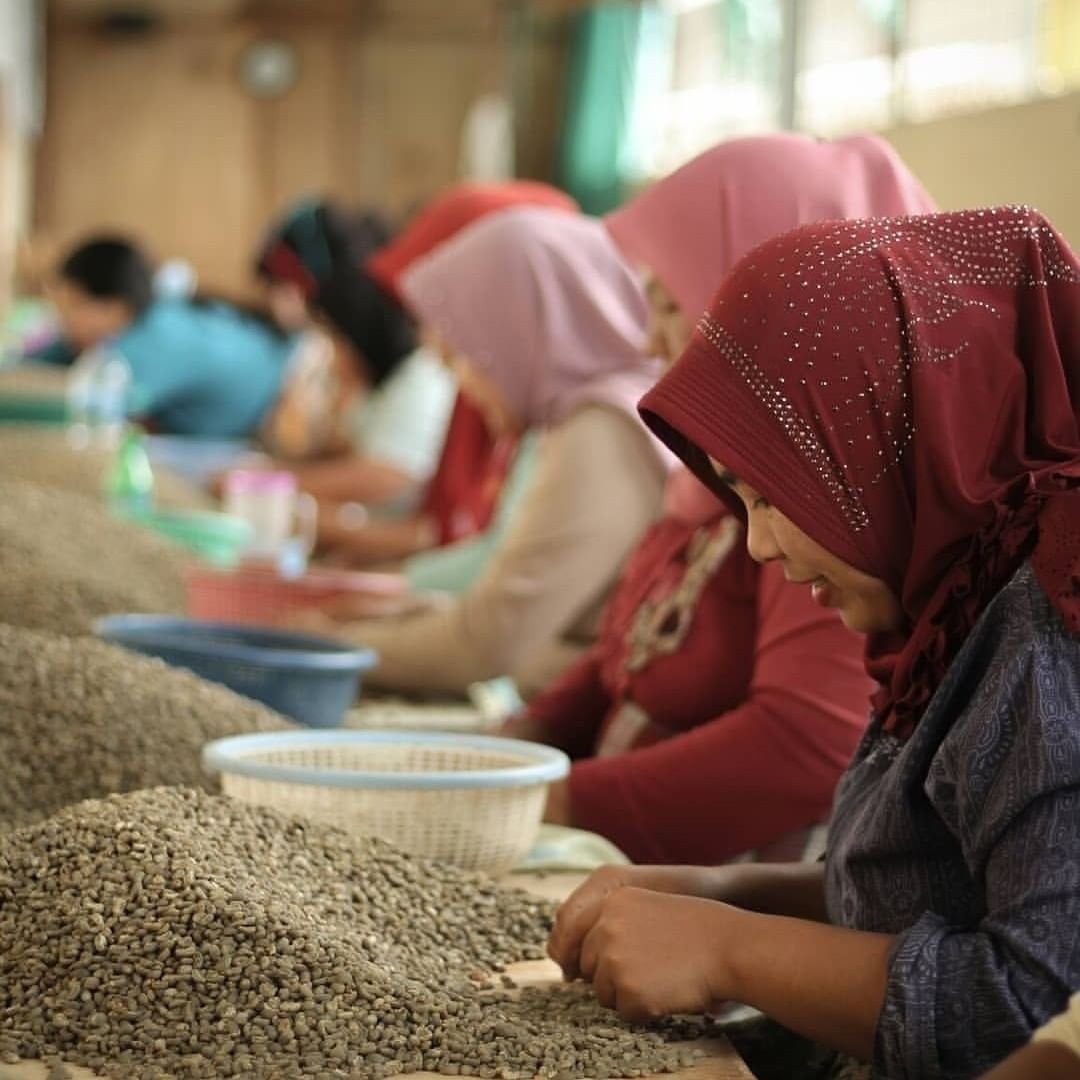
    Following harvest, the coffee cherries are sorted to remove any damaged or faulty cherries. This sorting procedure ensures that only the best beans are processed, which improves the overall cup quality of Single Origin Sumatra Coffee.

    Traditional Wet-Hulling Method

    Unique Origin Sumatra Coffee is famous for its distinct processing method known as “Giling Basah” or wet-hulling. This process is unique to the region and adds to the coffee’s distinct flavor profile.

    The outer skin and portion of the pulp of the coffee cherries are removed mechanically or by hand during wet-hulling. Before the parchment coating is removed, the beans are briefly dried, typically to a moisture level of around 30-40%. This is in contrast to the more frequent dry processing approach, in which the cherries are dried completely before the parchment is removed.

    The high humidity in the Indonesian Highlands aids the wet-hulling process by allowing for speedier drying. The earthy and full-bodied flavor characteristic associated with Single Origin Sumatra Coffee is enhanced by wet-hulling. It also imparts a characteristic bluish-green tint and a slightly mottled aspect to the beans.

    Sun-Drying and Storage

    The coffee beans are spread out on patios or raised beds to dry in the sun after being wet-hulled. Sun-drying is an important phase in the manufacturing process since it develops the taste and removes excess moisture from the beans. The drying process usually takes several days, during which the beans are turned on a regular basis to achieve even drying.

    The coffee beans are carefully preserved once they have reached the desired moisture level of roughly 12%. Proper storage conditions, such as keeping the beans cool and dry, assist in preventing moisture re-absorption and preserving the coffee from external variables that can affect its flavor.

    Single Origin Sumatra Coffee’s processing and production processes, such as selective harvesting, wet-hulling, and sun-drying, contribute to its distinct flavor profile and overall quality. These time-honored methods passed down through generations, are essential in the cultivation of this excellent coffee varietal.

    Also Read: Wet Hulled Coffee Process: Unique Technique from Indonesia

    Appreciating and Brewing Single Origin Sumatra Coffee

    • Choosing and Storing Beans
      When selecting Single Origin Sumatra Coffee, look for freshly roasted beans from reputable sources. Store the beans in an airtight container away from light, moisture, and strong odors to preserve their freshness.
    • Brewing Methods and Techniques
      Single Origin Sumatra Coffee can be brewed using various methods such as pour-over, French press, espresso, or cold brew. Experiment with different techniques to find the brewing method that best enhances the coffee’s flavor profile.
    • Tasting and Sensory Experience
      When tasting Single Origin Sumatra Coffee, pay attention to its full-bodied texture, earthy flavors, and unique notes. Observe the aromas, acidity, sweetness, and aftertaste to fully appreciate the complexity and richness of the coffee.

    Conclusion

    Exploring the Indonesian Highlands and the journey of Single Origin Sumatra Coffee reveals a rich and diverse coffee experience. From its unique flavor profile and traditional processing methods to its cultural significance and challenges, Single Origin Sumatra Coffee stands as a testament to the region’s rich coffee heritage. Embrace this distinctive coffee, appreciate its flavors, and contribute to its sustainable future in the world of specialty coffee.