Tag: indonesia coffee

Indonesia’s coffee is a rich tapestry of flavors woven into its diverse landscape and unique production methods. Renowned worldwide, Indonesian coffee encompasses various regions, each contributing distinct characteristics to the brew.

Sumatra, famous for its Mandheling and Gayo beans, offers a full-bodied, earthy cup with hints of cocoa and a lingering herbal complexity. Sulawesi’s Toraja beans bring forth a medium-bodied coffee, celebrated for its syrupy body, bright acidity, and notes of spice and fruit.

Java, steeped in coffee history, yields a balanced cup with a mild acidity, often showcasing a smooth, heavy body and subtle sweetness. Bali’s coffee, known for its wet-hulled process, exudes a vibrant, complex profile with citrusy acidity and floral undertones.

The archipelago’s rich volcanic soil and tropical climate foster a nurturing environment for coffee cultivation. From the meticulous wet-hulling process to the traditional sun-drying methods, Indonesian coffee production reflects a harmonious blend of tradition and innovation, resulting in a cup that embodies the essence of the islands. Whether sipped as a bold espresso or savored slowly in a pour-over, Indonesia’s coffee invites enthusiasts to explore its nuanced flavors and embrace its cultural heritage with every sip.

  • Exploring Bulk Coffee Suppliers in Indonesia

    Exploring Bulk Coffee Suppliers in Indonesia

    Indonesia, renowned for its rich coffee heritage, stands as a leading producer of premium coffee beans globally. Among the diverse array of Indonesian coffee varieties, the archipelago’s fertile soil and unique climate contribute to the cultivation of some of the most sought-after coffee beans in the world. For businesses seeking quality and quantity, Indonesia offers a robust market for bulk coffee suppliers in Indonesia.

    Understanding Indonesian Coffee Production

    Geographical Diversity

    Indonesia’s vast landscape allows for diverse coffee cultivation across several regions, each imparting distinct flavors and characteristics to the beans. Sumatra, Java, Sulawesi, Bali, and Papua represent key coffee-producing areas, showcasing a spectrum of taste profiles ranging from earthy and full-bodied to fruity and floral.
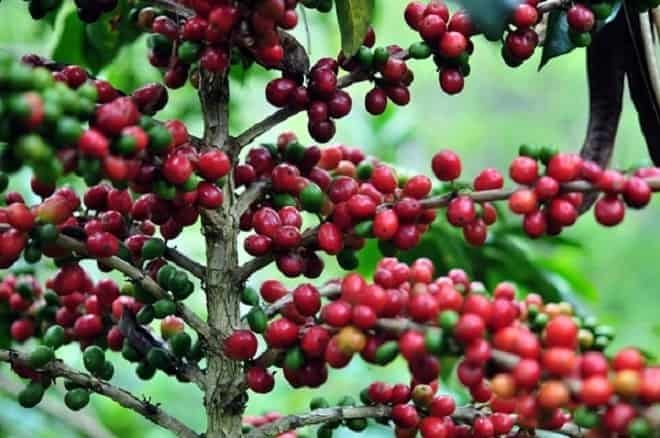
    Bulk Coffee Suppliers in Indonesia

    Coffee Varieties

    The country primarily produces four main varieties of coffee:

    1. Arabica: Predominantly grown in higher elevations, especially in Aceh, Bali, and parts of Java, Sumatra, and Sulawesi. Indonesian Arabica beans are known for their low acidity and complex flavors, often exhibiting herbal and chocolate notes.
    2. Robusta: Thriving in lower altitude regions like Lampung and Sumatra, Robusta beans feature a strong, bold flavor profile with higher caffeine content, making them suitable for espresso blends and instant coffee production.
    3. Luwak Coffee: One of the world’s most exclusive and unique coffees, it’s derived from the excreted beans of civets that consume coffee cherries. This rare and expensive coffee is mainly found in Sumatra, Bali, and Java.
    4. Typica and Bourbon: Lesser-known but still significant, these varieties contribute to the diverse Indonesian coffee market.

    Bulk Coffee Suppliers in Indonesia

    1. FnB Tech Indonesia

    In the vibrant landscape of Indonesian coffee production and distribution, FnB Tech Indonesia stands out as a key player, contributing significantly to the bulk coffee supply chain within the archipelago. Renowned for its commitment to quality, innovation, and technological advancements in the coffee industry, FnB Tech Indonesia has carved a distinctive niche in the market.

    Profile of FnB Tech Indonesia

    Location: FnB Tech Indonesia operates from its headquarters strategically located in Jakarta and Medan, the capital city known as the epicenter of business and commerce in Indonesia.

    Specialization: The company boasts a comprehensive portfolio of services, focusing on the procurement and distribution of premium-grade coffee beans to meet the demands of businesses requiring bulk quantities.

    Offerings and Expertise: FnB Tech Indonesia prides itself on a diverse range of coffee offerings, catering to the preferences of various businesses. Their expertise spans across different coffee varieties, including Arabica, Robusta, and specialty blends.

    Unique Selling Propositions

    1. Technological Innovation: FnB Tech Indonesia integrates cutting-edge technology into its production processes, ensuring efficiency, consistency, and quality control at every stage, from cultivation to packaging.
    2. Customized Solutions: Recognizing the importance of tailored solutions for different businesses, they offer customization options, allowing clients to specify roast levels, packaging preferences, and even bean origins.
    3. Sustainable Practices: With a strong commitment to sustainability, FnB Tech Indonesia emphasizes eco-friendly cultivation methods, fair trade practices, and support for local coffee-growing communities.

    Client-Centric Approach

    FnB Tech Indonesia places a high value on fostering strong partnerships with its clients. The company’s client-centric approach involves:

    • Consultative Services: Providing consultancy and guidance to clients on selecting the right coffee beans based on flavor profiles, market trends, and customer preferences.
    • Reliability and Consistency: Ensuring reliability in the supply chain by adhering to strict timelines and maintaining consistent quality standards, fostering trust and long-term relationships with their clientele.

    Integration with the Global Market

    Beyond serving domestic clients, FnB Tech Indonesia actively participates in the global coffee trade. Leveraging its expertise and vast network, the company engages in international transactions, exporting Indonesian coffee beans to various markets worldwide, thereby contributing to the country’s prominence in the global coffee industry.

    Choosing FnB Tech Indonesia as Your Supplier

    FnB Tech Indonesia stands as a robust choice for businesses seeking bulk coffee supplies in Indonesia due to:

    • Quality Assurance: Stringent quality control measures ensure that each batch of coffee beans meets stringent standards, guaranteeing superior quality.
    • Innovation: Embracing technology and innovative practices to enhance production processes and consistently deliver top-notch coffee products.
    • Commitment to Sustainability: Demonstrating a dedication to ethical and sustainable coffee production, supporting environmental conservation and fair trade practices.

    In the mosaic of Indonesian coffee suppliers, FnB Tech Indonesia emerges as a prominent and reliable partner for businesses seeking bulk coffee supplies. Its dedication to quality, innovation, sustainability, and client-centric services positions it as a frontrunner in the industry, contributing significantly to the global recognition of Indonesian coffee excellence.

    2. PT. Toarco Jaya

    Location: Based in North Toraja, Sulawesi, PT. Toarco Jaya is renowned for its Arabica beans, particularly the Toraja varieties. Their commitment to quality and sustainability has made them a prominent supplier in the global market.

    Offerings: They specialize in high-grade Arabica beans processed through meticulous wet-hulling methods, ensuring distinctive flavors and consistency.

    3. PT. Indokom Citrapersada

    Location: Situated in Lampung, Sumatra, PT. Indokom Citrapersada is a major supplier of Robusta coffee beans.

    Specialization: They focus on providing Robusta beans known for their boldness and richness, suitable for various coffee blends and instant coffee production.

    4. PT. Volcafe Indonesia

    Location: With offices in key coffee-producing regions like Lampung, Medan, and Jakarta, PT. Volcafe Indonesia is a subsidiary of the ED&F Man group, a global trader in agricultural commodities.

    Diversity: They offer a wide range of coffee varieties, including Arabica and Robusta, catering to diverse market demands for both quality and quantity.

    Factors to Consider When Choosing a Supplier

    1. Quality Assurance

    Ensure the supplier maintains stringent quality control measures throughout the production process to guarantee consistency and superior quality in every batch.

    2. Sustainability Practices

    Select suppliers committed to ethical and sustainable practices, including fair trade, environmentally friendly cultivation methods, and support for local communities.

    3. Customization and Flexibility

    Opt for suppliers who offer customization options, allowing businesses to tailor their orders based on specific requirements, such as roast level or packaging.

    4. Reliability and Consistency

    A reliable supplier should consistently meet delivery schedules and provide a steady supply of high-quality beans, ensuring uninterrupted operations for your business.

    Conclusion

    Indonesia stands as a treasure trove for businesses seeking bulk coffee supplies, offering an unparalleled variety of high-quality beans. Whether it’s the rich, earthy tones of Sumatran Robusta or the complex flavors of Sulawesi Toraja Arabica, Indonesian coffee suppliers cater to a spectrum of preferences.

    By choosing a reputable supplier that aligns with your business needs and values, you can secure a consistent and exceptional supply of Indonesian coffee beans, enabling you to craft delightful coffee experiences for your customers worldwide.

  • Brewing Harmony: Exploring the Rich Tapestry of Indonesia Coffee Culture

    Brewing Harmony: Exploring the Rich Tapestry of Indonesia Coffee Culture

    Indonesia Coffee Culture a sprawling archipelago nestled in the heart of Southeast Asia, is not only renowned for its stunning landscapes but also for its vibrant and diverse coffee culture. The aromatic elixir of coffee has woven itself into the fabric of Indonesian society, creating a unique and rich tapestry that reflects the country’s history, geography, and the warmth of its people.

    Historical Roots of Indonesia Coffee Culture:

    Indonesia’s coffee journey began in the 1600s when the Dutch East India Company introduced coffee plants to the archipelago. The fertile volcanic soil and tropical climate of islands such as Java and Sumatra proved to be ideal for cultivating coffee, marking the birth of Indonesia’s coffee industry.

    Geographical Diversity and Coffee Varieties:

    Indonesia’s vast and diverse geography contributes to the country’s unique coffee flavors. The three primary coffee-producing regions—Sumatra, Java, and Sulawesi—each offer distinct characteristics. Sumatran coffee, known for its full body and earthy undertones, contrasts with the bright acidity and floral notes of Javanese coffee. Sulawesi, with its Toraja coffee, adds a touch of spice and complexity to the spectrum.

    Traditional Coffee Growing and Processing Methods:

    Indonesia takes pride in its traditional methods of coffee cultivation. Smallholder farmers employ age-old techniques, hand-picking coffee cherries and sun-drying them on woven mats. This artisanal approach imparts a unique flavor profile to Indonesian coffee, setting it apart from mass-produced varieties.

    Kopi Tubruk and Other Traditional Brewing Methods:

    The quintessential Indonesian coffee experience is incomplete without mentioning the traditional brewing methods. “Kopi Tubruk,” a Javanese-style coffee, involves brewing finely ground coffee with a lump of sugar in a special pot. This method not only produces a robust cup but also symbolizes the cultural importance of sharing coffee as a gesture of hospitality.

    Rise of Specialty Coffee and Third Wave Movement:

    In recent years, Indonesia has witnessed a surge in the popularity of specialty coffee. The third wave coffee movement, emphasizing high-quality beans and meticulous brewing techniques, has found a home in the country. This shift has led to the emergence of boutique coffee shops and a growing appreciation for the nuances of flavor in Indonesian coffee.

    Indonesia Coffee Culture Varietals:

    Indonesia boasts an array of distinctive coffee varieties. Among them, Arabica and Robusta dominate the landscape. Sumatra Mandheling, Sulawesi Toraja, and Java Preanger are just a few examples of sought-after Arabica varieties, each with its own flavor profile. Robusta, grown predominantly in regions like Lampung, contributes to the boldness and richness of many Indonesian blends.

    Cultural Significance indonesia Coffee Culture:

    Beyond its economic importance, coffee holds a special place in Indonesian culture. The act of sharing a cup of coffee is a ritual deeply embedded in social interactions. Whether in urban cafes or rural villages, coffee serves as a catalyst for conversation, fostering connections and community bonds.

    Indonesia Coffee Culture Festivals and Rituals:

    Indonesia’s cultural calendar is peppered with festivals and rituals where coffee takes center stage. From the traditional wedding ceremonies in Sulawesi, where the bride and groom share a cup of coffee, to the Javanese ritual of “Sedekah Bumi,” where offerings include coffee beans, the beverage plays a symbolic role in celebrating life’s significant moments.

    Challenges and Sustainability in Indonesian Coffee Industry:

    While Indonesia coffee culture flourishes, the industry faces challenges such as climate change, pests, and fluctuating market prices. Initiatives promoting sustainable and ethical practices, such as shade-grown coffee and fair trade certifications, are gaining momentum to ensure the longevity of Indonesia’s coffee heritage.

    Coffee Tourism Indonesia Coffee Culture:

    As the world’s awareness of specialty coffee grows, so does interest in experiencing Indonesia’s coffee culture firsthand. Coffee tourism is on the rise, with travelers exploring plantations, participating in coffee tastings, and immersing themselves in the enchanting landscapes where coffee beans thrive.

    Conclusion Indonesia Coffee Culture:

    Indonesia’s coffee culture is a captivating mosaic of history, geography, and tradition. From the bustling streets of Jakarta to the serene plantations of Bali, the aroma of Indonesian coffee permeates every corner of the archipelago. As the country continues to embrace both its rich heritage and the innovations of the modern coffee scene, Indonesia stands as a beacon in the global coffee landscape, inviting enthusiasts to savor the depth and diversity of its coffee culture.

  • Exploring the Art and Innovation of Indonesian Coffee Packaging

    Exploring the Art and Innovation of Indonesian Coffee Packaging

    Indonesian Coffee Packaging, renowned for its rich biodiversity and unique cultural heritage, is also celebrated for its exceptional coffee. Indonesian coffee has gained international recognition for its distinct flavors, and the packaging of this aromatic treasure has become an art form in itself. In this comprehensive exploration, we delve into the world of Indonesian coffee packaging, unraveling the unique characteristics, cultural influences, and innovative trends that shape this captivating industry.

    I. The Cultural Tapestry of Indonesian Coffee:

    Indonesian coffee is deeply intertwined with the nation’s diverse cultural fabric, and this is vividly reflected in its packaging.

    Traditional Motifs and Symbols:

    Indonesian coffee packaging often incorporates traditional motifs and symbols that carry cultural significance. These intricate designs tell stories of the coffee’s origin and the communities involved in its production.

    Regional Diversity:

    Each region in Indonesia boasts its own coffee variety, and packaging often highlights these regional differences. From the robust flavors of Sumatran Mandheling to the bright acidity of Java beans, packaging serves as a visual guide to the diverse Indonesian coffee landscape.

    II. Sustainable Packaging Practices:

    As global awareness of environmental issues grows, Indonesian coffee producers are embracing sustainable packaging practices to minimize their ecological footprint.

    Eco-Friendly Materials:

    Many Indonesian coffee brands are adopting eco-friendly packaging materials such as compostable bags, recycled paper, and biodegradable containers. This shift reflects a commitment to environmental responsibility and resonates with consumers who prioritize sustainability.

    Fair Trade Certification:

    Fair trade practices are gaining momentum in the Indonesian coffee industry. Packaging often includes Fair Trade logos, assuring consumers that the coffee they enjoy is ethically sourced, providing fair wages to farmers, and supporting local communities.

    III. Innovative Packaging Technologies:

    Indonesian coffee packaging is not only a canvas for cultural expression but also a platform for cutting-edge technologies.

    Aroma Preservation Techniques:

    The aroma of freshly ground coffee is a crucial element of the brewing experience. Innovative packaging technologies, such as one-way degassing valves, are used to preserve the freshness of the coffee beans by allowing the release of built-up gases without letting air in.

    Smart Packaging Solutions:

    Some Indonesian coffee brands are incorporating smart packaging solutions, including QR codes and augmented reality (AR) features. These technologies provide consumers with additional information about the coffee’s origin, processing methods, and even brewing tips, enhancing the overall coffee experience.

    The world of coffee packaging is dynamic, with trends evolving to meet the changing preferences of consumers.

    Minimalist Designs:

    In recent years, there has been a shift towards minimalist packaging designs. Clean, simple labels with bold typography and subtle colors are gaining popularity, conveying a sense of sophistication and modernity.

    Personalized Packaging:

    Brands are increasingly adopting personalized packaging to create a unique connection with consumers. This may include custom labels, individualized packaging sizes, or even allowing customers to add a personal touch to their coffee packages.

    V. Branding and Marketing Strategies:

    Effective branding plays a pivotal role in the success of Indonesian coffee products, influencing consumer perception and market positioning.

    Storytelling through Packaging:

    Successful brands use packaging as a storytelling tool. By narrating the journey of the coffee beans from farm to cup, packaging fosters a deeper connection between consumers and the product.

    Digital Marketing Integration:

    With the rise of e-commerce, Indonesian coffee brands are integrating digital marketing strategies into their packaging. This includes utilizing social media handles, hashtags, and QR codes to enhance online visibility and engage with a wider audience.

    Conclusion:

    In conclusion, Indonesian coffee packaging is a harmonious blend of cultural richness, sustainability, innovation, and strategic branding. From traditional motifs to cutting-edge technologies, the packaging of Indonesian coffee not only preserves the essence of this cultural gem but also propels it into the global spotlight. As the industry continues to evolve, one thing remains certain – Indonesian coffee packaging is an integral part of the narrative that celebrates the nation’s coffee heritage.

  • Exploring the Rich Tapestry of Indonesian Coffee: Unveiling the Finest Varieties

    Exploring the Rich Tapestry of Indonesian Coffee: Unveiling the Finest Varieties

    the Rich Tapestry of Indonesian Coffee, an archipelago of over 17,000 islands, is not only known for its breathtaking landscapes but also for its exceptional coffee. Among the diverse coffee-producing regions globally, Indonesia stands out with its unique and distinct coffee varieties. This article delves into the rich tapestry of Indonesian coffee, exploring its finest varieties, cultivation methods, cultural significance, and the delicate balance that makes Indonesian coffee truly exceptional.

    Indonesian Coffee Landscape

    Geography and Climate the Rich Tapestry of Indonesian Coffee

    The geography and climate of Indonesia create an ideal environment for cultivating coffee. The volcanic soil, combined with tropical temperatures and high humidity, contributes to the unique flavors that characterize Indonesian coffee. The coffee-producing regions, including Sumatra, Java, Bali, Sulawesi, and Papua, each contribute their own distinctive profile to the nation’s diverse coffee offerings.

    Finest Indonesian Coffee Varieties

    Sumatra Mandheling

    One of Indonesia’s prized coffee varieties, Sumatra Mandheling, hails from the northern part of the island of Sumatra. Grown at elevations between 2,000 and 5,000 feet, this coffee is celebrated for its full body, low acidity, and an earthy, chocolatey undertone. The unique wet-hulling process, known as “Giling Basah,” adds to its complex flavor profile.

    Java Arabica

    Java, an island synonymous with coffee history, produces a high-quality Arabica coffee. The well-balanced Java Arabica is grown on the island’s volcanic slopes, providing a medium body with a subtle acidity. Its distinct notes of herbs, spices, and a hint of fruitiness make it a favorite among coffee connoisseurs.

    Bali Kintamani

    The volcanic highlands of Kintamani in Bali give birth to a unique coffee experience. Bali Kintamani coffee is known for its bright acidity, medium body, and a combination of citrus and floral notes. The traditional Balinese farming methods, often involving organic practices, contribute to its exceptional quality.

    Sulawesi Toraja

    Hailing from the highlands of Sulawesi, Toraja coffee is a testament to the meticulous craftsmanship of Indonesian farmers. With its full body, low acidity, and a complex flavor profile that includes notes of caramel, chocolate, and a hint of spice, Sulawesi Toraja stands out as a jewel in Indonesia’s coffee crown.

    Papua Wamena

    The remote and rugged terrain of Papua in eastern Indonesia is home to the exquisite Papua Wamena coffee. Grown at high altitudes, this coffee boasts a bright acidity, medium body, and a unique combination of fruity and earthy tones. The labor-intensive traditional farming methods contribute to its exceptional quality.

    Cultivation and Processing the Rich Tapestry of Indonesian Coffee

    Traditional Farming Practices

    Indonesian coffee farmers often employ traditional methods that have been passed down through generations. The intricate combination of organic farming practices and the use of shade-grown techniques contributes to the unique flavor profiles of Indonesian coffee. Many farmers still harvest coffee by hand, ensuring that only the ripest cherries are selected.

    Wet-Hulling Process the Rich Tapestry of Indonesian Coffee

    A defining feature of Indonesian coffee, particularly in Sumatra, is the wet-hulling process. Unlike the more common dry-hulling process, wet-hulling involves removing the parchment layer from the coffee bean while it still contains a significant amount of moisture. This imparts a distinctive flavor and body to the coffee, setting Indonesian varieties apart from their counterparts.

    Sustainable and Organic Practices

    With an increasing global focus on sustainability, many Indonesian coffee farmers are adopting eco-friendly and organic practices. This commitment not only benefits the environment but also enhances the quality of the coffee. Certifications such as Fair Trade and Rainforest Alliance are becoming more prevalent in the Indonesian coffee industry, ensuring fair wages for farmers and promoting environmental conservation.

    Cultural Significance of Indonesian Coffee

    Coffee in Indonesian Daily Life

    Coffee holds a special place in Indonesian culture, woven into the fabric of daily life. From the bustling streets of Jakarta to the serene villages of Bali, coffee is not just a beverage but a ritual, a social connector, and a symbol of hospitality. Traditional coffee shops, known as “warungs kopi,” are integral to the communal experience of enjoying a cup of coffee.

    the Rich Tapestry of Indonesian Coffee Ceremonies and Celebrations

    Indonesian coffee is not only a daily indulgence but also plays a significant role in ceremonies and celebrations. In many regions, coffee is served during important life events, symbolizing community, connection, and the shared experience of life’s milestones.

    The Art of Coffee Preparation

    The preparation of coffee in Indonesia is an art form. From the meticulous roasting process to the traditional method of brewing, such as using a “kopi tubruk” (a Javanese method of brewing strong coffee), every step is a reflection of the cultural heritage and the pride that Indonesians take in their coffee.

    Challenges and Innovations in the Indonesian Coffee Industry

    Environmental Challenges

    Despite the inherent quality of Indonesian coffee, the industry faces challenges such as climate change, deforestation, and the impact of pests and diseases. These challenges necessitate innovative and sustainable approaches to ensure the longevity of the industry while preserving the unique flavors that make Indonesian coffee exceptional.

    Technological Advancements

    To address the challenges faced by the coffee industry, Indonesian farmers are increasingly embracing technological advancements. From precision agriculture to advanced processing methods, these innovations aim to enhance productivity, reduce environmental impact, and maintain the high quality of Indonesian coffee.

    The Finest Indonesian Coffee Experience

    Indonesian coffee offers a sensory journey that transcends the ordinary. The combination of unique varieties, traditional farming methods, and a deep cultural connection makes Indonesian coffee a standout in the global coffee landscape. Whether sipping a cup of Sulawesi Toraja or enjoying the boldness of Sumatra Mandheling, each variety tells a story of the land, the people, and the centuries-old artistry that defines Indonesian coffee.

    Conclusion the Rich Tapestry of Indonesian Coffee

    In the vast and diverse world of coffee, Indonesia’s offerings stand as a testament to the rich cultural heritage and natural bounty of this archipelagic nation. The finest Indonesian coffee is not just a beverage; it is a journey through the lush landscapes, traditional farming practices, and the warm hospitality of the Indonesian people. As the global appreciation for specialty coffee continues to grow, Indonesia’s coffee industry is poised to shine, offering a taste of the finest in every cup.

  • Exploring the Rich Aromas: The Best Popular Coffee in Indonesia

    Exploring the Rich Aromas: The Best Popular Coffee in Indonesia

    The Best Popular Coffee in Indonesia, with its lush landscapes and diverse climates, is renowned for producing some of the finest and most sought-after coffee beans globally. The country’s unique geography, coupled with a rich cultural history of coffee cultivation, has given rise to a vibrant coffee culture. In this comprehensive exploration, we delve into the best and most popular coffee varieties in Indonesia, highlighting their distinct flavors, origins, and the cultural significance that makes Indonesian coffee a treasure in the global coffee scene.

    Indonesian Coffee Landscape: A Mosaic of Flavors

    Indonesia is an archipelago that spans a wide range of latitudes and elevations, resulting in a diverse range of microclimates conducive to coffee cultivation. The primary coffee-producing regions in Indonesia include Sumatra, Java, Bali, Sulawesi, and Flores. Each region contributes to the country’s reputation for producing coffee beans with unique characteristics.

    Sumatra: Mandheling and Gayo

    Mandheling: Grown on the highlands of North Sumatra, Mandheling coffee is known for its full body, low acidity, and earthy undertones. The beans are often processed using the wet-hulling method, enhancing the bold and syrupy nature of the coffee.
    Gayo: Hailing from the Gayo Highlands in Aceh, Gayo coffee is celebrated for its distinct spiciness, medium body, and vibrant acidity. The beans are typically grown at high altitudes, contributing to their exceptional quality.

    Java, one of the earliest coffee producers in Indonesia, is famous for its Arabica beans. The coffee from Java is characterized by a balanced profile, with a medium body, moderate acidity, and a pleasing aroma. The island’s volcanic soil further enriches the flavor profile.

    Grown on the volcanic slopes of Mount Batur in the Kintamani highlands, Bali coffee offers a unique combination of citrusy acidity and a well-balanced body. The beans are often shade-grown, enhancing their complex flavor profile.

    Toraja coffee, cultivated in the mountainous regions of Sulawesi, is known for its full body, low acidity, and a unique combination of spicy and fruity notes. The beans are often processed using the wet-hulling method, contributing to their distinctive flavor.


    Bajawa coffee, grown in the Ngada region of Flores, is prized for its wine-like acidity, medium body, and a delightful mix of floral and fruity notes. The beans are typically sun-dried, preserving their nuanced flavors.

    Cultural Significance: Coffee in Indonesian Society


    Coffee holds a special place in Indonesian culture, deeply embedded in daily life and social interactions. The traditional coffee preparation method, known as “kopi tubruk,” involves boiling coarse coffee grounds with a solid lump of sugar. This ritual is a symbol of hospitality and is often shared during gatherings and celebrations.

    Additionally, the concept of “kopi keliling” or “coffee rounds” is a social tradition where individuals visit neighbors or friends, sharing conversations over cups of coffee. This communal aspect of coffee consumption highlights its role as a catalyst for connection and community in Indonesian society.


    Indonesian coffee has transcended its borders, gaining international recognition and appreciation. The unique flavors, processing methods, and the commitment to sustainable and organic practices have contributed to the global popularity of Indonesian coffee.

    Kopi Luwak: While not a specific regional variety, Kopi Luwak deserves mention due to its global reputation as one of the rarest and most expensive coffees. Produced through a unique fermentation process involving civet cats, Kopi Luwak boasts a distinctive flavor profile, often described as smooth, earthy, and less acidic.


    In recent years, Indonesia has seen a surge in the production and consumption of specialty coffee. Specialty coffee emphasizes high-quality beans, precise roasting techniques, and a focus on unique flavor profiles. The growth of specialty coffee shops in major Indonesian cities reflects the increasing demand for a more nuanced and diverse coffee experience.

    Moreover, there is a growing emphasis on sustainability within the Indonesian coffee industry. Many coffee farmers are adopting eco-friendly practices, including shade-grown cultivation, organic farming methods, and fair trade initiatives. These efforts not only contribute to the environmental well-being but also empower local communities and enhance the overall quality of Indonesian coffee.


    Despite its global acclaim, the Indonesian coffee industry faces challenges such as climate change, crop diseases, and the need for improved infrastructure. Climate change poses a threat to coffee cultivation, affecting both yield and quality. However, the industry is actively addressing these challenges through research, technological advancements, and sustainable farming practices.

    Opportunities for growth also abound, especially with the increasing global demand for specialty coffee. By leveraging its diverse coffee varieties and embracing sustainable practices, Indonesia can further solidify its position as a key player in the international coffee market.


    Indonesia’s coffee landscape is a tapestry of flavors, each region contributing its unique notes to the rich symphony of Indonesian coffee. From the bold and earthy Mandheling to the wine-like acidity of Bajawa, each cup tells a story of the land from which it originates. As the global appreciation for specialty coffee continues to rise, Indonesia’s position as a coffee powerhouse is set to grow, ensuring that the world will continue to savor the distinctive and unparalleled experience that Indonesian coffee offers.

  • Toraja Coffee Elegance: Savoring Indonesia’s Finest Brew

    Toraja Coffee Elegance: Savoring Indonesia’s Finest Brew

    Toraja Coffee In the lush highlands of Sulawesi, Indonesia, lies the picturesque region of Toraja, renowned for its breathtaking landscapes and, notably, its exquisite coffee beans. Toraja coffee, a hidden gem among coffee connoisseurs, offers a unique and captivating experience that goes beyond the ordinary cup of joe. This comprehensive exploration will delve into the rich history, cultivation practices, flavor profiles, and the cultural significance of Toraja coffee.

    A Historical Prelude:


    Toraja coffee has a history deeply rooted in the cultural tapestry of Sulawesi. Introduced by Dutch colonizers in the late 19th century, coffee cultivation became an integral part of Toraja’s agricultural landscape. The Toraja people, known for their strong cultural identity, embraced coffee farming as a tradition, passing down the knowledge and techniques through generations.

    Unique Growing Conditions:


    The Toraja region’s elevation, volcanic soil, and distinct microclimate create optimal conditions for growing Arabica coffee beans. The Toraja highlands, sitting at an altitude between 1,000 and 2,000 meters, provide a cool and humid environment — ideal for slow ripening and developing the complex flavors that characterize Toraja coffee.

    Cultivation Practices:


    Toraja coffee is predominantly grown in small family-owned farms using traditional methods. The farmers meticulously tend to their coffee plants, handpicking the ripe cherries during the harvest season. This labor-intensive process ensures that only the highest-quality beans make their way into your cup.

    Flavor Profiles:


    One of the most alluring aspects of Toraja coffee is its unique flavor profile. Toraja Arabica is celebrated for its full body, low acidity, and a nuanced combination of earthy, herbal, and fruity notes. The beans undergo a meticulous sun-drying process, enhancing the flavors and producing a cup of coffee that is both bold and remarkably smooth.

    Processing Methods:


    The traditional ‘wet-hulling’ method, locally known as ‘Giling Basah,’ is commonly employed in Toraja. This method involves removing the parchment layer from the coffee beans while they still retain a significant amount of moisture. The result is a distinctive flavor profile, setting Toraja coffee apart from other Indonesian varieties.

    Cultural Significance:


    Toraja coffee is not just a beverage; it’s a cultural emblem for the Toraja people. The coffee ceremonies, often accompanied by traditional rituals, symbolize hospitality, unity, and community bonding. Visitors to Toraja are welcomed with a cup of freshly brewed coffee, fostering a sense of connection and warmth.

    Sustainable Practices:


    In recent years, Toraja coffee farmers have embraced sustainable and organic farming practices. By prioritizing environmental conservation and ethical labor practices, they ensure the longevity of their coffee crops and contribute to the global movement towards responsible coffee production.

    Toraja Coffee Elegance on the Global Stage:


    Despite its relatively low production volume compared to other coffee-producing regions, Toraja coffee has gained international acclaim for its exceptional quality. Specialty coffee enthusiasts around the world seek out Toraja beans for a distinctive and unparalleled coffee experience.

    Culinary Pairings:


    The versatility of Toraja coffee extends beyond the morning routine. Its unique flavor profile makes it an excellent companion to a variety of culinary delights. From rich chocolate desserts to savory dishes, Toraja coffee’s depth enhances the overall dining experience.

    Conclusion Toraja Coffee Elegance:


    In the heart of Sulawesi, Toraja coffee stands as a testament to the harmonious blend of tradition, nature, and craftsmanship. From the careful cultivation by local farmers to the unique flavor profiles that captivate the palate, Toraja coffee offers a sensory journey that transcends the ordinary. As you savor the distinct aromas and flavors in each cup, you’re not just tasting coffee; you’re immersing yourself in the cultural and historical richness of Toraja, one sip at a time.

  • Sumatra’s Rich Brew: Exploring the Unique Flavors of Sumatra Coffee Beans

    Sumatra’s Rich Brew: Exploring the Unique Flavors of Sumatra Coffee Beans

    Exploring the Unique Flavors of Sumatra Coffee Beans, an island nestled in the heart of Indonesia, is renowned for producing some of the world’s most distinctive and sought-after coffee beans. Sumatra coffee, known for its unique flavor profile and complex characteristics, has captivated the palates of coffee enthusiasts around the globe. In this comprehensive exploration, we will delve into the origins, cultivation methods, processing techniques, and the unparalleled taste of Sumatra coffee beans.

    I. Origins of Sumatra Coffee

    A. Geographical Landscape

    Sumatra, the sixth-largest island globally, boasts a diverse geography that plays a crucial role in shaping the flavors of its coffee. The island’s volcanic soil, high altitudes, and lush tropical climate contribute to the ideal conditions for cultivating Arabica and Robusta coffee varieties.

    B. Coffee Growing Regions

    Sumatra is home to several distinct coffee-growing regions, each imparting its unique characteristics to the beans. Notable regions include Aceh, Mandheling, Gayo, and Lintong, each known for specific flavor profiles and nuances.

    II. Varieties of Sumatra Coffee

    A. Arabica Varieties


    Mandheling coffee, grown in the Mandheling region, is celebrated for its full body, low acidity, and earthy, chocolatey undertones. The beans undergo a wet-hulling process, a traditional method in Sumatra, contributing to the region’s signature flavor.

    Sumatra Coffee


    Gayo coffee, cultivated in the Gayo Highlands, is characterized by its vibrant acidity, herbal notes, and a hint of fruitiness. The unique microclimate and meticulous farming practices contribute to Gayo’s distinct taste.

    B. Robusta Varieties


    Aceh Gayo, a Robusta variety, hails from the Aceh region. Known for its bold, robust flavor, low acidity, and hints of spice, Aceh Gayo undergoes a wet-hulling process that enhances its earthy and intense characteristics.

    III. Cultivation and Processing Exploring the Unique Flavors of Sumatra Coffee Beans

    A. Traditional Farming Practices

    Sumatra’s coffee farmers employ traditional and sustainable farming practices, often passed down through generations. The use of shade-grown methods and organic farming contributes to the overall quality and environmental sustainability of Sumatra coffee.

    B. Wet-Hulling Process

    One of the defining features of Sumatra coffee is its unique wet-hulling processing method, locally known as “Giling Basah.” This process involves removing the coffee parchment while the beans still have a high moisture content. It results in a distinct flavor profile, characterized by a full body, lower acidity, and a unique musty or herbal quality.

    IV. Flavor Profile and Characteristics

    Sumatra coffee’s flavor profile is a tapestry of rich and complex notes that set it apart from other coffee origins.

    A. Tasting Notes

    Earthy Undertones: Sumatra coffee is often praised for its earthy and woody characteristics, reminiscent of damp forest floors.

    Full Body: The beans’ full body contributes to a creamy mouthfeel, providing a satisfying and robust coffee experience.

    Low Acidity: Sumatra coffee is known for its low acidity, making it an excellent choice for those who prefer a smoother cup without the sharp tang.

    Herbal and Spicy Notes: Depending on the region and processing method, Sumatra coffee can exhibit herbal and spicy undertones, adding layers of complexity to the flavor profile.

    V. Brewing Recommendations

    To fully appreciate the nuances of Sumatra coffee, it’s essential to use brewing methods that highlight its unique characteristics.

    French Press: The full-bodied nature of Sumatra coffee shines in a French press, allowing the oils and flavors to be fully extracted.

    Pour-Over: For a cleaner cup with pronounced acidity, a pour-over method can accentuate the nuanced flavors of Sumatra coffee.

    Espresso: Sumatra coffee’s bold and intense qualities make it an excellent choice for espresso lovers, providing a rich and flavorful shot.

    VI. Sumatra Coffee in the Global Market

    A. Specialty Coffee Industry

    Sumatra coffee has carved a niche in the specialty coffee market, where discerning consumers seek unique and high-quality beans. The distinctiveness of Sumatra coffee has led to its inclusion in various blends and single-origin offerings from specialty coffee roasters worldwide.

    B. Sustainable Practices

    Many coffee producers in Sumatra prioritize sustainability, implementing practices that benefit both the environment and local communities. Certification programs such as Fair Trade and Rainforest Alliance are increasingly common, ensuring that Sumatra coffee is not only delicious but also ethically sourced.

    VII. Challenges and Opportunities

    Despite its global popularity, the Sumatra coffee industry faces challenges such as climate change, pest pressures, and market fluctuations. However, opportunities for improvement and innovation exist, including the adoption of advanced farming techniques, increased sustainability efforts, and ongoing collaborations between farmers and the global coffee community.

    Conclusion

    Sumatra coffee stands as a testament to the rich tapestry of flavors that the world of coffee has to offer. From the volcanic slopes to the hands of skilled farmers, the journey of Sumatra coffee beans is a fascinating exploration of culture, tradition, and the pursuit of excellence. Whether enjoyed in a cozy café or brewed at home, Sumatra coffee continues to captivate coffee connoisseurs with its unparalleled taste and distinctive character, making it a true gem in the world of specialty coffee.

  • Exploring the Richness of Indonesia’s Roasted Coffee

    Exploring the Richness of Indonesia’s Roasted Coffee

    Indonesia’s Roasted Coffee, a sprawling archipelago known for its diverse landscapes and vibrant culture, has also earned a distinguished place on the global coffee map. Renowned for its unique coffee varieties and traditional roasting methods, Indonesian roasted coffee has become a cherished gem among coffee enthusiasts worldwide.

    The Origins of Indonesian Coffee

    The journey of Indonesia’s coffee culture dates back to the late 1600s when Dutch colonialists introduced Arabica coffee to the region. Over the centuries, the fertile volcanic soil and tropical climate of islands such as Java, Sumatra, Sulawesi, and Bali proved to be ideal for coffee cultivation. Today, Indonesia is celebrated for producing some of the world’s most distinctive and sought-after coffee beans.

    Indonesia's Roasted Coffee

    Varieties of Exploring the Richness of Indonesia’s Roasted Coffee

    One of the hallmarks of Indonesian coffee is its variety. Sumatra Mandheling, Java Arabica, Sulawesi Toraja, and Bali Kintamani are just a few examples of the diverse coffee varieties cultivated across the archipelago. Each region boasts unique flavor profiles, influenced by factors such as altitude, soil composition, and local processing techniques.

    Traditional Roasting Techniques

    What sets Indonesian roasted coffee apart is the meticulous and time-honored roasting methods employed by local farmers. Many still adhere to traditional processes, utilizing wood-fired drum roasters that impart a distinct smoky flavor to the beans. This hands-on approach, passed down through generations, adds a cultural touch to the coffee and contributes to its exceptional taste.

    Unique Flavor Profiles Indonesia’s Roasted Coffee

    Indonesian coffee is celebrated for its rich, full-bodied taste and low acidity. The volcanic soil imparts a unique earthiness, while the combination of traditional wet-hulling and natural drying processes enhances the beans’ complexity. Notes of dark chocolate, spices, and a hint of tropical fruit often characterize the flavor profiles, creating a sensory experience that captivates coffee connoisseurs.

    Sustainable Farming Practices

    In recent years, there has been a growing emphasis on sustainable and eco-friendly coffee farming in Indonesia. Many farmers are adopting organic methods, promoting biodiversity, and participating in fair trade initiatives. This not only ensures the preservation of the environment but also contributes to the welfare of local communities involved in the coffee production chain.

    Coffee Tourism in Indonesia’s Roasted Coffee

    For those passionate about coffee, Indonesia offers a unique opportunity for coffee tourism. Travelers can explore lush coffee plantations, witness the entire coffee production process, and indulge in tastings of freshly brewed local blends. This immersive experience allows visitors to appreciate the dedication and craftsmanship involved in creating Indonesia’s world-class roasted coffee.

    Challenges and Opportunities

    While Indonesian coffee has gained international acclaim, the industry faces challenges such as climate change, pests, and aging coffee trees. However, these challenges also present opportunities for innovation and sustainable practices. Initiatives focused on improving crop resilience, supporting local farmers, and preserving traditional coffee-growing regions are essential for ensuring the continued success of Indonesia’s coffee industry.

    Conclusion

    Exploring the richness of Indonesia’s roasted coffee is a journey into the heart of a culture deeply intertwined with this beloved beverage. From the fertile soils of diverse islands to the hands that carefully roast each bean, every step in the process contributes to the exceptional quality and unique character of Indonesian coffee. As global appreciation for specialty coffees continues to grow, Indonesia’s roasted coffee stands out as a testament to the country’s commitment to preserving its rich coffee heritage.