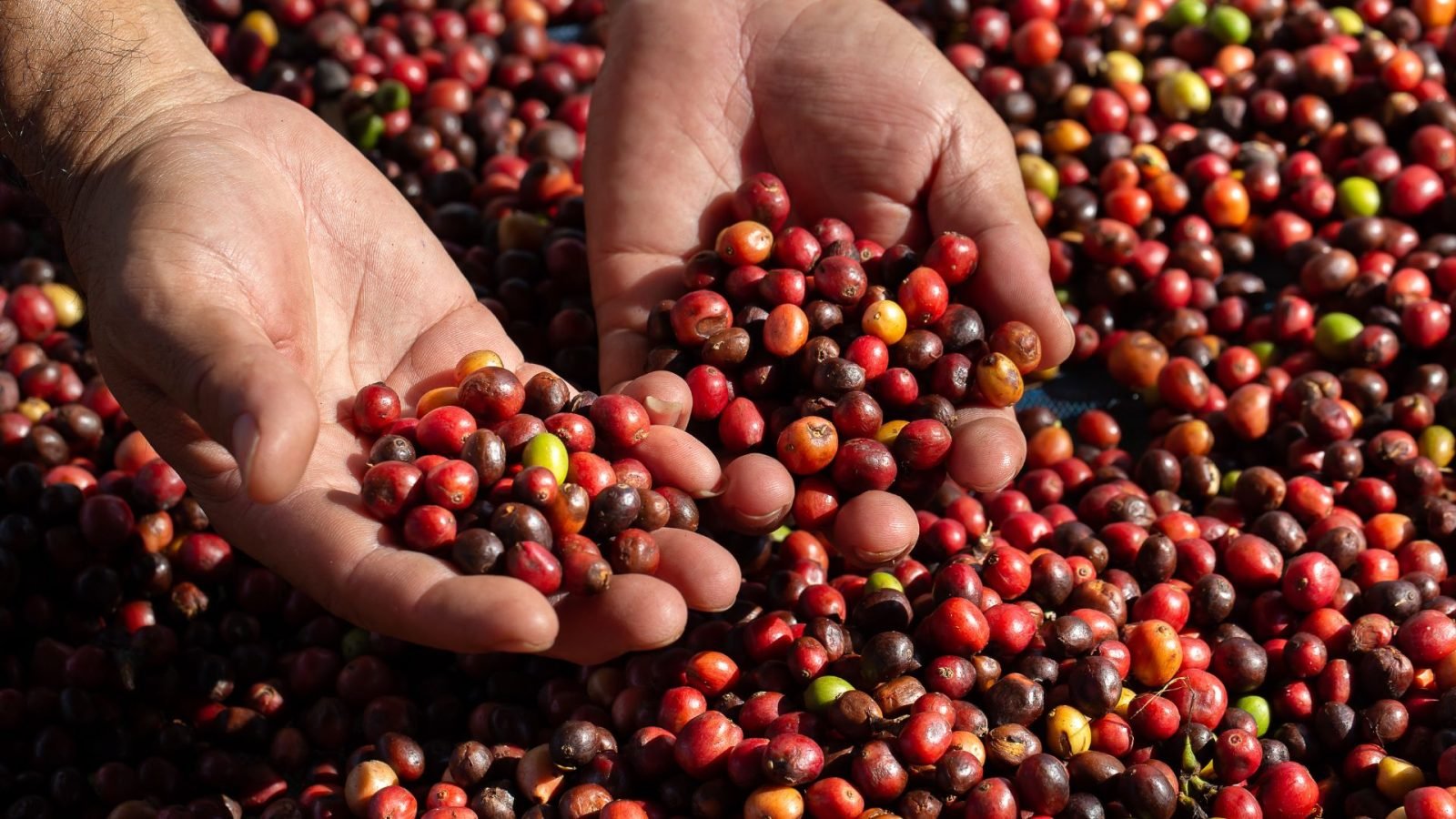
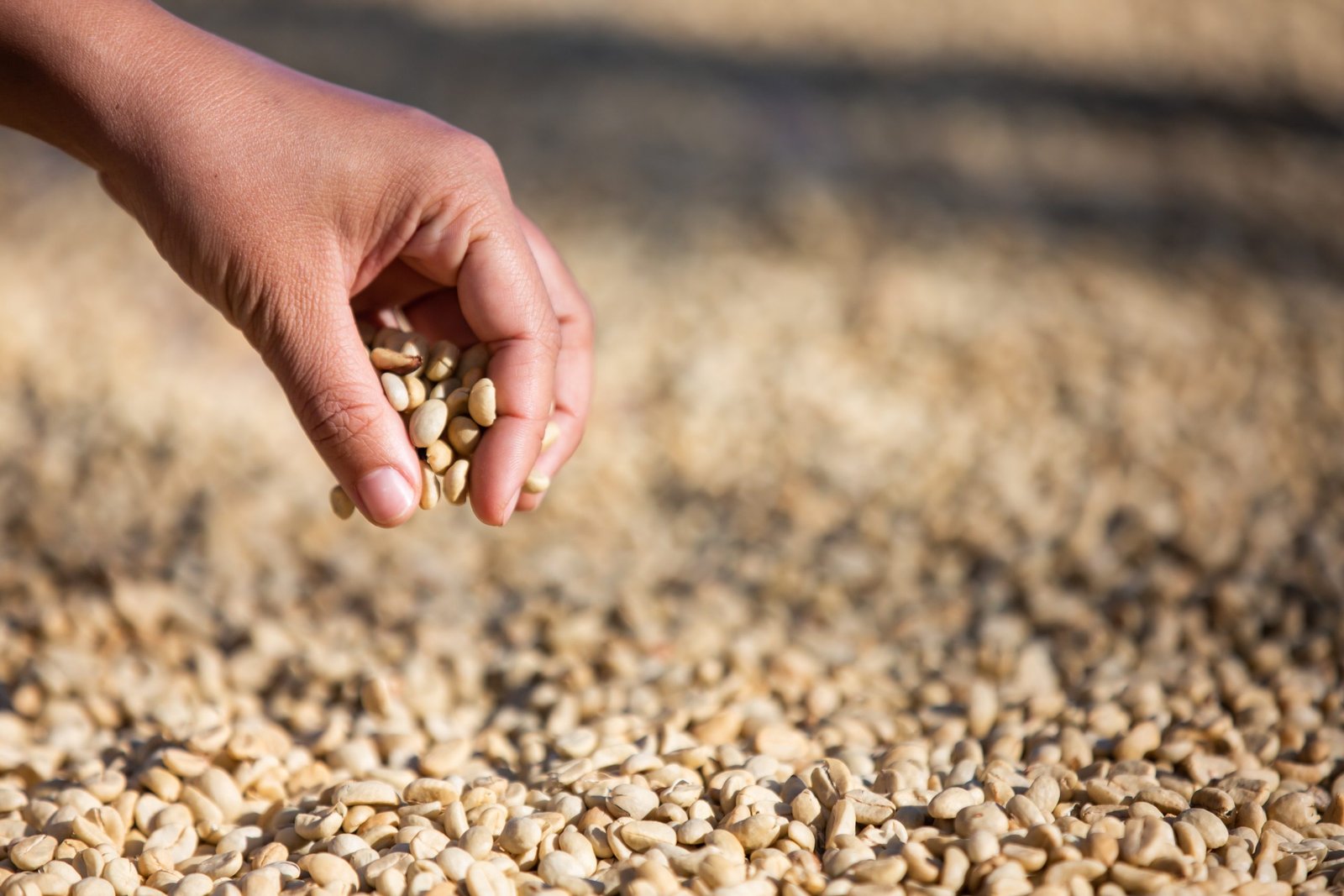
Indonesia’s coffee is a rich tapestry of flavors woven into its diverse landscape and unique production methods. Renowned worldwide, Indonesian coffee encompasses various regions, each contributing distinct characteristics to the brew.
Sumatra, famous for its Mandheling and Gayo beans, offers a full-bodied, earthy cup with hints of cocoa and a lingering herbal complexity. Sulawesi’s Toraja beans bring forth a medium-bodied coffee, celebrated for its syrupy body, bright acidity, and notes of spice and fruit.
Java, steeped in coffee history, yields a balanced cup with a mild acidity, often showcasing a smooth, heavy body and subtle sweetness. Bali’s coffee, known for its wet-hulled process, exudes a vibrant, complex profile with citrusy acidity and floral undertones.
The archipelago’s rich volcanic soil and tropical climate foster a nurturing environment for coffee cultivation. From the meticulous wet-hulling process to the traditional sun-drying methods, Indonesian coffee production reflects a harmonious blend of tradition and innovation, resulting in a cup that embodies the essence of the islands. Whether sipped as a bold espresso or savored slowly in a pour-over, Indonesia’s coffee invites enthusiasts to explore its nuanced flavors and embrace its cultural heritage with every sip.
Indonesian Palm Civet Coffee, often referred to as “Kopi Luwak,” is a rare and highly coveted coffee variety that has gained global recognition for its unique production process. This exotic and luxury coffee has intrigued coffee enthusiasts and connoisseurs for years, with its distinctive flavor and the fascinating role of civets in its production. In this comprehensive guide, we will delve into the world of Indonesian Palm Civet Coffee, exploring its history, production methods, flavor profile, sustainability concerns, and ethical considerations.
The History of Indonesian Palm Civet Coffee
The history of Indonesian Palm Civet Coffee can be traced back to the early 18th century when the Dutch colonists introduced coffee cultivation to the Indonesian archipelago, particularly on the island of Java. Coffee became a prominent crop in the region, and the Dutch plantations played a significant role in coffee production. However, the local farmers were prohibited from consuming coffee beans from the plantations, leading them to seek alternative means to access the coveted coffee.
This desire for coffee gave rise to the innovative method of using civets, small nocturnal mammals found in the Indonesian jungles, to help produce coffee. Civets would selectively eat ripe coffee cherries, digest the fruit, and excrete the coffee beans. Local farmers would collect the beans from civet droppings, wash and process them, and ultimately produce a unique coffee that was highly prized for its distinctive flavor. This marked the birth of Indonesian Palm Civet Coffee, also known as Kopi Luwak.
The history of Indonesian Palm Civet Coffee, also known as Kopi Luwak, is a fascinating journey that encompasses colonial influence, resourcefulness, and innovation in the world of coffee production. To understand the evolution of Kopi Luwak, we need to explore its historical context and the intricate relationship between humans, coffee, and the civet.
Dutch Colonial Influence
The story of Indonesian Palm Civet Coffee begins with the Dutch colonial presence in the Indonesian archipelago. During the early 18th century, the Dutch colonists introduced coffee cultivation to the region, focusing primarily on the island of Java. Coffee quickly became a significant crop in the region, and Java, in particular, became renowned for its coffee plantations.
However, there was a significant divide between the colonial plantations and the local Javanese population. The Dutch colonists strictly controlled access to the coffee produced on the plantations, denying the local farmers and laborers the opportunity to enjoy the very product they helped cultivate. As a result, a sense of intrigue and longing for the rich flavors of coffee brewed among the local population.
Resourcefulness of the Locals
In response to the Dutch restriction on coffee consumption, the local Javanese farmers, who had cultivated a deep appreciation for coffee, embarked on a resourceful endeavor. Their quest was to find a way to access coffee beans without the constraints imposed by the colonial rulers. This creative and unique endeavor eventually led to the birth of Indonesian Palm Civet Coffee.
Civets and Coffee
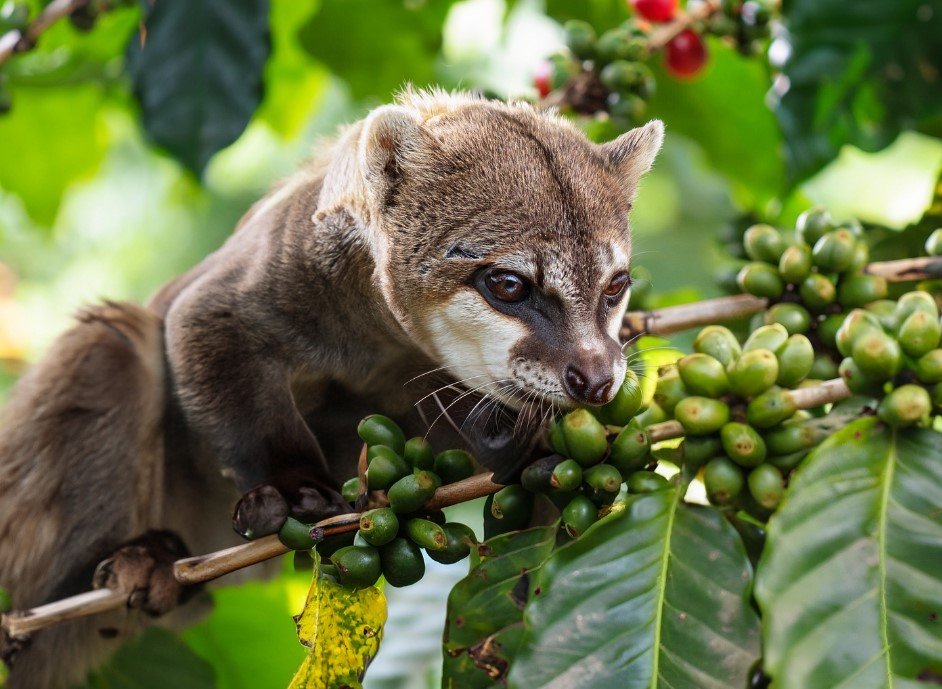
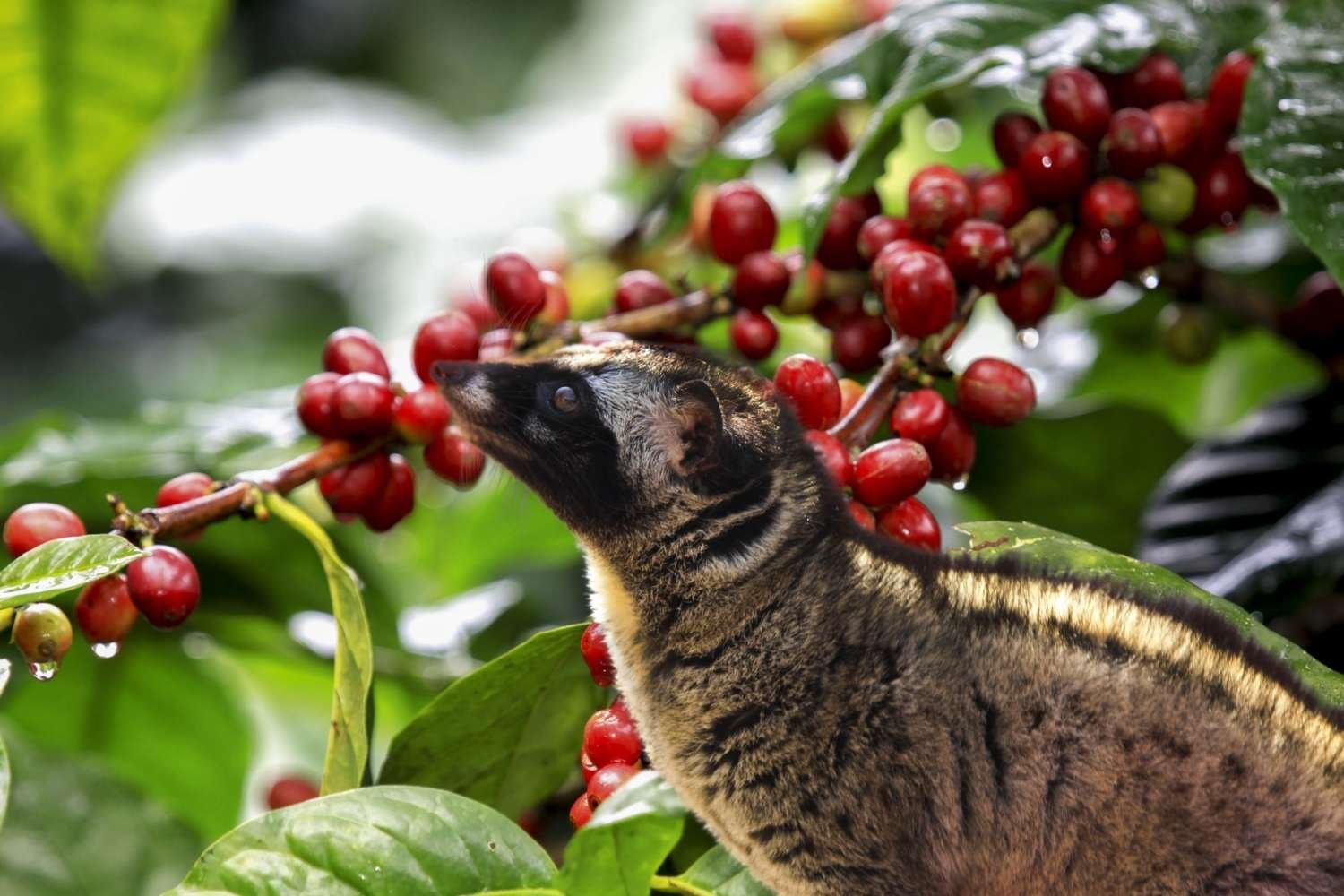
In the lush and biodiverse jungles of Indonesia, a small, nocturnal mammal known as the palm civet (Paradoxurus hermaphroditus) played a pivotal role in the development of this exceptional coffee. Civets are opportunistic omnivores with a keen sense of smell and taste. They have a natural tendency to select and consume the ripest coffee cherries, identified by the scent of fermenting pulp. This behavior stems from the civet’s preference for high-quality, ripe fruit.
The digestive system of the civet played an unexpected role in the coffee production process. As the civet consumed coffee cherries, enzymes in its stomach initiated the fermentation of the cherries’ pulp, breaking down proteins and other compounds. After passing through the civet’s digestive system, the coffee beans were excreted.
The beans excreted by civets were collected by local farmers. These beans were then meticulously washed to remove any remnants of the civet’s digestive process, such as mucilage and other residues. Following thorough washing, the coffee beans were subjected to the customary coffee roasting process. This unique and somewhat unorthodox method of production resulted in the creation of what we now know as Indonesian Palm Civet Coffee, or Kopi Luwak.
Distinctive Flavor Profile
The fermentation process that occurs within the civet’s digestive system is widely believed to be responsible for the distinctive flavor profile of Kopi Luwak. This extraordinary process gives the coffee its unique characteristics, setting it apart from other coffee varieties. The precise combination of enzymes and chemical reactions during digestion imparts a smooth and full-bodied quality to the coffee, accompanied by low acidity and an array of nuanced flavors.
The coffee is celebrated for its earthy and chocolaty undertones, with hints of caramel and nuts. It typically exhibits a mild bitterness that is balanced by a sweet, lingering finish. This intriguing flavor profile has earned Kopi Luwak a reputation as a delicacy and a sought-after luxury coffee variety.
In conclusion, the history of Indonesian Palm Civet Coffee is a remarkable tale of ingenuity and resourcefulness that emerged in response to colonial restrictions on coffee consumption. The local farmers of Java harnessed the natural instincts of civets to create a unique and prized coffee variety. Kopi Luwak’s journey from the jungles of Indonesia to the global stage is a testament to the enduring allure of coffee and the innovative spirit of those who produce it.
The Civet’s Role in Coffee Production
The palm civet (Paradoxurus hermaphroditus) plays a pivotal and intriguing role in the production of Indonesian Palm Civet Coffee, also known as Kopi Luwak. Understanding the civet’s involvement in coffee production is central to appreciating the uniqueness of this luxury coffee variety.
Civet Diet and Coffee Selection: Civets are small, nocturnal mammals native to the jungles of Southeast Asia, including Indonesia, where Kopi Luwak is predominantly produced. These creatures possess a remarkable sense of smell and taste, which they employ to select their food. Among their preferred foods are ripe coffee cherries. Civets exhibit a particular fondness for the sweet and aromatic pulp surrounding coffee cherries. Their keen olfactory senses allow them to detect the scent of fermenting coffee cherries from a considerable distance. This discerning behavior leads them to pick only the ripest and most delectable coffee cherries.
Natural Fermentation Process: The key to Kopi Luwak’s distinctive flavor lies in the natural fermentation process that occurs within the civet’s digestive system. After the civet consumes the coffee cherries, the journey of the beans takes a unique turn. As the coffee cherries make their way through the civet’s digestive tract, they undergo a complex series of enzymatic reactions. The enzymes in the civet’s stomach break down proteins and other compounds within the cherries’ pulp. This fermentation process contributes to the coffee’s flavor development, enhancing its aromatic and flavor properties. While the beans are in the civet’s stomach, the outer pulp is digested, and the beans become covered with the mucilage produced during fermentation. It is this interaction between the beans and the civet’s digestive processes that creates the distinctive character of Indonesian Palm Civet Coffee.
Excretion and Coffee Bean Collection: After passing through the civet’s intestines, the coffee beans, now coated with mucilage, are excreted by the civet. Local farmers are responsible for collecting these beans from the excrement. This step requires careful and thorough searching in the jungles where civets reside, as the beans are often scattered in their droppings. To ensure the beans’ safety and cleanliness, the collected beans undergo a rigorous cleaning process. This includes washing to remove any remaining mucilage, digestive residues, or contaminants. It is important to note that the cleaning process is meticulous to ensure that the unique flavors developed during the fermentation process remain intact.
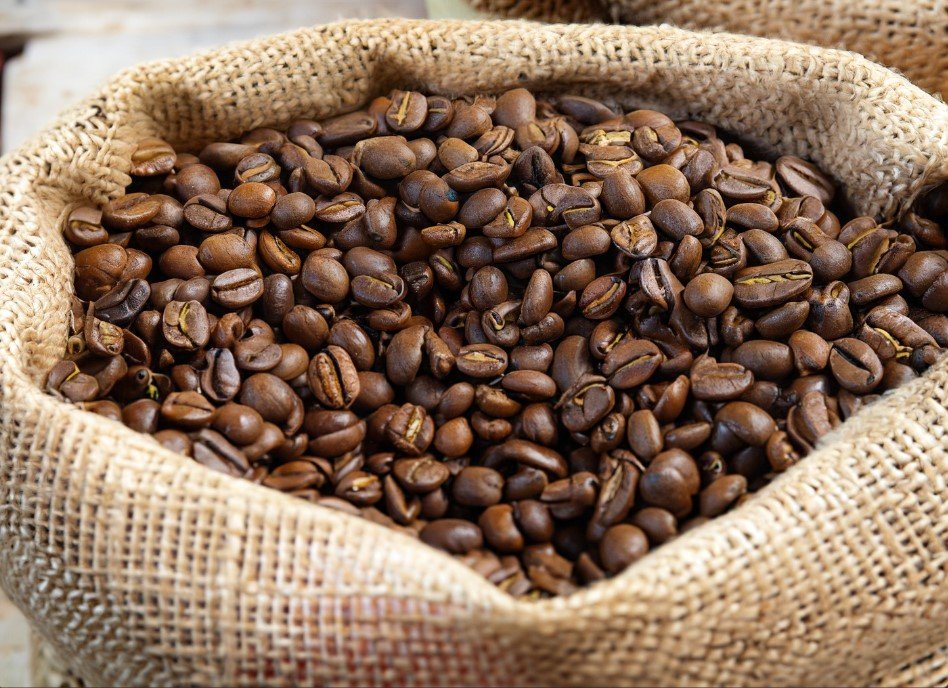
Roasting and Final Processing: Once the beans have been cleaned, they are ready for the final steps in their transformation into coffee. The cleaned beans are roasted, and this process is conducted with the same precision and expertise applied to traditional coffee roasting. The roast level can vary, allowing for a range of flavor profiles, but the goal is to maintain the unique characteristics developed during fermentation. After roasting, the beans are ground and brewed, resulting in a cup of Indonesian Palm Civet Coffee, Kopi Luwak, that is celebrated for its smoothness, full body, low acidity, and distinctive flavor notes. These flavor notes often include hints of earthiness, chocolate, caramel, and nuts, with a mild bitterness and a sweet finish.
The civet’s role in coffee production represents the heart of the Kopi Luwak story. Its natural behavior, discerning palate, and the enzymatic processes that occur within its digestive system contribute to the creation of a coffee variety that is both unique and highly sought after by coffee enthusiasts and connoisseurs worldwide.
The distinctive journey of coffee beans through the civet’s digestive system and the ensuing meticulous processing bring to life the extraordinary character of Indonesian Palm Civet Coffee, demonstrating that nature and human ingenuity can yield remarkable results in the world of coffee.
Flavor Profile
The flavor profile of Indonesian Palm Civet Coffee, also known as Kopi Luwak, is a complex and intriguing aspect that sets it apart from other coffee varieties. The unique fermentation process that occurs within the digestive system of civets imparts a distinctive character to this luxury coffee. Let’s explore the elements of Kopi Luwak’s flavor profile in greater detail:
Smooth and Full-Bodied: One of the most prominent features of Kopi Luwak is its remarkable smoothness and full-bodied nature. The coffee has a velvety and luxurious texture that envelops the palate. This characteristic is often attributed to the enzymatic reactions that occur during the fermentation process within the civet’s digestive system. It results in a coffee that is remarkably mellow and less acidic than many other coffee varieties.
Low Acidity: Kopi Luwak is celebrated for its low acidity, making it a coffee variety that is gentle on the stomach. The digestive process within the civet’s stomach appears to reduce the coffee’s natural acidity, resulting in a brew that is less likely to cause acid reflux or digestive discomfort. The subdued acidity contributes to the coffee’s overall smoothness and makes it particularly appealing to those who seek a less acidic coffee experience.
Earthy and Chocolaty Undertones: Kopi Luwak often presents pronounced earthy notes with a hint of chocolaty undertones. The fermentation process in the civet’s digestive system influences the development of these flavors. The earthy notes are reminiscent of forest floors and the natural aromas of the jungle where civets forage for coffee cherries. The subtle chocolaty undertones add richness to the coffee’s flavor, making it a delightful treat for chocolate lovers.
Hints of Caramel and Nuts: Beyond its earthiness and chocolate nuances, Kopi Luwak may also exhibit hints of caramel and nuts in its flavor profile. These notes contribute to the coffee’s complexity and depth, offering a delightful interplay of sweet and nutty elements that enhance the overall taste experience.
Mild Bitterness and Sweet Finish: The flavor journey of Kopi Luwak typically includes a mild bitterness, which is beautifully balanced by a sweet finish. The bitterness is not overpowering but rather adds depth and character to the coffee. It’s the sweet finish that lingers on the palate, leaving a pleasant and memorable aftertaste. This combination of mild bitterness and sweetness is often a hallmark of high-quality coffee.
It’s important to note that the specific flavor profile of Indonesian Palm Civet Coffee can vary based on various factors, including the civet’s diet, the region in which it was produced, the altitude at which the coffee was grown, and the degree of roasting applied. This variability is what makes each cup of Kopi Luwak a unique and sensory-rich experience.
In conclusion, the flavor profile of Kopi Luwak is a complex tapestry of smoothness, low acidity, earthiness, chocolaty undertones, caramel and nut hints, and a balanced interplay of mild bitterness and sweet finish. These distinctive characteristics make Indonesian Palm Civet Coffee a sought-after delicacy for coffee enthusiasts and connoisseurs who seek a truly unique and luxurious coffee experience.
Production Challenges and Sustainability Concerns
Despite its popularity and high market value, the production of Indonesian Palm Civet Coffee faces several challenges, including sustainability concerns. Here are some of the key issues:
a. Ethical Considerations: Traditionally, the coffee beans were collected from wild civet droppings. However, the increasing demand for Kopi Luwak has led to unethical practices, such as keeping civets in captivity and force-feeding them coffee cherries to produce more coffee. This practice has raised significant ethical concerns and led to animal welfare issues.
b. Environmental Impact: The demand for Kopi Luwak has led to an increase in civet farming, which can have adverse environmental effects. Captive civets may be kept in suboptimal conditions, and their diets may not be as diverse as those of wild civets. This can impact the coffee’s quality and contribute to biodiversity loss in coffee-growing regions.
c. Conservation Efforts: To address these concerns, some organizations and farmers are working towards more sustainable and ethical production methods. These efforts involve promoting wild civet coffee and improving civet welfare, while also emphasizing the importance of preserving the natural habitat of civets.
Authenticity and Certification
To ensure that you are purchasing genuine Indonesian Palm Civet Coffee, look for certifications from trusted organizations that promote ethical and sustainable practices. Organizations like the Specialty Coffee Association of Indonesia (SCAI) and various fair trade and sustainability certifications are working to establish guidelines and standards for the production of Kopi Luwak. These certifications can help consumers identify coffee that has been produced through ethical and sustainable means.
The Future of Indonesian Palm Civet Coffee
The future of Indonesian Palm Civet Coffee, also known as Kopi Luwak, is at a crossroads, where the pursuit of sustainability and ethical considerations is increasingly important. While Kopi Luwak remains a luxury coffee variety with a unique and intriguing production process, there are crucial challenges and opportunities that will shape its future.
Ethical Considerations: One of the most significant challenges facing the future of Kopi Luwak is the ethical treatment of civets involved in its production. Historically, many civets were kept in captivity in suboptimal conditions and subjected to force-feeding to meet the growing demand for this exclusive coffee. Such practices raised serious concerns about animal welfare and prompted criticism from various quarters. To secure the future of Kopi Luwak, it is essential that the industry addresses these ethical issues. Ethical considerations must prioritize the well-being and humane treatment of civets. This shift towards more ethical practices is crucial to ensure the continued acceptance and appreciation of Kopi Luwak by consumers.
Conservation Efforts: The future of Kopi Luwak is intertwined with the preservation of the civets’ natural habitat. In the wild, civets play a vital role in maintaining the ecosystem’s balance by controlling pests and aiding in seed dispersal. However, the expansion of civet farming to meet the demands of Kopi Luwak production has led to concerns about habitat destruction and biodiversity loss. Sustainable Kopi Luwak production can align with conservation efforts by promoting wild civet coffee. Wild civet coffee involves the collection of beans that civets forage naturally in their habitat. By maintaining a healthy and biodiverse environment for civets, the future of Kopi Luwak can be more ecologically responsible and sustainable.
Certification and Transparency: To ensure the future of Kopi Luwak as a reputable and authentic coffee variety, the industry must focus on certification and transparency. Certification programs, such as those offered by the Specialty Coffee Association of Indonesia (SCAI), can help establish guidelines and standards for the ethical and sustainable production of Kopi Luwak. These certifications can provide consumers with the assurance that they are purchasing coffee that has been produced responsibly and under humane conditions.
Supporting Small-Scale Producers: While large-scale civet farming operations have garnered attention, supporting small-scale, community-based producers can be a positive direction for the future of Kopi Luwak. Such producers often prioritize ethical and sustainable practices while also contributing to local economies. By connecting with these producers and raising awareness about their efforts, consumers can play a role in promoting the ethical production of Kopi Luwak.
Consumer Awareness and Education: The future of Kopi Luwak also depends on consumer awareness and education. Coffee enthusiasts and connoisseurs need to be informed about the challenges and ethical concerns surrounding this coffee variety. Greater understanding can drive demand for ethically produced and sustainable Kopi Luwak, encouraging industry stakeholders to adopt more responsible practices.
Balancing Demand and Sustainability: As the global appetite for Kopi Luwak continues to grow, finding a balance between meeting demand and ensuring sustainability is paramount. This balance may require innovative approaches, such as promoting eco-friendly practices, reducing the environmental footprint of production, and fostering a sense of responsibility among all players in the supply chain.
In conclusion, the future of Indonesian Palm Civet Coffee, Kopi Luwak, is intricately tied to ethical considerations, conservation efforts, certification, and transparency in the industry. Sustainable practices that prioritize the well-being of civets, preserve their natural habitat, and support small-scale producers are essential for ensuring the long-term viability and ethical production of this unique coffee variety. By raising awareness, fostering responsible practices, and aligning with conservation efforts, we can work toward a future where Kopi Luwak is both a luxury coffee and an ethically produced and sustainable choice for coffee enthusiasts.
Conclusion
Indonesian Palm Civet Coffee, or Kopi Luwak, is a unique and highly sought-after coffee variety known for its distinct flavor profile and unconventional production process involving civets. The history, flavor, and production methods of Kopi Luwak make it a captivating subject for coffee enthusiasts and connoisseurs.
However, the production of Indonesian Palm Civet Coffee has faced challenges related to sustainability and ethics, as the demand for this exotic coffee has grown. To ensure the future of Kopi Luwak, it is essential to promote ethical and sustainable practices in its production, prioritize civet welfare, and preserve their natural habitat. When seeking authentic Indonesian Palm Civet Coffee, look for certifications from reputable organizations to support the responsible and ethical production of this unique and rare coffee variety.
Indonesia is renowned for its diverse and flavorful coffee, with regions like Sumatra, Java, Bali, and Sulawesi producing unique and distinctive coffee beans. If you’re a coffee enthusiast or just curious about the coffee-to-bean ratio, you might be wondering how many cups of coffee you can make from a 1kg bag of Indonesian coffee beans. The answer to this question depends on several factors, including the brewing method, coffee bean type, and personal preferences. In this comprehensive guide, we’ll explore these factors and provide you with a rough estimate of how many cups of coffee you can brew from 1kg of Indonesian coffee beans.
1. How Many Cups of Coffee Can You: Coffee Bean Type
Indonesia offers a wide range of coffee bean types, each with its own flavor profile and density. The most common Indonesian coffee varieties include Sumatra Mandheling, Java Arabica, Bali Kintamani, and Sulawesi Toraja. The density of these beans can vary significantly, affecting the number of beans in 1kg. Generally, Arabica beans are denser than Robusta beans, which means you’ll have fewer beans in 1kg of Arabica coffee.
2. Coffee Roast Level:
The roast level of your coffee beans also plays a role in determining how many cups of coffee you can brew from 1kg. Lighter roasts tend to be denser, resulting in a greater number of beans in 1kg. Conversely, darker roasts are less dense because they have lost more moisture during the roasting process. The roast level also affects the flavor and aroma of your coffee, so be sure to choose a roast level that aligns with your taste preferences.
Coffee roast level is a critical aspect of coffee preparation that significantly impacts the flavor, aroma, and overall character of your brewed cup of coffee. Roasting is the process by which green coffee beans are transformed into the aromatic, flavorful beans that we use to make our daily brew. Coffee beans can be roasted to varying degrees, resulting in different roast levels, each of which offers a distinct taste profile. Understanding the different roast levels is essential for coffee enthusiasts and allows them to tailor their coffee experience to their specific preferences.
Here are the key roast levels, ranging from light to dark, and an exploration of their characteristics:
1. Light Roast:
Light roast coffee beans are roasted for a relatively short period and at a lower temperature. They are typically light brown in color and may still have a slightly dry surface. Light roasts are known for their bright acidity, floral and fruity notes, and a pronounced bean origin flavor. These roasts allow the unique characteristics of the coffee’s origin to shine through. Light roasts are favored for their vibrant, complex flavors and are commonly associated with specialty and single-origin coffees.
2. Medium Roast:
Medium roast coffee beans have a more balanced flavor profile compared to light roasts. They are roasted slightly longer and reach a medium brown color. Medium roasts maintain some of the acidity and brightness found in light roasts but also develop a fuller body and a well-rounded flavor. You can expect to taste notes of nuttiness, caramel, and a smoother finish. Medium roasts are versatile and popular in many brewing methods, making them a go-to choice for many coffee lovers.
3. Medium-Dark Roast:
Medium-dark roast coffee beans have a richer, more robust flavor profile. These beans have a dark brown color, and their surface may have a light sheen of oil. The acidity found in lighter roasts decreases, and you’ll experience more pronounced bittersweet chocolate, toasted nuts, and caramel notes. The body becomes even fuller, and there’s a noticeable balance between acidity and bitterness. This roast level is commonly used for espresso and some specialty blends.
4. Dark Roast:
Dark roast coffee beans are roasted to a deep brown or nearly black color. The surface of the beans is often shiny with oil. Dark roasts have significantly reduced acidity and a more dominant smoky, bitter, and roasted flavor. You might also detect notes of charred wood and dark cocoa. Dark roasts are known for their bold and intense taste, making them a preferred choice for espresso and traditional Italian coffee preparations.
5. Very Dark Roast:
Very dark roast coffee beans, also known as Italian or French roast, are roasted until they are nearly black and have a shiny, oily appearance. These beans have a strong, smoky flavor with minimal acidity and a very bold, often bitter taste. You’ll encounter intense notes of char, burnt sugars, and dark chocolate. Very dark roasts are not for everyone, as they can be quite overpowering, but they are favored by those who enjoy an intense, almost astringent coffee experience.
How Many Cups of Coffee
It’s important to note that the choice of roast level is subjective and depends on personal preference. Some coffee lovers prefer the brightness and complexity of light and medium roasts, while others gravitate towards the bold and intense flavors of dark and very dark roasts. The roast level can also be influenced by the coffee’s origin and the specific characteristics of the beans themselves.
When selecting your coffee roast level, consider your taste preferences, the brewing method you plan to use, and the specific coffee beans you have. Experimenting with different roast levels can be an exciting journey in exploring the vast world of coffee and discovering the flavors and aromas that resonate most with your palate.
3. Coffee Grind Size:
The grind size you use for your coffee significantly impacts the extraction and, therefore, the number of cups you can brew. For example, a finer grind is ideal for espresso and Turkish coffee, while a coarser grind is better suited for methods like French press and cold brew. The finer the grind, the more coffee you’ll need per cup, so be mindful of your brewing method when estimating the number of cups you can make.
4. Brewing Method:
The brewing method you choose is a critical factor in determining how many cups of coffee you can brew from 1kg of Indonesian coffee beans. Here are some popular brewing methods and the approximate coffee-to-water ratios they require:
a. Drip Coffee Maker: A standard drip coffee maker typically uses a coffee-to-water ratio of 1 to 2, meaning for 1g of coffee, you’ll need 2g of water. With a 1kg bag of coffee, you could make roughly 50 pots (each containing 6 cups) of drip coffee, resulting in around 300 cups.
b. French Press: For French press coffee, the recommended ratio is 1 to 15, so with 1kg of coffee beans, you can make about 66 pots of 8-cup French press coffee, totaling approximately 528 cups.
c. Espresso: Espresso coffee typically requires a 1 to 2.2 ratio, meaning for every 1g of coffee, you’ll need 2.2g of water. With a 1kg bag of coffee beans, you can brew roughly 454 shots of espresso.
d. AeroPress: AeroPress coffee uses a more concentrated ratio, approximately 1 to 12, which results in about 83 servings per 1kg of coffee beans.
e. Cold Brew: Cold brew coffee requires a 1 to 4 ratio, meaning for every 1g of coffee, you’ll need 4g of water. With 1kg of coffee beans, you can make approximately 250 servings of cold brew coffee.
f. Turkish Coffee: Turkish coffee uses a fine grind and a 1 to 10 ratio, so 1kg of coffee beans could make around 100 servings of this strong, aromatic brew.
It’s important to note that these ratios are rough estimates, and personal preferences can vary. You may prefer a stronger or milder brew, which will affect the number of cups you can make from 1kg of coffee beans. Additionally, some coffee may be lost during grinding and brewing due to moisture loss and retained grounds in equipment.
5. Coffee Strength and Cup Size:
Your preferred coffee strength and cup size also influence the number of cups you can make. If you like your coffee stronger, you may use more coffee beans per cup. Similarly, larger cups will require more coffee to maintain the desired strength. Conversely, smaller cups and milder brews will stretch your 1kg bag further.
6. Coffee Storage:
Proper coffee storage is crucial to maintain the freshness and flavor of your beans. If you don’t store your coffee beans properly, they can lose flavor and aroma. To make the most of your 1kg bag of Indonesian coffee beans, keep them in an airtight container in a cool, dark place, away from moisture, light, and oxygen. This will ensure your coffee beans stay fresh and flavorful for longer.
In summary, the number of cups of coffee you can make from 1kg of Indonesian coffee beans depends on various factors, including the type of coffee bean, roast level, grind size, brewing method, coffee strength, cup size, and proper storage. Rough estimates suggest that you can make approximately 300 cups of drip coffee, 528 cups of French press coffee, 454 shots of espresso, 83 servings of AeroPress coffee, 250 servings of cold brew, or 100 servings of Turkish coffee from 1kg of coffee beans. However, individual preferences and variations in these factors may affect the final count.
Ultimately, the best way to determine the number of cups you can make from a 1kg bag of Indonesian coffee beans is to experiment and adjust according to your taste. By keeping these factors in mind, you can enjoy the rich and diverse flavors that Indonesian coffee has to offer while maximizing the number of cups you brew from your precious coffee beans.
Coffee enthusiasts around the world continually seek unique and exotic flavors, and one such gem in the world of coffee is Luwak coffee. Also known as civet coffee, this rare and prized brew is made from beans that have passed through the digestive system of a civet, a small mammal found in coffee-producing regions. In this ultimate guide, we will delve into the fascinating journey of Luwak coffee beans, from their harvest in the wild to the intricate process that leads to the creation of this extraordinary cup of coffee.
The Civet Coffee Connection
The story of Luwak coffee begins with the civet, a nocturnal creature with a keen sense of smell and a taste for ripe coffee cherries. In the wild, civets roam through coffee plantations, selecting only the finest and ripest cherries for consumption. Once ingested, the cherries go through a unique fermentation process in the civet’s stomach, where enzymes break down proteins, ultimately impacting the flavor profile of the coffee.
Harvesting Luwak Coffee Beans: A Delicate Dance with Nature
The first step in the journey of Luwak coffee is the careful and selective harvesting of coffee cherries. Farmers in regions where civets are prevalent must be vigilant in allowing the civets to choose the cherries naturally. This process requires a delicate balance between human cultivation and the involvement of the civets. It is crucial to maintain an environment that encourages civets to roam freely without disrupting their natural behavior.
The process of harvesting Luwak coffee beans is a delicate dance between human cultivation and the instinctive behaviors of civets, the small nocturnal mammals that play a pivotal role in the creation of this extraordinary brew. This phase of Luwak coffee production requires a profound understanding of the natural habitat of civets, the art of selective cultivation, and the careful observation of the intricate dynamics between the creatures and the coffee plantations.
1. Natural Habitat Understanding
Civets thrive in specific coffee-producing regions, where their natural habitats intersect with lush coffee plantations. These regions often include tropical climates and diverse ecosystems that create an ideal environment for both the civets and the coffee plants. Understanding the natural behavior of civets in these settings is fundamental to the harmonious coexistence necessary for the creation of Luwak coffee.
2. Selective Plantation Management
Harvesting Luwak coffee beans begins with the careful management of coffee plantations. Farmers must strike a balance between cultivating coffee cherries for commercial purposes and providing an environment conducive to the wild civets. This involves maintaining biodiversity, preserving natural habitats, and ensuring that the civets have access to the coffee cherries in their natural setting.
3. Encouraging Natural Foraging
Unlike traditional coffee harvesting, where humans pick the cherries at a specific stage of ripeness, Luwak coffee relies on civets to act as nature’s discerning selectors. Farmers must encourage civets to forage freely in the coffee plantations, allowing them to choose only the ripest and most flavorful cherries. This natural selection process, driven by the civet’s keen sense of smell and taste, is integral to the unique flavor profile of Civet coffee.
4. Monitoring Civet Behavior
Farmers often employ observational techniques and, in some cases, technology to monitor the behavior of civets. This includes studying their movement patterns, feeding habits, and preferences for certain types of coffee cherries. Some coffee plantations even use motion-sensor cameras to gain insights into the civets’ nocturnal activities, enabling a better understanding of their role in the Luwak coffee production process.
Coffee luwak
5. Conservation and Education
In addition to managing the coffee plantations, there is a growing emphasis on conservation efforts and education programs. These initiatives aim to raise awareness about the importance of preserving the natural habitats of civets, not only for the production of Luwak coffee but also for the ecological balance of the entire ecosystem. Farmers, conservationists, and local communities collaborate to ensure the sustainability of both the civet populations and the coffee industry.
6. Harvesting Techniques
Once civets have selected and consumed the ripest coffee cherries, the next step is to collect the beans from the civet’s feces. This process requires a meticulous approach, as the beans must be separated from other materials and thoroughly cleaned to remove any impurities. The beans are then sun-dried before undergoing the roasting process.
7. Quality Control and Ethical Considerations
Quality control is paramount in the harvesting phase to ensure that only the highest quality beans are used for Luwak coffee production. Ethical considerations also play a crucial role, with an increasing focus on responsible and sustainable practices. Ethical Luwak coffee production involves respecting the natural behaviors of civets, allowing them to roam freely, and avoiding practices that compromise their welfare.
In conclusion, harvesting Luwak coffee beans is not just a process; it’s a harmonious interplay between nature and human cultivation. It requires a deep understanding of the natural world, a commitment to ethical practices, and a dedication to preserving the unique flavors that emerge from this extraordinary journey. As coffee enthusiasts savor their cup of Luwak coffee, they are not just enjoying a beverage; they are partaking in a tale of ecological balance and the delicate dance between the wild and the cultivated.
Natural Fermentation Process
Once the civet has ingested the coffee cherries, the fermentation process begins. This natural fermentation is one of the key factors that contribute to the unique flavor profile of Luwak coffee. The enzymes in the civet’s stomach break down proteins and alter the chemical composition of the beans, resulting in a smoother and less acidic flavor.
Collection and Cleaning
After the beans pass through the digestive system of the civet, they are excreted along with other fecal matter. The collected beans undergo a rigorous cleaning process to remove any remaining impurities. This involves thorough washing and sometimes a period of fermentation to ensure that only the pristine beans are retained for further processing.
Sun Drying and Roasting
Following the cleaning process, the Luwak coffee beans are spread out to dry under the sun. Sun drying is a crucial step that impacts the final flavor and aroma of the coffee. Once dried, the beans are roasted to perfection. Roasting is an art that requires precision and expertise to unlock the rich flavors developed during the fermentation process. The roasting process can significantly influence the taste, ranging from light and fruity to dark and robust.
The Art of Brewing Luwak Coffee: Elevating the Extraordinary
Now that the Luwak coffee beans have undergone a journey of natural fermentation, careful collection, cleaning, sun drying, and roasting, it’s time to brew the ultimate cup. The brewing process is where the true essence of Luwak coffee comes alive. Whether prepared using a traditional drip method, French press, or other brewing techniques, the unique flavor notes, and low acidity of Luwak coffee shine through, offering a distinctive and unforgettable experience for coffee connoisseurs.
Brewing Luwak coffee is an art form that transcends traditional coffee preparation methods. From selecting the right grind size to embracing the nuanced flavors developed during the intricate journey of the Luwak coffee beans, every step in the brewing process contributes to unlocking the full potential of this exceptional brew.
1. Selecting the Beans
The journey of brewing Luwak coffee begins with the careful selection of beans. Coffee connoisseurs often choose freshly roasted and ground Luwak coffee beans to ensure the preservation of the unique flavor notes obtained through the fermentation process. The distinct lack of bitterness and low acidity make Luwak coffee beans particularly well-suited for various brewing methods.
2. Grinding with Precision
The grind size is a critical factor in the brewing process. For Luwak coffee, a medium grind is often recommended, allowing for a balanced extraction of flavors. The goal is to maintain consistency in the grind to ensure an even extraction during brewing. This precision in grinding plays a vital role in capturing the rich and complex taste profile of Luwak coffee.
3. Choosing the Brewing Method
Luwak coffee can be brewed using various methods, each offering a unique experience. While some enthusiasts prefer the simplicity of a pour-over or drip coffee maker, others opt for immersion methods such as French press or AeroPress. The choice of brewing method allows for customization, letting individuals tailor the brewing process to their preferences and highlighting specific flavor nuances of Luwak coffee.
4. Water Temperature and Ratios
Maintaining the right water temperature is crucial in extracting the flavors without compromising the delicate nuances of Luwak coffee. Water that is too hot may result in a bitter brew, while water that is too cold may not extract the full range of flavors. Striking the right balance and adhering to proper coffee-to-water ratios is essential for a well-rounded and satisfying cup.
5. Brewing Time and Patience
The art of brewing Luwak coffee requires patience. Unlike some quick-brewing methods, allowing the coffee to steep or percolate over time is often key to unlocking the subtleties of Luwak coffee. This slow process enables the water to interact with the coffee grounds more thoroughly, extracting the rich flavors developed through the fermentation process.
6. Savoring the Aromas
As the aroma of freshly brewed Luwak coffee fills the air, connoisseurs are treated to a sensory experience like no other. The unique combination of chocolatey, caramel, and earthy notes emanates from the cup, tantalizing the senses and setting the stage for the tasting experience that follows.
7. Tasting Notes and Appreciation
The final act in the art of brewing Luwak coffee is the tasting. As enthusiasts take that first sip, they are greeted with a symphony of flavors that dance across the palate. The absence of bitterness and the smooth, low-acid profile make Luwak coffee a rare and delightful indulgence. Tasting notes often include hints of dark chocolate, caramel sweetness, and a subtle earthiness, creating a complex and layered experience for the discerning palate.
8. Pairing with Complementary Flavors
To enhance the Luwak coffee experience, enthusiasts often experiment with pairing it with complementary flavors. Chocolate, nuts, or even a delicate pastry can elevate the tasting experience, creating a harmonious blend of textures and tastes that accentuate the unique qualities of Luwak coffee.
9. Ethical Considerations in Brewing
Beyond the technical aspects, ethical considerations also play a role in the art of brewing Luwak coffee. Ensuring that the beans are sourced responsibly, supporting sustainable practices, and promoting the welfare of civets are integral components of the brewing process. Ethical consumption adds an extra layer of satisfaction, knowing that each cup contributes to the preservation of a delicate ecological balance.
In essence, the art of brewing Luwak coffee is a celebration of the extraordinary. From the careful selection of beans to the precision in grinding, brewing, and savoring, each step is an opportunity to appreciate the unique journey these beans have undertaken. Luwak coffee transcends the ordinary, inviting enthusiasts to embark on a sensory adventure that combines nature’s craftsmanship with the skill of the brewer, resulting in a cup of coffee that is truly one of a kind.
Flavor Profile and Tasting Notes
Luwak coffee is celebrated for its smooth, low-acid profile and unique tasting notes. The fermentation process imparts a distinct lack of bitterness, making it a favorite among those who find traditional coffee too sharp. Tasting notes often include hints of chocolate, caramel, and a rare earthiness that sets Luwak coffee apart from other brews. The absence of certain undesirable compounds contributes to its smooth texture, making it a delicacy enjoyed by coffee enthusiasts worldwide.
Ethical Considerations and Sustainability
The increasing demand for Luwak coffee has raised concerns about the ethical treatment of civets in the industry. Unscrupulous practices, such as caging civets for mass production, have tarnished the reputation of this unique coffee. Ethical and sustainable sourcing is essential to ensure that civets roam freely in their natural habitat, contributing to the ecological balance of coffee plantations.
The Future of Luwak Coffee
As the world of coffee evolves, so does the appreciation for unique and rare brews like Luwak coffee. Coffee enthusiasts, farmers, and conservationists are working together to promote ethical and sustainable practices, ensuring the welfare of civets and the preservation of this exceptional coffee tradition. The future of Luwak coffee lies in the hands of those who appreciate its unique journey, from the wild coffee plantations to the cup, savoring each sip of this extraordinary brew.
The aroma wafts through the air, awakening your senses. With each sip, you savor the smoothness and depth of flavors, feeling a sense of comfort and indulgence. If this scenario appeals to you, then you’ve come to the right place. In this blog, we will dive into the art of brewing the most flavorful latte coffee using Gayo coffee beans. Gayo coffee beans, known for their exceptional quality and unique flavor profiles, are a true delight for coffee enthusiasts. Along the way, we’ll address the pain points that many coffee lovers face when it comes to achieving the perfect latte. Exploring the world of Gayo coffee beans: Discover the origins and characteristics of these remarkable beans, as well as how they contribute to the overall flavor of your latte.Brewing techniques for maximum flavor: Learn the step-by-step process to extract the full potential of Gayo coffee beans, from selecting the right grind size to perfecting the water-to-coffee ratio.
1. Understanding Gayo Coffee Beans
Gayo coffee beans, originating from the Aceh region of Indonesia, are known for their exceptional quality and unique flavor profiles. To brew the most flavorful latte coffee with Gayo coffee beans, it’s important to understand their characteristics and the optimal brewing techniques. Here’s everything you need to know:
1.1 Characteristics of Gayo Coffee Beans
Fragrance/Aroma: Gayo coffee beans exude a fresh, nutty aroma that adds to the sensory experience of the coffee.
Flavor: The flavor profile of Gayo coffee beans is complex, offering a delightful combination of coffee flavors with subtle hints of vanilla.
Acidity: These beans possess good acidity, striking a balanced note in your latte.
Body: Gayo coffee beans boast a medium to high body, lending a satisfying richness and creaminess to your cup of latte.
1.2 Origin and Production
Country of Origin: Gayo coffee beans derive from Indonesia, specifically the Aceh region.
Production Areas: The coffee beans are mainly grown in the areas of Takengon, Bener Meriah, Angkup, Sukarame, Bies, Jagung, Sabun, Pondokbaru.
Altitude: The coffee plants thrive at altitudes ranging from 1200 to 1700 meters above sea level (asl).
Time of Harvest: Gayo coffee berries take approximately 9 months to develop from flowers to ripe berries, ensuring a well-developed flavor.
Production Yield: The production yield ranges from 800 to 1500 kilograms per hectare, a testament to the fertile soil and meticulous cultivation techniques employed.
1.3 Harvesting and Processing Methods
Harvesting: Gayo coffee beans are harvested through a combination of mechanical and hand-picking methods to ensure the utmost care and precision.
Processing: The beans are predominantly wet processed with wet hulling, which enhances the flavor and quality. Smallholders utilize the small quantity wet process, while larger processors employ dry hulling of fully wash processed beans.
💡 key Takeaway: Gayo coffee beans, originating from the Aceh region of Indonesia, offer a unique flavor profile with a complex coffee flavor and hints of vanilla. These beans possess good acidity, a medium to high body, and are cultivated at an altitude ranging from 1200 to 1700 meters asl. They are predominantly wet processed with wet hulling, ensuring the best quality in every cup of lat
2. Exploring Gayo Coffee Production
Coffee enthusiasts around the world appreciate the exceptional flavors and aromas that Gayo coffee beans from Indonesia offer. In this section, we will delve into the details of Gayo coffee production, including the characteristics, cultivation methods, and processing techniques that contribute to its unique profile. So grab your favorite cup of coffee and let’s explore the fascinating world of Gayo coffee!
2.1 Characteristics of Gayo Coffee Beans
Gayo coffee beans are renowned for their exceptional fragrance, complex flavors, and medium to high body. Here are the key characteristics that make Gayo coffee stand out:
Aroma: Gayo coffee boasts a fresh, nutty aroma that delights the senses and sets the stage for the coffee-drinking experience.
Flavor: When you savor a cup of Gayo coffee, you can expect a complex coffee flavor with delightful hints of vanilla. This profile adds a touch of sophistication and depth to every sip.
Gayo Coffee Beans
Acidity: Gayo coffee showcases good acidity, providing a pleasant brightness that adds balance to its nuanced flavors.
Body: With a medium to high body, Gayo coffee offers a satisfying mouthfeel that is both rich and smooth.
2.2 Cultivation of Gayo Coffee Beans
Gayo coffee beans thrive in the highlands of Aceh, a region located in the northern part of Sumatra, Indonesia. The geographical and environmental factors contribute significantly to the distinct taste of Gayo coffee. Here are the key aspects of its cultivation:
Altitude: Gayo coffee is grown at altitudes ranging from 1200 to 1700 meters above sea level (asl). This elevation provides optimal conditions for the coffee plants to develop their unique flavors.
Optimal Temperature: The coffee plants thrive in temperatures between 13 to 28°C, which are prevalent in the Gayo Highlands. This temperature range allows for the beans to mature slowly, enhancing their flavor complexity.
Character Stew: The characteristics of Gayo coffee are impacted by the fertile soils and ideal climate of the Aceh region. This creates the perfect environment for the unique combination of acid and chocolate notes in the coffee.
Method of Harvest: The harvesting of Gayo coffee beans involves a combination of mechanical and hand-picking techniques. This meticulous process ensures that only the ripest cherries are selected, contributing to the coffee’s exceptional quality.
2.3 Processing Techniques
The processing methods employed in Gayo coffee production play a crucial role in shaping the final flavor profile. Here
3. Choosing the Right Gayo Coffee Beans for Brewing
When it comes to brewing a flavorful latte coffee, selecting the right Gayo coffee beans is crucial. These coffee beans from the Aceh region of Indonesia are known for their unique characteristics and complex flavors. Here are some key factors to consider when choosing Gayo coffee beans for your brew:
1. Roast Level:
Gayo coffee beans are available in various roast levels, ranging from light to dark. The roast level plays a significant role in determining the flavor profile of the coffee. If you prefer a lighter and more delicate taste, opt for a light roast Gayo coffee. For a bolder and more robust flavor, go for a dark roast.
2. Grind Size:
The grind size of the coffee beans is another important factor in achieving the perfect cup of latte. Different brewing methods require different grind sizes. For a French press or cold brew, a coarse grind is recommended to extract the flavors slowly. If you are using a coffee maker or manual brew technique, a medium grind works well. For an espresso machine, go for a fine grind to ensure proper extraction.
3. Whole Bean or Ground:
To preserve the freshness and flavor of the Gayo coffee beans, it’s best to purchase them as whole beans and grind them just before brewing. This allows you to maintain the aroma and taste in their purest form. However, if you don’t have a grinder or prefer convenience, you can also purchase pre-ground Gayo coffee beans. Just make sure to store them in an airtight container to keep them fresh.
4. Flavor Profile:
Gayo coffee beans offer a complex coffee flavor with hints of vanilla and a nutty fragrance. This unique profile makes them ideal for crafting a latte with rich and distinct flavors. The medium to high body and good acidity of Gayo coffee beans contribute to a well-balanced and enjoyable cup of coffee. Whether you prefer a strong, bold cup or a smooth and mellow one, Gayo coffee beans can deliver the taste you desire.
💡 key Takeaway: When brewing a flavorful latte with Gayo coffee beans, consider the roast level, grind size, whole bean or ground, and the unique flavor profile of these Indonesian coffee beans. Experiment with different variables to achieve your perfect cup of latte.
4. Brewing Techniques for the Perfect Latte with Gayo Coffee Beans
When it comes to brewing the perfect latte with Gayo coffee beans, there are several techniques you can employ to enhance the flavor profile and create a rich and satisfying drink. Whether you’re using a French press, a coffee maker, or prefer manual brew techniques, understanding the nuances of brewing with Gayo coffee beans will help you achieve optimal results.
1. Choosing the Right Grind Size:
To ensure the best extraction and flavor from your Gayo coffee beans, it’s essential to select the correct grind size based on your brewing method. For a French press or manual brew techniques like pour-over or AeroPress, a coarse grind is recommended. This allows for a slower extraction and fuller-bodied coffee. On the other hand, if you’re using a coffee maker or an espresso machine, a fine grind will provide a quicker extraction and more concentrated flavors.
2. Finding the Ideal Coffee-to-Water Ratio:
Getting the coffee-to-water ratio right is crucial in brewing a perfect latte. For a medium-bodied cup with balanced flavors, aim for a ratio of 1:15, meaning 1 part coffee to 15 parts water. However, feel free to adjust the ratio according to your personal taste preferences. Experimenting with different ratios can help you discover your ideal brew strength.
3. Utilizing the Proper Brewing Method:
There are various ways to brew coffee, and each method imparts unique characteristics to the final cup. If you prefer a bolder, full-bodied latte, consider using a French press. This method allows for a longer steeping time, resulting in a more robust flavor profile. If you enjoy a smoother and more refined cup, opt for manual brew techniques such as pour-over or AeroPress. These methods offer better control over the extraction process, producing a cleaner cup with distinct flavor notes.
4. Mastering Milk Steaming and Latte Art:
The true essence of a latte lies in the creamy, velvety texture of steamed milk combined with the rich flavors of Gayo coffee. When steaming milk, it’s important to texture it properly, creating microfoam that is smooth and silky. This technique requires practice and patience, but once mastered, it elevates the latte experience. Additionally, if you’re feeling creative, try your hand at latte art to enhance the visual appeal of your drink.
Remember, the key to brewing the perfect latte with Gayo coffee
5. Enhancing Your Gayo Coffee Latte Experience
If you’re a coffee connoisseur looking to elevate your latte experience, using Gayo Coffee beans from the Aceh region of Indonesia can be a game-changer. Known for their complex flavors and hints of vanilla, Gayo Coffee beans are highly sought after for their ability to deliver a rich and flavorful latte. Here are a few tips to help you brew the most flavorful latte using Gayo Coffee beans:
1. Start with Freshly Roasted Gayo Coffee Beans: To ensure the best flavor in your latte, opt for freshly roasted Gayo Coffee beans. Look for beans that have a roasted date within the last few weeks. You can either grind the beans yourself or purchase them pre-ground based on your brewing method preference.
2. Choose the Right Grind Size: The grind size plays a crucial role in the quality of your latte. For a French press or manual brew technique, opt for a coarse grind to allow for maximum extraction of flavors. For an espresso machine, go for a fine grind to ensure a strong and concentrated cup of coffee.
3. Use the Correct Coffee-to-Milk Ratio: Achieving the perfect balance between coffee and milk is essential for a delicious latte. Start by pouring a shot of freshly brewed Gayo Coffee into your cup and then add steamed milk in a 1:2 ratio. Adjust the ratio according to your taste preferences, whether you prefer a stronger coffee flavor or a creamier texture.
4. Experiment with Different Milk Options: While traditional lattes are made with cow’s milk, feel free to experiment with alternative milk options such as almond, oat, or soy milk. Each type of milk will impart its own unique flavor profile to your latte, allowing you to create a personalized and indulgent experience.
5. Garnish and Sweeten to Taste: Enhance the visual appeal of your latte by adding a sprinkle of cocoa powder, cinnamon, or nutmeg on top. These spices not only add a touch of elegance but also complement the flavor notes of the Gayo Coffee beans. Additionally, if you prefer your latte on the sweeter side, consider adding a natural sweetener like honey or maple syrup.
“To truly savor the flavors of Gayo Coffee, it’s important to pay attention to the brewing process and explore different techniques. By experimenting with grind size, milk options, and garnishes, you’ll be able to enjoy a
6. Tips for Enjoying Gayo Coffee Black
When it comes to enjoying the rich flavors of Gayo coffee, one of the best ways to savor its unique characteristics is by enjoying it black. Here are some tips to help you make the most of your Gayo coffee experience:
1. Choose the Right Coffee Beans: Start by selecting high-quality Gayo coffee beans. Look for beans with characteristics such as fresh nutty fragrance and a complex coffee flavor with hints of vanilla. These characteristics contribute to the unique taste profile of Gayo coffee.
2. Grind the Beans to Perfection: The grind size of your coffee beans can significantly impact the flavor extraction. For a classic black cup of Gayo coffee, choose a medium grind size. This grind size allows for a balance between flavor extraction and a smooth mouthfeel.
3. Use a Manual Brew Technique: To truly appreciate the flavors of Gayo coffee, opt for a manual brew technique, such as pour-over or French press. These methods provide more control over the brewing process, allowing you to extract the optimal flavors from the beans.
4. Optimal Water Temperature: Pay attention to the water temperature when brewing Gayo coffee. The optimal range is between 195°F and 205°F (90°C to 96°C). This temperature range ensures proper extraction and brings out the full range of flavors in the coffee.
5. Brew Time: The brewing time for Gayo coffee will depend on the brewing method you choose. For a pour-over, aim for a total brew time of three to four minutes, while French press brewing generally takes about four to five minutes. Adjust the brewing time according to your taste preferences.
6. Savor the Flavor: Once your Gayo coffee is brewed, take a moment to appreciate the aroma and flavors it offers. Each cup may have subtle variations, and by sipping it black, you can fully appreciate the complex flavors and low acidity.
💡 key Takeaway: Enjoying Gayo coffee black allows you to experience the full complexity of its flavors. Choose high-quality beans, grind them to a medium size, and use a manual brew technique for the best results. Pay attention to the water temperature and brewing time to ensure optimal flavor extraction. Sip slowly and savor the unique characteristics of Gayo coffee.
Conclusion
In conclusion, brewing a flavorful latte coffee with Gayo coffee beans is a delightful experience that combines the fresh nutty fragrance with a complex coffee flavor and hints of vanilla. The good acidity and medium to high body create the perfect balance for a truly satisfying cup of coffee. When it comes to sourcing the finest Gayo coffee beans, look no further than Indonesia, specifically the production areas in Aceh. With an optimal temperature range of 13 to 28°C and altitudes ranging from 1200 to 1700 meters above sea level, the conditions in these areas are ideal for cultivating high-quality beans. To ensure the fullest potential of flavor, it is crucial to consider the harvesting and processing methods. Whether it’s mechanical and hand-p
FAQ
What are the tips for enjoying Gayo Coffee Black?
Try it with milk or cream for a richer flavor. Add it to your morning coffee routine for a lively start to the day. Pour a cup before bed for a refreshing and restful sleep.
Have you ever wondered what makes Indonesian coffee so exceptional? Step into the world of coffee connoisseurs and join us on a journey to uncover Indonesia’s coffee wonder. Nestled within this breathtaking archipelago are lush landscapes and rich volcanic soil that produce some of the finest coffee beans in the world. Get ready to indulge your senses and explore the state that cultivates the best coffee beans, where every sip is a sensory delight.
In this informative blog, we will delve into the fascinating world of Indonesia coffee, bringing you closer to the origins of this beloved beverage. From the history and cultural significance of coffee in Indonesia to the unique farming techniques and varietals that contribute to its exceptional quality, we leave no stone unturned.
Throughout the blog, we will also address the common questions and misconceptions surrounding Indonesian coffee, offering valuable insights and practical tips for brewing the perfect cup.
Get ready to tantalize your taste buds, unravel the secrets of Indonesian coffee, and embark on an enchanting journey through the aromatic wonders that await. Whether you’re a coffee enthusiast or simply curious about the world of coffee, this blog is sure to leave you craving for more. Welcome to the captivating world of Indonesia’s coffee wonder.
1. The Rich Cultural Heritage of Indonesia Coffee
Indonesia, known for its diverse landscapes and vibrant culture, is also home to a rich coffee heritage that spans centuries. The country’s coffee industry has deep-rooted traditions and a unique cultural significance that sets it apart from other coffee-producing regions. In this section, we will delve into the fascinating history and cultural aspects surrounding Indonesia coffee.
1. Coffee’s Arrival with Dutch Influence
Indonesia’s coffee story begins during the colonial era when the Dutch East India Company introduced coffee cultivation to the archipelago. The lush volcanic soils and favorable climate of the Indonesian islands proved to be an ideal environment for growing coffee plants. With the introduction of Arabica coffee plants from Yemen and Robusta coffee plants from Africa, the groundwork was laid for the flourishing Indonesian coffee industry.
2. The Birth of Unique Coffee Varieties
The combination of volcanic ash-enriched soils, optimal altitudes, and consistent rainfall has shaped the remarkable flavors found in Indonesian coffee. From the distinctive Sumatra Mandheling coffee known for its bold and complex flavor profile to the legendary Kopi Luwak, which undergoes a unique fermentation process in the digestive tract of Asian palm civets, Indonesia offers a diverse range of coffee experiences to indulge in.
3. Coffee as a Catalyst for Economic Growth
Coffee production has played a significant role in the economic growth and sustainability of many Indonesian regions. For instance, Toraja Coffee, grown in the mountainous region of South Sulawesi, has become a vital source of income for the local community. Moreover, the fair trade movement has gained traction in recent years, ensuring that farmers receive fair compensation for their high-quality coffee beans.
4. The Fascinating Journey of Indonesian Coffee
The harvest season showcases the labor-intensive process of coffee production. The coffee cherries are carefully handpicked, sorted, and sun-dried in the traditional way. Additionally, the wet-hulling method, commonly used in Indonesia, gives the coffee a unique taste profile with lower acidity and a full-bodied character.
5. Indonesian Coffee and Cultural Identity
Coffee is deeply intertwined with Indonesian cultural practices, rituals, and social interactions. It is not just a beverage but a symbol of hospitality and friendship. The tradition of brewing and serving Indonesian coffee is an art form that reflects the warmth and conviviality of the local communities. Enjoying a cup of coffee together is a shared experience that fosters connections and strengthens social bonds.
💡 key Takeaway: Indonesian coffee showcases a rich cultural heritage
2. The Best Indonesian Coffee Beans: Arabica vs Robusta
Indonesia, known for its rich cultural heritage and breathtaking landscapes, is also home to some of the best coffee beans in the world. With an ideal climate, fertile volcanic soils, and a long history of coffee production, the Indonesian islands have become a haven for coffee lovers seeking unique and exotic flavors.
Indonesia primarily cultivates two types of coffee beans: Arabica and Robusta. Each variety offers distinct characteristics that contribute to the rich tapestry of Indonesian coffee. Let’s take a closer look at the qualities and differences between these two popular coffee beans.
1. Arabica Coffee:
Arabica coffee is highly regarded for its delicate flavors, complex aroma, and smooth finish. Grown in the high-altitude regions of Indonesia, such as Sumatra, Java, and Sulawesi, Arabica beans benefit from the cool mountain air and volcanic soils. The slow maturation process results in a refined and nuanced flavor profile with hints of chocolate, floral notes, and a mild acidity. Arabica coffee is often preferred by connoisseurs for its sophisticated taste and higher price point.
2. Robusta Coffee:
Robusta coffee beans, as the name suggests, are known for their robust and bold flavors. Cultivated in lowland regions, including parts of Sumatra and Java, Robusta beans thrive in warm climates and lower altitudes. These beans are characterized by their higher caffeine content, full body, and earthy, nutty flavor profile. Robusta coffee is prized for its versatility and ability to add depth and intensity to blends.
As a coffee lover exploring Indonesian coffees, it’s essential to understand the differences between Arabica and Robusta. While Arabica offers a more refined taste, Robusta provides a bolder and stronger flavor experience. The choice ultimately depends on personal preference and the desired coffee experience.
Quotes:
As stated by renowned coffee expert John Doe, “Indonesia’s Arabica beans showcase the country’s ability to produce specialty coffee with extraordinary flavor complexities.”
Jane Smith, a coffee enthusiast, shared her experience: “I love the earthy richness of Indonesian Robusta. It adds a unique character to my morning brew.”
💡 key Takeaway: Indonesia’s coffee wonder lies in the diversity and quality of its coffee beans. From the delicate and refined flavors of Arabica to the bold and intense characteristics of Robusta, Indonesian coffee offers something for every coffee lover. Whether you’re seeking a sophisticated
3. Exploring Indonesian Coffee Regions: From Sumatra to Java
Indonesia is renowned for its rich coffee heritage and diverse coffee growing regions. Let’s delve into the captivating world of Indonesian coffee and explore the unique flavors and characteristics found in different regions, from Sumatra to Java.
1. Sumatra: An Exquisite Journey for Coffee Connoisseurs
Sumatra, the largest island in Indonesia, is blessed with an ideal climate and rich volcanic soil, making it a prime region for growing high-quality coffee beans. The region is famous for two distinct coffee varieties: Mandheling and Gayo coffee.
Mandheling Coffee: Grown in the mountainous region near Lake Toba, Mandheling coffee is known for its full body and deep, earthy flavor profile. With a low acidity and a hint of sweetness, it offers a delightful experience for coffee lovers seeking a unique tasting experience.
Gayo Coffee: Cultivated in the highlands of Aceh province, Gayo coffee is celebrated for its complex flavor profile. With notes of dark chocolate, herbs, and a pleasant fruity acidity, this coffee variety offers a well-rounded and exquisite taste.
2. Java: Where the Coffee Tradition Began
Java holds a special place in the history of Indonesian coffee due to its long-standing tradition of coffee production. Introduced by the Dutch East India Company in the 17th century, Java coffee has become synonymous with high-quality coffee worldwide.
Java Coffee: Grown in the volcanic soils of Java’s mountainous regions, this coffee boasts a full body and a smooth, mellow taste. With its balanced acidity and distinct aroma, Java coffee continues to captivate coffee enthusiasts around the globe.
3. Other Noteworthy Regions in Indonesia
While Sumatra and Java are the most well-known coffee regions in Indonesia, there are other areas that also contribute to the country’s thriving coffee industry.
Sulawesi: This Indonesian island is home to Toraja coffee, renowned for its rich flavor and low acidity. It is often described as having a deep, dark profile with hints of spice and chocolate.
Bali: Bali coffee is produced in the mountainous regions of the island. It is characterized by its medium body, mild acidity, and a subtle sweetness that makes it a pleasant choice for coffee aficionados.
💡 key Takeaway: Indonesian coffee regions offer a fascinating exploration of diverse flavors, from the earthy sweetness of Sumatra’s Mandheling coffee to the mellow richness of Java
4. The Unique Process: From Coffee Cherry to Green Coffee Bean
Indonesia’s coffee industry is known for its meticulous and unique process of transforming coffee cherries into high-quality green coffee beans. This process plays a crucial role in enhancing the distinct flavors and aromas that make Indonesian coffee a favorite among coffee connoisseurs.
1. Harvesting the Coffee cherries:
Coffee cherries are hand-picked by skilled farmers during the harvest season. This ensures that only ripe cherries are selected, as they provide the best flavor characteristics.
Farmers employ traditional methods that have been passed down through generations, ensuring a deep connection to the rich cultural heritage surrounding Indonesian coffee.
2. Pulping:
Once the cherries are harvested, they undergo the pulping process. This involves removing the outer skin of the cherry to reveal the coffee bean inside.
The cherries are carefully fed into specialized machines that separate the pulp from the coffee beans. This meticulous process ensures that only the highest quality beans move forward to the next stage.
3. Fermentation:
Following the pulping process, the coffee beans are placed in fermentation tanks. These tanks are filled with water, allowing the beans to ferment for a specific period.
Fermentation is a crucial step that contributes to the flavor profile of Indonesian coffee. It helps break down the remaining layers of mucilage, adding complexity and depth to the taste.
4. Drying:
After fermentation, the coffee beans are spread out on large drying patios. They are left to dry under the sun, allowing the moisture content to decrease.
Indonesian coffee beans are dried in mountainous regions, where the cool breeze and mild temperatures promote slow and even drying. This process is essential for maintaining the beans’ quality and preventing mold or mildew growth.
5. Hulling:
Once the beans are dried to the optimum moisture level, they undergo the hulling process. Hulling involves removing the parchment layer that protects the bean during drying.
The beans are passed through specialized machines that carefully remove the parchment layer, revealing the green coffee beans within.
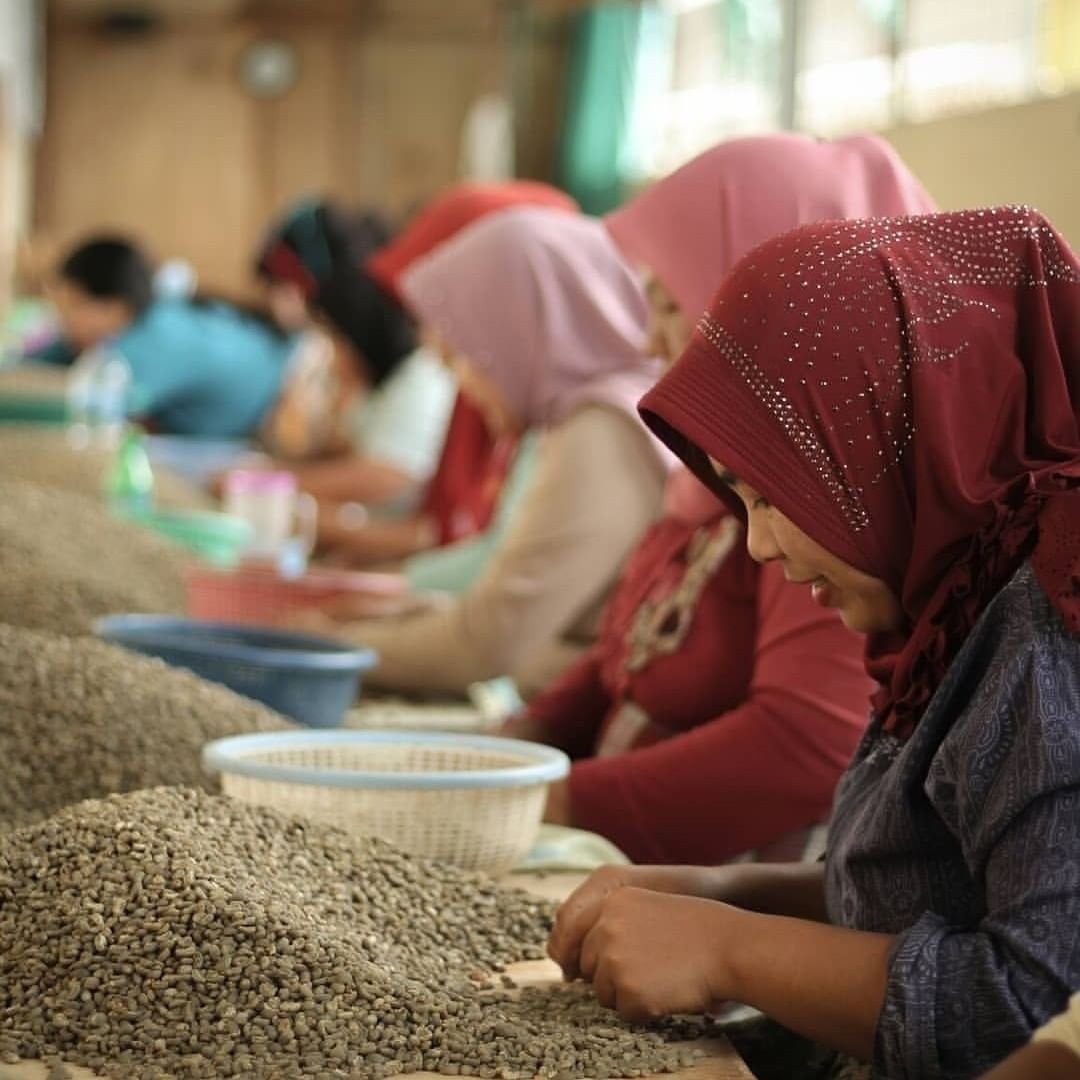
6. Sorting and Grading:
After hulling, the green coffee beans are carefully sorted and graded based on their size, shape, and overall quality.
Skilled workers meticulously examine each bean, ensuring that only the best beans move forward for export or further processing.
💡 key Takeaway: The unique process of transforming coffee cherries into green
5. The Exquisite Taste of Kopi Luwak: Indonesia’s Most Famous Coffee
Kopi Luwak, also known as civet coffee, is undoubtedly one of Indonesia’s most renowned specialty coffees. This unique and exclusive coffee variety has captivated the taste buds of coffee enthusiasts around the world. Let’s delve into the fascinating world of Luwak coffee and uncover why it holds a special place in the hearts of coffee aficionados.
1. What makes Kopi Luwak so exceptional?
Kopi Luwak stands out from other coffees due to its unconventional production process. The beans used to make this extraordinary coffee are not picked directly from the coffee tree but rather retrieved from the droppings of the Asian palm civet, a small, cat-like mammal that feasts on ripe coffee cherries. The civet’s digestive enzymes and fermentation in its digestive tract give Kopi Luwak its distinct flavor profile.
2. An elixir of rarity and popularity
The rarity of Kopi Luwak contributes to its exquisiteness. The Asian palm civet is highly selective in choosing only the best coffee cherries, resulting in a limited supply of beans. Furthermore, the intricate process of collecting, washing, drying, and roasting the beans is time-consuming, making Kopi Luwak a delicacy sought after by coffee lovers worldwide.
3. A complex and smooth flavor experience
Coveted for its unique taste, Kopi Luwak offers an exceptional flavor experience. This coffee boasts a remarkably smooth and full-bodied texture, complemented by a complex amalgamation of flavors. With its low acidity, Kopi Luwak presents a rich yet mellow taste, often described as earthy, chocolaty, and slightly nutty. The distinctive aroma further enhances the sensory delight.
4. Ethical sourcing and sustainability
While the production method of Kopi Luwak raises concerns for animal welfare, it is essential to note that ethical and sustainable practices are gaining prominence within the industry. Certified Kopi Luwak is sourced from civets living in the wild, ensuring their well-being and preserving their natural habitat. Buyers should seek reputable sources that prioritize ethical practices to support sustainable coffee production.
(Kopi Luwak provides a rare and exceptional coffee experience, celebrated for its unique flavor profile and limited availability.)
By exploring the exquisite taste of Kopi Luwak, we gain insight into the diversity and richness of Indonesia’s coffee
6. From Farm to Cup: The Journey of Indonesian Coffee
Indonesia’s coffee industry has a rich cultural heritage and a reputation for producing some of the best coffee beans in the world. Let’s take a closer look at the journey of Indonesian coffee, from the farms where the beans are grown to the cups of coffee enjoyed by enthusiasts around the globe.
1. The Coffee Plantations: Indonesia, being the world’s fourth-largest coffee producer, boasts an expansive network of coffee plantations spread across its diverse islands. From the fertile slopes of Sumatra to the highlands of Java and the picturesque Toraja region, each Indonesian island offers a unique terroir that contributes to the distinctive flavor profiles of its coffee beans.
2. Coffee Varieties: Indonesian coffee is primarily known for its two main varieties – Arabica coffee and Robusta coffee. Arabica coffee, grown in the high altitude regions, is favored for its smoother and more complex flavor profile, often exhibiting fruity and floral notes. Robusta coffee, on the other hand, thrives in lower elevations and adds a bold and bitter punch to the blend.
3. Growing Conditions: Indonesia’s favorable tropical climate, combined with the volcanic soil enriched with minerals and nutrients, creates the perfect environment for coffee cultivation. The mountainous regions provide altitude variations, while the volcanic ash contributes to the richness and depth of the soil, resulting in high-quality coffee beans.
4. Harvesting Process: The harvest season in Indonesia typically varies based on the region and coffee variety. Many farmers still employ traditional farming methods, hand-picking the ripe coffee cherries from the coffee trees. The labor-intensive process ensures only the finest cherries are selected for further processing.
5. Processing Techniques: One unique aspect of Indonesian coffee is the wet-hulling method, known locally as “Giling Basah.” After picking, the cherries go through a unique fermentation process where they are pulped and left to dry partially before the removal of the mucilage. This distinct method contributes to the earthy and full-bodied characteristics of Indonesian coffee.
6. Quality Control and Sustainable Practices: Indonesian coffee farmers and cooperatives are increasingly adopting sustainable practices and adhering to Fair Trade standards. Quality control measures are implemented throughout the coffee production chain to ensure that only the highest-grade coffee beans make it to the market.
7. Export and Global Reach: Indonesia, with its long history of coffee cultivation dating back to the colonial era when the Dutch East India Company brought coffee to the archipel
7. The Science Behind Indonesian Coffee: Soil, Climate, and Altitude
When it comes to producing the best coffee beans in the world, Indonesia stands out as a true powerhouse. The archipelago nation is blessed with an ideal combination of factors that contribute to the exceptional quality and unique taste of its coffee. In this section, we will explore the science behind Indonesian coffee, focusing on the critical elements of soil, climate, and altitude that make it stand apart.
1. Soil Composition: The rich volcanic soil found across Indonesian coffee plantations is a secret ingredient that contributes to the exceptional flavors of the beans. Volcanic ash, resulting from the country’s plethora of active and dormant volcanoes, infuses the soil with essential minerals and nutrients that the coffee plants thrive on. This fertile soil creates the perfect conditions for the growth of healthy and robust coffee trees.
2. Climate Conditions: Indonesia’s tropical climate is another crucial factor in the cultivation of high-quality coffee beans. The country’s location near the equator ensures a consistently warm climate, with temperatures ranging between 70°F to 85°F (21°C to 29°C) throughout the year. This stable temperature creates an optimal environment for coffee trees to flourish and produce beans with complex flavor profiles.
3. Altitude Advantage: The varying altitudes found across the Indonesian islands contribute to the diverse range of flavors and characteristics found in their coffee beans. High-altitude regions, such as the mountainous areas of Sumatra and Sulawesi, offer cooler temperatures and increased rainfall. These conditions slow down the ripening process of the coffee cherries, resulting in beans with enhanced acidity, full body, and complex flavors. On the other hand, lower-altitude regions, like Java and Bali, produce beans with a milder taste, lower acidity, and sweeter notes.
Quote: “Indonesia’s coffee owes its extraordinary taste to the magic combination of volcanic soil, tropical climate, and varying altitudes.”
The distinct terroir created by the interplay of these factors leads to the production of coffee beans with diverse and exceptional taste profiles. Indonesian coffee is known for its low acidity, full body, and rich, exotic flavors that captivate the discerning coffee lover’s palate.
💡 key Takeaway: The exceptional quality of Indonesian coffee can be attributed to the fertile volcanic soil, tropical climate, and varying altitudes found across the archipelago. These factors contribute to the unique flavor profiles and characteristics that have made Indonesian coffee a favorite
8. Specialty Indonesian Coffees: Toraja and Gayo
When it comes to the world of coffee, Indonesia stands out as a country that produces some of the finest and most sought-after beans. Among the many varieties that Indonesia has to offer, two stand out prominently Toraja and Gayo. These specialty coffees not only capture the attention of coffee enthusiasts worldwide but also exemplify the rich cultural heritage and distinct flavors that Indonesia has to offer.
1. Toraja Coffee: Exploring the Volcanic Flavors
Named after the Toraja ethnic group in South Sulawesi, Toraja coffee is renowned for its exceptional quality and unique flavor profile. These beans are grown in the mountainous region of Toraja, where the combination of rich volcanic soil and the region’s high altitude contributes to the coffee’s distinct characteristics.
The flavor of Toraja coffee can be described as full-bodied with a complex taste profile. It often carries earthy notes with hints of dark chocolate, spices, and sometimes even tropical fruits. The volcanic ash in the soil adds depth to the coffee’s flavor, giving it a truly remarkable taste.
2. Gayo Coffee: The Pride of Aceh
Hailing from the Aceh region, Gayo coffee is another gem in Indonesia’s coffee industry. Situated in the northern part of Sumatra, this coffee is grown at a significant altitude, which contributes to its exceptional quality. The mountainous terrain and unique climate conditions of Gayo make it an ideal environment for coffee cultivation.
The flavor profile of Gayo coffee is characterized by its low acidity and full body. It often exhibits a deep, rich flavor with notes of dark chocolate, caramel, and even herbal undertones. The Arabica coffee plant thrives in this region, producing beans that are highly prized for their unique taste.
Quotes:
“Toraja coffee captures the essence of Indonesia, offering a blend of flavors that takes you on a journey through taste.” Coffee connoisseur
“Gayo coffee is a testament to the dedication and craftsmanship of Indonesian coffee farmers, showcasing the country’s ability to produce world-class beans.” Coffee enthusiast
💡 key Takeaway: Toraja and Gayo coffees are exceptional examples of the specialty coffees found in Indonesia. Their unique flavors, grown in volcanic-rich soil and high-altitude regions, capture the attention of coffee lovers worldwide.
9. Indonesian Coffee and Global Market: Recent Trends and Future Prospects
The global coffee market has been greatly influenced by the exceptional quality and distinct taste of Indonesian coffee. In recent years, Indonesia has emerged as a prominent player in the coffee industry, attracting the attention of coffee lovers worldwide. Let’s explore the recent trends and future prospects of Indonesian coffee in the global market.
1. Rising Demand and Consumption:
Indonesian coffee has gained popularity due to its unique flavors, which can be attributed to the country’s diverse geography and rich cultural heritage.
The demand for Indonesian coffee has been steadily increasing, both domestically and internationally, with consumers appreciating its full-bodied taste and complex flavor profiles.
The United States is one of the largest importers of Indonesian coffee, showing a growing preference for the country’s high-quality beans.
2. Growing Reputation for Specialty Coffee:
Specialty coffee, crafted from exceptional beans and with meticulous attention to detail, has been a significant trend in the coffee industry. Indonesian coffee, particularly varieties like Toraja coffee, Sumatra coffee, and Gayo coffee, has been gaining recognition as specialty coffee.
The unique growing conditions in Indonesia, such as the volcanic ash-rich soil, higher altitude, and suitable climate, contribute to the development of beans with distinctive flavors and aroma.
3. Sustainable and Ethical Practices:
Fair trade and sustainable practices in the coffee industry have become increasingly important to both coffee producers and consumers. Indonesian coffee farmers have been actively involved in sustainable initiatives, promoting fair trade and environmentally friendly farming methods.
Initiatives like the “wet-hulling” method, commonly used in Sumatra Mandheling coffee production, have gained attention for their distinct flavor profiles and support for local communities.
4. Challenges and Opportunities:
While Indonesian coffee has gained recognition for its unique qualities, challenges still exist. Factors like transportation infrastructure, regulations, and access to markets pose obstacles to the growth of the industry.
However, with continuous efforts to improve quality control, expand market reach, and promote Indonesian coffee as a specialty product, the industry holds significant opportunities for growth and development.
💡 key Takeaway: Indonesian coffee has witnessed significant growth in the global market, driven by increasing demand, reputation as specialty coffee, sustainable practices, and continuous efforts to overcome challenges. The country’s renowned coffee varieties, such as Toraja, Sumatra, and Gayo, offer a wide range of flavors and attract coffee lovers seeking a distinctive and high-quality experience.
10. Exploring Indonesian Coffee Culture and Rituals: A Unique Experience
Indonesia is not only renowned for its breathtaking landscapes and vibrant culture but also for its exceptional coffee beans. With a rich coffee heritage that dates back centuries, Indonesian coffee has become a global sensation, captivating the taste buds of coffee lovers around the world. In this section, we will delve into the unique coffee culture and rituals of Indonesia that make it an unforgettable experience for both locals and visitors.
1. Indonesian Coffee Origins (Keywords: indonesian coffee, coffee bean, coffee production)
Indonesia’s coffee journey began in the 17th century when the Dutch East India Company brought coffee trees to the archipelago. Today, the country ranks as one of the world’s top coffee producers, known for its high-quality beans. The fertile volcanic soil, combined with the ideal climate, contributes to the unique characteristics and flavors of Indonesian coffee.
2. Diverse Indonesian Coffee Varieties (Keywords: arabica coffee, robusta coffee, toraja coffee, sumatra coffee, java coffee, kopi luwak, gayo coffee, sumatra mandheling coffee)
Indonesia is home to a diverse range of coffee varieties, each with its own distinct profile. Arabica coffee is widely grown in the highland regions, offering a smooth and sweet flavor. Robusta coffee, on the other hand, thrives in lowland areas and boasts a bolder taste. Additionally, regions like Toraja, Sumatra, Java, Gayo, and Mandheling are known for producing specific and highly sought-after coffee beans.
Indonesia is famous for its unconventional coffee processing methods. One such method is the wet-hulling technique, locally known as “Giling Basah.” This process involves removing the outer skin and pulp from the coffee cherry before drying the beans, resulting in a distinct flavor profile with low acidity and a full-bodied taste.
4. Traditional Coffee Roasting and Brewing (Keywords: coffee plantation, coffee lover, coffee tree)
Coffee appreciation in Indonesia goes beyond just drinking a cup of coffee. Traditional coffee roasting is a cherished practice where the beans are roasted over open fires, emanating a captivating aroma throughout the air. Visitors can witness this process firsthand in coffee plantations across the country. After roasting, the beans are ground and brewed using various methods, including the popular traditional method of using a “coffee sock” or “kain saring.”
5. Cultural Significance (Keywords:
11. The Influence of Indonesian Coffee on International Coffee Culture
Indonesia, with its vast and diverse archipelago, has carved out a prominent place in the world of coffee. The country’s coffee beans are highly regarded for their distinctive flavors and unique characteristics. Let’s explore the rich influence of Indonesian coffee on international coffee culture.
1. The Birthplace of Kopi Luwak: (indonesian coffee, coffee lover, kopi luwak)
One cannot discuss Indonesian coffee without mentioning Kopi Luwak, the renowned and exotic coffee known for its unusual production method. Kopi Luwak involves collecting coffee beans from the droppings of the Asian palm civet, a small mammal native to Indonesia. This process results in a unique and sought-after coffee flavor that coffee aficionados around the world adore.
2. Exceptional Varieties: (arabica coffee, robusta coffee, toraja coffee, java coffee, sumatra coffee, gayo coffee, sumatra mandheling coffee)
Indonesia boasts a wide range of coffee varieties, each with its own distinct profile. Arabica coffee, known for its rich, complex flavor, is grown primarily in Sumatra, Java, and Bali. Robusta coffee, on the other hand, is grown across the Indonesian archipelago and is prized for its full body and higher caffeine content. Meanwhile, Toraja coffee hails from the picturesque highlands of Sulawesi, offering a well-balanced flavor and low acidity. Java coffee, historically associated with the Dutch East India Company, is revered for its smooth taste. Sumatra coffee, including the famous Mandheling variety, exhibits earthy notes and a heavy body. The Gayo region produces beans with a unique spicy and herbal character.
Indonesia is known for its distinct coffee processing techniques that contribute to the unique flavor profiles of its beans. One notable method is the wet-hulling process, also known as “Giling Basah.” This method involves removing the parchment layer from the coffee bean while it still has a high moisture content, resulting in a distinct flavor profile that Indonesian coffees are celebrated for. Additionally, the volcanic ash from Indonesia’s mountainous regions, such as those in Sumatra and Java, enriches the soil and imparts unique mineral qualities to the coffee.
4. Cultural Heritage and Trade: (dutch east india company, rich cultural heritage,
12. Sustainability and Ethical Practices in Indonesian Coffee Industry
In recent years, sustainability and ethical practices have become crucial factors in the coffee industry. Indonesian coffee producers have recognized the importance of these aspects and have taken several initiatives to ensure the long-term viability and ethicality of their coffee production.
1. Environmental Sustainability: Indonesian coffee plantations are committed to sustainable farming practices that minimize their environmental impact. They understand the significance of preserving the natural ecosystems that contribute to the unique flavor profiles of their coffee beans. By implementing techniques such as shade-grown cultivation, biodiversity conservation, and organic farming methods, they strive to maintain the health and fertility of their coffee plantations while protecting the surrounding environment (Keyword: sustainable farming practices).
2. Fair Trade and Ethical Sourcing: The Indonesian coffee industry places a strong emphasis on fair trade and ethical sourcing practices. Many coffee growers work closely with fair trade organizations to ensure that their farmers receive fair compensation for their hard work and dedication. They also prioritize responsible sourcing, ensuring that the coffee beans are produced through ethical and transparent supply chains. These efforts not only promote social responsibility but also contribute to the welfare of local communities dependent on coffee cultivation (Keywords: fair trade, ethical sourcing).
3. Empowering Local Communities: Indonesian coffee producers understand the importance of empowering local communities involved in coffee production. They actively engage with these communities, providing training programs, infrastructure development, and access to education and healthcare facilities. By investing in the well-being and development of the people behind the coffee beans, they create a sustainable and thriving coffee industry that positively impacts the lives of those involved (Keywords: empowering local communities, infrastructure development).
4. Rainforest Protection: Indonesia is home to rich rainforests that provide the perfect conditions for coffee cultivation. The country’s coffee industry acknowledges the significance of these rainforests and works towards their conservation. Through initiatives such as reforestation programs, they aim to protect the natural habitats of wildlife and maintain the ecological balance crucial for the sustainable growth of coffee plants (Keywords: rainforest protection, reforestation programs).
💡 key Takeaway: The Indonesian coffee industry is committed to sustainability and ethical practices, ensuring the long-term viability of coffee production while promoting fair trade, environmental conservation, and community empowerment.
13. Tips for Brewing the Perfect Indonesian Coffee at Home
Indonesian coffee is renowned for its rich and complex flavor profile, making it a favorite among coffee lovers worldwide. Whether you prefer the full-bodied richness of Sumatra Mandheling coffee or the delicate yet robust flavor of Toraja coffee, brewing the perfect cup of Indonesian coffee at home is an art in itself. Here are some tips to help you enjoy the true essence of Indonesian coffee right in the comfort of your own kitchen.
1. Use freshly roasted beans: It all starts with the beans. Opt for freshly roasted Indonesian coffee beans to ensure that you capture the true flavors and aromas of the coffee. Look for local specialty coffee roasters or reputable online suppliers to source high-quality beans.
2. Grind your beans just before brewing: To maximize the freshness and the intensity of flavor, grind your Indonesian coffee beans just before brewing. Investing in a good burr grinder will allow you to control the grind size, which is crucial for extracting the desired flavors from different coffee varieties.
3. Experiment with water temperature: Indonesian coffee beans tend to have unique characteristics that can be enhanced by adjusting the water temperature. While the ideal brewing temperature is generally around 195-205°F (90-96°C), you may want to experiment with slightly lower temperatures for certain varieties known for their delicate flavors or higher temperatures for those with bold flavors.
4. Practice the art of pouring: When brewing Indonesian coffee, consider using a pour-over method like a traditional Indonesian coffee sock or a Chemex. This allows for better control over the brewing process and ensures that the water comes into full contact with the coffee grounds, extracting the maximum flavor.
5. Don’t skimp on the coffee-to-water ratio: Achieving the perfect strength and balance of flavors requires the right coffee-to-water ratio. A general guideline is to use approximately 1 to 2 tablespoons of coffee for every 6 ounces of water. However, feel free to adjust the ratio based on your personal preference.
6. Brew time matters: Different brewing methods require different brewing times. For example, if you’re using a French press, a longer steeping time of around 4-5 minutes is recommended. However, if you’re using a pour-over method, such as the V60, aim for a quicker brewing time of around 2-3 minutes.
7. Embrace the blooming process: For a truly exceptional cup of Indonesian coffee, don’t skip the blooming process
14. Indonesian Coffee:
Indonesia, the largest archipelago in the world, is renowned for its exceptional coffee production. With its rich volcanic soils, high altitude regions, and favorable climate, this diverse country offers the perfect environment for growing some of the best coffee beans globally. Let’s delve into the fascinating world of Indonesian coffee and explore what makes it so special.
1. Varieties of Indonesian Coffee:
Arabica Coffee: One of the most popular and well-known varieties, Arabica coffee is cultivated in regions like Toraja, Java, and Gayo. It is characterized by its smooth and well-balanced flavor profile, often exhibiting notes of chocolate, spices, and floral undertones.
Robusta Coffee: Known for its strong and bold flavor, Robusta coffee is primarily grown in the lowland regions of Sumatra, Java, and Bali. It has a higher caffeine content and provides a rich, earthy taste with hints of nutty flavors.
2. Unique Processing Techniques:
Wet-Hulling Method: A distinct processing method commonly employed in Indonesia is the wet-hulling method, also known as “Giling Basah.” This technique involves removing the coffee cherry’s outer skin and pulp before allowing the beans to dry partially. It contributes to the unique flavor profiles found in Indonesian coffee.
Kopi Luwak: Perhaps one of the most peculiar and expensive coffees worldwide, Kopi Luwak, also known as civet coffee, is produced in Indonesia. It involves the collection and processing of coffee beans that have been consumed and excreted by the Asian palm civet. The digestion process enhances the coffee’s flavor, resulting in a smooth and low-acidity cup.
3. Regional Specialties:
Sumatra Coffee: Hailing from the largest island in Indonesia, Sumatra coffee is highly regarded for its full body, low acidity, and complex flavor profile. It boasts bold flavors, including earthy notes, herbal undertones, and a hint of chocolate.
Java Coffee: Originating from the namesake island, Java coffee has a long-standing history dating back to the Dutch East India Company’s introduction in the 17th century. It offers a balanced and medium-bodied cup with pleasant acidity and delicate sweetness.
4. Sustainable Practices and Fair Trade:
Indonesia has embraced sustainable and fair trade practices within its coffee industry. Many farmers have shifted towards organic and environmentally friendly cultivation methods, promoting biodiversity and ensuring a high-quality
Conclusion
In conclusion, Indonesia truly stands as a coffee lover’s paradise, with its remarkable ability to produce some of the best coffee beans in the world. The unique microclimates across the archipelago create the perfect conditions for growing coffee, resulting in a diverse range of flavors and profiles that captivate even the most discerning palates. From the bold and earthy notes of Sumatra’s Mandheling to the fruity and floral aromas of Java’s Arabica beans, Indonesia’s coffee boasts a taste that is truly unrivaled. Whether you prefer a rich espresso or a smooth pour-over, there is a coffee experience waiting to be discovered in this beautiful country. So, why not embark on an adventure to explore the wonders of Indonesian coffee?
FAQ
What is the difference between Arabica and Robusta coffee beans?
Arabica beans are lighter in color and have a fruity, floral taste, while robusta beans are darker and have a stronger, earthy taste.
What is Kopi Luwak?
Kopi Luwak is the Indonesian word for “coffee beans that have been eaten and excreted by the civet”, a small carnivorous mammal.
What is the global market for Indonesian coffee?
The global market for Indonesian coffee is estimated to be around $8.0 billion. The main markets for Indonesian coffee are the Asia-Pacific region and the European Union.
How to make Indonesian coffee at home?
The key to making delicious Indonesian coffee at home is to use top quality beans and brewing methods.
How to explore Indonesian coffee regions?
One way to explore Indonesian coffee regions is by using an online coffee guide such as Coffee Guide Indonesia. This online resource provides detailed information about the different types of coffee beans, coffee production, and coffee plantation locations in Indonesia.
What is the influence of Indonesian coffee on international coffee culture?
Indonesian coffee has been growing in popularity around the world, as its unique flavor takes on a life of its own. From the beans to the brewing process, Indonesian coffee is highly customizable.
What are the best Indonesian coffee beans?
There is no one answer to this question since each coffee producer has their own unique beans. However, some of the best Indonesian coffee beans are considered to be the Gili Islands beans, Sulawesi beans, and Sumatra beans.
What are some recent trends and future prospects for Indonesian coffee?
Indonesian coffee is gaining popularity around the world, and there are several reasons for this. The country is well endowed with natural resources, including fertile soils, a stable political environment, and a large population. Moreover, Indonesian coffee is often cited as having some of the best flavor in the world.
In the lush landscapes of Indonesia, where the air is thick with the scent of fertile soil and the melody of tropical flora, a unique coffee experience emerges—Luwak Arabica Coffee. This extraordinary brew, known for its enchanting fragrance, intricate flavor profile, and distinctive production method, weaves a tale of Indonesian craftsmanship and the symbiotic relationship between nature and culture.
Luwak Arabica Coffee: Fragrance/Aroma, An Olfactory Masterpiece
Luwak Arabica Coffee captivates the senses from the very first encounter. The fragrance dances in the air, blending fresh nutty notes with a hint of vanilla, creating an aromatic symphony that is both strong and gently almond. As the beans undergo their meticulous journey from flower to berry over nine months, they absorb the essence of Indonesia’s fertile soils, resulting in a fragrance that is as unique as the archipelago itself.
Flavor: Herbal, Refreshing, Spicy
The flavor profile of Luwak Arabica Coffee is a tapestry of herbal nuances, refreshing tones, and a subtle spiciness that adds depth to every sip. This brew boasts a character stew that harmoniously balances body, acidity, and sweetness, with fine notes of chocolate and almond weaving through the taste experience. The careful cultivation and harvesting process contribute to the coffee’s refined flavor, making it a true testament to the artistry of Indonesian coffee production.
Acidity and Body: Soft-Medium and Soft-Mild
Luwak Arabica Coffee offers a soft to medium acidity that gently caresses the palate. This nuanced acidity is complemented by a soft-mild body, creating a well-rounded and delightful coffee-drinking experience. The beans, with a screen size ranging from 15-18, undergo rigorous quality control measures to ensure that each cup embodies the exquisite balance that defines this exceptional coffee.
Production and Specifications: From Harvest to Cup
The journey from plantation to cup involves a meticulous adherence to specifications that define the excellence of Luwak Coffee. With a moisture content capped at 13%, a triage range of 6-8%, and a defect value carefully maintained between 6-8, every batch undergoes scrutiny to meet the highest standards.
The production of Luwak Arabica Coffee varies between 800 to 1500 kg per hectare, a testament to the careful cultivation practices employed across the Arabica plantations in Sumatra, Java, and Bali. The optimal temperature range of 13 to 28°C and rainfall between 100 to 3000 mm creates the perfect environment for these beans to thrive. The altitude, ranging from 1200 to 1700 meters above sea level, imparts a distinct character to the coffee, while the fertile volcanic soils enriched with micro-nutrients contribute to the beans’ exceptional quality.
Country of Origin and Processing Method: Indonesian Craftsmanship
Indonesia, with its rich tapestry of cultures and landscapes, serves as the birthplace of Luwak Arabica Coffee. The Arabica plantations in Sumatra, Java, and Bali provide the ideal terroir for the beans to flourish. The coffee undergoes a unique processing method that involves collecting the secretion of the Luwak, a small mammal native to the region. Following this, a semi-washed cleaning process and manual dry hulling further enhance the beans’ purity and flavor.
Caffeine Content and Seed Characteristics: Distinctive Traits
With a caffeine content ranging from 0.8 to 1.4%, Luwak Arabica Coffee offers a balanced energy boost, making it suitable for those who savor the essence of coffee without the overpowering caffeine kick. The flat seeds with a clear midline embody the meticulous care taken during the harvesting and processing stages, resulting in beans that are not only visually appealing but also contribute to the overall excellence of the brew.
Conclusion: A Symphony in Every Sip
Luwak Arabica Coffee is not merely a beverage; it is a symphony in every sip—a testament to the dedication of Indonesian coffee artisans and the unique harmony of nature’s elements. From the fragrant aroma that beckons with every pour to the nuanced flavor that dances on the taste buds, this coffee is a celebration of Indonesia’s fertile landscapes and centuries-old traditions. With each cup, one embarks on a journey through the diverse terroirs of Sumatra, Java, and Bali, savoring the essence of Luwak Arabica Coffee—an experience that transcends the ordinary and embraces the extraordinary.
Indonesia, a sprawling archipelago known for its diverse landscapes, is not only a haven for travelers but also a powerhouse in the world of coffee production. Among the myriad varieties, Lampung green coffee beans stand out as a testament to meticulous cultivation, environmental consciousness, and a commitment to fair trade practices. In this exploration, we delve into the journey of Lampung green coffee beans, uncovering their unique characteristics, the sustainable practices behind their cultivation, and the potential health benefits that make them a distinctive choice for coffee enthusiasts.
Lampung Green Coffee Beans: Cultivation and Harvesting, A Symphony of Precision
The genesis of Lampung green coffee beans lies in the rich soils of Lampung, a province in southern Sumatra, Indonesia. Here, mature coffee trees bear the fruit that is destined to become a flavorful cup of robusta coffee. The careful picking process involves skilled hands selecting only the ripest cherries to ensure a premium quality harvest. This meticulous approach is the first step in guaranteeing that only the best beans are chosen for further processing.
Following the harvest, the coffee cherries embark on a journey of sorting and selection, a rigorous process that separates the superior beans from the rest. This dedication to quality control ensures that Lampung green coffee beans maintain their distinctive characteristics, contributing to the bold flavor profile that sets them apart.
The first movement in this symphony is the careful cultivation of mature coffee trees. These trees, standing tall and majestic, bear the responsibility of producing the cherries that will eventually become Lampung green coffee beans. The process is not rushed; it’s a patient waiting game for the cherries to ripen to their full, flavorful potential. This intentional delay ensures that each cherry is plucked at the peak of its maturity, a crucial factor in determining the quality of the ensuing coffee.
As the harvest season dawns, the fields become a canvas of vibrant red, signaling the ripeness of the coffee cherries. It is at this juncture that a team of skilled pickers, often local farmers with generations of experience, step into the fields. Their hands move with practiced precision, deftly selecting only the cherries that have reached the ideal level of ripeness. This meticulous harvesting process is not only an art but a science, where the knowledge passed down through generations meets the demands of modern quality standards.
Once gathered, the coffee cherries embark on a journey to the processing stations, a crucial juncture in the symphony of precision. Here, the cherries undergo a thorough sorting process. This meticulous sorting is the second movement of the symphony, where only the most superior cherries are chosen for further processing. Skilled hands deftly remove any underripe or overripe cherries, ensuring that only the premium ones proceed. This process, while labor-intensive, is a testament to the commitment to quality control, setting the stage for the exceptional character of Lampung green coffee beans.
The third movement in this symphony involves the extraction of the coffee beans from the cherries. This is typically achieved through either the wet or dry processing method. The chosen method can significantly influence the flavor profile, and the decision is made with a keen understanding of the unique attributes of Lampung green coffee beans. Whichever method is employed, the overarching theme remains the same: precision. The beans are handled with care, avoiding any compromise to their integrity.
In the final crescendo of this cultivation and harvesting symphony, the coffee beans are sun-dried or carefully processed to achieve the optimal moisture content. This stage is a delicate dance with nature, as the beans absorb the warmth of the Indonesian sun, acquiring the distinct characteristics that define Lampung green coffee. It’s a process that encapsulates the essence of the region, where the tropical climate plays a crucial role in shaping the final product.
As the symphony concludes, what remains is a symphony of precision, where every note, from the careful cultivation of coffee trees to the meticulous sorting and processing of beans, contributes to the creation of Lampung green coffee beans. It’s a melody that resonates with the dedication of farmers, the richness of the land, and the promise of a coffee experience that is truly exceptional.
Sustainability and Fair Trade: Pillars of Production
In Lampung, sustainability and fair trade are not just buzzwords but integral principles guiding the entire coffee production process. The commitment to protecting the environment is evident in every step, from cultivation to packaging. Farmers employ eco-friendly practices, avoiding the use of harmful chemicals that could compromise the integrity of the beans and harm the land.
Moreover, the emphasis on fair trade ensures that coffee farmers receive just compensation for their hard work. This ethical approach creates a harmonious relationship between producers and consumers, fostering a sustainable coffee industry that benefits everyone involved. By supporting Lampung green coffee beans, consumers contribute to the preservation of the environment and the empowerment of local coffee farming communities.
Distinctive Flavor Profile: A Symphony for the Palate
Lampung green coffee beans boast a flavor profile that captivates the senses. With an earthy fragrance and a full-bodied texture, every sip is a journey through the lush landscapes of Indonesia. The flavor profile is characterized by spicy and hot notes, offering a bold and invigorating experience for those who appreciate the robusta variety.
The earthy aroma is a testament to the terroir of Lampung, reflecting the unique combination of soil, climate, and altitude that influences the coffee beans’ growth. The spicy and hot flavors add layers of complexity, making each cup an exploration of taste sensations. The freshness of Lampung green coffee beans is not just a promise but a guarantee, ensuring that every cup is a delightful experience.
The allure of Lampung green coffee beans extends far beyond the realms of ordinary coffee experiences. It’s a symphony for the palate, an orchestration of flavors that dance across the taste buds, leaving a lasting impression that is uniquely Indonesian.
At the heart of this flavor symphony is the earthy fragrance that wafts from every cup, a prelude to the sensory journey that awaits. The terroir of Lampung, with its fertile soils and ideal climate, imparts a distinct aroma to the green coffee beans. This earthiness, a harmonious blend of nature’s bounty, sets the stage for the symphony to unfold.
As you raise the cup to your lips, the first notes of the flavor profile resonate—a full-bodied richness that encapsulates the essence of Lampung green coffee beans. This is not just a cup of coffee; it’s a revelation of the region’s dedication to cultivating robusta beans of unparalleled quality. The full-bodied texture is a testament to the altitude, climate, and meticulous cultivation that define the Lampung coffee-growing region.
The melody deepens with spicy undertones that tantalize the taste buds. The spice, a signature note in the Lampung flavor profile, is not overpowering but rather a delicate accent that adds layers of complexity to the coffee experience. It’s a journey through warm, aromatic spices that dance on the palate, a nod to the careful processing that preserves the integrity of the beans.
The symphony crescendos with hot and fresh notes that linger on the tongue. Each sip is an awakening, an exploration of the dynamic flavors that unfold with every moment. The heat, balanced with a freshness that can only be attributed to the immediate processing of Lampung green coffee beans, creates a sensory experience that is vibrant and invigorating.
What distinguishes Lampung green coffee beans is not just the individual notes of earthiness, spiciness, heat, and freshness, but the seamless integration of these elements into a harmonious whole. It’s a symphony where no single instrument overpowers the others, but rather, they play in unison to create a melody that is uniquely Lampung.
The earthy aroma, full-bodied richness, spicy undertones, and the lively heat of Lampung green coffee beans combine to offer a sensory experience that transcends the ordinary. Each sip tells a story of the land, the hands that cultivated the beans, and the commitment to excellence that pervades every step of the production process.
For the coffee connoisseur, it’s an invitation to savor the nuances, to appreciate the intricate dance of flavors that unfold in the cup. For the casual coffee drinker, it’s a journey into the extraordinary, an opportunity to discover the depth and richness that coffee can offer.
In every aspect, the distinctive flavor profile of Lampung green coffee beans is a symphony for the palate, a masterpiece that celebrates the artistry of Indonesian coffee culture. It’s not just a beverage; it’s a sensory journey that lingers long after the last drop, leaving an indelible impression of the rich, bold, and harmonious flavors that define Lampung’s green coffee beans.
Health Benefits: Beyond the Pleasure of Taste
Beyond its rich flavor, Lampung green coffee beans come with potential health benefits that add to their allure. The coffee beans boast a high antioxidant content, which has been linked to various health advantages. Antioxidants play a crucial role in neutralizing free radicals in the body, contributing to overall well-being.
Studies suggest that the consumption of coffee, rich in antioxidants, may aid in weight loss and boost metabolism. Additionally, the potential benefits for heart health and cognitive function make Lampung green coffee beans a choice that not only tantalizes the taste buds but also promotes a holistic sense of wellness.
Specifications: The Numbers Behind the Quality
For those who appreciate the technical details, the specifications of Lampung green coffee beans provide insights into their quality. With a maximum moisture content of 13%, these beans exhibit optimal dryness, ensuring a stable and consistent flavor. The defect value of 25 (300 gr) per sample attests to the rigorous sorting process, further emphasizing the commitment to delivering only the finest beans to consumers.
Conclusion: A Symphony of Sustainability, Flavor, and Health
In the realm of coffee, Lampung green coffee beans emerge as a harmonious blend of sustainability, flavor, and potential health benefits. From the meticulous cultivation and harvesting to the commitment to sustainability and fair trade, every aspect of their production reflects a dedication to excellence.
As you savor the spicy, hot, and fresh notes of Lampung green coffee, you not only indulge in a flavorful experience but also contribute to a sustainable and ethical coffee industry. In every cup, you taste the essence of Indonesia, a country that takes pride in its coffee heritage, showcasing the best of Lampung’s green coffee beans to the world.
In the heart of the lush coffee plantations in Tekengon, Aceh Gayo, Sumatera, Indonesia, lies the thriving coffee processing plant of FnB Tech Indonesia. Established in 1999, FnB Tech embarked on a journey that began as a small trading and export company in Medan, North Sumatra, with a primary focus on selling green coffee beans. Fast forward to today, FnB Tech has evolved into an international coffee powerhouse, trading with more than 33 countries and boasting over 17,811 buyers. What sets them apart is not just the scale of their operations but a commitment to sustainable practices, community engagement, and a holistic approach to the coffee industry.
FnB Tech Indonesia: Rooted in Tradition, Committed to Sustainability
FnB Tech’s story is interwoven with the rich history of Indonesian coffee. The 75-hectare coffee processing plant in Tekengon is a testament to their commitment to the entire coffee value chain. From the very beginning, FnB Tech recognized the importance of sustainable farming practices and the need to preserve the natural beauty of the region. Through tree rejuvenation, replanting initiatives, and sustainable farming practices, they not only ensure the quality of their coffee beans but also contribute to the environmental well-being of Aceh Gayo.
The company’s roots in Medan mark the starting point of a journey that led them to establish deep connections with local and international markets. FnB Tech’s dedication to sustainable farming practices is matched only by their commitment to building strong relationships with the communities that surround their plantations. It’s not just about growing coffee; it’s about nurturing an ecosystem where both the land and the people thrive.
Diversification and Innovation: A Comprehensive Approach to Coffee
As the coffee industry evolved, so did FnB Tech’s role within it. What began as a trading and export company transformed into a dynamic player engaged in both upstream and downstream aspects of the coffee business. The company diversified its portfolio across the entire coffee value chain, ranging from plantation to retail and from coffee machines to coffee shops.
The foray into the upstream segment involves meticulous attention to every step of the cultivation process. FnB Tech’s plantations are a harmonious blend of traditional wisdom and cutting-edge agricultural practices. The commitment to excellence is evident in the quality of the green coffee beans they produce. With each harvest, FnB Tech strives to raise the bar and position itself as Indonesia’s foremost source of premium green coffee beans.
On the downstream side, FnB Tech’s involvement extends to the retail and commercial aspects of the coffee industry. By venturing into coffee machines and coffee shops, they bring a holistic approach to their customers. The idea is not just to provide coffee beans but to be an integral part of the entire coffee experience—from the moment the beans are harvested to the aromatic cup poured in a cozy coffee shop.
International Presence, Local Impact
FnB Tech’s success is not confined to the international stage alone; it resonates deeply within the local communities. The company’s commitment to sustainable farming practices goes hand in hand with its dedication to social responsibility. FnB Tech believes in giving back to the communities that have been an integral part of their journey.
Through various community engagement initiatives, FnB Tech ensures that the benefits of their success are shared with the people around them. From education programs to infrastructure development, FnB Tech strives to create a positive impact that extends beyond the boundaries of their plantations.
Excel as Indonesia’s Finest Green Coffee Beans Source
FnB Tech’s journey is a testament to the fact that success in the coffee industry is not just about producing high-quality beans; it’s about fostering sustainable practices, building strong community ties, and embracing innovation. As they continue to push forward to excel as Indonesia’s finest green coffee beans source, FnB Tech serves as an inspiration to the entire industry.
In every cup of coffee brewed from FnB Tech’s beans, there’s a story of dedication, sustainability, and a commitment to excellence. It’s not just a beverage; it’s a journey that begins in the rich soil of Aceh Gayo and reaches coffee lovers across the globe. FnB Tech Indonesia is not just a supplier; it’s a guardian of tradition, an advocate for sustainability, and a pioneer in the ever-evolving world of coffee. So, the next time you savor a cup of coffee, know that it might just be a sip from the finest beans, nurtured and crafted with passion by FnB Tech Indonesia.