Blog

  • Principles of Sustainable Fisheries: A Blueprint for Responsible Resource Management

    Principles of Sustainable Fisheries: A Blueprint for Responsible Resource Management

    Sustainable fisheries are built upon a foundation of principles that serve as a comprehensive blueprint for responsible resource management. These principles, rooted in ecological, economic, and social considerations, aim to ensure the long-term health and viability of marine ecosystems while supporting the communities that depend on them. Let’s delve into the key principles that underpin sustainable fisheries and examine how their implementation can pave the way for a more balanced and resilient future.
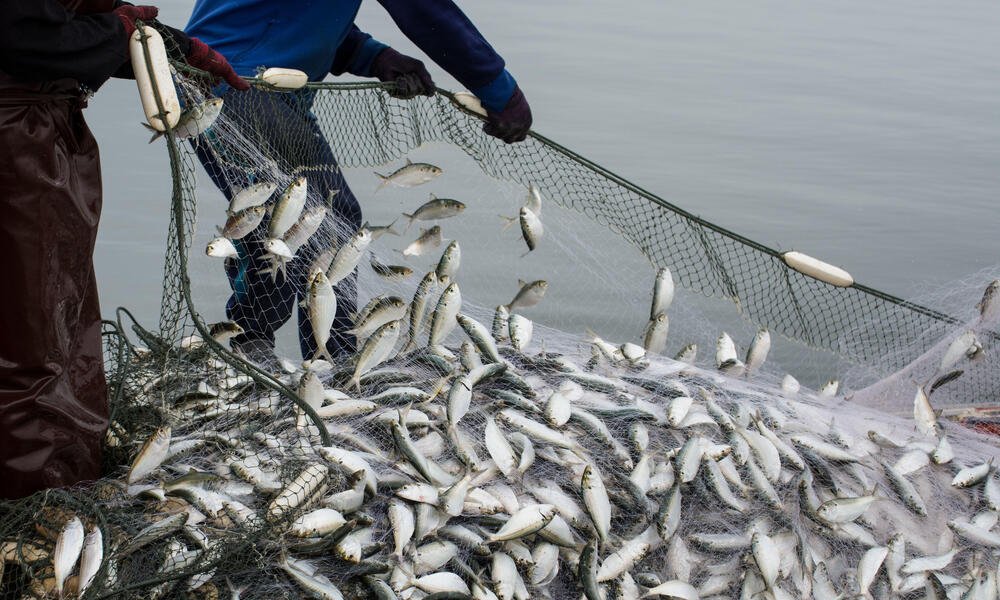
    1. Science-Based Management:

    At the core of sustainable fisheries lies a commitment to science-based management practices. This principle emphasizes the importance of rigorous scientific research to inform decision-making processes. Fisheries managers and scientists work collaboratively to gather data on fish populations, ecosystem dynamics, and the impacts of fishing activities. This knowledge forms the basis for setting catch limits, establishing size regulations, and determining appropriate seasons for fishing. By relying on empirical evidence, science-based management ensures that decisions align with the ecological capacities of marine environments.

    2. Precautionary Approach:

    The precautionary approach is a guiding principle that acknowledges the inherent uncertainty in fisheries management. Instead of waiting for conclusive evidence of harm, this principle encourages proactive measures to prevent overfishing and minimize negative impacts on marine ecosystems. Precautionary measures may include setting conservative catch limits, implementing temporary fishing closures, and adopting adaptive management strategies. This approach serves as an insurance policy against the unknown, offering a buffer that protects both fish stocks and the ecosystems they inhabit.

    3. Ecosystem-Based Management:

    Recognizing that marine ecosystems are interconnected and dynamic, sustainable fisheries embrace an ecosystem-based management approach. This principle expands the focus beyond individual species to consider the broader ecological context. It involves understanding and protecting critical habitats, managing for biodiversity, and accounting for the interactions between species. Ecosystem-based management seeks to maintain the health and resilience of entire ecosystems, ensuring their ability to adapt to environmental changes and support a diverse array of marine life.

    4. Fishing Quotas and Size Limits:

    The establishment of fishing quotas and size limits is a cornerstone of sustainable fisheries. Quotas set limits on the total allowable catch for specific fish species, preventing overexploitation. Size limits dictate the minimum and sometimes maximum size of fish that can be caught, allowing individuals to reach maturity and contribute to the reproductive success of their populations. These measures are instrumental in preventing the depletion of fish stocks and promoting the sustainable utilization of marine resources.

    5. Habitat Protection and Restoration:

    Sustainable fisheries recognize the intrinsic link between healthy habitats and thriving fish populations. This principle emphasizes the need to protect and, where necessary, restore critical habitats such as coral reefs, mangroves, and seagrasses. By safeguarding these ecosystems, sustainable fisheries contribute to the maintenance of breeding grounds, nurseries, and feeding areas for various species. Habitat protection is a proactive strategy that fortifies the resilience of marine ecosystems against the pressures of climate change and human activities.

    6. Mitigation of Bycatch:

    Addressing the issue of bycatch is integral to sustainable fisheries. Bycatch refers to the unintentional capture of non-target species during fishing operations. Sustainable practices aim to minimize bycatch through the use of selective fishing gear, spatial management strategies, and the development of alternative gear technologies. Reducing bycatch not only conserves non-target species but also helps maintain the integrity of marine food webs and promotes the overall health of ecosystems.

    7. Community Engagement and Co-Management:

    Sustainable fisheries embrace principles of community engagement and co-management to ensure that the voices of local communities are heard in decision-making processes. Recognizing the dependence of many communities on fisheries for their livelihoods, co-management involves collaboration between governments, industry stakeholders, and local communities. This principle empowers communities to actively participate in the development and implementation of fisheries management plans, fostering a sense of ownership and responsibility for the shared resource.

    8. Market Incentives and Certification:

    To drive positive change, sustainable fisheries leverage market incentives and certification programs. Eco-labels and certification by independent bodies signal to consumers that a particular fishery adheres to sustainable practices. By creating a demand for certified products, market forces encourage fisheries to adopt and maintain responsible management practices. This principle underscores the pivotal role of consumers in influencing industry behavior and promoting a shift towards sustainability.

    Conclusion: In essence, the principles of sustainable fisheries weave together a tapestry of strategies aimed at balancing ecological integrity, economic viability, and social equity. Through science-based, precautionary, and ecosystem-based approaches, these principles provide a comprehensive framework for navigating the complexities of fisheries management. By integrating habitat protection, mitigating bycatch, and fostering community engagement, sustainable fisheries aspire to create a harmonious coexistence between human activities and the marine environments upon which they depend. Embracing these principles not only safeguards the future of fisheries but also contributes to the broader mission of preserving the health and resilience of our oceans for generations to come.

  • The Importance of Sustainable Fisheries: A Pillar for Ecosystem Health and Human Prosperity

    The Importance of Sustainable Fisheries: A Pillar for Ecosystem Health and Human Prosperity

    In the vast expanse of the world’s oceans, the health of marine ecosystems is intricately tied to the practices employed by the global fisheries industry. The importance of sustainable fisheries transcends mere resource management; it stands as a critical pillar supporting the overall well-being of both marine environments and the human communities that rely on them. As we grapple with the ramifications of climate change, population growth, and increased global demand for seafood, recognizing and embracing sustainable fishing practices is paramount for ensuring a future where the oceans continue to thrive and provide for generations to come.

    The Importance of Sustainable Fisheries

    Preserving Biodiversity:

    At the heart of the matter lies the preservation of biodiversity, a cornerstone of sustainable fisheries. Overfishing, habitat destruction, and bycatch have all contributed to a decline in the diversity of marine species. Sustainable fishing practices, including the establishment of fishing quotas, the implementation of size limits, and the protection of critical habitats, serve as vital tools in maintaining a balanced and resilient marine ecosystem. By allowing fish populations to recover and ensuring the survival of non-target species, sustainable fisheries contribute directly to the conservation of biodiversity.

    Maintaining Ecosystem Balance:

    Marine ecosystems operate as intricate webs of interdependence, where each species plays a unique role in maintaining ecological balance. Unsustainable fishing practices disrupt this delicate equilibrium, leading to cascading effects throughout the food web. By embracing sustainability, we not only protect individual species but also contribute to the overall health and resilience of marine ecosystems. This balance, in turn, enhances the oceans’ ability to adapt to environmental changes and maintain their crucial role in regulating the Earth’s climate.

    Economic and Social Stability:

    Beyond the ecological imperative, sustainable fisheries are essential for the economic and social stability of coastal communities around the world. Many communities rely heavily on fishing as a primary source of income and sustenance. Overfishing and the depletion of fish stocks jeopardize the livelihoods of millions, leading to economic downturns and increased vulnerability. By managing fisheries sustainably, we can ensure a steady and enduring supply of seafood, supporting the economic prosperity of these communities and providing food security for countless individuals.

    Long-Term Food Security:

    In a world with a growing population, ensuring food security is a global challenge. Seafood serves as a crucial source of protein for billions of people worldwide. Sustainable fisheries, with their focus on responsible management and conservation, provide a pathway to secure long-term food supplies. By preventing the collapse of fish stocks and safeguarding the health of marine ecosystems, sustainable practices pave the way for a reliable and resilient source of nutrition for communities globally.

    Mitigating Climate Change:

    Healthy oceans play a vital role in mitigating climate change by acting as carbon sinks. Fish and other marine organisms sequester carbon, helping to regulate the Earth’s climate. Sustainable fisheries contribute to this role by preserving the health of marine ecosystems, allowing them to continue their carbon sequestration functions. Additionally, sustainable aquaculture practices can offer alternatives to land-based protein sources that may contribute more significantly to greenhouse gas emissions.

    In essence, the importance of sustainable fisheries extends far beyond the act of responsible resource management. It embodies a holistic approach to safeguarding the intricate balance of marine ecosystems, supporting the livelihoods of coastal communities, ensuring long-term food security, and contributing to global efforts to combat climate change. As we navigate the complexities of the modern world, embracing and advancing sustainable fisheries is not merely an option; it is an ethical imperative and a practical necessity for a sustainable and harmonious coexistence between humanity and the oceans.

  • Sustainable Fisheries: Safeguarding the Future of the Seas and Humanity

    Sustainable Fisheries: Safeguarding the Future of the Seas and Humanity

    In the vast expanse of our oceans lies a delicate balance of life, a complex web of interconnected ecosystems that has sustained both marine biodiversity and human communities for centuries. However, the relentless pressure imposed by unsustainable fishing practices threatens this delicate equilibrium, endangering not only the diverse species beneath the waves but also the livelihoods of those who depend on the bounty of the seas. It is within this context that the concept of sustainable fisheries emerges as a beacon of hope, offering a path toward harmony between humanity and the ocean.

    As we navigate the challenges of the 21st century, the sustainability of our fisheries has become a paramount concern. Overfishing, destructive fishing methods, and the degradation of critical marine habitats are among the pressing issues that demand immediate attention. In this exploration of sustainable fisheries, we delve into the multifaceted dimensions of a global effort to reshape our approach to marine resource management. From the fundamental principles that underpin sustainable fishing practices to the innovative technologies shaping the future of aquaculture, this discourse aims to shed light on the intricate tapestry of initiatives aimed at safeguarding our oceans.

    Beyond the ecological imperative, sustainable fisheries hold the promise of securing the economic and social well-being of coastal communities. This journey through the seas of sustainability will unravel the interconnected threads of responsible resource management, community engagement, and international collaboration. It is a journey that invites reflection on our individual roles as consumers, the responsibilities of governments in crafting effective policies, and the pivotal role of industries in driving positive change.

    Join us on this exploration into the depths of sustainable fisheries, where the waves of change are not only essential but also inevitable. As we embark on this odyssey, let us discover the innovative solutions, inspiring success stories, and collaborative efforts that serve as guiding lights, steering us toward a future where the oceans thrive, and humanity coexists harmoniously with the magnificent life beneath the surface.

    1. The Importance of Sustainable Fisheries:
    Elaborating on why sustainable fisheries are crucial. Discussing the negative impacts of unsustainable fishing practices, such as overfishing and habitat destruction. Explaining how sustainable fisheries can maintain biodiversity, preserve balanced marine ecosystems, and provide long-term benefits to communities.

    2. Principles of Sustainable Fisheries:
    Detailing the fundamental principles of sustainable fisheries, including quota setting, habitat management, and the promotion of sustainable fish farming. Explaining the significance of minimum size requirements and quota setting to ensure that fish catches remain within manageable limits.

    3. Resource Management and Related Ecosystems:
    Discussing the management of wetlands, particularly the role of mangrove and seagrass ecosystems in supporting the survival of fish. Emphasizing the importance of involving local communities in the management of related resources, such as mangrove forests and rivers.

    4. Eco-labels and Certification:
    Exploring the concept of eco-labels and how certification by independent bodies helps identify sustainable fisheries products. Describing the role of consumers in supporting sustainable fishing practices by preferring certified products.

    5. Innovation and Research in Sustainable Fisheries:
    Discussing efforts in research and innovation to enhance sustainable fishing and aquaculture methods. Highlighting new technologies and approaches that can help the fisheries sector adapt to environmental changes and improve efficiency.

    6. Education and Community Involvement:
    Describing the importance of educating communities about sustainable fisheries. Highlighting the crucial role of local communities in fisheries resource management and how they can be involved in decision-making processes.

    7. International Cooperation in Sustainable Fisheries:
    Explaining the significance of international cooperation in managing fisheries resources across borders. Highlighting global agreements and collaborations that have been established to promote sustainable fishing practices.

    Conclusion:
    Summarizing key points about sustainable fisheries and underscoring the role of individuals, governments, and industries in preserving the longevity of marine resources. Concluding that only through collective efforts and behavioral changes can we achieve sustainable fisheries.

  • Biodiversity as a Cornerstone of Organic Farming

    Biodiversity as a Cornerstone of Organic Farming

    In the realm of organic farming, the role of biodiversity transcends being a mere concept; it is a pivotal and dynamic force that shapes the very essence of sustainable agriculture. By recognizing biodiversity as a key player, organic farmers embrace a holistic approach that not only enhances the resilience of their ecosystems but also contributes to the overall health and productivity of the agricultural landscape.

    1. Diverse Crop Selection

    Central to the promotion of biodiversity in organic farming is the intentional cultivation of a diverse range of crops. Unlike conventional monoculture systems that often rely on the extensive cultivation of a single crop, organic farming encourages farmers to embrace polyculture. This involves growing a variety of crops in the same field or in close proximity, creating a mosaic of different plant species. This not only minimizes the risk of crop failure due to pests or diseases but also fosters a complex web of ecological interactions.

    2. Ecosystem Resilience

    Biodiversity acts as a natural buffer against environmental stressors and unforeseen challenges. In an organic farming system characterized by diverse plant species, the ecosystem becomes more resilient. The presence of various crops ensures that, even if one species is affected by pests or diseases, others may remain unaffected. This resilience minimizes the need for external interventions such as chemical pesticides, allowing the ecosystem to find its own equilibrium.

    3. Beneficial Insects and Pollinators

    Organic farmers actively cultivate habitats that attract and support beneficial insects, such as ladybugs, lacewings, and predatory beetles. These natural predators play a vital role in controlling pest populations, contributing to a balanced ecosystem without the need for synthetic pesticides. Additionally, by providing a diverse array of flowering plants, organic farms become havens for pollinators like bees and butterflies, ensuring the successful pollination of crops and the production of high-quality yields.

    4. Soil Microbial Diversity

    Biodiversity extends beneath the soil surface, where a vast community of microorganisms, including bacteria and fungi, plays a crucial role in nutrient cycling and soil health. Organic farming practices that focus on maintaining and enhancing soil microbial diversity contribute to nutrient-rich soils. Cover cropping, minimal soil disturbance, and the use of organic matter as fertilizers promote a healthy soil microbiome, fostering a symbiotic relationship between plants and microorganisms.

    5. Genetic Diversity in Crop Varieties

    In organic farming, the emphasis on traditional and heirloom crop varieties promotes genetic diversity. Unlike industrial agriculture, which often relies on a limited number of high-yielding but genetically uniform crops, organic farmers celebrate the richness of diverse seed stocks. This not only preserves agricultural heritage but also guards against the risks associated with monoculture, such as vulnerability to pests or diseases that target specific genetic traits.

    6. Wildlife Habitat Preservation

    Beyond cultivated crops, organic farms prioritize the preservation of natural habitats and wildlife corridors. By incorporating hedgerows, tree lines, or designated wild areas within or around their fields, organic farmers create refuges for native flora and fauna. This encourages the presence of beneficial insects, birds, and other wildlife that contribute to a balanced and thriving ecosystem.

    7. Crop Rotation and Biodiversity

    Crop rotation, a common practice in organic farming, contributes significantly to biodiversity. By alternating the types of crops planted in a specific area over successive growing seasons, organic farmers disrupt the life cycles of pests and diseases. This practice also ensures that different plant species interact with the soil in diverse ways, promoting soil health and preventing nutrient depletion.

    8. Conservation of Native Plant Species

    Organic farmers often prioritize the conservation of native plant species within and around their fields. Native plants are well-adapted to local conditions and provide essential ecosystem services. Their inclusion supports local biodiversity by providing food and habitat for native insects, birds, and other wildlife. This, in turn, contributes to the overall balance of the agricultural landscape.

    9. Adapting to Climate Change

    Biodiversity plays a crucial role in helping organic farms adapt to climate change. Diverse ecosystems are better equipped to withstand extreme weather events, temperature fluctuations, and changing precipitation patterns. The adaptability inherent in diverse plant and microbial communities enables organic farming systems to navigate the challenges posed by a changing climate.

    10. Educational and Research Initiatives

    Organic farmers often engage in educational and research initiatives to further understand and promote biodiversity in agriculture. Collaborations with agricultural scientists, conservationists, and researchers help refine and advance sustainable farming practices. These initiatives contribute to a growing body of knowledge that benefits both organic farmers and the broader agricultural community.

    Conclusion: A Symphony of Life on the Farm

    In the realm of organic farming, biodiversity is not merely a passive observer; it is the conductor orchestrating a symphony of life on the farm. From the microscopic world of soil microbes to the buzzing activity of pollinators and the harmonious dance of diverse crops, biodiversity is the key player that ensures the sustainability and resilience of organic farming systems. As we navigate the complexities of modern agriculture, the integration of biodiversity into farming practices offers a path toward a more regenerative, vibrant, and ecologically sound agricultural future.

  • Organic Farming: Cultivating Harmony in Soil Ecosystems

    Organic Farming: Cultivating Harmony in Soil Ecosystems

    Organic farming stands as a beacon of sustainable agricultural practices, emphasizing the cultivation of crops without the reliance on synthetic chemicals or genetically modified organisms. At its core, organic farming aims not only to produce food but also to foster a delicate balance within soil ecosystems, promoting biodiversity, enhancing soil health, and mitigating the environmental impact of conventional farming methods.

    Organic Farming

    1. Soil Enrichment through Organic Matter

    Central to the philosophy of organic farming is the incorporation of organic matter into the soil. This includes the use of compost, cover crops, and green manure, all of which contribute to the enrichment of soil with essential nutrients. By enhancing the organic content of the soil, organic farming supports microbial activity, fostering a thriving community of beneficial microorganisms that play a crucial role in nutrient cycling.

    2. Biodiversity as a Key Player

    In an organic farming system, biodiversity is not just a desirable outcome; it is a fundamental principle. Planting a diverse range of crops promotes a balanced ecosystem, reducing the risk of pest and disease outbreaks. Additionally, encouraging a variety of plant species supports pollinators, beneficial insects, and other wildlife, contributing to the overall resilience of the agricultural landscape.

    3. Natural Pest Control Mechanisms

    Organic farmers often employ natural pest control mechanisms, such as introducing predator insects or planting companion crops that deter pests. By avoiding chemical pesticides, organic farming prevents harm to non-target organisms, including pollinators and beneficial insects, while maintaining a balanced predator-prey dynamic within the ecosystem.

    4. Crop Rotation Strategies

    Crop rotation is a common practice in organic farming that involves changing the type of crops grown in a particular field over time. This strategy disrupts the life cycles of pests and diseases that are specific to certain crops, reducing the need for chemical interventions. Moreover, crop rotation helps maintain soil fertility by varying the nutrient demands of different crops.

    5. Emphasis on Soil Health

    The health of the soil is paramount in organic farming. The avoidance of synthetic fertilizers ensures that the soil’s natural fertility is preserved, preventing nutrient imbalances and degradation. Through practices like cover cropping and minimal soil disturbance, organic farmers prioritize soil structure and microbial diversity, resulting in resilient and productive agricultural land.

    6. Prohibition of Genetically Modified Organisms (GMOs)

    Organic farming strictly prohibits the use of genetically modified organisms. This commitment aligns with the aim of preserving natural biodiversity and preventing potential environmental risks associated with the release of genetically engineered crops. By opting for traditional, non-GMO varieties, organic farmers contribute to the conservation of heirloom and indigenous plant species.

    7. Water Conservation and Quality

    Organic farming often involves water conservation practices such as mulching, which helps retain soil moisture and suppress weed growth. By reducing the need for irrigation, organic farmers contribute to water conservation efforts. Additionally, the absence of synthetic chemicals in organic farming helps prevent water pollution, safeguarding water quality in nearby ecosystems.

    8. Certification and Consumer Confidence

    Organic farming is often accompanied by certification programs that verify compliance with organic standards. These certifications not only ensure that farmers adhere to sustainable practices but also build consumer confidence in the products. Consumers increasingly seek organic produce due to its perceived health benefits and environmental sustainability.

    9. Long-Term Soil Management Planning

    Organic farming takes a holistic approach to soil management, emphasizing long-term planning over short-term gains. This involves careful consideration of crop rotations, cover cropping schedules, and the integration of livestock into the farming system. By viewing soil management as an integral part of a dynamic agricultural ecosystem, organic farmers work towards preserving soil fertility for future generations.

    10. Education and Knowledge Sharing

    Organic farming extends beyond field practices; it is a mindset and a commitment to continuous learning. Organic farmers often engage in education and knowledge-sharing initiatives to disseminate sustainable farming practices. This collaborative approach not only benefits the farming community but also contributes to the broader goal of creating a more environmentally conscious and resilient agricultural sector.

    Conclusion: Nurturing a Sustainable Future

    Organic farming goes beyond the mere act of cultivation; it embodies a philosophy that prioritizes the health of the soil, the well-being of ecosystems, and the long-term sustainability of agriculture. By fostering a delicate balance within soil ecosystems, organic farming stands as a model for harmonious coexistence between human agriculture and the natural world. As we face the challenges of a growing global population and environmental degradation, the principles of organic farming offer a blueprint for a more sustainable and resilient future.

  • Sustainable Agriculture: Cultivating a Sustainable Future

    Sustainable Agriculture: Cultivating a Sustainable Future

    Sustainable agriculture stands as a cornerstone for the development of farming systems that are environmentally friendly, efficient, and sustainable. With a focus on meeting current needs without compromising the ability of future generations to meet theirs, sustainable agriculture encompasses a range of concepts and practices that address every aspect of the farming process.

    1. Organic Farming: Fostering Soil Ecosystem Balance

    A fundamental pillar of sustainable agriculture is organic farming. In this approach, farmers employ methods that exclude the use of chemical pesticides and synthetic fertilizers. The primary goal is to maintain the balance of the soil ecosystem by preserving soil fertility and enhancing overall soil health. The use of organic materials, such as green manure and compost, becomes an integral part of organic farming.

    Sustainable Agriculture

    2. Crop Rotation: Preventing Soil Quality Decline

    Crop rotation involves the exchange of crops planted on a piece of land over time. The aim is to prevent the decline in soil quality and control the development of pests and plant diseases. By rotating crops, farmers can harness the diversity of crops to maintain ecosystem balance and enhance land productivity.

    3. Agroforestry: Harmony Between Trees and Agricultural Crops

    Agroforestry is an approach that combines tree crops with agricultural crops. In this model, tree crops are planted alongside agricultural crops to create a more ecologically sustainable farming system. Trees provide benefits such as protection from wind, improved soil fertility, and habitat for biodiversity.

    4. Water Management: Securing Water Resources

    Efficient water management is a crucial aspect of sustainable agriculture. It involves practices such as efficient irrigation, water conservation, and wetland restoration. By maintaining water availability and the sustainability of aquatic ecosystems, sustainable agriculture contributes to the preservation of vital natural resources.

    5. Waste Reduction: Towards Zero-Waste Agriculture

    Sustainable agriculture encourages waste reduction through the management of organic and inorganic waste. Recycling agricultural residues, such as straw or other organic materials, becomes an integral part of efforts to minimize environmental impact. Additionally, sustainable farming practices include reducing the use of harmful chemicals and avoiding resource wastage.

    6. Use of Local Seeds and Resilient Plant Varieties: Strengthening Crop Resilience

    Utilizing local seeds and plant varieties resistant to pests and diseases is a critical strategy in sustainable agriculture. This not only enhances crop resilience to environmental pressures but also promotes the sustainability of locally adapted varieties.

    7. Integrated Farming: Integration of Agricultural Components

    Integrated farming involves the incorporation of various farming components, such as crops, livestock, and forestry, into a single system. This makes the farming system more efficient and productive. Waste from one farming component can be utilized as input for another, creating a closed and sustainable cycle.

    8. Farmer Empowerment: Supporting Social and Economic Well-being

    Sustainable agriculture is not only about farming practices but also about empowering farmers. Through the provision of knowledge, skills, and resources, sustainable agriculture supports the social and economic well-being of farmers. Education and training continually promote the latest practices that support more sustainable farming.

    9. Remediation of Contaminated Land: Restoring Soil to Optimal Conditions

    Sustainable agriculture incorporates efforts to remediate contaminated or degraded land. Through soil rehabilitation techniques, such as reforestation or the use of cover crops, sustainable agriculture contributes to ecosystem restoration and improved soil quality.

    10. Use of Renewable Energy: Environmental Conservation through Green Energy Resources

    Adopting renewable energy sources is a crucial part of sustainable agriculture. The use of renewable energy, such as solar or wind energy, helps reduce dependence on fossil fuels and makes a positive contribution to the environment.

    Conclusion: Creating a Sustainable Agricultural Future

    Sustainable agriculture is key to creating a future of agriculture that is sustainable, environmentally friendly, and resilient. By applying these concepts and practices, we can address global challenges in food provision, maintain ecosystem balance, and ensure the sustainability of natural resources for future generations. As a global community, we have a responsibility to support and promote positive changes in how we interact with the Earth and cultivate a sustainable agricultural future.

  • the Richness of Sumatra Specialty Coffee Beans: A Culinary Journey

    Sumatra Specialty Coffee Beans, a country known for its stunning landscapes and vibrant cultures, is also a treasure trove for coffee enthusiasts. Among the various coffee-producing regions in Indonesia, Sumatra stands out as a hub for unique and distinctive specialty coffee beans. In this comprehensive exploration, we delve into the fascinating world of Sumatran specialty coffee beans, uncovering their origins, unique characteristics, and the intricate processes that contribute to their exceptional flavor profiles.

    Origins and Geography Sumatra Specialty Coffee Beans:

    Sumatran Specialty Coffee Beans, the sixth-largest island in the world, is situated in western Indonesia and is renowned for its lush landscapes and fertile soil – ideal conditions for cultivating coffee. The island is home to numerous coffee plantations, each contributing to the production of high-quality beans that are coveted by coffee aficionados worldwide.

    Sumatra Specialty Coffee Beans: An Overview:

    Sumatra Specialty Coffee Beans is predominantly known for its distinct flavor profile, characterized by earthy, full-bodied tones, low acidity, and a unique spiciness. The beans are typically grown at high altitudes, contributing to the complexity of their flavor.

    Among the various coffee varieties grown in Sumatra, three stand out as the most prominent:

    Mandheling: Named after the Mandailing people of North Sumatra, Mandheling coffee is celebrated for its full body, low acidity, and notes of chocolate and tobacco. The beans are often processed using the wet-hulling method, a technique that enhances the unique flavors of Sumatran coffee.

    Lintong: Grown in the Lintong region, these beans are recognized for their bright acidity and unique fruity notes. Lintong coffee is processed through the wet-hulling method as well, giving it a distinctive character.

    Gayo: Hailing from the Gayo Highlands in Aceh, Gayo coffee is known for its medium body, bright acidity, and a delightful combination of floral and herbal notes. The Gayo region’s high altitudes contribute to the exceptional quality of these beans.

    Processing Techniques Sumatra Specialty Coffee Beans:

    The processing of Sumatra coffee beans plays a crucial role in shaping their final flavor profiles. The wet-hulling method, locally known as “Giling Basah,” is a traditional practice in Sumatra. This method involves pulping the coffee cherries and allowing the beans to ferment briefly before being sun-dried. The result is a distinctive cup with a full body and unique flavors.

    Challenges and Opportunities:

    While Sumatra coffee is celebrated for its unique qualities, the region faces challenges such as inconsistent quality due to varying processing methods and a susceptibility to pests and diseases. However, the coffee industry in Sumatra continues to evolve, with efforts focused on improving processing techniques, sustainable farming practices, and enhancing the livelihoods of local coffee farmers.

    Sustainability Initiatives:

    Recognizing the importance of sustainability in the coffee industry, Sumatra has seen an increase in initiatives promoting environmentally friendly and socially responsible practices. Various certifications, such as Fair Trade and Rainforest Alliance, are becoming more prevalent among Sumatra coffee producers, ensuring that the cultivation of these beans aligns with ethical and environmental standards.

    Sumatran Specialty Coffee in the Global Market:

    Sumatra specialty coffee beans have gained popularity on the global stage, attracting the attention of coffee connoisseurs and roasters alike. The unique flavor profile and the exoticism associated with Sumatran coffee make it a sought-after choice for those seeking a distinctive and memorable cup.

    Pairing Recommendations:

    Given the earthy and robust characteristics of Sumatra coffee, it pairs exceptionally well with a variety of foods. Chocolate-based desserts, spicy dishes, and aged cheeses complement the flavor notes of Sumatran coffee, creating a harmonious and delightful culinary experience.

    Conclusion:

    Sumatra specialty coffee beans stand as a testament to the rich tapestry of flavors that the world of coffee has to offer. From the fertile soils of Sumatra to the careful hands that cultivate and process the beans, every step in the journey contributes to the uniqueness of Sumatra coffee. As global appreciation for specialty coffee continues to grow, Sumatra remains a beacon of diversity, offering a cup that is not just a beverage but a sensory journey through the heart of Indonesia.

  • The Unique Culture of Aceh Coffee Drinkers: A Deep Dive into the Richness of Acehnese Coffee Culture

    The Unique Culture of Aceh Coffee Drinkers: A Deep Dive into the Richness of Acehnese Coffee Culture

    Aceh Coffee Drinkers, a picturesque region located on the northern tip of Sumatra, Indonesia, is not only renowned for its stunning landscapes but also for its unique coffee culture. The people of Aceh have a deep-rooted connection with coffee, making it an integral part of their daily lives. In this exploration, we will delve into the distinctive characteristics of Aceh coffee drinkers, shedding light on their rituals, preferences, and the significance of coffee in their social fabric.

    Historical Background:

    The history of coffee in Aceh dates back to the 17th century when the Dutch East India Company introduced coffee cultivation to the region. Since then, Aceh has evolved into a prominent coffee-producing hub, known for its high-quality Arabica beans. The rich volcanic soil and favorable climate contribute to the unique flavor profiles that distinguish Acehnese coffee from others.

    Aceh Coffee Drinkers’ Rituals:

    The act of drinking coffee in Aceh is not merely a routine; it’s a ritual embedded in the cultural fabric of the community. The process of preparing and enjoying coffee is considered sacred, often involving traditional ceremonies. Aceh coffee drinkers take pride in their meticulous preparation methods, which include roasting the beans to perfection, grinding them to the desired consistency, and brewing the coffee using traditional methods.

    One of the key aspects of Aceh coffee culture is the practice of gathering for coffee sessions. Families and friends often come together to share stories, discuss local news, and strengthen social bonds over a cup of freshly brewed Acehnese coffee. These gatherings are characterized by warmth, hospitality, and a sense of community that transcends generations.

    Aceh Coffee Varieties and Preferences:

    Acehnese coffee aficionados have a discerning palate, appreciating the nuances of different coffee varieties. The region is particularly known for its Arabica beans, prized for their mild acidity, full body, and distinct flavor notes. Popular Aceh coffee varieties include Gayo coffee, which is grown in the Gayo Highlands and recognized for its smooth, chocolatey undertones.

    The brewing methods also play a crucial role in shaping the taste preferences of Aceh coffee drinkers. Traditional methods such as “tubruk” and “kopi tubruk” involve boiling the coffee grounds with sugar, resulting in a strong and sweet concoction. These brewing techniques have been passed down through generations, preserving the authenticity of Acehnese coffee preparation.

    Social Significance of Aceh Coffee:

    Beyond its exquisite taste, coffee holds significant social and cultural value in Aceh. The coffee plantations provide a source of livelihood for many locals, contributing to the region’s economic stability. Additionally, the act of sharing coffee is symbolic of hospitality and camaraderie, making it an integral part of social interactions.

    The coffee trade has also played a role in shaping Aceh’s economic landscape. The global demand for high-quality Acehnese coffee has opened up avenues for international trade, creating opportunities for local farmers to showcase their expertise on the global stage.

    Challenges and Innovations:

    Despite the rich coffee culture in Aceh, the industry faces challenges such as climate change, pests, and market fluctuations. To address these issues, Acehnese coffee farmers are increasingly adopting sustainable and innovative farming practices. Initiatives to promote organic farming, improve processing techniques, and enhance the quality of coffee beans are gaining traction, ensuring the longevity of Aceh’s coffee heritage.

    Conclusion:

    The coffee culture in Aceh is not just about a beverage; it’s a way of life that intertwines tradition, community, and a love for the finest coffee. Aceh coffee drinkers, with their meticulous rituals and discerning palates, stand as guardians of a rich cultural legacy. As the global appreciation for specialty coffee grows, Acehnese coffee is poised to continue captivating the world with its unique flavors and the warm hospitality of its coffee-loving community.