Category: Coffee Process

  • Exploring the Regions Where Coffee Beans Grow Best

    Exploring the Regions Where Coffee Beans Grow Best

    Where Coffee Beans Grown

    As a coffee snob who’s always curious about your caffeine, you are certainly wondering where do coffee beans come from or how to produce coffee beans with the best quality. Check out this article to get more information about where coffee beans grow and what conditions enable a coffee producer to produce high-quality coffee. 

    What Plants Grow Coffee Beans?

    Plants Grow Coffee Beans
    Plants Grow Coffee Beans

    The types of plants that produce coffee beans are generally divided into two. The first genus is Robusta or widely known as Coffea canephora. 75-80 percent of the world’s coffee production comes from this coffee plant species. At the same time, the second genus that is popular in the world is Arabica coffee. Both coffee plants can grow up to 10 meters, but most coffee producers keep their coffee plants shorter to make harvesting easier.

    Coffee Beans Growing on Plants or Trees? 

    Coffee Beans Growing on Plants or Trees
    Plants or Tree?

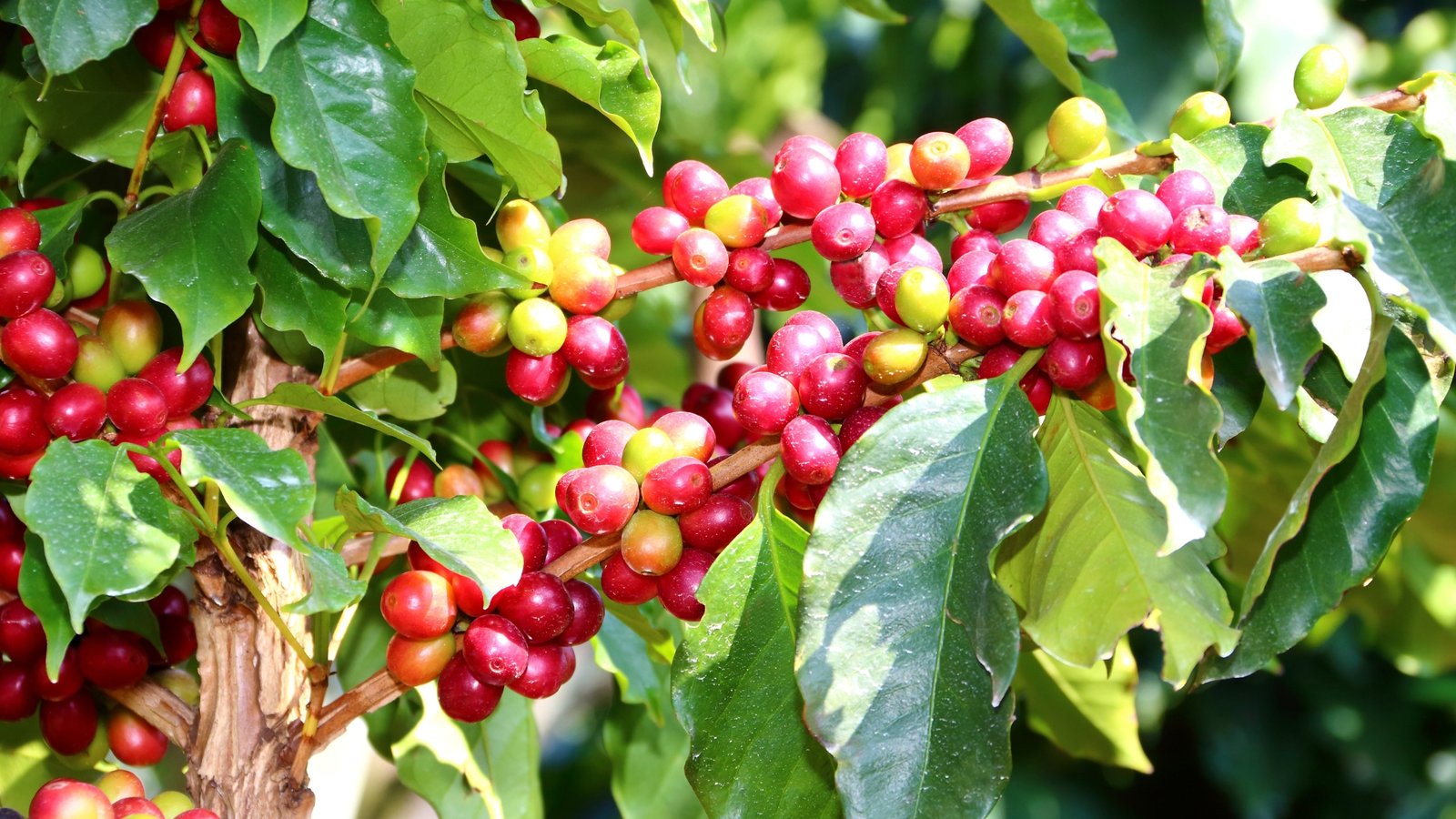
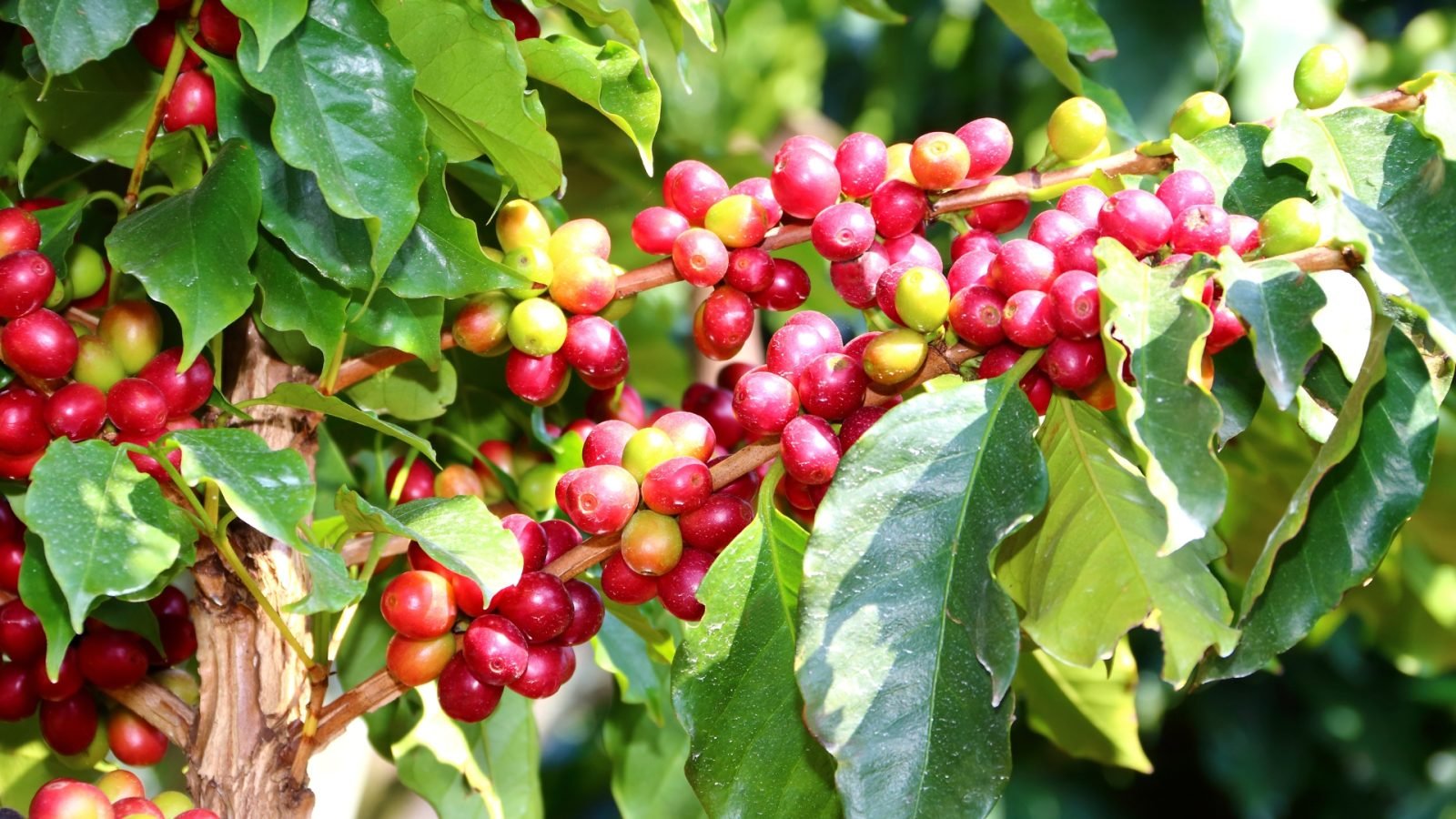
    Coffee beans develop actually inside a “cherry fruit” that grows in coffee plants. It usually needs coffee plants with ages of between two and four years old to get perfectly ripe coffee beans. You will also find 2 seeds in each cherry-like fruit of the coffee plant.

    The coffee producer will pick the cherries when their level of ripeness is sufficient for the good-quality coffee characteristics. However, it should be noted that each type of coffee beans has its own specific ripeness and harvesting process. 

    After the coffee cherries are picked, the coffee producer will extract the beans from the fruit and roast them. In the next stage, the roasted coffee seeds will become the dark brown beans we usually know.

    The Best Areas for Growing Coffee Beans in The World 
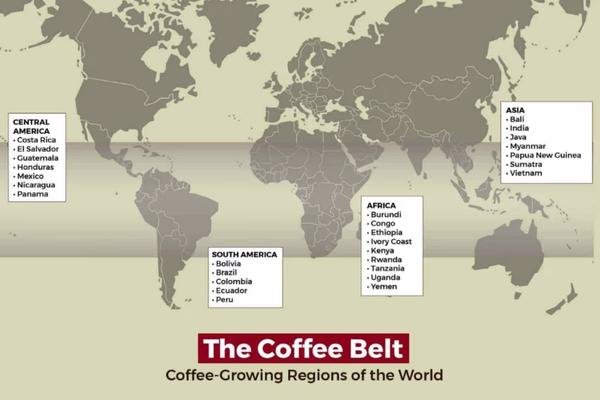
    The Coffee Belt in The World

    Tropical and subtropical become the best climate for growing coffee. Because of this, if you ask where coffee beans grow, the answer is most of the world’s coffee grows within the Bean Belt an area around the equatorial zone. This region includes parts of Africa, Central and South America, Southeast Asia, and the Middle East.

    Central and South America Regions 

    As part of the Bean Belt, the famous coffee-producing regions in Central America are Nicaragua, Guatemala, Honduras, El Salvador, and Costa Rica. In this case, Costa Rica is known as a region that produces the most high-quality coffee with a very aromatic flavor.

    Meanwhile, the regions in South America recognized for their coffee production are Colombia, Brazil, Ecuador, and Bolivia. However, Brazil has the highest volume of coffee production in this region and also in the world due to its amazing growing conditions.

    Africa and Middle East Regions 

    For African areas, Kenya, Tanzania, and Ethiopia have become the most regions that contribute to coffee production. Coffee beans from this region are known for their fruity, sweet, and delicate floral aroma. Meanwhile, the Middle East area has Yemen as the most coffee producer in that region. Because Yemen coffee originates from Ethiopia, it has characteristics like being citrusy and brighter with high acidity. 

    Southeast Asia Regions 

    Coffee has also become a major commodity in the Southeast Asian region, especially Indonesia and Vietnam, since the late seventeenth century. As one of the best coffee bean producers in the world, Indonesia coffee beans supplier and distributor is definitely known for its excellent quality coffee production. In addition, many coffee plantations can be visited in Indonesia. For example, the best coffee plantation to visit in Bali offers interesting tasting activities and the manufacturing processes of Kopi Luwak or civet coffee, the world’s most expensive coffee.

    Besides Indonesia, Vietnam is one of the largest coffee exporters in the Asian region. Their coffee beans have a delicate and mild taste. Meanwhile, coffee beans produced in Indonesia (Sulawesi, Sumatra, and Java) offer a more nutty and juicy fruit aroma.

    Also Read: 8 Types of Coffee Beans in Indonesia, Unique & You Must Try!

    Coffee Bean Harvesting 

    Take a look at a quick guide to wet and dry coffee processing methods. 

    Wet Processing Method
    Wet Processing Method Coffee Beans
    Wet Processing Method Coffee Beans

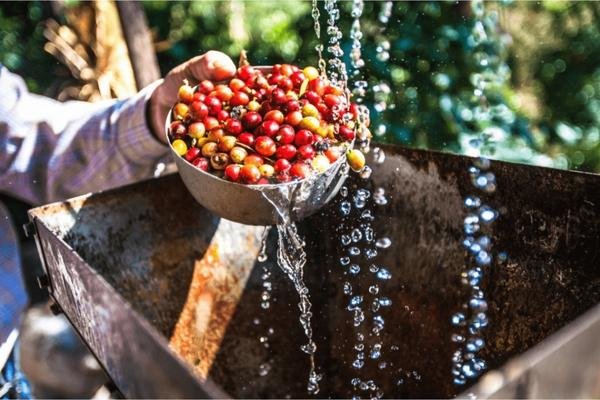
    As the name suggests, coffee cherries are soaked in water to ferment them and help separate the coffee fruits from the beans. After the green coffee beans are separated from the coffee cherries, they will be washed again until clean; this process also helps remove any residue still attached to the cherries’ surface. After that, the green coffee beans are sun-dried. The flavor of coffee using this method has a cleaner, brighter, and fruitier profile.

    Also Read: Wet Hulled Coffee Process: Unique Technique from Indonesia

    Dry Processing Method
    Dry Processing Method Coffee Beans
    Dry Processing Method Coffee Beans

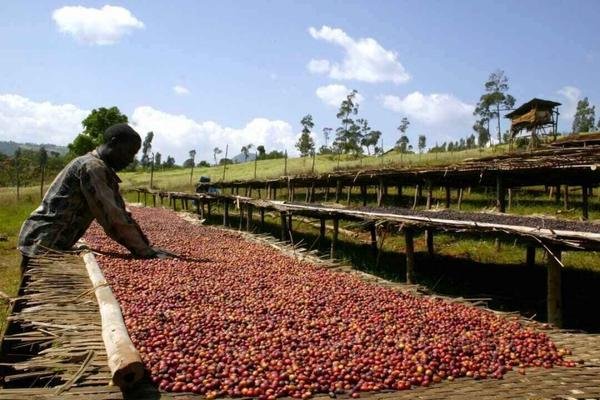
    Unlike the wet process, freshly-picked coffee cherries are not soaked in water but are dried directly in the sun. Coffee producers repeatedly turn and rake coffee fruits to separate green coffee beans from their cherries. Even though the dry process can produce a unique taste in coffee, this method is considered risky. 

    This is because rain and high humidity can mold the coffee cherries and destroy the harvest. In terms of characteristics, dry-processed coffee beans are often described as having a red wine-like taste compared to washed ones.

    Hopefully, our article can help every coffee lover who’s curious about the question “where coffee beans grow?” get the details that they want. 
  • 8 Best Coffee Plantation to Visit in Bali, Don’t Miss It!

    8 Best Coffee Plantation to Visit in Bali, Don’t Miss It!

    Best coffee plantation to visit in bali

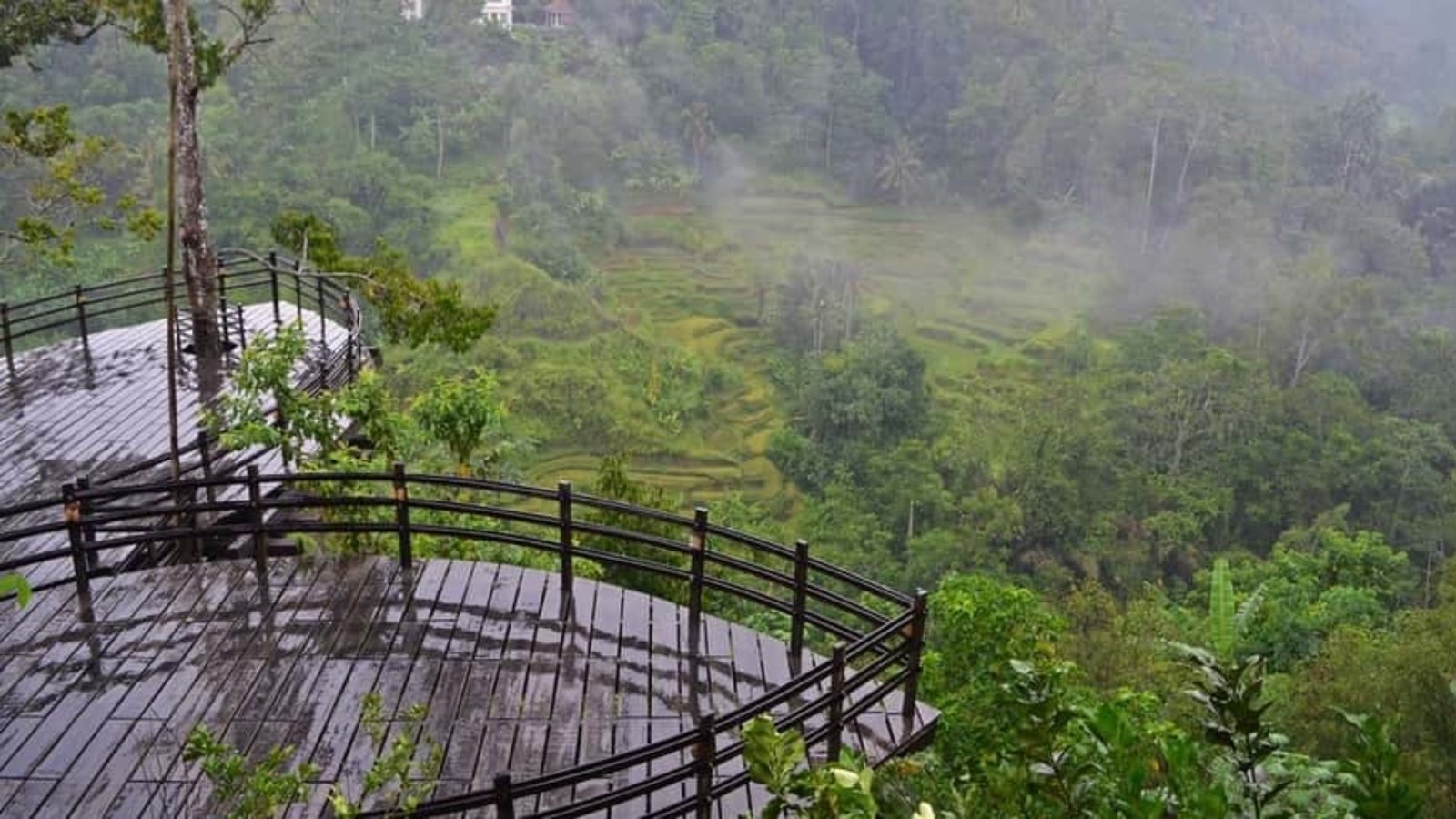
    As a coffee snob who’s deeply into coffee details, you must be curious about which place is famous for coffee plantation in Indonesia. The answer is Bali, an island internationally renowned for its culture and maritime tourism. Bali is also a paradise for every coffee snob who likes to explore various coffee plantations and enjoy brewing local coffee. 

    Then check the following review to find out the best coffee plantation to visit in Bali.

    1. Alas Harum Bali 

    Alas Harum Bali

    “Good place for rest, coffee, nature, and friendly staff.”

    Google Review

    Alas Harum is a famous agritourism serving civet coffee in Bali. Visitors can directly see the processing of the world’s most expensive coffee, which still uses traditional methods. Civet coffee, or Kopi Luwak, comes from digested coffee cherries eaten and defecated by the Asian palm civet. 

    Aside from seeing a panoramic Arabica plantation and doing a coffee tasting, this place will offer you other fun activities like zip line, swing, etc.

    • Address: Jalan Raya Tegallalang, Tegallalang, Kec. Tegallalang, Kabupaten Gianyar
    • Operating hours: Every day from 9am to 6pm
    • Entry fee: Rp50,000 per person

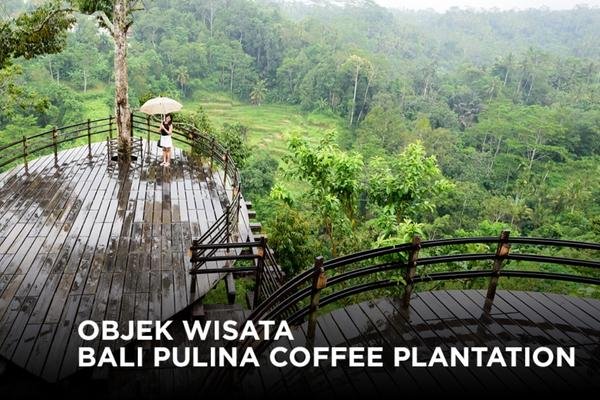
    2. Bali Pulina 

    Bali Pulina Plantation

    “Super friendly staff and amazing place for enjoying coffee and spices.”

    Google Review

    For those seeking the best coffee plantation to visit in Bali, this place will be a great alternative. By visiting this plantation, you can see how local coffee plants grow as well as its making process. Luwak Coffee is also the best-selling coffee in Bali Pulina. Undoubtedly, it would be a fantastic experience to sip a cup of coffee in the middle of a serene green nature.

    • Address: Jalan Raya Pujung Kelod, Desa Sebatu, Tegallalang, Gianyar
    • Operating hours: Every day from 9am to 5pm
    • Entry fee: Rp250,000 per person

    3. Uma Pakel Agro Tourism & Swing 

    Uma Pakel Agro Tourism & Swing

    “Great service, pricing, and offer a broad variety of coffee and tea drinks.”

    Google Review

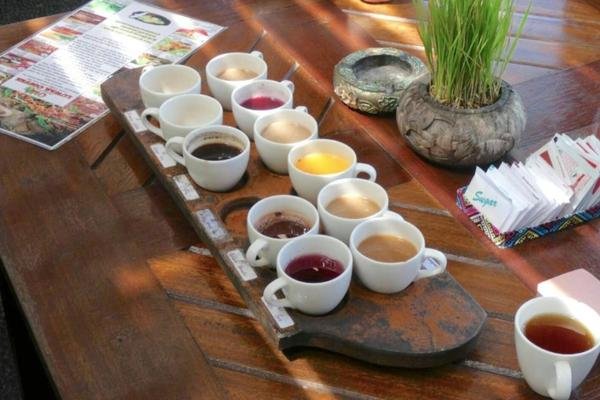
    Tourists will get the opportunity to taste 7 types of coffee drinks for free. Luwak coffee is also available here, becoming a flagship product of this agrotourism. More importantly, the coffee is harvested from Uma Pakel’s own plantation. They have a large Arabica plantation covering a 40 x 40 meters area.

    • Address: Jalan Raya Tegallalang, Tegallalang, Kec. Tegallalang, Kabupaten Gianyar 
    • Operating hours: Every day from 8am to 6pm 
    • Entry fee:  no entry ticket. But if you want to use the swing facility in the plantation area, you have to pay Rp200,000 per person

    4. OKA Agriculture Bali 

    OKA Agriculture Bali

    “Awesome place, great tasting experience of different coffees, teas, and the gift shop offers reasonable pricing.”

    Google Review

    OKA Agriculture Bali offers its guests the chance to explore their renowned Arabica plantation. Located on the slopes of Mount Batur, you can learn how Luwak coffee is harvested, sun-dried, and even processed into freshly brewed coffee.

    • Address: Manukaya, Tampaksiring, Gianyar Regency
    • Operating hours: –
    • Entry fee: No entry fee, but you have to pay about Rp60,000 for a coffee and tea testing set

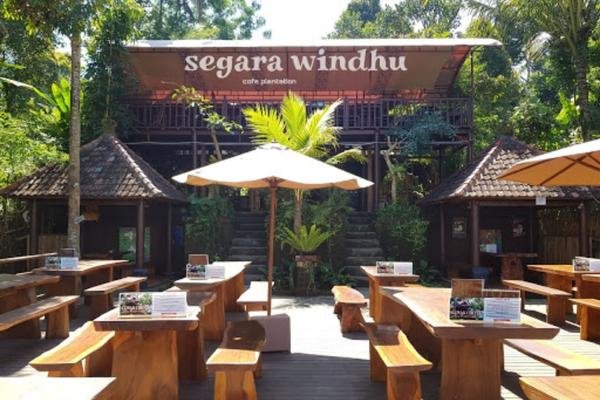
    5. Segara Windhu Coffee Plantation 

    Segara Windhu Coffee Plantation

    “Excellent tour through the coffee garden and great knowledge about local coffee.”

    Google Review

    A great place to see the Luwak coffee-making process. You can also enjoy Arabica and Robusta coffee products from this plantation. Furthermore, it has a small store selling various coffee drinks and yummy chocolates for gifting purposes.

    • Address: Banjar Temen, Jalan Raya Kintamani, Manukaya, Kec. Tampaksiring, Kabupaten Gianyar
    • Operating hours: Everyday from 8am to 5:30pm
    • Entry fee: Rp20,000 per person

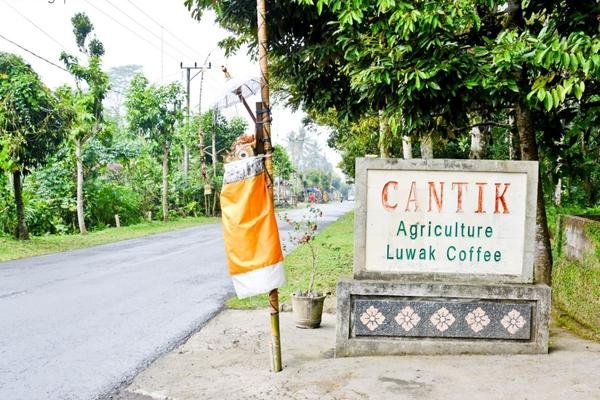
    6. Cantik Agriculture Luwak Coffee 

    Cantik Agriculture Luwak Coffee

    “Got free tasting and great explanation of coffee growth and its making process, as well as knowledge about Luwak coffee beans.”

    Google Review

    Three types of coffee beans are planted in Cantik Agriculture: Arabica, Robusta, and Balinese specialty coffee. More importantly, the local farmers who managed this plantation still harvest their coffee fruits through the traditional process. Hence, you can see Luwak coffee’s manufacturing process here and do some coffee tasting.

    • Address: Jalan Raya Kintamani Br. Temen, Manukaya, Kec. Tampaksiring, Kabupaten Gianyar
    • Operating hours: Everyday from 8am to 6pm
    • Entry fee: no free entry, but you must pay around Rp50,000 for a cup of Luwak coffee

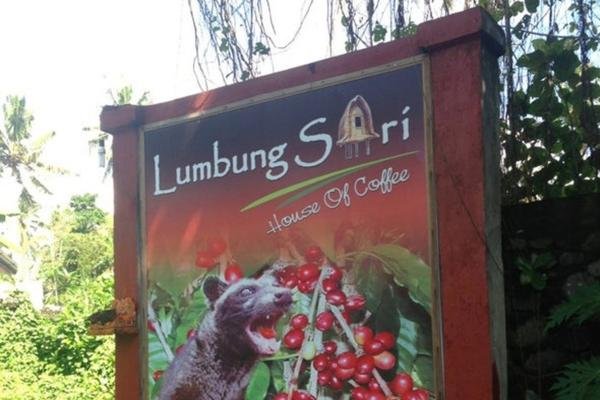
    7. Lumbung Sari House Of Luwak Coffee 

    Lumbung Sari House Of Luwak Coffee

    “Great place for sampling a wide variety of coffee.”

    Google Review

    Lumbung Sari is a great place to taste high-quality Bali Kintamani coffee. This local coffee is produced from Arabica coffee plants. Its Luwak coffee has also become the best-selling product sought-after by many tourists. In addition, this beautiful plantation serves complimentary tea and coffee tasting. 

    • Address: Jalan A.A. Gede Rai, Lodtunduh, Kecamatan Ubud, Kabupaten Gianyar
    • Operating hours: Everyday from 9am to 7pm
    • Entry fee: no entry fee and coffee testing is complimentary (except for Luwak coffee)

    8. Hidden Garden Agriculture 

    Hidden Garden Agriculture 

    “Nice place to have a short tour and coffee tasting.”

    Google Review

    As the name suggests, this place makes you feel like you are in a tranquil secret garden. Presenting a fun plantation tour where you can see the process of Tabanan coffee (Robusta) farming, there are additional attractions, such as a swing and some instagramable selfie spots.

    • Address: Jalan Baturiti – Mekarsari, Mekarsari, Kec. Baturiti, Kabupaten Tabanan
    • Operating hours: Everyday from 8am to 6pm
    • Entry fee: no entry fee, and it offers free testing of organic coffees

    Also Read: From Trees to Your Cup: 3 Types of Coffee Processing Methods

    That’s all about the best coffee plantation to visit in Bali. It would be great to fulfill your coffee plantation Bali tour by visiting one of them. Or, you can buy the best quality product from a trusted coffee bean supplier like FnB Tech Indonesia. Having been in coffee trading since 1999, their best-selling coffee also comes from Bali, such as Bali Kintamani Robusta Coffee and Bali Luwak Arabica Coffee.

  • Best Climate For Growing Coffee, There are Interesting Facts

    Best Climate For Growing Coffee, There are Interesting Facts

    Best Climate to Grow Coffee

    Climate has a prominent role as well in cultivating coffee plantations. According to Climate Gov in their explanation about Climate and Coffee, there are several elements that make the best climate for growing coffee, making certain countries the best place to grow coffee. 

    In addition to the climate types, the land altitude where coffee beans grow also plays a pivotal role in producing good to high-quality coffee beans. It should be somewhere between  800 to 2000 masl, where the weather is ordinarily cool. 

    Overall Best Climate For Growing Coffee Beans 

    Speaking of climate, it is totally a different thing compared to weather. Weather conditions in an area could change on a daily basis, weekly, month to month, or even year to year. National Geographic defines climate as a long-term pattern of weather in a particular area. 

    Climates are influenced by many factors. There is the vegetation and topography, the soil types,  the latitude of the region, its distance from the ocean to the mainland, its elevation, location on a continent,  latitude, precipitation, and average temperature.  

    Coffee trees will grow at best and generate higher quality coffee beans in areas with tropical and equatorial climates. The soil also plays an important role. 

    The rainfall frequency is sufficient, harmonized with sun exposure throughout the year. These factors are important in terms of flowering stimulation and the ripening process of the fruit from the coffee trees. 

    Coffee Bean Climate Temperature 

    best climate for growing coffee

    Temperature holds as one of the essential elements of the best climate to grow coffee. You will need to pay attention to the temperature of each coffee bean you try to grow. According to the Climate Gov, Arabica and Robusta require a slightly different optimal temperature to grow well.

    Equipped with a high level of resilience, Robusta coffee may grow with the temperature of a surrounding between 22- 26ºC. 

    Yet, Coffee Arabica is a bit more fragile. They need a higher altitude and a cooler temperature, between 19 – 22 ºC. They still can put up with a maximum of 24 ºC.

    Locations Where Coffee Beans Can Grow 

    Locations Where Coffee Beans Grow

    The best coffee-producing countries with that perfect climate are located in the area known as The Bean Belt, which is located along the equator. 

    Not only do they have the best climate for growing coffee, frequency of rainfall, precipitation, and sunlight, but the following continents or countries also have mountain ranges within the required altitude, temperature, and fertile and nutritious soil.  

    The continents or countries that are named as the best place to grow coffee are:

    • South and Central America (American continent): Brazil, Costa Rica, Honduras, Mexico, Guatemala, El Salvador,
    •  Africa (African continent): Ethiopia, Uganda, Kenya
    •  The Middle East, and 
    • Southeast Asia (Asian continent): Indonesia, Vietnam.

    Height of Growing Coffee Beans

    Locations Where Coffee Beans Can Grow 

    Each of the coffee bean types would necessarily grow at a suitable altitude. In general, for the most-producing coffee beans in the areas, the altitude standards are mentioned here below:

    • Arabica variant requires higher altitude: 900 – 2000 masl or 2900 – 6500 feet
    • Robusta variant bears lower altitude: 200 – 800 masl or 600 to 2500 feet.

    Soil and Coffee Bean Depth 

    Soil Coffee Bean Depth in Land

    Research has found that certain types and soil characteristics have a better impact on coffee plant growth. Coffee trees are not best friends with heavy clay, which may be poorly drained, and also types of high silt, and yellow-brown soil types. 

    They can not grow well when the amount of water is less. Still, too much water won’t either do good for them. 

    The well-drained soil is a suitable condition for a coffee tree to grow. Therefore, it is better to plant coffee in nutritious, acidic, and fertilized soil, which can absorb water better. 

    Diverse references mentioned that the volcanic red soil type is the most appropriate home for coffee, like soils in the Bolovens Plateau region.

    Coffee seeds should then be planted with a minimum depth of one meter in the suitable type of soil. 

    Rainfall and Coffee Bean Season

    Rain in Coffee Beans Plantation

    The timing and frequency or intensity of rainfall and dry seasons have a major impact on the coffee growing and maturation seasons. Besides, they also affect the size of the coffee bean body size. 

    Larger coffee beans result from coffee cultivation which has higher water availability. Hence, almost every coffee-producing region sets a different standard for coffee bean size accordingly. 

    The coffee beans’ growth happens faster during 2 up to 5 months after flowering. 

    At that stage, nutrition is essential, but rainfall plays a big role in determining both the size and growth rate of the coffee beans. Having consistent rainfall frequency will result in a more consistent period of coffee bean ripening and harvest season and a bigger coffee bean size. 

    Thus, it is relatively fair to say that getting bigger coffee beans means better for the business. 

    Conclusion 

    As one of the most beloved beverages in the world, the presence of coffee is necessary to be maintained. It requires exhaustive and thorough dedication and labor and the best climate for growing coffee. 

    It will always be in tight conjunction with soil type, altitude, exposure to sunlight, and weather, including temperature, precipitation, windiness, and rainfall.

  • Rainforest Alliance Certified Coffee, What and Why Its Important?

    Rainforest Alliance Certified Coffee, What and Why Its Important?

    Rainforest Alliance Certified Coffee, What Is It and Why Important

    Whether you are a coffee house owner, coffee exporter, or importer, do not only think about the quality of the coffee you buy or trade with. 

    Next time you buy a pack of or wholesale green coffee beans, start thinking about how the coffee was grown, the living condition of the workers, and the sustainability of the environment. 

    So much impact needs to be established and thought about around the coffee industry. It is what makes coffee certifications, like Rainforest Alliance Certified coffee, an important thing to look for in the current trading market.  

    What is Rainforest Certified Coffee for Coffee Beans?

    There are quite a number of labor and real challenges faced by coffee farmers, all along with the workers in the industries. From natural factors to the economic and trade market aspects, all challenges surround the end-to-end process.

    The RainForest Alliance saw those problems. They established a movement to support the coffee farmers (in this case), their families, and the community, as well as to ensure the protection of our living environment while conserving biodiversity. 

    As cited from Rain Forest Alliance Website, this coffee certification shows that coffee production is applied within accurate standards which support communities and empower the producers while protecting the environment.  

    How Environmental Standards and How Rainforest Alliance Help Coffee Farmers?

    The agriculture industries are developed based on human needs and are also run by humans. Its sustainability is necessary and depends much or less on human resources. If not maintained properly, both the environment and human resources would collapse, and the agriculture business won’t last longer to provide necessary supplies. 

    Hence, considering how everyone can take part in protecting the environment and supporting the farmers and workers in the industry is indispensable. 

    There are four aspects that the Rainforest Alliance works on to support the sustainability of agriculture industries. 

    1. The Human Rights

    The Rainforest Alliance Certified Coffee have set up a strategy with risk-based assess and address to encourage human rights by implementing precautions against several human rights issues in the workplace, community awareness and engagement, and persistent improvement. 

    In addition, the certification program also facilitates companies and farms with tools to comprehend and deal with the gender equality gaps in their operations. 

    2. The Climate

    There is a standard of the best climate for growing coffee. One of the standards is the temperature which has to be between 18 to 22 ℃ for Arabica and 20 – 26 ℃ for Robusta in general. 

    Climate change has shown rising temperatures, along with unpredictable rainfall patterns, which have a major impact on the coffee-growing process. Thus, the certification program nurtures a coffee-growing method called climate-smart by analyzing the local climate challenge they face and customizing an action plan accordingly.

    3. The Livelihood

    The unstable price of coffee in the trade market has hindered farmers from making long-term investments in their businesses. It also aims to support farmers in reinforcing their productivity and enhancing their profitability by applying better farm management and more sustainable techniques.  


    Yet, to help the farmers with the cost, through the rainforest-certified coffee program, they divide the financial charge down the supply chain. It requires companies to invest in certified farms through what The Rainforest Alliances calls Sustainable Investment (SI) and settle Sustainable Differential (SD) costs to the certified farmers for their crops above the market price. 

    4. The Forest and Biodiversity

    Farming inevitably ruins biodiversity in some kinds of ways, yet through the implementation of proper techniques, it may enrich nature. The certification program insists on broadening the impact of forest and biodiversity protection with innovations and reinforced requirements.

    Also Read: Where Coffee Beans Grown? Let’s Find It Out, Coffee Lover!

    Benefits of Having Rainforest Alliance Certification for Coffee Beans 

    Consumers have developed awareness about environmental sustainability and workforce living conditions issues. Thus, having rainforest alliance certified coffee beans would definitely be beneficial for your business. 

    It reflects that you run the business with concern and purpose and act beyond the year-end results in numbers. It also shows that you are aware and care about the standards of the products, which are harmonized with environmental sustainability and suppression of human right abuse. 

    How to Get Rainforest Alliance Certified Coffee 

    If you are concerned about getting your coffee the rainforest alliance certification, here is a concise guide to getting it.

    1. Audit preparation – Ensure that your farm complies with the Rainforest Alliance Sustainable Agriculture Standard requirement for certification.
    1. Contact the authorized certification body – When ready, contact the authorized certification body in your region to have them audit your farms. Farmers should settle the audit payment, and costs vary according to the size of the farm, its geographic location, and complexity.
    1. Organize the audit – The auditors will settle an audit visit schedule to ensure your farm is following the mentioned standards. If you fail this stage, the auditors will provide feedback for improvement.
    1. Your crops with the certification – Passing the standard compliance audit means you can get the certification and sell your crops as Rainforest Alliance Certified.

    Does FnB Tech use Rainforest Certified Coffee? 

    As our commitment to the holistic, sustainable process of coffee beans, FnB Tech Indonesia coffee products are already known as rainforest-certified coffee by the Rainforest Alliance.

  • Green Coffee Vs Black Coffee, Different and Which One is Better?

    Green Coffee Vs Black Coffee, Different and Which One is Better?

    Black Coffee vs Green Coffee

    There is a shift in enjoying the cup of daily coffee. People are now considering drinking coffee based on green coffee beans. However, coffee based on black coffee beans is still also enjoyed.  

    Some differences between green coffee vs black coffee were causing the new trend. It consists of the differences in terms of flavors, nutrition, the amount of caffeine, and health benefits. 

    Yet, the first and foremost point that differentiates them from each other is the process the coffee beans go through before their consummation. 

    Table of Content

    What Is Green Coffee and Black Coffee? 

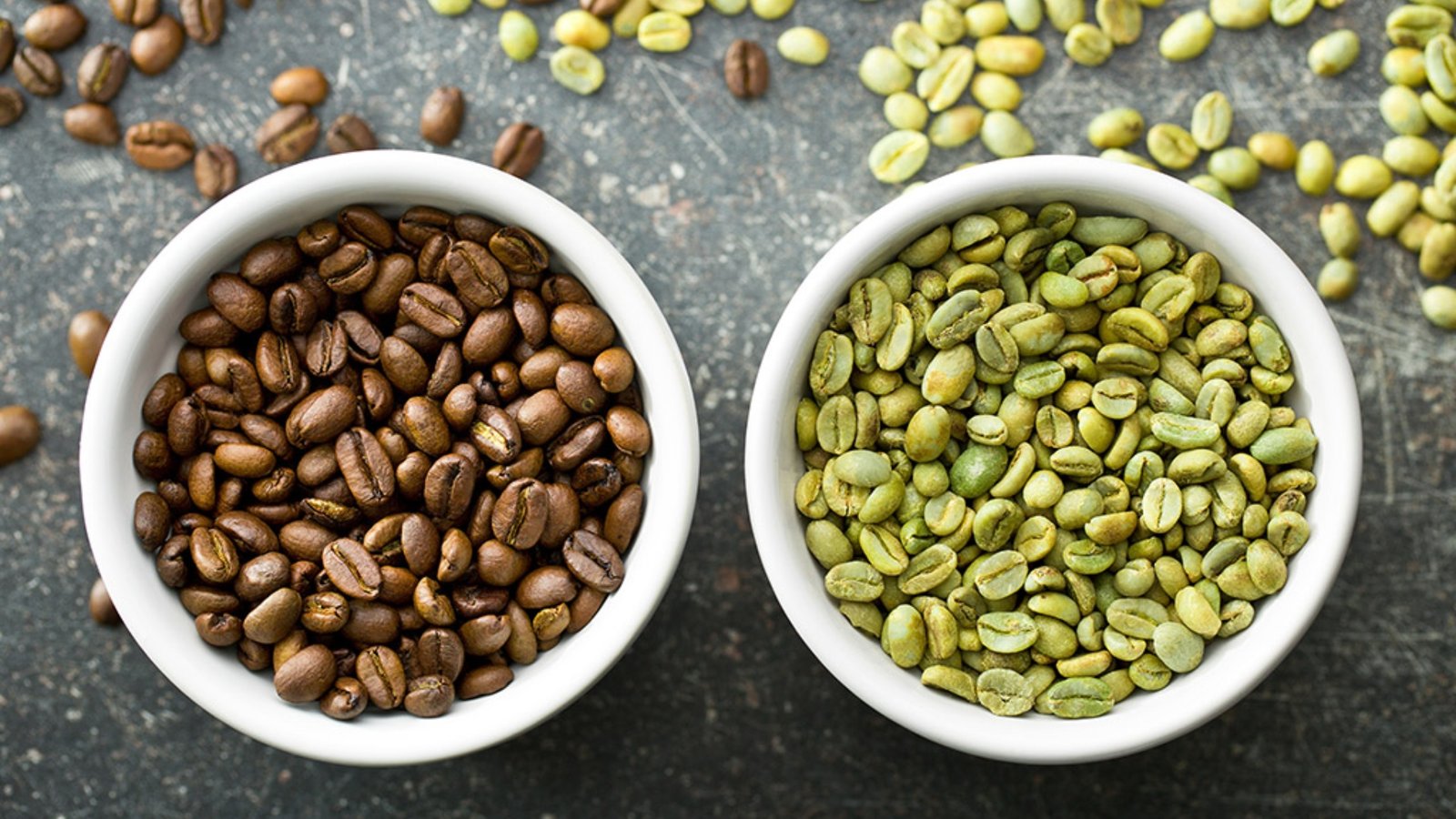
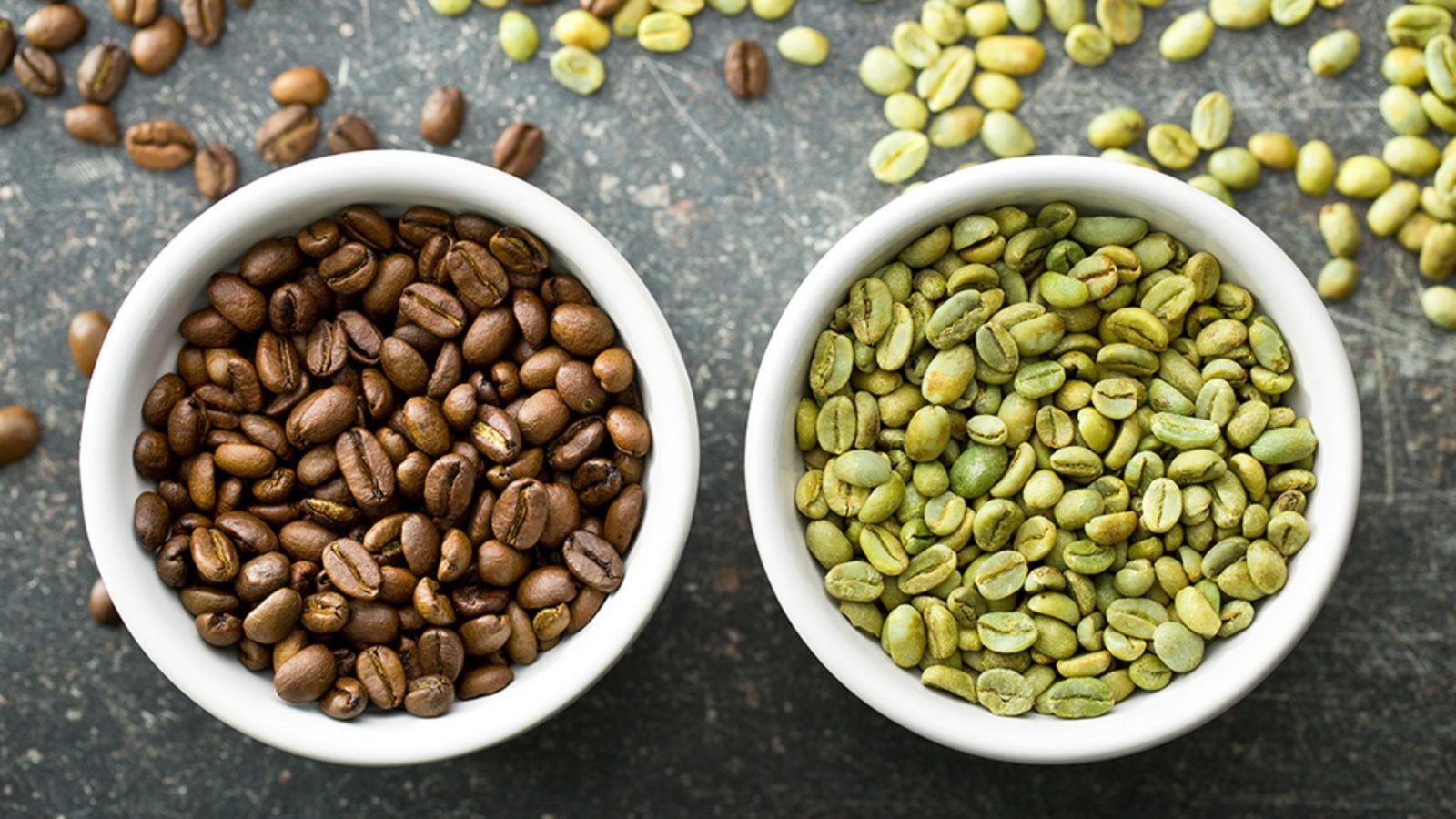
    The same source derives both green coffee and black coffee. Yes, they are generally the same coffee beans. Even so, black coffee is made from raw coffee beans roasted. Green coffee is made using green coffee beans, unroasted ones. 

    4 Differences Between Green Coffee and Black Coffee 

    Coffee Roasting

    When the roasting takes place, some changes are made. The National Coffee Association page explained the changes caused by the roasting process, as cited here:

    “Roasting causes chemical changes to take place as the beans are rapidly brought to very high temperatures”. 

    Hence, the process triggers some changes which differentiate green coffee vs black coffee, as follows:

    1. Change of colors

    During the roasting process, the colors change from their original colors according to the roasting level that coffee roasters determine (Coffee Color Spectrum). 

    Also Read: Be The Master! 4 Coffee Roasting Levels Chart: W/ Image & Guide

    2. Mass of the Coffee Beans and Their Humidity

    The roasting process releases moisture from the coffee beans, which makes the beans weigh less. It also removes some organic gasses and the husks. Yet the coffee bean’s body becomes more solid and crunchy when chewed.

    3. The Change in Delicateness and Volume 

    There will be changes in the coffee beans’ volume throughout the roasting since a chain of sugars will be developed. According to the roasting point, the size might multiply from its original size.

    In addition, the delicateness or porosity increases, making it easier to dissolve when preparing your coffee drink. 

    4. Oil Extraction

    The lipids or oils that coffee beans primarily contain will be extracted and coat the coffee beans thanks to the roasting process. The oils keep the volatile compounds necessary to produce coffee flavor and aroma inside the coffee beans.

    Thanks to the roasting process, the coffee beans will have appealing colors, tempting aromas, and rich flavors with various coffee consistency.

    Otherwise,  green coffee produced using green coffee beans offers a smoother coffee flavor. You’ll notice that the taste at some point resembles herbal green tea. While the roasting process removes the coffee bitterness and brings out flavors, colors, and aroma, on the contrary, it also reduces some nutrients from the coffee beans.

    Green coffee is claimed to be more nutritious since it does not undergo roasting. 

    Know What Are the Health Benefits of Green Coffee Beans 

    Drink Coffee for Health Benefit

    As stated by Coffee Affection, a scientific study has shown that the intensive heat during the roasting process lowers nutrition in food or coffee beans.

    Therefore, green coffee is claimed to bring more benefits to health since the nutritions are kept and do not reduce through the roasting process. Hence, green coffee offers a higher amount of antioxidants than black coffee. 

    The particular type of antioxidant it has is chlorogenic acid which has many health benefits. It helps to reduce the cortisol amount in the human bloodstream, which helps to lower blood pressure. 

    Meanwhile, Net Med explained that the chlorogenic acids in green coffee beans might help regulate blood sugar with their ability to increase sensitivity to insulin, lowering fat accumulation and inflammation. 

    Green coffee also contains caffeine, but it is known to be at a moderate level. It helps to boost energy. Together with the high level of chlorogenic acid, they promote your function throughout the day.

    Green Coffee Beans Help You Lose Weight? 

    Besides all the health benefits mentioned above, Net Med said that green coffee beans are a potential supplement to stimulate weight loss. Again, it is thanks to the chlorogenic acid level that green coffee beans keep.

    Body metabolism benefits from the acid in lowering the absorption of carbs, regulating the lipid profile in the body, burning the glucose and fat, and avoiding the spike of blood sugar.  

    Therefore, a regular and proper amount of green coffee consumption will help stimulate the metabolism, burning fat which is impacting to maintain a healthy weight. 

    Does Green Coffee Contain Caffeine? 

    Caffein in Coffee Beans

    Both green coffee and black coffee contain caffeine. The difference is the amount of caffeine a cup of green and black coffee offer when brewed.

    A cup of black coffee generally contains 100 gr of caffeine. If you want to lower your caffeine consumption, a cup of green coffee beans is the perfect choice since green coffee’s caffeine amount is only 20 mg per cup. 

    All in all, the winning position of the health benefit battle of green coffee vs black coffee is deemed green coffee’s side. But, you also need to implement regular exercise and a healthy diet accordingly. Aside, you can still consume black coffee with a decent amount once in a while to indulge your palate with its rich and deep taste.

  • Delicious, These are 5 Sumatra Specialty Coffees that You Must Try

    Delicious, These are 5 Sumatra Specialty Coffees that You Must Try

    Delicious, These are 5 Sumatra Specialty Coffees that You Must Try

    Sumatra’s natural beauty has tremendous potential. In addition to having one of the super-priority destinations of the charming Lake Toba, the area has other natural potentials that are no less proud, such as coffee. The types of coffee in this area are Arabica and Robusta coffee, whose delicious aroma can enchant coffee connoisseurs in Indonesia and around the world. A Sumatran coffee’s smooth texture and unique taste make it a pleasure to drink. Here are 5 Sumatra specialty coffees that you must try.

    1. Sidikalang Coffee

    As the name implies, this Sumatra specialty coffee comes from the Sidikalang area, Dairi Regency, North Sumatra. Sidikalang coffee grows in Bukit Barisan, which has cool air at 1,500 meters above sea level. Sidikalang coffee has a smoother texture than other types of coffee, and the aroma is not too strong, so it is suitable for consumption by anyone.

    2. Sipirok Coffee

    The dominance of spice taste in Sipirok coffee is quite strong, in contrast to most types of coffee, which are more dominant in fruit flavor. The aroma also smells very typical of thick Arabica.

    Another characteristic of Sipirok coffee is its thick, bitter taste with a slightly sweet taste due to its low acidity. If you want to taste coffee but have stomach acid problems, Sipirok coffee can be a safe choice.

    3. Mandailing Coffee

    Since the 1980s, Mandailing coffee has been known as one of the best coffees in the world. Mandailing coffee was first grown in the Mandailing Natal area, precisely in the Pekantan area.

    Mandailing coffee has a distinctive taste favored by world coffee lovers, namely low acidity and high viscosity. Meanwhile, the most preferred type of Mandailing coffee is Arabica coffee.

    4. Tarutung Coffee

    The name of this coffee comes from its origin, Tarutung, the capital of North Tapanuli Regency, North Sumatra. Arabica coffee and Robusta coffee are the two types of coffee. Taste and aroma are the specialties of Tarutung coffee.

    Coffee from Tarutung has a bitter, savory, and slightly sour flavor. Due to the varying plants, it grows around, the aroma of this coffee is also extraordinary, with different scents.

    5. Lintong Coffee

    Another Sumatra specialty coffee recommendation that is worth a try is Lintong coffee. The name Lintong coffee is taken from its area of ​​origin, namely Lintong Nihuta District, Humbang Hasundutan Regency, North Tapanuli.

    The characteristics possessed by this type of Arabica coffee are its soft texture and sharp aroma. Lintong coffee has a distinctive taste, combining spicy, herbal, spices, nuts, and chocolate flavors.

    Those are the 5 Sumatra specialty coffees that you must taste. With each unique taste, several types of coffee in Sumatra can be a choice for your beloved family. You can get it at FnB Tech Indonesia.

  • Where Do Sumatra Coffee Beans Come From?

    Where Do Sumatra Coffee Beans Come From?

    Where Do Sumatra Coffee Beans Come From

    Indonesia is known as a country that has abundant natural wealth. There are many natural products that we can enjoy because the soil in Indonesia is very fertile. It is one of the explanations for Indonesia’s large number of coffee plantations, many of which are on the island of Sumatra. Now, the question might start with where Sumatra coffee beans come from? Find out more about Sumatra coffee and more here.

    Getting to Know the Taste of Sumatra Coffee 

    Sumatra coffee is indeed very famous, not only in Indonesia but also abroad. Some of the most well-known varieties of Sumatran coffee, such as Sidikalang coffee from North Sumatra, Gayo coffee from Aceh, Mandailing Natal coffee from North Sumatra, Lahat coffee, Lampung coffee, and many more.

    Where do Sumatra coffee beans come from? Talking about coffee originating from Sumatra, although there are many variants, there are similarities in taste and characteristics. Only a few people know that most of Indonesia’s coffee shops and coffees come from the island of Sumatra. It is not without reason that coffee shop owners prefer to use Sumatra coffee. Sumatra coffee has a unique taste that makes many people fall in love and become addicted. 

    Where Do Sumatra Coffee Beans Come From?

    Why is North Sumatra declared the best coffee producer? Because it is dominated by mountainous areas suitable for planting coffee beans. One of them, Arabica coffee which thrives at an altitude of 600-2000 meters above sea level, is cold and requires moisture, good soil texture, and sufficient sunlight.

    Types Of Sumatra Coffee Beans

    1. Gayo Coffee 

    Gayo coffee is an arabica coffee variety that is one of the leading commodities from the Gayo highlands, Central Aceh. This coffee received Fair Trade Certified™ from the Fair Trade International Organization on May 27, 2010. Gayo coffee received an IG (Geographical Indication) certificate submitted by the Ministry of Law and Human Rights of the Republic of Indonesia. Then at the Indonesian Coffee Special Auction Event on October 10, 2010, in Bali, again Gayo Arabica coffee got the highest rank during the cupping score. These certifications and achievements have further strengthened Gayo Coffee’s position as the world’s best organic coffee.

    1. Lintong Coffee 

    The Dutch colonials brought Lintong coffee seeds for the first time around 1888. The Bukit Barisan mountains, which are close to Lake Toba and have the perfect height for growing coffee trees, are where most coffee was produced at that time. Typically, coffee-growing regions are found in the Lintong Nihuta District in the Humbang Hasundutan Regency. Therefore, the term Lintong coffee was taken from the word Lintong Nihuta. Since the first, Lintong coffee has been a favorite among European coffee drinkers because of its strong taste and distinctive aroma.

    2. Mandheling Coffee

    Arabica coffee with a distinctive aroma and taste. This coffee is usually served differently from the others, using coconut shells, and is commonly referred to as takar coffee. This coffee was first grown in the Mandheling Natal (Madina) area, near the border of North Sumatra and West Sumatra, precisely in the Pekantan area. Quality Mandheling coffee is also produced in the interior of Sumatra, such as Tapanuli and Pakpak.

    3. Lampung Coffee 

    Coffee is a leading commodity in Lampung, and it is no secret that one of Indonesia’s most well-known instant coffee companies has a plantation here. Lampung is also famous as a producer of robusta coffees because the area is considered ideal for growing robusta varieties. However, in recent years arabica varieties have also received increasing attention, even though the number is still less than robusta. Since the beginning of 2016, coffee production and sales of Lampung coffees have increased significantly compared to previous years.

    The Best Sumatra Coffee Beans You Could Find

    In addition to the delicious aroma and taste, coffee has many benefits for the body if consumed properly. For example, it can improve brain function and mood, relieve headaches, prevent Parkinson’s disease, reduce the risk of diabetes, and much more.

    Where do Sumatra coffee beans come from? If you are interested in buying quality selected coffee products, you can visit the Official Website of FnB Tech Indonesia. Guaranteed unique items developed by North Sumatra’s creative economy contributors, available in various tastes. Never be hesitant to purchase the best coffee beans produced by the country’s youth since Indonesia is proud to be the country of premium coffee beans.

  • Unroasted Green Coffee Beans: Better Tasting Espresso

    Unroasted Green Coffee Beans: Better Tasting Espresso

    Unroasted Green Coffee Beans: The Secret to a Better Tasting Espresso – Every cup of coffee we drink has a unique story. Starting from the type of coffee, the plantation’s origin, the processing, the post-harvest techniques, and the roasting technique. 

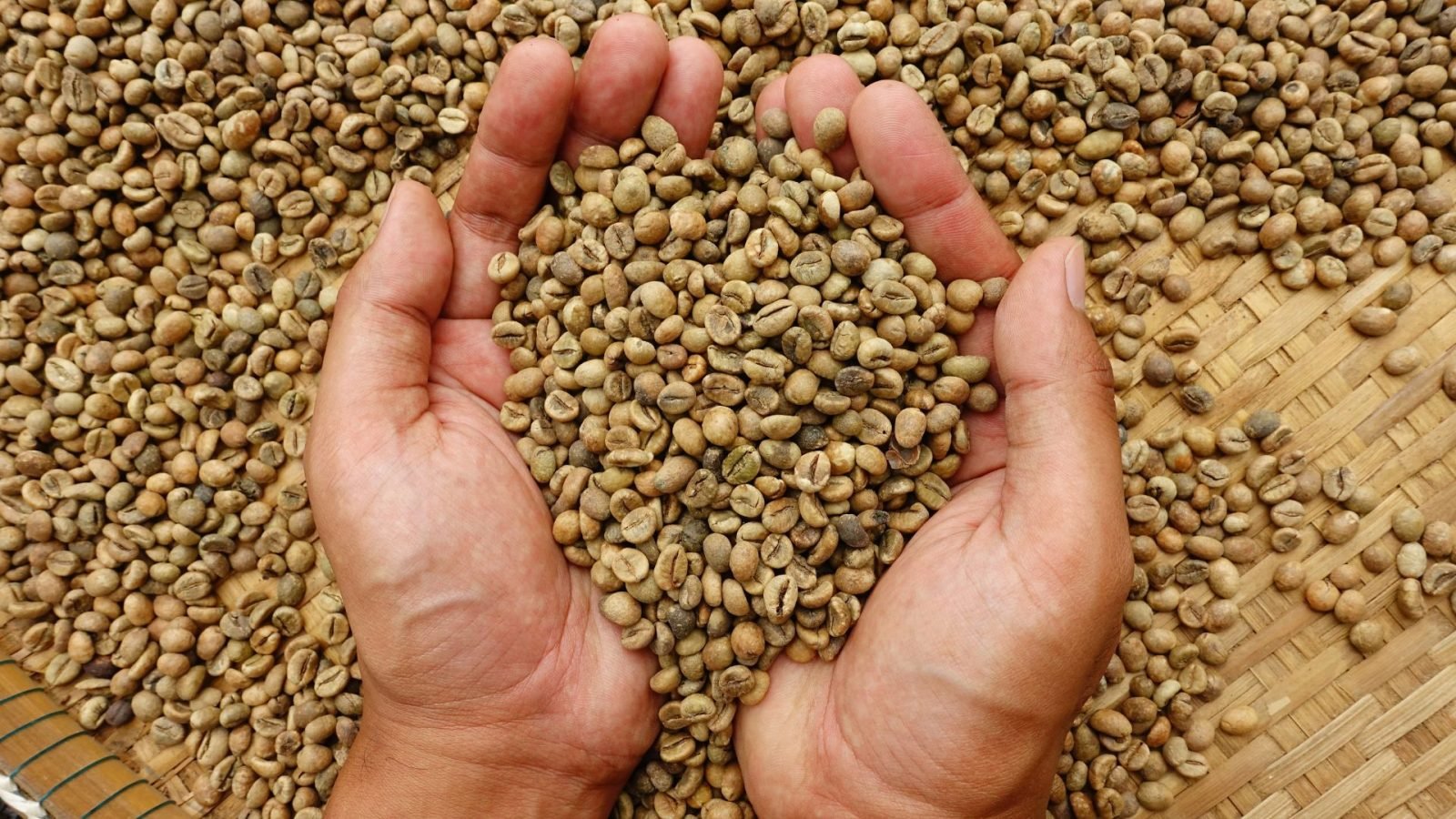
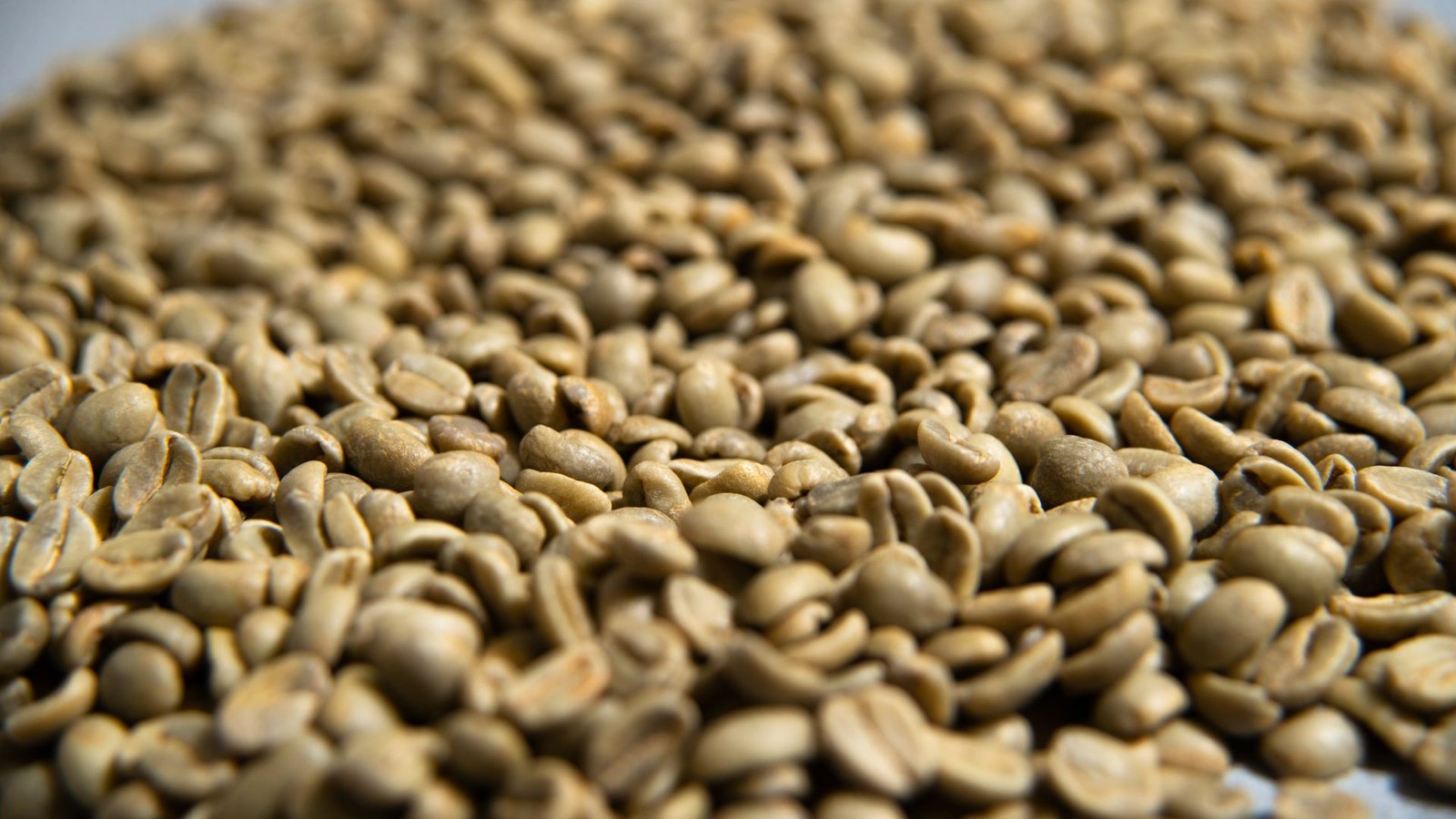
    Coffee beans, especially unroasted green coffee beans, generally have light brown colour with different variations of green hue. Raw or unroasted coffee beans are also known as rice coffee.

    The Art of Processing Unroasted Green Coffee Beans to Roasted Green Coffee Beans

    Have you ever considered the lengthy trip that coffee beans take before being eventually served in the cup of coffee you typically enjoy? Yes, it turns out that several steps and procedures are involved in turning coffee beans into the delectable beverage that millions of people worldwide enjoy.

    1. Maximizing the Taste of Coffee Beans

    Processing unroasted green coffee beans into roasted coffee beans is a blend of art and science. A coffee roaster is a craftsman who uses his senses and gauges to develop the flavour of each coffee bean. The roasting process on beans or green beans is to produce and maximize the taste of the beans, from the aroma, sweetness, acidity, and body, to the aftertaste. 

    2. Calibration to Meet Standards

    Calibration steps are also required to maintain the consistency of taste quality and maximize coffee. FnB Tech Indonesia carries out this process painstakingly. The barista can taste the coffee and set a standard for the taste of the coffee at this calibration stage. Because unroasted green coffee beans have a variable nature, finding the perfect balance of variables is the primary goal of calibration.

    At this stage, the coffee that has arrived in the hands of the manager will determine the gradation of the coffee grounds by weighing them accurately and choosing the right coffee size. The goal is so that the position of the coffee powder is not higher or lower. The coffee is then levelled using portafilters and distribution devices to make espresso. 

    3. Unroasted Coffee Beans Now Went Through a Detailed Process

    A detailed process indeed produces perfect extraction. Some coffee grounds are slightly down or too high, significantly affecting the extraction. When the position of the portafilter is too up or down, it will not deliver ideal pressure results. 

    The coffee flow can only come out of the portafilter hole on the right or left. If the coffee flow only comes out on one side, there is a tilt. The left portafilter position may be heavier than the right side.

    Meet FnB TECH INDONESIA Best Selling Unroasted Green Coffee Beans!

    1. Sumatra Super Peaberry

    unroasted Sumatra Super Peaberry

    Peaberry beans are typically valued higher than regular coffee beans because they are thought to have a more concentrated flavour. Instead of the usual two half-beans inside each cherry, a Peaberry has just one coffee bean. In actuality, peaberry only makes up roughly 5–7% of any particular coffee harvest.

    Also Read: Taste Like Heaven! You Need to try Sumatra Peaberry Coffee!

    2. Bali, Java, Gayo, and Mandheling Wine 

    Unroasted green Coffee beans - Bali, Java, Gayo, and Mandheling Wine 

    As goodquinic acid seeps into the processed coffee beans, glucose is modified to create a wine-like taste in the mouth, making the flavour taste like wine.

    Also read: Taste Like Nothing You Ever Had! Try This Wine Coffee Beans!

    3. Lasuna Special 

    lasuna special coffee

    The combination of acidity and body in Lasuna Special results in its mild taste, lightness, and a reasonable amount of wetness.

    For more information about FnB Tech Indonesia, visit our website and choose your favourite unroasted green coffee beans that match your taste. You also can visit our social media instagram to get the latest content and product.