Category: Coffee Process

  • Wild Civet Coffee: 5 Hidden Facts You Might Not Know

    Wild Civet Coffee: 5 Hidden Facts You Might Not Know

    Wild Civet Coffee

    What is Wild Civet Coffee?

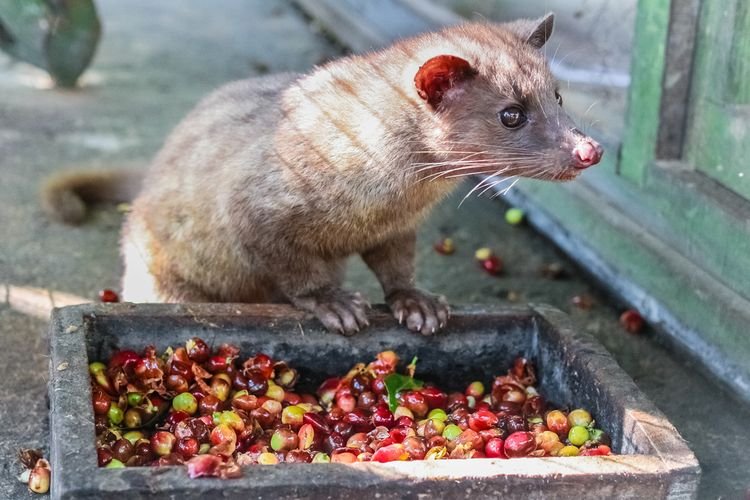
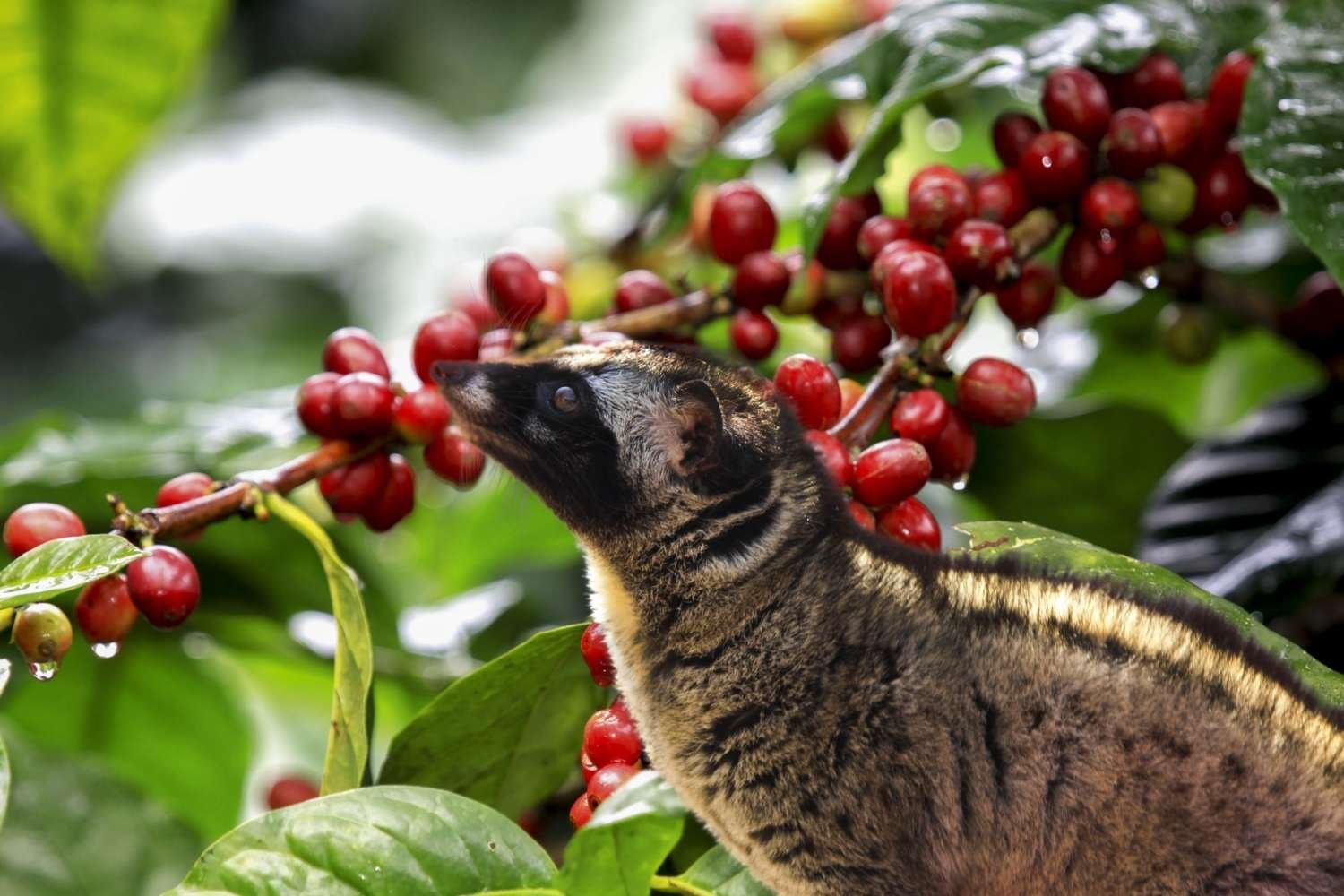
    Wild Civet Coffee, commonly known as Kopi Luwak, is a rare and valuable variety of coffee created by an unusual and natural method utilizing civet cats. These small, nocturnal mammals are endemic to a number of countries, including Indonesia, where coffee has grown in popularity.

    Civets start the process by eating ripe coffee cherries from coffee plants. As the cherries transit through the civet’s digestive tract, enzymes in their digestive system ferment them. The outer layers of the cherry are digested during this process, while the beans inside stay relatively intact. The beans are gathered, washed, and then processed for roasting and brewing once they have been expelled.

    Also Read: Wild Civet Coffee vs. Captive Civet Coffee : Environmental Impact and Taste

    The fermentation that occurs within the civet’s digestive system is thought to contribute to the peculiar aromas of the coffee beans. As a result, the coffee has less acidity and bitterness, as well as particular aromatic properties that have been described as earthy, smooth, and even chocolatey.

    Wild Civet Coffee is well-known for its scarcity and excellent flavor characteristics. However, it is vital to highlight that while contemplating this sort of coffee, ethical and sustainable sourcing techniques are necessary. Concerns concerning animal welfare have been raised as a result of unethical techniques such as putting civets in cages or force-feeding their cherries. Responsible growers put civets and the environment first, enabling them to roam freely and spontaneously select the cherries they eat.

    Facts About Wild Civet Coffee

    wild civet coffee

    Kopi Luwak was originally a commoner’s coffee

    Luwak coffee has existed since the Dutch colonial era. The Dutch colonialists prohibited coffee plantation laborers from processing coffee from coffee trees at the time. Because of the ban, coffee plantation workers, who are also commoners, are forced to pick up coffee beans left over from the disposal of Luwak that are dispersed over the farm in order to manufacture coffee drinks. When the Dutch discovered that coffee beans made from Luwak dung tasted excellent, they began collecting civet coffee beans and even selling them as premium coffee.

    Indonesia is a country with the highest level of Luwak coffee production

    Luwak coffee is currently produced in Southeast Asian countries like Indonesia, Malaysia, the Philippines, and Vietnam. We can feel proud because it turns out that Indonesia is the world’s largest producer of Luwak coffee. In Indonesia, the annual production of luwak coffee is 200 kg.

    Kopi Luwak is the most expensive coffee in the world

    Civet coffee is the most expensive coffee in the world today due to its uniqueness and limited production. This statistic is even listed in the Guinness Book of World Records. In America, a pound of Luwak coffee can cost up to ten million dollars. Even more extraordinary prices can be found in the United Kingdom, where a cup of civet coffee can cost up to £70, or the equivalent of one million rupiah, at the newest DSTRKT location in Picadilly, London.

    Luwak coffee production level is very small

    Because Luwak coffee production is heavily reliant on the coffee beans that the civet consumes, production is extremely limited. According to current data, global Luwak coffee production does not even approach 1 ton per year, and it is expected that it will only reach 500 kg per year.

    Kopi Luwak is halal for drinking and trading

    The MUI has issued a fatwa indicating that Kopi Luwak is halal to consume and trade as long as the civet coffee beans are washed before being processed into coffee beans or ready-to-eat coffee powder.

    Also Read: The History and Process of Civet Coffee in Indonesia

    Different Types of Wild Civet Coffee

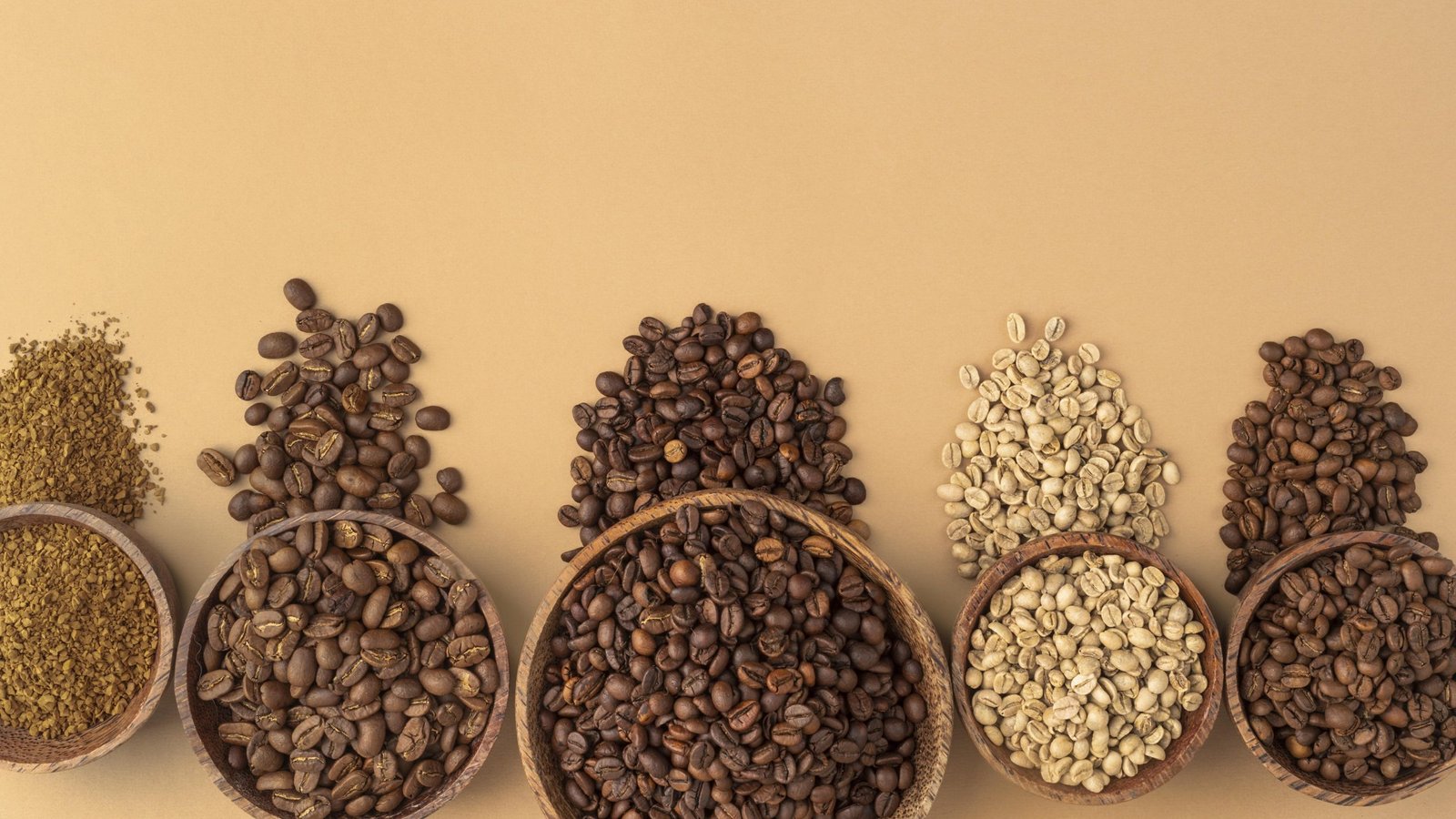
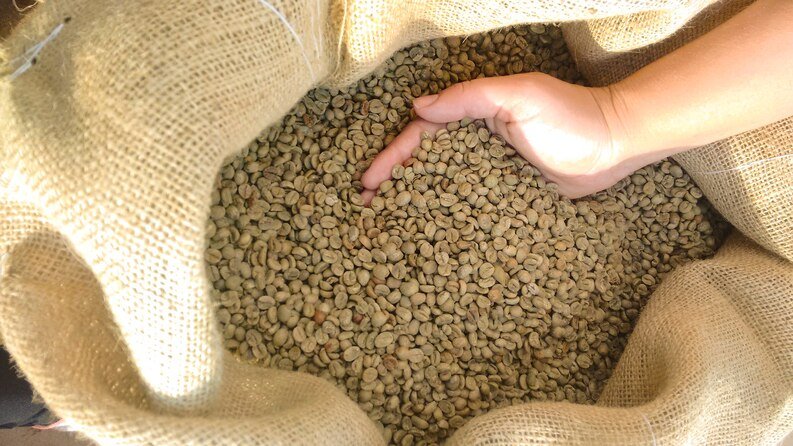
    Green Beans Coffee
    coffee luwak

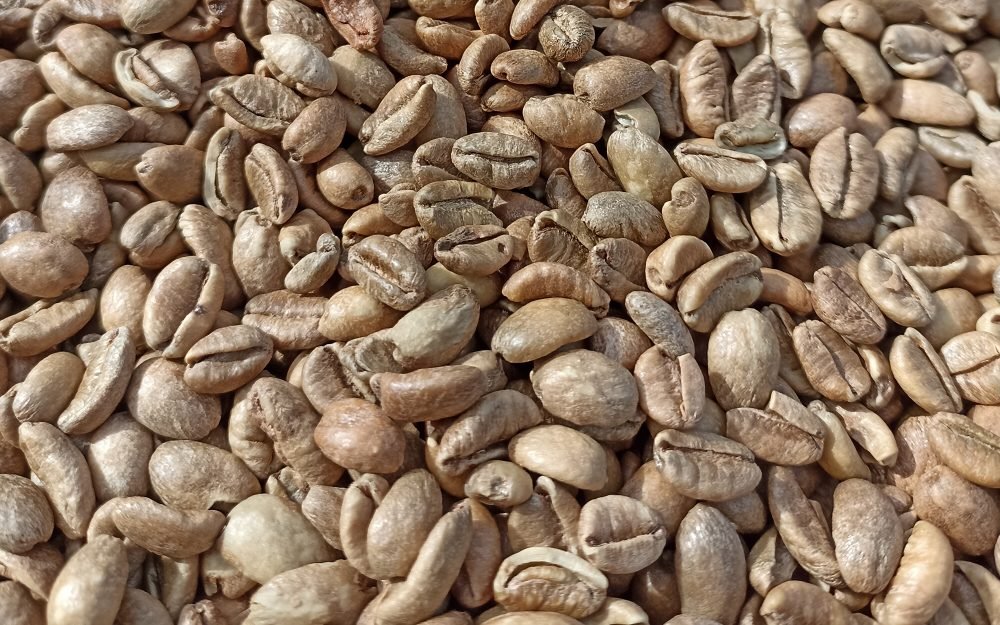
    Green Beans Wild Civet Coffee offers an unadulterated journey into the essence of Kopi Luwak, capturing the pure and untamed flavors that have made this coffee a global sensation. With a commitment to ethical sourcing and responsible production, our Green Beans Wild Civet Coffee delivers a cup of exceptional quality and authenticity.

    Specifications:

    • Coffee Origin: Sourced from the lush coffee-growing regions of Indonesia, where wild civets roam freely and select only the finest cherries to consume.
    • Processing Method: After the civets ingest the ripe coffee cherries, the beans undergo a natural fermentation process within the civet’s digestive system. Once excreted, the beans are meticulously collected, cleaned, and prepared for roasting.
    • Flavor Profile: Green Beans Wild Civet Coffee offers a truly unique taste experience. The beans’ journey through the civet’s digestive tract imparts a remarkably smooth and less acidic character, complemented by earthy undertones and subtle hints of chocolate and fruit.
    • Aroma: The coffee exudes an inviting aroma that blends the earthiness of the wild with delicate floral notes, promising an aromatic adventure with every brew.
    • Roast Level: The green beans are intentionally left unroasted, preserving their raw and unaltered state. This allows you to experience the unfiltered essence of Kopi Luwak, showcasing the effects of the civet’s digestive alchemy on the beans.
    • Packaging: Our Green Beans Wild Civet Coffee is carefully packaged to ensure freshness upon delivery. The packaging also reflects our commitment to sustainability, utilizing eco-friendly materials whenever possible.
    • Ethical Sourcing: We prioritize ethical and sustainable sourcing practices, ensuring the well-being of civets and the preservation of their natural habitat. By choosing Green Beans Wild Civet Coffee, you’re supporting responsible coffee production.

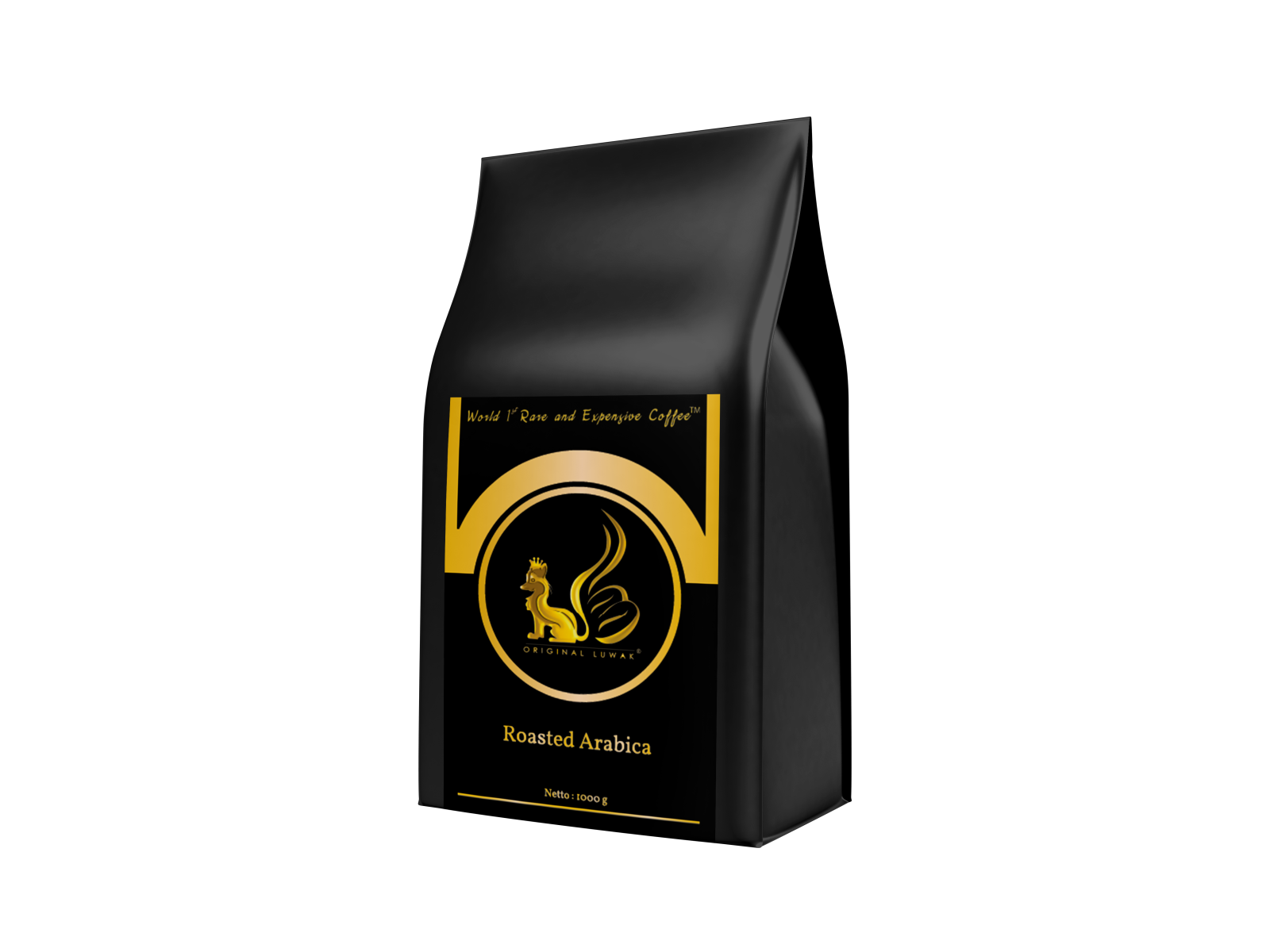
    Roasted Coffee
    Roasted Coffee Luwak

    Experience the epitome of coffee luxury with our Roasted Wild Civet Coffee. Meticulously crafted to showcase the unique flavors born from the symbiotic relationship between wild civets and coffee cherries, this blend offers a rich and aromatic journey that encapsulates the essence of Kopi Luwak. Elevate your coffee ritual with the finest Roasted Wild Civet Coffee, a true testament to nature’s artistry and human expertise.

    Specifications:

    • Coffee Origin: Our Roasted Wild Civet Coffee is sourced from regions renowned for their thriving biodiversity, where wild civets roam freely. By selecting only the ripest coffee cherries, these creatures contribute to the exceptional quality and distinctiveness of each batch.
    • Processing Method: The journey begins with civets consuming coffee cherries and initiating a transformative fermentation process within their digestive systems. Once the cherries’ outer layers are digested, the beans are collected, meticulously cleaned, and then skillfully roasted to bring out their fullest flavor potential.
    • Roast Profile: Our artisanal roasting process is tailored to enhance the flavors developed during the civet’s digestive alchemy. The medium-dark roast yields a coffee with a velvety body, balanced acidity, and enchanting notes of dark chocolate, caramel, and a subtle hint of tropical fruit.
    • Aroma: As you prepare your cup, the enticing aroma of our Roasted Wild Civet Coffee fills the air, inviting you to savor the harmonious blend of earthy tones and delicate floral fragrances.
    • Grind Level: To suit various brewing preferences, our Roasted Wild Civet Coffee is available in a range of grind sizes, from fine for espresso enthusiasts to medium-coarse for those who prefer pour-over or French press methods.
    • Packaging: We take pride in preserving the freshness and flavor of our coffee. Our packaging is designed to shield the beans from light and air, maintaining their exquisite taste until they reach your cup.
    • Ethical Commitment: Our dedication to ethical practices extends to the treatment of civets and the preservation of their natural habitats. By choosing Roasted Wild Civet Coffee, you actively support ethical sourcing and responsible coffee production.

    Ground Coffee

    Ground Coffee

    Indulge in the refined flavors of Kopi Luwak like never before with our meticulously crafted Ground Wild Civet Coffee. This exceptional blend offers a convenient and accessible way to experience the unique taste that has made Kopi Luwak a renowned delicacy. Sourced responsibly and crafted with care, each cup of Ground Wild Civet Coffee promises an exquisite journey of flavors.

    Specifications:

    • Coffee Origin: Our Ground Wild Civet Coffee is sourced from coffee-growing regions known for its vibrant ecosystems and diverse wildlife. We are committed to preserving the habitats of wild civets and supporting local communities.
    • Processing Method: After wild civets consume ripe coffee cherries, the beans undergo a natural fermentation process in their digestive systems. The beans are then collected, cleaned, and expertly roasted to perfection before being ground to a consistent particle size.
    • Flavor Profile: Ground Wild Civet Coffee boasts a distinct flavor profile characterized by its smoothness and reduced acidity. The digestive alchemy of the civets imparts a refined taste with subtle notes of caramel, chocolate, and a hint of fruit, creating a harmonious and well-balanced cup.
    • Aroma: As you prepare your cup, the aroma of our Ground Wild Civet Coffee envelops your senses with an enticing blend of earthiness and delicate floral undertones, promising a sensory journey with every sip.
    • Grind Size: Our coffee is finely ground to ensure an even extraction and optimal flavor release during brewing. The consistent grind allows for versatile brewing methods, from espresso to pour-over.
    • Packaging: The Ground Wild Civet Coffee is thoughtfully packaged to preserve its freshness and flavor. Our commitment to sustainability extends to our packaging, which is designed with eco-friendly materials whenever possible.
    • Ethical Sourcing: We place a strong emphasis on ethical sourcing, ensuring that the civets involved in the coffee production process are treated with care and respect. By choosing Ground Wild Civet Coffee, you contribute to sustainable practices and support responsible coffee production.

    Also Read: Luwak Coffee Benefits: Buckle up, This Will Be A Long List!

    Where to Buy Wild Civet Coffee

    Discover a trusted source for authentic Wild Civet Coffee at FandB Tech Indonesia. Learn how their commitment to sustainability and ethical sourcing aligns with your quest for an exquisite and responsible coffee indulgence.

    Conclusion

    Kopi Luwak isn’t just a beverage; it’s a tapestry woven with cultural, ethical, and sensory threads. By peeling back the layers and uncovering their hidden facts, you’re invited to savor every sip with newfound appreciation while making an informed choice that resonates with your values.

  • From Farm to Cup: The Journey of Lampung Robusta Coffee

    From Farm to Cup: The Journey of Lampung Robusta Coffee

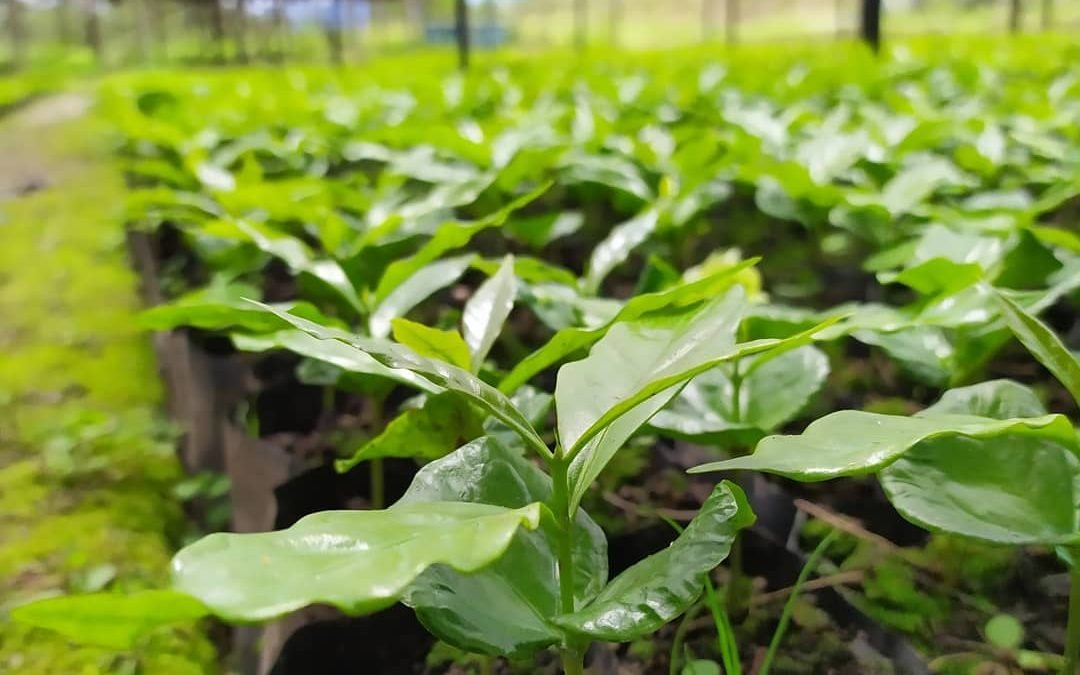
    Get ready to embark on a captivating journey from farm to cup as we explore the fascinating world of Lampung Robusta Coffee. From the lush green plantations of Lampung, Indonesia, to the comforting aroma that fills your favorite coffee shop, this humble bean has quite the story to tell. Join us as we delve into the meticulous process of cultivation, harvesting, and processing that transforms these coffee cherries into a rich and flavorful brew.

    lampung robusta coffee

    Discover the unique characteristics that set Robusta Coffee apart, and uncover the secrets behind its exceptional taste and robust body. Whether you’re a coffee connoisseur or simply someone who appreciates a good cup of joe, this illuminating adventure will leave you craving for more. So sit back, grab your favorite mug, and prepare to sip your way through the enchanting journey of Lampung Robusta Coffee.

    Also Read: Robusta vs Arabica Coffee Beans: What Sets Them Apart?

    The History of Lampung Robusta Coffee

    lampung robusta coffee

    Lampung Robusta Coffee has a rich history that dates back centuries. It was first introduced to the Lampung region of Indonesia during the Dutch colonial era. The fertile volcanic soil and ideal climate provided the perfect conditions for coffee cultivation, and Lampung quickly became known for its high-quality beans. Over the years, the cultivation techniques and processing methods have been passed down from generation to generation, ensuring that the tradition of producing exceptional coffee continues to thrive in Lampung.

    The Growing and Harvesting Process

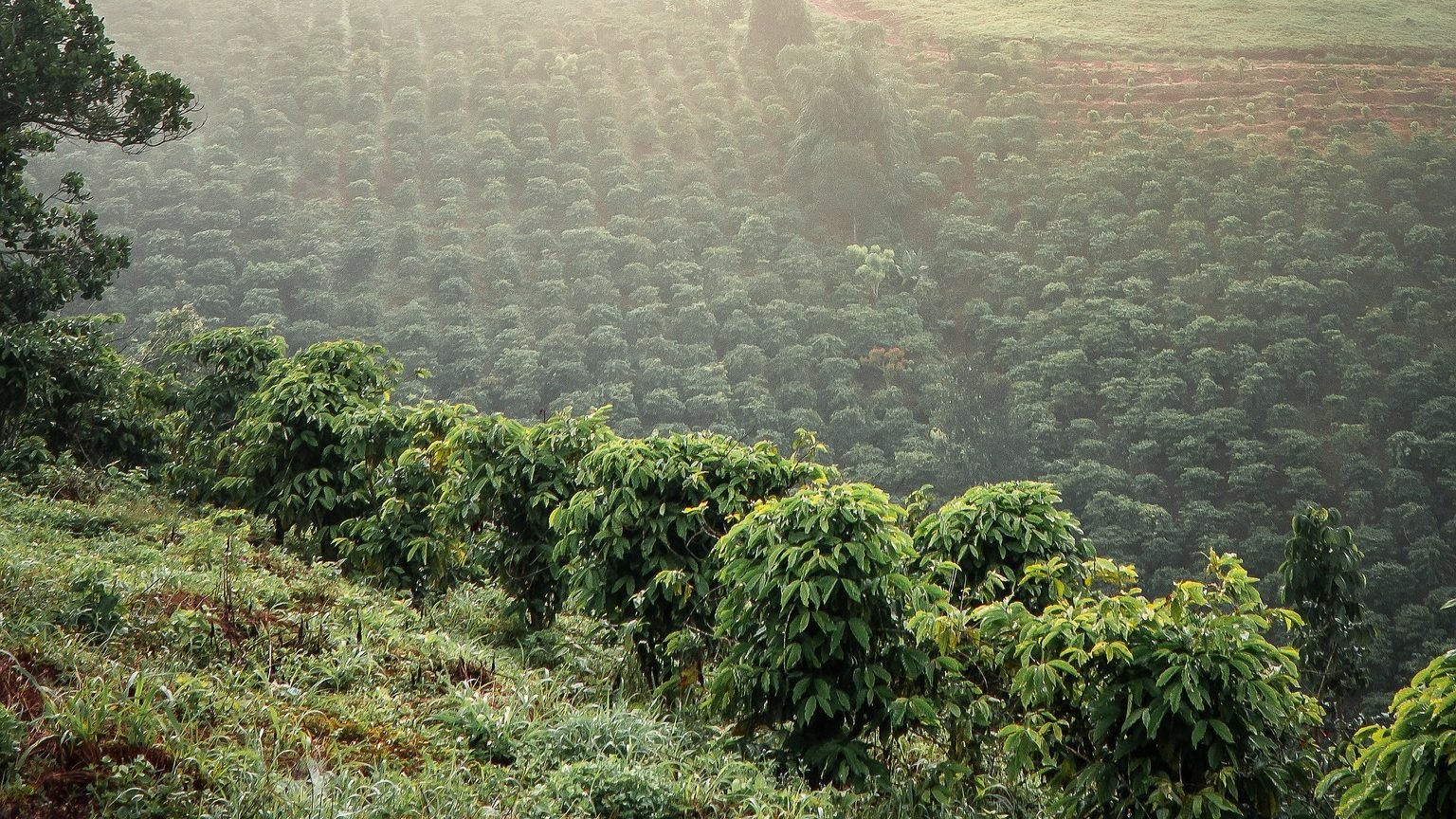
    The journey of Lampung Robusta Coffee begins on the sprawling coffee plantations of Lampung. The coffee trees are meticulously cared for by skilled farmers who understand the importance of nurturing the plants for optimal growth. These farmers employ sustainable farming practices, ensuring that the coffee cherries are grown in harmony with the environment.

    Once the coffee cherries are ripe and ready to be harvested, the farmers carefully handpick each cherry to ensure only the best ones are selected. This labor-intensive process requires precision and expertise, as the farmers must determine the perfect moment to pick the cherries to achieve the desired flavor profile. The cherries are then sorted and separated before being transported to the processing facilities.

    Processing and Roasting Lampung Robusta Coffee Beans

    Upon reaching the processing facilities, the coffee cherries undergo a meticulous process to transform them into the beans we know and love. The first step is to remove the outer skin and pulp from the cherries, leaving behind the coffee beans. This process, known as pulping, can be done using traditional methods or modern machinery, depending on the preferences of the farmers.

    After pulping, the coffee beans are left to ferment for a specific period of time. This fermentation process enhances the flavors and removes any remaining mucilage from the beans. Once fermentation is complete, the beans are thoroughly washed and dried under the sun. This drying process is crucial in ensuring the beans reach the optimal moisture content for storage and roasting.

    Once the beans are dried, they are sorted and graded based on size, density, and quality. The highest-quality beans are carefully selected for roasting, while the lower-grade beans may be used for other purposes such as instant coffee or coffee blends. Lampung Coffee is known for its bold flavor and robust body, which is achieved through a carefully controlled roasting process. The beans are roasted to perfection, unlocking their full potential and creating a rich and aromatic brew.

    Also Read: Be The Master! 4 Coffee Roasting Levels Chart: W/ Image & Guide

    Tasting Notes and Flavor Profiles of Lampung Robusta Coffee

    This Coffee offers a unique flavor profile that sets it apart from other coffee varieties. With its bold and robust character, this coffee is perfect for those who prefer a strong and full-bodied brew. The flavor notes of Robusta Coffee often include dark chocolate, caramel, and hints of spices, creating a complex and satisfying taste experience. The coffee also exhibits a pleasant acidity that balances out the richness, resulting in a well-rounded and enjoyable cup.

    The Role of Sustainable Farming in Lampung Robusta Coffee Production

    Sustainable farming practices play a crucial role in the production of Lampung Robusta Coffee. The farmers in Lampung understand the importance of preserving the environment and maintaining the long-term viability of their coffee plantations. They employ methods such as organic fertilization, natural pest control, and water conservation techniques to minimize their ecological footprint.

    lampung robusta coffee

    By prioritizing sustainability, Lampung farmers ensure that the coffee they produce is not only of the highest quality but also contributes to the well-being of the local ecosystem. This commitment to sustainable farming practices not only benefits the environment but also enhances the overall flavor and aroma of Lampung Robusta Coffee.

    The Impact of Lampung Robusta Coffee on the Local Economy

    Lampung Robusta Coffee plays a significant role in the local economy of the region. The coffee industry provides employment opportunities for thousands of people, from farmers and harvesters to processing plant workers and exporters. The economic impact extends beyond the coffee sector, as the revenue generated from coffee sales supports various industries and businesses in Lampung.

    Furthermore, Lampung Robusta Coffee has gained recognition internationally, attracting coffee lovers from around the world. This increased demand for Lampung coffee has led to a boost in tourism, with visitors eager to explore the coffee plantations and experience the unique flavors of the region. As a result, the local economy continues to flourish, providing a better quality of life for the people of Lampung.

    The Rise of Lampung Robusta Coffee in the Global Market

    In recent years, Lampung Robusta Coffee has gained significant recognition in the global market. Coffee enthusiasts and connoisseurs have come to appreciate the unique flavor profile and exceptional quality of Lampung coffee. This increased demand has led to Lampung Robusta Coffee being exported to various countries, further establishing its reputation as a premium coffee variety.

    Coffee shops and specialty cafes around the world now proudly serve Lampung Robusta Coffee, showcasing its distinctive flavors to a global audience. The rise of Lampung coffee in the global market has not only brought recognition to the region but also provided economic opportunities for the farmers and communities of Lampung.

    Also Read: C Market Coffee: The Economics Behind Your Daily Cup of Joe

    Where to Buy and Enjoy Lampung Robusta Coffee

    If you’re eager to experience the rich flavors of Lampung Robusta Coffee, you’ll be pleased to know that it is readily available for purchase. Many specialty coffee retailers and online platforms offer a wide selection of Lampung coffee beans, allowing you to brew your own delicious cup at home. Additionally, coffee shops and cafes that prioritize quality and variety often feature Lampung Robusta Coffee on their menus, giving you the opportunity to savor this exceptional brew in a cozy and inviting atmosphere.

    Conclusion: Appreciating the Journey of Lampung Robusta Coffee

    As we conclude our journey from farm to cup, we hope you’ve gained a deeper appreciation for the remarkable journey of Lampung Robusta Coffee. From the rich history and meticulous cultivation process to the exceptional flavors and impact on the local economy, Lampung coffee has truly made its mark in the world of coffee. So the next time you take a sip of your favorite Lampung Robusta brew, remember the hard work and dedication that went into every single bean. Cheers to the enchanting journey of Lampung Robusta Coffee!

  • A Tasting Adventure: Exploring the 4 Coffee Bean Varieties

    A Tasting Adventure: Exploring the 4 Coffee Bean Varieties

    coffee bean varieties

    Coffee enthusiasts frequently enjoy a cup of their favorite brew first thing in the morning without giving much thought to the origin and qualities of the coffee beans used. Understanding the many coffee bean varieties, on the other hand, can increase your appreciation for the beverage and assist you in selecting the best beans for your preferred flavor profile. We will look at the four basic types of coffee beans in this article: Arabica, Robusta, Liberica, and Excelsa. Each variety has its own distinct set of traits, flavor profiles, and growing circumstances. So, let us explore the world of coffee beans!

    Also Read: 5 Reasons Why Should Drink the Best Green Coffee Beans

    How Many Coffee Bean Varieties Are There?

    You’re not alone if you’ve ever wondered how many coffee bean varieties different there are. Arabica, Robusta, Liberica, and Excelsa are the four essential coffee bean varieties. The taste, popularity, and growing requirements of these beans vary, making each variety distinct and intriguing.

    Arabica Coffee Beans

    coffee bean varieties

    Arabica beans account for over 60% of global coffee output and so dominate global coffee consumption. These beans are thought to be the earliest coffee beans ever drank, having originated thousands of years ago in the Ethiopian highlands. Arabica gets its name from its prominence in 7th-century Arabia (modern-day Yemen).

    Arabica beans are well-known for their outstanding flavor and are favoured by many upmarket coffee companies. Arabica beans require shade, plenty of water, and high altitudes to thrive. Arabica plants require a minimum elevation of roughly 2,000 feet because they are more sensitive to crop diseases. These plants are tiny, reaching a height of 8 to 15 feet. Arabica beans have a smooth, rich flavor that varies depending on the production region, from earthy Indonesian to fragrant Ethiopian.

    Robusta Coffee Beans

    coffee bean varieties

    Robusta beans are the second most commonly grown coffee beans and are primarily cultivated in Africa and Indonesia. They have gained popularity in Vietnam and are often included in coffee blends. Robusta beans are larger and rounder compared to other types of coffee beans. The plants themselves grow taller, reaching heights between 15 and 20 feet.

    Robusta beans are known for their resilience, as they can grow at lower elevations and are more resistant to crop diseases. However, they are often perceived as more bitter and have a higher caffeine content than Arabica beans. While specialty coffee enthusiasts may have a preference for Arabica, exploring Robusta beans can offer a unique coffee experience.

    Also Read: 8 Types of Coffee Beans in Indonesia, Unique & You Must Try!

    Liberica Coffee Beans

    coffee bean varieties

    Liberica, named after Liberia in central and western Africa, is a coffee bean variety highly regarded for its pungent flowery scent and robust, smoky flavor. Liberica beans are typically larger and have an irregular shape, resembling Robusta beans in size and appearance due to their origin from larger coffee plants.

    The Liberica plant thrives in hot and muggy weather and grows well at low elevations. Currently, Liberica beans account for approximately 2% of the world’s coffee production and are primarily grown in Indonesia, Malaysia, and the Philippines. However, it is relatively rare to find Liberica beans in North America. Liberica coffee has a divisive reputation among coffee enthusiasts due to its wildly inconsistent flavor. Some love its nutty, woody flavor with a subtle aftertaste, while others find it less appealing.

    Excelsa Coffee Beans

    coffee bean varieties

    Excelsa beans were previously categorized as a distinct coffee species but have now been recognized as a variation of Liberica. These elongated oval-shaped beans are predominantly grown in Southeast Asia and can be found on large coffee plants reaching heights of up to 30 feet.

    Excelsa beans offer a unique taste profile that blends dark roast flavors with characteristics of light roasts, such as acidic notes and fruity flavors. They have a distinct depth of flavor, lower fragrance, and caffeine content.

    Choosing the Right Coffee Bean Varieties

    Several variables must be considered while selecting the best coffee bean for your daily cup. Choose 100% Arabica beans if you want the best flavor and don’t mind paying a bit more. Many upmarket coffee brands utilize these beans because they have a smooth and rich flavor.

    Consider Robusta or a blend of Arabica and Robusta if you’re on a budget or prefer a higher caffeine level. However, be warned that the drink may be bitterer than usual. Liberica or Excelsa beans can be fantastic selections for individuals looking for a distinctive and rare experience. Keep in mind that discovering these beans may necessitate a more thorough search.

    Conclusion: Exploring the 4 Coffee Bean Varieties

    Understanding the different types of coffee beans allows coffee enthusiasts to expand their knowledge and appreciate the diverse flavors and characteristics each variety offers. Arabica, Robusta, Liberica, and Excelsa beans each have their unique attributes, taste profiles, and growing requirements. Whether you prefer the smoothness of Arabica, the resilience of Robusta, the robustness of Liberica, or the distinctiveness of Excelsa, there is a coffee bean variety to suit every palate. So, explore and savor the world of coffee beans, and choose the one that entices your taste buds.

  • Why Gayo Coffee is the Perfect Choice for Coffee Connoisseurs

    Why Gayo Coffee is the Perfect Choice for Coffee Connoisseurs

    Gayo Coffee

    Coffee has become more than just a beverage it has evolved into a passion for many individuals, giving rise to the term “coffee connoisseurs.” These enthusiasts seek unique flavors and experiences in their pursuit of the perfect cup. Among the wide variety of coffee options available, Gayo Coffee stands out as an exceptional choice. With its distinct characteristics and rich cultural heritage, This Coffee captures the hearts of coffee lovers worldwide.

    Also Read: Pulled Coffee Technique to Create the Optimal Taste For Aceh Gayo Coffee

    Gayo Coffee: A Brief Overview

    Gayo Coffee finds its roots in the enchanting Gayo Highlands, located in Aceh, Indonesia. Nestled amidst the verdant landscapes of this region, benefits from its unique geographical attributes. The Gayo Highlands’ volcanic soil, coupled with its altitude and favorable climate, creates the perfect environment for cultivating exceptional coffee beans. This natural setting contributes to the distinctiveness and high quality of Gayo Coffee.

    Gayo Coffee is renowned for its remarkable flavor profile, captivating the palates of coffee connoisseurs. It boasts a medium to full body, providing a satisfying richness and depth. The coffee exhibits a low acidity level, making it smooth and gentle on the taste buds. Moreover, This Coffee delights with its intriguing notes of chocolate and subtle herbal undertones. This intricate combination of flavors contributes to a memorable and pleasurable coffee experience.

    Within the local community of the Gayo Highlands, this coffee has great cultural significance. It is closely related to traditional ceremonies and social gatherings, being an integral part of the regional cultural fabric. Coffee from Gayo plays an important role in various communal activities, symbolizing friendliness, connection and sharing of experiences. Her presence at weddings, festivals and religious ceremonies fosters a sense of community and celebration. Through this ritual, local people protect and respect their cultural heritage.

    Quality and Sustainability

    Meticulous Cultivation Process

    Gayo coffee is cultivated through a careful process that emphasizes the use of organic farming methods and shade growing practices. Organic farming avoids the use of synthetic fertilizers, pesticides and herbicides, ensuring coffee beans are free from harmful chemicals. This not only contributes to the quality and purity of Coffee but also protects the environment and the health of farmers and consumers.

    Additionally, this coffee is shade grown, which involves growing the coffee tree in the shade of a larger tree or using an artificial shade system. This approach promotes biodiversity, as it creates habitats for different species of plants and animals. Shade protects the coffee plant from direct sunlight, resulting in slower ripening and development of a more complex flavor in the bean.

    Careful Handpicking and Rigorous Sorting

    To ensure that only the highest quality beans are selected, Coffee Beans undergo a careful selection and sorting process. Skilled growers hand-pick the ripest coffee cherries, carefully selecting them based on color, size and ripeness. This selective harvesting ensures that only the best coffee beans are selected, thereby increasing the overall quality of the coffee bean. After harvest, the coffee beans undergo a rigorous sorting process, where any defective or underripe beans are removed. Attention to detail during the harvesting and sorting stages ensures that Gayo Coffee maintains exceptional taste quality and consistency.

    Sustainability Efforts

    The Gayo Coffee industry is committed to sustainability, implementing various practices to promote environmental preservation and fair trade. Fair trade practices ensure that farmers receive fair prices for their coffee beans, enabling them to support their families, invest in their farms, and improve their communities’ well-being. By providing equitable compensation, fair trade empowers farmers and contributes to the overall socio-economic development of the region.

    Furthermore, Gayo Coffee promotes environmentally friendly farming techniques. This includes the adoption of water conservation methods, responsible waste management, and soil conservation practices. These efforts help to preserve the natural resources of the Gayo Highlands, minimize the ecological footprint of coffee cultivation, and safeguard the long-term sustainability of the coffee industry.

    By choosing Gayo Coffee, coffee connoisseurs not only enjoy a superior cup of coffee but also support the ethical and sustainable practices associated with its production. The emphasis on organic farming, shade-grown cultivation, meticulous handpicking, and rigorous sorting ensures that Gayo Coffee consistently delivers a high-quality product. Additionally, the commitment to fair trade and environmental sustainability fosters a responsible and conscious coffee culture, benefiting both the farmers and the environment.

    Also Read: 7 Sustainable Coffee Farming Practices You Need to Know

    Ethical Considerations

    Gayo Coffee embraces fair trade practices, which have a profound positive impact on the Gayo Coffee community, particularly the farmers. Fair trade ensures that farmers receive fair prices for their coffee beans, providing them with a more stable and sustainable income. This allows them to improve their standard of living and invest in their farms, which leads to better agricultural practices and higher-quality coffee. Fair trade also promotes transparency and accountability in the supply chain, ensuring that the benefits of coffee production are shared equitably among all stakeholders.

    Gayo Coffee plays a significant role in empowering local farmers, bringing about tangible improvements in their living conditions. The fair prices obtained through fair trade enable farmers to access better housing, clean water, and improved sanitation facilities. Moreover, the increased income allows farmers to invest in education, providing their children with better opportunities for a brighter future. Additionally, Gayo Coffee initiatives often include healthcare programs, which offer access to medical facilities, health insurance, and preventive care, enhancing the overall well-being of the farming communities.

    The Gayo Coffee industry supports various social initiatives that aim to empower the community and foster sustainable development. One notable area of focus is women empowerment. Recognizing the vital role women play in coffee production, initiatives are implemented to provide them with training, resources, and support to actively participate in all aspects of the coffee value chain. By involving women in decision-making processes and income generation, Gayo Coffee promotes gender equality and improves the overall welfare of the community.

    Health Benefits

    Gayo Coffee, known for its distinct flavor and cultural significance, also offers potential health benefits for coffee connoisseurs. Here are some of the key health benefits associated with Gayo Coffee:

    1. Rich in Antioxidants: Gayo Coffee contains high levels of antioxidants, such as polyphenols and chlorogenic acids. Antioxidants help combat oxidative stress and protect the body’s cells from damage caused by harmful free radicals. These compounds have been linked to various health benefits, including reducing inflammation, supporting heart health, and boosting the immune system.
    2. Potential Positive Effects on Cognitive Function: The natural compounds present in Gayo Coffee, including caffeine and antioxidants, have been associated with improved cognitive function. Moderate consumption of Gayo Coffee may enhance focus, alertness, and mental performance. It can provide a natural boost to productivity and help maintain mental acuity.
    3. Reduced Risk of Chronic Diseases: Scientific studies suggest that moderate coffee consumption, including Gayo Coffee, may be associated with a reduced risk of certain chronic diseases. The antioxidants and other bioactive compounds in Gayo Coffee have been linked to a lower risk of conditions such as heart disease, type 2 diabetes, certain cancers, and neurodegenerative disorders.
    4. Liver Health Benefits: Some research indicates that regular, moderate coffee consumption may have protective effects on liver health. The bioactive compounds in Gayo Coffee have shown potential in preventing liver diseases, including liver cancer and cirrhosis. They may also help improve liver enzyme levels and reduce the risk of developing liver-related conditions.
    5. Mood and Mental Well-being: Gayo Coffee can positively impact mood and mental well-being. Caffeine, present in Gayo Coffee, stimulates the release of neurotransmitters like dopamine and serotonin, which are associated with improved mood and feelings of well-being. Enjoying a cup of Gayo Coffee can provide a pleasant and uplifting experience.

    It’s important to note that individual responses to Gayo Coffee and its health effects may vary. Factors such as individual health conditions, caffeine sensitivity, and overall lifestyle should be taken into consideration. Moderation is key, and it’s always advisable to consult with a healthcare professional regarding any specific health concerns or considerations related to coffee consumption.

    Also Read: You Never Know This! 7 Benefits of Gayo Coffee for Your Body

    Conclusion

    Gayo Coffee is the epitome of excellence for coffee connoisseurs. Its distinctive flavor profile, derived from the fertile Gayo Highlands, captures the essence of a truly remarkable coffee experience. Moreover, Gayo Coffee’s commitment to quality, sustainability, and fair trade practices makes it an ethically responsible choice. As you embark on your coffee journey, we encourage you to explore the wonders of Gayo Coffee, available at specialty coffee shops and online platforms. Indulge in its unique flavors and contribute to the upliftment of the Gayo Coffee community while savoring every sip.

  • Understanding the Methods: Natural Processed Coffee vs Honey Processed Coffees

    Understanding the Methods: Natural Processed Coffee vs Honey Processed Coffees

    Coffee processing methods play a crucial role in shaping the flavor, aroma, and characteristics of the final cup. Two popular processing methods, Natural and Honey processing, have gained significant attention in the coffee industry. This article aims to provide a comprehensive comparison between Natural processed coffee and Honey processed coffees, shedding light on their unique attributes, challenges, and impacts on the final cup quality.

    Also Read: From Trees to Your Cup: 3 Types of Coffee Processing Methods

    Understanding Natural Processed Coffee

    Natural processed coffee, also known as dry processed coffee, is a method of processing coffee cherries to extract the coffee beans. It is one of the three primary processing methods used in the coffee industry, alongside washed (wet) processing and honey processing.

    Here’s how natural processed coffee is typically produced:

    1. Harvesting: Ripe coffee cherries are hand-picked from the coffee plants. Only the fully mature cherries are selected for processing.
    2. Sorting: The harvested cherries are sorted to remove any underripe or overripe cherries, as well as debris and leaves. This step ensures that only high-quality cherries are used.
    3. Drying: Unlike other processing methods, natural processed coffee involves drying the whole cherry intact, with the pulp and the bean still inside. The cherries are spread out on drying beds or patios in thin layers to dry under the sun. They are regularly raked and turned to ensure even drying and prevent fermentation.
    4. Fermentation: During the drying process, the cherries undergo a fermentation stage. The sugars in the pulp of the cherries interact with the beans, imparting unique flavors to the coffee. This fermentation can last several weeks depending on the weather conditions.
    5. Hulling: Once the cherries have dried completely, the outer skin, pulp, and parchment layer (pergamino) are removed in a process called hulling. This reveals the green coffee beans inside.
    6. Sorting and grading: The dried beans are sorted and graded based on their size, color, and density. This step helps separate high-quality beans from defects or lower-grade ones.
    7. Roasting: The green coffee beans are then roasted to bring out their flavor and aroma. Natural processed coffees often have distinct fruity and wine-like flavors due to the fermentation that occurs during the drying process.

    When compared to washed or honey treated coffees, natural processed coffee has a fuller body, reduced acidity, and more noticeable sweetness. The flavor profile varies greatly based on the coffee origin, varietal, and expertise of the coffee grower.

    Natural processed coffees are popular in areas where water resources are scarce or when the traditional procedure matches the desired flavor profile. They can provide unique and exotic flavor experiences, but they must be handled with care throughout processing to minimize flaws and off-flavors.

    Unveiling Honey Processed Coffees

    Honey processed coffee, also known as pulped natural coffee, is another method of processing coffee cherries that falls between the natural (dry) processing and washed (wet) processing methods. It is named “honey” due to the sticky, honey-like consistency of the mucilage that remains on the beans during the drying process. Honey processed coffees have gained popularity in recent years for their unique flavor profiles and complexity.

    Here’s an overview of how honey processed coffee is typically produced:

    1. Harvesting: Ripe coffee cherries are harvested from the coffee plants, similar to other processing methods. Only fully mature cherries are selected for processing.
    2. Depulping: The harvested cherries are then depulped to remove the outer skin and most of the pulp, leaving a sticky layer of mucilage (honey) intact around the beans. The level of mucilage left on the beans can vary, ranging from white (white honey) to yellow (yellow honey), red (red honey), or black (black honey), indicating different levels of sugar content and intensity.
    3. Drying: The coffee beans with the remaining mucilage are spread out to dry, typically on raised drying beds or patios. During the drying process, the mucilage ferments and interacts with the beans, imparting distinctive flavors. The beans need to be regularly turned and monitored to ensure even drying and prevent over-fermentation or mold growth.
    4. Sorting and grading: Once the beans have dried to the desired moisture content, they are hulled to remove the remaining parchment layer. The dried honey processed beans are then sorted and graded based on their size, color, and quality.
    5. Roasting: The sorted honey processed beans are ready for roasting. Roasting brings out the flavors and aromas inherent in the beans. Honey processed coffees often exhibit a balanced flavor profile, with sweetness and acidity that can vary depending on the degree of fermentation and the specific characteristics of the beans.

    Honey processed coffees fall somewhere in the midst of natural and washed coffees. They have some of the fruitiness and complexity of natural processed coffees, as well as the cleanliness and brightness of washed coffees. Depending on the processing settings and coffee variety, the flavor profiles of honey treated coffees can range from fruity and floral to caramel-like or even nutty.

    It’s important to note that honey processing requires careful attention and expertise to control the fermentation and drying process effectively. The degree of mucilage left on the beans and the duration of fermentation can greatly influence the final flavor profile. As a result, honey processed coffees often come with a higher price tag compared to other processing methods due to the additional labor and meticulousness involved.

    Also Read: Wet Hulled Coffee Process: Unique Technique from Indonesia

    Key Differences between Natural and Honey Processing

    Processing steps and techniques

    Natural Processing:

    • In natural processing, the whole coffee cherries are dried intact, with the pulp and bean still inside.
    • The cherries are spread out in thin layers on drying beds or patios to dry under the sun.
    • Regular raking and turning of the cherries are necessary to ensure even drying and prevent fermentation.
    • Once dried, the outer skin, pulp, and parchment layer are removed through hulling.

    Honey Processing:

    • In honey processing, the cherries are depulped to remove the outer skin and some of the pulp, leaving a sticky layer of mucilage (honey) around the beans.
    • The beans with the remaining mucilage are then dried, typically on raised drying beds or patios.
    • During drying, the mucilage ferments and interacts with the beans.
    • Regular turning and monitoring of the beans are essential to ensure proper fermentation and drying.

    Impact on flavor development

    Natural Processing:

    • Natural processed coffees often exhibit pronounced fruity and wine-like flavors.
    • The fermentation that occurs during drying contributes to the unique flavor profile.
    • The extended contact between the bean and the cherry pulp can result in a heavier body, lower acidity, and increased sweetness in the cup.

    Honey Processing:

    • Honey processed coffees can have a wide range of flavor profiles depending on the degree of fermentation and mucilage left on the beans.
    • They offer a balance between the fruitiness of natural processed coffees and the cleanliness of washed coffees.
    • Flavor profiles can vary from fruity and floral to caramel-like or nutty, depending on the specific processing parameters and coffee variety.

    Environmental considerations

    Natural Processing:

    • Natural processing requires less water compared to washed processing since it doesn’t involve extensive washing and fermentation tanks.
    • This makes it a more environmentally friendly option in regions with limited access to water resources.

    Honey Processing:

    • Honey processing also requires less water compared to washed processing but more than natural processing.
    • The mucilage remaining on the beans needs to be carefully monitored during drying to prevent fermentation issues and potential environmental impacts like water pollution or excessive water usage.

    Natural and Honey Processed Varieties of Indonesian Coffee

    In Indonesia, various coffee varieties are processed using natural and honey processing methods, resulting in unique flavor profiles. Here are some Indonesian coffee varieties known for their natural and honey processed versions:

    1. Sumatra Gayo Natural/Honey
      The Gayo coffee from the Aceh region of Sumatra is sometimes processed naturally or with the honey method. Natural processed Gayo coffee exhibits a heavy body, low acidity, and earthy flavors with hints of chocolate, tobacco, and spices. Honey processed Gayo coffee offers a slightly cleaner cup with a syrupy sweetness, showcasing notes of dark chocolate, caramel, and tropical fruits.
    2. Java Arabica Natural/Honey
      Java Arabica coffee, grown on the island of Java, can be processed naturally or with the honey method. Natural processed Java Arabica beans can display a wide range of flavors, including fruity notes, floral undertones, and a syrupy sweetness. Honey processed Java Arabica exhibits a cleaner and brighter cup, often highlighting floral and citrus flavors with a delicate sweetness.
    3. Bali Kintamani Natural/Honey
      Coffee from the Kintamani region in Bali is occasionally processed naturally or with the honey method. Natural processed Bali Kintamani beans typically have a medium body, bright acidity, and flavors that can range from fruity and floral to spicy and herbal. Honey processed Bali Kintamani coffee offers a cleaner and more refined cup with prominent fruit flavors, floral aromatics, and a lingering sweetness.
    4. Flores Bajawa Natural/Honey
      Coffee from the Bajawa region on the island of Flores may undergo natural or honey processing. Natural processed Flores Bajawa coffee usually has a medium body, low to medium acidity, and flavor profiles that can include fruity, chocolatey, and caramel notes. Honey processed Flores Bajawa beans offer a cleaner cup, enhancing the fruity and chocolate flavors with a gentle sweetness and a smooth mouthfeel.
    5. Toraja Sulawesi Natural/Honey
      Toraja coffee from the highlands of Sulawesi can be processed naturally or with the honey method. Natural processed Toraja Sulawesi coffee is known for its full body, low acidity, and flavors that can range from earthy and herbal to fruity and spicy. Honey processed Toraja coffee highlights the inherent flavors with improved clarity, showcasing a complex profile of ripe fruits, spices, and a rounded sweetness.

    Also Read: The History and Process of Civet Coffee in Indonesia

    Cupping and Quality Evaluation

    Cupping and quality evaluation play crucial roles in assessing the flavor profiles and overall quality of coffees processed using the natural and honey methods. Here are some key considerations for cupping and evaluating natural and honey processed coffees:

    Fragrance and Aroma:
    During cupping, pay attention to the fragrance and aroma of the brewed coffee. Natural processed coffees often exhibit intense and pronounced fruity and floral aromas. Look for specific notes like berries, tropical fruits, or flowers. Honey processed coffees can also showcase fruity and floral aromatics, but they may exhibit nuances of caramel, honey, or syrup.

    Acidity:
    Evaluate the acidity of the coffee. Natural processed coffees tend to have lower acidity compared to honey processed coffees. Natural processed coffees may exhibit a softer, mellow acidity that complements their fruity flavors. Honey processed coffees can display a brighter and more pronounced acidity, which enhances the fruitiness of the cup.

    Body and Mouthfeel:
    Assess the body and mouthfeel of the coffee. Natural processed coffees often have a heavier body, providing a fuller and more syrupy mouthfeel. Honey processed coffees can offer a lighter to medium body with a smooth and velvety texture.

    Flavor Profile:
    Pay close attention to the flavor profile of the coffee. Natural processed coffees can showcase distinct fruity notes such as berries, stone fruits, or tropical fruits. They may also exhibit earthy, chocolate, or spice undertones. Honey processed coffees can highlight fruit-forward flavors with nuances of caramel, honey, or molasses. Look for specific flavor characteristics that are unique to each processing method.

    Cleanliness and Balance:
    Evaluate the cleanliness and balance of the cup. Both natural and honey processed coffees should exhibit clean flavors without any off-notes or defects. Assess the overall balance between acidity, sweetness, and body. Look for a harmonious interplay of flavors that make the coffee enjoyable and well-rounded.

    Aftertaste:
    Consider the aftertaste and lingering flavors. Natural processed coffees may have a longer aftertaste with a lingering sweetness and fruitiness. Honey processed coffees can also offer a pleasant and extended finish, with the sweetness and fruitiness carrying through.

    Consistency and Quality:
    Lastly, consider the overall consistency and quality of the coffee. Evaluate factors such as uniformity, defects, and overall cup quality. Look for coffees that exhibit consistency in flavor and processing throughout the cupping session.

    Conclusion

    As the coffee industry continues to evolve, the choice between Natural and Honey processing methods becomes pivotal for coffee producers and consumers alike. Understanding the differences, benefits, and challenges associated with each method empowers stakeholders to make informed decisions regarding the flavor profiles they seek and the sustainability practices they prioritize. By exploring the unique characteristics of Natural processed coffee and Honey processed coffees, this article aims to contribute to a deeper appreciation of the diverse and rich world of coffee processing.

  • The History and Process of Civet Coffee Indonesia

    The History and Process of Civet Coffee Indonesia

    Civet coffee indonesia, also known as Kopi Luwak, is a unique and highly prized coffee variety renowned for its distinctive taste and intriguing production process. Indonesia, with its rich biodiversity and coffee-growing heritage, has played a significant role in the history and development of Civet Coffee. In this article, we will explore the fascinating journey of Civet Coffee, from its origins to the meticulous production process, and its cultural and economic significance in Indonesia.

    Also Read: Luwak Coffee Benefits: Buckle up, This Will Be A Long List!

    The Origins of Civet Coffee Indonesia.

    Civet coffee indonesia traces its origins back to the early 18th century when Dutch colonizers introduced coffee cultivation to the Indonesian archipelago. However, it was during the era of Dutch colonization that the unique process of Civet Coffee production was discovered. Local farmers noticed that Asian palm civets, small mammalian creatures, consumed coffee cherries and later excreted partially digested coffee beans. This discovery led to the birth of Civet Coffee, with Indonesia being at the forefront of its production.

    Curiosity sparked further exploration, leading to the realization that the civet cats’ digestive enzymes interacted with the coffee beans during the digestion process. This interaction, combined with the fermentation that occurred in the civets’ digestive tract, resulted in distinct changes to the coffee beans’ composition and flavor profile.

    Indonesia’s diverse ecosystems and fertile landscapes provide an ideal habitat for civet cats, contributing to the proliferation of Civet coffee production in the country. The coffee-growing regions of Sumatra, Java, Bali, and Sulawesi have become renowned for their high-quality Civet coffee.

    The Civet Coffee Indonesia Production Process

    The production process of Civet coffee, also known as Kopi Luwak, involves several meticulous steps that contribute to its unique flavor and highly sought-after status. Let’s delve into the intricacies of the Civet coffee production process:

    1. Selection of Coffee Cherries
      Farmers carefully select only the finest and ripest coffee cherries for Civet coffee production. These cherries must be at their peak of flavor and quality to ensure the best results.
    2. Consumption and Digestion by Civet Cats
      The selected coffee cherries are fed to captive civet cats, primarily the Asian palm civet. These small mammals have a particular fondness for coffee cherries. Once consumed, the cherries go through the civets’ digestive system.
    3. Harvesting of Civet Coffee Beans
      After the civets have ingested the coffee cherries, the beans go through the digestive process. While in the civets’ stomach, enzymes interact with the beans, resulting in fermentation and chemical changes. The beans are then excreted in the civets’ feces.
    4. Collection and Cleaning
      The excreted coffee beans are collected from the civet cat feces, typically done manually. The beans are carefully sorted and meticulously cleaned to remove any impurities.
    5. Fermentation and Processing
      The collected coffee beans undergo a fermentation process, usually in a controlled environment. This fermentation stage helps develop the distinct flavors and characteristics that Civet coffee is known for. After fermentation, the beans are thoroughly washed and carefully dried.
    6. Roasting
      Once dried, the Civet coffee beans are ready for roasting. Roasting is a crucial step in bringing out the desired flavors and aromas. Experienced roasters carefully monitor the roasting process to ensure the beans reach the optimal level of roast.
    7. Grinding and Brewing
      After roasting, the beans are ground to the desired consistency, depending on the brewing method preferred by consumers. Civet coffee can be prepared using various brewing techniques such as drip brewing, French press, or espresso machines.

    It should be noted that the Civet coffee indonesia production process necessitates rigorous attention to detail and experience at all stages. Because each batch of Civet coffee is quite tiny, there are only a limited number of them accessible on the market. This exclusivity, combined with the distinct flavor profile produced by the civets’ digestive process, leads to Civet coffee’s high value and popularity.

    The Rise of Civet Coffee Indonesia

    The rise of Civet coffee, also known as Kopi Luwak, in Indonesia has been characterized by increasing local and international demand, along with several challenges and considerations. Let’s explore these factors in more detail:

    Local and international demand for Civet Coffee

    Civet coffee’s distinct flavor profile and unusual production technique have piqued the interest of coffee connoisseurs all over the world. Civet coffee is highly sought after by connoisseurs and those looking for a one-of-a-kind coffee experience due to its scarcity and exclusivity. This rising demand has spurred the rise of Civet coffee in both domestic and international coffee markets.

    Challenges faced by Civet Coffee producers

    Despite rising demand, Civet coffee production creates a number of hurdles for growers. One key difficulty is the scarcity of Civet coffee. The production procedure is time-consuming and labor-intensive, with each civet generating only a little amount of beans. This scarcity raises the price of Civet coffee and creates logistical challenges in supplying the expanding market demand.

    Certification and ethical concerns

    The growing popularity of Civet coffee has sparked questions about the ethical treatment of civet cats used in the manufacturing process. There have been instances of animal welfare difficulties in the past, such as civets being kept in deplorable conditions. To address these concerns, certificates and norms for the ethical care of civet cats have been devised. These certifications confirm that the coffee beans were sourced properly, without jeopardizing the animals’ well-being.

    Economic impact on local communities

    Civet coffee manufacturing has had a substantial economic influence on local people in Indonesia’s coffee-growing regions. Farmers now have a vital source of income thanks to the increased demand for Civet coffee. Furthermore, the emergence of Civet coffee has boosted tourism in these areas, attracting people who want to see the production process firsthand and sample this distinctive coffee variety. This flood of tourists has helped to boost local economies and the development of linked businesses.

    Civet coffee’s rise in Indonesia has been spurred by both domestic and international demand. While this provides economic opportunity for farmers and communities, it also raises issues such as limited supply and ethical problems. The industry aspires to secure the continuous expansion and sustainability of Civet coffee production by establishing certifications and encouraging responsible methods, benefiting both the local economy and the welfare of civet cats participating in the process.

    Also Read: Do You Know? Fun Facts About Asian Palm Civet for You!

    The Future of Civet Coffee

    As we look ahead, several trends and opportunities emerge for Civet Coffee:

    Emerging trends and innovations: Continued research and innovation in coffee production techniques can further enhance the quality and sustainability of Civet Coffee.
    Market potential and growth opportunities: The growing appreciation for specialty and unique coffee varieties presents an optimistic outlook for Civet Coffee in the global market.
    Sustainability initiatives and certifications: Increased focus on sustainability and certifications will further strengthen the reputation and demand for ethically produced Civet Coffee.

    Conclusion

    Civet Coffee, with its captivating history and meticulous production process, remains a cultural and culinary treasure in Indonesia. Its unique flavors and the dedication of farmers and producers have made it a prized delicacy worldwide. As the industry moves forward, it is crucial to maintain a balance between quality, sustainability, and the well-being of civet cats to preserve the legacy of Civet Coffee for future generations.

  • Single Origin Sumatra Coffee: A Journey Through the Indonesian Highlands

    Single Origin Sumatra Coffee: A Journey Through the Indonesian Highlands

    Single Origin Sumatra Coffee

    Single Origin Sumatra Coffee is a distinctive and sought-after coffee variety that originates from the Indonesian Highlands. This article provides an overview of this unique coffee, highlighting its flavor profile, cultivation methods, cultural significance, and challenges for its future.

    Single Origin Sumatra Coffee refers to coffee beans grown exclusively in the Indonesian Highlands, particularly in the regions of Aceh, North Sumatra, and Gayo. These beans are renowned for their rich flavors, earthy undertones, and unique processing methods.

    Also Read: Why Indonesian Arabica Coffee is a Must-Try for Coffee Lovers

    Geography and Climate of the Indonesian Highlands

    Location and Topography

    The Indonesian Highlands are located in the western half of the Indonesian island of Sumatra. Aceh, North Sumatra, and Gayo are among the provinces that make up the region. The topography is harsh and mountainous, with numerous active and dormant volcanoes dotting the area. Mount Kerinci, Indonesia’s highest volcano, is located in the Indonesian Highlands.

    Climate and Environmental Factors

    The tropical climate of the Indonesian Highlands is impacted by the region’s equatorial location. Throughout the year, the climate is marked by high humidity and heavy rainfall. The average annual rainfall is between 2,500 and 3,500 millimeters, with some places receiving significantly more. The rainy season lasts from October to April, and the dry season lasts from May to September.

    The high elevation of the region has a significant impact on the climate. Temperatures fall as height rises, creating a cooler and more temperate atmosphere than the lowlands. Temperatures in the Indonesian Highlands range from 18 to 24 degrees Celsius on average, making it ideal for coffee growth.

    Impact on Coffee Cultivation

    The Indonesian Highlands’ distinctive terrain and climate contribute to optimum circumstances for cultivating high-quality coffee. The region’s volcanic soil is rich in minerals and nutrients, creating a suitable setting for coffee plants to grow. The elevation, which ranges from 1,000 to 2,500 meters above sea level, contributes to the formation of a colder microclimate, slowing the maturation of the coffee cherries and allowing for more subtle flavor development.

    The high amounts of rainfall and humidity encourage the establishment of lush vegetation, which provides natural shade for coffee plants. This shadow shields the coffee trees from direct sunshine, reducing heat stress and permitting a slower ripening process. Furthermore, the regular temperatures in the Indonesian Highlands aid in the balanced development of tastes in coffee beans.

    History of Coffee in Sumatra

    Arrival of Coffee to Indonesia

    Sumatra’s coffee history extends back to the late 17th century when the Dutch East India Company brought coffee to the archipelago. The Dutch traders introduced Yemeni coffee seedlings to their Java colony, where they developed the first coffee plantations. Because of the success of coffee planting in Java, coffee production has spread to other parts of the Indonesian archipelago, including Sumatra.

    Development of Sumatra as a Coffee-Producing Region

    Sumatra’s coffee production rose to prominence during the Dutch colonial era. Local farmers began growing coffee, and the region became known for its unique processing methods, which resulted in the distinct flavors found in Single Origin Sumatra Coffee.

    Also Read: Indonesian Coffee Beans: Flavorful Delights with Mandheling Coffee

    Characteristics of Single Origin Sumatra Coffee

    Flavor Profile

    Unique Origin Sumatra Coffee is well-known for having a distinct flavor character. It has a full-bodied and earthy flavor with a low acidity. Complex undertones of dark chocolate, wood, tobacco, and spices like cinnamon and cardamom may be found in the flavors. Hints of tropical fruits, such as tamarind or mango, may also be present in the coffee, lending a touch of sweetness to the entire flavor.

    Processing Methods

    The unique processing procedure known as “Giling Basah” or wet-hulling is one of the distinguishing features of Single Origin Sumatra Coffee. This method entails removing the outer skin and some of the pulp from coffee cherries before drying them. Wet-hulling adds to the particular flavor profile by letting the beans absorb more moisture during the drying stage, resulting in reduced acidity and a heavier body.

    Unique Qualities and Attributes

    Single Origin Sumatra Coffee possesses several unique qualities that set it apart from other coffee varieties:

    • Heavy Body: The coffee has a thick, syrupy body that provides a rich, velvety mouthfeel. This feature gives the coffee a strong presence and improves the whole sensory experience.
    • Single Origin: Low Acidity Sumatra Coffee is distinguished by its low acidity when compared to other coffee kinds. The coffee’s low acidity allows the other tastes to shine through, contributing to its smooth and balanced flavor.
    • Flavor Retention: Single Origin Sumatra Coffee beans have an amazing capacity to keep their flavors over time. This makes them excellent for storage and transportation, guaranteeing that the particular flavor and scent remain intact even after long periods of time.

    Single Origin Sumatra Coffee is widely sought after by coffee aficionados and connoisseurs due to its distinct flavor profile, wet-hulling processing method, and remarkable attributes. Its unusual qualities lead to its success in the specialty coffee industry, making it a popular choice for people looking for a robust and memorable coffee experience.

    Processing and Production of Single Origin Sumatra Coffee

    Harvesting and Sorting

    The meticulous and selective selection of ripe coffee cherries begins the process of manufacturing Single Origin Sumatra Coffee. Handpicking the cherries ensures that only fully matured cherries are selected for further processing. This rigorous harvesting method is critical in preserving the coffee beans’ freshness and flavor.

    Following harvest, the coffee cherries are sorted to remove any damaged or faulty cherries. This sorting procedure ensures that only the best beans are processed, which improves the overall cup quality of Single Origin Sumatra Coffee.

    Traditional Wet-Hulling Method

    Unique Origin Sumatra Coffee is famous for its distinct processing method known as “Giling Basah” or wet-hulling. This process is unique to the region and adds to the coffee’s distinct flavor profile.

    The outer skin and portion of the pulp of the coffee cherries are removed mechanically or by hand during wet-hulling. Before the parchment coating is removed, the beans are briefly dried, typically to a moisture level of around 30-40%. This is in contrast to the more frequent dry processing approach, in which the cherries are dried completely before the parchment is removed.

    The high humidity in the Indonesian Highlands aids the wet-hulling process by allowing for speedier drying. The earthy and full-bodied flavor characteristic associated with Single Origin Sumatra Coffee is enhanced by wet-hulling. It also imparts a characteristic bluish-green tint and a slightly mottled aspect to the beans.

    Sun-Drying and Storage

    The coffee beans are spread out on patios or raised beds to dry in the sun after being wet-hulled. Sun-drying is an important phase in the manufacturing process since it develops the taste and removes excess moisture from the beans. The drying process usually takes several days, during which the beans are turned on a regular basis to achieve even drying.

    The coffee beans are carefully preserved once they have reached the desired moisture level of roughly 12%. Proper storage conditions, such as keeping the beans cool and dry, assist in preventing moisture re-absorption and preserving the coffee from external variables that can affect its flavor.

    Single Origin Sumatra Coffee’s processing and production processes, such as selective harvesting, wet-hulling, and sun-drying, contribute to its distinct flavor profile and overall quality. These time-honored methods passed down through generations, are essential in the cultivation of this excellent coffee varietal.

    Also Read: Wet Hulled Coffee Process: Unique Technique from Indonesia

    Appreciating and Brewing Single Origin Sumatra Coffee

    • Choosing and Storing Beans
      When selecting Single Origin Sumatra Coffee, look for freshly roasted beans from reputable sources. Store the beans in an airtight container away from light, moisture, and strong odors to preserve their freshness.
    • Brewing Methods and Techniques
      Single Origin Sumatra Coffee can be brewed using various methods such as pour-over, French press, espresso, or cold brew. Experiment with different techniques to find the brewing method that best enhances the coffee’s flavor profile.
    • Tasting and Sensory Experience
      When tasting Single Origin Sumatra Coffee, pay attention to its full-bodied texture, earthy flavors, and unique notes. Observe the aromas, acidity, sweetness, and aftertaste to fully appreciate the complexity and richness of the coffee.

    Conclusion

    Exploring the Indonesian Highlands and the journey of Single Origin Sumatra Coffee reveals a rich and diverse coffee experience. From its unique flavor profile and traditional processing methods to its cultural significance and challenges, Single Origin Sumatra Coffee stands as a testament to the region’s rich coffee heritage. Embrace this distinctive coffee, appreciate its flavors, and contribute to its sustainable future in the world of specialty coffee.

  • Why Indonesian Arabica Coffee is a Must-Try for Coffee Lovers

    Why Indonesian Arabica Coffee is a Must-Try for Coffee Lovers

    Indonesia arabica coffee

    Indonesian Arabica coffee is a must-try for coffee enthusiasts who value distinctive and great brews. Indonesian Arabica coffee, renowned for its particular features and flavors, provides a compelling experience that distinguishes it from other coffee varieties.

    Also Read: Indonesian Coffee Beans: Flavorful Delights with Mandheling Coffee

    The Rich History of Indonesian Arabica Coffee

    Origins and Cultivation

    Indonesia has a long history of Arabica coffee farming, dating back to the 17th century when the Dutch introduced coffee to the region. The outstanding quality of Indonesian Arabica coffee is due to the country’s unique geographical features, which include volcanic soil and a favorable temperature.

    Cultural Heritage

    Coffee has deep cultural significance in Indonesia, with coffee becoming a vital element of daily life and social activities. Coffee production and processing customs and techniques have been passed down through centuries, highlighting the cultural legacy of Indonesian coffee.

    Flavor Profiles of Indonesian Arabica Coffee

    Indonesian Arabica coffee flavor profiles are as diverse and distinct as the country’s rich coffee-growing areas. Indonesian Arabica coffees offer a wide spectrum of tastes that fascinate the palates of coffee connoisseurs, from the earthy and spicy notes of Sumatra to the light and fruity nuances of Java. This article goes into the different flavor profiles of Indonesian Arabica coffee, highlighting the qualities that distinguish them as truly remarkable.

    Sumatra Arabica Coffee

    • Earthy and Complex
      The earthy and herbaceous characteristics of Sumatra Arabica coffee are well-known. It frequently has elements of cedar, tobacco, and dark chocolate, as well as a smokey undertone. The moderate acidity and full-bodied texture of the coffee combine for a rich and lingering experience.
    • Spices and Herbs
      The spice-forward profile of Sumatra Arabica is one of its distinguishing characteristics. Cloves, black pepper, and cardamom are frequent flavoring accents, resulting in a compelling and aromatic cup of coffee.

    Java Arabica Coffee

    • Bright and Fruity
      With its bright and lively flavor profile, Java Arabica coffee is a lovely contrast to Sumatra. It has a lively acidity, which makes it a pleasant and exciting coffee. Citrus fruits like orange and grapefruit are common tasting notes, as are hints of tropical fruits like mango and pineapple.
    • Nutty Undertones
      While Java Arabica has fruity undertones, it also has a wonderful nuttiness to it. Almond, hazelnut, and macadamia flavors can be identified, lending depth and complexity to the cup.

    Bali Arabica Coffee

    • Sweet and Floral
      The exquisite and nuanced flavors of Bali Arabica coffee are well-known. It has a nice sweetness that is evocative of caramel and brown sugar, with floral undertones. Notes of jasmine, lavender, and hibiscus are frequently present, creating a wonderful fragrant experience.
    • Balanced Acidity
      Bali Arabica coffee has a medium acidity that contributes to a smooth and well-rounded cup. This lets the tastes shine through without overpowering the tongue.

    Sulawesi Arabica Coffee

    • Rich and Fruity
      Sulawesi Arabica coffee has a flavor profile that is robust and deep. It frequently exhibits dark chocolate, ripe berries, and stone fruits like plums and peaches. The sweetness of the coffee is well-balanced, resulting in a pleasant blend of flavors.
    • Velvety Texture
      The velvety and silky texture of Sulawesi Arabica is well renowned. The rich body and mild acidity of the coffee add to a velvety mouthfeel that improves the overall drinking experience.

    Brewing Methods and Recommendations

    Brewing Recommendations: Pour-over, French press, or espresso brewing methods are frequently recommended to fully appreciate the nuances of Indonesian Arabica coffee. These procedures enable the extraction of the coffee’s distinctive qualities while preserving its balance and complexity.

    Enhancing Flavors: Experimenting with brewing parameters like water temperature, grind size, and brew time can help bring forth certain taste characteristics in Indonesian Arabica coffee. By adjusting these variables, coffee enthusiasts can customize their brewing procedures to their preferences.

    Unique Growing Conditions and Varieties

    Indonesian Arabica Coffee

    The volcanic soil, high altitude, and abundant rainfall in Indonesia make it ideal for cultivating Arabica coffee. Aceh, Sumatra, Java, Bali, and Papua are well-known for their distinctive coffee-growing settings.

    Typica, Catimor, S795, and Ateng are among the Arabica coffee kinds grown in Indonesia. Each type helps to create the distinct flavor profiles found in Indonesian Arabica coffees.

    Also Read: Exploring the Regions Where Coffee Beans Grow Best

    Experiencing Indonesian Arabica Coffee

    Tasting Tips

    Take notice of the scent, acidity, body, and flavor notes when sampling Indonesian Arabica coffee. Inhale deeply to fully appreciate the aroma of the coffee and assess the acidity for its intensity. Examine the coffee’s body, taking note of its weight and texture. Finally, allow the flavors and nuances to bloom on your palate.

    Serving Suggestions

    Serve the brew in small cups to concentrate the flavors for a more authentic Indonesian coffee experience. To complement the flavors and create a memorable culinary experience, consider matching the coffee with traditional Indonesian appetizers or desserts such as “onde-onde” (sticky rice balls) or “kue lapis” (layered cake).

    Conclusion

    Indonesian Arabica coffee entices coffee enthusiasts with its rich history, distinct flavors, and cultural customs. Coffee fans can broaden their palates and explore the fascinating world of Indonesian coffee by investigating the distinct qualities of Indonesian Arabica coffee. Accept the must-try status of Indonesian Arabica coffee and explore the surprises that await in each cup.