Category: Coffee Process

  • Raw Coffee Beans: From Farm to Cup – The Enchanting Path of Fresh Flavors

    Raw Coffee Beans: From Farm to Cup – The Enchanting Path of Fresh Flavors

    Raw coffee beans

    Overview of the Enchanting Journey of Raw Coffee Beans from Farm to Cup

    Raw coffee beans make an enthralling trip from the coffee farms where they are grown to the cups of coffee connoisseurs all over the world. This article delves into the numerous stages of this process, shining light on the intricate techniques that go into making a delicious cup of coffee.

    Also Read: Here are 3 Sumatra Coffee Exporters and Indonesia’s Best Coffee Farmers

    Understanding the journey of raw coffee beans is crucial for coffee enthusiasts as it deepens their appreciation for the craft and artistry behind each cup. By comprehending the cultivation, processing, and brewing methods, coffee lovers can develop a discerning palate and make informed choices when selecting and enjoying their coffee.

    This article aims to provide a thorough overview of the enthralling journey of raw coffee beans, including insights into the production, processing, and brewing procedures involved. Its goal is to educate and engage coffee lovers, creating a greater understanding for the intricate process that brings their favourite beverage to life.

    Cultivation and Harvesting

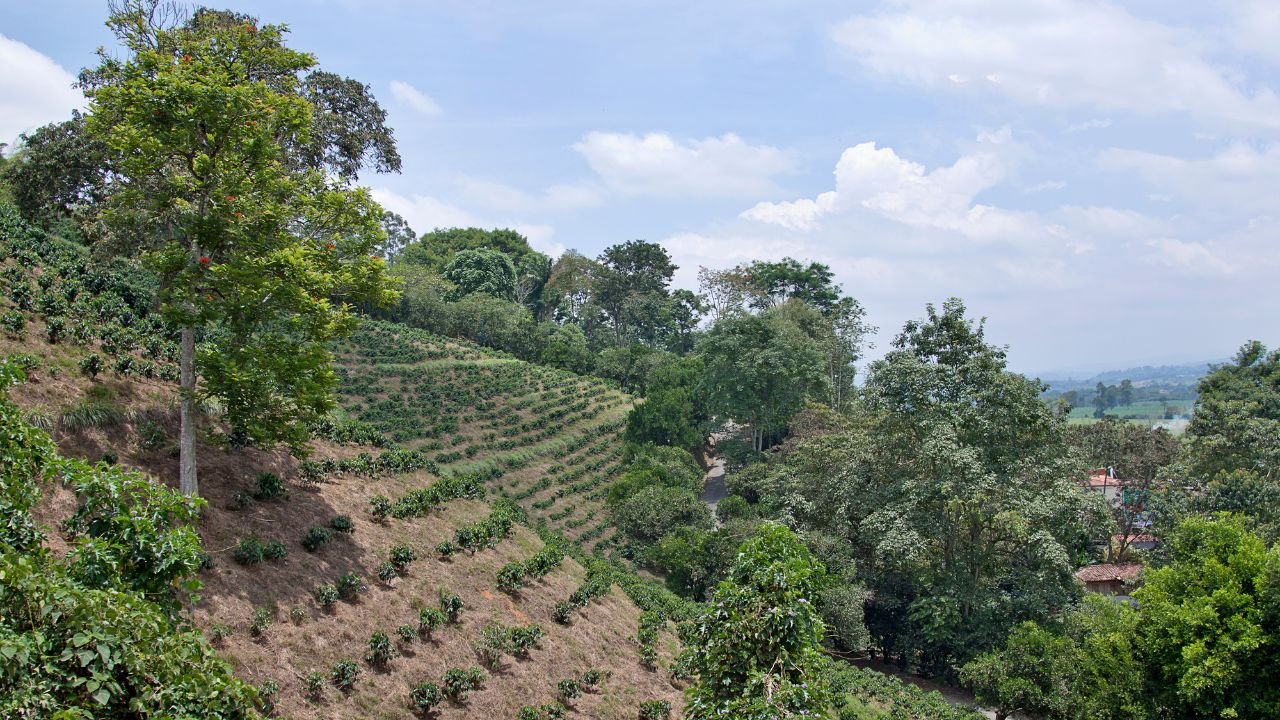
    Coffee Plant Varieties and Their Cultivation Requirements: Coffee plants are classified into several species, the most common of which are Arabica and Robusta. Each cultivar has unique growth requirements, including as optimal temperature, altitude, and soil conditions. Arabica flourishes at higher elevations and in milder climates, whilst Robusta can tolerate lower elevations and warmer climates.

    The Role of Climate and Soil in Coffee Farming: Climate and soil are critical factors in coffee farming. A mix of consistent rainfall, sufficient sunshine, and warm temperatures is perfect for coffee cultivation. Furthermore, optimal coffee plant growth requires well-drained, nutrient-rich soil.

    Techniques for Sustainable and Responsible Coffee Cultivation: Coffee producers use a variety of approaches to encourage sustainable practices. Shade-grown farming, which helps to preserve biodiversity, organic farming methods to limit chemical inputs, and water conservation strategies are among them. Fairtrade and ethical sourcing initiatives also ensure that farmers are fairly compensated for their efforts.
    Raw coffee beans

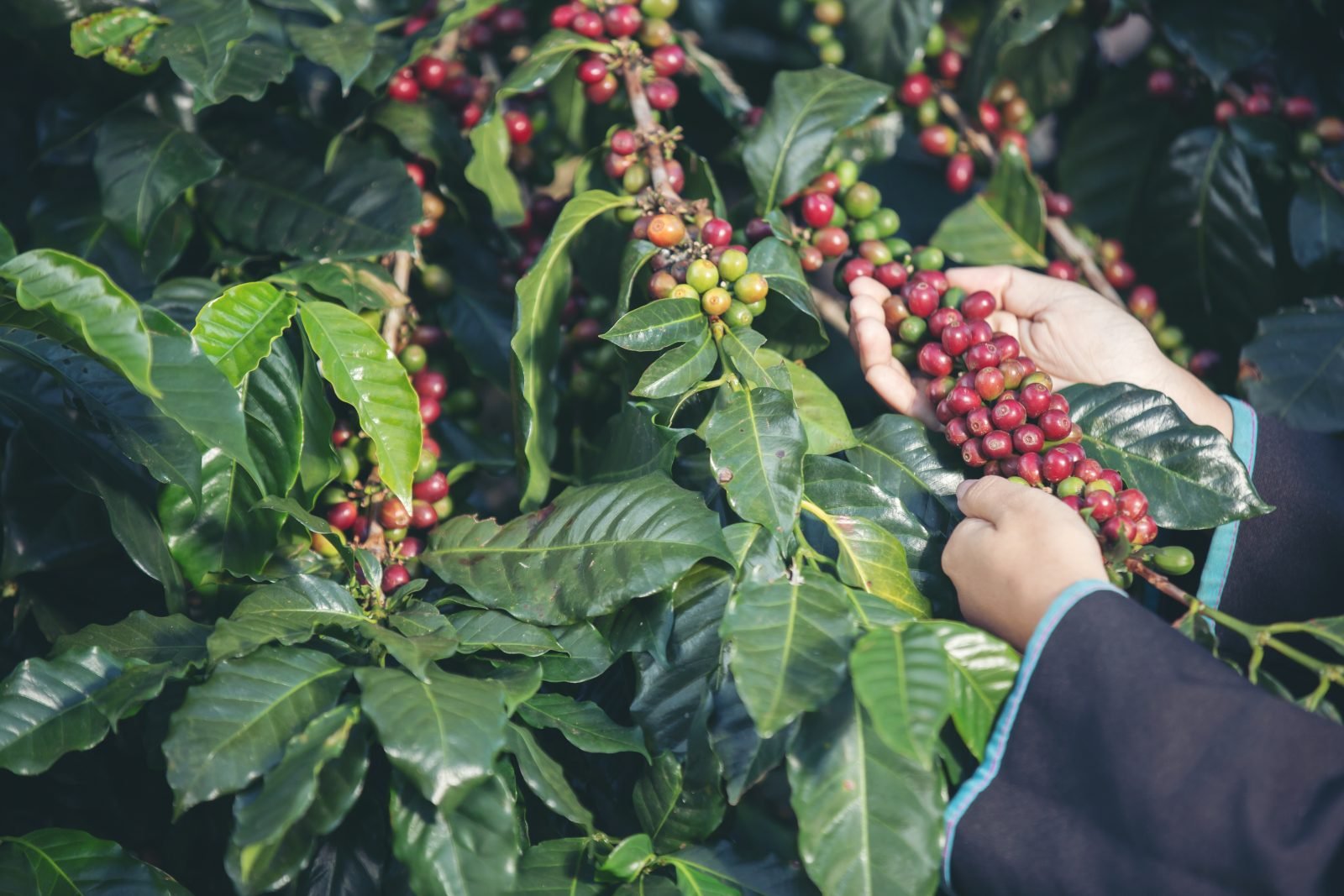
    Harvesting Methods and the Importance of Selective Picking : To achieve optimal flavour development, coffee cherries are plucked selectively at the peak of ripeness. Selective picking entails hand-picking just ripe cherries, as unripe or overripe cherries might degrade the quality of the beans. This painstaking process necessitates specialized labour and helps to the exceptional flavour of speciality coffees.

    Also Read: Exploring the Regions Where Coffee Beans Grow Best

    Processing and Preparation

    The Different Processing Methods: Washed, Natural, Honey

    • Washed (Wet) Processing:
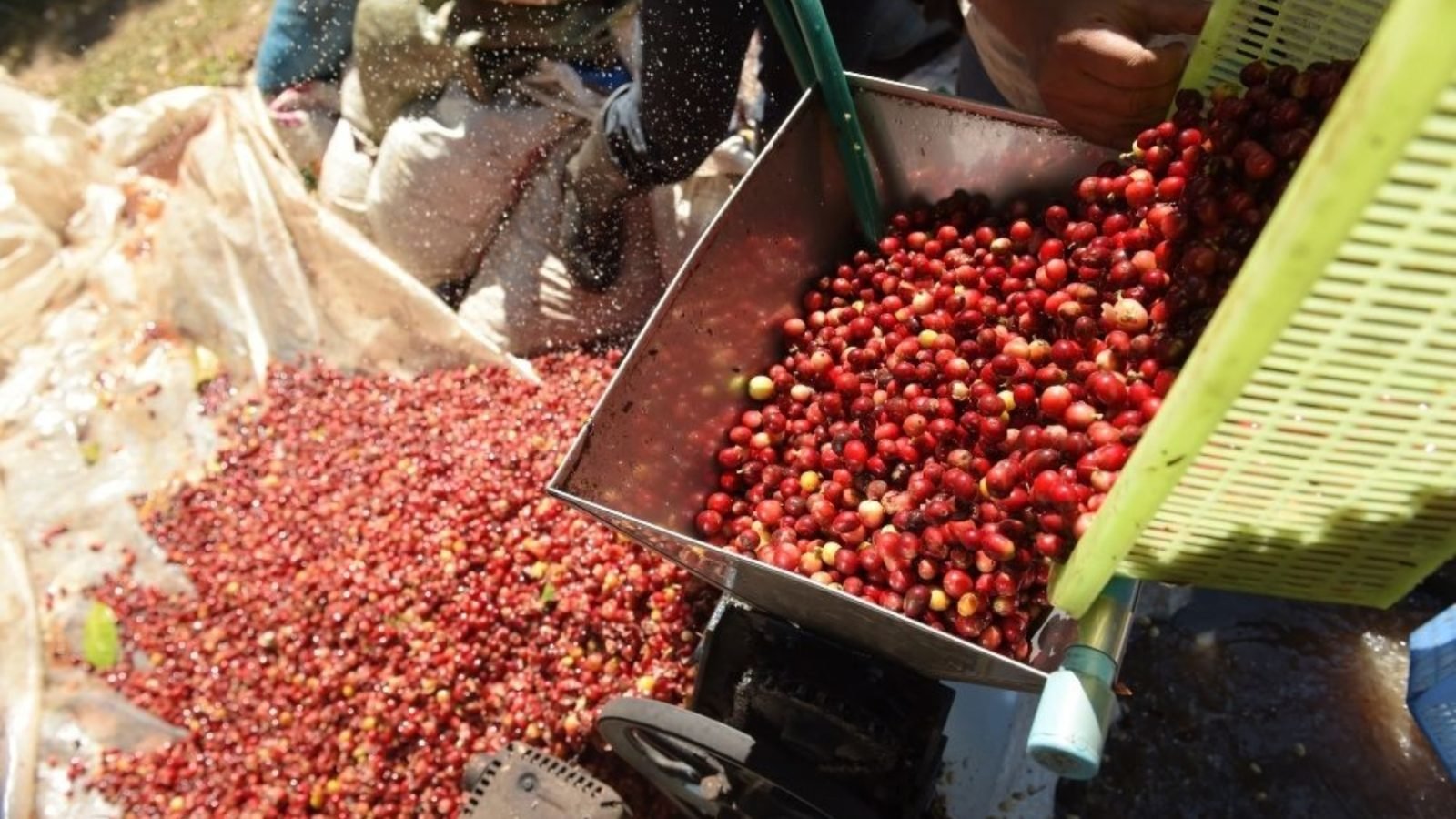
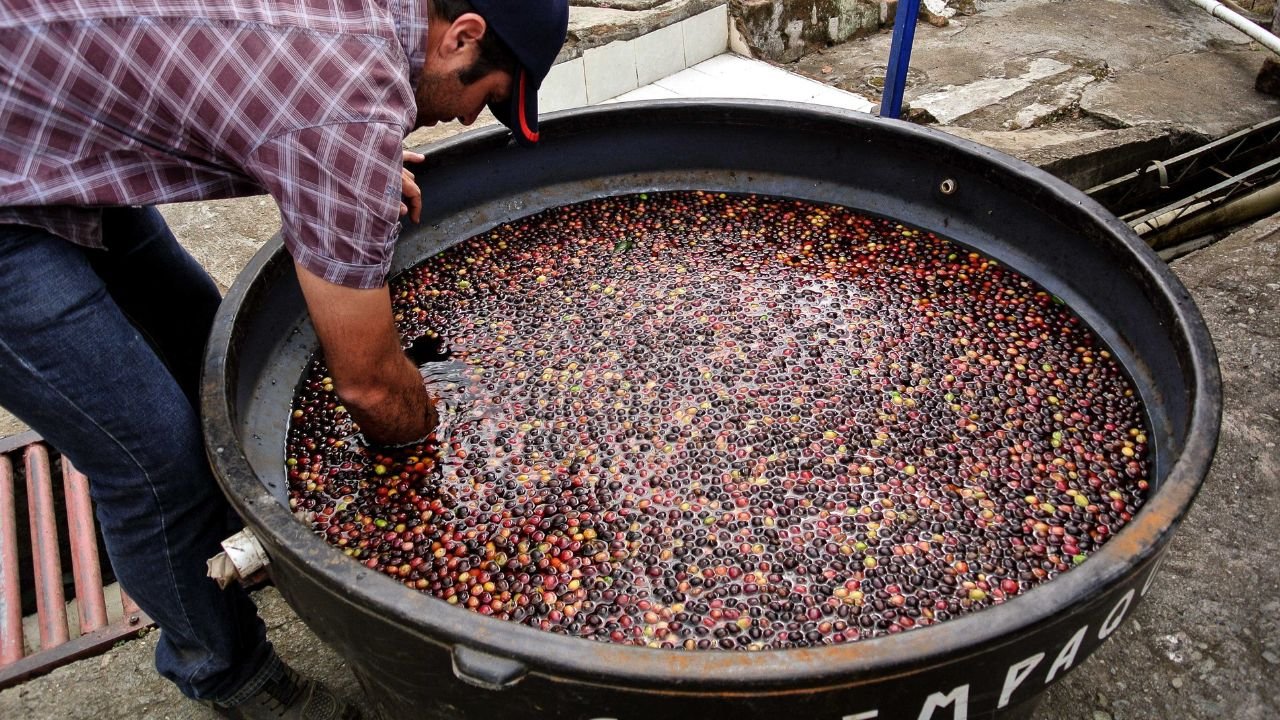
      The most frequent and commonly used approach is washed processing. The coffee cherries are sorted and de-pulped after harvesting to remove the outer skin. The residual mucilage (sticky layer) is washed mechanically or fermentatively by washing the beans. As a result, the beans are clean and vibrant. They are then either sun-dried on patios or dried mechanically. Coffees with washed processing often have stronger acidity, clearer flavours, and a lighter body.
    • Natural (Dry) Processing:
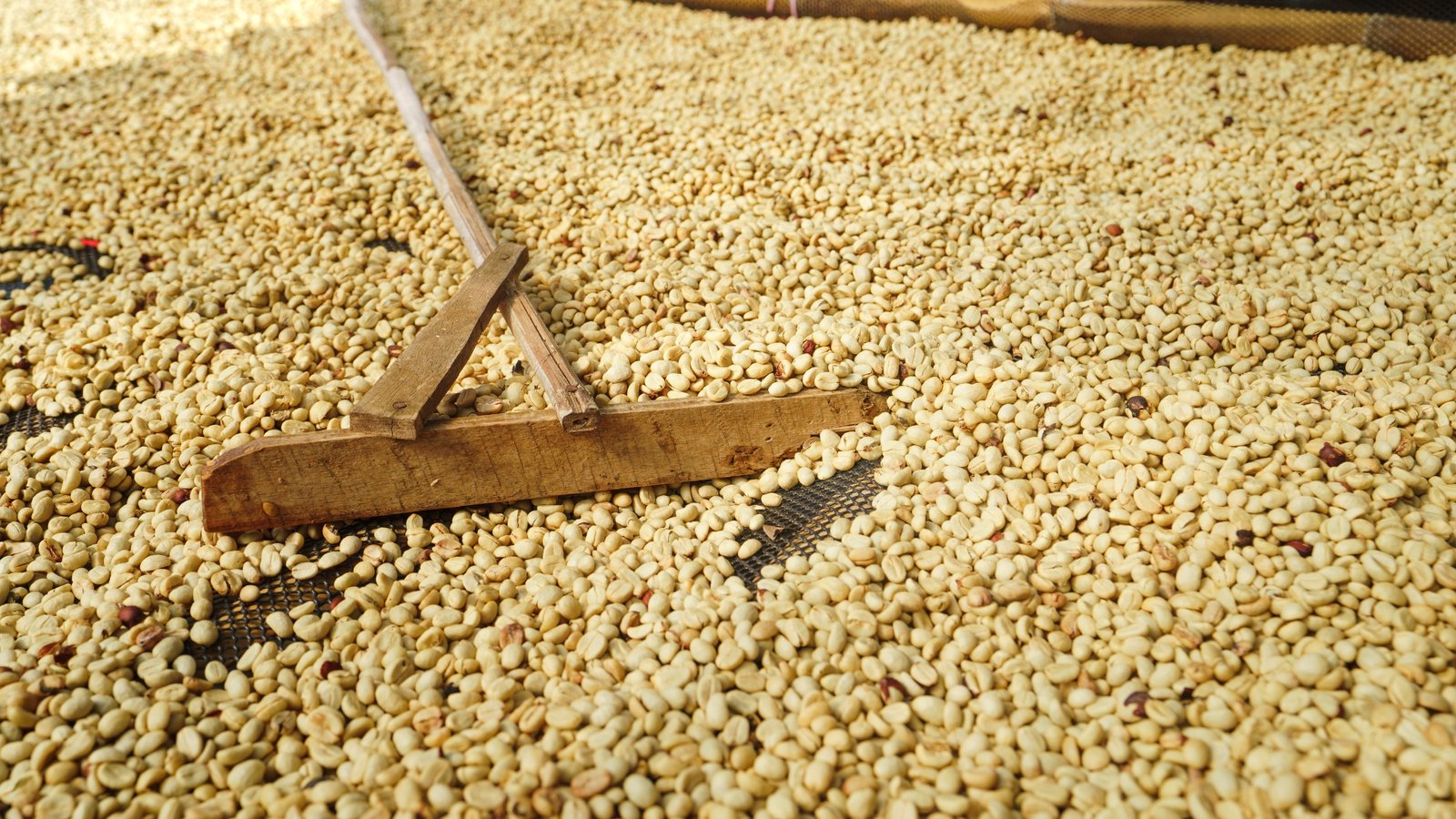
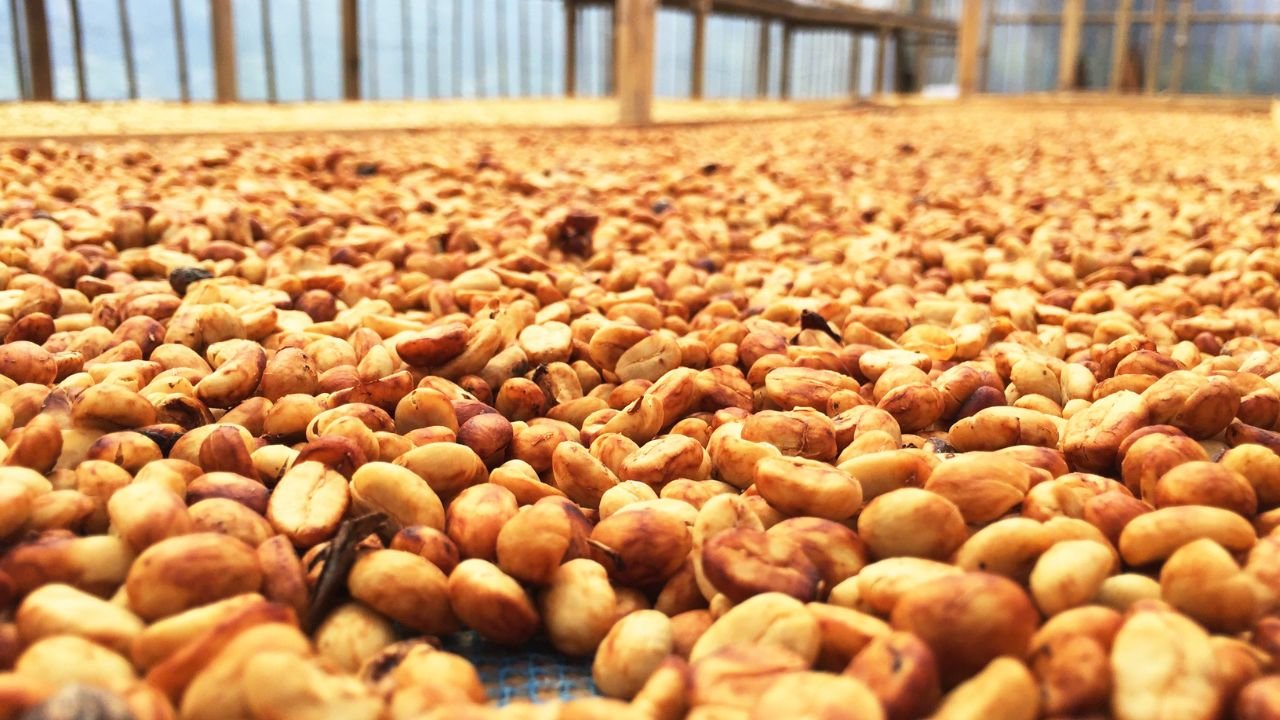
      The oldest and most traditional type of coffee processing is natural processing, often known as dry processing. The ripe coffee cherries are spread out on raised beds or patios to dry, with the fruit remaining intact after harvesting. The cherries are tossed frequently during drying to prevent mould or fermentation. The outer skin and flesh of the dried cherries are removed to reveal the coffee beans. Natural processing frequently gives stronger fruit aromas to the coffee, resulting in a fuller body, lower acidity, and a distinct sweetness.
    • Honey Processing:
      Honey processing, also known as pulped natural processing, incorporates both washed and natural processing features. The outer skin of the coffee cherries is removed after harvesting (depulping), but a part of the sticky mucilage is purposefully left on the beans. After that, the mucilage-covered beans are dried either on patios or in mechanical dryers. The term “honey processing” refers to the golden tint of the mucilage, which resembles honey. The amount of mucilage on the beans varies, resulting in varying degrees of sweetness and flavour complexity. Coffees with honey processing might have a medium body, balanced acidity, and distinct fruity or floral flavours.

    Depulping and Fermentation Stages

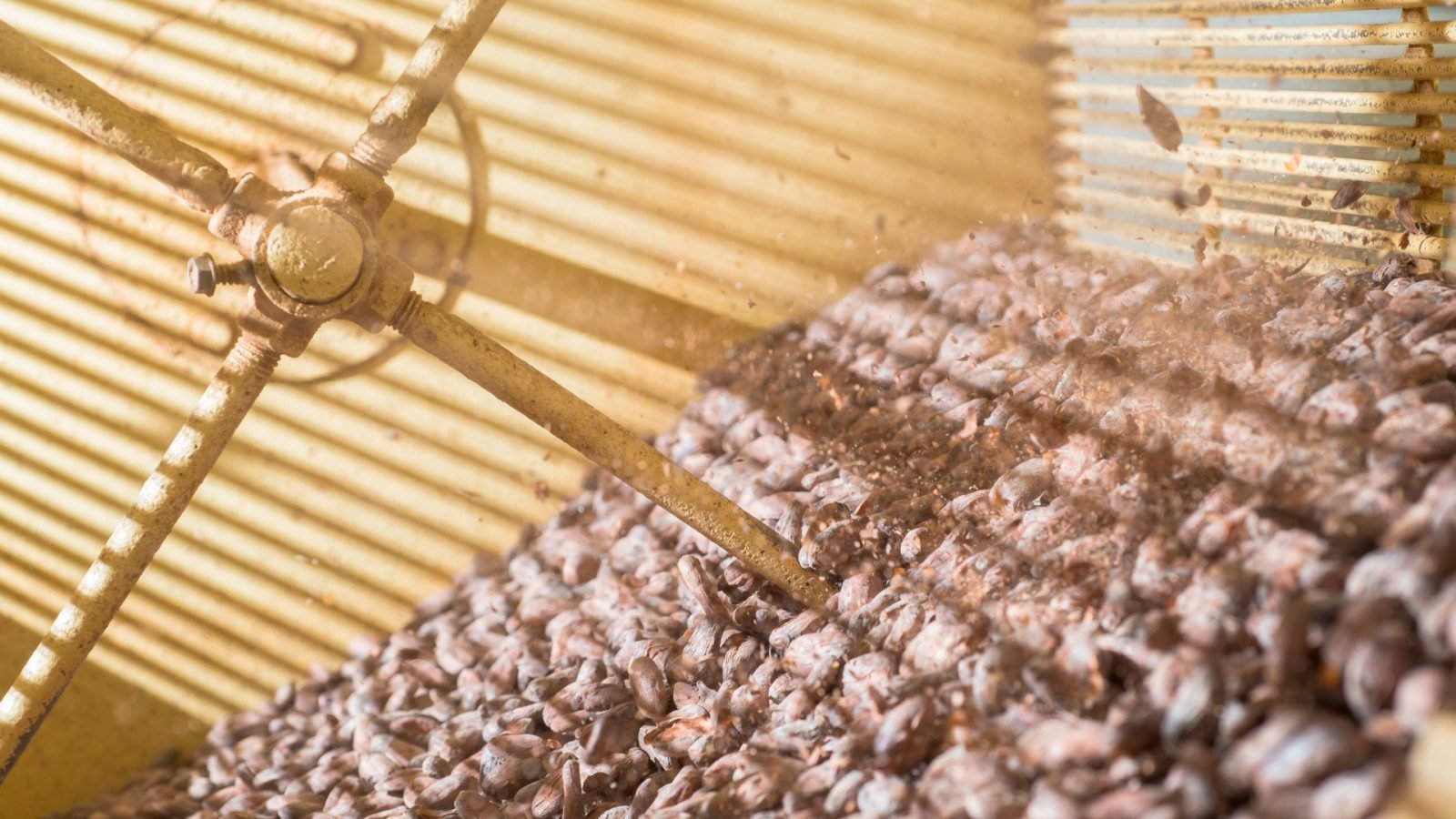
    The outer skin and pulp of the coffee cherry are mechanically removed during the depulping process. After depulping, the beans are fermented and steeped in water to eliminate any leftover mucilage. The period of fermentation influences the flavour development of the beans.

    Drying and Sorting the Raw Coffee Beans

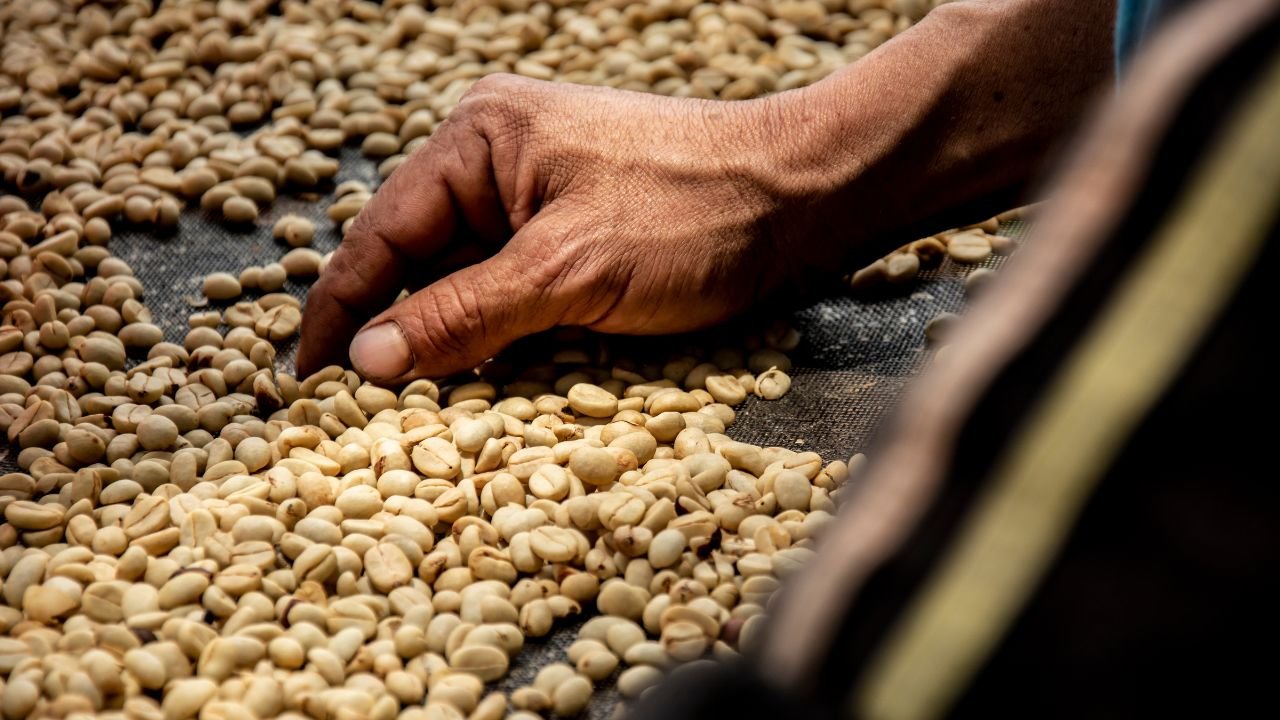
    Once fermented, the beans are dried to reduce moisture content. This can be done using natural sun-drying methods or mechanical dryers. Proper drying is crucial to prevent mold or moisture-related defects. After drying, the raw coffee beans are sorted based on size, shape, and quality to ensure uniformity and consistency.
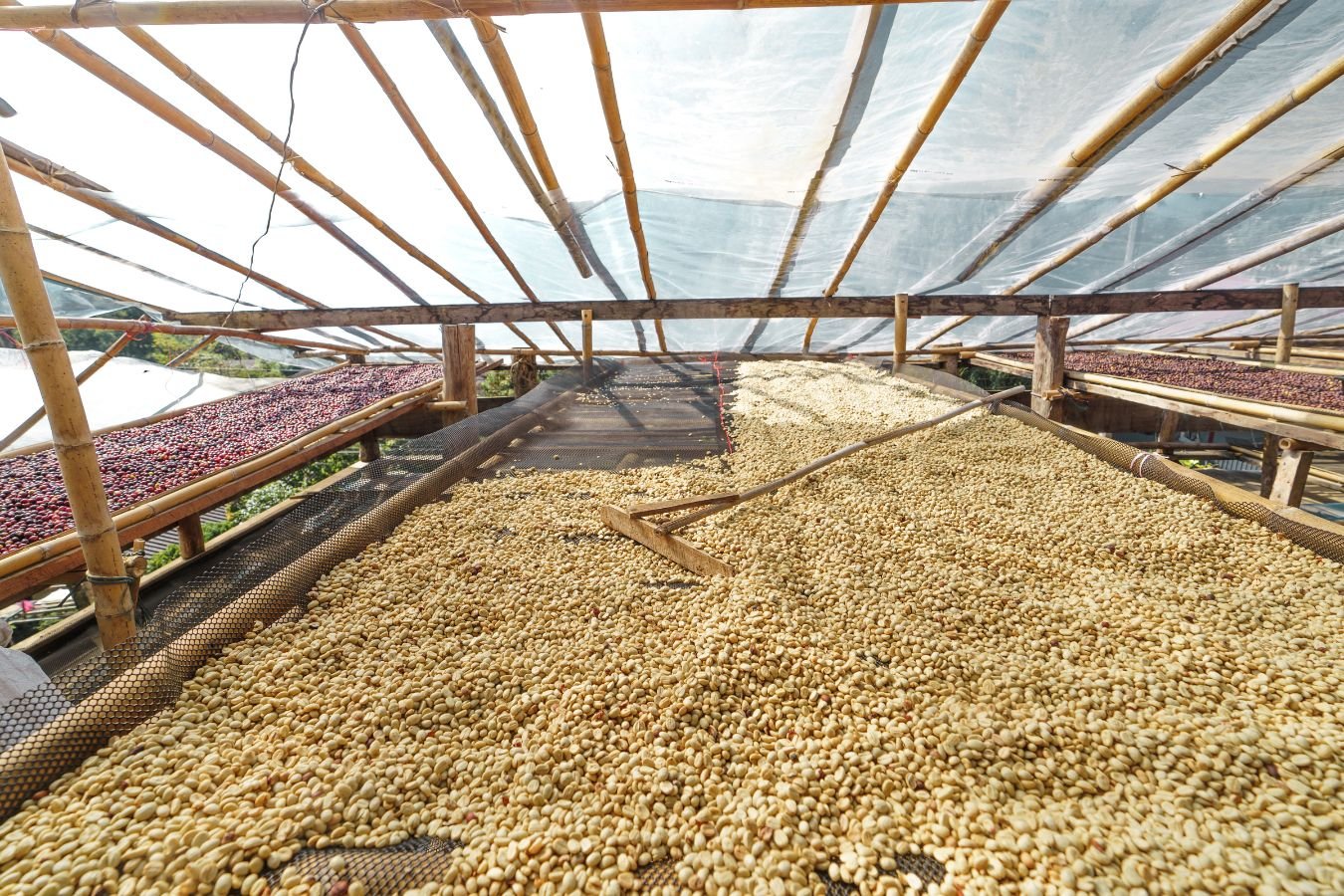
    Raw coffee beans

    Quality Control Measures During Processing

    Strict quality control methods are applied throughout the processing steps to ensure the integrity of the raw coffee beans. This includes regular sampling and cupping to examine the sensory characteristics of the beans and identify any abnormalities. Only the finest beans get to the next stages of the coffee journey, thanks to quality control.

    Also Read: The Timeline and History of Coffee in Indonesia

    Conclusion

    The journey of raw coffee beans from farm to cup encompasses cultivation, harvesting, processing, and brewing, showcasing the meticulous efforts invested in creating a delightful coffee experience.

    By gaining insights into the intricacies of coffee production, readers can develop a profound appreciation for the craftsmanship and dedication of coffee farmers, processors, and brewers.

    The enchanting path of raw coffee beans invites coffee enthusiasts to savor the flavors, explore brewing techniques, and foster a deeper connection with the beverage they cherish. Embracing the journey from farm to cup enriches the coffee-drinking experience and fuels a lifelong passion for the world of coffee.

  • Wet Hulled Coffee Process: Unique Technique from Indonesia

    Wet Hulled Coffee Process: Unique Technique from Indonesia

    Wet Hulled Process

    Ever heard of the wet hulled coffee process? It may be less common than other coffee processes, yet it’s popular in Indonesia, particularly in Sumatra and Sulawesi. However, it needs to be clarified when it was first introduced; some believe it was way before the Dutch introduced coffee in the country. Then, what makes it unique, and why do Indonesian coffee farmers prefer this method? 

    So, What is Wet Hulled Coffee Process?

    Wet Hulled Process Explanation
    Coffee Grinding

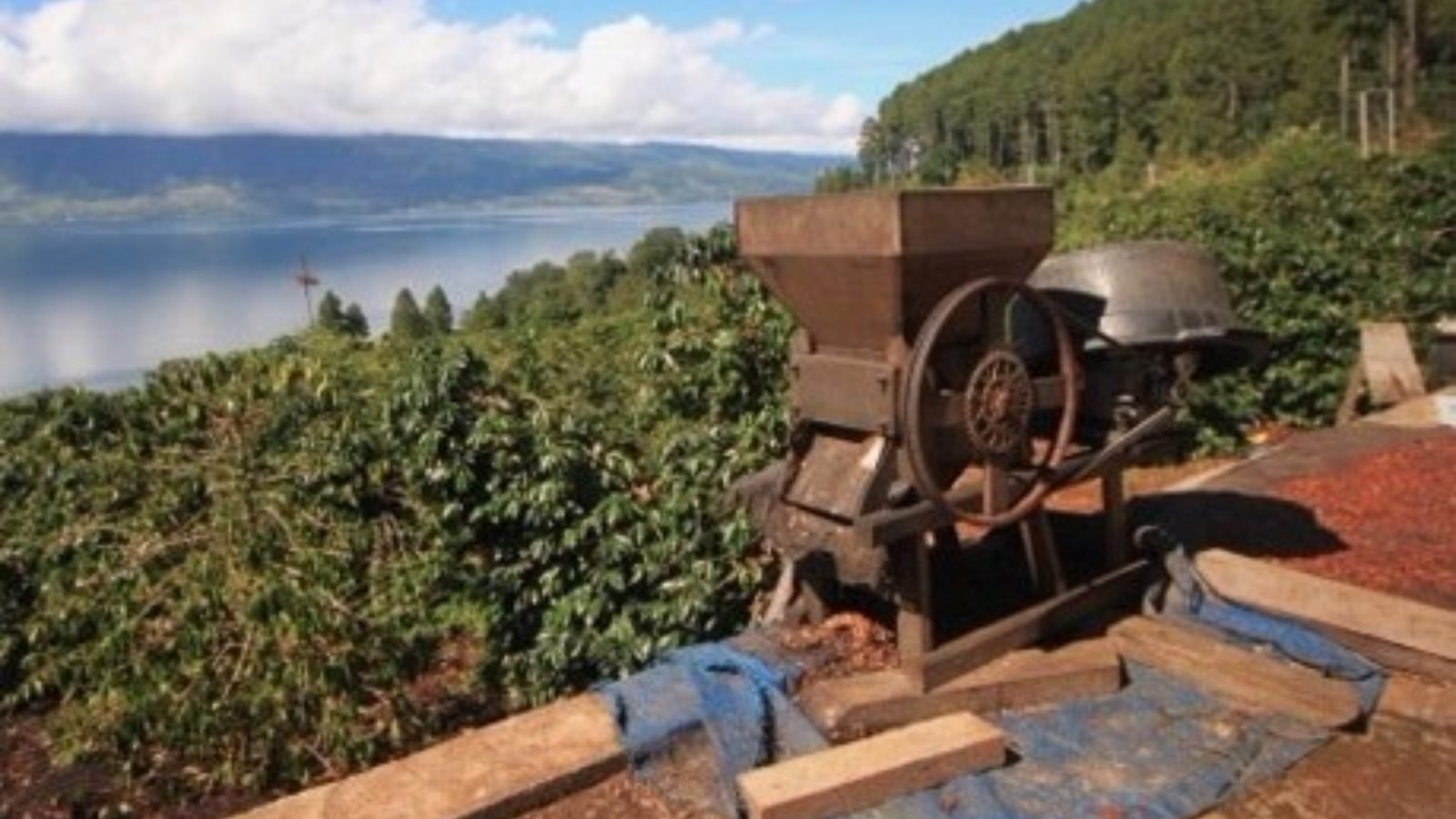
    The wet hull process, also called giling basah in the Indonesian language, is a method of drying coffee cherries in an area with high humidity, like in Indonesia. This process begins with harvesting the fruits before putting them in a hand-cranked coffee de-pulper. This machine removes the fruits’ skin rather than the pulpy. 

    The skinned coffee fruits are then set aside to undergo overnight fermentation. This results in the breakdown of the mucilage or layer beneath the coffee cherries’ skin. The following day, the coating is thoroughly rinsed away, leaving only the thin layer of parchment. The fruits are then sun-dried for a total of 2-3 days, faster than the other processes.

    Characteristics of Wet Hulled Coffee

    Characteristic of Wet Hulled Process
    Coffee Color After Through Wet Hulled

    Of all types of coffee processing methods, the wet hulled is hands down the fastest. This method provides a reasonably distinct flavor that will increase one’s experience sipping a cup of coffee. It’s rich and earthy, with a hint of herbal flavor here and there.
    The unique flavor profile of wet hulled coffees results from air-drying after coffee fruits are hulled. Therefore, specific batches may offer stronger earthy tones than others, depending on the likelihood of irregularities. However, the anomalies will result in a rich flavor if the beans you use are top quality.

    The wet hull method is widely used to process various types of coffee beans in Indonesia. The following are some of the popular ones:

    • Sumatra coffee: The island of Sumatra provides quality coffee beans processed with the wet hulled method. The most popular ones include Gayo (Aceh), Sidikalang (North Sumatra), and Lampung coffee (Lampung).
    • Sulawesi: Sulawesi or Toraja coffee is known as one of the highest quality coffee beans in the world that also uses the wet hulled method.
    • Java:  Wet hull is also implemented to produce Java arabica coffees cultivated on the Ijen plateau.

    Why Indonesian Farmers Wet Hull Their Coffee?

    Indonesia farmers
    Indonesian farmers are doing Wet Hulled Process

    Average quality coffee requires between 2 and 3 weeks to thoroughly dry in a warm climate area. This would take much longer in Indonesia, where most parts of the country have high rainfall. Based on Statista data from 1991-2020, the average monthly rainfall in Indonesia ranged from 166.9 millimeters (August) to 299.19 millimeters (December).

    The rainy season occurs from October to April, although there is a regional variation. All in all, the wet season runs in Indonesia almost throughout the year. Thus, coffee farmers prefer the wet hulled coffee process, which takes much less time than other methods. If farmers used the dry method, the coffee would defect because of its high moisture content.

    The Benefits of Wet Hulled Coffee Process?

    Most benefits of the wet hulled process are not for coffee connoisseurs keen on even the subtle flavor of their drinks but for the farmers. How so? In general, the wet hull is a time-efficient method for producing coffee. 

    That means coffee farmers can make a profit much more quickly. Especially for small-scale coffee farmers who rely heavily on earning a fast income, this method truly helps them a lot in living off their land. 

    However, most farmers only earn a small economic reward if the quality of wet hulled coffee is run-of-the-mill. Also, the beans are mainly used for blends in businesses that serve coffee, where average joes would do.

    Wet Hulled Process for Roaster and Barista

    Wet Hulled Process Roaster
    Wet Hulled Process Roaster

    Wet hulled coffee beans can be challenging to roast. Yet a small amount of these beans can increase a blend’s body, thus, affecting the flavor of the end product. But use a low percentage of it since high use of it make the blend taste muddy. The rule of thumb is finding the correct ratio.

    For baristas, wet hulled coffees only have minimal sweetness and acidity but have a hefty body. Therefore, pay attention to your temperature to avoid burning the already hefty blend’s body. Also, keep your shot runs short to maintain a balance in your flavor combinations to bring out the most unique profiles of the coffee. 
    When done properly, the wet hulled coffee process can produce coffee beans with a distinct flavor. It may not be for everyone, but if you get quality wet hulled coffee, you will find the taste unique. Wonder where to get quality wet hulled coffee beans? You can always reach out to FnB Tech Indonesia. We have years of experience selling Indonesian quality coffee beans to over 17,000 buyers in local and international markets. So, don’t hesitate to contact us to experience Indonesia’s most authentic coffee beans.

  • Be The Master! 4 Coffee Roasting Levels Chart: W/ Image & Guide

    Be The Master! 4 Coffee Roasting Levels Chart: W/ Image & Guide

    Coffee Roasting Level

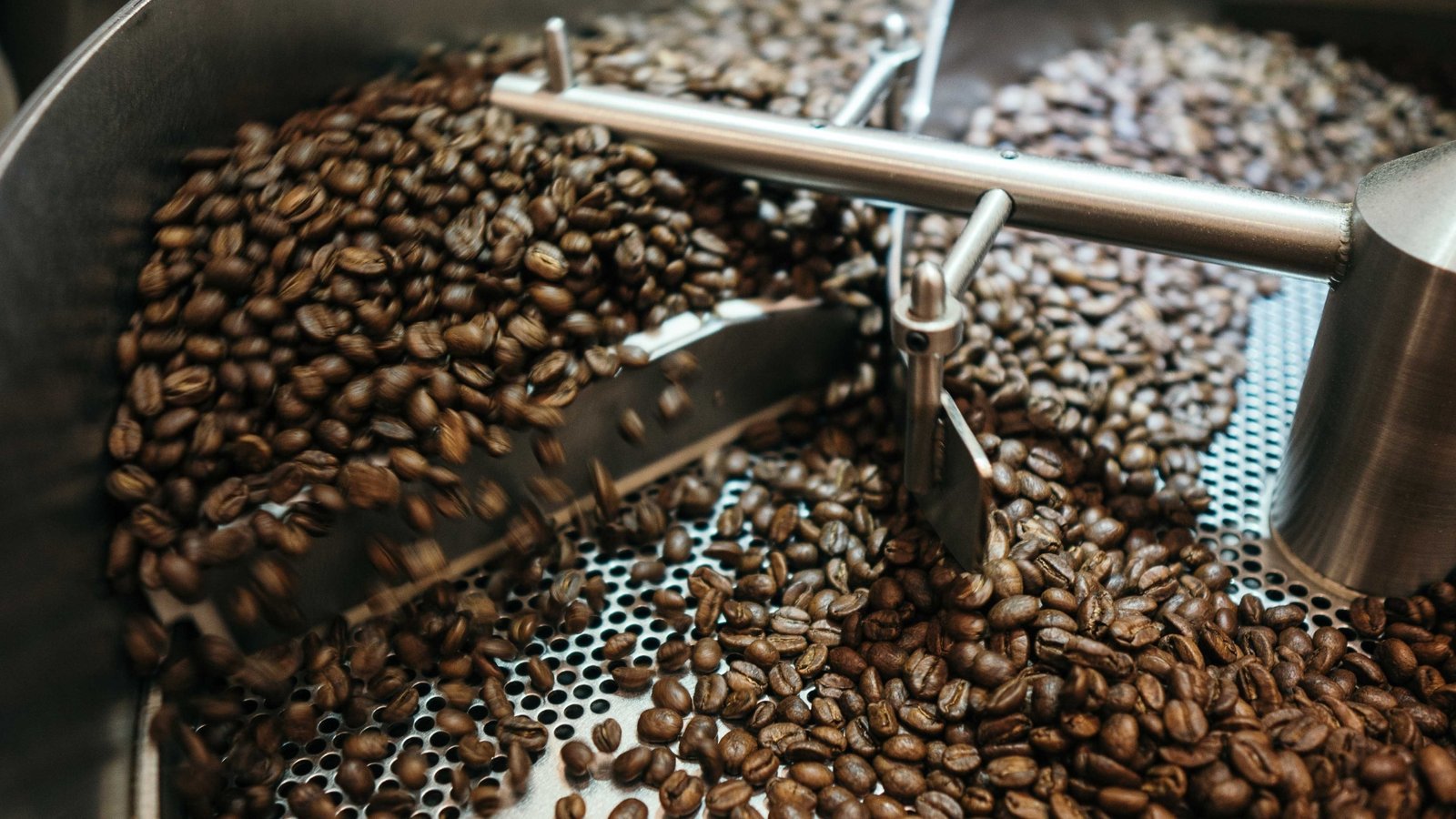
    Want to know the secret behind the famously rich, dark liquid called coffee that has conquered the globe? Starting from the raw green seeds, the roasting process produces the well-known delicate, brown, intensely aromatic nodules. Even, there is the so-called coffee roasting levels chart to distinguish them. 

    Roasting Coffee or Toasting – Master the Craft

    Apart from the more advanced and helpful roasting machinery, there are two basic skills to master in the most common traditional roasting method, namely 

    Sight 

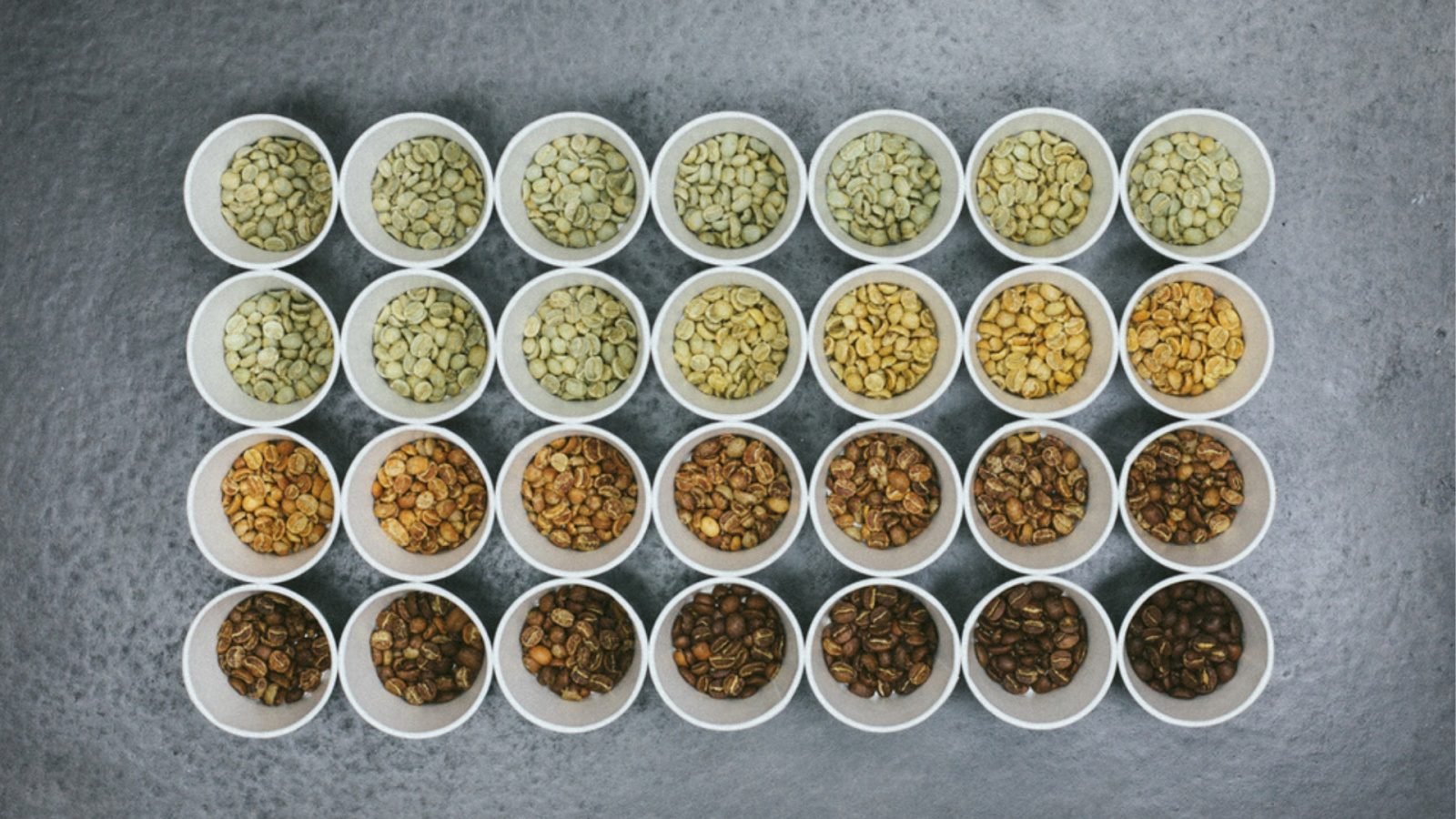
    Every coffee skilled processors know this visual sign, the changing color, and the texture of the raw coffee beans. This enables them to recognize the development process and determine the bean roasting level. For example, a light-roasted coffee will turn slightly brown without any oil trace on top, while a darker-roasted coffee will show dark brown glossier look. 

    Sound 

    Obvious cracking noises while roasting coffee beans will tell you about the different phases of the roasting process. You can hear the first crack through a popcorn-popping-like sound, it is when the moisture of the raw seed is evaporating and the bean is expanding. You can get light to medium roasts after this crack and darker roasts after the second crack. 

    Check This Out! Coffee Roasting Levels Chart

    Coffee Roasting Levels Chart
    Coffee Roasting Levels Chart

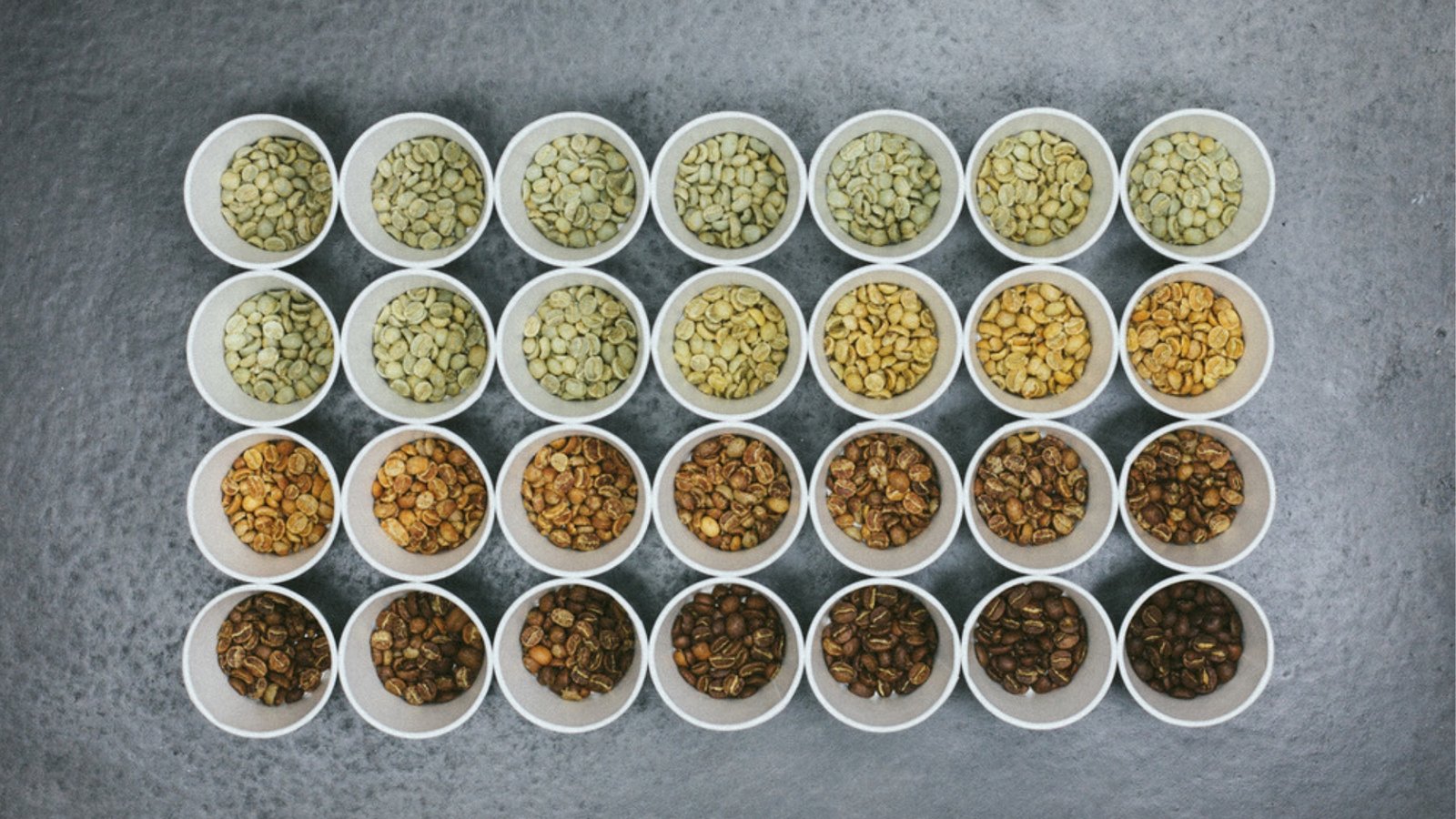
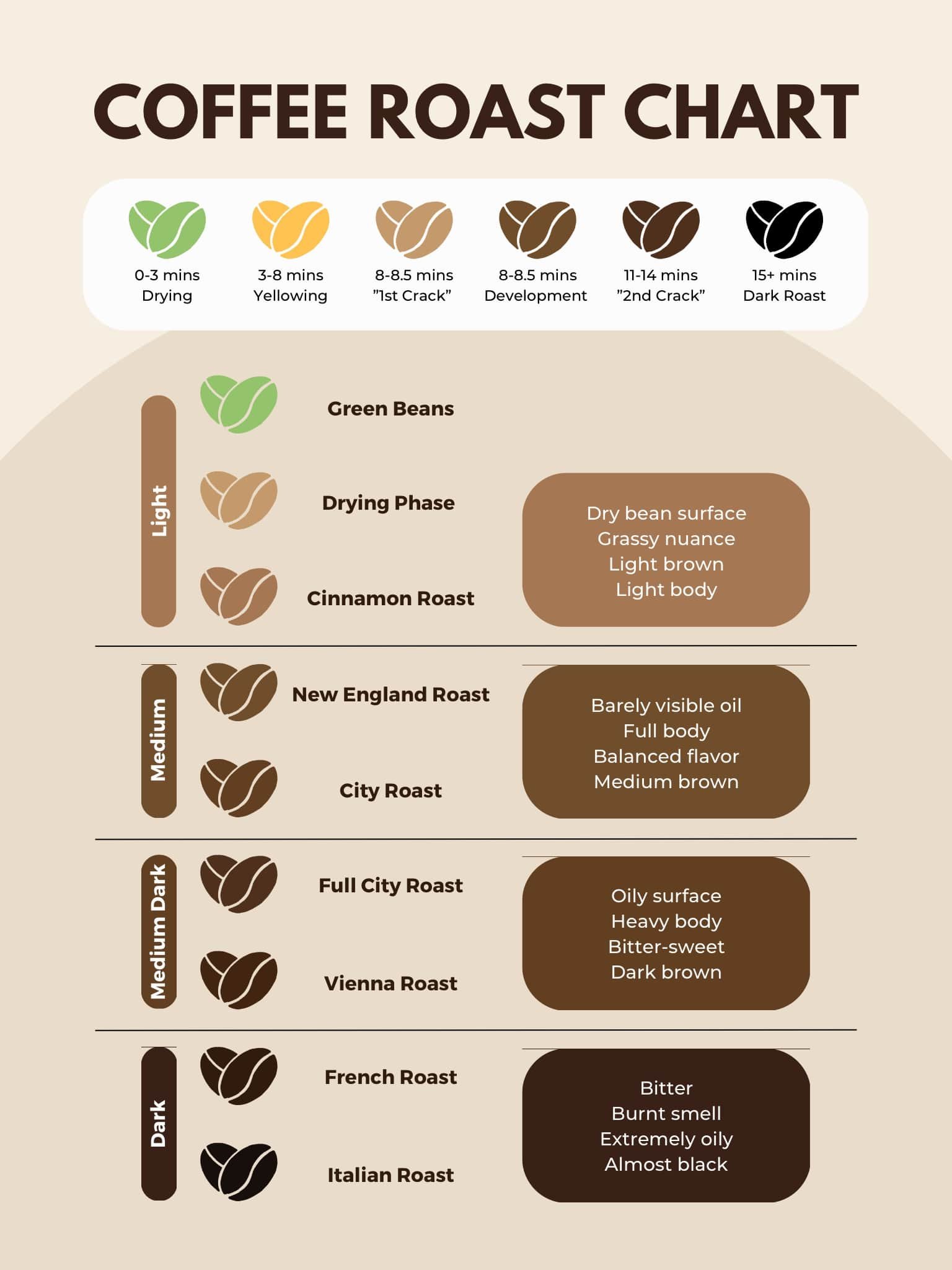
    You probably know the three typical categories of coffee roast levels in general – light, medium, and dark.  However, there is more story in the coffee roast levels chart. Let’s take a sip, I mean, a peek!

    1. Green Coffee – Unroasted Coffee Beans

    Green Coffee Beans
    Green Coffee Beans

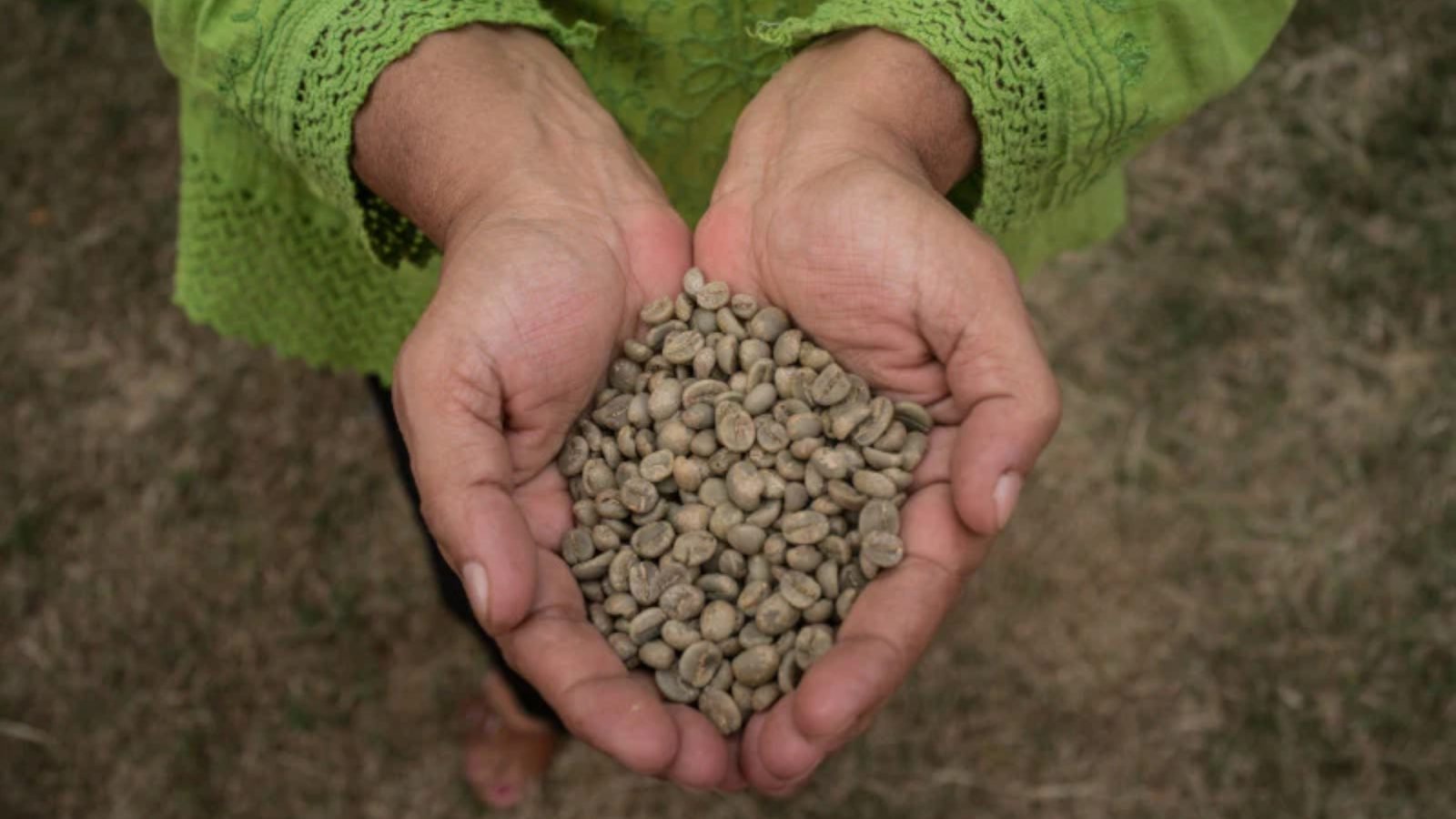
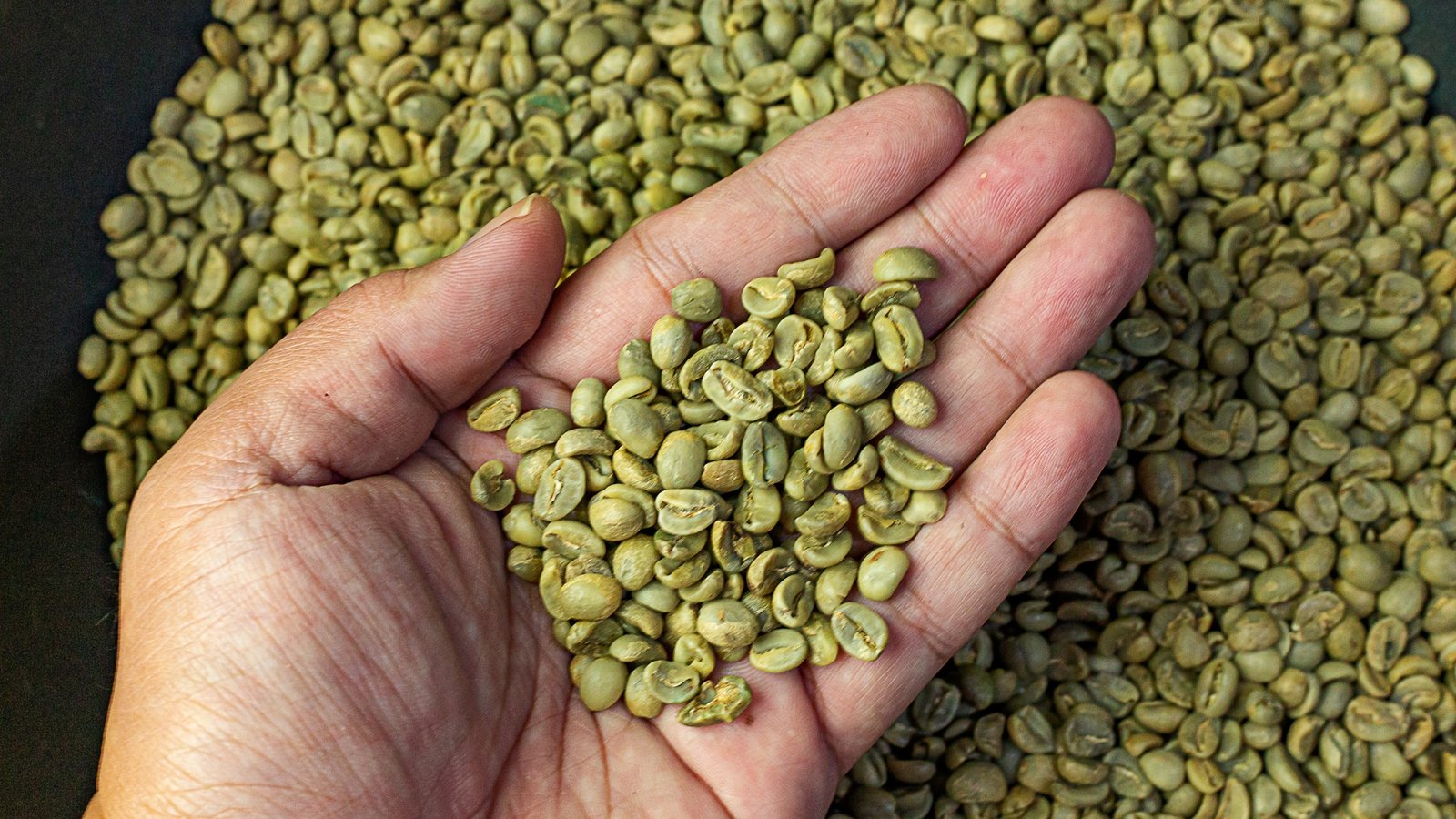
    They are the cherry seeds of coffee plants after being dried and intermittently treated with water following the decaffeination process before sending them to the roasting facility. 

    Also read: Green Coffee Vs Black Coffee, Different and Which One is Better?

    2. Drying Coffee

    Drying Coffee Beans
    Drying Coffee Beans

    It is the phase when the coffee beans are mid-roasted as the moisture evaporation process is ongoing well. Smell them, and you can tell a sweet scent of grass and hay, yet you better not grind them since they still taste shockingly awful.   

    3. Cinnamon Roast

    Cinnamon Roast Coffee Beans
    Cinnamon Roast Coffee Beans

    At this stage, coffee beans are becoming consumable. Having a cup of them will give you a subtle green, grassy flavor. But, please remember, they aren’t ready for brewing since the beans are still underdeveloped. 

    4. Light Roast

    Light Roast Coffee Beans
    Light Roast Coffee Beans

    Highly valued by a group of coffee enthusiasts worldwide, these coffee beans are also commonly referred to as city roast or New England roast. At this point, they start to have a pleasant nutty, and chocolaty smell. The pour-over brewing is the most recommended way to enjoy this coffee roasted level. 

    5. Light to Medium Roast

    Light to Medium Roast Coffee Beans
    Light to Medium Roast Coffee Beans

    In the final part of the first crack, light-medium roast coffee beans have no traces of oil. This allows you to experience the unique individual character and the flavor of the coffee. You can taste such a full-bodied and vibrant taste. 

    6. Full Medium

    Full Medium Roast Coffee Beans
    Full Medium Roast Coffee Beans

    You get this coffee level when the first crack finishes but the second crack hasn’t started yet. The beans do not have an oily characteristic, rather they generate a well-balanced flavor profile, a mixture of each bean flavor and the fresh aroma of the roasting process. 

    A cup made of this coffee has a perfect combo of balanced acidity and outstanding delectability – the best of both worlds.

    7. Medium-Dark

    Medium-Dark Roast Coffee Beans
    Medium-Dark Roast Coffee Beans

    You reach this level shortly after several shatters of the second crack, giving the beans lines of blackness. They will be somewhat oily, having a good blend of roasted and original flavors, plus less acidity. 

    The best choice for drip coffee, French Press, and cold brew methods, as well as the espresso process.  

    8. Dark Roast

    Dark Roast Coffee Beans
    Dark Roast Coffee Beans

    Also often called Vienna roast, this phase marks the entry of the beans into the dark realm. Natural coffee oil will make them shine, offering more roasted flavor compared to the original one. They are also more vibrant yet less acidic. 

    This kind of bean is the best pick for Aeropress and espresso methods. 

    9. French Roast

    French Roast Coffee Beans
    French Roast Coffee Beans

    You get French roast beans when the second crack finishes. They are usually coated with oil and lose their natural flavor.  We may say that any coffee roasted to the level of French toast will have the same taste. In addition, they may offer a burnt undertone and a thinner texture. 

    10. Spanish or Italian Roast 

    Spanish or Italian Roast Coffee Beans
    Spanish or Italian Roast Coffee Beans

    It is when you can smell like a burning tire and your beans go from brown to black. If there is only a roasting accident or simply an experiment, it is not recommendable to consume this sort of beans. 

    How to Roast Coffee

    Want to experiment by roasting your coffee beans at home? Let’s check out the following. 

    1. Buy unroasted green coffee beans (offline and online stores)
    2. Prepare or get the necessary roasting equipment (roaster)
    3. Carry out the roasting process
    • put the raw beans into the heating equipment
    • turn on the heat
    • start stirring 
    1. Cooling time 
    • whirl the beans between two metal strainers
    • lay them on a paper sheet

    Quite easy, isn’t it? Knowing the coffee roasting levels chart is a bonus skill, but the preference is subjective. You can keep on experimenting and expanding your mileage. The important thing is enjoying your personalized coffee tasting. Looking for premium-quality of green coffee beans? FnB.co.id is one of the best Indonesian suppliers you can get.

  • From Trees to Your Cup: 3 Types of Coffee Processing Methods

    From Trees to Your Cup: 3 Types of Coffee Processing Methods

    Types of Coffee Processing Methods

    Your cup of morning joe must go through several steps from harvest to your grinder and coffee machine. The second step is coffee processing, which transforms the cherries into dried beans, ready to be roasted. There are three types of coffee processing methods used around the world: natural (dry process), washed (wet process), and honey (pulped natural).

    Depending on where the coffee processing spot is located, there might be one more method: semi-washed (wet-hulled). All these methods have one similarity: they are used to separate the coffee beans from the cherries. Coffee farmers must apply the correct method carefully since processing affects coffee beans’ flavor profiles. 

    What are those 3 types of coffee processing methods?

    Also Read: 8 Types of Coffee Beans in Indonesia, Unique & You Must Try!

    Natural Processing Method (Dry Process)

    types of coffee processing methods - drying method

    Natural processing is a traditional method that was first practiced in Ethiopia, where coffee was first cultivated. In this method, coffee cherries are dried naturally under the sun, with their seeds still inside. While it is the oldest method of processing coffee, it is not a popular choice for producing high-quality beans.

    Coffee cherries are placed on a drying platform, such as a raised bed, a table, or a patio. The process lasts around three to six months, and farmers occasionally rake the cherries to keep them from spoiling. The process makes mucilage and sugars latch on the beans, giving them a unique, sweet flavor profile.

    Advantages

    • The process is cheap and easy
    • Creates natural sweetness in the coffee beans
    • Perfect for producing coffee beans with low acidity

    Disadvantages

    • The process depends on weather and other natural elements
    • The drying process may not be uniformed
    • Different daily temperatures can affect the flavor profiles
    • Associated with low-quality or cheap coffee

    Coffee with a full body and subtle fruity flavor, such as Hawaiian Kona, usually results from a natural method.

    Washed Processing Method (Wet Process)

    Washed Processing Method (Wet Process)

    The washed processing method is the most popular one in the world of commercial coffee. Farmers must choose coffee cherries with specific ripeness and process them within 24 hours after harvest. They separate the seeds using a process called “depulping” before putting them into a large water tank to be washed clean. Afterward, the seeds are dried under the sun.
    This process is used to produce coffee beans of higher quality. The extra steps ensure a crisper flavor profile compared to the traditional drying method. The wet process is popular for high-grade coffee beans, especially Arabica.

    Advantages

    • Better coffee beans quality as a result
    • Crisper flavor profile
    • Faster processing time
    • More homogenous results in the bean processing method

    Disadvantages

    • Requires extra costs for water, water tank, and other additional facilities (compared to traditional processing method)
    • Creates more waste
    • The improper method can cause excessive sourness in coffee beans

    This method usually produces coffee with a light, crisp, and bright flavor profile. A lot of varieties from Central America have these characteristics.

    Also Read: Wet Hulled Coffee Process: Unique Technique from Indonesia

    Honey Processing Method (Pulped Natural)

    Honey Processing Method (Pulped Natural)

    The honey processing method is more complicated, combining elements in natural and washed methods. The goal is to create coffee beans with the best characteristics from both methods. The word “honey” refers to mucilage, a sticky cellulose layer with a natural sweetness that covers coffee seeds.

    In this method, farmers harvest coffee cherries with specific ripeness before putting them in a “depulping” machine, like in washed method. However, instead of putting the beans into a water tank for washing, farmers let the honey layer stays on the beans. Afterward, they dry the beans under the sun, like in the natural method.

    When using the honey processing method, the naturally-sweet layer affects the flavor profile of the beans. The results are coffee beans with more complicated flavor profiles, with a clean body and prominent acidity, balanced with mellowness and natural sweetness.

    Advantages

    • Costs are lower than the washed processing method
    • Creating more complicated flavor profiles in beans
    • Retaining the coffee beans’ natural sweetness
    • More environmentally friendly (no water tank and minimum waste)

    Disadvantages

    • The coffee quality depends on the weather and other natural elements
    • The improper humidity level can spoil the beans
    • The harvest quality affects the final flavor profile of the coffee

    Coffee beans processed with honey may appear white, black, yellow, and red. The colors represent the amount of mucilage removed. The darker the color, the less layer removed, which means the black beans have a more complex flavor profile.

    Also Read: Be The Master! 4 Coffee Roasting Levels Chart: W/ Image & Guide

    Conclusion

    Bringing coffee beans from harvest into your cup requires several steps, and types of coffee processing methods is vital. Farmers in the past mostly used natural methods, which only required drying and manual raking. However, the washed method adds a washing process to ensure crisper, brighter, higher-quality coffee. Meanwhile, the honey processing method keeps the cellulose layer on the seeds to maintain the natural sweetness before they are dried under the sun.
    While each method has advantages and disadvantages, they offer unique characteristics of coffee flavors. The most important thing is ensuring that the harvested cherries have the best quality and the perfect level of ripeness. Such high-quality cherries will create the best coffee, regardless of the type of coffee processing methods used.

  • Decaf and Patented: Secret of Swiss Water Process Decaf Coffee

    Decaf and Patented: Secret of Swiss Water Process Decaf Coffee

    Swiss Water Process Decaf Coffee

    When you hear “decaf coffee”, you probably think “caffeine-free”, but no! According to European regulations on coffee, decaffeinated coffee should contain no more than 0.3 percent in coffee extracts and 0.1 percent in green beans. Therefore, a cup of decaf may still contain 2 to 7 mg of caffeine, compared to 70 to 140 mg in a regular one.

    Some people avoid decaf coffee because of its presumably “weird” flavor. However, a product like Swiss Water process decaf coffee proves that you can enjoy decaf without losing the goodness of regular coffee.
    What is Swiss Water Process Decaf Coffee?

    Swiss Water is a decaffeinating process that combines Green Coffee Extract (GCE) and water without any chemicals. This method differs from the common decaffeinating method, which uses chemicals like methylene chloride and ethyl acetate.
    History of Swiss Water Process Decaf Coffee

    The Swiss Water method was born the world’s only non-chemical decaffeinating method in 1933 Switzerland. The goal was to create decaf coffee that did not leave a strange aftertaste in the mouth, a big no in Switzerland’s coffee culture. This method is so specific it is now patented.
    One major risk of a chemical-free process is inconsistencies in each processed coffee batch. Therefore, decaf coffee companies that use this method, such as Swiss Water, ensure they provide certifications, such as the Certificate of Analysis, FSSC22000, and certificates from the CFIA and FDA.

    Baca juga: Rainforest Alliance Certified Coffee, What Is It and Why Important?

    The Swiss Water Decaf Process

    Making Swiss Water decaf coffee involves long, multiple stages that mostly use water, GCE, and carbon filtration in the facility. The GCE combines water-soluble solids in green coffee (except caffeine) and filtered water. 

    How Swiss Water Process Decaf Works

    swiss water process decaf coffee

    Here are the main stages in the Swiss Water method:

    1. Soaking the Beans

    During the preparation, all the green beans are soaked in filtered water. It removes all the unwanted chaff and dust and increases moisture levels.

    2. Adding the GCE

    The soaked beans are introduced to the GCE and left for about eight to ten hours. The caffeine imbalance will slowly make the caffeine in the green beans move into GCE by diffusion.

    3. Drying and Bagging

    Once the caffeine is removed, the green beans are removed to be dried. They are then bagged and shipped to buyers and roasters worldwide.

    What about the trapped caffeine in the GCE? Once the beans are removed, the GCE will pass the carbon filtration system. It will trap the caffeine, which will later be burned in the furnace.

    Advantages over Other Decaffeination Methods

    Decaf coffee is important for people with low caffeine tolerance. Consuming “decaf coffee” that still has more caffeine than they can tolerate can result in symptoms like palpitation, jitters, headache, restlessness, and insomnia. The Swiss Water process is perfect because it removes most caffeine, even more than the other decaffeination methods. 

    Swiss Water beans also lose most of their cellulose because of the long process compared to other decaf beans. When you roast Swiss Water coffee beans, you may notice that their oil rises more quickly. They also tend to crack faster but with a softer sound.

    Impact on Flavor and Taste of Decaf Coffee

    Do Swiss Water process decafs taste just like non-decaf coffee? The answer is: yes; it’s pretty close. The lack of chemicals greatly reduces the “weird flavor” that some people taste when drinking other decaf coffee caused by chemicals. The flavor is the closest you can get to regular coffee.

    Also Read: Can We Drink Coffee During Pregnancy? Check Out These Facts!

    Benefits of Swiss Water Process Decaf Coffee

    What makes the Swiss Water method more beneficial than other similar methods? First, there is the obvious health benefit. Less caffeine means lower risks of caffeine sensitivity symptoms. You are also likely to drink more coffee and get health benefits from antioxidants, potassium, and magnesium, without the caffeine effects.

    Decaf coffee is also a great “transition beverage” for people who want to cut back on coffee entirely. Instead of going cold turkey, you can switch to regular coffee with the Swiss Water one. You can still get the flavor and aroma without the caffeine kick.

    The lack of chemicals makes the Swiss Water method more sustainable because the waste does not contain typical chemicals used in common decaffeination methods. The method produces more efficient carbon usage because it mainly involves water and green bean extract.

    How Much Caffeine is in Decaf Swiss Water?

    Let’s compare the amount of caffeine in Swiss Water coffee and regular decaf one. A standard cup of coffee (around 354 ml) contains around 70 to 180 mg of caffeine. If manufacturers follow caffeine regulations, a standard cup of their decaf coffee may contain around 2 to 7 mg of caffeine.

    Since Swiss Water removes 99.9 percent of caffeine, the caffeine amount is close to zero. Finding delicious decaf coffee can be difficult due to the chemicals that affect the flavor. Swiss Water process decaf coffee is the perfect option for a delicious beverage without weird chemical notes and caffeine effects.

  • Robusta vs Arabica Coffee Beans: What Sets Them Apart?

    Robusta vs Arabica Coffee Beans: What Sets Them Apart?

    Difference Between Robusta and Arabica Coffee Beans

    Any casual coffee lovers can mention Arabica and Robusta, but do they know the difference between Robusta and Arabica coffee beans? Coffee is generally grouped in Coffea genus, with only two species consumed by humans: Coffea arabica and Coffea canephora (Robusta). 

    Despite being the only two consumable species from the same genus, Arabica and Robusta differ in many ways. If you are a true coffee lover, make sure to learn their major differences, seen from several important aspects.

    From the Taste

    Drink Tubruk
    Drink Coffee

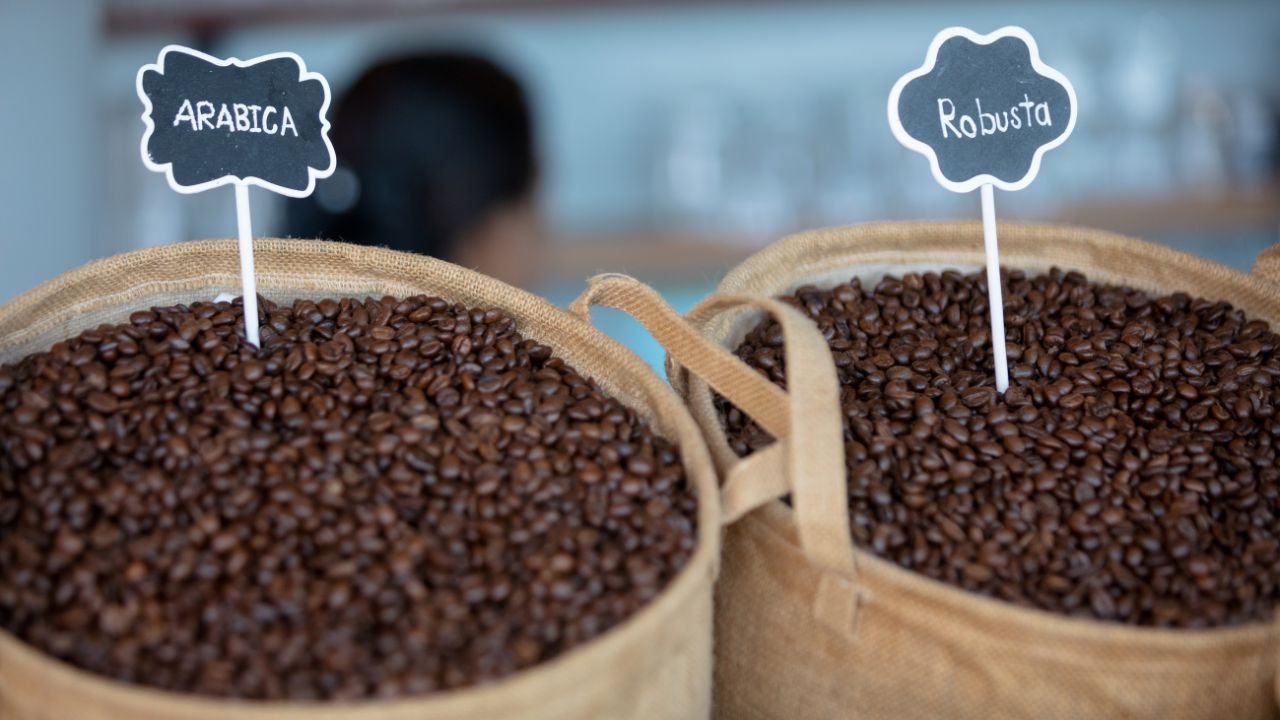
    Arabica and Robusta have different growing conditions, which result in different flavor profiles. Arabica coffee is generally considered superior, with high acidity and crisp taste. A cup of well-made Arabica coffee may offer a fruity, tangy, or sweet flavor profile, and it is usually more complex and balanced than Robusta. These characteristics make Arabica coffee flavor able to stand on its own.

    On the contrary, Robusta coffee tends to be earthier and heavier, making it less desirable than Arabica. The sometimes-undesirable flavor results from the production of chlorogenic acids, a natural protection against disease and pests. This defense mechanism makes Robusta hardy but can compromise the flavor.

    From the Caffeine Content

    Caffeine of Coffee

    Arabica vs. Robusta caffeine, who wins? Despite the less favorable profile, Robusta has more caffeine than Arabica. The caffeine content in Robusta is around 2.7 percent, while Arabica only holds 1.5 percent. The production of chlorogenic acids in Robusta contributes to this extra kick.

    Robusta is a better choice for making instant coffee, blend additives, and other coffee products thanks to the combination of heavier flavor and higher caffeine levels.

    Also Read: Decaf and Patented: Secret of Swiss Water Process Decaf Coffee

    From the Coffee Bean Growing Conditions

    Robusta is considered hardier species than Arabica, and it is true. Growing on low elevations and even the sea level, Robusta is less susceptible to disease and pests. The fruits are hardier, making them cheaper and a better option for coffee product manufacturing.

    Meanwhile, the more delicious Arabica is also the delicate one. It grows at a higher elevation than Robusta (more than 600 meters above sea level) and is usually cultivated in tropical regions. Arabica is more susceptible to pests and disease, making it more expensive.

    Also Read: Best Climate For Growing Coffee, There are Interesting Facts

    From the Sugar Content

    What makes many people prefer the flavor of Arabica as a standalone coffee drink? One cause is the sugar content; Arabica has higher sugar content than Robusta. It has twice sugar concentration level, which is also responsible for releasing important aromatic compounds during roasting.

    Sugar content also contributes to Arabica’s heavier “body” in the flavor profile. It is thanks to the higher soluble that dissolves in making coffee drink.

    From the Physical Characteristics of Coffee Beans

    Can you tell the difference between Robusta and Arabica coffee beans just by looking? Turn out you can! But only if you pay real attention to the individual beans.

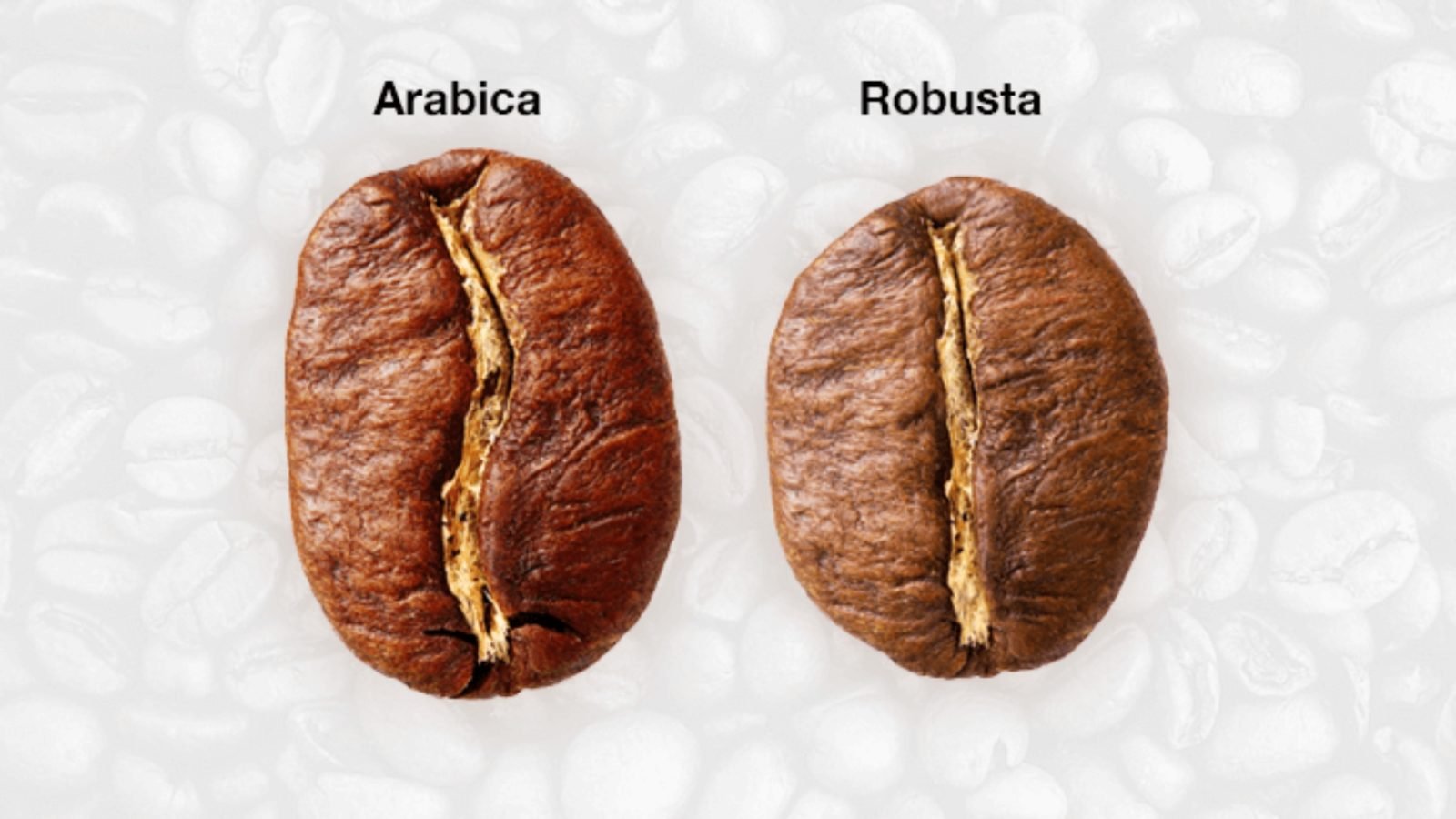
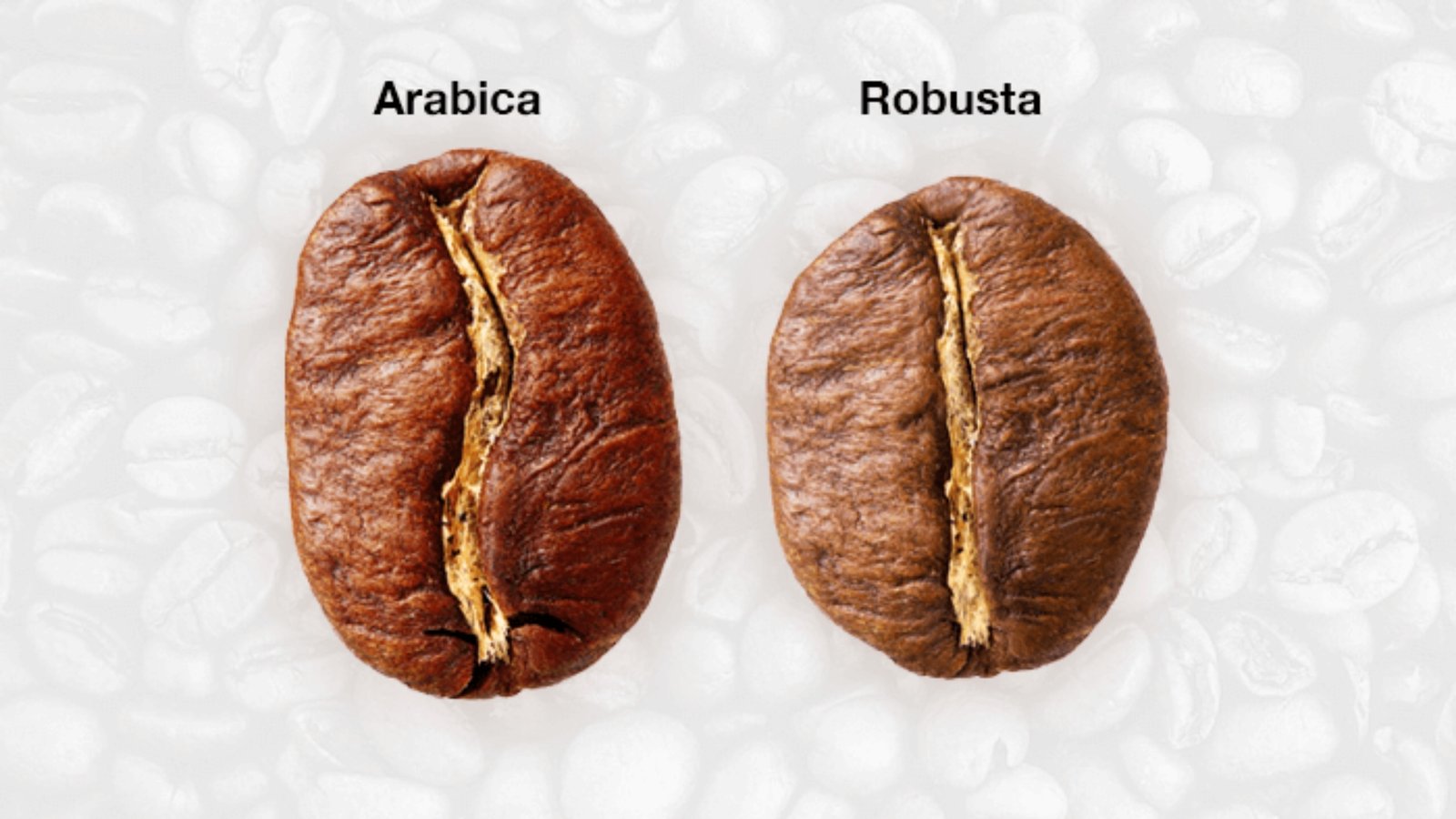
    If you place Arabica and Robusta coffee beans side by side, you will notice that Robusta is slightly rounder. Arabica has a more oval-like shape, which gives it a slender appearance.

    You can also notice the difference between their brown colors. Robusta has a darker brown shade, while Arabica is lighter.

    Cultivations of Robusta VS Arabica Beans

    Around 75 to 80 percent of coffee production in the world consists of Arabica, thanks to its more favorable flavor. However, Robusta is also a precious commodity because of its many uses.

    According to the statistics of coffee producers from 2003 to 2021, Brazil is still the largest producer in the world. It produces around 3,556,000 metric tons of coffee annually, with Arabica dominating 69 percent of that.

    Vietnam is the second largest producer in the world, coming with 1,830,000 metric tons. However, 95 percent of those beans are dominated by Robusta.

    Robusta VS Arabica Coffee Beans: Which One Is Better?

    difference between robusta and arabica coffee beans

    While Arabica has a smoother, crisper, and more complex flavor compared to Robusta, it does not mean one coffee type is “better” than the other.

    Arabica is a great blend that gives you a wonderful coffee-drinking experience. Depending on the origins, you can experience variations in flavor profiles, from floral to fruity and even chocolate-like.

    On the other hand, Robusta is not only good as instant coffee. It is a preferred bean for espresso and other beverages, like cappuccino and café latte. Robusta can give espresso the sought-out crema and kick thanks to its higher caffeine content and heavier flavor.

    Therefore, when comparing Arabica and Robusta, it is not about which one is “better” but more like “how you will use them.”

    Also Read: Green Coffee Vs Black Coffee, Different and Which One is Better?

    In conclusion, Arabica and Robusta differ in many aspects, such as flavor profiles, caffeine level, hardiness, cultivations, and sugar level. However, they are useful for many uses, from traditional brewing to quick instant coffee and various coffee recipes. The most important thing is getting the best quality beans.

    FnB Tech is the best Indonesian supplier of high-quality Arabica and Robusta beans. After knowing the difference between Robusta and Arabica coffee beans, make sure you order only the best beans from this supplier to get the most out of them!

  • Pruning VS Stumping: Why Coffee Farmers Use Different Methods

    Pruning VS Stumping: Why Coffee Farmers Use Different Methods

    Pruning and Stumping

    Coffee trees require regular maintenance, such as pruning and stumping. Regular maintenance is important for tall plants to keep the trees healthy and the yields abundant. Do you know the differences between pruning and stumping and why farmers adopt one or another?

    The Importance of Pruning and Stumping for Coffee Trees

    Pruning and Stumping Coffee Plantation

    Coffee trees are pruned to increase productivity and make harvesting fruits easier. When coffee trees grow tall and bushy, the air and light cannot reach all parts of the plants. It will prevent all the branches and leaves from getting enough energy to produce fruits and flowers. The problem gets exacerbated when coffee trees grow older and bushier.

    Diseases, molds, and pests are major risks for coffee trees that are not pruned or stumped. Without maintenance, parts of the trees will become moist and deprived of light, a perfect breeding ground for pests.

    Finally, pruning and stumping help extend coffee plants’ production as they age. The combination of natural depletion, aging, and phytosanitary problems may affect the yield, but pruning and stumping keep your coffee plants productive a little longer.

    Also Read: From Trees to Your Cup: 3 Types of Coffee Processing Methods

    Techniques of Pruning and Stumping

    Before learning about the differences between pruning and stumping, remember that coffee-producing regions worldwide may use different techniques. Various factors determine the decision to pick a technique, such as the production age, varieties, plantation density, environmental conditions, and risk factors of diseases and pests.

    Pruning

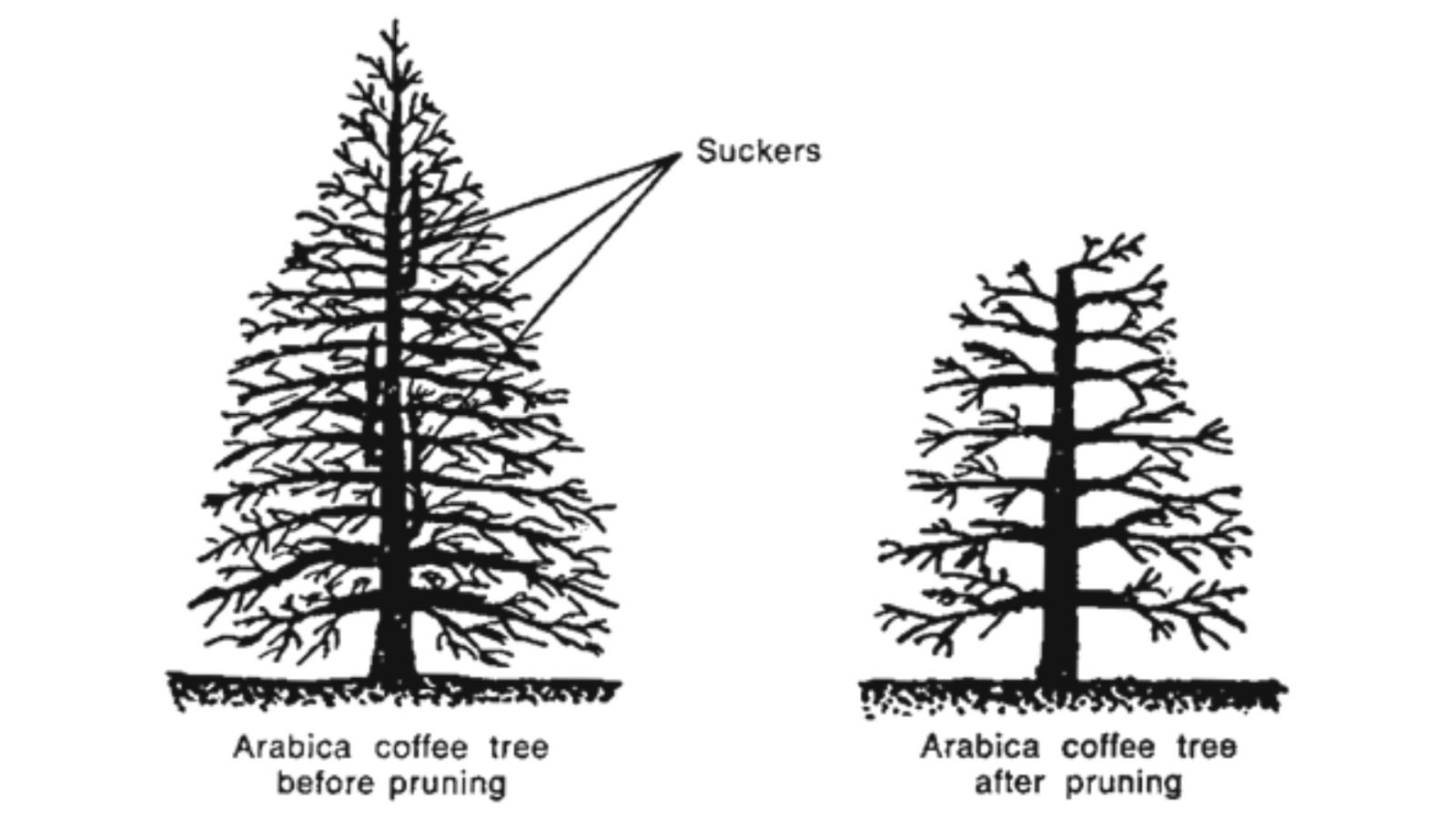
    Coffee Tree After Pruning
    Coffee Tree After Pruning

    Pruning means cutting some of the unnecessary branches until the coffee plants reach the desired size and shape. This method reduces the plant’s thickness, allowing air and light to reach all parts and removing the diseased or damaged branches.

    There are three types of pruning performed on coffee plants. They are:

    1. Topping 

    Topping occurs when the coffee plants are about two years old or younger and continues as regular maintenance. The goal is to keep them from getting too tall or growing overly thick stems. 

    2. Bending Pruning

    Bending pruning is done on plants younger than four years old but experiencing diseases. The plant is bent at a 45-degree angle and tied to a stake before being pruned close to the ground. This method encourages the growth of new, healthy sprouts.

    3. High Pruning

    High pruning is a method applied to coffee trees that already experience a decline in their yields (compared to the previous years). However, this is only performed on coffee trees still in productive years.

    Another pruning method is pinching, which is usually done after stumping. When you see new sprouts growing from the cleared stems, check to pick the ones that grow most vigorously. Pick four or five best sprouts, and remove the others. A month afterward, pick the best two or three sprouts and repeat the removal process. This way, the main sprouts will be supported by the remnants of the secondary ones, which you had removed.

    Also Read: Exploring the Regions Where Coffee Beans Grow Best

    Stumping

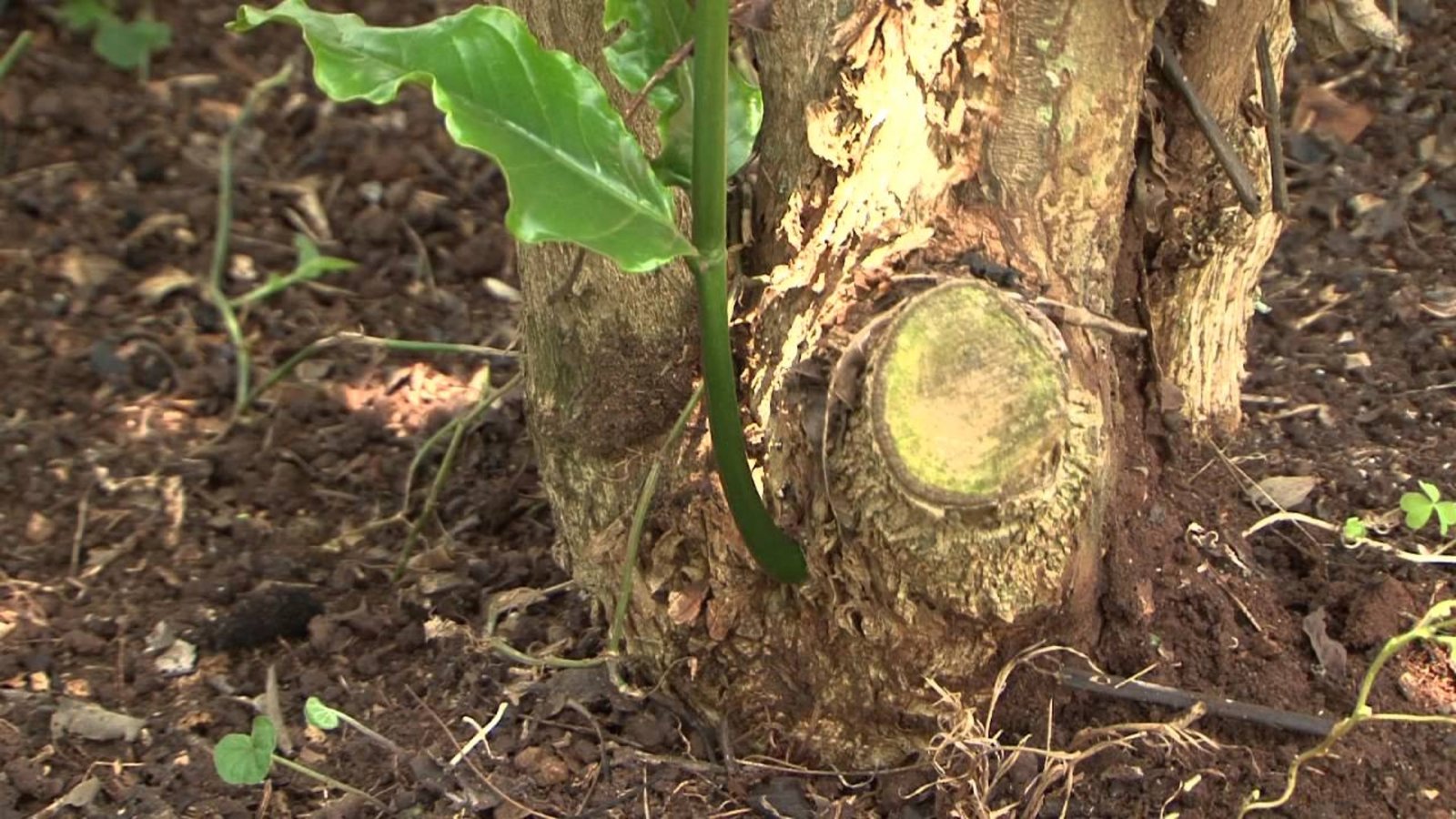
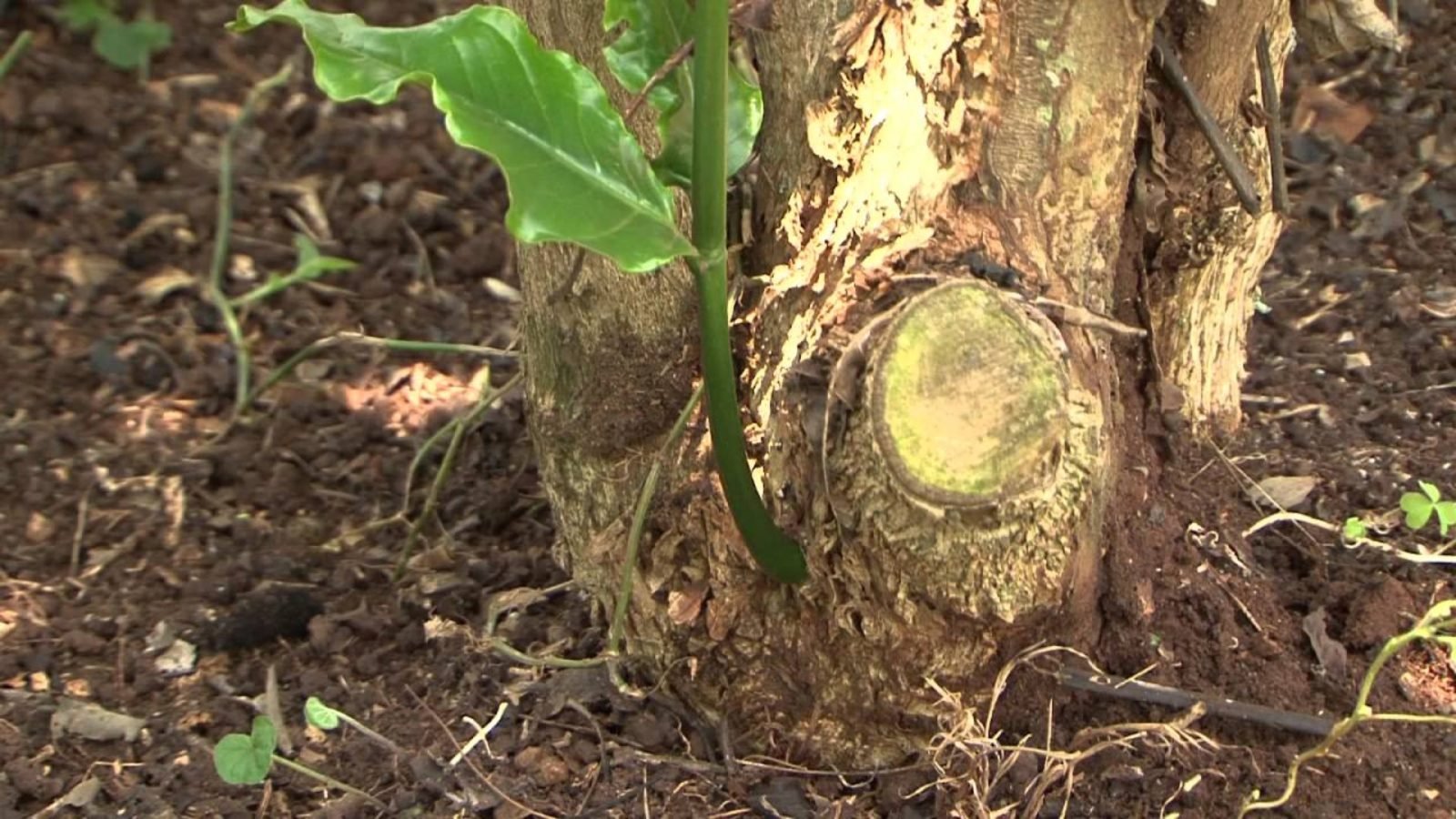
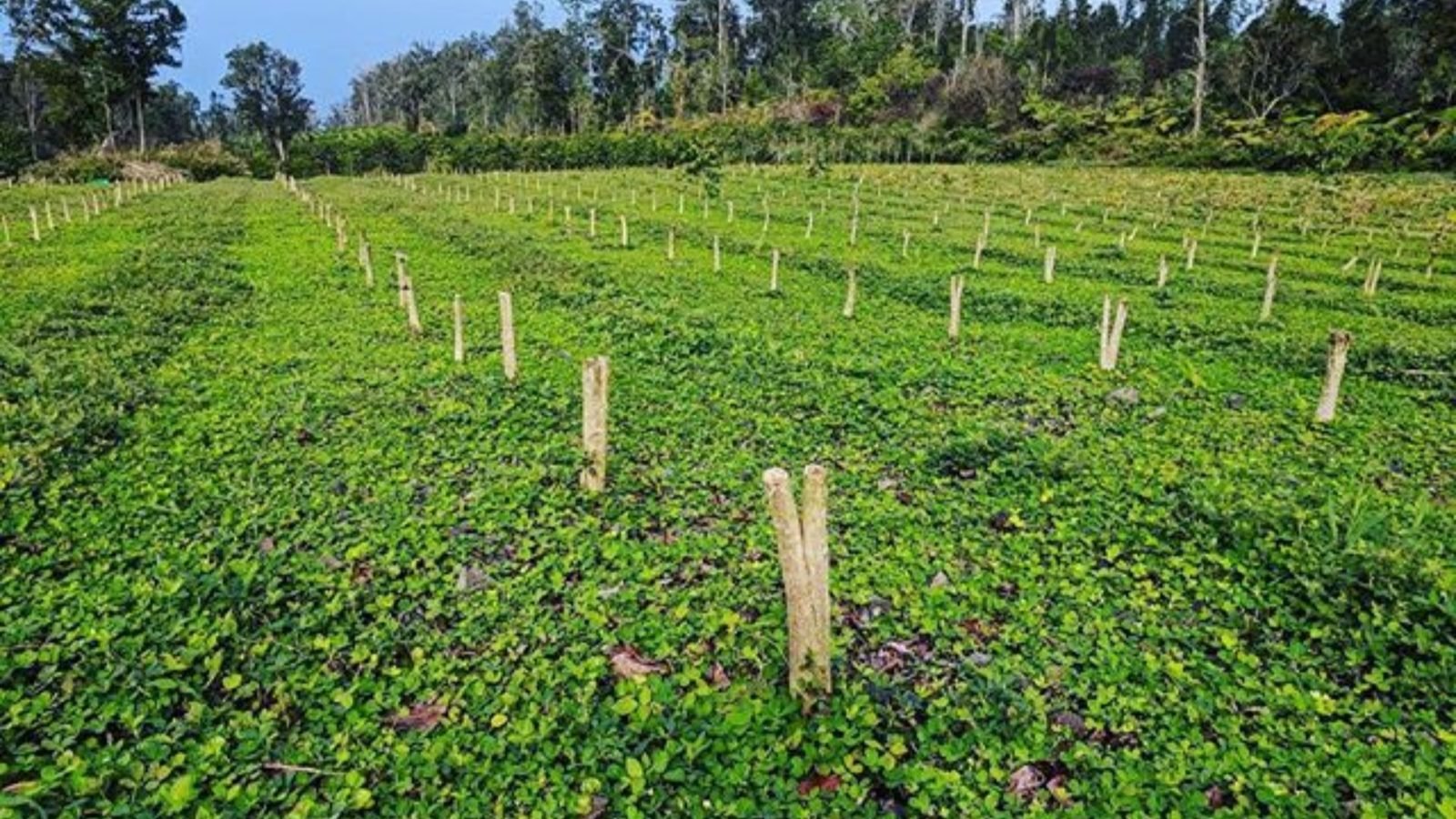
    Coffee Tree After Stumping
    Coffee Tree After Stumping

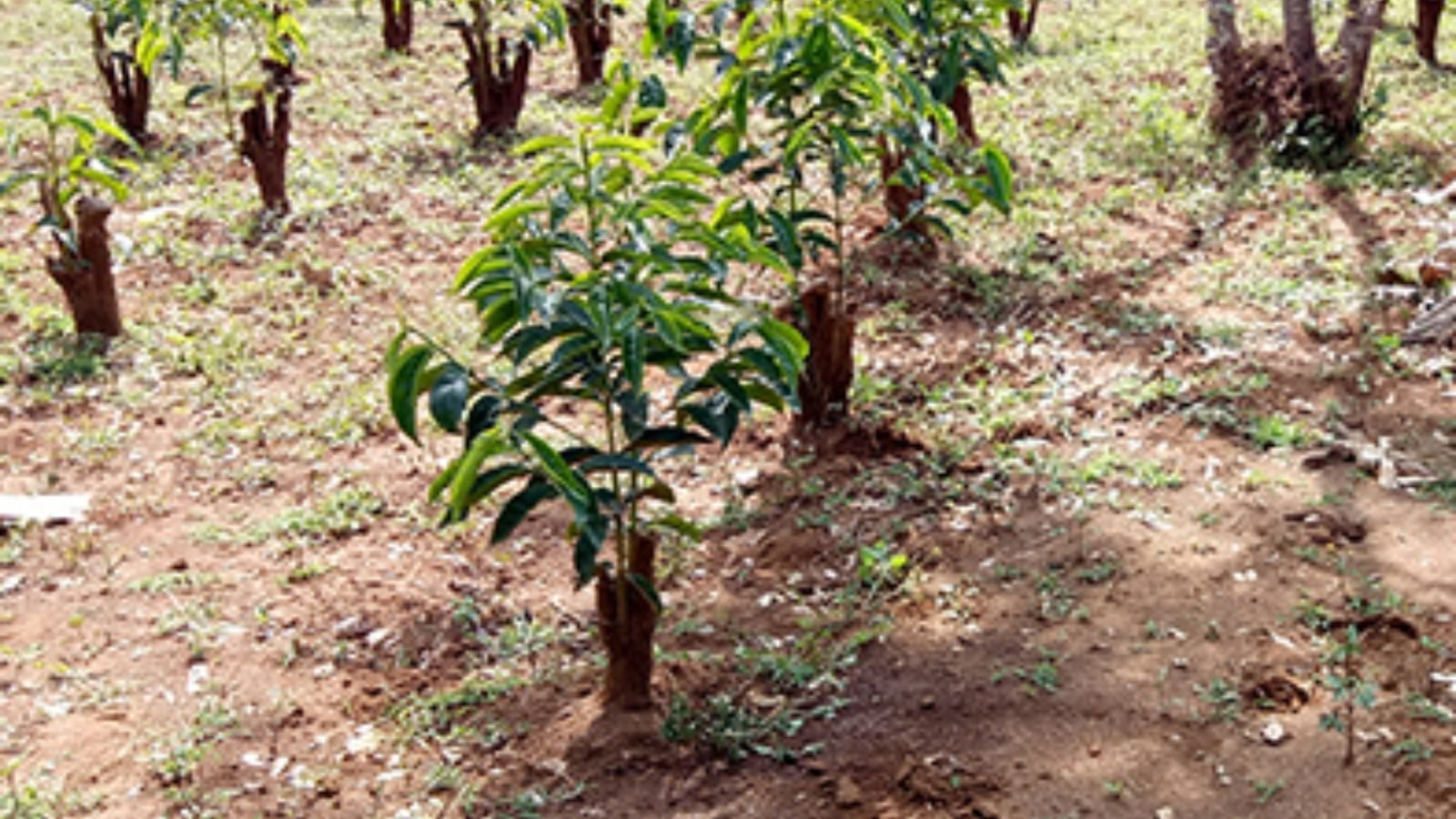
    If pruning is a form of regular maintenance, stumping is an aggressive method performed on old or heavily infested trees.

    With stumping, farmers cut the stems around 20 to 30 cm above the ground, stripping the stems off the branches. This method is used to encourage the regenerative period. If the stumping is done correctly, farmers can wait for two years before the stumped trees start producing flowers and fruits again.

    Depending on the tree’s condition and height, farmers sometimes leave a few stems. However, any stumping method must include careful cutting, ensuring that the remaining trees still have the nutrients they need to grow.

    To achieve the best stumping method without depleting the trees of nutrients, farmers must make a clean, oblique cut without leaving any cavity. Ensure all the stumping tools are sharp so each cut will be clean. If the trees are infected, burn all the diseased branches after stumping them and disinfect them carefully.

    When is the Right Time for Pruning and Stumping?

    Farmers must schedule pruning and stumping at different times depending on when they planted the trees. However, the ideal time for the actual pruning and stumping is after harvest, during cold weather.

    The trees will not grow sprout by pruning/stumping during this time. Since farmers will not harvest anything that grows from the trees during this time, there will be no risks of diseases or fungal infections.

    Conclusion

    In the end, there are no identical methods when scheduling pruning and stumping methods. Different plantations and coffee plants may require specific schedules based on their cultivations, plant types and ages, and the producers’ goals. Coffee producers must create long-term maintenance plans tailored to their plants. This way, the plants are healthy, and the yields are abundant.

    High-quality coffee producers understand the differences between pruning and stumping and work to create long-term plans for these maintenance plans. You can see the result by ordering coffee beans from FnB.co.id, a coffee exporter based in Indonesia. Working with the best coffee producers, FnB offers only the most prestigious beans, the results of excellent cultivation and maintenance.

  • Do You Know? Fun Facts About Asian Palm Civet for You!

    Do You Know? Fun Facts About Asian Palm Civet for You!

    The Asian palm civet has become so popular because of Luwak coffee or so-called civet coffee crowned as the most expensive coffee in the world. Some people also call this cute animal a toddy cat and musang, a small mammal of the Viverridae family. The Asian palm civets are actually native animals of South and Southeast Asia, especially from Indonesian islands such as Sumatra, Java, Bawean, Kalimantan, and Siberut. 

    Palm civets are also native to other Asian countries like Malaysia, Singapore, Thailand, India, Bhutan, Vietnam, and so on. According to the International Union for Conservation of Nature (IUCN) Red List, this animal has been listed as the Least Concern since 2018. That’s because its numbers today are still increasing. 

    So, to get more insight into facts about Asian palm civet, finish our complete review below.  

    Characteristics of Asian Palm Civets

    Characteristics of Asian Palm Civets
    Characteristics Animal Asian Palm Civets

    This small mammal has an average body length of up to 43-71 cm. The tail length of this civet is between 40 cm to 66 cm. Meanwhile, their weight can vary from 2 to 5 kg. The Asian palm civet is also known for its characteristic of a pointed snout and long furry tail. Their body is covered with shaggy hair and grayish in color.

    As an omnivore, the Asian Palm Civet has a broad diet ranging from fruits to insects. Besides liking coffee cherries, the Asian palm civet also has a great fondness for palm flower sap. In terms of behavior, this cute mammal likes climbing trees and living in forests. Moreover, they are known as nocturnal animals who like to roam around at night or dusk.

    Distribution and Habitat of Asian Palm Civets 

    Habitat of Asian Palm Civets
    Asian Palm Civet live in Tropical Forest

    The Asian palm civet is a small mammal that loves to live in the tropical forests of South and Southeast Asia. As previously mentioned, this type of civet is native to several Asian countries such as Indonesia, Vietnam, Thailand, etc. Furthermore, these animals also like to inhabit primary and secondary forests, mangroves, seasonally flooded peat swamp forests, teak plantations, or oil palms. Moreover, Asian palm civets are often found in parks or suburban gardens with undisturbed vegetation or surrounded by mature fruit trees.

    Fun Facts About Asian Palm Civet 

    Facts About Asian Palm Civet in The World

    Aside from their cute appearance, here are some fun facts about Asian palm civets you need to know.

    Is the Asian Palm Civet a Cute Animal? 

    Undoubtedly, these small mammals are cute in their own way. They have unique motifs, like wearing a white mask on their forehead. They also have white spots on either side of their nostrils. There is a dark line between the civet’s eyes which makes it look cuter. Along with their shiny eyes, their furry body and small ears make their appearance even more charming.

    How Do Asian Palm Civets Communicate?

    The Asian palm civet is usually a silent animal, but it can also produce sounds similar to meows. Also, when threatened, they will do something like snarling, hissing, and spitting. Other than that, these animals like to use their scent glands to communicate with their species instead of using their vocalizations. That’s why these cute animals usually release their anal glands on the ground to mark their territories. However, the Asian palm civet has various modes of communication at their disposal, such as visual, auditory, or the ability to sense smell.

    What Do Asian Palm Civets Eat? 

    The Asian palm civet has an extensive range of diets. They like to eat fruits, such as mangoes, coffee cherries, berries, and bananas. The palm flower also became their favorite diet. Along with insects, a civet cat eats small animals like snakes, rodents, lizards, and frogs. 

    Also Read: LUWAK Coffee Health Benefit and The History

    Other Facts About Asian Palm Civet 

    Apart from the interesting facts above luwak, here are other fun details about Asian palm civets.

    • As a solitary animal, the Asian palm civet likes to spend its time alone. These animals will only congregate with one another during mating season. After the mating process is complete, they will go their own ways. They are also the type of animals that like to hunt alone and do not like to share their food with others.
    • This cute mammal has a long lifespan, between 15 to 20 years. Some reports also mention that a civet cat can live up to 22 years.
    • After the mating process, the female civet will undergo a gestation period of 2 months. They usually give birth to 2-5 pups in a litter.
    • When trying to make contact with their species, civets sometimes make ‘ha ha ha’ sounds—much like those made by hyenas.

    Asian Palm Civet and Luwak Coffee

    Luwak Coffee From Asian Palm Civet
    Luwak Coffee From Asian Palm Civet

    The Asian palm civet and coffee are two things that are inseparable today. Luwak coffee, widely known as civet coffee, is a coffee produced from coffee cherries eaten and digested by Asian palm civets. These half-digested beans undergo a process of fermentation when they pass through the civet’s digestive organs. However, this coffee is popular because the caffeine content in both Robusta and Arabica Luwak coffee tends to be lower than in unfermented ones.

    Also Read: From Trees to Your Cup: 3 Types of Coffee Processing Methods

    But unfortunately, due to civet coffee becoming a trendy drink, Asian palm civets are being increasingly hunted from the wild to boost coffee production.