Author: FnB Tech

  • 5 Types Common Coffee Plant Diseases, Read! Before Too Late!

    5 Types Common Coffee Plant Diseases, Read! Before Too Late!

    Coffee plant disease

    One of the leading plantation commodities cultivated by farmers is coffee. Coffee plants require special attention in their cultivation practices, including the problem of pest and coffee plant disease attacks. The main problem in smallholder coffee plantations is the low productivity and quality that does not meet the standards caused by pests and diseases.

    Pest and disease attacks on coffee plants can cause adverse effects, ranging from economic losses in quality and quantity to causing crop failure. The pest attacks often found on coffee plants are the decay and fall of young fruit and the presence of infectious diseases that cause damage to coffee plants.

    Coffee Plant Diseases

    1. Seedling Wilt 

    Disease This disease occurs in young coffee seedlings in the nursery. Usually occurs after the seedlings have germinated but have not reached the transplant age. The fungus Pythium spp causes this disease. 

    This fungus is transmitted through the soil and usually occurs when the soil is too wet, and the nursery is not well-lit. Symptoms of the attack are young coffee seedlings die quickly. The stems of the seedlings are soft and rotting.

    Control:

    1. Do not use planting media from the previous nursery because it may contain Phytium spp.
    2. Avoid overwatering.
    3. Keep the seedlings close enough (2.5 x 10 cm). 

    Chemical control can be done by spraying the soil or using fungicides with the active ingredient mankozeb, such as Benlate, Benomyl, Dithane, etc. 

    2. Cercospora Leaf Brown Spot Disease  
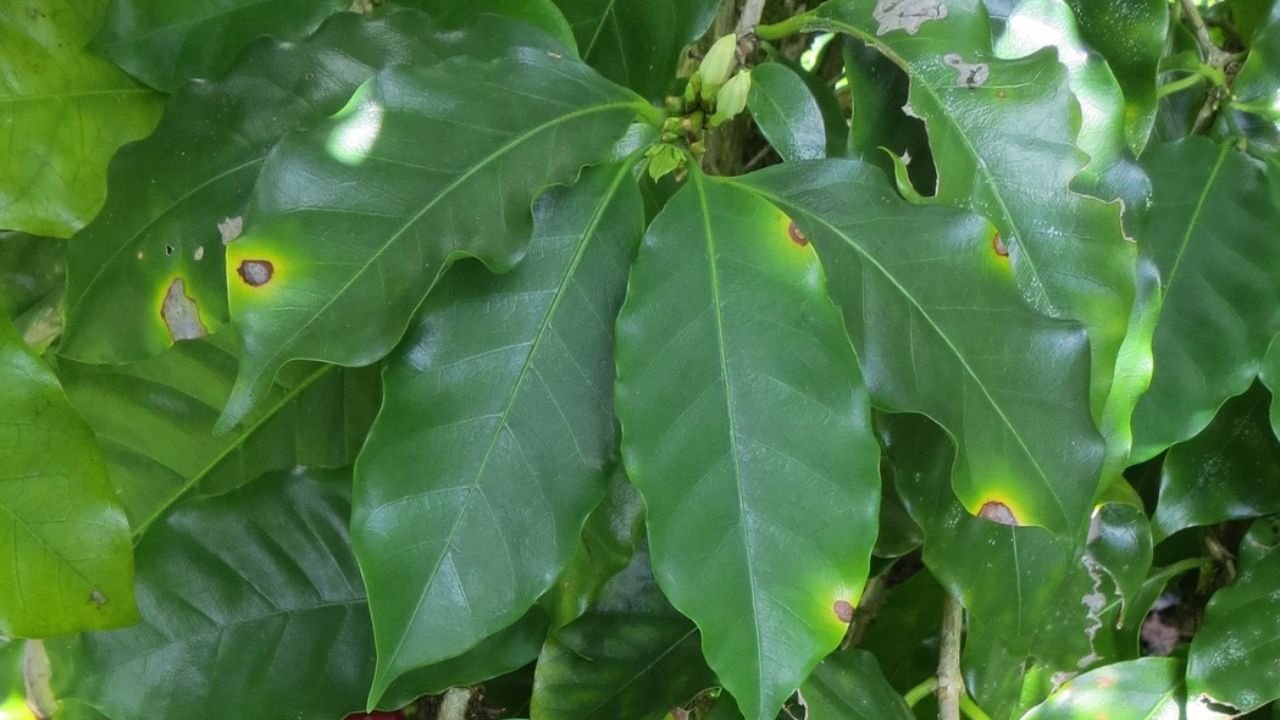
    Cercospora Leaf Brown Spot Disease

    Leaf spot disease is caused by a fungus when the plant is under stress. The fungus can attack coffee plants in nurseries and planting fields. When attacking the nursery, this indicates poor nursery management.

    Symptoms of this disease are the appearance of brown spots with reddish-brown edges. These spots are visible on both sides of the leaf surface. As the spots increase, the leaves will look like they are charred.

    This disease usually appears when the nursery or land conditions are too wet, too shady, or too light, with poor air circulation and a lack of nitrogen and potassium.

    Control: 

    1. Avoid excessive watering. 
    2. The shade level is maintained at around 50%. 
    3. The spacing of seeds and plants must be appropriate to facilitate air circulation. 
    4. Acceptable use of fertilizers. The use of chemical fungicides based on copper. 

    For example, copper cupravit 85WP and copper oxychloride with a concentration of 80 g/20 l of water. Or use copper hydroxide with a concentration of 40 g/20 l of water. 

    3. Cercospora Fruit Spot Disease 

    Cercospora fungus attacks coffee leaves but sometimes also affects coffee cherries, known as fruit spot disease. Symptoms of this disease attack include spots on the leaves that are getting wider and wider, with reddish brown spots on the edges. The spots will appear on both sides of the leaf surface. At the same time, the fruit will appear in dark brown spots surrounded by a bright red ring.

    The causes of this coffee plant disease are lack of nitrogen and potassium nutrients in the leaves, insufficient sunlight, stress due to lack of water, too much sun, insufficient fertilizer application, and too many weeds in the field.

    Control: To prevent the emergence of this disease, make sure the coffee plant gets enough nutrients and sunlight at about 50%—using chemical fungicides based on copper. For example, copper cupravit 85WP and copper oxychloride with a concentration of 80 g/20 l of water. Or use copper hydroxide with a concentration of 40 g/20 l of water. 

    4. Sooty Mold Fungus

    The fungus Capnodium spp causes mould disease. Aphids, shield lice, whiteflies, or other sucking insects can infest the coffee plant and cause this fungus to develop. 

    Symptoms of attack are leaves covered by black soot and powdery. The fungus grows on honeydew secreted by shield lice and other sucking insects. Ants usually keep shield ticks and spread sooty mould.

    Control: this coffee plant disease is carried out by controlling shield lice, aphids, and whitefly using the recommended procedures. 

    5. Anthracnose disease 

    Anthracnose - Coffee Plant disease 

    Coffee plants contract the disease anthracnose from the fungus Colletotrichum gloeosporioides. This fungus targets fruit, twigs, and flowers. Three different plant diseases, including fruit splitting, leaf necrosis, and twig-deathly, can be brought on by this fungus.

    Symptoms of attack on twigs. The leaves on the twigs will turn yellow, and spots will appear. The twigs will curl, lose their leaves, and die at the tips. 

    Symptoms of anthracnose are somewhat tricky to distinguish from symptoms of Cercospora disease. Symptoms of attack on fruit. On the coffee cherries, dark brown spots appear, which will later turn black and hard.

    Symptoms of attack on the leaves. The development of brown, circular, and up to 25 mm in diameter necrotic patches on the leaves. The worst attacks will cause the leaves to look burnt or damaged.

    Maintaining the health of coffee plants helps to control this illness. Other forms of control have received little attention. However, the use of several types of fungicides is quite effective in preventing this disease. 

    Premium Quality Coffee Beans Determine The Plantation’s Performance

    At FnB Tech Indonesia, we proudly examine and thoroughly check through the high-quality control process. We plant and take care of each tree so that we can prevent coffee plant diseases from happening. FnB Tech Indonesia provides coffee beans from around Indonesia, Toraja, Gayo, Kintamani, and you name it. 

    From Arabica, Robusta and green beans have been our top premium beans. Since 1999, in North Sumatra, FnB Tech has successfully walked with the hands of coffee farmers to maintain the excellent quality of coffee beans until you sip every drop of it. 

  • 1001 Things About Coffee Bean Plant You Don’t Want to Miss

    1001 Things About Coffee Bean Plant You Don’t Want to Miss

    People enjoy drinking coffee as one of their favourite beverages. Coffee is famous because it has a distinctive taste and aroma (Ramalakshmiet al., 2008). The coffee bean plant belongs to the Kingdom Plantae, Sub kingdom Tracheobionta, Super Division Spermatophyta, Division Magnoliophyta, Class Magnoliopsida/Dicotyledons, Subclass Asteridae, Order Rubiales, Family Rubiaceae, Genus Coffea, Species Coffea arabica L (USDA, 2002). 

    Coffee (Coffea spp.) is a species of tree-shaped plant and belongs to the family Rubiaceae and genus Coffea.

    Coffee Production
    Coffee plant – FnB Tech Indonesia

    Types of Coffee Bean Plants

    1. Arabica Coffee Beans 

    In the 9th century, coffee became a popular drink among Arabs. Europeans began to know about coffee in the 16th century through Arab traders in the port of Mocha, Yemen. The Dutch brought the coffee arabica plant to the Netherlands in 1616 and cultivated it.

    2. Robusta Coffee 

    Robusta comes from the word ‘robust,’ which means strong, according to the posture (body) description or the level of its strong viscosity. Because this variety is derived from the Coffea canephora species, Robusta is not a species.

    Although Robusta can grow in the lowlands, it is best grown at elevations between 400 and 800 meters above sea level. The optimal temperature for robusta coffee growth ranges from 24-30oC with rainfall of 2000-3000 mm per year.

    Robusta Coffee Clone Type 

    Robusta coffee is derived from several species, especially Canephora. For that reason, the source of plant seeds for robusta is not called a variety but a clone.

    Like Arabica varieties, the Koka Research Center developed superior robusta clones in Indonesia. The following are several types of robusta clones recommended by the institution:

    ● BP308 clone. This coffee robusta plant clone is a superior plant resistant to nematode attacks. Another feature of this robusta clone is it is tolerant of infertile soils. The rootstock should be BP308, while the upper stem should be connected to other clones suited to the agroclimatic conditions in the region.

    ● BP42 clone. This clone’s productivity is 800-1200 kg/ha/year—medium stature with many branches and short internodes. The resulting fruit is large and densely packed.

    ● SA436 clone. It has relatively high productivity, reaching 1600-2800 kg/ha/year. The shape of the seeds of this clone is small, and the size is not uniform.

    ● BP234 clone. Its productivity is 800-1200 kg/ha/year. Slender build with long, flexible branches. The fruit grains are relatively small, and the size is not uniform.

    3. Liberica Coffee 

    Liberica coffee came from Angola and entered Indonesia in 1965. Although it has been around for a long time, the number of trees remains limited due to low yields and poor fruit quality (Prastowo et al., 2010). 

    The Liberica coffee bean plant (Coffea liberica) can grow well in the lowlands where robusta and arabica coffee cannot grow. This coffee type is more resistant to HV disease than other types. 

    This may be the advantage of Liberica coffee. Liberica coffee is rated lower than Robusta and Arabica. The fruit size is uneven. Some are large; some are small, mixed in one tree. In addition, the yield of Liberica coffee is also meagre, around 12%.

    Coffee Plantation in Indonesia

    1. Aceh

    You must be familiar with this fantastic city. Acehnese specialty coffee has gone global, and the tradition of drinking coffee is robust here. The famous coffee is Gayo coffee which comes from the Gayo area. This coffee belongs to the Arabica coffee type with a sour taste, body or light thickness, and a unique aroma profile. Not surprisingly, Gayo coffee has been named the world’s no.1 Arabica coffee.

    2. Lampung

    Besides Aceh, Lampung, precisely in West Lampung, is also one of the best coffee-producing areas in Indonesia. The coffee bean plant grows at 800 meters above sea level. The most popular type of coffee is robusta, with fine coffee grounds and a distinctive aroma. 

    Due to dry processing, coffee beans have robust characteristics. This coffee has the aroma of chocolate and spices. After drinking, you will have a nutty aftertaste, slightly sweet like caramel and slightly bitter like cocoa.

    3. Bengkulu

    A year before the pandemic, Bengkulu was the largest coffee producer. It has contributed 70% of export commodities. Bengkulu has a large coffee plantation, around 95 hectares, mainly Robusta coffee; the rest is Arabica.

    4. Mandailing

    Mandheling coffee
    Mandheling Coffee Beans – FnB Tech Indonesia

    Still from the island of Sumatra, one of Indonesia’s best coffee-producing areas is Mandailing. Coffee plantations in Mandailing have existed since the Dutch colonial era and still exist today. In contrast to Gayo coffee, which tends to taste sour, Mandailing coffee has a distinctive sweet taste with low acidity. The aroma is also unique, such as fruity and floral scents. Coffee shops usually use Mandailing coffee for house blends.

    5. Toraja

    Talking about the best coffee-producing areas in Indonesia, we can’t miss Toraja. This coffee bean plant comes from the highlands of about 1400 masl in South Sulawesi and has a fruity taste. In addition, this coffee is a bitter sensation on the tip of the tongue when slurped, is not too sour, has a heavy body, and has an earthy aroma. The character of this coffee can be said to resemble spices. Even so, the aftertaste is soft and smooth.

    Coffee Fruits
    Coffee Fruits – FnB Tech Indonesia

    Coffee Harvest Season Indonesia

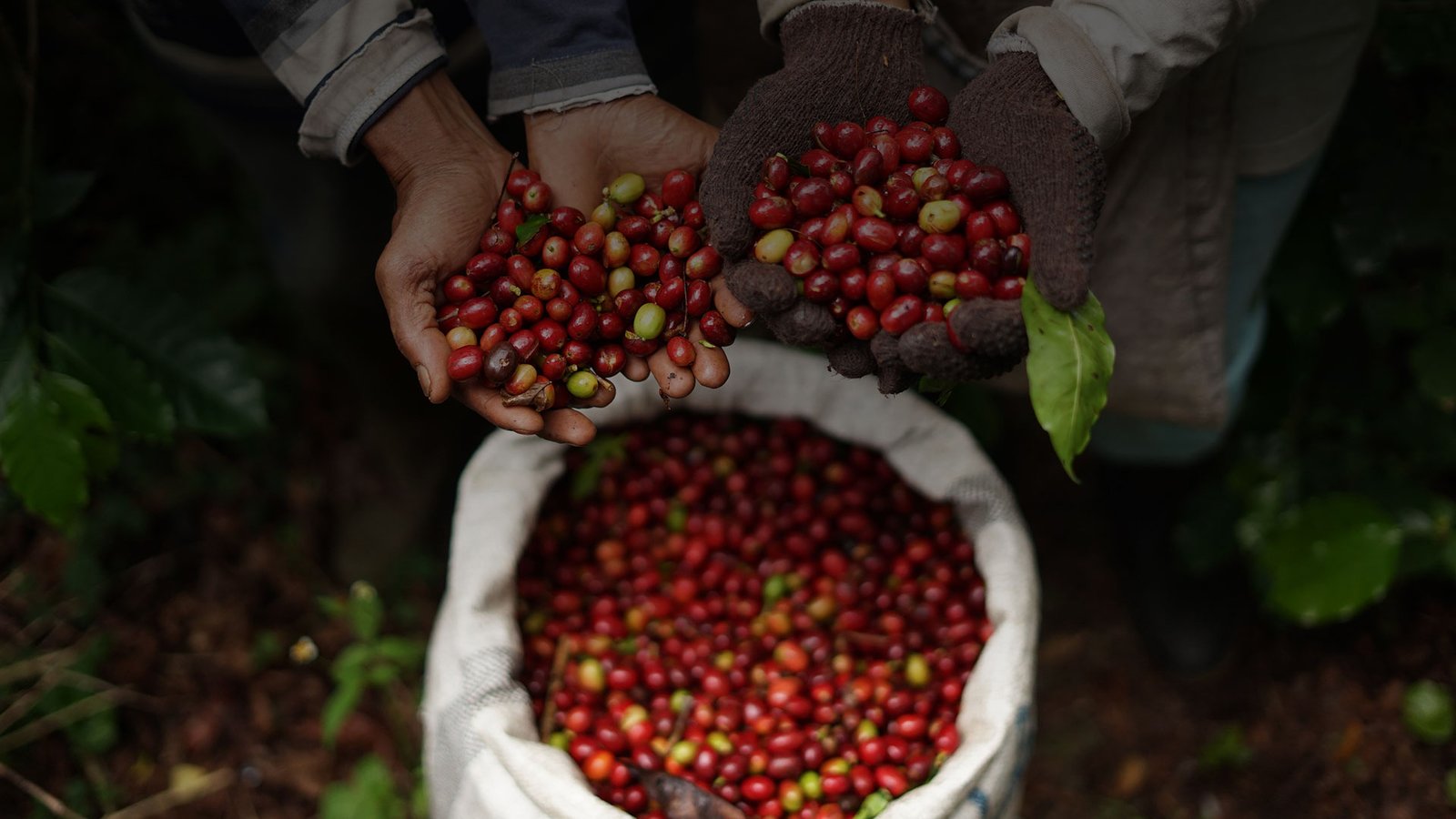
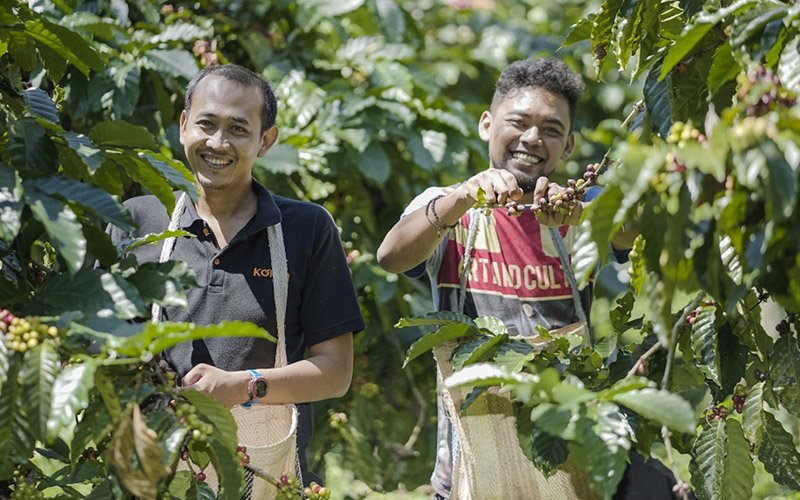
    March is a month full of hard work when farmers start harvesting coffee cherries from their gardens. Indonesian coffee plantations pick cherries ready for harvest in the morning and afternoon. Then, they separate the cherries and coffee beans at night and wash them.

    In this stage, the process for washing, naturalizing, or semi-washing the coffee cherry is also decided.

    Some farmers do this washing process themselves. Some directly send their coffee cherries to the coffee factory. The disadvantage is that they will get lower wages, even though this is only the case in some regions of the world.

    The harvest period begins to end in mid-April gradually. Unharvested coffee cherries will rot on the tree and attract pests, so it’s imperative to harvest them as soon as possible. These pests will affect the quality of the harvest in the following year.

    In which month is coffee grown? Depending on the area, it produces coffee all year long, although the primary harvest is mainly from October to March, with a Mitaca fly crop from April to June.

    FANDB Tech Coffee Plantation Pakpak Bharat

    As a successful exporter, we developed a 3,412 Ha coffee plantation in Pakpak Bharat, Dairi, North Sumatra. Today, this plantation is the largest privately owned plantation in Medan.

    Beyond our state-of-the-art processing facilities, we also use cutting-edge transportation and logistics systems to excel in handling and shipping coffee bean plants. We must strive to maintain great stakeholder connections as we grow our company.

    As we expand our company over the whole coffee value chain, from plantation to retail and from coffee machines to coffee cafes, we now operate upstream and downstream in the sector. We are working hard to become the best source of coffee in Indonesia.

    Additionally, PT. FANDB Tech Indonesia received several honours. We received 2010 Best Exported from Indonesia award that year. Our chairman received the honours of ASEAN Business Man of the Year in 2012 and Asia Pacific’s Most Outstanding Entrepreneur in 2011 consecutively. For our 23 years of expertise in advancing the coffee business in Indonesia, we were recently honoured to earn the Primaniyarta Award as a Superior Potential Exporter in 2013.

  • Coffee Guideline 101: Growing a Coffee Plant By Fnb Tech Expert!

    Coffee Guideline 101: Growing a Coffee Plant By Fnb Tech Expert!

    Coffee is one of the lucrative plantation commodities, not only at the national level but also at the international level. At the national level, coffee shops are easy to find in every region of Indonesia. Most of them use local farmers’/cultivators’ products, which makes young people interested in growing a coffee plant because it impacts the local culture.

    Factors That You Must Consider in Growing a Coffee Plant

    Gayo
    Gayo Coffee Plantation – FnB Tech Indonesia

    1. The Selection of Types and Varieties

    Coffee plants have many types and can reach thousands. Each type has different characteristics:

    1. Arabica Coffee: The most preferred because the taste is considered the best. The ripe fruit is bright red. Yield (percentage of final product and yield) is around 18-20%.
    2. Robusta coffee: Faster to harvest than Arabica. Fruit is round in shape. There is a tendency for the red colour to be dark. The yield is high (22%). It is cheaper than Arabica in terms of price.
    3. Coffee Liberica: Its prestige is still inferior to Arabica and Robusta. The fruit size is uneven, and the yield is meagre (12%). But can grow well in the lowlands.
    4. Coffee Excelsa: Can thrive in the lowlands and even on peatlands. Resistant to drought. The fruit’s skin is soft, so it is easy to peel. In 2006, Excelsa was considered a part of Liberika.

    Also Read: 8 Types of Coffee Beans in Indonesia, Unique & You Must Try!

    Apart from the technical side of the cultivation of coffee, another thing to consider is the selling price of the final product. Arabica coffee tends to be priced higher than other types. However, robusta has the highest productivity, and the yield is also high.

    2. Preparation of Growing a Coffee Plant

    Depending on the type, you can plant coffee plants in the high and lowlands. In general, coffee requires loose soil that is rich in organic matter. To increase fertility, give organic fertilizer and soil fertilizer around the plant area. Arabica will grow well at a soil acidity of 5-6.5 pH, while robusta will grow at an acidity level of 4-5.

    The thing that you must prepare before starting coffee cultivation is to plant shade trees. Use shade trees to adjust the intensity of incoming sunlight. Coffee plants, including plants that require sun intensity, are not full.

    The shade trees often used in growing a coffee plant are dadap, lamtoro, and sengon. Choose shade trees that don’t require much maintenance and whose leaves can be a great source of green manure.

    It is recommended to plant Sengon protection trees four years before coffee cultivation begins. At the same time, the type of lamtoro can be faster, about two years earlier. Actions required to care for shade trees are leaf pruning and thinning.

    Also Read: Best Climate For Growing Coffee, There are Interesting Facts

    3. Planting Coffee Seeds

    When the land, shade trees, and seedlings are ready, the next step is to transfer the seeds from polybags to planting holes in the garden area. The recommended spacing for coffee cultivation is 2.75×2.75 meters for robusta and 2.5×2.5 meters for Arabica. This spacing varies with the height of the land. The higher the land, the rarer it is, and the lower it is, the closer the spacing is.

    Make a planting hole with a size of 60x60x60 cm, making this hole 3-6 months before planting. When digging the planting hole, separate the top and bottom excavated soil. Leave the planting hole open. 

    Mix 200 grams of sulfur and 200 grams of lime two months before planting with the bottom-dug soil. Then insert it into the planting hole. About one month before the seeds are planted, mix 20 kg of compost with the top-dug soil, then put it in the planting hole.

    4. Harvesting Coffee 

    If all the processes are carried out intensively, the next step of growing a coffee plant will produce results in less than five years. It depends on the type of coffee you grow. For robusta coffee, the fruit will begin to appear at the age of 2.5 – 3 years. In comparison, Arabica is aged three years – 4 years.

    After the fruit is ripe, you can start the manual harvesting process, directly picking the fruit from the tree. Unfortunately, it usually can not produce in large quantities when the first harvest. But the coffee plant will continue to bear fruit until it reaches peak production at 7 – 9 years old.

    One harvest period generally lasts between 4-5 months. During this period, you should pick about every 10-14 days until the plants do not bear fruit anymore.

    3 Steps Of Coffee Plant Care

    growing a coffee plant

    1. Balanced Fertilization 

    The purpose of fertilization is to meet the nutrient needs of coffee plants and improve the structure of the growing media conditions. If these nutrient needs are unmet, they will stunt plant growth, make it thin, wilted, and unproductive. 

    Fertilization of coffee plants must be done correctly, both at the right time, in the right type, in the correct dose, and in the proper administration. Usually, frequency of fertilization is done two times a year, namely at the beginning and end of the rainy season.

    2. Pruning

    Pruning removes some parts of the coffee plant that are considered diseased, disabled, and unproductive. It aims to increase the productivity of the coffee tree and clean up weeds that grow around it. The pruning process can be done two times a year and simultaneously with loosening the soil.

    3. Wiwilan

    For coffee to produce a large capacity of fruit, the wiwilan stage is also necessary. There are two types of wiwil for coffee plants: coarse wiwil done every month and fine wiwil every 3-4 months.

    The wiwilan method removes branches with poor growth, such as water shoots and fan branches, in the hope of doing wiwilan so that growing a coffee plant are not generatively disturbed so that they can bear fruit, healthy and pithy.

    Guarantee Your Best Coffee Beans in Town!

    FnB Tech Indonesia is here to satisfy every coffee connoisseur with the best coffee beans. Our single-origin coffee beans are only sourced from an area of Indonesia with a long history of cultivating coffee, and we sustain enduring connections with reliable producers. A few hundred workers help FnB Tech Indonesia process coffee beans for shipment worldwide.

  • Choosing the Best Green Coffee Beans Wholesale for Your Cafe

    Choosing the Best Green Coffee Beans Wholesale for Your Cafe

    Choosing the Best Green Coffee Beans Wholesale for Your Cafe

    Drinking coffee in Indonesia is becoming a lifestyle trend, no longer a drink to relieve sleepiness. The demand for coffee from farmers also soared. This phenomenon has made several regions begin to develop their specialty coffees.

    Not wanting to depend on wholesalers, few café or coffee shop owners hunt for coffee directly from farmers in the regions. Here’s how you choose the best green coffee beans wholesale.

    Tips for Choosing a Green coffee Beans Wholesaler for Your Coffee Shop Needs

    Choosing coffee beans wholesale is a serious matter. For coffee shop owners, making decisions for their coffee shops must first be analyzed and considered. Starting from the target market to be achieved, how the interior and exterior of their coffee shop, what costs need to be incurred, and most importantly, from which coffee wholesaler to meet the needs of our coffee shop.

    1. Choose Green Coffee Beans Wholesale

    Before choosing one of the many coffee wholesalers, try to find references from anywhere, whether cyberspace or acquaintances with fellow coffee shop owners. 

    After the contact data is collected, then where to start? Start with the coffee wholesaler that you think is interesting. This list minimizes the possibility that you can look for another wholesaler if one wholesale green coffee beans runs out of coffee stock.

    2. Coffee Samples

    After choosing a coffee wholesaler, for you serious buyers, the wholesaler is not reluctant to send us a sample of the coffee they sell. And each green coffee beans wholesaler has a different way of serving potential buyers. 

    They have terms and conditions for coffee wholesalers to send samples of the coffee they sell. After you receive a coffee sample, try to study the coffee sample. If the taste profile interests you, you can decide whether to buy it.

    3. Testimonials

    Ask him which coffee shop has worked with the wholesaler. What the testimonies are if you meet a wholesaler you were unaware of (even if there is no information about him online).

    4. Try Local Green Coffee

    Choosing outside green coffee beans is not okay, but it would be nice to try local beans where your coffee shop operates. At least one local origin fills the bar table of our coffee shop, and it could be that local coffee is your specialty. Who knows?

    5. Visiting

    Suppose you want to be more particular about choosing a coffee wholesaler. In that case, you can visit his storage area or the coffee wholesaler’s coffee garden. The types of coffee wholesalers may vary. Some are only intermediaries. Some are directly involved as coffee farmers and green coffee beans wholesale suppliers.

    6. Choose Your Favorable Green Beans

    If you are interested in a coffee wholesaler but the shipping procedure is too complicated for you, it’s better to look for another. Try to find green coffee bean wholesalers who send coffee beans to many areas.

    Final Words

    These are just some tips. Some coffee shop owners also have a way of cooperating with coffee wholesalers. So, what do you think? Have you ever had an exciting experience with a coffee wholesaler? In FnB Tech Indonesia, we provide premium wholesale coffee, especially green beans.

    As green coffee beans wholesale company, FnB Tech Indonesia. Also, you can find us on our Instagram and enjoy our social media content.

  • Unroasted Green Coffee Beans: Better Tasting Espresso

    Unroasted Green Coffee Beans: Better Tasting Espresso

    Unroasted Green Coffee Beans: The Secret to a Better Tasting Espresso – Every cup of coffee we drink has a unique story. Starting from the type of coffee, the plantation’s origin, the processing, the post-harvest techniques, and the roasting technique. 

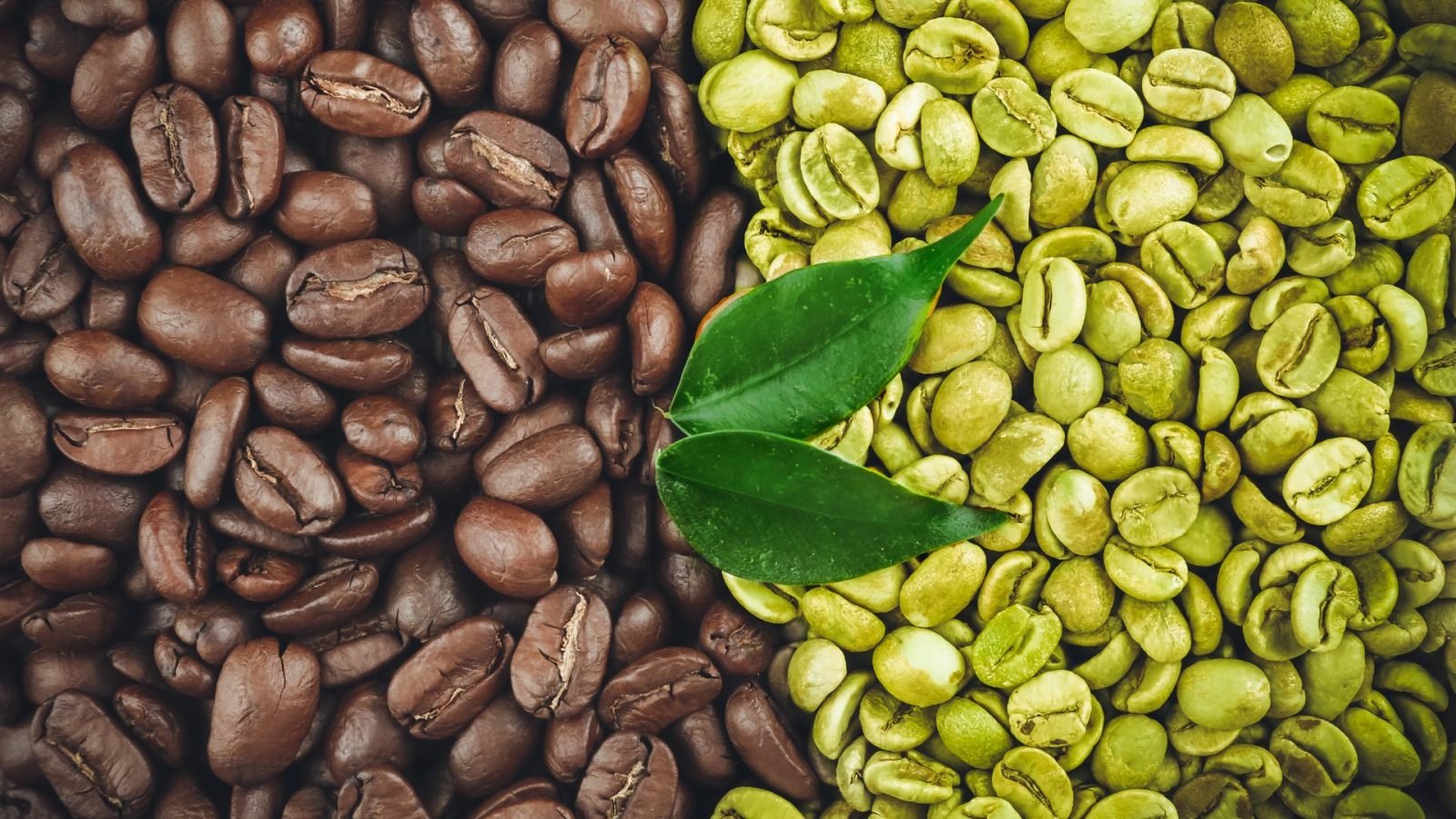
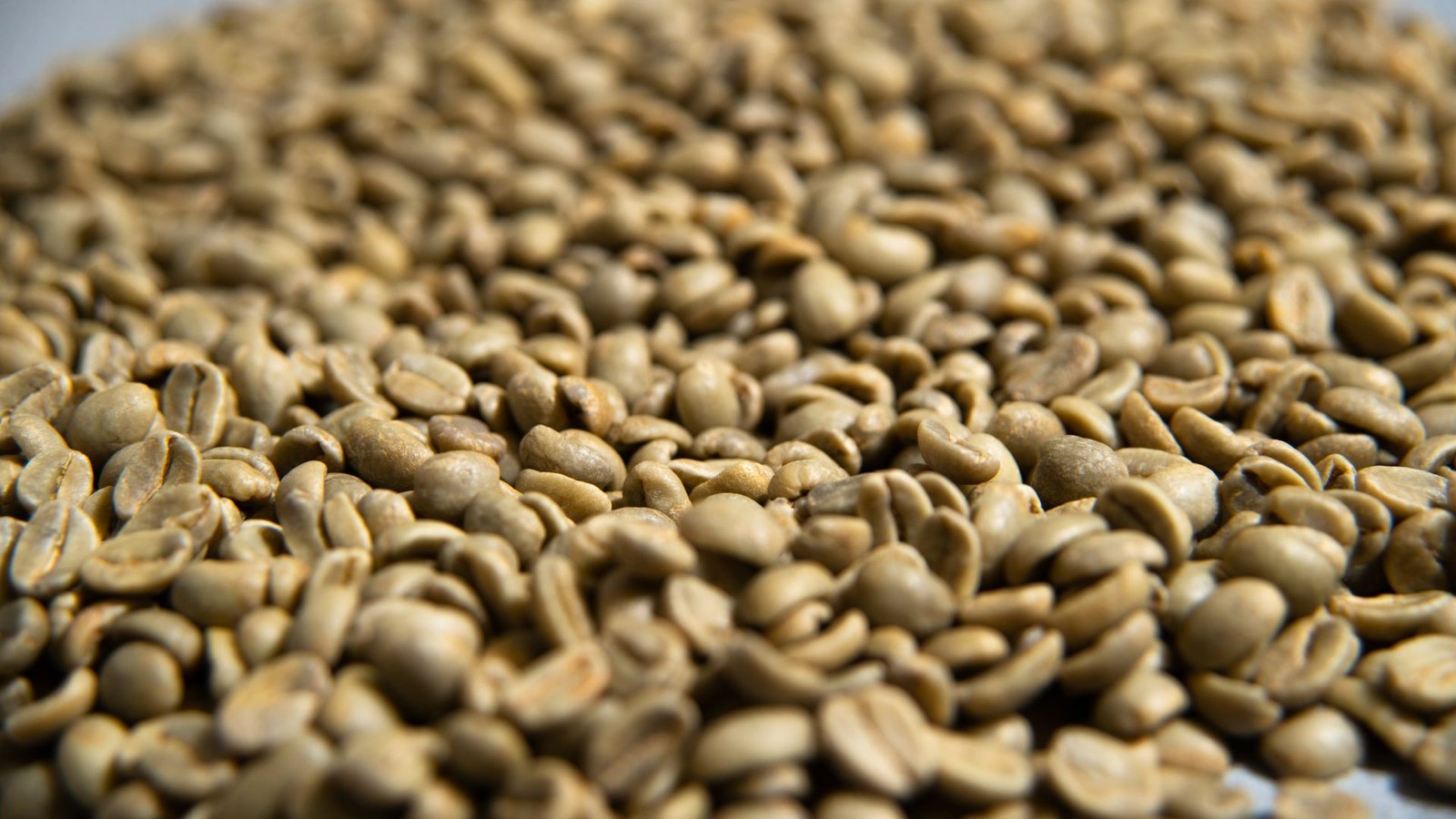
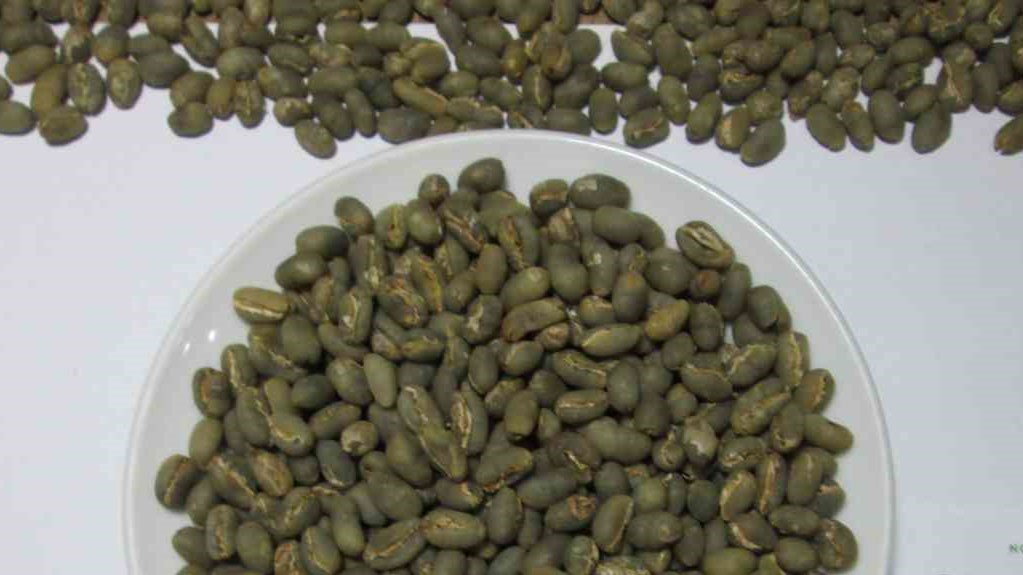
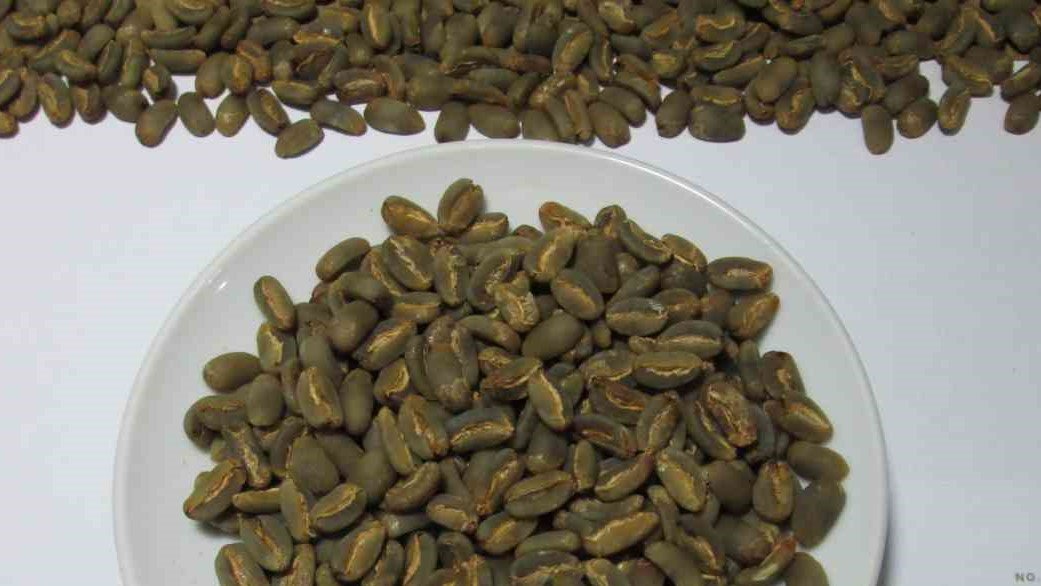
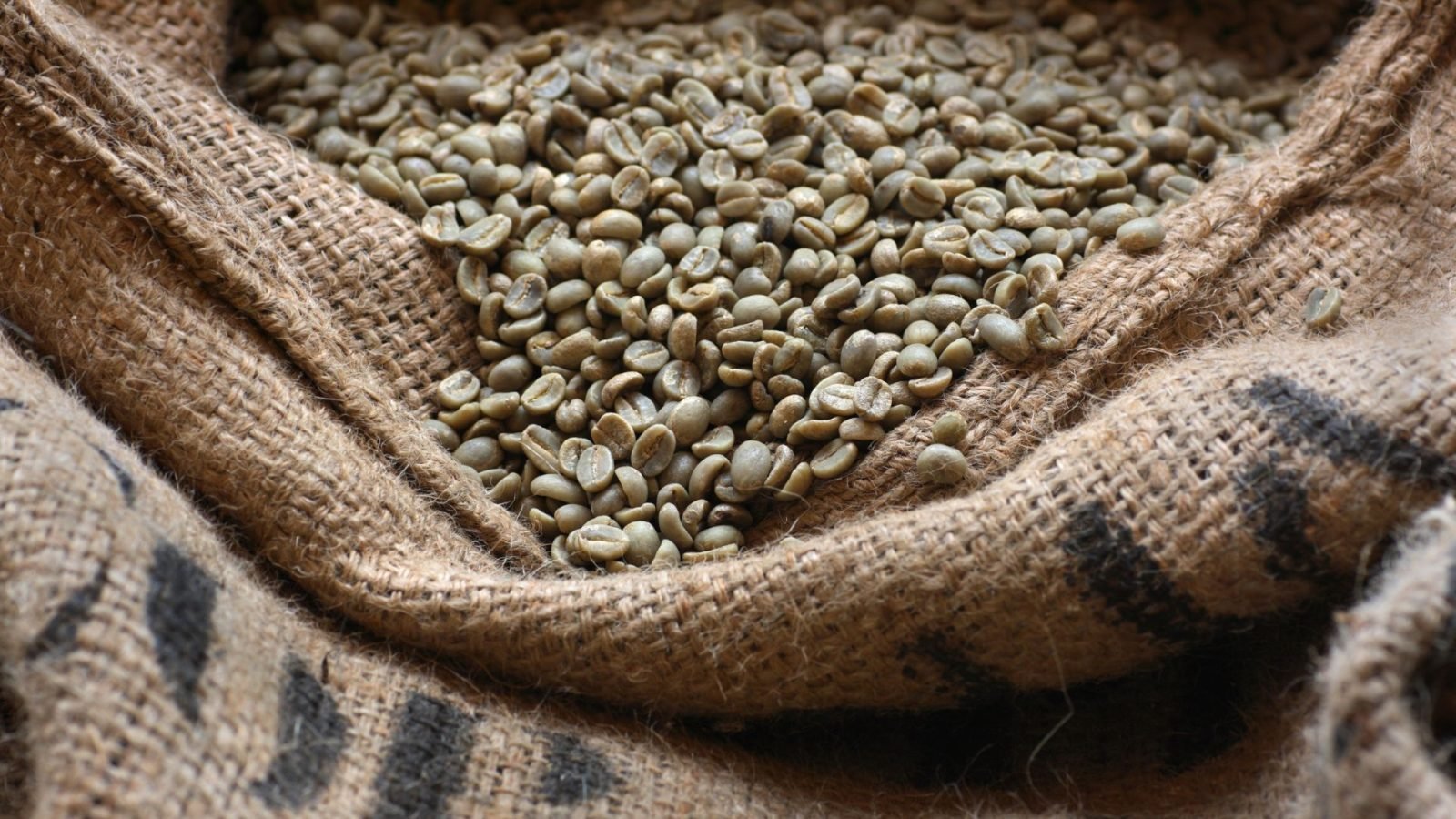
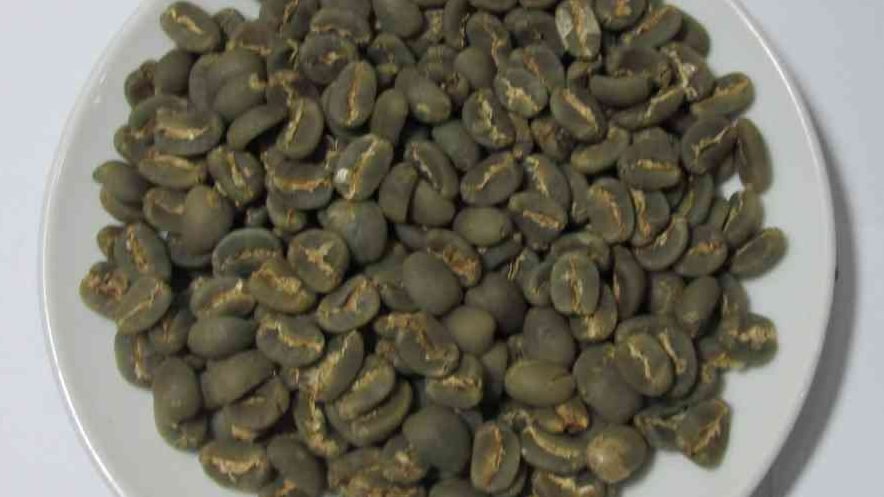
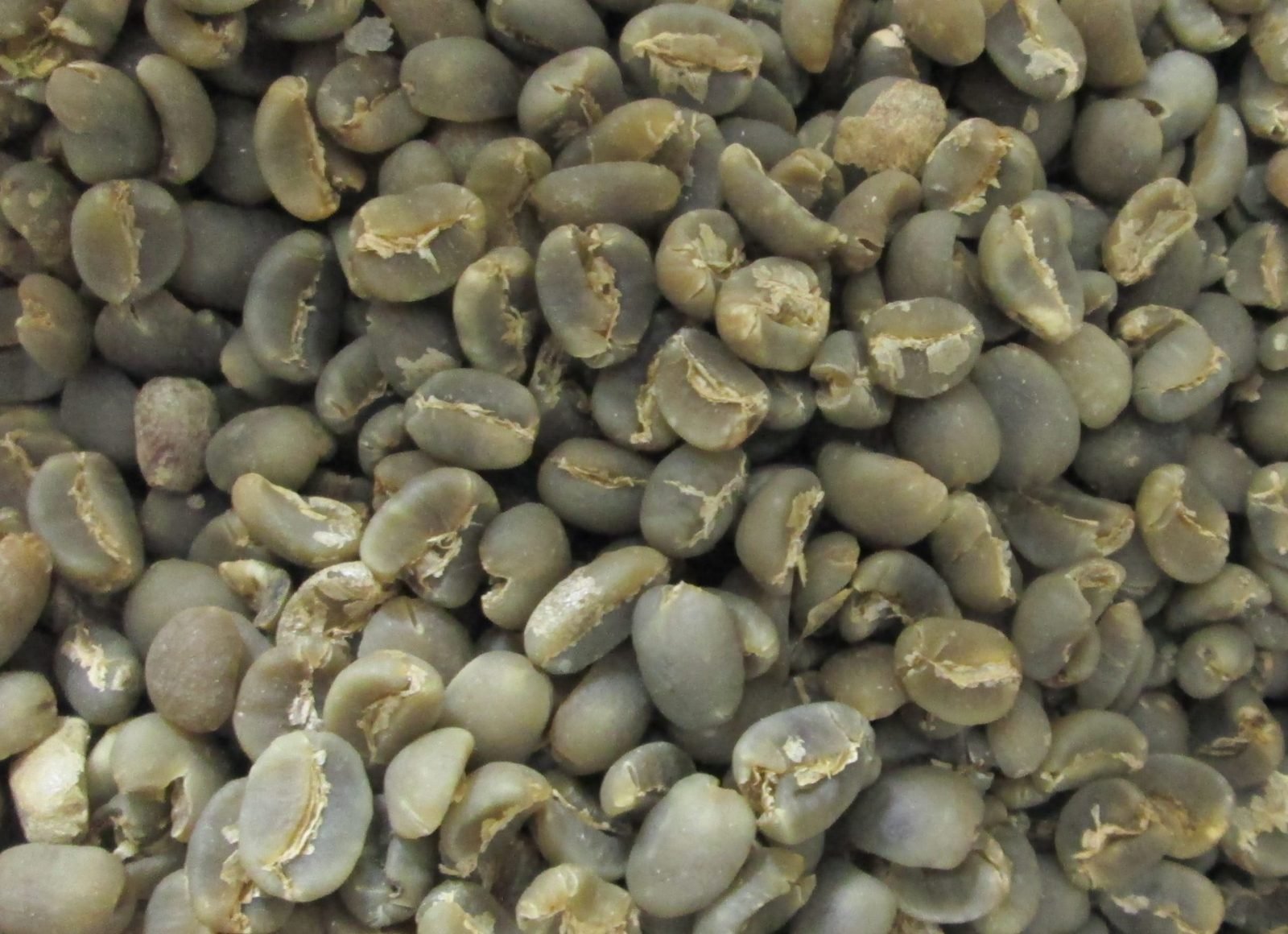
    Coffee beans, especially unroasted green coffee beans, generally have light brown colour with different variations of green hue. Raw or unroasted coffee beans are also known as rice coffee.

    The Art of Processing Unroasted Green Coffee Beans to Roasted Green Coffee Beans

    Have you ever considered the lengthy trip that coffee beans take before being eventually served in the cup of coffee you typically enjoy? Yes, it turns out that several steps and procedures are involved in turning coffee beans into the delectable beverage that millions of people worldwide enjoy.

    1. Maximizing the Taste of Coffee Beans

    Processing unroasted green coffee beans into roasted coffee beans is a blend of art and science. A coffee roaster is a craftsman who uses his senses and gauges to develop the flavour of each coffee bean. The roasting process on beans or green beans is to produce and maximize the taste of the beans, from the aroma, sweetness, acidity, and body, to the aftertaste. 

    2. Calibration to Meet Standards

    Calibration steps are also required to maintain the consistency of taste quality and maximize coffee. FnB Tech Indonesia carries out this process painstakingly. The barista can taste the coffee and set a standard for the taste of the coffee at this calibration stage. Because unroasted green coffee beans have a variable nature, finding the perfect balance of variables is the primary goal of calibration.

    At this stage, the coffee that has arrived in the hands of the manager will determine the gradation of the coffee grounds by weighing them accurately and choosing the right coffee size. The goal is so that the position of the coffee powder is not higher or lower. The coffee is then levelled using portafilters and distribution devices to make espresso. 

    3. Unroasted Coffee Beans Now Went Through a Detailed Process

    A detailed process indeed produces perfect extraction. Some coffee grounds are slightly down or too high, significantly affecting the extraction. When the position of the portafilter is too up or down, it will not deliver ideal pressure results. 

    The coffee flow can only come out of the portafilter hole on the right or left. If the coffee flow only comes out on one side, there is a tilt. The left portafilter position may be heavier than the right side.

    Meet FnB TECH INDONESIA Best Selling Unroasted Green Coffee Beans!

    1. Sumatra Super Peaberry

    unroasted Sumatra Super Peaberry

    Peaberry beans are typically valued higher than regular coffee beans because they are thought to have a more concentrated flavour. Instead of the usual two half-beans inside each cherry, a Peaberry has just one coffee bean. In actuality, peaberry only makes up roughly 5–7% of any particular coffee harvest.

    Also Read: Taste Like Heaven! You Need to try Sumatra Peaberry Coffee!

    2. Bali, Java, Gayo, and Mandheling Wine 

    Unroasted green Coffee beans - Bali, Java, Gayo, and Mandheling Wine 

    As goodquinic acid seeps into the processed coffee beans, glucose is modified to create a wine-like taste in the mouth, making the flavour taste like wine.

    Also read: Taste Like Nothing You Ever Had! Try This Wine Coffee Beans!

    3. Lasuna Special 

    lasuna special coffee

    The combination of acidity and body in Lasuna Special results in its mild taste, lightness, and a reasonable amount of wetness.

    For more information about FnB Tech Indonesia, visit our website and choose your favourite unroasted green coffee beans that match your taste. You also can visit our social media instagram to get the latest content and product.

  • Tips and Tricks! 4 Best Way to Store Green Coffee Beans

    Tips and Tricks! 4 Best Way to Store Green Coffee Beans

    Tips and Tricks! 4 Best Way to Store Green Coffee Beans

    Why We Need To Know The Best Way to Store Green Coffee Beans

    Not only coffee beans after roasting or coffee grounds that you must consider for storage, but organic green coffee beans must be treated with care. However, the storage of these green beans must be treated carefully by roasters and anybody else involved in the coffee industry. Incorrectly storing green beans will affect the quality of the coffee in the cup later.

    4 Best Way to Store Green Coffee Beans, Life Hack!

    best way to store green coffee beans

    1. Store at Room Temperature

    After all, coffee is a fruit. Additionally, the green bean is a fruit that requires special handling, particularly in terms of the temperature you must maintain during storage. For example, you should keep green beans such as Gayo Long Berry at a temperature that is neither too hot nor too cold.

    The approximate temperature is around 19’C – 27’C. This particular temperature is believed to maintain the quality of the green beans to the maximum until just before roasting. Green seeds shouldn’t be kept in a room with excessive humidity since it will affect their quality. Fungi and bacteria can infect green beans.

    2. Use Uncontaminated Storage Containers

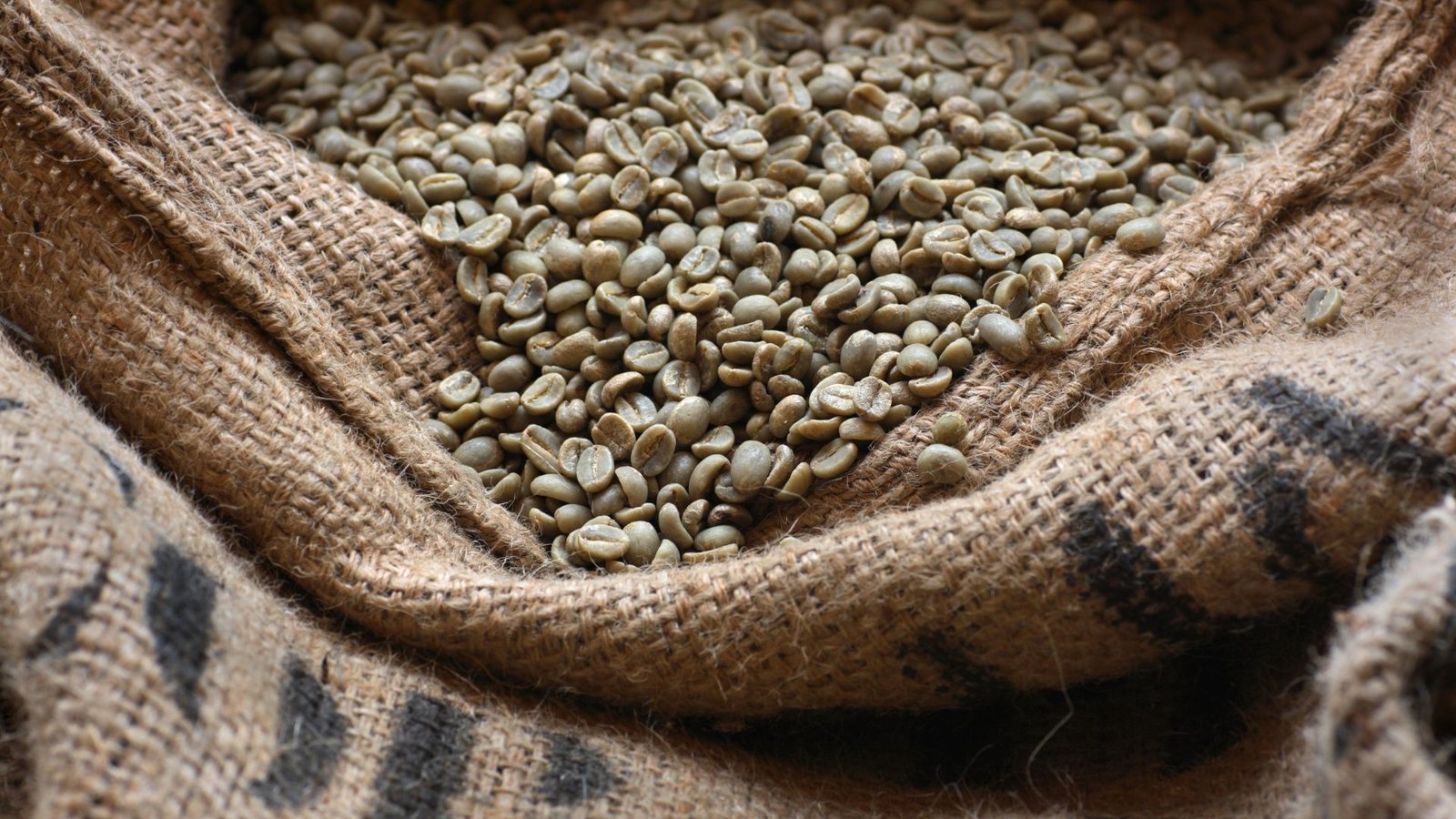
    Generally, organic green coffee beans are stored in containers such as burlap or clean sacks. This container is sufficient to maintain the quality of the green bean itself. But keep in mind that this burlap or bag wants to be spotless.

    It would help if you transformed it into a brand-new container instead of being utilized to store leftover foods. You could have burlap, old rice or onion sacks, or food that smells bad.

    This thing may be dangerous if used as a location to store coffee because the scent and flavour of the earlier components will influence how the coffee tastes.

    3. Do Not Expose to Direct Sunshine

    Besides humid places, direct sunlight is the enemy of organic green coffee beans. So if you want the quality of green beans to be perfect, keep them out of the sun. If you store it in a room with windows, keep it away from the window because the sun’s rays harm the quality of the coffee.

    4. Store in a Porous Container

    Coffee also needs to breathe. Storing green beans like Mandheling FTO in a closed container is okay but remember that organic green coffee beans need pores or ventilation so air circulation can run smoothly. It is helpful so that the green coffee beans remain healthy and have reached the desired quality before roasting.

    Coffee Connoisseur Final Verdict!

    You should now be ready to find organic green coffee beans. You can shop FnB Tech Indonesia’s coffee beans which are 100% made in Indonesia and locally harvested from the largest coffee plantation in Indonesia. Show us how you make your green coffee, and tag us on Instagram!

  • What is Green Coffee Beans? Iconic Taste of Indonesian Coffee

    What is Green Coffee Beans? Iconic Taste of Indonesian Coffee

    What is Green Coffee Beans? The Future of Iconic Taste of Indonesian Coffee

    What is green coffee beans? Green coffee is a commodity that occasionally grows in popularity. The quantity of brands that sell green coffee in contemporary packaging demonstrates its appeal. The primary reason green coffee is so well-liked is because of its health advantages.

    What is Green Coffee Beans? Is Green Coffee Beans the Same as Regular Black Coffee Beans?

    Elb Green Dino Beans
    Elb Green Dino Beans

    Maybe you are used to drinking black coffee, coffee beans that have been roasted or fried. What is green coffee beans? What comes to mind when you hear the word ‘green coffee’?

    No, uncertainty at all because no young coffee trees are used to make this coffee. Green and black coffee may be harvested from the same tree. Green coffee, as already said, is unroasted and pure.

    Due to the undeniable green coffee bean extract benefits, they even earn the “health coffee pioneer moniker.” On the other hand, roasting coffee depletes the bean of many of its vitamins, active substances, and antioxidants.

    Of course, black coffee is second to none for connoisseurs of taste. The roasting process makes black coffee have a delicious taste, aroma, and a lower bitter taste.

    But there’s no harm in trying it.

    What Green Coffee Beans That FnB TECH INDONESIA Proudly Harvest For Indonesia?

    1. ELB Green Dino

    A coffee bean with a big size (8 mm and higher) with a more prosperous and thicker body taste is known as ELB Green Dino. For you who read this, beans like ELB Green Dino stands out, especially for those of robust yet smooth brews. It has a Cinnamon flavor and dark chocolate with hints of caramel.

    2. Organic Mandheling Grade 1

    Sumatran coffee is prepared differently from coffees from Sulawesi and Bali. Like most washed coffees created worldwide are made, the process starts with the chosen coffee beans and pulped out the cherry peel.

    Like these other washed coffees, the fermentation is complete after the fruit around the parchment has fallen off and the fruit-free parchment has been rinsed off.

    3. Bali Kintamani Robusta ELB 350BC

    Kopi luwak, also known as civet coffee due to its origins in the droppings of Asian palm civets, is probably the first coffee that comes to mind when you think of Indonesia.

    The aroma and flavor were similar to that of chocolate in coffee. Bali Robusta coffee beans are chosen from just the highest-quality coffee beans. They are grown in Pupuan Bali at an altitude of 450–700 mpdl, where the soil and environment are ideal for coffee plants.

    Is Green Coffee Beans Good for Your Health?

    According to experts, the benefit green coffee beans bring is that they are not fried or roasted and have a high content of chlorogenic acid. One of the health benefits of this acid is to stimulate metabolism.

    Not only does it stimulate metabolism, but green coffee still has myriad health benefits for the drinker. This coffee is quite interesting to review, from increasing energy to preventing Alzheimer’s.

    There you have it, everything you need to know about green coffee beans. You can try it by choosing a product from FnB TECH INDONESIA.

  • 5 Reasons Why Should Drink the Best Green Coffee Beans

    5 Reasons Why Should Drink the Best Green Coffee Beans

    Coffee, like tea, may also come in green variations. Some ingredients in green coffee beans come with mountains of health benefits. Let’s learn about the best green coffee beans for your health!

    Best Green Coffee Beans

    The Undoubted Benefits of Best Green Coffee Beans

    • Lose Weight

    One benefit that makes green coffee popular among the public is that it helps lose weight. According to research from the Asian Pacific journal of tropical medicine, green coffee bean extract supplements can reduce body fat. Giving green coffee to these rats also reduced body weight and fat levels in the liver.

    You might want to try Sumatra Super Peaberry. It’s immaculately good to help melt excess fat.

    • Controlling Blood Pressure

    In addition to losing weight, another benefit of green coffee is that it helps control blood pressure.

    How could it not be when chlorogenic acid, a component of green coffee, is such a potent antioxidant? It is because these antioxidant molecules inhibit the active hormone cortisol, which may elevate blood pressure.

    In addition, some people consume coffee made from green coffee beans because it is thought to reduce blood pressure by increasing artery elasticity.

    Bali Kintamani Grade 1 doesn’t disappoint.

    • Improve Focus

    It is no secret that coffee can improve brain work, including green coffee from the best green coffee beans. The caffeine in green coffee is a stimulant to the central nervous system. That’s why you feel more ‘enthusiastic’ after drinking coffee while working.

    Even so, you need to pay attention to your daily caffeine intake. Caffeine can help improve focus, attention, and concentration when consumed in moderation.

    • Inhibiting the Aging Process

    The next benefit of green coffee is to inhibit the ageing process. Green coffee beans are a source of antioxidants that offer anti-ageing effects. According to reports, the seeds’ chlorogenic acid enhances human skin’s condition and microcirculatory performance. Consumption of chlorogenic acid for eight weeks can increase skin hydration.

    • Get Rid of Bad Cholesterol

    The fifth health benefit of green beans is that it helps lower bad cholesterol or LDL levels in the body. Green coffee reduces the level of bad cholesterol in the body. It is possible to control cholesterol levels by drinking green coffee beans regularly.

    LDL, usually called “bad cholesterol,” is the primary factor that leaves the body vulnerable to deadly cardiovascular disorders such as heart attacks. Numerous case studies demonstrate that it is possible to anticipate these health issues meticulously.

    The distinctive acidity and body combination that results in Lasuna Special‘s light taste and lightness are characteristics of a balanced coffee with some wetness.

    Why aren’t Green Coffee Beans Roasted?

    Well, green coffee doesn’t go through the roasting process at all. No artificial flavoring or fragrance is used in this coffee, unlike other types of coffee. It’s no wonder that many say the taste of this coffee is lighter than regular coffee!

    Green coffee is safe to consume in moderation or moderation, just like the other good things in life!

    FnB TECH INDONESIA is proudly made in Indonesia and provides the best green coffee beans. From Indonesian trees to your coffee cup, you can experience the feeling directly with each dose if you’re inquisitive.