Author: FnB Tech

  • Single Origin Sumatra Coffee: A Journey Through the Indonesian Highlands

    Single Origin Sumatra Coffee: A Journey Through the Indonesian Highlands

    Single Origin Sumatra Coffee

    Single Origin Sumatra Coffee is a distinctive and sought-after coffee variety that originates from the Indonesian Highlands. This article provides an overview of this unique coffee, highlighting its flavor profile, cultivation methods, cultural significance, and challenges for its future.

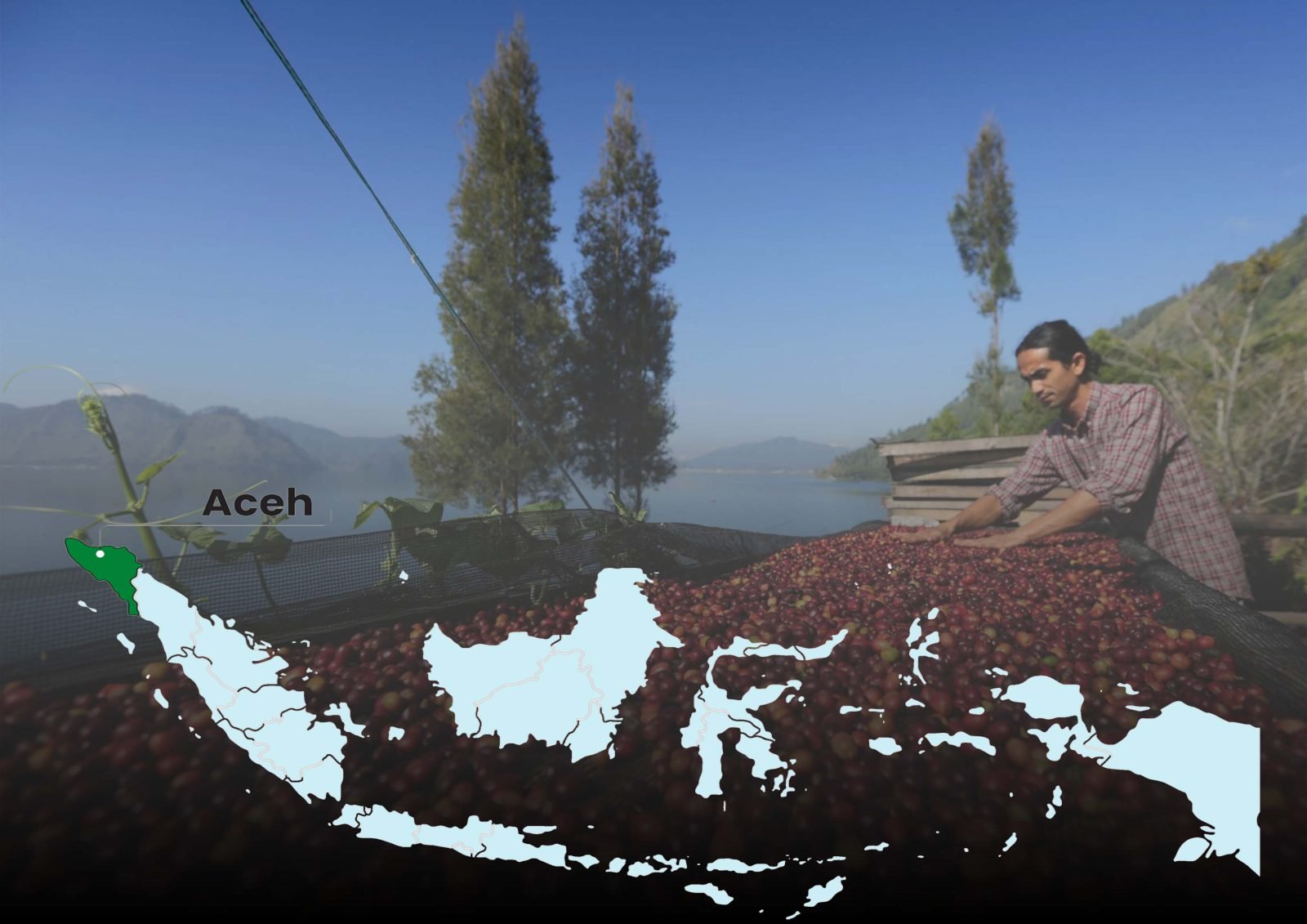
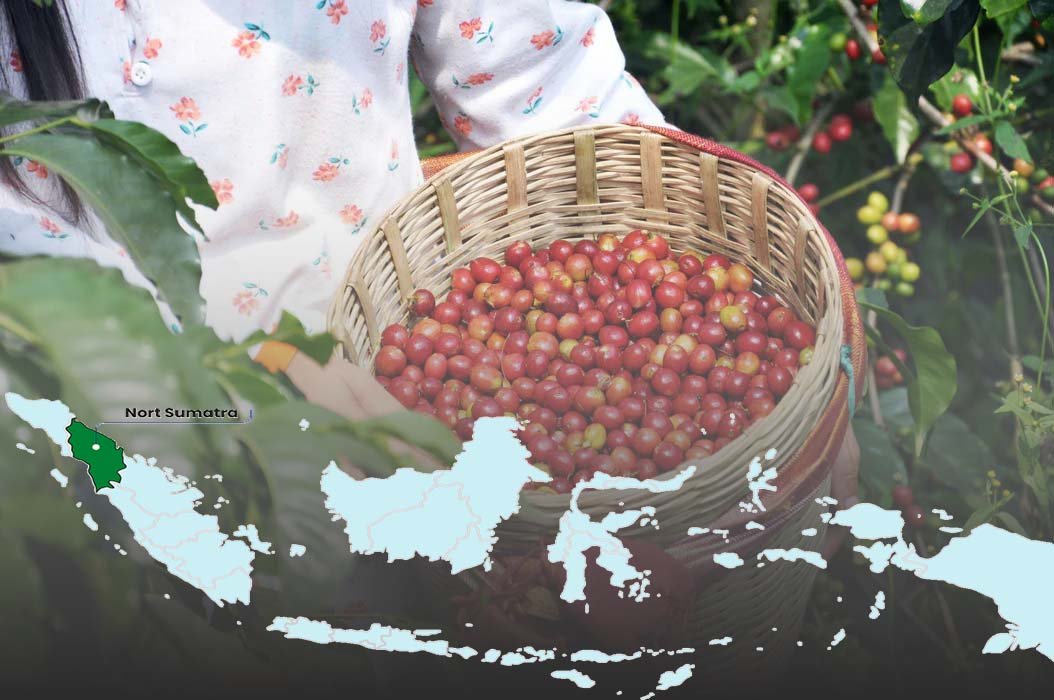
    Single Origin Sumatra Coffee refers to coffee beans grown exclusively in the Indonesian Highlands, particularly in the regions of Aceh, North Sumatra, and Gayo. These beans are renowned for their rich flavors, earthy undertones, and unique processing methods.

    Also Read: Why Indonesian Arabica Coffee is a Must-Try for Coffee Lovers

    Geography and Climate of the Indonesian Highlands

    Location and Topography

    The Indonesian Highlands are located in the western half of the Indonesian island of Sumatra. Aceh, North Sumatra, and Gayo are among the provinces that make up the region. The topography is harsh and mountainous, with numerous active and dormant volcanoes dotting the area. Mount Kerinci, Indonesia’s highest volcano, is located in the Indonesian Highlands.

    Climate and Environmental Factors

    The tropical climate of the Indonesian Highlands is impacted by the region’s equatorial location. Throughout the year, the climate is marked by high humidity and heavy rainfall. The average annual rainfall is between 2,500 and 3,500 millimeters, with some places receiving significantly more. The rainy season lasts from October to April, and the dry season lasts from May to September.

    The high elevation of the region has a significant impact on the climate. Temperatures fall as height rises, creating a cooler and more temperate atmosphere than the lowlands. Temperatures in the Indonesian Highlands range from 18 to 24 degrees Celsius on average, making it ideal for coffee growth.

    Impact on Coffee Cultivation

    The Indonesian Highlands’ distinctive terrain and climate contribute to optimum circumstances for cultivating high-quality coffee. The region’s volcanic soil is rich in minerals and nutrients, creating a suitable setting for coffee plants to grow. The elevation, which ranges from 1,000 to 2,500 meters above sea level, contributes to the formation of a colder microclimate, slowing the maturation of the coffee cherries and allowing for more subtle flavor development.

    The high amounts of rainfall and humidity encourage the establishment of lush vegetation, which provides natural shade for coffee plants. This shadow shields the coffee trees from direct sunshine, reducing heat stress and permitting a slower ripening process. Furthermore, the regular temperatures in the Indonesian Highlands aid in the balanced development of tastes in coffee beans.

    History of Coffee in Sumatra

    Arrival of Coffee to Indonesia

    Sumatra’s coffee history extends back to the late 17th century when the Dutch East India Company brought coffee to the archipelago. The Dutch traders introduced Yemeni coffee seedlings to their Java colony, where they developed the first coffee plantations. Because of the success of coffee planting in Java, coffee production has spread to other parts of the Indonesian archipelago, including Sumatra.

    Development of Sumatra as a Coffee-Producing Region

    Sumatra’s coffee production rose to prominence during the Dutch colonial era. Local farmers began growing coffee, and the region became known for its unique processing methods, which resulted in the distinct flavors found in Single Origin Sumatra Coffee.

    Also Read: Indonesian Coffee Beans: Flavorful Delights with Mandheling Coffee

    Characteristics of Single Origin Sumatra Coffee

    Flavor Profile

    Unique Origin Sumatra Coffee is well-known for having a distinct flavor character. It has a full-bodied and earthy flavor with a low acidity. Complex undertones of dark chocolate, wood, tobacco, and spices like cinnamon and cardamom may be found in the flavors. Hints of tropical fruits, such as tamarind or mango, may also be present in the coffee, lending a touch of sweetness to the entire flavor.

    Processing Methods

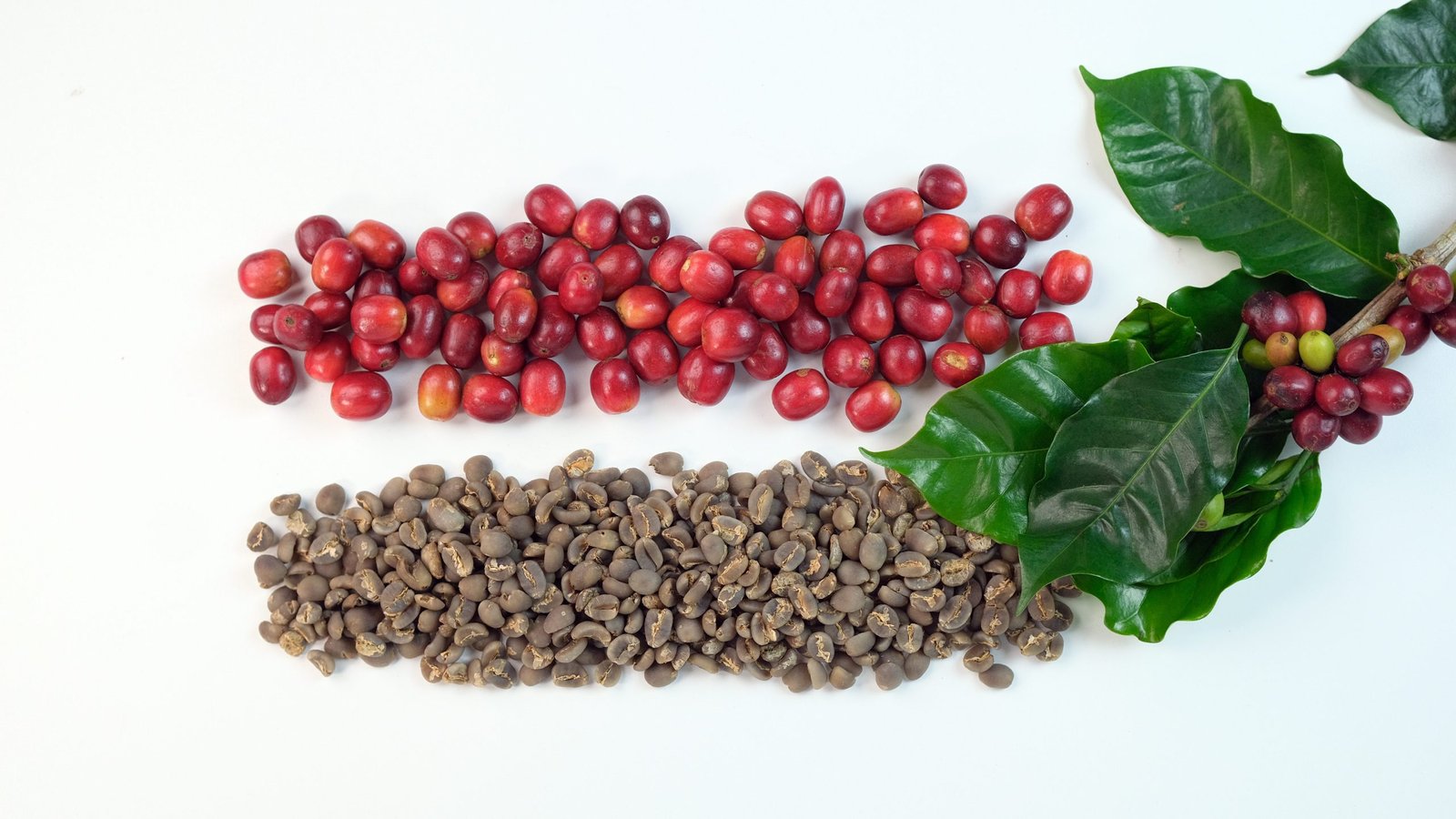
    The unique processing procedure known as “Giling Basah” or wet-hulling is one of the distinguishing features of Single Origin Sumatra Coffee. This method entails removing the outer skin and some of the pulp from coffee cherries before drying them. Wet-hulling adds to the particular flavor profile by letting the beans absorb more moisture during the drying stage, resulting in reduced acidity and a heavier body.

    Unique Qualities and Attributes

    Single Origin Sumatra Coffee possesses several unique qualities that set it apart from other coffee varieties:

    • Heavy Body: The coffee has a thick, syrupy body that provides a rich, velvety mouthfeel. This feature gives the coffee a strong presence and improves the whole sensory experience.
    • Single Origin: Low Acidity Sumatra Coffee is distinguished by its low acidity when compared to other coffee kinds. The coffee’s low acidity allows the other tastes to shine through, contributing to its smooth and balanced flavor.
    • Flavor Retention: Single Origin Sumatra Coffee beans have an amazing capacity to keep their flavors over time. This makes them excellent for storage and transportation, guaranteeing that the particular flavor and scent remain intact even after long periods of time.

    Single Origin Sumatra Coffee is widely sought after by coffee aficionados and connoisseurs due to its distinct flavor profile, wet-hulling processing method, and remarkable attributes. Its unusual qualities lead to its success in the specialty coffee industry, making it a popular choice for people looking for a robust and memorable coffee experience.

    Processing and Production of Single Origin Sumatra Coffee

    Harvesting and Sorting

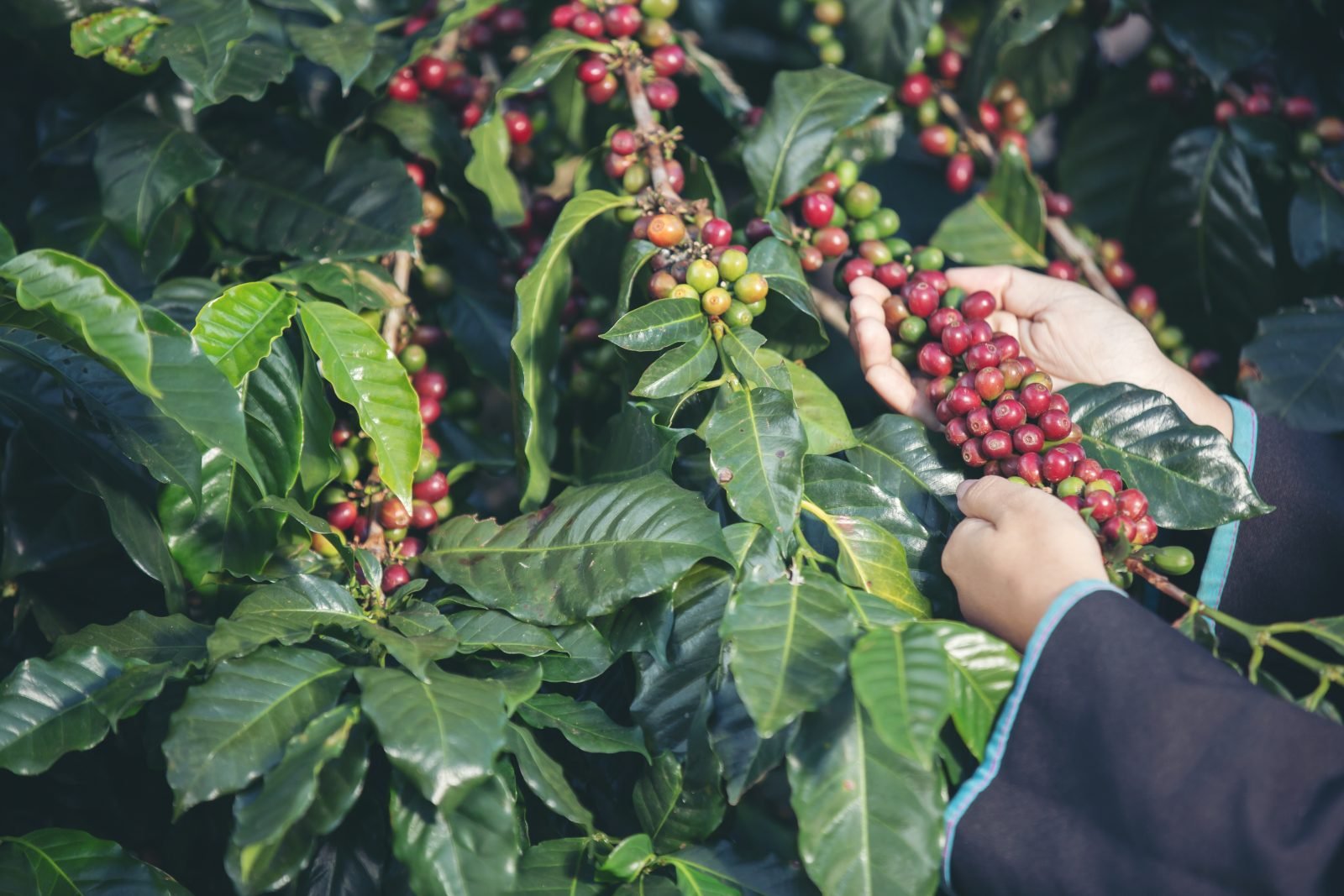
    The meticulous and selective selection of ripe coffee cherries begins the process of manufacturing Single Origin Sumatra Coffee. Handpicking the cherries ensures that only fully matured cherries are selected for further processing. This rigorous harvesting method is critical in preserving the coffee beans’ freshness and flavor.

    Following harvest, the coffee cherries are sorted to remove any damaged or faulty cherries. This sorting procedure ensures that only the best beans are processed, which improves the overall cup quality of Single Origin Sumatra Coffee.

    Traditional Wet-Hulling Method

    Unique Origin Sumatra Coffee is famous for its distinct processing method known as “Giling Basah” or wet-hulling. This process is unique to the region and adds to the coffee’s distinct flavor profile.

    The outer skin and portion of the pulp of the coffee cherries are removed mechanically or by hand during wet-hulling. Before the parchment coating is removed, the beans are briefly dried, typically to a moisture level of around 30-40%. This is in contrast to the more frequent dry processing approach, in which the cherries are dried completely before the parchment is removed.

    The high humidity in the Indonesian Highlands aids the wet-hulling process by allowing for speedier drying. The earthy and full-bodied flavor characteristic associated with Single Origin Sumatra Coffee is enhanced by wet-hulling. It also imparts a characteristic bluish-green tint and a slightly mottled aspect to the beans.

    Sun-Drying and Storage

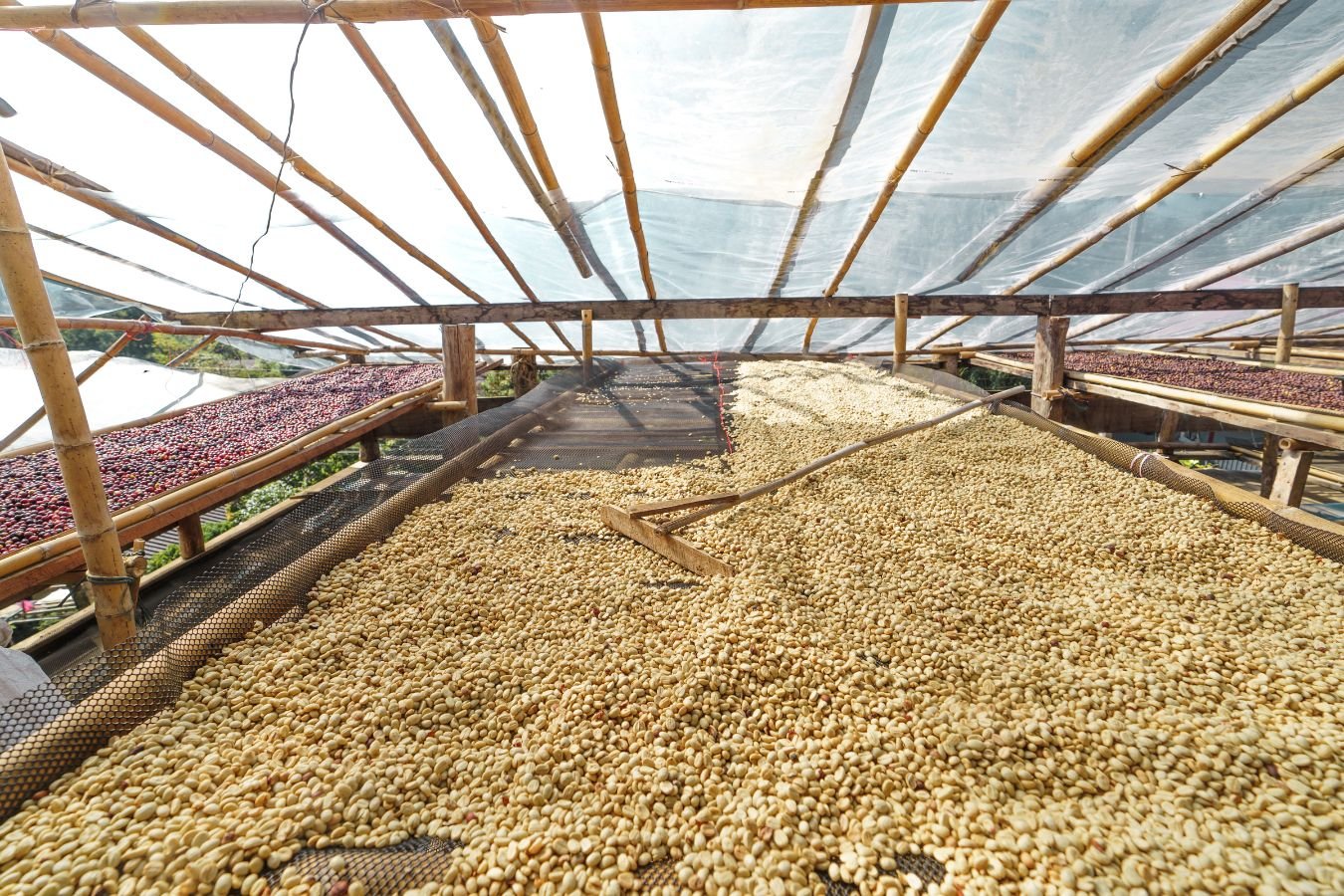
    The coffee beans are spread out on patios or raised beds to dry in the sun after being wet-hulled. Sun-drying is an important phase in the manufacturing process since it develops the taste and removes excess moisture from the beans. The drying process usually takes several days, during which the beans are turned on a regular basis to achieve even drying.

    The coffee beans are carefully preserved once they have reached the desired moisture level of roughly 12%. Proper storage conditions, such as keeping the beans cool and dry, assist in preventing moisture re-absorption and preserving the coffee from external variables that can affect its flavor.

    Single Origin Sumatra Coffee’s processing and production processes, such as selective harvesting, wet-hulling, and sun-drying, contribute to its distinct flavor profile and overall quality. These time-honored methods passed down through generations, are essential in the cultivation of this excellent coffee varietal.

    Also Read: Wet Hulled Coffee Process: Unique Technique from Indonesia

    Appreciating and Brewing Single Origin Sumatra Coffee

    • Choosing and Storing Beans
      When selecting Single Origin Sumatra Coffee, look for freshly roasted beans from reputable sources. Store the beans in an airtight container away from light, moisture, and strong odors to preserve their freshness.
    • Brewing Methods and Techniques
      Single Origin Sumatra Coffee can be brewed using various methods such as pour-over, French press, espresso, or cold brew. Experiment with different techniques to find the brewing method that best enhances the coffee’s flavor profile.
    • Tasting and Sensory Experience
      When tasting Single Origin Sumatra Coffee, pay attention to its full-bodied texture, earthy flavors, and unique notes. Observe the aromas, acidity, sweetness, and aftertaste to fully appreciate the complexity and richness of the coffee.

    Conclusion

    Exploring the Indonesian Highlands and the journey of Single Origin Sumatra Coffee reveals a rich and diverse coffee experience. From its unique flavor profile and traditional processing methods to its cultural significance and challenges, Single Origin Sumatra Coffee stands as a testament to the region’s rich coffee heritage. Embrace this distinctive coffee, appreciate its flavors, and contribute to its sustainable future in the world of specialty coffee.

  • 7 Sustainable Coffee Farming Practices You Need to Know

    7 Sustainable Coffee Farming Practices You Need to Know

    Sustainable Coffee Farming

    Sustainable coffee farming is important to the world economy, but it also has a large environmental impact. Adopting sustainable methods is critical for the coffee industry’s long-term existence. In this post, we will look at ten fundamental sustainable coffee farming practices that encourage environmental conservation, help local communities, and ensure high-quality coffee bean production.

    Also Read: Indonesian Coffee Beans: Flavorful Delights with Mandheling Coffee

    1. Shade-Grown Coffee

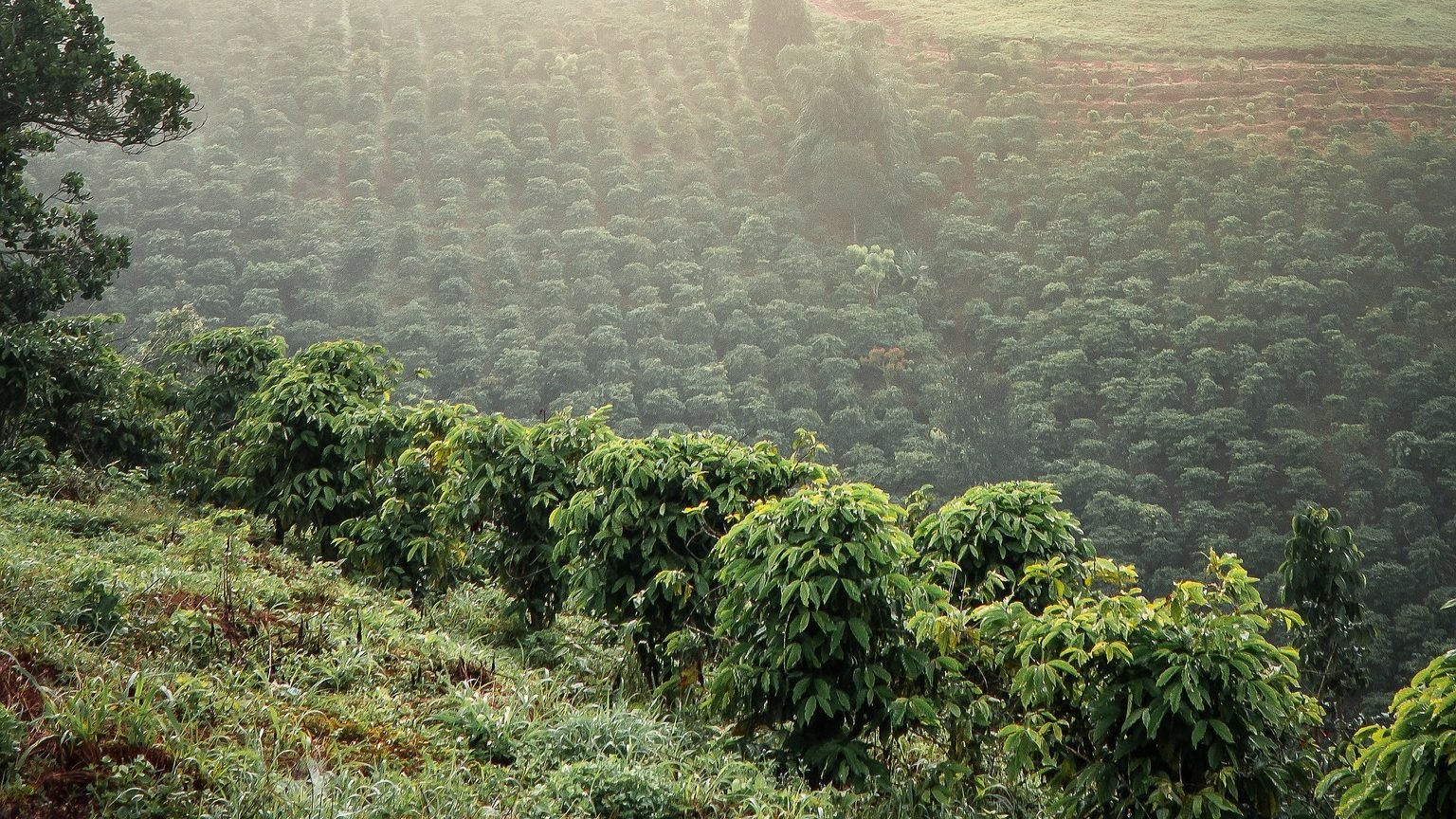
    Shade-grown coffee is the process of growing coffee plants under a canopy of trees, simulating coffee’s natural environment in the understory of forests. Shade-grown coffee, as opposed to sun-grown coffee, which is produced in open fields with little to no shade, preserves the ecological balance and provides several benefits for both the environment and coffee quality.

    • Conservation of Biodiversity: Shade-grown coffee farms maintain different ecosystems and provide refuge for wildlife.
    • Ecosystem Health: Canopy trees contribute organic matter, enhance soil fertility, and reduce the need for synthetic fertilizers.
    • Pest Control: Shade trees create a microclimate that naturally controls pests and diseases.
    • Soil Conservation: The tree roots prevent soil erosion, maintaining soil productivity.
    • Climate Change Mitigation: Shade-grown coffee farms act as carbon sinks, reducing greenhouse gas emissions.
    • Coffee Quality: Slower maturation and optimal bean development result in higher-quality coffee with complex flavors.

    To promote and validate shade-grown coffee production, certification schemes such as Rainforest Alliance and Bird-Friendly Coffee have been formed. Customers may support sustainable agricultural techniques, biodiversity conservation, and the production of high-quality coffee by purchasing shade-grown coffee.

    2. Agroforestry

    Agroforestry is a type of sustainable coffee farming that involves combining trees with agricultural crops such as coffee. This strategy has various environmental and agricultural production benefits:

    • Soil Fertility Improvement: Trees in agroforestry systems improve soil fertility by decomposing leaf litter and organic materials. The decomposing leaves release nutrients into the soil and improve its overall fertility. Natural nutrient cycling eliminates the demand for synthetic fertilizers while also encouraging healthy crop growth.
    • Carbon Sequestration: Agroforestry helps to mitigate climate change by removing carbon dioxide from the atmosphere. Trees absorb carbon during photosynthesis and store it in their biomass and soil. This helps to mitigate climate change by offsetting greenhouse gas emissions.
    • Microclimate Control: Trees in agroforestry systems provide a microclimate that helps crops such as coffee. Shade is provided by trees, which reduces temperature extremes and protects coffee plants from severe heat or frost. This microclimate management improves crop resilience and supports optimal growing conditions.
    • Biodiversity Conservation: Agroforestry systems promote biodiversity by providing habitats for various plant and animal species. The diverse mix of trees and crops creates a favorable environment for beneficial insects, birds, and other wildlife. This biodiversity supports natural pest control, pollination, and ecological balance.
    • Water Management: Trees in agroforestry systems aid in the regulation of water availability and the prevention of soil erosion. During periods of heavy rainfall, their thick roots absorb excess water, preventing runoff and soil erosion. During dry spells, trees release stored water into the soil, providing moisture for crops and ensuring water availability.
    • Economic Sustainability: Agroforestry systems can help farmers diversify their income streams. In addition to coffee, the trees in these systems can provide fruits, lumber, or medicinal plants. Diversification increases economic resilience and decreases reliance on a single crop.

    Farmers can improve soil fertility, mitigate climate change, conserve biodiversity, manage microclimates, and promote sustainable livelihoods by implementing agroforestry practices in coffee cultivation. Agroforestry is a comprehensive technique that promotes a harmonious interaction between agriculture and the environment, ensuring long-term sustainability in coffee production.

    3. Organic Farming

    Organic farming is a farming method that emphasizes the use of natural and ecologically friendly procedures while avoiding the use of synthetic pesticides, genetically modified organisms (GMOs), and synthetic fertilizers. Organic approaches in sustainable coffee farming provide various advantages:

    • Environmental Preservation: Organic coffee farming avoids synthetic chemicals, preserving biodiversity and maintaining water quality.
    • Soil and Water Conservation: Organic practices enhance soil fertility and water retention through methods like composting and crop rotation.
    • Protection of Farm Workers’ Well-being: Organic farming reduces exposure to harmful chemicals, creating safer working conditions for farmers.
    • High-Quality Coffee: Organic cultivation allows coffee cherries to develop unique flavors and aromas, resulting in superior taste and quality.
    • Consumer Health and Safety: Organic coffee is free from residues of synthetic pesticides, ensuring a safer and healthier choice for consumers.
    • Market Demand and Premium Pricing: The growing demand for organic products, including coffee, offers market opportunities and potential for higher prices.

    While organic growing brings some obstacles, such as managing pests and diseases without the use of synthetic pesticides, it provides a holistic and environmentally conscientious approach to coffee production. Coffee growers that embrace organic practices contribute to a better ecosystem, preserve their personal well-being, and meet the growing demand for sustainable coffee farming and high-quality organic coffee.

    Also Read: Environmental Impact and Taste: Organic vs Non Organic Coffee

    4. Water Management

    Water management in sustainable coffee farming plays a critical role in agriculture. Here are the key aspects and benefits of effective water management practices:

    • Rainwater Harvesting and Recycling: Rainwater capture and recycling systems supplement irrigation needs and reduce dependence on external water sources.
    • Efficient Irrigation Methods: Precise irrigation methods minimize water waste and optimize water usage in coffee farms.
    • Protecting Water Quality: Buffer zones and vegetation strips filter runoff, reducing the risk of water pollution and preserving water sources.

    Water management in coffee cultivation improves agricultural productivity, decreases water waste, maintains water quality, and promotes long-term environmental sustainability. Coffee producers can ensure the supply of this crucial resource while limiting their environmental footprint by employing effective irrigation systems, saving water resources, and adjusting to changing climate conditions.

    5. Soil Conservation

    Soil conservation is essential in sustainable coffee farming to maintain soil health and productivity. Here are the key aspects and benefits of soil conservation practices:

    • Terracing and Contouring: Creating level steps and following natural contours on sloped areas minimize soil erosion and retain soil structure and fertility.
    • Cover Cropping: Planting specific crops during non-coffee growth periods protects the soil from erosion, improves soil structure, and adds organic matter.
    • Composting and Organic Matter Addition: Converting organic waste into nutrient-rich compost and incorporating it into the soil enhances fertility, water retention, and beneficial microbial activity.

    Coffee producers may protect the soil from erosion, maintain its fertility, promote sustainable crop growth, and limit the environmental impact of farming activities by employing soil conservation methods. Healthy soils contribute to the long-term viability of coffee production and overall ecosystem health.

    6. Biodiversity Preservation

    • Planting Native Trees and Shrubs: Including native species supports wildlife habitats and ecological balance.
    • Creating Wildlife Corridors: Designating pathways allows for the movement of wildlife and promotes genetic diversity.
    • Natural Pest Control Methods: Using biological controls reduces reliance on synthetic pesticides and supports a healthy ecosystem.

    Coffee producers actively contribute to the preservation of biodiversity by applying these techniques, which include planting native trees and shrubs, building wildlife corridors, and using natural pest control methods. These approaches serve to keep ecosystems in balance, offer habitat for wildlife, and improve the overall sustainability and resilience of coffee-growing systems. Biodiversity conservation is not only important for the long-term health of the ecosystem, but it also plays an important role in guaranteeing the viability of coffee production in the future.

    7. Fair Trade and Ethical Partnerships

    Sustainable Coffee Farming
    • Fair Prices and Social Responsibility: Fair trade sustainable coffee farming practices attempt to ensure that farmers receive fair prices for their products, allowing them to maintain a sustainable livelihood. Fairtrade certification organizations create minimum pricing requirements that cover the cost of production while also providing farmers with a fair wage. Coffee buyers and roasters contribute to poverty reduction, improved living circumstances, and social development in coffee-producing communities by paying fair prices. Transparency, accountability, and ethical business practices are also promoted by fair trade throughout the supply chain.
    • Local Community Support: Ethically sustainable coffee farming partnerships prioritize the well-being and empowerment of local communities. This includes investing in community development projects, encouraging gender equality and social inclusion, and supporting education and healthcare programs. Buyers and roasters can help the region’s general socioeconomic growth by collaborating closely with coffee-producing communities. This assistance contributes to the development of stronger and more resilient communities, improves the quality of life for coffee farmers and their families, and develops pride and ownership in the local coffee sector.

    The coffee business may have a positive and long-term impact on the lives of coffee growers and their communities by embracing fair trade and ethical relationships. Fair prices and social responsibility ensure that farmers are fairly compensated for their efforts and commitment. Supporting local communities through various programs aids in the resolution of social issues, the promotion of economic empowerment, and the development of a more inclusive and equitable coffee supply chain. These methods contribute to a more ethical and responsible coffee sector that promotes the well-being of farmers and communities while simultaneously providing consumers with high-quality, sustainable coffee farming.

    Conclusion

    Adopting sustainable coffee farming cultivation practices is critical for the coffee industry’s future. Coffee growers may preserve biodiversity, protect ecosystems, and produce high-quality coffee by using shade-grown coffee, agroforestry, and organic farming practices. Water conservation, soil conservation, and biodiversity protection all contribute to sustainability. Measures like fair trade, energy efficiency, and climate change adaptation promote a responsible and resilient coffee sector. Let us work together to promote sustainable coffee farming and enjoy a greener brew that benefits the environment and the communities that cultivate our cherished beverage.

  • Why Indonesian Arabica Coffee is a Must-Try for Coffee Lovers

    Why Indonesian Arabica Coffee is a Must-Try for Coffee Lovers

    Indonesia arabica coffee

    Indonesian Arabica coffee is a must-try for coffee enthusiasts who value distinctive and great brews. Indonesian Arabica coffee, renowned for its particular features and flavors, provides a compelling experience that distinguishes it from other coffee varieties.

    Also Read: Indonesian Coffee Beans: Flavorful Delights with Mandheling Coffee

    The Rich History of Indonesian Arabica Coffee

    Origins and Cultivation

    Indonesia has a long history of Arabica coffee farming, dating back to the 17th century when the Dutch introduced coffee to the region. The outstanding quality of Indonesian Arabica coffee is due to the country’s unique geographical features, which include volcanic soil and a favorable temperature.

    Cultural Heritage

    Coffee has deep cultural significance in Indonesia, with coffee becoming a vital element of daily life and social activities. Coffee production and processing customs and techniques have been passed down through centuries, highlighting the cultural legacy of Indonesian coffee.

    Flavor Profiles of Indonesian Arabica Coffee

    Indonesian Arabica coffee flavor profiles are as diverse and distinct as the country’s rich coffee-growing areas. Indonesian Arabica coffees offer a wide spectrum of tastes that fascinate the palates of coffee connoisseurs, from the earthy and spicy notes of Sumatra to the light and fruity nuances of Java. This article goes into the different flavor profiles of Indonesian Arabica coffee, highlighting the qualities that distinguish them as truly remarkable.

    Sumatra Arabica Coffee

    • Earthy and Complex
      The earthy and herbaceous characteristics of Sumatra Arabica coffee are well-known. It frequently has elements of cedar, tobacco, and dark chocolate, as well as a smokey undertone. The moderate acidity and full-bodied texture of the coffee combine for a rich and lingering experience.
    • Spices and Herbs
      The spice-forward profile of Sumatra Arabica is one of its distinguishing characteristics. Cloves, black pepper, and cardamom are frequent flavoring accents, resulting in a compelling and aromatic cup of coffee.

    Java Arabica Coffee

    • Bright and Fruity
      With its bright and lively flavor profile, Java Arabica coffee is a lovely contrast to Sumatra. It has a lively acidity, which makes it a pleasant and exciting coffee. Citrus fruits like orange and grapefruit are common tasting notes, as are hints of tropical fruits like mango and pineapple.
    • Nutty Undertones
      While Java Arabica has fruity undertones, it also has a wonderful nuttiness to it. Almond, hazelnut, and macadamia flavors can be identified, lending depth and complexity to the cup.

    Bali Arabica Coffee

    • Sweet and Floral
      The exquisite and nuanced flavors of Bali Arabica coffee are well-known. It has a nice sweetness that is evocative of caramel and brown sugar, with floral undertones. Notes of jasmine, lavender, and hibiscus are frequently present, creating a wonderful fragrant experience.
    • Balanced Acidity
      Bali Arabica coffee has a medium acidity that contributes to a smooth and well-rounded cup. This lets the tastes shine through without overpowering the tongue.

    Sulawesi Arabica Coffee

    • Rich and Fruity
      Sulawesi Arabica coffee has a flavor profile that is robust and deep. It frequently exhibits dark chocolate, ripe berries, and stone fruits like plums and peaches. The sweetness of the coffee is well-balanced, resulting in a pleasant blend of flavors.
    • Velvety Texture
      The velvety and silky texture of Sulawesi Arabica is well renowned. The rich body and mild acidity of the coffee add to a velvety mouthfeel that improves the overall drinking experience.

    Brewing Methods and Recommendations

    Brewing Recommendations: Pour-over, French press, or espresso brewing methods are frequently recommended to fully appreciate the nuances of Indonesian Arabica coffee. These procedures enable the extraction of the coffee’s distinctive qualities while preserving its balance and complexity.

    Enhancing Flavors: Experimenting with brewing parameters like water temperature, grind size, and brew time can help bring forth certain taste characteristics in Indonesian Arabica coffee. By adjusting these variables, coffee enthusiasts can customize their brewing procedures to their preferences.

    Unique Growing Conditions and Varieties

    Indonesian Arabica Coffee

    The volcanic soil, high altitude, and abundant rainfall in Indonesia make it ideal for cultivating Arabica coffee. Aceh, Sumatra, Java, Bali, and Papua are well-known for their distinctive coffee-growing settings.

    Typica, Catimor, S795, and Ateng are among the Arabica coffee kinds grown in Indonesia. Each type helps to create the distinct flavor profiles found in Indonesian Arabica coffees.

    Also Read: Exploring the Regions Where Coffee Beans Grow Best

    Experiencing Indonesian Arabica Coffee

    Tasting Tips

    Take notice of the scent, acidity, body, and flavor notes when sampling Indonesian Arabica coffee. Inhale deeply to fully appreciate the aroma of the coffee and assess the acidity for its intensity. Examine the coffee’s body, taking note of its weight and texture. Finally, allow the flavors and nuances to bloom on your palate.

    Serving Suggestions

    Serve the brew in small cups to concentrate the flavors for a more authentic Indonesian coffee experience. To complement the flavors and create a memorable culinary experience, consider matching the coffee with traditional Indonesian appetizers or desserts such as “onde-onde” (sticky rice balls) or “kue lapis” (layered cake).

    Conclusion

    Indonesian Arabica coffee entices coffee enthusiasts with its rich history, distinct flavors, and cultural customs. Coffee fans can broaden their palates and explore the fascinating world of Indonesian coffee by investigating the distinct qualities of Indonesian Arabica coffee. Accept the must-try status of Indonesian Arabica coffee and explore the surprises that await in each cup.

  • Pulled Coffee Technique to Create the Optimal Taste For Aceh Gayo Coffee

    Pulled Coffee Technique to Create the Optimal Taste For Aceh Gayo Coffee

    pulled coffee

    Pulled coffee, also known as “kopi tarik” in Indonesian, is a traditional brewing method that originated in Southeast Asia, specifically in Indonesia and Malaysia. This process involves “pulling” the coffee between two containers, resulting in a characteristic foamy texture and enhanced flavors.

    Aceh Gayo coffee is highly recommended to be brewed using the coffee pull method so that you can fully enjoy the unique and distinctive taste of this coffee.

    Also Read: Ground Coffee vs Instant Coffee, Learn The Difference Here!

    The Pulled Coffee Technique

    Concept and Process

    Pulled coffee is a classic brewing method in which the coffee is “pulled” back and forth between two containers, resulting in a frothy and creamy texture. Pouring the coffee from one container to another from a height aerates the brew and improves its flavor and texture.

    Benefits of Pulled Coffee Technique

    This technique has several advantages, including:

    1. It improves taste extraction by facilitating thorough coffee blending and oxygenation. As a result, the flavor is more robust and well-rounded.
    2. The technique produces a creamy texture, enhancing the coffee-drinking experience. The distinct blend of flavors and texture distinguishes pulled coffee from other brewing methods.

    Traditional Method of Aceh Gayo Pulled Coffee

    Aceh gayo

    The traditional method of preparing pulled coffee in Aceh entails grinding the beans with a “penggiling dedak” or rice huller grinder. After that, the coffee grounds are placed in a long cloth filter bag known as a “kain celup,” and hot water is poured over them. After that, the coffee is poured back and forth between two containers to get the necessary frothy consistency. Finally, the pulled coffee is usually served in little cups with a dish of traditional delicacies.

    The Right Technique for Aceh Gayo Pulled Coffee

    Selecting the Beans

    • Importance of High-Quality, Freshly Roasted Beans
      It is critical to use high-quality, freshly roasted Aceh Gayo coffee beans to achieve the greatest flavors in pulled coffee. To ensure optimal freshness, look for beans that come from reliable coffee plantations and recently roasted.
    • Sourcing and Selecting Tips
      Consider buying beans from a specialty coffee roaster or a trustworthy internet source that places a premium on quality and traceability. Look for labels that indicate the bean’s origin, roast date, and flavor characteristics. Consider researching single-origin products to get a taste of the distinct features of Aceh Gayo coffee. Sourcing specialty roasted coffee Indonesia Specialty Coffee.

    Grinding for Optimal Extraction

    • Ideal Grind Size
      A medium-coarse grind is often suggested for Aceh Gayo pulled coffee. This grind size ensures optimal flavor extraction without over-extracting, resulting in a well-balanced cup. Experiment with various grind settings to find the one that best suits your taste preferences.
    • Importance of Consistent Grinding
      Grinding consistency and uniformity is critical for even extraction. Use a burr grinder, which gives you more control over the grind size and ensures that all of your coffee particles are the same size. Blade grinders should be avoided since they generate uneven grounds, resulting in variable flavor extraction.

    Water Temperature and Ratios

    • Recommended Water Temperature
      A water temperature of roughly 195 to 205°F (90 to 96°C) is commonly suggested for brewing Aceh Gayo pulled coffee. This series extracts flavors without burning the coffee or removing undesirable bitterness. Using a temperature-controlled kettle can help you achieve the ideal water temperature.
    • Coffee-to-Water Ratio Guidelines
      A proper coffee-to-water ratio is essential for producing the best flavors. A ratio of 1:15 to 1:17 (coffee to water) is commonly advised as a starting point. However, you are free to change this ratio to your liking. For example, if you prefer a stronger cup of coffee, you can slightly increase the amount of coffee.

    Brewing Time and Techniques

    • Recommended Brewing Time
      The recommended brewing time for Aceh Gayo pulled coffee is usually 3 to 4 minutes. Brewing time, on the other hand, can be changed depending on factors such as grind size, coffee-to-water ratio, and personal taste preferences. To get the ideal flavor profile, it is critical to experiment and fine-tune the brewing duration.
    • Alternative Brewing Methods
      While the typical way of preparing Aceh Gayo pulled coffee includes using a cloth strainer, you can also experiment with alternate brewing methods. For example, an espresso machine with a steam wand can produce the trademark frothy texture, while a French press can produce a full-bodied and flavorful cup.

    Also Read: Pour Over Coffee vs Drip: Which Brewing Method is Right for You?

    Tasting and Serving Aceh Gayo Pulled Coffee

    Tips for Tasting and Evaluating Flavors: Pay attention to the scent, acidity, body, and flavor notes when tasting Aceh Gayo pulled coffee. Deeply inhale the aroma and take note of any distinct odors. Take short sips to assess the acidity, noting if it is moderate or strong. Examine the coffee’s body, noting its thickness or lightness. Finally, taste the flavor notes, finding the distinct nuances that distinguish Aceh Gayo coffee.

    Suitable Serving Methods and Accompaniments: Aceh Gayo pulled coffee is frequently served in small cups, providing for a focused and concentrated coffee-drinking experience. To enhance the flavors of the coffee, serve it with typical Indonesian delicacies like fried bananas or sweet rice cakes. You might also provide a glass of water to refresh the palate between sips.

    Conclusion

    Finally, the proper procedure is critical in producing optimal flavors in Aceh Gayo pulled coffee. Coffee connoisseurs may uncover the unique features and flavors of this specialty coffee by acquiring high-quality beans, grinding them precisely, and mastering brewing variables such as water temperature and ratios. Remember to experiment and explore different brewing procedures to obtain your personal flavor profiles while enjoying Aceh Gayo pulled coffee’s traditional value.

  • Indonesian Coffee Beans: Flavorful Delights with Mandheling Coffee

    Indonesian Coffee Beans: Flavorful Delights with Mandheling Coffee

    indonesian coffee beans

    Indonesia is known as a producer of high-quality specialty coffee beans. Indonesian coffee beans have become well-known in the coffee market for their distinctive taste and aroma. Mandheling Coffee is one of the coffees that stands out among the other types because of its great taste and sensory experience.

    The aim of this post is to delve into the interesting world of Indonesian coffee beans mandheling and investigate its different flavors and sensory experiences. Coffee lovers can fully appreciate and enjoy the delights of Mandheling coffee by learning about its origins, flavor profile, and brewing techniques.

    Also Read: 8 Types of Coffee Beans in Indonesia, Unique & You Must Try!

    Indonesian Coffee Culture and Heritage

    Indonesia has a long history with coffee, extending back to the late 17th century when the Dutch introduced coffee cultivation to the region. Coffee has become ingrained in Indonesian society, permeating social interactions, traditional rites, and daily living. Coffeehouses, or “warung kopi,” are essential community gathering places.

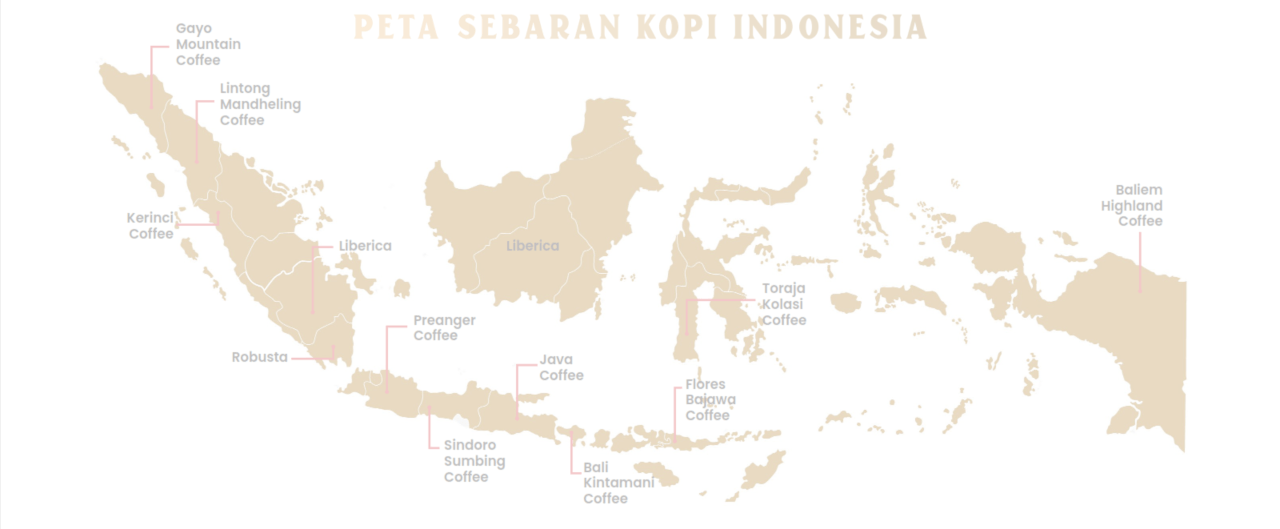
    Indonesian coffee beans have various traditional coffee-growing locations, each with its own distinct features. Aceh, Sumatra, Bali, Java, Sulawesi, and Flores are among these areas. The different climates, altitudes, and soil conditions of each location contribute to the variety of flavors found in Indonesian coffee beans.

    Indonesian coffee beans are quite important in the worldwide coffee market. The country is a significant exporter of Arabica and Robusta coffee beans. Indonesian coffee beans are prized for their full-bodied flavor, low acidity, and distinct flavor profiles. They are commonly employed in various coffee blends and are highly sought after by specialty coffee roasters worldwide.

    Introducing Mandheling Coffee

    Origins and Characteristics of Mandheling Coffee

    Mandheling coffee is one of the best Indonesian coffee beans. Mostly grown in the mountains of North Sumatra, near the beautiful Lake Toba. It is produced with Arabica coffee, specifically the Typica or Bourbon subspecies. This region’s volcanic soil, highlands, and tropical temperatures contribute to the coffee’s exceptional quality and taste.

    Unique growing conditions and terroir that contribute to its flavor profile

    Mandheling coffee has a distinct flavor character due to the region’s unique growing conditions and terroir. The volcanic soil has important nutrients, and the high altitude slows the ripening process, allowing the coffee cherries to develop rich flavors. The combination of moderate temperatures, abundant rainfall, and shade from neighboring trees creates a microclimate that enhances the distinctive flavor of the coffee.

    Notable features of Mandheling coffee beans – size, shape, and color

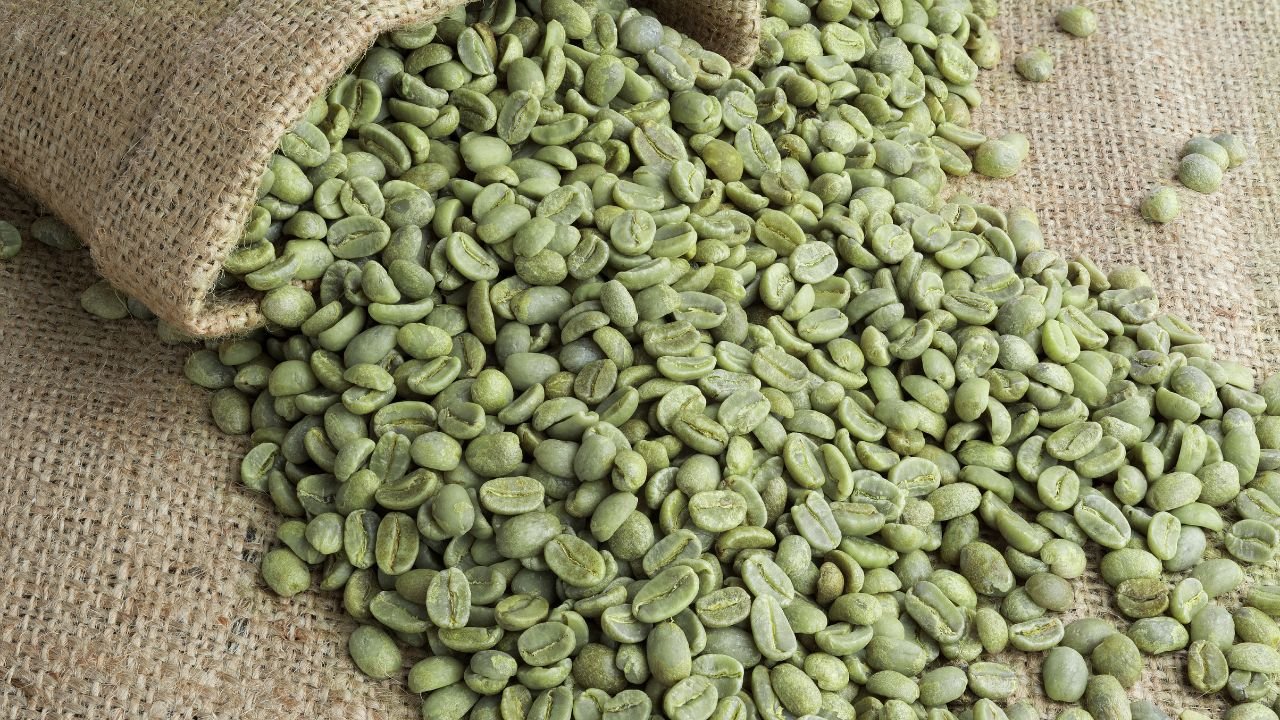
    Mandheling coffee beans are distinguished by their bigger size when compared to other types of coffee beans. They are elongated in shape and have an asymmetrical look. The beans are visually appealing and intriguing due to their deep green color with traces of bluish-gray.

    Also Read: 6 Facts about Sumatra Mandailing Coffee

    Flavor Profile of Mandheling Coffee

    Describing the aroma notes of Mandheling coffee

    Mandheling coffee has an enticing aroma that is generally described as earthy, woody, and occasionally displaying delicate herbal undertones. It could also have notes of dark chocolate, spice, or tropical fruits. The aroma is strong and inviting, producing a sensory experience that distinguishes Mandheling coffee.

    Body and acidity levels that make Mandheling coffee distinct

    Mandheling coffee has a full body and a thick, syrupy texture. This feature provides the coffee with a strong presence on the palate. The moderate acidity lends to a pleasant, mellow flavor that allows the other components to show through. The mix of body and mild acidity distinguishes and enhances the drinking experience of Mandheling coffee.

    Coffee Brewing Techniques for Mandheling Coffee

    Indonesian coffee beans

    Recommendations for the ideal brewing methods to highlight its flavors

    Certain brewing methods are suggested to completely appreciate the distinct characteristics of Mandheling coffee, an exquisite variety of Indonesian coffee beans. Immersion brewing methods, such as the French press, or espresso extraction methods, such as espresso machines, can assist in extracting the rich flavors and highlighting the coffee’s hefty body.

    Exploring different brewing equipment suitable for Mandheling coffee

    Mandheling coffee is distinguished by its richness, deep earthy flavors, and prominent chocolate undertones. It has a mild acidity, which allows the full-bodied, silky body to shine. The earthiness of the coffee is suggestive of moss, cedar, and even tobacco, adding complexity and depth to its flavor profile.

    Tips for achieving the best brewing results

    Mandheling coffee has a full body and a thick, syrupy texture. This feature provides the coffee with a strong presence on the palate. The moderate acidity lends to a pleasant, mellow flavor that allows the other components to show through. The mix of body and mild acidity distinguishes and enhances the drinking experience of Mandheling coffee.

    Also Read: Cold Brew vs Hot brew: Everything You Need to Know

    Conclusion

    Mandheling coffee With a rich flavor, firm body, and low acidity, these Indonesian coffee beans provide a different sensory experience. Its earthy and brown tones, combined with an attractive aroma, make it a distinctive variety in the coffee market.

    Mandheling coffee is distinguished by its richness, deep earthy flavors, and prominent chocolate undertones. It has a mild acidity, enabling the full-bodied, silky mouthfeel to take center stage. The earthiness of the coffee is suggestive of moss, cedar, and even tobacco, which lends complexity and depth to its flavor profile.

    This persistent interest in Mandheling coffee stems from its ability to appeal to the senses and provide a truly unique coffee experience. As one of the Indonesian coffee beans, it exemplifies the country’s rich coffee legacy while providing a flavor profile that distinguishes out in the coffee world. We contribute to the preservation of Indonesian coffee culture and the livelihood of coffee farmers by enjoying and supporting Mandheling coffee.

  • Raw Coffee Beans: From Farm to Cup – The Enchanting Path of Fresh Flavors

    Raw Coffee Beans: From Farm to Cup – The Enchanting Path of Fresh Flavors

    Raw coffee beans

    Overview of the Enchanting Journey of Raw Coffee Beans from Farm to Cup

    Raw coffee beans make an enthralling trip from the coffee farms where they are grown to the cups of coffee connoisseurs all over the world. This article delves into the numerous stages of this process, shining light on the intricate techniques that go into making a delicious cup of coffee.

    Also Read: Here are 3 Sumatra Coffee Exporters and Indonesia’s Best Coffee Farmers

    Understanding the journey of raw coffee beans is crucial for coffee enthusiasts as it deepens their appreciation for the craft and artistry behind each cup. By comprehending the cultivation, processing, and brewing methods, coffee lovers can develop a discerning palate and make informed choices when selecting and enjoying their coffee.

    This article aims to provide a thorough overview of the enthralling journey of raw coffee beans, including insights into the production, processing, and brewing procedures involved. Its goal is to educate and engage coffee lovers, creating a greater understanding for the intricate process that brings their favourite beverage to life.

    Cultivation and Harvesting

    Coffee Plant Varieties and Their Cultivation Requirements: Coffee plants are classified into several species, the most common of which are Arabica and Robusta. Each cultivar has unique growth requirements, including as optimal temperature, altitude, and soil conditions. Arabica flourishes at higher elevations and in milder climates, whilst Robusta can tolerate lower elevations and warmer climates.

    The Role of Climate and Soil in Coffee Farming: Climate and soil are critical factors in coffee farming. A mix of consistent rainfall, sufficient sunshine, and warm temperatures is perfect for coffee cultivation. Furthermore, optimal coffee plant growth requires well-drained, nutrient-rich soil.

    Techniques for Sustainable and Responsible Coffee Cultivation: Coffee producers use a variety of approaches to encourage sustainable practices. Shade-grown farming, which helps to preserve biodiversity, organic farming methods to limit chemical inputs, and water conservation strategies are among them. Fairtrade and ethical sourcing initiatives also ensure that farmers are fairly compensated for their efforts.

    Raw coffee beans

    Harvesting Methods and the Importance of Selective Picking : To achieve optimal flavour development, coffee cherries are plucked selectively at the peak of ripeness. Selective picking entails hand-picking just ripe cherries, as unripe or overripe cherries might degrade the quality of the beans. This painstaking process necessitates specialized labour and helps to the exceptional flavour of speciality coffees.

    Also Read: Exploring the Regions Where Coffee Beans Grow Best

    Processing and Preparation

    The Different Processing Methods: Washed, Natural, Honey

    • Washed (Wet) Processing:
      The most frequent and commonly used approach is washed processing. The coffee cherries are sorted and de-pulped after harvesting to remove the outer skin. The residual mucilage (sticky layer) is washed mechanically or fermentatively by washing the beans. As a result, the beans are clean and vibrant. They are then either sun-dried on patios or dried mechanically. Coffees with washed processing often have stronger acidity, clearer flavours, and a lighter body.
    • Natural (Dry) Processing:
      The oldest and most traditional type of coffee processing is natural processing, often known as dry processing. The ripe coffee cherries are spread out on raised beds or patios to dry, with the fruit remaining intact after harvesting. The cherries are tossed frequently during drying to prevent mould or fermentation. The outer skin and flesh of the dried cherries are removed to reveal the coffee beans. Natural processing frequently gives stronger fruit aromas to the coffee, resulting in a fuller body, lower acidity, and a distinct sweetness.
    • Honey Processing:
      Honey processing, also known as pulped natural processing, incorporates both washed and natural processing features. The outer skin of the coffee cherries is removed after harvesting (depulping), but a part of the sticky mucilage is purposefully left on the beans. After that, the mucilage-covered beans are dried either on patios or in mechanical dryers. The term “honey processing” refers to the golden tint of the mucilage, which resembles honey. The amount of mucilage on the beans varies, resulting in varying degrees of sweetness and flavour complexity. Coffees with honey processing might have a medium body, balanced acidity, and distinct fruity or floral flavours.

    Depulping and Fermentation Stages

    The outer skin and pulp of the coffee cherry are mechanically removed during the depulping process. After depulping, the beans are fermented and steeped in water to eliminate any leftover mucilage. The period of fermentation influences the flavour development of the beans.

    Drying and Sorting the Raw Coffee Beans

    Once fermented, the beans are dried to reduce moisture content. This can be done using natural sun-drying methods or mechanical dryers. Proper drying is crucial to prevent mold or moisture-related defects. After drying, the raw coffee beans are sorted based on size, shape, and quality to ensure uniformity and consistency.

    Raw coffee beans

    Quality Control Measures During Processing

    Strict quality control methods are applied throughout the processing steps to ensure the integrity of the raw coffee beans. This includes regular sampling and cupping to examine the sensory characteristics of the beans and identify any abnormalities. Only the finest beans get to the next stages of the coffee journey, thanks to quality control.

    Also Read: The Timeline and History of Coffee in Indonesia

    Conclusion

    The journey of raw coffee beans from farm to cup encompasses cultivation, harvesting, processing, and brewing, showcasing the meticulous efforts invested in creating a delightful coffee experience.

    By gaining insights into the intricacies of coffee production, readers can develop a profound appreciation for the craftsmanship and dedication of coffee farmers, processors, and brewers.

    The enchanting path of raw coffee beans invites coffee enthusiasts to savor the flavors, explore brewing techniques, and foster a deeper connection with the beverage they cherish. Embracing the journey from farm to cup enriches the coffee-drinking experience and fuels a lifelong passion for the world of coffee.

  • Brewing Concerns: Can I Safely Drink Coffee While Breastfeeding?

    Brewing Concerns: Can I Safely Drink Coffee While Breastfeeding?

    Coffee and breastfeeding

    Understanding the Effects of Coffee While Breastfeeding

    As a breastfeeding mother, you may be wondering if it’s okay to have your daily cup of coffee. Understanding the effects of coffee while breastfeeding is critical for making informed decisions that benefit both your health and the health of your baby.

    Also Read: Can We Drink Coffee During Pregnancy? Look This Potential Risk

    The Presence of Caffeine in Coffee and its Impact on the Body

    Caffeine is a stimulant that can impact the central nervous system. Caffeine is taken into your circulation and can transfer into your breast milk when you drink coffee. As a result, your infant may be exposed to caffeine through nursing.

    How Caffeine Passes through Breast Milk

    Caffeine passes easily into breast milk and reaches a peak in your milk about an hour after consumption. Caffeine can take hours to clear from your system and your breast milk. Keep in mind that each individual’s metabolism of caffeine is different.

    Potential Effects of Caffeine on Infants

    While caffeine affects everyone differently, newborns’ metabolic systems are immature, making it more difficult for them to metabolize and eliminate caffeine. Caffeine consumption by nursing mothers may cause increased irritability, trouble sleeping, or fussiness in some newborns. It is crucial to remember, however, that not all infants will react the same way.

    Safe Limits of Coffee Consumption

    Determining the safe limits of coffee consumption while breastfeeding is critical for ensuring your baby’s safety while yet enjoying your favourite beverage.

    • Recommended Guidelines for Caffeine Intake during Breastfeeding
      Caffeine intake should be limited to 200 milligrams (mg) per day when breastfeeding, according to medical professionals. This is roughly the size of one 12-ounce cup of coffee. Individual sensitivity to caffeine might vary, so pay attention to how your baby reacts and regulate your intake accordingly.
    • Factors Influencing Individual Sensitivity to Caffeine
      Some people may be more sensitive to caffeine’s effects than others. Caffeine metabolism is influenced by factors such as body weight, metabolism, and heredity. Monitoring your baby’s behaviour and modifying your coffee consumption accordingly can assist you in striking the proper balance.
    • Balancing Coffee Consumption with a Healthy Breastfeeding Routine
      Finding a balance that works for you and your baby while incorporating coffee into your breastfeeding regimen is essential. Consider timing your coffee use to reduce the quantity of caffeine in your breast milk at important times, such as bedtime or when your infant is most susceptible to its effects.

    Risks and Considerations

    While moderate coffee drinking is generally considered safe for nursing women, it is critical to be aware of potential hazards and precautions.

    • Possible Negative Effects of Excessive Caffeine on Breastfeeding Babies
      Caffeine consumption by nursing mothers might cause irritability, poor sleep patterns, and increased fussiness in some newborns. If you detect these symptoms in your kid, limiting your coffee intake may be worth a try to see if there is an improvement.
    • Identifying Signs of Caffeine Sensitivity in Infants
      Because every baby is different, some may be more sensitive to caffeine than others. If you suspect your baby is caffeine sensitive, look for symptoms such as restlessness, irritability, or difficulty sleeping. Consultation with your healthcare professional can assist in determining whether caffeine is the culprit.
    • Special Considerations for Preterm Infants or Babies with Health Conditions
      Preterm infants or babies with certain health conditions may be more susceptible to the effects of caffeine. In these cases, it’s crucial to consult with your healthcare provider to determine the best course of action and whether caffeine consumption should be limited or avoided altogether.

    Benefits and Alternatives

    While there are concerns about drinking coffee while breastfeeding, there are also benefits to drinking coffee in moderation. Alternatives to coffee can also deliver similar joys without caffeine.

    Benefits of Moderate Coffee Consumption for Breastfeeding Mothers

    For sleep-deprived breastfeeding women, moderate coffee consumption might deliver a much-needed energy boost. It can also be a soothing ritual and a moment of relaxation amid a hectic day. A cup of coffee in moderation can improve your overall well-being and breastfeeding experience.

    Exploring Alternatives to Coffee for Nursing Moms

    There are alternatives to consider if you choose to limit your caffeine intake or if your infant exhibits signs of caffeine sensitivity. Herbal teas, decaffeinated coffee, and caffeine-free beverages can be refreshing alternatives to the norm.

    How to Minimize Caffeine Exposure for Breastfeeding Infants

    If you choose to drink coffee while breastfeeding, there are ways to limit your baby’s caffeine intake. This includes breastfeeding before the consumption of coffee, providing time for caffeine metabolism before breastfeeding, and pumping and storing breast milk before using coffee.

    Tips for Enjoying Coffee Safely

    Coffee and breastfeeding

    You can drink coffee while breastfeeding safely and responsibly if you follow a few easy guidelines.

    • Strategies for Monitoring Caffeine Intake while Breastfeeding
      Keeping track of your caffeine consumption by counting the number of cups consumed can assist you in staying under the suggested limits. Being aware of the size of your coffee cups as well as the caffeine level of various coffee varieties might also be beneficial.
    • Optimal Timing for Consuming Coffee to Minimize Potential Risks
      Strategic coffee drinking can help reduce the quantity of caffeine in your breast milk during times when your infant may be more sensitive to its effects. Nursing your kid just before drinking a cup of coffee, for example, can give caffeine more time to be digested.
    • Staying Hydrated and Maintaining a Balanced Diet during Breastfeeding
      While breastfeeding, drinking water and eating a balanced diet are critical for overall health and well-being. Hydration can help counteract the diuretic effects of coffee, while a well-balanced diet can offer the nutrients you and your baby require.

    Conclusion

    You can safely have your cup of coffee while nurturing your baby if you understand the effects of coffee on breastfeeding, follow prescribed guidelines, and pay attention to your baby’s response. Balancing your coffee use with a healthy breastfeeding practice and obtaining professional advice will enable you to make informed decisions that emphasize the health of both you and your baby.

  • The Timeline and History of Coffee in Indonesia

    The Timeline and History of Coffee in Indonesia

    Do you know the complete history of coffee in Indonesia? Are you aware that Indonesia has many renowned coffees throughout the world? If you don’t but want to understand more about this topic, read the rest of the article!

    Check This Out! History Of Coffee In Indonesia

    It is important to note that there are many theories about how they discovered coffee and who discovered the coffee beans before moving on to the main topic. The most famous story began in Kaffa, Ethiopia, in 1671. There was a shepherd named Kaldi.

    At that time, he discovered something strange about his goats. They behaved erratically energetic and would not sleep after eating some berries.

    Then, Kaldi took and brought some of the berries to the monastery. He explained the whole story about his goats, yet the chaplain considered the berries devil’s sustenance. When he tossed the berries into the fire pit, they smelled the berries’ aroma.

    After saving the coffee beans, they chose to brew the beans. After discovering the beans’ effect, they started making coffee drinks, which could keep them awake and do the long-hour prayer.

    The early history of coffee was brimmed with controversy. There were a lot of forbidden laws concerning the act of drinking coffee. For example, in Europe, King Charles II prohibited the existence of coffeehouses because the places had a link to rebellious activities. Yet it might be the most popular choice of drink nowadays.

    A Timeline of the History of Coffee in Indonesia

    1. In the 17th Century, the Dutch Colonization

    The history started in 1696 when Dutch traders bought coffee seeds from Mocha, Yemen, to Indonesia. Then, they began to plant these seeds in the Kedawoeng Estate, Batavia, Dutch East Indies (now known as Jakarta). However, the plantation failed because of floods.

    In the next three years, they tried to plant the seeds again until this effort was successful. Then, they began to cultivate coffee plants in areas with high altitudes. The sources were of the Arabica variety, which was grown into one of Indonesia’s majority of Arabica coffee.

    2. In the 18th Century, Global Coffee Trading

    After the success of cultivating Indonesian coffee in many areas of Java island, the Dutch began to ship these coffees to other continents. Thousands of tons of coffee became the most sought-after commodity in Europe in 1726.

    Since the trade was brimming with money, the Dutch colonial government took control of the monopoly. No Java coffee was approved to be shipped to Arabian Peninsula. 

    As such, Amsterdam City was known as the world’s coffee capital. To keep up with the overflowing demand, the Dutch began cultivating coffee plants in other areas of East Java, such as Sumatra, Sulawesi, and Bali.

    3. From the 20th Century to the Present Day

    In the years following the end of Dutch colonization, the colonial government gave Indonesians the right and ownership to cultivate the remaining coffee plantations. Afterward, with the spread of coffee in the country, the people began to raise plants on each island.

    Right now, Indonesian coffee has gained global recognition to be one of the best coffees in the world (Indonesia Specialty Coffee), such as Toraja from Sulawesi, Bali Kintamani from Bali, and Mandheling from Sumatra. In addition, our country will be the fourth biggest coffee producer in the world in 2022, with a total of 1,455,050,000 pounds (data provided by World Population Review).

    Despite the Dutch colonization of Indonesia coffee history, the current renowned coffees result from the people’s hard work. With its unique and distinct taste, it’s no wonder that many locals and foreign people favor coffee from Indonesia. You can get the coffee at FnB Tech Indonesia if you want to taste it.