Bali, often referred to as the “Island of the Gods,” is renowned for its breathtaking landscapes, rich culture, and warm hospitality. While many visitors flock to this Indonesian paradise for its pristine beaches and lush rice terraces, few are aware of Bali’s hidden gem: its coffee plantations. Nestled amidst the island’s picturesque landscapes, Bali’s coffee plantations offer a unique and immersive experience for coffee enthusiasts and curious travelers alike. In this article, we will explore the history, cultivation, and flavors of Bali’s coffee, as well as the cultural significance it holds for the Balinese people.
A Rich History
Coffee cultivation in Bali dates back to the early 19th century when the Dutch colonialists introduced coffee plants to the island. These pioneers recognized Bali’s ideal climate and fertile volcanic soil as the perfect conditions for growing high-quality Arabica coffee beans. Over the years, coffee farming in Bali has evolved from small-scale family enterprises to a thriving industry, earning a reputation for its unique coffee varieties and sustainable practices.
Cultivation and Varieties
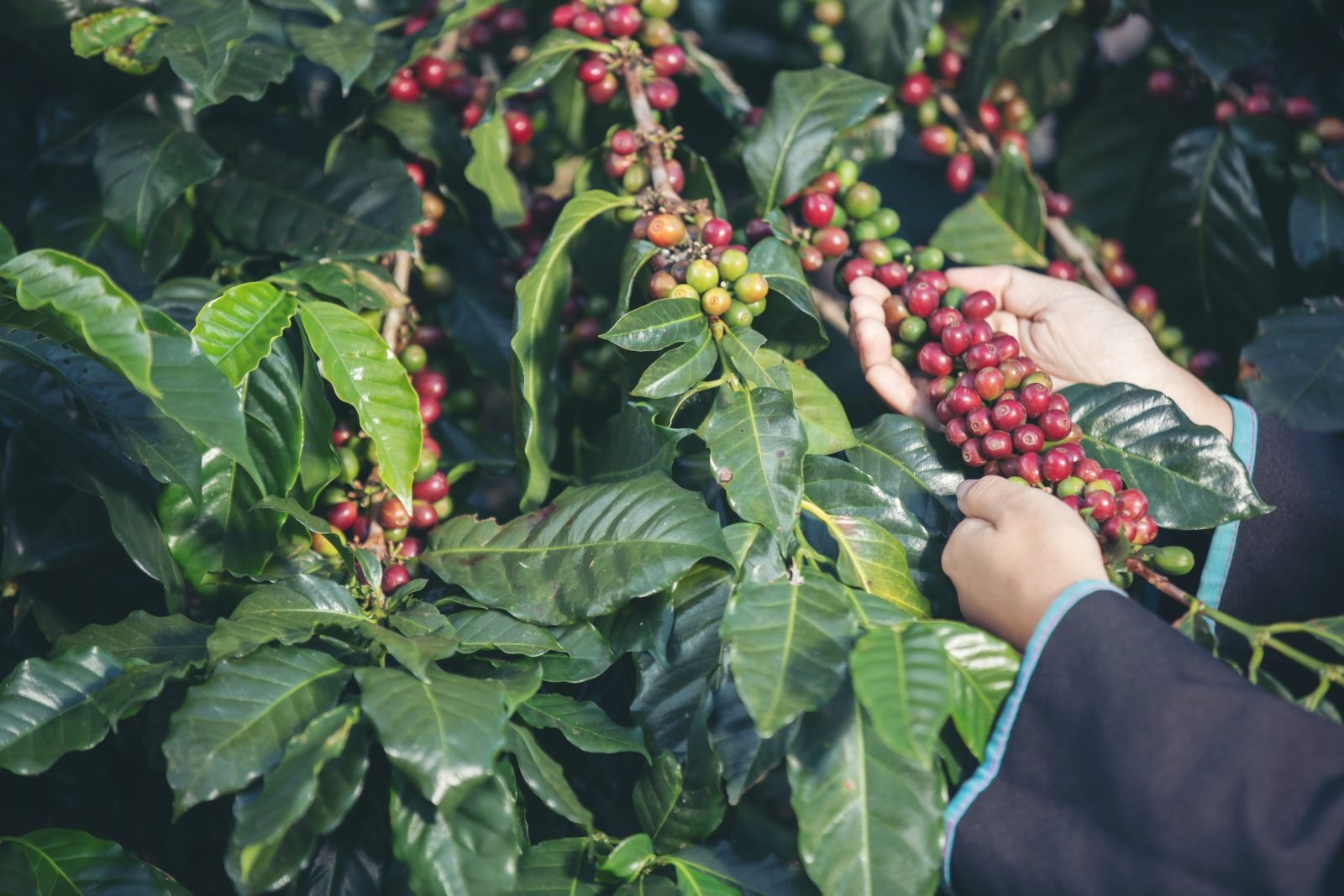
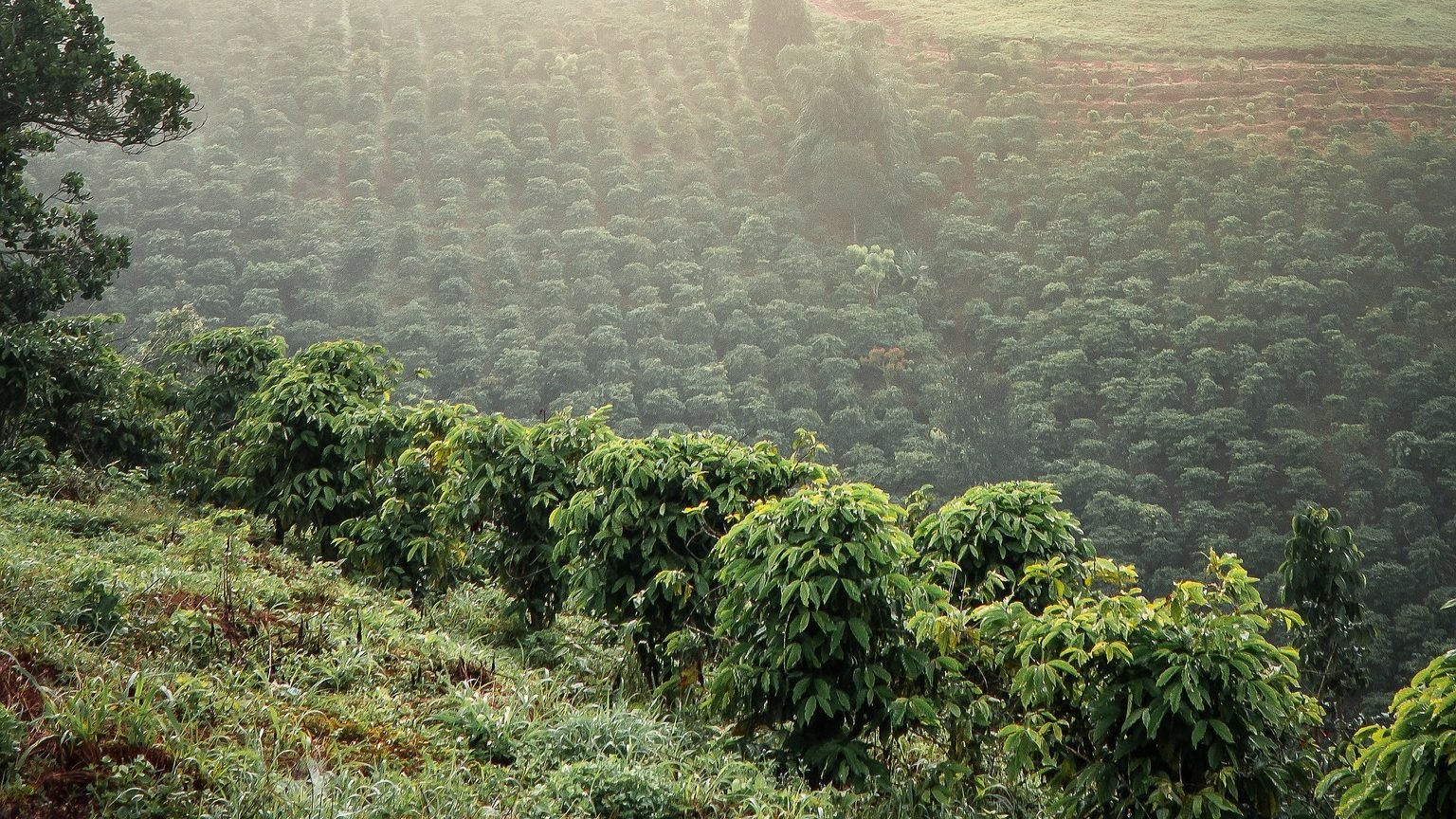
Bali’s coffee plantations predominantly produce two main varieties of coffee beans: Arabica and Robusta. Arabica coffee, known for its delicate flavors and complex profiles, thrives in Bali’s higher altitudes. The rich volcanic soil of the mountains, combined with the cool, misty climate, results in a coffee with a distinct taste characterized by floral and fruity notes. The Kintamani region in the central highlands is particularly famous for its Arabica coffee, often referred to as “Kintamani Coffee.” Visitors to Bali’s coffee plantations can witness the meticulous process of hand-picking these beans, which contributes to their premium quality.
Robusta coffee, on the other hand, is cultivated in the lower elevations of Bali, offering a stark contrast to the Arabica variety. Robusta beans are known for their robust and earthy flavor, making them an integral component of many Balinese coffee blends. They are also known for their high caffeine content, which gives Balinese coffee its signature kick. Robusta coffee farms provide an opportunity for travelers to explore the heart of Bali’s agricultural practices and see the coffee cherries being harvested by skilled workers.
Sustainable Farming Practices
One of the remarkable aspects of Bali’s coffee plantations is their commitment to sustainable and organic farming practices. Many coffee farms on the island prioritize environmental conservation and ethical farming. Organic fertilizers, shade-grown coffee plants, and responsible water management are common practices. Additionally, several coffee plantations in Bali have adopted fair trade principles, ensuring that coffee farmers receive a fair wage for their hard work and dedication.
Coffee Tours and Experiences
Visiting a coffee plantation in Bali is more than just a tour; it’s a sensory journey through the world of coffee. Many plantations offer guided tours where visitors can learn about the entire coffee-making process, from planting and harvesting to roasting and brewing. During these tours, you’ll have the opportunity to pick your own coffee cherries, observe traditional coffee roasting techniques, and savor freshly brewed cups of Bali’s finest coffee.
A highlight of any coffee plantation tour in Bali is the chance to taste a cup of “kopi tubruk.” This traditional Indonesian coffee is made by boiling coffee grounds with a lump of sugar, resulting in a strong, sweet, and aromatic brew. It’s a unique experience that showcases the rich coffee culture deeply ingrained in the Balinese way of life.
Cultural Significance
Coffee holds a special place in Balinese culture and traditions. It is often served as a gesture of hospitality to guests, and the act of making and serving coffee is considered an art form. The “kopi tubruk” ceremony is not only a way to enjoy coffee but also a symbol of unity and social bonding in Bali.
Moreover, the coffee plantations themselves are integral to the island’s cultural heritage. They provide employment opportunities for local communities, preserving age-old farming practices and supporting the sustainable growth of the region. By visiting Bali’s coffee plantations, travelers not only savor exceptional coffee but also contribute to the preservation of Balinese culture.
Conclusion
Bali’s coffee plantations offer a window into the island’s natural beauty, cultural richness, and commitment to sustainable farming practices. From the lush terraces of Arabica coffee in Kintamani to the robust flavors of Robusta coffee in the lowlands, Bali’s coffee scene is a testament to the island’s diverse landscapes and cultural traditions. For those seeking a unique and immersive experience in Bali, a visit to a coffee plantation is a must. It’s a journey that tantalizes the taste buds, enlightens the senses, and leaves a lasting appreciation for the magic of Balinese coffee.
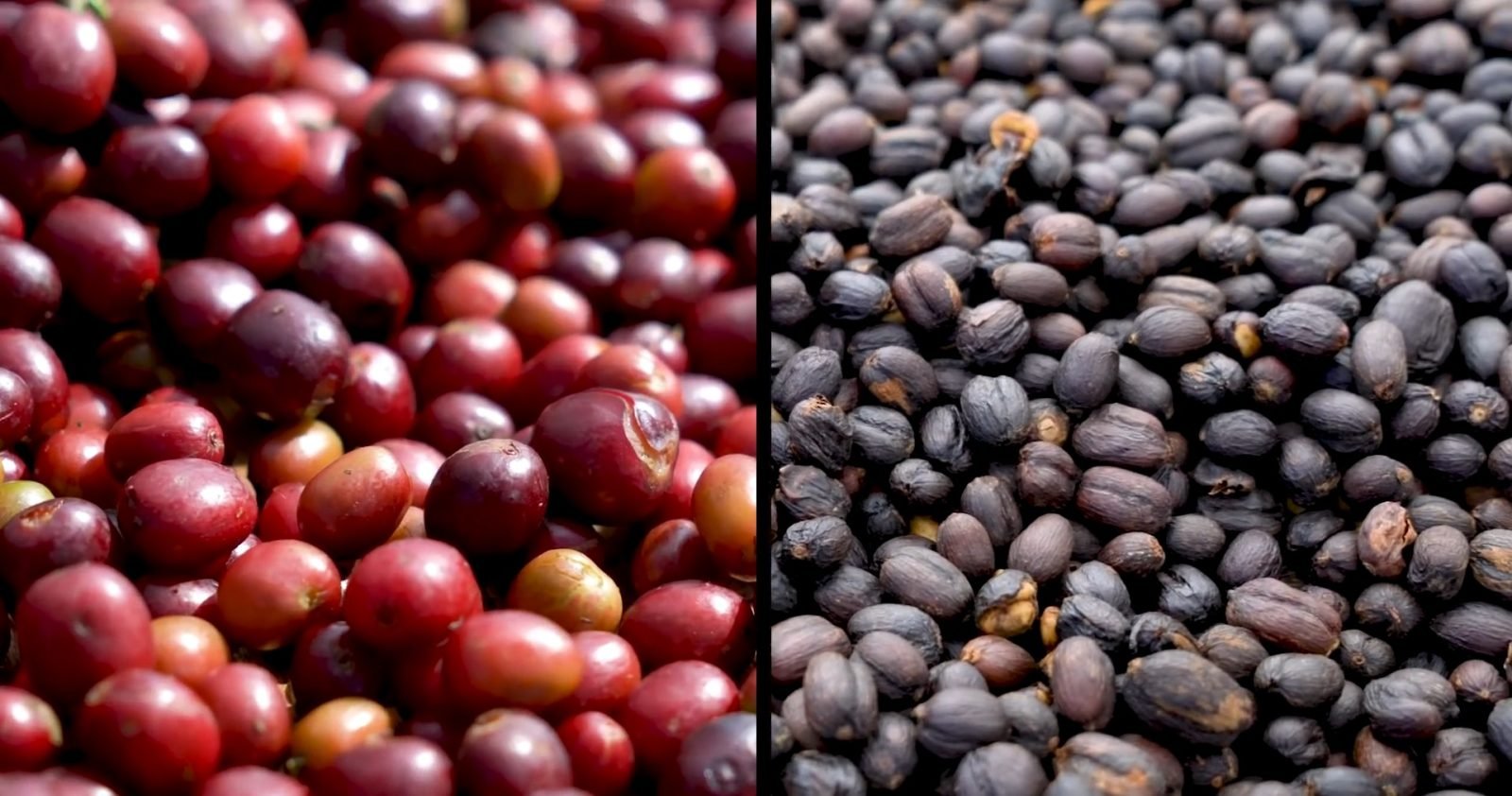
The natural process, also known as the dry process, stands as the ancient technique employed to extract coffee seeds from the coffee cherry. This traditional method remains prevalent in numerous coffee-producing nations, including Ethiopia, where the discovery of Arabica coffee first unfolded. As Ethiopia holds the original mastery of the natural process, our exploration leads us to Yirgacheffe, where we delve into the intricacies of this exceptional approach. Natural coffees, celebrated for their inherently fruity characteristics, extend a diverse profile reminiscent of coffee cherry, blueberry, raspberry, or strawberry.
The allure of natural processing resides in its association with climates marked by aridness, warmth, and sunshine, void of considerable humidity or cloud cover. Today, this technique transcends borders, embraced by coffee producers worldwide, allured by the distinctive flavor arising from prolonged fruit interaction with the seed. As we embark on a journey through the creation of a natural process of coffee, we witness the following steps.
Picking and Washing
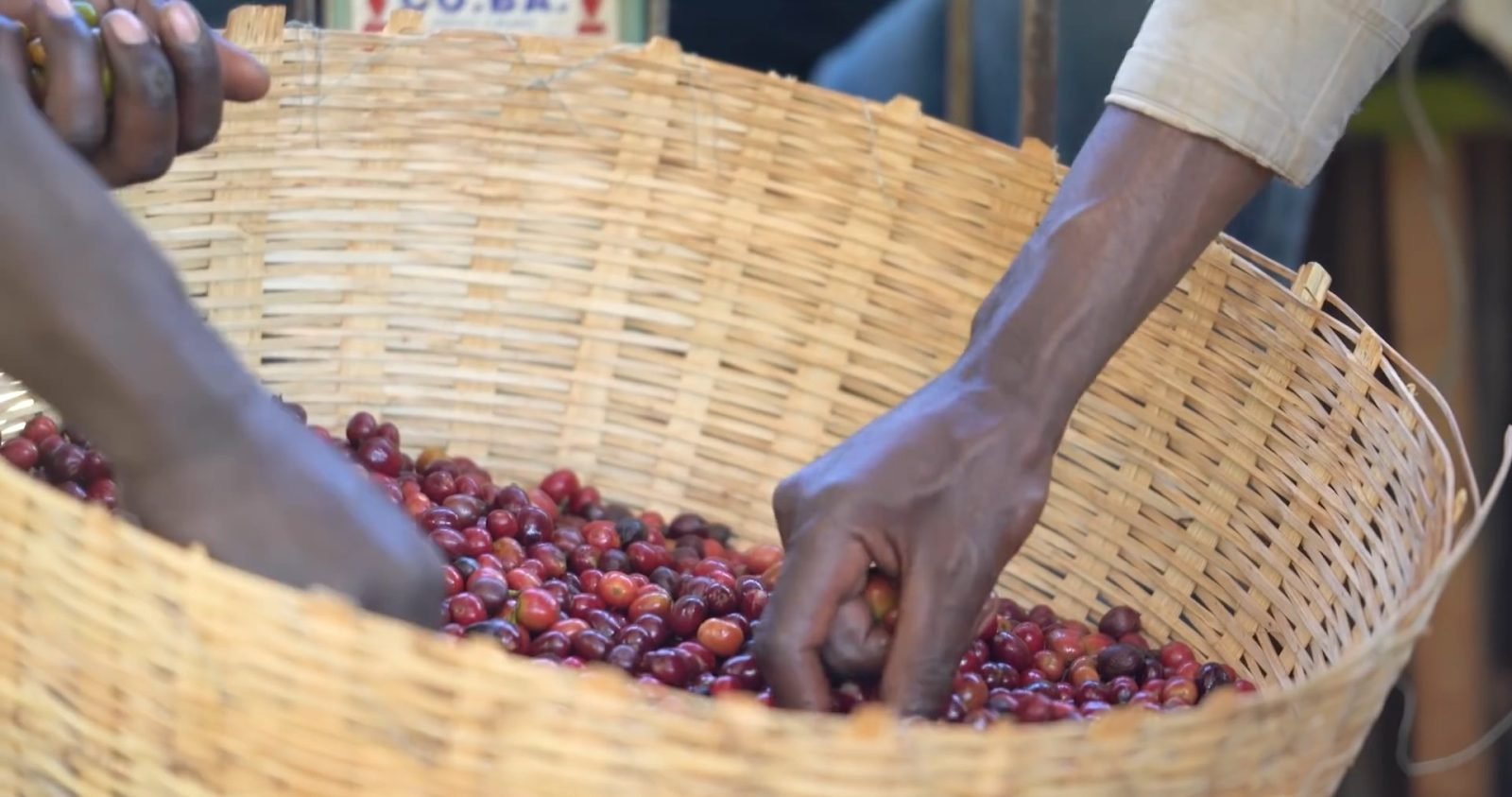
The journey commences with the careful selection of ripe coffee cherries, which, in Ethiopia, are transported to designated washing stations. Although termed washing stations, these facilities often cater to both washed and natural coffees. The fundamental divergence lies in the duration of coffee seed entwinement with its surrounding fruit. While “washed” coffees undergo swift separation from their cherries within 8 to 12 hours post-harvest, natural coffees bask in the embrace of their fruit throughout the entire drying period, nurturing their distinct flavor profile.
Sorting
Integral to the natural process, the cherries themselves hold utmost significance, with only the ripest, freshest, and most developed fruit gaining admission. Meticulous sorting commences during delivery and persists through the drying phase. Unlike conventional processing stages involving de-pulping and washing, coffee in its cherry form is transported to the mill. Here, sorting, weighing, and reporting occur before progressing to the drying area.
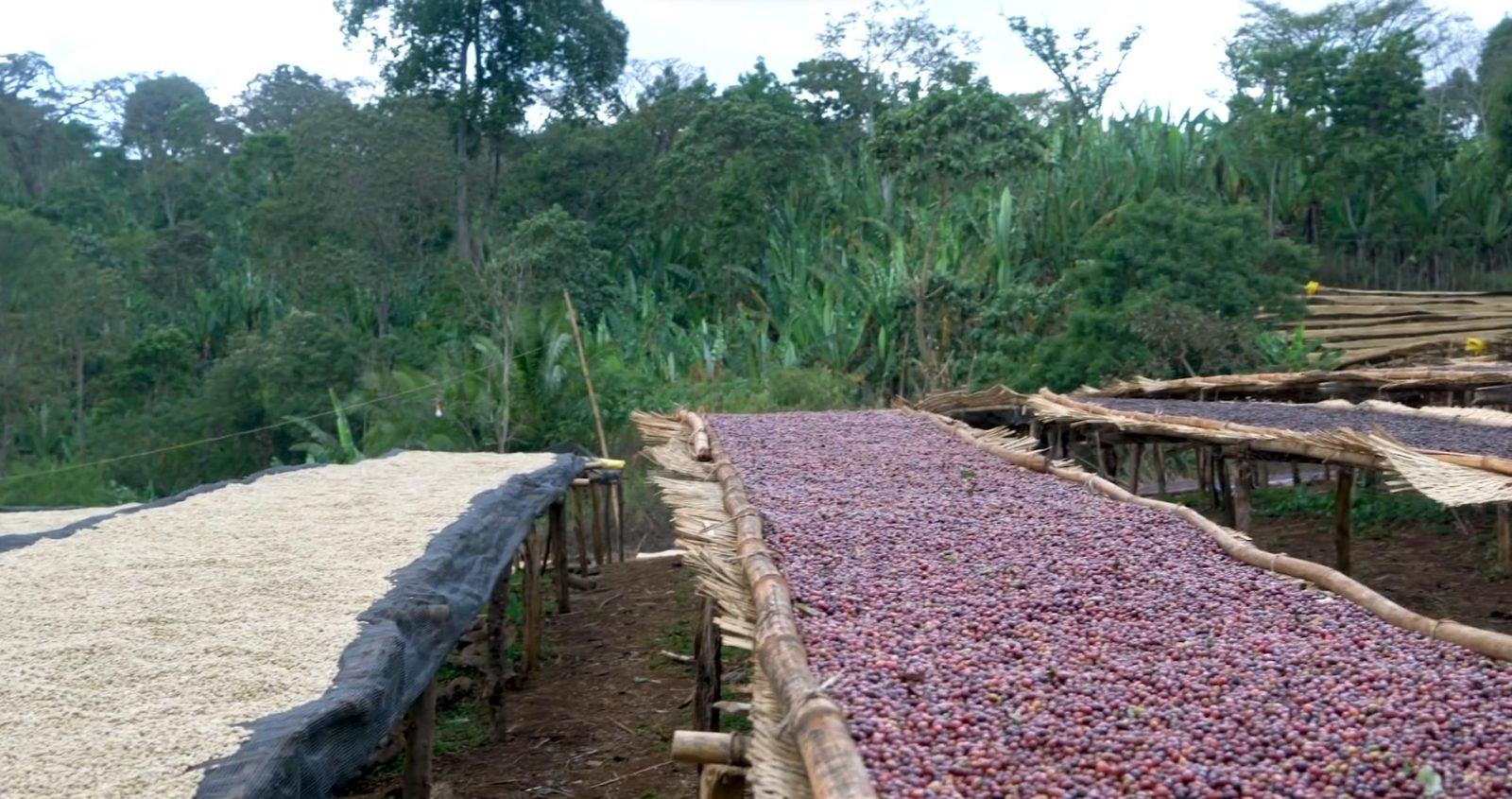
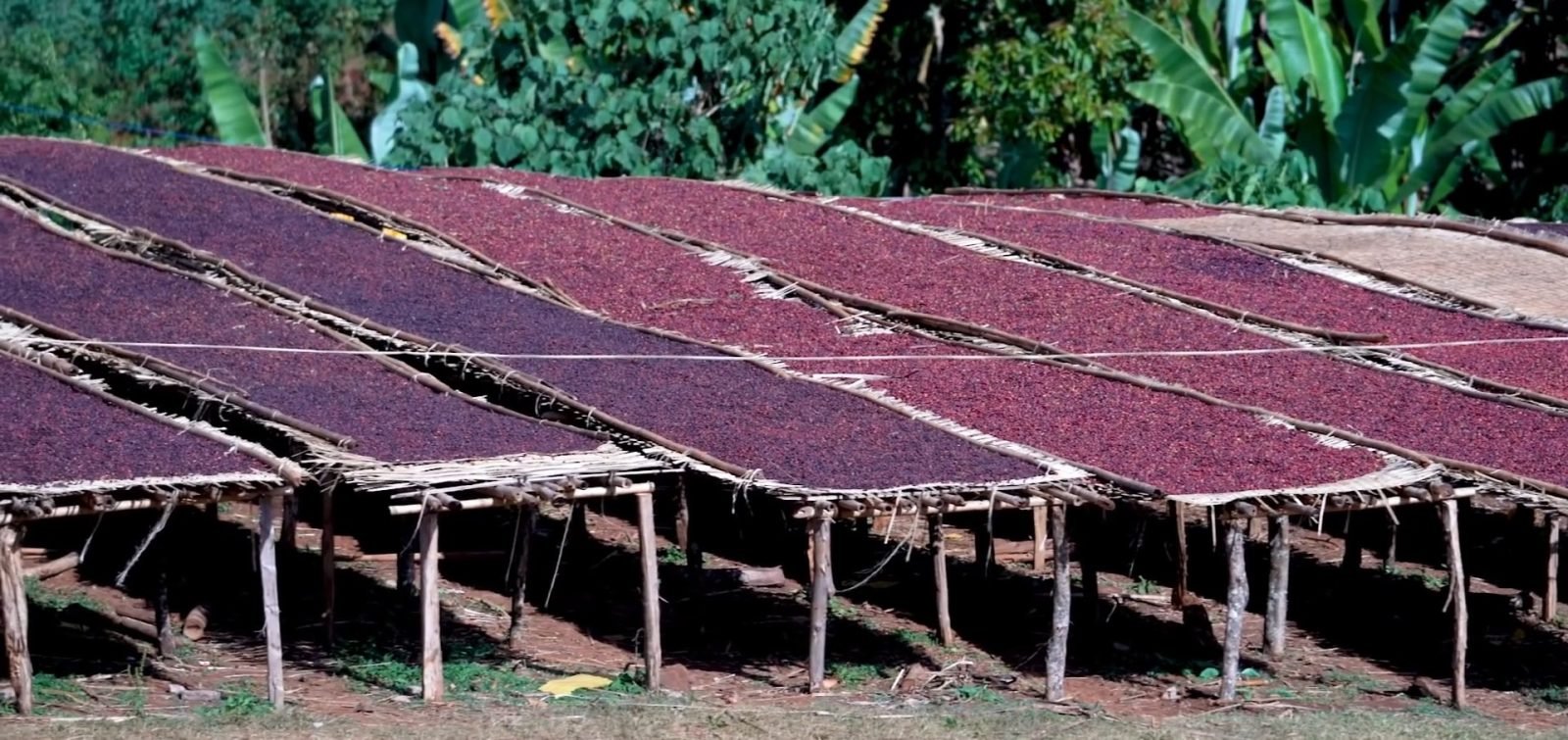
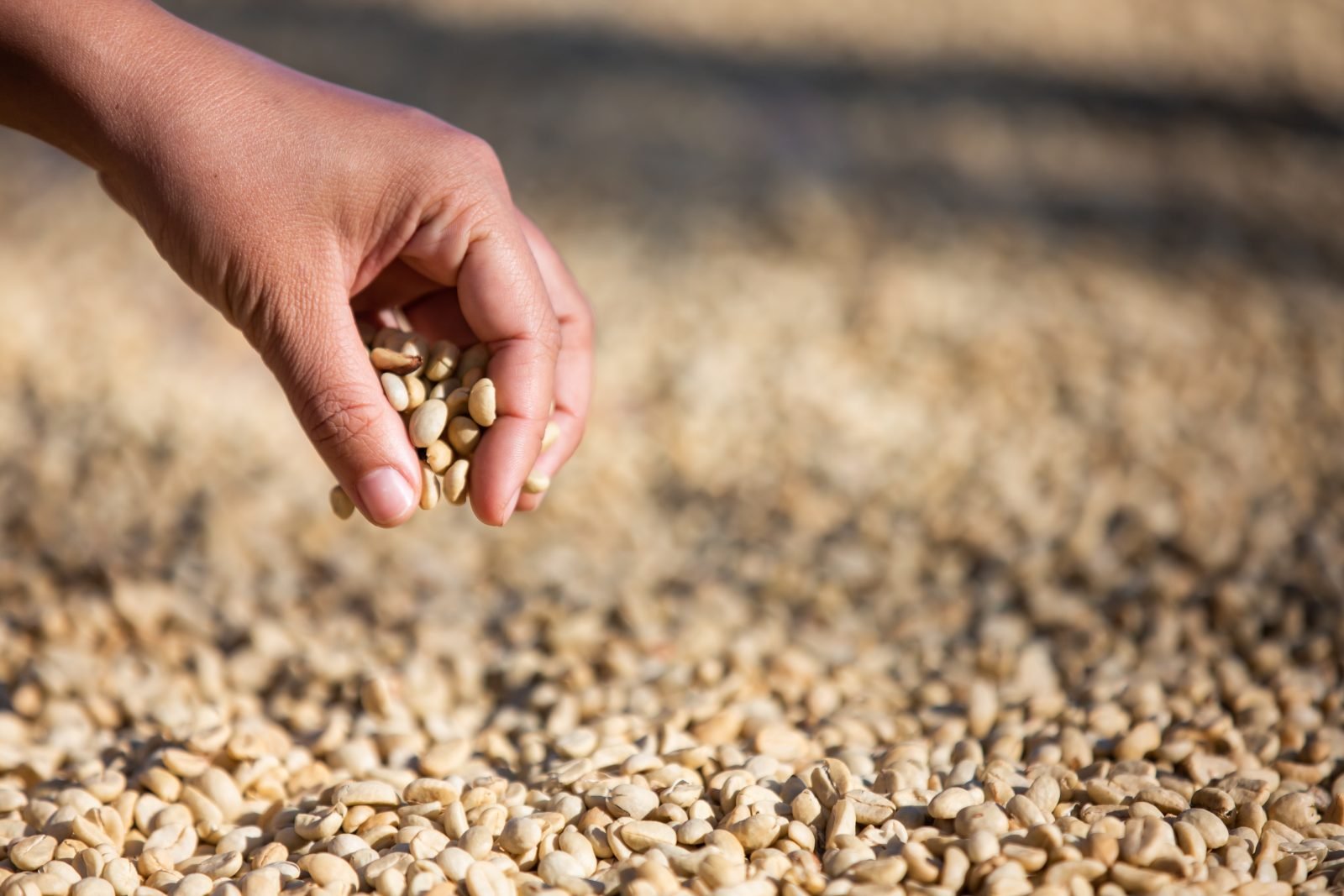
In Ethiopia, the art of drying unveils itself on raised beds woven from mesh, allowing optimal air circulation around the cherries. This method fosters uniform and even drying across individual lots. Drying naturally, however, poses challenges. Organic fermentation initiates soon after cherry picking, further accelerated under the scorching sun. Attention is imperative to prevent mold and defects, necessitating continuous rotation and sorting.
Drying naturals extends beyond the timelines of washed or honey coffees, demanding three to four weeks for the fruit to attain the requisite 11% moisture content for export. Workers adeptly regulate the drying process, employing techniques such as piling or covering the coffee.
Mill and Final Stages
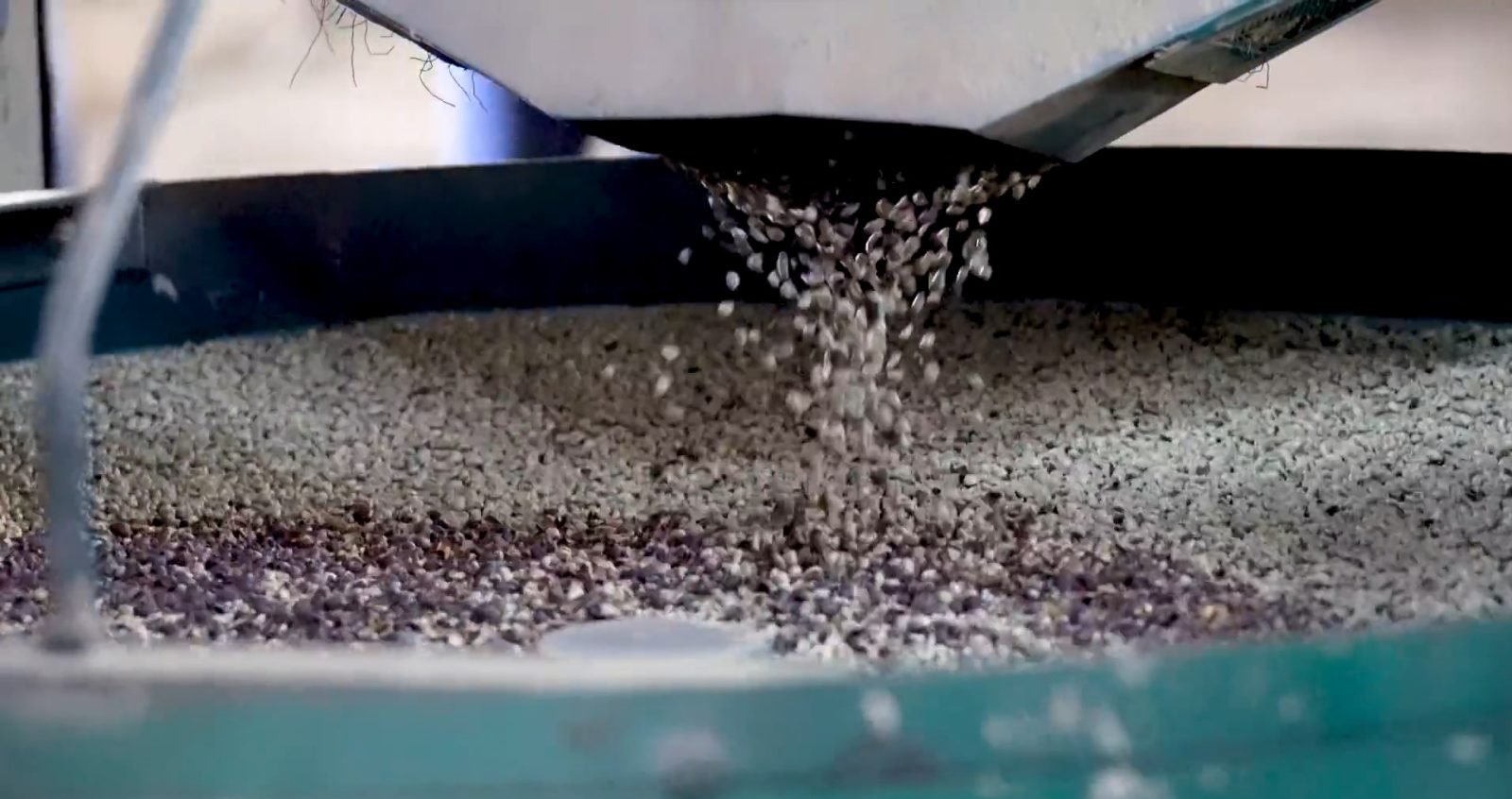
Once the fruit achieves its dry state, it proceeds to the dry mill. Here, a hulling machine utilizes friction to meticulously shed the fruit and parchment layer, revealing the coveted green coffee. Hand sorting or specialized equipment refines the beans, culminating in a final polishing stage. Subsequently, the coffee is thoughtfully packed into sacks and stored within a warehouse, poised for its impending journey across the globe.
Three Types of Coffee With Natural Coffee Processing Methods
Bali Natural: Tropical Symphony in a Cup
Hailing from the enchanting island of Bali, the Bali Natural coffee processing method is a testament to the region’s lush landscapes and vibrant culture. The process begins with ripe cherries that are left to dry under the sun, with the seeds still enclosed. This extended contact between the fruit and seed imparts Bali Naturals with a lively and fruity character. The resulting coffee bursts with tropical flavors reminiscent of pineapple, passion fruit, and even hints of citrus. Bali Natural coffees offer a harmonious blend of sweetness and acidity, making each sip a delightful melody of tastes that transports you to the island’s sun-soaked shores.
Gayo Natural: Earthy Richness in Every Sip
From the picturesque highlands of Sumatra comes the Gayo Natural coffee processing method. In this approach, carefully selected cherries are spread out under the sun, allowing the seeds to develop amidst the surrounding fruit. This extended interaction gives rise to a unique flavor profile characterized by earthy and herbal undertones. Gayo Naturals boasts a robust body and a satisfying fullness, with notes of dark chocolate and subtle spices that create a warm and inviting cup. This method highlights the region’s terroir, offering coffee lovers a glimpse into the heart of Sumatra’s coffee heritage.
Java Natural: A Symphony of Balance and Elegance
The Java Natural coffee processing method takes root on the renowned Indonesian island of Java. Here, cherries are allowed to sun-dry with their seeds intact, fostering a gentle fermentation process. The resulting coffee is a testament to balance and elegance, showcasing a medium body with a delicate interplay of acidity and sweetness. Java Naturals offers a refined cup adorned with notes of citrus and a subtle floral aroma. This processing method is a nod to Java’s enduring coffee legacy and its ability to produce coffees that captivate the palate with their nuanced flavors.
The natural process, deeply rooted in history, emerges as a timeless embodiment of the delicate balance between nature’s rhythms and human ingenuity. As we explored the intricate steps of creating natural process coffee, we unraveled the artistry inherent in each phase. From the meticulous cherry selection to the patient drying process and the final mill refining, the natural process perpetuates its legacy in every aromatic cup enjoyed by coffee aficionados worldwide.
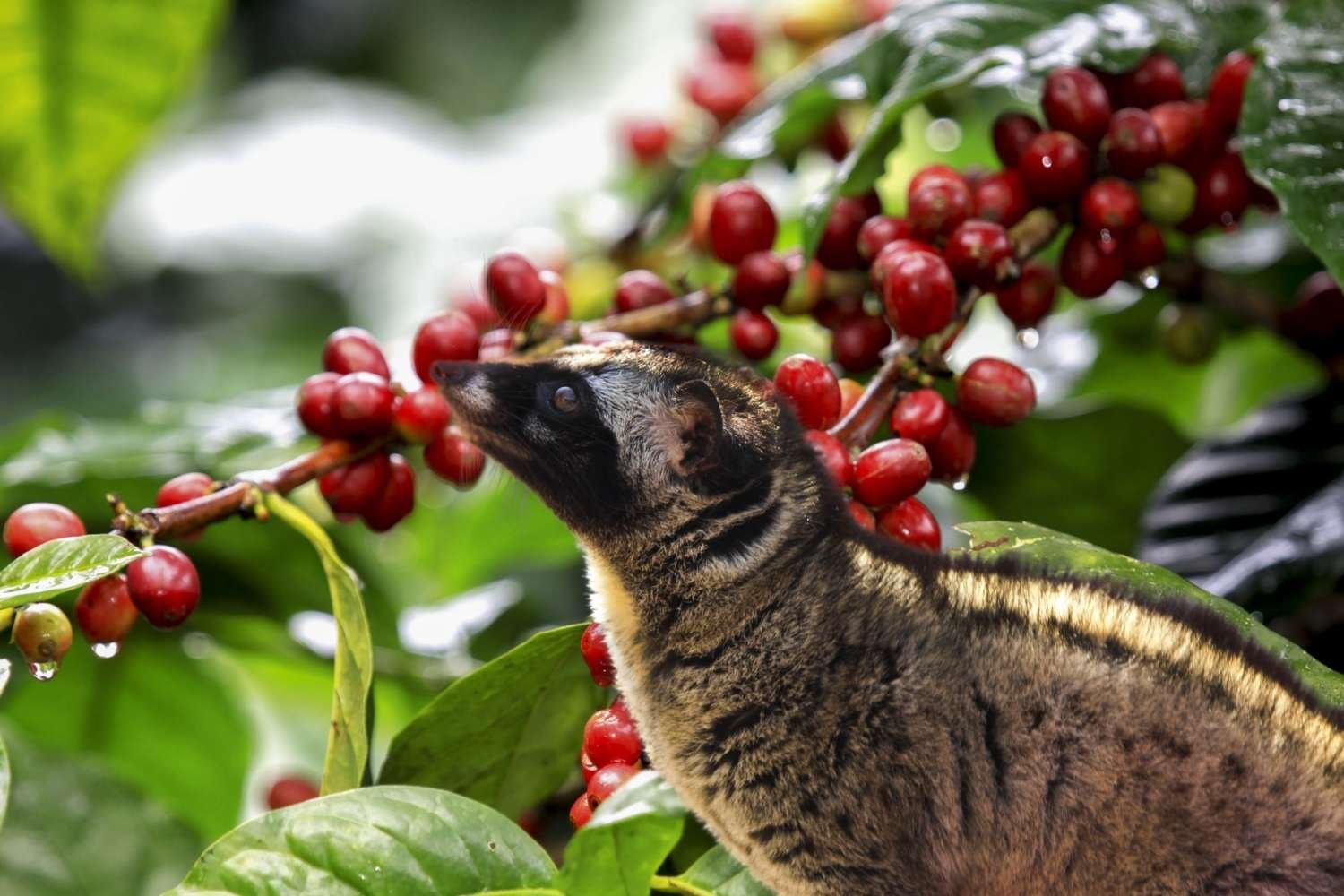
Wild Civet Coffee, commonly known as Kopi Luwak, is a rare and valuable variety of coffee created by an unusual and natural method utilizing civet cats. These small, nocturnal mammals are endemic to a number of countries, including Indonesia, where coffee has grown in popularity.
Civets start the process by eating ripe coffee cherries from coffee plants. As the cherries transit through the civet’s digestive tract, enzymes in their digestive system ferment them. The outer layers of the cherry are digested during this process, while the beans inside stay relatively intact. The beans are gathered, washed, and then processed for roasting and brewing once they have been expelled.
The fermentation that occurs within the civet’s digestive system is thought to contribute to the peculiar aromas of the coffee beans. As a result, the coffee has less acidity and bitterness, as well as particular aromatic properties that have been described as earthy, smooth, and even chocolatey.
Wild Civet Coffee is well-known for its scarcity and excellent flavor characteristics. However, it is vital to highlight that while contemplating this sort of coffee, ethical and sustainable sourcing techniques are necessary. Concerns concerning animal welfare have been raised as a result of unethical techniques such as putting civets in cages or force-feeding their cherries. Responsible growers put civets and the environment first, enabling them to roam freely and spontaneously select the cherries they eat.
Facts About Wild Civet Coffee
Kopi Luwak was originally a commoner’s coffee
Luwak coffee has existed since the Dutch colonial era. The Dutch colonialists prohibited coffee plantation laborers from processing coffee from coffee trees at the time. Because of the ban, coffee plantation workers, who are also commoners, are forced to pick up coffee beans left over from the disposal of Luwak that are dispersed over the farm in order to manufacture coffee drinks. When the Dutch discovered that coffee beans made from Luwak dung tasted excellent, they began collecting civet coffee beans and even selling them as premium coffee.
Indonesia is a country with the highest level of Luwak coffee production
Luwak coffee is currently produced in Southeast Asian countries like Indonesia, Malaysia, the Philippines, and Vietnam. We can feel proud because it turns out that Indonesia is the world’s largest producer of Luwak coffee. In Indonesia, the annual production of luwak coffee is 200 kg.
Kopi Luwak is the most expensive coffee in the world
Civet coffee is the most expensive coffee in the world today due to its uniqueness and limited production. This statistic is even listed in the Guinness Book of World Records. In America, a pound of Luwak coffee can cost up to ten million dollars. Even more extraordinary prices can be found in the United Kingdom, where a cup of civet coffee can cost up to £70, or the equivalent of one million rupiah, at the newest DSTRKT location in Picadilly, London.
Luwak coffee production level is very small
Because Luwak coffee production is heavily reliant on the coffee beans that the civet consumes, production is extremely limited. According to current data, global Luwak coffee production does not even approach 1 ton per year, and it is expected that it will only reach 500 kg per year.
Kopi Luwak is halal for drinking and trading
The MUI has issued a fatwa indicating that Kopi Luwak is halal to consume and trade as long as the civet coffee beans are washed before being processed into coffee beans or ready-to-eat coffee powder.
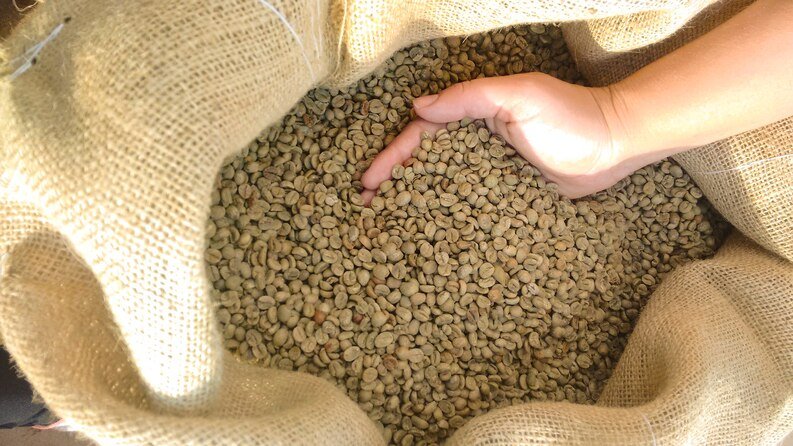
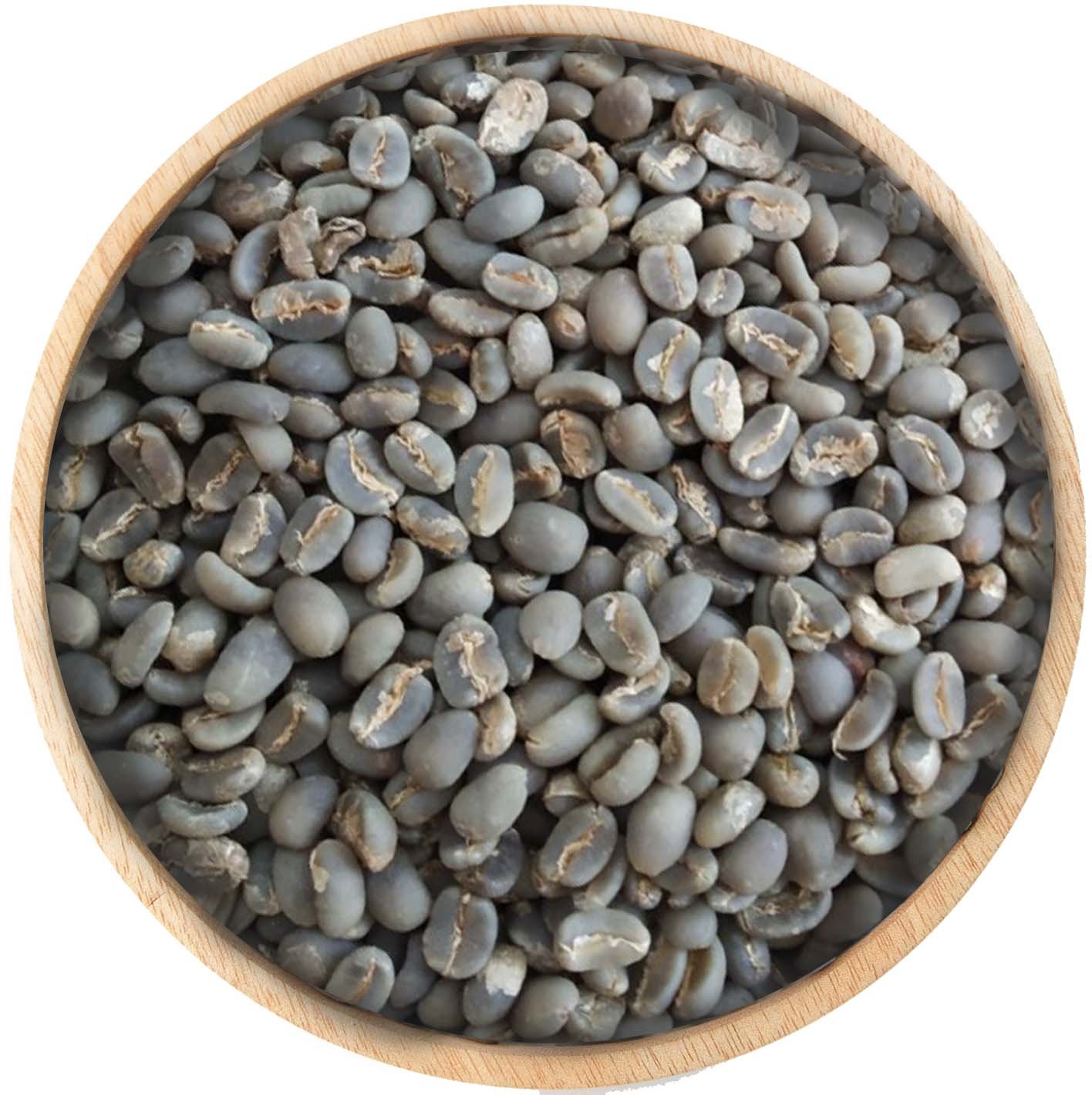
Green Beans Wild Civet Coffee offers an unadulterated journey into the essence of Kopi Luwak, capturing the pure and untamed flavors that have made this coffee a global sensation. With a commitment to ethical sourcing and responsible production, our Green Beans Wild Civet Coffee delivers a cup of exceptional quality and authenticity.
Specifications:
Coffee Origin: Sourced from the lush coffee-growing regions of Indonesia, where wild civets roam freely and select only the finest cherries to consume.
Processing Method: After the civets ingest the ripe coffee cherries, the beans undergo a natural fermentation process within the civet’s digestive system. Once excreted, the beans are meticulously collected, cleaned, and prepared for roasting.
Flavor Profile: Green Beans Wild Civet Coffee offers a truly unique taste experience. The beans’ journey through the civet’s digestive tract imparts a remarkably smooth and less acidic character, complemented by earthy undertones and subtle hints of chocolate and fruit.
Aroma: The coffee exudes an inviting aroma that blends the earthiness of the wild with delicate floral notes, promising an aromatic adventure with every brew.
Roast Level: The green beans are intentionally left unroasted, preserving their raw and unaltered state. This allows you to experience the unfiltered essence of Kopi Luwak, showcasing the effects of the civet’s digestive alchemy on the beans.
Packaging: Our Green Beans Wild Civet Coffee is carefully packaged to ensure freshness upon delivery. The packaging also reflects our commitment to sustainability, utilizing eco-friendly materials whenever possible.
Ethical Sourcing: We prioritize ethical and sustainable sourcing practices, ensuring the well-being of civets and the preservation of their natural habitat. By choosing Green Beans Wild Civet Coffee, you’re supporting responsible coffee production.
Roasted Coffee
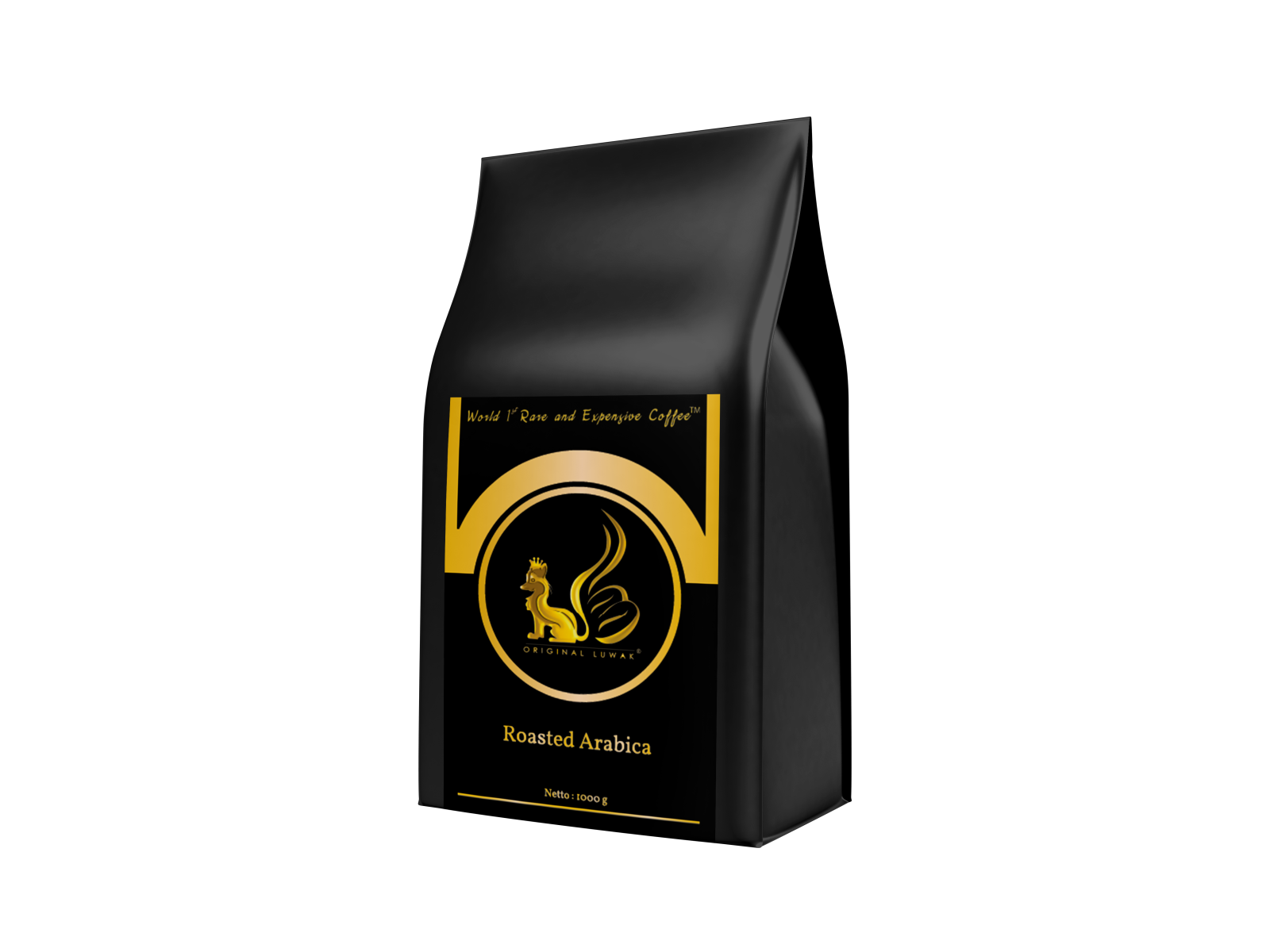
Experience the epitome of coffee luxury with our Roasted Wild Civet Coffee. Meticulously crafted to showcase the unique flavors born from the symbiotic relationship between wild civets and coffee cherries, this blend offers a rich and aromatic journey that encapsulates the essence of Kopi Luwak. Elevate your coffee ritual with the finest Roasted Wild Civet Coffee, a true testament to nature’s artistry and human expertise.
Specifications:
Coffee Origin: Our Roasted Wild Civet Coffee is sourced from regions renowned for their thriving biodiversity, where wild civets roam freely. By selecting only the ripest coffee cherries, these creatures contribute to the exceptional quality and distinctiveness of each batch.
Processing Method: The journey begins with civets consuming coffee cherries and initiating a transformative fermentation process within their digestive systems. Once the cherries’ outer layers are digested, the beans are collected, meticulously cleaned, and then skillfully roasted to bring out their fullest flavor potential.
Roast Profile: Our artisanal roasting process is tailored to enhance the flavors developed during the civet’s digestive alchemy. The medium-dark roast yields a coffee with a velvety body, balanced acidity, and enchanting notes of dark chocolate, caramel, and a subtle hint of tropical fruit.
Aroma: As you prepare your cup, the enticing aroma of our Roasted Wild Civet Coffee fills the air, inviting you to savor the harmonious blend of earthy tones and delicate floral fragrances.
Grind Level: To suit various brewing preferences, our Roasted Wild Civet Coffee is available in a range of grind sizes, from fine for espresso enthusiasts to medium-coarse for those who prefer pour-over or French press methods.
Packaging: We take pride in preserving the freshness and flavor of our coffee. Our packaging is designed to shield the beans from light and air, maintaining their exquisite taste until they reach your cup.
Ethical Commitment: Our dedication to ethical practices extends to the treatment of civets and the preservation of their natural habitats. By choosing Roasted Wild Civet Coffee, you actively support ethical sourcing and responsible coffee production.
Ground Coffee
Indulge in the refined flavors of Kopi Luwak like never before with our meticulously crafted Ground Wild Civet Coffee. This exceptional blend offers a convenient and accessible way to experience the unique taste that has made Kopi Luwak a renowned delicacy. Sourced responsibly and crafted with care, each cup of Ground Wild Civet Coffee promises an exquisite journey of flavors.
Specifications:
Coffee Origin: Our Ground Wild Civet Coffee is sourced from coffee-growing regions known for its vibrant ecosystems and diverse wildlife. We are committed to preserving the habitats of wild civets and supporting local communities.
Processing Method: After wild civets consume ripe coffee cherries, the beans undergo a natural fermentation process in their digestive systems. The beans are then collected, cleaned, and expertly roasted to perfection before being ground to a consistent particle size.
Flavor Profile: Ground Wild Civet Coffee boasts a distinct flavor profile characterized by its smoothness and reduced acidity. The digestive alchemy of the civets imparts a refined taste with subtle notes of caramel, chocolate, and a hint of fruit, creating a harmonious and well-balanced cup.
Aroma: As you prepare your cup, the aroma of our Ground Wild Civet Coffee envelops your senses with an enticing blend of earthiness and delicate floral undertones, promising a sensory journey with every sip.
Grind Size: Our coffee is finely ground to ensure an even extraction and optimal flavor release during brewing. The consistent grind allows for versatile brewing methods, from espresso to pour-over.
Packaging: The Ground Wild Civet Coffee is thoughtfully packaged to preserve its freshness and flavor. Our commitment to sustainability extends to our packaging, which is designed with eco-friendly materials whenever possible.
Ethical Sourcing: We place a strong emphasis on ethical sourcing, ensuring that the civets involved in the coffee production process are treated with care and respect. By choosing Ground Wild Civet Coffee, you contribute to sustainable practices and support responsible coffee production.
Discover a trusted source for authentic Wild Civet Coffee at FandB Tech Indonesia. Learn how their commitment to sustainability and ethical sourcing aligns with your quest for an exquisite and responsible coffee indulgence.
Conclusion
Kopi Luwak isn’t just a beverage; it’s a tapestry woven with cultural, ethical, and sensory threads. By peeling back the layers and uncovering their hidden facts, you’re invited to savor every sip with newfound appreciation while making an informed choice that resonates with your values.
Coffee, a beloved beverage cherished by millions around the globe, comes in countless varieties. One such variety that has captivated the palates of coffee enthusiasts is Java Coffee. This unique coffee hails from the Indonesian island of Java and boasts a diverse range of flavors and types. In this article, we’ll delve into the origins, types, and brewing techniques of Java Coffee, offering you a comprehensive guide to this aromatic delight.
Java Coffee is coffee farmed and harvested on the Indonesian island of Java. It is well-known for its distinct flavors and historical significance in the coffee industry. Java was one of the first areas where coffee cultivation began, thanks to Dutch colonialists in the 17th century.
Java coffee is frequently classified into many varieties based on the geographical locations of Java where it is grown and the processing processes utilized. Java Coffee comes in a variety of kinds, including Arabica and Robusta beans, each with its own flavor profile and features.
Java coffee beans are influenced by the island’s distinctive climate, volcanic soil, and geographical factors, which contribute to the flavor richness of the coffee. Java Coffee’s flavors can range from mild and smooth to bold and intense, depending on factors such as bean variety, altitude, and processing procedures.
Overall, Java Coffee has a particular place in the hearts of coffee lovers due to its rich history, diverse flavors, and legacy as one of the early pioneers in the worldwide coffee trade.
Different Types of Java Coffee
Java Ijen Green Coffee Beans:
In the highlands of East Java, Indonesia, thrives an exceptional and sought-after coffee variety known as Java Ijen. The unique combination of volcanic soil and favorable climate in this region gives rise to premium coffee beans imbued with distinctive flavors and aromas. The name of this coffee is inspired by the iconic Ijen volcano, renowned for its mesmerizing blue flames and turquoise sulfuric lake.
Renowned among coffee aficionados, Java Ijen coffee boasts a flavor profile unlike any other, characterized by rich notes of dark chocolate, caramel, and subtle hints of citrus and floral undertones. The beans are carefully hand-selected and undergo meticulous cleaning and sun-drying processes.
With its limited availability, Java Ijen has garnered a growing following as coffee enthusiasts worldwide seek to indulge in this unique and exotic brew. Today, Java Ijen coffee is relished by connoisseurs across the globe, standing proudly as one of Indonesia’s most exceptional specialty coffees.
Java Preanger Green Coffee Beans:
Explore the excellence of green Arabica Java Preanger coffee beans, a prestigious variety originating from the renowned Preanger region in Java, Indonesia. These Arabica Java Preanger beans are celebrated for their exceptional attributes, distinct flavor profile, and historical significance, promising an exceptional coffee journey. Rooted in the fertile volcanic soil, elevated terrains, and favorable climate of Java, they encapsulate the heritage of Indonesian coffee.
The Preanger region’s farmers adhere to a time-honored tradition and employ meticulous cultivation practices to ensure the utmost quality in their coffee production. The selection process involves the careful handpicking of mature trees, followed by a rigorous sorting process to curate only the finest beans.
Central to the production process is sustainable and equitable principles, fostering environmental preservation and supporting local coffee farming communities. These Arabica Java Preanger beans exhibit a unique and intricate flavor profile, artfully capturing the essence of Java’s rich coffee legacy. With its velvety body, harmonious acidity, and delightful notes, it stands as a testament to Java’s captivating history and distinctive character.
Indulging in Arabica Java Preanger coffee beans offers a glimpse into the finest offerings of Java, encapsulating a blend of coffee craftsmanship and historical richness in every cup, catering to both seasoned coffee enthusiasts and those intrigued by the allure of coffee’s past.
Robusta Java green coffee beans represent a unique and robust coffee variety cultivated in the coffee-growing regions of Java, Indonesia. These beans are notable for their distinct characteristics, which set them apart from other coffee types. Robusta coffee, in general, is recognized for its bold flavor profile and higher caffeine content compared to Arabica coffee.
Robusta Java green coffee beans thrive in the island’s fertile volcanic soil and favorable climatic conditions, contributing to their robust and vigorous nature. The beans are carefully harvested and processed to preserve their inherent qualities.
Flavor Profile of Java Coffee
The flavor profile of Java Coffee is a delightful combination of various tastes and aromatic elements that arise from its unique growing conditions, processing methods, and bean varieties. Here’s a breakdown of its flavor profile:
Mild and Smooth: Java Coffee is known for its mild and smooth taste, characterized by a gentle acidity that is not overpowering. This quality makes it an approachable choice for a wide range of coffee enthusiasts.
Chocolate Notes: Many varieties of Java Coffee exhibit distinct chocolatey undertones. You might find hints of dark chocolate, cocoa, or even milk chocolate, which contribute to a pleasant and comforting flavor.
Nutty Nuances: Another prominent aspect of Java Coffee’s flavor profile is its nutty notes. These can range from subtle almond, and walnut hints to more pronounced flavors, adding depth and complexity to the brew.
Floral Aroma: Some Java Coffee beans are known to carry a delicate floral aroma, adding a touch of elegance to the overall experience. These floral notes might be reminiscent of jasmine, lavender, or other blossoms.
Subtle Citrus: A faint citrusy undertone can occasionally be detected in Java Coffee, providing a subtle zing that adds brightness to the cup. This element contributes to the overall balance of flavors.
Earthy Undertones: Java Coffee’s connection to its volcanic soil is reflected in its earthy undertones. These notes can bring depth and a sense of terroir to the coffee’s flavor profile.
Medium Body: Java Coffee often features a medium body, which refers to the sensation of weight and texture on the palate. This characteristic contributes to a satisfying mouthfeel.
Balanced Acidity: The acidity in Java Coffee is usually well-balanced, not too sharp or overpowering. This balance allows for a pleasant and harmonious cup.
Caramelized Sweetness: A touch of caramelized sweetness can be present in some Java Coffee varieties. This sweetness adds richness and depth to the overall flavor experience.
Smooth Finish: Java Coffee tends to have a smooth and clean finish, leaving a lingering and pleasant aftertaste on the palate.
In summary, Java Coffee’s flavor profile is a captivating medley of mildness, chocolate, nuts, florals, and earthy tones. Its balanced acidity and medium body contribute to a well-rounded and enjoyable cup of coffee. The unique combination of these characteristics reflects the island’s diverse growing conditions and the expertise of the coffee producers, making Java Coffee a cherished and sought-after choice among coffee enthusiasts.
How to Brew Java Coffee
Brewing Java Coffee is a delightful process that allows you to unlock its unique flavors and aromas. Here’s a step-by-step guide to help you brew a delicious cup of Java Coffee:
What You’ll Need:
Freshly roasted Java Coffee beans
Grinder (if using whole beans)
Filter (appropriate for your chosen brewing method)
Water
Brewing equipment (such as a drip coffee maker, French press, pour-over, or espresso machine)
Mug or coffee cup
Steps:
Choose Your Coffee Beans: Start with high-quality Java Coffee beans. Look for beans that are freshly roasted and suited to your preferred flavor profile.
Measure Coffee: Measure your coffee beans according to your preferred coffee-to-water ratio. A general guideline is using about 1 to 2 tablespoons of coffee grounds for every 6 ounces (180 ml) of water.
Grinding (if needed): If using whole beans, grind them just before brewing. For Java Coffee, a medium grind is often suitable for most brewing methods.
Boil Water: Heat fresh, filtered water to the appropriate temperature for your chosen brewing method. For most methods, water temperature should be around 195-205°F (90-96°C).
Pre-wet Filter: If using a pour-over or drip coffee maker, pre-wet the filter with hot water to remove any paper taste and warm the brewing vessel.
Brewing Methods:
Pour-Over: Place the coffee grounds in the filter, then gradually pour hot water in a circular motion over the grounds. Allow the coffee to drip through the filter and into your cup.
French Press: Add the coffee grounds to the French press, then pour in hot water. Stir gently, place the lid with the plunger up, and let it steep for about 4 minutes. Press the plunger down slowly to separate the grounds from the brewed coffee.
Drip Coffee Maker: Follow the manufacturer’s instructions for your specific drip coffee maker. Add the appropriate amount of coffee grounds, add water to the reservoir, and start the brewing process.
Espresso Machine: If you have an espresso machine, grind your coffee to a fine consistency. Follow your machine’s instructions to extract a shot of espresso.
Serve and Enjoy: Once brewed, pour the coffee into your mug or cup. Take a moment to appreciate the aroma before savoring each sip of your freshly brewed Java Coffee.
Experiment and Adjust: The perfect cup of coffee is a matter of personal preference. Feel free to experiment with the coffee-to-water ratio, grind size, and brewing time to find your ideal balance of flavors.
Remember that each brewing method may require specific adjustments, and the quality of your water and equipment can also impact the final result. With a bit of practice, you’ll be able to fine-tune your brewing technique to create a cup of Java Coffee that suits your taste perfectly.
You can purchase Java Coffee from the website fnb.co.id. This platform offers a selection of high-quality Java Coffee beans that you can explore and order to enjoy the unique flavors and aromas of Java’s renowned coffee. Visit fnb.co.id to discover their range of coffee offerings and place your order to experience the rich heritage and exceptional taste of Java Coffee.
Conclusion
In conclusion, Java Coffee stands as a testament to Indonesia’s rich coffee heritage. With its diverse range of flavors, captivating history, and various brewing possibilities, Java Coffee offers a delightful journey for coffee enthusiasts. So, whether you’re a seasoned coffee connoisseur or a curious beginner, embarking on a quest to discover the world of Java Coffee is a voyage worth savoring.
Get ready to embark on a captivating journey from farm to cup as we explore the fascinating world of Lampung Robusta Coffee. From the lush green plantations of Lampung, Indonesia, to the comforting aroma that fills your favorite coffee shop, this humble bean has quite the story to tell. Join us as we delve into the meticulous process of cultivation, harvesting, and processing that transforms these coffee cherries into a rich and flavorful brew.
Discover the unique characteristics that set Robusta Coffee apart, and uncover the secrets behind its exceptional taste and robust body. Whether you’re a coffee connoisseur or simply someone who appreciates a good cup of joe, this illuminating adventure will leave you craving for more. So sit back, grab your favorite mug, and prepare to sip your way through the enchanting journey of Lampung Robusta Coffee.
Lampung Robusta Coffee has a rich history that dates back centuries. It was first introduced to the Lampung region of Indonesia during the Dutch colonial era. The fertile volcanic soil and ideal climate provided the perfect conditions for coffee cultivation, and Lampung quickly became known for its high-quality beans. Over the years, the cultivation techniques and processing methods have been passed down from generation to generation, ensuring that the tradition of producing exceptional coffee continues to thrive in Lampung.
The Growing and Harvesting Process
The journey of Lampung Robusta Coffee begins on the sprawling coffee plantations of Lampung. The coffee trees are meticulously cared for by skilled farmers who understand the importance of nurturing the plants for optimal growth. These farmers employ sustainable farming practices, ensuring that the coffee cherries are grown in harmony with the environment.
Once the coffee cherries are ripe and ready to be harvested, the farmers carefully handpick each cherry to ensure only the best ones are selected. This labor-intensive process requires precision and expertise, as the farmers must determine the perfect moment to pick the cherries to achieve the desired flavor profile. The cherries are then sorted and separated before being transported to the processing facilities.
Processing and Roasting Lampung Robusta Coffee Beans
Upon reaching the processing facilities, the coffee cherries undergo a meticulous process to transform them into the beans we know and love. The first step is to remove the outer skin and pulp from the cherries, leaving behind the coffee beans. This process, known as pulping, can be done using traditional methods or modern machinery, depending on the preferences of the farmers.
After pulping, the coffee beans are left to ferment for a specific period of time. This fermentation process enhances the flavors and removes any remaining mucilage from the beans. Once fermentation is complete, the beans are thoroughly washed and dried under the sun. This drying process is crucial in ensuring the beans reach the optimal moisture content for storage and roasting.
Once the beans are dried, they are sorted and graded based on size, density, and quality. The highest-quality beans are carefully selected for roasting, while the lower-grade beans may be used for other purposes such as instant coffee or coffee blends. Lampung Coffee is known for its bold flavor and robust body, which is achieved through a carefully controlled roasting process. The beans are roasted to perfection, unlocking their full potential and creating a rich and aromatic brew.
Tasting Notes and Flavor Profiles of Lampung Robusta Coffee
This Coffee offers a unique flavor profile that sets it apart from other coffee varieties. With its bold and robust character, this coffee is perfect for those who prefer a strong and full-bodied brew. The flavor notes of Robusta Coffee often include dark chocolate, caramel, and hints of spices, creating a complex and satisfying taste experience. The coffee also exhibits a pleasant acidity that balances out the richness, resulting in a well-rounded and enjoyable cup.
The Role of Sustainable Farming in Lampung Robusta Coffee Production
Sustainable farming practices play a crucial role in the production of Lampung Robusta Coffee. The farmers in Lampung understand the importance of preserving the environment and maintaining the long-term viability of their coffee plantations. They employ methods such as organic fertilization, natural pest control, and water conservation techniques to minimize their ecological footprint.
By prioritizing sustainability, Lampung farmers ensure that the coffee they produce is not only of the highest quality but also contributes to the well-being of the local ecosystem. This commitment to sustainable farming practices not only benefits the environment but also enhances the overall flavor and aroma of Lampung Robusta Coffee.
The Impact of Lampung Robusta Coffee on the Local Economy
Lampung Robusta Coffee plays a significant role in the local economy of the region. The coffee industry provides employment opportunities for thousands of people, from farmers and harvesters to processing plant workers and exporters. The economic impact extends beyond the coffee sector, as the revenue generated from coffee sales supports various industries and businesses in Lampung.
Furthermore, Lampung Robusta Coffee has gained recognition internationally, attracting coffee lovers from around the world. This increased demand for Lampung coffee has led to a boost in tourism, with visitors eager to explore the coffee plantations and experience the unique flavors of the region. As a result, the local economy continues to flourish, providing a better quality of life for the people of Lampung.
The Rise of Lampung Robusta Coffee in the Global Market
In recent years, Lampung Robusta Coffee has gained significant recognition in the global market. Coffee enthusiasts and connoisseurs have come to appreciate the unique flavor profile and exceptional quality of Lampung coffee. This increased demand has led to Lampung Robusta Coffee being exported to various countries, further establishing its reputation as a premium coffee variety.
Coffee shops and specialty cafes around the world now proudly serve Lampung Robusta Coffee, showcasing its distinctive flavors to a global audience. The rise of Lampung coffee in the global market has not only brought recognition to the region but also provided economic opportunities for the farmers and communities of Lampung.
If you’re eager to experience the rich flavors of Lampung Robusta Coffee, you’ll be pleased to know that it is readily available for purchase. Many specialty coffee retailers and online platforms offer a wide selection of Lampung coffee beans, allowing you to brew your own delicious cup at home. Additionally, coffee shops and cafes that prioritize quality and variety often feature Lampung Robusta Coffee on their menus, giving you the opportunity to savor this exceptional brew in a cozy and inviting atmosphere.
Conclusion: Appreciating the Journey of Lampung Robusta Coffee
As we conclude our journey from farm to cup, we hope you’ve gained a deeper appreciation for the remarkable journey of Lampung Robusta Coffee. From the rich history and meticulous cultivation process to the exceptional flavors and impact on the local economy, Lampung coffee has truly made its mark in the world of coffee. So the next time you take a sip of your favorite Lampung Robusta brew, remember the hard work and dedication that went into every single bean. Cheers to the enchanting journey of Lampung Robusta Coffee!
If you’re a coffee enthusiast, you probably understand that the world of espresso drinks can be quite complex and exciting. From the intense and concentrated flavors of black coffee to the creamy delights of milk coffee, there’s a vast array of options to satisfy every coffee lover’s taste buds. In this article, we will take you on a journey through the various espresso drinks, discussing their preparation, unique characteristics, and popularity.
The Single Espresso stands as the pinnacle of coffee intensity, boasting unmatched richness and depth in the world of coffee. Crafted with precision and skill, this concentrated elixir captivates the senses with every sip. The barista’s artistry comes to life as they weigh and tamp the finely ground coffee, ensuring a perfect extraction.
As the hot water flows through the grounds under pressure, the result is a bold and velvety brew graced with notes of dark chocolate, caramel, and nutty nuances. Each gentle stir before sipping harmonizes the layers, awakening the palate to an array of flavors that linger long after the last sip.
For true coffee aficionados, the Single Espresso is more than a beverage—it’s a cherished ritual, a moment to savor the mastery of coffee-making. With its allure and complexity, this extraordinary shot embodies the essence of coffee culture. So, whenever you crave the finest coffee intensity, indulge in the timeless pleasure of a Single Espresso—a treasured favorite for connoisseurs around the globe.
Served in a small cup, Single Espresso offers a rich and smooth taste.
Typically, two espresso shots are produced simultaneously from one spout.
The volume of a Single Espresso ranges from 20 to 30 milliliters (ml) or grams, with 21 grams being a common measurement.
Before sipping, it’s advisable to stir the espresso to ensure all layers mix harmoniously.
Double Espresso – More Kick, Same Intensity
For a bolder coffee experience without compromising intensity, the Double Espresso is the perfect choice. With twice the caffeine punch of a Single Espresso, this concentrated shot boasts rich flavors and a velvety texture. Ideal for those seeking an energizing pick-me-up, the Double Espresso remains a timeless favorite in the world of coffee.
Crafted using the same precision and artistry as its single counterpart, the Double Espresso starts with finely ground coffee beans carefully measured, usually around 21 grams. The barista tamps the coffee grounds evenly in the portafilter, creating the ideal foundation for extraction.
As the espresso machine unleashes its powerful force, hot water flows through the compacted grounds at high pressure, extracting the essence of the coffee beans. The result? Two shots of concentrated coffee, each typically measuring around 20 to 30 milliliters.
For those seeking a slightly larger serving without compromising intensity, Double Espresso or Espresso Doppio is the go-to choice.
It follows the same recipe as Single Espresso but uses a bigger cup. Often the one used for Cappuccinos.
Ordering a Double Espresso can sometimes be more cost-effective than two Single Espressos.
Americano – A Diluted Delight
For coffee enthusiasts seeking a milder yet satisfying experience, the Americano is the go-to choice. Crafted by diluting a shot of Espresso with hot water, this beverage retains the delightful characteristics of Espresso while offering a more approachable intensity. Served in a larger cup, the Americano provides a smooth and balanced flavor profile that captivates the palate. Whether enjoyed in the morning or as an afternoon indulgence, this diluted delight remains a popular favorite among coffee lovers worldwide.
For those who prefer a milder coffee experience, Americano is an excellent choice.
It involves adding 100 to 120ml of hot water to an Espresso shot, resulting in a less intense but flavorful drink.
Lungo – The Longer Espresso
For those who crave a longer and more leisurely coffee experience, the Lungo is the perfect choice. This extended version of Espresso is achieved by adjusting the grind or adding extra hot water, resulting in a larger shot, typically around 30 to 40 grams. The Lungo maintains the rich flavor characteristics of Espresso but offers a milder and more diluted taste, allowing coffee enthusiasts to savor the essence of coffee over a more extended period. Whether enjoyed on its own or blended with milk, the Lungo offers a delightful and versatile coffee experience that caters to varying preferences.
Lungo offers a longer and less intense Espresso experience.
It can be achieved by adjusting the grinder and running a longer shot or by adding extra hot water to a regular Espresso.
The customer can dilute it according to their preferred taste.
Filter Coffee – A Non-Espresso Black Option
For those who prefer a black coffee alternative to espresso-based drinks, the Filter Coffee is the perfect choice. Unlike espresso, this method involves brewing coffee by hand or using a batch brewer, resulting in a more refined and less intense flavor profile. Served in a larger cup, Filter Coffee offers a satisfying and enjoyable coffee experience for those seeking a big cup of rich and flavorful black coffee. As it cools down, the flavors develop and evolve, making every sip a delightful journey into the world of coffee enjoyment. Whether savored in the morning or as a comforting afternoon treat, Filter Coffee remains a beloved option among coffee enthusiasts seeking a non-espresso experience.
Though not produced with an espresso machine, Filter Coffee or Batch Brew is a great alternative for those desiring a larger cup of black coffee.
It provides a more refined and less intense flavor, which evolves as the coffee cools down.
Among the wide variety of coffee beverages, the Cappuccino stands out as a timeless and beloved classic that is cherished by coffee enthusiasts all over the world. This iconic coffee drink combines a single shot of Espresso with delicately frothed milk, creating a delightful balance of flavors.
The key to crafting a perfect Cappuccino lies in achieving the ideal ratio between coffee and milk, typically around 1:6 or 1:7. Baristas skillfully steam and froth the milk to create a creamy and velvety texture while the bold flavors of the espresso shine through with each sip.
Whether enjoyed as a morning ritual or a comforting afternoon indulgence, the Cappuccino holds a special place in the hearts of coffee lovers everywhere. With its rich flavor, creamy texture, and enticing aroma, it remains an enduring favorite that unites coffee enthusiasts across cultures and continents.
Perhaps the most beloved coffee drink worldwide, Cappuccino combines a single shot of Espresso with foamed milk.
The ratio of coffee to milk may vary between cafes and the size of their cups.
The artful latte designs created by skilled baristas add to the charm of this beverage.
Espresso Macchiato – A Dash of Milk
For coffee enthusiasts who appreciate a bold shot of Espresso with a touch of milk, the Espresso Macchiato is the perfect choice. This delightful coffee drink is served in a small espresso cup, where a single shot of Espresso is artfully mixed with just a little bit of frothed milk.
The Espresso Macchiato offers a wonderful balance between the intensity of Espresso and the smoothness of milk, creating a harmonious and satisfying coffee experience. It is the perfect choice for those who desire a gentle variation of the classic Espresso, allowing them to appreciate the richness of the coffee with a hint of milk.
For those seeking a stronger coffee taste with a touch of milk, Espresso Macchiato is a delightful option.
Served in a small espresso cup, it features a single shot of Espresso mixed with a small amount of foamed milk, usually with a 1:1 or 1:2 ratio.
Cortado or Piccolo – A Petite Milk Espresso
Cortado or Piccolo, often used interchangeably, is a delightful and petite milk espresso drink that has gained popularity among coffee enthusiasts. This charming beverage blends a single shot of Espresso with a small amount of steamed milk, resulting in a balanced and mellow flavor profile. The Cortado or Piccolo is served in a glass cup, allowing the beautiful contrast between coffee and milk to be admired. This petite milk espresso is perfect for those seeking a lighter coffee experience without sacrificing the rich essence of a well-crafted Espresso.
The Cortado or Piccolo is cherished for its versatility and adaptability. Its smaller size makes it an ideal choice for those who prefer a more concentrated coffee but with a hint of milk. The drink’s name, “Cortado,” originates from the Spanish word “cortar,” meaning “to cut,” which refers to the milk “cutting” through the Espresso. In contrast, “Piccolo” is an Italian word meaning “small” or “little,” reflecting its petite nature. Whichever name it goes by, the Cortado or Piccolo offers a delightful balance of flavors, making it a favored choice for coffee enthusiasts seeking a delightful and refined milk espresso experience.
Cortado or Piccolo is a small milk espresso drink often served in a glass cup.
It blends a single shot of Espresso with a moderate amount of foamed milk, typically in a 1:4 ratio.
Flat White – A Kiwi Specialty
Originally hailing from New Zealand and Australia, the Flat White has become a beloved specialty coffee drink cherished by coffee enthusiasts worldwide. This exquisite coffee concoction combines a double shot of Espresso with a velvety microfoam milk texture, creating a smooth and creamy delight that tantalizes the taste buds.
The Flat White’s popularity has extended beyond its birthplace, finding its place in coffee shops worldwide. Its ability to cater to both black coffee and milk coffee enthusiasts makes it a versatile choice. Whether served in a small cup or a larger mug, the Flat White is celebrated for its smoothness and simplicity, making it a delightful specialty that coffee aficionados continue to relish and appreciate.
Originating from Australia and New Zealand, Flat White is a popular Espresso milk drink.
It combines a double shot of Espresso with foamed milk in a cup similar to a Cappuccino but slightly smaller.
Flat White offers a stronger coffee kick and more coffee flavor than a Cortado.
Caffé Latte – Embracing the Milkiness
Caffé Latte, often simply referred to as a Latte, is a coffee indulgence that celebrates the art of embracing milkiness. This beloved coffee drink is created by combining a single shot of Espresso with steamed milk, resulting in a creamy and luxurious experience for coffee enthusiasts.
Caffé Latte is enjoyed in a relatively large cup, allowing coffee lovers to savor every delightful sip of this milk-forward indulgence. Its mild and comforting nature makes it a perfect choice for those seeking a rich and satisfying coffee experience with a creamy twist. Whether relished as a morning ritual or a soothing afternoon treat, Caffé Latte remains a timeless favorite that captures the essence of embracing milkiness in coffee culture.
If you prefer a milky and less intense coffee experience, Caffé Latte is the perfect choice.
Served in a relatively large cup, it mixes a single shot of Espresso with foamed milk, typically in a 1:14 ratio.
Whether you’re a coffee connoisseur or a curious beginner, exploring the world of espresso drinks is a delightful journey. Each coffee drink offers a unique taste profile and provides a wide range of options to suit your preferences. Enjoy your coffee journey and savor every delightful sip!
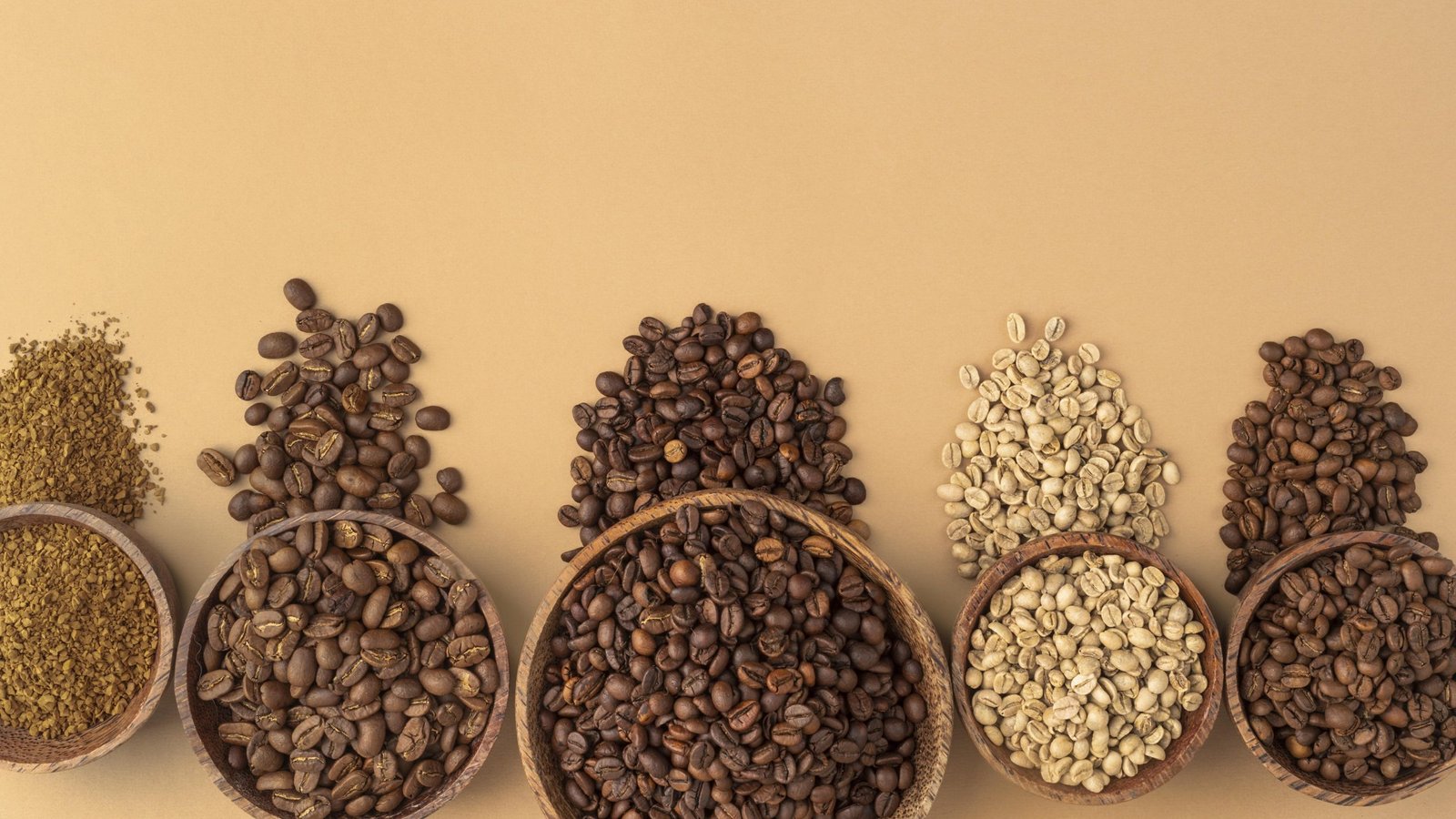
Coffee enthusiasts frequently enjoy a cup of their favorite brew first thing in the morning without giving much thought to the origin and qualities of the coffee beans used. Understanding the many coffee bean varieties, on the other hand, can increase your appreciation for the beverage and assist you in selecting the best beans for your preferred flavor profile. We will look at the four basic types of coffee beans in this article: Arabica, Robusta, Liberica, and Excelsa. Each variety has its own distinct set of traits, flavor profiles, and growing circumstances. So, let us explore the world of coffee beans!
You’re not alone if you’ve ever wondered how many coffee bean varieties different there are. Arabica, Robusta, Liberica, and Excelsa are the four essential coffee bean varieties. The taste, popularity, and growing requirements of these beans vary, making each variety distinct and intriguing.
Arabica Coffee Beans
Arabica beans account for over 60% of global coffee output and so dominate global coffee consumption. These beans are thought to be the earliest coffee beans ever drank, having originated thousands of years ago in the Ethiopian highlands. Arabica gets its name from its prominence in 7th-century Arabia (modern-day Yemen).
Arabica beans are well-known for their outstanding flavor and are favoured by many upmarket coffee companies. Arabica beans require shade, plenty of water, and high altitudes to thrive. Arabica plants require a minimum elevation of roughly 2,000 feet because they are more sensitive to crop diseases. These plants are tiny, reaching a height of 8 to 15 feet. Arabica beans have a smooth, rich flavor that varies depending on the production region, from earthy Indonesian to fragrant Ethiopian.
Robusta Coffee Beans
Robusta beans are the second most commonly grown coffee beans and are primarily cultivated in Africa and Indonesia. They have gained popularity in Vietnam and are often included in coffee blends. Robusta beans are larger and rounder compared to other types of coffee beans. The plants themselves grow taller, reaching heights between 15 and 20 feet.
Robusta beans are known for their resilience, as they can grow at lower elevations and are more resistant to crop diseases. However, they are often perceived as more bitter and have a higher caffeine content than Arabica beans. While specialty coffee enthusiasts may have a preference for Arabica, exploring Robusta beans can offer a unique coffee experience.
Liberica, named after Liberia in central and western Africa, is a coffee bean variety highly regarded for its pungent flowery scent and robust, smoky flavor. Liberica beans are typically larger and have an irregular shape, resembling Robusta beans in size and appearance due to their origin from larger coffee plants.
The Liberica plant thrives in hot and muggy weather and grows well at low elevations. Currently, Liberica beans account for approximately 2% of the world’s coffee production and are primarily grown in Indonesia, Malaysia, and the Philippines. However, it is relatively rare to find Liberica beans in North America. Liberica coffee has a divisive reputation among coffee enthusiasts due to its wildly inconsistent flavor. Some love its nutty, woody flavor with a subtle aftertaste, while others find it less appealing.
Excelsa Coffee Beans
Excelsa beans were previously categorized as a distinct coffee species but have now been recognized as a variation of Liberica. These elongated oval-shaped beans are predominantly grown in Southeast Asia and can be found on large coffee plants reaching heights of up to 30 feet.
Excelsa beans offer a unique taste profile that blends dark roast flavors with characteristics of light roasts, such as acidic notes and fruity flavors. They have a distinct depth of flavor, lower fragrance, and caffeine content.
Choosing the Right Coffee Bean Varieties
Several variables must be considered while selecting the best coffee bean for your daily cup. Choose 100% Arabica beans if you want the best flavor and don’t mind paying a bit more. Many upmarket coffee brands utilize these beans because they have a smooth and rich flavor.
Consider Robusta or a blend of Arabica and Robusta if you’re on a budget or prefer a higher caffeine level. However, be warned that the drink may be bitterer than usual. Liberica or Excelsa beans can be fantastic selections for individuals looking for a distinctive and rare experience. Keep in mind that discovering these beans may necessitate a more thorough search.
Conclusion: Exploring the 4 Coffee Bean Varieties
Understanding the different types of coffee beans allows coffee enthusiasts to expand their knowledge and appreciate the diverse flavors and characteristics each variety offers. Arabica, Robusta, Liberica, and Excelsa beans each have their unique attributes, taste profiles, and growing requirements. Whether you prefer the smoothness of Arabica, the resilience of Robusta, the robustness of Liberica, or the distinctiveness of Excelsa, there is a coffee bean variety to suit every palate. So, explore and savor the world of coffee beans, and choose the one that entices your taste buds.
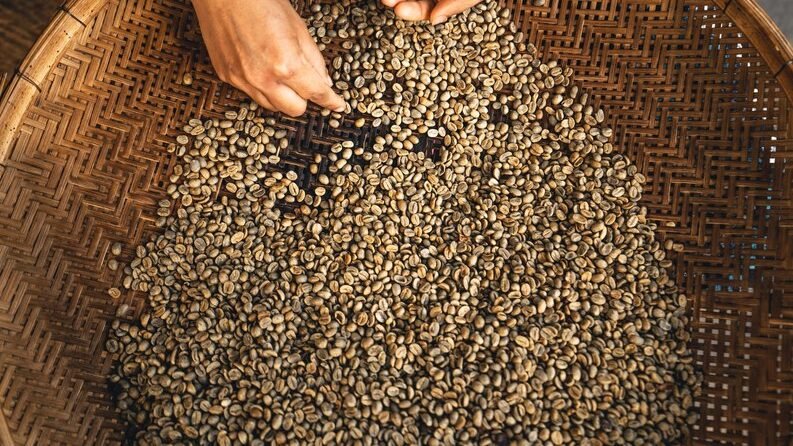
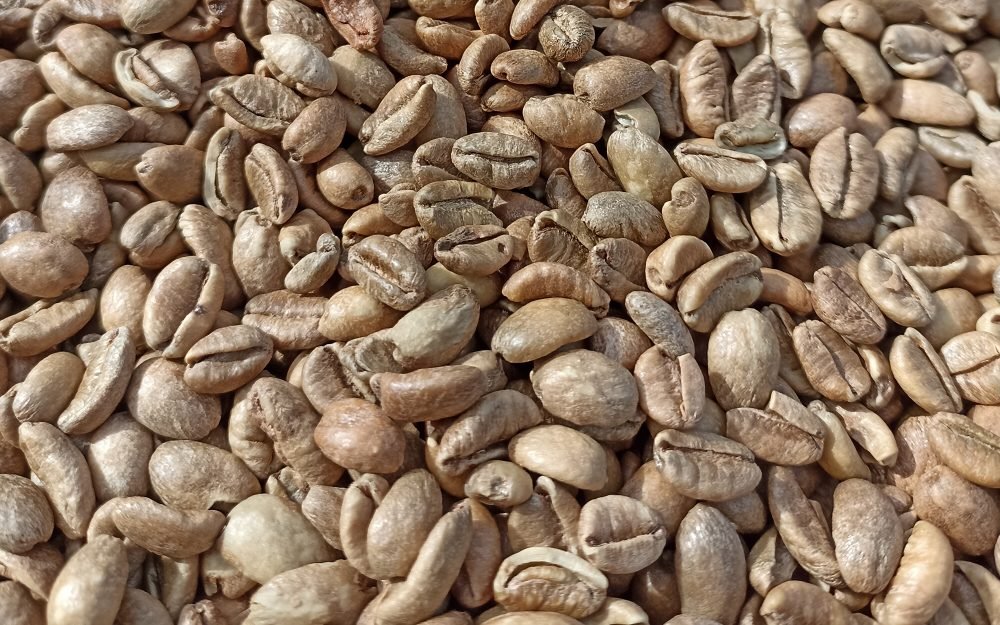
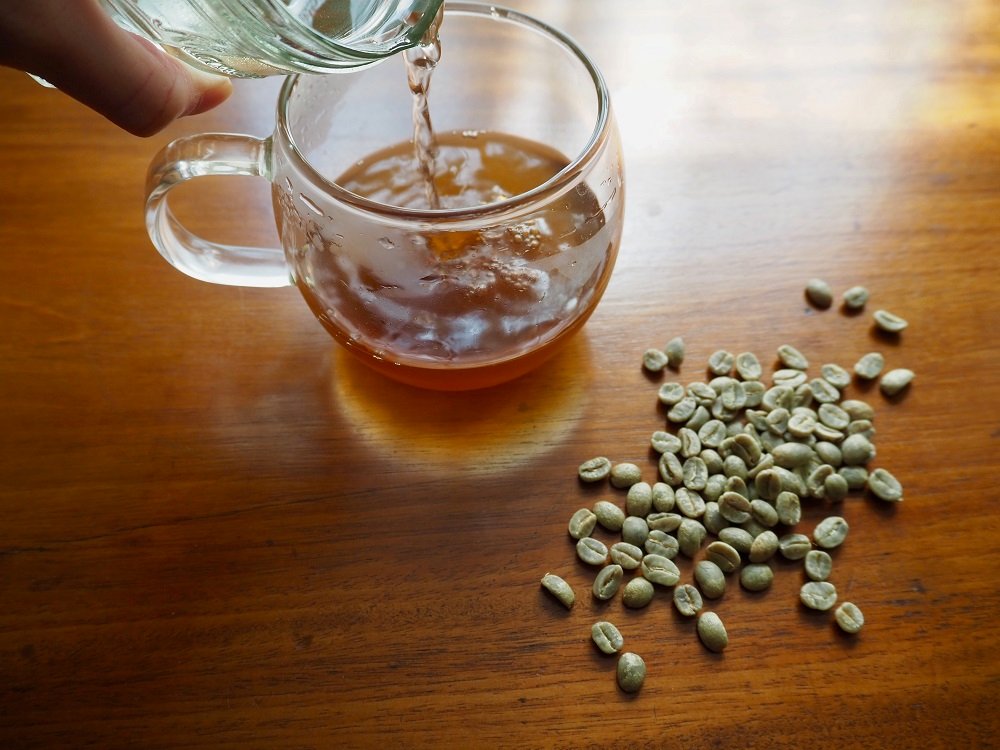
Coffee is one of the world’s most popular beverages, but have you tasted unroasted coffee beans, commonly known as “green coffee beans“? These beans have recently acquired popularity due to their possible health advantages. They are thought to help with weight loss, metabolism, blood pressure control, and cognitive function. What distinguishes them is their distinct flavor profile – a grassy, slightly bitter taste that some people appreciate.
Unroasted coffee beans are also versatile, making them perfect for a variety of recipes such as smoothies and baked products. By investigating this alternative kind of coffee, you can discover a new way to enjoy its flavor while perhaps reaping health benefits. Consider trying coffee beans for a unique coffee experience with potential health benefits.
This coffee Bean contains many beneficial compounds that are destroyed during the roasting process. This is why they are considered to be healthier than roasted coffee beans. Some of the health benefits of unroasted coffee beans are:
Antioxidants in unroasted coffee beans
These coffee beans are rich in antioxidants, which help to protect the body from damage caused by free radicals. Antioxidants are important because they can help to prevent a variety of diseases, including cancer. In fact, unroasted coffee beans have been found to contain more antioxidants than roasted coffee beans.
Chlorogenic acid in unroasted coffee beans
Chlorogenic acid is a compound found in coffee beans that has been linked to many health benefits. This compound has been shown to help with weight loss, lower blood pressure, and improve brain function. Chlorogenic acid works by inhibiting the absorption of carbohydrates, which can help to reduce blood sugar spikes after meals.
Unroasted coffee beans for weight loss
These coffee beans have been found to help with weight loss. This is because they contain chlorogenic acid, which has been shown to inhibit the absorption of carbohydrates. When carbohydrates are not absorbed, they are excreted from the body instead of being stored as fat. In addition to this, these coffee beans can also help to boost metabolism, which can further aid in weight loss.
Comparison between roasted and unroasted coffee beans
Roasted and unroasted coffee beans have distinct characteristics that set them apart. Here’s a comparison between the two:
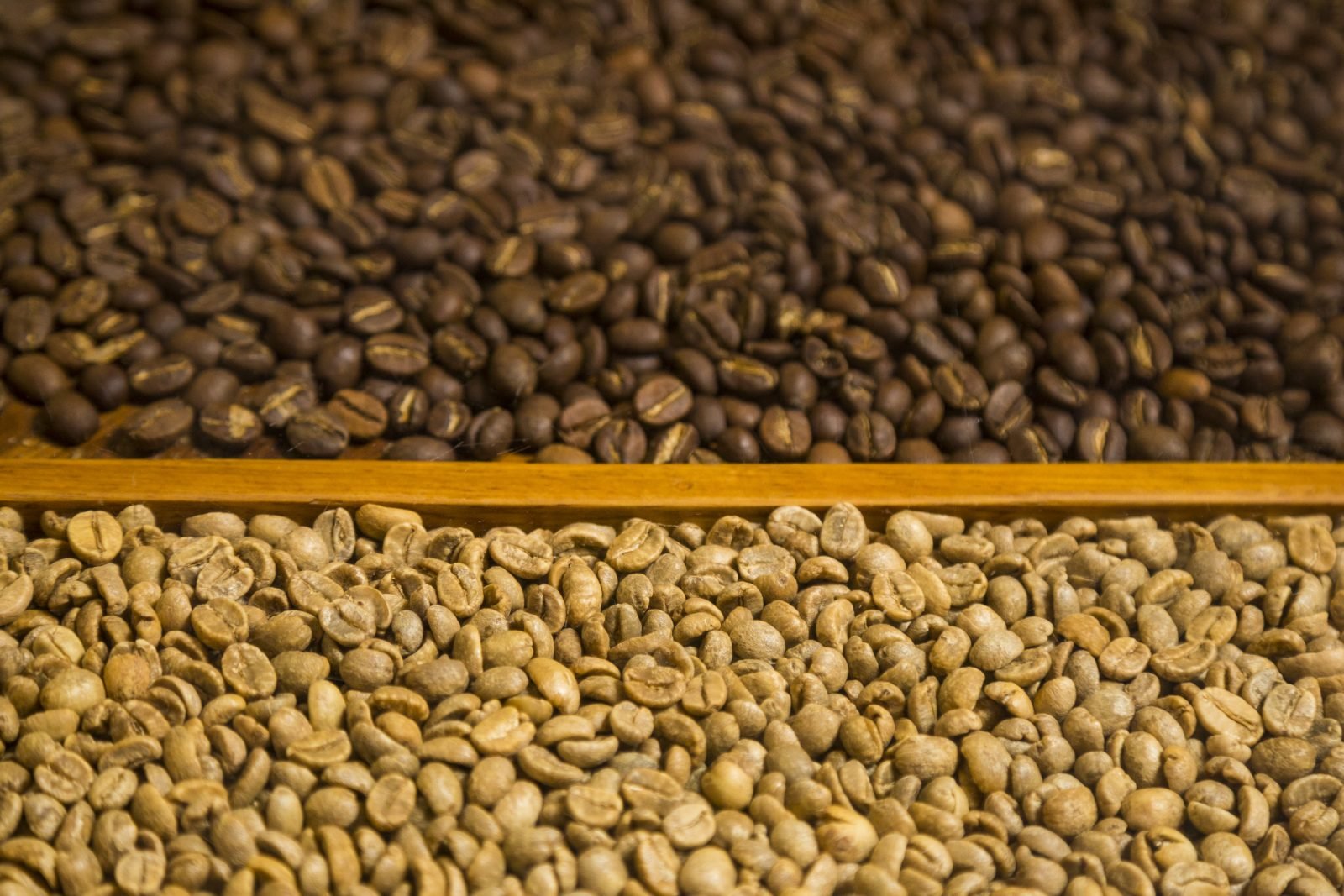
Flavor – Roasted coffee beans have a rich, complex flavor profile with notes of chocolate, caramel, and various other flavors depending on the roast level. On the other hand, unroasted coffee beans have a grassy, slightly bitter taste with herbal and earthy undertones.
Aroma – Roasted coffee beans produce a fragrant aroma, often described as nutty, toasty, or even fruity, depending on the roast. Unroasted coffee beans have a more subtle and raw aroma.
Caffeine Content – Unroasted coffee beans generally have a higher caffeine content compared to their roasted counterparts. The roasting process causes some of the caffeine to be lost, so if you’re looking for a stronger caffeine kick, unroasted beans might be the way to go.
Shelf Life – Roasted coffee beans have a longer shelf life compared to unroasted beans. The roasting process helps to stabilize the beans and preserve their flavor for an extended period. Unroasted beans, however, are more perishable and can lose their freshness relatively quickly.
Health Benefits – While roasted coffee is known for its antioxidant properties and potential health benefits, unroasted coffee beans, or green coffee beans, are believed to have higher levels of certain beneficial compounds. These include chlorogenic acid, which may aid in weight loss, blood sugar regulation, and other health benefits.
Ultimately, the choice between roasted and unroasted beans comes down to personal preference, desired flavor profile, and specific health goals. Roasted beans offer a wide range of flavors and aromas, while unroasted beans provide a unique taste and potentially higher levels of certain beneficial compounds.
Making unroasted coffee is easy. All you need is a coffee grinder, a French press, and some unroasted coffee beans. Here’s how to do it:
Grind the unroasted coffee beans in a coffee grinder.
Add the ground coffee to the French press.
Pour hot water over the coffee.
Let the coffee steep for 3-4 minutes.
Press down the plunger on the French press.
Pour the coffee into a cup and enjoy!
Where to buy unroasted coffee beans
Unroasted coffee beans can be purchased from specialty coffee shops and online retailers. When purchasing unroasted coffee beans, it’s important to make sure that they are of good quality and have been ethically sourced.
Risks and precautions
Consuming unroasted coffee beans, or green coffee beans, may carry certain risks and precautions that you should be aware of:
High caffeine content – Green Coffee beans generally contain higher levels of caffeine compared to roasted beans. Excessive consumption of caffeine can lead to side effects such as restlessness, increased heart rate, anxiety, digestive issues, and difficulty sleeping. It is important to moderate your intake and be aware of your caffeine sensitivity.
Potential interactions with medications – Green coffee beans may interact with certain medications, including those for diabetes, blood pressure, and psychiatric disorders. The high levels of chlorogenic acid in unroasted beans can affect the absorption and metabolism of these medications. It is advisable to consult with your healthcare provider before consuming green coffee beans if you are taking any medications.
Allergic reactions – Some individuals may be allergic to components present in coffee beans, both roasted and unroasted. If you have a known allergy to coffee or experience symptoms like itching, swelling, hives, or difficulty breathing after consuming coffee, it is best to avoid unprocessed coffee beans.
Quality and contamination concerns – Green coffee beans can be susceptible to mold, fungi, and other contaminants. It is essential to ensure that you source your beans from reputable suppliers who follow proper quality control measures. Moldy or contaminated beans can pose health risks if consumed.
Digestive issues – Unprocessed coffee beans contain higher amounts of certain compounds, such as chlorogenic acid, that can have a laxative effect and cause digestive discomfort, including stomach cramps and diarrhea, especially in sensitive individuals. It is recommended to start with small amounts and gradually increase your consumption to assess your tolerance.
As with any dietary change or supplement, it is wise to consult with a healthcare professional before incorporating unroasted coffee beans into your routine, especially if you have any pre-existing health conditions or concerns. They can provide personalized advice based on your specific circumstances and help you make informed decisions.
Conclusion
Unroasted coffee beans are a great way to enjoy coffee while potentially reaping some health benefits. They are rich in antioxidants, chlorogenic acid, and other beneficial compounds that are destroyed during the roasting process. In addition to this, unroasted coffee beans have a unique flavor profile that some people find quite enjoyable. If you’re looking for a new way to enjoy coffee, give unroasted coffee beans a try! Just remember to consume them in moderation and check with your doctor if you are taking any medications.