Author: FnB Tech

  • 10 Reasons Why Java Ijen Coffee is the Perfect Morning Brew

    10 Reasons Why Java Ijen Coffee is the Perfect Morning Brew

    Java Ijen Coffee is a popular coffee variety that is known for its rich flavor and unique aroma. If you’re a coffee lover and haven’t tried Java Ijen Coffee yet, you’re missing out on a truly exceptional experience. Not only does Java Ijen Coffee taste amazing, but it also provides a range of health benefits that make it the perfect morning brew. From boosting your energy levels to reducing stress and anxiety, Java Ijen Coffee has a lot to offer. In this article, we’ll explore the top 10 reasons why Java Ijen Coffee is the perfect morning brew.

    Also Read: Java Arabica Coffee Beans: Characteristics, Taste & Where to Buy!

    History of Java Ijen Coffee
    why java ijen coffee

    Java Ijen Coffee has a long and colorful history. It is believed that coffee was first introduced to Indonesia in the 17th century by the Dutch. Java Ijen Coffee was first planted in the Ijen Plateau in the early 20th century. The coffee plants thrive in the volcanic soil and high altitude of the plateau, which gives the coffee its unique characteristics.

    Over the years, Java Ijen Coffee gained recognition for its exceptional taste and aroma. The beans are known for their medium to heavy body, low acidity, and rich, earthy flavor profile with hints of chocolate and spice. These unique characteristics have made Java Ijen Coffee highly sought after among coffee enthusiasts and specialty coffee markets.

    Despite facing challenges such as fluctuating weather conditions and increased competition, the coffee farmers of the Ijen Plateau have continued cultivating and producing high-quality Java Ijen Coffee. The beans are typically harvested by hand and undergo a meticulous process of sorting, drying, and roasting to preserve their distinctive attributes.

    Today, Java Ijen Coffee remains an important part of Indonesia’s coffee heritage and continues to be appreciated by coffee connoisseurs worldwide. Its rich history, coupled with the exceptional flavor profile derived from the unique terroir of the Ijen Plateau, makes Java Ijen Coffee a prized and cherished variety in the world of specialty coffee.

    Unique Characteristics of Java Ijen Coffee

    Java Ijen coffee is a unique and distinct coffee variety produced in the Ijen Plateau region of Java, Indonesia. It has several notable characteristics that set it apart from other coffee types. Here are some unique characteristics of Java Ijen coffee:

    1. Location and Terroir: Java Ijen coffee is grown in the Ijen Plateau region, located in eastern Java. The volcanic soil and high altitude of this region contribute to the coffee’s unique flavor profile.
    2. Flavor Profile: Java Ijen coffee is known for its rich, full-bodied flavor with low acidity. It often exhibits a smooth, well-rounded taste with notes of chocolate, nuts, and spices. The volcanic soil imparts a distinct earthiness to the coffee’s flavor.
    3. Unique Growing Conditions: The Ijen Plateau experiences a unique microclimate, with cooler temperatures and higher rainfall than other coffee-growing regions in Indonesia. These conditions contribute to slower maturation and the development of complex flavors in coffee beans.
    4. Traditional Processing: Java Ijen coffee is typically processed using the wet or washed method, which involves removing the coffee cherries’ outer skin before drying the beans. This method helps to preserve the coffee’s inherent flavors and produce a clean cup.
    5. Sustainable and Ethical Practices: Many coffee farmers in the Ijen Plateau region practice sustainable and ethical farming methods. They often employ shade-grown techniques and organic cultivation practices, minimizing the use of chemicals and promoting environmental conservation.
    6. Limited Production: Java Ijen coffee is produced in relatively small quantities compared to other coffee varieties. The limited production, combined with its unique characteristics, makes it a sought-after specialty coffee in the market.
    7. Cultural Heritage: Java has a rich history of coffee cultivation, and the Ijen Plateau region is deeply rooted in this tradition. The coffee industry in Java dates back to the 17th century when the Dutch brought coffee plants. Java Ijen coffee reflects this heritage and the expertise passed down through generations of coffee farmers.

    Overall, Java Ijen coffee stands out for its distinctive flavor, unique growing conditions, and cultural significance. It offers coffee enthusiasts a memorable and authentic experience with its rich taste and connection to the coffee traditions of Java.

    Also Read: Perfect Me Time! 4 The Best Way to Enjoy Coffee

    How Java Ijen Coffee is harvested and processed

    Java Ijen coffee is typically harvested and processed through several stages to ensure the production of high-quality coffee beans. Here is an overview of the common methods used for harvesting and processing Java Ijen coffee:

    1. Harvesting: The coffee cherries are selectively hand-picked when they reach the peak of ripeness. Skilled coffee farmers carefully choose cherries that are fully mature and have achieved the desired level of sweetness and flavor.
    2. Sorting: After harvesting, the coffee cherries undergo sorting to separate damaged or unripe cherries from the fully ripe ones. This step helps ensure that only the best-quality cherries move forward in the processing.
    3. Depulping: The next step involves removing the outer skin, pulp, and mucilage from the coffee cherries. This can be done using a de-pulping machine that mechanically separates the skin and pulp, leaving behind the coffee beans, also known as parchment coffee.
    4. Fermentation: The parchment coffee is then placed in fermentation tanks or bins, which are left to ferment for a specific period. Fermentation helps to break down any remaining mucilage and impart certain flavors to the beans.
    5. Washing: After fermentation, the coffee beans are thoroughly washed to remove any residual pulp or fermentation byproducts. This step is crucial to ensure the cleanliness and quality of the coffee.
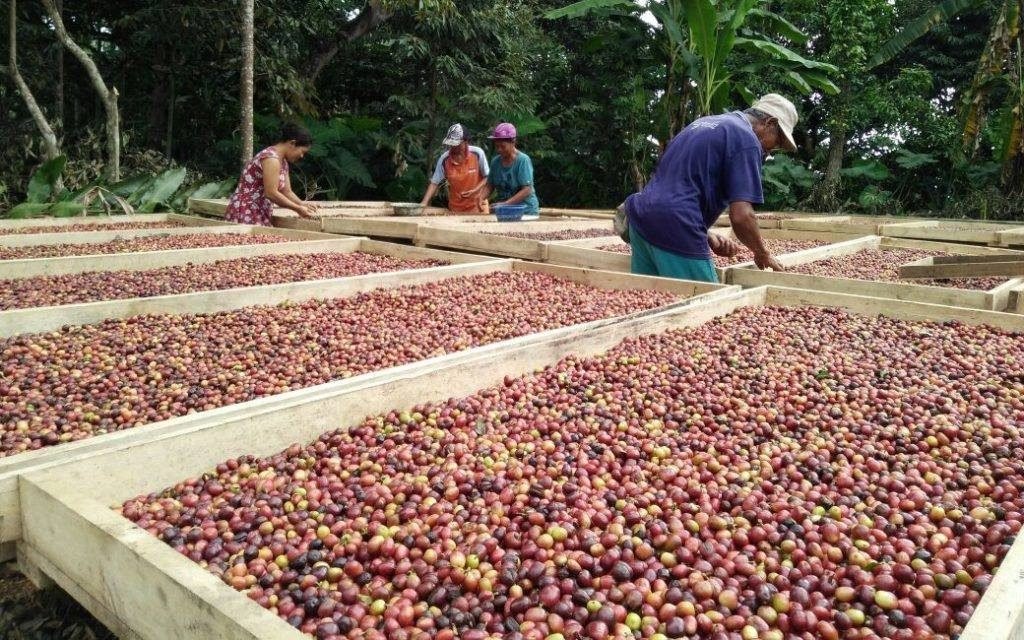
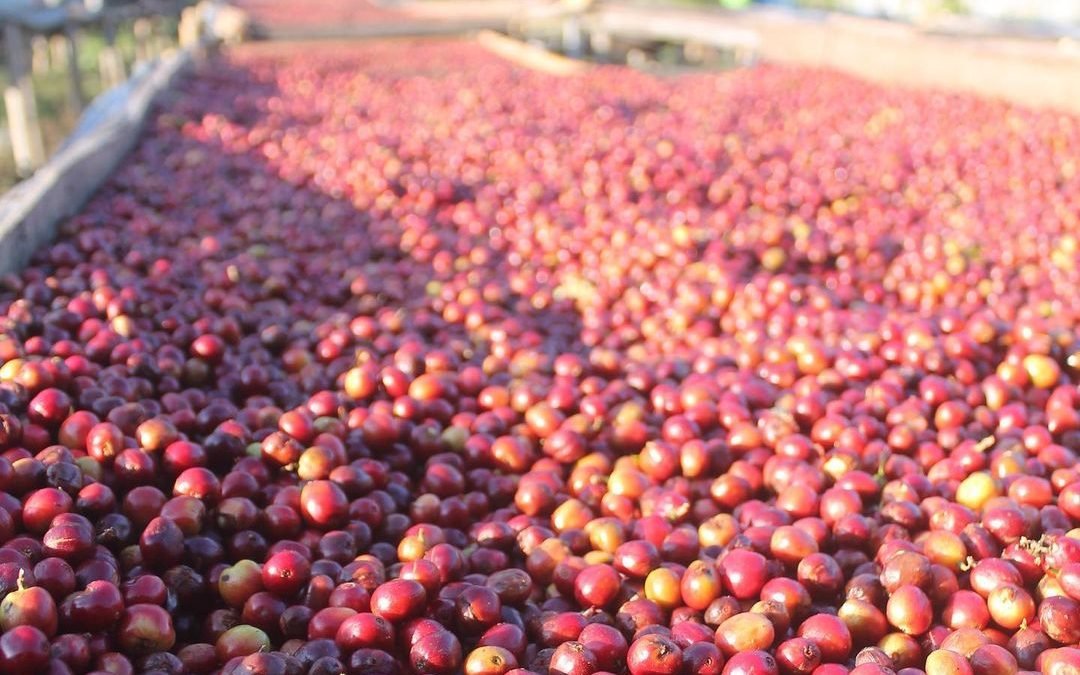
    6. Drying: The washed coffee beans are spread out on drying beds or patios to dry under the sun. They are regularly turned and monitored to ensure even drying and prevent mold or other defects. Drying can take several days to weeks, depending on weather conditions.
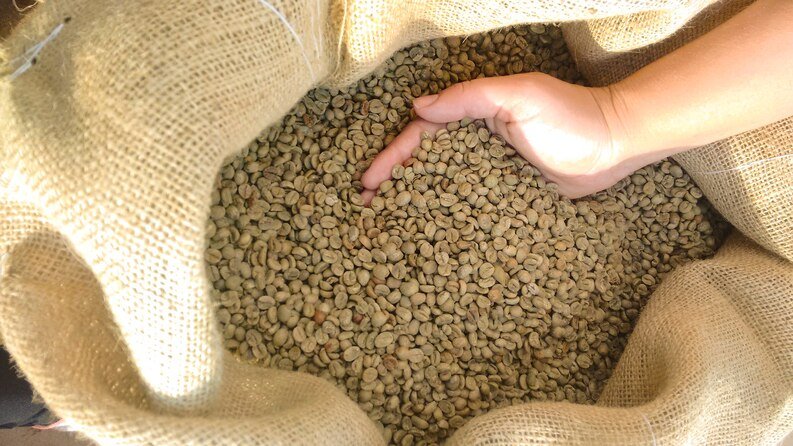
    7. Hulling: Once the coffee beans have reached the desired moisture content, the dry parchment skin surrounding the beans is removed through a process called hulling. This reveals the green coffee beans inside.
    8. Sorting and Grading: The green coffee beans undergo further sorting and grading based on their size, shape, and density. This helps classify the beans into different quality grades and ensures consistency in the final product.
    9. Roasting: The green coffee beans are then roasted to develop their characteristic flavors and aromas. Roasting is a crucial step that requires skill and precision to achieve the desired roast profile.
    10. Packaging: Finally, the roasted coffee beans are packaged in various forms, including whole beans or ground coffee, and are ready to be distributed and enjoyed by coffee enthusiasts.

    It’s important to note that variations in harvesting and processing methods can occur depending on the specific practices of individual coffee farmers or cooperatives. The above steps provide a general outline of the typical process for Java Ijen coffee production.

    10 Reasons Why Java Ijen Coffee is the Perfect Morning Brew

    why java ijen coffee

    When it comes to kickstarting your day on a refreshing note, Java Ijen coffee stands out as the perfect morning brew. With its unique flavor profile and numerous health benefits, this Indonesian gem has captured the hearts of coffee enthusiasts worldwide. we’ll explore ten reasons why Java Ijen coffee is an exceptional choice to fuel your mornings with its invigorating aroma and exquisite taste.

    Unparalleled Flavor Experience

    Java Ijen coffee offers a delightful flavor experience that sets it apart from other coffee varieties. Grown in the rich volcanic soil of the Ijen Plateau, this coffee boasts a distinctively smooth and rich taste, often characterized by notes of dark chocolate, caramel, and subtle earthiness. Every sip is a journey for your taste buds.

    Exceptional Quality and Sourcing

    Java Ijen coffee is meticulously sourced and crafted with utmost care. The coffee beans are handpicked by skilled farmers who have mastered the art of selecting only the finest beans. The result is a premium quality coffee that reflects the dedication and expertise invested in its production.

    Sustainable Farming Practices

    The cultivation of Java Ijen coffee follows sustainable farming practices that prioritize environmental conservation. Farmers employ methods such as shade-grown cultivation and organic farming techniques, ensuring the coffee is not only delicious but also produced with a minimal ecological footprint.

    Rich in Antioxidants

    One of the remarkable health benefits of Java Ijen coffee lies in its antioxidant properties. Packed with natural antioxidants, this morning brew helps combat harmful free radicals in the body, promoting overall health and well-being.

    Increased Energy and Focus

    Java Ijen coffee contains caffeine, a natural stimulant that provides a welcome energy boost. By stimulating the central nervous system, it enhances focus, mental alertness, and productivity, making it an ideal choice to kickstart your day.

    Aids Cognitive Function

    Regular consumption of Java Ijen coffee has been associated with improved cognitive function. The caffeine content in this brew has been shown to enhance memory, attention, and concentration, giving your brain the boost it needs to tackle the day’s tasks.

    Boosts Metabolism

    For those aiming to manage their weight, Java Ijen coffee can be a valuable ally. The caffeine in this coffee variety temporarily increases metabolic rate, aiding in fat-burning and weight management.

    Enhances Physical Performance

    Java Ijen coffee’s caffeine content can improve physical performance by stimulating the nervous system and increasing adrenaline levels. This results in heightened endurance, reduced perceived exertion during exercise, and an overall improvement in athletic performance.

    Lower Risk of Diseases

    Research suggests that regular coffee consumption, including Java Ijen coffee, may be associated with a reduced risk of certain diseases. These include type 2 diabetes, liver disease, certain types of cancer, and cardiovascular conditions. Enjoying your morning cup of Java Ijen coffee may offer protection for your long-term health.

    Mood-Boosting Properties

    Starting your day with a cup of Java Ijen coffee can have a positive impact on your mood. The caffeine stimulates the release of neurotransmitters like dopamine and serotonin, which are known to uplift mood and promote a sense of well-being. Embrace the day ahead with a smile on your face.

    Also Read: Raw Coffee Beans: From Farm to Cup – The Enchanting Path of Fresh Flavors

    Conclusion: Why Java Ijen Coffee should be your new go-to morning brew

    Java Ijen Coffee is a delicious and unique coffee that provides a range of health benefits. From its rich, full-bodied flavor to its unique aroma, Java Ijen Coffee is the perfect morning brew. Whether you enjoy it black or with a splash of milk, Java Ijen Coffee is sure to become your new go-to coffee. So, what are you waiting for? Grab a bag of Java Ijen Coffee today and enjoy the perfect morning brew.


  • Wild Civet Coffee vs Captive Civet Coffee: Environmental Impact and Taste

    Wild Civet Coffee vs Captive Civet Coffee: Environmental Impact and Taste

    wild civet coffee vs cavtive civet coffee

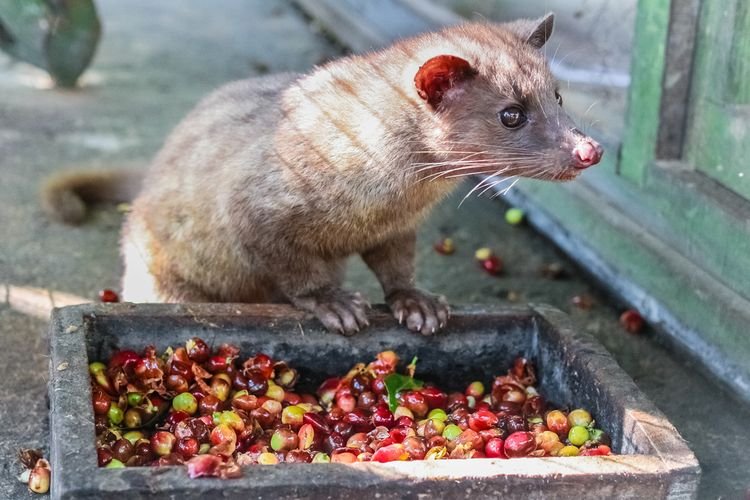
    Are you a coffee connoisseur looking for the perfect cup of joe? If so, you’ve probably heard of the elusive and highly sought-after civet coffee. But did you know that there are two distinct types of civet coffee: wild civet coffee vs captive civet coffee? In this intriguing exploration, we will delve into the environmental impact and taste differences between the two.

    Wild civet coffee is known for its unique and rich flavor, as the civets roam freely in their natural habitat, selecting only the finest coffee cherries to feast on. On the other hand, captive civet coffee is produced by force-feeding civets in confined environments, raising concerns about animal welfare. Join us as we unravel the secrets behind these two contrasting methods of production and discover which one truly satisfies both your taste buds and your ethical standards. Get ready to embark on a flavorful journey that will leave you with a newfound appreciation for the fascinating world of civet coffee.

    Also Read: Do You Know? Fun Facts About Asian Palm Civet for You!

    Understanding the Difference between Wild Civet Coffee vs Captive Civet Coffee

    Civet coffee, also known as Kopi Luwak, is a unique and highly prized coffee produced from the feces of civet cats. These small, cat-like mammals are native to Southeast Asia and play an essential role in the production of civet coffee. However, the methods employed to obtain the coffee beans can vary significantly, resulting in two distinct types: wild civet coffee and captive civet coffee.

    Wild Civet Coffee

    These are obtained from civets that roam freely in their natural habitat. These nocturnal creatures have a natural affinity for coffee cherries and select only the ripest and finest cherries to eat. The cherries are then digested, and the coffee beans pass through the digestive system, undergoing a unique fermentation process. Afterward, the beans are collected from the feces, thoroughly washed, and roasted to perfection. The result is a coffee with a distinct and complex flavor profile, characterized by its smoothness, low acidity, and hints of chocolate and caramel.

    Wild Civet Coffee vs Captive Civet Coffee

    Captive Civet Coffee

    These Coffee, on the other hand, is produced under controlled conditions. Civets are captured and kept in captivity, often in cramped cages, where they have force-fed a diet consisting mainly of coffee cherries. This method of production aims to mass-produce civet coffee to meet the growing demand in the market. However, the force-feeding process raises ethical concerns as it goes against the natural behavior and welfare of the civets. Moreover, the quality of the coffee beans produced in these conditions is often compromised, resulting in a less desirable taste compared to its wild counterpart.

    Environmental Impact of Wild Civet Coffee Production

    The production of wild civet coffee has a minimal environmental impact compared to other forms of coffee production. In the wild, civets play a crucial role in the ecosystem as they help disperse the seeds of coffee plants. As they consume coffee cherries, the undigested seeds pass through their digestive system and are dispersed in their feces, leading to the growth of new coffee plants. This natural process contributes to the biodiversity and sustainability of the coffee ecosystem.

    Furthermore, This coffee production is typically practiced in small-scale and traditional farming systems. These farms often employ organic and sustainable farming practices, minimizing the use of synthetic pesticides and fertilizers. The coffee plants grow in harmony with the surrounding environment, resulting in healthier ecosystems and preserving the natural habitats of civets and other wildlife.

    Environmental Impact of Captive Civet Coffee Production

    In contrast to wild civet coffee production, this coffee production raises significant environmental concerns. The process involves capturing civets from their natural habitats and confining them in small cages for extended periods. This confinement not only affects the welfare of the animals but also disrupts the natural balance of the ecosystem.

    These coffee farms require large amounts of space to accommodate the growing demand for this luxury coffee. As a result, natural habitats are destroyed or altered to make way for these farms. Deforestation and habitat loss have severe consequences for the biodiversity of the region, leading to the displacement and extinction of many species.

    Additionally, These coffee farms often rely heavily on artificial fertilizers and pesticides to maximize production. These chemicals can contaminate the soil, water sources, and surrounding ecosystems, causing long-term damage to the environment and posing health risks to wildlife and nearby communities.

    Also Read: The History and Process of Civet Coffee in Indonesia

    The Ethical Concerns Surrounding Captive Civet Coffee

    This coffee production is marred by ethical concerns regarding the treatment and welfare of the civets involved. The practice of force-feeding civets a diet consisting mainly of coffee cherries goes against their natural behavior and can result in malnutrition, stress, and various health issues.

    Civets are solitary animals that require ample space to roam and exhibit natural behaviors. Confining them to small cages not only deprives them of their freedom but also leads to physical and psychological distress.

    Animal rights organizations have raised awareness about the unethical practices associated with this coffee production. The demand for this luxury coffee has led to an increase in the capture and trade of wild civets, further threatening their populations in the wild.

    Taste Comparison Between Wild and Captive Civet Coffee

    The taste of civet coffee is influenced by various factors, including the type of coffee cherries consumed, the fermentation process, and the roasting techniques. While both wild and captive civet coffee undergoes a similar fermentation process, the quality and taste can vary significantly.

    Wild civet coffee is renowned for its unique and complex flavor profile. The civets’ ability to select only the finest and ripest cherries results in a coffee with a smooth and mellow taste. The fermentation process in the civets’ digestive system adds depth and richness to the coffee, enhancing its flavor notes of chocolate, caramel, and even fruity undertones. The end result is a coffee that is highly prized by coffee enthusiasts for its distinct and luxurious taste.

    In contrast, captive civet coffee often fails to deliver the same level of quality and flavor. The force-feeding method used in this coffee production means that the civets consume a higher quantity of coffee cherries, including unripe and lower-quality cherries. This leads to a less refined taste, with increased bitterness and a lack of the unique flavor characteristics found in wild civet coffee.

    Factors Influencing the Taste of Civet Coffee

    Aside from the production method, several other factors can influence the taste of civet coffee. The origin of the coffee cherries, the altitude at which they are grown, and the processing techniques can all contribute to the final flavor profile. Additionally, the roasting process plays a crucial role in bringing out the unique flavors and aromas of civet coffee.

    Roasters who specialize in civet coffee often carefully control the roasting process to preserve the delicate flavors and nuances of the beans. This attention to detail ensures that the coffee retains its distinct characteristics, resulting in a premium cup of civet coffee that is truly a sensory delight.

    The Price and Availability of Wild Civet Coffee vs. Captive Civet Coffee

    Given the labor-intensive and limited production of civet coffee, it comes as no surprise that it is one of the most expensive coffees in the world. The rarity and exclusivity of civet coffee contribute to its high price tag, with wild civet coffee generally commanding a higher price than captive civet coffee.

    Wild civet coffee is produced in smaller quantities and requires a more meticulous collection process, making it considerably more scarce and expensive. The production of captive civet coffee, although more abundant, still comes at a premium due to the high demand and the costs associated with maintaining captive civet farms.

    When it comes to availability, wild civet coffee can be more challenging to find as it is produced in limited quantities and often sold through specialty coffee shops or online retailers. Captive civet coffee, on the other hand, is relatively more accessible, with a wider range of retailers and distributors offering this type of coffee.

    Also Read: Specialty vs Commercial Coffee: Which One is Right for You?

    Making an Informed Choice: Supporting Sustainable and Ethical Coffee Production

    As consumers, we have the power to make a difference by supporting sustainable and ethical coffee production. When choosing civet coffee, it is essential to consider not only the taste but also the environmental and ethical implications of the production method.

    Opting for wild civet coffee ensures that you are supporting a more sustainable and eco-friendly form of production. By purchasing coffee produced from civets in their natural habitat, you contribute to the preservation of biodiversity and the livelihoods of local communities.

    To ensure that the civet coffee you purchase is ethically sourced, look for certifications such as Rainforest Alliance or Fair Trade. These certifications guarantee that the coffee has been produced following strict environmental and ethical standards, ensuring that both the animals and the environment are treated with respect.

    By making an informed choice and supporting sustainable and ethical coffee production, you can enjoy a cup of civet coffee that not only tantalizes your taste buds but also aligns with your values and contributes to a better future for our planet.

    Conclusion: Balancing Taste, Ethics, and Environmental Impact in Coffee Consumption

    wild civet coffee

    In the world of coffee, wild civet coffee and captive civet coffee represent two distinct methods of production with significant differences in taste, environmental impact, and ethical considerations.

    Wild civet coffee, produced from civets in their natural habitat, offers a unique and rich flavor profile that is highly sought after by coffee enthusiasts. The production of wild civet coffee has a minimal environmental impact and supports sustainable farming practices.

    In contrast, captive civet coffee, produced through force-feeding civets in confined environments, raises ethical concerns and has a more significant environmental footprint. While captive civet coffee may be more accessible and affordable, it often falls short in terms of taste and quality.

    As consumers, it is crucial to consider the origins and production methods of the coffee we consume. By supporting sustainable and ethical coffee production, we can enjoy a cup of civet coffee that satisfies our taste buds while also respecting the environment and the welfare of animals.

    So, the next time you’re craving a cup of civet coffee, remember the choices you have. Choose wisely, and savor every sip of this unique and captivating beverage.

  • Why Gayo Coffee is the Perfect Choice for Coffee Connoisseurs

    Why Gayo Coffee is the Perfect Choice for Coffee Connoisseurs

    Gayo Coffee

    Coffee has become more than just a beverage it has evolved into a passion for many individuals, giving rise to the term “coffee connoisseurs.” These enthusiasts seek unique flavors and experiences in their pursuit of the perfect cup. Among the wide variety of coffee options available, Gayo Coffee stands out as an exceptional choice. With its distinct characteristics and rich cultural heritage, This Coffee captures the hearts of coffee lovers worldwide.

    Also Read: Pulled Coffee Technique to Create the Optimal Taste For Aceh Gayo Coffee

    Gayo Coffee: A Brief Overview

    Gayo Coffee finds its roots in the enchanting Gayo Highlands, located in Aceh, Indonesia. Nestled amidst the verdant landscapes of this region, benefits from its unique geographical attributes. The Gayo Highlands’ volcanic soil, coupled with its altitude and favorable climate, creates the perfect environment for cultivating exceptional coffee beans. This natural setting contributes to the distinctiveness and high quality of Gayo Coffee.

    Gayo Coffee is renowned for its remarkable flavor profile, captivating the palates of coffee connoisseurs. It boasts a medium to full body, providing a satisfying richness and depth. The coffee exhibits a low acidity level, making it smooth and gentle on the taste buds. Moreover, This Coffee delights with its intriguing notes of chocolate and subtle herbal undertones. This intricate combination of flavors contributes to a memorable and pleasurable coffee experience.

    Within the local community of the Gayo Highlands, this coffee has great cultural significance. It is closely related to traditional ceremonies and social gatherings, being an integral part of the regional cultural fabric. Coffee from Gayo plays an important role in various communal activities, symbolizing friendliness, connection and sharing of experiences. Her presence at weddings, festivals and religious ceremonies fosters a sense of community and celebration. Through this ritual, local people protect and respect their cultural heritage.

    Quality and Sustainability

    Meticulous Cultivation Process

    Gayo coffee is cultivated through a careful process that emphasizes the use of organic farming methods and shade growing practices. Organic farming avoids the use of synthetic fertilizers, pesticides and herbicides, ensuring coffee beans are free from harmful chemicals. This not only contributes to the quality and purity of Coffee but also protects the environment and the health of farmers and consumers.

    Additionally, this coffee is shade grown, which involves growing the coffee tree in the shade of a larger tree or using an artificial shade system. This approach promotes biodiversity, as it creates habitats for different species of plants and animals. Shade protects the coffee plant from direct sunlight, resulting in slower ripening and development of a more complex flavor in the bean.

    Careful Handpicking and Rigorous Sorting

    To ensure that only the highest quality beans are selected, Coffee Beans undergo a careful selection and sorting process. Skilled growers hand-pick the ripest coffee cherries, carefully selecting them based on color, size and ripeness. This selective harvesting ensures that only the best coffee beans are selected, thereby increasing the overall quality of the coffee bean. After harvest, the coffee beans undergo a rigorous sorting process, where any defective or underripe beans are removed. Attention to detail during the harvesting and sorting stages ensures that Gayo Coffee maintains exceptional taste quality and consistency.

    Sustainability Efforts

    The Gayo Coffee industry is committed to sustainability, implementing various practices to promote environmental preservation and fair trade. Fair trade practices ensure that farmers receive fair prices for their coffee beans, enabling them to support their families, invest in their farms, and improve their communities’ well-being. By providing equitable compensation, fair trade empowers farmers and contributes to the overall socio-economic development of the region.

    Furthermore, Gayo Coffee promotes environmentally friendly farming techniques. This includes the adoption of water conservation methods, responsible waste management, and soil conservation practices. These efforts help to preserve the natural resources of the Gayo Highlands, minimize the ecological footprint of coffee cultivation, and safeguard the long-term sustainability of the coffee industry.

    By choosing Gayo Coffee, coffee connoisseurs not only enjoy a superior cup of coffee but also support the ethical and sustainable practices associated with its production. The emphasis on organic farming, shade-grown cultivation, meticulous handpicking, and rigorous sorting ensures that Gayo Coffee consistently delivers a high-quality product. Additionally, the commitment to fair trade and environmental sustainability fosters a responsible and conscious coffee culture, benefiting both the farmers and the environment.

    Also Read: 7 Sustainable Coffee Farming Practices You Need to Know

    Ethical Considerations

    Gayo Coffee embraces fair trade practices, which have a profound positive impact on the Gayo Coffee community, particularly the farmers. Fair trade ensures that farmers receive fair prices for their coffee beans, providing them with a more stable and sustainable income. This allows them to improve their standard of living and invest in their farms, which leads to better agricultural practices and higher-quality coffee. Fair trade also promotes transparency and accountability in the supply chain, ensuring that the benefits of coffee production are shared equitably among all stakeholders.

    Gayo Coffee plays a significant role in empowering local farmers, bringing about tangible improvements in their living conditions. The fair prices obtained through fair trade enable farmers to access better housing, clean water, and improved sanitation facilities. Moreover, the increased income allows farmers to invest in education, providing their children with better opportunities for a brighter future. Additionally, Gayo Coffee initiatives often include healthcare programs, which offer access to medical facilities, health insurance, and preventive care, enhancing the overall well-being of the farming communities.

    The Gayo Coffee industry supports various social initiatives that aim to empower the community and foster sustainable development. One notable area of focus is women empowerment. Recognizing the vital role women play in coffee production, initiatives are implemented to provide them with training, resources, and support to actively participate in all aspects of the coffee value chain. By involving women in decision-making processes and income generation, Gayo Coffee promotes gender equality and improves the overall welfare of the community.

    Health Benefits

    Gayo Coffee, known for its distinct flavor and cultural significance, also offers potential health benefits for coffee connoisseurs. Here are some of the key health benefits associated with Gayo Coffee:

    1. Rich in Antioxidants: Gayo Coffee contains high levels of antioxidants, such as polyphenols and chlorogenic acids. Antioxidants help combat oxidative stress and protect the body’s cells from damage caused by harmful free radicals. These compounds have been linked to various health benefits, including reducing inflammation, supporting heart health, and boosting the immune system.
    2. Potential Positive Effects on Cognitive Function: The natural compounds present in Gayo Coffee, including caffeine and antioxidants, have been associated with improved cognitive function. Moderate consumption of Gayo Coffee may enhance focus, alertness, and mental performance. It can provide a natural boost to productivity and help maintain mental acuity.
    3. Reduced Risk of Chronic Diseases: Scientific studies suggest that moderate coffee consumption, including Gayo Coffee, may be associated with a reduced risk of certain chronic diseases. The antioxidants and other bioactive compounds in Gayo Coffee have been linked to a lower risk of conditions such as heart disease, type 2 diabetes, certain cancers, and neurodegenerative disorders.
    4. Liver Health Benefits: Some research indicates that regular, moderate coffee consumption may have protective effects on liver health. The bioactive compounds in Gayo Coffee have shown potential in preventing liver diseases, including liver cancer and cirrhosis. They may also help improve liver enzyme levels and reduce the risk of developing liver-related conditions.
    5. Mood and Mental Well-being: Gayo Coffee can positively impact mood and mental well-being. Caffeine, present in Gayo Coffee, stimulates the release of neurotransmitters like dopamine and serotonin, which are associated with improved mood and feelings of well-being. Enjoying a cup of Gayo Coffee can provide a pleasant and uplifting experience.

    It’s important to note that individual responses to Gayo Coffee and its health effects may vary. Factors such as individual health conditions, caffeine sensitivity, and overall lifestyle should be taken into consideration. Moderation is key, and it’s always advisable to consult with a healthcare professional regarding any specific health concerns or considerations related to coffee consumption.

    Also Read: You Never Know This! 7 Benefits of Gayo Coffee for Your Body

    Conclusion

    Gayo Coffee is the epitome of excellence for coffee connoisseurs. Its distinctive flavor profile, derived from the fertile Gayo Highlands, captures the essence of a truly remarkable coffee experience. Moreover, Gayo Coffee’s commitment to quality, sustainability, and fair trade practices makes it an ethically responsible choice. As you embark on your coffee journey, we encourage you to explore the wonders of Gayo Coffee, available at specialty coffee shops and online platforms. Indulge in its unique flavors and contribute to the upliftment of the Gayo Coffee community while savoring every sip.

  • Finding the Best Indonesian Coffee Bean Supplier for Your Business

    Finding the Best Indonesian Coffee Bean Supplier for Your Business

    In the world of coffee, choosing the right Indonesian coffee bean supplier is crucial for the success and quality of your products. This article aims to guide you through the process of finding the best supplier and highlights the key factors to consider.

    indonesian coffee bean supplier

    Importance of Finding the Best Indonesian Coffee Bean Supplier

    Finding the best Indonesian coffee bean supplier for your company is critical. The supplier you select has a big impact on the taste and quality of your coffee goods. The beans they supply will have a direct impact on the flavors and attributes that your customers encounter. By working with a dependable and respected provider, you can ensure that your clients receive consistently good coffee.

    Also Read: Raw Coffee Beans: From Farm to Cup – The Enchanting Path of Fresh Flavors

    Customer satisfaction is critical for any business, and the quality of your coffee contributes significantly to that satisfaction. When you acquire high-quality coffee beans from a reliable provider, you can provide a product that exceeds your clients’ expectations. Coffee with exceptional taste characteristics, aroma, and overall quality will enhance their experience, making a lasting impact and increasing customer loyalty.

    Furthermore, the reputation of your brand is inextricably linked to the quality of your items. You associate your brand with excellence and authenticity by working with a recognized Indonesian coffee bean supplier. Customers will identify your brand with high-quality coffee, which will lead to favorable word-of-mouth referrals and an improved brand reputation in the industry.

    Understanding the Indonesian Coffee Industry

    The Indonesian coffee industry has received international acclaim for its superior coffee production. Indonesia is one of the world’s top coffee producers, noted for its different and diversified coffee regions, each with its distinctive flavor profile.

    The reputation of Indonesia as a significant coffee grower originates from its favorable geographical and climatic characteristics. The volcanic soil, tropical temperature, and high altitude portions of the country provide an ideal environment for coffee growth. These elements contribute to the high quality of Indonesian coffee beans.

    One notable aspect of the Indonesian coffee industry is the variety of coffee regions across the archipelago. Each region produces coffee beans with distinct flavor profiles, providing a wide range of taste experiences for coffee enthusiasts. Some renowned coffee regions in Indonesia include Aceh, Sumatra, Java, Bali, and Sulawesi. Each region’s coffee beans exhibit unique characteristics, such as earthy flavors, rich aromas, and low acidity, setting them apart in the global coffee market.

    Key Factors to Consider in Choosing a Coffee Bean Supplier

    indonesian coffee bean supplier

    When choosing a coffee bean supplier for your business, there are key factors to consider that will impact the quality of your coffee products and align with your brand values. Here are the factors to prioritize:

    Quality and Flavor Profiles

    • Ensure that the supplier consistently provides high-quality coffee beans that meet your standards.
    • Consider the flavor profiles offered by the supplier and how well they align with the taste preferences of your target market.
    • Look for a supplier that offers customization options, allowing you to create unique blends or tailor the flavor characteristics to match your brand identity.

    Certifications and Sustainable Practices

    • Give preference to suppliers who hold certifications such as Fairtrade or Rainforest Alliance. These certifications ensure ethical sourcing practices and fair treatment of farmers.
    • Consider suppliers that prioritize sustainable practices, such as organic farming methods and environmentally-friendly production processes. This reflects your commitment to sustainability and resonates with conscious consumers.

    Consistency in Bean Supply and Availability

    • Choose a supplier that can reliably meet your bean supply requirements. Consistency is essential to maintain product quality and meet customer demands.
    • Ensure that the supplier has a sufficient and diverse range of coffee bean varieties. This allows you to offer a variety of options to your customers and adapt to changing market trends.
    • Consider seasonal offerings if you plan to feature limited edition or specialty coffees. A supplier with access to seasonal beans can add variety and exclusivity to your product lineup.

    Pricing and Cost-Effectiveness

    • Find a balance between quality and competitive pricing to ensure that the beans are cost-effective for your business.
    • Assess the value for money by considering factors like bean quality, consistency, and the long-term cost sustainability of the supplier.

    Reliability and Reputation

    • Research the supplier’s track record, industry reputation, and customer reviews to gauge their reliability.
    • Consider their ability to deliver orders on time and their responsiveness to customer inquiries and concerns.

    By considering these factors, you can select a coffee bean supplier that delivers consistent quality, aligns with your sustainability goals, and provides a diverse range of beans to meet your business needs. This ensures that you can consistently offer high-quality coffee products that delight your customers and strengthen your brand’s reputation.

    Also Read: Indonesian Coffee Beans: Flavorful Delights with Mandheling Coffee

    Researching and Identifying Potential Suppliers

    When researching and identifying potential coffee bean suppliers in Indonesia, there are several effective strategies to employ. Consider the following approaches:

    Utilizing Online Resources and Directories:

    • Utilize online resources and directories specific to the coffee industry to find a comprehensive list of Indonesian coffee suppliers. Some examples include coffee trade websites, industry directories, and online marketplaces.
    • These platforms often provide detailed information about the suppliers, including their offerings, certifications, and contact details. Take advantage of search filters and keywords to narrow down your options based on specific criteria.

    Seeking Recommendations from Industry Peers or Coffee Associations:

    • Reach out to industry peers, fellow coffee business owners, or professionals within the coffee community to seek recommendations for reputable Indonesian coffee suppliers.
    • Engage with coffee associations or organizations related to the coffee industry, both locally and internationally, as they can provide valuable insights and recommendations.

    Attending Coffee Trade Shows and Exhibitions:

    • Attend coffee trade shows, exhibitions, and events that feature a diverse range of coffee suppliers, including those from Indonesia.
    • These events offer opportunities for networking, exploring different coffee offerings, and connecting directly with potential suppliers. Take note of the suppliers that catch your interest and gather their contact information for further research.

    By utilizing online resources, seeking recommendations from industry peers or coffee associations, and attending coffee trade shows and exhibitions, you can gather a comprehensive list of potential Indonesian coffee bean suppliers. Remember to take notes, compare offerings, and conduct further research on each supplier to assess their suitability for your business.

    Indonesian Coffee Bean Suppliers

    FandB Tech Indonesia

    indosian coffee bean supplier

    FandB Tech Indonesia is a trusted supplier that specializes in F&B technology, including coffee bean sourcing. They have established themselves as a reliable partner in the industry, offering high-quality coffee beans to businesses. Their commitment to quality is evident in their rigorous sourcing and selection process.

    FandB Tech Indonesia supports sustainable methods in addition to quality. They collaborate closely with coffee growers who use sustainable farming methods to ensure that their beans are produced in an environmentally friendly manner. By partnering with FandB Tech Indonesia, you can align your company with sustainable sourcing methods and contribute to a greener future.

    To explore FandB Tech Indonesia’s offerings and expertise, you can visit their website at www.fnb.co.id. Their website provides detailed information about their coffee bean selection, sourcing practices, and additional services they offer. Take the opportunity to learn more about their commitment to quality and sustainability, which can further inform your decision-making process.

    FandB Tech Indonesia’s expertise in F&B technology and their dedication to quality and sustainable practices make them a promising option for businesses seeking reliable Indonesian coffee bean suppliers. Consider exploring their website and reaching out to them for more information to assess how they can meet your specific needs and contribute to the success of your coffee business.

    Also Read: These are 5 Provinces of Coffee Exporter from Indonesia

    Evaluating and Selecting the Best Supplier

    When it comes to evaluating and selecting the best Indonesian coffee bean supplier for your business, several key factors should be considered. Take the following steps to ensure you make an informed decision:

    Request Coffee Samples:
    Request samples from potential suppliers to evaluate the taste, aroma, and quality of their coffee beans. Conduct thorough taste testing to assess if the flavor profiles align with your desired standards.

    Verify Certifications and Sustainable Practices:
    Verify the supplier’s certifications, such as Fairtrade or Rainforest Alliance, which indicate ethical sourcing and sustainable practices. Ensure their commitment to environmentally-friendly farming methods and social responsibility.

    Consider Pricing, Shipping Options, and Delivery Timelines:
    Evaluate the pricing structure of the supplier and compare it to the quality and value they offer. Consider the overall cost-effectiveness and how it fits within your budget. Discuss shipping options, both domestically and internationally, to ensure they can meet your delivery requirements. Assess delivery timelines to ensure timely and reliable shipments.

    Assessing Customer Service and Responsiveness:
    Interact with the supplier’s customer service team to gauge their professionalism, responsiveness, and willingness to address any concerns or inquiries. Consider their ability to provide ongoing support, handle order changes, and resolve any potential issues that may arise.

    Remember to communicate openly with the suppliers, ask relevant questions, and establish a strong rapport. This evaluation process will help you identify the best coffee bean supplier that offers high-quality beans, sustainable practices, competitive pricing, and reliable service – all crucial elements for the success of your coffee business.

    Conclusion

    Finally, choosing the best Indonesian coffee bean supplier for your company is critical to the quality and success of your coffee goods. By collaborating with a trustworthy and recognized provider, you can ensure that you continuously deliver outstanding coffee to your clients, increasing their satisfaction and loyalty.

    Therefore, I encourage you to conduct comprehensive research, consider all relevant factors, and make a well-informed decision when selecting your Indonesian coffee bean supplier. Invest the time and effort into finding the right partner who shares your commitment to quality, sustainability, and customer satisfaction.

    Remember, the right supplier can contribute significantly to the growth and prosperity of your coffee business. Choose wisely and embark on a fruitful partnership that will elevate your brand and delight coffee enthusiasts with exceptional Indonesian coffee experiences.

  • The Perfect Cup: Brewing Sumatra Lintong Coffee at Home

    The Perfect Cup: Brewing Sumatra Lintong Coffee at Home

    sumatra lintong coffee

    Enjoy a cup of Sumatra Lintong coffee that will transport you to the lush landscapes of Indonesia. This coffee is well-known for its distinct flavor profile, which combines earthiness, sweetness, and a hint of spice. We’ll uncover the secrets to creating the ideal cup in this tutorial, from selecting the correct beans to mastering the brewing procedures. Join us on a flavor adventure as we learn how to brew Sumatra Lintong coffee like an expert, guaranteeing that each drink is a beautiful symphony of flavors. Prepare to experience coffee heaven in the comfort of your own home!

    Also Read: Pour Over Coffee vs Drip: Which Brewing Method is Right for You?

    The Unique Flavor Profile of Sumatra Lintong Coffee

    Sumatra Lintong coffee distinguishes itself from other coffee kinds due to its particular flavor character. The coffee beans are grown in the lush soils of Sumatra’s Lintong district, which gives the brew a distinct flavor. This coffee is well-known for its earthy flavor, with overtones of cedar, tobacco, and even dark chocolate. Its medium to full body creates a rich and gratifying mouthfeel, while the earthiness is nicely balanced by a mild sweetness, resulting in a very complex and delicious cup of coffee. Sumatra Lintong coffee has a gentle spiciness that adds an intriguing layer of taste with each sip, adding to its attraction.

    Now that you’re familiar with the delicious flavors of Sumatra Lintong coffee, let’s look at the benefits of brewing it at home. You have entire control over the brewing process when you make this coffee in the comfort of your own home, allowing you to personalize it to your preferences.

    Whether you prefer a pour-over, French press, or espresso-style brew, you may experiment with various techniques to bring out the best in your coffee. Furthermore, making Sumatra Lintong coffee at home means that you have access to freshly roasted beans, which maximizes the flavors and fragrances in each cup. It also allows you to enjoy the art of coffee preparation while immersing yourself in the sensory experience of brewing and savoring this great Indonesian coffee.

    Choosing the Right Beans for Sumatra Lintong Coffee

    Sumatra Lintong Coffee

    When it comes to brewing Sumatra Lintong coffee, choosing the proper beans is critical to obtaining the ideal flavor balance. Seek out freshly roasted beans purchased from reliable coffee manufacturers. To assure an authentic taste, pick beans cultivated in the Lintong district of Sumatra. To assure freshness, look for the roast date on the box, as coffee beans are at their best within a few weeks of being roasted. To keep the tastes longer, use whole beans rather than pre-ground coffee. Whole beans have less surface area exposed to air, which helps keep the coffee fresh. When you’ve obtained your beans, it’s time to grind and store them appropriately.

    Grinding and Storing Your Coffee Beans

    Grinding your coffee beans just before brewing is essential to unlock the full potential of the flavors. Invest in a good quality burr grinder, as it allows for more precise control over the grind size. For Sumatra Lintong coffee, a medium to coarse grind works best to accentuate the earthy and full-bodied characteristics. Avoid grinding the beans too fine, as it can result in over-extraction and a bitter taste.

    Once you’ve ground your beans, it’s important to store them properly to maintain freshness. Store your coffee beans in an airtight container in a cool, dark place, away from direct sunlight, heat, and moisture. Avoid storing them in the refrigerator or freezer, as the fluctuations in temperature can affect the flavor. Now that you have your freshly ground beans, let’s dive into the various brewing methods for Sumatra Lintong coffee.

    Brewing Methods for Sumatra Lintong Coffee

    There are several brewing methods that can bring out the best flavors in Sumatra Lintong coffee. Let’s explore a few popular options:

    1. Pour Over: The pour-over method, using a V60 or Chemex, allows for precise control over the brewing process. It involves pouring hot water over a bed of coffee grounds in a slow, circular motion, resulting in a clean and nuanced cup of coffee. This method is ideal for highlighting the delicate flavors of Sumatra Lintong coffee.
    2. French Press: The French press method is known for producing a full-bodied and robust cup of coffee. It involves steeping coarsely ground coffee in hot water for a few minutes before pressing down a plunger to separate the grounds. This method can bring out the earthy and spicy notes of Sumatra Lintong coffee.
    3. Aeropress: The Aeropress is a versatile and compact brewing device that allows for various brewing techniques. It uses air pressure to extract the flavors from the coffee grounds, resulting in a clean and vibrant cup of coffee. Experiment with different brewing methods, such as the inverted method or the standard method, to find your preferred style.

    Now that you’re familiar with the brewing methods, let’s dive into the step-by-step guide to brewing Sumatra Lintong coffee using the pour-over method.

    Also Read: From Bean to Cup: Discovering the Art of Brewing Bali Kintamani Coffee

    Step-by-Step Guide to Brewing Sumatra Lintong Coffee

    Sumatra Lintong Coffee
    1. Start by heating your water to around 200°F (93°C). If you don’t have a thermometer, bring the water to a boil and let it sit for a minute to cool slightly.
    2. Weigh out 22 grams of coarsely ground Sumatra Lintong coffee and place it in a pre-wetted paper filter in your pour-over device.
    3. Slowly pour a small amount of hot water over the coffee grounds, just enough to saturate them. Allow the coffee to bloom for 30 seconds, releasing the trapped gases.
    4. Gradually pour the remaining water in a circular motion, maintaining a steady and controlled pour. Aim to finish pouring within 3-4 minutes.
    5. Once all the water has passed through the coffee grounds, remove the filter and discard the grounds.
    6. Give the brewed coffee a gentle stir to ensure the flavors are well-distributed.
    7. Pour the coffee into your favorite mug and savor the aroma as you take your first sip.

    Congratulations! You’ve successfully brewed a delicious cup of Sumatra Lintong coffee using the pour-over method. But why stop there? Let’s explore some additional techniques to enhance the flavors even further.

    Enhancing the Flavors with Different Brewing Techniques

    If you’re looking to elevate the flavors of your Sumatra Lintong coffee, here are a few techniques to try:

    1. Cold Brew: Cold brewing involves steeping coffee grounds in cold water for an extended period, usually overnight. This method produces a smooth and less acidic cup of coffee, allowing the unique flavors of Sumatra Lintong coffee to shine.
    2. Siphon: The siphon brewing method uses a vacuum pot to create a visually stunning and flavorful cup of coffee. It involves using heat and vacuum pressure to extract the flavors, resulting in a clean and crisp brew.
    3. Espresso: If you have an espresso machine, you can extract a concentrated shot of Sumatra Lintong coffee. The pressure and short extraction time highlight the bold flavors and create a rich and intense cup.

    Feel free to experiment with these brewing techniques to find your favorite way of enjoying Sumatra Lintong coffee.

    Tips for Perfecting Your Home Brewing Skills

    1. Experiment with ratios: Adjust the coffee-to-water ratio to find your preferred strength. Start with a ratio of 1:16 (1 gram of coffee to 16 grams of water) and tweak it according to your taste preferences.
    2. Invest in quality equipment: While it’s possible to brew great coffee with basic equipment, investing in quality brewing tools can enhance your brewing experience and the flavors of your coffee.
    3. Use filtered water: The quality of your water can significantly impact the taste of your coffee. Consider using filtered water to avoid any unwanted flavors or impurities.
    4. Take notes: Keep a brewing journal and record your brewing parameters, ratios, and tasting notes. This will help you refine your brewing techniques and create consistency in your coffee.

    By incorporating these tips into your brewing routine, you’ll be well on your way to brewing the perfect cup of Sumatra Lintong coffee every time.

    Conclusion: Enjoying the Perfect Cup of Sumatra Lintong Coffee at Home

    sumatra lintong coffee

    Brewing Sumatra Lintong coffee at home is an art form that allows you to experience the distinctive flavors of this remarkable coffee varietal. Each step is critical in making the perfect cup of coffee, from selecting the proper beans to perfecting the brewing processes. Idea is to experiment, take notes, and modify to your personal tastes. You’ll soon be able to experience the symphony of earthy, sweet, and spicy flavors that Sumatra Lintong coffee has to offer with a little skill and a lot of devotion. So take your beans, heat up your kettle, and start brewing Sumatra Lintong coffee like a pro. Your taste buds will be grateful.

    Also Read: Single Origin Sumatra Coffee: A Journey Through the Indonesian Highlands

  • Understanding the Methods: Natural Processed Coffee vs Honey Processed Coffees

    Understanding the Methods: Natural Processed Coffee vs Honey Processed Coffees

    Coffee processing methods play a crucial role in shaping the flavor, aroma, and characteristics of the final cup. Two popular processing methods, Natural and Honey processing, have gained significant attention in the coffee industry. This article aims to provide a comprehensive comparison between Natural processed coffee and Honey processed coffees, shedding light on their unique attributes, challenges, and impacts on the final cup quality.

    Also Read: From Trees to Your Cup: 3 Types of Coffee Processing Methods

    Understanding Natural Processed Coffee

    Natural processed coffee, also known as dry processed coffee, is a method of processing coffee cherries to extract the coffee beans. It is one of the three primary processing methods used in the coffee industry, alongside washed (wet) processing and honey processing.

    Here’s how natural processed coffee is typically produced:

    1. Harvesting: Ripe coffee cherries are hand-picked from the coffee plants. Only the fully mature cherries are selected for processing.
    2. Sorting: The harvested cherries are sorted to remove any underripe or overripe cherries, as well as debris and leaves. This step ensures that only high-quality cherries are used.
    3. Drying: Unlike other processing methods, natural processed coffee involves drying the whole cherry intact, with the pulp and the bean still inside. The cherries are spread out on drying beds or patios in thin layers to dry under the sun. They are regularly raked and turned to ensure even drying and prevent fermentation.
    4. Fermentation: During the drying process, the cherries undergo a fermentation stage. The sugars in the pulp of the cherries interact with the beans, imparting unique flavors to the coffee. This fermentation can last several weeks depending on the weather conditions.
    5. Hulling: Once the cherries have dried completely, the outer skin, pulp, and parchment layer (pergamino) are removed in a process called hulling. This reveals the green coffee beans inside.
    6. Sorting and grading: The dried beans are sorted and graded based on their size, color, and density. This step helps separate high-quality beans from defects or lower-grade ones.
    7. Roasting: The green coffee beans are then roasted to bring out their flavor and aroma. Natural processed coffees often have distinct fruity and wine-like flavors due to the fermentation that occurs during the drying process.

    When compared to washed or honey treated coffees, natural processed coffee has a fuller body, reduced acidity, and more noticeable sweetness. The flavor profile varies greatly based on the coffee origin, varietal, and expertise of the coffee grower.

    Natural processed coffees are popular in areas where water resources are scarce or when the traditional procedure matches the desired flavor profile. They can provide unique and exotic flavor experiences, but they must be handled with care throughout processing to minimize flaws and off-flavors.

    Unveiling Honey Processed Coffees

    Honey processed coffee, also known as pulped natural coffee, is another method of processing coffee cherries that falls between the natural (dry) processing and washed (wet) processing methods. It is named “honey” due to the sticky, honey-like consistency of the mucilage that remains on the beans during the drying process. Honey processed coffees have gained popularity in recent years for their unique flavor profiles and complexity.

    Here’s an overview of how honey processed coffee is typically produced:

    1. Harvesting: Ripe coffee cherries are harvested from the coffee plants, similar to other processing methods. Only fully mature cherries are selected for processing.
    2. Depulping: The harvested cherries are then depulped to remove the outer skin and most of the pulp, leaving a sticky layer of mucilage (honey) intact around the beans. The level of mucilage left on the beans can vary, ranging from white (white honey) to yellow (yellow honey), red (red honey), or black (black honey), indicating different levels of sugar content and intensity.
    3. Drying: The coffee beans with the remaining mucilage are spread out to dry, typically on raised drying beds or patios. During the drying process, the mucilage ferments and interacts with the beans, imparting distinctive flavors. The beans need to be regularly turned and monitored to ensure even drying and prevent over-fermentation or mold growth.
    4. Sorting and grading: Once the beans have dried to the desired moisture content, they are hulled to remove the remaining parchment layer. The dried honey processed beans are then sorted and graded based on their size, color, and quality.
    5. Roasting: The sorted honey processed beans are ready for roasting. Roasting brings out the flavors and aromas inherent in the beans. Honey processed coffees often exhibit a balanced flavor profile, with sweetness and acidity that can vary depending on the degree of fermentation and the specific characteristics of the beans.

    Honey processed coffees fall somewhere in the midst of natural and washed coffees. They have some of the fruitiness and complexity of natural processed coffees, as well as the cleanliness and brightness of washed coffees. Depending on the processing settings and coffee variety, the flavor profiles of honey treated coffees can range from fruity and floral to caramel-like or even nutty.

    It’s important to note that honey processing requires careful attention and expertise to control the fermentation and drying process effectively. The degree of mucilage left on the beans and the duration of fermentation can greatly influence the final flavor profile. As a result, honey processed coffees often come with a higher price tag compared to other processing methods due to the additional labor and meticulousness involved.

    Also Read: Wet Hulled Coffee Process: Unique Technique from Indonesia

    Key Differences between Natural and Honey Processing

    Processing steps and techniques

    Natural Processing:

    • In natural processing, the whole coffee cherries are dried intact, with the pulp and bean still inside.
    • The cherries are spread out in thin layers on drying beds or patios to dry under the sun.
    • Regular raking and turning of the cherries are necessary to ensure even drying and prevent fermentation.
    • Once dried, the outer skin, pulp, and parchment layer are removed through hulling.

    Honey Processing:

    • In honey processing, the cherries are depulped to remove the outer skin and some of the pulp, leaving a sticky layer of mucilage (honey) around the beans.
    • The beans with the remaining mucilage are then dried, typically on raised drying beds or patios.
    • During drying, the mucilage ferments and interacts with the beans.
    • Regular turning and monitoring of the beans are essential to ensure proper fermentation and drying.

    Impact on flavor development

    Natural Processing:

    • Natural processed coffees often exhibit pronounced fruity and wine-like flavors.
    • The fermentation that occurs during drying contributes to the unique flavor profile.
    • The extended contact between the bean and the cherry pulp can result in a heavier body, lower acidity, and increased sweetness in the cup.

    Honey Processing:

    • Honey processed coffees can have a wide range of flavor profiles depending on the degree of fermentation and mucilage left on the beans.
    • They offer a balance between the fruitiness of natural processed coffees and the cleanliness of washed coffees.
    • Flavor profiles can vary from fruity and floral to caramel-like or nutty, depending on the specific processing parameters and coffee variety.

    Environmental considerations

    Natural Processing:

    • Natural processing requires less water compared to washed processing since it doesn’t involve extensive washing and fermentation tanks.
    • This makes it a more environmentally friendly option in regions with limited access to water resources.

    Honey Processing:

    • Honey processing also requires less water compared to washed processing but more than natural processing.
    • The mucilage remaining on the beans needs to be carefully monitored during drying to prevent fermentation issues and potential environmental impacts like water pollution or excessive water usage.

    Natural and Honey Processed Varieties of Indonesian Coffee

    In Indonesia, various coffee varieties are processed using natural and honey processing methods, resulting in unique flavor profiles. Here are some Indonesian coffee varieties known for their natural and honey processed versions:

    1. Sumatra Gayo Natural/Honey
      The Gayo coffee from the Aceh region of Sumatra is sometimes processed naturally or with the honey method. Natural processed Gayo coffee exhibits a heavy body, low acidity, and earthy flavors with hints of chocolate, tobacco, and spices. Honey processed Gayo coffee offers a slightly cleaner cup with a syrupy sweetness, showcasing notes of dark chocolate, caramel, and tropical fruits.
    2. Java Arabica Natural/Honey
      Java Arabica coffee, grown on the island of Java, can be processed naturally or with the honey method. Natural processed Java Arabica beans can display a wide range of flavors, including fruity notes, floral undertones, and a syrupy sweetness. Honey processed Java Arabica exhibits a cleaner and brighter cup, often highlighting floral and citrus flavors with a delicate sweetness.
    3. Bali Kintamani Natural/Honey
      Coffee from the Kintamani region in Bali is occasionally processed naturally or with the honey method. Natural processed Bali Kintamani beans typically have a medium body, bright acidity, and flavors that can range from fruity and floral to spicy and herbal. Honey processed Bali Kintamani coffee offers a cleaner and more refined cup with prominent fruit flavors, floral aromatics, and a lingering sweetness.
    4. Flores Bajawa Natural/Honey
      Coffee from the Bajawa region on the island of Flores may undergo natural or honey processing. Natural processed Flores Bajawa coffee usually has a medium body, low to medium acidity, and flavor profiles that can include fruity, chocolatey, and caramel notes. Honey processed Flores Bajawa beans offer a cleaner cup, enhancing the fruity and chocolate flavors with a gentle sweetness and a smooth mouthfeel.
    5. Toraja Sulawesi Natural/Honey
      Toraja coffee from the highlands of Sulawesi can be processed naturally or with the honey method. Natural processed Toraja Sulawesi coffee is known for its full body, low acidity, and flavors that can range from earthy and herbal to fruity and spicy. Honey processed Toraja coffee highlights the inherent flavors with improved clarity, showcasing a complex profile of ripe fruits, spices, and a rounded sweetness.

    Also Read: The History and Process of Civet Coffee in Indonesia

    Cupping and Quality Evaluation

    Cupping and quality evaluation play crucial roles in assessing the flavor profiles and overall quality of coffees processed using the natural and honey methods. Here are some key considerations for cupping and evaluating natural and honey processed coffees:

    Fragrance and Aroma:
    During cupping, pay attention to the fragrance and aroma of the brewed coffee. Natural processed coffees often exhibit intense and pronounced fruity and floral aromas. Look for specific notes like berries, tropical fruits, or flowers. Honey processed coffees can also showcase fruity and floral aromatics, but they may exhibit nuances of caramel, honey, or syrup.

    Acidity:
    Evaluate the acidity of the coffee. Natural processed coffees tend to have lower acidity compared to honey processed coffees. Natural processed coffees may exhibit a softer, mellow acidity that complements their fruity flavors. Honey processed coffees can display a brighter and more pronounced acidity, which enhances the fruitiness of the cup.

    Body and Mouthfeel:
    Assess the body and mouthfeel of the coffee. Natural processed coffees often have a heavier body, providing a fuller and more syrupy mouthfeel. Honey processed coffees can offer a lighter to medium body with a smooth and velvety texture.

    Flavor Profile:
    Pay close attention to the flavor profile of the coffee. Natural processed coffees can showcase distinct fruity notes such as berries, stone fruits, or tropical fruits. They may also exhibit earthy, chocolate, or spice undertones. Honey processed coffees can highlight fruit-forward flavors with nuances of caramel, honey, or molasses. Look for specific flavor characteristics that are unique to each processing method.

    Cleanliness and Balance:
    Evaluate the cleanliness and balance of the cup. Both natural and honey processed coffees should exhibit clean flavors without any off-notes or defects. Assess the overall balance between acidity, sweetness, and body. Look for a harmonious interplay of flavors that make the coffee enjoyable and well-rounded.

    Aftertaste:
    Consider the aftertaste and lingering flavors. Natural processed coffees may have a longer aftertaste with a lingering sweetness and fruitiness. Honey processed coffees can also offer a pleasant and extended finish, with the sweetness and fruitiness carrying through.

    Consistency and Quality:
    Lastly, consider the overall consistency and quality of the coffee. Evaluate factors such as uniformity, defects, and overall cup quality. Look for coffees that exhibit consistency in flavor and processing throughout the cupping session.

    Conclusion

    As the coffee industry continues to evolve, the choice between Natural and Honey processing methods becomes pivotal for coffee producers and consumers alike. Understanding the differences, benefits, and challenges associated with each method empowers stakeholders to make informed decisions regarding the flavor profiles they seek and the sustainability practices they prioritize. By exploring the unique characteristics of Natural processed coffee and Honey processed coffees, this article aims to contribute to a deeper appreciation of the diverse and rich world of coffee processing.

  • From Bean to Cup: Discovering the Art of Brewing Bali Kintamani Coffee

    From Bean to Cup: Discovering the Art of Brewing Bali Kintamani Coffee

    Discover the delicious flavors and fascinating history of Bali Kintamani coffee. Join us as we investigate the remarkable coffee’s sustainable agricultural practices, roasting procedures, and brewing ways. Awaken your senses and learn how to make Brewing Bali Kintamani coffee.

    The History and Origins of Bali Kintamani Coffee

    Bali Kintamani coffee has a long and illustrious history dating back centuries. Dutch colonists brought coffee trees to Bali in the late nineteenth century. Since then, Bali’s coffee business has thrived, with Kintamani becoming one of the island’s most known coffee-growing regions. The mountains’ volcanic soil and distinct atmosphere provide ideal conditions for growing high-quality coffee beans. Over decades, the farmers in this region have polished their trade, passing along their knowledge and expertise to assure the beans’ outstanding quality.

    Also Read: Everything You Need to Know About Arabica Bali Kintamani Coffee

    The distinctive features of Bali Kintamani coffee beans are due to the volcanic soil and altitude at which they are grown. The volcanic ash in the soil gives the beans a particular flavor profile, giving them a rich, earthy flavor with hints of citrus and flowery overtones. The altitude, in conjunction with the mild temperatures and abundant rainfall, slows the development of the coffee cherries, allowing the flavors to develop more fully. These elements contribute to the distinctive and nuanced flavors of Bali Kintamani coffee.

    The espresso method is ideal for individuals who desire a more concentrated and strong coffee experience. Hot water is blasted through finely ground coffee at high pressure using a specialized espresso machine, resulting in a short, concentrated shot of coffee. This technique is ideal for encapsulating the complex tastes of Bali Kintamani coffee in a single drink.

    Exploring Different Brewing Methods for Bali Kintamani Coffee

    Pour-over Method

    Step-by-Step Guide to the Pour-Over Method:

    • Grind the Beans: Start by grinding your Bali Kintamani coffee beans to a medium-coarse consistency. This ensures optimal extraction and flavor.
    • Prepare the Filter and Equipment: Place a paper filter in your pour-over dripper or coffee maker. Rinse the filter with hot water to eliminate any paper taste and preheat the equipment.
    • Add Coffee and Bloom: Place the ground coffee into the filter, leveling it out. Slowly pour a small amount of hot water (about twice the weight of the coffee grounds) in a circular motion, allowing the coffee to bloom. This releases carbon dioxide and enhances flavor extraction.
    • Begin the Pour: Starting from the center, pour hot water (just below boiling point) in a slow and controlled manner, using a circular motion. Ensure that all the coffee grounds are evenly saturated.
    • Maintain a Steady Pour: Continue pouring water in a slow and steady manner, maintaining an even flow over the coffee grounds. Avoid pouring directly onto the filter to prevent over-extraction.
    • Wait and Drip: Allow the coffee to drip through the filter into your cup or serving vessel. This process may take a few minutes, so be patient.
    • Serve and Enjoy: Once the dripping has slowed down, remove the dripper or coffee maker. Pour the freshly brewed Bali Kintamani coffee into your favorite cup and savor the enticing flavors and aromas.

    French press Method

    Step-by-Step Guide to the French Press Method:

    • Measure and Grind: Start by measuring the desired amount of Bali Kintamani coffee beans based on your preferred coffee-to-water ratio. Coarsely grind the beans for optimal extraction.
    • Heat the Water: Boil water to just below boiling point (around 200°F or 93°C). Preheating the French press with hot water is optional but can help maintain the temperature during brewing.
    • Add Coffee and Water: Place the coarsely ground coffee into the French press. Slowly pour hot water over the coffee, ensuring all the grounds are saturated. Use a gentle stir or swirl to ensure even extraction.
    • Steep the Coffee: Place the plunger and lid on the French press but do not plunge yet. Let the coffee steep for about 4 minutes. Adjust the steeping time based on your taste preferences for a stronger or milder brew.
    • Plunge and Pour: After the desired steeping time, slowly and steadily push the plunger down, separating the coffee grounds from the liquid. Pour the brewed Bali Kintamani coffee into your cup or serving vessel.
    • Serve and Enjoy: Pour the freshly brewed coffee into your favorite mug and savor the delightful flavors and aromas of Bali Kintamani coffee. If desired, add milk, sugar, or other flavorings according to your taste.

    Espresso methods

    Step-by-Step Guide to the Espresso Method:

    • Grind the Beans: Start by grinding your Bali Kintamani coffee beans to a fine consistency, suitable for espresso brewing. The grind should be fine enough to create a smooth and concentrated shot.
    • Preheat the Espresso Machine: Ensure your espresso machine is properly preheated and ready for brewing. This helps maintain a consistent temperature throughout the process.
    • Portafilter Preparation: Insert a clean and dry portafilter into the espresso machine. Distribute the freshly ground coffee evenly into the portafilter basket. Tamp the coffee grounds firmly and evenly using a tamper to create a compact puck.
    • Insert the Portafilter: Attach the portafilter back into the espresso machine. Ensure it is properly locked in place and secure.
    • Extraction Time and Pressure: Start the espresso extraction process. The ideal extraction time for a single shot of espresso is around 25-30 seconds. The espresso should flow out in a steady stream, with the first drops appearing as a dark, syrupy liquid.
    • Observe the Crema: Watch for the formation of a thick, golden crema on top of the espresso shot. This indicates a well-extracted and flavorful shot.
    • Adjust and Fine-Tune: If the extraction time is too fast (under 20 seconds) or too slow (over 30 seconds), adjust the grind size accordingly. Finer grind for slower extraction and coarser grind for faster extraction.
    • Serve and Enjoy: Once the desired extraction time is achieved and the crema is formed, stop the extraction by turning off the espresso machine. Pour the rich and aromatic Bali Kintamani espresso shot into a preheated cup or demitasse.

    Also Read: Pour Over Coffee vs Drip: Which Brewing Method is Right for You?

    Tips for Brewing the Perfect Cup of Bali Kintamani Coffee

    To ensure that you brew the perfect cup of Bali Kintamani coffee, here are a few tips to keep in mind:

    1. Use freshly roasted coffee beans: For the best flavor, opt for freshly roasted Bali Kintamani coffee beans. Look for a roast date on the packaging and aim to use the beans within a few weeks of the roast date.
    2. Grind your coffee just before brewing: Grinding your coffee beans right before brewing helps to preserve the flavors and aromas. Invest in a quality burr grinder for the best results.
    3. Use the right water-to-coffee ratio: The ideal ratio is generally around 1:16, which means one part coffee to 16 parts water. However, feel free to adjust this ratio to suit your personal taste preferences.
    4. Experiment with water temperature: Different brewing methods may require different water temperatures. As a general guideline, aim for water temperature between 195°F and 205°F for optimal extraction.
    5. Practice patience: Brewing Bali Kintamani coffee requires time and patience. Take your time to enjoy the process and savor each step, from grinding the beans to pouring the water.

    Where to Buy Authentic Bali Kintamani Coffee Beans

    There are several reliable sources where you can find original Balinese Kintamani coffee beans. Look for coffee specialty cafes that source coffee beans directly from the Kintamani area in Bali. In addition, online shops and coffee subscription services offer a wide selection of Bali Kintamani coffee beans that can be delivered easily to your door. To make sure you’re buying beans from the highest quality and ethical sources, read customer reviews and look for certification.

    If you specifically want to buy green beans FandB Tech Indonesia is a recommended destination. They specialize in sourcing and providing specialty coffee products.

    Conclusion

    The art of brewing Bali Kintamani coffee is a journey that combines history, craftsmanship, and sustainability from bean to cup. The distinct flavors and smells of Bali Kintamani coffee are a testament to the growers’ dedication and expertise in cultivating these fine beans. The Kintamani region has created a coffee that not only thrills the taste senses but also encourages environmental protection and community development by embracing sustainable cultivation practices.

    Whether you brew Bali Kintamani coffee with a pour-over, French press, or espresso machine, each cup is an opportunity to appreciate the creativity and workmanship that goes into every sip. So, appreciate the flavors, delight your senses, and immerse yourself in the world of Bali Kintamani coffee for a time.

  • The History and Process of Civet Coffee Indonesia

    The History and Process of Civet Coffee Indonesia

    Civet coffee indonesia, also known as Kopi Luwak, is a unique and highly prized coffee variety renowned for its distinctive taste and intriguing production process. Indonesia, with its rich biodiversity and coffee-growing heritage, has played a significant role in the history and development of Civet Coffee. In this article, we will explore the fascinating journey of Civet Coffee, from its origins to the meticulous production process, and its cultural and economic significance in Indonesia.

    Also Read: Luwak Coffee Benefits: Buckle up, This Will Be A Long List!

    The Origins of Civet Coffee Indonesia.

    Civet coffee indonesia traces its origins back to the early 18th century when Dutch colonizers introduced coffee cultivation to the Indonesian archipelago. However, it was during the era of Dutch colonization that the unique process of Civet Coffee production was discovered. Local farmers noticed that Asian palm civets, small mammalian creatures, consumed coffee cherries and later excreted partially digested coffee beans. This discovery led to the birth of Civet Coffee, with Indonesia being at the forefront of its production.

    Curiosity sparked further exploration, leading to the realization that the civet cats’ digestive enzymes interacted with the coffee beans during the digestion process. This interaction, combined with the fermentation that occurred in the civets’ digestive tract, resulted in distinct changes to the coffee beans’ composition and flavor profile.

    Indonesia’s diverse ecosystems and fertile landscapes provide an ideal habitat for civet cats, contributing to the proliferation of Civet coffee production in the country. The coffee-growing regions of Sumatra, Java, Bali, and Sulawesi have become renowned for their high-quality Civet coffee.

    The Civet Coffee Indonesia Production Process

    The production process of Civet coffee, also known as Kopi Luwak, involves several meticulous steps that contribute to its unique flavor and highly sought-after status. Let’s delve into the intricacies of the Civet coffee production process:

    1. Selection of Coffee Cherries
      Farmers carefully select only the finest and ripest coffee cherries for Civet coffee production. These cherries must be at their peak of flavor and quality to ensure the best results.
    2. Consumption and Digestion by Civet Cats
      The selected coffee cherries are fed to captive civet cats, primarily the Asian palm civet. These small mammals have a particular fondness for coffee cherries. Once consumed, the cherries go through the civets’ digestive system.
    3. Harvesting of Civet Coffee Beans
      After the civets have ingested the coffee cherries, the beans go through the digestive process. While in the civets’ stomach, enzymes interact with the beans, resulting in fermentation and chemical changes. The beans are then excreted in the civets’ feces.
    4. Collection and Cleaning
      The excreted coffee beans are collected from the civet cat feces, typically done manually. The beans are carefully sorted and meticulously cleaned to remove any impurities.
    5. Fermentation and Processing
      The collected coffee beans undergo a fermentation process, usually in a controlled environment. This fermentation stage helps develop the distinct flavors and characteristics that Civet coffee is known for. After fermentation, the beans are thoroughly washed and carefully dried.
    6. Roasting
      Once dried, the Civet coffee beans are ready for roasting. Roasting is a crucial step in bringing out the desired flavors and aromas. Experienced roasters carefully monitor the roasting process to ensure the beans reach the optimal level of roast.
    7. Grinding and Brewing
      After roasting, the beans are ground to the desired consistency, depending on the brewing method preferred by consumers. Civet coffee can be prepared using various brewing techniques such as drip brewing, French press, or espresso machines.

    It should be noted that the Civet coffee indonesia production process necessitates rigorous attention to detail and experience at all stages. Because each batch of Civet coffee is quite tiny, there are only a limited number of them accessible on the market. This exclusivity, combined with the distinct flavor profile produced by the civets’ digestive process, leads to Civet coffee’s high value and popularity.

    The Rise of Civet Coffee Indonesia

    The rise of Civet coffee, also known as Kopi Luwak, in Indonesia has been characterized by increasing local and international demand, along with several challenges and considerations. Let’s explore these factors in more detail:

    Local and international demand for Civet Coffee

    Civet coffee’s distinct flavor profile and unusual production technique have piqued the interest of coffee connoisseurs all over the world. Civet coffee is highly sought after by connoisseurs and those looking for a one-of-a-kind coffee experience due to its scarcity and exclusivity. This rising demand has spurred the rise of Civet coffee in both domestic and international coffee markets.

    Challenges faced by Civet Coffee producers

    Despite rising demand, Civet coffee production creates a number of hurdles for growers. One key difficulty is the scarcity of Civet coffee. The production procedure is time-consuming and labor-intensive, with each civet generating only a little amount of beans. This scarcity raises the price of Civet coffee and creates logistical challenges in supplying the expanding market demand.

    Certification and ethical concerns

    The growing popularity of Civet coffee has sparked questions about the ethical treatment of civet cats used in the manufacturing process. There have been instances of animal welfare difficulties in the past, such as civets being kept in deplorable conditions. To address these concerns, certificates and norms for the ethical care of civet cats have been devised. These certifications confirm that the coffee beans were sourced properly, without jeopardizing the animals’ well-being.

    Economic impact on local communities

    Civet coffee manufacturing has had a substantial economic influence on local people in Indonesia’s coffee-growing regions. Farmers now have a vital source of income thanks to the increased demand for Civet coffee. Furthermore, the emergence of Civet coffee has boosted tourism in these areas, attracting people who want to see the production process firsthand and sample this distinctive coffee variety. This flood of tourists has helped to boost local economies and the development of linked businesses.

    Civet coffee’s rise in Indonesia has been spurred by both domestic and international demand. While this provides economic opportunity for farmers and communities, it also raises issues such as limited supply and ethical problems. The industry aspires to secure the continuous expansion and sustainability of Civet coffee production by establishing certifications and encouraging responsible methods, benefiting both the local economy and the welfare of civet cats participating in the process.

    Also Read: Do You Know? Fun Facts About Asian Palm Civet for You!

    The Future of Civet Coffee

    As we look ahead, several trends and opportunities emerge for Civet Coffee:

    Emerging trends and innovations: Continued research and innovation in coffee production techniques can further enhance the quality and sustainability of Civet Coffee.
    Market potential and growth opportunities: The growing appreciation for specialty and unique coffee varieties presents an optimistic outlook for Civet Coffee in the global market.
    Sustainability initiatives and certifications: Increased focus on sustainability and certifications will further strengthen the reputation and demand for ethically produced Civet Coffee.

    Conclusion

    Civet Coffee, with its captivating history and meticulous production process, remains a cultural and culinary treasure in Indonesia. Its unique flavors and the dedication of farmers and producers have made it a prized delicacy worldwide. As the industry moves forward, it is crucial to maintain a balance between quality, sustainability, and the well-being of civet cats to preserve the legacy of Civet Coffee for future generations.