Tag: arabica coffee

  • Robusta Coffee or Arabica Coffee, Which is Best?

    Robusta Coffee or Arabica Coffee, Which is Best?

    Robusta Coffee or Arabica Coffee, Which Is Best? Coffee is one of the most popular beverages in the world, with millions of people enjoying its stimulating and aromatic effects every day. But not all coffee beans are the same. There are two main types of coffee beans that are widely used for roasting and brewing: Robusta Coffee and Arabica Coffee. Each type has its own characteristics, advantages, and disadvantages. So which one is better? Let’s compare them and find out.

    Robusta coffee beans are the seeds of the Coffea canephora plant, which is native to Africa and Indonesia. An example of Robusta Coffee is Lampung Coffee. Robusta beans are more resilient and easier to grow than Arabica beans, as they can withstand harsher climates, pests, and diseases. Robusta beans are also cheaper to produce and have a higher yield per plant. Robusta beans have a higher caffeine content than Arabica beans, which makes them more stimulating and bitter. Robusta beans also have more antioxidants, which may have some health benefits.
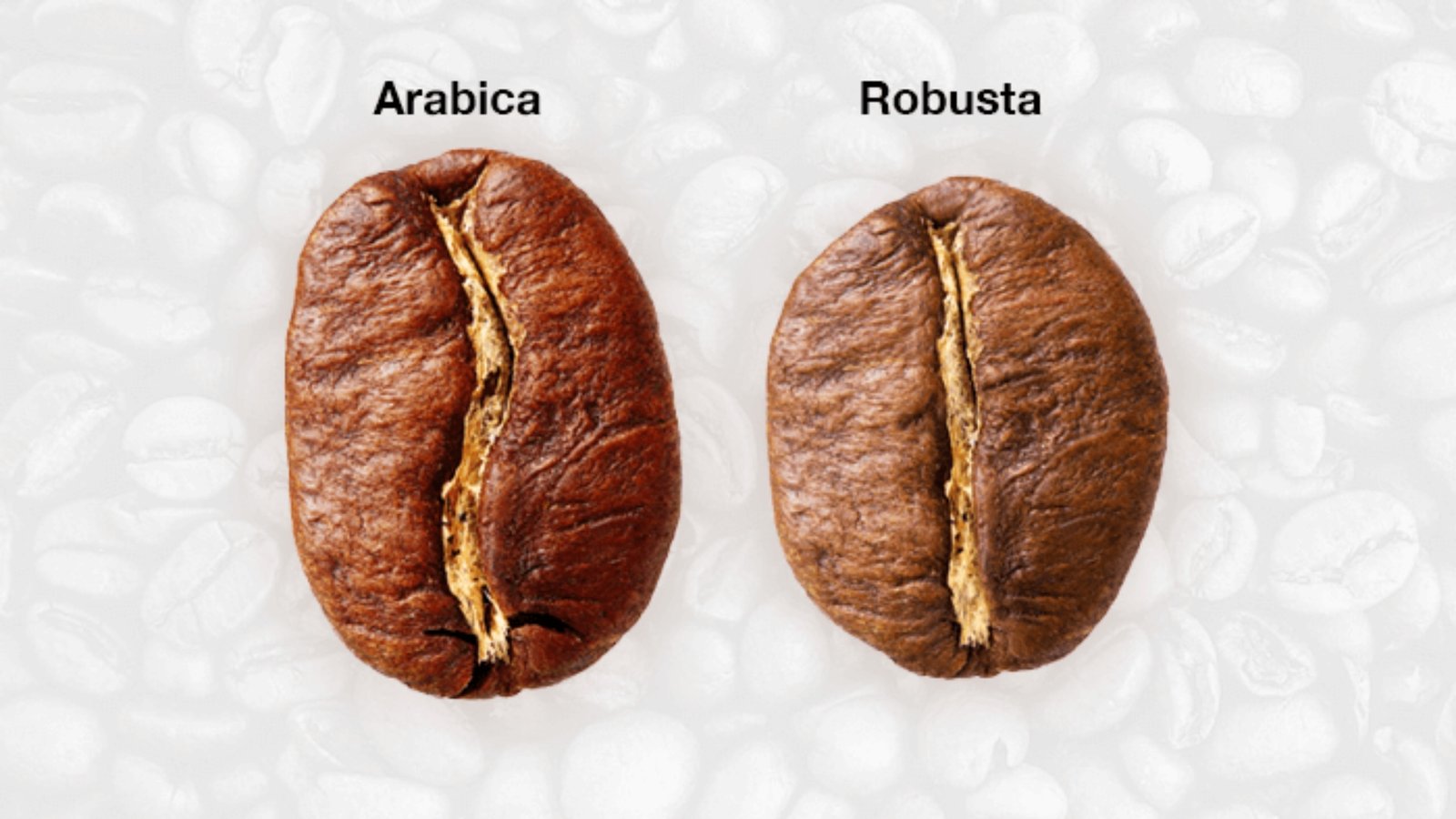
    Robusta Coffee or Arabica Coffee, Which is Best?

    Arabica coffee beans are the seeds of the Coffea arabica plant, which is native to Ethiopia and Indonesia. An example of Arabica coffee is Aceh Gayo Coffee. Arabica beans are more delicate and require more care and attention than Robusta beans, as they only grow in high altitudes, moderate temperatures, and adequate rainfall. Arabica beans are more expensive to produce and have a lower yield per plant. Arabica beans have a lower caffeine content than Robusta beans, which makes them less stimulating and bitter. Arabica beans also have more sugars and lipids, which give them more complex and diverse flavors.

    The choice between Robusta and Arabica coffee beans depends on personal preference and taste. Some people may prefer the strong and bold taste of Robusta coffee, while others may enjoy the smooth and nuanced taste of Arabica coffee. Some people may mix both types of beans to create a balanced blend that combines the best of both worlds. Some people may also choose based on the environmental and social impact of coffee production, as Robusta beans may have a lower carbon footprint and support more farmers than Arabica beans.

    There is no definitive answer to which coffee is best, as both Robusta and Arabica have their pros and cons. The best way to find out is to try different kinds of coffee and discover what suits your palate and lifestyle. Coffee is a diverse and fascinating drink that can offer you many benefits and pleasures. Whether you choose Robusta or Arabica, or both, you can enjoy a delicious cup of coffee anytime you want.

    Arabica and Robusta are the two main types of coffee beans. Arabica is the more popular of the two, accounting for about 60% of the world’s coffee production. Robusta is less expensive and more resistant to disease, so it is often used in blends or in instant coffee.

    Here is a comparison of Arabica and Robusta coffee beans:

    CharacteristicArabicaRobusta
    Caffeine content1.2%-1.5%2.2%-2.7%
    FlavorSmooth, sweet, complexBitter, strong
    AcidityLowHigh
    BodyLightHeavy
    AromaFloral, fruityEarthy, woody
    YieldLowHigh
    Disease resistanceLowHigh
    PriceMore expensiveLess expensive

    Which coffee is best?

    The best coffee for you depends on your personal preferences. If you prefer a smooth, sweet coffee with low acidity, then Arabica is the better choice. If you are looking for a strong, bold coffee with high acidity, then Robusta is a better option.

    Here are some additional factors to consider when choosing between Arabica and Robusta coffee beans:

    • How you will brew the coffee: Arabica beans are best suited for drip coffee, pour-over coffee, and cold brew coffee. Robusta beans are better suited for espresso drinks.
    • Your budget: Arabica beans are more expensive than Robusta beans.
    • Your location: Arabica beans are more difficult to grow than Robusta beans, so they are often more expensive in certain parts of the world.

    Ultimately, the best way to decide which coffee is best for you is to try both and see which one you prefer.

    Here are some specific examples of how Arabica and Robusta beans are used in different coffee drinks:

    • Espresso: Espresso is a strong, concentrated coffee that is made by forcing hot water through finely-ground coffee beans. Robusta beans are often used in espresso because they are more resistant to the high temperatures and pressures used in espresso machines. This makes them less likely to produce a bitter taste.
    • Drip coffee: Drip coffee is a more mild and flavorful coffee that is made by pouring hot water over ground coffee beans. Arabica beans are often used in drip coffee because they produce a smoother, sweeter flavor.
    • Cold brew coffee: Cold brew coffee is made by steeping coffee grounds in cold water for several hours. This process results in a coffee that is less acidic and bitter than hot-brewed coffee. Arabica beans are often used in cold brew coffee because they produce a smooth, mellow flavor.

    No matter what your preference, there is a coffee bean out there that is perfect for you. So experiment with different types of coffee beans and find the one that you enjoy the most.

    Conclusions

    Arabica coffee beans are the more popular of the two, and they are generally considered to be of higher quality. Robusta coffee beans are less expensive and more resistant to disease, so they are often used in blends or in instant coffee. The best coffee for you depends on your personal preferences. If you prefer a smooth, sweet coffee with low acidity, then Arabica is the better choice. If you are looking for a strong, bold coffee with high acidity, then Robusta is a better option. When choosing between Arabica and Robusta coffee beans, you should also consider how you will brew the coffee, your budget, and your location. Ultimately, the best way to decide which coffee is best for you is to try both and see which one you prefer.

  • Why Indonesian Arabica Coffee is a Must-Try for Coffee Lovers

    Why Indonesian Arabica Coffee is a Must-Try for Coffee Lovers

    Indonesia arabica coffee

    Indonesian Arabica coffee is a must-try for coffee enthusiasts who value distinctive and great brews. Indonesian Arabica coffee, renowned for its particular features and flavors, provides a compelling experience that distinguishes it from other coffee varieties.

    Also Read: Indonesian Coffee Beans: Flavorful Delights with Mandheling Coffee

    The Rich History of Indonesian Arabica Coffee

    Origins and Cultivation

    Indonesia has a long history of Arabica coffee farming, dating back to the 17th century when the Dutch introduced coffee to the region. The outstanding quality of Indonesian Arabica coffee is due to the country’s unique geographical features, which include volcanic soil and a favorable temperature.

    Cultural Heritage

    Coffee has deep cultural significance in Indonesia, with coffee becoming a vital element of daily life and social activities. Coffee production and processing customs and techniques have been passed down through centuries, highlighting the cultural legacy of Indonesian coffee.

    Flavor Profiles of Indonesian Arabica Coffee

    Indonesian Arabica coffee flavor profiles are as diverse and distinct as the country’s rich coffee-growing areas. Indonesian Arabica coffees offer a wide spectrum of tastes that fascinate the palates of coffee connoisseurs, from the earthy and spicy notes of Sumatra to the light and fruity nuances of Java. This article goes into the different flavor profiles of Indonesian Arabica coffee, highlighting the qualities that distinguish them as truly remarkable.

    Sumatra Arabica Coffee

    • Earthy and Complex
      The earthy and herbaceous characteristics of Sumatra Arabica coffee are well-known. It frequently has elements of cedar, tobacco, and dark chocolate, as well as a smokey undertone. The moderate acidity and full-bodied texture of the coffee combine for a rich and lingering experience.
    • Spices and Herbs
      The spice-forward profile of Sumatra Arabica is one of its distinguishing characteristics. Cloves, black pepper, and cardamom are frequent flavoring accents, resulting in a compelling and aromatic cup of coffee.

    Java Arabica Coffee

    • Bright and Fruity
      With its bright and lively flavor profile, Java Arabica coffee is a lovely contrast to Sumatra. It has a lively acidity, which makes it a pleasant and exciting coffee. Citrus fruits like orange and grapefruit are common tasting notes, as are hints of tropical fruits like mango and pineapple.
    • Nutty Undertones
      While Java Arabica has fruity undertones, it also has a wonderful nuttiness to it. Almond, hazelnut, and macadamia flavors can be identified, lending depth and complexity to the cup.

    Bali Arabica Coffee

    • Sweet and Floral
      The exquisite and nuanced flavors of Bali Arabica coffee are well-known. It has a nice sweetness that is evocative of caramel and brown sugar, with floral undertones. Notes of jasmine, lavender, and hibiscus are frequently present, creating a wonderful fragrant experience.
    • Balanced Acidity
      Bali Arabica coffee has a medium acidity that contributes to a smooth and well-rounded cup. This lets the tastes shine through without overpowering the tongue.

    Sulawesi Arabica Coffee

    • Rich and Fruity
      Sulawesi Arabica coffee has a flavor profile that is robust and deep. It frequently exhibits dark chocolate, ripe berries, and stone fruits like plums and peaches. The sweetness of the coffee is well-balanced, resulting in a pleasant blend of flavors.
    • Velvety Texture
      The velvety and silky texture of Sulawesi Arabica is well renowned. The rich body and mild acidity of the coffee add to a velvety mouthfeel that improves the overall drinking experience.

    Brewing Methods and Recommendations

    Brewing Recommendations: Pour-over, French press, or espresso brewing methods are frequently recommended to fully appreciate the nuances of Indonesian Arabica coffee. These procedures enable the extraction of the coffee’s distinctive qualities while preserving its balance and complexity.

    Enhancing Flavors: Experimenting with brewing parameters like water temperature, grind size, and brew time can help bring forth certain taste characteristics in Indonesian Arabica coffee. By adjusting these variables, coffee enthusiasts can customize their brewing procedures to their preferences.

    Unique Growing Conditions and Varieties

    Indonesian Arabica Coffee

    The volcanic soil, high altitude, and abundant rainfall in Indonesia make it ideal for cultivating Arabica coffee. Aceh, Sumatra, Java, Bali, and Papua are well-known for their distinctive coffee-growing settings.

    Typica, Catimor, S795, and Ateng are among the Arabica coffee kinds grown in Indonesia. Each type helps to create the distinct flavor profiles found in Indonesian Arabica coffees.

    Also Read: Exploring the Regions Where Coffee Beans Grow Best

    Experiencing Indonesian Arabica Coffee

    Tasting Tips

    Take notice of the scent, acidity, body, and flavor notes when sampling Indonesian Arabica coffee. Inhale deeply to fully appreciate the aroma of the coffee and assess the acidity for its intensity. Examine the coffee’s body, taking note of its weight and texture. Finally, allow the flavors and nuances to bloom on your palate.

    Serving Suggestions

    Serve the brew in small cups to concentrate the flavors for a more authentic Indonesian coffee experience. To complement the flavors and create a memorable culinary experience, consider matching the coffee with traditional Indonesian appetizers or desserts such as “onde-onde” (sticky rice balls) or “kue lapis” (layered cake).

    Conclusion

    Indonesian Arabica coffee entices coffee enthusiasts with its rich history, distinct flavors, and cultural customs. Coffee fans can broaden their palates and explore the fascinating world of Indonesian coffee by investigating the distinct qualities of Indonesian Arabica coffee. Accept the must-try status of Indonesian Arabica coffee and explore the surprises that await in each cup.