Tag: coffee

  • 10 Best Coffee Beans in Indonesia, Which one do you like?

    10 Best Coffee Beans in Indonesia, Which one do you like?

    Embark on a flavorful expedition through Indonesia’s illustrious coffee offerings, where the term “best” finds its true embodiment in ten distinguished coffee beans. Best coffee beans in Indonesia, renowned for its diverse landscapes and fertile volcanic soil, has cultivated a legacy of coffee craftsmanship that reverberates worldwide. Within this rich tapestry of flavors, the top ten coffee beans stand as ambassadors, each encapsulating the essence of its unique terroir, cultural heritage, and distinctive taste profiles.

    From the highlands of Aceh to the enchanting slopes of Bali and Flores, these coffee beans narrate tales of elevation, climate, and meticulous cultivation methods. Spanning Sumatra to Sulawesi, each region contributes a treasure trove of flavor nuances, from earthy richness to fruity brightness, catered to tantalize the palate of discerning coffee aficionados.

    Indulge in the boldness of Mandheling Coffee or savor the vibrant acidity of Sidikalang; explore the robust intensity of Lampung’s Robusta or the refreshing citrusy notes of Bali Kintamani. Each bean, steeped in history and grown with dedication, invites you on an aromatic journey that transcends mere taste to embody the heart and soul of Indonesian coffee culture.

    Best Coffee Beans in Indonesia

    These ten coffee beans, born from volcanic lands and nurtured by generations of expertise, represent not just a cup of coffee but a legacy brewed in passion, tradition, and the natural wonders of Indonesia. Join us as we unravel the stories behind these finest coffees, each a testament to the nation’s unparalleled contribution to the world of specialty coffee.

    Indonesia has earned its reputation as one of the world’s foremost coffee producers, thanks to its diverse range of coffee beans. Each region of this archipelago nation boasts unique soil compositions, altitudes, and climates, culminating in a remarkable variety of coffee flavors. Here, we delve into the top 10 coffee beans from Indonesia:

    Sumatra Coffee: Best Coffee Beans in Indonesia

    1. Aceh Gayo Coffee

    Hailing from the Gayo highlands in Aceh, Sumatra, Aceh Gayo coffee is celebrated for its full body and distinct earthy tones. The region’s volcanic soil, coupled with high altitude cultivation, imparts a smooth and rich flavor profile with hints of herbal and chocolate notes. Its low acidity and deep aroma make it a favorite among coffee enthusiasts seeking a bold and lingering taste.

    Aceh Gayo Coffee, hailing from the highlands of Aceh in Sumatra, Indonesia, stands as a testament to the rich coffee culture of the region. Its characteristics reflect a unique blend of environmental factors, cultivation techniques, and processing methods, culminating in a highly sought-after coffee experience.

    Characteristics of Aceh Gayo Coffee:

    1. Distinct Earthy Notes:

    Aceh Gayo Coffee is renowned for its deep and unmistakable earthy tones. The volcanic soil of the Gayo highlands imparts a distinctive flavor profile to the beans, offering a rich and robust taste reminiscent of the region’s fertile lands.

    2. Full Body and Rich Texture:

    The beans from Aceh Gayo typically exhibit a full-bodied nature that embodies a luxurious, almost syrupy texture. This attribute contributes to a velvety mouthfeel, enhancing the overall coffee-drinking experience.

    3. Low Acidity:

    Unlike some other coffee varieties, Aceh Gayo Coffee boasts low acidity levels, making it an excellent choice for individuals seeking a smooth and gentle cup of coffee. The mild acidity allows the flavors to unfold gradually without overwhelming the palate.

    4. Complex Flavor Profile:

    Within its earthy foundation, Aceh Gayo Coffee offers a complexity that intrigues the senses. It often carries nuanced hints of herbs, spices, and occasionally, notes of chocolate. This intricate blend of flavors adds depth and character to each sip.

    5. Aromatic Intensity:

    The coffee’s aroma is captivating, characterized by its deep and alluring scent. The aroma envelops the senses, hinting at the rich flavors that await in every cup.

    6. High Altitude Cultivation:

    Grown at elevations ranging from 1,200 to 1,500 meters above sea level, Aceh Gayo Coffee benefits from the high altitude’s influence on the beans’ development. The cooler temperatures, combined with ample rainfall and volcanic soil, contribute to its unique taste profile.

    7. Sustainable and Organic Practices:

    Many Aceh Gayo coffee farmers embrace organic and sustainable farming methods, prioritizing environmentally friendly practices. This commitment not only enhances the quality of the coffee but also promotes the conservation of the region’s natural resources.

    8. Cultural Significance:

    Beyond its exceptional taste, Aceh Gayo Coffee holds cultural significance for the local communities. Coffee cultivation has become an integral part of the region’s heritage, providing economic stability and opportunities for the people of Aceh.

    9. Ideal Roasting Potential:

    Due to its robust nature and complex flavors, Aceh Gayo Coffee beans lend themselves well to various roasting techniques. Roasters have the flexibility to bring out specific flavor profiles, catering to diverse consumer preferences.

    10. Global Acclaim:

    Aceh Gayo Coffee has earned recognition on the international stage, garnering praise from coffee enthusiasts and experts worldwide. Its unique characteristics and exceptional quality have contributed to its status as one of Indonesia’s finest coffee varieties.

    Aceh Gayo Coffee’s distinct characteristics make it a standout choice among coffee aficionados, offering a captivating journey through its earthy richness, delightful complexities, and cultural significance, all encapsulated in a single cup.

    2. Mandheling Coffee

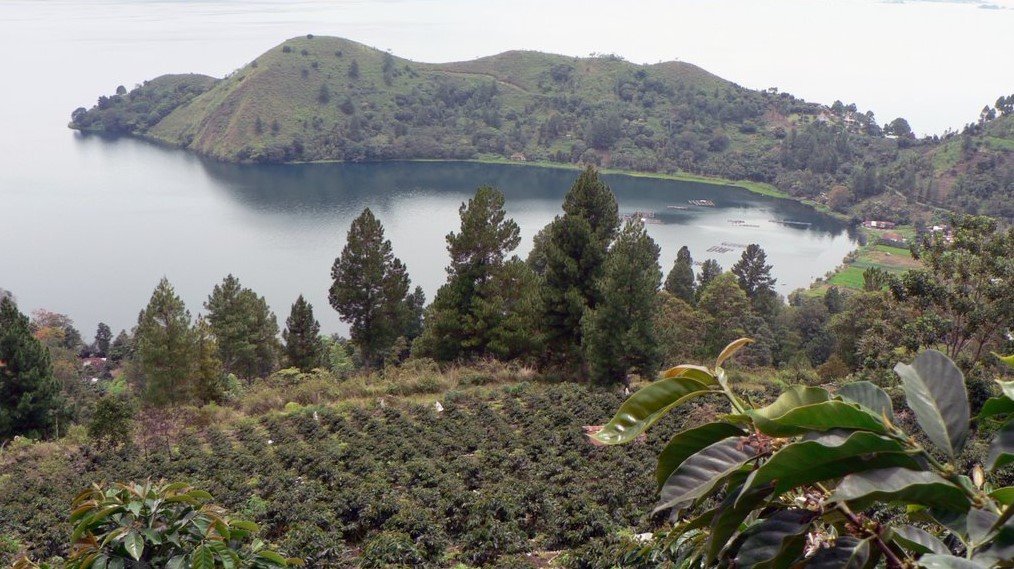
    Also originating from North Sumatra, Mandheling coffee is renowned for its heavy body and low acidity. Grown in the region surrounding Lake Toba, this coffee embodies a syrupy texture accompanied by a complex amalgamation of herbal, spicy, and sometimes tobacco-like flavors. Its smoothness and intense aroma make it a beloved choice among those favoring a robust yet balanced cup of coffee.

    Mandheling Coffee, originating from the region surrounding Lake Toba in North Sumatra, Indonesia, is celebrated for its distinct characteristics that have cemented its place among the world’s most esteemed coffees. Renowned for its bold flavors and unique profile, Mandheling Coffee embodies the essence of Indonesian coffee craftsmanship.

    Characteristics of Mandheling Coffee:

    1. Heavy Body and Rich Mouthfeel:

    Mandheling Coffee boasts a luxurious and heavy body that creates a velvety and syrupy mouthfeel. This characteristic lends a depth and substance to the coffee, accentuating its overall richness.

    2. Low Acidity:

    Similar to other Sumatran coffees, Mandheling features low acidity, making it an ideal choice for those who prefer a smoother, less tangy cup. This trait allows the coffee’s flavors to shine without overwhelming sour notes.

    3. Complex Flavor Profile:

    The coffee’s flavor profile is multifaceted, offering a captivating blend of herbal, spicy, and sometimes, earthy or tobacco-like nuances. This complexity appeals to connoisseurs seeking a coffee experience rich in depth and diversity.

    4. Intense Aroma:

    Mandheling Coffee’s aroma is potent and alluring, with deep, earthy notes that tantalize the senses. Its fragrance often hints at the robust flavors waiting to be savored in each cup.

    5. Distinctive Origin Terroir:

    The unique terroir surrounding Lake Toba, characterized by volcanic soil and a humid climate, imparts specific characteristics to the beans. These environmental factors contribute significantly to the coffee’s exceptional taste.

    6. Post-Harvest Processing:

    Mandheling Coffee often undergoes a semi-washed or wet-hulled processing method, locally known as “Giling Basah.” This method involves removing the parchment while the beans retain some moisture, resulting in a distinct taste profile with a particular emphasis on body and earthiness.

    7. Roasting Versatility:

    Mandheling beans are well-suited for various roasting profiles. Roasters can accentuate different aspects of its flavor spectrum, from highlighting its herbal and spicy notes in medium roasts to exploring deeper chocolate or smoky elements in darker roasts.

    8. Global Recognition:

    Mandheling Coffee has garnered international acclaim and is often considered a hallmark of Indonesian coffee. Its unique characteristics have earned it a place on the global stage, appealing to coffee enthusiasts seeking specialty and artisanal brews.

    9. Cultural Significance:

    The cultivation and production of Mandheling Coffee hold cultural significance for the communities around Lake Toba. Coffee farming has become a vital part of their heritage, providing livelihoods and fostering a deep connection to the land.

    10. Consistent Quality:

    Despite the variability in flavor profiles due to natural factors and processing methods, Mandheling Coffee is known for its consistent quality. Its ability to maintain a high standard of taste and aroma contributes to its popularity and demand.

    Mandheling Coffee’s distinguished characteristics, from its bold body and complexity to its cultural heritage and consistent quality, encapsulate the essence of Sumatran coffee craftsmanship, offering an intriguing and memorable coffee experience with every sip.

    3. Sidikalang Coffee

    Coming from the Dairi region in North Sumatra, Sidikalang coffee presents a unique taste profile characterized by its medium body and bright acidity. This coffee variety offers fruity and floral notes coupled with a subtle sweetness, providing a vibrant and refreshing cup. The high elevation and volcanic soil contribute to its crisp and lively flavor profile, making it a delightful choice for coffee aficionados seeking a nuanced experience.

    Sidikalang Coffee, originating from the Dairi region in North Sumatra, Indonesia, is renowned for its unique characteristics that set it apart in the realm of Indonesian coffee. Grown in high altitudes and benefiting from fertile volcanic soil, Sidikalang Coffee offers a delightful blend of flavors and attributes that appeal to coffee enthusiasts seeking a nuanced and vibrant experience.

    Characteristics of Sidikalang Coffee:

    1. Medium Body with Bright Acidity:

    Sidikalang Coffee typically exhibits a medium body complemented by a bright and lively acidity. This attribute contributes to its refreshing and vibrant taste profile, setting it apart from heavier-bodied Sumatran coffees.

    2. Fruity and Floral Notes:

    One of the standout features of Sidikalang Coffee is its intriguing flavor profile, characterized by pronounced fruity and floral notes. Sippers can detect hints of citrus, berries, and florals, offering a refreshing and aromatic cup.

    3. Subtle Sweetness:

    Amidst its bright acidity and fruitiness, Sidikalang Coffee often carries a delicate underlying sweetness that balances the overall taste profile. This subtle sweetness adds depth and complexity to the coffee’s flavor composition.

    4. High Elevation Growing Conditions:

    Grown at elevations ranging from 1,200 to 1,500 meters above sea level, Sidikalang Coffee benefits from the cooler temperatures and optimal conditions of high-altitude cultivation. This environment contributes to the development of its distinct flavor characteristics.

    5. Volcanic Soil Influence:

    The volcanic soil in the Dairi region plays a crucial role in shaping the coffee’s flavor. It enriches the beans with minerals, imparting a unique terroir and contributing to the coffee’s overall quality and taste complexity.

    6. Crisp and Clean Finish:

    Sidikalang Coffee often leaves a clean and crisp finish on the palate. Its bright acidity and well-defined flavors contribute to a satisfying conclusion after each sip, making it an enjoyable choice for those seeking a refreshing coffee experience.

    7. Processing Methods:

    Various processing methods, including wet-hulling or semi-washed methods similar to other Sumatran coffees, are employed for Sidikalang Coffee. These methods influence the beans’ flavor development, often accentuating its lively and fruity characteristics.

    8. Distinctive Aroma:

    The aroma of Sidikalang Coffee is characterized by its vibrant and enticing scent, reflecting the fruity and floral notes present in the brewed cup. The aroma sets the stage for the sensory experience of enjoying this unique coffee.

    9. Artisanal Cultivation Practices:

    Many coffee farmers in the Sidikalang region employ traditional and artisanal cultivation practices, emphasizing meticulous care during harvesting and processing to maintain the coffee’s exceptional quality and distinct attributes.

    10. Balanced and Refreshing Cup Profile:

    Sidikalang Coffee’s combination of medium body, bright acidity, fruity notes, subtle sweetness, and a clean finish creates a harmonious and balanced cup. This balance appeals to coffee enthusiasts seeking a nuanced yet refreshing drinking experience.

    Sidikalang Coffee’s captivating characteristics, including its bright acidity, fruity and floral notes, and crisp finish, offer a unique perspective on Indonesian coffee. Its vibrant profile stands as a testament to the diversity and richness of Indonesia’s coffee heritage, inviting coffee lovers to explore its delightful flavors.

    4. Lintong Coffee

    Another gem from North Sumatra, Lintong coffee stands out with its moderate body and mild acidity. Cultivated around Lake Toba, this coffee boasts a clean and balanced flavor profile marked by its nutty and chocolatey undertones. Its smoothness and gentle acidity make it an appealing choice for those seeking a mellow yet flavorful cup of coffee.

    Lintong Coffee, originating from the regions surrounding Lake Toba in North Sumatra, Indonesia, is a distinguished Indonesian coffee variety known for its unique attributes and exceptional taste profile. Cultivated in the vicinity of the renowned lake, Lintong Coffee offers a delightful blend of flavors that captivate the senses and showcase the richness of Sumatran coffee.

    Characteristics of Lintong Coffee:

    1. Moderate Body with Mild Acidity:

    Lintong Coffee typically presents a moderate body accompanied by mild acidity. This attribute creates a smooth and balanced drinking experience, making it an appealing choice for those seeking a mellow yet flavorful cup.

    2. Clean and Balanced Flavor Profile:

    The coffee boasts a clean and well-balanced flavor profile characterized by its nutty and chocolatey undertones. These flavors, while subtle, contribute to the coffee’s overall richness and depth.

    3. Distinctive Terroir Influence:

    The unique terroir around Lake Toba, including the volcanic soil and favorable climate, plays a significant role in shaping Lintong Coffee’s flavor. It imparts a characteristic taste that embodies the essence of the region’s fertile lands.

    4. Gentle Aroma:

    Lintong Coffee offers a gentle yet inviting aroma that hints at the nuanced flavors awaiting in the brewed cup. The fragrance is often described as subtle and comforting, enhancing the overall coffee-drinking experience.

    5. Post-Harvest Processing Methods:

    Similar to other Sumatran coffees, Lintong beans may undergo a wet-hulling or semi-washed processing method. This process affects the beans’ moisture content and contributes to their unique taste profile, emphasizing the coffee’s desired characteristics.

    6. Mild Earthiness with Nutty Undertones:

    While exhibiting mild earthy notes common to Sumatran coffees, Lintong Coffee also showcases distinct nutty undertones. These flavors add a layer of complexity, enriching the overall taste profile of the brew.

    7. Consistent Quality Standards:

    Lintong Coffee is known for its consistent quality, with farmers and producers adhering to rigorous standards during cultivation, harvesting, and processing. This commitment ensures a reliable and enjoyable coffee experience with each batch.

    8. Versatility in Roasting:

    The beans’ characteristics make Lintong Coffee versatile in terms of roasting profiles. Roasters can experiment with different roast levels to bring out specific flavor nuances, catering to diverse preferences of coffee enthusiasts.

    9. Cultural Heritage and Traditions:

    Coffee cultivation in the regions around Lake Toba holds cultural significance for the local communities. The practice has been intertwined with the heritage and traditions of the area, contributing to the region’s identity.

    10. Balanced and Mellow Cup Profile:

    Lintong Coffee’s combination of moderate body, mild acidity, nutty undertones, and clean flavor profile results in a balanced and mellow cup. It offers a gentle yet flavorful experience that appeals to a wide range of coffee drinkers.

    Lintong Coffee’s nuanced characteristics, influenced by its terroir and processing methods, reflect the richness and quality of Indonesian coffee. Its balanced and mellow profile stands as a testament to the craftsmanship and heritage embedded in the coffee-producing regions surrounding Lake Toba.

    5. Lampung Coffee (Robusta)

    Hailing from Lampung in southern Sumatra, Lampung Robusta coffee distinguishes itself with its bold and intense characteristics. Unlike its Arabica counterparts, Lampung Robusta is known for its strong and earthy flavors, accompanied by a full body and low acidity. This variety is often used in espresso blends, contributing to its thick crema and powerful taste.

    Lampung Coffee, specifically the Robusta variety, hails from the Lampung province in southern Sumatra, Indonesia. This coffee type, distinguished by its robust and intense characteristics, deviates from the typical Indonesian Arabica beans, offering a bold and strong flavor profile that caters to a distinct palate.

    Characteristics of Lampung Coffee (Robusta):

    1. Robust and Intense Flavor:

    Lampung Robusta is revered for its robust and powerful taste, setting it apart from the milder Arabica beans commonly associated with Indonesian coffee. It presents a boldness and intensity that coffee enthusiasts seeking a strong cup appreciate.

    2. Full-bodied and Thick Texture:

    The Robusta variety from Lampung typically exhibits a full-bodied nature that contributes to a thick and rich texture. This attribute results in a notable mouthfeel that carries the coffee’s strong flavors.

    3. Low Acidity:

    Unlike Arabica beans that often feature a higher acidity, Lampung Robusta showcases lower acidity levels. This characteristic lends itself well to individuals who prefer a coffee with less pronounced tanginess.

    4. Earthiness and Woody Undertones:

    Lampung Robusta often carries earthy and woody undertones, providing depth and complexity to its flavor profile. These robust flavors add layers of character to the coffee’s taste.

    5. Bitterness and Boldness:

    The Robusta variety tends to have a more pronounced bitterness compared to Arabica beans, which contributes to its bold and powerful taste. This bitterness is a defining attribute of Lampung Robusta.

    6. High Caffeine Content:

    Robusta beans, including those from Lampung, contain a higher caffeine content compared to Arabica beans. This characteristic contributes to the strong and invigorating nature of the coffee.

    7. Adaptability to Blends:

    Lampung Robusta is often used in coffee blends, especially in espresso blends. Its strong and bold qualities complement other beans, adding depth and enhancing the crema in espresso shots.

    8. Darker Roasting Preference:

    Due to its robust nature, Lampung Robusta beans are commonly subjected to darker roasting profiles. This roasting method intensifies the coffee’s bold flavors and reduces acidity.

    9. Suitability for Espresso:

    The inherent characteristics of Lampung Robusta, including its body, bitterness, and low acidity, make it a favored choice for espresso preparation, contributing to the creation of a strong and impactful shot.

    10. Economic Importance:

    Lampung Robusta holds significant economic importance for the region, contributing to Indonesia’s overall coffee production and export. Its cultivation provides livelihoods for many farmers in the Lampung province.

    Lampung Coffee’s Robusta variety stands out as a bold and robust option within Indonesia’s diverse coffee landscape. Its distinct characteristics, including its strong flavor profile, low acidity, and suitability for blends and espresso, cater to a segment of coffee enthusiasts seeking a powerful and intense coffee experience.

    Java Coffee

    6. Java Ijen Coffee

    Java Ijen coffee comes from the Ijen plateau in East Java, offering a medium body with a bright and lively acidity. This coffee presents a balanced flavor profile with distinct fruity and floral notes coupled with a lingering sweetness. Its unique terroir, featuring volcanic soil and ideal climate conditions, contributes to its exceptional taste, making it a prized choice among coffee connoisseurs.

    Java Ijen Coffee, originating from the Ijen plateau in East Java, Indonesia, is a specialty coffee revered for its unique characteristics that stem from the region’s terroir and meticulous cultivation methods. This coffee variety, grown at high altitudes in volcanic soil, presents a captivating taste profile that distinguishes it within Indonesia’s diverse coffee offerings.

    Characteristics of Java Ijen Coffee:

    1. Medium Body with Bright Acidity:

    Java Ijen Coffee often boasts a medium body accompanied by a bright and lively acidity. This balance creates a refreshing and vibrant drinking experience that captivates the palate.

    2. Complex Flavor Profile:

    One of the standout features of Java Ijen Coffee is its intricate flavor profile. It exhibits a harmonious blend of fruity and floral notes, coupled with hints of spices and sometimes chocolate. This complexity adds depth and sophistication to the brew.

    3. Bright and Lively Aroma:

    The coffee emanates a bright and inviting aroma that reflects its vibrant taste profile. Its scent often carries fruity and floral undertones, setting the stage for a delightful sensory experience.

    4. High Elevation Growing Conditions:

    Cultivated at elevations reaching up to 1,800 meters above sea level, Java Ijen Coffee benefits from the cool climate and volcanic soil of the Ijen plateau. These factors contribute to the development of its distinct flavor characteristics.

    5. Distinct Terroir Influence:

    The volcanic soil in the Ijen region imparts a unique terroir to the coffee beans. This influence adds depth and richness to the flavor, providing a taste that encapsulates the essence of the region.

    6. Balanced Sweetness and Acidity:

    Java Ijen Coffee often strikes a balance between sweetness and acidity, offering a nuanced cup that combines subtle sweetness with a lively tanginess, creating a pleasurable and well-rounded taste experience.

    7. Post-Harvest Processing Methods:

    Various processing methods, such as wet-hulling or fully washed techniques, are employed for Java Ijen Coffee. These methods impact the beans’ flavor development, enhancing their unique characteristics.

    8. Versatility in Roasting:

    The beans from Java Ijen are versatile in terms of roasting. Roasters have the opportunity to explore different roast levels, highlighting specific flavor notes according to their preferences.

    9. Cultural Significance:

    Coffee cultivation in the Ijen region holds cultural importance for local communities, contributing to their livelihoods and heritage. The craftsmanship and dedication to cultivation practices add value to the coffee’s significance.

    10. Memorable Drinking Experience:

    Java Ijen Coffee, with its balanced acidity, complex flavor profile, and unique terroir influence, offers a memorable and sophisticated coffee-drinking experience cherished by enthusiasts seeking a refined cup.

    Java Ijen Coffee’s intricate flavor profile, influenced by its terroir and cultivation practices, embodies the essence of Indonesian specialty coffee. Its balanced acidity, complexity, and vibrant characteristics highlight the craftsmanship and quality associated with coffee from the Ijen plateau.

    Sulawasi Coffee

    7. Toraja Coffee

    Hailing from the highlands of Sulawesi, Toraja coffee is celebrated for its full body and vibrant acidity. Grown at high altitudes, this coffee variety exhibits a complex flavor profile with rich, earthy undertones complemented by hints of spices and fruits. Its distinctively bold taste and lingering finish make it a sought-after option for those seeking a robust and memorable coffee experience.

    Toraja Coffee, originating from the highlands of Sulawesi, Indonesia, is a renowned Indonesian coffee variety celebrated for its bold flavors and distinct characteristics. Grown in the mountainous region of Toraja, this coffee showcases a unique taste profile that reflects the region’s terroir and traditional cultivation methods.

    Characteristics of Toraja Coffee:

    1. Full-bodied with Vibrant Acidity:

    Toraja Coffee typically boasts a full-bodied nature complemented by a vibrant acidity. This combination creates a robust and lively drinking experience appreciated by aficionados seeking depth in their cup.

    2. Complex and Earthy Flavor Profile:

    One of the defining features of Toraja Coffee is its complex flavor profile. It offers rich, earthy undertones alongside hints of spices and fruits, creating a multi-layered taste that captivates the palate.

    3. Rich Aroma with Spicy Notes:

    The aroma of Toraja Coffee is often characterized by its richness, accompanied by spicy and herbal notes. Its enticing scent sets the stage for the depth of flavors found in each sip.

    4. High Altitude Cultivation:

    Grown at elevations ranging between 1,300 to 1,900 meters above sea level, Toraja Coffee benefits from the cooler temperatures and favorable conditions of high-altitude cultivation, contributing to its exceptional taste.

    5. Volcanic Soil Influence:

    The volcanic soil in the Toraja region plays a significant role in shaping the coffee’s flavor. It enriches the beans with minerals and imparts a distinct terroir that contributes to the coffee’s depth and complexity.

    6. Bold and Lingering Finish:

    Toraja Coffee often leaves a bold and lingering finish on the palate, with its robust flavors lingering pleasantly after each sip, providing a memorable coffee-drinking experience.

    7. Wet-hulling Processing Method:

    Many Toraja Coffee beans undergo a wet-hulling or “Giling Basah” processing method. This method, common in Indonesian coffee production, influences the beans’ flavor, contributing to the coffee’s unique taste profile.

    8. Versatility in Roasting:

    Toraja Coffee beans are versatile and can be roasted to different levels. Roasters have the flexibility to bring out specific flavor notes, from highlighting the coffee’s earthiness in medium roasts to accentuating its spiciness in darker roasts.

    9. Cultural Heritage and Traditions:

    Coffee cultivation in the Toraja region holds cultural significance for the local communities. The process of cultivation and harvesting is often steeped in tradition, adding value to the region’s heritage.

    10. Memorable and Robust Cup Profile:

    Toraja Coffee’s combination of bold body, vibrant acidity, complex flavors, and lingering finish offers a memorable and robust cup that appeals to connoisseurs seeking a rich and distinct coffee experience.

    Toraja Coffee’s bold and intricate characteristics, shaped by its terroir and traditional processing methods, exemplify the depth and richness of Indonesian coffee. Its complex flavor profile and cultural significance reflect the craftsmanship and heritage associated with coffee from the Toraja highlands.

    8. Kolasi Coffee

    Sulawesi Kolasi Coffee, originating from the Indonesian island of Sulawesi (formerly known as Celebes), boasts distinctive characteristics that contribute to its unique flavor profile:

    1. Region-Specific Growing Conditions:

    Grown predominantly in the highlands of Toraja, the coffee beans benefit from the island’s rich volcanic soil, high altitudes, and ideal climate, fostering a unique taste.

    2. Unique Flavor Profile:

    Sulawesi Kolasi coffee often presents a complex and rich flavor profile. It’s characterized by a medium to full body with a velvety texture, complemented by a low to medium acidity. The taste often features hints of chocolate, earthy undertones, and a subtle spiciness.

    3. Arabica Beans:

    Typically cultivated as Arabica beans, Sulawesi Kolasi coffee cherries are handpicked, ensuring a level of quality and care in harvesting that contributes to its distinct taste.

    4. Processing Techniques:

    The beans undergo a semi-washed (wet-hulled) processing method, unique to this region. This technique involves removing the outer skin of the coffee cherry, fermenting the beans slightly, and then drying them before they reach their full moisture content. This process is believed to contribute to the coffee’s characteristic flavor.

    5. Medium Roast Profile:

    Sulawesi Kolasi beans are often medium-roasted, allowing the flavors to fully develop without losing the inherent complexities present in the beans. The medium roast helps maintain the balance between the inherent sweetness, the earthy tones, and the subtle spiciness.

    6. Distinct Aroma:

    When brewed, Sulawesi Kolasi coffee emits an inviting aroma that combines earthy notes with a hint of nuttiness, enticing coffee lovers with its unique fragrance.

    7. Limited Production and Specialty Status:

    Due to its specific growing conditions and processing methods, Sulawesi Kolasi coffee is produced in limited quantities, often classified as a specialty or micro-lot coffee. This rarity adds to its appeal among coffee enthusiasts seeking unique and exceptional flavors.

    Sulawesi Kolasi coffee stands out in the world of coffee for its distinctive taste derived from the island’s unique terroir and the meticulous processing methods applied by local farmers, making it a sought-after choice for those exploring the diverse range of coffee flavors available globally.

    Bali Coffee

    9. Bali Kintamani Coffee

    Grown on the volcanic slopes of Mount Batur in Bali, Kintamani coffee boasts a medium body with a bright and lively acidity. This variety showcases a harmonious blend of citrus, floral, and spicy notes, coupled with a clean finish. Its unique growing conditions contribute to its distinct flavor profile, making it a favorite among those seeking a nuanced and refreshing cup of coffee.

    Bali Kintamani Coffee, originating from the volcanic slopes of Mount Batur in Bali, Indonesia, is a specialty coffee cherished for its unique characteristics shaped by the island’s fertile soil and optimal growing conditions. Cultivated in the Kintamani highlands, this coffee variety offers a delightful taste profile that distinguishes it within Indonesia’s diverse coffee landscape.

    Characteristics of Bali Kintamani Coffee:

    1. Medium Body with Bright Acidity:

    Bali Kintamani Coffee typically presents a medium body coupled with a bright and lively acidity. This balance creates a refreshing and vibrant cup that captivates the palate.

    2. Citrusy and Floral Notes:

    One of the standout features of Bali Kintamani Coffee is its pronounced citrusy and floral flavor notes. Sippers can often discern hints of citrus fruits, jasmine, and other florals, providing a refreshing and aromatic drinking experience.

    3. Clean and Crisp Finish:

    The coffee offers a clean and crisp finish, contributing to its overall refreshing quality. Its bright acidity and well-defined flavors leave a satisfying conclusion after each sip.

    4. Altitude and Volcanic Soil Influence:

    Grown at altitudes ranging from 1,200 to 1,500 meters above sea level, Bali Kintamani Coffee benefits from the nutrient-rich volcanic soil of Mount Batur. This unique terroir contributes to the coffee’s distinct flavor profile.

    5. Harmonious Flavor Balance:

    Bali Kintamani Coffee strikes a harmonious balance between its acidity, sweetness, and flavor complexity. The interplay of these elements creates a nuanced and well-rounded cup.

    6. Post-Harvest Processing Methods:

    Various processing methods, including wet-hulling or fully washed techniques, are employed for Bali Kintamani Coffee. These methods play a role in shaping the beans’ flavor development, emphasizing their unique characteristics.

    7. Fruity and Spicy Undertones:

    Alongside its citrusy and floral notes, Bali Kintamani Coffee often features subtle fruity and spicy undertones. These nuances add depth and complexity to the overall taste experience.

    8. Versatility in Roasting:

    The beans from Bali Kintamani exhibit versatility in roasting profiles. Roasters have the opportunity to explore different roast levels, accentuating specific flavor nuances according to their preferences.

    9. Sustainable Farming Practices:

    Many coffee farmers in the Kintamani highlands embrace sustainable and organic farming practices. This commitment not only enhances the quality of the coffee but also supports environmental conservation efforts.

    10. Cultural Significance:

    Coffee cultivation in the Kintamani region holds cultural importance for the local communities in Bali. It is intertwined with their traditions, contributing to the region’s heritage and identity.

    Bali Kintamani Coffee’s vibrant flavors, harmonious balance, and unique terroir influence epitomize the quality and diversity of Indonesian specialty coffee. Its refreshing and nuanced characteristics offer a memorable and enjoyable coffee-drinking experience cherished by enthusiasts seeking a distinct and refined cup.

    Nusa Tenggara Timur (NNT) Coffee

    10. Flores Coffee

    Hailing from the island of Flores, this coffee variety offers a medium body with moderate acidity. Flores coffee stands out with its sweet and fruity flavor profile accompanied by hints of nuttiness. The volcanic soil and optimal climate conditions in the region contribute to its unique taste, offering a memorable coffee experience.

    Flores Coffee, originating from the picturesque island of Flores in Indonesia, is a unique and prized coffee variety known for its distinct characteristics influenced by the region’s fertile soil, ideal climate, and traditional cultivation methods. Grown on the volcanic slopes of Flores, this coffee presents a flavor profile that stands out amidst Indonesia’s diverse coffee offerings.

    Characteristics of Flores Coffee:

    1. Medium Body with Moderate Acidity:

    Flores Coffee typically offers a medium body accompanied by moderate acidity. This balance provides a smooth and enjoyable drinking experience appreciated by a wide range of coffee enthusiasts.

    2. Sweet and Fruity Flavor Notes:

    One of the notable features of Flores Coffee is its sweet and fruity flavor profile. Sippers can detect hints of berries, chocolate, and sometimes nutty undertones, contributing to a flavorful and inviting cup.

    3. Distinct Terroir Influence:

    Cultivated in the unique terroir of Flores, the volcanic soil and favorable climate conditions play a significant role in shaping the coffee’s flavor. These elements enrich the beans with distinctive taste characteristics.

    4. Balanced and Smooth Finish:

    Flores Coffee offers a balanced and smooth finish, leaving a pleasant aftertaste on the palate. Its moderate acidity and well-rounded flavors contribute to a satisfying conclusion after each sip.

    5. Altitude and Climate Impact:

    Grown at varying altitudes on the volcanic slopes, Flores Coffee benefits from the island’s microclimates, contributing to the diversity in flavor profiles among different lots and regions on the island.

    6. Post-Harvest Processing Methods:

    Various processing methods, including wet-hulling or dry processing, are employed for Flores Coffee. These methods influence the beans’ flavor development, highlighting their unique characteristics.

    7. Mellow and Approachable Cup Profile:

    Flores Coffee’s combination of moderate acidity, sweetness, and smoothness creates a mellow and approachable cup that appeals to coffee drinkers seeking a balanced and easy-drinking coffee.

    8. Versatility in Roasting:

    The beans from Flores showcase versatility in roasting profiles. Roasters have the flexibility to explore different roast levels, enhancing specific flavor nuances according to their preferences.

    9. Cultural Heritage:

    Coffee cultivation in Flores holds cultural significance for the local communities. It is a part of their heritage and traditions, contributing to the island’s identity and socio-economic aspects.

    10. Economic Impact:

    Flores Coffee cultivation provides livelihoods for many farmers on the island. Its production and export contribute to the local economy, supporting the communities involved in the coffee industry.

    Flores Coffee’s sweet and fruity characteristics, influenced by its terroir and traditional practices, offer a delightful and versatile drinking experience. Its balanced profile and cultural importance showcase the richness and diversity of Indonesian coffee, inviting enthusiasts to savor the unique flavors borne from the volcanic lands of Flores.

    Conclusion

    Selecting the best coffee beans in Indonesia is akin to choosing gems from a treasure trove; each bean carries a unique story and flavor profile that caters to diverse preferences. However, among the myriad offerings, a few stand out as exemplary representatives of Indonesia’s rich coffee heritage.

    For aficionados seeking a bold and complex experience, Mandheling Coffee from North Sumatra holds a revered position. Its robust body, coupled with intricate herbal and spicy notes, epitomizes the depth and richness of Indonesian coffee.

    On the other end of the spectrum lies Bali Kintamani Coffee, a vibrant cup boasting citrusy and floral notes. Its refreshing acidity and balanced profile create an accessible yet nuanced drinking experience that appeals to a broader audience.

    For those favoring intensity, Lampung’s Robusta variety presents a robust and potent brew, showcasing the bolder side of Indonesian coffee. Meanwhile, Toraja Coffee from Sulawesi captivates with its earthy richness and balanced flavors, making it a hallmark of the country’s coffee craftsmanship.

    Sidikalang Coffee, with its bright acidity and lively fruitiness, offers a lively and aromatic cup, standing as a testament to North Sumatra’s diverse coffee offerings. Similarly, Java Ijen Coffee’s complex fruity-floral notes reflect the high-altitude terroir of East Java, appealing to enthusiasts seeking a more intricate tasting experience.

    Lintong Coffee, known for its mellow balance and nutty undertones, and Flores Coffee, boasting sweet and fruity flavors, contribute to Indonesia’s coffee diversity, catering to varied preferences and showcasing the terroir-driven nuances of their respective regions.

    In the realm of specialty coffee, each of these beans brings something unique to the table, reflecting the land, traditions, and meticulous cultivation methods that make Indonesian coffee a treasure trove of flavors. The “best” among them is subjective, as it ultimately depends on individual tastes and preferences. However, collectively, these beans embody the rich tapestry of Indonesian coffee, inviting enthusiasts on a sensory journey through its diverse and captivating flavors.

  • Top 4 Indonesia Sumatra Coffee Beans: A Flavorful Odyssey

    Top 4 Indonesia Sumatra Coffee Beans: A Flavorful Odyssey

    Welcome to the aromatic realm of Indonesia Sumatra coffee beans. Journey with us through the fertile landscapes and rich cultural tapestry of Sumatra, where coffee cultivation thrives, birthing distinctive varieties like Aceh Gayo, Mandheling, Lampung, and Sidikalang. Join us in uncovering the secrets and allure behind these renowned beans, celebrated worldwide for their unique flavors and captivating profiles.

    Introduction: Discovering the Richness of Indonesia Sumatra Coffee Beans Heritage

    Nestled within the vibrant tapestry of Indonesia lies the island of Sumatra, a land blessed with verdant landscapes, fertile volcanic soil, and a rich tapestry of cultural diversity. Amidst this captivating setting, Sumatra has earned its place on the world stage for producing some of the most distinctive and sought-after coffee beans globally.

    Sumatra’s coffee story unfolds with an exquisite blend of geographical uniqueness, traditional farming methods, and a deeply ingrained cultural appreciation for the art of coffee cultivation. Among the illustrious varieties that emerge from this fertile soil, four stand tall, each bearing its own identity and narrative: Aceh Gayo, Mandheling, Lampung, and Sidikalang.

    Join us on a sensory journey through the rolling hills and lush plantations of Sumatra as we unravel the tales behind these revered coffee beans. From the serene highlands of Aceh to the cultural heartland of Mandheling, from the sun-kissed landscapes of Lampung to the enchanting allure of Sidikalang, each region paints a distinct portrait of coffee excellence, offering a glimpse into the diverse flavors and brewing traditions that define Sumatra’s coffee heritage.

    Indonesia Sumatra Coffee Beans

    Beyond the beans themselves, we delve into the intricacies of Sumatra’s coffee culture, where brewing methods have been honed over generations, giving rise to a spectrum of coffee concoctions that embody the island’s rich cultural tapestry. From traditional brews like Kopi Tubruk and Kopi Takar to modern delights like Kopi Tarik and Espresso Sumatra, every sip unveils a story, a tradition, and a unique flavor profile that reflects the essence of Sumatran coffee.

    Come, embark on a voyage through Sumatra’s coffee-scented landscapes, where each cup narrates a tale of heritage, craftsmanship, and the enduring love affair between a land and its cherished brew. Explore the nuances, relish the aromas, and immerse yourself in the exquisite world of Sumatra’s coffee as we uncover the secrets behind these prized beans and the delightful beverages they inspire.

    Absolutely, Sumatra, the largest island in Indonesia, is renowned for producing some of the world’s finest and most distinctive coffee beans. The rich volcanic soil, high altitude, and unique processing methods contribute to the exceptional flavors of Sumatran coffee. Within Sumatra, several regions stand out for their distinct coffee varieties: Aceh Gayo, Mandheling, Lampung, and Sidikalang.

    Sumatra: The Birthplace of Unique Coffee Experiences

    Geographical Significance

    Sumatra’s lush landscapes, high altitudes, and volcanic soil make it an ideal environment for cultivating high-quality Arabica coffee beans. Its tropical climate, with ample rainfall and a distinct dry and wet season, creates a perfect growing environment.

    Aceh Gayo Coffee

    Origin and Characteristics

    Aceh Gayo coffee hails from the Gayo highlands in the Aceh region of Sumatra. The beans are grown at altitudes ranging from 1,200 to 1,500 meters above sea level. These high altitudes, coupled with the region’s unique microclimate, impart a distinct flavor profile to the beans.

    Aceh Gayo coffee is known for its full body, low acidity, and a complex, earthy flavor with hints of spice, herbs, and a slightly syrupy texture. This coffee is often processed using the “wet-hulled” method, a traditional Indonesian technique that contributes to its unique taste.

    Mandheling Coffee

    Origin and Characteristics

    Mandheling coffee, named after the Mandailing people in North Sumatra, is grown in the Padang Sidempuan region. This coffee is cultivated at altitudes between 2,500 and 5,000 feet above sea level.

    Mandheling beans are celebrated for their bold, syrupy body, low acidity, and a complex profile with hints of chocolate, tobacco, and a lingering, earthy finish. The beans undergo a semi-washed or wet-hulled process, contributing to their unique flavor profile.

    Lampung Coffee

    Origin and Characteristics

    Lampung, a province in southern Sumatra, is renowned for producing high-quality coffee beans. The coffee plantations in Lampung benefit from the region’s volcanic soil and a humid tropical climate.

    Lampung coffee is characterized by its medium body, balanced acidity, and a bright, fruity flavor with hints of caramel and floral notes. The beans are often processed using the wet-hulled method, contributing to their unique taste profile.

    Sidikalang Coffee

    Origin and Characteristics

    Sidikalang coffee originates from the Dairi region in North Sumatra. Grown at altitudes between 1,000 and 1,500 meters above sea level, this coffee benefits from the region’s volcanic soil and unique climate conditions.

    Sidikalang coffee is recognized for its medium body, vibrant acidity, and a complex flavor profile featuring herbal notes, a hint of citrus, and a clean, sweet finish. The beans are typically processed using the wet-hulled method, contributing to their distinctive taste.

    The Unique Processing Methods

    Sumatran coffee often undergoes a distinctive processing method known as “Giling Basah” or wet-hulling. This method involves removing the coffee’s parchment layer when the beans are still relatively wet, leading to a unique flavor profile characterized by earthy, herbal, and sometimes spicy notes.

    Typical coffee drinks from Sumatra

    Sumatra’s vibrant coffee culture extends beyond its exceptional beans to encompass a variety of delicious and unique coffee drinks that reflect the island’s rich coffee heritage. Here are some typical coffee beverages from Sumatra:

    1. Kopi Tubruk

    Description: Kopi Tubruk is a traditional Indonesian coffee made by boiling finely ground coffee beans along with sugar and sometimes spices like cardamom or cloves. It’s typically brewed in a special pot called a “cezve” or “tatak daun” and served unfiltered in a cup.

    Characteristics: This brew results in a strong, thick coffee with a robust flavor and a fine sediment settling at the bottom of the cup. It’s often enjoyed for its bold taste and simplicity.

    2. Kopi Tarik

    Description: Kopi Tarik, meaning “pulled coffee,” is prepared by vigorously pulling and pouring the brewed coffee back and forth between two containers, creating a frothy top. This technique aerates the coffee and enhances its flavors.

    Characteristics: The process results in a creamy, slightly sweetened coffee with a smooth texture and a frothy layer on top. It’s a popular choice among locals and visitors alike.

    3. Espresso Sumatra

    Description: This is a classic espresso shot made using Sumatran coffee beans. The beans are finely ground and brewed under high pressure, producing a concentrated shot of coffee that’s bold and flavorful.

    Characteristics: Espresso Sumatra typically boasts a rich, full-bodied taste with earthy, herbal, and sometimes chocolatey notes, showcasing the unique flavors of Sumatran coffee beans.

    4. Kopi Susu

    Description: Kopi Susu translates to “coffee milk” and is a beloved Indonesian coffee drink. It’s made by mixing strong brewed coffee with sweetened condensed milk.

    Characteristics: This beverage offers a perfect balance of strong coffee flavors with creamy sweetness. It’s often served over ice, making it a refreshing choice, especially in Sumatra’s tropical climate.

    5. Kopi Jahe

    Description: Kopi Jahe is a spiced coffee made by adding ginger (jahe) to the brewing process. The ginger is typically grated or crushed and added to the coffee grounds before brewing.

    Characteristics: This drink combines the warmth of ginger with the rich flavors of Sumatran coffee, resulting in a unique and invigorating beverage with a hint of spiciness.

    6. Kopi Takar

    Description: Kopi Takar is a meticulously prepared coffee that involves a specific measuring method. The word “takar” itself translates to “measure,” highlighting the precision in preparing this drink. It involves a careful measurement of coffee grounds and water to create a balanced and flavorful brew.

    Characteristics: The preparation of Kopi Takar involves a meticulous ratio of coffee grounds to water, ensuring a perfect balance of strength and flavor. The coffee is typically brewed using a cloth filter or a special traditional brewing device, allowing the flavors to fully infuse.

    Flavor Profile: Kopi Takar often exhibits a bold and full-bodied profile with low acidity. It showcases the unique characteristics of Mandheling coffee, with notes of chocolate, earthiness, and sometimes hints of tobacco. The precise brewing method highlights the inherent flavors of the coffee beans.

    Cultural Significance: Beyond its taste, Kopi Takar holds cultural significance in the Mandheling region. It’s often prepared and served during special occasions, family gatherings, or community events, symbolizing hospitality and camaraderie.

    Serving Style: This meticulously brewed coffee is typically served in small cups or glasses, allowing drinkers to savor the richness of the brew. It may be enjoyed black or with a touch of sugar, depending on individual preferences.

    Kopi Takar represents the dedication to preserving tradition and celebrating the unique flavors of Mandheling coffee. Its precise preparation and emphasis on balance and flavor showcase the artistry and cultural heritage associated with coffee consumption in Sumatra. This drink stands as a testament to the island’s rich coffee culture, offering a distinct taste experience for coffee enthusiasts seeking to explore the depths of Sumatran coffee traditions.

    Sumatra’s coffee culture offers a diverse range of drinks that cater to various tastes and preferences. From the robust simplicity of Kopi Tubruk to the creamy sweetness of Kopi Susu, each beverage reflects the rich flavors and cultural heritage of Sumatran coffee, delighting coffee enthusiasts both locally and globally.

    Conclusion

    Sumatra’s diverse microclimates and traditional processing methods contribute to the distinctive characteristics of Aceh Gayo, Mandheling, Lampung, and Sidikalang coffee beans. Each variety offers a unique tasting experience, showcasing the rich flavors and complexities that Sumatran coffee is famous for. Whether you prefer the earthy, full-bodied Aceh Gayo or the bold, syrupy Mandheling, Sumatra’s coffee beans continue to captivate coffee enthusiasts worldwide with their exceptional quality and distinct flavors.

    Indonesia Sumatra coffee beans: a flavorful saga steeped in tradition and taste, leaving an indelible mark on every sip, a legacy to cherish in every cup.

  • FNB Tech Indonesia: Find Coffee OEM and Private Label in Indonesia

    FNB Tech Indonesia: Find Coffee OEM and Private Label in Indonesia

    Nestled within the heart of Southeast Asia, Indonesia boasts a rich tapestry of coffee culture, revered globally for its distinct flavors and heritage. Amidst this vibrant coffee landscape lies a realm of opportunity for businesses seeking to delve into the world of coffee OEM and Private Label solutions.

    Indonesia, renowned for its lush coffee plantations and time-honored traditions, serves as the ideal hub for those aiming to harness the essence of premium coffee production. In this dynamic setting, companies like FNB Tech Indonesia stand tall, offering a gateway to tailored manufacturing and branding services within the realm of coffee.

    The journey to find the perfect OEM and Private Label solutions in Indonesia unveils a realm where innovation converges with tradition, where the pursuit of excellence meets the nuances of customization. From crafting specialized coffee machines to curating exclusive blends and branding, this exploration promises a landscape teeming with possibilities for businesses seeking to carve their niche in the thriving coffee industry.

    Coffee OEM and Private Label

    Join us on an expedition through the nuances of coffee OEM (Original Equipment Manufacturing) and Private Label services in Indonesia, where the fusion of expertise, heritage, and innovation intertwines to create a tapestry of bespoke solutions tailored to elevate brands and redefine the coffee experience.

    Established in 1999, FNB Tech Indonesia commenced its journey as a humble trading and export company based in Medan, North Sumatra. Initially focused on selling coffee beans within local and international markets, the company has since evolved into a prominent player in the global coffee industry. With a customer base spanning over 33 countries and more than 17,811 buyers, FNB Tech Indonesia has become synonymous with quality, reliability, and innovation in the coffee trade.

    Source of Excellence: Indonesian Single-Origin Coffee

    FNB Tech Indonesia prides itself on sourcing single-origin coffee beans exclusively from the rich coffee planting traditions of Indonesia. The company has nurtured enduring relationships with trusted growers across the region, ensuring the highest quality beans for its clientele.

    Robust Infrastructure and Processing Capabilities

    Backed by a skilled workforce of several hundred laborers, FNB Tech Indonesia operates cutting-edge facilities to process coffee beans for global export. Additionally, the company has ventured into plantation ownership, establishing a sprawling 3,412-hectare coffee plantation in Pakpak Bharat, Dairi, North Sumatra. This plantation stands as the largest privately-owned coffee plantation in Medan, further solidifying the company’s commitment to excellence and sustainability.

    Unparalleled Logistics and Industry Leadership

    Beyond its state-of-the-art processing plants, FNB Tech Indonesia boasts advanced logistics infrastructure and transport systems, facilitating seamless coffee handling and shipping operations. The company has forged exceptional relationships with stakeholders, a cornerstone in its pursuit of continuous business development.

    Diversification Across the Coffee Value Chain

    Driven by a vision to traverse the entire coffee industry value chain, FNB Tech Indonesia has expanded its operations to encompass both upstream and downstream aspects. This diversification spans from plantation ownership to retail endeavors and from coffee machines to the establishment of coffee shops. The company is steadfast in its mission to position itself as Indonesia’s premier coffee source, offering excellence at every stage of the coffee journey.

    Acknowledgments and Accolades

    PT. FandB Tech Indonesia’s unwavering dedication to excellence has been recognized through a series of prestigious awards and accolades. Notably, the company was honored with the “Indonesia’s Best Exporter 2010” award, followed by consecutive recognitions such as the “Asia Pacific’s Most Outstanding Entrepreneur in 2011” and “ASEAN Business Man of the Year in 2012.” Most recently, in 2013, FNB Tech Indonesia was presented with the esteemed Primaniyarta Award as a Superior Potential Exporter, a testament to its 23 years of excellence in propelling Indonesia’s coffee industry to new heights.

    Solutions Offered: Coffee OEM and Private Label Services

    1. OEM Services

    FNB Tech Indonesia’s Coffee OEM services stand as a cornerstone for businesses seeking tailored manufacturing solutions within the coffee industry. These services encompass:

    a. Custom Coffee Machines

    From traditional espresso machines to cutting-edge automated systems, FNB Tech Indonesia collaborates with clients to design, develop, and produce bespoke coffee machines. The company’s expertise ensures the manufacturing of equipment that meets exact specifications, incorporating innovative features and advanced brewing technologies.

    b. Brewing Equipment

    The company offers a diverse range of brewing equipment customized to match specific requirements. Whether it’s drip coffee makers, French presses, pour-over sets, or specialized brewing systems, FNB Tech Indonesia delivers high-quality manufacturing with a focus on precision and functionality.

    c. Packaging Solutions

    In the realm of coffee packaging, the company provides comprehensive solutions, crafting packaging that preserves freshness, enhances shelf appeal, and aligns with branding strategies. From bags and pouches to eco-friendly containers, FNB Tech Indonesia offers innovative packaging solutions tailored to client preferences.

    d. Roasting and Grinding Machinery

    With expertise in the intricate processes of coffee roasting and grinding, FNB Tech Indonesia manufactures machinery that ensures consistent quality and flavor profiles. These systems are designed to cater to various capacities and roasting profiles, catering to both small-scale and large-scale production needs.

    2. Private Label Solutions

    FNB Tech Indonesia’s Private Label services empower businesses to create their unique brand identity in the competitive coffee market. These solutions encompass:

    a. Single-Origin Coffee Blends

    Drawing from the company’s access to premium coffee beans sourced from Indonesia’s diverse regions, FNB Tech Indonesia assists in the development of exclusive single-origin blends. These blends can highlight distinctive flavors, aromas, and characteristics unique to specific coffee-growing regions.

    b. Specialty Coffee Roasts

    Through collaboration with skilled roasters and utilizing advanced roasting techniques, the company crafts specialty coffee roasts tailored to meet the preferences of discerning consumers. Whether it’s light, medium, or dark roasts, FNB Tech Indonesia ensures exceptional quality and consistency.

    c. Customized Packaging and Branding

    To bolster brand recognition and customer engagement, FNB Tech Indonesia offers personalized packaging solutions. From designing labels and packaging materials to creating captivating brand narratives, the company assists in shaping a cohesive and appealing brand image for private label coffee products.

    Conclusion

    In summary, FNB Tech Indonesia stands as a trailblazer in the coffee industry, renowned for its commitment to quality, innovation, and sustainability. With an illustrious history spanning over two decades, the company’s expertise across the entire coffee value chain, coupled with its Coffee OEM and Private Label solutions, makes it an ideal partner for businesses seeking excellence in the world of coffee.

    Whether you aim to create bespoke coffee products, establish a unique brand, or engage in Coffeee OEM collaborations, FNB Tech Indonesia’s dedication to delivering exceptional solutions positions it as the ultimate destination for all your coffee-related needs in Indonesia and beyond.

    In essence, FNB Tech Indonesia’s Coffee OEM and Private Label services encapsulate the essence of innovation, quality, and customization within the coffee industry. Whether it’s the manufacturing of specialized equipment, the creation of unique coffee blends, or the development of private label products, the company’s commitment to excellence ensures the delivery of tailor-made solutions that resonate with client visions and market demands.

  • Indonesia Roasted Coffee: Where to Buy and What to Know

    Indonesia Roasted Coffee: Where to Buy and What to Know

    Indonesia aromatic and diverse coffee offerings have captivated the palates of coffee connoisseurs worldwide. Renowned for its rich flavors and unique profiles, Indonesia roasted coffee stands as a testament to the country’s thriving coffee culture. From the bold earthiness of Sumatran beans to the delicate sweetness of Balinese varieties, each cup embodies the essence of Indonesia’s coffee heritage. Exploring where to buy these exquisite roasted beans unveils a myriad of options, from specialty coffee shops sourcing premium beans to online retailers offering convenience at your fingertips. Delve into this guide to uncover the avenues through which you can embark on a sensory journey, embracing the tantalizing world of Indonesia roasted coffee.

    Indonesia, a country renowned for its stunning landscapes and vibrant culture, is also a powerhouse in the world of coffee production. Among its many varieties, roasted coffee from Indonesia stands out for its unique flavors, diverse profiles, and rich history. If you’re eager to indulge in the aromas and tastes of Indonesia roasted coffee, this guide will navigate you through the origins, types, and the best places to purchase these delightful beans.

    Understanding Indonesia Roasted Coffee

    Origins and Varieties

    Indonesia’s coffee journey dates back to the late 1600s when Dutch colonists introduced coffee cultivation. Today, the country boasts several distinct coffee-growing regions, each contributing to its diverse range of flavors.

    1. Sumatra: Renowned for its Mandheling and Gayo beans, Sumatran coffee often presents earthy, full-bodied flavors with hints of spice and low acidity.
    2. Java: Known for its historical significance in coffee production, Java offers a variety characterized by a smooth, slightly sweet taste and a medium body.
    3. Bali: The volcanic soil in Bali yields beans with a unique, complex flavor profile, often featuring a balance of sweetness and subtle acidity.
    4. Flores: This region produces coffee with a smooth, syrupy body and sweet, chocolatey notes.
    5. Papua: Coffee from Papua tends to be bright and vibrant, showcasing fruity and floral characteristics.
    Indonesia Roasted Coffee

    Roasting Methods

    Indonesia coffee beans are roasted using various methods, each influencing the flavor profile. Common roasting levels include:

    • Light Roast: Preserves the bean’s original flavors, highlighting its unique characteristics.
    • Medium Roast: Balances acidity and body, offering a well-rounded taste.
    • Dark Roast: Yields a robust, bold flavor with caramelized notes, often preferred in espresso blends.

    Where to Buy Indonesia Roasted Coffee?

    FNB Tech Indonesia, a specialist in roasted coffee, stands as a prime destination for indulging in the diverse and exquisite world of Indonesian coffee. Here’s a comprehensive overview of what makes FNB Tech Indonesia a go-to choice for purchasing high-quality roasted coffee beans:

    FNB Tech Indonesia: Your Gateway to Indonesia Roasted Coffee

    Expertise and Specialization

    FNB Tech Indonesia’s specialization in roasted coffee positions it as a knowledgeable and dedicated entity within the Indonesia coffee industry. Their focus on this specific aspect ensures a deep understanding of roasting techniques, flavor profiles, and the intricacies of different Indonesian coffee varieties.

    Premium Quality Assurance

    With an emphasis on quality, FNB Tech Indonesia is committed to sourcing only the finest coffee beans from various regions across Indonesia. These beans undergo meticulous selection and roasting processes, ensuring that customers receive beans of the highest caliber, packed with authentic Indonesian flavors.

    Wide Range of Offerings

    FNB Tech Indonesia likely offers a diverse range of Indonesia coffee beans, allowing customers to explore various regional flavors and profiles. Whether it’s the boldness of Sumatran beans, the balanced notes of Javanese coffee, or the unique characteristics of Balinese coffee, their selection likely caters to diverse preferences.

    Commitment to Sustainability

    Ethical sourcing and sustainable practices are often pivotal in the coffee industry, and FNB Tech Indonesia might prioritize these values. By supporting local farmers and employing environmentally friendly practices, they contribute to the welfare of coffee-growing communities and the preservation of Indonesia’s rich coffee heritage.

    Accessibility and Convenience

    Depending on their operational model, FNB Tech Indonesia may offer various avenues for purchasing their roasted coffee beans. This could include physical stores or online platforms, providing customers with accessibility and convenience in acquiring their desired coffee beans.

    Customer Experience and Education

    FNB Tech Indonesia might prioritize customer experience by providing insights into the origin, roasting process, and brewing recommendations for their coffee beans. Engaging with customers through educational content or interactive sessions can enhance the overall appreciation and understanding of Indonesian roasted coffee.

    FNB Tech Indonesia, as a specialist in roasted coffee in Indonesia, likely embodies a commitment to quality, expertise, and the celebration of Indonesia’s diverse coffee culture. For coffee enthusiasts seeking an immersive and authentic experience with Indonesia roasted coffee, FNB Tech Indonesia might be the ideal destination to explore and procure premium-quality beans that encapsulate the rich flavors and heritage of Indonesian coffee.

    Farmers’ Markets and Local Suppliers

    Exploring farmers’ markets or engaging directly with local suppliers presents a unique opportunity to connect with the roots of Indonesia coffee production. Visiting these markets, especially in coffee-growing regions like Sumatra, Java, Bali, and Flores, allows coffee enthusiasts to interact with small-scale producers. Here, you can often find freshly roasted beans while learning firsthand about cultivation techniques and the stories behind the coffee.

    What to Consider When Buying Indonesia Roasted Coffee

    1. Origin and Flavor Profiles: Indonesia’s diverse regions produce distinct coffee flavors. Exploring beans from different regions provides a chance to appreciate the unique characteristics each area brings to its coffee. Sumatran beans may offer earthy, full-bodied notes, while Balinese beans might exhibit a balance of sweetness and acidity.

    2. Freshness: Opting for beans with a recent roasting date ensures maximum freshness and flavor. Look for retailers or suppliers committed to delivering freshly roasted beans to enjoy the optimal taste experience.

    3. Ethical Sourcing and Sustainability: Many specialty coffee shops and online platforms in Indonesia prioritize ethical sourcing practices, supporting local farmers and sustainable cultivation methods. Choosing these outlets not only ensures a quality product but also contributes to the welfare of coffee-growing communities.

    Indonesia roasted coffee, with its diverse flavors and rich cultural heritage, offers a tantalizing journey for coffee lovers. Whether you prefer the convenience of online platforms, the ambiance of specialty coffee shops, or the authenticity of local markets, exploring the avenues to purchase Indonesian coffee opens doors to a world of rich, aromatic experiences. Embrace the opportunity to savor the nuanced flavors and stories encapsulated in each cup, celebrating the vibrant coffee culture that defines Indonesia.

    Tips for Buying Indonesia Roasted Coffee

    1. Check for Freshness: Look for beans with a recent roasting date to ensure optimal flavor.
    2. Consider Origin: Explore beans from different regions to appreciate the diverse flavors Indonesia has to offer.
    3. Grind Fresh: For the best taste, grind your beans just before brewing.

    Brewing Indonesia Roasted Coffee

    Once you’ve acquired your desired beans, exploring various brewing methods can elevate your coffee experience. Consider methods like:

    • Pour-Over: A manual method that allows control over brewing variables, highlighting the nuanced flavors.
    • French Press: Immersion brewing that produces a robust cup, ideal for showcasing the bean’s body and richness.
    • Espresso: Perfect for darker roasts, extracting intense flavors and creating a creamy, concentrated shot.

    Final Thoughts

    Indonesia roasted coffee presents a tapestry of flavors, inviting coffee enthusiasts on a sensory journey through its diverse regions and brewing methods. Whether you explore local markets, reputable cafes, or online retailers, indulging in Indonesian roasted coffee offers a glimpse into the rich coffee culture and heritage of this beautiful archipelago. Embrace the opportunity to savor the unique flavors and aromas that Indonesian coffee has to offer, enriching your coffee journey with every cup.

  • Exploring Indonesian Coffee: 66 Unique Drinks

    Exploring Indonesian Coffee: 66 Unique Drinks

    Welcome to the vibrant world of Indonesian coffee, where each cup tells a story of tradition, innovation, and diverse flavors. In this exploration, we uncover 66 unique brews that encapsulate the rich tapestry of Indonesia’s coffee culture. From traditional classics like Kopi Tubruk to inventive blends like Kopi Dalgona, join us on a journey through the captivating realm of Indonesian coffee, where every sip reveals a new dimension of taste, aroma, and cultural heritage.

    Indonesian Coffee: Kopi Tubruk

    Kopi Tubruk
    Kopi Tubruk

    Kopi Tubruk embodies the essence of traditional Indonesian coffee brewing. Coarsely ground coffee beans are boiled directly with hot water, creating a robust and strong cup. This method emphasizes simplicity and allows the coffee’s bold flavors to shine through. After boiling, the grounds settle at the bottom, giving a unique texture to each sip. Often enjoyed without sugar, Kopi Tubruk showcases the pure essence of the coffee beans, appealing to those who appreciate a rich and intense coffee experience. It’s a staple in many households and casual gatherings, symbolizing the warmth and hospitality of Indonesian culture.

    Kopi Susu

    Kopi Susu, a beloved Indonesian classic, is a delightful combination of coffee and milk. Brewed coffee is mixed with condensed milk or evaporated milk, resulting in a creamy and sweet beverage. The addition of milk balances the coffee’s bitterness, creating a smooth and comforting drink enjoyed throughout the day. Its versatility allows for variations in milk sweetness, catering to individual preferences. Whether served hot or cold, Kopi Susu remains a popular choice for those seeking a touch of sweetness in their coffee without compromising on its coffee-forward profile.

    Kopi Tarik

    Kopi Tarik, meaning “pulled coffee,” is a spectacle to behold in Indonesian coffee culture. This technique involves skillfully pouring brewed coffee back and forth between two containers, creating a frothy layer on top. The process aerates the coffee, enhancing its texture and presenting a visually appealing drink. The art of “pulling” the coffee not only adds a velvety foam but also allows the flavors to meld, resulting in a harmonious balance between the bitterness of the coffee and the creamy texture.

    Espresso

    An espresso, known worldwide as the foundation of various coffee beverages, embodies concentrated coffee in a single shot. This intense brew is created by forcing hot water through finely ground coffee beans, producing a small, strong, and flavorful shot. It forms the base for numerous coffee concoctions and stands as a testament to the pure essence of coffee, capturing its richness and potency in a compact form.

    Kopi Joss

    Kopi Joss takes a unique turn by adding a chunk of burning charcoal to the coffee. This unconventional method infuses the beverage with a distinct smoky flavor, resulting in an intriguingly aromatic and slightly charred taste. Despite its unconventional nature, Kopi Joss has garnered a dedicated following for its distinctive and adventurous profile.

    Kopi Jahe

    Kopi Jahe introduces an aromatic twist to coffee by infusing it with ginger during the brewing process. The addition of ginger offers a spicy, warming note to the coffee’s flavor profile, making it a popular choice, especially during colder weather. The fusion of coffee’s robustness with the spiciness of ginger creates a harmonious blend, appealing to those seeking a unique and invigorating coffee experience.

    Kopi Luwak

    Kopi Luwak, one of the most renowned and exotic coffees globally, involves a unique production process. The coffee beans are consumed and excreted by civet cats before being collected, cleaned, and roasted. This process is said to impart a distinctive and smooth flavor profile to the beans. Despite its rarity and high price, Kopi Luwak enthusiasts appreciate its unique taste, often described as earthy and complex.

    Kopi Kenangan

    Kopi Kenangan represents the modern coffee culture in Indonesia, often found in contemporary coffee chains. These chains offer a wide array of flavored coffee drinks that incorporate both local and international influences. They focus on creating innovative blends that cater to diverse tastes, appealing to a younger audience seeking unique and trendy coffee experiences.

    Kopi Kocok

    A delightful combination of coffee, milk, and palm sugar, Kopi Kocok is a shaken beverage that results in a frothy and refreshing drink. The marriage of these ingredients creates a harmonious blend of creamy sweetness and the robust flavor of coffee, making it a popular choice for those seeking a balance between indulgence and a caffeine kick.

    Kopi Lava

    Kopi Lava combines the richness of coffee with the indulgent flavors of chocolate, resulting in a delightful mocha-inspired beverage. This fusion of coffee and chocolate creates a velvety texture and a harmonious balance between the bitter notes of coffee and the sweetness of chocolate, appealing to those with a penchant for indulgent treats.

    Kopi Rasakopi

    Kopi Rasakopi involves a meticulous layering technique, showcasing varying densities of coffee, milk, and sugar in one serving. This layered presentation not only offers a visually appealing experience but also allows drinkers to savor each distinct layer, enjoying a symphony of flavors in every sip.

    Kopi Serbuk

    Kopi Serbuk presents a unique coffee experience with a layer of fine coffee grounds settled at the bottom of the cup. This allows drinkers to experience different intensities of flavor as they progress through the drink, from a smoother initial taste to a more robust finish.

    Kopi Pahit

    Kopi Pahit, translating to “bitter coffee,” refers to black coffee served without sugar. This unadulterated brew emphasizes the bold and intense flavors of the coffee beans, appreciated by those who prefer a pure and robust coffee experience.

    Kopi Durian

    Indonesian Coffee
    Durian Coffee

    Kopi Durian takes an adventurous turn by blending coffee with the pungent tropical fruit, durian. This unique combination results in a beverage that boasts an acquired taste, appealing to enthusiasts of both coffee and the distinctive flavors of durian.

    Kopi Tuku

    Kopi Tuku represents specialty coffee brewed using various methods that emphasize the quality and uniqueness of the beans. It often embodies a dedication to craftsmanship and attention to detail, showcasing the diverse flavors and characteristics of Indonesian coffee beans.

    Kopi Aroma

    Kopi Aroma adds a refreshing twist to coffee by serving it with a slice of lemon. This addition imparts a citrusy note to the coffee, creating a unique and invigorating flavor profile that appeals to those seeking a tangy touch in their brew.

    Kopi Jahe Madu

    Combining the aromatic spice of ginger with the natural sweetness of honey, Kopi Jahe Madu offers a soothing and flavorful drink. The fusion of ginger’s warmth and honey’s sweetness complements the robustness of coffee, creating a harmonious blend of flavors.

    Kopi Cincau

    Kopi Cincau combines coffee with grass jelly, resulting in a beverage that offers a distinctive texture and taste. The addition of grass jelly brings a unique element to the coffee, providing a slightly chewy and refreshing quality to each sip.

    Kopi Panci

    Kopi Panci involves brewing coffee using a traditional Indonesian coffee pot, preserving the rich aroma and full-bodied flavor. This method, steeped in tradition, allows for a slower extraction process, enhancing the depth and complexity of the coffee.

    Kopi Sanger

    A cocktail-inspired coffee, Kopi Sanger is a unique blend of condensed milk, orange juice, and ice combined with coffee. This fusion offers a delightful contrast of sweet, citrusy, and coffee flavors, making it a refreshing choice, especially on warm days.

    Kopi Cangkir

    Served in a cup and saucer, Kopi Cangkir often accompanies snacks or small bites, making it an integral part of social gatherings and casual meetings in Indonesia.

    Kopi Anget

    Kopi Anget, served hot, is particularly enjoyed during colder weather for its warming effect. This comforting brew provides a cozy experience, perfect for chilly days.

    Kopi Lemon Mint

    Kopi Lemon Mint adds a refreshing twist to coffee by infusing it with lemon and mint. This combination creates a tangy and invigorating flavor profile, perfect for those seeking a zesty kick in their coffee.

    Kopi Soda

    Kopi Soda takes a unique turn by combining coffee with soda water, offering a fizzy and refreshing take on traditional coffee. This unconventional mix appeals to adventurous coffee enthusiasts looking for a new sensory experience.

    Kopi Hitam Manis

    Kopi Hitam Manis refers to black coffee sweetened with sugar. This simple yet popular way of enjoying coffee in Indonesia strikes a balance between the boldness of black coffee and the sweetness of sugar, catering to various taste preferences.

    Kopi Bajigur

    A Javanese specialty, Kopi Bajigur, combines coffee with palm sugar, coconut milk, and an array of spices like ginger and lemongrass. Served warm, this comforting beverage delights the palate with its rich, aromatic, and slightly spiced profile.

    Kopi Tahlil

    During Ramadan, Kopi Tahlil, a blend of coffee, milk, and syrup, is often enjoyed. This special beverage holds cultural significance and is cherished during religious observances.

    Kopi Kapal Api

    Kopi Kapal Api
    Kopi Kapal Api

    Kopi Kapal Api represents a popular brand of Indonesian coffee known for its strong and aromatic flavor. Available in various blends and roasts, it caters to a wide range of preferences and has established itself as a household name in Indonesia.

    Kopi Kawa Daun

    Kopi Kawa Daun involves brewing coffee with the addition of pandan leaves. This infusion imparts a unique aroma and a subtly sweet taste to the coffee, creating a distinctive sensory experience.

    Kopi Jelada

    Kopi Jelada is an iced coffee delight made with sweetened condensed milk, served over ice. This refreshing drink is particularly enjoyable on hot days, offering a balanced blend of sweetness and coffee richness.

    Kopi Tubruk Gula Aren

    A variation of Kopi Tubruk, Kopi Tubruk Gula Aren is brewed with palm sugar, adding a distinct sweetness to the robust coffee. This variation appeals to those seeking a unique flavor profile in their coffee.

    Kopi Kenangan Mantan

    Translating to “Ex-Lover’s Memory Coffee,” Kopi Kenangan Mantan is a cheekily named blend of coffee, milk, and caramel syrup. Its playful name adds a touch of humor to the delightful flavors it offers.

    Kopi Pacitan

    Hailing from Pacitan in East Java, Kopi Pacitan is renowned for its unique roasting process, which results in a bold and strong flavor profile. This coffee is cherished for its distinct regional characteristics and craftsmanship.

    Kopi Terasi

    An unconventional blend, Kopi Terasi combines coffee with shrimp paste (terasi), offering an intriguingly unique taste that might surprise and captivate adventurous palates.

    Kopi Teh Tarik

    Combining the flavors of coffee and tea, Kopi Teh Tarik is a delightful blend mixed with condensed milk and skillfully pulled to create layers of flavors. This fusion beverage showcases the best of both worlds, appealing to enthusiasts of both coffee and tea.

    Kopi Putar

    Kopi Putar is a type of iced coffee where the drink is skillfully poured back and forth between containers, creating a frothy texture. This technique enhances the coffee’s texture, providing a delightful drinking experience.

    Kopi Jahe Telor

    Kopi Jahe Telor
    Kopi Jahe Telor

    This distinctive coffee is brewed with ginger and sweetened with egg, resulting in a creamy and rich beverage. Kopi Jahe Telor offers a unique combination of flavors and textures that elevate the coffee-drinking experience.

    Kopi Dalgona

    Kopi Dalgona is a frothy coffee made by whipping equal parts of instant coffee, sugar, and hot water, served over cold milk. This trendy and visually appealing drink gained popularity for its creamy texture and striking presentation.

    Kopi Tapal Kuda

    Kopi Tapal Kuda represents a traditional brewing method using a flat filter to press the grounds, resulting in a strong and full-bodied cup of coffee. This technique brings out the robustness of the beans, offering a satisfying coffee experience.

    Kopi Onde-Onde

    Named after a traditional snack, Kopi Onde-Onde infuses the flavors of onde-onde, a rice cake filled with mung bean paste and coated with sesame seeds, into the coffee. This unique blend offers a taste that echoes the beloved Indonesian snack.

    Kopi Alpukat

    Kopi Alpukat is a distinctive combination of coffee and avocado, often blended with chocolate syrup or condensed milk. This creamy and indulgent drink presents a fusion of flavors, appealing to those seeking a rich and unique coffee experience.

    Kopi Cangkir Tanah

    Served in small cups made of clay, Kopi Cangkir Tanah is believed to enhance the flavor of the coffee. This traditional presentation adds a cultural touch to the coffee-drinking experience.

    Kopi Terasi Coklat

    Kopi Terasi Coklat is a fusion drink that combines coffee with shrimp paste (terasi) and chocolate. This unconventional blend offers a mix of savory and sweet flavors, creating a unique and intriguing taste profile.

    Kopi Rempah

    Kopi Rempah involves brewing coffee with a blend of spices like cinnamon, cloves, and cardamom. This infusion creates a warm and aromatic beverage that tantalizes the senses with its fragrant and flavorful profile.

    Kopi Joss Jahe

    Similar to Kopi Joss, Kopi Joss Jahe infuses the beverage with ginger, adding an extra spicy kick to the unique smoky flavor achieved by adding a chunk of burning charcoal to the coffee.

    Kopi Ais Krim

    Kopi Ais Krim is a delightful fusion drink that blends coffee with ice cream, creating a creamy and indulgent treat. This beverage offers a harmonious balance between the bitterness of coffee and the sweetness of ice cream.

    Kopi Bajakah

    Kopi Bajakah is a traditional coffee infused with herbs known as “bajakah,” believed to possess medicinal properties. This coffee variation is esteemed for its potential health benefits.

    Kopi Lemongrass

    Kopi Lemongrass is a unique brew that incorporates lemongrass into the coffee-making process. This addition imparts a citrusy and refreshing flavor to the coffee, offering a unique twist to the traditional beverage.

    Kopi Kopi

    “Kopi Kopi” refers to coffee-based desserts, encompassing a variety of sweet treats such as cakes, puddings, and pastries where coffee plays a central role as a key ingredient. These delectable desserts cater to coffee enthusiasts seeking new ways to enjoy their favorite brew.

    Kopi Kekinian

    Kopi Kekinian represents modern coffee trends found in trendy cafes, characterized by unique presentations and innovative flavors. These contemporary coffee creations often appeal to younger audiences seeking trendy and Instagram-worthy coffee experiences.

    Kopi Wangi

    Fragrant and aromatic, Kopi Wangi refers to coffee made from beans with particularly aromatic profiles. This type of coffee not only offers a delightful scent but also delights the palate with its nuanced flavors.

    Kopi Sanger Remaja

    Kopi Sanger Remaja is a variation of Kopi Sanger designed specifically for younger consumers. It often features a milder taste and a sweeter profile, catering to the preferences of a younger demographic seeking a more approachable coffee experience.

    Kopi Tiam

    Kopi Tiam refers to traditional coffee shops where various types of coffee are brewed and served in a casual setting. These establishments are hubs for social gatherings, offering a cozy atmosphere where people come together to enjoy coffee and conversation.

    Kopi Anak Alam

    Kopi Anak Alam represents organic coffee produced using sustainable and eco-friendly practices. This environmentally conscious coffee appeals to consumers who prioritize ethical and environmentally friendly products.

    Kopi Nangkring

    “Kopi Nangkring” is a term used to describe the leisurely enjoyment of coffee, often accompanied by snacks or meals while relaxing or lounging around. It embodies the laid-back and social aspect of savoring coffee in a relaxed setting.

    Kopi Gula Merah

    Kopi Gula Merah refers to coffee sweetened with palm sugar, offering a distinct caramel-like sweetness that complements the coffee robusta flavor. It’s a popular choice for those seeking a hint of natural sweetness in their coffee.

    Kopi Torek

    Kopi Torek is a simple yet delightful combination of black coffee served with a piece of toasted bread. This pairing is often enjoyed as a breakfast combination, offering a contrast between the boldness of coffee and the comforting warmth of toasted bread.

    Kopi Susu Jahe

    Kopi Susu Jahe combines coffee with milk and ginger, creating a creamy texture with a hint of spiciness. This fusion of flavors adds depth to the coffee, offering a delightful and invigorating beverage.

    Kopi Pokat

    Kopi Pokat is a blend of coffee and spices, typically including ginger, cloves, and cinnamon. This aromatic and flavorful concoction provides a unique twist to traditional coffee, appealing to those seeking a fragrant and spiced experience.

    Kopi Bandrek

    A warm and comforting drink, Kopi Bandrek combines coffee with spices like ginger, cinnamon, and cloves. This traditional beverage is known for its soothing properties, especially during cold weather.

    Kopi Kekawin

    Kopi Kekawin is a traditional Javanese coffee served during special occasions. It’s prepared with a mix of spices and sometimes includes egg yolks, offering a unique and celebratory coffee experience.

    Kopi Keju

    Kopi Keju involves topping coffee with grated cheese, creating a surprising blend of savory and bitter flavors. This unusual combination appeals to those seeking an adventurous and unconventional coffee experience.

    Kopi Toebroek

    Kopi Toebroek is a variation of Kopi Tubruk known for its particularly strong and robust flavor profile. This intense brew is favored by those who appreciate a powerful and full-bodied coffee experience.

    Kopi Tole

    Kopi Tole is a traditional Indonesian herbal coffee made with various medicinal herbs believed to offer health benefits. This unique blend of herbs adds depth to the coffee’s flavor while being revered for its potential therapeutic properties.

    Kopi Cendol

    Kopi Cendol combines coffee with cendol, a sweet and refreshing dessert made of rice flour jelly and coconut milk. This delightful fusion offers a harmonious blend of coffee and the flavors of the beloved Indonesian dessert.

    Indonesian coffee culture is a treasure trove of diversity and innovation. The sheer variety of brewing methods, flavors, and cultural influences showcased in these 66 unique brews is truly mesmerizing. It’s a testament to the country’s rich coffee heritage and its willingness to blend tradition with modern tastes. Each coffee tells a tale of craftsmanship, creativity, and a deep-rooted appreciation for this beloved beverage.

    Exploring these diverse brews isn’t just a journey through different flavors; it’s an immersion into the soul of Indonesian hospitality and culture. The way coffee is brewed, served, and enjoyed reflects the warmth and inclusivity ingrained in Indonesian traditions. It’s an experience that not only tantalizes the taste buds but also provides a glimpse into the heart of a nation passionate about its coffee.

    Indonesian coffee isn’t just about the drink; it’s about the stories woven into each cup, the rituals surrounding its consumption, and the pride in its unique identity. It’s a celebration of creativity and a testament to the unifying power of a simple pleasure shared by many.

  • Explore 40 Drinks Made from Coffee Around the World

    Explore 40 Drinks Made from Coffee Around the World

    Coffee, a beloved elixir enjoyed worldwide, isn’t just a morning pick-me-up; it’s an art form. From the aromatic richness of espresso to the creamy indulgence of lattes and the vibrant zest of international specialties, the world of coffee offers a myriad of flavors and experiences. Each cup tells a story, reflecting cultural traditions, personal preferences, and a passion for the perfect brew.

    Step into the realm of coffee, and you’ll discover a universe of beverages, each crafted with precision and tailored to tantalize the taste buds. Whether it’s the comforting warmth of a traditional Irish Coffee or the exhilarating chill of a Greek Frappé, coffee isn’t merely a beverage—it’s a canvas for creativity and an avenue for exploration.

    40 Drinks Made from Coffee Around the World

    Join me on a journey through the diverse landscapes of coffee, where we’ll unravel the secrets behind classics like the Café au Lait and delve into the exotic allure of Café Mexicano and the spiced intrigue of Café Touba. From well-known favorites to hidden gems, this exploration promises an adventure for coffee enthusiasts and curious newcomers alike. So, grab your cup and embark on a flavorful expedition through the enticing world of coffee-based beverages.

    1. Espresso:

    Espresso is a concentrated coffee beverage that forms the base for many other drinks. To make a delicious espresso, start by grinding fresh coffee beans to a fine consistency. Preheat your espresso machine and portafilter, then add about 18-20 grams of coffee grounds to the portafilter. Tamp the grounds evenly and firmly, ensuring a smooth surface. Lock the portafilter into the machine and start the extraction. The ideal extraction time is around 25-30 seconds for a rich and flavorful shot.

    For the perfect espresso, maintain water temperature between 195°F and 205°F (90-96°C). The resulting shot should have a layer of crema, a golden-brown foam on top. Enjoy it as is for an intense caffeine kick or use it as a base for other drinks like lattes or cappuccinos.

    2. Cappuccino:

    A cappuccino blends espresso, steamed milk, and milk foam for a creamy and balanced taste. To prepare a cappuccino, first, brew a shot of espresso. Meanwhile, steam whole milk with a steam wand until it reaches a velvety microfoam consistency. Pour the espresso into a cup, then add an equal amount of steamed milk. Top it off with a dollop of milk foam.

    For an extra touch of flavor, sprinkle cocoa powder or cinnamon on top. The key to a great cappuccino lies in properly textured milk—a creamy, dense foam complements the strong espresso beautifully.

    3. Cold Brew:

    Cold brew is a smooth, low-acid coffee brewed with cold water over an extended period. To make cold brew, use coarsely ground coffee beans. Combine 1 cup of coffee grounds with 4 cups of cold water in a jar or pitcher. Stir to ensure all the grounds are saturated. Cover and let it steep in the refrigerator for 12-24 hours.

    After steeping, strain the coffee using a fine-mesh sieve or a coffee filter to remove the grounds. The resulting concentrate can be diluted with water or milk to your desired strength. Serve it over ice and optionally sweeten it with simple syrup or your preferred sweetener. Cold brew is versatile; experiment with different beans and steeping times for varied flavors.

    4. Latte:

    A latte is a delicious blend of espresso and steamed milk, topped with a thin layer of milk foam. Start by brewing a shot of espresso. Meanwhile, steam whole milk using a steam wand until it reaches a creamy, velvety texture with microfoam. Pour the espresso into a cup, then slowly add the steamed milk, holding back the foam with a spoon. Finish by spooning a small amount of foam on top.

    For an artistic touch, create latte art by pouring the milk in a circular motion and then drawing a design with the foam on top. The balance between espresso and milk is crucial to achieving the perfect flavor profile in a latte.

    5. Mocha:

    A mocha combines espresso, steamed milk, and chocolate for a delightful, indulgent drink. Begin by making a shot of espresso. In a separate container, heat and froth milk using a steam wand, then mix in chocolate syrup or melted chocolate to taste. Combine the espresso and chocolate milk, stirring well to blend.

    Top your mocha with whipped cream and a drizzle of chocolate syrup for an extra treat. Adjust the sweetness by adding more or less chocolate, and experiment with different types of chocolate for varying richness.

    6. Cold Mocha Frappé:

    This icy delight is a blended coffee treat perfect for warmer days. Start by brewing a strong batch of coffee and letting it cool. Blend the cooled coffee with milk, ice cubes, chocolate syrup or cocoa powder, and sugar or sweetener to taste. Blend until smooth and creamy.

    For an extra kick, add a shot of espresso or a splash of coffee liqueur to intensify the coffee flavor. Top your cold mocha frappé with whipped cream and a sprinkle of cocoa powder or chocolate shavings for an enticing presentation.

    These coffee drinks offer a range of flavors and textures, and mastering their preparation allows for customization and creativity to suit individual preferences. Adjust ingredient ratios and techniques to achieve the perfect balance of flavors for your palate.

    7. Iced Coffee:

    Iced coffee is a refreshing beverage made from chilled coffee served over ice, often with added milk or sweeteners. To prepare, brew a strong pot of coffee using your preferred method. Allow the coffee to cool to room temperature, then refrigerate it until chilled.

    Fill a glass with ice cubes, then pour the chilled coffee over the ice. Add milk, cream, or flavored syrups if desired, adjusting to taste. Stir well to combine all the ingredients and garnish with a slice of lemon or a sprig of mint for a zesty or refreshing touch.

    For a twist, make coffee ice cubes by freezing brewed coffee in an ice cube tray. Use these cubes instead of regular ice to prevent dilution as they melt.

    8. Affogato:

    An affogato is a delightful dessert that combines espresso and ice cream. Begin by brewing a shot of espresso. Scoop a generous serving of vanilla gelato or ice cream into a serving glass or bowl.

    Pour the hot espresso over the ice cream, allowing it to melt slightly and create a delicious contrast between the hot coffee and cold ice cream. Serve immediately for a simple yet indulgent treat.

    Experiment with different ice cream flavors like chocolate, caramel, or hazelnut to add depth and complexity to the dessert.

    9. Turkish Coffee:

    Turkish coffee is a rich and aromatic coffee brewed using a special method. Grind coffee beans into an extremely fine powder, finer than espresso grind. Add the coffee grounds, sugar (if desired), and cold water to a cezve (a small, long-handled pot).

    Stir the mixture thoroughly and place it over low heat. Allow it to heat gradually without stirring, letting it come to a gentle boil. When the foam begins to rise, remove it from the heat and let the grounds settle briefly. Pour the coffee into small demitasse cups, allowing the grounds to settle before enjoying.

    Savor the richness of Turkish coffee, and consider serving it with a small glass of cold water and a sweet treat like Turkish delight or baklava to complement the flavors.

    These coffee creations offer diverse experiences, whether you prefer a refreshing iced drink, a rich dessert-like treat, or a traditional and aromatic coffee experience. Adjust ingredients and proportions to suit your taste preferences and enjoy the art of making and savoring these delightful beverages.

    10. Irish Coffee:

    Irish coffee is a classic cocktail that combines hot coffee with Irish whiskey and whipped cream. Brew a strong cup of coffee using your preferred method. While the coffee brews, preheat a heatproof glass or mug by rinsing it with hot water.

    Pour the hot water out of the glass, then add 1-2 teaspoons of brown sugar or simple syrup. Pour in the hot coffee, filling the glass about three-quarters full, and stir until the sugar is dissolved. Add 1 to 1.5 ounces of Irish whiskey and stir gently to combine.

    Carefully float a layer of lightly whipped heavy cream on top of the coffee by pouring it over the back of a spoon. The cream should rest on the surface without fully mixing. Sip the coffee through the layer of cream for a delightful blend of flavors.

    11. Café au Lait:

    Café au Lait is a simple yet satisfying coffee beverage made with equal parts brewed coffee and steamed milk. Brew a strong cup of coffee using your preferred method. In a saucepan or using a milk frother, heat an equal amount of milk until it’s hot but not boiling.

    Pour the brewed coffee into a mug, then add an equal amount of steamed milk, holding back the foam with a spoon. The result should be a creamy, balanced drink. For a touch of sweetness or flavor, consider adding a sprinkle of cinnamon or a dash of vanilla extract.

    Ensure the milk is steamed to the right temperature, around 150°F (65°C), to achieve a smooth and creamy texture without scalding the milk.

    12. Vienna Coffee:

    Vienna coffee is a delightful blend of black coffee, whipped cream, and sometimes flavored with spices like cinnamon or chocolate. Start by brewing a strong cup of black coffee.

    In a separate bowl, whip heavy cream until it forms soft peaks. Sweeten the whipped cream with sugar or a sweetener of your choice, adding a touch of vanilla extract if desired.

    Pour the hot coffee into a cup, then top it generously with the sweetened whipped cream. Dust the cream with a sprinkle of cocoa powder or cinnamon for added aroma and flavor. Sip the coffee through the layer of whipped cream for a deliciously rich experience.

    These coffee drinks offer a spectrum of flavors, from the warm and comforting Irish coffee to the simple elegance of Café au Lait and the indulgent pleasure of Vienna coffee. Tailor these recipes to your taste preferences, adjusting sweetness, creaminess, or flavoring to create your perfect cup.

    13. Viennese Iced Coffee:

    Viennese iced coffee is a chilled coffee drink with a luxurious twist. Start by brewing a strong cup of coffee and allowing it to cool to room temperature. Once cooled, pour the coffee into an ice cube tray and freeze it to create coffee ice cubes.

    In a blender, combine the coffee ice cubes with milk or cream, sweetened condensed milk, and a touch of vanilla extract. Blend until smooth and creamy.

    Pour the blended mixture into a tall glass and top it with a dollop of whipped cream. For added elegance, drizzle chocolate syrup or sprinkle cocoa powder over the whipped cream. Viennese iced coffee offers a delightful balance of rich coffee flavor and creamy sweetness, perfect for a warm day.

    14. Espresso Martini:

    An espresso martini is a sophisticated cocktail that blends the richness of coffee with the boldness of vodka. Begin by brewing a shot of espresso and allowing it to cool completely.

    In a cocktail shaker filled with ice, combine 1 ½ ounces of vodka, ¾ ounce of coffee liqueur (such as Kahlúa), and 1 ounce of cooled espresso. Shake the mixture vigorously until well-chilled.

    Strain the cocktail into a martini glass and garnish with a few coffee beans for an aromatic touch. The espresso martini delivers a balanced blend of caffeine and alcohol, perfect for an evening indulgence.

    15. Café de Olla:

    Café de Olla is a traditional Mexican coffee infused with flavors like cinnamon and piloncillo (unrefined cane sugar). In a saucepan, combine water, cinnamon sticks, and piloncillo (or dark brown sugar). Bring the mixture to a gentle boil, stirring occasionally to dissolve the sugar.

    Add coarsely ground coffee to the simmering mixture and let it steep for a few minutes. Remove the saucepan from heat and let the coffee settle for a couple of minutes.

    Strain the coffee into mugs or cups, ensuring the flavors of cinnamon and sugar infuse the brew. Serve Café de Olla hot and savor its unique blend of sweet and spicy notes.

    These coffee-based beverages offer a delightful array of flavors and experiences, from the luxurious Viennese iced coffee to the elegant espresso martini and the rich, spiced warmth of Café de Olla. Adjust ingredients and proportions to suit your taste preferences and enjoy the diverse world of coffee drinks.

    16. Red Eye:

    A Red Eye is a bold coffee drink that combines regular brewed coffee with a shot of espresso. Start by brewing a cup of your favorite coffee using your preferred method. While the coffee brews, prepare a shot of espresso.

    Pour the brewed coffee into a mug, leaving some space at the top. Add the shot of espresso to the brewed coffee. The resulting drink is strong, providing an extra caffeine kick for those needing an energy boost.

    Adjust the ratio of coffee to espresso based on your preference for a stronger or milder drink. Experiment with different coffee blends or espresso roasts for varied flavors.

    17. Ristretto:

    Ristretto is a short shot of espresso made with the same amount of coffee grounds but with half the water, resulting in a more concentrated and intense flavor. To prepare a ristretto, follow the steps for making espresso but reduce the amount of water used.

    Grind fresh coffee beans finely and dose the portafilter as usual. Tamp the grounds firmly and pull the shot with only about half the water volume used for a regular espresso shot. The result is a more potent and flavorful extraction.

    The shorter extraction process of a ristretto captures the coffee’s sweeter and more complex flavors while reducing the bitterness. Enjoy this intense and concentrated espresso shot on its own or as a base for other coffee beverages.

    18. Flat White:

    A Flat White is a creamy coffee drink that combines espresso with steamed milk and a thin layer of microfoam. Begin by brewing a double shot of espresso. Meanwhile, steam milk using a steam wand until it’s velvety and has a creamy texture with microfoam.

    Pour the espresso into a cup, then add the steamed milk, holding back the foam with a spoon. Finish by pouring a thin layer of microfoam on top of the drink, creating a smooth surface.

    The key to a great Flat White is achieving a velvety texture in the milk and a balanced ratio of espresso to milk. Experiment with different milk types and espresso blends to find your preferred flavor profile.

    These coffee beverages offer diverse experiences, from the boldness of a Red Eye to the nuanced flavors of a Ristretto and the creamy delight of a Flat White. Customize these drinks by adjusting coffee-to-water ratios, milk textures, and espresso blends to suit your taste preferences.

    19. Café con Leche:

    Café con Leche is a Spanish coffee drink that combines equal parts of brewed coffee and scalded milk, creating a balanced and comforting beverage. Start by brewing a strong cup of coffee using your preferred method.

    In a saucepan, heat an equal amount of milk until it’s hot but not boiling. Pour the brewed coffee into a cup, then add the scalded milk. Stir gently to combine the flavors.

    Café con Leche is often served in a larger cup or bowl to accommodate the equal parts of coffee and milk. Adjust the coffee-to-milk ratio to suit your taste, whether you prefer a stronger coffee flavor or a creamier drink.

    20. Pharisaer:

    Pharisaer is a traditional German coffee cocktail that combines coffee, sugar, rum, and whipped cream for a rich and indulgent experience. Brew a strong pot of coffee and sweeten it to taste with sugar or a sweetener of your choice.

    Pour the sweetened coffee into a mug or glass, leaving some space at the top. Add a shot or two of rum to the coffee. Top the drink generously with freshly whipped cream.

    For an elegant presentation, garnish the whipped cream with a sprinkle of cocoa powder or grated chocolate. Sip this decadent coffee cocktail and savor the harmonious blend of coffee, rum, and cream.

    21. Café Touba:

    Café Touba is a Senegalese coffee infused with Guinea pepper, providing a unique and spicy flavor. Grind coffee beans to a medium coarseness. Mix ground coffee with crushed Guinea pepper to taste.

    Brew the coffee using your preferred method, allowing the flavors of the pepper to infuse with the coffee. The resulting drink has a distinct spiciness that adds depth and warmth to the coffee’s flavor profile.

    Serve Café Touba hot and savor the aromatic and spicy notes. Adjust the amount of Guinea pepper to suit your preference for a milder or bolder spiciness.

    These coffee-based beverages offer a diverse range of flavors, from the comforting simplicity of Café con Leche to the indulgent richness of Pharisaer and the intriguing spiciness of Café Touba. Experiment with ingredients and proportions to create your ideal cup of coffee.

    22. Kopi Tubruk:

    Kopi Tubruk is an Indonesian coffee that’s rich, bold, and often served unfiltered. Start by using coarsely ground coffee beans. In a heatproof cup or small pot, add the coffee grounds and sugar to taste.

    Boil water separately and allow it to cool for a moment before pouring it into the cup with the coffee grounds and sugar. Stir the mixture thoroughly.

    Let the coffee grounds settle at the bottom for a few minutes. Enjoy Kopi Tubruk as it is, or for a smoother cup, use a fine sieve or cloth filter to strain out the grounds before pouring it into a cup.

    23. Mazagran:

    Mazagran is a Portuguese cold coffee beverage with a refreshing twist. Start by brewing a strong cup of coffee and letting it cool to room temperature.

    In a tall glass, fill it with ice cubes and pour the cooled coffee over the ice. Add a slice of lemon for a tangy flavor. Some variations include adding a touch of rum or a splash of soda water to create a fizzier, more complex drink.

    Experiment with the lemon-to-coffee ratio and optional ingredients to find the balance that suits your taste buds best.

    24. Café Pingado:

    Café Pingado is a Brazilian coffee that features a shot of espresso with a hint of milk. Begin by brewing a shot of espresso.

    In a separate container, heat a small amount of milk until it’s warm but not boiling. Pour the shot of espresso into a cup, then add a small amount of the warmed milk, just enough to “stain” the coffee (hence the name “Pingado,” which means “stained”).

    Café Pingado maintains the intensity of espresso while adding a touch of creaminess from the milk. Adjust the milk quantity based on your preference for a lighter or bolder coffee taste.

    These coffee drinks offer unique flavors and preparations, from the boldness of Kopi Tubruk to the refreshing twist of Mazagran and the balanced simplicity of Café Pingado. Experiment with different techniques and ingredients to create your perfect cup of coffee.

    25. Café Freddo:

    Café Freddo is a Greek cold coffee that’s refreshing and simple to make. Start by brewing a strong batch of coffee using your preferred method. Allow the coffee to cool to room temperature.

    In a blender, combine the cooled coffee with ice cubes and sugar or sweetener to taste. Blend the mixture until it becomes smooth and frothy.

    Pour the blended Café Freddo into a tall glass filled with ice. Customize the sweetness level and thickness by adjusting the amount of sugar and ice used in the blender.

    26. Café Marocchino:

    Café Marocchino is an Italian espresso drink with a hint of chocolate. Begin by making a shot of espresso.

    In a small glass, add a spoonful of cocoa powder to the bottom. Pour the freshly brewed espresso over the cocoa powder, creating a layer of coffee.

    Top the drink with a small amount of milk foam or frothed milk. The contrasting layers of espresso, cocoa, and foam create a harmonious balance of flavors.

    Experiment with the amount of cocoa powder for a more or less pronounced chocolate taste, and adjust the milk foam to your preferred thickness.

    27. Cortado:

    Cortado is a Spanish coffee beverage that balances espresso with a small amount of steamed milk. Start by brewing a shot of espresso.

    Steam a small amount of milk using a steam wand until it’s velvety with microfoam. Pour the espresso into a small cup, then add an equal amount of the steamed milk.

    The ratio of espresso to milk in a Cortado is designed to complement the strength of the coffee while providing a touch of creaminess. Experiment with different milk temperatures and ratios to achieve your desired balance.

    These coffee-based drinks offer a range of flavors and textures, from the blended coolness of Café Freddo to the chocolatey notes of Café Marocchino and the balanced simplicity of a Cortado. Adjust ingredients and techniques to create your ideal cup of coffee.

    28. Rüdesheimer Kaffee:

    Rüdesheimer Kaffee is a German coffee specialty that incorporates brandy and whipped cream for a delightful treat. Begin by heating a brandy-based liqueur (such as Asbach Uralt) in a heat-resistant glass or mug.

    Add a sugar cube to the glass and let it soak in the warmed liqueur. Carefully ignite the liqueur with a long match or lighter, allowing the sugar cube to caramelize and dissolve into the liquid.

    Once the flame subsides, pour hot black coffee into the glass, leaving some space at the top. Top the drink generously with freshly whipped cream and optionally garnish with chocolate shavings or cinnamon. Sip this warming, indulgent coffee creation through the layer of cream.

    29. Bicerin:

    Bicerin is a traditional Italian layered drink that combines espresso, hot chocolate, and whipped cream. Prepare a shot of espresso and a serving of hot chocolate.

    In a heatproof glass, pour the espresso as the bottom layer. Gently pour the hot chocolate over the espresso to create a separate layer without mixing the two.

    Top the drink with a generous dollop of freshly whipped cream. The layers of coffee, chocolate, and cream offer a delightful contrast in flavors and textures.

    30. Café Bombón:

    Café Bombón is a sweet Spanish coffee drink that combines espresso and condensed milk. Brew a shot of espresso.

    In a small glass, pour an equal amount of sweetened condensed milk. Slowly pour the espresso over the back of a spoon into the glass with the condensed milk. The layers of coffee and condensed milk create a visually appealing drink.

    Sip this sweet and creamy coffee, and if desired, stir gently to blend the flavors of the espresso and condensed milk.

    These coffee-based beverages bring unique flavors and textures, from the fiery warmth of Rüdesheimer Kaffee to the decadent layers of Bicerin and the sweet simplicity of Café Bombón. Experiment with presentation and ingredients to create your perfect cup of coffee.

    31. Galão:

    Galão is a Portuguese coffee beverage that’s similar to a latte but with more milk. Start by brewing a strong shot of espresso.

    In a tall glass, pour the espresso shot. Then, add a larger amount of steamed milk, leaving a thin layer of foam on top. The ratio typically involves more milk than espresso, creating a milder coffee taste.

    Galão is often served in a tall glass to accommodate the larger milk-to-coffee ratio. Adjust the proportions to your preference for a creamier or stronger coffee flavor.

    32. Café del Tiempo:

    Café del Tiempo, meaning “coffee of time” in Spanish, is a refreshing coffee served with ice and a slice of lemon. Start by brewing a cup of coffee and allowing it to cool to room temperature.

    Fill a glass with ice cubes and pour the cooled coffee over the ice. Add a slice of lemon to the drink for a citrusy touch.

    Café del Tiempo is a simple yet invigorating coffee variation that combines the boldness of coffee with the refreshing zest of lemon. Adjust the amount of lemon according to your preference for a more or less tangy flavor.

    33. Eiskaffee:

    Eiskaffee is a German coffee treat made with chilled coffee, vanilla ice cream, whipped cream, and sometimes chocolate sauce. Begin by brewing a strong cup of coffee and letting it cool.

    In a tall glass, add a scoop or two of vanilla ice cream. Pour the cooled coffee over the ice cream, filling the glass to about three-quarters full.

    Top the drink generously with whipped cream and drizzle chocolate sauce over the cream for a decadent touch. Eiskaffee is a delightful blend of coffee and dessert, perfect for a sweet coffee indulgence.

    These coffee-based drinks offer diverse flavors, from the milky goodness of Galão to the citrus-infused Café del Tiempo and the dessert-like indulgence of Eiskaffee. Adjust ingredients and proportions to create your ideal coffee experience.

    34. Café Touba:

    Café Touba is a Senegalese coffee known for its unique spiciness. To prepare it, start with coarsely ground coffee beans. Add a pinch of finely ground Guinea pepper or cloves to the coffee grounds.

    Brew the coffee using your preferred method, allowing the spices to infuse the coffee. The resulting drink has a distinctive spicy aroma and flavor.

    Serve Café Touba hot and savor its robust and aromatic profile, adjusting the amount of spices for your preferred level of spiciness.

    35. Café Liégeois:

    Café Liégeois is a Belgian coffee dessert featuring coffee, ice cream, and whipped cream. Start by brewing a strong cup of coffee and allowing it to cool.

    In a tall glass or dessert dish, place a scoop of coffee or vanilla ice cream. Pour the cooled coffee over the ice cream.

    Top the dessert generously with whipped cream and optionally garnish it with chocolate shavings or a drizzle of chocolate syrup. Café Liégeois is a delightful combination of hot coffee and cold ice cream, perfect for a sweet treat.

    36. Thai Iced Coffee:

    Thai Iced Coffee is a flavorful and sweetened coffee drink with a hint of spices. Brew a strong pot of coffee and allow it to cool to room temperature.

    In a glass filled with ice, pour the cooled coffee. Add sweetened condensed milk or regular milk to taste and stir well.

    For an authentic Thai twist, sprinkle a pinch of ground cardamom or add a dash of almond or vanilla extract for extra flavor. Thai Iced Coffee offers a balance of sweetness and spice, making it a refreshing and exotic beverage.

    These coffee-based drinks bring diverse flavors and cultural influences, from the spiciness of Café Touba to the indulgence of Café Liégeois and the exotic sweetness of Thai Iced Coffee. Experiment with spices and ingredients to customize your perfect cup of coffee.

    37. Café Mexicano:

    Café Mexicano is a Mexican coffee that features flavors of cinnamon and a touch of sweetness. Start by brewing a pot of strong coffee. While the coffee brews, heat a small amount of milk in a saucepan over medium heat.

    Add a cinnamon stick and a small piece of piloncillo (Mexican raw sugar) to the milk and let it simmer until the sugar dissolves and the milk is infused with the cinnamon flavor.

    Pour the brewed coffee into a cup and add the cinnamon-infused milk. You can also top it with a dollop of whipped cream and a sprinkle of ground cinnamon for added richness and aroma.

    38. Greek Frappé:

    Greek Frappé is a popular Greek iced coffee known for its frothy and refreshing nature. Start by adding instant coffee (around 2 teaspoons) and sugar to taste into a shaker or blender.

    Add a small amount of cold water to the mix, and using a hand mixer or blender, vigorously shake or blend the mixture until it becomes frothy and creamy.

    Pour the frothy coffee mixture over ice in a tall glass. Top it off with cold water, milk, or evaporated milk according to your preference and stir well. Greek Frappé is enjoyed for its foaminess and can be sweetened to taste.

    39. Café Carajillo:

    Café Carajillo is a Spanish coffee cocktail that combines coffee with a touch of brandy or rum for a spirited kick. Start by brewing a strong cup of coffee and allowing it to cool slightly.

    In a heatproof glass, pour the hot coffee and add a shot of brandy or rum to the coffee. Optionally, you can sweeten it with sugar or a sweet liqueur.

    Café Carajillo can be enjoyed with or without added sugar, depending on your preference for sweetness and alcohol strength. Garnish with a twist of citrus peel for an extra aromatic touch.

    These coffee-based beverages offer a wide range of flavors, from the warmth of Café Mexicano to the frothy delight of Greek Frappé and the spirited nature of Café Carajillo. Adjust ingredients and ratios to suit your taste preferences for a delightful coffee experience.

    40. Café au Lait:

    Café au Lait is a classic French coffee drink that combines equal parts of brewed coffee and steamed milk. To prepare, brew a strong cup of coffee using your preferred method.

    In a saucepan or using a milk frother, heat an equal amount of milk until it’s hot but not boiling. Pour the brewed coffee into a mug, then add an equal amount of steamed milk, holding back the foam with a spoon.

    Café au Lait is typically served in a large bowl-like cup to accommodate the equal parts of coffee and milk. Adjust the coffee-to-milk ratio to suit your preference for a stronger or creamier drink.

    Coffee is more than a drink; it’s a ritual, a conversation starter, and a source of comfort. Its aroma, taste, and versatility make it a beloved companion throughout the day. For many, coffee isn’t just about caffeine; it’s about savoring the nuances of flavor, finding solace in its warmth, and relishing the cultural connections it fosters.

    What makes coffee remarkable is its adaptability. Whether enjoyed as a simple black cup of joe or transformed into intricate, layered concoctions, coffee accommodates diverse tastes and preferences. It’s a canvas for creativity, allowing for endless experimentation with different beans, brewing methods, and flavor infusions.

    Moreover, coffee embodies community. It’s the backdrop to conversations, the centerpiece of gatherings, and a catalyst for connection. From bustling cafés to intimate kitchen tables, sharing a cup of coffee often facilitates meaningful interactions and brings people together.

    Yet, amidst its allure, the beauty of coffee lies in its simplicity. Sometimes, all it takes is that first sip in the quiet moments of the morning to kickstart the day or a serene pause in the afternoon to recharge.

    Ultimately, the charm of coffee isn’t just in its taste—it’s in the experience it offers. Whether it’s the morning routine, the friendly catch-up, or the contemplative moment of solitude, coffee has a unique way of enhancing life’s simple pleasures.

  • Debunking Common 10 Myths About Coffee Bean Freshness

    Debunking Common 10 Myths About Coffee Bean Freshness

    In the world of coffee enthusiasts, the pursuit of the perfect cup often revolves around the elusive concept of bean freshness. A myriad of beliefs and assumptions surround the impact of freshness on flavor, leading to passionate debates and misconceptions. Unraveling the complexities of coffee bean freshness goes beyond the mere ‘roasted-on’ date; it’s a journey through the interplay of time, chemistry, and storage conditions that shape the flavors in your morning brew.

    This exploration seeks to dismantle prevalent myths and unveil the realities behind coffee bean freshness. From the widely-held belief that fresher beans always guarantee superior coffee to the misconceptions about the immediate usage of freshly roasted beans, these myths have colored our understanding of what truly defines a flavorful cup. Delving into the intricate details of degassing, storage practices, and the evolving flavors post-roast reveals the nuanced truth behind optimal coffee quality.

    Join us in uncovering the truths that transcend the myths, allowing coffee enthusiasts to navigate the complexities of bean freshness with clarity. By understanding the realities behind these myths, we embark on a journey to appreciate the multifaceted nature of coffee bean freshness and its profound impact on the ultimate coffee experience.

    Myth 1: Fresher Beans Always Equate to Better Coffee

    Reality: The assumption that fresher beans inherently result in superior coffee oversimplifies the complexity of coffee quality. While freshness is undeniably vital, it’s not the sole determinant of an excellent cup. Various elements, such as the origin of the beans, their processing, and the roasting technique, play pivotal roles. Exceptional beans sourced from reputable growers might retain their distinct flavors for an extended period, even as they slightly age. Understanding the characteristics of different beans and how they evolve post-roast aids in appreciating the nuanced aspects of coffee quality beyond mere freshness.

    Coffee Bean Freshness

    Considerations: Exploring the intricacies of coffee quality goes beyond focusing solely on how fresh the beans are. Factors like the altitude at which the beans were grown, the specific varietal, and the intricacies of the roasting process contribute to the final flavor. Aged coffee beans can sometimes develop complex, desirable profiles akin to aged wine or whiskey. Therefore, while freshness is important, it’s not the sole indicator of exceptional coffee.

    Practical Application: Recognizing that freshness isn’t the sole dictator of coffee quality allows coffee enthusiasts to broaden their appreciation. It encourages exploring different roasts, origins, and bean types, enabling a more nuanced understanding of what constitutes a delightful cup of coffee beyond mere bean freshness.

    Myth 2: Beans Must Be Used Immediately After Roasting

    Reality: Contrary to popular belief, fresh coffee beans require a resting period post-roasting before they’re brewed. This resting phase allows for degassing, a process where carbon dioxide is released from the beans. Using beans immediately after roasting might lead to uneven extraction and overly bubbly brews due to excessive carbon dioxide. A brief period of rest, typically several days to a week, allows the beans to degas sufficiently, resulting in a more balanced and flavorful cup of coffee.

    Understanding Degassing: The degassing phase is crucial in the journey towards a great cup of coffee. During this period, the beans release trapped gases, allowing for more consistent and even extraction during brewing. This process enhances the flavors and aromas, contributing to a more enjoyable coffee-drinking experience. Acknowledging the importance of degassing emphasizes the significance of patience in achieving optimal flavors from freshly roasted beans.

    Optimal Brewing Window: Understanding the necessity of allowing beans to degas after roasting empowers coffee enthusiasts to optimize their brewing experience. Patience in waiting for this brief resting period post-roast allows for a more balanced extraction, unlocking the full potential of the beans’ flavors and complexities.

    Myth 3: Stale Beans Are Always Easily Detectable

    Reality: The common assumption that stale beans possess an unmistakably off-putting taste overlooks the nuanced nature of flavor changes due to staleness. Detecting stale flavors might prove challenging, especially if the transition occurs gradually. While fresh beans boast vibrant complexity, the decline in flavors due to staleness might not always be immediately noticeable, especially to those unaccustomed to subtle taste nuances. This misconception often leads to overlooking the significance of proper storage and usage timelines.

    The Gradual Shift: Stale flavors don’t always manifest abruptly; instead, they develop gradually over time. A subtle shift in taste might not be apparent to everyone, particularly those not actively attuned to identifying nuanced flavors. Hence, overlooking staleness can inadvertently result in consuming coffee that doesn’t showcase its optimal taste profile.

    Storage and Sensory Training: Understanding the subtle changes in flavor due to staleness underscores the importance of proper storage practices and sensory training. Learning to discern the nuances of coffee flavors and aromas assists in identifying the effects of staleness, fostering an enhanced appreciation for freshness in coffee beans. Developing a keen sense of taste and smell allows enthusiasts to better recognize when beans might have surpassed their prime.

    Myth 4: Freezing Coffee Beans Preserves Freshness

    Reality: The debate over freezing coffee beans is multifaceted. While freezing can temporarily slow the staling process, improper handling during freezing and thawing can compromise the beans’ integrity. Moisture exposure during thawing can lead to accelerated degradation, impacting the flavor upon brewing. Additionally, frequent temperature fluctuations, typical in home freezers, might harm the beans, affecting their taste and quality. While freezing can be a short-term solution, it requires stringent adherence to proper storage practices to minimize potential damage.

    Understanding Freezing Dynamics: Freezing alters the cellular structure of coffee beans, affecting their composition and taste. The moisture present within beans can turn into ice crystals, potentially causing damage. Furthermore, the repeated cycle of freezing and thawing can exacerbate this damage, resulting in inconsistencies in flavor and texture.

    Optimal Freezing Practices: Should one opt to freeze coffee beans, meticulous handling is essential. Using airtight, moisture-resistant packaging and portioning beans into smaller quantities for individual use can minimize exposure to air and moisture during thawing. However, it’s vital to note that freezing doesn’t entirely halt the staling process; rather, it temporarily slows it down, requiring careful execution to avoid detrimental effects on the beans’ quality.

    Myth 5: Coffee’s Flavor Peaks Immediately After Roasting

    Reality: Contrary to the belief that coffee’s flavor reaches its apex immediately after roasting, the journey towards optimal flavor continues post-roast. While some volatile compounds develop early on, many flavor compounds continue to evolve in the days and weeks following roasting. Waiting for a few days to a week before brewing allows these flavors to harmonize, contributing to a more balanced and nuanced cup of coffee.

    Flavor Development Post-Roast: Post-roast, coffee beans undergo numerous chemical changes, leading to the development of complex flavors. The initial days post-roast are marked by the release of gases, impacting the beans’ overall flavor profile. As time progresses, these gases dissipate, allowing the flavors to mellow and intertwine, resulting in a more well-rounded and enjoyable cup.

    Brewing at Optimal Flavor Peak: Acknowledging the ongoing flavor development post-roast enables enthusiasts to optimize their brewing experience. Waiting for the ideal window post-roast allows for a more refined and balanced extraction, enhancing the nuances of the coffee’s flavor profile and maximizing its potential.

    Myth 6: Vacuum-Sealed Packaging Guarantees Freshness

    Reality: Vacuum-sealed packaging significantly aids in preserving coffee beans’ freshness by minimizing exposure to air, a primary catalyst for staling. However, once the vacuum seal is broken, beans are susceptible to oxidation and degradation. To maintain freshness, transferring beans to an airtight container after unsealing the package is crucial. This step minimizes air exposure and prolongs the beans’ quality by inhibiting the staling process.

    Understanding Air’s Impact: Oxygen contributes to the degradation of coffee beans, accelerating the staling process. Vacuum-sealed packaging mitigates this by removing air from the environment surrounding the beans. However, once the seal is breached, the beans become vulnerable to oxygen exposure, necessitating prompt transfer to an airtight container.

    Maintaining Freshness: Recognizing the importance of airtight storage post-package opening ensures prolonged freshness. Utilizing containers specifically designed to limit air contact aids in preserving the beans’ quality, prolonging their optimal flavor profile and enhancing the overall coffee experience.

    Myth 7: All Beans Deteriorate at the Same Rate

    Reality: The rate at which coffee beans deteriorate varies significantly based on several factors, including bean variety, roast level, and storage conditions. Lighter roasts tend to have higher moisture content, making them more susceptible to oxidation and quicker degradation compared to darker roasts. Understanding these nuances allows for tailored storage methods and consumption timelines to maintain each bean type’s optimal freshness.

    Roast Profiles and Degradation: Lighter roasts, while celebrated for preserving unique flavor nuances, might require more prompt consumption due to their higher moisture content. On the other hand, darker roasts, with reduced moisture, often maintain their freshness for a longer duration. Acknowledging these distinctions aids in determining the appropriate storage and consumption timelines for different roast profiles.

    Customized Storage Approach: Recognizing the varied deterioration rates among beans prompts enthusiasts to adopt customized storage practices. Implementing specific storage techniques, such as using opaque, airtight containers and adjusting consumption timelines based on roast profiles, helps maintain the beans’ freshness and flavors over time.

    Myth 8: Grind Freshness Matters Less Than Bean Freshness

    Reality: Both bean and grind freshness significantly impact the quality of brewed coffee. Ground coffee, with its increased surface area exposure to air, undergoes faster flavor degradation compared to whole beans. Grinding coffee just before brewing preserves the volatile aromatic oils responsible for nuanced flavors, ensuring a more vibrant and flavorful cup.

    Surface Area Impact: The increased surface area of ground coffee accelerates the release of volatile compounds, leading to faster flavor loss. Conversely, whole beans maintain their freshness for a longer duration due to reduced surface area exposure. This emphasizes the crucial role of grinding fresh before brewing to capture the beans’ optimal flavors.

    Brewing Excellence: Recognizing the pivotal role of grind freshness emphasizes the importance of incorporating a quality grinder into the coffee brewing routine. Grinding beans immediately before brewing ensures the retention of essential oils and flavor compounds, resulting in a more aromatic and flavorful cup of coffee.

    Myth 9: High-Quality Beans Don’t Degrade Quickly

    Reality: While high-quality beans often maintain their flavor profile longer than lower-grade beans, they’re not immune to degradation. Even premium-quality beans undergo flavor changes over time due to exposure to air, moisture, and other external factors. Adhering to proper storage practices is imperative to extend the lifespan of these beans and preserve their distinctive characteristics.

    Maintaining Quality: High-quality beans, while possessing inherent excellence, require diligent preservation efforts. Employing proper storage methods, such as using airtight containers in a cool, dark environment, aids in prolonging the beans’ freshness and flavor. This ensures that even premium-quality beans can consistently deliver an exceptional coffee experience.

    Balancing Expectations: Recognizing that even the finest beans undergo flavor changes over time tempers expectations and underscores the significance of timely consumption and meticulous storage to savor their optimal taste profile.

    Myth 10: Repackaging Beans Extends Freshness

    Reality: The assumption that transferring beans to a different container prolongs freshness might backfire if not executed correctly. Improper repackaging, such as using containers that aren’t airtight or adequately cleaned, can introduce moisture or contaminants, hastening the staling process. Maintaining beans in their original airtight packaging until consumption is preferable to ensure freshness.

    Potential Risks of Repackaging: Transferring beans to new containers can inadvertently expose them to air or moisture, accelerating degradation. If the new containers aren’t entirely clean or airtight, they might compromise the beans’ quality instead of preserving freshness. This highlights the importance of appropriate storage from the point of purchase to consumption.

    Preserving Integrity: Acknowledging the potential risks of improper repackaging emphasizes the significance of maintaining beans in their original airtight packaging until use. This practice safeguards the beans’ quality and helps maintain their optimal flavor profile until they’re brewed.

    Opinion: Embracing the Intricacies of Coffee Bean Freshness

    As a passionate coffee enthusiast, the pursuit of the perfect cup has been an exhilarating journey through the realms of flavors, aromas, and brewing techniques. The discussion around coffee bean freshness is both fascinating and, at times, puzzling. Through years of savoring various brews and experimenting with different beans, I’ve come to appreciate the nuanced truth behind bean freshness.

    The prevailing myths often oversimplify the importance of freshness, painting a picture where newer beans automatically equate to superior coffee. However, my experience has unveiled a more intricate reality. Yes, freshness matters, but it’s merely a piece of the puzzle. The varietal, roast profile, and even the storage conditions wield equal significance in crafting that delightful cup.

    The myth about immediate usage of freshly roasted beans opened my eyes to the subtleties of the degassing process. Patience, allowing the beans that brief resting period post-roast, has been a game-changer in unlocking more balanced and nuanced flavors. It’s intriguing how time plays a role in refining the taste, challenging the notion that peak flavor arrives immediately after roasting.

    Freezing beans, a contentious topic, has been an area of personal experimentation. While it can momentarily stall degradation, the meticulous handling required to avoid compromising the beans’ integrity made me appreciate the delicacy of this process. It’s not merely about freezing; it’s about safeguarding the beans against potential damage while preserving their essence.

    Moreover, understanding that staleness isn’t always glaringly apparent has shifted my perspective on the subtleties of flavor. Sometimes, those nuanced changes require a discerning palate to detect. This realization has elevated the importance of not just tasting but truly experiencing the evolution of flavors.

    In conclusion, coffee bean freshness is a multi-layered aspect of the intricate world of coffee. It’s a symphony where freshness harmonizes with roast, storage, and even personal preference. Embracing these nuances has enriched my coffee journey, allowing me to savor each cup not just for its freshness but for the tapestry of flavors it intricately weaves. It’s this beautiful complexity that keeps me exploring, brewing, and relishing every sip with curiosity and appreciation.

  • Where is the most delicious Sumatra Coffee: Aceh Gayo, Mandheling and Lampung

    Where is the most delicious Sumatra Coffee: Aceh Gayo, Mandheling and Lampung

    Nestled within the verdant landscapes of Indonesia, the diverse and enchanting world of Sumatra coffee unveils a tapestry of flavors, each region boasting its unique essence and distinct coffee varietals. Among the celebrated coffee-growing regions—Aceh Gayo, Mandheling, Sidikalang, and Lampung—Sumatra proudly presents a rich heritage steeped in the cultivation of some of the world’s most sought-after coffee beans.

    Indonesia, renowned for its robust coffee culture, embraces a spectrum of coffee varieties that captivate aficionados worldwide. Amidst the archipelago’s fertile terrains and diverse climates, these Sumatran regions stand as beacons of exceptional coffee craftsmanship, each offering a flavor journey steeped in tradition, terroir, and meticulous cultivation methods.

    From the boldness of Aceh Gayo to the richness of Mandheling, the brightness of Sidikalang, and the versatility of Lampung, the story of Sumatra coffee is one woven with a myriad of aromas, flavors, and cultural significance. Join us on an exploration through the fertile landscapes and thriving communities of Aceh, North Sumatra, and beyond, as we uncover the unparalleled richness and diversity of Sumatra’s most exquisite coffee varieties.

    Sumatra, the largest island in Indonesia, boasts a rich coffee heritage. Within its diverse coffee-growing regions, Aceh Gayo, Mandheling, Sidikalang, and Lampung stand out as prominent areas renowned for producing some of the most flavorful and sought-after coffee beans globally. Let’s delve into the unique characteristics of each region and explore why they’re celebrated for their coffee.

    Sumatra coffee: Aceh Gayo Coffee, Embodying Strength and Distinctiveness

    Sumatran Coffee

    Aceh Gayo coffee, cultivated in the picturesque highlands of Aceh in northern Sumatra, stands out prominently for its boldness in both aroma and flavor. Let’s explore this region’s coffee in greater detail:

    Geographical Influence:

    Aceh Gayo coffee thrives in the high-altitude regions of Aceh, situated between 1200 to 1700 meters above sea level. This elevation, coupled with the region’s temperate climate and fertile volcanic soil, creates an optimal environment for cultivating Arabica coffee beans of exceptional quality.

    Fragrance/Aroma:

    The aroma of Aceh Gayo coffee is captivating, offering a delightful blend of fresh, nutty scents that entice the senses. Upon brewing, these aromas fill the air, setting the stage for a remarkable sensory experience.

    Flavor Profile:

    Dive into a cup of Aceh Gayo coffee, and you’ll encounter a complex tapestry of flavors. The prominent coffee essence is complemented by nuanced hints of vanilla, adding a layer of subtle sweetness and depth to the brew.

    Acidity and Body:

    This variety is characterized by good acidity, which contributes to a well-balanced cup. The coffee exhibits a medium to high body, providing a rich and velvety texture that enhances the overall drinking experience.

    Caffeine Content:

    With a caffeine content ranging between 0.8 to 1.4%, Aceh Gayo coffee strikes a harmonious balance, offering a moderate caffeine level that appeals to both casual drinkers and enthusiasts alike.

    Character Stew:

    The blend of acidity and chocolate undertones creates a captivating character in each sip. The acidity intertwines with the deep chocolate notes, offering a harmonious marriage of flavors that dance on the palate.

    Harvesting and Processing:

    The process of bringing Aceh Gayo coffee from farm to cup involves meticulous methods. Harvesting is carried out through a combination of mechanical and hand-picking techniques, ensuring the selection of only the ripest cherries. The subsequent processing predominantly involves the wet processing method and wet hulling, preserving the coffee’s distinct flavors and characteristics. Smallholders may utilize a small quantity wet process, while larger processors might employ a dry hulling or fully washed process, catering to varying preferences and scale of production.

    Optimal Conditions and Production Areas:

    The optimal temperature range of 13 to 28°C, coupled with the high-altitude conditions, contributes significantly to the coffee’s exquisite quality. The production areas within Aceh, such as Takengon, Bener Meriah, Angkup, Sukarame, Bies, Jagung, Sabun, and Pondokbaru, are renowned for their contribution to Aceh Gayo’s rich coffee heritage.

    Timeline and Yield:

    From flowering to berry, Aceh Gayo coffee takes approximately 9 months to reach maturity. The production yield ranges between 800 to 1500 kilograms per hectare, showcasing the careful cultivation practices and dedication of local farmers.

    Conclusion: A Remarkable Journey in Every Sip

    Aceh Gayo coffee represents not just a beverage but a culmination of meticulous cultivation, unique terroir, and a legacy of craftsmanship passed down through generations. From the high-altitude regions of Aceh to your cup, each step in the process reflects a commitment to quality and a celebration of the diverse flavors encapsulated within this revered Indonesian coffee. With its fragrant aroma, complex flavor profile, and meticulous production methods, Aceh Gayo coffee continues to enchant coffee enthusiasts with every aromatic sip, inviting them to savor the essence of Aceh’s rich coffee heritage.

    Mandheling Coffee: Embodying Richness and Complexity

    Mandheling coffee from the captivating landscapes of North Sumatra holds a prominent place in the world of coffee. Let’s explore its multifaceted characteristics and the essence that makes it a cherished variety:

    Geographical Influence:

    Hailing from the lush highlands of North Sumatra, Mandheling coffee thrives in elevations ranging from 1200 to 1500 meters above sea level. The region’s volcanic loam soil, combined with a temperate climate, creates an ideal environment for cultivating high-quality Arabica coffee beans.

    Fragrance/Aroma:

    Upon brewing, Mandheling coffee releases a fresh and nutty aroma that wafts through the air, inviting coffee enthusiasts into its aromatic embrace.

    Flavor Profile:

    The flavor profile of Mandheling coffee is a testament to its complexity. It presents a rich tapestry of herbal and spicy notes intermingled with mild hints of caramel. This amalgamation of flavors creates a distinctive and satisfying taste experience.

    Acidity and Body:

    With a medium level of acidity, Mandheling coffee strikes a harmonious balance, allowing the flavors to shine without overpowering the palate. Its medium to high body contributes to a luxurious mouthfeel, enhancing the overall drinking experience.

    Character Stew:

    The combination of acidity and chocolate undertones in Mandheling coffee produces a delightful character, where the acidity uplifts the flavor profile, complementing the deep chocolate notes in each sip.

    Harvesting and Processing:

    The process of cultivating Mandheling coffee involves a meticulous approach. Harvesting is carried out through a combination of mechanical and hand-picking methods, ensuring the selection of only the finest, ripe coffee cherries. The subsequent processing typically utilizes the semi-wash method, contributing to the coffee’s distinct characteristics and flavor profile.

    Optimal Conditions and Production Areas:

    The optimal temperature range of 13 to 28°C and an optimal rainfall between 100 to 3000 mm play crucial roles in shaping the quality of Mandheling coffee. Production areas such as Berastagi, Sidikalang, Dolok Sanggul, Dolok Saribu, Lintong, Borong-borong, Tobasa, Sipirok, and Mandailing are renowned for their contribution to the cultivation of this esteemed coffee variety.

    Timeline and Yield:

    From flowering to berry, Mandheling coffee undergoes a maturation period of approximately 9 months. The production yield typically ranges between 800 to 1500 kilograms per hectare, showcasing the dedication and expertise of local coffee farmers.

    Caffeine Content and Seed Characteristics:

    Mandheling coffee boasts a caffeine content ranging between 0.8 to 1.4%, providing a moderate caffeine level suitable for a wide range of coffee enthusiasts. The coffee seeds are flat with a clear midline, characteristic of this particular variety.

    Conclusion: A Journey of Depth and Diversity

    Mandheling coffee embodies more than just a beverage; it encapsulates the heritage, craftsmanship, and diverse flavors of North Sumatra. From its distinctive aroma to the rich complexity of its flavor profile, each sip of Mandheling coffee takes enthusiasts on a journey through the captivating landscapes and meticulous production methods that define its essence. With its herbal and spicy notes complemented by a mild caramel undertone, Mandheling coffee remains an embodiment of richness and depth, inviting coffee aficionados to indulge in its multifaceted character and savor the legacy it carries from the fertile soils of North Sumatra.

    Sidikalang Robusta Coffee: Embracing Strength and Distinctness

    Sidikalang, known for its Robusta coffee in Indonesia, offers a unique coffee experience distinct from its Arabica counterparts. Let’s delve into the intricate details and characteristics of Sidikalang Robusta coffee:

    Geographical Influence:

    Sidikalang, situated in the fertile lands of Dairi, North Sumatra, cultivates Robusta coffee amidst an elevation ranging from 800 to 1,500 meters above sea level. This elevation, combined with the region’s tropical climate and volcanic soil, fosters the growth of high-quality Robusta beans.

    Screen Size and Moisture Content:

    Sidikalang Robusta coffee typically boasts a screen size ranging between 15-19, indicating the uniformity and quality of the beans. The moisture content is kept at a maximum of 13%, ensuring the preservation of the coffee’s optimal attributes.

    Defect Value:

    With a specified defect value of 25 (300 gr) as per the sample, Sidikalang Robusta coffee undergoes stringent quality control measures to maintain its excellence.

    Fragrance/Aroma:

    The aroma of Sidikalang Robusta coffee is earthy and robust, offering an intense olfactory experience that sets the tone for the coffee’s distinctiveness.

    Flavor Profile:

    The flavor profile of Sidikalang Robusta coffee is characterized by its boldness and spice. It exhibits spicy and hot notes, delivering a distinctive and invigorating taste profile that sets it apart from other varieties. The freshness in its flavor adds a vibrant dimension to each sip.

    Body:

    Renowned for its full-bodied nature, Sidikalang Robusta coffee envelops the palate with a rich and full-bodied texture, creating a satisfying and robust mouthfeel.

    Origin and Significance:

    Originating from Indonesia, Sidikalang Robusta coffee holds cultural significance in the region. The cultivation of Robusta beans in Sidikalang has been a source of livelihood for local farmers, contributing to the region’s economy and coffee heritage.

    Harvesting and Processing:

    The harvesting process involves meticulous techniques, combining both mechanical and manual methods to ensure the selection of ripe coffee cherries. Subsequent processing methods are tailored to preserve the robust flavors and characteristics inherent to Sidikalang Robusta coffee.

    Optimal Conditions and Production Areas:

    The optimal conditions for Sidikalang Robusta coffee include elevations ranging from 800 to 1,500 meters above sea level, coupled with the region’s specific climatic attributes. Production areas such as Dairi, North Sumatra, including Sidikalang, are known for their contribution to the cultivation of this robust coffee variety.

    Conclusion: Robustness in Every Sip

    Sidikalang Robusta coffee stands as a testament to the robustness and distinctiveness of Robusta beans. With its earthy aroma, spicy and hot flavor profile, and full-bodied nature, this coffee variety offers a unique and invigorating drinking experience. From the fertile lands of Sidikalang to the cups of coffee enthusiasts, each sip tells a story of strength, meticulous craftsmanship, and the vibrant flavors embedded within the robust Robusta beans cultivated in this Indonesian region.

    Lampung Robusta Coffee: A Testament to Robustness and Flavor Complexity

    Lampung, a renowned region in Indonesia, cultivates robust Robusta coffee known for its unique attributes and robust flavors. Let’s delve into the intricacies and characteristics that define Lampung Robusta coffee:

    Geographical Influence:

    Lampung, situated on the southern tip of Sumatra, provides an ideal environment for cultivating Robusta coffee. The region’s altitude, soil composition, and tropical climate contribute to the distinctive qualities of Lampung Robusta beans.

    Screen Size and Moisture Content:

    Lampung Robusta coffee is often distinguished by a screen size ranging between 15-19, showcasing consistency and quality. The moisture content is rigorously controlled, maintaining a maximum threshold of 13%, ensuring the preservation of its optimal characteristics.

    Defect Value:

    With a specified defect value of 25 (300 gr) as per the sample, Lampung Robusta coffee undergoes rigorous quality assessments to uphold its superior quality standards.

    Fragrance/Aroma:

    The aroma of Lampung Robusta coffee is characterized by earthy undertones, inviting enthusiasts into a sensory experience that speaks of the region’s rich terroir.

    Flavor Profile:

    Known for its robust and intense flavors, Lampung Robusta coffee delivers a spicy and hot taste profile that captivates the palate. The depth and intensity of its flavors contribute to its distinctive character.

    Body:

    Lampung Robusta coffee offers a full-bodied experience, enveloping the palate with a rich and satisfying texture that complements its robust flavor profile.

    Origin and Significance:

    Originating from Indonesia, Lampung Robusta coffee holds significance in the region’s coffee industry. It serves as a cornerstone of the local economy and contributes to the cultural heritage of Lampung.

    Harvesting and Processing:

    Harvesting practices in Lampung Robusta coffee cultivation involve a combination of mechanical and manual methods, ensuring the selection of ripe cherries. The subsequent processing methods are tailored to preserve the robust flavors and attributes characteristic of Lampung Robusta coffee.

    Optimal Conditions and Production Areas:

    Lampung Robusta coffee thrives in the optimal conditions provided by the region’s altitudes and climate. The production areas within Lampung, including various sub-regions, contribute to the cultivation and production of this robust coffee variety.

    Conclusion: Embracing Robustness and Depth

    Lampung Robusta coffee represents more than just a beverage; it encapsulates the resilience, robustness, and rich flavors nurtured by the fertile lands of Lampung. With its earthy aroma, spicy and hot flavor profile, and full-bodied nature, this coffee variety offers an intense and gratifying drinking experience. From the carefully tended plantations of Lampung to the cups of enthusiasts, each sip tells a story of strength, complexity, and the vibrant flavors embedded within the robust Robusta beans cultivated in this Indonesian region.

    In the diverse tapestry of Sumatra coffee heritage, each sip tells a story—a tale of dedication, craftsmanship, and the vibrant terroir of Indonesia. From the rugged highlands of Aceh to the lush plantations of Lampung, the legacy of Sumatra coffee transcends mere taste; it’s a narrative of generations cultivating the perfect bean, preserving tradition, and sharing a piece of their land in every cup.

    As we bid adieu to this flavorful expedition through Aceh Gayo, Mandheling, Sidikalang, and Lampung, let us carry with us the richness of these regions, the complexity of their aromas, and the depth of their flavors. The journey through Sumatra’s coffee-growing regions remains an invitation—an invitation to revisit, to savor, and to celebrate the diversity and excellence that define Sumatra coffee.

    So, raise your cup—a toast to the dedication of the farmers, the uniqueness of the terroir, and the delight of experiencing Sumatra’s finest. As we partake in this global appreciation of coffee, let us remember that with each sip, we honor the heritage, craftsmanship, and the cherished story encapsulated within the beans of Sumatra. Cheers to the enduring legacy of Sumatra coffee—may its aroma linger and its flavor continue to delight, beckoning us to return for another exquisite taste of Indonesia’s remarkable brews.