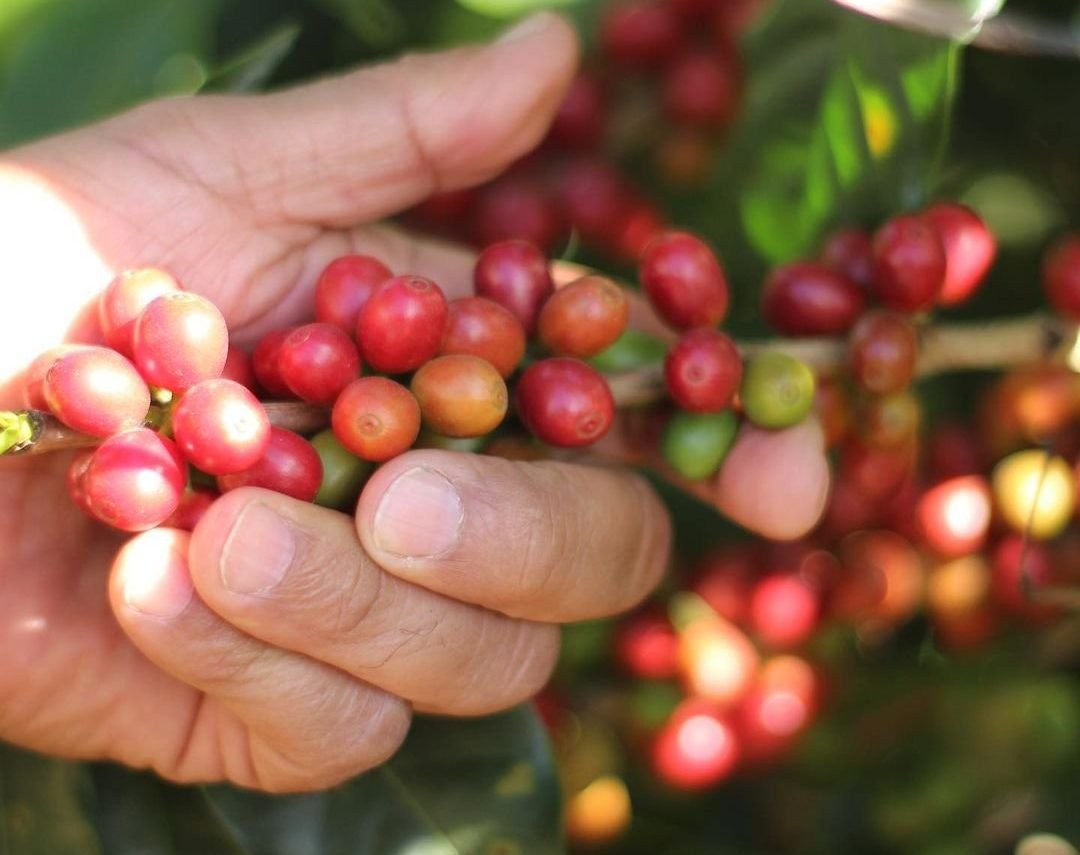
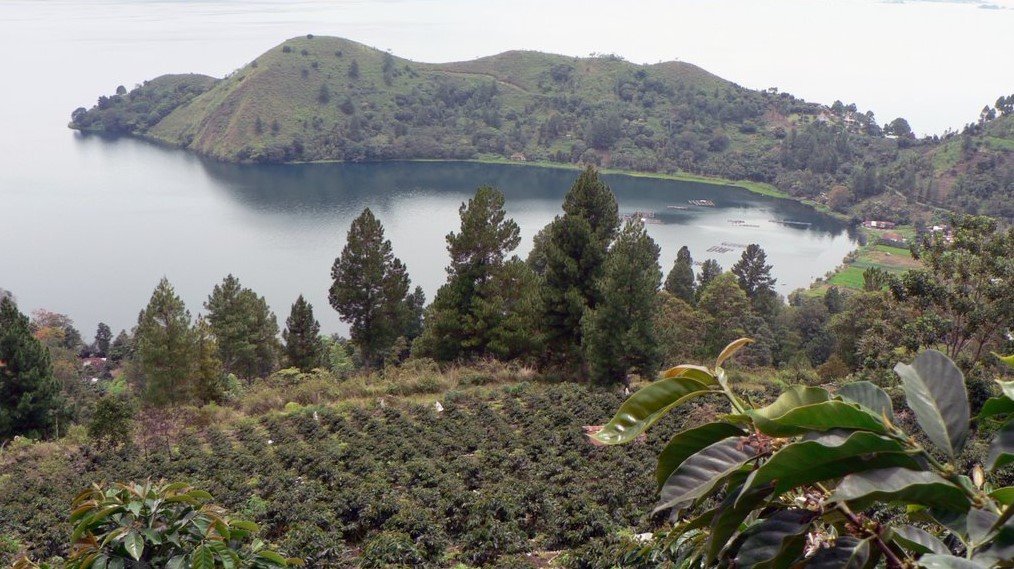
Coffee holds a special place in the hearts of many worldwide, and Indonesia stands out as a key player in the global coffee industry. Renowned for its diverse flavors, unique processing methods, and rich cultural heritage, Indonesian coffee has carved a niche in the international market. This comprehensive guide delves into the essence of Indonesian coffee beans, exploring their origins, varieties, cultivation methods, processing techniques, flavor profiles, economic significance, and the cultural impact of this beloved beverage.
1. Origins and Varieties
1.1 Indonesia’s Coffee History
Indonesia’s coffee journey dates back to the late 1600s when the Dutch began cultivating coffee in the archipelago. Today, Indonesia is the fourth-largest coffee producer globally, renowned for its high-quality beans.
1.2 Main Varieties
-Sumatra – Known for its full-bodied, earthy flavors with low acidity. Mandheling, Gayo, and Lintong are popular Sumatran coffee varieties.
-Java – Originating from the island of Java, it offers a clean, balanced cup with a medium body and a slightly sweet taste.
-Bali – Exhibits a smooth, vibrant profile with hints of chocolate and citrus.
-Sulawesi (Celebes) – Renowned for its rich, syrupy body and notes of spice and cocoa.
-Flores – Grown in volcanic soil, it presents a unique blend of sweetness and a slightly smoky aroma.
2. Cultivation and Processing
2.1 Growing Regions
-Altitude: Indonesian coffee is often grown at high altitudes, contributing to its unique flavor profile.
-Regions: Aceh, Sulawesi, Java, Bali, and Flores are key coffee-producing regions.
2.2 Cultivation Practices
-Traditional Methods: Many farmers use traditional methods of cultivation, with shade-grown coffee being a common practice.
-Organic Farming: Some regions emphasize organic farming practices, ensuring environmentally friendly and sustainable coffee production.
2.3 Processing Techniques
-Wet-Hulling (Giling Basah): This uniquely Indonesian method involves drying the beans partially, resulting in distinct flavors and a hallmark of Sumatran coffee.
-Dry Processing: Used in regions like Java and Bali, where beans are sun-dried with their fruit pulp intact, adding complexity to the cup profile.
3. Flavor Profile and Characteristics
3.1 Aroma and Taste Notes
-Sumatran Coffee: Earthy, herbal, with hints of chocolate and a syrupy body.
-Javanese Coffee: Medium-bodied, with a clean taste and subtle acidity.
-Balinese Coffee: Smooth, with notes of citrus and chocolate.
-Sulawesi Coffee: Rich and full-bodied, often showcasing spice and cocoa undertones.
-Flores Coffee: Sweetness accompanied by a slightly smoky aroma.
4. Economic Significance and Cultural Impact
4.1 Economic Importance
-Export Industry: Indonesian coffee is a significant export commodity, contributing to the country’s economy.
-Employment: Coffee cultivation provides livelihoods for many Indonesians, particularly in rural areas.
4.2 Cultural Influence
-Coffee Ceremonies: Coffee plays a central role in Indonesian social gatherings, with traditional ceremonies celebrating its preparation and consumption.
-Cultural Identity: Coffee is deeply intertwined with Indonesia’s cultural fabric, reflecting in art, literature, and rituals.
5. Sustainability and Challenges
5.1 Sustainability Efforts
-Certifications: Some farms are Rainforest Alliance or Fair Trade certified, promoting sustainable practices and fair wages.
-Conservation: Efforts to conserve biodiversity and protect ecosystems are gaining momentum.
5.2 Challenges
-Climate Change: Changing weather patterns and rising temperatures pose threats to coffee production.
-Market Competition: Balancing global demand while maintaining quality and authenticity presents challenges for Indonesian coffee growers.
—
Conclusion
Indonesian coffee beans represent more than just a beverage; they encapsulate centuries of history, culture, and craftsmanship. Their distinctive flavors, rooted in diverse regions and unique processing methods, make them stand out in the global coffee landscape. Despite challenges, the Indonesian coffee industry continues to evolve, emphasizing sustainability and quality while maintaining its cultural significance. For coffee enthusiasts, exploring the nuanced profiles of Sumatran, Javanese, Balinese, Sulawesi, and Floresian coffee offers an enriching journey into the world of coffee.
Robusta Resurgence: Brewing Strength in Every Sip: Unlocking the Bold Flavors of Robusta Coffee, often overshadowed by its more popular counterpart, Arabica, possesses a distinct boldness that sets it apart in the world of coffee. While Arabica is celebrated for its nuanced flavors and aromatic qualities, Robusta holds its own with a robust and intense character. In this exploration of Robusta coffee, we delve into its origins, cultivation, unique attributes, and the reasons behind its growing popularity among coffee connoisseurs.
The Origins of Robusta Coffee
Robusta coffee (Coffea canephora) traces its roots to central and western sub-Saharan Africa. Discovered in the lowland forests of West Africa, Robusta earned its name due to its robust nature, thriving in diverse climates and altitudes. The plant’s resilience against pests and diseases made it an attractive choice for cultivation, leading to its spread to various coffee-producing regions across the globe.
Cultivation and Growing Regions
Today, Robusta coffee is cultivated in several countries, with Vietnam, Brazil, and Indonesia being prominent producers. The plant flourishes in warmer climates with temperatures ranging from 24 to 30 degrees Celsius (75 to 86 degrees Fahrenheit). Unlike Arabica, Robusta is well-suited to lower altitudes, making it adaptable to a wider range of environments.
Robusta Coffee beans are characterized by their higher caffeine content, providing a natural defense mechanism against pests. The hardier nature of the plant allows it to thrive in areas where Arabica might struggle, making it an essential component of many coffee blends.
Distinctive Flavor Profile
The key feature that distinguishes Robusta from Arabica is its bold and intense flavor. Robusta coffee is often described as having a strong, full-bodied taste with a slightly astringent or bitter edge. The flavor profile includes earthy, woody, and nutty notes, creating a coffee experience that stands out from the more delicate and nuanced Arabica varieties.
The higher caffeine content in Robusta contributes to its boldness, delivering a more powerful and energizing cup. While some may find the bitterness a challenge, many coffee enthusiasts appreciate the robust flavor as a wake-up call to their senses.
Popularity Among Coffee Connoisseurs
In recent years, Robusta coffee has gained recognition and popularity among coffee connoisseurs and specialty coffee enthusiasts. Its unique characteristics have been embraced for blending purposes, adding depth and strength to various coffee blends. Additionally, the growing interest in single-origin coffees has led to an increased appreciation for the distinctive qualities of Robusta.
The specialty coffee industry’s focus on transparency and sustainability has also played a role in Robusta’s resurgence. Responsible farming practices and increased awareness of the challenges faced by coffee farmers have led to a greater appreciation for the versatility and economic viability of Robusta cultivation.
Robusta Resurgence: Brewing Strength in Every Sip
Beyond its bold flavor, Robusta coffee offers certain health benefits. The higher caffeine content can provide a more robust energy boost, making it an ideal choice for those seeking a potent pick-me-up. Additionally, research suggests that the antioxidant levels in Robusta coffee may contribute to various health benefits, including improved cognitive function and a reduced risk of certain diseases.
Challenges and Opportunities in Robusta Cultivation Robusta Resurgence: Brewing Strength in Every Sip
While Robusta coffee has its strengths, it also faces challenges. Climate change, pests, and diseases can pose significant threats to Robusta crops. Sustainable farming practices, investment in research, and the development of disease-resistant varieties are crucial for the long-term viability of Robusta cultivation.
In conclusion, Robusta coffee, with its bold flavors and resilient nature, is carving out a distinctive place in the world of coffee. As coffee enthusiasts and industry professionals continue to explore and appreciate the unique qualities of Robusta, it is clear that this variety is more than just a supporting player—it is a star in its own right, contributing richness and depth to the diverse tapestry of the global coffee culture. Whether enjoyed on its own or as part of a carefully crafted blend, Robusta coffee invites us to savor the boldness and complexity that sets it apart in the ever-evolving world of coffee appreciation.
Best Coffee Beans, a sprawling archipelago renowned for its breathtaking landscapes, diverse cultures, and rich biodiversity, is also celebrated for its exceptional coffee. In the heart of this tropical paradise, coffee enthusiasts can discover a unique and unparalleled experience in every cup. In this exploration, we unveil the best coffee beans that contribute to Indonesia’s reputation as a global coffee powerhouse.
The Indonesian Coffee Landscape Unveiling the Best Coffee Beans for a Rich Brew:
Indonesia boasts a distinct and varied topography that plays a crucial role in cultivating exceptional coffee beans. From the volcanic soils of Sumatra to the highlands of Java, the country provides an ideal environment for coffee plants to thrive. The combination of fertile soil, high altitudes, and the equatorial climate gives Indonesian coffee its distinct flavor profile.
Sumatra: The Bold and Earthy Blend:
One cannot delve into Indonesian coffee without exploring the bold and earthy flavors of Sumatra. The region is famous for its Mandheling and Gayo coffee varieties. Grown on the slopes of volcanic mountains, these beans exhibit a full-bodied richness with low acidity. Notes of chocolate, cedar, and a hint of herbal undertones make Sumatran coffee a favorite among those who appreciate a robust and intense brew.
Java: A Heritage of Excellence:
Java, an island synonymous with coffee history, has been cultivating coffee since the 17th century. The Java beans, known for their smooth and medium-bodied profile, showcase a harmonious balance of acidity and sweetness. The volcanic soil imparts a subtle yet distinctive flavor, making Java coffee a classic choice for those who enjoy a well-rounded and satisfying cup.
Bali: Unique Varietals from the “Island of the Gods”:
Bali, known for its picturesque landscapes and vibrant culture, is also gaining recognition for its unique coffee varietals. The high-altitude regions of Kintamani produce Arabica beans with a bright acidity and citrusy notes. The Bali Kintamani coffee is not only a treat for the taste buds but also a testament to the island’s commitment to sustainable and organic farming practices.
Sulawesi: Toraja Coffee – Elegance in Every Sip:
Sulawesi, formerly known as Celebes, is home to the Toraja coffee, a gem among Indonesian coffees. Grown in the mountainous regions, Toraja coffee is celebrated for its elegant and complex flavor profile. The beans exhibit a well-balanced acidity with notes of fruit, spice, and a hint of earthiness. The meticulous wet-hulling process adds to the uniqueness, creating a coffee that stands out in the global market.
Papua: Exotic and Rare Arabica:
Papua, the easternmost province of Indonesia, is gaining recognition for its exotic and rare Arabica coffee. The Wahgi Valley, with its high-altitude plantations, produces beans with a distinct fruity and floral aroma. Papua coffee offers a delightful combination of medium acidity and a nuanced flavor profile, making it a sought-after choice for connoisseurs seeking something extraordinary.
The Rise of Specialty Best Coffee Beans:
In recent years, Indonesia has witnessed a surge in the popularity of specialty coffee. Small-scale farmers and boutique roasters are embracing sustainable and ethical practices to cultivate high-quality beans. This movement has not only elevated the overall quality of Indonesian coffee but has also contributed to the empowerment of local communities.
Challenges and Opportunities Best Coffee Beans:
While Indonesian coffee is gaining international acclaim, the industry faces challenges such as climate change, pests, and the need for infrastructure development. However, these challenges also present opportunities for innovation, sustainable farming practices, and collaborations that can further enhance the reputation of Indonesian coffee on the global stage.
Conclusion:
Indonesia’s coffee landscape is a tapestry of flavors, each region weaving a unique story into the beans it produces. From the bold and earthy notes of Sumatra to the elegant complexity of Toraja coffee, Indonesia’s finest offerings cater to a diverse range of palates. As the global appreciation for specialty coffee grows, Indonesia’s position as a coffee powerhouse is set to rise, offering coffee enthusiasts an exciting journey through the rich and diverse world of Indonesian coffee.
Brewing Brilliance: Unveiling the Essence of Coffee Beans, a universally cherished beverage, has an undeniable allure that transcends borders and cultures. Behind every invigorating cup lies the heart and soul of the coffee bean, a small yet powerful entity that defines the entire coffee experience. In this comprehensive exploration, we embark on a journey to unravel the complexities and richness concealed within the essence of coffee beans.
The Birth of Coffee Beans
The story of coffee begins in the lush, equatorial regions where coffee plants thrive. Arabica and Robusta, the two primary species of coffee beans, are cultivated with care, each variety possessing distinct characteristics that contribute to the diverse world of coffee. Arabica, known for its nuanced flavors and higher acidity, thrives at higher altitudes, while Robusta, with its robust and bold profile, flourishes at lower elevations.
Cultivation and Harvesting:
Coffee cultivation is an art that involves meticulous care and attention to detail. From the choice of soil to the climate conditions, every aspect plays a crucial role in shaping the flavor profile of the beans. The harvesting process is equally crucial, as only ripe coffee cherries are selectively picked by hand, ensuring optimal flavor development.
Brewing Brilliance: Unveiling the Essence of Coffee Beans and Processing the Beans:
Once harvested, coffee cherries undergo processing to extract the beans within. Two primary methods prevail: the dry process and the wet process. The dry process involves sun-drying the cherries with the beans inside, imparting a distinct fruity sweetness. On the other hand, the wet process involves removing the outer skin of the cherries before fermenting and washing the beans, resulting in a cleaner and brighter cup.
Roasting Alchemy:
Roasting, the transformative process that elevates green coffee beans to the aromatic and flavorful entities we recognize, is an art form mastered by skilled roasters. The roasting process significantly influences the final taste, aroma, and color of the beans. Light roasts preserve the unique characteristics of the coffee origin, while dark roasts bring out rich, bold flavors with a hint of smokiness.
The Importance of Grind:
The grind of coffee beans plays a pivotal role in the brewing process, influencing the extraction of flavors and aromas. Different brewing methods demand specific grind sizes – from the coarse grind suitable for French press to the fine grind essential for espresso. The consistency and precision of the grind are paramount, ensuring a uniform extraction and, consequently, a balanced cup of coffee.
Brewing Methods:
The art of brewing coffee extends far beyond the simple act of mixing coffee grounds with water. Various brewing methods, such as pour-over, French press, espresso, and drip, offer unique approaches to extracting flavors. Each method allows for a customized experience, unveiling different facets of the coffee bean’s essence.
Pour-over, for instance, is celebrated for its ability to highlight the delicate flavors of high-quality beans, while the French press offers a robust and full-bodied cup. Espresso, with its concentrated and intense character, is a testament to the precision required in both grinding and brewing. Drip brewing, a staple in many households, provides a convenient and consistent way to enjoy coffee on a daily basis.
The Science of Extraction:
Brewing coffee is a delicate dance of water, temperature, and time. The science of extraction governs the process, with under-extraction resulting in a sour taste and over-extraction leading to bitterness. Achieving the perfect balance requires an understanding of variables such as water temperature, brewing time, and the coffee-to-water ratio.
The Role of Water:
Water, often overlooked, is a critical component in the brewing process. Its quality, temperature, and mineral content can significantly impact the taste of the final cup. Using filtered water at an appropriate temperature ensures that the coffee flavors are extracted optimally, allowing the nuances of the beans to shine through.
The Art of Tasting:
Tasting coffee is an experience that goes beyond sipping a morning pick-me-up. Engaging in coffee cupping, a method used by professionals to evaluate and appreciate coffee, allows individuals to discern subtle notes, acidity levels, and body. A well-executed cupping session can enhance one’s palate, leading to a deeper appreciation of the diversity within the world of coffee.
Pairing Coffee with Culinary Delights:
Beyond standalone enjoyment, coffee can be a harmonious companion to various culinary delights. The rich, chocolatey notes of a dark roast may complement a decadent dessert, while the bright acidity of a light roast can contrast with the savory elements of a hearty meal. Exploring the art of pairing coffee with food adds a layer of sophistication to the overall gastronomic experience.
Sustainability in Coffee Production:
As the demand for coffee continues to rise, the importance of sustainable and ethical practices in coffee production cannot be overstated. From environmentally conscious farming methods to fair trade initiatives, the industry is evolving to prioritize the well-being of both the planet and the individuals involved in the coffee supply chain.
Conclusion:
In “Brewing Brilliance: Unveiling the Essence of Coffee Beans,” we’ve traversed the entire journey of coffee, from the birth of the beans in coffee plantations to the artful brewing methods that bring them to life in our cups. The humble coffee bean, with its intricate flavors and diverse profiles, serves as the foundation for an experience that transcends the routine act of drinking coffee. As you savor your next cup, may you appreciate the craftsmanship, dedication, and sheer brilliance encapsulated within the essence of these remarkable coffee beans.
In the heart of the global coffee industry, FNB Tech Indonesia stands tall as a leading coffee beans supplier in Indonesia. Established in 1999, the company embarked on a journey that began with a modest trading and export business in Medan, North Sumatra, Indonesia. Over the past two decades, FNB Tech Indonesia has evolved into a powerhouse in the coffee industry, with a sprawling 75-hectare coffee processing plant in Tekengon, Aceh Gayo, Sumatera, Indonesia.
Premier Coffee Beans Supplier in Indonesia: Company Overview
FNB Tech Indonesia has not only expanded its geographical footprint but has also diversified its operations across the entire coffee value chain. The company started by primarily selling green coffee beans to both local and international markets. Today, they trade with over 33 countries, boasting a customer base of 17,811 buyers.
The company’s commitment to sustainability is evident in its practices at the coffee processing plant in Tekengon. FNB Tech Indonesia has been actively involved in tree rejuvenation, replanting, and sustainable farming practices. Moreover, the company has established and maintained strong relationships with neighboring communities, demonstrating a holistic approach to coffee production.
From Plantation to Retail: FNB Tech Indonesia’s Strategic Diversification
FNB Tech Indonesia’s journey from a small trading and export company in Medan to a prominent player in the global coffee industry is marked by strategic diversification across the entire coffee value chain. This deliberate expansion from plantation to retail underscores the company’s commitment to excellence, sustainability, and a holistic approach to the coffee business.
1. Origin: Small Trading Company to Coffee Powerhouse
Established in 1999 as a small trading and export company in Medan, North Sumatra, FNB Tech Indonesia initially focused on selling green coffee beans to local and international markets. However, the company’s vision extended beyond mere trading, propelling it into a trajectory of growth and diversification.
2. Upstream Expansion: Plantation and Sustainable Practices
FNB Tech Indonesia’s commitment to quality and sustainability led to the establishment of a 75-hectare coffee processing plant site in Tekengon, Aceh Gayo, Sumatera. This move marked the company’s foray into the upstream segment of the coffee industry. Here, FNB Tech Indonesia actively engages in tree rejuvenation, replanting initiatives, and sustainable farming practices. The focus on sustainability is not just a business strategy but a commitment to the environment and the communities involved in coffee cultivation.
3. Downstream Integration: From Plantation to Retail
Diversification did not stop at the plantations. FNB Tech Indonesia strategically ventured downstream, expanding its business operations to include retail. This comprehensive integration allows the company to have a direct hand in shaping the entire lifecycle of its coffee products, from cultivation to consumption.
4. Diversifying the Business Portfolio: Coffee Machines to Coffee Shops
Beyond the traditional pathways of the coffee industry, FNB Tech Indonesia has taken bold steps into diversifying its business portfolio. The company’s presence extends not only to the production and trading of green coffee beans but also to the realms of coffee machines and coffee shops. This diversification showcases a forward-thinking approach to capturing a broader market share and ensuring a comprehensive experience for coffee enthusiasts.
5. Holistic Approach: Excelling as Indonesia’s Finest Green Coffee Beans Source
FNB Tech Indonesia’s diversified approach is rooted in the aspiration to excel as Indonesia’s finest green coffee beans source. By engaging in both upstream and downstream activities, the company ensures that its commitment to quality, sustainability, and authenticity is upheld at every stage of the coffee production process.
6. Building Strong Relationships with Communities
Throughout this diversification journey, FNB Tech Indonesia has maintained a focus on building strong relationships with the communities involved in the coffee industry. The collaborative approach extends beyond the plantations to include local farmers, processors, and exporters. This interconnected network not only strengthens the company’s supply chain but also contributes to the socio-economic development of the regions where it operates.
7. Ensuring Quality Across the Value Chain
FNB Tech Indonesia’s control over both upstream and downstream aspects of the coffee business is a strategic advantage. It allows the company to implement stringent quality control measures at every stage, ensuring that the beans reaching consumers are of the highest standard. This end-to-end control contributes to the brand’s reputation as a purveyor of premium-quality Indonesian coffee.
8. Catering to Evolving Consumer Preferences
The diversification of FNB Tech Indonesia’s business operations is a response to the evolving preferences and demands of consumers. By offering a range of products and services, the company caters to a diverse audience, from those seeking green coffee beans for home brewing to coffee shop owners looking for quality beans and machines.
A Comprehensive Coffee Experience
In conclusion, FNB Tech Indonesia’s journey from plantation to retail is a strategic evolution that goes beyond mere business expansion. It reflects a commitment to excellence, sustainability, and a comprehensive approach to delivering an exceptional coffee experience. By diversifying across the entire value chain, FNB Tech Indonesia has positioned itself as a key player in the Indonesian coffee industry, ensuring that the authenticity and quality of its products are preserved from the lush plantations to the coffee cups of enthusiasts around the world.
Elevating Standards: FNB Tech Indonesia as a Premium Green Coffee Beans Supplier
In the competitive world of coffee production and trade, FNB Tech Indonesia has carved a niche for itself as a premium green coffee beans supplier. With over two decades of experience, the company has not just provided beans; it has curated an unparalleled coffee experience for customers worldwide. Let’s explore the factors that distinguish FNB Tech Indonesia as a premier supplier of premium green coffee beans.
1. Over 20 Years of Excellence
The longevity of FNB Tech Indonesia’s presence in the coffee industry speaks volumes about its commitment to excellence. Established in 1999, the company has weathered the changing tides of the market, consistently delivering premium-quality green coffee beans to customers globally. This extensive experience is a testament to FNB Tech Indonesia’s deep understanding of the intricacies of coffee production and trade.
2. Exceptionally Authentic Taste
At the heart of FNB Tech Indonesia’s offerings is an exceptionally authentic taste that reflects the rich and diverse terroirs of Indonesia. The company takes pride in sourcing green coffee beans from various regions, each contributing unique flavors and characteristics to the final product. This commitment to authenticity ensures that customers experience the true essence of Indonesian coffee with every sip.
3. Global Reach, Local Roots
FNB Tech Indonesia’s reach extends to more than 33 countries, with a customer base of over 17,811 buyers. This global presence is a testament to the company’s ability to meet the discerning tastes of coffee enthusiasts worldwide. Despite this expansive reach, FNB Tech Indonesia maintains its roots in local communities, fostering relationships with farmers and ensuring sustainable practices are integral to the entire supply chain.
4. Sustainable Farming Practices
The commitment to sustainability goes beyond just sourcing beans. FNB Tech Indonesia actively engages in tree rejuvenation, replanting, and sustainable farming practices at its 75-hectare coffee processing plant site in Tekengon, Aceh Gayo, Sumatera. By implementing these practices, the company not only ensures the longevity of its plantations but also contributes to the preservation of the environment and the well-being of local communities.
5. Comprehensive Value Chain
What sets FNB Tech Indonesia apart is its involvement in both upstream and downstream activities within the coffee industry. The company’s diversification across the entire value chain, from plantation to retail and from coffee machines to coffee shops, showcases a holistic approach to the business. This comprehensive involvement allows FNB Tech Indonesia to maintain control over quality at every stage of the process.
6. Trusted Choice for Coffee Enthusiasts
The trust placed in FNB Tech Indonesia by coffee enthusiasts in countries such as America, Australia, Canada, the United Arab Emirates, Malaysia, Japan, and various European nations speaks volumes. The company’s premium green coffee beans have become a preferred choice for those who seek not just a beverage but a sensory journey, an exploration of the diverse and authentic flavors that Indonesian coffee has to offer.
7. Jakarta Office and Specialty Processing Plant
FNB Tech Indonesia’s physical presence is marked by its Jakarta office at Gedung Menara Sentraya, showcasing a commitment to accessibility and transparency. Additionally, the Specialty Coffee Processing Plant in Desa Pondok Balik, Aceh, stands as a testament to the company’s dedication to the art and science of coffee processing, ensuring that every bean meets the high standards set by FNB Tech Indonesia.
8. 100% Authentic Indonesian Coffee
The slogan “100% Authentic Indonesian Coffee” is not just a marketing tagline but a promise. FNB Tech Indonesia takes pride in being a custodian of Indonesia’s rich coffee heritage, delivering beans that embody the essence of the country’s diverse landscapes and cultural richness.
Crafting Experiences, One Bean at a Time
In conclusion, FNB Tech Indonesia’s position as a premium green coffee beans supplier is a result of a harmonious blend of experience, authenticity, sustainability, and a comprehensive approach to the coffee industry. As you embark on your coffee journey with FNB Tech Indonesia, you’re not just purchasing beans; you’re immersing yourself in a curated experience, a celebration of the artistry and passion that defines Indonesian coffee. Elevate your coffee ritual with FNB Tech Indonesia and savor the excellence of premium green coffee beans that encapsulate the soul of Indonesia.
Sourcing Green Coffee Beans: The Art of Authenticity
One of the cornerstones of FNB Tech Indonesia’s success lies in its meticulous approach to sourcing green coffee beans. The company’s commitment to delivering an authentic Indonesian coffee experience is evident in its careful selection of beans from diverse regions across the archipelago. Let’s delve into the art and science of sourcing green coffee beans at FNB Tech Indonesia.
Diverse Origins, Distinctive Flavors
FNB Tech Indonesia takes pride in offering a collection of green coffee beans that showcase the diverse terroirs of Indonesia. From the volcanic soils of Sumatra to the high-altitude plantations of Aceh Gayo, each region contributes unique characteristics to the beans it produces.
Aceh Gayo:
Situated in the northern part of Sumatra, Aceh Gayo is known for its lush landscapes and high-altitude coffee farms. The beans sourced from this region bring forth a bold and full-bodied flavor profile. FNB Tech Indonesia’s commitment to authenticity ensures that every Aceh Gayo Green Coffee Bean encapsulates the essence of this captivating region.
Sumatra:
The vast and biodiverse island of Sumatra is a treasure trove for coffee enthusiasts. FNB Tech Indonesia carefully selects beans from Sumatra, celebrated for their complex flavor profile. The combination of cedar, chocolate, and subtle spiciness is a testament to the rich biodiversity that surrounds the coffee plantations.
Mandheling:
Mandheling, another prominent region for coffee cultivation, contributes to FNB Tech Indonesia’s green coffee bean collection. Renowned for its bold and intense flavor with notes of dark chocolate, Mandheling beans are a staple for those seeking a robust and impactful coffee experience.
Sustainable Practices and Community Engagement
Beyond flavor profiles and regional nuances, FNB Tech Indonesia places a strong emphasis on sustainable and ethical sourcing practices. The company actively engages in tree rejuvenation and replanting initiatives to ensure the longevity of coffee plantations. By implementing sustainable farming practices, FNB Tech Indonesia not only preserves the environment but also contributes to the long-term well-being of local communities.
The company’s commitment to sustainability goes hand in hand with maintaining excellent relationships with neighboring communities. FNB Tech Indonesia recognizes the importance of collaboration with the people who are an integral part of the coffee production process. This collaborative approach ensures that the entire ecosystem, from the farmers to the consumers, benefits from the journey of the coffee bean.
The Journey to Authenticity
“FNB Tech Indonesia: 100% Authentic Indonesian Coffee” is not just a tagline but a guiding principle. The company’s meticulous sourcing process is a journey to discover and share the true essence of Indonesian coffee. Each step, from selecting the finest beans to fostering sustainable practices, is a testament to FNB Tech Indonesia’s dedication to authenticity.
As a customer, when you choose FNB Tech Indonesia’s green coffee beans, you are not merely purchasing a product; you are embarking on a sensory journey. The rich flavors, captivating aromas, and sustainable practices encapsulated in every bean reflect the dedication and passion that FNB Tech Indonesia brings to the art of sourcing green coffee beans. Elevate your coffee experience and immerse yourself in the authentic taste of Indonesia with FNB Tech Indonesia.
Best Sellers: A Deeper Dive into FNB Tech Indonesia’s Green Coffee Beans
While FNB Tech Indonesia takes pride in its entire range of green coffee beans, there are certain varieties that have emerged as customer favorites and true ambassadors of Indonesian coffee excellence. These best sellers are a testament to the company’s dedication to sourcing, processing, and delivering green coffee beans of unparalleled quality. Let’s take a closer look at these remarkable varieties:
1. Aceh Gayo Green Coffee Beans
Origin: Aceh Gayo, a region renowned for its high-altitude and fertile soil, sets the stage for the production of Aceh Gayo Green Coffee Beans.
Distinctive Characteristics:
Flavor Profile: Exhibiting a unique blend of earthiness and a hint of herbal notes, Aceh Gayo beans are celebrated for their full-bodied, bold flavor.
Aroma: The beans emanate a captivating aroma that hints at the lush landscapes of the Aceh Gayo region.
Culinary Applications:
Ideal for espresso enthusiasts who appreciate a robust and intense coffee experience.
Perfect for those seeking a well-balanced cup with a memorable aftertaste.
Aceh Gayo Green Coffee Beans are a staple for those who desire an authentic Indonesian coffee experience that reflects the terroir of the region.
2. Sumatra Green Coffee Beans
Origin: Hailing from the vast and verdant landscapes of Sumatra, these beans are cultivated in the midst of tropical forests, contributing to their distinct character.
Distinctive Characteristics:
Flavor Profile: Sumatra Green Coffee Beans boast a complex flavor profile with notes of cedar, chocolate, and a subtle hint of spiciness.
Body: Known for their heavy body, these beans create a creamy and indulgent cup of coffee.
Culinary Applications:
Ideal for those who appreciate a well-rounded coffee with a lingering, satisfying finish.
Perfect for blending to add depth and complexity to custom coffee blends.
Sumatra Green Coffee Beans encapsulate the essence of Sumatra’s rich biodiversity, delivering a sensory journey with each sip.
3. Mandheling Green Coffee Beans
Origin: Sourced from the Mandheling region, known for its high altitudes and volcanic soil, Mandheling Green Coffee Beans embody the essence of Indonesian coffee craftsmanship.
Distinctive Characteristics:
Flavor Profile: Mandheling beans are celebrated for their bold, intense flavor with hints of dark chocolate and a subtle herbal undertone.
Acidity: Low acidity contributes to a smooth and velvety texture.
Culinary Applications:
Perfect for those who prefer a strong and impactful coffee experience.
Well-suited for dark roast enthusiasts looking to explore the nuances of Indonesian coffee.
Mandheling Green Coffee Beans cater to the discerning coffee drinker who seeks a powerful and memorable cup, making them a cornerstone in FNB Tech Indonesia’s collection.
Elevating Your Coffee Experience
These best-selling green coffee beans from FNB Tech Indonesia are not just products; they represent a commitment to excellence, authenticity, and a rich cultural heritage. Each cup brewed from these beans tells a story of meticulous sourcing, sustainable practices, and a dedication to preserving the true essence of Indonesian coffee.
As you embark on your coffee journey with FNB Tech Indonesia, explore the nuances of Aceh Gayo, Sumatra, and Mandheling Green Coffee Beans. Immerse yourself in the distinctive flavors, captivating aromas, and exceptional quality that define these best sellers. Whether you’re a coffee aficionado or a casual drinker, FNB Tech Indonesia invites you to savor the authentic taste of Indonesia in every cup and discover why these green coffee beans are cherished by coffee lovers around the world.
Information and Contact Details
For those interested in exploring the world of FNB Tech Indonesia’s coffee beans, the company provides the following contact details:
Jakarta Office: Gedung Menara Sentraya, lantai 39, Jl. Iskandarsyah Raya No. 1A Kel. Melawai, Kec. Kebayoran Baru, Jakarta Selatan 12160.
Specialty Coffee Processing Plant: Desa Pondok Balik, Kec. Ketol, Kabupaten Aceh Tengah, Aceh.
Contact Number: +62 811 6171 777
Conclusion
In conclusion, FNB Tech Indonesia stands as a beacon in the Indonesian coffee industry, offering not just beans but an experience that transcends borders. With a commitment to quality, sustainability, and diversification, the company has positioned itself as a leader in the global coffee market. From the humble beginnings of a small trading company to an internationally recognized coffee beans supplier, FNB Tech Indonesia continues to shape the narrative of Indonesian coffee excellence. Embrace the true essence of Indonesian coffee with FNB Tech Indonesia and elevate your coffee journey to new heights.
Coffee, a beloved beverage enjoyed by millions around the world, owes its rich and complex flavors to the humble coffee bean. Whether you prefer a robust espresso, a smooth pour-over, or a comforting cup of drip coffee, the quality of the coffee beans used plays a crucial role in the final brew. One common concern among coffee enthusiasts is the shelf life of coffee beans. How long do they last, and what factors influence their freshness? In this comprehensive guide, we will explore the life of coffee beans from harvesting to brewing, addressing storage methods, signs of deterioration, and dispelling common myths.
Understanding the Life of Coffee Beans
Before delving into the longevity of coffee beans, it’s essential to understand their journey from cultivation to consumption. Coffee beans come from the seeds of coffee cherries, which are the fruit of the Coffea plant. The two main types of coffee beans are Arabica and Robusta, each with distinct flavor profiles and growing conditions.
Harvesting: Coffee cherries are typically harvested once they reach maturity, which varies depending on the region and climate. The harvesting process involves selectively picking ripe cherries by hand or using mechanical harvesters.
Processing: After harvesting, the coffee beans need to be extracted from the cherries. This can be done through dry processing, where the cherries are dried before the beans are removed, or wet processing, which involves fermentation to separate the beans from the pulp.
Drying: The extracted beans must be dried to achieve the optimal moisture content for storage. This phase is critical in preventing mold and ensuring the beans’ stability.
Milling and Sorting: Once dried, the beans go through a milling process to remove any remaining layers of parchment or husk. They are then sorted based on size, weight, and quality.
Roasting: The final step in the journey is roasting, where the green coffee beans are heated to transform them into the aromatic, flavorful beans we recognize. Roasting is an art, and different roast levels contribute to the varied profiles of coffee.
Factors Influencing Coffee Bean Freshness
The freshness of coffee beans is influenced by a combination of factors, and understanding these variables is crucial for preserving their flavor and aroma. Let’s explore these factors in detail:
1. Roast Date
The roast date is a key indicator of a coffee bean’s freshness. Coffee is at its peak flavor within a few days to a few weeks after roasting. During this period, the beans undergo degassing, a process where they release carbon dioxide produced during roasting. While coffee is still enjoyable beyond this window, the vibrant flavors may start to diminish.
2. Storage Conditions
How you store your coffee beans significantly impacts their shelf life. Exposure to air, light, moisture, and heat can accelerate the deterioration of coffee. To preserve freshness:
Airtight Containers: Store coffee beans in airtight containers to prevent exposure to oxygen, which can lead to oxidation and staleness.
Cool and Dark: Keep coffee away from heat sources and sunlight. Optimal storage is in a cool, dark place, such as a pantry or a cupboard.
Avoid Moisture: Moisture is the enemy of coffee freshness. Ensure that the storage container is dry, and avoid storing coffee near humid areas.
3. Bean Variety
The type of coffee bean also plays a role in its shelf life. Arabica beans, known for their nuanced flavors and acidity, tend to be more delicate than Robusta beans. Robusta beans, with their higher caffeine content and robust flavor, have a longer shelf life.
4. Grind Level
Coffee begins to lose its freshness more rapidly once it’s ground. Whole beans have a smaller surface area exposed to air, preserving the flavors for a more extended period. If possible, grind the beans just before brewing for the freshest cup.
5. Packaging
The packaging of coffee beans can impact their freshness. Look for bags with one-way valves that allow the release of gases produced by the beans without letting air in. Vacuum-sealed bags also help maintain freshness by removing excess air.
Signs of Deteriorating Coffee Beans
Even with proper storage, coffee beans will eventually lose their freshness. Recognizing the signs of deterioration is essential to ensuring a consistently enjoyable coffee experience. Here are common indicators:
Stale Aroma: Freshly roasted coffee beans have a distinctive, aromatic fragrance. If your beans smell dull or musty, it’s a sign that they are losing their freshness.
Flat Flavor: Over time, the vibrant flavors of coffee diminish. If your brewed coffee lacks the depth and complexity it once had, it might be time for a fresh batch.
Oily Surface: While a thin sheen of oil on the surface of coffee beans is normal, excessive oiliness can indicate that the beans are past their prime.
Visible Mold: If you notice any mold on your coffee beans, discard them immediately. Mold can develop in the presence of moisture and compromises both flavor and safety.
Myths About Coffee Bean Freshness
Several myths surround the shelf life of coffee beans. Dispelling these misconceptions can help you make informed decisions about storing and consuming your coffee:
1. Freezing Coffee Extends Freshness Indefinitely
While freezing coffee beans can slow down the staling process, it’s not a cure-all. The key is proper packaging. If not sealed airtight, coffee can absorb odors and flavors from the freezer, negatively impacting its taste.
2. Keeping Coffee in the Fridge Preserves Freshness
Similar to freezing, refrigeration is not ideal for coffee storage. The fluctuating temperatures and moisture in a fridge can lead to condensation inside the coffee packaging, degrading the beans’ quality.
3. Older Beans Make Stronger Coffee
The strength of coffee is determined by the ratio of coffee to water during brewing, not the age of the beans. While older beans may taste more bitter due to staleness, they won’t necessarily make a stronger cup.
4. Vacuum Sealing Guarantees Freshness
While vacuum-sealed bags help maintain freshness, they are not foolproof. Once the bag is opened, the beans are exposed to air, and their shelf life is limited. Transfer the beans to an airtight container after opening for extended freshness.
Conclusion: Maximizing Your Coffee Experience
In conclusion, the longevity of coffee beans is influenced by various factors, from the moment they are harvested to how they are stored and brewed. To savor the true essence of coffee, prioritize freshness by choosing beans with a recent roast date, storing them in optimal conditions, and being mindful of signs of deterioration.
Experiment with different storage methods, grind sizes, and brewing techniques to find what suits your taste preferences. By understanding the lifecycle of coffee beans and implementing best practices for storage and preparation, you can elevate your coffee experience and enjoy a consistently exceptional cup every time.
In the lush landscapes of Indonesia, where the air is thick with the scent of fertile soil and the melody of tropical flora, a unique coffee experience emerges—Luwak Arabica Coffee. This extraordinary brew, known for its enchanting fragrance, intricate flavor profile, and distinctive production method, weaves a tale of Indonesian craftsmanship and the symbiotic relationship between nature and culture.
Luwak Arabica Coffee: Fragrance/Aroma, An Olfactory Masterpiece
Luwak Arabica Coffee captivates the senses from the very first encounter. The fragrance dances in the air, blending fresh nutty notes with a hint of vanilla, creating an aromatic symphony that is both strong and gently almond. As the beans undergo their meticulous journey from flower to berry over nine months, they absorb the essence of Indonesia’s fertile soils, resulting in a fragrance that is as unique as the archipelago itself.
Flavor: Herbal, Refreshing, Spicy
The flavor profile of Luwak Arabica Coffee is a tapestry of herbal nuances, refreshing tones, and a subtle spiciness that adds depth to every sip. This brew boasts a character stew that harmoniously balances body, acidity, and sweetness, with fine notes of chocolate and almond weaving through the taste experience. The careful cultivation and harvesting process contribute to the coffee’s refined flavor, making it a true testament to the artistry of Indonesian coffee production.
Acidity and Body: Soft-Medium and Soft-Mild
Luwak Arabica Coffee offers a soft to medium acidity that gently caresses the palate. This nuanced acidity is complemented by a soft-mild body, creating a well-rounded and delightful coffee-drinking experience. The beans, with a screen size ranging from 15-18, undergo rigorous quality control measures to ensure that each cup embodies the exquisite balance that defines this exceptional coffee.
Production and Specifications: From Harvest to Cup
The journey from plantation to cup involves a meticulous adherence to specifications that define the excellence of Luwak Coffee. With a moisture content capped at 13%, a triage range of 6-8%, and a defect value carefully maintained between 6-8, every batch undergoes scrutiny to meet the highest standards.
The production of Luwak Arabica Coffee varies between 800 to 1500 kg per hectare, a testament to the careful cultivation practices employed across the Arabica plantations in Sumatra, Java, and Bali. The optimal temperature range of 13 to 28°C and rainfall between 100 to 3000 mm creates the perfect environment for these beans to thrive. The altitude, ranging from 1200 to 1700 meters above sea level, imparts a distinct character to the coffee, while the fertile volcanic soils enriched with micro-nutrients contribute to the beans’ exceptional quality.
Country of Origin and Processing Method: Indonesian Craftsmanship
Indonesia, with its rich tapestry of cultures and landscapes, serves as the birthplace of Luwak Arabica Coffee. The Arabica plantations in Sumatra, Java, and Bali provide the ideal terroir for the beans to flourish. The coffee undergoes a unique processing method that involves collecting the secretion of the Luwak, a small mammal native to the region. Following this, a semi-washed cleaning process and manual dry hulling further enhance the beans’ purity and flavor.
Caffeine Content and Seed Characteristics: Distinctive Traits
With a caffeine content ranging from 0.8 to 1.4%, Luwak Arabica Coffee offers a balanced energy boost, making it suitable for those who savor the essence of coffee without the overpowering caffeine kick. The flat seeds with a clear midline embody the meticulous care taken during the harvesting and processing stages, resulting in beans that are not only visually appealing but also contribute to the overall excellence of the brew.
Conclusion: A Symphony in Every Sip
Luwak Arabica Coffee is not merely a beverage; it is a symphony in every sip—a testament to the dedication of Indonesian coffee artisans and the unique harmony of nature’s elements. From the fragrant aroma that beckons with every pour to the nuanced flavor that dances on the taste buds, this coffee is a celebration of Indonesia’s fertile landscapes and centuries-old traditions. With each cup, one embarks on a journey through the diverse terroirs of Sumatra, Java, and Bali, savoring the essence of Luwak Arabica Coffee—an experience that transcends the ordinary and embraces the extraordinary.
Luwak coffee, also known as civet coffee, is a rare and exotic coffee variety with a distinctive production process. Originating from Indonesia, this coffee is prized for its unique flavor profile and the involvement of civets in the harvesting process. In this comprehensive guide, we will delve into the art of adding aroma to Luwak coffee beans, highlighting the key characteristics of this coffee and the steps involved in its production.
Understanding Luwak Coffee Characteristics
Before we explore the enhancement of aroma, let’s understand the fundamental characteristics of Luwak coffee:
Aroma Profile
Luwak coffee boasts a fragrant blend of fresh nutty, vanilla, and strong yet gentle almond aromas. These enticing scents create a sensory experience that sets Luwak coffee apart from other varieties.
Flavor Palette
The flavor profile of Luwak coffee is characterized by herbal notes, refreshing undertones, and a hint of spiciness. This unique combination contributes to a distinct and memorable taste that captivates coffee enthusiasts.
Acidity and Body
With a soft to medium acidity and a soft to mild body, Luwak coffee strikes a balance that appeals to those who appreciate a smoother and more approachable cup. This characteristic stew of balance includes elements of acidity, sweetness, fine chocolate, and almond.
Production Details
Luwak coffee is grown in specific regions of Indonesia, including Sumatra, Java, and Bali, in Arabica plantations. The altitudes ranging from 1200 to 1700 meters above sea level (asl) contribute to the coffee’s exceptional quality. The beans are characterized by a flat shape with a clear midline and have a caffeine content ranging from 0.8 to 1.4%.
Factors Influencing Aroma in Luwak Coffee: A Deeper Dive
The aroma of Civet coffee is a symphony of nuanced fragrances that arises from a combination of factors deeply intertwined with its growth, harvesting, and processing. To truly understand and appreciate the aromatic complexities of this unique coffee, let’s delve deeper into the factors that exert a profound influence on its olfactory profile.
Altitude and Microclimate
Altitude plays a pivotal role in the development of Luwak coffee’s aroma. The specific altitude range of 1200 to 1700 meters above sea level (asl) in the coffee plantations of Sumatra, Java, and Bali creates a microclimate that fosters the slow ripening of coffee cherries. This extended ripening period allows for the accumulation of intricate flavors and aromatic compounds within the beans.
The optimal temperature range of 13 to 28°C complements this altitude, creating a climate that encourages the beans to mature gradually, allowing the development of the sought-after aroma. Simultaneously, the ideal rainfall between 100 to 3000 mm ensures a consistent supply of moisture essential for the growth of robust, aromatic coffee cherries.
Soil Composition and Micro-Nutrients
The soil in which Luwak coffee plants thrive is a key contributor to the beans’ aromatic richness. The black soil, formed from young, fertile, volcanic materials, imparts unique mineral content and micro-nutrients to the coffee plants. These essential elements not only influence the overall health of the coffee plants but also contribute to the synthesis of aromatic compounds within the beans.
The volcanic nature of the soil adds another layer of complexity to Luwak coffee’s aroma, infusing it with subtle earthy undertones that harmonize with the overarching fragrance profile. The careful management of soil composition through regular analysis ensures that the coffee plants receive the necessary nutrients for optimal aromatic development.
Harvesting Practices and Civet Selection
The unconventional harvesting method of Luwak coffee, involving civets selecting and consuming ripe coffee cherries, is a unique factor contributing to its distinctive aroma. Civets, being discerning creatures, naturally gravitate towards the ripest and highest-quality cherries. This selective process introduces an element of natural fermentation, influencing the aroma through the civets’ digestive enzymes.
The time from flowers to fully ripe berries is approximately 9 months, during which the cherries undergo a transformative journey guided by the civets’ choices. This extended duration allows for a gradual development of complex aromas within the beans.
Processing Methods: Semi-Washed Cleaning and Manual Dry Hull
The meticulous processing of Luwak coffee is a critical phase that directly impacts its aroma. The semi-washed cleaning method involves removing the outer pulp while leaving some mucilage intact during the fermentation process. This nuanced approach contributes to the aromatic depth by allowing certain compounds to linger within the beans.
The subsequent manual dry hull processing adds another layer of finesse to the beans. Careful drying under controlled conditions ensures that the beans retain their unique aromatic signatures without being overwhelmed by external factors. The combination of these methods preserves the distinct characteristics of Luwak coffee, making it a testament to the artistry involved in its production.
Post-Harvest Fermentation and Flavor Development
Post-harvest fermentation is a stage where the aroma of Luwak coffee undergoes further refinement. By manipulating the fermentation process, coffee producers can emphasize specific aromatic notes, such as nutty or vanilla undertones. This stage requires a delicate balance, as too much fermentation can overpower the subtle fragrances, while too little may not fully unlock the aromatic potential of the beans.
Experimentation with fermentation times and conditions allows for the creation of bespoke Luwak coffee blends, each with its own aromatic identity. This customization contributes to the diversity of Luwak coffee offerings, satisfying a range of preferences among discerning coffee connoisseurs.
In conclusion, the aroma of Luwak coffee is a result of a meticulous interplay between environmental factors, harvesting methods, processing techniques, and post-harvest practices. Understanding and respecting these factors is essential for those who seek to not only enjoy but also enhance the aromatic allure of this exceptional coffee variety. Luwak coffee stands as a testament to the intricate harmony between nature, craftsmanship, and the pursuit of a sensory experience that transcends the ordinary.
Steps to Enhance Aroma in Luwak Coffee
Now, let’s delve into practical steps to amplify the aroma of Luwak coffee:
1. Quality Control in Plantations
Maintain strict quality control measures in coffee plantations, ensuring optimal altitude, temperature, and rainfall conditions. Regular soil analysis will help in maintaining the ideal soil composition.
2. Selective Harvesting
Implement careful and selective harvesting practices, allowing civets to choose ripe cherries. This natural selection process contributes to the unique flavors and aromas associated with Luwak coffee.
3. Meticulous Processing
Pay meticulous attention to the processing methods, especially during semi-washed cleaning and manual dry hull processing. These steps should be conducted with precision to retain the distinct aroma and flavor notes.
4. Post-Harvest Fermentation
Explore controlled fermentation techniques post-harvest to further enhance the aromatic compounds in Luwak coffee beans. This step can be adjusted to bring out specific notes, such as nutty or vanilla undertones.
5. Blend Development
Experiment with different blends of Luwak coffee beans to create a harmonious balance of aromas. Blending allows for the customization of flavor profiles, emphasizing specific fragrance notes.
6. Roasting Expertise
Roasting plays a critical role in preserving and amplifying the aromas. Optimal roasting times and temperatures can be fine-tuned to bring out the best in Luwak coffee’s fragrance.
7. Packaging Considerations
Choose packaging methods that preserve the freshness of Luwak coffee. Airtight and opaque packaging helps to retain the aromatic compounds, ensuring that consumers experience the coffee at its best.
Conclusion
Enhancing the aroma of Luwak coffee is a delicate and multi-faceted process that begins in the plantations and extends through harvesting, processing, and roasting. By understanding and optimizing the factors that contribute to Luwak coffee’s unique characteristics, coffee enthusiasts can embark on a journey to create a sensory experience that truly captures the essence of this rare and exceptional brew.
Indonesia, with its rich coffee heritage, is home to a treasure trove of coffee varieties that tantalize the senses and delight the palate. Among these, Sumatran coffee stands as a testament to the country’s dedication to producing some of the finest coffee beans in the world. FnB Tech, a Sumatran coffee exporter company, hails from this remarkable region and takes pride in offering the world a taste of Indonesia’s coffee excellence.
Characteristics that Define Sumatran Coffee
Sumatran coffee is distinguished by its unique characteristics that make it a sought-after choice among coffee connoisseurs worldwide.
1. Fragrance/Aroma: Fresh and Nutty
The first encounter with Sumatran coffee often begins with its captivating fragrance. It exudes a fresh, inviting aroma that combines the earthiness of the region’s terroir with subtle nutty notes, promising an exceptional coffee experience.
2. Flavor: Herbal, Spicy, and Mild Caramel
As the brewed Sumatran coffee graces your taste buds, you embark on a flavor journey that’s both distinctive and memorable. The herbal and spicy undertones intermingle harmoniously, offering a rich and complex flavor profile. To add to the delight, a touch of mild caramel sweetness lingers, providing a perfect balance of tastes.
3. Acidity: Medium
Sumatran coffee boasts a medium acidity level, which contributes to its well-rounded flavor. The acidity is not overpowering, allowing the other flavor elements to shine through and create a delightful cup of coffee.
4. Body: Medium to High
The body of Sumatran coffee is a testament to its quality. Ranging from medium to high, the body gives the coffee a substantial and satisfying mouthfeel. It’s a coffee that can stand up to various brewing methods and remains consistently satisfying.
Exploring the Origin and Production
To truly understand Sumatran coffee, it’s crucial to delve into its origins and the meticulous production process that brings it to life.
1. Time from Flowers to Be Berry: 9 Months
The journey of a coffee bean in Sumatra is a patient one. From the bloom of the coffee flower to the formation of the ripe coffee berry, it takes approximately nine months. This extended maturation period contributes to the rich flavors and aromas found in Sumatran coffee.
2. Production (Kg/Ha): 800 to 1500
The production of Sumatran coffee varies but maintains a commendable standard. Coffee plantations in Sumatra yield between 800 to 1500 kilograms per hectare, showcasing the productivity and dedication of local coffee farmers.
3. Optimal Temperature: 13 to 28°C
Sumatran coffee thrives in a temperate climate, with an optimal temperature range of 13 to 28°C. This region-specific climate plays a vital role in shaping the unique characteristics of these coffee beans.
4. Altitude: 1200 to 1500 from Sea Level (asl)
The altitude at which coffee is grown can significantly impact its flavor profile. Sumatran coffee flourishes at altitudes ranging from 1200 to 1500 meters above sea level (asl), where the cool mountain air and volcanic soil contribute to its exceptional taste.
5. Country of Origin: Indonesia
Sumatran coffee proudly carries the banner of Indonesia as its country of origin. This archipelagic nation has a long history of cultivating and exporting coffee, with Sumatra being one of its most prominent coffee-producing regions.
6. Production Areas: Aceh (Takengon, Bener Meriah, Angkup, Sukarame, Bies, Jagung, Sabun, Pondokbaru)
Within Sumatra, Aceh province stands as a coffee-producing powerhouse. The subregions of Takengon, Bener Meriah, Angkup, Sukarame, Bies, Jagung, Sabun, and Pondokbaru are renowned for their coffee cultivation, each contributing to the diverse flavor profiles of Sumatran coffee.
7. Caffeine Content: 0.8 to 1.4%
The caffeine content of Sumatran coffee falls within the range of 0.8 to 1.4%, which is relatively moderate. This caffeine level complements the coffee’s other characteristics, ensuring a balanced and enjoyable cup.
8. Character Stew: Acid & Chocolate
Sumatran coffee can be likened to a flavorful stew, where the acidity and chocolate notes blend seamlessly. This combination creates a coffee experience that’s both bold and comforting, making it an ideal choice for those seeking a distinctive and memorable brew.
9. Method of Harvest: Mechanical and Hand Pick
The harvesting of Sumatran coffee beans is a blend of tradition and modernity. Coffee cherries are carefully hand-picked by skilled farmers, ensuring that only the ripest cherries are selected. In some cases, mechanical harvesting methods are employed to efficiently gather the precious harvest.
10. Processing Method: Semi-wash Method
Sumatran coffee undergoes a semi-wash processing method. This method involves pulping the coffee cherries to remove the outer layers and then allowing the beans to ferment naturally. It’s a method that retains the bean’s unique flavors while enhancing its overall quality.
Sumatran Coffee: A Taste of Tradition and Excellence
In conclusion, Sumatran coffee, as exemplified by FnB Tech, offers a sensory journey through the heart of Indonesia’s coffee culture. Its fresh and nutty fragrance, herbal and spicy flavor with a touch of mild caramel sweetness, and medium acidity create a truly unique and satisfying coffee experience. From its patient journey from flower to berry to its cultivation in the lush highlands of Sumatra, every aspect of Sumatran coffee production contributes to its exceptional quality. Whether you savor it as a daily ritual or a special treat, Sumatran coffee invites you to explore the rich heritage and dedication that make it one of the world’s most cherished coffee varieties.