Tag: coffee beans

Coffee holds a special place in the hearts of many worldwide, and Indonesia stands out as a key player in the global coffee industry. Renowned for its diverse flavors, unique processing methods, and rich cultural heritage, Indonesian coffee has carved a niche in the international market. This comprehensive guide delves into the essence of Indonesian coffee beans, exploring their origins, varieties, cultivation methods, processing techniques, flavor profiles, economic significance, and the cultural impact of this beloved beverage.

1. Origins and Varieties

1.1 Indonesia’s Coffee History
Indonesia’s coffee journey dates back to the late 1600s when the Dutch began cultivating coffee in the archipelago. Today, Indonesia is the fourth-largest coffee producer globally, renowned for its high-quality beans.

1.2 Main Varieties
-Sumatra – Known for its full-bodied, earthy flavors with low acidity. Mandheling, Gayo, and Lintong are popular Sumatran coffee varieties.
-Java – Originating from the island of Java, it offers a clean, balanced cup with a medium body and a slightly sweet taste.
-Bali – Exhibits a smooth, vibrant profile with hints of chocolate and citrus.
-Sulawesi (Celebes) – Renowned for its rich, syrupy body and notes of spice and cocoa.
-Flores – Grown in volcanic soil, it presents a unique blend of sweetness and a slightly smoky aroma.

2. Cultivation and Processing

2.1 Growing Regions
-Altitude: Indonesian coffee is often grown at high altitudes, contributing to its unique flavor profile.
-Regions: Aceh, Sulawesi, Java, Bali, and Flores are key coffee-producing regions.

2.2 Cultivation Practices
-Traditional Methods: Many farmers use traditional methods of cultivation, with shade-grown coffee being a common practice.
-Organic Farming: Some regions emphasize organic farming practices, ensuring environmentally friendly and sustainable coffee production.

2.3 Processing Techniques
-Wet-Hulling (Giling Basah): This uniquely Indonesian method involves drying the beans partially, resulting in distinct flavors and a hallmark of Sumatran coffee.
-Dry Processing: Used in regions like Java and Bali, where beans are sun-dried with their fruit pulp intact, adding complexity to the cup profile.

3. Flavor Profile and Characteristics

3.1 Aroma and Taste Notes
-Sumatran Coffee: Earthy, herbal, with hints of chocolate and a syrupy body.
-Javanese Coffee: Medium-bodied, with a clean taste and subtle acidity.
-Balinese Coffee: Smooth, with notes of citrus and chocolate.
-Sulawesi Coffee: Rich and full-bodied, often showcasing spice and cocoa undertones.
-Flores Coffee: Sweetness accompanied by a slightly smoky aroma.

4. Economic Significance and Cultural Impact

4.1 Economic Importance
-Export Industry: Indonesian coffee is a significant export commodity, contributing to the country’s economy.
-Employment: Coffee cultivation provides livelihoods for many Indonesians, particularly in rural areas.

4.2 Cultural Influence
-Coffee Ceremonies: Coffee plays a central role in Indonesian social gatherings, with traditional ceremonies celebrating its preparation and consumption.
-Cultural Identity: Coffee is deeply intertwined with Indonesia’s cultural fabric, reflecting in art, literature, and rituals.

5. Sustainability and Challenges

5.1 Sustainability Efforts
-Certifications: Some farms are Rainforest Alliance or Fair Trade certified, promoting sustainable practices and fair wages.
-Conservation: Efforts to conserve biodiversity and protect ecosystems are gaining momentum.

5.2 Challenges
-Climate Change: Changing weather patterns and rising temperatures pose threats to coffee production.
-Market Competition: Balancing global demand while maintaining quality and authenticity presents challenges for Indonesian coffee growers.

—

Conclusion

Indonesian coffee beans represent more than just a beverage; they encapsulate centuries of history, culture, and craftsmanship. Their distinctive flavors, rooted in diverse regions and unique processing methods, make them stand out in the global coffee landscape. Despite challenges, the Indonesian coffee industry continues to evolve, emphasizing sustainability and quality while maintaining its cultural significance. For coffee enthusiasts, exploring the nuanced profiles of Sumatran, Javanese, Balinese, Sulawesi, and Floresian coffee offers an enriching journey into the world of coffee.

  • Exploring the Delightful Allure of Arabica Gayo Coffee from Takengon

    Exploring the Delightful Allure of Arabica Gayo Coffee from Takengon

    In the world of coffee, few names evoke the same level of reverence and delight as Arabica Gayo Coffee from Takengon, Indonesia. Nestled high in the lush, volcanic region of Aceh, on the island of Sumatra, this coffee variety has earned a reputation for its exceptional flavor profile, unparalleled aroma, and a unique processing method that sets it apart from other Arabica beans. In this exploration, we will delve into what makes Arabica Gayo Coffee so delicious and why it continues to capture the hearts of coffee connoisseurs worldwide.

    The Arabica Gayo Coffee Origin Story

    The story of Arabica Gayo Coffee begins with its geographical origin. Takengon, situated in the Gayo Highlands of Aceh, is blessed with rich volcanic soil, high altitudes, and a unique microclimate. These conditions are ideal for the cultivation of Arabica coffee beans, known for their mild, nuanced flavors. The coffee plants thrive in the shade provided by towering trees, which contributes to the development of their exceptional taste.

    Unique Arabica Varietal

    Arabica Gayo Coffee is primarily composed of a unique varietal known as Typica, a classic coffee variety celebrated for its well-balanced flavor and mild acidity. The Typica beans from Takengon are carefully cultivated, handpicked, and processed, resulting in a coffee that is celebrated for its delicate taste profile.
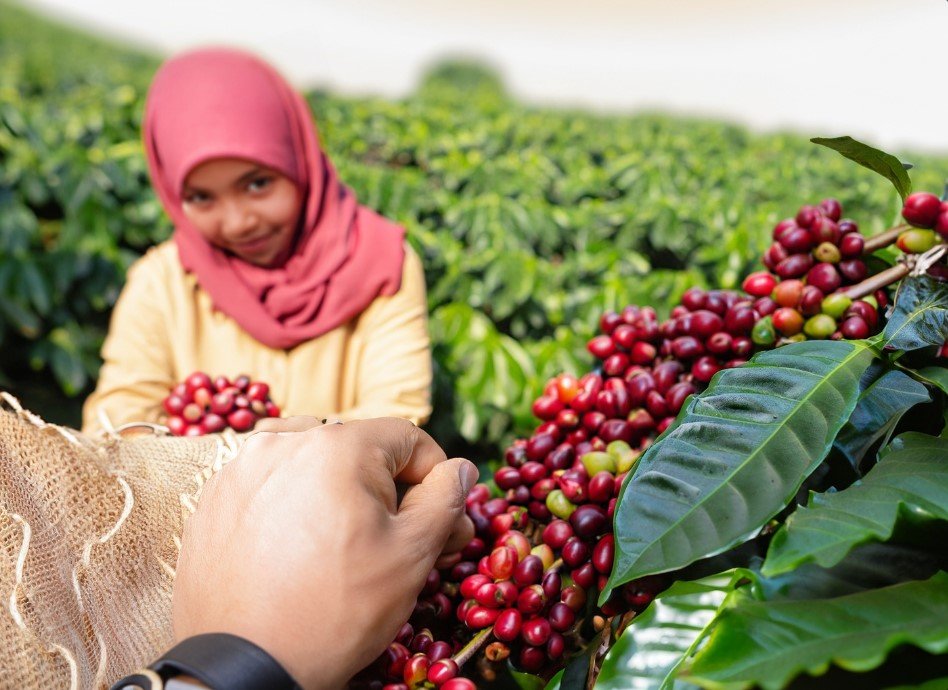
    Arabica Gayo Coffee

    The uniqueness of Arabica Gayo Coffee goes beyond its geographical origin and extends to the distinct Arabica varietal primarily used in its cultivation: Typica. Typica is a classic Arabica coffee variety known for its exceptional taste and adaptability. In the context of Arabica Gayo Coffee, this varietal plays a pivotal role in shaping its exquisite flavor profile. Let’s delve deeper into what makes Typica such a remarkable component of this coffee.

    1. Typica’s Heritage and Purity:
      Typica is one of the oldest and purest Arabica coffee varietals in existence. Its lineage can be traced back to the coffee plants first cultivated in Ethiopia, the birthplace of coffee. Over centuries, Typica has retained its genetic purity, making it a cherished heirloom variety. This genetic purity is part of what imparts a unique and consistent flavor to Arabica Gayo Coffee.
    2. Flavor Profile:
      Typica is celebrated for its well-balanced flavor profile, making it highly sought after by coffee aficionados. When grown in the high-altitude regions of Takengon, the Typica beans take on an extraordinary character. They produce a cup of coffee that is marked by mild acidity, a clean and crisp taste, and a gentle sweetness that is neither overpowering nor cloying. This balance of flavors allows the natural nuances of the coffee to shine through, creating a delightful and harmonious brew.
    3. Adaptability to Altitude:
      Arabica Gayo Coffee thrives at high altitudes in the Gayo Highlands. Typica has proven to be exceptionally well-suited to these elevations. The beans are grown at altitudes ranging from 1,000 to 1,600 meters above sea level, where the cooler temperatures and abundant rainfall provide ideal conditions for slow, even ripening. This extended maturation period enhances the development of the beans’ flavors, resulting in a more complex and refined taste.
    4. Resilience to Environmental Factors:
      Typica exhibits a degree of resilience to environmental factors, making it a reliable choice for coffee growers. It can withstand temperature fluctuations and is less susceptible to pests and diseases compared to some other coffee varietals. This resilience, combined with the exceptional growing conditions in Takengon, allows for the cultivation of high-quality coffee with fewer environmental challenges.
    5. The Influence of Microclimate:
      The microclimate of the Gayo Highlands plays a crucial role in the development of Typica beans. The combination of volcanic soil, ample shade, and the unique weather patterns in this region contributes to the beans’ distinct characteristics. The slow ripening process under these conditions intensifies the flavors, resulting in a cup of coffee with nuanced notes that are a true reflection of the terroir.
    6. Sustainable Farming Practices:
      Many coffee farmers in Takengon who cultivate Typica do so using sustainable and organic farming practices. This commitment to environmental responsibility enhances the purity of the beans and allows their inherent flavors to shine through without interference from synthetic chemicals.

    In conclusion, the Typica varietal used in Arabica Gayo Coffee from Takengon is not just any coffee bean; it is a testament to the heritage of Arabica coffee and the unique terroir of the Gayo Highlands. Its genetic purity, adaptability to altitude, well-balanced flavor profile, and the influence of the local microclimate all come together to create a coffee experience that is truly extraordinary. Typica serves as the canvas upon which the natural beauty of Takengon’s coffee is painted, and it is a vital component in what makes Arabica Gayo Coffee so delicious and distinctive.

    The Role of Processing

    One of the key factors that contribute to the deliciousness of Arabica Gayo Coffee is the distinct processing method known as “wet-hulling” or “Giling Basah.” Unlike the traditional dry processing method used in many coffee-producing regions, this method involves removing the coffee’s outer parchment layer when it still retains some moisture. This unique process imparts a signature flavor profile to the coffee, characterized by a fuller body, lower acidity, and unique earthy undertones.

    The Volcanic Influence

    The volcanic soil of Takengon plays a crucial role in shaping the flavor of Arabica Gayo Coffee. Volcanic soils are rich in minerals and nutrients, which are absorbed by the coffee plants, resulting in a coffee that is smooth, full-bodied, and bursting with distinctive flavors. The soil’s mineral composition imparts unique notes to the coffee, often described as earthy, herbal, and even slightly spicy.

    The volcanic influence on Arabica Gayo Coffee from Takengon is a fundamental factor that contributes to the coffee’s unique and delicious flavor profile. The presence of volcanic soil in this region, enriched with minerals and nutrients from ancient volcanic activity, plays a pivotal role in shaping the character of the coffee. Here’s a deeper exploration of the volcanic influence on this exquisite coffee:

    1. Rich Mineral Composition:
      The volcanic soils of Takengon are characterized by their rich mineral composition. Over millennia, volcanic eruptions have deposited layers of volcanic ash and rock fragments, creating soil that is exceptionally fertile. These minerals include potassium, magnesium, and calcium, among others, which are vital for the healthy growth of coffee plants. The coffee plants in Takengon absorb these minerals, infusing their beans with unique flavors and characteristics.
    2. Optimal Drainage:
      Volcanic soil has excellent drainage properties. This is crucial for coffee cultivation because it prevents waterlogged roots, which can lead to disease and poor bean development. The well-draining soil in Takengon ensures that coffee plants receive the right amount of moisture, allowing them to grow steadily and produce beans with concentrated flavors.
    3. Soil Acidity:
      Volcanic soil tends to have a slightly acidic pH level, which can have a significant impact on the taste of coffee. This natural acidity complements the inherent acidity found in Arabica coffee beans. The result is a coffee that has a pleasant, balanced acidity, often described as bright or lively. This acidity contributes to the overall complexity of the flavor profile of Arabica Gayo Coffee.
    4. Nutrient Absorption:
      Coffee plants in Takengon’s volcanic soil have a unique ability to absorb nutrients efficiently. This means that the plants can access a rich source of minerals and trace elements in the soil, further enhancing the development of the coffee beans. The absorption of these nutrients contributes to the beans’ full-bodied and vibrant flavor.
    5. Earthy Undertones:
      Volcanic soil imparts distinctive earthy undertones to Arabica Gayo Coffee. This earthiness is often described as a subtle, grounding flavor note that adds depth and complexity to the coffee. It complements the coffee’s overall flavor profile, providing a sense of terroir that reflects the unique environment in which the beans are grown.
    6. Unique Microclimate Interaction:
      The interplay between the volcanic soil and the local microclimate in the Gayo Highlands is of paramount importance. The soil’s heat-retaining properties help regulate temperature fluctuations, creating a stable and favorable environment for coffee cultivation. This interaction results in a slower maturation process for the coffee cherries, allowing the beans to develop their flavors more fully.
    7. Sustainable Farming:
      Many coffee farmers in Takengon practice sustainable farming methods, which include responsible soil management. This ensures the long-term health and fertility of the volcanic soil, preserving its unique properties for future generations of coffee cultivation.

    In conclusion, the volcanic influence on Arabica Gayo Coffee from Takengon is not just a geographical quirk; it is an essential component that elevates the coffee’s taste to extraordinary heights. The rich mineral composition, optimal drainage, soil acidity, nutrient absorption, earthy undertones, and unique microclimate interaction all work in harmony to create a coffee that is delicious, complex, and deeply connected to its volcanic terroir. It is this unique combination of factors that makes Arabica Gayo Coffee a true delight for coffee enthusiasts around the world.

    The Art of Roasting

    The art of roasting Arabica Gayo Coffee is a critical aspect of its deliciousness. Expert roasters in Takengon carefully roast the beans to perfection, accentuating their inherent flavors. The medium roast level commonly used allows the beans to retain their intricate taste while still offering a well-balanced cup with a moderate level of acidity. The result is a coffee that is neither too bitter nor too sour, making it immensely enjoyable.

    Sustainability and Shade-Grown Practices

    Takengon’s coffee farmers take pride in their commitment to sustainability. Many Arabica Gayo Coffee plantations are shade-grown, meaning the coffee plants thrive beneath the canopy of diverse trees. This not only contributes to environmental conservation but also imparts unique flavor notes to the coffee. The interaction between sunlight and shade influences the coffee beans’ development, resulting in a richer, more complex taste.

    Organic Farming Practices

    A significant proportion of Arabica Gayo Coffee is grown using organic farming practices. This means that the coffee is free from synthetic pesticides and fertilizers. The absence of chemicals in the cultivation process allows the natural flavors of the beans to shine through, producing a cleaner, more vibrant taste.

    Sustainable Coffee Processing

    Beyond cultivation, sustainability extends to the processing of Arabica Gayo Coffee. Many coffee producers in Takengon employ eco-friendly methods, such as wastewater management and responsible disposal of byproducts, to minimize their environmental impact. This commitment to sustainability enhances the coffee’s overall appeal to conscientious consumers.

    The Human Touch

    Last but not least, what makes Arabica Gayo Coffee truly delicious is the human touch that goes into every step of its production. From the hardworking coffee farmers who nurture the plants to the skilled roasters who bring out their best flavors, there’s a deep sense of pride and craftsmanship associated with this coffee. This dedication to quality is palpable in every sip.

    Conclusion

    Arabica Gayo Coffee from Takengon is more than just a beverage; it’s a testament to the harmonious interplay of nature, tradition, and human craftsmanship. Its deliciousness is a result of the perfect storm of geographical advantages, unique processing methods, and sustainable practices. With every cup of Arabica Gayo Coffee, one not only savors the complex flavor profile but also experiences a taste of the rich heritage and dedication that goes into its production. It’s no wonder that this Indonesian gem continues to captivate coffee enthusiasts around the world, offering a truly delightful and memorable coffee experience.
  • 10 Tips for Savoring Lampung Coffee Every Day

    10 Tips for Savoring Lampung Coffee Every Day

    Lampung coffee is part of one of Sumatra coffee which has a distinctive taste. Here are 10 tips for savoring Lampung coffee every day. Lampung, the southernmost province of Sumatra in Indonesia, is renowned for its lush coffee plantations that produce some of the finest coffee beans in the world. Lampung coffee, often referred to as “Kopi Lampung,” is cherished for its unique flavor profile, characterized by a well-balanced acidity, full body, and a delightful aroma. If you’re a coffee enthusiast, savoring Lampung coffee every day can be an exceptional experience. In this article, we’ll explore ten tips to help you enjoy Lampung coffee to the fullest, ensuring that every cup is a moment of pure bliss.

    1. Lampung Coffee: Source Fresh Coffee Bean

    The foundation of a great coffee experience begins with fresh coffee beans. Look for reputable coffee roasters or suppliers who offer Lampung coffee beans that are freshly roasted. Fresh beans will have a more vibrant flavor and aroma compared to stale ones.

    2. Choose the Right Coffee Grinder

    Investing in a quality coffee grinder is essential for achieving the perfect grind size for your brewing method. For Lampung coffee, a medium-coarse grind is ideal for methods like French press, while a finer grind is suitable for espresso. Consistency in grind size is crucial for even extraction and flavor.

    3. Explore Different Brewing Methods

    Lampung coffee is versatile and can be brewed using various methods, such as pour-over, French press, Aeropress, or espresso. Experiment with different brewing techniques to find the one that suits your taste preferences best. Each method can highlight different flavor notes in the coffee.

    Lampung Coffee

    When it comes to savoring Lampung coffee every day, one of the most exciting aspects is the opportunity to explore a wide range of brewing methods. Each brewing technique has its unique way of extracting flavors from coffee beans, highlighting different aspects of Lampung coffee’s profile. Here, we delve deeper into the world of brewing methods to help you find the one that resonates with your taste buds:

    1. Pour-Over Coffee:
      Pour-over brewing is known for its simplicity and ability to bring out the nuanced flavors of Lampung coffee. To get started, you’ll need a pour-over cone and filter. The process involves pouring hot water over freshly ground coffee in a slow, circular motion. This method allows for precise control over brewing time and water temperature, resulting in a clean, aromatic cup with pronounced floral and fruity notes.
    2. French Press:
      The French press, or press pot, is a popular method for those who prefer a fuller-bodied and robust cup of coffee. Coarsely ground Lampung coffee is steeped in hot water before being separated by pressing down on a metal or mesh plunger. This method extracts the coffee’s oils, giving it a rich and creamy texture with a more pronounced earthy and chocolatey flavor.
    3. Aeropress:
      The Aeropress is a versatile and portable brewing method, perfect for those on the go. It combines the principles of both immersion and pressure brewing. The result is a concentrated coffee with a clean taste and vibrant acidity. The Aeropress is known for highlighting the bright, citrusy notes found in Lampung coffee.
    4. Espresso:
      If you’re a fan of strong, concentrated coffee, consider investing in an espresso machine or a stovetop espresso maker (Moka pot). Lampung coffee can be finely ground and used to make espresso shots. Espresso brewing brings out the coffee’s intense flavors, often characterized by its dark chocolate, caramel, and nutty undertones. You can enjoy it as a single shot or use it as a base for various espresso-based drinks like lattes and cappuccinos.
    5. Cold Brew:
      Cold brewing is a method where coarsely ground coffee is steeped in cold water for an extended period, typically 12-24 hours. This process results in a smooth and low-acid coffee concentrate. Lampung coffee’s naturally sweet and fruity flavors shine through in cold brew, making it a refreshing choice, especially on hot days.
    6. Siphon Coffee Maker:
      The siphon coffee maker, also known as a vacuum coffee maker, is an elegant and visually captivating brewing method. It uses a combination of vapor pressure and vacuum to brew coffee. This method preserves the coffee’s delicate flavors and aromas while showcasing its complexity. Lampung coffee brewed with a siphon coffee maker often has a clean, tea-like quality with pronounced floral and fruity notes.
    7. Turkish Coffee:
      For a unique and traditional experience, try brewing Lampung coffee in the Turkish style. This involves using finely ground coffee beans and simmering them with water and sugar in a special pot called a cezve. The result is a strong and aromatic coffee with a thick, sludgy texture. It’s often served with a touch of cardamom, adding a spicy and exotic dimension to the flavor.
    8. Single-Cup Drip Machines:
      If convenience is a top priority, single-cup drip coffee machines, like pod-based systems, can be a hassle-free way to enjoy Lampung coffee daily. These machines offer consistency and minimal cleanup, making them suitable for busy mornings.

    As you embark on your journey to savor Lampung coffee every day, don’t hesitate to experiment with these brewing methods. Each one offers a unique perspective on the rich and diverse flavors of Lampung coffee. Take the time to explore, refine your techniques, and most importantly, enjoy the wonderful world of coffee that Lampung has to offer.

    4. Pay Attention to Water Quality

    The quality of your water can significantly impact the taste of your coffee. Use filtered or bottled water to ensure a clean and pure flavor. Avoid using tap water with strong odors or impurities that can affect the coffee’s taste.

    5. Control Water Temperature

    When it comes to brewing Lampung coffee, one often-overlooked but crucial factor that can significantly impact the final flavor profile is water temperature. Water temperature controls the extraction process and affects the release of various flavor compounds in the coffee beans. Let’s explore why controlling water temperature is essential and how you can master this aspect of coffee preparation:

    The Importance of Water Temperature:

    1. Extraction Rate: The temperature of the water directly influences the rate at which compounds are extracted from the coffee grounds. Hotter water extracts flavors more quickly, while cooler water extracts them more slowly. To achieve a balanced and flavorful cup, you need to find the right temperature that extracts the desirable flavors without over-extracting bitter compounds.
    2. Solubility: Different flavor compounds in coffee dissolve at different temperatures. Some compounds, like acids and sugars, are more soluble at higher temperatures, contributing to the coffee’s acidity and sweetness. Other compounds, such as bitter compounds, extract more readily at higher temperatures, potentially leading to an overly bitter brew.

    How to Control Water Temperature:

    1. Use a Temperature-Controlled Kettle: Investing in a kettle with precise temperature control is one of the easiest and most effective ways to control water temperature. You can set the kettle to the desired temperature, ensuring consistency in your brewing process.
    2. Monitor Water Temperature: If you don’t have a temperature-controlled kettle, you can still monitor water temperature by using a thermometer. Heat the water to your desired temperature and use a thermometer to verify that it’s within the ideal range before pouring it over the coffee grounds.
    3. Allow Water to Cool: If your water is too hot, you can cool it down by pouring it into another vessel or allowing it to sit for a minute or two. This can be especially helpful when using boiling water for methods like pour-over or French press, where the ideal temperature range is slightly lower.

    Recommended Water Temperature for Lampung Coffee:

    The ideal water temperature for brewing Lampung coffee falls within the range of 195°F to 205°F (90°C to 96°C). This temperature range allows for a balanced extraction, highlighting the coffee’s nuanced flavors without overemphasizing bitterness. However, it’s essential to note that the precise ideal temperature can vary based on personal preference, roast level, and brewing method.

    Considerations for Specific Brewing Methods:

    • Pour-Over: For pour-over methods, like the Hario V60, a temperature at the lower end of the range (195°F to 200°F) is often preferred to accentuate the coffee’s bright acidity and floral notes.
    • French Press: For French press brewing, you can use water at the higher end of the range (200°F to 205°F) to emphasize the coffee’s body and fullness.
    • Espresso: Espresso extraction requires precise temperature control, typically around 200°F (93.5°C). A small variation in temperature can significantly affect the shot’s taste and quality.
    • Cold Brew: Cold brew is an exception, as it involves steeping coarsely ground coffee in cold water for an extended period. In this case, temperature control is less critical, but starting with cold, filtered water is essential.

    In conclusion, mastering water temperature control is an essential skill for brewing Lampung coffee to perfection. Experiment with different temperatures to find the sweet spot that aligns with your taste preferences and the specific characteristics of the coffee beans you’re using. With practice, you’ll develop a keen sense for how water temperature impacts the flavor, acidity, and overall enjoyment of your daily cup of Lampung coffee.

    6. Practice Consistent Brewing Ratios

    Maintaining a consistent coffee-to-water ratio is vital for achieving a balanced and delicious cup of Lampung coffee. Generally, a standard ratio is one to two tablespoons of coffee per six ounces of water, but feel free to adjust it to suit your taste.

    7. Store Coffee Beans Properly

    To preserve the freshness and flavor of your Lampung coffee beans, store them in an airtight container away from direct sunlight, moisture, and heat. Avoid freezing coffee beans, as it can lead to flavor degradation.

    8. Experiment with Coffee Tasting

    Expand your coffee palate by conducting regular coffee tastings, often referred to as “cupping.” This practice can help you identify and appreciate the various flavor notes present in Lampung coffee, such as fruity, nutty, or chocolatey undertones.

    Coffee tasting, often referred to as “cupping,” is a delightful journey of sensory exploration that allows you to truly appreciate the nuances of Lampung coffee. Here, we’ll delve deeper into the art of coffee tasting, providing you with insights and tips on how to develop your palate and make the most of this rich and rewarding experience:

    1. Gather Your Tools:
      To begin your coffee tasting adventure, you’ll need the right tools. These typically include freshly roasted Lampung coffee beans, a scale, a timer, a grinder, hot water (between 195°F to 205°F or 90°C to 96°C), a cupping spoon, and several cups or glasses for sampling.
    2. Measure and Grind:
      Start by weighing out the coffee beans and water to maintain consistency. A typical ratio is about 8.25 grams of coffee to 150 milliliters of water. Grind the coffee to a medium-coarse consistency, similar to breadcrumbs, ensuring uniformity.
    3. Smell the Dry Grounds:
      Before brewing, take a moment to inhale the aroma of the freshly ground coffee. This initial whiff can give you a preview of the coffee’s fragrance and potential flavor notes. Lampung coffee often exhibits a fragrant, earthy scent with hints of fruit and florals.
    4. Brew and Break the Crust:
      Pour the hot water over the coffee grounds, making sure they are evenly saturated. Allow the coffee to steep for about four minutes. During this time, a “crust” of coffee grounds will form on the surface. After four minutes, break the crust by gently pushing a spoon through it and inhale deeply to experience the coffee’s aromatic bloom.
    5. Evaluate the Aroma:
      As you break the crust, pay attention to the aroma released. Note any specific scents such as floral, fruity, herbal, or nutty. Lampung coffee may reveal floral and fruity notes, often with undertones of cocoa or spices.
    6. Taste the Coffee:
      After breaking the crust, use a spoon to skim off any remaining coffee grounds and foam. Taste the coffee, taking in the full range of flavors. Take small sips and let the coffee coat your palate. Note the acidity, body, and overall balance. Lampung coffee is known for its moderate acidity, full body, and harmonious profile.
    7. Identify Flavor Notes:
      Try to identify specific flavor notes in the coffee. Lampung coffee can surprise you with a diverse range of flavors, such as citrus, berry, chocolate, caramel, and nutty undertones. Take your time to pinpoint these subtleties.
    8. Assess Aftertaste:
      Consider the coffee’s aftertaste or “finish.” Does it linger pleasantly on your palate, or does it leave a bitter or astringent sensation? Lampung coffee often has a clean and lingering finish, showcasing its well-balanced qualities.
    9. Score and Record:
      Many coffee tasters use a scoring system to rate different aspects of the coffee, including fragrance, aroma, flavor, acidity, body, balance, and overall impression. You can create your own scoring sheet or simply jot down your thoughts and impressions to refer back to in the future.
    10. Experiment and Compare:
      Coffee tasting is a journey of continuous learning and refinement. Experiment with different brewing methods, roast profiles, and coffee origins to broaden your palate. Additionally, compare different Lampung coffee varieties and roasts to appreciate the diversity within this region’s offerings.
    11. Share the Experience:
      Coffee tasting can be a wonderful social activity. Invite friends and family to join you in tasting and discussing Lampung coffee. Engaging in discussions about the flavors and aromas you perceive can deepen your understanding and appreciation of this remarkable coffee.

    Incorporating regular coffee tastings into your routine will not only enhance your enjoyment of Lampung coffee but also deepen your connection to the rich cultural and sensory world of coffee. Over time, you’ll become more adept at identifying and appreciating the subtle intricacies that make Lampung coffee a truly unique and delightful experience.

    9. Pair Coffee with Local Delicacies

    Lampung is known for its culinary diversity. Pair your daily coffee with local snacks and delicacies to enhance your overall coffee experience. Try traditional snacks like “getuk,” “lemang,” or “pempek” for a delightful combination of flavors.

    10. Share the Experience

    Lastly, coffee is often best enjoyed with good company. Invite friends and family to share in your love for Lampung coffee. Brewing and savoring coffee together can create memorable moments and enrich your appreciation for this remarkable beverage.

    Conclusion

    Lampung coffee is a treasure of Indonesia, offering a unique and delightful coffee experience. By following these ten tips, you can savor the rich flavors, aromas, and culture that Lampung coffee brings to your daily routine. Remember that enjoying coffee is not just about the beverage itself but also about the journey of exploration and appreciation. So, take your time, experiment, and make each cup of Lampung coffee a daily ritual to look forward to.

  • 7 Reasons to Drink Mandheling coffee to Start Your Morning Activities

    7 Reasons to Drink Mandheling coffee to Start Your Morning Activities

    For coffee enthusiasts and those seeking a revitalizing kickstart to their day, Mandheling coffee stands as a remarkable choice. Hailing from the Indonesian island of Sumatra, this coffee variety has gained worldwide acclaim for its unique flavor profile and invigorating qualities. If you’re looking for reasons to embrace Mandheling coffee as your morning elixir, you’re in for a treat. In this article, we’ll explore seven compelling reasons why you should consider sipping on Mandheling coffee to jumpstart your daily activities.

    1. Mandheling coffee: Rich and Unique Flavor Profile

    Mandheling coffee boasts a flavor profile that sets it apart from other coffee varieties. Grown in the high-altitude regions of North Sumatra, its beans are known for their full-bodied, earthy taste with hints of dark chocolate and herbal notes. This complexity of flavors makes every sip a sensory delight, providing a unique and satisfying start to your day that’s hard to replicate with other coffees.

    2. Low Acidity for Gentle Awakening

    One of the advantages of Mandheling coffee is its low acidity. Unlike some other coffee varieties, Mandailing coffee is gentle on the stomach, making it an ideal choice for those with sensitive digestive systems. The reduced acidity ensures that you can enjoy your morning cup without the fear of indigestion, making it a soothing and comforting option to begin your day.

    Organic Coffee Plants

    When it comes to choosing the perfect morning coffee, acidity plays a significant role in determining your overall coffee experience. Many coffee enthusiasts have experienced the unpleasant side effects of high-acid coffee, such as heartburn, indigestion, and upset stomach. This is where Mandheling coffee stands out as a savior for those seeking a gentle awakening.

    1. Coffee Acidity 101: To understand why Mandailing coffee’s low acidity is a game-changer, it’s essential to grasp the concept of coffee acidity. Acidity in coffee isn’t the same as the acidity you’d find in a lemon or vinegar. It refers to the bright, tangy, and often fruity notes that contribute to a coffee’s overall flavor profile. While acidity can be delightful when balanced, excessive acidity can lead to discomfort, especially on an empty stomach.
    2. The Problem with High-Acid Coffee: High-acid coffees, such as some African and Central American varieties, can be challenging for individuals with sensitive stomachs. The heightened acidity can lead to stomach irritation, acid reflux, and that unpleasant burning sensation. Starting your day with such a jolt can be less than ideal.
    3. Mandheling coffee’s Low Acidity: Mandailing coffee, on the other hand, is known for its low acidity. This means that when you sip a cup of Mandailing coffee in the morning, you’re less likely to experience digestive discomfort. The beans grown in the Mandailing region of Sumatra benefit from the unique volcanic soil and climate, which contribute to their lower acidity levels.
    4. A Soothing Morning Ritual: Imagine waking up to the aroma of freshly brewed Mandailing coffee, knowing that your first sip won’t leave you with that uncomfortable burning sensation. Instead, it offers a smooth and mild experience that gently nudges you awake. This soothing quality of Mandailing coffee allows you to ease into your morning without the rush or discomfort associated with high-acid coffees.
    5. Ideal for Sensitive Digestive Systems: If you have a sensitive stomach or are prone to acid-related issues, Mandheling coffee can be your go-to morning companion. It allows you to enjoy the ritual of coffee drinking without worrying about the aftermath. This makes it an excellent choice for individuals who want to kickstart their day with a comforting cup of coffee.
    6. Pairing with Breakfast: Another advantage of low-acid Mandheling coffee is its versatility in pairing with breakfast foods. You can enjoy it with your morning cereal, pastries, or a hearty breakfast without the acidity overpowering the flavors of your meal. It complements your breakfast rather than competing with it.
    7. Consistency in Flavor: With Mandheling coffee’s low acidity, you can expect a consistent flavor profile from batch to batch. This reliability ensures that every cup you brew will deliver the same gentle and enjoyable experience, making it a dependable choice for your daily routine.

    In summary, Mandheling coffee’s low acidity is a key factor that sets it apart as an ideal morning beverage. It offers a soothing and gentle awakening experience, making it suitable for individuals with sensitive digestive systems and those who prefer a milder start to their day. By choosing Mandailing coffee, you not only savor its unique flavor but also avoid the discomfort often associated with high-acid coffees, ensuring a more pleasant and comforting morning ritual.

    3. Natural Energy Boost

    Coffee is renowned for its ability to provide a quick energy boost, and Mandheling coffee is no exception. The caffeine content in Mandheling coffee can help improve alertness and concentration, making it an excellent choice for getting a head start on your daily activities. By drinking Mandheling coffee in the morning, you can shake off grogginess and enhance your productivity.

    4. Antioxidant Richness

    Mandheling coffee is loaded with antioxidants, which are known to combat free radicals in the body. These antioxidants play a crucial role in protecting your cells from damage, reducing the risk of chronic diseases, and supporting overall health. Starting your day with a cup of antioxidant-rich Mandailing coffee can help fortify your body against external threats and keep you feeling your best.

    Antioxidants are compounds that play a vital role in protecting our bodies against oxidative stress and the damage caused by free radicals. Incorporating foods and beverages rich in antioxidants into our daily routine can have a profound impact on our overall health. Mandheling coffee, beyond its exquisite taste and gentle awakening properties, boasts an impressive richness in antioxidants, making it an excellent choice for those looking to kickstart their day with a healthful boost.

    1. Understanding Antioxidants: To fully appreciate the significance of Mandailing coffee’s antioxidant content, it’s important to grasp what antioxidants are and why they matter. Free radicals are unstable molecules that can damage cells, proteins, and DNA, leading to various health issues, including chronic diseases and aging. Antioxidants neutralize these free radicals, helping to protect our cells and tissues from harm.
    2. Coffee as an Antioxidant Source: Coffee, in general, is a noteworthy source of antioxidants. In fact, it’s one of the most consumed antioxidant-rich beverages worldwide. However, the antioxidant content can vary significantly among different coffee varieties. Mandailing coffee, originating from the lush coffee farms of Sumatra, is particularly rich in antioxidants due to the region’s unique climate and soil conditions.
    3. Chlorogenic Acid – A Key Antioxidant: One of the prominent antioxidants found in Mandailing coffee is chlorogenic acid. This compound has been studied for its potential health benefits, including its ability to reduce oxidative stress and inflammation in the body. Chlorogenic acid contributes to the overall antioxidant richness of Mandheling coffee, making it a valuable addition to your morning routine.
    4. Protection Against Chronic Diseases: Regular consumption of antioxidants has been associated with a reduced risk of chronic diseases, including heart disease, diabetes, and certain types of cancer. By starting your day with a cup of Mandheling coffee, you’re providing your body with a dose of these protective compounds, which can contribute to your long-term health and well-being.
    5. Youthful and Radiant Skin: Antioxidants also play a role in maintaining healthy, youthful-looking skin. They help combat the effects of oxidative stress on the skin, reducing the appearance of wrinkles, fine lines, and age spots. When you enjoy Mandheling coffee with its antioxidant richness, you’re not just energizing your body but also promoting radiant skin.
    6. Boosting the Immune System: A robust immune system is essential for staying healthy. Antioxidants can strengthen your immune system by reducing the damage caused by free radicals, allowing your body to better defend itself against infections and illnesses. Starting your day with Mandheling coffee can provide an antioxidant boost that supports your immune function.
    7. Enhanced Mental Clarity: Antioxidants have also been linked to improved cognitive function. When you consume antioxidants regularly, you may experience enhanced mental clarity and focus. This can be particularly beneficial in the morning when you need to be alert and productive.
    8. Sustainable Antioxidant Benefits: Mandheling coffee not only offers antioxidant benefits for your health but also contributes to sustainable farming practices. Supporting coffee growers who prioritize eco-friendly and socially responsible cultivation methods ensures that future generations can continue to enjoy the antioxidant-rich goodness of Mandheling coffee.

    In conclusion, Mandheling coffee’s impressive antioxidant richness is a compelling reason to make it a part of your morning routine. Beyond its delightful taste and gentle awakening properties, this coffee variety provides your body with a powerful dose of antioxidants that can protect your cells, support your overall health, and even enhance your appearance. So, by choosing Mandailing coffee, you’re not just enjoying a flavorful cup; you’re also investing in your long-term well-being.

    5. Mood Enhancement

    The act of sipping on a warm cup of Mandheling coffee can be a mood-enhancing experience. Coffee, including Mandailing coffee, contains compounds that stimulate the release of neurotransmitters like dopamine and serotonin. These chemicals are associated with improved mood and a sense of well-being, helping you start your day with a positive outlook and the motivation to tackle your tasks.

    6. Improved Mental Focus

    Mandheling coffee is not just a source of caffeine; it also contains other brain-boosting compounds like chlorogenic acid. These compounds have been linked to improved cognitive function, including enhanced memory and mental focus. By incorporating Mandheling coffee into your morning routine, you can kickstart your brain and be more alert and productive throughout the day.

    7. Supporting Sustainable Farming

    When you choose Mandheling coffee, you’re not just benefiting yourself; you’re also contributing to sustainable farming practices. Many Mandailing coffee farms are committed to eco-friendly and socially responsible cultivation methods. By supporting these coffee growers, you help promote sustainable agriculture and provide livelihoods for local communities.

    Conclusion

    Mandheling coffee offers a myriad of reasons to make it your morning beverage of choice. From its rich and unique flavor profile to its gentle awakening properties, this Indonesian gem provides a holistic coffee experience that’s hard to match. With its natural energy boost, antioxidant richness, mood-enhancing effects, and cognitive benefits, Mandailing coffee can help you start your day on the right foot, both physically and mentally. Moreover, by choosing Mandheling coffee, you’re supporting sustainable farming practices and contributing to positive social impacts. So, why wait? Make Mandailing coffee a part of your morning ritual and embark on a journey of flavor, wellness, and sustainable living.

  • 10 Fascinating Facts About Indonesia Luwak Coffee

    10 Fascinating Facts About Indonesia Luwak Coffee

    Indonesia Luwak coffee, also known as civet coffee, is one of the most unique and sought-after coffee varieties in the world. Produced in Indonesia, particularly in the islands of Sumatra, Java, and Bali, Luwak coffee has gained international acclaim for its distinctive flavor and production process. In this article, we will explore 10 fascinating facts about Indonesian Luwak coffee that make it a truly exceptional and intriguing beverage.

    Indonesia Luwak Coffee
    1. Origins of Luwak Coffee

    Indonesian Luwak coffee derives its name from the civet cat, known locally as “luwak.” These small mammals play a crucial role in the production of this coffee. Luwaks eat ripe coffee cherries, and the beans inside pass through their digestive system. After being excreted, the beans are collected, thoroughly cleaned, and eventually roasted to produce Luwak coffee.

    1. Unique Flavor Profile

    One of the key attractions of Luwak coffee is its distinct flavor profile. The digestive enzymes in the civet’s stomach alter the chemical composition of the coffee beans, resulting in a smoother and less bitter taste. Coffee connoisseurs often describe it as having a unique combination of earthy, fruity, and nutty flavors, with a velvety finish.

    1. Labor-Intensive Production

    The production of Luwak coffee is labor-intensive and time-consuming. It involves finding wild civet cats that feed on coffee cherries in the wild, collecting their droppings, and then meticulously processing the beans. This complexity contributes to the high cost of Luwak coffee, making it one of the most expensive coffees in the world.

    1. Sustainable Practices

    While there have been concerns about the ethical treatment of civet cats in the past, many coffee producers in Indonesia have adopted more sustainable and animal-friendly practices. Some farms have transitioned to using caged civets or collecting beans directly from wild civet droppings, ensuring the animals are treated with care.

    1. Limited Production

    Due to the labor-intensive and intricate process of producing Luwak coffee, it is available in limited quantities. This scarcity adds to its allure, making it a rare and exclusive coffee variety.

    1. High Demand

    Despite its high price tag, Luwak coffee has a strong demand among coffee aficionados and collectors worldwide. Its unique production process and flavor profile make it a sought-after luxury item.

    1. Geographical Varieties

    Indonesia is known for its rich coffee-growing regions, and Luwak coffee is no exception. Different regions in Indonesia, such as Sumatra, Bali, and Java, produce Luwak coffee with distinct flavor notes influenced by their unique soil and climate conditions.

    1. Brewing Methods

    Luwak coffee can be brewed using various methods, including French press, pour-over, and espresso. The choice of brewing method can enhance or emphasize specific flavor notes, allowing coffee enthusiasts to experiment and find their preferred way to enjoy this exceptional coffee.

    1. Health Benefits

    Like other coffee varieties, Luwak coffee contains antioxidants and caffeine. Moderate consumption of coffee has been associated with various health benefits, including increased alertness, improved mood, and a reduced risk of certain diseases. However, it’s essential to consume it in moderation to avoid excessive caffeine intake.

    1. Supporting Local Communities

    The production of Luwak coffee provides employment opportunities for local communities in coffee-growing regions of Indonesia. It plays a vital role in the livelihoods of many families and contributes to the country’s coffee industry, which is a significant part of Indonesia’s agricultural sector.

    Conclusion

    Indonesian Luwak coffee is more than just a beverage; it’s a unique cultural and culinary experience. Its distinctive production process, flavor profile, and limited availability make it a prized commodity in the world of coffee. Whether you’re a coffee enthusiast looking for a new taste sensation or simply intrigued by the fascinating story behind Luwak coffee, it’s undoubtedly a coffee variety worth exploring, even if it comes at a premium price.

  • Green Gayo Coffee: Exploring the Rich and Vibrant Flavor

    Green Gayo Coffee: Exploring the Rich and Vibrant Flavor

    One such gem is Green Gayo coffee, a unique Indonesian coffee variety known for its rich taste and exceptional quality. In the world of coffee connoisseurs and enthusiasts, there’s a vast array of coffee beans with distinctive flavors waiting to be discovered. In this article, we will take a deep dive into the taste profile of Green Gayo coffee, its origins, and what makes it a favorite among coffee lovers worldwide.

    The Origin of Green Gayo Coffee

    Green Gayo coffee hails from the picturesque region of Aceh in Sumatra, Indonesia. Aceh, a province on the northern tip of Sumatra, boasts lush forests, high-altitude mountains, and a climate ideal for cultivating high-quality coffee beans. The Gayo Highlands, in particular, are renowned for producing some of the finest Arabica coffee beans in the world.

    Green Gayo Coffee

    The term “Gayo” refers to both the ethnic group and the geographical region where these coffee beans are grown. Coffee cultivation in this area dates back to the late 19th century when the Dutch colonialists introduced Arabica coffee plants to the region. Over the years, the Gayo people have perfected the art of coffee farming, using traditional methods that prioritize sustainability and quality.

    The Unique Flavor Profile of Green Gayo Coffee

    What sets Green Gayo coffee apart from other coffee varieties is its distinct flavor profile. The combination of Aceh’s fertile soil, high altitude, and the Gayo people’s meticulous cultivation practices results in a coffee with a rich and complex taste that captivates the senses.

    1. Earthy and Herbal Notes: Green Gayo coffee is renowned for its earthy and herbal undertones. When you take your first sip, you’ll notice a pleasant and grounding sensation reminiscent of freshly turned soil and aromatic herbs. This earthiness is a hallmark of Sumatran coffee beans.
    2. Full-Bodied and Bold: Green Gayo coffee has a full-bodied character that fills your palate with a rich, almost syrupy texture. It has a bold flavor that stands out even in complex coffee blends, making it a favorite for espresso lovers.
    3. Low Acidity: Unlike some other coffee varieties that are known for their bright acidity, Green Gayo coffee has a milder acidity. This makes it a great choice for those who prefer a smoother, less tangy cup of coffee.
    4. Hints of Spices and Nutmeg: The coffee beans from Aceh often carry hints of spices and nutmeg. These subtle notes add depth to the flavor profile, creating a harmonious blend of earthy, herbal, and spicy undertones.
    5. Lingering Finish: One of the most remarkable qualities of Green Gayo coffee is its long and satisfying finish. After you’ve taken a sip, the flavors linger on your palate, leaving you with a warm and comforting sensation.

    Roasting Green Gayo Coffee

    To fully appreciate the unique taste of Green Gayo coffee, it’s essential to consider the roasting process. Roasters typically opt for a medium to dark roast to bring out the beans’ rich, earthy flavors. This roast level helps enhance the coffee’s body and allows the herbal and spicy notes to shine through.

    Brewing Green Gayo Coffee

    Green Gayo coffee can be brewed using various methods, including drip brewing, French press, pour-over, or espresso. Here’s a simple recipe for making a delicious cup of Green Gayo coffee using a pour-over method:

    Ingredients:

    • Freshly roasted Green Gayo coffee beans
    • Filtered water
    • A pour-over coffee maker
    • A kettle

    Instructions:

    1. Boil water and let it cool slightly to around 200°F (93°C).
    2. Grind the Green Gayo coffee beans to a medium-coarse consistency.
    3. Place a paper filter in the pour-over coffee maker and add the ground coffee.
    4. Slowly pour hot water over the coffee grounds, starting with a small amount to let the coffee bloom. Then, continue pouring water in a steady spiral motion.
    5. Allow the coffee to drip through the filter into your cup or carafe.
    6. Enjoy your freshly brewed Green Gayo coffee.

    Conclusion

    Green Gayo coffee is a testament to the artistry of coffee farming and the dedication of the Gayo people in Aceh, Indonesia. Its unique flavor profile, characterized by earthy and herbal notes, bold body, and hints of spices, makes it a delightful choice for coffee enthusiasts seeking a distinctive and satisfying cup. Whether you prefer it as a morning pick-me-up or an afternoon indulgence, Green Gayo coffee is sure to leave a lasting impression on your taste buds, inviting you to savor the richness of Indonesian coffee culture with every sip.

  • Why Luwak Coffee Tastes Different from Other Coffee

    Why Luwak Coffee Tastes Different from Other Coffee

    Luwak Coffee, also known as civet coffee, is a type of coffee that is made from beans that have been eaten and digested by the Asian palm civet (Paradoxurus hermaphroditus). The civet is a small, nocturnal mammal that is found in Southeast Asia. It eats a variety of fruits and vegetables, including coffee cherries. When the civet eats a coffee cherry, the beans pass through its digestive system and are fermented by its enzymes. This fermentation process changes the chemical composition of the beans, giving them a unique flavor.

    Coffee is one of the most popular beverages in the world, with millions of people enjoying its rich and complex flavor every day. However, not all coffee is created equal, and some types of coffee are more rare and expensive than others. One of the most exotic and controversial kinds of coffee is Luwak coffee, also known as civet coffee or cat poop coffee. This coffee is made from beans that have been eaten and excreted by a small mammal called the Asian palm civet, which lives in the forests of Indonesia and other Southeast Asian countries. But why does Luwak coffee taste different from other coffee, and is it worth the high price?

    The Luwak Coffee Process

    The main reason why Luwak coffee tastes different from other coffee is because of the unique processing method that involves the civet’s digestive system. When the civet eats the ripe coffee cherries, it only digests the outer pulp, leaving the inner beans intact. However, as the beans pass through the civet’s intestines, they are exposed to various enzymes and bacteria that alter their chemical composition. These changes affect the proteins, amino acids, and volatile compounds that contribute to the flavor and aroma of coffee.

    According to some experts, this process results in a smoother, less bitter, and more aromatic cup of coffee, with notes of chocolate, caramel, and hazelnut. Some also claim that the civets are selective eaters that only choose the best and ripest cherries, which ensures a high quality of beans. However, these claims are not universally accepted, and some critics argue that Luwak coffee is overrated, overpriced, and indistinguishable from regular coffee.

    Luwak Coffee

    Another reason why Luwak coffee tastes different from other coffee is because of the ethical and environmental issues that surround its production. Due to the high demand and low supply of Luwak coffee, many farmers have resorted to capturing and caging wild civets and force-feeding them coffee cherries. This practice causes severe stress and suffering for the animals, as well as increasing the risk of disease transmission and genetic erosion. Moreover, this practice reduces the ecological role of the civets as seed dispersers and forest regenerators, which threatens the biodiversity and sustainability of their habitats.

    Therefore, Luwak coffee tastes different from other coffee not only because of the biological and chemical changes that occur in the beans during digestion, but also because of the moral and environmental implications that affect its production and consumption. While some people may enjoy its unique flavor and rarity, others may find it repulsive and unethical. Ultimately, the choice of whether to drink Luwak coffee or not depends on one’s personal preference, budget, and conscience.

    There are several reasons why Luwak coffee tastes different from other coffee. First, the fermentation process breaks down some of the proteins in the beans, which reduces the bitterness. Second, the fermentation process also produces compounds that give the coffee a nutty, earthy flavor. Third, the civet only eats the ripest and sweetest coffee cherries, so the beans used to make Luwak coffee are of a higher quality than the beans used to make other types of coffee.

    The taste of Luwak coffee is often described as smooth, rich, and chocolatey. Some people also say that it has a slightly fruity or floral flavor. The exact flavor of Luwak coffee can vary depending on the type of coffee beans used, the way the beans are processed, and the roasting method.

    Kopi Luwak is considered to be a luxury coffee and is often sold at a high price. This is due to the fact that it is a rare and difficult to produce coffee. The civets that are used to produce Luwak coffee are often raised in captivity, and the beans are carefully processed to ensure that they maintain their unique flavor.

    There is some debate about whether or not Luwak coffee is actually better than other types of coffee. Some people believe that the fermentation process gives the coffee a unique and delicious flavor, while others believe that the taste is not worth the high price. Ultimately, the decision of whether or not to try Luwak coffee is a matter of personal taste.

    Here are some additional factors that can affect the taste of Luwak coffee:

    • The breed of civet: Different civet breeds produce coffee with different flavors.
    • The diet of the civet: The civet’s diet can also affect the flavor of the coffee. Civets that eat a diet of ripe coffee cherries will produce coffee with a sweeter flavor than civets that eat a diet of unripe coffee cherries.
    • The processing method: The way the beans are processed can also affect the flavor of the coffee. Beans that are processed more gently will retain more of their original flavor.
    • The roasting method: The roasting method can also affect the flavor of the coffee. Beans that are roasted darker will have a more intense flavor.

    Is Luwak coffee ethical?

    The production of Luwak coffee has been criticized by some people on ethical grounds. Some people argue that it is cruel to keep civets in captivity and force them to eat coffee cherries. Others argue that the high price of Luwak coffee contributes to deforestation and wildlife trafficking.

    There are a number of ways to produce Luwak coffee that are more ethical than the traditional method. Some coffee farmers are now raising civets in free-range enclosures. Others are using wild civets to produce their coffee. These methods are more expensive, but they are also more humane and sustainable.

    Ultimately, the decision of whether or not to buy Luwak coffee is a personal one. If you are concerned about the ethical implications of the production process, you can choose to buy coffee that is certified as being produced in an ethical way.

    Conclusion

    Luwak coffee is a unique and delicious coffee that is produced through a complex process. The taste of Luwak coffee can vary depending on a number of factors, but it is generally described as smooth, rich, and chocolatey. Whether or not you choose to try Luwak coffee is a matter of personal taste. However, if you are looking for a truly unique and special coffee experience, Luwak coffee is worth considering.

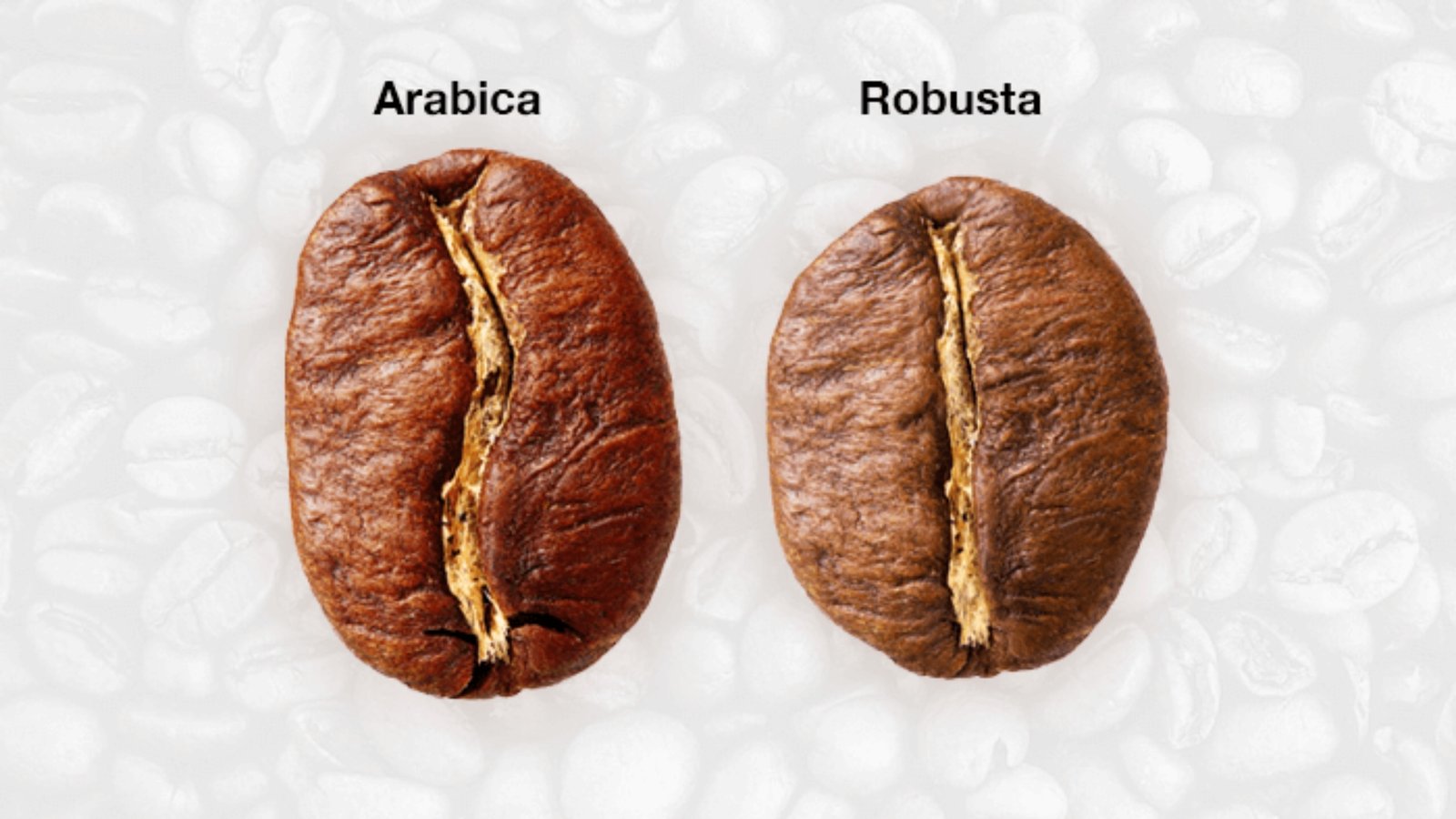
  • Robusta Coffee or Arabica Coffee, Which is Best?

    Robusta Coffee or Arabica Coffee, Which is Best?

    Robusta Coffee or Arabica Coffee, Which Is Best? Coffee is one of the most popular beverages in the world, with millions of people enjoying its stimulating and aromatic effects every day. But not all coffee beans are the same. There are two main types of coffee beans that are widely used for roasting and brewing: Robusta Coffee and Arabica Coffee. Each type has its own characteristics, advantages, and disadvantages. So which one is better? Let’s compare them and find out.

    Robusta coffee beans are the seeds of the Coffea canephora plant, which is native to Africa and Indonesia. An example of Robusta Coffee is Lampung Coffee. Robusta beans are more resilient and easier to grow than Arabica beans, as they can withstand harsher climates, pests, and diseases. Robusta beans are also cheaper to produce and have a higher yield per plant. Robusta beans have a higher caffeine content than Arabica beans, which makes them more stimulating and bitter. Robusta beans also have more antioxidants, which may have some health benefits.

    Robusta Coffee or Arabica Coffee, Which is Best?

    Arabica coffee beans are the seeds of the Coffea arabica plant, which is native to Ethiopia and Indonesia. An example of Arabica coffee is Aceh Gayo Coffee. Arabica beans are more delicate and require more care and attention than Robusta beans, as they only grow in high altitudes, moderate temperatures, and adequate rainfall. Arabica beans are more expensive to produce and have a lower yield per plant. Arabica beans have a lower caffeine content than Robusta beans, which makes them less stimulating and bitter. Arabica beans also have more sugars and lipids, which give them more complex and diverse flavors.

    The choice between Robusta and Arabica coffee beans depends on personal preference and taste. Some people may prefer the strong and bold taste of Robusta coffee, while others may enjoy the smooth and nuanced taste of Arabica coffee. Some people may mix both types of beans to create a balanced blend that combines the best of both worlds. Some people may also choose based on the environmental and social impact of coffee production, as Robusta beans may have a lower carbon footprint and support more farmers than Arabica beans.

    There is no definitive answer to which coffee is best, as both Robusta and Arabica have their pros and cons. The best way to find out is to try different kinds of coffee and discover what suits your palate and lifestyle. Coffee is a diverse and fascinating drink that can offer you many benefits and pleasures. Whether you choose Robusta or Arabica, or both, you can enjoy a delicious cup of coffee anytime you want.

    Arabica and Robusta are the two main types of coffee beans. Arabica is the more popular of the two, accounting for about 60% of the world’s coffee production. Robusta is less expensive and more resistant to disease, so it is often used in blends or in instant coffee.

    Here is a comparison of Arabica and Robusta coffee beans:

    CharacteristicArabicaRobusta
    Caffeine content1.2%-1.5%2.2%-2.7%
    FlavorSmooth, sweet, complexBitter, strong
    AcidityLowHigh
    BodyLightHeavy
    AromaFloral, fruityEarthy, woody
    YieldLowHigh
    Disease resistanceLowHigh
    PriceMore expensiveLess expensive

    Which coffee is best?

    The best coffee for you depends on your personal preferences. If you prefer a smooth, sweet coffee with low acidity, then Arabica is the better choice. If you are looking for a strong, bold coffee with high acidity, then Robusta is a better option.

    Here are some additional factors to consider when choosing between Arabica and Robusta coffee beans:

    • How you will brew the coffee: Arabica beans are best suited for drip coffee, pour-over coffee, and cold brew coffee. Robusta beans are better suited for espresso drinks.
    • Your budget: Arabica beans are more expensive than Robusta beans.
    • Your location: Arabica beans are more difficult to grow than Robusta beans, so they are often more expensive in certain parts of the world.

    Ultimately, the best way to decide which coffee is best for you is to try both and see which one you prefer.

    Here are some specific examples of how Arabica and Robusta beans are used in different coffee drinks:

    • Espresso: Espresso is a strong, concentrated coffee that is made by forcing hot water through finely-ground coffee beans. Robusta beans are often used in espresso because they are more resistant to the high temperatures and pressures used in espresso machines. This makes them less likely to produce a bitter taste.
    • Drip coffee: Drip coffee is a more mild and flavorful coffee that is made by pouring hot water over ground coffee beans. Arabica beans are often used in drip coffee because they produce a smoother, sweeter flavor.
    • Cold brew coffee: Cold brew coffee is made by steeping coffee grounds in cold water for several hours. This process results in a coffee that is less acidic and bitter than hot-brewed coffee. Arabica beans are often used in cold brew coffee because they produce a smooth, mellow flavor.

    No matter what your preference, there is a coffee bean out there that is perfect for you. So experiment with different types of coffee beans and find the one that you enjoy the most.

    Conclusions

    Arabica coffee beans are the more popular of the two, and they are generally considered to be of higher quality. Robusta coffee beans are less expensive and more resistant to disease, so they are often used in blends or in instant coffee. The best coffee for you depends on your personal preferences. If you prefer a smooth, sweet coffee with low acidity, then Arabica is the better choice. If you are looking for a strong, bold coffee with high acidity, then Robusta is a better option. When choosing between Arabica and Robusta coffee beans, you should also consider how you will brew the coffee, your budget, and your location. Ultimately, the best way to decide which coffee is best for you is to try both and see which one you prefer.

  • Indonesia Coffee Wonderland: Aromatic Adventures Await

    Indonesia Coffee Wonderland: Aromatic Adventures Await

    Indonesia coffee refers to coffee beans grown and produced in the diverse archipelago of Indonesia. Indonesia is renowned for its unique coffee varieties, thanks to its favorable climate and geography, which make it an excellent region for coffee cultivation.

    Coffee Varieties:

    Indonesia boasts a range of coffee varieties, each with distinct flavors and characteristics:

    • Sumatra Coffee: Grown primarily on the island of Sumatra, it is celebrated for its full-bodied, earthy, and slightly herbal notes. Sumatran coffee is often processed using the wet-hulled method, contributing to its unique flavor profile.
    • Java Coffee: Originating from the island of Java, it is known for its well-balanced taste, medium body, and mild acidity. Java coffee has a long history dating back to Dutch colonial times.
    • Bali Coffee: Bali coffee is prized for its smooth and sweet flavor profile with hints of citrus and chocolate. The volcanic soil in Bali contributes to its unique taste.
    • Sulawesi Coffee: Grown on the island of Sulawesi (formerly known as Celebes), this coffee is known for its medium body, low acidity, and nutty, chocolatey notes.
    • Papua Coffee: Coffee from the Papua region is highly regarded for its specialty status. These beans are often grown at high altitudes, resulting in a bright acidity and unique fruity notes.

    Arabica and Robusta:

    Indonesia Coffee Wonderland: Aromatic Adventures Await

    Indonesia produces both Arabica and Robusta coffee beans:

    • Indonesian Arabica Coffee: These beans are grown at higher elevations, resulting in a smoother, more acidic, and often fruity flavor profile. They are favored by specialty coffee enthusiasts.
    • Indonesian Robusta Coffee: Robusta beans thrive at lower elevations and are known for their robust and bold flavor, often characterized by nutty, woody, and slightly bitter notes. They are commonly used in espresso blends.

    Single Origin:

    Single-origin Indonesian coffee refers to beans sourced from a specific region or plantation within Indonesia. This designation allows coffee connoisseurs to explore the unique terroir and flavors associated with a particular area, showcasing the diversity of Indonesian coffee.

    Indonesian Coffee Farms:

    The quality of Indonesian coffee is heavily influenced by the coffee farms and plantations. These farms play a crucial role in nurturing coffee trees, harvesting ripe cherries, and processing the beans with care to maintain the coffee’s integrity.

    Coffee Processing Methods:

    Coffee processing methods in Indonesia vary, impacting the beans’ final flavor. These methods include wet processing (washing the beans), dry processing (natural drying), and semi-washed methods. Each approach contributes distinct nuances to the coffee’s taste, such as the fermentation notes in wet-processed coffee or the fruity undertones in dry-processed beans.

    Indonesian Coffee Culture:

    Indonesia has a rich coffee culture deeply ingrained in daily life. Traditional coffee preparations like “kopi tubruk” and “kopi tubruk madu” involve boiling coffee grounds with sugar and water, resulting in strong, sweet brews. These methods reflect the country’s unique approach to coffee enjoyment.

    Best Indonesian Coffee Brands:

    Indonesia is home to several esteemed coffee brands and roasters celebrated for their commitment to quality and flavor. These brands often source the finest coffee beans from various regions within Indonesia and take pride in their roasting techniques. Notable names include Mandailing Estate, Java Mountain Coffee, and Gayo Coffee.

    Sustainable Coffee:

    Sustainability has become increasingly important in the Indonesian coffee industry. Many farmers and cooperatives are adopting sustainable practices, including organic farming, shade-grown cultivation, and fair trade principles. These efforts promote environmental conservation and ensure fair wages for coffee workers.

    Indonesian Coffee Export:

    Indonesia is one of the world’s largest coffee exporters. Its coffee beans find their way into international markets, making an impact on the global coffee industry. Indonesian coffee’s versatility in catering to various tastes and preferences makes it a sought-after commodity in the international coffee trade.

    Coffee Tasting Notes:

    When savoring the best coffee from Indonesia, you may encounter a diverse range of tasting notes. These can include hints of dark chocolate, cedar, tobacco, tropical fruits like mango and pineapple, or even herbal undertones such as clove or cardamom. The specific tasting notes can vary depending on the coffee’s origin and processing method.

    Coffee Brewing:

    Brewing Indonesian coffee at home or in cafes involves various methods, from pour-over and French press to espresso and traditional Indonesian techniques like “kopi tubruk.” Each brewing method extracts distinct flavors from the coffee beans, allowing coffee enthusiasts to explore and enjoy Indonesian coffee in their preferred style.

    Coffee Tourism:

    Indonesia offers unique opportunities for coffee tourism. Visitors can embark on coffee plantation tours to witness the entire coffee production process, from bean to cup. These experiences provide insight into the cultural significance of coffee in Indonesia and allow travelers to taste freshly brewed, locally sourced coffee.

    Awards and Recognitions:

    Indonesian coffee has gained recognition on the global stage through various coffee competitions and awards. Coffee from specific regions or estates often receives accolades for its exceptional quality and unique flavors. Winning awards further reinforces Indonesia’s reputation as a producer of top-tier coffee.

    Indonesian Coffee Industry:

    The coffee industry in Indonesia plays a significant role in the country’s economy. It provides employment opportunities for many and contributes to both domestic and international trade. The growth of the coffee industry reflects Indonesia’s potential as a powerhouse in the world of coffee production.

    Indonesian Coffee History:

    Understanding the history of coffee in Indonesia is crucial for appreciating its significance. Coffee cultivation in Indonesia dates back to the colonial period when Dutch settlers introduced coffee plants to the region. Over the centuries, coffee has become deeply ingrained in Indonesian culture, making it a pivotal part of the nation’s history.

    Coffee Growing Regions:

    Indonesia’s diverse geography includes several renowned coffee-growing regions, each with its unique characteristics. Some of these regions include Aceh, Toraja, Flores, and Lampung. These areas offer distinct terroirs that influence the flavor profiles of the coffee produced there.

    Volcanic Soil:

    The volcanic soil in many Indonesian coffee-growing regions contributes to the exceptional quality of the coffee beans. Volcanic soil is rich in minerals and nutrients, enhancing the beans’ flavors and aromas. This natural advantage is a key factor in producing some of the best coffee in Indonesia.

    Traditional Coffee Preparation:

    Beyond “kopi tubruk” and “kopi tubruk madu,” Indonesia has a rich tradition of coffee preparation. Methods like “kopi tubruk” involve boiling coarse coffee grounds with a lump of sugar, producing a strong and sweet brew. These traditional preparations offer a glimpse into the country’s unique coffee culture.

    Coffee Export Markets:

    Indonesian coffee beans are exported to various international markets, including the United States, Japan, Europe, and Australia. The exportation of Indonesian coffee beans contributes to the country’s economy and promotes its reputation as a coffee-producing nation.

    Coffee Blends:

    In addition to single-origin coffee, Indonesia is known for its contribution to coffee blends. Indonesian beans, particularly Robusta, are often used to add depth and complexity to coffee blends. These blends may include a combination of beans from different countries to achieve specific flavor profiles.

    Coffee Certification:

    Many Indonesian coffee producers seek certifications such as Fair Trade, Organic, or Rainforest Alliance to adhere to sustainable and ethical practices. These certifications ensure that coffee is grown responsibly, workers are treated fairly, and the environment is protected.

    Indonesian Coffee Festivals:

    Indonesia hosts coffee festivals and events celebrating its rich coffee culture. These festivals often showcase coffee tastings, barista competitions, and cultural performances, offering a vibrant and immersive coffee experience to attendees.

    Coffee Challenges:

    The Indonesian coffee industry faces various challenges, including climate change, pests, and market fluctuations. Efforts to address these challenges, such as sustainable farming practices and disease-resistant coffee varieties, are crucial to the industry’s future.

    Indonesian Coffee Community:

    Coffee communities and cooperatives in Indonesia play a pivotal role in supporting local farmers and promoting the growth of the coffee industry. These communities facilitate knowledge sharing and create a sense of solidarity among coffee growers.