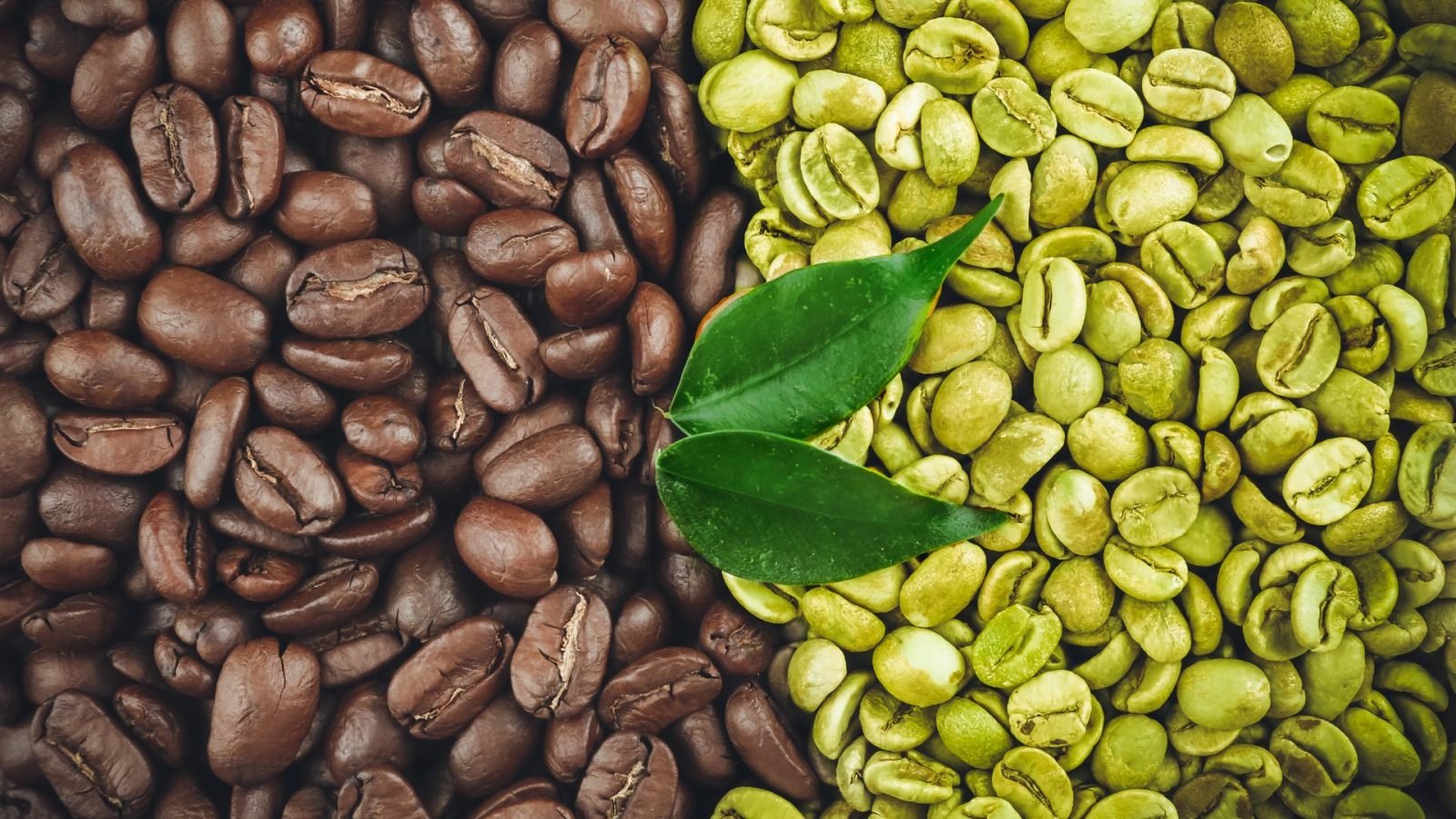
Category: Coffee Business

  • Finding the Best Indonesian Coffee Bean Supplier for Your Business

    Finding the Best Indonesian Coffee Bean Supplier for Your Business

    In the world of coffee, choosing the right Indonesian coffee bean supplier is crucial for the success and quality of your products. This article aims to guide you through the process of finding the best supplier and highlights the key factors to consider.

    indonesian coffee bean supplier

    Importance of Finding the Best Indonesian Coffee Bean Supplier

    Finding the best Indonesian coffee bean supplier for your company is critical. The supplier you select has a big impact on the taste and quality of your coffee goods. The beans they supply will have a direct impact on the flavors and attributes that your customers encounter. By working with a dependable and respected provider, you can ensure that your clients receive consistently good coffee.

    Also Read: Raw Coffee Beans: From Farm to Cup – The Enchanting Path of Fresh Flavors

    Customer satisfaction is critical for any business, and the quality of your coffee contributes significantly to that satisfaction. When you acquire high-quality coffee beans from a reliable provider, you can provide a product that exceeds your clients’ expectations. Coffee with exceptional taste characteristics, aroma, and overall quality will enhance their experience, making a lasting impact and increasing customer loyalty.

    Furthermore, the reputation of your brand is inextricably linked to the quality of your items. You associate your brand with excellence and authenticity by working with a recognized Indonesian coffee bean supplier. Customers will identify your brand with high-quality coffee, which will lead to favorable word-of-mouth referrals and an improved brand reputation in the industry.

    Understanding the Indonesian Coffee Industry

    The Indonesian coffee industry has received international acclaim for its superior coffee production. Indonesia is one of the world’s top coffee producers, noted for its different and diversified coffee regions, each with its distinctive flavor profile.

    The reputation of Indonesia as a significant coffee grower originates from its favorable geographical and climatic characteristics. The volcanic soil, tropical temperature, and high altitude portions of the country provide an ideal environment for coffee growth. These elements contribute to the high quality of Indonesian coffee beans.

    One notable aspect of the Indonesian coffee industry is the variety of coffee regions across the archipelago. Each region produces coffee beans with distinct flavor profiles, providing a wide range of taste experiences for coffee enthusiasts. Some renowned coffee regions in Indonesia include Aceh, Sumatra, Java, Bali, and Sulawesi. Each region’s coffee beans exhibit unique characteristics, such as earthy flavors, rich aromas, and low acidity, setting them apart in the global coffee market.

    Key Factors to Consider in Choosing a Coffee Bean Supplier

    indonesian coffee bean supplier

    When choosing a coffee bean supplier for your business, there are key factors to consider that will impact the quality of your coffee products and align with your brand values. Here are the factors to prioritize:

    Quality and Flavor Profiles

    • Ensure that the supplier consistently provides high-quality coffee beans that meet your standards.
    • Consider the flavor profiles offered by the supplier and how well they align with the taste preferences of your target market.
    • Look for a supplier that offers customization options, allowing you to create unique blends or tailor the flavor characteristics to match your brand identity.

    Certifications and Sustainable Practices

    • Give preference to suppliers who hold certifications such as Fairtrade or Rainforest Alliance. These certifications ensure ethical sourcing practices and fair treatment of farmers.
    • Consider suppliers that prioritize sustainable practices, such as organic farming methods and environmentally-friendly production processes. This reflects your commitment to sustainability and resonates with conscious consumers.

    Consistency in Bean Supply and Availability

    • Choose a supplier that can reliably meet your bean supply requirements. Consistency is essential to maintain product quality and meet customer demands.
    • Ensure that the supplier has a sufficient and diverse range of coffee bean varieties. This allows you to offer a variety of options to your customers and adapt to changing market trends.
    • Consider seasonal offerings if you plan to feature limited edition or specialty coffees. A supplier with access to seasonal beans can add variety and exclusivity to your product lineup.

    Pricing and Cost-Effectiveness

    • Find a balance between quality and competitive pricing to ensure that the beans are cost-effective for your business.
    • Assess the value for money by considering factors like bean quality, consistency, and the long-term cost sustainability of the supplier.

    Reliability and Reputation

    • Research the supplier’s track record, industry reputation, and customer reviews to gauge their reliability.
    • Consider their ability to deliver orders on time and their responsiveness to customer inquiries and concerns.

    By considering these factors, you can select a coffee bean supplier that delivers consistent quality, aligns with your sustainability goals, and provides a diverse range of beans to meet your business needs. This ensures that you can consistently offer high-quality coffee products that delight your customers and strengthen your brand’s reputation.

    Also Read: Indonesian Coffee Beans: Flavorful Delights with Mandheling Coffee

    Researching and Identifying Potential Suppliers

    When researching and identifying potential coffee bean suppliers in Indonesia, there are several effective strategies to employ. Consider the following approaches:

    Utilizing Online Resources and Directories:

    • Utilize online resources and directories specific to the coffee industry to find a comprehensive list of Indonesian coffee suppliers. Some examples include coffee trade websites, industry directories, and online marketplaces.
    • These platforms often provide detailed information about the suppliers, including their offerings, certifications, and contact details. Take advantage of search filters and keywords to narrow down your options based on specific criteria.

    Seeking Recommendations from Industry Peers or Coffee Associations:

    • Reach out to industry peers, fellow coffee business owners, or professionals within the coffee community to seek recommendations for reputable Indonesian coffee suppliers.
    • Engage with coffee associations or organizations related to the coffee industry, both locally and internationally, as they can provide valuable insights and recommendations.

    Attending Coffee Trade Shows and Exhibitions:

    • Attend coffee trade shows, exhibitions, and events that feature a diverse range of coffee suppliers, including those from Indonesia.
    • These events offer opportunities for networking, exploring different coffee offerings, and connecting directly with potential suppliers. Take note of the suppliers that catch your interest and gather their contact information for further research.

    By utilizing online resources, seeking recommendations from industry peers or coffee associations, and attending coffee trade shows and exhibitions, you can gather a comprehensive list of potential Indonesian coffee bean suppliers. Remember to take notes, compare offerings, and conduct further research on each supplier to assess their suitability for your business.

    Indonesian Coffee Bean Suppliers

    FandB Tech Indonesia
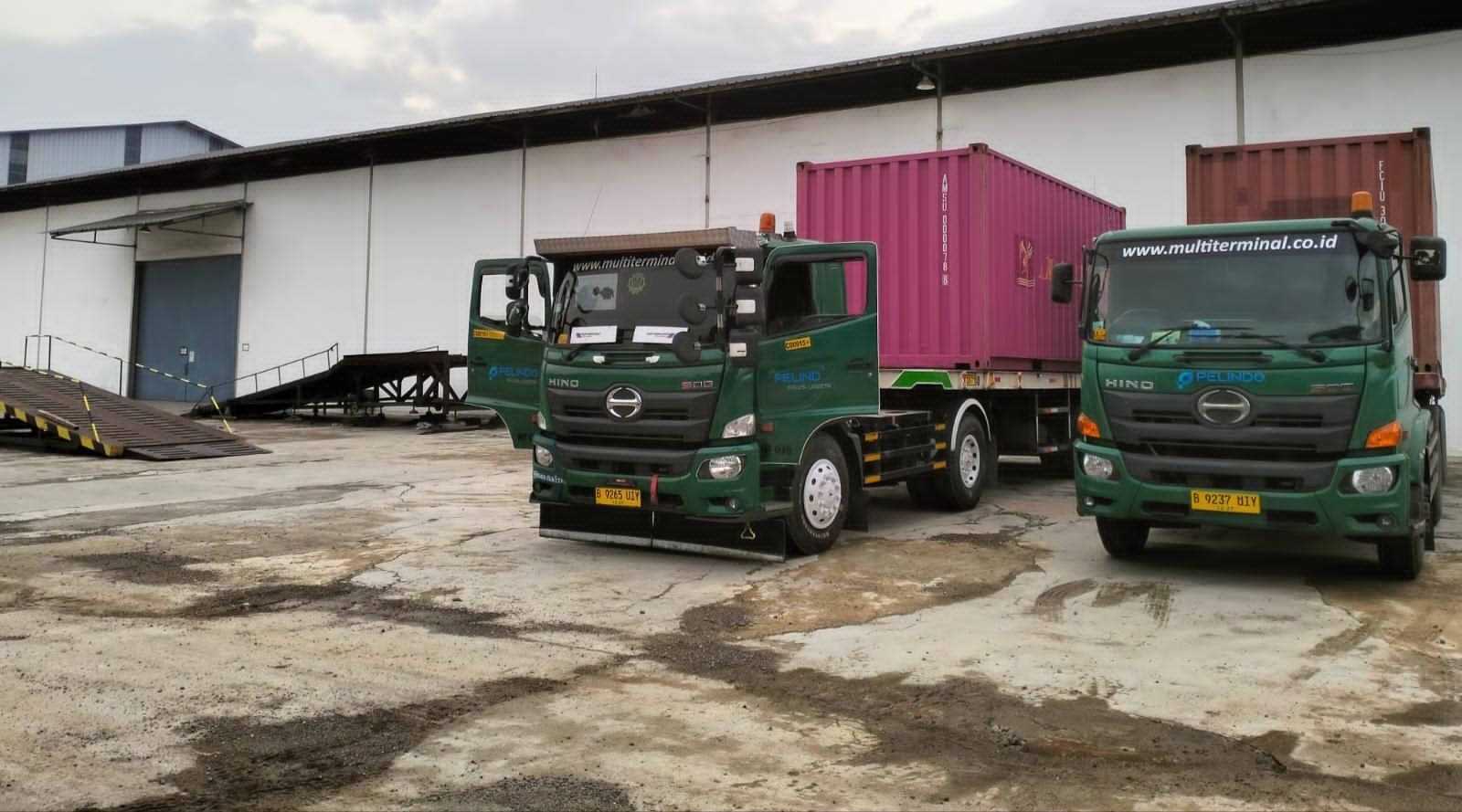
    indosian coffee bean supplier

    FandB Tech Indonesia is a trusted supplier that specializes in F&B technology, including coffee bean sourcing. They have established themselves as a reliable partner in the industry, offering high-quality coffee beans to businesses. Their commitment to quality is evident in their rigorous sourcing and selection process.

    FandB Tech Indonesia supports sustainable methods in addition to quality. They collaborate closely with coffee growers who use sustainable farming methods to ensure that their beans are produced in an environmentally friendly manner. By partnering with FandB Tech Indonesia, you can align your company with sustainable sourcing methods and contribute to a greener future.

    To explore FandB Tech Indonesia’s offerings and expertise, you can visit their website at www.fnb.co.id. Their website provides detailed information about their coffee bean selection, sourcing practices, and additional services they offer. Take the opportunity to learn more about their commitment to quality and sustainability, which can further inform your decision-making process.

    FandB Tech Indonesia’s expertise in F&B technology and their dedication to quality and sustainable practices make them a promising option for businesses seeking reliable Indonesian coffee bean suppliers. Consider exploring their website and reaching out to them for more information to assess how they can meet your specific needs and contribute to the success of your coffee business.

    Also Read: These are 5 Provinces of Coffee Exporter from Indonesia

    Evaluating and Selecting the Best Supplier

    When it comes to evaluating and selecting the best Indonesian coffee bean supplier for your business, several key factors should be considered. Take the following steps to ensure you make an informed decision:

    Request Coffee Samples:
    Request samples from potential suppliers to evaluate the taste, aroma, and quality of their coffee beans. Conduct thorough taste testing to assess if the flavor profiles align with your desired standards.

    Verify Certifications and Sustainable Practices:
    Verify the supplier’s certifications, such as Fairtrade or Rainforest Alliance, which indicate ethical sourcing and sustainable practices. Ensure their commitment to environmentally-friendly farming methods and social responsibility.

    Consider Pricing, Shipping Options, and Delivery Timelines:
    Evaluate the pricing structure of the supplier and compare it to the quality and value they offer. Consider the overall cost-effectiveness and how it fits within your budget. Discuss shipping options, both domestically and internationally, to ensure they can meet your delivery requirements. Assess delivery timelines to ensure timely and reliable shipments.

    Assessing Customer Service and Responsiveness:
    Interact with the supplier’s customer service team to gauge their professionalism, responsiveness, and willingness to address any concerns or inquiries. Consider their ability to provide ongoing support, handle order changes, and resolve any potential issues that may arise.

    Remember to communicate openly with the suppliers, ask relevant questions, and establish a strong rapport. This evaluation process will help you identify the best coffee bean supplier that offers high-quality beans, sustainable practices, competitive pricing, and reliable service – all crucial elements for the success of your coffee business.

    Conclusion

    Finally, choosing the best Indonesian coffee bean supplier for your company is critical to the quality and success of your coffee goods. By collaborating with a trustworthy and recognized provider, you can ensure that you continuously deliver outstanding coffee to your clients, increasing their satisfaction and loyalty.

    Therefore, I encourage you to conduct comprehensive research, consider all relevant factors, and make a well-informed decision when selecting your Indonesian coffee bean supplier. Invest the time and effort into finding the right partner who shares your commitment to quality, sustainability, and customer satisfaction.

    Remember, the right supplier can contribute significantly to the growth and prosperity of your coffee business. Choose wisely and embark on a fruitful partnership that will elevate your brand and delight coffee enthusiasts with exceptional Indonesian coffee experiences.

  • 7 Sustainable Coffee Farming Practices You Need to Know

    7 Sustainable Coffee Farming Practices You Need to Know

    Sustainable Coffee Farming

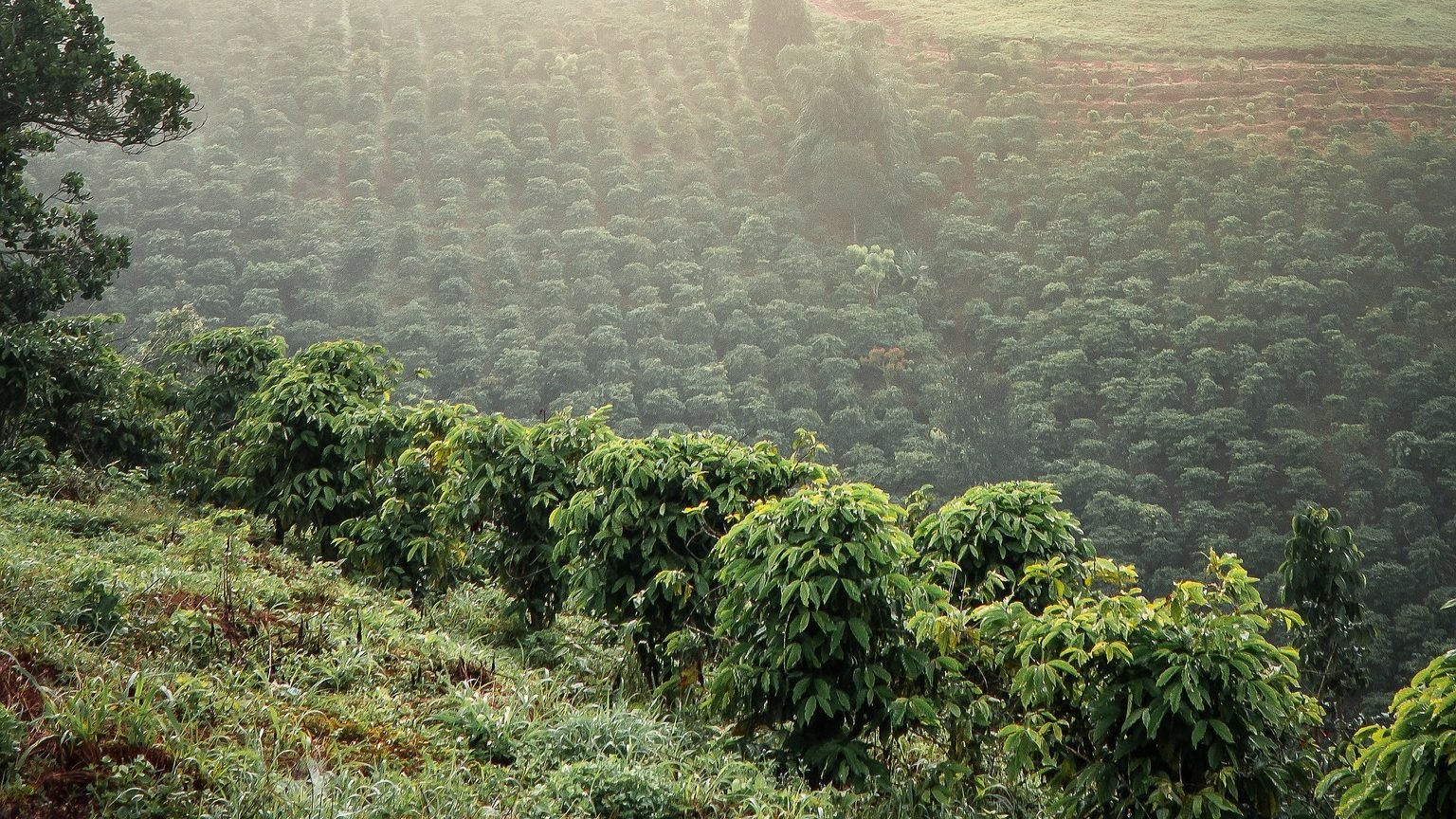
    Sustainable coffee farming is important to the world economy, but it also has a large environmental impact. Adopting sustainable methods is critical for the coffee industry’s long-term existence. In this post, we will look at ten fundamental sustainable coffee farming practices that encourage environmental conservation, help local communities, and ensure high-quality coffee bean production.

    Also Read: Indonesian Coffee Beans: Flavorful Delights with Mandheling Coffee

    1. Shade-Grown Coffee

    Shade-grown coffee is the process of growing coffee plants under a canopy of trees, simulating coffee’s natural environment in the understory of forests. Shade-grown coffee, as opposed to sun-grown coffee, which is produced in open fields with little to no shade, preserves the ecological balance and provides several benefits for both the environment and coffee quality.

    • Conservation of Biodiversity: Shade-grown coffee farms maintain different ecosystems and provide refuge for wildlife.
    • Ecosystem Health: Canopy trees contribute organic matter, enhance soil fertility, and reduce the need for synthetic fertilizers.
    • Pest Control: Shade trees create a microclimate that naturally controls pests and diseases.
    • Soil Conservation: The tree roots prevent soil erosion, maintaining soil productivity.
    • Climate Change Mitigation: Shade-grown coffee farms act as carbon sinks, reducing greenhouse gas emissions.
    • Coffee Quality: Slower maturation and optimal bean development result in higher-quality coffee with complex flavors.

    To promote and validate shade-grown coffee production, certification schemes such as Rainforest Alliance and Bird-Friendly Coffee have been formed. Customers may support sustainable agricultural techniques, biodiversity conservation, and the production of high-quality coffee by purchasing shade-grown coffee.

    2. Agroforestry

    Agroforestry is a type of sustainable coffee farming that involves combining trees with agricultural crops such as coffee. This strategy has various environmental and agricultural production benefits:

    • Soil Fertility Improvement: Trees in agroforestry systems improve soil fertility by decomposing leaf litter and organic materials. The decomposing leaves release nutrients into the soil and improve its overall fertility. Natural nutrient cycling eliminates the demand for synthetic fertilizers while also encouraging healthy crop growth.
    • Carbon Sequestration: Agroforestry helps to mitigate climate change by removing carbon dioxide from the atmosphere. Trees absorb carbon during photosynthesis and store it in their biomass and soil. This helps to mitigate climate change by offsetting greenhouse gas emissions.
    • Microclimate Control: Trees in agroforestry systems provide a microclimate that helps crops such as coffee. Shade is provided by trees, which reduces temperature extremes and protects coffee plants from severe heat or frost. This microclimate management improves crop resilience and supports optimal growing conditions.
    • Biodiversity Conservation: Agroforestry systems promote biodiversity by providing habitats for various plant and animal species. The diverse mix of trees and crops creates a favorable environment for beneficial insects, birds, and other wildlife. This biodiversity supports natural pest control, pollination, and ecological balance.
    • Water Management: Trees in agroforestry systems aid in the regulation of water availability and the prevention of soil erosion. During periods of heavy rainfall, their thick roots absorb excess water, preventing runoff and soil erosion. During dry spells, trees release stored water into the soil, providing moisture for crops and ensuring water availability.
    • Economic Sustainability: Agroforestry systems can help farmers diversify their income streams. In addition to coffee, the trees in these systems can provide fruits, lumber, or medicinal plants. Diversification increases economic resilience and decreases reliance on a single crop.

    Farmers can improve soil fertility, mitigate climate change, conserve biodiversity, manage microclimates, and promote sustainable livelihoods by implementing agroforestry practices in coffee cultivation. Agroforestry is a comprehensive technique that promotes a harmonious interaction between agriculture and the environment, ensuring long-term sustainability in coffee production.

    3. Organic Farming

    Organic farming is a farming method that emphasizes the use of natural and ecologically friendly procedures while avoiding the use of synthetic pesticides, genetically modified organisms (GMOs), and synthetic fertilizers. Organic approaches in sustainable coffee farming provide various advantages:

    • Environmental Preservation: Organic coffee farming avoids synthetic chemicals, preserving biodiversity and maintaining water quality.
    • Soil and Water Conservation: Organic practices enhance soil fertility and water retention through methods like composting and crop rotation.
    • Protection of Farm Workers’ Well-being: Organic farming reduces exposure to harmful chemicals, creating safer working conditions for farmers.
    • High-Quality Coffee: Organic cultivation allows coffee cherries to develop unique flavors and aromas, resulting in superior taste and quality.
    • Consumer Health and Safety: Organic coffee is free from residues of synthetic pesticides, ensuring a safer and healthier choice for consumers.
    • Market Demand and Premium Pricing: The growing demand for organic products, including coffee, offers market opportunities and potential for higher prices.

    While organic growing brings some obstacles, such as managing pests and diseases without the use of synthetic pesticides, it provides a holistic and environmentally conscientious approach to coffee production. Coffee growers that embrace organic practices contribute to a better ecosystem, preserve their personal well-being, and meet the growing demand for sustainable coffee farming and high-quality organic coffee.

    Also Read: Environmental Impact and Taste: Organic vs Non Organic Coffee

    4. Water Management

    Water management in sustainable coffee farming plays a critical role in agriculture. Here are the key aspects and benefits of effective water management practices:

    • Rainwater Harvesting and Recycling: Rainwater capture and recycling systems supplement irrigation needs and reduce dependence on external water sources.
    • Efficient Irrigation Methods: Precise irrigation methods minimize water waste and optimize water usage in coffee farms.
    • Protecting Water Quality: Buffer zones and vegetation strips filter runoff, reducing the risk of water pollution and preserving water sources.

    Water management in coffee cultivation improves agricultural productivity, decreases water waste, maintains water quality, and promotes long-term environmental sustainability. Coffee producers can ensure the supply of this crucial resource while limiting their environmental footprint by employing effective irrigation systems, saving water resources, and adjusting to changing climate conditions.

    5. Soil Conservation

    Soil conservation is essential in sustainable coffee farming to maintain soil health and productivity. Here are the key aspects and benefits of soil conservation practices:

    • Terracing and Contouring: Creating level steps and following natural contours on sloped areas minimize soil erosion and retain soil structure and fertility.
    • Cover Cropping: Planting specific crops during non-coffee growth periods protects the soil from erosion, improves soil structure, and adds organic matter.
    • Composting and Organic Matter Addition: Converting organic waste into nutrient-rich compost and incorporating it into the soil enhances fertility, water retention, and beneficial microbial activity.

    Coffee producers may protect the soil from erosion, maintain its fertility, promote sustainable crop growth, and limit the environmental impact of farming activities by employing soil conservation methods. Healthy soils contribute to the long-term viability of coffee production and overall ecosystem health.

    6. Biodiversity Preservation

    • Planting Native Trees and Shrubs: Including native species supports wildlife habitats and ecological balance.
    • Creating Wildlife Corridors: Designating pathways allows for the movement of wildlife and promotes genetic diversity.
    • Natural Pest Control Methods: Using biological controls reduces reliance on synthetic pesticides and supports a healthy ecosystem.

    Coffee producers actively contribute to the preservation of biodiversity by applying these techniques, which include planting native trees and shrubs, building wildlife corridors, and using natural pest control methods. These approaches serve to keep ecosystems in balance, offer habitat for wildlife, and improve the overall sustainability and resilience of coffee-growing systems. Biodiversity conservation is not only important for the long-term health of the ecosystem, but it also plays an important role in guaranteeing the viability of coffee production in the future.

    7. Fair Trade and Ethical Partnerships

    Sustainable Coffee Farming
    • Fair Prices and Social Responsibility: Fair trade sustainable coffee farming practices attempt to ensure that farmers receive fair prices for their products, allowing them to maintain a sustainable livelihood. Fairtrade certification organizations create minimum pricing requirements that cover the cost of production while also providing farmers with a fair wage. Coffee buyers and roasters contribute to poverty reduction, improved living circumstances, and social development in coffee-producing communities by paying fair prices. Transparency, accountability, and ethical business practices are also promoted by fair trade throughout the supply chain.
    • Local Community Support: Ethically sustainable coffee farming partnerships prioritize the well-being and empowerment of local communities. This includes investing in community development projects, encouraging gender equality and social inclusion, and supporting education and healthcare programs. Buyers and roasters can help the region’s general socioeconomic growth by collaborating closely with coffee-producing communities. This assistance contributes to the development of stronger and more resilient communities, improves the quality of life for coffee farmers and their families, and develops pride and ownership in the local coffee sector.

    The coffee business may have a positive and long-term impact on the lives of coffee growers and their communities by embracing fair trade and ethical relationships. Fair prices and social responsibility ensure that farmers are fairly compensated for their efforts and commitment. Supporting local communities through various programs aids in the resolution of social issues, the promotion of economic empowerment, and the development of a more inclusive and equitable coffee supply chain. These methods contribute to a more ethical and responsible coffee sector that promotes the well-being of farmers and communities while simultaneously providing consumers with high-quality, sustainable coffee farming.

    Conclusion

    Adopting sustainable coffee farming cultivation practices is critical for the coffee industry’s future. Coffee growers may preserve biodiversity, protect ecosystems, and produce high-quality coffee by using shade-grown coffee, agroforestry, and organic farming practices. Water conservation, soil conservation, and biodiversity protection all contribute to sustainability. Measures like fair trade, energy efficiency, and climate change adaptation promote a responsible and resilient coffee sector. Let us work together to promote sustainable coffee farming and enjoy a greener brew that benefits the environment and the communities that cultivate our cherished beverage.

  • Sipping in Style: How to Select Best Material for Your Coffee Mug

    Sipping in Style: How to Select Best Material for Your Coffee Mug

    Best Material for Coffee Mug

    Most coffee enthusiasts simply settle for any mug to enjoy their cup of joe. If one is willing to pay a little attention, the mug’s material can affect the coffee’s flavor. Simply put, different material offers a different taste of coffee. Then, what is the best material for coffee mug? 

    What Are the Safe Mug Materials for Coffee?

    First of all, take note of the abundance of coffee cups on the market right now. Most are composed of ceramic, glass, paper, hard plastic, melamine, stainless steel, and stoneware. All those materials are considered safe for coffee.

    However, ceramic and glass are often considered to be the safest options. Both are made of natural minerals that won’t impart or absorb flavors, giving the coffee its intended taste. Yet still, in terms of health, glass is easily the winner. According to Ecoroots, glass doesn’t leach any cancer-causing agents or chemicals into your coffee, no matter how hot they are.

    These Are Materials for Coffee Mug

    As briefly mentioned, at least seven materials are widely used for coffee cups and mugs. Here are why they are massively utilized.

    1. Glass Material

    Glass Coffee Material
    Glass Coffee Material Mug

    Coffee mugs made of borosilicate glass won’t break when exposed to high temperatures like regular glass cups. The material’s 15% boron trioxide content has a relatively low thermal expansion coefficient. It will remain intact when transferred from a freezer to a microwave or oven.

    Simply put, borosilicate glass mugs are safe for hot and cold brew coffee. As mentioned above, this material is also safe for your health because it can resist harmful chemical degradation that may seep into your coffee.

    2. Ceramic Material

    Ceramic Material Coffee Mug
    Ceramic Material Coffee Mug

    Ceramics is easily the most popular material for coffee mugs. This material is good to use for hot and cold brew coffee. Also, it won’t alter the authentic flavor of the beverage. However, ceramic mugs may not be the right option for health concerns. As mentioned in an NPR article, if the mugs are not baked properly, the lead may seep into your coffee and result in lead poisoning.

    3. Paper Material

    Example Sturbucks Paper Mug
    Example Sturbucks Paper Mug

    Paper is used explicitly for travel coffee cups rather than mugs. It’s considered the worst material for coffee because paper alters the flavors. This fragile material won’t retain your coffee’s temperature, whether hot or cold.

    4. Hard Plastic Material

    Hard Plastic Material Mug
    Hard Plastic Material Mug

    Hard plastic is a suitable material if you are looking for recyclable mugs. Not only do they renewable, but they are also durable, for it takes years for them to decompose. Plastic mugs will only be the right option if you aren’t keen on flavor since they significantly alter the taste.

    5. Stoneware Material

    Stoneware Material Mug
    Stoneware Material Mug

    The following best material for coffee mug is stoneware. It’s often made by hand from natural materials like stone, flint, and clay. Like ceramic, stoneware mugs can withstand high temperatures well enough and maintain your drinks’ temperatures.

    6. Melamine

    Melamine Material Mug
    Melamine Material Mug

    Melamine mugs are one of the most affordable options in the market. It can keep your coffee’s temperature sufficiently good since it is an insulation material. Cups made of melamine are also durable, but they will still break when you use them to microwave your drink.

    7. Stainless Steel Material 

    Stainless Steel Material Coffee Mug
    Stainless Steel Material Coffee Mug

    Stainless steel is mainly used for travel thermos or coffee mugs. While the material is perfect for retaining temperature for a considerable amount of time, there may be better options if you are keen on the subtle taste of your drink.

    What Should be Considered in Choosing a Coffee Mug?

    Material is one of many aspects to putting into mind when selecting a mug to enjoy your favorite coffee. The other aspects include size, shape, color, intended use, and special functions.

    Coffee mug sizes vary from large to medium to small. Most mugs typically can hold between 12 and 30 ounces. Different mug sizes also come with different shapes. If you want to get the most flavor of the coffee, consider getting a wide-mouthed mug. It allows the aroma of the coffee to escape, increasing the experience of enjoying a cup of joe.

    Put the color selection into mind as well when buying a coffee mug. After all, it’s going to be your favorite cup. If you buy one made of glass, be sure to choose the clear one without any adornment on its surface.

    Remember to consider your intended use. A mug made explicitly for espresso obviously differs from one for regular coffee. In addition, check the mug’s unique functions as well. For instance, a pour-over cup can be used to brew coffee and use it to enjoy the end product all at once.

    Also Read: Known by Young People to Old People: History of Cold Brew Coffee

    So, What is the Best Material for Coffee Mug?

    As already elaborated, the best material for coffee cups or mugs is glass, especially borosilicate. Not only does this material can retain the flavor of the coffee, but it is also great for both hot and cold brew coffee. It won’t break or chip when exposed to extreme temperatures. Now that you know the best material for coffee mug, it’s time to get the best coffee beans. If you run a coffee shop and wonder where to get high-quality beans, consider contacting us, FnB Tech Indonesia. We have years of experience selling high-quality single-origin Indonesian coffee beans to over 33 countries. So, don’t hesitate to reach out to us!

  • C Market Coffee: The Economics Behind Your Daily Cup of Joe

    C Market Coffee: The Economics Behind Your Daily Cup of Joe

    C Market Coffee

    Your cup of coffee holds more importance than just the flavor, aroma, and kick. Coffee is an important global commodity that earns its trade market. The C Market coffee trade is the center of global coffee commerce, where commodity exchange happens under international trade regulations.

    Any discussions about the C Market should be interesting if you have a coffee business or read trade news in general. International Coffee Organization even creates monthly and annual market reports on global coffee prices, which are precious analytical tools for business owners and traders.

    What is C Market Coffee?

    The C Market refers to a global commodity exchange focusing on coffee and its prices. The exchange center operates like all commodity trade centers, such as gold, oil, wheat, and sugar. The coffee bean types that are traded in this market are Arabica.

    The “C” in the name does not refer to “coffee” but “central”. Arabica coffee used to be traded globally in a “U (Universal) Market”. It was changed into C Market around 1968 or 1969 because coffee producers from Central America looked to distinguish the prices of their commodities.

    How is Coffee Traded in the Market? 

    There are four ways to trade C Market coffee. They are:

    1. Coffee Futures

    Futures are the most standard methods to trade coffee. You and other parties exchange specific quantities of coffee using a predetermined price and date.

    2. Coffee Options

    Options are similar to futures, but buyers are not obligated to purchase at a determined date and price. It is a better trading method if you are worried about price volatility.

    3. ETF

    Coffee ETF (exchange-traded fund) is a specific investment fund that allows buyers to track market performances. The funds can be traded at the securities exchange, exposing buyers to fewer risks than coffee futures.

    4. Company Stocks

    You can invest in the stocks of the “Big Four,”; international coffee companies that buy 50 percent of all the coffee in the market. They are Kraft, Nestle, Procter & Gamble, and Sara Lee. 

    Traders must rely on specific rules when trading coffee at the C Market. For example, each coffee type must come from one of the countries in the trade list, with the best conditions and free of aged or unwashed flavors. Any contracts in futures and options must not exceed 60 months (including the current month).

    C Market Coffee Trend and Implication

    The coffee trend at the C Market is affected by various factors, such as climate, weather, and global-scale situation, such as the pandemic. The post-pandemic situation and other recent factors have affected the C Market coffee trend, with large-scale implications.

    The current trend is affected by Brazil, the leading coffee producer at the C Market. Before COVID, Brazil contributed to 40 percent of the global coffee trade. Brazil’s pandemic, extreme drought and frost, and logistic challenges have lowered Brazil’s coffee production. It, in turn, affected the prices at the C Market.

    Despite the challenges, coffee is still in high demand in the commodity market. Traders only need to be smarter and more budget-conscious when making their options. For example, traders need to have more detailed calculations in their budgeting. Traders must also have more flexible financial strategies to anticipate price volatility.

    Coffee Farmers and C Market Coffee

    Coffee farmers get benefits from C Market coffee’s policy on price. Since it creates the price benchmark, farmers can use the information to get better commodity offers.

    However, C Market countries’ conditions can affect coffee farmers’ conditions. For example, Brazil’s recent climate-remated disadvantages and global pandemic have greatly impacted coffee farmers. Farmers in Brazil received the impact of the fall in coffee prices.

    Many producers and land-owning farmers have decided to focus on specialty coffee to reduce the negative impact. It is because specialty beans often receive premium price labels compared to regular commodities.

    Also Read: Specialty vs Commercial Coffee: Which One is Right for You?

    Does C Market Coffee Affect Coffee Prices?

    C market coffee

    Coffee is one of the most popular commodities in the world. Commodity markets need to enforce specific rules and regulations to ensure smooth trading. It includes determining the right prices.

    C Market coffee has an important role in determining global coffee prices. It creates a benchmark for global traders, producers, and business owners to determine the best prices. C Market’s price and trading regulations also ensure that the global coffee market always has high liquidity.

    Are There Other Coffee Markets?

    C Market is the center of the global coffee trade, but it is not the only coffee market in the world. 

    Since it focuses on Arabica beans, traders interested in Robusta should look for other alternatives. ICE Futures Europe, for example, is an intercontinental exchange market for various commodities and products, including Robusta beans.

    Tokyo Grain Exchange also offers options, futures, and other trade products in commodities, including coffee. Meanwhile, Brazilian Mercantile and Future Exchanges is one of the largest exchange centers in the world, where coffee is one of the most popular commodities.

    C Market coffee is not the only precious commodity to support your business. You can also buy high-quality coffee beans from wholesale suppliers in coffee-producing countries like Indonesia especially products Indonesia specialty coffee . FnB is an Indonesian coffee bean supplier and wholesale green coffee bean seller, a perfect partner for your coffee business. Contact FnB to get your high-quality coffee beans supplier and participate in the successful coffee business world.

  • Specialty vs Commercial Coffee: Which One is Right for You?

    Specialty vs Commercial Coffee: Which One is Right for You?

    Speacialty vs Commercial Coffee

    There are huge differences between specialty and commercial coffee. The most significant one is that you can find commercial types easily in supermarkets under widely advertised brand names. 

    Otherwise, specialty coffee, like Indonesian specialty coffee,  is commonly served through coffee shops, small coffee factories, or coffee houses prepared by a skilled barista. 

    If you find yourself captured by the hype, yet unsure about what the differences between specialty and commercial coffee is, then equip yourself with some grasp about it before picking your cuppa coffee. 

    Understanding The Specialty & Commercial Coffee 

    To better differentiate specialty coffee from commercial coffee, let’s learn about the definitions of the terms first.

    Commercial coffee refers to the coffee widely traded in the international stock exchanges, which national supply and brands buy and roast in mass volume. The commercial coffee grade range is generally under 75 points. This coffee is also described as the C-market or commodity coffee. 

    Not to drop the reputation of the commercial types, but specialty coffee refers to premium quality coffee. The beans points score, which consists of various coffee scoring protocols, is normally above 80, graded by certified coffee tasters, and scaled by specific organizations. 

    The Origin of Coffee 

    Knowing the roots, or in this regard, the origins of coffee, is also an essential step to better understanding their differences. 

    Speaking of commercial coffee, typically, the information provided about the origins is limited to the continent or the origin country where it was produced. Lucky enough, if you can get deeper information about the area where the coffee is grown. 

    Also, commercial coffee flavors likely came from different origins and consisted of various coffee beans.  However, when it comes to specialty coffee, you can find out the root of the coffee served in coffee shops, factories, or coffee houses. 

    You may expect to get information about the coffee plantation where they were grown, the altitude, the coffee variety, the harvesting date, and even the whole process of making that specialty coffee. 

    Regarding Coffee Quality

    quality is one of the differences between specialty vs commercial coffee

    What the differences between specialty and commercial coffee is fundamentally the quality, as explained earlier in the article. 

    To get specialty coffee, there are several elements of quality control of the coffee beans, which are standardized according to the Specialty Coffee Association of America (SCAA). More intricate processes are involved in producing specialty coffees. It is not only about the cultivation location but also the perfect latitude, timing, and end-to-end labor of love. 

    Only the completely ripe red coffee cherry should be picked by trained coffee cherry pickers, with the least primary blemishes (fully black, foreign matter, dried cherry, full sour, severe insect damage, and fungus damage).

    Whereas for commercial coffee, they usually use any coffee cherry, ripe or unripe, green, red, or even black, with little to no control over the quality through the hulling process.

    Flavor of Coffee Beans 

    The condition of the coffee cherries has a major impact on the outcome when coffee is brewed and served in a cup. 

    Commercial coffee produced with little to no quality control can offer an acute sour or even bitter flavor or an unpleasant moldy and baggy hint. Commercial coffee flavors usually have a short range of roast and blend of Arabica and Robusta coffee bean varieties, so no wonder that the variety of flavors is also short. If you want to taste the rich flavors of coffee, you’ll find it best through specialty coffee. 

    Since the specialty coffee is produced fresh, at perfect ripeness, and with zero defects, it will offer an enjoyable acidity and a gradation of rich and unique flavors and aromas.  Besides Arabica and Robusta, the type of coffee beans grown for specialty types is also varied, including Liberica, Kent, Excelsa, and many more. 

    In addition, the soil also plays a pivotal role in determining the coffee flavor. It can be varied according to the cultivation location. There are many coffee beans in Indonesia that come as Indonesia specialty coffee, such as Toraja, Sumatra Arabica Gayo.

    Availability of Coffee Beans 

    Now, you may question which has the most availability to meet the consumers’ needs in terms of supply. Well, the fact is that the big commercial coffee producers would prefer to take any type of coffee beans regardless of the quality or variety to secure their market needs. Hence, they are ready to serve all year long. 

    On the contrary, specialty coffee might not be available anytime you wish. There is an extraordinary amount of work that should be done. 

    Not only to consider the matter of natural conditions and factors that will affect the coffee cultivation but also layers of quality control to maintain the quality that may impact the amount of the production. 

    So, Which is Better In The Battle Of Specialty vs Commercial Coffee? 

    In a nutshell, according to the explanation of what the differences between specialty and commercial coffee is, it’s undeniable that specialty coffee is the best in terms of quality, flavors, richness, blends, and variety. 

    Besides the consumers, specialty coffee also provides a better way of making a living for the coffee farmers. They possibly get a higher pay rate according to the quality of the coffee beans they collected despite the small amount of the coffee beans harvested.

  • 8 Types of Coffee Beans in Indonesia, Unique & You Must Try!

    8 Types of Coffee Beans in Indonesia, Unique & You Must Try!

    Types Coffee Beans in Indonesia

    As one of the most consumed beverages globally, coffee is ranked as one of the top commodities in the world. According to Visual Capitalist data, Indonesia is positioned in the 4th rank among the largest producers of coffee in the world in 2020.

    Out of many types of coffee beans in Indonesia, there are four main coffee bean categories that Indonesia produces annually. They are the following types:

    • Arabica coffee beans, 
    • Robusta coffee beans,
    • Indonesian specialty coffee beans like Luwak coffee one of the rarest green coffee beans of Indonesia processed in the tummy of the Asian wild civet, and
    • Liberica coffee beans.

    The four types mentioned have captured both coffee lovers and casual people globally. They are known as well as the best Indonesian coffee beans.

    Best Coffee Beans from Indonesia 

    Coffee Beans From Province Indonesia
    Coffee Beans in Indonesia

    1. Gayo Coffee Beans, From Aceh (Arabica)

    Gayo coffee beans are produced in the Northern part of Indonesia in Aceh. The most producing areas of Gayo coffee beans are Central Aceh, Bener Meriah, and a part of Gayo Lues. 

    Gayo coffee beans is known widely for its rich yet remarkable taste, which tends to be buttery and nutty. It has a good acidity level that shapes powerful characteristics yet provides a clean aftertaste. The aroma may vary, but it is considered to have hints of spicy aroma.

    Also Read: You Never Know This! 7 Benefits of Gayo Coffee for Your Body

    2. Mandheling Coffee Beans, From North Sumatra (Arabica)

    The name was taken after a north Sumatranese ethnic group from the Batak region, Mandailing. The beans grow in volcanic soil at an altitude between 750 to 1500 above sea level in west-central Sumatra, Aceh. 

    The varieties of Arabica beans that are mostly used are the Catimor and Typica. Mandheling coffee beans taste is considered to have an enjoyable amount of acidity with a deep herbal aroma and woody yet clean earthy notes. 

    3. Kintamani Coffee Beans, From Bali (Arabica)

    Kintamani coffee beans provide a distinctive taste, suitable for those who do not like the bitter taste generally found in coffee. As a substitute, you’ll get a milder taste and sweet flavor with a hint of sour freshness. 

    The citrus-like sour taste is developed since the coffee farmers grow the coffee in the same areas as vegetables and oranges. They also implement subak irrigation systems to grow the coffee organically. Bali Beans Plantation is the best coffee plantation to visit in Bali to taste the coffee and know the end-to-end process better. 

    4. Toraja Coffee Beans, From Toraja (Arabica)

    Cultivated mostly by numerous individuals in the north of Makassar, South Sulawesi, the Toraja Coffee Beans have left a taste of sensation that has become a favorite for Northern European countries. 

    The flavor it offers is also complex. Aside from spicy notes similar to other Indonesian coffee beans, it hints at a savory note, along with an intensely fruity and earthy taste. In addition, it also offers a pleasant aroma mixed with spices like cinnamon, nutmeg, and cloves. Still, the aftertaste is clean and balanced. 

    5. Luwak Coffee Beans (Indonesian Specialty Coffee)

    Indonesian Luwak coffee beans are cultivated in only a few regions and become part of Indonesia specialty coffee beans. The largest producing regions are in the Sumatra Islands, which are Central Aceh, Sidikalang, West Sumatra, and Lampung. 

    It is called so since Luwak, or Asian palm civet, has a major role in its production. Civet eats coffee beans but only the perfectly ripe ones, then known to be the best quality coffee beans.

    It goes to their digestive system for around 24 to 36 hours before it comes out within the animal’s poop and can be washed, roasted, and grounded. The exclusivity in the process is what makes its flavor particular and pricey. 

    6. Temanggung Coffee Beans, From Central Java (Robusta)

    Robusta is still the largest coffee bean variety that is cultivated in Indonesia. One of the types comes from a region in Central Java, which is called Temanggung. 

    The Temanggung coffee beans offer a slight taste of tobacco. Generally, it has a medium level of acidity along with a balanced sweet and bitter taste and a toothsome aroma of mocha. 

    7. Ijen Raung’s Java Coffee, East Java (Arabica)

    Ijen Raung’s Java coffee beans taste exotic with thinner bitterness, lower acidity level with a nutty flavor, and hints of chocolate. This coffee bean cultivation is located in the eastern part of Java Island, in Bondowoso, precisely in the mountains of Ijen and Raung. 

    8. Wamena Coffee Beans, Papua (Arabica)

    If other coffee beans in Indonesia have a similar flavor with a spicy aroma and nutty hint, it is a different case for Wamena coffee beans. 

    The coffee plantation is located in the valley on the east side of Gunung Jaya Wijaya, the only snowy mountain in Indonesia, which offers a perfect climate and altitude to grow the best quality coffee beans. The farmers avoid using pesticides to grow their coffee, and it is what is considered to develop the floral aroma it has. Within the altitude of 1,200 – 1,600 masl, the volcanic soil is organically fertile and has the best climate for growing coffee, especially for the Arabica bean variety. 

    If you are curious about more types of coffee beans in Indonesia, find out the extensive list in Fnb Tech Indonesia!

  • These are 5 Provinces of Coffee Exporter from Indonesia

    These are 5 Provinces of Coffee Exporter from Indonesia

    These are 5 Provinces of Coffee Exporter from Indonesia

    Indonesia is in the top 5 as the world’s largest coffee producer and exporter. More clearly, Indonesia is in fourth place, right after Brazil, Vietnam, and Colombia. BPS recorded that coffee production in Indonesia reached 774.60 thousand tons. These coffees are exported to various countries. So, where do the coffees exported from Indonesia come from? The following are five coffee exporters from Indonesia.

    Five Coffee Exporter From Indonesia 

    South Sumatra

    It is widely known that the island of Sumatra is one of the largest coffee exporter from Indonesia. Generally, coffee beans from Sumatra have a thick shape with low acidity. The specific area is known to have the largest coffee plantations in South Sumatra. South Sumatra Province has a coffee plantation area of ​​249,963 hectares, where most of its production comes from smallholder plantations. Discussing specific locations, popular coffee plantation areas in South Sumatra can be found in Pagar Alam, Lahat, Muara Enim, and Empat Lawang. The ideal type of coffee in this province itself is the robusta type.

    Lampung

    Like South Sumatra, Robusta is also a popular coffee production in Lampung. The area of ​​coffee plantations in this province alone reaches 156,836 hectares. With such a large plantation area, the harvest is said to be able to contribute as much as 17.44 percent of the total coffee commodities produced by Indonesia. An example of a well-known and quite large coffee plantation in Lampung can be found in UluBelu, where the harvest is spread not only to the national market but also to the international market with successful exports abroad.

    Aceh

    Hearing the name Aceh, the coffee that automatically comes to mind is gayo coffee. Some say coffee from Aceh is also a prima donna in the coffee world. In the Central Aceh region, the Gayo Highlands is known to be the center of the growth of superior-quality Arabica coffee. Expressly, it is stated that the area of ​​coffee plantations in Aceh reaches 125,443 hectares. While some specific coffee-producing regions can be found in Central Aceh District, Kab. Takengon, Kab. Gayo Lues, and Kab. Right.

    North Sumatra

    Of the coffee commodities produced by Indonesia, about 9.9 percent come from North Sumatra. The area of ​​coffee plantations in this province reaches 95,263 hectares. More detail, the coffee plantation area can be found in the Mandailing Natal or Panyabungan area. The uniqueness of coffee from North Sumatra is that it has an enormous appeal. Even the world community glances at it because of its taste. One of the popular types of coffee from this province is the Mandailing Sumatra Arabica coffee.

    East Java

    Another Coffee Exporter from Indonesia is East Java. This province has a total coffee plantation area of ​​89,894 hectares. As is known, East Java is an area that has many volcanoes. Volcanic ash that appears from various eruptions in the East Java area is believed to fertilize the soil so that the coffee plantation area in Java is considered no less superior than that in Sumatra. Overall, it is stated that coffee production in East Java accounts for 9.7 percent of the total coffee commodities produced by Indonesia.

    Those are 5 Coffee Exporter from Indonesia. Interested in trying one of these coffees? You can get it at FnB Tech Indonesia.

  • Choosing the Best Green Coffee Beans Wholesale for Your Cafe

    Choosing the Best Green Coffee Beans Wholesale for Your Cafe

    Choosing the Best Green Coffee Beans Wholesale for Your Cafe

    Drinking coffee in Indonesia is becoming a lifestyle trend, no longer a drink to relieve sleepiness. The demand for coffee from farmers also soared. This phenomenon has made several regions begin to develop their specialty coffees.

    Not wanting to depend on wholesalers, few café or coffee shop owners hunt for coffee directly from farmers in the regions. Here’s how you choose the best green coffee beans wholesale.

    Tips for Choosing a Green coffee Beans Wholesaler for Your Coffee Shop Needs

    Choosing coffee beans wholesale is a serious matter. For coffee shop owners, making decisions for their coffee shops must first be analyzed and considered. Starting from the target market to be achieved, how the interior and exterior of their coffee shop, what costs need to be incurred, and most importantly, from which coffee wholesaler to meet the needs of our coffee shop.

    1. Choose Green Coffee Beans Wholesale

    Before choosing one of the many coffee wholesalers, try to find references from anywhere, whether cyberspace or acquaintances with fellow coffee shop owners. 

    After the contact data is collected, then where to start? Start with the coffee wholesaler that you think is interesting. This list minimizes the possibility that you can look for another wholesaler if one wholesale green coffee beans runs out of coffee stock.

    2. Coffee Samples

    After choosing a coffee wholesaler, for you serious buyers, the wholesaler is not reluctant to send us a sample of the coffee they sell. And each green coffee beans wholesaler has a different way of serving potential buyers. 

    They have terms and conditions for coffee wholesalers to send samples of the coffee they sell. After you receive a coffee sample, try to study the coffee sample. If the taste profile interests you, you can decide whether to buy it.

    3. Testimonials

    Ask him which coffee shop has worked with the wholesaler. What the testimonies are if you meet a wholesaler you were unaware of (even if there is no information about him online).

    4. Try Local Green Coffee

    Choosing outside green coffee beans is not okay, but it would be nice to try local beans where your coffee shop operates. At least one local origin fills the bar table of our coffee shop, and it could be that local coffee is your specialty. Who knows?

    5. Visiting

    Suppose you want to be more particular about choosing a coffee wholesaler. In that case, you can visit his storage area or the coffee wholesaler’s coffee garden. The types of coffee wholesalers may vary. Some are only intermediaries. Some are directly involved as coffee farmers and green coffee beans wholesale suppliers.

    6. Choose Your Favorable Green Beans

    If you are interested in a coffee wholesaler but the shipping procedure is too complicated for you, it’s better to look for another. Try to find green coffee bean wholesalers who send coffee beans to many areas.

    Final Words

    These are just some tips. Some coffee shop owners also have a way of cooperating with coffee wholesalers. So, what do you think? Have you ever had an exciting experience with a coffee wholesaler? In FnB Tech Indonesia, we provide premium wholesale coffee, especially green beans.

    As green coffee beans wholesale company, FnB Tech Indonesia. Also, you can find us on our Instagram and enjoy our social media content.