document.documentElement.classList.add("cf-on");'; return; } ?>

Author: Abi

  • Arabica Coffee Medium Roast: A Comprehensive Guide

    Arabica Coffee Medium Roast: A Comprehensive Guide

    Arabica Coffee Medium Roast, one variety stands out for its exceptional flavor, aromatic profile, and widespread popularity – Arabica coffee. Among the various roast levels, medium roast holds a special place, offering a balance that showcases the bean’s inherent qualities without overshadowing them with roasty notes. This comprehensive guide will delve into the nuances of Arabica coffee medium roast, exploring its origins, flavor profile, roasting process, and brewing methods.

    I. The Arabica Coffee Species

    Arabica coffee is renowned for its superior quality and mild, nuanced flavors. Originating in the high-altitude regions of Ethiopia, Arabica beans are now cultivated in coffee-producing countries around the world. The plant’s susceptibility to pests and diseases makes it a more demanding crop to grow, but the reward is well worth it – a cup of Arabica coffee is often characterized by its complexity, acidity, and aromatic richness.

    II. Medium Roast: A Balancing Act

    Medium roast occupies the middle ground on the roasting spectrum, maintaining a delicate equilibrium between the bean’s natural flavors and the transformative effects of the roasting process. This roast level typically falls between light and dark roasts, showcasing the versatility of Arabica beans. The medium roast allows the coffee to retain its distinct origin characteristics while developing a fuller body and a more pronounced sweetness.
    III. The Roasting Process

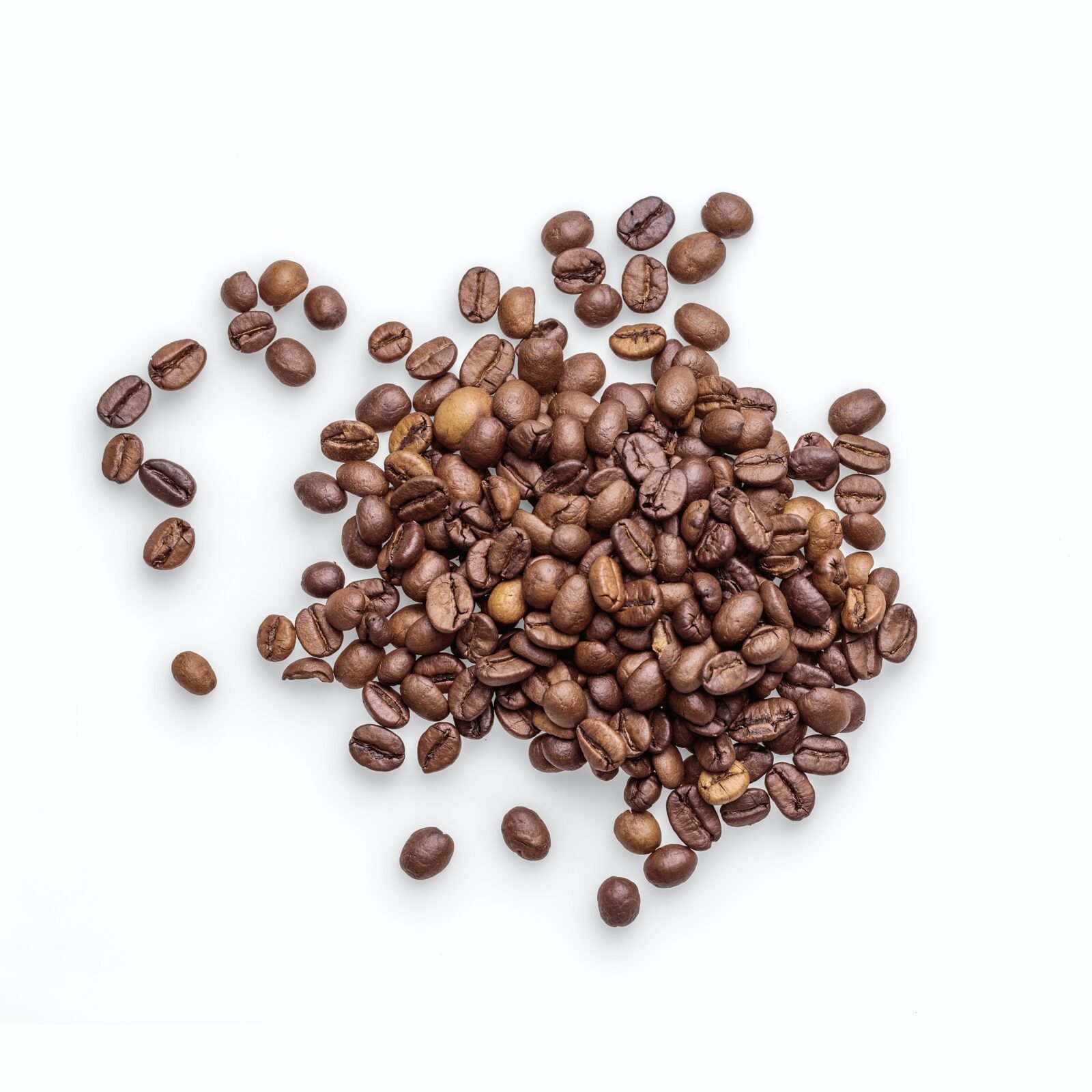
    The journey of Arabica coffee medium roast begins with the careful selection of high-quality beans. Once chosen, the green coffee beans undergo roasting, a critical step that determines the final flavor profile. Roasters carefully monitor factors such as temperature, time, and airflow to bring out the best in each batch.

    During the medium roast, the beans undergo a temperature of around 210 to 220 degrees Celsius. At this point, the beans develop a light sheen of oil on their surface, known as coffee oils. This contributes to the medium roast’s characteristic smoothness and slightly fuller body compared to lighter roasts.

    IV. Flavor Profile of Arabica Coffee Medium Roast

    The flavor profile of Arabica coffee medium roast is a harmonious blend of acidity, sweetness, and body. The acidity is often bright and lively, offering a refreshing and crisp sensation on the palate. The sweetness is more pronounced compared to darker roasts, with notes of caramel, chocolate, or fruit, depending on the coffee’s origin.

    Medium roast strikes a balance between the nuanced flavors of light roasts and the bolder, more caramelized notes of dark roasts. This balance makes it an ideal choice for those who appreciate a well-rounded cup that isn’t overly intense.

    V. Origin Varieties

    Arabica coffee is grown in diverse regions, each imparting its unique characteristics to the beans. Some well-known Arabica coffee-producing regions include:

    Ethiopia: The birthplace of Arabica, Ethiopian coffees are celebrated for their floral and fruity notes, making them a favorite among connoisseurs.

    Colombia: Colombian Arabica is often praised for its well-balanced profile, combining medium acidity with a rich body and notes of caramel and nuts.

    Costa Rica: Coffees from Costa Rica are known for their bright acidity, full body, and hints of citrus and tropical fruit.

    Brazil: Brazilian Arabica is recognized for its low acidity, medium body, and chocolatey, nutty flavor profile.

    VI. Brewing Arabica Coffee Medium Roast

    The brewing process is crucial in unlocking the full potential of Arabica coffee medium roast. Here are some popular brewing methods:

    Pour-Over: This method allows for precise control over brewing variables, highlighting the nuanced flavors of medium-roasted Arabica beans.

    Drip Coffee Maker: An easy and convenient option, drip brewing maintains the balance of medium roast, producing a consistently flavorful cup.

    French Press: This method yields a robust cup with a fuller body, showcasing the medium roast’s richness and depth.

    Espresso: Arabica medium roast can be used to make a variety of espresso-based drinks, such as lattes and cappuccinos, where its balanced profile complements the milk and foam.

    VII. Arabica Coffee Medium Roast: Keywords and Conclusion

    In the realm of coffee enthusiasts, the appreciation for Arabica coffee medium roast is evident. Its balanced flavor profile, versatility, and adaptability to various brewing methods make it a staple for those seeking a delightful and well-rounded coffee experience.

    conclusion

    Arabica coffee medium roast encapsulates the essence of high-quality coffee, offering a perfect balance between origin characteristics and the roasting process. As you embark on your journey into the world of coffee, consider exploring the nuances of Arabica medium roast, and savor the complexity and richness it brings to your cup. Whether you are a seasoned coffee aficionado or a curious newcomer, the medium roast is sure to leave a lasting impression with its distinctive flavors and aromatic charm.

  • Exploring the Richness of Arabica Coffee Extract: A Comprehensive Guide

    Exploring the Richness of Arabica Coffee Extract: A Comprehensive Guide

    Arabica Coffee Extract, known scientifically as Coffea arabica, is celebrated worldwide for its premium quality and distinct flavor profile. In recent years, the focus has shifted to extracting key compounds from this beloved coffee bean to create Arabica coffee extract. This comprehensive guide aims to delve into the intricacies of Arabica coffee extract, exploring its origins, composition, health benefits, extraction methods, and diverse applications.

    Arabica Coffee: A Brief Overview


    Arabica coffee is one of the two main species of coffee beans, the other being Robusta. Arabica is renowned for its superior quality, mild flavor, and aromatic characteristics. The Arabica coffee plant is native to the high-altitude regions of Ethiopia and has become a staple in coffee production globally.

    Composition of Arabica Coffee


    Arabica coffee is derived from the green coffee beans of the Arabica plant. The composition of this extract is a complex interplay of various chemical compounds. Key components include:

    a. Caffeine: A central nervous system stimulant that contributes to the energizing effects of coffee.

    b. Chlorogenic Acids: These antioxidants are believed to have numerous health benefits, including anti-inflammatory and anti-diabetic properties.

    c. Lipids: Essential fatty acids found in Arabica coffee contribute to its flavor and aroma.

    Extraction Methods


    Arabica coffee is typically obtained through various extraction methods, each influencing the final product’s flavor and composition. Common methods include:

    a. Solvent Extraction: Using solvents like water, ethanol, or supercritical carbon dioxide to isolate compounds from the coffee beans.

    b. Water Extraction: Employing water as a solvent in processes like cold brew or hot brewing methods to extract flavors and antioxidants.

    c. Supercritical Fluid Extraction: Utilizing supercritical carbon dioxide to selectively extract compounds without the use of harmful solvents.

    Health Benefits of Arabica Coffee


    Consumption of Arabica coffee extract has been associated with several health benefits, owing to its rich composition:

    a. Antioxidant Properties: Chlorogenic acids in Arabica coffee extract act as potent antioxidants, protecting cells from oxidative stress.

    b. Metabolic Boost: Caffeine content can enhance metabolism and promote fat burning, making Arabica coffee extract a popular ingredient in weight loss supplements.

    c. Mood Enhancement: The stimulating effects of caffeine contribute to improved mood, alertness, and cognitive function.

    Applications of Arabica coffee


    The versatility of Arabica coffee extract extends beyond traditional coffee beverages. It is now a sought-after ingredient in various industries:

    a. Food and Beverage: Arabica coffee extract is used to flavor a wide range of products, including ice cream, chocolates, and baked goods.

    b. Cosmetics: The antioxidant properties of Arabica coffee extract make it a popular addition to skincare products, helping combat signs of aging and promote skin health.

    c. Pharmaceuticals: The potential health benefits of Arabica coffee extract have led to its inclusion in pharmaceutical formulations, especially those targeting metabolic health.

    Arabica Coffee Extract in the Global Market


    As consumer awareness of health and wellness grows, the demand for products containing Arabica coffee extract is on the rise. The global market for coffee extracts is expanding, with a focus on sustainable and ethically sourced Arabica beans.

    a. Trends and Innovations: Innovative products such as Arabica coffee-infused energy drinks, ready-to-drink cold brews, and even coffee-flavored alcoholic beverages are gaining popularity.

    b. Sustainability Practices: Consumers are increasingly concerned about the environmental impact of coffee production. Companies are responding by adopting sustainable practices, including fair trade and eco-friendly cultivation methods.

    Considerations and Potential Side Effects


    While Arabica coffee extract offers numerous benefits, it is essential to consider potential side effects, especially for individuals sensitive to caffeine. Moderate consumption is generally well-tolerated, but excessive intake may lead to issues such as insomnia, increased heart rate, and digestive problems.

    Conclusion


    Arabica coffee extract stands at the intersection of tradition and innovation, embodying the rich history of coffee consumption while meeting the evolving demands of the modern market. As research continues to unveil the health benefits and diverse applications of Arabica coffee extract, it is poised to remain a key player in the global coffee industry, captivating the taste buds and improving the well-being of consumers worldwide.

  • Brewing Harmony: Exploring the Rich Tapestry of Indonesia Coffee Culture

    Brewing Harmony: Exploring the Rich Tapestry of Indonesia Coffee Culture

    Indonesia Coffee Culture a sprawling archipelago nestled in the heart of Southeast Asia, is not only renowned for its stunning landscapes but also for its vibrant and diverse coffee culture. The aromatic elixir of coffee has woven itself into the fabric of Indonesian society, creating a unique and rich tapestry that reflects the country’s history, geography, and the warmth of its people.

    Historical Roots of Indonesia Coffee Culture:

    Indonesia’s coffee journey began in the 1600s when the Dutch East India Company introduced coffee plants to the archipelago. The fertile volcanic soil and tropical climate of islands such as Java and Sumatra proved to be ideal for cultivating coffee, marking the birth of Indonesia’s coffee industry.

    Geographical Diversity and Coffee Varieties:

    Indonesia’s vast and diverse geography contributes to the country’s unique coffee flavors. The three primary coffee-producing regions—Sumatra, Java, and Sulawesi—each offer distinct characteristics. Sumatran coffee, known for its full body and earthy undertones, contrasts with the bright acidity and floral notes of Javanese coffee. Sulawesi, with its Toraja coffee, adds a touch of spice and complexity to the spectrum.

    Traditional Coffee Growing and Processing Methods:

    Indonesia takes pride in its traditional methods of coffee cultivation. Smallholder farmers employ age-old techniques, hand-picking coffee cherries and sun-drying them on woven mats. This artisanal approach imparts a unique flavor profile to Indonesian coffee, setting it apart from mass-produced varieties.

    Kopi Tubruk and Other Traditional Brewing Methods:

    The quintessential Indonesian coffee experience is incomplete without mentioning the traditional brewing methods. “Kopi Tubruk,” a Javanese-style coffee, involves brewing finely ground coffee with a lump of sugar in a special pot. This method not only produces a robust cup but also symbolizes the cultural importance of sharing coffee as a gesture of hospitality.

    Rise of Specialty Coffee and Third Wave Movement:

    In recent years, Indonesia has witnessed a surge in the popularity of specialty coffee. The third wave coffee movement, emphasizing high-quality beans and meticulous brewing techniques, has found a home in the country. This shift has led to the emergence of boutique coffee shops and a growing appreciation for the nuances of flavor in Indonesian coffee.

    Indonesia Coffee Culture Varietals:

    Indonesia boasts an array of distinctive coffee varieties. Among them, Arabica and Robusta dominate the landscape. Sumatra Mandheling, Sulawesi Toraja, and Java Preanger are just a few examples of sought-after Arabica varieties, each with its own flavor profile. Robusta, grown predominantly in regions like Lampung, contributes to the boldness and richness of many Indonesian blends.

    Cultural Significance indonesia Coffee Culture:

    Beyond its economic importance, coffee holds a special place in Indonesian culture. The act of sharing a cup of coffee is a ritual deeply embedded in social interactions. Whether in urban cafes or rural villages, coffee serves as a catalyst for conversation, fostering connections and community bonds.

    Indonesia Coffee Culture Festivals and Rituals:

    Indonesia’s cultural calendar is peppered with festivals and rituals where coffee takes center stage. From the traditional wedding ceremonies in Sulawesi, where the bride and groom share a cup of coffee, to the Javanese ritual of “Sedekah Bumi,” where offerings include coffee beans, the beverage plays a symbolic role in celebrating life’s significant moments.

    Challenges and Sustainability in Indonesian Coffee Industry:

    While Indonesia coffee culture flourishes, the industry faces challenges such as climate change, pests, and fluctuating market prices. Initiatives promoting sustainable and ethical practices, such as shade-grown coffee and fair trade certifications, are gaining momentum to ensure the longevity of Indonesia’s coffee heritage.

    Coffee Tourism Indonesia Coffee Culture:

    As the world’s awareness of specialty coffee grows, so does interest in experiencing Indonesia’s coffee culture firsthand. Coffee tourism is on the rise, with travelers exploring plantations, participating in coffee tastings, and immersing themselves in the enchanting landscapes where coffee beans thrive.

    Conclusion Indonesia Coffee Culture:

    Indonesia’s coffee culture is a captivating mosaic of history, geography, and tradition. From the bustling streets of Jakarta to the serene plantations of Bali, the aroma of Indonesian coffee permeates every corner of the archipelago. As the country continues to embrace both its rich heritage and the innovations of the modern coffee scene, Indonesia stands as a beacon in the global coffee landscape, inviting enthusiasts to savor the depth and diversity of its coffee culture.

  • Exploring the Art and Innovation of Indonesian Coffee Packaging

    Exploring the Art and Innovation of Indonesian Coffee Packaging

    Indonesian Coffee Packaging, renowned for its rich biodiversity and unique cultural heritage, is also celebrated for its exceptional coffee. Indonesian coffee has gained international recognition for its distinct flavors, and the packaging of this aromatic treasure has become an art form in itself. In this comprehensive exploration, we delve into the world of Indonesian coffee packaging, unraveling the unique characteristics, cultural influences, and innovative trends that shape this captivating industry.

    I. The Cultural Tapestry of Indonesian Coffee:

    Indonesian coffee is deeply intertwined with the nation’s diverse cultural fabric, and this is vividly reflected in its packaging.

    Traditional Motifs and Symbols:

    Indonesian coffee packaging often incorporates traditional motifs and symbols that carry cultural significance. These intricate designs tell stories of the coffee’s origin and the communities involved in its production.

    Regional Diversity:

    Each region in Indonesia boasts its own coffee variety, and packaging often highlights these regional differences. From the robust flavors of Sumatran Mandheling to the bright acidity of Java beans, packaging serves as a visual guide to the diverse Indonesian coffee landscape.

    II. Sustainable Packaging Practices:

    As global awareness of environmental issues grows, Indonesian coffee producers are embracing sustainable packaging practices to minimize their ecological footprint.

    Eco-Friendly Materials:

    Many Indonesian coffee brands are adopting eco-friendly packaging materials such as compostable bags, recycled paper, and biodegradable containers. This shift reflects a commitment to environmental responsibility and resonates with consumers who prioritize sustainability.

    Fair Trade Certification:

    Fair trade practices are gaining momentum in the Indonesian coffee industry. Packaging often includes Fair Trade logos, assuring consumers that the coffee they enjoy is ethically sourced, providing fair wages to farmers, and supporting local communities.

    III. Innovative Packaging Technologies:

    Indonesian coffee packaging is not only a canvas for cultural expression but also a platform for cutting-edge technologies.

    Aroma Preservation Techniques:

    The aroma of freshly ground coffee is a crucial element of the brewing experience. Innovative packaging technologies, such as one-way degassing valves, are used to preserve the freshness of the coffee beans by allowing the release of built-up gases without letting air in.

    Smart Packaging Solutions:

    Some Indonesian coffee brands are incorporating smart packaging solutions, including QR codes and augmented reality (AR) features. These technologies provide consumers with additional information about the coffee’s origin, processing methods, and even brewing tips, enhancing the overall coffee experience.

    The world of coffee packaging is dynamic, with trends evolving to meet the changing preferences of consumers.

    Minimalist Designs:

    In recent years, there has been a shift towards minimalist packaging designs. Clean, simple labels with bold typography and subtle colors are gaining popularity, conveying a sense of sophistication and modernity.

    Personalized Packaging:

    Brands are increasingly adopting personalized packaging to create a unique connection with consumers. This may include custom labels, individualized packaging sizes, or even allowing customers to add a personal touch to their coffee packages.

    V. Branding and Marketing Strategies:

    Effective branding plays a pivotal role in the success of Indonesian coffee products, influencing consumer perception and market positioning.

    Storytelling through Packaging:

    Successful brands use packaging as a storytelling tool. By narrating the journey of the coffee beans from farm to cup, packaging fosters a deeper connection between consumers and the product.

    Digital Marketing Integration:

    With the rise of e-commerce, Indonesian coffee brands are integrating digital marketing strategies into their packaging. This includes utilizing social media handles, hashtags, and QR codes to enhance online visibility and engage with a wider audience.

    Conclusion:

    In conclusion, Indonesian coffee packaging is a harmonious blend of cultural richness, sustainability, innovation, and strategic branding. From traditional motifs to cutting-edge technologies, the packaging of Indonesian coffee not only preserves the essence of this cultural gem but also propels it into the global spotlight. As the industry continues to evolve, one thing remains certain – Indonesian coffee packaging is an integral part of the narrative that celebrates the nation’s coffee heritage.

  • The Rich Tapestry of Indonesia Coffee Drinkers: A Cultural Exploration

    The Rich Tapestry of Indonesia Coffee Drinkers: A Cultural Exploration

    Indonesia Coffee Drinkers :a country known for its diverse culture and breathtaking landscapes, has also gained global recognition for its exceptional coffee. Coffee, deeply embedded in the social fabric of Indonesia, serves as more than just a beverage; it is a cultural phenomenon that binds communities and defines social interactions. In this comprehensive exploration, we delve into the intricate world of Indonesia’s coffee drinkers, unraveling the rituals, preferences, and the deep-rooted significance of coffee in the lives of Indonesians.

    I. Historical Roots of Indonesia Coffee Drinkers Culture:

    The history of coffee in Indonesia dates back to the late 1600s when the Dutch introduced coffee cultivation to the archipelago. Over the centuries, Indonesia has emerged as one of the world’s leading coffee producers, with diverse regions such as Sumatra, Java, Sulawesi, and Bali contributing to the rich tapestry of flavors that Indonesian coffee has to offer. The interplay between colonial influences and indigenous traditions has shaped the unique coffee culture that exists in Indonesia today.

    II. The Social Rituals of Coffee Consumption:

    In Indonesia, drinking coffee is not merely a solitary act; it is a communal experience deeply ingrained in the social fabric. Whether in urban coffee shops or rural kiosks, the act of sipping coffee is accompanied by lively conversations, laughter, and the sharing of stories. Coffee serves as a catalyst for socialization, bringing people together across generations and backgrounds. This communal aspect of coffee consumption is evident in the popular traditional gathering known as “Ngopi,” where friends and family come together to enjoy coffee and engage in meaningful conversations.

    III. Indonesia Coffee Drinkers: A Diverse Palette of Preferences:

    The preferences of Indonesia coffee drinkers are as diverse as the country itself. From the bold and earthy flavors of Sumatran Mandheling to the bright and acidic notes of a Java Arabica, Indonesians take pride in their rich coffee heritage. Kopi Tubruk, a traditional Javanese preparation method, involves boiling coarse coffee grounds with a solid lump of sugar, creating a thick and sweet concoction enjoyed by many. The emergence of specialty coffee culture has also found a home in Indonesia, with a growing number of enthusiasts exploring single-origin beans, pour-over methods, and espresso-based drinks.

    IV. The Role of Coffee in Indonesian Daily Life:

    Indonesia Coffee Drinkers is more than a beverage in Indonesia; it is an integral part of daily life. The day often begins with a cup of coffee, providing a moment of reflection and preparation for the day ahead. Street vendors and warungs (small local eateries) play a vital role in ensuring that everyone, regardless of social status, has access to a cup of coffee. The coffee break, known as “Ngopi Pagi” (morning coffee), is a cherished tradition that punctuates the workday, offering a respite for individuals to recharge and connect.

    V. Coffee and Cultural Significance:

    Indonesia Coffee Drinkers diverse cultural landscape is reflected in the way coffee is integrated into various ceremonies and rituals. In Javanese culture, the “Sanggar,” a ceremonial space for traditional events, often features a coffee corner where guests are treated to specially brewed coffee during celebrations. Coffee ceremonies also play a role in religious rituals, emphasizing the sacred connection between the beverage and spirituality.

    VI. The Rise of Indonesia Coffee Drinkers Tourism:

    As the global interest in specialty coffee continues to grow, Indonesia has become a destination for coffee tourism. Travelers are drawn to the lush coffee plantations of Java, the volcanic landscapes of Sumatra, and the unique processing methods of Sulawesi. Coffee tours offer visitors the opportunity to witness the entire coffee production process, from bean cultivation to the final cup, providing an immersive experience that goes beyond the taste buds.

    VII. Challenges and Opportunities in The Rise of Indonesia Coffee Tourism Industry:

    Despite its rich coffee heritage, Indonesia faces challenges in sustaining and expanding its coffee industry. Issues such as climate change, fluctuating commodity prices, and the need for sustainable farming practices pose significant threats. However, initiatives promoting fair trade, organic farming, and the preservation of traditional coffee varieties are gaining traction, offering hope for a more resilient and equitable coffee industry in Indonesia.

    Conclusion:

    Indonesia’s coffee drinkers are not merely consumers of a caffeinated beverage; they are participants in a cultural journey that spans generations. From the historical roots of coffee cultivation to the vibrant social rituals, diverse preferences, and cultural significance, the world of Indonesian coffee is a dynamic and evolving landscape. As the nation continues to navigate the challenges of the modern coffee industry, the resilient spirit of Indonesia’s coffee drinkers ensures that the aromatic brew remains an enduring symbol of community, tradition, and shared moments.

  • Delicious Indonesian coffee: A Delightful Journey into Flavors, Culture, and Tradition

    Delicious Indonesian coffee: A Delightful Journey into Flavors, Culture, and Tradition

    delicious Indonesian coffee, a country known for its stunning landscapes and diverse cultures, is also celebrated for its exceptional coffee. With a coffee culture deeply rooted in history and tradition, Indonesia has emerged as a prominent player in the global coffee scene. In this comprehensive exploration, we delve into the world of delicious Indonesian coffee, uncovering its unique characteristics, regional variations, and the cultural significance that makes it a true delight for coffee enthusiasts.

    A Glimpse into delicious Indonesian coffee Heritage

    Indonesia’s coffee heritage dates back to the 1600s when the Dutch introduced coffee cultivation to the archipelago. Today, Indonesia stands as the fourth-largest coffee producer globally. The country’s unique geography, featuring volcanic soil and diverse climates, contributes to the distinct flavors found in Indonesian coffee beans.

    Diversity in delicious Indonesian coffee Regions

    a. Sumatra: Earthy and Full-bodied

    Sumatra, the largest producer of coffee Indonesia, is renowned for its Mandheling and Gayo coffee varieties. The volcanic soil of Sumatra imparts a distinct earthiness to the beans, resulting in a full-bodied cup with low acidity. Notes of chocolate, tobacco, and spices make Sumatran coffee a favorite among those who appreciate bold flavors.

    b. Java: A Historical Legacy

    Java, synonymous with coffee for many, has a rich history of coffee cultivation dating back to the Dutch colonial era. The Java Arabica, with its medium body and balanced acidity, is a classic representation of the region’s coffee. The coffee estates in Java contribute to the nation’s diverse coffee offerings, showcasing the harmony between tradition and innovation.

    c. Bali: Unique Flavors from the Island of the Gods

    Bali, known for its picturesque landscapes and vibrant culture, also produces exquisite coffee. The Kintamani region in Bali, with its high-altitude plantations, yields beans with bright acidity and fruity notes. Bali coffee offers a unique and refreshing experience, capturing the essence of the island’s charm.

    d. Sulawesi: Toraja Coffee’s Intriguing Profile

    Sulawesi, formerly known as Celebes, is home to Toraja coffee. Grown in the mountainous regions of Tana Toraja, this coffee boasts a complex flavor profile with hints of fruit, spice, and a velvety body. The unique processing methods, such as the traditional “Giling Basah,” contribute to Sulawesi coffee’s distinctive taste.

    Indonesian Coffee Varieties: Beyond Arabica and Robusta

    While Arabica and Robusta are the dominant coffee species cultivated in Indonesia, the country also boasts lesser-known varieties that contribute to its diverse coffee portfolio. These include:

    a. Liberica: A Rare Gem

    Liberica, though less common, is gaining attention for its unique flavor profile. With a distinct fruity and floral aroma, Liberica coffee offers a refreshing departure from the more widely consumed Arabica and Robusta varieties.

    b. Excelsa: Bursting with Complexity

    Excelsa, also known as Liberica Arabica, is characterized by its complex flavor profile encompassing fruity, spicy, and floral notes. Grown in regions like Java and Sulawesi, Excelsa adds a layer of diversity to Indonesia’s coffee offerings.

    Traditional Coffee Processing Methods

    Indonesia’s traditional coffee processing methods contribute significantly to the unique flavors of its coffee. The “Giling Basah” method, commonly used in Sumatra and Sulawesi, involves semi-washed processing, resulting in a distinctive taste with a syrupy body. Another traditional method, “Giling Kering,” is a dry-hulling process used in Java, producing clean and bright coffees.

    Cultural Significance of delicious Indonesian coffee

    a. delicious Indonesian coffee Social Settings

    Coffee holds a special place in Indonesian social settings. The tradition of “Ngopi” (coffee drinking) is deeply ingrained in the culture, fostering social interactions and discussions. Whether enjoyed in a bustling coffee shop or a tranquil village setting, the act of sharing a cup of coffee creates bonds and strengthens relationships.

    b. Coffee in Rituals and Ceremonies

    Beyond daily life, coffee plays a role in various rituals and ceremonies across Indonesia. From traditional weddings to religious ceremonies, the presence of coffee symbolizes hospitality, warmth, and a sense of community.

    Delicious Indonesian Coffee: A Culinary Journey

    Indonesian coffee isn’t limited to the traditional brewed cup. The culinary scene has embraced the rich flavors of Indonesian coffee, giving rise to innovative and delectable creations. From coffee-infused desserts like “kopi tubruk” ice cream to savory dishes featuring coffee-marinated meats, the culinary world is tapping into the versatility of Indonesian coffee.

    Coffee Tourism delicious Indonesian coffee

    For those seeking a firsthand experience of Indonesia’s coffee culture, coffee tourism has gained popularity. Travelers can explore coffee plantations, witness the coffee production process, and savor freshly brewed cups amid the picturesque landscapes of Java, Bali, Sumatra, and Sulawesi.

    Challenges and Sustainability in delicious Indonesian coffee Industry

    Despite the global acclaim for Indonesian coffee, the industry faces challenges such as climate change, fluctuating coffee prices, and issues related to fair trade. Efforts are being made to promote sustainability, empower local farmers, and preserve the unique biodiversity that contributes to the exceptional quality of Indonesian coffee.

    Conclusion delicious Indonesian coffee

    In conclusion, Indonesian coffee offers a sensory journey through diverse flavors, rich cultural traditions, and a history that intertwines with the nation’s identity. From the robust coffees of Sumatra to the complex profiles of Sulawesi, each cup tells a story of Indonesia’s love affair with coffee. As the world continues to savor the delights of Indonesian coffee, the industry evolves, blending tradition with innovation to create an experience that goes beyond the cup—a true celebration of flavors, culture, and community.

  • Sumatra Coffee in the Global Market

    Sumatra Coffee in the Global Market

    Sumatra coffee, renowned for its unique flavors and distinct characteristics, holds a significant position in the global coffee market. As one of the world’s largest coffee producers, Sumatra plays a crucial role in shaping trends and influencing the coffee industry. This comprehensive analysis delves into the Sumatra coffee world market, exploring its historical significance, current market dynamics, challenges, and future opportunities.

    Historical Significance Sumatra Coffee in the Global Market

    Sumatra, the sixth-largest island in the world, has a rich history of coffee cultivation dating back to the Dutch colonial period in the 18th century. The fertile volcanic soil, high altitude, and tropical climate provide ideal conditions for growing Arabica and Robusta coffee varieties. The unique wet-hulling processing method

    Sumatra’s coffee trade gained prominence in the international market during the late 19th and early 20th centuries. Over the years, Sumatra coffee has become synonymous with bold, earthy flavors, low acidity, and a full-bodied taste, making it a favorite among coffee connoisseurs worldwide.

    Current State in the Global Market

    The global demand for specialty and single-origin coffee has propelled Sumatra coffee into the spotlight. production primarily comes from smallholder farmers, contributing to the unique terroir and artisanal quality of the beans. Key factors influencing the current state of the Sumatra coffee world market include:

    Quality and Flavor Profile:

    a celebrated for its diverse flavor profile, featuring notes of chocolate, herbs, and a syrupy body. The distinct taste is a result of the island’s microclimates and traditional processing methods.
    Market Trends:

    Specialty coffee trends have driven the demand for unique and exotic flavors, positioning Sumatra coffee as a sought-after choice among coffee enthusiasts.
    Sustainable and ethically sourced coffee practices are gaining traction globally, prompting Sumatra coffee producers to adopt environmentally friendly and socially responsible cultivation methods.
    Production Challenges:

    Despite its prominence, Sumatra faces challenges such as unpredictable weather patterns, pests, and diseases that can affect coffee yields and quality.
    The fragmented nature of smallholder farms can hinder the implementation of consistent quality control measures.


    Export Markets:

    Sumatra coffee is exported to various countries, with the United States, Japan, Europe, and Australia being significant markets. The demand for Sumatra coffee in these regions is driven by the growing interest in specialty and high-quality coffee.
    Opportunities for Growth

    The world market presents several opportunities for growth and expansion:

    Diversification of Products:

    Exploring and promoting different coffee varieties from Sumatra, such as Mandheling, Gayo, and Lintong, can cater to a broader range of consumer preferences.
    Sustainable Practices:

    Embracing sustainable farming practices, including organic cultivation and fair trade initiatives, can enhance the marketability of Sumatra coffee and appeal to environmentally conscious consumers.
    Technology Integration:

    Implementing modern agricultural technologies and precision farming methods can improve crop yields, mitigate risks, and enhance the overall quality of Sumatra coffee.
    Market Education:

    Educating consumers and industry stakeholders about the unique aspects of Sumatra coffee, including its origin, processing methods, and flavor profiles, can create a stronger market presence.
    Challenges and Mitigation Strategies

    Climate Change Impact:

    Climate change poses a significant threat to coffee production worldwide. Sumatra’s coffee industry can invest in research and development to identify climate-resistant coffee varieties and implement adaptive agricultural practices.


    Quality Control in the Global Market:

    Establishing robust quality control measures, including training programs for farmers, investing in processing facilities, and implementing certifications, can address challenges related to inconsistent quality.


    Market Volatility:

    Fluctuations in global coffee prices can impact the income of smallholder farmers. Encouraging the formation of cooperatives and promoting direct trade relationships with buyers can provide more stability to farmers.


    Conclusion Sumatra Coffee in the Global Market

    In conclusion, Sumatra coffee holds a distinctive position in the global coffee market, driven by its unique flavors, historical significance, and growing demand for specialty coffee. While facing challenges related to climate change, quality control, and market volatility, the opportunities for growth through diversification, sustainable practices, and market education are vast.

    a world market is poised for continued success, provided that stakeholders collaborate to address challenges, implement sustainable practices, and capitalize on emerging market trends. As consumer preferences evolve, Sumatra coffee remains a captivating and influential player in the dynamic landscape of the global coffee industry.

  • Exploring the Rich Tapestry of Sumatran Coffee Flavor

    Exploring the Rich Tapestry of Sumatran Coffee Flavor

    Sumatran Coffee Flavor stands as a jewel in the crown of the global coffee industry, renowned for its distinctive flavors and unique characteristics. This Indonesian island, with its diverse microclimates and rich volcanic soil, provides an ideal environment for cultivating coffee that is distinctively Sumatran. In this comprehensive guide, we will delve into the intricate details of Sumatran coffee flavor, exploring the key factors that contribute to its uniqueness, the varieties available, and how these flavors have captivated coffee enthusiasts worldwide.

    I. Geography and Coffee Cultivation Sumatran Coffee Flavor:

    Geographical Overview:

    Sumatra, the sixth-largest island globally, boasts a diverse geography that plays a crucial role in shaping the flavors of its coffee. The archipelago’s volcanic soil, high altitudes, and equatorial climate create an environment conducive to growing high-quality Arabica and Robusta coffee beans.

    Coffee Growing Regions Sumatran Coffee Flavor:

    Sumatra is home to several distinct coffee-growing regions, each contributing its own nuances to the flavor profile of Sumatran coffee. Key regions include Aceh, Gayo, Mandheling, Lintong, and Sidikalang, each known for specific characteristics in their coffee beans.

    II. Varieties of Sumatran Coffee:

    Arabica vs. Robusta:

    Sumatra predominantly produces Arabica and Robusta coffee varieties, each offering a unique taste experience. Arabica beans are known for their smooth, nuanced flavors, while Robusta beans provide a bolder, more robust profile with higher caffeine content.

    Mandheling, Gayo, and Lintong Varieties:

    Mandheling coffee, grown in the west-central region of Sumatra, is celebrated for its full body, low acidity, and notes of chocolate and earthiness. Gayo coffee, from the Gayo Highlands, offers a bright acidity and herbal undertones. Lintong coffee, produced near Lake Toba, is distinguished by its medium body and fruity, wine-like acidity.

    III. Processing Methods Sumatran Coffee Flavor:

    Wet-Hulling Process:

    One of the defining characteristics of Sumatran coffee is the unique wet-hulling processing method, known locally as “Giling Basah.” This method involves removing the parchment layer from the coffee bean while it still contains high moisture, contributing to the bold and earthy flavors associated with Sumatran coffee.

    Natural and Semi-Washed Processes:

    While wet-hulling is predominant, some Sumatran coffees are also processed using natural or semi-washed methods, providing a diverse range of flavor profiles. These processes allow for the development of fruity, wine-like notes in the cup.

    IV. Flavor Profile Sumatran Coffee Flavor:

    Earthy and Herbal Notes:

    Sumatran coffee is often characterized by its earthy, woody, and herbal notes, attributed to factors such as the wet-hulling process and the island’s unique terroir. These flavors create a rich, complex cup that sets Sumatran coffee apart from other origins.

    Full Body and Low Acidity:

    The full body and low acidity of Sumatran coffee contribute to its smooth and mellow profile. Coffee enthusiasts appreciate the well-balanced nature of Sumatran coffee, making it a versatile choice for various brewing methods.

    Chocolate and Spice Undertones:

    Many Sumatran coffees exhibit chocolate and spice undertones, adding depth and complexity to the flavor profile. These notes, combined with the earthy and herbal elements, create a harmonious and satisfying cup of coffee.

    Mandheling Grade 1:

    Mandheling Grade 1 is among the most sought-after Sumatran coffees, prized for its full body, low acidity, and notes of dark chocolate and tobacco. The beans are often grown at high altitudes, further enhancing their unique characteristics.

    Gayo Coffee:

    Hailing from the Gayo Highlands, Gayo coffee is known for its bright acidity, herbal notes, and a distinct sweetness. The combination of the region’s altitude and unique processing methods contributes to its exceptional flavor profile.

    Lintong Coffee:

    Lintong coffee, grown near Lake Toba, is distinguished by its medium body, wine-like acidity, and fruity undertones. It is often favored for its balanced flavor profile, making it suitable for a wide range of coffee preferences.

    VI. Brewing Recommendations:

    Espresso:

    Sumatran coffee’s bold and earthy flavors make it an excellent choice for espresso enthusiasts. The full body and low acidity contribute to a rich and intense shot, with the potential to highlight the chocolate and spice undertones.

    Pour-Over:

    For those who prefer pour-over brewing methods, Sumatran coffee can shine in devices like the Chemex or Hario V60. The slow extraction process allows the nuanced flavors to unfold, offering a well-balanced and aromatic cup.

    French Press:

    The full-bodied nature of Sumatran coffee makes it particularly well-suited for French press brewing. The immersion method extracts the coffee’s oils, enhancing its richness and emphasizing the earthy and herbal notes.

    VII. Sumatran Coffee and Sustainability:

    Organic and Shade-Grown Practices:

    Many Sumatran coffee producers prioritize sustainable and eco-friendly practices. Organic farming and shade-grown coffee contribute to the conservation of biodiversity, making Sumatran coffee an ethical choice for environmentally conscious consumers.

    Fair Trade Initiatives:

    Fair trade practices in Sumatra ensure that coffee farmers receive fair compensation for their labor. These initiatives support local communities and contribute to the overall well-being of those involved in the coffee production chain.

    Conclusion:

    Sumatran coffee flavor is a tapestry woven with the rich influences of geography, climate, processing methods, and unique coffee varieties. From the earthy and herbal notes to the chocolate and spice undertones, every sip tells a story of Sumatra’s diverse landscapes and the dedicated farmers who cultivate these exceptional beans. Whether enjoyed as a single-origin espresso, pour-over, or French press brew, Sumatran coffee stands as a testament to the artistry and complexity found in the world of specialty coffee. As the global coffee community continues to explore and appreciate diverse flavors, Sumatra remains a shining star, captivating the palates of coffee enthusiasts around the world.