document.documentElement.classList.add("cf-on");'; return; } ?>

Author: Abi

  • Exploring the Thriving Coffee Export Industry in Indonesia

    Exploring the Thriving Coffee Export Industry in Indonesia

    Coffee Export Industry in Indonesia, known for its rich biodiversity and diverse cultural tapestry, is also a powerhouse in the global coffee trade. The country has carved a niche for itself in the international market as a significant exporter of high-quality coffee beans. In this comprehensive guide, we will delve into the intricacies of the coffee export industry in Indonesia, shedding light on key aspects such as the coffee varieties, cultivation practices, processing methods, and the role of coffee exporters in driving this lucrative trade.

    Overview Coffee Export Industry in Indonesia

    Indonesia’s coffee industry has a long and storied history, dating back to the colonial era. The country’s unique geography, which includes several volcanic regions, provides an ideal environment for cultivating coffee. Today, Indonesia is renowned for producing distinct coffee varieties, with Sumatra, Java, Sulawesi, and Bali being prominent coffee-producing regions.

    Coffee Varieties in Indonesia

    Sumatra Coffee: Grown on the large island of Sumatra, this coffee is known for its full body, low acidity, and unique flavors resulting from the wet-hulling process.

    Java Coffee: Named after the island of Java, this coffee is characterized by its clean, bright acidity and a well-balanced flavor profile.

    Sulawesi Coffee: Grown on the island of Sulawesi, this coffee is celebrated for its rich, full-bodied taste with hints of spice and a vibrant acidity.

    Bali Coffee: Known for its smooth, medium-bodied flavor, Bali coffee is gaining recognition in the specialty coffee market.

    Cultivation Practices

    The cultivation of coffee in Indonesia involves a combination of traditional and modern practices. The fertile volcanic soil, coupled with the country’s tropical climate, creates optimal conditions for coffee plants to thrive. Smallholder farmers, often organized into cooperatives, play a crucial role in cultivating and harvesting coffee beans.

    Organic Farming: With an increasing global demand for organic products, many coffee farmers in Indonesia are adopting organic farming practices. This not only enhances the quality of the coffee but also appeals to environmentally conscious consumers.

    Shade-Grown Coffee: Some Indonesian coffee is grown under the canopy of taller trees, providing natural shade. This method not only promotes biodiversity but also contributes to the unique flavor profile of the beans.

    Processing Methods Coffee Export Industry in Indonesia

    The processing of coffee beans in Indonesia involves several stages, each contributing to the final taste and aroma of the coffee. Common processing methods include:

    Wet-Hulling: Widely used in Sumatra, this method involves removing the coffee cherry’s outer skin and pulp before drying the beans to a specific moisture content. The result is a distinct flavor profile with low acidity.

    Dry Processing: This method involves drying the entire coffee cherry in the sun before removing the beans. Dry-processed coffees often have a fuller body and unique fruity notes.

    Semi-Washed Process: Combining elements of both wet and dry processing, the semi-washed process is gaining popularity in Indonesia. It results in a cup with a balanced acidity and body.

    Role of Coffee Exporters in Indonesia

    Market Access and Distribution: Coffee exporters in Indonesia play a pivotal role in connecting local farmers with international markets. They facilitate the export process, ensuring that Indonesian coffee reaches coffee enthusiasts worldwide.

    Quality Control and Certification: To meet the stringent standards of the global coffee market, exporters implement rigorous quality control measures. Certification programs, such as Fair Trade and Organic, are often pursued to appeal to specific consumer preferences.

    Price Negotiations and Fair Trade Practices: Coffee exporters engage in price negotiations with international buyers, striving to ensure fair compensation for the efforts of local farmers. Many exporters also adhere to fair trade practices to promote equitable and sustainable trade relationships.

    Promotion of Indonesian Coffee: Exporters actively contribute to the promotion of Indonesian coffee on the global stage. This includes participating in international coffee events, collaborating with roasters, and leveraging digital platforms to showcase the unique qualities of Indonesian coffee.

    Challenges and Opportunities

    Climate Change: Like many coffee-producing regions, Indonesia faces challenges posed by climate change. Erratic weather patterns, rising temperatures, and changing precipitation levels can impact coffee yields and quality.

    Infrastructure Development: Improving transportation and processing infrastructure is crucial for the sustainable growth of the coffee export industry. Investments in these areas can enhance efficiency and reduce post-harvest losses.

    Diversification of Coffee Products: Exploring the production of specialty and value-added coffee products can open up new markets and increase the overall value of Indonesian coffee exports.

    Sustainable Practices: Embracing sustainable and ethical practices can not only attract environmentally conscious consumers but also contribute to the long-term viability of the coffee industry in Indonesia.

    Conclusion

    In conclusion, Indonesia stands as a prominent player in the global coffee export industry, offering a diverse range of high-quality coffee beans with distinctive flavors. The collaborative efforts of coffee farmers, exporters, and other stakeholders contribute to the success of this industry. As Indonesia continues to navigate challenges and seize opportunities, its coffee export sector is poised for sustained growth, further solidifying the country’s position as a key player in the global coffee market.

  • The Rich Essence of Sidikalang Coffee

    The Rich Essence of Sidikalang Coffee

    Sidikalang Coffee, lies the enchanting region of Sidikalang, renowned for producing one of the most exquisite and sought-after coffee varieties in the world – Sidikalang coffee. This unique coffee, with its distinct taste and aromatic profile, has captivated the palates of coffee connoisseurs globally. In this comprehensive exploration, we delve into the origins, cultivation, processing methods, and, most importantly, the unmistakable taste of Sidikalang coffee.

    The Origin :

    Sidikalang coffee finds its roots in the fertile soils and favorable climate of the Sidikalang region. The area’s altitude, ranging from 1,200 to 1,500 meters above sea level, provides an ideal environment for growing Arabica coffee beans, contributing to the exceptional quality and flavor that Sidikalang coffee is celebrated for. The combination of volcanic soil, high elevation, and a unique microclimate imparts distinctive characteristics to the beans.

    Cultivation Practices:

    a predominantly cultivated by local farmers who employ traditional farming techniques handed down through generations. The cultivation process involves meticulous care, from selecting the right coffee varietals to nurturing the plants through various stages of growth. The farmers’ dedication to maintaining the health of the coffee plants contributes significantly to the flavor complexity .

    Harvesting and Processing :

    Harvesting typically occurs between May and September when the coffee cherries are ripe for picking. The traditional method of handpicking ensures that only the ripest cherries are selected, contributing to the overall quality of the coffee. Following the harvest, the coffee cherries undergo a thorough processing method, which often involves a combination of wet and dry processing techniques. This careful processing is integral to preserving the unique taste and aroma that define.

    Distinctive Taste of Sidikalang Coffee:

    a harmonious symphony of flavors that distinguishes it from other coffee varieties. The keyword “Sidikalang coffee taste” encompasses a spectrum of sensory experiences that can be savored with every sip:

    a. Bold and Full-Bodied:


    Sidikalang coffee is celebrated for its robust and full-bodied character. The beans’ interaction with the volcanic soil and the unique climate results in a coffee that is rich and satisfying, making it a favorite among those who appreciate a hearty cup.

    b. Bright Acidity:


    The high-altitude cultivation imparts a bright acidity to Sidikalang coffee. This lively acidity adds a refreshing and crisp element to the overall taste profile, creating a well-balanced cup of coffee.

    c. Floral and Fruity Notes:


    Sidikalang coffee is often characterized by delightful floral and fruity notes that dance on the palate. Tasting notes may include hints of jasmine, citrus, and even tropical fruits, providing a multi-dimensional flavor experience.

    d. Chocolate Undertones:


    The beans’ interaction with the volcanic soil contributes to subtle chocolate undertones in Sidikalang coffee. This nuanced flavor adds depth and complexity to the overall taste, making it a favorite among those who appreciate a touch of sweetness.

    e. Clean Finish:


    One of the standout features of Sidikalang coffee is its clean and lingering finish. The well-defined aftertaste leaves a lasting impression, inviting coffee enthusiasts to savor the experience long after the last sip.

    Brewing Recommendations:

    To fully appreciate the nuances of Sidikalang coffee, proper brewing techniques are essential. Whether using a pour-over method, French press, or espresso machine, the key lies in highlighting the unique flavor profile without overpowering its subtleties. Optimal water temperature, grind size, and brewing time play crucial roles in unlocking the full potential of Sidikalang coffee.

    Sustainability and Fair Trade:

    Many coffee producers in the Sidikalang region are committed to sustainable and ethical farming practices. The emphasis on fair trade ensures that farmers receive equitable compensation for their efforts, contributing to the well-being of local communities. consumers not only indulge in a premium coffee experience but also support ethical and sustainable practices in the coffee industry.

    Conclusion:

    In conclusion,stands as a testament to the artistry of coffee cultivation and the dedication of local farmers in North Sumatra. From its origins in the highlands to the careful cultivation and processing, every step in the production of Sidikalang coffee contributes to its distinctive taste and unparalleled quality. The bold and full-bodied nature, complemented by bright acidity, floral and fruity notes, chocolate undertones, and a clean finish, make Sidikalang coffee a true gem in the world of specialty coffee. As the global appreciation for unique and flavorful coffees grows.

  • Exploring the Richness of Lampung Coffee: A Taste Journey

    Exploring the Richness of Lampung Coffee: A Taste Journey

    Richness of Lampung Coffee, a beloved beverage enjoyed by millions around the world, comes in diverse flavors and varieties that reflect the unique characteristics of their origins. One such gem in the world of coffee is Lampung coffee, hailing from the picturesque landscapes of Lampung, Indonesia. This region, known for its fertile soil and favorable climate, has become a haven for cultivating high-quality coffee beans that captivate coffee enthusiasts with their distinct taste profiles.

    Richness of Lampung Coffee: A Brief Overview


    Geographic and Climatic Influence
    Lampung, situated on the southern tip of Sumatra, is renowned for its lush landscapes and fertile volcanic soil—ideal conditions for coffee cultivation. The region’s climate, characterized by consistent rainfall and moderate temperatures, creates an environment conducive to the growth of Arabica and Robusta coffee varieties.

    Coffee Varieties Richness of Lampung Coffee


    Arabica Coffee:


    Lampung’s elevation and climate make it suitable for growing Arabica coffee, known for its nuanced flavors and aromatic qualities. Arabica beans from Lampung are often distinguished by their balanced acidity, medium body, and hints of floral and fruity notes.

    Robusta Coffee:


    Robusta, a hardy coffee variety, thrives in Lampung’s lower altitudes. Lampung Robusta beans are prized for their bold, full-bodied flavor, higher caffeine content, and earthy undertones. This variety is a favorite for those seeking a robust and intense coffee experience.

    Taste Profile of Lampung Coffee


    Arabica Coffee Taste Profile


    Lampung Arabica coffee boasts a refined taste profile that distinguishes it from other varieties. The following key characteristics define the taste experience:

    Acidity:


    Lampung Arabica is celebrated for its moderate acidity, providing a bright and lively sensation on the palate without overpowering the overall flavor. This acidity is often reminiscent of citrus or berry undertones.

    Floral and Fruity Notes:


    Lampung Arabica beans are known to exhibit delicate floral and fruity notes. These nuanced flavors add layers of complexity to the coffee, making each sip an exploration of different taste sensations.

    Robusta Coffee Taste Profile


    Lampung Robusta, on the other hand, offers a distinct flavor profile that caters to those with a preference for bold and robust coffee experiences:

    Boldness:


    Lampung Robusta is celebrated for its bold and intense flavor. The robustness of this coffee variety makes it a popular choice for those who enjoy a powerful and impactful cup.

    Full Body:


    With a full-bodied character, Lampung Robusta fills the mouth with a rich and hearty sensation. The weightiness of the coffee contributes to a satisfying and indulgent drinking experience.

    Earthy Undertones:


    Lampung Robusta often exhibits earthy undertones, adding a grounded and rustic element to its flavor profile. These earthy notes complement the overall boldness of the coffee, creating a harmonious blend of tastes.

    Coffee Cultivation in Lampung


    Sustainable Practices Richness of Lampung Coffee


    Lampung coffee farmers take pride in cultivating their beans through sustainable and eco-friendly practices. The region’s commitment to environmentally conscious agriculture ensures the preservation of the ecosystem and the production of high-quality coffee.

    Harvesting and Processing Richness of Lampung Coffee


    The journey from bean to cup involves meticulous harvesting and processing methods. Lampung coffee farmers carefully handpick ripe coffee cherries, ensuring that only the finest fruits are selected. The beans are then processed using methods such as wet or dry processing, each imparting its unique influence on the final flavor.

    Brewing Lampung Coffee: Unlocking the Full Potential


    Brewing Methods


    Pour-Over:


    For those seeking a clean and nuanced cup, the pour-over method allows the subtle flavors of Lampung Arabica to shine. This method highlights the floral and fruity notes, providing a delicate and well-balanced coffee experience.

    French Press:


    The French press is an excellent choice for brewing Lampung Robusta, as it allows the boldness and full body of the coffee to take center stage. This method extracts the robust flavors, creating a rich and satisfying cup.


    The grind size plays a crucial role in the extraction process. For Lampung coffee, a medium grind is often recommended. This ensures optimal extraction, allowing the unique flavors of the beans to be fully realized during brewing.

    The Cultural Significance of Lampung Coffee


    Coffee Rituals


    In Lampung, coffee is more than just a beverage—it’s a cultural cornerstone. The locals engage in coffee rituals that celebrate the art of brewing and the joy of shared moments. Whether it’s a traditional coffee ceremony or a casual gathering with friends, Lampung coffee plays a central role in fostering connections and building community.

    Culinary Pairings


    Lampung coffee’s versatility extends beyond the cup, making it an excellent companion to various culinary delights. The coffee’s nuanced flavors complement sweet treats, such as traditional Indonesian desserts, while its boldness stands up to savory dishes, creating a harmonious pairing that elevates the dining experience.

    Conclusion


    In the heart of Lampung, where fertile soil meets favorable climate, a coffee culture flourishes, giving rise to beans that tantalize the taste buds and tell a story of tradition, sustainability, and community. Lampung coffee, with its distinct Arabica and Robusta varieties, offers a taste journey like no other. From the balanced acidity and floral notes of Arabica to the boldness and earthy undertones of Robusta, every cup is a celebration of the region’s rich coffee heritage.

    As you embark on the exploration of Lampung coffee, savor the complexity of flavors, embrace the cultural rituals, and appreciate the efforts of the local farmers who cultivate these exceptional beans. Lampung coffee is more than a beverage; it’s an invitation to experience the essence of a region through every sip.

  • Sumatra Coffee: Exploring the Richness of Flavor in Sumatran Beans

    Sumatra Coffee: Exploring the Richness of Flavor in Sumatran Beans

    Sumatra Coffee, the westernmost island of Indonesia, is not only known for its breathtaking landscapes and diverse cultures but also for producing some of the world’s most distinctive and sought-after coffee beans. Sumatra coffee, grown in the highlands of the region, has gained international acclaim for its unique flavor profile, bold body, and earthy undertones. In this comprehensive exploration, we will delve into the origins, cultivation methods, processing techniques, and most importantly, the unparalleled taste of Sumatra coffee.

    The Origins of Sumatra Coffee


    Sumatra has a long and storied history in the world of coffee cultivation. Introduced by Dutch colonists in the late 17th century, coffee found a fertile home in the volcanic soils and tropical climate of the island. Today, the coffee industry in Sumatra is deeply embedded in the cultural and economic fabric of the region, with numerous smallholder farmers and cooperatives contributing to its success.

    Varieties of Sumatra Coffee


    Several varieties of Arabica and Robusta coffee are grown in Sumatra, with Arabica dominating the specialty coffee market. The most notable Arabica varieties include Mandheling, Lintong, and Gayo. Each region contributes its own nuances to the coffee, influenced by factors such as altitude, soil composition, and climate.

    Mandheling


    Mandheling coffee, grown in the west-central part of Sumatra, is renowned for its full body, low acidity, and a complex flavor profile characterized by notes of chocolate, tobacco, and a syrupy sweetness. The beans are typically processed using the wet-hulling method, a unique technique that imparts a distinct character to the coffee.

    Lintong


    Lintong coffee hails from the Lintongnihuta district in North Sumatra. This variety is known for its bright acidity, herbal undertones, and a clean finish. Lintong beans are often wet-processed, contributing to their vibrant and crisp flavor profile.

    Gayo


    Grown in the Aceh province in the northern part of Sumatra, Gayo coffee is celebrated for its heavy body, low acidity, and herbal, spicy notes. The Gayo Highlands, with their high altitudes and volcanic soil, provide an ideal environment for cultivating this unique coffee.

    Cultivation and Harvesting


    The cultivation of Sumatra coffee involves meticulous attention to detail, from the selection of coffee varieties to the harvesting process. Smallholder farmers, often organized into cooperatives, play a crucial role in the production chain. The high altitudes of Sumatra’s coffee-growing regions contribute to the slow maturation of coffee cherries, resulting in beans with exceptional density and flavor complexity.

    Harvesting typically occurs between May and September, with coffee cherries picked by hand at varying levels of ripeness. This selective harvesting method can be labor-intensive but ensures that only the ripest cherries are used in the final product.

    Processing Methods


    The unique character of Sumatra coffee is also shaped by the distinctive processing methods employed by local farmers. One of the most notable techniques is “Giling Basah” or wet-hulling. In this method, the coffee cherries are pulped, and the beans are partially dried before the parchment is removed. The beans then undergo a final drying stage, resulting in a distinctively Indonesian flavor profile.

    Wet-hulling contributes to Sumatra coffee’s hallmark characteristics, including its full body, low acidity, and earthy notes. This processing method is closely tied to the region’s climate, allowing for the beans to absorb the tropical humidity during the final drying phase.

    Sumatra Coffee Taste Profile


    The taste of Sumatra coffee is a sensory journey that captivates coffee enthusiasts worldwide. Here are key elements that contribute to the unique taste profile:

    Earthy Undertones


    Sumatra coffee is renowned for its earthy and herbal notes. The wet-hulling process, combined with the volcanic soil, imparts a distinct earthiness to the beans. This flavor profile is often described as woody, mossy, or even reminiscent of tobacco.

    Full Body


    One of the most distinguishing features of Sumatra coffee is its full body. The beans’ density, slow maturation, and wet-hulling process result in a coffee with a robust and syrupy mouthfeel. This characteristic makes Sumatra coffee an excellent choice for those who appreciate a substantial and rich cup.

    Low Acidity


    Compared to coffees from other regions, Sumatra coffee is known for its low acidity. The slow maturation of the cherries and the wet-hulling process contribute to a mellow acidity that allows other flavor notes to shine. This makes Sumatra coffee particularly appealing to those who prefer a smoother and less tangy coffee experience.

    Spicy and Herbal Notes


    Sumatra coffee often exhibits spicy and herbal undertones. The Gayo variety, in particular, is known for its peppery notes, while other beans may showcase hints of cardamom, clove, or other spices. These complex flavor profiles add layers of intrigue to every sip.

    Chocolate and Sweetness


    Mandheling coffee, in particular, is celebrated for its chocolatey and sweet notes. The combination of the wet-hulling process and the region’s unique terroir results in a coffee with a natural sweetness that can range from fruity to syrupy, complementing the earthy and spicy elements.

    Brewing Recommendations


    To fully appreciate the nuanced flavors of Sumatra coffee, it’s essential to choose the right brewing method. Here are some recommendations:

    French Press


    The full-bodied nature of Sumatra coffee pairs exceptionally well with the French press. The coarse grind allows the coffee’s oils to infuse the brew, enhancing its richness and depth.

    Pour-Over


    For those who appreciate a cleaner cup with pronounced acidity, a pour-over method can highlight the unique qualities of Sumatra coffee. Use a medium grind to balance extraction and enjoy the subtle herbal and earthy notes.

    Espresso


    Sumatra coffee’s bold flavor profile makes it an excellent choice for espresso enthusiasts. The low acidity and full body contribute to a satisfying and intense shot. Experiment with the grind size and extraction time to find the perfect balance.

    Cold Brew


    The natural sweetness and low acidity of Sumatra coffee make it an ideal candidate for cold brew. Steep the coarse grounds in cold water for an extended period to extract the rich flavors without the bitterness.

    Conclusion


    Sumatra coffee stands as a testament to the harmonious interplay between nature, culture, and craftsmanship. From the lush highlands of the region to the hands of skilled farmers and processors, every step in the journey contributes to the unique taste profile that has captivated coffee connoisseurs worldwide. The earthy undertones, full body, low acidity, and complex flavor notes make Sumatra coffee a truly exceptional and memorable experience for those seeking a distinctive cup of java. Whether enjoyed alone or as part of a carefully crafted blend, Sumatra coffee continues to leave an indelible mark on the global coffee landscape, proving that sometimes, the finest things in life are best experienced one sip at a time

  • Exploring the Rich and Distinctive Taste of Aceh Gayo Coffee

    Exploring the Rich and Distinctive Taste of Aceh Gayo Coffee

    Aceh Gayo Coffee, hailing from the picturesque region of Aceh in Indonesia, has gained global recognition for its exceptional quality and distinctive taste profile. Renowned for its unique combination of flavors, Aceh Gayo coffee stands as a testament to the rich coffee culture that has flourished in the region for centuries. In this comprehensive exploration, we delve into the key characteristics that define the taste of Aceh Gayo coffee, examining the region’s unique geographical features, cultivation methods, and processing techniques that contribute to its unparalleled flavor.

    Geographical Factors Aceh Gayo Coffee:

    The lush landscapes and high-altitude regions of Aceh provide an ideal environment for cultivating high-quality Arabica coffee beans. The Gayo Highlands, in particular, offer the perfect combination of volcanic soil, equatorial climate, and elevation, creating an optimal setting for coffee cultivation. The altitude, ranging between 1,200 to 1,500 meters above sea level, plays a crucial role in shaping the flavor profile of Aceh Gayo coffee, fostering slow bean maturation and developing nuanced taste characteristics.

    Cultivation Methods:

    a predominantly grown using traditional and sustainable farming practices. Local farmers, often members of smallholder cooperatives, nurture the coffee plants with great care and attention. The cultivation process involves shade-grown methods, where the coffee plants benefit from the natural shade of indigenous trees. This results in a slower ripening process, allowing the beans to develop more complex flavors.

    Furthermore, organic farming practices are prevalent in the region, with minimal use of synthetic fertilizers and pesticides. The commitment to sustainable agriculture not only preserves the natural ecosystem but also contributes to the distinct taste of Aceh Gayo coffee, characterized by a clean and natural flavor profile.

    Processing Techniques:

    Post-harvest processing is a crucial stage in determining the final taste of Aceh Gayo coffee. The traditional wet-hulling method, known locally as “Giling Basah,” is widely employed in the region. This process involves removing the outer skin of the coffee cherry before drying the beans to a moisture content of around 30%. The partially dried beans are then hulled, resulting in a distinct bluish-green appearance.

    The wet-hulling method is unique to the Gayo Highlands and contributes to the earthy and full-bodied characteristics of Aceh Gayo coffee. The process enhances the body of the coffee, creating a velvety mouthfeel while preserving the innate acidity and brightness of the beans.

    Flavor Profile:

    Aceh Gayo coffee is celebrated for its well-balanced and complex flavor profile that captivates coffee enthusiasts worldwide. The cup typically exhibits a harmonious blend of earthy tones, herbal notes, and a subtle acidity. The earthiness is reminiscent of cedar and tobacco, while herbal undertones evoke images of the lush vegetation surrounding the coffee farms.

    One of the standout features of Aceh Gayo coffee is its vibrant acidity, which adds a refreshing and lively element to the cup. The acidity is often described as bright and citrusy, providing a delightful contrast to the rich and full-bodied nature of the coffee. This unique balance of flavors distinguishes Aceh Gayo coffee from other varieties and contributes to its universal appeal.

    Aroma and Fragrance:

    The aromatic qualities of Aceh Gayo coffee are equally captivating. The beans emanate a fragrance that combines herbal and floral notes, creating an enticing olfactory experience. As the coffee is brewed, the aroma intensifies, releasing hints of chocolate, spice, and a touch of fruitiness. The fragrance of Aceh Gayo coffee is a prelude to the nuanced and layered taste that awaits in every sip.

    Brewing Recommendations:

    To fully appreciate the flavors of Aceh Gayo coffee, proper brewing methods are essential. The coffee is versatile and can be enjoyed through various brewing techniques such as pour-over, French press, and espresso. A medium to dark roast is often recommended to highlight the richness and depth of the flavor profile, although some coffee aficionados prefer a medium roast to accentuate the brightness and acidity.

    For an authentic experience, consider using fresh, high-quality water and adjusting grind size and brewing time to suit your personal preferences. Experimenting with different brewing methods allows you to unlock the full spectrum of flavors that Aceh Gayo coffee has to offer.

    Culinary Pairings:

    The versatile flavor profile of Aceh Gayo coffee makes it an excellent companion for a wide range of culinary pairings. Its earthy and herbal notes complement savory dishes such as grilled meats, hearty stews, and aged cheeses. Additionally, the bright acidity makes it a refreshing accompaniment to desserts like citrus-infused pastries and dark chocolate.

    Conclusion :

    In conclusion, Aceh Gayo coffee stands as a testament to the rich coffee heritage of the Aceh region, offering a distinctive taste that reflects its unique geographical characteristics, cultivation methods, and processing techniques. From the lush landscapes of the Gayo Highlands to the meticulous care taken by local farmers, every step of the coffee production process contributes to the unparalleled flavor profile that has captured the hearts of coffee connoisseurs around the world.

    The combination of earthy tones, herbal notes, vibrant acidity, and a velvety mouthfeel sets Aceh Gayo coffee apart as a truly exceptional brew. Whether enjoyed on its own or paired with culinary delights, this Indonesian gem continues to be a symbol of the dedication and craftsmanship of the local coffee community. In every cup of Aceh Gayo coffee, one can savor the essence of the region’s rich coffee culture, making it a truly unforgettable experience for coffee enthusiasts worldwide.

  • Richness of Lampung Green Coffee:  a Complete Guide

    Richness of Lampung Green Coffee: a Complete Guide

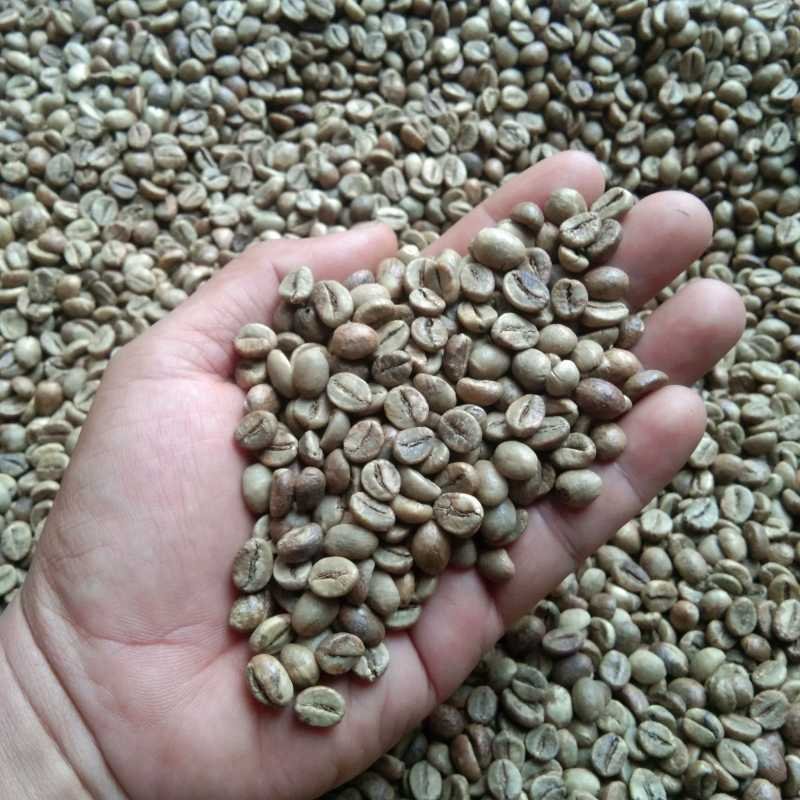
    Lampung Green Coffee, a hidden gem among coffee enthusiasts, has gained recognition for its unique flavor profile and exceptional quality. This Indonesian coffee variety hails from the lush landscapes of Lampung, a province on the southern tip of Sumatra. In this comprehensive guide, we will delve into the origins, cultivation methods, processing techniques, flavor characteristics, and the cultural significance of Lampung green coffee.

    I. Origins and Geography Lampung Green Coffee:

    Lampung, nestled between the Indian Ocean and the Sunda Strait, boasts an ideal climate and altitude for coffee cultivation. The region’s volcanic soil, combined with a tropical climate and elevation ranging from 600 to 1,500 meters above sea level, creates the perfect conditions for growing high-quality Arabica and Robusta coffee beans.

    II. Varieties of Lampung Green Coffee:

    Arabica Coffee :


    Lampung is known for producing Arabica beans that are characterized by a complex flavor profile. These beans are cultivated in higher elevations, where cooler temperatures and optimal soil conditions contribute to the development of unique and nuanced flavors.

    Robusta Coffee :


    Robusta beans from Lampung are celebrated for their bold and robust taste. These beans thrive in lower altitudes, where the warmer climate and well-drained soil result in a coffee with a distinctively strong flavor, often accompanied by earthy and woody notes.

    III. Cultivation and Harvesting:

    Lampung green coffee exceptional quality is attributed to the meticulous cultivation and harvesting processes employed by local farmers. The coffee plants are carefully tended, and the cherries are handpicked at the peak of ripeness. This attention to detail ensures that only the finest beans make their way into the production process.

    IV. Processing Methods :

    After harvesting, Lampung green coffee undergoes specific processing methods that contribute to its unique flavor characteristics. The two primary processing methods are:

    Wet Processing:


    In wet processing, the coffee cherries are pulped to remove the outer skin, and the beans are then fermented to break down the mucilage before being washed and dried. This method is favored for its ability to produce clean and bright flavors.

    Dry Processing:


    Dry processing involves sun-drying the whole cherries before mechanically removing the beans from the dried fruit. This method imparts a full-bodied and fruity flavor to the coffee, with distinct undertones that reflect the region’s terroir.

    V. Flavor Profile of Lampung Green Coffee:

    Lampung green coffee is celebrated for its unique and diverse flavor profile, influenced by factors such as altitude, climate, and processing methods. Common tasting notes include:

    Arabica:

    Floral and fruity undertones
    Bright acidity
    Wine-like complexity
    Sweet and well-balanced flavor
    Robusta:

    Bold and robust
    Earthy and woody notes
    Strong and full-bodied
    Lower acidity compared to Arabica


    VI. Cultural Significance:

    Lampung green coffee is deeply embedded in the local culture and economy. The coffee industry plays a vital role in sustaining the livelihoods of many Lampung farmers and their families. Additionally, the unique coffee varieties contribute to the cultural identity of the region, with traditional coffee ceremonies being an integral part of social gatherings.

    VII. Sustainability Practices:

    Many Lampung green coffee producers are adopting sustainable and environmentally friendly practices. From organic farming methods to eco-friendly processing, these efforts not only enhance the quality of the coffee but also contribute to the preservation of the region’s natural resources.

    VIII. Availability and Market Presence:

    While Lampung green coffee has been a well-kept secret for some time, its reputation is gaining momentum on the global stage. Specialty coffee shops and roasters are increasingly recognizing the distinct qualities of Lampung green coffee, leading to its availability in international markets.

    IX. Brewing Recommendations:

    To fully appreciate the flavors of Lampung green coffee, it is essential to choose appropriate brewing methods. Whether through pour-over, French press, or espresso, the unique characteristics of these beans shine through when brewed with precision.

    Conclusion:

    Lampung green coffee stands out as a testament to the rich coffee heritage of Indonesia. From its origins in the fertile soils of Lampung to its diverse flavor profile and cultural significance, this coffee variety is a true embodiment of the art and science of coffee production. As global interest in unique and high-quality coffees continues to grow, Lampung green coffee is poised to become a sought-after choice for discerning coffee connoisseurs worldwide.

  • Unveiling the Enigma of Luwak Coffee: A Journey Through Production and Taste

    Unveiling the Enigma of Luwak Coffee: A Journey Through Production and Taste

    Luwak coffee, also known as civet coffee, has earned a reputation as one of the most unique and sought-after coffee varieties globally. This exotic brew traces its origins to Indonesia, where a fascinating combination of nature and craftsmanship converges to create a distinctive and luxurious coffee experience. In this comprehensive exploration, we will delve into the origins, production process, flavor profile, ethical considerations, and the sustainable future of luwak coffee.

    Origins of Luwak Coffee:

    Luwak coffee finds its roots in the lush coffee plantations of Indonesia, particularly in Sumatra, Java, Bali, and Sulawesi. The term “luwak” refers to the civet, a small mammal native to these regions. The unique journey of luwak coffee begins with the civet’s selection of ripe coffee cherries as a part of its diet. The civet ingests the cherries, and during the digestion process, the beans pass through the civet’s digestive tract. This distinctive method of processing imparts a distinct flavor to the coffee beans, setting luwak coffee apart from conventional varieties.

    Production Process Luwak Coffee:

    The production of luwak coffee is an intricate process that involves careful cultivation, meticulous harvesting, and a unique fermentation phase facilitated by the civet’s digestive system.

    Cultivation and Harvesting :


    is typically cultivated in coffee estates that provide the civets with access to naturally grown coffee cherries. Farmers ensure that the cherries are ripe and of the highest quality before they are consumed by the civets.

    Digestive Fermentation :


    After ingestion, the coffee cherries go through the civet’s digestive system, where enzymes break down proteins surrounding the coffee beans. This fermentation process is crucial in imparting distinct flavors and reducing the bitterness associated with traditional coffee.

    Collection and Cleaning:


    Once the civets excrete the beans, they are carefully collected, thoroughly cleaned, and then dried. The cleaning process is meticulous to ensure the removal of any impurities while preserving the unique characteristics gained through fermentation.

    Flavor Profile:

    Luwak coffee is renowned for its exceptional flavor profile, characterized by a harmonious blend of earthy, chocolaty, and fruity notes. The fermentation process in the civet’s digestive system contributes to the coffee’s unique aroma and smooth, less acidic taste. The resulting brew is often described as rich, full-bodied, and with a lingering aftertaste that captivates the palate.

    Ethical Considerations:

    While presents a distinctive and luxurious coffee experience, ethical concerns have emerged regarding the treatment of civets in some production practices. In some cases, civets are kept in captivity and force-fed coffee cherries, leading to ethical and animal welfare issues. It is crucial for consumers to be aware of the ethical practices employed by coffee producers and choose brands that prioritize the well-being of civets.

    Sustainable Practices:

    In response to ethical concerns, an increasing number of coffee producers are adopting sustainable and ethical practices in luwak coffee production. These practices include:

    Wild Civet Coffee Production:


    Some coffee producers allow civets to roam freely in their natural habitat, selecting and consuming coffee cherries at their discretion. This ensures a more ethical and sustainable approach to luwak coffee production.

    Kopi luwak is a rare coffee. I drank in Bali.

    Certifications and Transparency:


    Ethical luwak coffee producers often obtain certifications such as Rainforest Alliance or UTZ to demonstrate their commitment to sustainability and ethical practices. Transparent supply chains that trace the journey of coffee from cultivation to cup are becoming more common.

    Community Engagement:
    Sustainable luwak coffee production involves engaging local communities in the process. This includes fair wages for coffee farmers, community development initiatives, and environmental conservation efforts.

    Conclusion:

    Luwak coffee stands as a testament to the intersection of nature, craftsmanship, and luxury in the world of coffee. Its unique production process and distinct flavor profile have captured the fascination of coffee connoisseurs globally. However, the ethical considerations surrounding luwak coffee production highlight the importance of choosing brands that prioritize the well-being of civets and embrace sustainable practices. As consumers, being informed about the origins and production methods of luwak coffee allows us to make choices that align with our values and contribute to the promotion of ethical and sustainable coffee practices.

  • Exploring the Richness of Indonesian Coffee: From Plantation to Cup

    Exploring the Richness of Indonesian Coffee: From Plantation to Cup

    the Richness of Indonesian Coffee, with its diverse archipelago, is not only a haven for breathtaking landscapes but also a treasure trove for coffee enthusiasts. Renowned for its distinctive flavors and unique processing methods, Indonesian coffee has carved a niche for itself in the global coffee market. In this comprehensive guide, we will delve into the world of the finest Indonesian coffee, exploring its origins, varieties, cultivation, processing techniques, and the unparalleled coffee culture that defines this Southeast Asian nation.
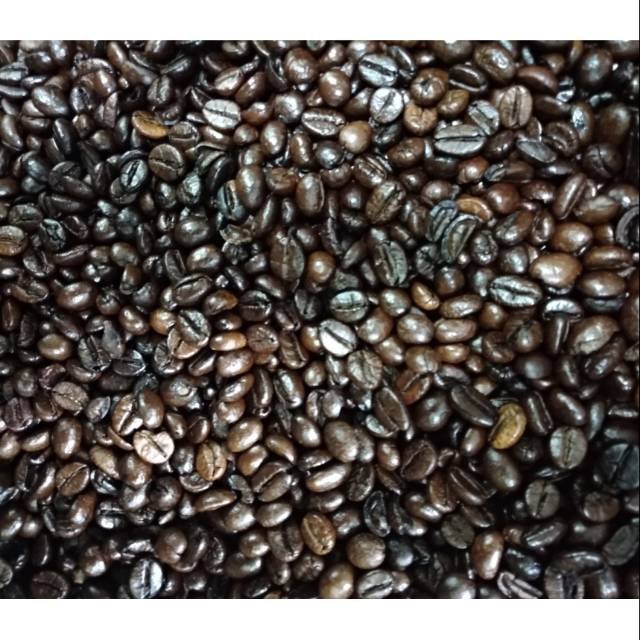
    The Origin the Richness of Indonesian Coffee

    The history of coffee cultivation in Indonesia dates back to the late 1600s when the Dutch brought Arabica coffee plants to the archipelago. The fertile volcanic soil, high altitudes, and tropical climate created ideal conditions for coffee cultivation. Over the centuries, Indonesia has become a major player in the international coffee industry, with several regions gaining recognition for producing some of the finest coffee beans in the world.

    Notable Indonesian Coffee Varieties

    Sumatra Mandheling the Richness of Indonesian Coffee

    Grown on the volcanic slopes of Mount Leuser in Sumatra, Mandheling coffee is celebrated for its full body, low acidity, and earthy, chocolatey undertones. The wet-hulling process unique to Sumatra contributes to its distinct flavor profile.
    Java Arabica

    indonesia coffee

    Java, one of the first places outside of Arabia to cultivate coffee, is renowned for its Arabica beans. These beans are characterized by a mild acidity, medium body, and a well-balanced flavor profile with hints of spice and a clean finish.


    Bali Kintamani the Richness of Indonesian Coffee

    Grown in the highlands of Mount Batur, Bali Kintamani coffee is distinguished by its bright acidity, medium body, and fruity notes. The unique microclimate of the Kintamani region contributes to the exceptional quality of these beans.
    Toraja Sulawesi

    Hailing from the highlands of Sulawesi, Toraja coffee is known for its full body, low acidity, and complex flavor profile. The beans are traditionally processed using the “Giling Basah” method, resulting in a unique cup with spicy and herbal notes.


    Cultivation and Processing Techniques

    Indonesian coffee is cultivated across various islands, each offering a distinct terroir that influences the final cup. The volcanic soil of islands like Sumatra and Java imparts unique mineral characteristics to the beans, while the high-altitude regions, such as Kintamani in Bali, contribute to the bright acidity found in their coffee.

    The processing methods employed in Indonesia are equally crucial to the flavor development of the beans. One distinctive technique is the wet-hulling process, locally known as “Giling Basah.” This method involves removing the parchment from the coffee beans at a higher moisture content, resulting in a distinctly bold and earthy flavor.

    Harvesting typically takes place between May and October, with farmers meticulously hand-picking the ripe cherries. The commitment to manual harvesting ensures the selection of only the highest-quality beans, contributing to the overall excellence of Indonesian coffee.

    Coffee Culture in Indonesia

    Coffee is not merely a beverage in Indonesia; it is a cultural experience that brings people together. The traditional method of serving coffee is often a ritualistic affair, involving intricate processes such as manual brewing using a “kopi tubruk” pot or a cloth filter known as a “kopi tubruk,” which enhances the richness of the coffee.

    Indonesian coffee shops, locally known as “warungs,” are integral to the social fabric. These establishments not only offer a place to savor a cup of freshly brewed coffee but also serve as communal spaces where locals gather to engage in conversation, share stories, and enjoy the warmth of their coffee culture.

    the Richness of Indonesian Coffee Keyword

    Among the diverse array of Indonesian coffee options, the term “finest Indonesian coffee” encapsulates the superior quality and exceptional characteristics that set these beans apart. Whether it’s the bold Sumatra Mandheling, the classic Java Arabica, the fruity Bali Kintamani, or the complex Toraja Sulawesi, the finest Indonesian coffee represents the pinnacle of coffee craftsmanship from the archipelago.

    Conclusion

    In conclusion, the world of Indonesian coffee is a captivating journey through diverse landscapes, rich history, and unparalleled craftsmanship. The finest Indonesian coffee, with its unique varieties, cultivation methods, and cultural significance, stands as a testament to the nation’s commitment to excellence in coffee production. Whether you’re a seasoned coffee connoisseur or a casual drinker, exploring the flavors of Indonesian coffee is an adventure that promises to delight the senses and leave a lasting impression on your palate.