document.documentElement.classList.add("cf-on");'; return; } ?>

Author: Abi

  • Discovering the Rich Heritage and Unique Flavors of Aceh Coffee

    Discovering the Rich Heritage and Unique Flavors of Aceh Coffee

    Flavors of Aceh Coffee, a jewel in the world of coffee, holds a distinctive place in the hearts of coffee enthusiasts. Nestled in the northern tip of Sumatra, Indonesia, the Aceh region boasts a rich cultural heritage and a unique coffee profile that sets it apart from other coffee-producing regions. In this exploration, we delve into the history, cultivation, processing methods, and the unparalleled flavors that make Aceh Coffee a true gem.

    History and Heritage Flavors of Aceh Coffee:


    Coffee cultivation in Aceh dates back to the 17th century, introduced by the Dutch during their colonial rule. The region’s lush landscapes and high altitudes proved to be ideal for cultivating Arabica coffee, contributing to the growth of a robust coffee culture. The Acehnese people embraced coffee as a central part of their daily life, leading to the establishment of coffee as a symbol of social gatherings and hospitality.
    Geography and Climate Flavors of Aceh Coffee:


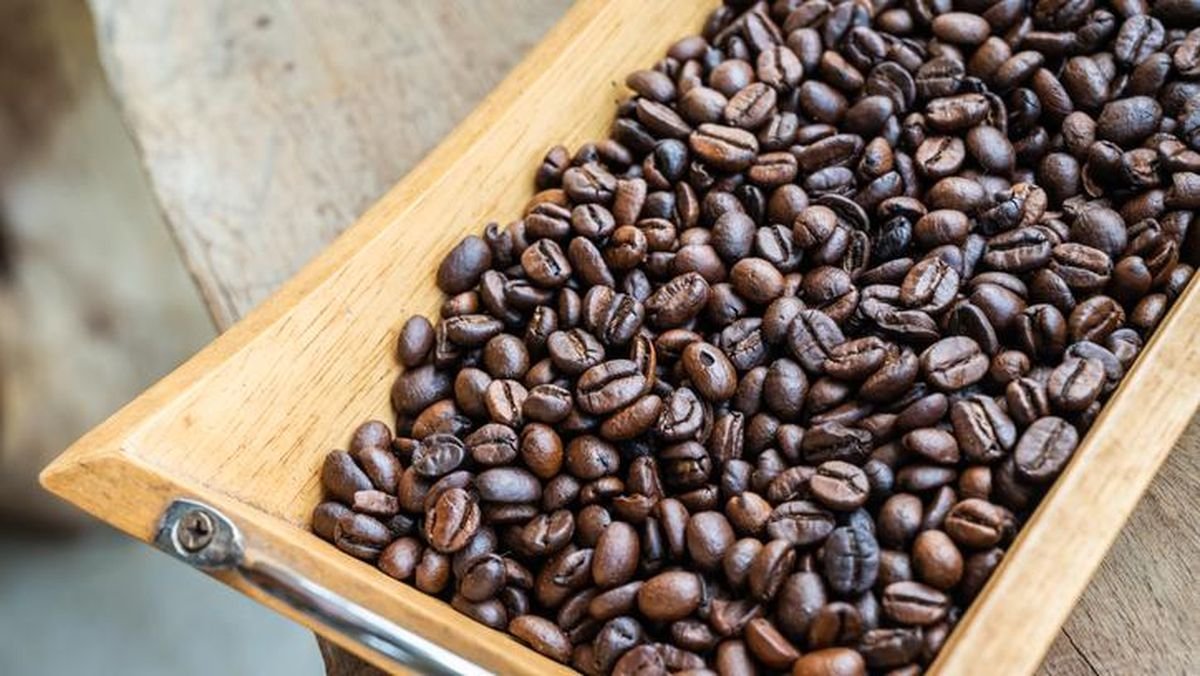
    The geography of Aceh plays a pivotal role in shaping the unique characteristics of its coffee. The high altitudes, volcanic soil, and the proximity to the equator create an optimal environment for growing Arabica coffee beans. The Gayo Highlands, in particular, are renowned for producing some of the finest Arabica beans in the world. The combination of elevation and climate imparts a distinctive flavor profile to Coffee Aceh, characterized by a harmonious balance of acidity and body.

    Cultivation and Varieties:


    Aceh primarily cultivates Arabica coffee, with Bourbon and Timor Hybrid being popular varieties. The cultivation process involves careful attention to altitude, shade, and soil quality. Many farmers in the region still employ traditional, eco-friendly farming methods, emphasizing sustainability and the preservation of the natural ecosystem.

    Processing Methods Flavors of Aceh Coffee:


    Once the coffee cherries are harvested, Acehnese farmers employ meticulous processing methods to ensure the highest quality beans. The wet-hulling, or “Giling Basah” method, is widely used in Aceh. This unique process involves pulping the coffee beans when they are still wet, leading to a distinct flavor profile with lower acidity and a fuller body. The method is a testament to the traditional practices that have been passed down through generations.

    Flavor Profile:


    Aceh Coffee flavor profile is a true reflection of its terroir and processing methods. A well-brewed cup often exhibits a complex interplay of earthy tones, hints of dark chocolate, and a subtle spiciness. The low acidity and full body make it a favorite among those who appreciate a rich and bold coffee experience. Each sip tells a story of the region’s volcanic soils and the meticulous care taken during cultivation and processing.

    Social Impact and Sustainability:


    Coffee farming is not just a livelihood in Aceh; it is deeply ingrained in the social fabric of the region. Many coffee farmers in Aceh are part of cooperatives that emphasize fair trade practices, ensuring that the benefits of the coffee industry are shared equitably. Additionally, there is a growing emphasis on sustainable and organic farming practices, reflecting a commitment to preserving the environment and the quality of the coffee produced.

    Challenges and Resilience:


    While Aceh Coffee has gained international acclaim, the region has faced its share of challenges. Natural disasters, such as the 2004 tsunami, and political instability have impacted coffee production. However, the resilience of Acehnese coffee farmers and their commitment to their craft have helped the industry recover and continue to thrive.

    Culinary Applications :


    Beyond being enjoyed in a cup, Aceh Coffee has found its way into culinary creations. Local chefs incorporate coffee into traditional dishes, desserts, and even savory sauces, showcasing the versatility of these unique beans. The aromatic qualities of Aceh Coffee add depth and complexity to various recipes, offering a delightful fusion of flavors.

    Tourism and Experiences Flavors of Aceh Coffee:


    Recognizing the allure of Coffee Aceh, the region has started to embrace coffee tourism. Visitors have the opportunity to explore coffee plantations, witness the harvesting and processing stages, and participate in coffee tasting sessions. This immersive experience allows coffee enthusiasts to connect with the cultural and agricultural aspects of Coffee Aceh.

    Conclusion Flavors of Aceh Coffee:


    Aceh Coffee is more than just a beverage; it is a reflection of a rich cultural heritage, a commitment to sustainability, and the resilience of a community. From the volcanic highlands to your cup, each step in the journey of Coffee Aceh contributes to its unique flavors and character. As we savor each sip, we not only enjoy a delicious cup of coffee but also become part of the ongoing story of this extraordinary Indonesian coffee.


  • Bali Coffee at Home: A Comprehensive Guide to Authentic Flavors

    Bali Coffee at Home: A Comprehensive Guide to Authentic Flavors

    Bali Coffee at Home. With its rich cultural heritage and distinct flavor profile, Balinese coffee offers a unique experience that transcends the ordinary. In this comprehensive guide, we’ll walk you through the steps to craft the perfect cup, ensuring that the essence of Bali coffee is captured in every sip. From selecting the finest beans to embracing traditional brewing methods, this guide is your key to unlocking the authentic taste of Bali in the comfort of your own kitchen.

    The Distinctive Essence of Bali Coffee

    Balinese coffee, grown in the fertile volcanic soil of Bali, boasts a unique combination of earthy, spicy, and fruity notes. The island’s favorable climate and elevation contribute to the exceptional quality of the beans. To start your journey, it’s crucial to select premium Balinese coffee beans. These beans, often a blend of Arabica and Robusta varieties, form the foundation of the distinctive flavors that make Balinese coffee a sought-after indulgence.

    Selecting the Finest Bali Coffee at Home

    Begin your Bali coffee adventure by carefully choosing high-quality beans. Local markets and specialty stores are ideal places to find freshly roasted Balinese coffee beans. Pay attention to the roast date to ensure freshness, as this directly impacts the flavor. Whether you prefer a bold and robust brew or a more nuanced flavor profile, experimenting with different blends will help you discover the perfect match for your taste buds.

    Embracing Traditional Brewing Methods

    Balinese coffee is renowned for its traditional brewing methods, each revealing a piece of the island’s cultural heritage. The “tubruk” method is a popular choice, involving boiling coarsely ground coffee with water and sugar. This process results in a strong, sweetened coffee that reflects the essence of Balinese culture. Alternatively, explore other techniques like pour-over or French press, adjusting variables such as grind size and brewing time to tailor the experience to your liking.

    Perfecting Your Brew

    The key to a perfect cup of Balinese coffee lies in attention to detail. Experiment with ratios, grind sizes, and brewing times to find the balance that suits your palate. Enhance your brew by adding traditional Balinese spices like cardamom or cloves for an extra layer of complexity. Allow yourself the flexibility to customize the process, ensuring that every cup is a unique and enjoyable experience.

    Enhancing the Balinese Coffee Experience

    To elevate your Balinese coffee ritual, consider pairing it with traditional Balinese snacks or desserts. This not only complements the flavors but also creates an immersive cultural experience. Invest in authentic Balinese coffee accessories, such as a traditional coffee pot or unique serving cups, to add a touch of tradition to your brewing journey.

    The Time-Honored Ritual: Embracing Traditional Brewing Methods


    Balinese coffee is not merely a beverage; it is a cultural expression woven into the fabric of tradition. The “tubruk” method, a cherished practice, involves the ritualistic boiling of coarsely ground coffee with water and sugar. This ancient process imparts a robust and sweetened essence, providing a window into the cultural heartbeat of Bali. However, the exploration does not end here; alternate techniques such as pour-over or French press can be embraced, allowing for a personalized journey. Experimenting with variables like grind size and brewing time further enriches your experience.

    Conclusion Balinese Coffee at Home

    Brewing Balinese coffee at home is a fulfilling venture that connects you with the rich traditions of Bali. Through careful bean selection and the embrace of traditional brewing methods, you can unlock the authentic flavors that make Balinese coffee a true delight. Let this guide be your companion on a flavorful journey, and relish the enchanting taste of Bali in every meticulously brewed cup. Brewing Balinese coffee at home isn’t just about making a beverage; it’s about creating an experience that captures the essence of this beautiful island in every sip.

  • Toraja Coffee Elegance: Savoring Indonesia’s Finest Brew

    Toraja Coffee Elegance: Savoring Indonesia’s Finest Brew

    Toraja Coffee In the lush highlands of Sulawesi, Indonesia, lies the picturesque region of Toraja, renowned for its breathtaking landscapes and, notably, its exquisite coffee beans. Toraja coffee, a hidden gem among coffee connoisseurs, offers a unique and captivating experience that goes beyond the ordinary cup of joe. This comprehensive exploration will delve into the rich history, cultivation practices, flavor profiles, and the cultural significance of Toraja coffee.

    A Historical Prelude:


    Toraja coffee has a history deeply rooted in the cultural tapestry of Sulawesi. Introduced by Dutch colonizers in the late 19th century, coffee cultivation became an integral part of Toraja’s agricultural landscape. The Toraja people, known for their strong cultural identity, embraced coffee farming as a tradition, passing down the knowledge and techniques through generations.

    Unique Growing Conditions:


    The Toraja region’s elevation, volcanic soil, and distinct microclimate create optimal conditions for growing Arabica coffee beans. The Toraja highlands, sitting at an altitude between 1,000 and 2,000 meters, provide a cool and humid environment — ideal for slow ripening and developing the complex flavors that characterize Toraja coffee.

    Cultivation Practices:


    Toraja coffee is predominantly grown in small family-owned farms using traditional methods. The farmers meticulously tend to their coffee plants, handpicking the ripe cherries during the harvest season. This labor-intensive process ensures that only the highest-quality beans make their way into your cup.

    Flavor Profiles:


    One of the most alluring aspects of Toraja coffee is its unique flavor profile. Toraja Arabica is celebrated for its full body, low acidity, and a nuanced combination of earthy, herbal, and fruity notes. The beans undergo a meticulous sun-drying process, enhancing the flavors and producing a cup of coffee that is both bold and remarkably smooth.

    Processing Methods:


    The traditional ‘wet-hulling’ method, locally known as ‘Giling Basah,’ is commonly employed in Toraja. This method involves removing the parchment layer from the coffee beans while they still retain a significant amount of moisture. The result is a distinctive flavor profile, setting Toraja coffee apart from other Indonesian varieties.

    Cultural Significance:


    Toraja coffee is not just a beverage; it’s a cultural emblem for the Toraja people. The coffee ceremonies, often accompanied by traditional rituals, symbolize hospitality, unity, and community bonding. Visitors to Toraja are welcomed with a cup of freshly brewed coffee, fostering a sense of connection and warmth.

    Sustainable Practices:


    In recent years, Toraja coffee farmers have embraced sustainable and organic farming practices. By prioritizing environmental conservation and ethical labor practices, they ensure the longevity of their coffee crops and contribute to the global movement towards responsible coffee production.

    Toraja Coffee Elegance on the Global Stage:


    Despite its relatively low production volume compared to other coffee-producing regions, Toraja coffee has gained international acclaim for its exceptional quality. Specialty coffee enthusiasts around the world seek out Toraja beans for a distinctive and unparalleled coffee experience.

    Culinary Pairings:


    The versatility of Toraja coffee extends beyond the morning routine. Its unique flavor profile makes it an excellent companion to a variety of culinary delights. From rich chocolate desserts to savory dishes, Toraja coffee’s depth enhances the overall dining experience.

    Conclusion Toraja Coffee Elegance:


    In the heart of Sulawesi, Toraja coffee stands as a testament to the harmonious blend of tradition, nature, and craftsmanship. From the careful cultivation by local farmers to the unique flavor profiles that captivate the palate, Toraja coffee offers a sensory journey that transcends the ordinary. As you savor the distinct aromas and flavors in each cup, you’re not just tasting coffee; you’re immersing yourself in the cultural and historical richness of Toraja, one sip at a time.

  • Java Arabica Elegance: Unveiling the Rich Flavor of Java Arabica Coffee Beans

    Java Arabica Elegance: Unveiling the Rich Flavor of Java Arabica Coffee Beans

    Java Arabica Elegance represents the epitome of fine coffee craftsmanship, encapsulating the rich heritage and distinctive flavors of Java Arabica coffee beans. In this comprehensive exploration, we delve into the origin, cultivation, processing, and unique characteristics that define the exceptional Java Arabica Elegance.

    Origin and Heritage:

    Java Arabica coffee beans trace their roots to the lush volcanic soils of the Indonesian archipelago, specifically the island of Java. Renowned for its ideal climate and altitude, Java has been a prime region for coffee cultivation since the 17th century. The combination of tropical climate, high altitude, and fertile soil contributes to the exceptional quality and flavor profile of Java Arabica coffee.

    Cultivation Practices:

    The cultivation of Java Arabica coffee involves meticulous attention to detail. Local farmers employ traditional methods passed down through generations, emphasizing sustainable practices. The altitude at which these beans are grown plays a crucial role in the development of their nuanced flavors. The gradual ripening process at higher elevations imparts a complexity and depth to the beans, setting them apart from other coffee varieties.

    Harvesting and Processing:

    Harvesting Java Arabica coffee beans is a labor-intensive process that requires precision and care. Skilled farmers selectively pick only the ripest cherries, ensuring optimal flavor development. Following harvesting, the beans undergo a meticulous processing method, often involving the wet or dry method. This crucial stage significantly influences the final taste profile, accentuating the unique characteristics of Java Arabica Elegance.

    Flavor Profile Java Arabica Elegance:

    The hallmark of Java Arabica Elegance lies in its distinct flavor profile. Renowned for its moderate acidity, full body, and subtle earthy undertones, this coffee offers a well-balanced and sophisticated taste experience. Notes of chocolate, floral hints, and a mild sweetness further enhance the overall complexity, making Java Arabica Elegance a connoisseur’s delight.

    Sustainability and Ethical Practices:

    Java Arabica Elegance is not only celebrated for its exceptional taste but also for the commitment to sustainability within the coffee industry. Many Java coffee farmers adhere to ethical practices, promoting fair trade and environmentally conscious cultivation. This ensures that the production of Java Arabica coffee beans contributes positively to both the local community and the global coffee industry.

    Brewing and Enjoying Java Arabica Elegance:

    To truly savor the essence of Java arabica Elegance, the brewing process requires careful consideration. Whether using a pour-over, French press, or espresso machine, the grind size, water temperature, and brewing time all play pivotal roles in extracting the optimal flavors from these beans. The result is a cup of coffee that exemplifies the sophistication and elegance inherent in Java Arabica coffee.

    Culinary Pairings and Versatility:

    Java Arabica Elegance’s versatile flavor profile makes it an ideal companion for various culinary pairings. Whether enjoyed with delicate pastries, bold cheeses, or as an ingredient in culinary creations, the nuanced taste of Java Arabica Elegance elevates the overall gastronomic experience.

    Java Arabica Elegance in the Global Market:

    As the global appreciation for specialty coffee continues to rise, Java Arabica Elegance has secured its place as a sought-after and distinguished coffee variety. Roasters and coffee enthusiasts worldwide recognize and celebrate the unique attributes that make Java Arabica Elegance a standout in the competitive coffee market.

    Conclusion Java Arabica Elegance:

    Java Arabica Elegance stands as a testament to the rich heritage, meticulous craftsmanship, and exceptional quality that define the world of specialty coffee. From its origins in the volcanic soils of Java to the skilled hands that cultivate and process these beans, every step of the journey contributes to the exquisite tapestry of Java Arabica Elegance. For those seeking a coffee experience that transcends the ordinary, Java Arabica Elegance delivers a symphony of flavors that captivate the senses and leave a lasting impression.

  • Bali Brew: Discovering the Richness of Bali Coffee Beans

    Bali Brew: Discovering the Richness of Bali Coffee Beans

    the Richness of Bali Coffee Beans, an Indonesian paradise renowned for its lush landscapes and vibrant culture, is not only a haven for beach enthusiasts but also a treasure trove for coffee connoisseurs. In the heart of this tropical island, the coffee plantations produce a unique and distinctive brew that captures the essence of Bali’s rich soil and favorable climate. Join us on a journey as we explore the enchanting world of Balinese coffee beans, delving into their history, cultivation, and the exquisite flavors that make them a standout in the global coffee scene.

    Historical Roots:

    The story of Balinese coffee dates back to the Dutch colonial era when the first coffee plants were introduced to the island. The volcanic soil and optimal climate of Bali proved to be the perfect breeding ground for these beans. Over the years, coffee cultivation became an integral part of the island’s agricultural landscape, intertwining with its cultural fabric.

    Varieties of Bali Coffee Beans:

    Bali boasts a diverse range of coffee varieties, with Arabica and Robusta being the most prominent. Arabica, grown at higher altitudes, is celebrated for its nuanced flavors and aromatic profile. On the other hand, Robusta, cultivated in the lowlands, is known for its robust body and higher caffeine content. The harmonious blend of these varieties contributes to the unique character of Balinese coffee.
    The Cultivation Process:

    Balinese coffee cultivation is a meticulous process that combines traditional farming methods with modern agricultural practices. Farmers carefully nurture the coffee plants, ensuring they receive the right balance of sunlight, water, and nutrients. The use of sustainable and organic farming methods is increasingly gaining popularity, reflecting Bali’s commitment to environmental conservation.

    Unique Growing Conditions the Richness of Bali Coffee Beans:

    The island’s volcanic soil imparts distinctive characteristics to the coffee beans, creating a flavor profile that stands out in the world of coffee. The altitude, humidity, and temperature variations contribute to the complexity of Balinese coffee, offering a truly unique and unforgettable tasting experience.

    Traditional Baline Coffee Processing:

    Once the coffee cherries are harvested, they undergo a meticulous processing method. The traditional method involves sun-drying the beans, allowing them to absorb the flavors of the tropical surroundings. This artisanal approach contributes to the nuanced taste and aroma that defines Balinese coffee.

    The Role of Bali Coffee in Culture:

    Coffee in Bali is not just a beverage; it’s an integral part of the island’s culture and hospitality. The traditional Bali coffee ceremony, known as “ngopi,” is a ritual that symbolizes community and connection. It’s a time for friends and family to gather, share stories, and savor the rich flavors of freshly brewed coffee.

    As Bali continues to embrace its position on the global coffee stage, innovative approaches to coffee production are emerging. Specialty coffee shops and boutique roasters are showcasing the diversity of Balinese coffee, experimenting with unique blends and processing methods to cater to the evolving tastes of coffee enthusiasts worldwide.

    Sustainability and Social Responsibility:

    Bali’s coffee industry is increasingly prioritizing sustainability and social responsibility. Many coffee plantations are adopting eco-friendly practices, supporting local communities, and ensuring fair wages for workers. This commitment reflects the island’s dedication to preserving its natural resources and promoting ethical business practices.

    Exploring Balinese Coffee Culture:

    For those seeking an immersive experience, a visit to Balinese coffee plantations is a must. Guided tours offer the opportunity to witness the entire coffee production process, from seed to cup. Visitors can engage with local farmers, participate in traditional coffee ceremonies, and, of course, savor the exquisite flavors of Balinese coffee in its place of origin.

    Bringing Bali Brew Home the Richness of Bali Coffee Beans:

    Fortunately, the enchantment of Balinese coffee is not limited to the island itself. With the rise of online platforms and specialty coffee retailers, enthusiasts can now bring home the unique flavors of Bali. From freshly roasted beans to carefully crafted blends, the richness of Balinese coffee is just a click away, allowing coffee lovers worldwide to experience a taste of this tropical paradise.

    Conclusion the Richness of Bali Coffee Beans:

    Bali Brew is not just a beverage; it’s a sensory journey that encapsulates the spirit of Bali. From the historical roots to the modern innovations, Balinese coffee beans offer a rich tapestry of flavors and aromas. Whether you’re a seasoned coffee enthusiast or a casual drinker, exploring the world of Bali Brew is a delightful adventure into the heart of one of the world’s most enchanting coffee cultures.

  • Sumatra’s Rich Brew: Exploring the Unique Flavors of Sumatra Coffee Beans

    Sumatra’s Rich Brew: Exploring the Unique Flavors of Sumatra Coffee Beans

    Exploring the Unique Flavors of Sumatra Coffee Beans, an island nestled in the heart of Indonesia, is renowned for producing some of the world’s most distinctive and sought-after coffee beans. Sumatra coffee, known for its unique flavor profile and complex characteristics, has captivated the palates of coffee enthusiasts around the globe. In this comprehensive exploration, we will delve into the origins, cultivation methods, processing techniques, and the unparalleled taste of Sumatra coffee beans.

    I. Origins of Sumatra Coffee

    A. Geographical Landscape

    Sumatra, the sixth-largest island globally, boasts a diverse geography that plays a crucial role in shaping the flavors of its coffee. The island’s volcanic soil, high altitudes, and lush tropical climate contribute to the ideal conditions for cultivating Arabica and Robusta coffee varieties.

    B. Coffee Growing Regions

    Sumatra is home to several distinct coffee-growing regions, each imparting its unique characteristics to the beans. Notable regions include Aceh, Mandheling, Gayo, and Lintong, each known for specific flavor profiles and nuances.

    II. Varieties of Sumatra Coffee

    A. Arabica Varieties


    Mandheling coffee, grown in the Mandheling region, is celebrated for its full body, low acidity, and earthy, chocolatey undertones. The beans undergo a wet-hulling process, a traditional method in Sumatra, contributing to the region’s signature flavor.

    Sumatra Coffee


    Gayo coffee, cultivated in the Gayo Highlands, is characterized by its vibrant acidity, herbal notes, and a hint of fruitiness. The unique microclimate and meticulous farming practices contribute to Gayo’s distinct taste.

    B. Robusta Varieties


    Aceh Gayo, a Robusta variety, hails from the Aceh region. Known for its bold, robust flavor, low acidity, and hints of spice, Aceh Gayo undergoes a wet-hulling process that enhances its earthy and intense characteristics.

    III. Cultivation and Processing Exploring the Unique Flavors of Sumatra Coffee Beans

    A. Traditional Farming Practices

    Sumatra’s coffee farmers employ traditional and sustainable farming practices, often passed down through generations. The use of shade-grown methods and organic farming contributes to the overall quality and environmental sustainability of Sumatra coffee.

    B. Wet-Hulling Process

    One of the defining features of Sumatra coffee is its unique wet-hulling processing method, locally known as “Giling Basah.” This process involves removing the coffee parchment while the beans still have a high moisture content. It results in a distinct flavor profile, characterized by a full body, lower acidity, and a unique musty or herbal quality.

    IV. Flavor Profile and Characteristics

    Sumatra coffee’s flavor profile is a tapestry of rich and complex notes that set it apart from other coffee origins.

    A. Tasting Notes

    Earthy Undertones: Sumatra coffee is often praised for its earthy and woody characteristics, reminiscent of damp forest floors.

    Full Body: The beans’ full body contributes to a creamy mouthfeel, providing a satisfying and robust coffee experience.

    Low Acidity: Sumatra coffee is known for its low acidity, making it an excellent choice for those who prefer a smoother cup without the sharp tang.

    Herbal and Spicy Notes: Depending on the region and processing method, Sumatra coffee can exhibit herbal and spicy undertones, adding layers of complexity to the flavor profile.

    V. Brewing Recommendations

    To fully appreciate the nuances of Sumatra coffee, it’s essential to use brewing methods that highlight its unique characteristics.

    French Press: The full-bodied nature of Sumatra coffee shines in a French press, allowing the oils and flavors to be fully extracted.

    Pour-Over: For a cleaner cup with pronounced acidity, a pour-over method can accentuate the nuanced flavors of Sumatra coffee.

    Espresso: Sumatra coffee’s bold and intense qualities make it an excellent choice for espresso lovers, providing a rich and flavorful shot.

    VI. Sumatra Coffee in the Global Market

    A. Specialty Coffee Industry

    Sumatra coffee has carved a niche in the specialty coffee market, where discerning consumers seek unique and high-quality beans. The distinctiveness of Sumatra coffee has led to its inclusion in various blends and single-origin offerings from specialty coffee roasters worldwide.

    B. Sustainable Practices

    Many coffee producers in Sumatra prioritize sustainability, implementing practices that benefit both the environment and local communities. Certification programs such as Fair Trade and Rainforest Alliance are increasingly common, ensuring that Sumatra coffee is not only delicious but also ethically sourced.

    VII. Challenges and Opportunities

    Despite its global popularity, the Sumatra coffee industry faces challenges such as climate change, pest pressures, and market fluctuations. However, opportunities for improvement and innovation exist, including the adoption of advanced farming techniques, increased sustainability efforts, and ongoing collaborations between farmers and the global coffee community.

    Conclusion

    Sumatra coffee stands as a testament to the rich tapestry of flavors that the world of coffee has to offer. From the volcanic slopes to the hands of skilled farmers, the journey of Sumatra coffee beans is a fascinating exploration of culture, tradition, and the pursuit of excellence. Whether enjoyed in a cozy café or brewed at home, Sumatra coffee continues to captivate coffee connoisseurs with its unparalleled taste and distinctive character, making it a true gem in the world of specialty coffee.

  • Robusta Resurgence: Brewing Strength in Every Sip

    Robusta Resurgence: Brewing Strength in Every Sip

    Robusta Resurgence: Brewing Strength in Every Sip: Unlocking the Bold Flavors of Robusta Coffee, often overshadowed by its more popular counterpart, Arabica, possesses a distinct boldness that sets it apart in the world of coffee. While Arabica is celebrated for its nuanced flavors and aromatic qualities, Robusta holds its own with a robust and intense character. In this exploration of Robusta coffee, we delve into its origins, cultivation, unique attributes, and the reasons behind its growing popularity among coffee connoisseurs.

    The Origins of Robusta Coffee

    Robusta coffee (Coffea canephora) traces its roots to central and western sub-Saharan Africa. Discovered in the lowland forests of West Africa, Robusta earned its name due to its robust nature, thriving in diverse climates and altitudes. The plant’s resilience against pests and diseases made it an attractive choice for cultivation, leading to its spread to various coffee-producing regions across the globe.

    Robusta Coffee

    Cultivation and Growing Regions

    Today, Robusta coffee is cultivated in several countries, with Vietnam, Brazil, and Indonesia being prominent producers. The plant flourishes in warmer climates with temperatures ranging from 24 to 30 degrees Celsius (75 to 86 degrees Fahrenheit). Unlike Arabica, Robusta is well-suited to lower altitudes, making it adaptable to a wider range of environments.

    Robusta Coffee beans are characterized by their higher caffeine content, providing a natural defense mechanism against pests. The hardier nature of the plant allows it to thrive in areas where Arabica might struggle, making it an essential component of many coffee blends.

    Distinctive Flavor Profile

    The key feature that distinguishes Robusta from Arabica is its bold and intense flavor. Robusta coffee is often described as having a strong, full-bodied taste with a slightly astringent or bitter edge. The flavor profile includes earthy, woody, and nutty notes, creating a coffee experience that stands out from the more delicate and nuanced Arabica varieties.

    The higher caffeine content in Robusta contributes to its boldness, delivering a more powerful and energizing cup. While some may find the bitterness a challenge, many coffee enthusiasts appreciate the robust flavor as a wake-up call to their senses.

    Popularity Among Coffee Connoisseurs

    In recent years, Robusta coffee has gained recognition and popularity among coffee connoisseurs and specialty coffee enthusiasts. Its unique characteristics have been embraced for blending purposes, adding depth and strength to various coffee blends. Additionally, the growing interest in single-origin coffees has led to an increased appreciation for the distinctive qualities of Robusta.

    The specialty coffee industry’s focus on transparency and sustainability has also played a role in Robusta’s resurgence. Responsible farming practices and increased awareness of the challenges faced by coffee farmers have led to a greater appreciation for the versatility and economic viability of Robusta cultivation.

    Robusta Resurgence: Brewing Strength in Every Sip

    Beyond its bold flavor, Robusta coffee offers certain health benefits. The higher caffeine content can provide a more robust energy boost, making it an ideal choice for those seeking a potent pick-me-up. Additionally, research suggests that the antioxidant levels in Robusta coffee may contribute to various health benefits, including improved cognitive function and a reduced risk of certain diseases.

    Challenges and Opportunities in Robusta Cultivation Robusta Resurgence: Brewing Strength in Every Sip

    While Robusta coffee has its strengths, it also faces challenges. Climate change, pests, and diseases can pose significant threats to Robusta crops. Sustainable farming practices, investment in research, and the development of disease-resistant varieties are crucial for the long-term viability of Robusta cultivation.

    In conclusion, Robusta coffee, with its bold flavors and resilient nature, is carving out a distinctive place in the world of coffee. As coffee enthusiasts and industry professionals continue to explore and appreciate the unique qualities of Robusta, it is clear that this variety is more than just a supporting player—it is a star in its own right, contributing richness and depth to the diverse tapestry of the global coffee culture. Whether enjoyed on its own or as part of a carefully crafted blend, Robusta coffee invites us to savor the boldness and complexity that sets it apart in the ever-evolving world of coffee appreciation.

  • Exploring the Richness of Indonesia’s Roasted Coffee

    Exploring the Richness of Indonesia’s Roasted Coffee

    Indonesia’s Roasted Coffee, a sprawling archipelago known for its diverse landscapes and vibrant culture, has also earned a distinguished place on the global coffee map. Renowned for its unique coffee varieties and traditional roasting methods, Indonesian roasted coffee has become a cherished gem among coffee enthusiasts worldwide.

    The Origins of Indonesian Coffee

    The journey of Indonesia’s coffee culture dates back to the late 1600s when Dutch colonialists introduced Arabica coffee to the region. Over the centuries, the fertile volcanic soil and tropical climate of islands such as Java, Sumatra, Sulawesi, and Bali proved to be ideal for coffee cultivation. Today, Indonesia is celebrated for producing some of the world’s most distinctive and sought-after coffee beans.

    Indonesia's Roasted Coffee

    Varieties of Exploring the Richness of Indonesia’s Roasted Coffee

    One of the hallmarks of Indonesian coffee is its variety. Sumatra Mandheling, Java Arabica, Sulawesi Toraja, and Bali Kintamani are just a few examples of the diverse coffee varieties cultivated across the archipelago. Each region boasts unique flavor profiles, influenced by factors such as altitude, soil composition, and local processing techniques.

    Traditional Roasting Techniques

    What sets Indonesian roasted coffee apart is the meticulous and time-honored roasting methods employed by local farmers. Many still adhere to traditional processes, utilizing wood-fired drum roasters that impart a distinct smoky flavor to the beans. This hands-on approach, passed down through generations, adds a cultural touch to the coffee and contributes to its exceptional taste.

    Unique Flavor Profiles Indonesia’s Roasted Coffee

    Indonesian coffee is celebrated for its rich, full-bodied taste and low acidity. The volcanic soil imparts a unique earthiness, while the combination of traditional wet-hulling and natural drying processes enhances the beans’ complexity. Notes of dark chocolate, spices, and a hint of tropical fruit often characterize the flavor profiles, creating a sensory experience that captivates coffee connoisseurs.

    Sustainable Farming Practices

    In recent years, there has been a growing emphasis on sustainable and eco-friendly coffee farming in Indonesia. Many farmers are adopting organic methods, promoting biodiversity, and participating in fair trade initiatives. This not only ensures the preservation of the environment but also contributes to the welfare of local communities involved in the coffee production chain.

    Coffee Tourism in Indonesia’s Roasted Coffee

    For those passionate about coffee, Indonesia offers a unique opportunity for coffee tourism. Travelers can explore lush coffee plantations, witness the entire coffee production process, and indulge in tastings of freshly brewed local blends. This immersive experience allows visitors to appreciate the dedication and craftsmanship involved in creating Indonesia’s world-class roasted coffee.

    Challenges and Opportunities

    While Indonesian coffee has gained international acclaim, the industry faces challenges such as climate change, pests, and aging coffee trees. However, these challenges also present opportunities for innovation and sustainable practices. Initiatives focused on improving crop resilience, supporting local farmers, and preserving traditional coffee-growing regions are essential for ensuring the continued success of Indonesia’s coffee industry.

    Conclusion

    Exploring the richness of Indonesia’s roasted coffee is a journey into the heart of a culture deeply intertwined with this beloved beverage. From the fertile soils of diverse islands to the hands that carefully roast each bean, every step in the process contributes to the exceptional quality and unique character of Indonesian coffee. As global appreciation for specialty coffees continues to grow, Indonesia’s roasted coffee stands out as a testament to the country’s commitment to preserving its rich coffee heritage.