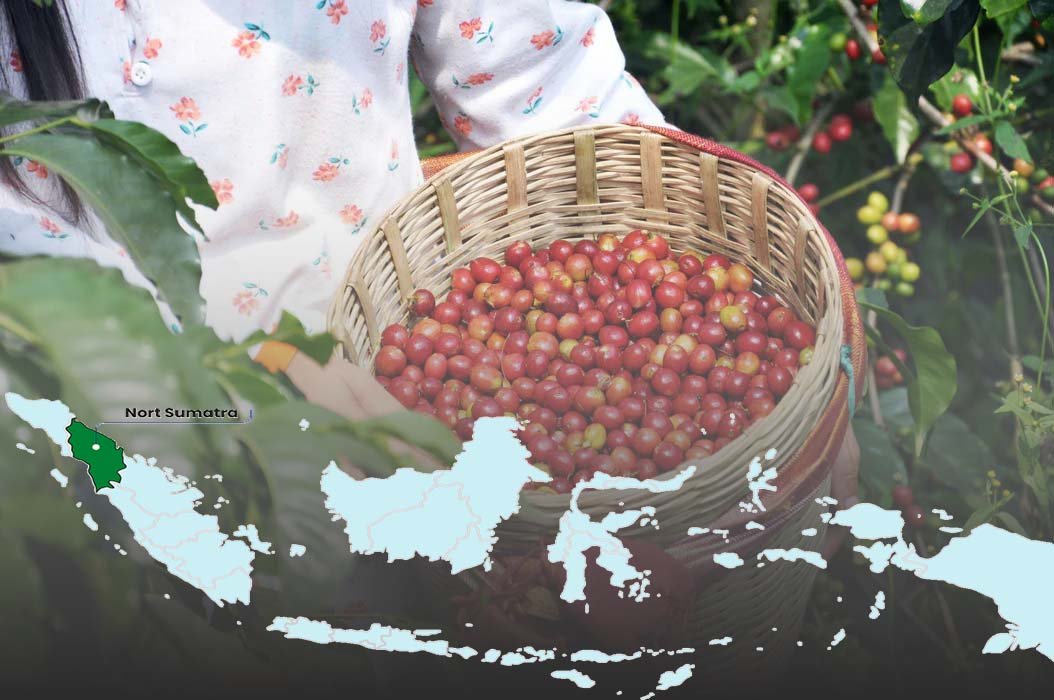
the Richness of Indonesian Coffee, with its diverse archipelago, is not only a haven for breathtaking landscapes but also a treasure trove for coffee enthusiasts. Renowned for its distinctive flavors and unique processing methods, Indonesian coffee has carved a niche for itself in the global coffee market. In this comprehensive guide, we will delve into the world of the finest Indonesian coffee, exploring its origins, varieties, cultivation, processing techniques, and the unparalleled coffee culture that defines this Southeast Asian nation.
The Origin the Richness of Indonesian Coffee
The history of coffee cultivation in Indonesia dates back to the late 1600s when the Dutch brought Arabica coffee plants to the archipelago. The fertile volcanic soil, high altitudes, and tropical climate created ideal conditions for coffee cultivation. Over the centuries, Indonesia has become a major player in the international coffee industry, with several regions gaining recognition for producing some of the finest coffee beans in the world.
Notable Indonesian Coffee Varieties
Sumatra Mandheling the Richness of Indonesian Coffee
Grown on the volcanic slopes of Mount Leuser in Sumatra, Mandheling coffee is celebrated for its full body, low acidity, and earthy, chocolatey undertones. The wet-hulling process unique to Sumatra contributes to its distinct flavor profile. Java Arabica
Java, one of the first places outside of Arabia to cultivate coffee, is renowned for its Arabica beans. These beans are characterized by a mild acidity, medium body, and a well-balanced flavor profile with hints of spice and a clean finish.
Bali Kintamani the Richness of Indonesian Coffee
Grown in the highlands of Mount Batur, Bali Kintamani coffee is distinguished by its bright acidity, medium body, and fruity notes. The unique microclimate of the Kintamani region contributes to the exceptional quality of these beans. Toraja Sulawesi
Hailing from the highlands of Sulawesi, Toraja coffee is known for its full body, low acidity, and complex flavor profile. The beans are traditionally processed using the “Giling Basah” method, resulting in a unique cup with spicy and herbal notes.
Cultivation and Processing Techniques
Indonesian coffee is cultivated across various islands, each offering a distinct terroir that influences the final cup. The volcanic soil of islands like Sumatra and Java imparts unique mineral characteristics to the beans, while the high-altitude regions, such as Kintamani in Bali, contribute to the bright acidity found in their coffee.
The processing methods employed in Indonesia are equally crucial to the flavor development of the beans. One distinctive technique is the wet-hulling process, locally known as “Giling Basah.” This method involves removing the parchment from the coffee beans at a higher moisture content, resulting in a distinctly bold and earthy flavor.
Harvesting typically takes place between May and October, with farmers meticulously hand-picking the ripe cherries. The commitment to manual harvesting ensures the selection of only the highest-quality beans, contributing to the overall excellence of Indonesian coffee.
Coffee Culture in Indonesia
Coffee is not merely a beverage in Indonesia; it is a cultural experience that brings people together. The traditional method of serving coffee is often a ritualistic affair, involving intricate processes such as manual brewing using a “kopi tubruk” pot or a cloth filter known as a “kopi tubruk,” which enhances the richness of the coffee.
Indonesian coffee shops, locally known as “warungs,” are integral to the social fabric. These establishments not only offer a place to savor a cup of freshly brewed coffee but also serve as communal spaces where locals gather to engage in conversation, share stories, and enjoy the warmth of their coffee culture.
the Richness of Indonesian Coffee Keyword
Among the diverse array of Indonesian coffee options, the term “finest Indonesian coffee” encapsulates the superior quality and exceptional characteristics that set these beans apart. Whether it’s the bold Sumatra Mandheling, the classic Java Arabica, the fruity Bali Kintamani, or the complex Toraja Sulawesi, the finest Indonesian coffee represents the pinnacle of coffee craftsmanship from the archipelago.
Conclusion
In conclusion, the world of Indonesian coffee is a captivating journey through diverse landscapes, rich history, and unparalleled craftsmanship. The finest Indonesian coffee, with its unique varieties, cultivation methods, and cultural significance, stands as a testament to the nation’s commitment to excellence in coffee production. Whether you’re a seasoned coffee connoisseur or a casual drinker, exploring the flavors of Indonesian coffee is an adventure that promises to delight the senses and leave a lasting impression on your palate.
Welcome to the vibrant world of Indonesian coffee, where each cup tells a story of tradition, innovation, and diverse flavors. In this exploration, we uncover 66 unique brews that encapsulate the rich tapestry of Indonesia’s coffee culture. From traditional classics like Kopi Tubruk to inventive blends like Kopi Dalgona, join us on a journey through the captivating realm of Indonesian coffee, where every sip reveals a new dimension of taste, aroma, and cultural heritage.
Indonesian Coffee: Kopi Tubruk
Kopi Tubruk
Kopi Tubruk embodies the essence of traditional Indonesian coffee brewing. Coarsely ground coffee beans are boiled directly with hot water, creating a robust and strong cup. This method emphasizes simplicity and allows the coffee’s bold flavors to shine through. After boiling, the grounds settle at the bottom, giving a unique texture to each sip. Often enjoyed without sugar, Kopi Tubruk showcases the pure essence of the coffee beans, appealing to those who appreciate a rich and intense coffee experience. It’s a staple in many households and casual gatherings, symbolizing the warmth and hospitality of Indonesian culture.
Kopi Susu
Kopi Susu, a beloved Indonesian classic, is a delightful combination of coffee and milk. Brewed coffee is mixed with condensed milk or evaporated milk, resulting in a creamy and sweet beverage. The addition of milk balances the coffee’s bitterness, creating a smooth and comforting drink enjoyed throughout the day. Its versatility allows for variations in milk sweetness, catering to individual preferences. Whether served hot or cold, Kopi Susu remains a popular choice for those seeking a touch of sweetness in their coffee without compromising on its coffee-forward profile.
Kopi Tarik
Kopi Tarik, meaning “pulled coffee,” is a spectacle to behold in Indonesian coffee culture. This technique involves skillfully pouring brewed coffee back and forth between two containers, creating a frothy layer on top. The process aerates the coffee, enhancing its texture and presenting a visually appealing drink. The art of “pulling” the coffee not only adds a velvety foam but also allows the flavors to meld, resulting in a harmonious balance between the bitterness of the coffee and the creamy texture.
Espresso
An espresso, known worldwide as the foundation of various coffee beverages, embodies concentrated coffee in a single shot. This intense brew is created by forcing hot water through finely ground coffee beans, producing a small, strong, and flavorful shot. It forms the base for numerous coffee concoctions and stands as a testament to the pure essence of coffee, capturing its richness and potency in a compact form.
Kopi Joss
Kopi Joss takes a unique turn by adding a chunk of burning charcoal to the coffee. This unconventional method infuses the beverage with a distinct smoky flavor, resulting in an intriguingly aromatic and slightly charred taste. Despite its unconventional nature, Kopi Joss has garnered a dedicated following for its distinctive and adventurous profile.
Kopi Jahe
Kopi Jahe introduces an aromatic twist to coffee by infusing it with ginger during the brewing process. The addition of ginger offers a spicy, warming note to the coffee’s flavor profile, making it a popular choice, especially during colder weather. The fusion of coffee’s robustness with the spiciness of ginger creates a harmonious blend, appealing to those seeking a unique and invigorating coffee experience.
Kopi Luwak
Kopi Luwak, one of the most renowned and exotic coffees globally, involves a unique production process. The coffee beans are consumed and excreted by civet cats before being collected, cleaned, and roasted. This process is said to impart a distinctive and smooth flavor profile to the beans. Despite its rarity and high price, Kopi Luwak enthusiasts appreciate its unique taste, often described as earthy and complex.
Kopi Kenangan
Kopi Kenangan represents the modern coffee culture in Indonesia, often found in contemporary coffee chains. These chains offer a wide array of flavored coffee drinks that incorporate both local and international influences. They focus on creating innovative blends that cater to diverse tastes, appealing to a younger audience seeking unique and trendy coffee experiences.
Kopi Kocok
A delightful combination of coffee, milk, and palm sugar, Kopi Kocok is a shaken beverage that results in a frothy and refreshing drink. The marriage of these ingredients creates a harmonious blend of creamy sweetness and the robust flavor of coffee, making it a popular choice for those seeking a balance between indulgence and a caffeine kick.
Kopi Lava
Kopi Lava combines the richness of coffee with the indulgent flavors of chocolate, resulting in a delightful mocha-inspired beverage. This fusion of coffee and chocolate creates a velvety texture and a harmonious balance between the bitter notes of coffee and the sweetness of chocolate, appealing to those with a penchant for indulgent treats.
Kopi Rasakopi
Kopi Rasakopi involves a meticulous layering technique, showcasing varying densities of coffee, milk, and sugar in one serving. This layered presentation not only offers a visually appealing experience but also allows drinkers to savor each distinct layer, enjoying a symphony of flavors in every sip.
Kopi Serbuk
Kopi Serbuk presents a unique coffee experience with a layer of fine coffee grounds settled at the bottom of the cup. This allows drinkers to experience different intensities of flavor as they progress through the drink, from a smoother initial taste to a more robust finish.
Kopi Pahit
Kopi Pahit, translating to “bitter coffee,” refers to black coffee served without sugar. This unadulterated brew emphasizes the bold and intense flavors of the coffee beans, appreciated by those who prefer a pure and robust coffee experience.
Kopi Durian
Durian Coffee
Kopi Durian takes an adventurous turn by blending coffee with the pungent tropical fruit, durian. This unique combination results in a beverage that boasts an acquired taste, appealing to enthusiasts of both coffee and the distinctive flavors of durian.
Kopi Tuku
Kopi Tuku represents specialty coffee brewed using various methods that emphasize the quality and uniqueness of the beans. It often embodies a dedication to craftsmanship and attention to detail, showcasing the diverse flavors and characteristics of Indonesian coffee beans.
Kopi Aroma
Kopi Aroma adds a refreshing twist to coffee by serving it with a slice of lemon. This addition imparts a citrusy note to the coffee, creating a unique and invigorating flavor profile that appeals to those seeking a tangy touch in their brew.
Kopi Jahe Madu
Combining the aromatic spice of ginger with the natural sweetness of honey, Kopi Jahe Madu offers a soothing and flavorful drink. The fusion of ginger’s warmth and honey’s sweetness complements the robustness of coffee, creating a harmonious blend of flavors.
Kopi Cincau
Kopi Cincau combines coffee with grass jelly, resulting in a beverage that offers a distinctive texture and taste. The addition of grass jelly brings a unique element to the coffee, providing a slightly chewy and refreshing quality to each sip.
Kopi Panci
Kopi Panci involves brewing coffee using a traditional Indonesian coffee pot, preserving the rich aroma and full-bodied flavor. This method, steeped in tradition, allows for a slower extraction process, enhancing the depth and complexity of the coffee.
Kopi Sanger
A cocktail-inspired coffee, Kopi Sanger is a unique blend of condensed milk, orange juice, and ice combined with coffee. This fusion offers a delightful contrast of sweet, citrusy, and coffee flavors, making it a refreshing choice, especially on warm days.
Kopi Cangkir
Served in a cup and saucer, Kopi Cangkir often accompanies snacks or small bites, making it an integral part of social gatherings and casual meetings in Indonesia.
Kopi Anget
Kopi Anget, served hot, is particularly enjoyed during colder weather for its warming effect. This comforting brew provides a cozy experience, perfect for chilly days.
Kopi Lemon Mint
Kopi Lemon Mint adds a refreshing twist to coffee by infusing it with lemon and mint. This combination creates a tangy and invigorating flavor profile, perfect for those seeking a zesty kick in their coffee.
Kopi Soda
Kopi Soda takes a unique turn by combining coffee with soda water, offering a fizzy and refreshing take on traditional coffee. This unconventional mix appeals to adventurous coffee enthusiasts looking for a new sensory experience.
Kopi Hitam Manis
Kopi Hitam Manis refers to black coffee sweetened with sugar. This simple yet popular way of enjoying coffee in Indonesia strikes a balance between the boldness of black coffee and the sweetness of sugar, catering to various taste preferences.
Kopi Bajigur
A Javanese specialty, Kopi Bajigur, combines coffee with palm sugar, coconut milk, and an array of spices like ginger and lemongrass. Served warm, this comforting beverage delights the palate with its rich, aromatic, and slightly spiced profile.
Kopi Tahlil
During Ramadan, Kopi Tahlil, a blend of coffee, milk, and syrup, is often enjoyed. This special beverage holds cultural significance and is cherished during religious observances.
Kopi Kapal Api
Kopi Kapal Api
Kopi Kapal Api represents a popular brand of Indonesian coffee known for its strong and aromatic flavor. Available in various blends and roasts, it caters to a wide range of preferences and has established itself as a household name in Indonesia.
Kopi Kawa Daun
Kopi Kawa Daun involves brewing coffee with the addition of pandan leaves. This infusion imparts a unique aroma and a subtly sweet taste to the coffee, creating a distinctive sensory experience.
Kopi Jelada
Kopi Jelada is an iced coffee delight made with sweetened condensed milk, served over ice. This refreshing drink is particularly enjoyable on hot days, offering a balanced blend of sweetness and coffee richness.
Kopi Tubruk Gula Aren
A variation of Kopi Tubruk, Kopi Tubruk Gula Aren is brewed with palm sugar, adding a distinct sweetness to the robust coffee. This variation appeals to those seeking a unique flavor profile in their coffee.
Kopi Kenangan Mantan
Translating to “Ex-Lover’s Memory Coffee,” Kopi Kenangan Mantan is a cheekily named blend of coffee, milk, and caramel syrup. Its playful name adds a touch of humor to the delightful flavors it offers.
Kopi Pacitan
Hailing from Pacitan in East Java, Kopi Pacitan is renowned for its unique roasting process, which results in a bold and strong flavor profile. This coffee is cherished for its distinct regional characteristics and craftsmanship.
Kopi Terasi
An unconventional blend, Kopi Terasi combines coffee with shrimp paste (terasi), offering an intriguingly unique taste that might surprise and captivate adventurous palates.
Kopi Teh Tarik
Combining the flavors of coffee and tea, Kopi Teh Tarik is a delightful blend mixed with condensed milk and skillfully pulled to create layers of flavors. This fusion beverage showcases the best of both worlds, appealing to enthusiasts of both coffee and tea.
Kopi Putar
Kopi Putar is a type of iced coffee where the drink is skillfully poured back and forth between containers, creating a frothy texture. This technique enhances the coffee’s texture, providing a delightful drinking experience.
Kopi Jahe Telor
Kopi Jahe Telor
This distinctive coffee is brewed with ginger and sweetened with egg, resulting in a creamy and rich beverage. Kopi Jahe Telor offers a unique combination of flavors and textures that elevate the coffee-drinking experience.
Kopi Dalgona
Kopi Dalgona is a frothy coffee made by whipping equal parts of instant coffee, sugar, and hot water, served over cold milk. This trendy and visually appealing drink gained popularity for its creamy texture and striking presentation.
Kopi Tapal Kuda
Kopi Tapal Kuda represents a traditional brewing method using a flat filter to press the grounds, resulting in a strong and full-bodied cup of coffee. This technique brings out the robustness of the beans, offering a satisfying coffee experience.
Kopi Onde-Onde
Named after a traditional snack, Kopi Onde-Onde infuses the flavors of onde-onde, a rice cake filled with mung bean paste and coated with sesame seeds, into the coffee. This unique blend offers a taste that echoes the beloved Indonesian snack.
Kopi Alpukat
Kopi Alpukat is a distinctive combination of coffee and avocado, often blended with chocolate syrup or condensed milk. This creamy and indulgent drink presents a fusion of flavors, appealing to those seeking a rich and unique coffee experience.
Kopi Cangkir Tanah
Served in small cups made of clay, Kopi Cangkir Tanah is believed to enhance the flavor of the coffee. This traditional presentation adds a cultural touch to the coffee-drinking experience.
Kopi Terasi Coklat
Kopi Terasi Coklat is a fusion drink that combines coffee with shrimp paste (terasi) and chocolate. This unconventional blend offers a mix of savory and sweet flavors, creating a unique and intriguing taste profile.
Kopi Rempah
Kopi Rempah involves brewing coffee with a blend of spices like cinnamon, cloves, and cardamom. This infusion creates a warm and aromatic beverage that tantalizes the senses with its fragrant and flavorful profile.
Kopi Joss Jahe
Similar to Kopi Joss, Kopi Joss Jahe infuses the beverage with ginger, adding an extra spicy kick to the unique smoky flavor achieved by adding a chunk of burning charcoal to the coffee.
Kopi Ais Krim
Kopi Ais Krim is a delightful fusion drink that blends coffee with ice cream, creating a creamy and indulgent treat. This beverage offers a harmonious balance between the bitterness of coffee and the sweetness of ice cream.
Kopi Bajakah
Kopi Bajakah is a traditional coffee infused with herbs known as “bajakah,” believed to possess medicinal properties. This coffee variation is esteemed for its potential health benefits.
Kopi Lemongrass
Kopi Lemongrass is a unique brew that incorporates lemongrass into the coffee-making process. This addition imparts a citrusy and refreshing flavor to the coffee, offering a unique twist to the traditional beverage.
Kopi Kopi
“Kopi Kopi” refers to coffee-based desserts, encompassing a variety of sweet treats such as cakes, puddings, and pastries where coffee plays a central role as a key ingredient. These delectable desserts cater to coffee enthusiasts seeking new ways to enjoy their favorite brew.
Kopi Kekinian
Kopi Kekinian represents modern coffee trends found in trendy cafes, characterized by unique presentations and innovative flavors. These contemporary coffee creations often appeal to younger audiences seeking trendy and Instagram-worthy coffee experiences.
Kopi Wangi
Fragrant and aromatic, Kopi Wangi refers to coffee made from beans with particularly aromatic profiles. This type of coffee not only offers a delightful scent but also delights the palate with its nuanced flavors.
Kopi Sanger Remaja
Kopi Sanger Remaja is a variation of Kopi Sanger designed specifically for younger consumers. It often features a milder taste and a sweeter profile, catering to the preferences of a younger demographic seeking a more approachable coffee experience.
Kopi Tiam
Kopi Tiam refers to traditional coffee shops where various types of coffee are brewed and served in a casual setting. These establishments are hubs for social gatherings, offering a cozy atmosphere where people come together to enjoy coffee and conversation.
Kopi Anak Alam
Kopi Anak Alam represents organic coffee produced using sustainable and eco-friendly practices. This environmentally conscious coffee appeals to consumers who prioritize ethical and environmentally friendly products.
Kopi Nangkring
“Kopi Nangkring” is a term used to describe the leisurely enjoyment of coffee, often accompanied by snacks or meals while relaxing or lounging around. It embodies the laid-back and social aspect of savoring coffee in a relaxed setting.
Kopi Gula Merah
Kopi Gula Merah refers to coffee sweetened with palm sugar, offering a distinct caramel-like sweetness that complements the coffee robusta flavor. It’s a popular choice for those seeking a hint of natural sweetness in their coffee.
Kopi Torek
Kopi Torek is a simple yet delightful combination of black coffee served with a piece of toasted bread. This pairing is often enjoyed as a breakfast combination, offering a contrast between the boldness of coffee and the comforting warmth of toasted bread.
Kopi Susu Jahe
Kopi Susu Jahe combines coffee with milk and ginger, creating a creamy texture with a hint of spiciness. This fusion of flavors adds depth to the coffee, offering a delightful and invigorating beverage.
Kopi Pokat
Kopi Pokat is a blend of coffee and spices, typically including ginger, cloves, and cinnamon. This aromatic and flavorful concoction provides a unique twist to traditional coffee, appealing to those seeking a fragrant and spiced experience.
Kopi Bandrek
A warm and comforting drink, Kopi Bandrek combines coffee with spices like ginger, cinnamon, and cloves. This traditional beverage is known for its soothing properties, especially during cold weather.
Kopi Kekawin
Kopi Kekawin is a traditional Javanese coffee served during special occasions. It’s prepared with a mix of spices and sometimes includes egg yolks, offering a unique and celebratory coffee experience.
Kopi Keju
Kopi Keju involves topping coffee with grated cheese, creating a surprising blend of savory and bitter flavors. This unusual combination appeals to those seeking an adventurous and unconventional coffee experience.
Kopi Toebroek
Kopi Toebroek is a variation of Kopi Tubruk known for its particularly strong and robust flavor profile. This intense brew is favored by those who appreciate a powerful and full-bodied coffee experience.
Kopi Tole
Kopi Tole is a traditional Indonesian herbal coffee made with various medicinal herbs believed to offer health benefits. This unique blend of herbs adds depth to the coffee’s flavor while being revered for its potential therapeutic properties.
Kopi Cendol
Kopi Cendol combines coffee with cendol, a sweet and refreshing dessert made of rice flour jelly and coconut milk. This delightful fusion offers a harmonious blend of coffee and the flavors of the beloved Indonesian dessert.
Indonesian coffee culture is a treasure trove of diversity and innovation. The sheer variety of brewing methods, flavors, and cultural influences showcased in these 66 unique brews is truly mesmerizing. It’s a testament to the country’s rich coffee heritage and its willingness to blend tradition with modern tastes. Each coffee tells a tale of craftsmanship, creativity, and a deep-rooted appreciation for this beloved beverage.
Exploring these diverse brews isn’t just a journey through different flavors; it’s an immersion into the soul of Indonesian hospitality and culture. The way coffee is brewed, served, and enjoyed reflects the warmth and inclusivity ingrained in Indonesian traditions. It’s an experience that not only tantalizes the taste buds but also provides a glimpse into the heart of a nation passionate about its coffee.
Indonesian coffee isn’t just about the drink; it’s about the stories woven into each cup, the rituals surrounding its consumption, and the pride in its unique identity. It’s a celebration of creativity and a testament to the unifying power of a simple pleasure shared by many.
Are you ready to embark on a sensory adventure through the enchanting world of Indonesian coffee? Get ready to unleash the perfect espresso experience! From the lush green landscapes of Sumatra to the fertile volcanic soil of Java, Indonesia is home to some of the finest coffee beans in the world. With its unique flavor profiles and rich cultural heritage, Indonesian coffee offers a tantalizing journey for coffee lovers and connoisseurs alike.
In this article, we dive deep into the art of making the perfect espresso using Indonesian coffee beans. Discover the secrets behind the velvety-smooth texture, rich crema, and complex flavors that make Indonesian espresso a true delight for the taste buds. We’ll explore the different regions and their distinct coffee-growing traditions, as well as the meticulous process of harvesting, roasting, and brewing these remarkable beans to perfection.
Whether you’re a fan of the bold and earthy flavors of Sumatran coffee or the bright and lively notes of Javanese coffee, this article will guide you through the steps to create a memorable espresso experience with Indonesian beans. Get ready to awaken your senses and embrace the magic of Indonesian coffee!
The art of brewing the perfect espresso
Espresso, a concentrated form of coffee brewed by forcing hot water through finely ground coffee beans, is a true art form. To unleash the perfect espresso experience, it’s crucial to understand the key factors that contribute to its quality. These factors include the coffee beans, grind size, water temperature, brewing time, and pressure.
When it comes to Indonesian coffee beans, their unique flavor profiles make them ideal for creating a memorable espresso. The bold and earthy flavors of Sumatran coffee or the bright and lively notes of Javanese coffee provide a strong foundation for a rich and flavorful shot. To ensure the best results, it’s essential to choose high-quality beans that have been roasted to perfection.
The unique flavors of Indonesian coffee
Indonesian coffee is renowned for its distinct flavors, which are influenced by the country’s diverse geography and rich cultural heritage. Each region in Indonesia has its own unique flavor profile, making Indonesian coffee a true delight for the taste buds.
Sumatran coffee, grown in the lush green landscapes of Sumatra, is known for its bold and earthy flavors. It offers a complex and deep taste with hints of chocolate, spice, and even tropical fruits. The volcanic soil of Java gives birth to coffee with bright and lively notes, offering a more vibrant and acidic flavor profile. Bali coffee, on the other hand, is characterized by its smooth and well-balanced taste, with hints of citrus and floral undertones.
Understanding the different types of Indonesian coffee beans
To fully appreciate the richness of Indonesian coffee, it’s important to understand the different types of coffee beans grown in the country. The most common varieties include Arabica and Robusta, each with its own distinct characteristics.
Arabica beans, known for their delicate and nuanced flavors, are grown in higher altitudes and produce a more refined and complex cup of coffee. They are generally preferred for specialty coffee and are often used in creating a perfect espresso shot. Robusta beans, on the other hand, are grown in lower altitudes and are known for their higher caffeine content and stronger flavor. They provide a more robust and bitter taste, making them a popular choice for espresso blends.
The importance of sourcing and roasting beans for espresso
To achieve the perfect espresso experience, the sourcing and roasting of coffee beans play a critical role. It’s essential to select beans that have been grown and harvested with care, as this directly impacts the flavor and quality of the final cup.
Sourcing beans directly from Indonesian coffee farmers ensures a fair trade and supports sustainable practices. It also allows for a deeper connection to the origin of the coffee and the people behind its production. Once the beans have been sourced, the next step is roasting. The roasting process is a delicate balance of time, temperature, and airflow, which brings out the unique flavors and aromas locked within the beans.
Step-by-step guide to making an espresso at home
Now that we’ve explored the fundamentals of Indonesian coffee and its unique flavors, let’s dive into the step-by-step process of making an espresso at home. With a few simple tools and techniques, you can recreate the perfect espresso experience in the comfort of your own kitchen.
1. Start by grinding your coffee beans to a fine consistency. The ideal grind size for espresso is similar to that of table salt.
2. Preheat your espresso machine and ensure that the water temperature is between 195-205°F (90-96°C). This is crucial for extracting the flavors properly.
3. Distribute the ground coffee evenly in the portafilter and tamp it down firmly. This ensures an even extraction and prevents channeling.
4. Lock the portafilter into the espresso machine and start the brewing process. The extraction time should be around 25-30 seconds, resulting in a volume of about 1.5 ounces (44 ml).
5. Once the espresso is brewed, serve it immediately to enjoy the full flavor and aroma. The perfect espresso should have a rich crema, a velvety-smooth texture, and a balanced taste.
Enhancing the espresso experience with latte art
One of the joys of enjoying an espresso is the opportunity to enhance the visual experience with latte art. Latte art is a technique that involves pouring steamed milk into the espresso to create intricate designs on the surface. It not only adds a touch of beauty but also showcases the skill of the barista and enhances the overall sensory experience.
To create latte art, it’s important to start with well-textured milk. The milk should be steamed to a silky-smooth consistency, with microfoam that allows for easy pouring and manipulation. With practice and patience, you can master the art of pouring the milk in a way that creates patterns such as hearts, rosettas, or even intricate designs like tulips and swans.
Popular Indonesian coffee recipes to try at home
Indonesian coffee is not limited to just espresso. There are a variety of popular coffee recipes that showcase the unique flavors and versatility of Indonesian beans. Here are a few recipes to try at home:
1. Kopi Tubruk: This traditional Indonesian coffee is made by placing coarsely ground coffee directly into a cup or mug, then adding hot water. Allow the coffee to steep for a few minutes before enjoying. It offers a bold and intense flavor, perfect for those who prefer a strong cup of coffee.
2. Es Alpukat: A refreshing Indonesian coffee and avocado drink, perfect for hot summer days. Blend espresso, avocado, condensed milk, and ice together until smooth. Serve chilled and enjoy the creamy and decadent flavors.
3. Kopi Susu: A classic Indonesian coffee recipe that combines espresso with sweetened condensed milk. Pour the espresso over a glass of condensed milk, stir well, and serve over ice. It offers a balanced sweetness and creamy texture.
Exploring the best coffee shops in Indonesia
If you’re a coffee lover planning a trip to Indonesia, exploring the local coffee scene is a must. Indonesia is home to numerous specialty coffee shops that offer a unique and immersive coffee experience. Here are a few noteworthy coffee shops to visit:
1. Anomali Coffee: With multiple locations across Indonesia, Anomali Coffee is known for its commitment to quality and sustainability. They offer a wide range of Indonesian coffee beans and brewing methods, ensuring a memorable coffee experience.
2. Giyanti Coffee Roastery: Located in Jakarta, Giyanti Coffee Roastery is a popular destination for coffee enthusiasts. They roast their own beans and offer a cozy atmosphere where you can enjoy a cup of perfectly brewed Indonesian coffee.
3. Seniman Coffee Studio: Nestled in the artistic town of Ubud, Bali, Seniman Coffee Studio is a haven for coffee lovers. They source their beans locally and focus on the art of brewing. Enjoy a cup of their expertly crafted coffee while surrounded by the beauty of Bali.
Conclusion: Embracing the richness of Indonesian coffee
In conclusion, Indonesian coffee offers a truly enchanting and immersive experience for coffee lovers and connoisseurs. From the unique flavor profiles of Sumatran and Javanese coffee to the art of brewing the perfect espresso, Indonesian coffee provides a journey that engages all the senses. By understanding the different types of Indonesian coffee beans, sourcing and roasting them with care, and following the steps to make an espresso at home, you can unlock the full potential of these remarkable beans.
So, whether you’re savoring an espresso at a local coffee shop or experimenting with popular Indonesian coffee recipes at home, embrace the richness of Indonesian coffee and indulge in the perfect espresso experience. Awaken your senses to the magic of Indonesian coffee and let it transport you to the lush green landscapes and vibrant culture of this captivating country. Cheers to the perfect cup of Indonesian coffee!
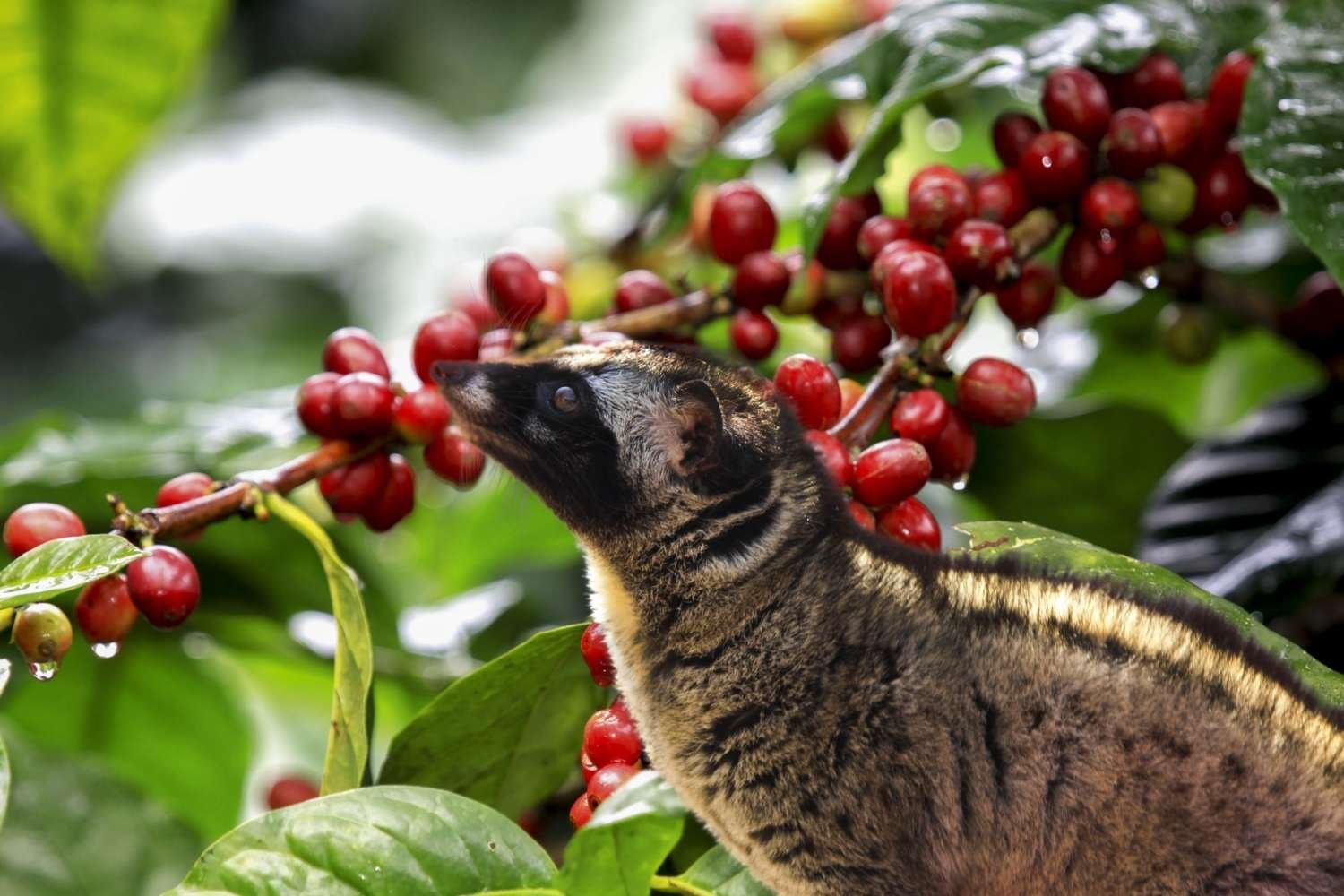
Wild Civet Coffee, commonly known as Kopi Luwak, is a rare and valuable variety of coffee created by an unusual and natural method utilizing civet cats. These small, nocturnal mammals are endemic to a number of countries, including Indonesia, where coffee has grown in popularity.
Civets start the process by eating ripe coffee cherries from coffee plants. As the cherries transit through the civet’s digestive tract, enzymes in their digestive system ferment them. The outer layers of the cherry are digested during this process, while the beans inside stay relatively intact. The beans are gathered, washed, and then processed for roasting and brewing once they have been expelled.
The fermentation that occurs within the civet’s digestive system is thought to contribute to the peculiar aromas of the coffee beans. As a result, the coffee has less acidity and bitterness, as well as particular aromatic properties that have been described as earthy, smooth, and even chocolatey.
Wild Civet Coffee is well-known for its scarcity and excellent flavor characteristics. However, it is vital to highlight that while contemplating this sort of coffee, ethical and sustainable sourcing techniques are necessary. Concerns concerning animal welfare have been raised as a result of unethical techniques such as putting civets in cages or force-feeding their cherries. Responsible growers put civets and the environment first, enabling them to roam freely and spontaneously select the cherries they eat.
Facts About Wild Civet Coffee
Kopi Luwak was originally a commoner’s coffee
Luwak coffee has existed since the Dutch colonial era. The Dutch colonialists prohibited coffee plantation laborers from processing coffee from coffee trees at the time. Because of the ban, coffee plantation workers, who are also commoners, are forced to pick up coffee beans left over from the disposal of Luwak that are dispersed over the farm in order to manufacture coffee drinks. When the Dutch discovered that coffee beans made from Luwak dung tasted excellent, they began collecting civet coffee beans and even selling them as premium coffee.
Indonesia is a country with the highest level of Luwak coffee production
Luwak coffee is currently produced in Southeast Asian countries like Indonesia, Malaysia, the Philippines, and Vietnam. We can feel proud because it turns out that Indonesia is the world’s largest producer of Luwak coffee. In Indonesia, the annual production of luwak coffee is 200 kg.
Kopi Luwak is the most expensive coffee in the world
Civet coffee is the most expensive coffee in the world today due to its uniqueness and limited production. This statistic is even listed in the Guinness Book of World Records. In America, a pound of Luwak coffee can cost up to ten million dollars. Even more extraordinary prices can be found in the United Kingdom, where a cup of civet coffee can cost up to £70, or the equivalent of one million rupiah, at the newest DSTRKT location in Picadilly, London.
Luwak coffee production level is very small
Because Luwak coffee production is heavily reliant on the coffee beans that the civet consumes, production is extremely limited. According to current data, global Luwak coffee production does not even approach 1 ton per year, and it is expected that it will only reach 500 kg per year.
Kopi Luwak is halal for drinking and trading
The MUI has issued a fatwa indicating that Kopi Luwak is halal to consume and trade as long as the civet coffee beans are washed before being processed into coffee beans or ready-to-eat coffee powder.
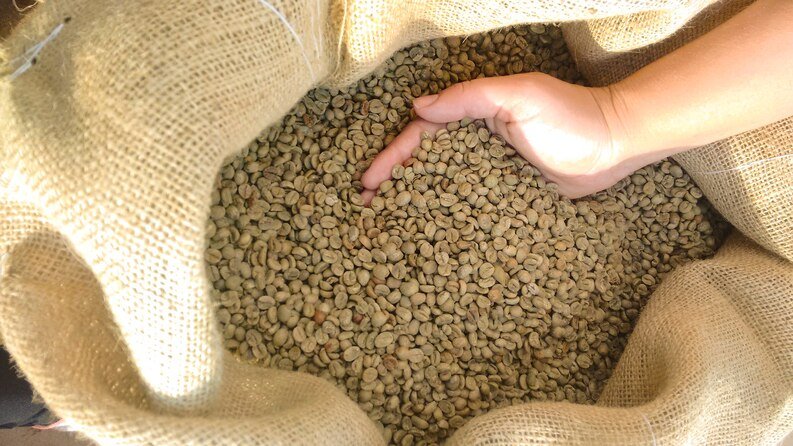
Green Beans Wild Civet Coffee offers an unadulterated journey into the essence of Kopi Luwak, capturing the pure and untamed flavors that have made this coffee a global sensation. With a commitment to ethical sourcing and responsible production, our Green Beans Wild Civet Coffee delivers a cup of exceptional quality and authenticity.
Specifications:
Coffee Origin: Sourced from the lush coffee-growing regions of Indonesia, where wild civets roam freely and select only the finest cherries to consume.
Processing Method: After the civets ingest the ripe coffee cherries, the beans undergo a natural fermentation process within the civet’s digestive system. Once excreted, the beans are meticulously collected, cleaned, and prepared for roasting.
Flavor Profile: Green Beans Wild Civet Coffee offers a truly unique taste experience. The beans’ journey through the civet’s digestive tract imparts a remarkably smooth and less acidic character, complemented by earthy undertones and subtle hints of chocolate and fruit.
Aroma: The coffee exudes an inviting aroma that blends the earthiness of the wild with delicate floral notes, promising an aromatic adventure with every brew.
Roast Level: The green beans are intentionally left unroasted, preserving their raw and unaltered state. This allows you to experience the unfiltered essence of Kopi Luwak, showcasing the effects of the civet’s digestive alchemy on the beans.
Packaging: Our Green Beans Wild Civet Coffee is carefully packaged to ensure freshness upon delivery. The packaging also reflects our commitment to sustainability, utilizing eco-friendly materials whenever possible.
Ethical Sourcing: We prioritize ethical and sustainable sourcing practices, ensuring the well-being of civets and the preservation of their natural habitat. By choosing Green Beans Wild Civet Coffee, you’re supporting responsible coffee production.
Roasted Coffee
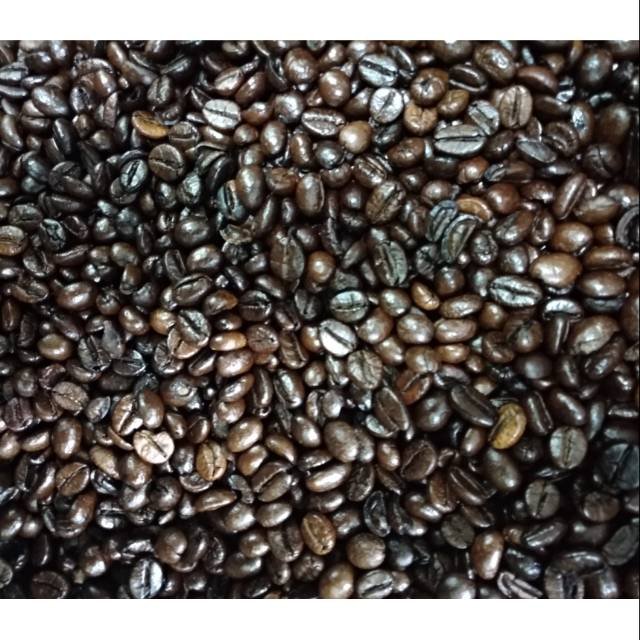
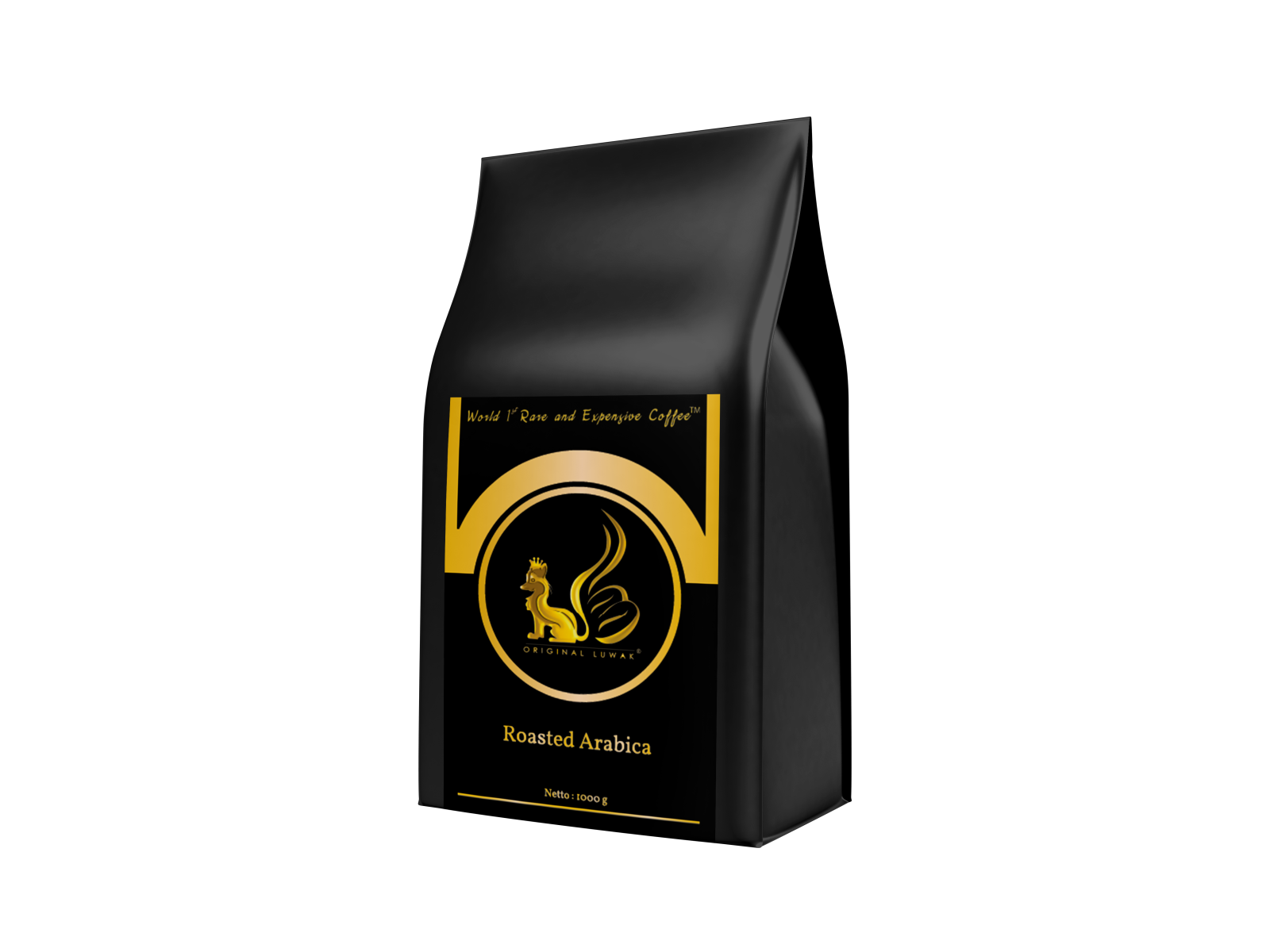
Experience the epitome of coffee luxury with our Roasted Wild Civet Coffee. Meticulously crafted to showcase the unique flavors born from the symbiotic relationship between wild civets and coffee cherries, this blend offers a rich and aromatic journey that encapsulates the essence of Kopi Luwak. Elevate your coffee ritual with the finest Roasted Wild Civet Coffee, a true testament to nature’s artistry and human expertise.
Specifications:
Coffee Origin: Our Roasted Wild Civet Coffee is sourced from regions renowned for their thriving biodiversity, where wild civets roam freely. By selecting only the ripest coffee cherries, these creatures contribute to the exceptional quality and distinctiveness of each batch.
Processing Method: The journey begins with civets consuming coffee cherries and initiating a transformative fermentation process within their digestive systems. Once the cherries’ outer layers are digested, the beans are collected, meticulously cleaned, and then skillfully roasted to bring out their fullest flavor potential.
Roast Profile: Our artisanal roasting process is tailored to enhance the flavors developed during the civet’s digestive alchemy. The medium-dark roast yields a coffee with a velvety body, balanced acidity, and enchanting notes of dark chocolate, caramel, and a subtle hint of tropical fruit.
Aroma: As you prepare your cup, the enticing aroma of our Roasted Wild Civet Coffee fills the air, inviting you to savor the harmonious blend of earthy tones and delicate floral fragrances.
Grind Level: To suit various brewing preferences, our Roasted Wild Civet Coffee is available in a range of grind sizes, from fine for espresso enthusiasts to medium-coarse for those who prefer pour-over or French press methods.
Packaging: We take pride in preserving the freshness and flavor of our coffee. Our packaging is designed to shield the beans from light and air, maintaining their exquisite taste until they reach your cup.
Ethical Commitment: Our dedication to ethical practices extends to the treatment of civets and the preservation of their natural habitats. By choosing Roasted Wild Civet Coffee, you actively support ethical sourcing and responsible coffee production.
Ground Coffee
Indulge in the refined flavors of Kopi Luwak like never before with our meticulously crafted Ground Wild Civet Coffee. This exceptional blend offers a convenient and accessible way to experience the unique taste that has made Kopi Luwak a renowned delicacy. Sourced responsibly and crafted with care, each cup of Ground Wild Civet Coffee promises an exquisite journey of flavors.
Specifications:
Coffee Origin: Our Ground Wild Civet Coffee is sourced from coffee-growing regions known for its vibrant ecosystems and diverse wildlife. We are committed to preserving the habitats of wild civets and supporting local communities.
Processing Method: After wild civets consume ripe coffee cherries, the beans undergo a natural fermentation process in their digestive systems. The beans are then collected, cleaned, and expertly roasted to perfection before being ground to a consistent particle size.
Flavor Profile: Ground Wild Civet Coffee boasts a distinct flavor profile characterized by its smoothness and reduced acidity. The digestive alchemy of the civets imparts a refined taste with subtle notes of caramel, chocolate, and a hint of fruit, creating a harmonious and well-balanced cup.
Aroma: As you prepare your cup, the aroma of our Ground Wild Civet Coffee envelops your senses with an enticing blend of earthiness and delicate floral undertones, promising a sensory journey with every sip.
Grind Size: Our coffee is finely ground to ensure an even extraction and optimal flavor release during brewing. The consistent grind allows for versatile brewing methods, from espresso to pour-over.
Packaging: The Ground Wild Civet Coffee is thoughtfully packaged to preserve its freshness and flavor. Our commitment to sustainability extends to our packaging, which is designed with eco-friendly materials whenever possible.
Ethical Sourcing: We place a strong emphasis on ethical sourcing, ensuring that the civets involved in the coffee production process are treated with care and respect. By choosing Ground Wild Civet Coffee, you contribute to sustainable practices and support responsible coffee production.
Discover a trusted source for authentic Wild Civet Coffee at FandB Tech Indonesia. Learn how their commitment to sustainability and ethical sourcing aligns with your quest for an exquisite and responsible coffee indulgence.
Conclusion
Kopi Luwak isn’t just a beverage; it’s a tapestry woven with cultural, ethical, and sensory threads. By peeling back the layers and uncovering their hidden facts, you’re invited to savor every sip with newfound appreciation while making an informed choice that resonates with your values.
Indonesia is known as a producer of high-quality specialty coffee beans. Indonesian coffee beans have become well-known in the coffee market for their distinctive taste and aroma. Mandheling Coffee is one of the coffees that stands out among the other types because of its great taste and sensory experience.
The aim of this post is to delve into the interesting world of Indonesian coffee beans mandheling and investigate its different flavors and sensory experiences. Coffee lovers can fully appreciate and enjoy the delights of Mandheling coffee by learning about its origins, flavor profile, and brewing techniques.
Indonesia has a long history with coffee, extending back to the late 17th century when the Dutch introduced coffee cultivation to the region. Coffee has become ingrained in Indonesian society, permeating social interactions, traditional rites, and daily living. Coffeehouses, or “warung kopi,” are essential community gathering places.
Indonesian coffee beans have various traditional coffee-growing locations, each with its own distinct features. Aceh, Sumatra, Bali, Java, Sulawesi, and Flores are among these areas. The different climates, altitudes, and soil conditions of each location contribute to the variety of flavors found in Indonesian coffee beans.
Indonesian coffee beans are quite important in the worldwide coffee market. The country is a significant exporter of Arabica and Robusta coffee beans. Indonesian coffee beans are prized for their full-bodied flavor, low acidity, and distinct flavor profiles. They are commonly employed in various coffee blends and are highly sought after by specialty coffee roasters worldwide.
Introducing Mandheling Coffee
Origins and Characteristics of Mandheling Coffee
Mandheling coffee is one of the best Indonesian coffee beans. Mostly grown in the mountains of North Sumatra, near the beautiful Lake Toba. It is produced with Arabica coffee, specifically the Typica or Bourbon subspecies. This region’s volcanic soil, highlands, and tropical temperatures contribute to the coffee’s exceptional quality and taste.
Unique growing conditions and terroir that contribute to its flavor profile
Mandheling coffee has a distinct flavor character due to the region’s unique growing conditions and terroir. The volcanic soil has important nutrients, and the high altitude slows the ripening process, allowing the coffee cherries to develop rich flavors. The combination of moderate temperatures, abundant rainfall, and shade from neighboring trees creates a microclimate that enhances the distinctive flavor of the coffee.
Notable features of Mandheling coffee beans – size, shape, and color
Mandheling coffee beans are distinguished by their bigger size when compared to other types of coffee beans. They are elongated in shape and have an asymmetrical look. The beans are visually appealing and intriguing due to their deep green color with traces of bluish-gray.
Mandheling coffee has an enticing aroma that is generally described as earthy, woody, and occasionally displaying delicate herbal undertones. It could also have notes of dark chocolate, spice, or tropical fruits. The aroma is strong and inviting, producing a sensory experience that distinguishes Mandheling coffee.
Body and acidity levels that make Mandheling coffee distinct
Mandheling coffee has a full body and a thick, syrupy texture. This feature provides the coffee with a strong presence on the palate. The moderate acidity lends to a pleasant, mellow flavor that allows the other components to show through. The mix of body and mild acidity distinguishes and enhances the drinking experience of Mandheling coffee.
Coffee Brewing Techniques for Mandheling Coffee
Recommendations for the ideal brewing methods to highlight its flavors
Certain brewing methods are suggested to completely appreciate the distinct characteristics of Mandheling coffee, an exquisite variety of Indonesian coffee beans. Immersion brewing methods, such as the French press, or espresso extraction methods, such as espresso machines, can assist in extracting the rich flavors and highlighting the coffee’s hefty body.
Exploring different brewing equipment suitable for Mandheling coffee
Mandheling coffee is distinguished by its richness, deep earthy flavors, and prominent chocolate undertones. It has a mild acidity, which allows the full-bodied, silky body to shine. The earthiness of the coffee is suggestive of moss, cedar, and even tobacco, adding complexity and depth to its flavor profile.
Tips for achieving the best brewing results
Mandheling coffee has a full body and a thick, syrupy texture. This feature provides the coffee with a strong presence on the palate. The moderate acidity lends to a pleasant, mellow flavor that allows the other components to show through. The mix of body and mild acidity distinguishes and enhances the drinking experience of Mandheling coffee.
Mandheling coffee With a rich flavor, firm body, and low acidity, these Indonesian coffee beans provide a different sensory experience. Its earthy and brown tones, combined with an attractive aroma, make it a distinctive variety in the coffee market.
Mandheling coffee is distinguished by its richness, deep earthy flavors, and prominent chocolate undertones. It has a mild acidity, enabling the full-bodied, silky mouthfeel to take center stage. The earthiness of the coffee is suggestive of moss, cedar, and even tobacco, which lends complexity and depth to its flavor profile.
This persistent interest in Mandheling coffee stems from its ability to appeal to the senses and provide a truly unique coffee experience. As one of the Indonesian coffee beans, it exemplifies the country’s rich coffee legacy while providing a flavor profile that distinguishes out in the coffee world. We contribute to the preservation of Indonesian coffee culture and the livelihood of coffee farmers by enjoying and supporting Mandheling coffee.