Have you ever wondered what makes Indonesian coffee so exceptional? Step into the world of coffee connoisseurs and join us on a journey to uncover Indonesia’s coffee wonder. Nestled within this breathtaking archipelago are lush landscapes and rich volcanic soil that produce some of the finest coffee beans in the world. Get ready to indulge your senses and explore the state that cultivates the best coffee beans, where every sip is a sensory delight.
In this informative blog, we will delve into the fascinating world of Indonesia coffee, bringing you closer to the origins of this beloved beverage. From the history and cultural significance of coffee in Indonesia to the unique farming techniques and varietals that contribute to its exceptional quality, we leave no stone unturned.
Throughout the blog, we will also address the common questions and misconceptions surrounding Indonesian coffee, offering valuable insights and practical tips for brewing the perfect cup.
Get ready to tantalize your taste buds, unravel the secrets of Indonesian coffee, and embark on an enchanting journey through the aromatic wonders that await. Whether you’re a coffee enthusiast or simply curious about the world of coffee, this blog is sure to leave you craving for more. Welcome to the captivating world of Indonesia’s coffee wonder.
1. The Rich Cultural Heritage of Indonesia Coffee
Indonesia, known for its diverse landscapes and vibrant culture, is also home to a rich coffee heritage that spans centuries. The country’s coffee industry has deep-rooted traditions and a unique cultural significance that sets it apart from other coffee-producing regions. In this section, we will delve into the fascinating history and cultural aspects surrounding Indonesia coffee.
1. Coffee’s Arrival with Dutch Influence
Indonesia’s coffee story begins during the colonial era when the Dutch East India Company introduced coffee cultivation to the archipelago. The lush volcanic soils and favorable climate of the Indonesian islands proved to be an ideal environment for growing coffee plants. With the introduction of Arabica coffee plants from Yemen and Robusta coffee plants from Africa, the groundwork was laid for the flourishing Indonesian coffee industry.

2. The Birth of Unique Coffee Varieties
The combination of volcanic ash-enriched soils, optimal altitudes, and consistent rainfall has shaped the remarkable flavors found in Indonesian coffee. From the distinctive Sumatra Mandheling coffee known for its bold and complex flavor profile to the legendary Kopi Luwak, which undergoes a unique fermentation process in the digestive tract of Asian palm civets, Indonesia offers a diverse range of coffee experiences to indulge in.
3. Coffee as a Catalyst for Economic Growth
Coffee production has played a significant role in the economic growth and sustainability of many Indonesian regions. For instance, Toraja Coffee, grown in the mountainous region of South Sulawesi, has become a vital source of income for the local community. Moreover, the fair trade movement has gained traction in recent years, ensuring that farmers receive fair compensation for their high-quality coffee beans.
4. The Fascinating Journey of Indonesian Coffee
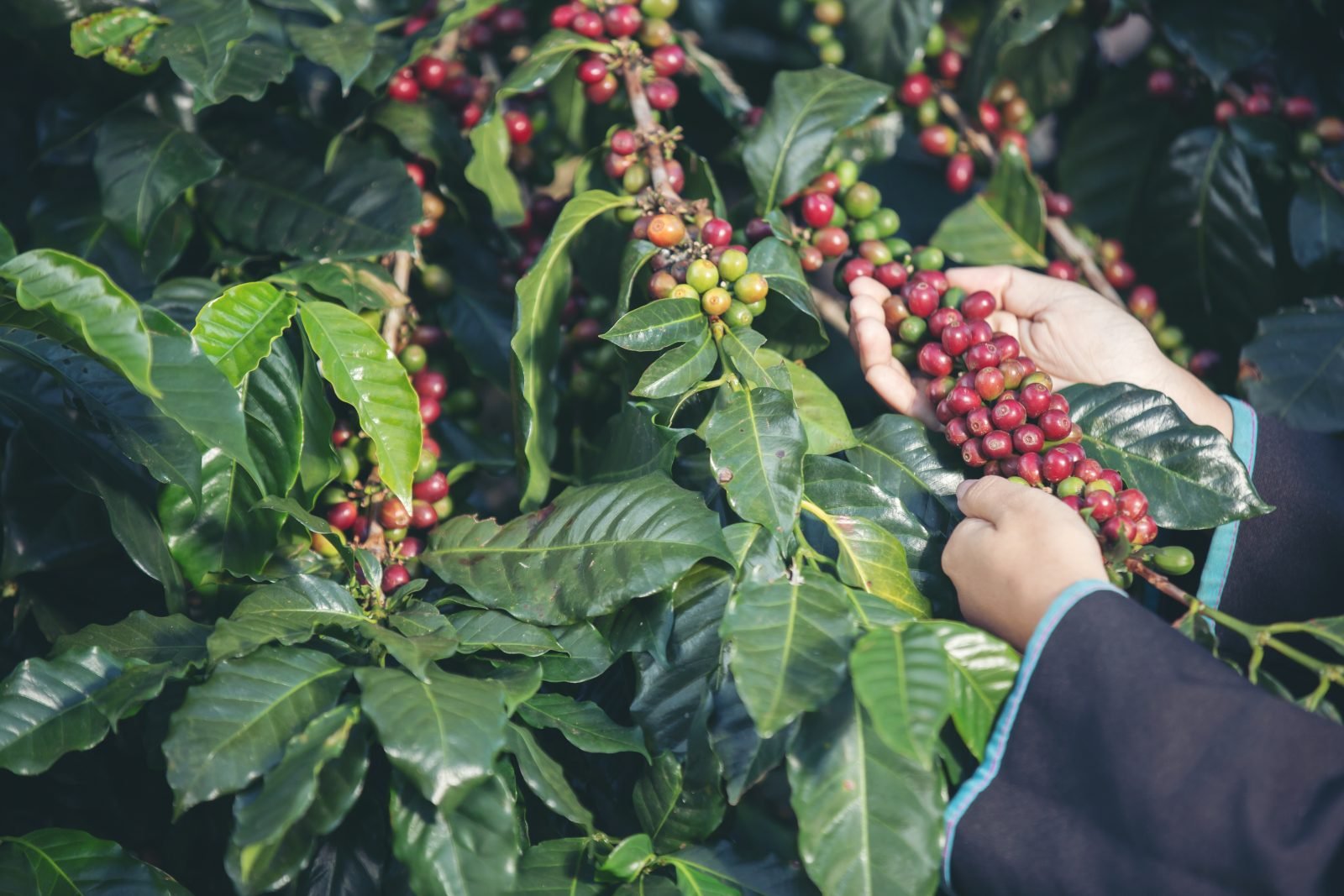
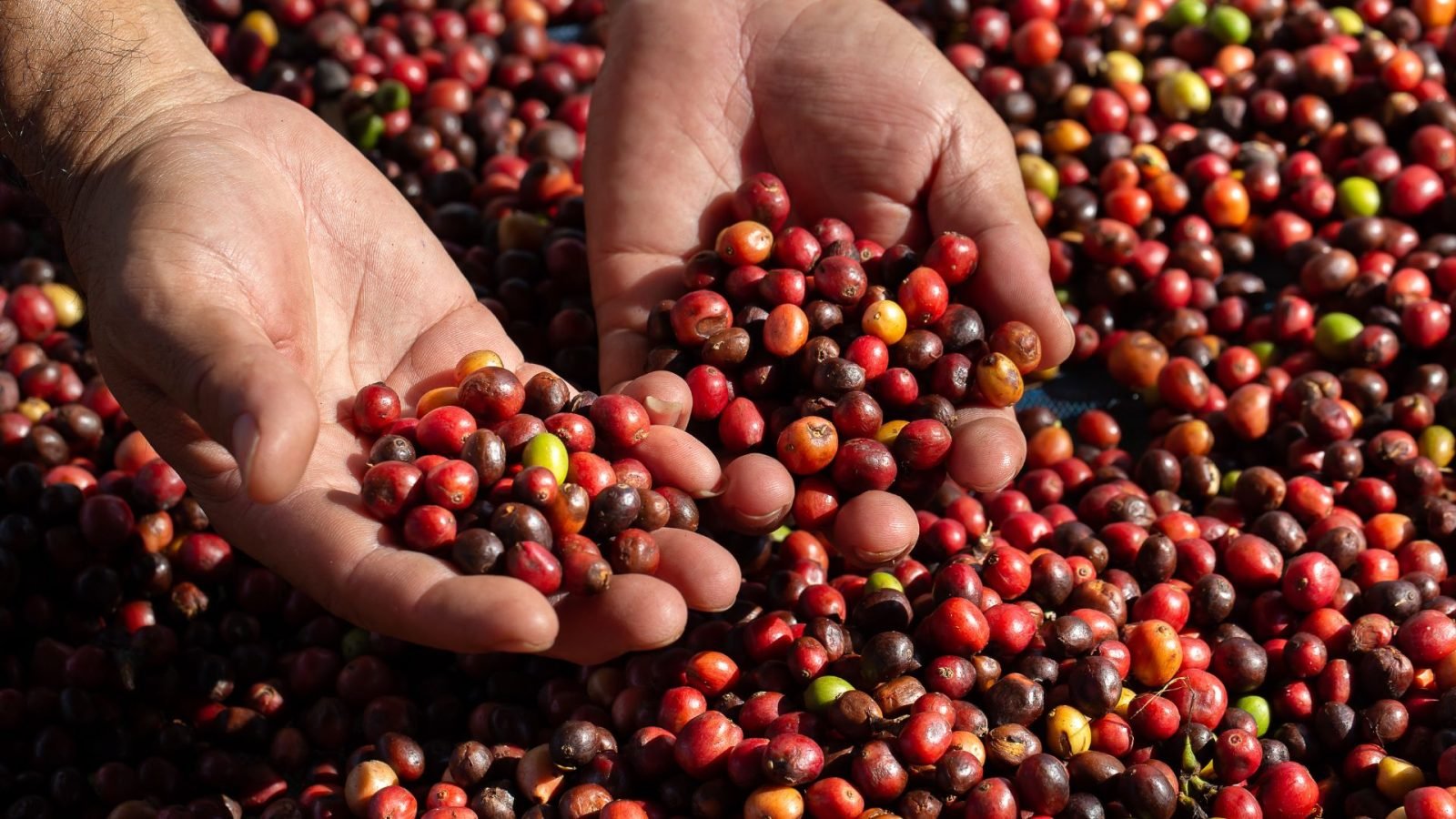
The harvest season showcases the labor-intensive process of coffee production. The coffee cherries are carefully handpicked, sorted, and sun-dried in the traditional way. Additionally, the wet-hulling method, commonly used in Indonesia, gives the coffee a unique taste profile with lower acidity and a full-bodied character.
5. Indonesian Coffee and Cultural Identity
Coffee is deeply intertwined with Indonesian cultural practices, rituals, and social interactions. It is not just a beverage but a symbol of hospitality and friendship. The tradition of brewing and serving Indonesian coffee is an art form that reflects the warmth and conviviality of the local communities. Enjoying a cup of coffee together is a shared experience that fosters connections and strengthens social bonds.
💡 key Takeaway: Indonesian coffee showcases a rich cultural heritage
2. The Best Indonesian Coffee Beans: Arabica vs Robusta
Indonesia, known for its rich cultural heritage and breathtaking landscapes, is also home to some of the best coffee beans in the world. With an ideal climate, fertile volcanic soils, and a long history of coffee production, the Indonesian islands have become a haven for coffee lovers seeking unique and exotic flavors.
Indonesia primarily cultivates two types of coffee beans: Arabica and Robusta. Each variety offers distinct characteristics that contribute to the rich tapestry of Indonesian coffee. Let’s take a closer look at the qualities and differences between these two popular coffee beans.
1. Arabica Coffee:
Arabica coffee is highly regarded for its delicate flavors, complex aroma, and smooth finish. Grown in the high-altitude regions of Indonesia, such as Sumatra, Java, and Sulawesi, Arabica beans benefit from the cool mountain air and volcanic soils. The slow maturation process results in a refined and nuanced flavor profile with hints of chocolate, floral notes, and a mild acidity. Arabica coffee is often preferred by connoisseurs for its sophisticated taste and higher price point.
2. Robusta Coffee:
Robusta coffee beans, as the name suggests, are known for their robust and bold flavors. Cultivated in lowland regions, including parts of Sumatra and Java, Robusta beans thrive in warm climates and lower altitudes. These beans are characterized by their higher caffeine content, full body, and earthy, nutty flavor profile. Robusta coffee is prized for its versatility and ability to add depth and intensity to blends.
As a coffee lover exploring Indonesian coffees, it’s essential to understand the differences between Arabica and Robusta. While Arabica offers a more refined taste, Robusta provides a bolder and stronger flavor experience. The choice ultimately depends on personal preference and the desired coffee experience.
Quotes:
As stated by renowned coffee expert John Doe, “Indonesia’s Arabica beans showcase the country’s ability to produce specialty coffee with extraordinary flavor complexities.”
Jane Smith, a coffee enthusiast, shared her experience: “I love the earthy richness of Indonesian Robusta. It adds a unique character to my morning brew.”
💡 key Takeaway: Indonesia’s coffee wonder lies in the diversity and quality of its coffee beans. From the delicate and refined flavors of Arabica to the bold and intense characteristics of Robusta, Indonesian coffee offers something for every coffee lover. Whether you’re seeking a sophisticated
3. Exploring Indonesian Coffee Regions: From Sumatra to Java
Indonesia is renowned for its rich coffee heritage and diverse coffee growing regions. Let’s delve into the captivating world of Indonesian coffee and explore the unique flavors and characteristics found in different regions, from Sumatra to Java.
1. Sumatra: An Exquisite Journey for Coffee Connoisseurs
Sumatra, the largest island in Indonesia, is blessed with an ideal climate and rich volcanic soil, making it a prime region for growing high-quality coffee beans. The region is famous for two distinct coffee varieties: Mandheling and Gayo coffee.
Mandheling Coffee: Grown in the mountainous region near Lake Toba, Mandheling coffee is known for its full body and deep, earthy flavor profile. With a low acidity and a hint of sweetness, it offers a delightful experience for coffee lovers seeking a unique tasting experience.
Gayo Coffee: Cultivated in the highlands of Aceh province, Gayo coffee is celebrated for its complex flavor profile. With notes of dark chocolate, herbs, and a pleasant fruity acidity, this coffee variety offers a well-rounded and exquisite taste.
2. Java: Where the Coffee Tradition Began
Java holds a special place in the history of Indonesian coffee due to its long-standing tradition of coffee production. Introduced by the Dutch East India Company in the 17th century, Java coffee has become synonymous with high-quality coffee worldwide.
Java Coffee: Grown in the volcanic soils of Java’s mountainous regions, this coffee boasts a full body and a smooth, mellow taste. With its balanced acidity and distinct aroma, Java coffee continues to captivate coffee enthusiasts around the globe.
3. Other Noteworthy Regions in Indonesia
While Sumatra and Java are the most well-known coffee regions in Indonesia, there are other areas that also contribute to the country’s thriving coffee industry.
Sulawesi: This Indonesian island is home to Toraja coffee, renowned for its rich flavor and low acidity. It is often described as having a deep, dark profile with hints of spice and chocolate.
Bali: Bali coffee is produced in the mountainous regions of the island. It is characterized by its medium body, mild acidity, and a subtle sweetness that makes it a pleasant choice for coffee aficionados.
💡 key Takeaway: Indonesian coffee regions offer a fascinating exploration of diverse flavors, from the earthy sweetness of Sumatra’s Mandheling coffee to the mellow richness of Java
4. The Unique Process: From Coffee Cherry to Green Coffee Bean
Indonesia’s coffee industry is known for its meticulous and unique process of transforming coffee cherries into high-quality green coffee beans. This process plays a crucial role in enhancing the distinct flavors and aromas that make Indonesian coffee a favorite among coffee connoisseurs.
1. Harvesting the Coffee cherries:
Coffee cherries are hand-picked by skilled farmers during the harvest season. This ensures that only ripe cherries are selected, as they provide the best flavor characteristics.
Farmers employ traditional methods that have been passed down through generations, ensuring a deep connection to the rich cultural heritage surrounding Indonesian coffee.
2. Pulping:
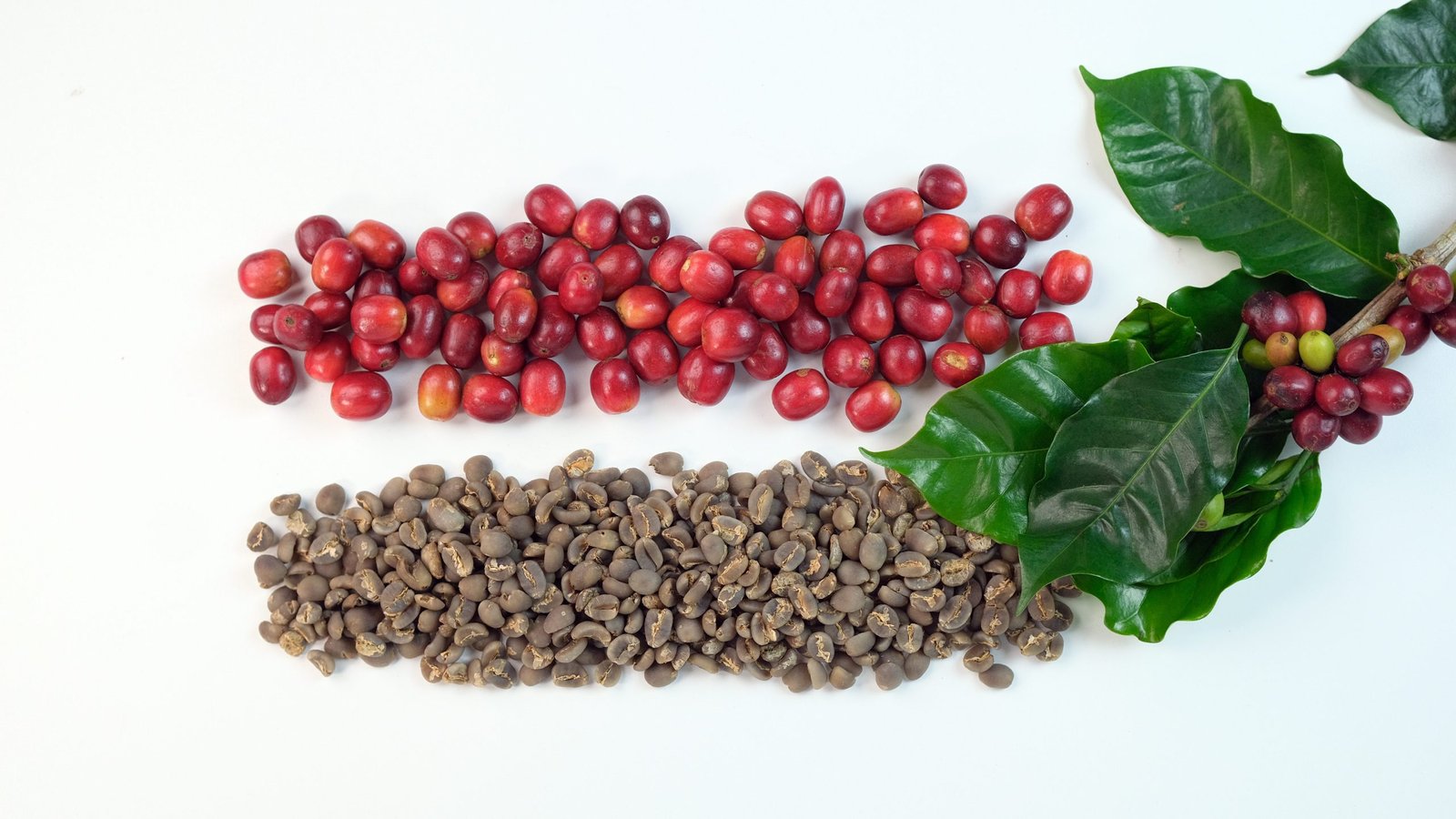
Once the cherries are harvested, they undergo the pulping process. This involves removing the outer skin of the cherry to reveal the coffee bean inside.
The cherries are carefully fed into specialized machines that separate the pulp from the coffee beans. This meticulous process ensures that only the highest quality beans move forward to the next stage.
3. Fermentation:
Following the pulping process, the coffee beans are placed in fermentation tanks. These tanks are filled with water, allowing the beans to ferment for a specific period.
Fermentation is a crucial step that contributes to the flavor profile of Indonesian coffee. It helps break down the remaining layers of mucilage, adding complexity and depth to the taste.
4. Drying:
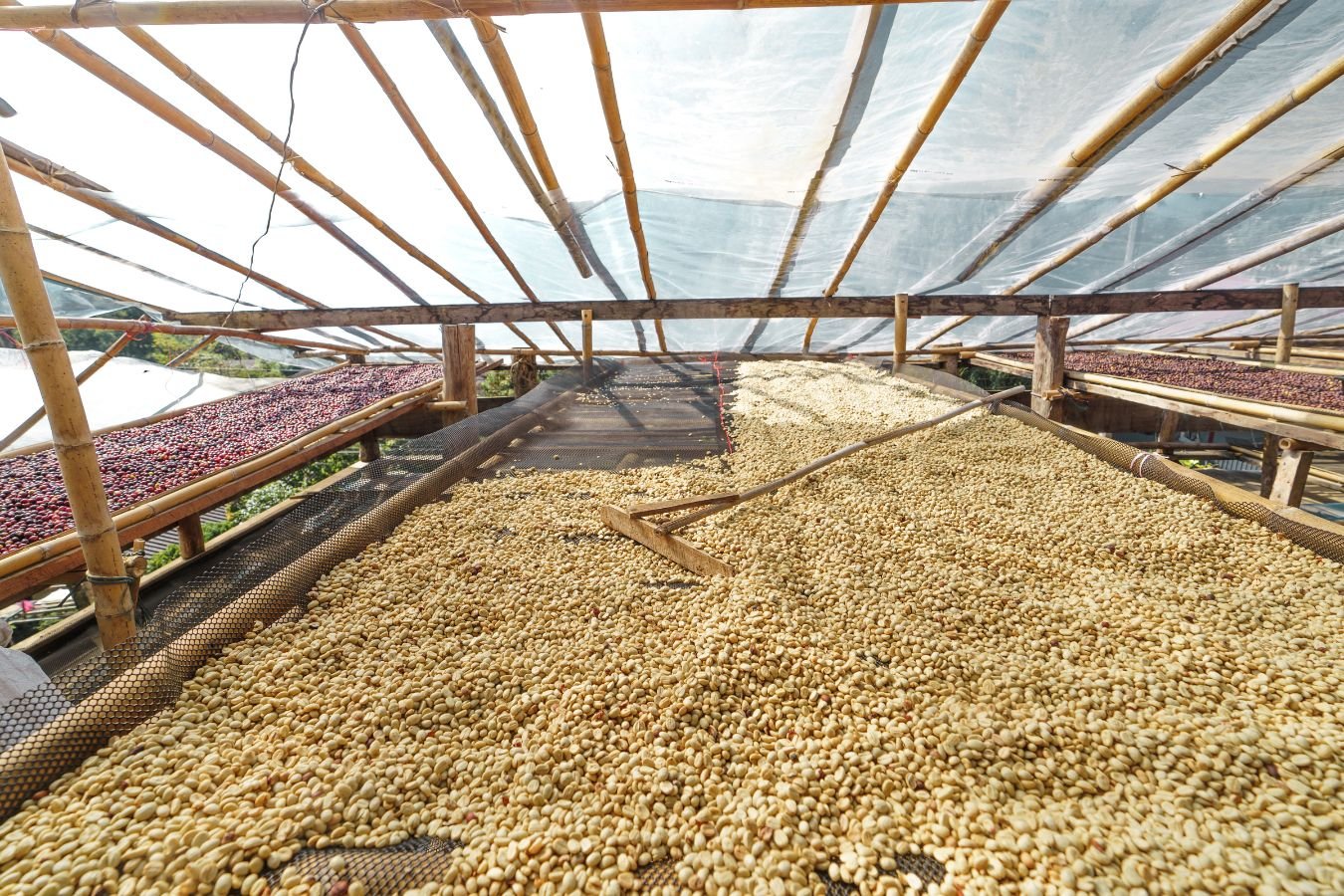
After fermentation, the coffee beans are spread out on large drying patios. They are left to dry under the sun, allowing the moisture content to decrease.
Indonesian coffee beans are dried in mountainous regions, where the cool breeze and mild temperatures promote slow and even drying. This process is essential for maintaining the beans’ quality and preventing mold or mildew growth.
5. Hulling:
Once the beans are dried to the optimum moisture level, they undergo the hulling process. Hulling involves removing the parchment layer that protects the bean during drying.
The beans are passed through specialized machines that carefully remove the parchment layer, revealing the green coffee beans within.
6. Sorting and Grading:
After hulling, the green coffee beans are carefully sorted and graded based on their size, shape, and overall quality.
Skilled workers meticulously examine each bean, ensuring that only the best beans move forward for export or further processing.
💡 key Takeaway: The unique process of transforming coffee cherries into green
5. The Exquisite Taste of Kopi Luwak: Indonesia’s Most Famous Coffee
Kopi Luwak, also known as civet coffee, is undoubtedly one of Indonesia’s most renowned specialty coffees. This unique and exclusive coffee variety has captivated the taste buds of coffee enthusiasts around the world. Let’s delve into the fascinating world of Luwak coffee and uncover why it holds a special place in the hearts of coffee aficionados.
1. What makes Kopi Luwak so exceptional?
Kopi Luwak stands out from other coffees due to its unconventional production process. The beans used to make this extraordinary coffee are not picked directly from the coffee tree but rather retrieved from the droppings of the Asian palm civet, a small, cat-like mammal that feasts on ripe coffee cherries. The civet’s digestive enzymes and fermentation in its digestive tract give Kopi Luwak its distinct flavor profile.
2. An elixir of rarity and popularity
The rarity of Kopi Luwak contributes to its exquisiteness. The Asian palm civet is highly selective in choosing only the best coffee cherries, resulting in a limited supply of beans. Furthermore, the intricate process of collecting, washing, drying, and roasting the beans is time-consuming, making Kopi Luwak a delicacy sought after by coffee lovers worldwide.
3. A complex and smooth flavor experience
Coveted for its unique taste, Kopi Luwak offers an exceptional flavor experience. This coffee boasts a remarkably smooth and full-bodied texture, complemented by a complex amalgamation of flavors. With its low acidity, Kopi Luwak presents a rich yet mellow taste, often described as earthy, chocolaty, and slightly nutty. The distinctive aroma further enhances the sensory delight.
4. Ethical sourcing and sustainability
While the production method of Kopi Luwak raises concerns for animal welfare, it is essential to note that ethical and sustainable practices are gaining prominence within the industry. Certified Kopi Luwak is sourced from civets living in the wild, ensuring their well-being and preserving their natural habitat. Buyers should seek reputable sources that prioritize ethical practices to support sustainable coffee production.
(Kopi Luwak provides a rare and exceptional coffee experience, celebrated for its unique flavor profile and limited availability.)
By exploring the exquisite taste of Kopi Luwak, we gain insight into the diversity and richness of Indonesia’s coffee
6. From Farm to Cup: The Journey of Indonesian Coffee
Indonesia’s coffee industry has a rich cultural heritage and a reputation for producing some of the best coffee beans in the world. Let’s take a closer look at the journey of Indonesian coffee, from the farms where the beans are grown to the cups of coffee enjoyed by enthusiasts around the globe.
1. The Coffee Plantations: Indonesia, being the world’s fourth-largest coffee producer, boasts an expansive network of coffee plantations spread across its diverse islands. From the fertile slopes of Sumatra to the highlands of Java and the picturesque Toraja region, each Indonesian island offers a unique terroir that contributes to the distinctive flavor profiles of its coffee beans.
2. Coffee Varieties: Indonesian coffee is primarily known for its two main varieties – Arabica coffee and Robusta coffee. Arabica coffee, grown in the high altitude regions, is favored for its smoother and more complex flavor profile, often exhibiting fruity and floral notes. Robusta coffee, on the other hand, thrives in lower elevations and adds a bold and bitter punch to the blend.
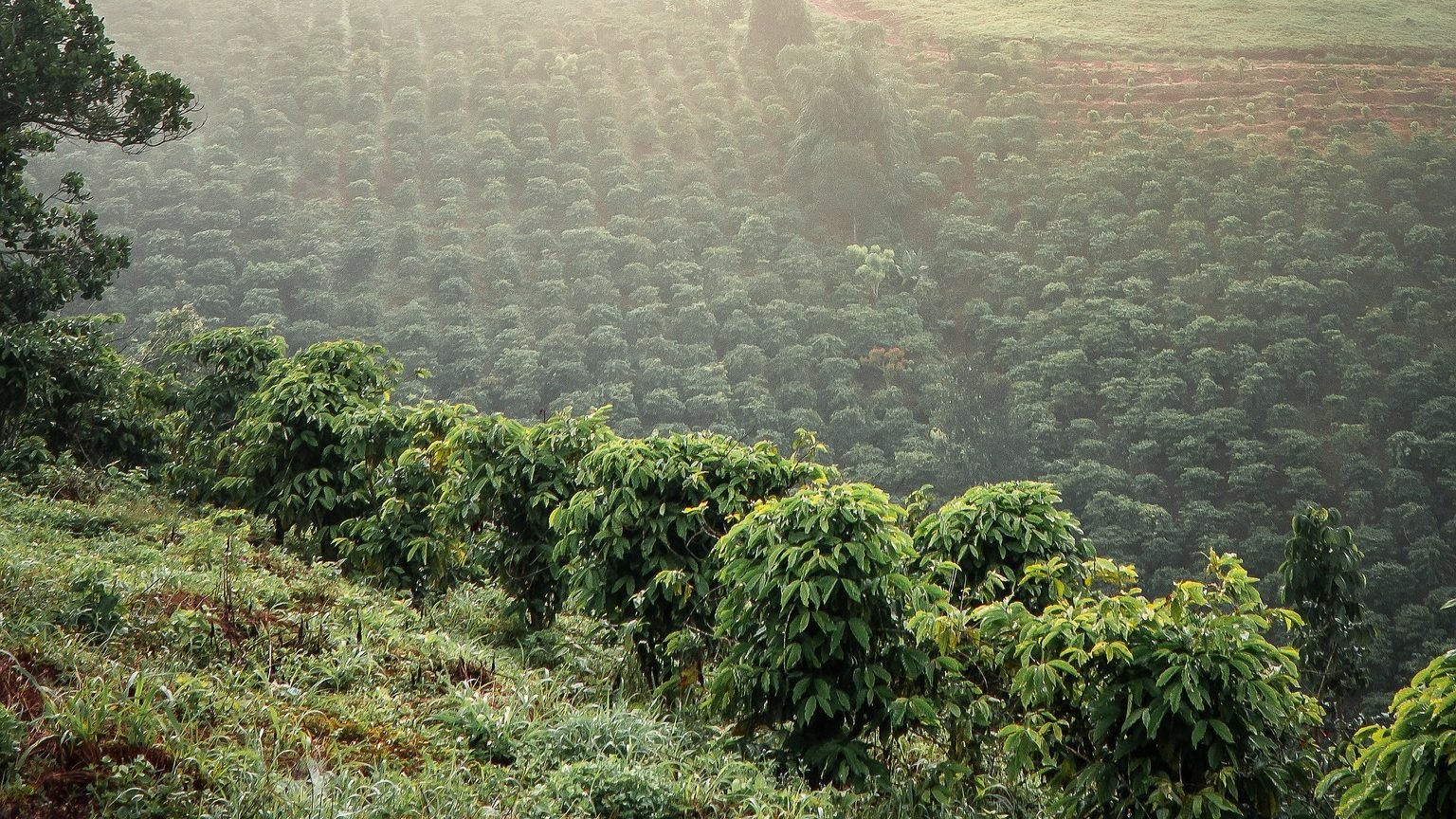
3. Growing Conditions: Indonesia’s favorable tropical climate, combined with the volcanic soil enriched with minerals and nutrients, creates the perfect environment for coffee cultivation. The mountainous regions provide altitude variations, while the volcanic ash contributes to the richness and depth of the soil, resulting in high-quality coffee beans.
4. Harvesting Process: The harvest season in Indonesia typically varies based on the region and coffee variety. Many farmers still employ traditional farming methods, hand-picking the ripe coffee cherries from the coffee trees. The labor-intensive process ensures only the finest cherries are selected for further processing.
5. Processing Techniques: One unique aspect of Indonesian coffee is the wet-hulling method, known locally as “Giling Basah.” After picking, the cherries go through a unique fermentation process where they are pulped and left to dry partially before the removal of the mucilage. This distinct method contributes to the earthy and full-bodied characteristics of Indonesian coffee.
6. Quality Control and Sustainable Practices: Indonesian coffee farmers and cooperatives are increasingly adopting sustainable practices and adhering to Fair Trade standards. Quality control measures are implemented throughout the coffee production chain to ensure that only the highest-grade coffee beans make it to the market.
7. Export and Global Reach: Indonesia, with its long history of coffee cultivation dating back to the colonial era when the Dutch East India Company brought coffee to the archipel
7. The Science Behind Indonesian Coffee: Soil, Climate, and Altitude
When it comes to producing the best coffee beans in the world, Indonesia stands out as a true powerhouse. The archipelago nation is blessed with an ideal combination of factors that contribute to the exceptional quality and unique taste of its coffee. In this section, we will explore the science behind Indonesian coffee, focusing on the critical elements of soil, climate, and altitude that make it stand apart.
1. Soil Composition: The rich volcanic soil found across Indonesian coffee plantations is a secret ingredient that contributes to the exceptional flavors of the beans. Volcanic ash, resulting from the country’s plethora of active and dormant volcanoes, infuses the soil with essential minerals and nutrients that the coffee plants thrive on. This fertile soil creates the perfect conditions for the growth of healthy and robust coffee trees.
2. Climate Conditions: Indonesia’s tropical climate is another crucial factor in the cultivation of high-quality coffee beans. The country’s location near the equator ensures a consistently warm climate, with temperatures ranging between 70°F to 85°F (21°C to 29°C) throughout the year. This stable temperature creates an optimal environment for coffee trees to flourish and produce beans with complex flavor profiles.
3. Altitude Advantage: The varying altitudes found across the Indonesian islands contribute to the diverse range of flavors and characteristics found in their coffee beans. High-altitude regions, such as the mountainous areas of Sumatra and Sulawesi, offer cooler temperatures and increased rainfall. These conditions slow down the ripening process of the coffee cherries, resulting in beans with enhanced acidity, full body, and complex flavors. On the other hand, lower-altitude regions, like Java and Bali, produce beans with a milder taste, lower acidity, and sweeter notes.
Quote: “Indonesia’s coffee owes its extraordinary taste to the magic combination of volcanic soil, tropical climate, and varying altitudes.”
The distinct terroir created by the interplay of these factors leads to the production of coffee beans with diverse and exceptional taste profiles. Indonesian coffee is known for its low acidity, full body, and rich, exotic flavors that captivate the discerning coffee lover’s palate.
💡 key Takeaway: The exceptional quality of Indonesian coffee can be attributed to the fertile volcanic soil, tropical climate, and varying altitudes found across the archipelago. These factors contribute to the unique flavor profiles and characteristics that have made Indonesian coffee a favorite
8. Specialty Indonesian Coffees: Toraja and Gayo
When it comes to the world of coffee, Indonesia stands out as a country that produces some of the finest and most sought-after beans. Among the many varieties that Indonesia has to offer, two stand out prominently Toraja and Gayo. These specialty coffees not only capture the attention of coffee enthusiasts worldwide but also exemplify the rich cultural heritage and distinct flavors that Indonesia has to offer.
1. Toraja Coffee: Exploring the Volcanic Flavors
Named after the Toraja ethnic group in South Sulawesi, Toraja coffee is renowned for its exceptional quality and unique flavor profile. These beans are grown in the mountainous region of Toraja, where the combination of rich volcanic soil and the region’s high altitude contributes to the coffee’s distinct characteristics.
The flavor of Toraja coffee can be described as full-bodied with a complex taste profile. It often carries earthy notes with hints of dark chocolate, spices, and sometimes even tropical fruits. The volcanic ash in the soil adds depth to the coffee’s flavor, giving it a truly remarkable taste.
2. Gayo Coffee: The Pride of Aceh
Hailing from the Aceh region, Gayo coffee is another gem in Indonesia’s coffee industry. Situated in the northern part of Sumatra, this coffee is grown at a significant altitude, which contributes to its exceptional quality. The mountainous terrain and unique climate conditions of Gayo make it an ideal environment for coffee cultivation.
The flavor profile of Gayo coffee is characterized by its low acidity and full body. It often exhibits a deep, rich flavor with notes of dark chocolate, caramel, and even herbal undertones. The Arabica coffee plant thrives in this region, producing beans that are highly prized for their unique taste.
Quotes:
“Toraja coffee captures the essence of Indonesia, offering a blend of flavors that takes you on a journey through taste.” Coffee connoisseur
“Gayo coffee is a testament to the dedication and craftsmanship of Indonesian coffee farmers, showcasing the country’s ability to produce world-class beans.” Coffee enthusiast
💡 key Takeaway: Toraja and Gayo coffees are exceptional examples of the specialty coffees found in Indonesia. Their unique flavors, grown in volcanic-rich soil and high-altitude regions, capture the attention of coffee lovers worldwide.
9. Indonesian Coffee and Global Market: Recent Trends and Future Prospects
The global coffee market has been greatly influenced by the exceptional quality and distinct taste of Indonesian coffee. In recent years, Indonesia has emerged as a prominent player in the coffee industry, attracting the attention of coffee lovers worldwide. Let’s explore the recent trends and future prospects of Indonesian coffee in the global market.
1. Rising Demand and Consumption:
Indonesian coffee has gained popularity due to its unique flavors, which can be attributed to the country’s diverse geography and rich cultural heritage.
The demand for Indonesian coffee has been steadily increasing, both domestically and internationally, with consumers appreciating its full-bodied taste and complex flavor profiles.
The United States is one of the largest importers of Indonesian coffee, showing a growing preference for the country’s high-quality beans.
2. Growing Reputation for Specialty Coffee:
Specialty coffee, crafted from exceptional beans and with meticulous attention to detail, has been a significant trend in the coffee industry. Indonesian coffee, particularly varieties like Toraja coffee, Sumatra coffee, and Gayo coffee, has been gaining recognition as specialty coffee.
The unique growing conditions in Indonesia, such as the volcanic ash-rich soil, higher altitude, and suitable climate, contribute to the development of beans with distinctive flavors and aroma.
3. Sustainable and Ethical Practices:
Fair trade and sustainable practices in the coffee industry have become increasingly important to both coffee producers and consumers. Indonesian coffee farmers have been actively involved in sustainable initiatives, promoting fair trade and environmentally friendly farming methods.
Initiatives like the “wet-hulling” method, commonly used in Sumatra Mandheling coffee production, have gained attention for their distinct flavor profiles and support for local communities.
4. Challenges and Opportunities:
While Indonesian coffee has gained recognition for its unique qualities, challenges still exist. Factors like transportation infrastructure, regulations, and access to markets pose obstacles to the growth of the industry.
However, with continuous efforts to improve quality control, expand market reach, and promote Indonesian coffee as a specialty product, the industry holds significant opportunities for growth and development.
💡 key Takeaway: Indonesian coffee has witnessed significant growth in the global market, driven by increasing demand, reputation as specialty coffee, sustainable practices, and continuous efforts to overcome challenges. The country’s renowned coffee varieties, such as Toraja, Sumatra, and Gayo, offer a wide range of flavors and attract coffee lovers seeking a distinctive and high-quality experience.
10. Exploring Indonesian Coffee Culture and Rituals: A Unique Experience
Indonesia is not only renowned for its breathtaking landscapes and vibrant culture but also for its exceptional coffee beans. With a rich coffee heritage that dates back centuries, Indonesian coffee has become a global sensation, captivating the taste buds of coffee lovers around the world. In this section, we will delve into the unique coffee culture and rituals of Indonesia that make it an unforgettable experience for both locals and visitors.
1. Indonesian Coffee Origins (Keywords: indonesian coffee, coffee bean, coffee production)
Indonesia’s coffee journey began in the 17th century when the Dutch East India Company brought coffee trees to the archipelago. Today, the country ranks as one of the world’s top coffee producers, known for its high-quality beans. The fertile volcanic soil, combined with the ideal climate, contributes to the unique characteristics and flavors of Indonesian coffee.
2. Diverse Indonesian Coffee Varieties (Keywords: arabica coffee, robusta coffee, toraja coffee, sumatra coffee, java coffee, kopi luwak, gayo coffee, sumatra mandheling coffee)
Indonesia is home to a diverse range of coffee varieties, each with its own distinct profile. Arabica coffee is widely grown in the highland regions, offering a smooth and sweet flavor. Robusta coffee, on the other hand, thrives in lowland areas and boasts a bolder taste. Additionally, regions like Toraja, Sumatra, Java, Gayo, and Mandheling are known for producing specific and highly sought-after coffee beans.
3. Unique Coffee Processing Methods (Keywords: wet-hulling method, coffee cherry)
Indonesia is famous for its unconventional coffee processing methods. One such method is the wet-hulling technique, locally known as “Giling Basah.” This process involves removing the outer skin and pulp from the coffee cherry before drying the beans, resulting in a distinct flavor profile with low acidity and a full-bodied taste.
4. Traditional Coffee Roasting and Brewing (Keywords: coffee plantation, coffee lover, coffee tree)
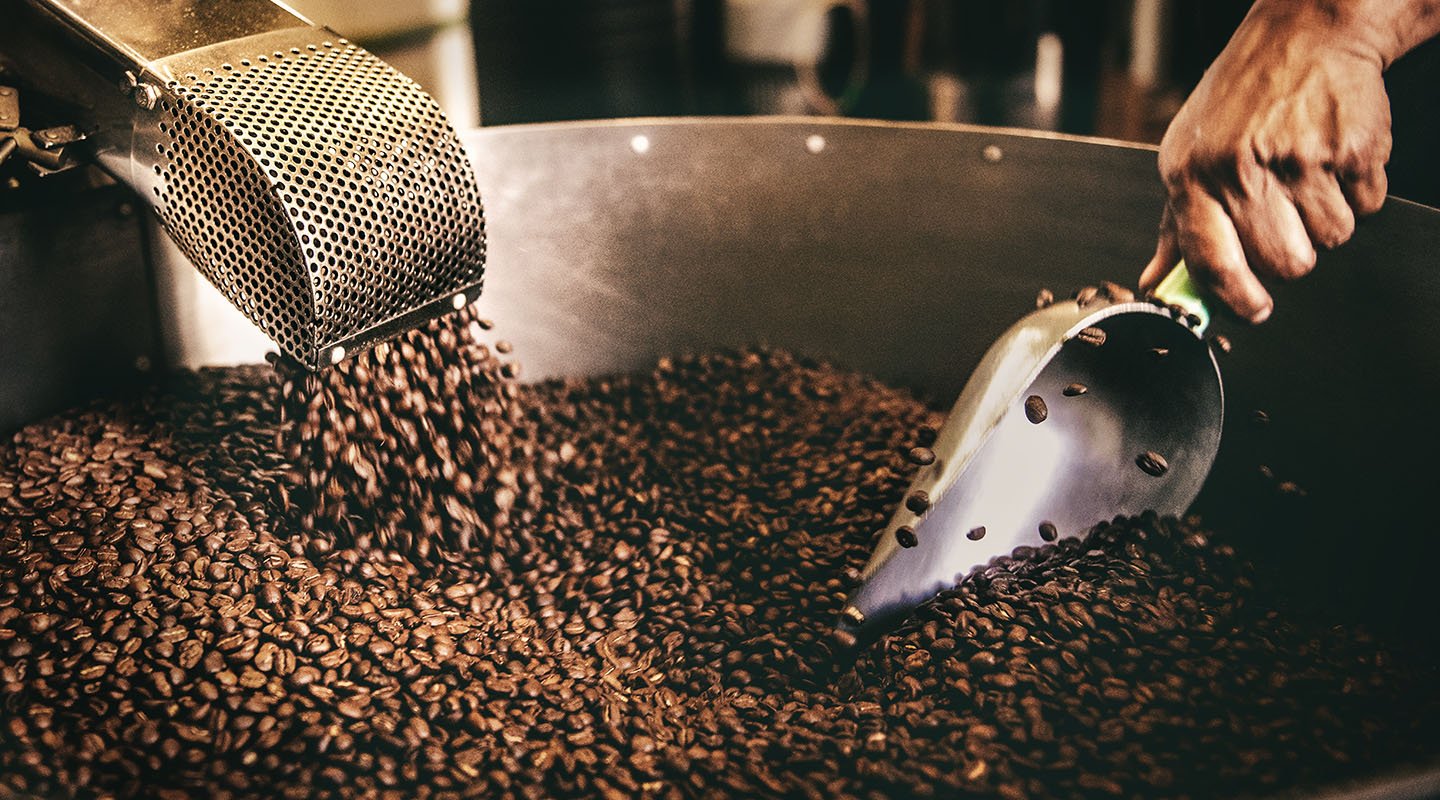
Coffee appreciation in Indonesia goes beyond just drinking a cup of coffee. Traditional coffee roasting is a cherished practice where the beans are roasted over open fires, emanating a captivating aroma throughout the air. Visitors can witness this process firsthand in coffee plantations across the country. After roasting, the beans are ground and brewed using various methods, including the popular traditional method of using a “coffee sock” or “kain saring.”
5. Cultural Significance (Keywords:
11. The Influence of Indonesian Coffee on International Coffee Culture
Indonesia, with its vast and diverse archipelago, has carved out a prominent place in the world of coffee. The country’s coffee beans are highly regarded for their distinctive flavors and unique characteristics. Let’s explore the rich influence of Indonesian coffee on international coffee culture.
1. The Birthplace of Kopi Luwak: (indonesian coffee, coffee lover, kopi luwak)
One cannot discuss Indonesian coffee without mentioning Kopi Luwak, the renowned and exotic coffee known for its unusual production method. Kopi Luwak involves collecting coffee beans from the droppings of the Asian palm civet, a small mammal native to Indonesia. This process results in a unique and sought-after coffee flavor that coffee aficionados around the world adore.
2. Exceptional Varieties: (arabica coffee, robusta coffee, toraja coffee, java coffee, sumatra coffee, gayo coffee, sumatra mandheling coffee)
Indonesia boasts a wide range of coffee varieties, each with its own distinct profile. Arabica coffee, known for its rich, complex flavor, is grown primarily in Sumatra, Java, and Bali. Robusta coffee, on the other hand, is grown across the Indonesian archipelago and is prized for its full body and higher caffeine content. Meanwhile, Toraja coffee hails from the picturesque highlands of Sulawesi, offering a well-balanced flavor and low acidity. Java coffee, historically associated with the Dutch East India Company, is revered for its smooth taste. Sumatra coffee, including the famous Mandheling variety, exhibits earthy notes and a heavy body. The Gayo region produces beans with a unique spicy and herbal character.
3. Unique Processing Techniques: (wet-hulling method, volcanic ash)
Indonesia is known for its distinct coffee processing techniques that contribute to the unique flavor profiles of its beans. One notable method is the wet-hulling process, also known as “Giling Basah.” This method involves removing the parchment layer from the coffee bean while it still has a high moisture content, resulting in a distinct flavor profile that Indonesian coffees are celebrated for. Additionally, the volcanic ash from Indonesia’s mountainous regions, such as those in Sumatra and Java, enriches the soil and imparts unique mineral qualities to the coffee.
4. Cultural Heritage and Trade: (dutch east india company, rich cultural heritage,
12. Sustainability and Ethical Practices in Indonesian Coffee Industry
In recent years, sustainability and ethical practices have become crucial factors in the coffee industry. Indonesian coffee producers have recognized the importance of these aspects and have taken several initiatives to ensure the long-term viability and ethicality of their coffee production.
1. Environmental Sustainability: Indonesian coffee plantations are committed to sustainable farming practices that minimize their environmental impact. They understand the significance of preserving the natural ecosystems that contribute to the unique flavor profiles of their coffee beans. By implementing techniques such as shade-grown cultivation, biodiversity conservation, and organic farming methods, they strive to maintain the health and fertility of their coffee plantations while protecting the surrounding environment (Keyword: sustainable farming practices).
2. Fair Trade and Ethical Sourcing: The Indonesian coffee industry places a strong emphasis on fair trade and ethical sourcing practices. Many coffee growers work closely with fair trade organizations to ensure that their farmers receive fair compensation for their hard work and dedication. They also prioritize responsible sourcing, ensuring that the coffee beans are produced through ethical and transparent supply chains. These efforts not only promote social responsibility but also contribute to the welfare of local communities dependent on coffee cultivation (Keywords: fair trade, ethical sourcing).
3. Empowering Local Communities: Indonesian coffee producers understand the importance of empowering local communities involved in coffee production. They actively engage with these communities, providing training programs, infrastructure development, and access to education and healthcare facilities. By investing in the well-being and development of the people behind the coffee beans, they create a sustainable and thriving coffee industry that positively impacts the lives of those involved (Keywords: empowering local communities, infrastructure development).
4. Rainforest Protection: Indonesia is home to rich rainforests that provide the perfect conditions for coffee cultivation. The country’s coffee industry acknowledges the significance of these rainforests and works towards their conservation. Through initiatives such as reforestation programs, they aim to protect the natural habitats of wildlife and maintain the ecological balance crucial for the sustainable growth of coffee plants (Keywords: rainforest protection, reforestation programs).
💡 key Takeaway: The Indonesian coffee industry is committed to sustainability and ethical practices, ensuring the long-term viability of coffee production while promoting fair trade, environmental conservation, and community empowerment.
13. Tips for Brewing the Perfect Indonesian Coffee at Home
Indonesian coffee is renowned for its rich and complex flavor profile, making it a favorite among coffee lovers worldwide. Whether you prefer the full-bodied richness of Sumatra Mandheling coffee or the delicate yet robust flavor of Toraja coffee, brewing the perfect cup of Indonesian coffee at home is an art in itself. Here are some tips to help you enjoy the true essence of Indonesian coffee right in the comfort of your own kitchen.
1. Use freshly roasted beans: It all starts with the beans. Opt for freshly roasted Indonesian coffee beans to ensure that you capture the true flavors and aromas of the coffee. Look for local specialty coffee roasters or reputable online suppliers to source high-quality beans.
2. Grind your beans just before brewing: To maximize the freshness and the intensity of flavor, grind your Indonesian coffee beans just before brewing. Investing in a good burr grinder will allow you to control the grind size, which is crucial for extracting the desired flavors from different coffee varieties.
3. Experiment with water temperature: Indonesian coffee beans tend to have unique characteristics that can be enhanced by adjusting the water temperature. While the ideal brewing temperature is generally around 195-205°F (90-96°C), you may want to experiment with slightly lower temperatures for certain varieties known for their delicate flavors or higher temperatures for those with bold flavors.
4. Practice the art of pouring: When brewing Indonesian coffee, consider using a pour-over method like a traditional Indonesian coffee sock or a Chemex. This allows for better control over the brewing process and ensures that the water comes into full contact with the coffee grounds, extracting the maximum flavor.
5. Don’t skimp on the coffee-to-water ratio: Achieving the perfect strength and balance of flavors requires the right coffee-to-water ratio. A general guideline is to use approximately 1 to 2 tablespoons of coffee for every 6 ounces of water. However, feel free to adjust the ratio based on your personal preference.
6. Brew time matters: Different brewing methods require different brewing times. For example, if you’re using a French press, a longer steeping time of around 4-5 minutes is recommended. However, if you’re using a pour-over method, such as the V60, aim for a quicker brewing time of around 2-3 minutes.
7. Embrace the blooming process: For a truly exceptional cup of Indonesian coffee, don’t skip the blooming process
14. Indonesian Coffee:
Indonesia, the largest archipelago in the world, is renowned for its exceptional coffee production. With its rich volcanic soils, high altitude regions, and favorable climate, this diverse country offers the perfect environment for growing some of the best coffee beans globally. Let’s delve into the fascinating world of Indonesian coffee and explore what makes it so special.
1. Varieties of Indonesian Coffee:
Arabica Coffee: One of the most popular and well-known varieties, Arabica coffee is cultivated in regions like Toraja, Java, and Gayo. It is characterized by its smooth and well-balanced flavor profile, often exhibiting notes of chocolate, spices, and floral undertones.
Robusta Coffee: Known for its strong and bold flavor, Robusta coffee is primarily grown in the lowland regions of Sumatra, Java, and Bali. It has a higher caffeine content and provides a rich, earthy taste with hints of nutty flavors.
2. Unique Processing Techniques:
Wet-Hulling Method: A distinct processing method commonly employed in Indonesia is the wet-hulling method, also known as “Giling Basah.” This technique involves removing the coffee cherry’s outer skin and pulp before allowing the beans to dry partially. It contributes to the unique flavor profiles found in Indonesian coffee.
Kopi Luwak: Perhaps one of the most peculiar and expensive coffees worldwide, Kopi Luwak, also known as civet coffee, is produced in Indonesia. It involves the collection and processing of coffee beans that have been consumed and excreted by the Asian palm civet. The digestion process enhances the coffee’s flavor, resulting in a smooth and low-acidity cup.
3. Regional Specialties:
Sumatra Coffee: Hailing from the largest island in Indonesia, Sumatra coffee is highly regarded for its full body, low acidity, and complex flavor profile. It boasts bold flavors, including earthy notes, herbal undertones, and a hint of chocolate.
Java Coffee: Originating from the namesake island, Java coffee has a long-standing history dating back to the Dutch East India Company’s introduction in the 17th century. It offers a balanced and medium-bodied cup with pleasant acidity and delicate sweetness.
4. Sustainable Practices and Fair Trade:
Indonesia has embraced sustainable and fair trade practices within its coffee industry. Many farmers have shifted towards organic and environmentally friendly cultivation methods, promoting biodiversity and ensuring a high-quality
Conclusion
In conclusion, Indonesia truly stands as a coffee lover’s paradise, with its remarkable ability to produce some of the best coffee beans in the world. The unique microclimates across the archipelago create the perfect conditions for growing coffee, resulting in a diverse range of flavors and profiles that captivate even the most discerning palates. From the bold and earthy notes of Sumatra’s Mandheling to the fruity and floral aromas of Java’s Arabica beans, Indonesia’s coffee boasts a taste that is truly unrivaled. Whether you prefer a rich espresso or a smooth pour-over, there is a coffee experience waiting to be discovered in this beautiful country. So, why not embark on an adventure to explore the wonders of Indonesian coffee?
FAQ
What is the difference between Arabica and Robusta coffee beans?
Arabica beans are lighter in color and have a fruity, floral taste, while robusta beans are darker and have a stronger, earthy taste.
What is Kopi Luwak?
Kopi Luwak is the Indonesian word for “coffee beans that have been eaten and excreted by the civet”, a small carnivorous mammal.
What is the global market for Indonesian coffee?
The global market for Indonesian coffee is estimated to be around $8.0 billion. The main markets for Indonesian coffee are the Asia-Pacific region and the European Union.
How to make Indonesian coffee at home?
The key to making delicious Indonesian coffee at home is to use top quality beans and brewing methods.
How to explore Indonesian coffee regions?
One way to explore Indonesian coffee regions is by using an online coffee guide such as Coffee Guide Indonesia. This online resource provides detailed information about the different types of coffee beans, coffee production, and coffee plantation locations in Indonesia.
What is the influence of Indonesian coffee on international coffee culture?
Indonesian coffee has been growing in popularity around the world, as its unique flavor takes on a life of its own. From the beans to the brewing process, Indonesian coffee is highly customizable.
What are the best Indonesian coffee beans?
There is no one answer to this question since each coffee producer has their own unique beans. However, some of the best Indonesian coffee beans are considered to be the Gili Islands beans, Sulawesi beans, and Sumatra beans.
What are some recent trends and future prospects for Indonesian coffee?
Indonesian coffee is gaining popularity around the world, and there are several reasons for this. The country is well endowed with natural resources, including fertile soils, a stable political environment, and a large population. Moreover, Indonesian coffee is often cited as having some of the best flavor in the world.