Arabica coffee beans, scientifically known as Coffea arabica, are among the most cherished and widely consumed coffee beans in the world. These beans play a crucial role in the coffee industry due to their unique flavor profile, cultural significance, and economic impact. Let’s take a journey through the world of Arabica coffee beans, exploring their origins, characteristics, and the rich cultural tapestry they’re woven into
Origins and Growing Regions
Arabica coffee beans are believed to have originated in the highlands of Ethiopia, where legend has it that a goat herder named Kaldi discovered the stimulating effects of coffee after observing his goats becoming unusually energetic upon consuming the coffee cherries. Today, Arabica coffee is cultivated in diverse regions around the world, each contributing its own distinct flavor nuances.
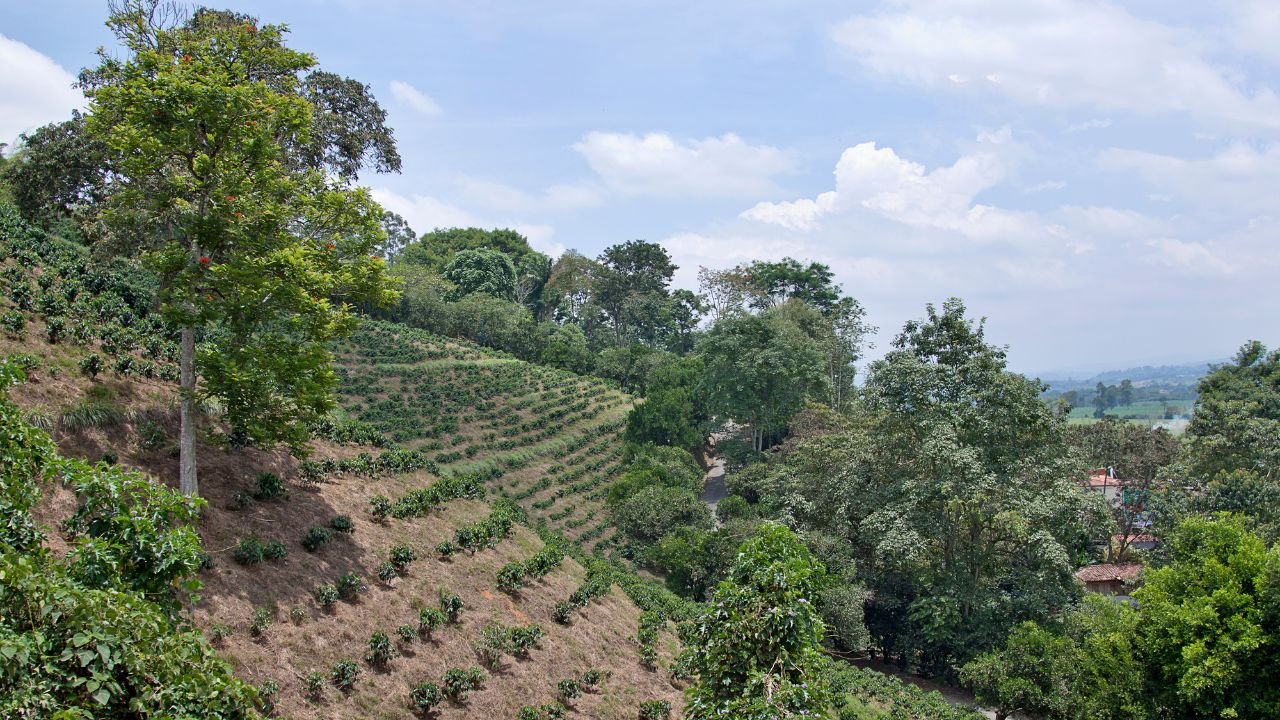
Countries like Ethiopia, Colombia, Brazil, Costa Rica, and Kenya are renowned for their Arabica coffee production. The specific altitudes, climates, and soil conditions of these regions influence the beans’ flavors, resulting in a wide spectrum of taste profiles from fruity and floral to chocolatey and nutty.
Flavor Profile
Arabica coffee beans are cherished for their complex and nuanced flavors. Compared to their counterpart, Robusta beans, Arabica beans tend to have lower caffeine content and a milder, more aromatic taste. The flavor notes of Arabica beans can vary widely depending on their origin and processing methods. You might encounter hints of:
Fruity notes like blueberry, raspberry, and citrus.
Floral undertones reminiscent of jasmine or lavender
Nutty flavors like almond or hazelnut.
Chocolaty, caramel, or honey-like sweetness.
This diversity in flavors has made Arabica coffee a favorite among coffee enthusiasts seeking a sensory adventure with each cup.
Cultural Significance
Arabica coffee beans are deeply woven into the cultural fabric of many societies. Coffeehouses have historically served as centers of social interaction, intellectual exchange, and artistic expression. These establishments, often referred to as “third places,” have provided platforms for discussions ranging from politics and philosophy to literature and the arts. In many cultures, sharing a cup of coffee is a gesture of hospitality and friendship.
The cultivation and trade of Arabica coffee have also shaped the economies of coffee-producing regions. From the misty mountains of Ethiopia to the highlands of Central America, Arabica coffee has played a pivotal role in providing livelihoods for countless farmers and communities.
Despite its popularity, Arabica coffee faces numerous challenges, including climate change, diseases like coffee rust, and fluctuating market prices. The delicate nature of Arabica plants makes them particularly vulnerable to adverse weather conditions. As a result, sustainable cultivation practices and efforts to combat these challenges are crucial to ensure the future availability of high-quality Arabica aromatic coffee.
Conclusion
Arabica coffee beans Resplendent offer more than just a morning pick-me-up; they offer a glimpse into the rich cultural tapestry of coffee-growing regions and provide a sensory experience like no other. From the ancient Ethiopian hills to the modern coffeehouses of bustling cities, Arabica coffee’s journey is one of flavor, culture, and resilience. Whether you savor a cup for its bright acidity or its smooth chocolatey notes, every sip is an invitation to explore the world, one coffee bean at a time.
Coffee has become more than just a beverage it has evolved into a passion for many individuals, giving rise to the term “coffee connoisseurs.” These enthusiasts seek unique flavors and experiences in their pursuit of the perfect cup. Among the wide variety of coffee options available, Gayo Coffee stands out as an exceptional choice. With its distinct characteristics and rich cultural heritage, This Coffee captures the hearts of coffee lovers worldwide.
Gayo Coffee finds its roots in the enchanting Gayo Highlands, located in Aceh, Indonesia. Nestled amidst the verdant landscapes of this region, benefits from its unique geographical attributes. The Gayo Highlands’ volcanic soil, coupled with its altitude and favorable climate, creates the perfect environment for cultivating exceptional coffee beans. This natural setting contributes to the distinctiveness and high quality of Gayo Coffee.
Gayo Coffee is renowned for its remarkable flavor profile, captivating the palates of coffee connoisseurs. It boasts a medium to full body, providing a satisfying richness and depth. The coffee exhibits a low acidity level, making it smooth and gentle on the taste buds. Moreover, This Coffee delights with its intriguing notes of chocolate and subtle herbal undertones. This intricate combination of flavors contributes to a memorable and pleasurable coffee experience.
Within the local community of the Gayo Highlands, this coffee has great cultural significance. It is closely related to traditional ceremonies and social gatherings, being an integral part of the regional cultural fabric. Coffee from Gayo plays an important role in various communal activities, symbolizing friendliness, connection and sharing of experiences. Her presence at weddings, festivals and religious ceremonies fosters a sense of community and celebration. Through this ritual, local people protect and respect their cultural heritage.
Quality and Sustainability
Meticulous Cultivation Process
Gayo coffee is cultivated through a careful process that emphasizes the use of organic farming methods and shade growing practices. Organic farming avoids the use of synthetic fertilizers, pesticides and herbicides, ensuring coffee beans are free from harmful chemicals. This not only contributes to the quality and purity of Coffee but also protects the environment and the health of farmers and consumers.
Additionally, this coffee is shade grown, which involves growing the coffee tree in the shade of a larger tree or using an artificial shade system. This approach promotes biodiversity, as it creates habitats for different species of plants and animals. Shade protects the coffee plant from direct sunlight, resulting in slower ripening and development of a more complex flavor in the bean.
Careful Handpicking and Rigorous Sorting
To ensure that only the highest quality beans are selected, Coffee Beans undergo a careful selection and sorting process. Skilled growers hand-pick the ripest coffee cherries, carefully selecting them based on color, size and ripeness. This selective harvesting ensures that only the best coffee beans are selected, thereby increasing the overall quality of the coffee bean. After harvest, the coffee beans undergo a rigorous sorting process, where any defective or underripe beans are removed. Attention to detail during the harvesting and sorting stages ensures that Gayo Coffee maintains exceptional taste quality and consistency.
Sustainability Efforts
The Gayo Coffee industry is committed to sustainability, implementing various practices to promote environmental preservation and fair trade. Fair trade practices ensure that farmers receive fair prices for their coffee beans, enabling them to support their families, invest in their farms, and improve their communities’ well-being. By providing equitable compensation, fair trade empowers farmers and contributes to the overall socio-economic development of the region.
Furthermore, Gayo Coffee promotes environmentally friendly farming techniques. This includes the adoption of water conservation methods, responsible waste management, and soil conservation practices. These efforts help to preserve the natural resources of the Gayo Highlands, minimize the ecological footprint of coffee cultivation, and safeguard the long-term sustainability of the coffee industry.
By choosing Gayo Coffee, coffee connoisseurs not only enjoy a superior cup of coffee but also support the ethical and sustainable practices associated with its production. The emphasis on organic farming, shade-grown cultivation, meticulous handpicking, and rigorous sorting ensures that Gayo Coffee consistently delivers a high-quality product. Additionally, the commitment to fair trade and environmental sustainability fosters a responsible and conscious coffee culture, benefiting both the farmers and the environment.
Gayo Coffee embraces fair trade practices, which have a profound positive impact on the Gayo Coffee community, particularly the farmers. Fair trade ensures that farmers receive fair prices for their coffee beans, providing them with a more stable and sustainable income. This allows them to improve their standard of living and invest in their farms, which leads to better agricultural practices and higher-quality coffee. Fair trade also promotes transparency and accountability in the supply chain, ensuring that the benefits of coffee production are shared equitably among all stakeholders.
Gayo Coffee plays a significant role in empowering local farmers, bringing about tangible improvements in their living conditions. The fair prices obtained through fair trade enable farmers to access better housing, clean water, and improved sanitation facilities. Moreover, the increased income allows farmers to invest in education, providing their children with better opportunities for a brighter future. Additionally, Gayo Coffee initiatives often include healthcare programs, which offer access to medical facilities, health insurance, and preventive care, enhancing the overall well-being of the farming communities.
The Gayo Coffee industry supports various social initiatives that aim to empower the community and foster sustainable development. One notable area of focus is women empowerment. Recognizing the vital role women play in coffee production, initiatives are implemented to provide them with training, resources, and support to actively participate in all aspects of the coffee value chain. By involving women in decision-making processes and income generation, Gayo Coffee promotes gender equality and improves the overall welfare of the community.
Health Benefits
Gayo Coffee, known for its distinct flavor and cultural significance, also offers potential health benefits for coffee connoisseurs. Here are some of the key health benefits associated with Gayo Coffee:
Rich in Antioxidants: Gayo Coffee contains high levels of antioxidants, such as polyphenols and chlorogenic acids. Antioxidants help combat oxidative stress and protect the body’s cells from damage caused by harmful free radicals. These compounds have been linked to various health benefits, including reducing inflammation, supporting heart health, and boosting the immune system.
Potential Positive Effects on Cognitive Function: The natural compounds present in Gayo Coffee, including caffeine and antioxidants, have been associated with improved cognitive function. Moderate consumption of Gayo Coffee may enhance focus, alertness, and mental performance. It can provide a natural boost to productivity and help maintain mental acuity.
Reduced Risk of Chronic Diseases: Scientific studies suggest that moderate coffee consumption, including Gayo Coffee, may be associated with a reduced risk of certain chronic diseases. The antioxidants and other bioactive compounds in Gayo Coffee have been linked to a lower risk of conditions such as heart disease, type 2 diabetes, certain cancers, and neurodegenerative disorders.
Liver Health Benefits: Some research indicates that regular, moderate coffee consumption may have protective effects on liver health. The bioactive compounds in Gayo Coffee have shown potential in preventing liver diseases, including liver cancer and cirrhosis. They may also help improve liver enzyme levels and reduce the risk of developing liver-related conditions.
Mood and Mental Well-being: Gayo Coffee can positively impact mood and mental well-being. Caffeine, present in Gayo Coffee, stimulates the release of neurotransmitters like dopamine and serotonin, which are associated with improved mood and feelings of well-being. Enjoying a cup of Gayo Coffee can provide a pleasant and uplifting experience.
It’s important to note that individual responses to Gayo Coffee and its health effects may vary. Factors such as individual health conditions, caffeine sensitivity, and overall lifestyle should be taken into consideration. Moderation is key, and it’s always advisable to consult with a healthcare professional regarding any specific health concerns or considerations related to coffee consumption.
Gayo Coffee is the epitome of excellence for coffee connoisseurs. Its distinctive flavor profile, derived from the fertile Gayo Highlands, captures the essence of a truly remarkable coffee experience. Moreover, Gayo Coffee’s commitment to quality, sustainability, and fair trade practices makes it an ethically responsible choice. As you embark on your coffee journey, we encourage you to explore the wonders of Gayo Coffee, available at specialty coffee shops and online platforms. Indulge in its unique flavors and contribute to the upliftment of the Gayo Coffee community while savoring every sip.
Any casual coffee lovers can mention Arabica and Robusta, but do they know the difference between Robusta and Arabica coffee beans? Coffee is generally grouped in Coffea genus, with only two species consumed by humans: Coffea arabica and Coffea canephora (Robusta).
Despite being the only two consumable species from the same genus, Arabica and Robusta differ in many ways. If you are a true coffee lover, make sure to learn their major differences, seen from several important aspects.
From the Taste
Drink Coffee
Arabica and Robusta have different growing conditions, which result in different flavor profiles. Arabica coffee is generally considered superior, with high acidity and crisp taste. A cup of well-made Arabica coffee may offer a fruity, tangy, or sweet flavor profile, and it is usually more complex and balanced than Robusta. These characteristics make Arabica coffee flavor able to stand on its own.
On the contrary, Robusta coffee tends to be earthier and heavier, making it less desirable than Arabica. The sometimes-undesirable flavor results from the production of chlorogenic acids, a natural protection against disease and pests. This defense mechanism makes Robusta hardy but can compromise the flavor.
From the Caffeine Content
Arabica vs. Robusta caffeine, who wins? Despite the less favorable profile, Robusta has more caffeine than Arabica. The caffeine content in Robusta is around 2.7 percent, while Arabica only holds 1.5 percent. The production of chlorogenic acids in Robusta contributes to this extra kick.
Robusta is a better choice for making instant coffee, blend additives, and other coffee products thanks to the combination of heavier flavor and higher caffeine levels.
Robusta is considered hardier species than Arabica, and it is true. Growing on low elevations and even the sea level, Robusta is less susceptible to disease and pests. The fruits are hardier, making them cheaper and a better option for coffee product manufacturing.
Meanwhile, the more delicious Arabica is also the delicate one. It grows at a higher elevation than Robusta (more than 600 meters above sea level) and is usually cultivated in tropical regions. Arabica is more susceptible to pests and disease, making it more expensive.
What makes many people prefer the flavor of Arabica as a standalone coffee drink? One cause is the sugar content; Arabica has higher sugar content than Robusta. It has twice sugar concentration level, which is also responsible for releasing important aromatic compounds during roasting.
Sugar content also contributes to Arabica’s heavier “body” in the flavor profile. It is thanks to the higher soluble that dissolves in making coffee drink.
From the Physical Characteristics of Coffee Beans
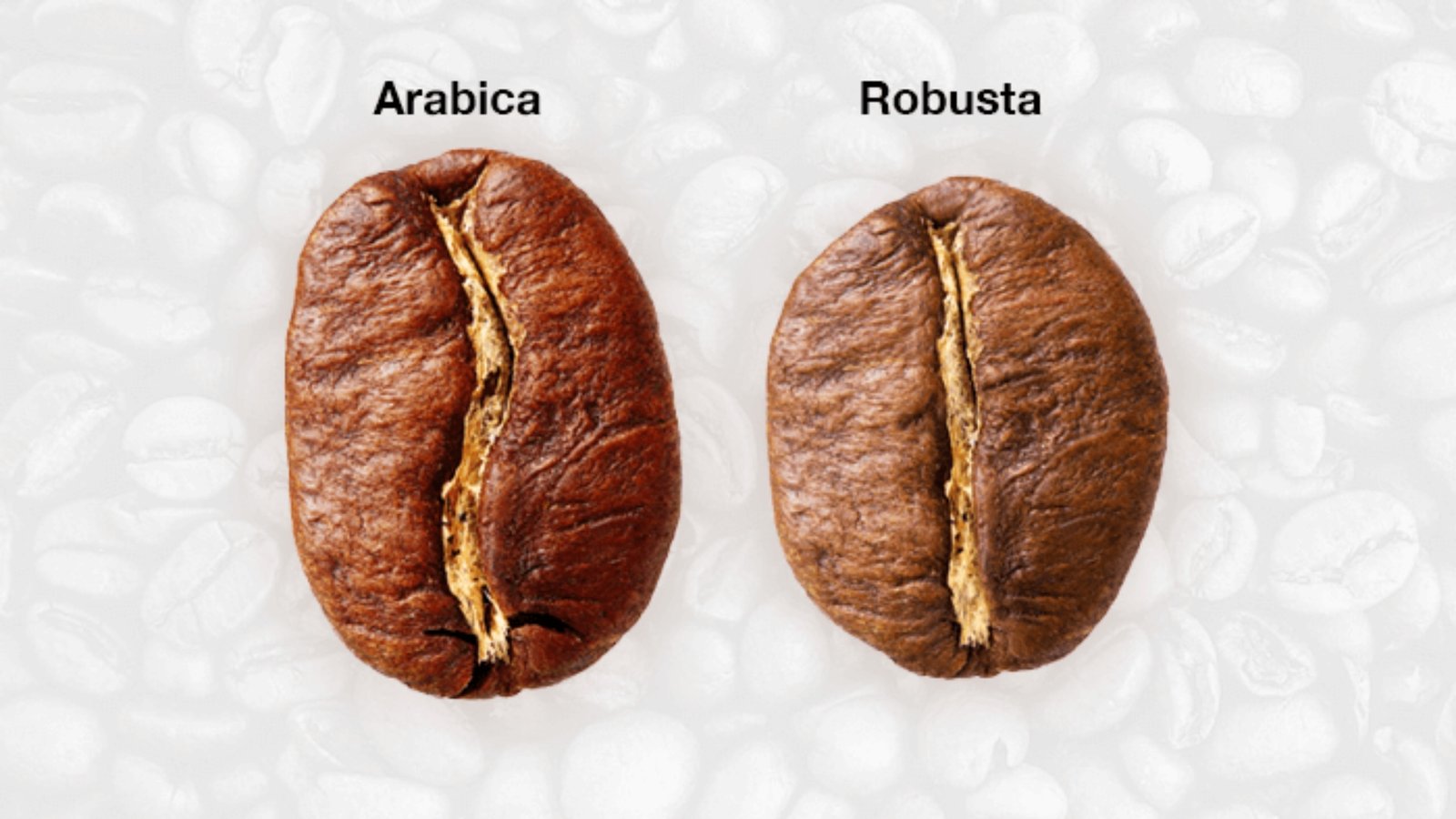
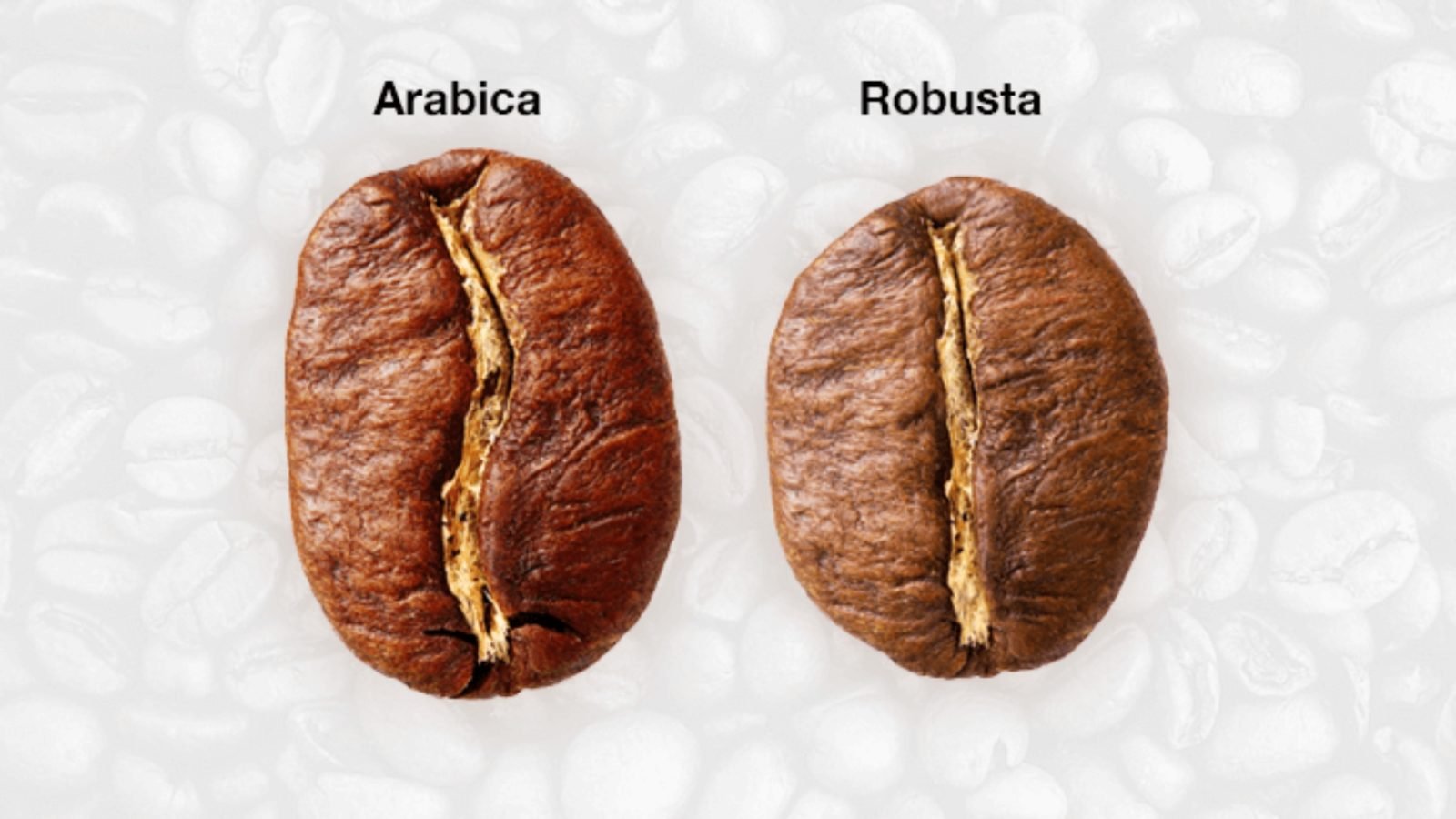
Can you tell the difference between Robusta and Arabica coffee beans just by looking? Turn out you can! But only if you pay real attention to the individual beans.
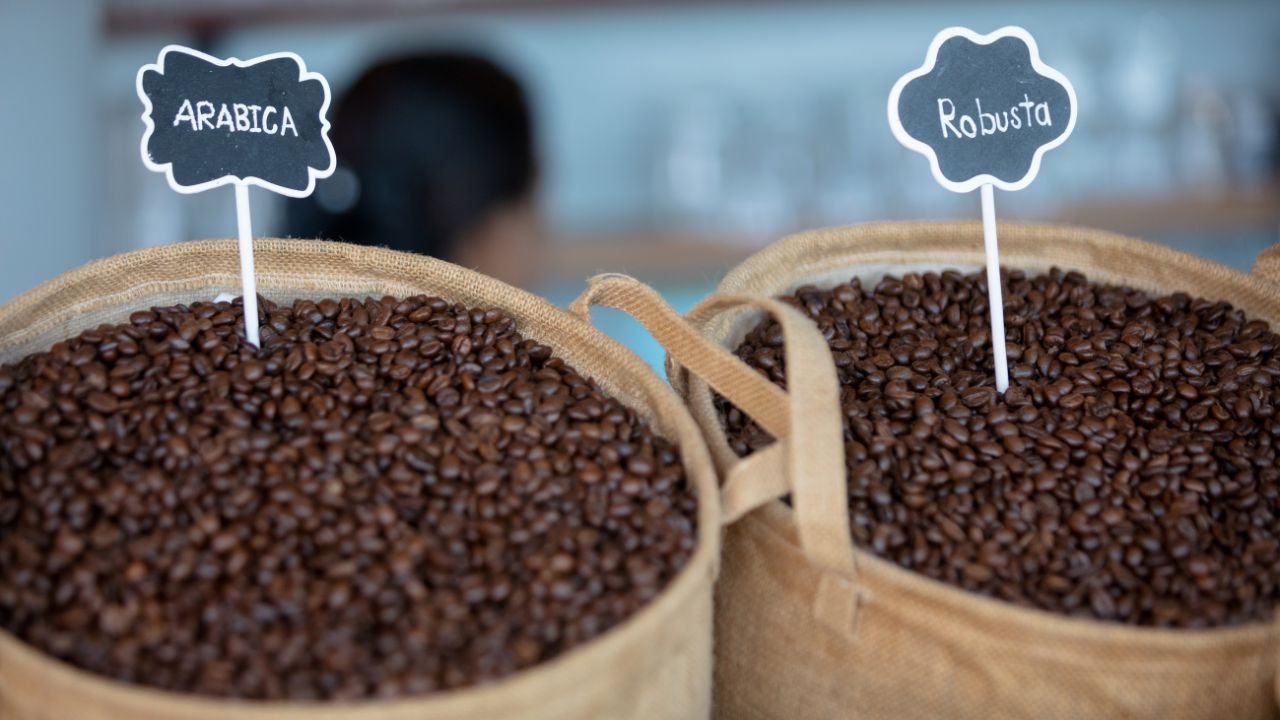
If you place Arabica and Robusta coffee beans side by side, you will notice that Robusta is slightly rounder. Arabica has a more oval-like shape, which gives it a slender appearance.
You can also notice the difference between their brown colors. Robusta has a darker brown shade, while Arabica is lighter.
Cultivations of Robusta VS Arabica Beans
Around 75 to 80 percent of coffee production in the world consists of Arabica, thanks to its more favorable flavor. However, Robusta is also a precious commodity because of its many uses.
According to the statistics of coffee producers from 2003 to 2021, Brazil is still the largest producer in the world. It produces around 3,556,000 metric tons of coffee annually, with Arabica dominating 69 percent of that.
Vietnam is the second largest producer in the world, coming with 1,830,000 metric tons. However, 95 percent of those beans are dominated by Robusta.
Robusta VS Arabica Coffee Beans: Which One Is Better?
While Arabica has a smoother, crisper, and more complex flavor compared to Robusta, it does not mean one coffee type is “better” than the other.
Arabica is a great blend that gives you a wonderful coffee-drinking experience. Depending on the origins, you can experience variations in flavor profiles, from floral to fruity and even chocolate-like.
On the other hand, Robusta is not only good as instant coffee. It is a preferred bean for espresso and other beverages, like cappuccino and café latte. Robusta can give espresso the sought-out crema and kick thanks to its higher caffeine content and heavier flavor.
Therefore, when comparing Arabica and Robusta, it is not about which one is “better” but more like “how you will use them.”
In conclusion, Arabica and Robusta differ in many aspects, such as flavor profiles, caffeine level, hardiness, cultivations, and sugar level. However, they are useful for many uses, from traditional brewing to quick instant coffee and various coffee recipes. The most important thing is getting the best quality beans.
FnB Tech is the best Indonesian supplier of high-quality Arabica and Robusta beans. After knowing the difference between Robusta and Arabica coffee beans, make sure you order only the best beans from this supplier to get the most out of them!
It is impossible to separate the influence of Dutch colonization from the History of coffee in Indonesia. The spread of coffee was started in 1696 by the Dutch. At that time, the Dutch brought the first coffee seeds from Malabar, India, to the island of Java. A Dutch governor who served in Malabar, India, took the initiative to send seeds known to be of the arabica type to another Dutch governor on duty in Batavia, now called Jakarta. The seeds themselves come from Yemen.
Let’s learn more about the History and characteristics of Java Arabica coffee beans. Happy reading.
As previously mentioned, coffee seeds were first brought to Indonesia during the Dutch colonial period. Then, the coffee seeds were first tested on the private land of the VOC Governor-General Willem van Oudtshoorn. The first harvest of Java coffee was immediately sent to Hortus Botanicus Amsterdam for research. Biologists at Hortus Botanicus Amsterdam are amazed by the quality of Java Arabica coffee.
According to them, the quality and taste of Java coffee are extraordinary and have the potential to dominate the European market, which is above their expectations. In the end, the world recognizes that the strong taste and distinctive aroma are the main attraction of Java coffee. Over time, the term a Cup of Java appeared in the western world; this suggests that coffee is synonymous with Java coffee.
The production of this Arabica type of Java coffee has made many Javanese entrepreneurs successful in coffee trading. The price of Arabica coffee, mainly produced in Java, is higher than Robusta coffee.
The Characteristics of Java Arabica Coffee
The characteristics of Java Arabica coffee are almost the same as Arabica coffee in general, such as having a smaller bean size than Robusta coffee, low caffeine content, and delicious taste and aroma.
Java Arabica coffee has a characteristic thin spice aroma with medium thickness, acidity, and a balanced taste. With the wet grinding method, Java coffee tastes are not as strong as coffee from Sulawesi and Sumatra. However, there are still many Javanese coffee enthusiasts because of the aroma of spices and herbs that other types of coffee in Indonesia don’t have.
The Features of Java Arabica Coffee
Has a unique taste – One of the features of this Java coffee is that it has a unique taste and characteristics. This brewed coffee that comes from the land of Java usually has a very distinctive aroma of spices that makes Java coffee different from coffee from other regions in Indonesia.
It has good quality– Java coffee is famous for creating delicious and aromatic brewed coffee from high-quality coffee beans.
It has a distinctive aroma – Javanese coffee is famous for its very distinctive coffee aroma. The aroma of Javanese coffee is known to be very fragrant and delicious.
It has a viscosity that is not too high – Java Arabica coffee beans has a medium viscosity, which is to say that it is not overly dense. With these advantages, people often say that Java coffee is one of the kings of coffee.
Final Words
That’s all about the History and characteristics of Java Arabica Coffee beans. To enjoy a delicious cup of Java Arabica coffee, you can get it at PT FANDB TECH INDONESIA, visit the website here; not only Java Arabica Coffee, but you can also try another taste.
Those who like the original taste can enjoy it without using sugar. You will get the original taste of Java Arabica coffee beans with the aroma of spices combined with the charming aroma of coffee itself.
Understanding Aceh Gayo Arabica Coffee – the Guide to the Delicious Indonesian Arabica Coffee
Coffee lovers call Indonesia the coffee heaven. This country has wide varieties of coffee, from its bean type to how it serves. Each of them has different characteristics and tastes. However, we can assure you that all of them are delicious. One of the famous coffees in Indonesia is Aceh Gayo Arabica Coffee. This article will help you learn more about this coffee in case you want to try it later when you visit Indonesia.
Aceh Gayo is the name of one of the highlands areas in Aceh, Indonesia. The coffee bean cultivated and produced in this area is called by this name. This area produces two varieties of coffee, which are Arabica and Robusta. Both of them have a unique aroma and flavor. Interestingly, these varieties have different characteristics than most of the coffee cultivated in Indonesia, especially regarding their taste and smell.
The unique aroma and taste are why many coffee experts and lovers love Gayo Coffee. It makes this type of coffee well-known among experts. This coffee also has been acknowledged by the world for its quality. Therefore, it is not wrong to call Gayo Coffee one of the leaders in coffee products produced in Indonesia.
The Flavor and Aroma of Gayo Coffee
Thanks to its unique aroma and taste, Aceh Gayo Arabica Coffee has become one of the top products in the coffee market (Indonesia specialty coffee). So, what kind of aroma and taste does it has? Flavor-wise, the coffee beans from Gayo highlands are affected by the place it is planted. The soil condition, water content, and the area create a distinctive taste that differentiates it from other coffee products from different regions in Indonesia.
Coincidentally, this kind of flavor combination is the favorite product among coffee enjoyers in the United States and Europe. Therefore, Gayo Coffee is quite famous there. If we have to describe its taste or flavor, we call it a robust yet clean flavor.
Besides the location and soil condition, the processing method also affects the flavor. The local farmer uses the traditional coffee processing method called the “Giling Basah” or the wet hull method. We will explain more about this method in the next section below. In short, this method creates a more robust flavor. Plus, it also strengthens its sweetness.
As for its aroma, it comes with a hint of spices. That created one of the combinations you can’t find on other coffee types. Another thing you should know about this coffee is it has low acidity and bitterness with a clean aftertaste. Depending on the plantation location, the aftertaste also could be different from similar Gayo Coffee. Therefore, it is suitable for beginners and can be consumed anytime.
Understanding Aceh Gayo Arabica Coffee Processing Method
As mentioned before, the coffee farmer in Gayo highlands uses the “Giling Basah” method or wet-hulled method to process Gayo Coffee. This method is one of the unique methods for processing the Arabica coffee variety you can find in this place.
The wet-hulled method starts by peeling off the parchment of the Gayo Coffee when it is still in wet condition. The farmer then uses the sunlight to dry it. Then repeat it by putting it in the hulling machine with water to ensure that the coffee bean is entirely separate from its parchment. While wet, the skin-removing process will let the air enter the beans, making the drying process much more manageable.
After the farmer completes the skin-removing process and lets the air in, they will store the coffee bean for three years. The reason is so the coffee beans will naturally get moisturized and dried. The storage process is being done carefully. Once every three months, they will open the package for storing the coffee beans to check the drying stage of the bean.
The harvesting process is also something that you should understand. It is necessary to produce the best quality coffee. The Aceh Gayo Arabica Coffee farmer didn’t choose any ripened coffee beans. They carefully look out for coffee beans that are ripe and in the best condition.
Why did they do this complicated and lengthy process to create a coffee product? Drinking coffee is something like a culture in Aceh. They see it as a way to socialize with others and make new relationships with new people. Some people who have lived in Aceh for years also see the coffee beverage as a symbol of peace. Therefore, it is not surprising that this region has become the best producer of coffee products in Indonesia.
Where You Can Get It
Gayo Coffee is available in many coffee shops. However, if you plan to get a large number of this unique coffee product, you can rely on a reliable supplier. In this case, we recommend FnB Tech for you. This company has been around since 1999. They are selling and exporting the best coffee product from Indonesia to more than 33 countries and local customers.
FnB Tech also provides various products of coffee. The Gayo Coffee from this company is available in seven different types. They are the Grade 1, Grade 2, Long Berry, Musty Cup, Age Coffee, and Past Crop. The other product is a package of Gayo, Bali, Java, and Mandheling Coffee. You can find more information about Gayo Coffee and other coffee products on its official website at fnb.co.id. It also has a complete price list of all products.
Conclusion
Delicious coffee is not simply brewing the ground coffee and pouring it into the cup. It comes from a long, delicate, and complicated process that requires perseverance and patience. Aceh Gayo Arabica Coffee is one of the best examples of that. We hope you can understand Aceh Gayo Arabica Coffee, appreciate and enjoy a coffee more after this. Taste every drop of it and enjoy the aroma when you start to sip it. So, try Gayo Coffee now! Then, get a different experience in tasting a cup of coffee.