Category: Artikel

  • FNB Tech Indonesia – Best Coffee Beans Supplier in Indonesia

    FNB Tech Indonesia – Best Coffee Beans Supplier in Indonesia

    In the heart of the global coffee industry, FNB Tech Indonesia stands tall as a leading coffee beans supplier in Indonesia. Established in 1999, the company embarked on a journey that began with a modest trading and export business in Medan, North Sumatra, Indonesia. Over the past two decades, FNB Tech Indonesia has evolved into a powerhouse in the coffee industry, with a sprawling 75-hectare coffee processing plant in Tekengon, Aceh Gayo, Sumatera, Indonesia.

    Premier Coffee Beans Supplier in Indonesia: Company Overview

    FNB Tech Indonesia has not only expanded its geographical footprint but has also diversified its operations across the entire coffee value chain. The company started by primarily selling green coffee beans to both local and international markets. Today, they trade with over 33 countries, boasting a customer base of 17,811 buyers.

    Best Coffee Beans Supplier in Indonesia

    The company’s commitment to sustainability is evident in its practices at the coffee processing plant in Tekengon. FNB Tech Indonesia has been actively involved in tree rejuvenation, replanting, and sustainable farming practices. Moreover, the company has established and maintained strong relationships with neighboring communities, demonstrating a holistic approach to coffee production.

    From Plantation to Retail: FNB Tech Indonesia’s Strategic Diversification

    FNB Tech Indonesia’s journey from a small trading and export company in Medan to a prominent player in the global coffee industry is marked by strategic diversification across the entire coffee value chain. This deliberate expansion from plantation to retail underscores the company’s commitment to excellence, sustainability, and a holistic approach to the coffee business.

    1. Origin: Small Trading Company to Coffee Powerhouse

    Established in 1999 as a small trading and export company in Medan, North Sumatra, FNB Tech Indonesia initially focused on selling green coffee beans to local and international markets. However, the company’s vision extended beyond mere trading, propelling it into a trajectory of growth and diversification.

    2. Upstream Expansion: Plantation and Sustainable Practices

    FNB Tech Indonesia’s commitment to quality and sustainability led to the establishment of a 75-hectare coffee processing plant site in Tekengon, Aceh Gayo, Sumatera. This move marked the company’s foray into the upstream segment of the coffee industry. Here, FNB Tech Indonesia actively engages in tree rejuvenation, replanting initiatives, and sustainable farming practices. The focus on sustainability is not just a business strategy but a commitment to the environment and the communities involved in coffee cultivation.

    3. Downstream Integration: From Plantation to Retail

    Diversification did not stop at the plantations. FNB Tech Indonesia strategically ventured downstream, expanding its business operations to include retail. This comprehensive integration allows the company to have a direct hand in shaping the entire lifecycle of its coffee products, from cultivation to consumption.

    4. Diversifying the Business Portfolio: Coffee Machines to Coffee Shops

    Beyond the traditional pathways of the coffee industry, FNB Tech Indonesia has taken bold steps into diversifying its business portfolio. The company’s presence extends not only to the production and trading of green coffee beans but also to the realms of coffee machines and coffee shops. This diversification showcases a forward-thinking approach to capturing a broader market share and ensuring a comprehensive experience for coffee enthusiasts.

    5. Holistic Approach: Excelling as Indonesia’s Finest Green Coffee Beans Source

    FNB Tech Indonesia’s diversified approach is rooted in the aspiration to excel as Indonesia’s finest green coffee beans source. By engaging in both upstream and downstream activities, the company ensures that its commitment to quality, sustainability, and authenticity is upheld at every stage of the coffee production process.

    6. Building Strong Relationships with Communities

    Throughout this diversification journey, FNB Tech Indonesia has maintained a focus on building strong relationships with the communities involved in the coffee industry. The collaborative approach extends beyond the plantations to include local farmers, processors, and exporters. This interconnected network not only strengthens the company’s supply chain but also contributes to the socio-economic development of the regions where it operates.

    7. Ensuring Quality Across the Value Chain

    FNB Tech Indonesia’s control over both upstream and downstream aspects of the coffee business is a strategic advantage. It allows the company to implement stringent quality control measures at every stage, ensuring that the beans reaching consumers are of the highest standard. This end-to-end control contributes to the brand’s reputation as a purveyor of premium-quality Indonesian coffee.

    8. Catering to Evolving Consumer Preferences

    The diversification of FNB Tech Indonesia’s business operations is a response to the evolving preferences and demands of consumers. By offering a range of products and services, the company caters to a diverse audience, from those seeking green coffee beans for home brewing to coffee shop owners looking for quality beans and machines.

    A Comprehensive Coffee Experience

    In conclusion, FNB Tech Indonesia’s journey from plantation to retail is a strategic evolution that goes beyond mere business expansion. It reflects a commitment to excellence, sustainability, and a comprehensive approach to delivering an exceptional coffee experience. By diversifying across the entire value chain, FNB Tech Indonesia has positioned itself as a key player in the Indonesian coffee industry, ensuring that the authenticity and quality of its products are preserved from the lush plantations to the coffee cups of enthusiasts around the world.

    Elevating Standards: FNB Tech Indonesia as a Premium Green Coffee Beans Supplier

    In the competitive world of coffee production and trade, FNB Tech Indonesia has carved a niche for itself as a premium green coffee beans supplier. With over two decades of experience, the company has not just provided beans; it has curated an unparalleled coffee experience for customers worldwide. Let’s explore the factors that distinguish FNB Tech Indonesia as a premier supplier of premium green coffee beans.

    1. Over 20 Years of Excellence

    The longevity of FNB Tech Indonesia’s presence in the coffee industry speaks volumes about its commitment to excellence. Established in 1999, the company has weathered the changing tides of the market, consistently delivering premium-quality green coffee beans to customers globally. This extensive experience is a testament to FNB Tech Indonesia’s deep understanding of the intricacies of coffee production and trade.

    2. Exceptionally Authentic Taste

    At the heart of FNB Tech Indonesia’s offerings is an exceptionally authentic taste that reflects the rich and diverse terroirs of Indonesia. The company takes pride in sourcing green coffee beans from various regions, each contributing unique flavors and characteristics to the final product. This commitment to authenticity ensures that customers experience the true essence of Indonesian coffee with every sip.

    3. Global Reach, Local Roots

    FNB Tech Indonesia’s reach extends to more than 33 countries, with a customer base of over 17,811 buyers. This global presence is a testament to the company’s ability to meet the discerning tastes of coffee enthusiasts worldwide. Despite this expansive reach, FNB Tech Indonesia maintains its roots in local communities, fostering relationships with farmers and ensuring sustainable practices are integral to the entire supply chain.

    4. Sustainable Farming Practices

    The commitment to sustainability goes beyond just sourcing beans. FNB Tech Indonesia actively engages in tree rejuvenation, replanting, and sustainable farming practices at its 75-hectare coffee processing plant site in Tekengon, Aceh Gayo, Sumatera. By implementing these practices, the company not only ensures the longevity of its plantations but also contributes to the preservation of the environment and the well-being of local communities.

    5. Comprehensive Value Chain

    What sets FNB Tech Indonesia apart is its involvement in both upstream and downstream activities within the coffee industry. The company’s diversification across the entire value chain, from plantation to retail and from coffee machines to coffee shops, showcases a holistic approach to the business. This comprehensive involvement allows FNB Tech Indonesia to maintain control over quality at every stage of the process.

    6. Trusted Choice for Coffee Enthusiasts

    The trust placed in FNB Tech Indonesia by coffee enthusiasts in countries such as America, Australia, Canada, the United Arab Emirates, Malaysia, Japan, and various European nations speaks volumes. The company’s premium green coffee beans have become a preferred choice for those who seek not just a beverage but a sensory journey, an exploration of the diverse and authentic flavors that Indonesian coffee has to offer.

    7. Jakarta Office and Specialty Processing Plant

    FNB Tech Indonesia’s physical presence is marked by its Jakarta office at Gedung Menara Sentraya, showcasing a commitment to accessibility and transparency. Additionally, the Specialty Coffee Processing Plant in Desa Pondok Balik, Aceh, stands as a testament to the company’s dedication to the art and science of coffee processing, ensuring that every bean meets the high standards set by FNB Tech Indonesia.

    8. 100% Authentic Indonesian Coffee

    The slogan “100% Authentic Indonesian Coffee” is not just a marketing tagline but a promise. FNB Tech Indonesia takes pride in being a custodian of Indonesia’s rich coffee heritage, delivering beans that embody the essence of the country’s diverse landscapes and cultural richness.

    Crafting Experiences, One Bean at a Time

    In conclusion, FNB Tech Indonesia’s position as a premium green coffee beans supplier is a result of a harmonious blend of experience, authenticity, sustainability, and a comprehensive approach to the coffee industry. As you embark on your coffee journey with FNB Tech Indonesia, you’re not just purchasing beans; you’re immersing yourself in a curated experience, a celebration of the artistry and passion that defines Indonesian coffee. Elevate your coffee ritual with FNB Tech Indonesia and savor the excellence of premium green coffee beans that encapsulate the soul of Indonesia.

    Sourcing Green Coffee Beans: The Art of Authenticity

    One of the cornerstones of FNB Tech Indonesia’s success lies in its meticulous approach to sourcing green coffee beans. The company’s commitment to delivering an authentic Indonesian coffee experience is evident in its careful selection of beans from diverse regions across the archipelago. Let’s delve into the art and science of sourcing green coffee beans at FNB Tech Indonesia.

    Diverse Origins, Distinctive Flavors

    FNB Tech Indonesia takes pride in offering a collection of green coffee beans that showcase the diverse terroirs of Indonesia. From the volcanic soils of Sumatra to the high-altitude plantations of Aceh Gayo, each region contributes unique characteristics to the beans it produces.

    Aceh Gayo:

    Situated in the northern part of Sumatra, Aceh Gayo is known for its lush landscapes and high-altitude coffee farms. The beans sourced from this region bring forth a bold and full-bodied flavor profile. FNB Tech Indonesia’s commitment to authenticity ensures that every Aceh Gayo Green Coffee Bean encapsulates the essence of this captivating region.

    Sumatra:

    The vast and biodiverse island of Sumatra is a treasure trove for coffee enthusiasts. FNB Tech Indonesia carefully selects beans from Sumatra, celebrated for their complex flavor profile. The combination of cedar, chocolate, and subtle spiciness is a testament to the rich biodiversity that surrounds the coffee plantations.

    Mandheling:

    Mandheling, another prominent region for coffee cultivation, contributes to FNB Tech Indonesia’s green coffee bean collection. Renowned for its bold and intense flavor with notes of dark chocolate, Mandheling beans are a staple for those seeking a robust and impactful coffee experience.

    Sustainable Practices and Community Engagement

    Beyond flavor profiles and regional nuances, FNB Tech Indonesia places a strong emphasis on sustainable and ethical sourcing practices. The company actively engages in tree rejuvenation and replanting initiatives to ensure the longevity of coffee plantations. By implementing sustainable farming practices, FNB Tech Indonesia not only preserves the environment but also contributes to the long-term well-being of local communities.

    The company’s commitment to sustainability goes hand in hand with maintaining excellent relationships with neighboring communities. FNB Tech Indonesia recognizes the importance of collaboration with the people who are an integral part of the coffee production process. This collaborative approach ensures that the entire ecosystem, from the farmers to the consumers, benefits from the journey of the coffee bean.

    The Journey to Authenticity

    “FNB Tech Indonesia: 100% Authentic Indonesian Coffee” is not just a tagline but a guiding principle. The company’s meticulous sourcing process is a journey to discover and share the true essence of Indonesian coffee. Each step, from selecting the finest beans to fostering sustainable practices, is a testament to FNB Tech Indonesia’s dedication to authenticity.

    As a customer, when you choose FNB Tech Indonesia’s green coffee beans, you are not merely purchasing a product; you are embarking on a sensory journey. The rich flavors, captivating aromas, and sustainable practices encapsulated in every bean reflect the dedication and passion that FNB Tech Indonesia brings to the art of sourcing green coffee beans. Elevate your coffee experience and immerse yourself in the authentic taste of Indonesia with FNB Tech Indonesia.

    Best Sellers: A Deeper Dive into FNB Tech Indonesia’s Green Coffee Beans

    While FNB Tech Indonesia takes pride in its entire range of green coffee beans, there are certain varieties that have emerged as customer favorites and true ambassadors of Indonesian coffee excellence. These best sellers are a testament to the company’s dedication to sourcing, processing, and delivering green coffee beans of unparalleled quality. Let’s take a closer look at these remarkable varieties:

    1. Aceh Gayo Green Coffee Beans

    Origin: Aceh Gayo, a region renowned for its high-altitude and fertile soil, sets the stage for the production of Aceh Gayo Green Coffee Beans.

    Distinctive Characteristics:

    • Flavor Profile: Exhibiting a unique blend of earthiness and a hint of herbal notes, Aceh Gayo beans are celebrated for their full-bodied, bold flavor.
    • Aroma: The beans emanate a captivating aroma that hints at the lush landscapes of the Aceh Gayo region.

    Culinary Applications:

    • Ideal for espresso enthusiasts who appreciate a robust and intense coffee experience.
    • Perfect for those seeking a well-balanced cup with a memorable aftertaste.

    Aceh Gayo Green Coffee Beans are a staple for those who desire an authentic Indonesian coffee experience that reflects the terroir of the region.

    2. Sumatra Green Coffee Beans

    Origin: Hailing from the vast and verdant landscapes of Sumatra, these beans are cultivated in the midst of tropical forests, contributing to their distinct character.

    Distinctive Characteristics:

    • Flavor Profile: Sumatra Green Coffee Beans boast a complex flavor profile with notes of cedar, chocolate, and a subtle hint of spiciness.
    • Body: Known for their heavy body, these beans create a creamy and indulgent cup of coffee.

    Culinary Applications:

    • Ideal for those who appreciate a well-rounded coffee with a lingering, satisfying finish.
    • Perfect for blending to add depth and complexity to custom coffee blends.

    Sumatra Green Coffee Beans encapsulate the essence of Sumatra’s rich biodiversity, delivering a sensory journey with each sip.

    3. Mandheling Green Coffee Beans

    Origin: Sourced from the Mandheling region, known for its high altitudes and volcanic soil, Mandheling Green Coffee Beans embody the essence of Indonesian coffee craftsmanship.

    Distinctive Characteristics:

    • Flavor Profile: Mandheling beans are celebrated for their bold, intense flavor with hints of dark chocolate and a subtle herbal undertone.
    • Acidity: Low acidity contributes to a smooth and velvety texture.

    Culinary Applications:

    • Perfect for those who prefer a strong and impactful coffee experience.
    • Well-suited for dark roast enthusiasts looking to explore the nuances of Indonesian coffee.

    Mandheling Green Coffee Beans cater to the discerning coffee drinker who seeks a powerful and memorable cup, making them a cornerstone in FNB Tech Indonesia’s collection.

    Elevating Your Coffee Experience

    These best-selling green coffee beans from FNB Tech Indonesia are not just products; they represent a commitment to excellence, authenticity, and a rich cultural heritage. Each cup brewed from these beans tells a story of meticulous sourcing, sustainable practices, and a dedication to preserving the true essence of Indonesian coffee.

    As you embark on your coffee journey with FNB Tech Indonesia, explore the nuances of Aceh Gayo, Sumatra, and Mandheling Green Coffee Beans. Immerse yourself in the distinctive flavors, captivating aromas, and exceptional quality that define these best sellers. Whether you’re a coffee aficionado or a casual drinker, FNB Tech Indonesia invites you to savor the authentic taste of Indonesia in every cup and discover why these green coffee beans are cherished by coffee lovers around the world.

    Information and Contact Details

    For those interested in exploring the world of FNB Tech Indonesia’s coffee beans, the company provides the following contact details:

    Jakarta Office:
    Gedung Menara Sentraya, lantai 39, Jl. Iskandarsyah Raya No. 1A Kel. Melawai, Kec. Kebayoran Baru, Jakarta Selatan 12160.

    Specialty Coffee Processing Plant:
    Desa Pondok Balik, Kec. Ketol, Kabupaten Aceh Tengah, Aceh.

    Contact Number:
    +62 811 6171 777

    Conclusion

    In conclusion, FNB Tech Indonesia stands as a beacon in the Indonesian coffee industry, offering not just beans but an experience that transcends borders. With a commitment to quality, sustainability, and diversification, the company has positioned itself as a leader in the global coffee market. From the humble beginnings of a small trading company to an internationally recognized coffee beans supplier, FNB Tech Indonesia continues to shape the narrative of Indonesian coffee excellence. Embrace the true essence of Indonesian coffee with FNB Tech Indonesia and elevate your coffee journey to new heights.
  • The Top 20 Coffee Shops in Indonesia (Jakarta)

    The Top 20 Coffee Shops in Indonesia (Jakarta)

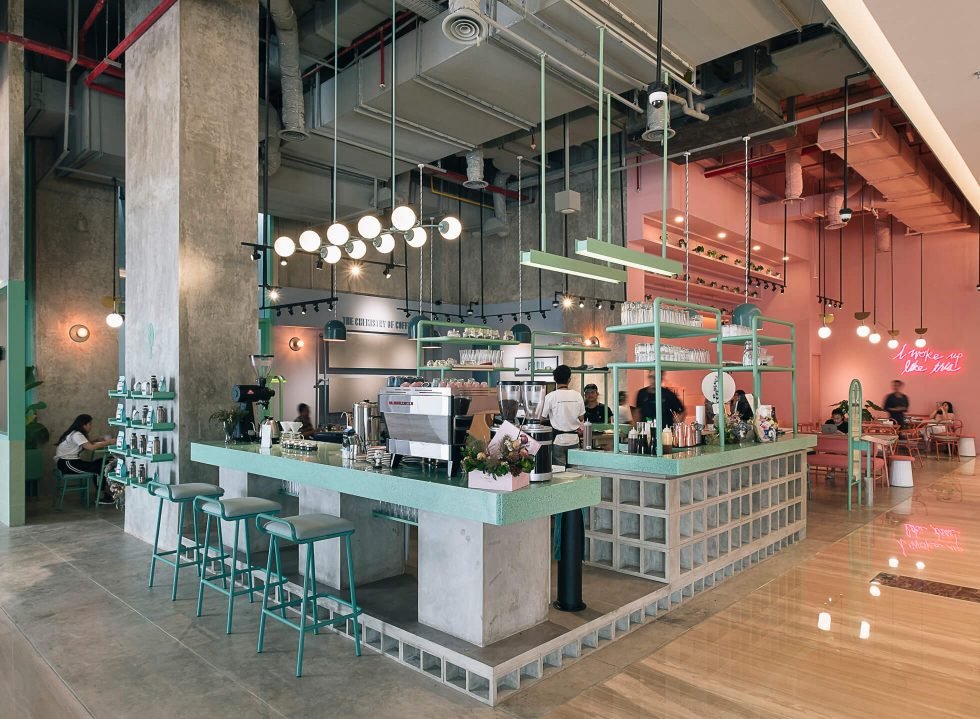
    Jakarta, the bustling capital city of Indonesia, is home to a vibrant coffee culture that has witnessed the rise of numerous cafes, each with its unique charm and offerings. Navigating through the myriad of choices can be overwhelming, but fear not! This comprehensive guide introduces you to the 20 best coffee shops in Indonesia (Jakarta), each with its distinct atmosphere and signature brews.

    1. Coffee Shops in Indonesia: Ottoman’s Coffee Brewers

    Located in both Pluit and Kuningan, Ottoman’s Coffee Brewers stands out with its chic ambiance and a touch of pink aesthetics. The coffee shop is a haven for enthusiasts, offering a variety of brews. Don’t miss the opportunity to try their hot pink latte, a delightful blend of beetroot and aromatic herbs like cinnamon.

    Coffee Shops in Indonesia Jakarta

    Special Drink: Hot Pink Latte

    • A vibrant and visually striking beverage, the Hot Pink Latte is a signature creation at Ottoman’s Coffee Brewers. This unique concoction features a blend of beetroot and several aromatic herbs, including cinnamon. Served in a soft pink cup, it not only captivates the eyes but also offers a delightful and memorable flavor experience.

    2. One Fifteenth (1/15) Coffee

    Founded by the 2013 Indonesia Barista Championship winner, Dody Samsura, One Fifteenth Coffee is a haven for those seeking uncommon and intriguing coffee experiences. The signature Rojali, a 12-hour pressed coffee mixed with soda and lime juice, is a must-try. With locations in Pondok Indah, Menteng, and Kemang, you’ll find it hard to resist staying for hours.

    Special Drink: Rojali

    • A masterpiece from the winner of the Indonesia Barista Championship 2013, Dody Samsura, Rojali is a 12-hour pressed coffee mixed with soda and lime juice. Initially resembling the familiarity of tequila, this beverage unfolds into a complex and refreshing flavor profile, making it a must-try for those seeking a unique coffee adventure.

    3. Twentyfifth

    Situated in Kebayoran Baru, Twentyfifth welcomes patrons with its spacious and homey ambiance. The ice-cold brew, light as tea but with a strong, scented aroma, is a highlight. Indulge your taste buds with their soft durian cake, a delectable treat for fans of the king of fruits.

    Special Drink: Ice Cold Brew

    • Embracing the trend of cold brews, Twentyfifth presents a visually light yet strongly aromatic Ice Cold Brew. Resembling tea in appearance, this cold brew surprises with its robust flavor and scented aroma. It’s the perfect choice for those who appreciate a cold coffee with a distinct and invigorating character.

    Special Dessert: Soft Durian Cake

    • For durian lovers, Twentyfifth offers a treat like no other – the Soft Durian Cake. Made from the luscious flesh of the king of fruits, this dessert is a tantalizing blend of sweetness and the unique aroma of durian.

    4. Brew & Wood

    Cilandak is home to Brew & Wood, a coffee shop boasting a calm ambiance behind transparent glass walls. Kopi Susu Turunan, packaged in a practical bottle, offers a strong yet creamy taste. Don’t miss the Cheese Fondue Croissant, a perfect combination of soft texture and melted cheese.

    Special Drink: Kopi Susu Turunan

    • Brew and Wood presents Kopi Susu Turunan, a strong yet creamy coffee packaged in a practical and easy-to-carry bottle. This delightful brew is a perfect companion for those on the go, offering a rich coffee experience with a creamy texture.

    Special Snack: Cheese Fondue Croissant

    • Indulge your taste buds with the Cheese Fondue Croissant, a delectable choice at Brew and Wood. The soft texture of the croissant combined with the savory melted cheese creates a satisfying and savory treat.

    5. Samakamu

    In Karet Kuningan, Samakamu Coffee introduces the trend of iced coffee milk in Jakarta. Es Kopi Samakamu, with its strong coffee taste and milky texture, stands out. The iced chocolate, balancing bitterness and sweetness, is another delightful option.

    Special Drink: Es Kopi Samakamu

    • In the realm of iced coffee milk trends, Samakamu introduces the Es Kopi Samakamu, offering a strong coffee taste despite its milky texture. Even as the ice cubes melt, the beverage maintains its robust and creamy profile, making it a refreshing and flavorful choice.

    Alternate Drink: Iced Chocolate

    • Samakamu Coffee caters to chocolate enthusiasts with its balanced Iced Chocolate. Striking a perfect harmony between bitterness and sweetness, this beverage is a delightful option for those seeking a chocolate-infused treat.

    6. Bersahaja

    Nestled in Kebayoran Lama, Bersahaja Coffee shines with its Es Kopi Bersahaja, an iced coffee milk featuring sweetened condensed milk instead of brown sugar. Embrace simplicity with a takeaway cup bearing the quote “Don’t be too busy looking for the perfect if the simple thing can make you happy.”

    Special Drink: Es Kopi Bersahaja

    • Bersahaja Coffee stands out with its signature Es Kopi Bersahaja, an iced coffee milk that sets itself apart by using sweetened condensed milk instead of brown sugar. Reminiscent of Thai iced coffee milk, this beverage offers a unique twist on a classic favorite.

    Quote on Cup: “Don’t be too busy looking for the perfect if the simple thing can make you happy.”

    • For those who appreciate simplicity, Bersahaja adds a touch of wisdom with a quote on their takeaway cups, encouraging patrons to find happiness in life’s simple pleasures.

    7. Turning Point

    Though located in Gading Serpong, Tangerang, Turning Point Coffee is a gem worth the journey. The Butterscotch Frappuccino, blending espresso and butterscotch syrup with vanilla ice cream, is a crowd-pleaser. Try their pandan latte for a creamy, fragrant, and tasty experience.

    Special Drink: Butterscotch Frappuccino

    • Despite its location in Gading Serpong, Turning Point Coffee attracts coffee enthusiasts with its Butterscotch Frappuccino. Blending espresso and butterscotch syrup with vanilla ice cream, this beverage is a delightful combination of sweetness and coffee richness.

    Alternative Drink: Pandan Latte

    • Turning Point Coffee expands its offerings with the Pandan Latte, a creamy, fragrant, and tasty beverage that introduces the unique and aromatic flavor of pandan to the coffee experience.

    8. Lima

    Pantai Indah Kapuk hosts Lima, a seemingly ordinary exterior concealing extraordinary flavors. The Charcoal Coffee, with its earthy and not-too-sweet profile, and the iced coffee milk with butterscotch ice cream create a heavenly blend.

    Special Drink: Charcoal Coffee

    • Lima’s fame lies in its Charcoal Coffee, an extraordinary brew with an earthy and not-too-sweet taste. The unique savor of charcoal adds depth to the coffee, creating an exceptional and memorable flavor profile.

    Alternative Drink: Iced Coffee Milk with Butterscotch Ice Cream and Palm Sugar

    • Lima also delights patrons with its Iced Coffee Milk, featuring a strong coffee taste. When combined with the provided butterscotch ice cream and palm sugar, the creamier texture elevates the overall experience, making it a heavenly choice.

    9. SRSLY

    Boasting a super homey ambiance, SRSLY in an inviting space with contemporary design and artistic touches. Their diverse coffee and food menu, coupled with refreshing greenery, ensures a cozy retreat for coffee lovers.

    Special Drink: Various Coffee Options

    • SRSLY Coffee, with its super homey ambiance, offers a diverse selection of coffee options. From classic brews to unique blends, patrons can choose a coffee that suits their preferences and enjoy the welcoming atmosphere of the café.

    10. Serasa

    Serasa Coffeetaria in Senopati offers a unique concept, combining a cool canteen with a must-visit coffee shop. After indulging in Indonesian dishes, explore their coffee menu, featuring lattes, brewed coffee, and the Es Kopi Pelipur Lara to uplift your spirits.

    Special Drink: Es Kopi Pelipur Lara

    • Serasa Coffeetaria combines a cool canteen concept with a range of delicious coffee options. The Es Kopi Pelipur Lara, meaning “iced coffee to get your sadness away,” is a catchy name for a beverage designed to uplift spirits with its flavorful and invigorating taste.

    11. On Three

    Situated in Senopati Suites, On Three beckons adventurous coffee lovers. With unique coffee blends like coconut, black pepper, and black sesame, their Spicy Pepper Latte is a standout choice. Pair it with tempting snacks like Chicken Katsu Donburi or Spaghetti Bolognese.

    Special Drink: Spicy Pepper Latte

    • On Three, located at Senopati Suites, encourages coffee lovers to explore unique blends. The Spicy Pepper Latte is a standout choice, offering a blend of coffee with the surprising addition of black pepper, creating a spicy yet delightful flavor.

    Recommended Snack: Chicken Katsu Donburi or Spaghetti Bolognese

    • Enhance your coffee experience at On Three by pairing your unique coffee choice with appetizing snacks like Chicken Katsu Donburi or Spaghetti Bolognese.

    12. Chief Coffee & Roastery

    Adjacent to a barber shop of the same name, Chief Coffee and Roastery is the perfect hangout spot. The strong coffee choices are ideal for those looking to stay energized, making it a popular choice for all-day gatherings.

    Special Drink: Strong Coffee Options

    • Chief Coffee and Roastery, conveniently located adjacent to a barber shop, caters to those who prefer strong coffee options. Ideal for those who want to stay energized throughout the day, the coffee selections at Chief are designed for endurance.

    13. Ardent

    In Puri Indah, Ardent Coffee combines concrete shades with pleasant selfie spots. Honey Milk Espresso and truffle fries fried in truffle oil and topped with parmesan cheese are among the delights that make this café a favorite.

    Special Drink: Honey Milk Espresso

    • Ardent Coffee, with its concrete shades and pleasant selfie spots, serves the Honey Milk Espresso. This delightful beverage balances sweetness and a hint of sourness, providing a unique and enjoyable coffee experience.

    Signature Snack: Truffle Fries

    • Complement your coffee with Ardent’s truffle fries, fried to perfection in truffle oil and topped with parmesan cheese. The crunchy and tasty fries add a savory element to your visit.

    14. Three Folks

    Located in Cilandak, Three Folks captures the hearts of Jakarta’s coffee enthusiasts. Signature drinks like Gray Latte, Folksgato, and FolksBomb offer diverse flavors and textures, providing a delightful coffee experience.

    Special Drink: Gray Latte

    • Located in Cilandak, Three Folks offers a wide variety of coffee choices. The Gray Latte, with its milk tea-like taste, stands out as a unique and flavorful option for those looking to explore diverse coffee experiences.

    Signature Drinks: Folksgato and Folksbomb

    • Don’t miss Three Folks’ signature drinks – Folksgato, an affogato with an ice cream flavor of your choice, and Folksbomb, a delicious milkshake with coffee. These drinks showcase the café’s commitment to providing delightful and inventive beverages.

    15. Say Something Coffee

    Ideal for studying or working, Say Something Coffee in its modern minimalist setting with a jazzy hip-hop soundtrack and fast Wi-Fi creates the perfect productive atmosphere. Try their well-filtered espresso and don’t miss the tasty Salted Egg Croissant.

    Special Drink: Well-Filtered Espresso

    • Say Something Coffee is the perfect spot for studying or working, offering a modern minimalist interior, jazzy hip-hop songs, and fast Wi-Fi. The well-filtered espresso provides a smooth, earthy flavor with a hint of bitterness and no sour aftertaste.

    Recommended Snack: Salted Egg Croissant

    • Elevate your coffee experience with the Salted Egg Croissant, a tasty treat that perfectly complements the smooth espresso. The combination of flavors adds a delightful touch to your visit.

    16. Pikul Coffee

    Pikul Coffee, a cozy spot with extensive glass walls in Senopati, is the perfect place to wait out Jakarta’s busy traffic. Enjoy their unique ice cappuccino and shareable Quesadillas Beef while soaking in the comforting ambiance.

    Special Drink: Unique Ice Cappuccino

    • Pikul Coffee, with its cozy ambiance and extensive glass walls, offers a unique ice cappuccino. Served in a large-sized glass with blended vanilla ice cream, this beverage is a refreshing and indulgent choice for those looking to unwind.

    Recommended Dish: Quesadillas Beef

    • Shareable and delicious, the Quesadillas Beef at Pikul Coffee adds a savory element to your coffee experience. Ideal for a group, this dish complements the cozy atmosphere of the café.

    17. Speed Coffee

    A small yet sought-after café, 7 Speed Coffee offers a fruity and strong cappuccino. Pair it with warm rissole filled with smoked beef, mayonnaise, and macaroni for a delightful combination.

    Special Drink: Fruity and Strong Cappuccino

    • Despite its small size, 7 Speed Coffee is sought after for its fruity and strong cappuccino. Best enjoyed without sugar, this beverage offers a bold and flavorful coffee experience.

    Recommended Snack: Rissole with Smoked Beef, Mayonnaise, and Macaroni Pieces

    • Paired with a cup of cappuccino, the warm rissole at 7 Speed Coffee is a perfect match. Filled with smoked beef, mayonnaise, and macaroni pieces, this snack enhances the overall coffee enjoyment.

    18. Nitro Coffee

    For a serene coffee experience, Nitro Coffee offers a cool atmosphere with brick walls and wooden ceilings. Indulge in manual coffee brews like Brew-V60 Manual and complement it with various croissant options for a peaceful me-time.

    Special Drink: Brew-V60 Manual

    • For those seeking a serene coffee experience, Nitro Coffee is the ideal choice. The Brew-V60 Manual allows patrons to savor a manual coffee brew with beans of their choice, providing a personalized and calming me-time.

    Recommended Pairing: Various Croissants

    • Enhance your me-time at Nitro Coffee with a selection of croissants. The café offers several choices, providing a delightful accompaniment to your manual brew.

    19. Kopi Kalyan

    If you’re a fan of Chai Coffee Latte, head to Kalyan Coffee in Senopati. The unique taste, initially reminiscent of ginger and later featuring the scent of orange peel, makes it a must-try. Pair it with the buttery Almond Chocolate Croissant for a perfect snack.

    Special Drink: Chai Coffee Latte

    • Chai enthusiasts should head to Kalyan Coffee in Senopati for the unique Chai Coffee Latte. The distinctive taste, initially featuring ginger and later unfolding the scent of orange peel, makes this beverage a delightful and aromatic choice.

    Perfect Snack: Almond Chocolate Croissant

    • Complement your coffee experience at Kalyan Coffee with the buttery Almond Chocolate Croissant. This snack adds a touch of sweetness to your visit, creating a perfect harmony with the Chai Coffee Latte.

    20. Guten Morgen

    Guten Morgen in Tomang defines the art of combining a quaint coffee shop with a charming flower store. Try their Kaffe Cubes, served with ice cubes of espresso and savory milk. Indulge in the not-too-strong yet perfectly sweet Chasu Donburi, featuring tender pork slices and a sunny side up egg.

    Special Drink: Kaffe Cubes

    • Guten Morgen in Tomang defines the beauty of combining a coffee shop with a flower store. The Kaffe Cubes, served with ice cubes of espresso and savory milk, offers a not-too-strong yet perfectly sweet coffee experience.

    Recommended Dish: Chasu Donburi

    • Indulge in Guten Morgen’s famous Chasu Donburi, a bowl of rice with tender pork slices and a sunny side up egg. This savory dish complements the warm and lovely ambiance created by the floral decor.

    Conclusion

    With this comprehensive guide, you’re equipped to explore the diverse and thriving coffee shops in Indonesia (Jakarta). Whether you prefer a trendy atmosphere, unique coffee blends, or delicious snacks, these top 20 coffee shops in Indonesia have something special to offer. Embark on a flavorful journey through Jakarta’s coffee culture, one cup at a time!

  • Freeze Drying Coffee: A Comprehensive Guide to Flavor Preservation and Convenience

    Freeze Drying Coffee: A Comprehensive Guide to Flavor Preservation and Convenience

    Coffee, an integral part of daily life for millions around the world, has undergone various processing methods to enhance its shelf life and maintain its rich flavor. One such method that has gained popularity is freeze drying. This innovative technique not only extends the longevity of coffee but also preserves its aromatic and flavorful profile. In this comprehensive guide, we delve into the intricacies of freeze drying coffee, exploring its process, benefits, and the impact it has on the final product.

    Understanding Freeze Drying: A Closer Look at the Three Crucial Stages

    The freeze-drying process is a meticulous and multi-stage operation that transforms raw coffee beans into a stable, lightweight, and flavor-packed form. Each stage plays a crucial role in preserving the integrity of the coffee beans, ensuring that the final product retains its distinctive taste and aroma.

    1. Freezing: The Solid Foundation

    The initial stage of freeze drying, aptly named “freezing,” sets the foundation for the entire process. In this step, coffee beans are subjected to rapid and extreme cold temperatures, typically reaching around -40°F (-40°C). This swift freezing process is essential for solidifying the water content within the beans.

    Freeze Drying Coffee

    By freezing the beans, the water molecules present in their cellular structure form ice crystals. This freezing not only locks in the moisture but also prepares the beans for the subsequent stages of the freeze-drying process. It is this preservation of the water content in a solid state that safeguards the delicate flavors and aromas of the coffee.

    2. Primary Drying: Precision in Vacuum

    Following the freezing stage, the coffee beans enter the primary drying phase. This critical step involves placing the frozen beans into a vacuum chamber. The vacuum created in this environment has a dual purpose: firstly, it lowers the atmospheric pressure, and secondly, it initiates a controlled increase in temperature.

    As the pressure drops, the ice within the coffee beans begins to sublimate, transitioning directly from a solid to a gas without passing through the liquid phase. This process is essential for removing the majority of the moisture content from the beans, leaving them in a partially dehydrated state. Importantly, the use of a vacuum minimizes the need for excessive heat, ensuring that the delicate coffee flavors and aromas are preserved.

    3. Secondary Drying: Fine-Tuning for Perfection

    With the bulk of the moisture removed during the primary drying stage, the coffee beans proceed to the secondary drying phase. In this stage, the temperature is slightly increased once again, and any residual moisture is meticulously eliminated.

    This secondary drying process ensures that the coffee beans reach the desired level of dehydration, preventing the reabsorption of moisture during storage. The result is coffee with a remarkably low water content, making it resistant to microbial growth and oxidation, both of which can compromise the quality and shelf life of the final product.

    Precision and Expertise: The Art of Freeze Drying

    The success of freeze drying coffee lies in the precision and expertise applied at each stage of the process. Temperature, pressure, and time are carefully controlled to achieve the delicate balance between removing moisture and preserving the essence of the coffee bean.

    Moreover, the art of freeze drying extends beyond the technical aspects. Factors such as the quality of the raw coffee beans, the skill of the technicians overseeing the process, and the maintenance of a sterile environment all contribute to the final quality of the freeze-dried coffee.

    Beyond Preservation: A Culmination of Science and Craftsmanship

    Freeze drying coffee is not merely a preservation technique; it is a harmonious blend of scientific innovation and craftsmanship. It is the manifestation of a meticulous process designed to capture and maintain the essence of coffee, allowing enthusiasts to savor its rich flavors and aromas at their convenience.

    As technology advances and our understanding of coffee chemistry deepens, the freeze-drying process is likely to undergo further refinements. These innovations will not only enhance the efficiency of the process but also contribute to the sustainable evolution of the coffee industry, ensuring that future generations can enjoy the perfect cup of coffee, preserved in its purest form.

    Benefits of Freeze Drying Coffee

    1. Preservation of Flavor:
    One of the key advantages of freeze drying is its ability to preserve the delicate flavors and aromas of the coffee beans. Traditional drying methods, such as air or sun drying, often expose the beans to high temperatures, leading to flavor degradation. Freeze drying, on the other hand, minimizes heat exposure, resulting in a coffee with a remarkably fresh and robust taste.

    2. Extended Shelf Life:
    Freeze-dried coffee has an impressive shelf life compared to other forms of processed coffee. The removal of moisture prevents the growth of microorganisms and the oxidation of coffee oils, contributing to a longer storage life without compromising quality.

    3. Convenience and Portability:
    The lightweight and low volume of freeze-dried coffee make it an ideal choice for those who value convenience. Whether for camping, traveling, or simply enjoying a quick cup at home, freeze-dried coffee is easy to store, transport, and prepare.

    4. Retained Nutritional Value:
    Unlike some conventional drying methods that can lead to nutrient loss, freeze drying retains the nutritional value of the coffee beans. This includes important compounds such as antioxidants and essential oils, contributing to the health benefits associated with moderate coffee consumption.

    Applications of Freeze Dried Coffee

    1. Instant Coffee Production:
    Freeze-dried coffee is a primary ingredient in the production of instant coffee. The water-soluble nature of freeze-dried coffee allows for quick and easy rehydration, making it a popular choice for instant coffee products. The result is a cup of coffee that closely mimics the taste and aroma of freshly brewed coffee.

    2. Coffee Blends and Flavored Varieties:
    Manufacturers often use freeze-dried coffee to create blends or flavored varieties. The versatility of freeze-dried coffee allows for easy integration with other ingredients, such as spices, herbs, or additional flavors, providing a diverse range of coffee options for consumers.

    3. Specialty Coffee Products:
    The superior preservation of flavor in freeze-dried coffee makes it a preferred choice for specialty coffee products. These may include premium coffee blends, single-origin offerings, or coffee with unique flavor profiles. The technology enables coffee enthusiasts to experience a wide array of flavors without compromising on quality.

    Challenges and Considerations

    1. Cost of Production:
    While freeze drying offers numerous benefits, the process can be expensive. The equipment required for freeze drying is sophisticated and comes with a significant upfront cost. Additionally, the energy consumption during the freezing and drying stages contributes to the overall production expenses.

    2. Environmental Impact:
    The energy-intensive nature of freeze drying raises concerns about its environmental impact. Manufacturers are continually exploring ways to optimize the process and make it more energy-efficient. Additionally, efforts are being made to develop sustainable packaging solutions to reduce the environmental footprint of freeze-dried coffee products.

    3. Quality Control:
    Maintaining consistent quality throughout the freeze-drying process is crucial. Variations in temperature, pressure, or other factors can affect the final product. Quality control measures, such as regular testing and monitoring, are essential to ensure that each batch of freeze-dried coffee meets the desired standards.

    1. Advancements in Technology:
    Continuous research and development in the field of freeze drying are leading to technological advancements. These innovations aim to improve the efficiency of the process, reduce energy consumption, and enhance the overall sustainability of freeze-dried coffee production.

    2. Customization and Personalization:
    Consumer preferences for unique and personalized coffee experiences are driving the development of customized freeze-dried coffee products. This includes the ability to tailor flavor profiles, caffeine levels, and even packaging options to cater to individual tastes and preferences.

    3. Focus on Sustainability:
    As environmental awareness grows, the coffee industry is placing greater emphasis on sustainable practices. This includes exploring eco-friendly packaging options, implementing energy-efficient manufacturing processes, and promoting fair trade practices to support coffee-producing communities.

    Conclusion

    Freeze drying has emerged as a sophisticated and effective method for preserving the essence of coffee while extending its shelf life. The benefits of freeze-dried coffee, including flavor preservation, extended shelf life, and convenience, have positioned it as a popular choice among coffee enthusiasts. As technology continues to advance and the industry places a greater focus on sustainability, the future of freeze-dried coffee holds exciting possibilities for innovation and customization, ensuring that coffee lovers can continue to enjoy the perfect cup, anytime and anywhere.

  • The Top 10 Coffee Makers in the USA: Which is your pick?

    The Top 10 Coffee Makers in the USA: Which is your pick?

    Americans have a deep and abiding love for coffee, and the right coffee maker can make all the difference in achieving that perfect brew. With a plethora of options available, choosing the best coffee maker can be a daunting task. In this guide, we’ll explore the top 10 coffee makers in the USA, highlighting their features, performance, and overall value.

    1. Keurig K-Elite Single Serve Coffee Maker

    Key Features:

    • Strong Brew setting for a more robust cup.
    • Iced coffee setting for a refreshing twist.
    • Quiet Brew Technology for a peaceful morning routine.

    The Keurig K-Elite stands out for its versatility and convenience. With its extensive range of K-Cup pod compatibility, this coffee maker caters to a variety of taste preferences. The Strong Brew setting ensures that even the most discerning coffee drinkers will be satisfied.

    The Keurig K-Elite is a single-serve coffee maker that stands out for its user-friendly design and versatility. The Strong Brew setting caters to those who prefer a bolder cup of coffee, while the Iced Coffee setting is perfect for warm days. The Quiet Brew Technology ensures that your morning routine won’t be disturbed. Its compatibility with a wide range of K-Cup pods makes it a go-to choice for households with diverse taste preferences.

    Pros:

    • Versatility: Compatible with a wide range of K-Cup pods, catering to diverse taste preferences.
    • Strong Brew: The Strong Brew setting produces a more robust cup of coffee.
    • Iced Coffee: Specialized setting for brewing refreshing iced coffee.
    • Quiet Brew Technology: Ensures a peaceful brewing process, ideal for early mornings.

    Cons:

    • Single-Serve: May not be suitable for households with multiple coffee drinkers or those who prefer brewing larger pots.

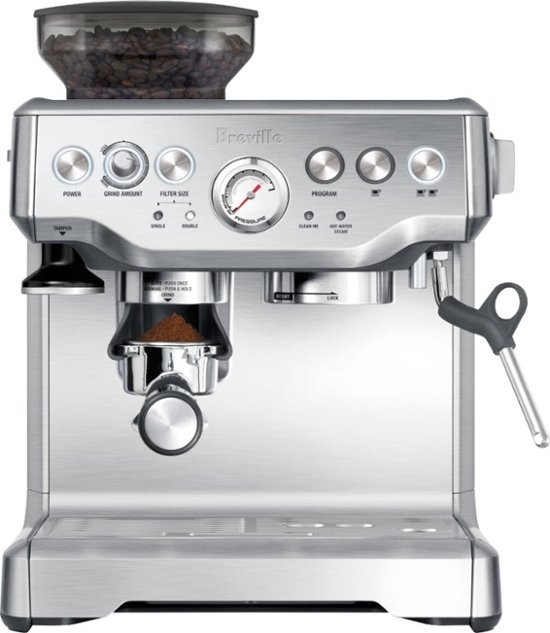
    2. Coffee Makers in the USA: Breville BES870XL Barista Express Espresso Machine

    Key Features:

    • Built-in conical burr grinder for fresh grounds.
    • Precise espresso extraction for barista-quality shots.
    • Digital temperature control for optimal flavor.

    For those who appreciate the artistry of espresso, the Breville BES870XL is a top-tier choice. Its integrated grinder ensures that every shot is made with freshly ground beans, and the manual steam wand allows for custom milk frothing.

    Breville BES870XL Barista Express Espresso Machine

    For those who appreciate the art of crafting the perfect espresso, the Breville BES870XL is a top-tier choice. The built-in conical burr grinder ensures that your coffee is made with freshly ground beans, preserving the rich flavors. With precise espresso extraction and digital temperature control, this machine allows you to achieve barista-quality shots in the comfort of your home.

    Pros:

    • Built-in Grinder: Conical burr grinder ensures fresh grounds for each shot.
    • Precise Extraction: Delivers barista-quality espresso with precise extraction.
    • Digital Temperature Control: Allows for optimal temperature settings to enhance flavor.

    Cons:

    • Price: Higher-end in terms of cost.
    • Learning Curve: Might have a steeper learning curve for beginners seeking espresso perfection.

    3. Ninja Specialty Coffee Maker (CM401)

    Key Features:

    • Multiple brewing styles, including classic, rich, iced, and specialty.
    • Fold-away frother for lattes and cappuccinos.
    • Custom brew strength and size options.

    The Ninja Specialty Coffee Maker is a versatile machine that goes beyond the standard cup of joe. Its ability to brew specialty coffee and iced beverages, coupled with a fold-away frother, makes it a favorite among those who enjoy a variety of coffee styles.

    Ninja Specialty Coffee Maker (CM401)

    The Ninja Specialty Coffee Maker goes beyond the standard cup of coffee. With multiple brewing styles, including classic, rich, iced, and specialty, it caters to a variety of preferences. The fold-away frother adds a layer of customization, allowing you to create lattes and cappuccinos. The custom brew strength and size options make it a versatile addition to any kitchen.

    Pros:

    • Multiple Brewing Styles: Offers classic, rich, iced, and specialty brewing options.
    • Fold-Away Frother: Convenient for creating lattes and cappuccinos.
    • Customization: Adjustable brew strength and size settings.

    Cons:

    • Size: Relatively large compared to other coffee makers.
    • Complexity: The variety of features might be overwhelming for some users.

    4. Hamilton Beach FlexBrew Single Serve Coffee Maker

    Key Features:

    • Single-serve or full pot brewing options.
    • Compatible with ground coffee and K-Cups.
    • Adjustable cup rest for different mug sizes.

    The Hamilton Beach FlexBrew caters to both single-serve and multiple-cup needs, offering flexibility for various brewing situations. Its compatibility with both ground coffee and K-Cups makes it an ideal choice for households with diverse coffee preferences.

    Hamilton Beach FlexBrew Single Serve Coffee Maker

    Flexibility is the key feature of the Hamilton Beach FlexBrew. Whether you prefer a single-serve option or a full pot, this coffee maker has you covered. It’s compatible with both ground coffee and K-Cups, offering a wide range of choices. The adjustable cup rest accommodates different mug sizes, making it convenient for households with varied coffee preferences.

    Pros:

    • Flexibility: Single-serve or full pot brewing options.
    • Compatibility: Works with both ground coffee and K-Cups.
    • Adjustable Cup Rest: Accommodates different mug sizes.

    Cons:

    • Durability: Some users report issues with long-term durability.
    • Single-Serve Limitations: Single-serve may not be as customizable as dedicated machines.

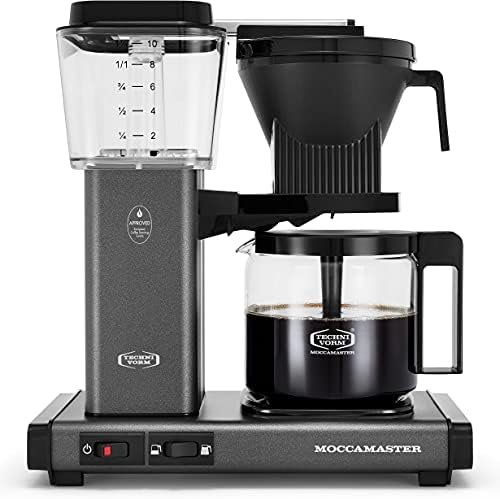
    5. Technivorm Moccamaster KBG Coffee Brewer

    Key Features:

    • Brews a full pot in just 4-6 minutes.
    • Durable and long-lasting copper heating element.
    • Manual drip-stop brew basket with a thermal carafe.

    The Technivorm Moccamaster KBG is a classic drip brewer renowned for its speed and precision. With its manual drip-stop brew basket, users have control over the brewing process, and the thermal carafe keeps the coffee hot without compromising flavor.

    Technivorm Moccamaster KBG Coffee Brewer
    Technivorm Moccamaster KBG Coffee Brewer

    Known for its speed and precision, the Technivorm Moccamaster KBG is a classic drip brewer. It can brew a full pot in just 4-6 minutes, making it an excellent choice for those on the go. The copper heating element ensures durability and longevity, while the manual drip-stop brew basket and thermal carafe give users control over the brewing process and keep the coffee hot without sacrificing flavor.

    Pros:

    • Speed: Brews a full pot in a remarkably short time.
    • Durable: Long-lasting copper heating element.
    • Manual Control: Manual drip-stop brew basket for user control.

    Cons:

    • Price: Higher-end in terms of cost.
    • Limited Features: Lacks programmability found in some other models.

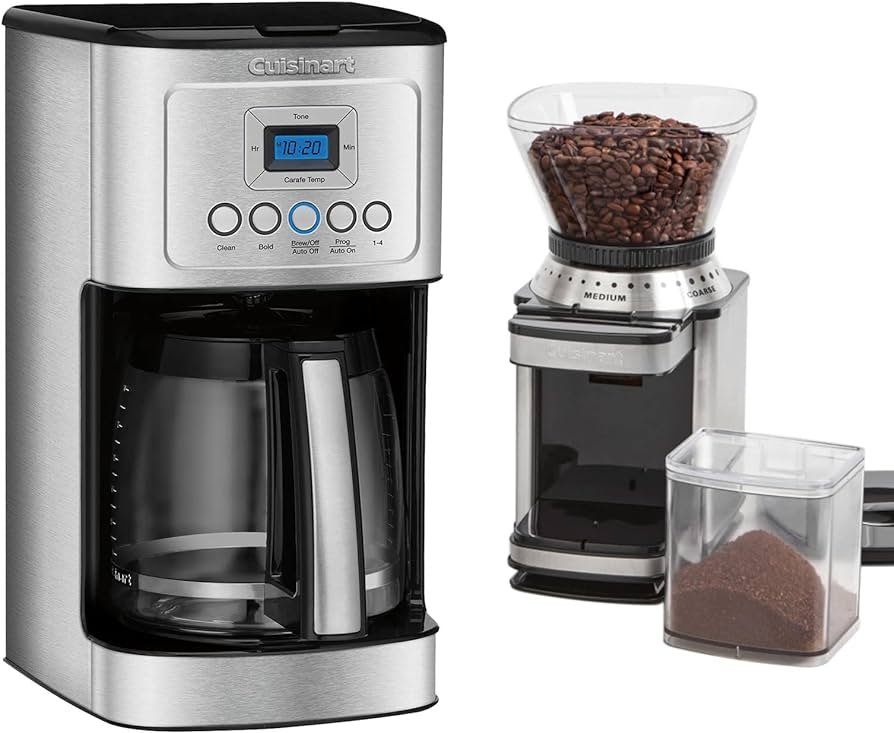
    6. Cuisinart DCC-3200P1 Perfectemp Coffee Maker

    Key Features:

    • Adjustable temperature control for brewing.
    • 24-hour programmability for wake-up ready coffee.
    • Brew strength control for personalized taste.

    Cuisinart’s DCC-3200P1 is a reliable and programmable coffee maker designed to cater to individual taste preferences. The adjustable temperature control and brew strength settings ensure that each cup is tailored to perfection.

    Cuisinart DCC-3200P1 Perfectemp Coffee Maker
    Cuisinart DCC-3200P1 Perfectemp Coffee Maker

    Cuisinart’s DCC-3200P1 is a programmable coffee maker designed for those who appreciate personalized brewing. The adjustable temperature control allows users to fine-tune the brewing process, ensuring the perfect cup every time. With 24-hour programmability, you can wake up to a ready-to-go pot of coffee, and the brew strength control caters to individual taste preferences.

    Pros:

    • Temperature Control: Adjustable temperature for optimal brewing.
    • Programmability: 24-hour programmability for convenience.
    • Brew Strength Control: Customizable brew strength settings.

    Cons:

    • Build Quality: Some users report durability concerns.
    • Complexity: Extensive features might be unnecessary for some users.

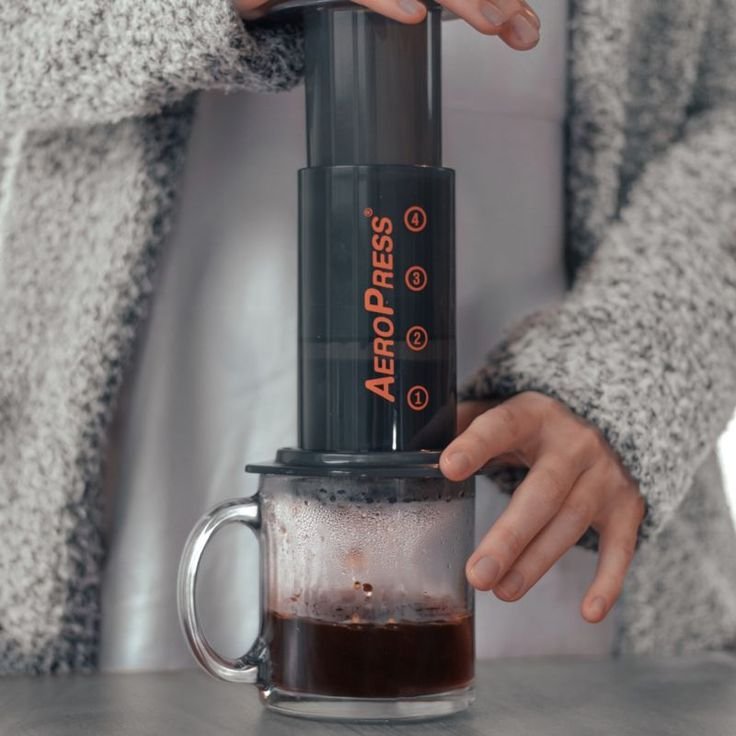
    7. AeroPress Coffee and Espresso Maker

    Key Features:

    • Portable and lightweight design.
    • Immersion and pressure brewing for rich flavor.
    • Easy to use and clean.

    The AeroPress stands out for its simplicity and portability. Ideal for coffee enthusiasts on the go, its immersion and pressure brewing method produces a rich and smooth cup of coffee or espresso, and its easy cleanup makes it a favorite among travelers.

    AeroPress Coffee and Espresso Maker
    AeroPress Coffee and Espresso Maker

    The AeroPress is a portable and lightweight option, making it perfect for those who are always on the move. Its immersion and pressure brewing method produce a rich and smooth cup of coffee or espresso. The simplicity of use and easy cleanup make it a favorite among travelers and outdoor enthusiasts.

    Pros:

    • Portability: Lightweight and portable design.
    • Immersion Brewing: Produces a rich and smooth cup.
    • Easy to Clean: Simple design ensures easy cleanup.

    Cons:

    • Limited Capacity: Suitable for individual use, not ideal for serving multiple people.
    • Noisy: The pressurized extraction can be louder compared to electric machines.

    8. Mr. Coffee 4-Cup Switch Coffee Maker

    Key Features:

    • Compact design, perfect for small spaces.
    • Grab-A-Cup Auto Pause feature for quick pours.
    • Dual water window for easy filling.

    For those seeking a compact and budget-friendly option, the Mr. Coffee 4-Cup Switch is a solid choice. Its simplicity and small footprint make it an excellent fit for individuals or small households.

    Mr. Coffee 4-Cup Switch Coffee Maker
    Mr. Coffee 4-Cup Switch Coffee Maker

    Compact and budget-friendly, the Mr. Coffee 4-Cup Switch is an ideal choice for individuals or small households. Its simple design and small footprint make it easy to use and suitable for tight spaces. The Grab-A-Cup Auto Pause feature allows for quick pours, catering to those who can’t wait for the entire pot to brew.

    Pros:

    • Compact: Small footprint, perfect for limited counter space.
    • Affordable: Budget-friendly option.
    • Auto Pause Feature: Grab-A-Cup Auto Pause allows for quick pouring.

    Cons:

    • Limited Capacity: Not suitable for larger households or gatherings.
    • Basic Features: Lacks programmability and advanced settings.

    9. OXO Brew 9-Cup Coffee Maker

    Key Features:

    • SCA-certified for optimal brewing standards.
    • Rainmaker shower head for even coffee extraction.
    • Double-walled carafe to keep coffee hot.

    The OXO Brew 9-Cup Coffee Maker is designed with precision and consistency in mind. With its SCA certification, it meets the highest standards for brewing, and the rainmaker shower head ensures uniform saturation for a delicious cup every time.

    OXO Brew 9-Cup Coffee Maker
    OXO Brew 9-Cup Coffee Maker

    The OXO Brew 9-Cup Coffee Maker is SCA-certified, ensuring that it meets high standards for brewing excellence. The rainmaker shower head ensures even coffee extraction, contributing to a delicious cup every time. The double-walled carafe keeps the coffee hot without compromising its flavor, catering to those who savor their coffee slowly.

    Pros:

    • SCA-Certified: Meets high standards for brewing excellence.
    • Rainmaker Shower Head: Ensures even coffee extraction.
    • Double-Walled Carafe: Keeps coffee hot without compromising flavor.

    Cons:

    • Price: Higher-end in terms of cost.
    • Complexity: Some users may find the features unnecessary.

    10. Black+Decker DLX1050B 12-Cup Programmable Coffee Maker

    Key Features:

    • QuickTouch programming for easy use.
    • Sneak-A-Cup feature for a pause in brewing.
    • 12-cup capacity for larger households.

    Black+Decker’s DLX1050B offers a balance of simplicity and capacity. The QuickTouch programming and Sneak-A-Cup feature make it user-friendly, and its 12-cup capacity is ideal for households with multiple coffee drinkers.

    OXO Brew 9-Cup Coffee Maker
    OXO Brew 9-Cup Coffee Maker

    Balancing simplicity with capacity, the Black+Decker DLX1050B is a programmable coffee maker suitable for larger households. The QuickTouch programming and Sneak-A-Cup feature make it user-friendly, while the 12-cup capacity ensures there’s enough coffee to go around. It’s a reliable and practical choice for those who value a straightforward brewing experience.

    Pros:

    • Capacity: 12-cup capacity suitable for larger households.
    • Programmable: QuickTouch programming for easy use.
    • Sneak-A-Cup Feature: Allows for a pause in brewing for quick pours.

    Cons:

    • Build Quality: Some users report durability concerns.
    • Basic Features: Lacks advanced settings found in more premium models.

    Conclusion

    Choosing the right coffee maker depends on individual preferences, lifestyle, and budget. Whether you’re a coffee aficionado looking for barista-level espresso or someone who values simplicity and convenience, the diverse range of coffee makers in the USA ensures that there’s a perfect match for every coffee lover. Before making a decision, consider your brewing style, the types of coffee you enjoy, and the features that matter most to you.

    The best coffee maker for you depends on your individual preferences, lifestyle, and budget. Whether you prioritize convenience, customization, or the pursuit of barista-quality coffee at home, the diverse range of coffee makers on the market ensures that there’s an ideal match for every coffee enthusiast. Before making a decision, consider your brewing style, the types of coffee you enjoy, and the features that matter most to you.

  • The Shelf Life of Coffee Beans: A Comprehensive Guide

    The Shelf Life of Coffee Beans: A Comprehensive Guide

    Coffee, a beloved beverage enjoyed by millions around the world, owes its rich and complex flavors to the humble coffee bean. Whether you prefer a robust espresso, a smooth pour-over, or a comforting cup of drip coffee, the quality of the coffee beans used plays a crucial role in the final brew. One common concern among coffee enthusiasts is the shelf life of coffee beans. How long do they last, and what factors influence their freshness? In this comprehensive guide, we will explore the life of coffee beans from harvesting to brewing, addressing storage methods, signs of deterioration, and dispelling common myths.

    Understanding the Life of Coffee Beans

    Before delving into the longevity of coffee beans, it’s essential to understand their journey from cultivation to consumption. Coffee beans come from the seeds of coffee cherries, which are the fruit of the Coffea plant. The two main types of coffee beans are Arabica and Robusta, each with distinct flavor profiles and growing conditions.

    1. Harvesting: Coffee cherries are typically harvested once they reach maturity, which varies depending on the region and climate. The harvesting process involves selectively picking ripe cherries by hand or using mechanical harvesters.
    2. Processing: After harvesting, the coffee beans need to be extracted from the cherries. This can be done through dry processing, where the cherries are dried before the beans are removed, or wet processing, which involves fermentation to separate the beans from the pulp.
    3. Drying: The extracted beans must be dried to achieve the optimal moisture content for storage. This phase is critical in preventing mold and ensuring the beans’ stability.
    4. Milling and Sorting: Once dried, the beans go through a milling process to remove any remaining layers of parchment or husk. They are then sorted based on size, weight, and quality.
    5. Roasting: The final step in the journey is roasting, where the green coffee beans are heated to transform them into the aromatic, flavorful beans we recognize. Roasting is an art, and different roast levels contribute to the varied profiles of coffee.
    Life of Coffee Beans

    Factors Influencing Coffee Bean Freshness

    The freshness of coffee beans is influenced by a combination of factors, and understanding these variables is crucial for preserving their flavor and aroma. Let’s explore these factors in detail:

    1. Roast Date

    The roast date is a key indicator of a coffee bean’s freshness. Coffee is at its peak flavor within a few days to a few weeks after roasting. During this period, the beans undergo degassing, a process where they release carbon dioxide produced during roasting. While coffee is still enjoyable beyond this window, the vibrant flavors may start to diminish.

    2. Storage Conditions

    How you store your coffee beans significantly impacts their shelf life. Exposure to air, light, moisture, and heat can accelerate the deterioration of coffee. To preserve freshness:

    • Airtight Containers: Store coffee beans in airtight containers to prevent exposure to oxygen, which can lead to oxidation and staleness.
    • Cool and Dark: Keep coffee away from heat sources and sunlight. Optimal storage is in a cool, dark place, such as a pantry or a cupboard.
    • Avoid Moisture: Moisture is the enemy of coffee freshness. Ensure that the storage container is dry, and avoid storing coffee near humid areas.

    3. Bean Variety

    The type of coffee bean also plays a role in its shelf life. Arabica beans, known for their nuanced flavors and acidity, tend to be more delicate than Robusta beans. Robusta beans, with their higher caffeine content and robust flavor, have a longer shelf life.

    4. Grind Level

    Coffee begins to lose its freshness more rapidly once it’s ground. Whole beans have a smaller surface area exposed to air, preserving the flavors for a more extended period. If possible, grind the beans just before brewing for the freshest cup.

    5. Packaging

    The packaging of coffee beans can impact their freshness. Look for bags with one-way valves that allow the release of gases produced by the beans without letting air in. Vacuum-sealed bags also help maintain freshness by removing excess air.

    Signs of Deteriorating Coffee Beans

    Even with proper storage, coffee beans will eventually lose their freshness. Recognizing the signs of deterioration is essential to ensuring a consistently enjoyable coffee experience. Here are common indicators:

    1. Stale Aroma: Freshly roasted coffee beans have a distinctive, aromatic fragrance. If your beans smell dull or musty, it’s a sign that they are losing their freshness.
    2. Flat Flavor: Over time, the vibrant flavors of coffee diminish. If your brewed coffee lacks the depth and complexity it once had, it might be time for a fresh batch.
    3. Oily Surface: While a thin sheen of oil on the surface of coffee beans is normal, excessive oiliness can indicate that the beans are past their prime.
    4. Visible Mold: If you notice any mold on your coffee beans, discard them immediately. Mold can develop in the presence of moisture and compromises both flavor and safety.

    Myths About Coffee Bean Freshness

    Several myths surround the shelf life of coffee beans. Dispelling these misconceptions can help you make informed decisions about storing and consuming your coffee:

    1. Freezing Coffee Extends Freshness Indefinitely

    While freezing coffee beans can slow down the staling process, it’s not a cure-all. The key is proper packaging. If not sealed airtight, coffee can absorb odors and flavors from the freezer, negatively impacting its taste.

    2. Keeping Coffee in the Fridge Preserves Freshness

    Similar to freezing, refrigeration is not ideal for coffee storage. The fluctuating temperatures and moisture in a fridge can lead to condensation inside the coffee packaging, degrading the beans’ quality.

    3. Older Beans Make Stronger Coffee

    The strength of coffee is determined by the ratio of coffee to water during brewing, not the age of the beans. While older beans may taste more bitter due to staleness, they won’t necessarily make a stronger cup.

    4. Vacuum Sealing Guarantees Freshness

    While vacuum-sealed bags help maintain freshness, they are not foolproof. Once the bag is opened, the beans are exposed to air, and their shelf life is limited. Transfer the beans to an airtight container after opening for extended freshness.

    Conclusion: Maximizing Your Coffee Experience

    In conclusion, the longevity of coffee beans is influenced by various factors, from the moment they are harvested to how they are stored and brewed. To savor the true essence of coffee, prioritize freshness by choosing beans with a recent roast date, storing them in optimal conditions, and being mindful of signs of deterioration.

    Experiment with different storage methods, grind sizes, and brewing techniques to find what suits your taste preferences. By understanding the lifecycle of coffee beans and implementing best practices for storage and preparation, you can elevate your coffee experience and enjoy a consistently exceptional cup every time.

  • The Art of Freshly Roasted Coffee Beans: A Comprehensive Guide

    The Art of Freshly Roasted Coffee Beans: A Comprehensive Guide

    Coffee, a beverage cherished across the globe, owes much of its rich flavor and aroma to the art of roasting. Among the myriad of coffee experiences, freshly roasted coffee beans stand out as the pinnacle of coffee indulgence. In this guide, we’ll delve into the fascinating world of freshly roasted coffee beans, exploring the intricacies of the roasting process, the impact on flavor profiles, and the best practices for brewing that perfect cup.

    Freshly Roasted Coffee Beans: The Roasting Process

    1. Green Beans to Golden Brew

    The journey of a coffee bean begins in the heart of coffee-producing regions worldwide, where coffee cherries flourish on the branches of the Coffea plant. Within these cherries lie the raw, green coffee beans, tightly nestled within the protective layers of pulp and parchment.

    Freshly Roasted Coffee Beans

    Harvested by skilled hands, the green beans are then subjected to meticulous processing methods. The goal is to extract the seeds from the cherry, leaving behind the essence of the coffee fruit. This process involves fermentation, washing, or a combination of both, ensuring that the beans retain their distinct flavors and characteristics.

    The Roasting Chamber: Where Magic Happens

    Once the green beans are ready, they embark on a remarkable journey within the roasting chamber. This chamber, often a rotating drum heated to precise temperatures, is where the alchemy of roasting unfolds.

    As the green beans make their entrance, they are met with intense heat, causing them to undergo a series of complex chemical reactions. First, the beans lose their moisture content, emitting a subtle hiss as steam escapes. This marks the inception of the roasting process.

    The Color Spectrum: A Visual Symphony

    The green beans, initially verdant and unassuming, gradually transform in color as the roasting progresses. They transition from a pale green to a light cinnamon hue and eventually reach the golden brown shade indicative of a well-roasted bean.

    This color transformation is not just aesthetic; it signifies the development of flavors within the beans. As the heat works its magic, sugars caramelize, oils migrate to the surface, and the beans undergo physical changes that contribute to the unique taste profile of the final brew.

    Aroma Unleashed: The Olfactory Prelude

    Simultaneously, the roasting process unleashes a captivating aroma. The once grassy and earthy scent of green beans evolves into a symphony of fragrances—notes of caramel, chocolate, and floral undertones dance through the air. This olfactory prelude is a testament to the artistry of the roaster, who skillfully navigates the variables to unlock the full potential of the beans.

    First Crack: A Milestone in Flavor Development

    As the roasting progresses, a crucial moment known as the “first crack” approaches. This audible phenomenon occurs when the beans reach a certain temperature, causing them to expand and crack open. It is a milestone that signals the completion of the roasting process for some coffee varieties.

    For those favoring a light to medium roast, this is often the endpoint, capturing the delicate nuances of the beans. However, for those seeking a darker, more robust flavor, the roasting journey continues beyond the first crack, delving deeper into the realms of rich, complex tastes.

    Cooling: Halting the Alchemy

    Once the desired roast level is achieved, the beans must undergo rapid cooling to halt the roasting process. This step is as crucial as the roasting itself. If the beans continue to roast even after reaching the desired level, it can lead to undesirable bitterness and a loss of the carefully cultivated flavors.

    Golden Brew: The Culmination

    After the cooling process, the once-green beans have transformed into golden brown gems, ready to fulfill their destiny in the hands of coffee enthusiasts. This is the culmination of the roasting journey—a testament to the roaster’s expertise, the quality of the beans, and the marriage of science and art.

    The golden brew, extracted from these freshly roasted beans, holds within it the essence of the coffee-producing regions, the meticulous craftsmanship of the roaster, and the anticipation of every coffee lover eager to savor a moment of pure delight.

    In each cup, the journey from green coffee beans to golden brew is a story told through taste and aroma, inviting enthusiasts to appreciate the intricate dance of chemistry and skill that transforms a humble seed into the beverage that fuels conversations, creativity, and camaraderie worldwide.

    2. Variables in Roasting

    Several variables come into play during the roasting process, each contributing to the final flavor profile:

    a. Time

    Roasting time is a crucial factor. A shorter roast will yield a lighter coffee with more acidity and floral notes, while a longer roast produces a darker, fuller-bodied coffee with pronounced bitterness.

    b. Temperature

    The temperature at which the beans roast impacts the flavor. Higher temperatures lead to a darker roast, intensifying smoky and bitter tones, while lower temperatures result in a lighter, fruitier cup.

    c. Bean Movement

    The way beans move in the roasting chamber affects evenness. Proper agitation ensures consistent roasting, preventing uneven flavor development.

    d. Cooling Process

    After roasting, the beans must be rapidly cooled to halt the process. This is as crucial as the roasting itself, influencing the beans’ internal structure and locking in flavors.

    Flavor Profiles

    1. Light Roast

    Lightly roasted beans maintain more of their original characteristics, boasting higher acidity, floral and fruity notes, and a subtle sweetness. This roast allows the nuances of different coffee varieties to shine through.

    2. Medium Roast

    Balancing body and acidity, medium roasts offer a versatile flavor profile. They possess a more pronounced caramelization, resulting in a well-rounded cup with moderate acidity and a fuller body.

    3. Dark Roast

    Dark roasts feature bold, robust flavors with low acidity. The extended roasting time brings out smoky, chocolate, and sometimes even charred notes. Dark roasts are ideal for those who appreciate a strong, intense coffee experience.

    Importance of Freshness

    1. The Aroma Dance

    Freshly roasted coffee beans emit an enchanting aroma. As the beans degas, they release carbon dioxide, a process that occurs in the days following roasting. This degassing is essential, as it prevents the CO2 from affecting the brewing process negatively.

    2. Peak Flavor Window

    Coffee is at its peak freshness shortly after roasting. Within the first two weeks, the beans offer an unparalleled depth of flavor. Beyond this window, the coffee may still be enjoyable, but it won’t capture the same vibrancy.

    3. Proper Storage

    To preserve the freshness of roasted beans, store them in an airtight container in a cool, dark place. Avoid refrigeration, as the beans can absorb unwanted odors.

    Brewing Techniques for Freshly Roasted Coffee

    1. Grinding

    Grinding is an intimate act in the coffee preparation process, a ritual that transforms whole beans into the fine particles that will eventually surrender their essence to hot water. This step is critical, as it directly impacts the extraction process and, consequently, the flavor profile of your coffee.

    The Importance of Freshness

    To fully appreciate the art of grinding, one must begin with fresh beans. Just as the roasting process brings out the best in coffee beans, grinding them fresh before brewing preserves the volatile compounds responsible for aroma and flavor. Oxidation is the enemy of freshness, and once coffee is ground, the surface area exposed to air dramatically increases, leading to a quicker loss of those precious aromas.

    The Grinder: A Coffee Alchemist’s Tool

    Central to the act of grinding is the coffee grinder itself—an essential tool that ranges from manual hand grinders to electric burr grinders. The choice of grinder significantly influences the size and consistency of the grounds, affecting the extraction process and, consequently, the final cup.

    a. Blade Grinders

    While convenient, blade grinders can yield uneven grounds due to their chopping motion. This inconsistency can result in over-extraction of finer particles and under-extraction of coarser ones, leading to a brew with imbalanced flavors.

    b. Burr Grinders

    Burr grinders, on the other hand, offer precision. Consisting of two revolving abrasive surfaces, they crush the beans to a consistent size. This uniformity ensures an even extraction, allowing the full range of flavors to be extracted from the coffee grounds.

    Grind Size Matters

    The grind size is a critical variable that must align with the chosen brewing method. Different methods, such as espresso, French press, or pour-over, require specific grind sizes to achieve optimal extraction.

    a. Coarse Grind

    Ideal for brewing methods like French press and cold brew, a coarse grind resembles breadcrumbs. This size allows for a slower extraction, resulting in a rich and robust cup without over-extraction.

    b. Medium Grind

    A grind akin to sea salt is well-suited for drip coffee makers and pour-over methods. This medium grind strikes a balance, offering a nuanced flavor profile with moderate extraction.

    c. Fine Grind

    Espresso machines, Moka pots, and Aeropress devices thrive on a fine grind, similar to powdered sugar. This grind size facilitates a quick extraction, capturing the concentrated flavors characteristic of these methods.

    The Ritual of Precision

    The act of grinding is not just a mechanical step; it is a dance of precision. The duration of grinding, the coarseness or fineness of the grind, and the consistency of particle size all contribute to the symphony of flavors waiting to be unleashed.

    Timing is Everything

    Timing is a key element in the precision of grinding. Grinding just before brewing is essential to preserve the volatile aromatic compounds within the coffee. The longer coffee grounds are exposed to air, the more those delicate aromas dissipate, diminishing the overall sensory experience.

    Storage of Grounds

    Once ground, coffee should be used promptly to capture the peak of its flavors. However, if storing is necessary, an airtight container in a cool, dark place is crucial. Avoid exposing the grounds to humidity or fluctuations in temperature, as these elements can compromise the freshness.

    Grounds for Celebration

    In the intricate ballet of coffee preparation, grinding stands as a pivotal act. It is the gateway to unlocking the full potential of freshly roasted beans, a step that demands attention, precision, and an appreciation for the alchemy of flavors waiting to be set free. Whether you’re savoring the ritual with a manual grinder or entrusting the task to a high-quality burr grinder, the result is the same—an invitation to indulge in a cup of coffee that transcends the ordinary, offering a symphony of flavors and aromas meticulously crafted from bean to brew.

    2. Brewing Methods

    a. Pour-Over

    The pour-over method allows for precise control over water temperature and pouring rate. It’s an excellent choice for showcasing the nuanced flavors of light to medium roasts.

    b. French Press

    The immersion brewing of the French press complements the richness of medium to dark roasts. The full-bodied, flavorful cup it produces is a testament to the quality of freshly roasted beans.

    c. Espresso

    Espresso enthusiasts benefit greatly from using freshly roasted beans. The concentrated nature of espresso magnifies the coffee’s intensity and highlights its unique characteristics.

    d. Cold Brew

    Cold brew extracts coffee slowly, resulting in a smoother, less acidic cup. Using freshly roasted beans enhances the complexity of flavors, making it a refreshing alternative.

    Sourcing Freshly Roasted Beans

    1. Local Roasters

    Supporting local roasters ensures access to beans at the peak of freshness. Establishing a relationship with your roaster allows for a deeper understanding of the coffee’s origins and roasting techniques.

    2. Online Specialty Retailers

    Numerous online retailers specialize in delivering freshly roasted beans directly to your doorstep. Look for those who provide roast dates on their packaging, ensuring you receive coffee at its freshest.

    Conclusion

    Embracing the world of freshly roasted coffee beans is a journey of sensory exploration. From the delicate dance of the roasting process to the intricate flavors unlocked in brewing, each step contributes to a symphony of taste and aroma. Whether you prefer the bright acidity of a light roast, the balanced notes of a medium roast, or the bold intensity of a dark roast, the key lies in savoring the freshness. Elevate your coffee experience by indulging in the artistry of freshly roasted beans—a journey that promises to awaken your senses with every sip.

  • Indonesian Palm Civet Coffee: The World’s Most Expensive Coffee

    Indonesian Palm Civet Coffee: The World’s Most Expensive Coffee

    Indonesian Palm Civet Coffee, often referred to as “Kopi Luwak,” is a rare and highly coveted coffee variety that has gained global recognition for its unique production process. This exotic and luxury coffee has intrigued coffee enthusiasts and connoisseurs for years, with its distinctive flavor and the fascinating role of civets in its production. In this comprehensive guide, we will delve into the world of Indonesian Palm Civet Coffee, exploring its history, production methods, flavor profile, sustainability concerns, and ethical considerations.

    The History of Indonesian Palm Civet Coffee

    The history of Indonesian Palm Civet Coffee can be traced back to the early 18th century when the Dutch colonists introduced coffee cultivation to the Indonesian archipelago, particularly on the island of Java. Coffee became a prominent crop in the region, and the Dutch plantations played a significant role in coffee production. However, the local farmers were prohibited from consuming coffee beans from the plantations, leading them to seek alternative means to access the coveted coffee.

    Indonesian Palm Civet Coffee

    This desire for coffee gave rise to the innovative method of using civets, small nocturnal mammals found in the Indonesian jungles, to help produce coffee. Civets would selectively eat ripe coffee cherries, digest the fruit, and excrete the coffee beans. Local farmers would collect the beans from civet droppings, wash and process them, and ultimately produce a unique coffee that was highly prized for its distinctive flavor. This marked the birth of Indonesian Palm Civet Coffee, also known as Kopi Luwak.

    The history of Indonesian Palm Civet Coffee, also known as Kopi Luwak, is a fascinating journey that encompasses colonial influence, resourcefulness, and innovation in the world of coffee production. To understand the evolution of Kopi Luwak, we need to explore its historical context and the intricate relationship between humans, coffee, and the civet.

    1. Dutch Colonial Influence

    The story of Indonesian Palm Civet Coffee begins with the Dutch colonial presence in the Indonesian archipelago. During the early 18th century, the Dutch colonists introduced coffee cultivation to the region, focusing primarily on the island of Java. Coffee quickly became a significant crop in the region, and Java, in particular, became renowned for its coffee plantations.

    However, there was a significant divide between the colonial plantations and the local Javanese population. The Dutch colonists strictly controlled access to the coffee produced on the plantations, denying the local farmers and laborers the opportunity to enjoy the very product they helped cultivate. As a result, a sense of intrigue and longing for the rich flavors of coffee brewed among the local population.

    1. Resourcefulness of the Locals

    In response to the Dutch restriction on coffee consumption, the local Javanese farmers, who had cultivated a deep appreciation for coffee, embarked on a resourceful endeavor. Their quest was to find a way to access coffee beans without the constraints imposed by the colonial rulers. This creative and unique endeavor eventually led to the birth of Indonesian Palm Civet Coffee.

    1. Civets and Coffee

    In the lush and biodiverse jungles of Indonesia, a small, nocturnal mammal known as the palm civet (Paradoxurus hermaphroditus) played a pivotal role in the development of this exceptional coffee. Civets are opportunistic omnivores with a keen sense of smell and taste. They have a natural tendency to select and consume the ripest coffee cherries, identified by the scent of fermenting pulp. This behavior stems from the civet’s preference for high-quality, ripe fruit.

    The digestive system of the civet played an unexpected role in the coffee production process. As the civet consumed coffee cherries, enzymes in its stomach initiated the fermentation of the cherries’ pulp, breaking down proteins and other compounds. After passing through the civet’s digestive system, the coffee beans were excreted.

    The beans excreted by civets were collected by local farmers. These beans were then meticulously washed to remove any remnants of the civet’s digestive process, such as mucilage and other residues. Following thorough washing, the coffee beans were subjected to the customary coffee roasting process. This unique and somewhat unorthodox method of production resulted in the creation of what we now know as Indonesian Palm Civet Coffee, or Kopi Luwak.

    1. Distinctive Flavor Profile

    The fermentation process that occurs within the civet’s digestive system is widely believed to be responsible for the distinctive flavor profile of Kopi Luwak. This extraordinary process gives the coffee its unique characteristics, setting it apart from other coffee varieties. The precise combination of enzymes and chemical reactions during digestion imparts a smooth and full-bodied quality to the coffee, accompanied by low acidity and an array of nuanced flavors.

    The coffee is celebrated for its earthy and chocolaty undertones, with hints of caramel and nuts. It typically exhibits a mild bitterness that is balanced by a sweet, lingering finish. This intriguing flavor profile has earned Kopi Luwak a reputation as a delicacy and a sought-after luxury coffee variety.

    In conclusion, the history of Indonesian Palm Civet Coffee is a remarkable tale of ingenuity and resourcefulness that emerged in response to colonial restrictions on coffee consumption. The local farmers of Java harnessed the natural instincts of civets to create a unique and prized coffee variety. Kopi Luwak’s journey from the jungles of Indonesia to the global stage is a testament to the enduring allure of coffee and the innovative spirit of those who produce it.

    The Civet’s Role in Coffee Production

    The palm civet (Paradoxurus hermaphroditus) plays a pivotal and intriguing role in the production of Indonesian Palm Civet Coffee, also known as Kopi Luwak. Understanding the civet’s involvement in coffee production is central to appreciating the uniqueness of this luxury coffee variety.

    1. Civet Diet and Coffee Selection:
      Civets are small, nocturnal mammals native to the jungles of Southeast Asia, including Indonesia, where Kopi Luwak is predominantly produced. These creatures possess a remarkable sense of smell and taste, which they employ to select their food. Among their preferred foods are ripe coffee cherries. Civets exhibit a particular fondness for the sweet and aromatic pulp surrounding coffee cherries. Their keen olfactory senses allow them to detect the scent of fermenting coffee cherries from a considerable distance. This discerning behavior leads them to pick only the ripest and most delectable coffee cherries.
    2. Natural Fermentation Process:
      The key to Kopi Luwak’s distinctive flavor lies in the natural fermentation process that occurs within the civet’s digestive system. After the civet consumes the coffee cherries, the journey of the beans takes a unique turn. As the coffee cherries make their way through the civet’s digestive tract, they undergo a complex series of enzymatic reactions. The enzymes in the civet’s stomach break down proteins and other compounds within the cherries’ pulp. This fermentation process contributes to the coffee’s flavor development, enhancing its aromatic and flavor properties. While the beans are in the civet’s stomach, the outer pulp is digested, and the beans become covered with the mucilage produced during fermentation. It is this interaction between the beans and the civet’s digestive processes that creates the distinctive character of Indonesian Palm Civet Coffee.
    3. Excretion and Coffee Bean Collection:
      After passing through the civet’s intestines, the coffee beans, now coated with mucilage, are excreted by the civet. Local farmers are responsible for collecting these beans from the excrement. This step requires careful and thorough searching in the jungles where civets reside, as the beans are often scattered in their droppings. To ensure the beans’ safety and cleanliness, the collected beans undergo a rigorous cleaning process. This includes washing to remove any remaining mucilage, digestive residues, or contaminants. It is important to note that the cleaning process is meticulous to ensure that the unique flavors developed during the fermentation process remain intact.
    4. Roasting and Final Processing:
      Once the beans have been cleaned, they are ready for the final steps in their transformation into coffee. The cleaned beans are roasted, and this process is conducted with the same precision and expertise applied to traditional coffee roasting. The roast level can vary, allowing for a range of flavor profiles, but the goal is to maintain the unique characteristics developed during fermentation. After roasting, the beans are ground and brewed, resulting in a cup of Indonesian Palm Civet Coffee, Kopi Luwak, that is celebrated for its smoothness, full body, low acidity, and distinctive flavor notes. These flavor notes often include hints of earthiness, chocolate, caramel, and nuts, with a mild bitterness and a sweet finish.

    The civet’s role in coffee production represents the heart of the Kopi Luwak story. Its natural behavior, discerning palate, and the enzymatic processes that occur within its digestive system contribute to the creation of a coffee variety that is both unique and highly sought after by coffee enthusiasts and connoisseurs worldwide.

    The distinctive journey of coffee beans through the civet’s digestive system and the ensuing meticulous processing bring to life the extraordinary character of Indonesian Palm Civet Coffee, demonstrating that nature and human ingenuity can yield remarkable results in the world of coffee.

    Flavor Profile

    The flavor profile of Indonesian Palm Civet Coffee, also known as Kopi Luwak, is a complex and intriguing aspect that sets it apart from other coffee varieties. The unique fermentation process that occurs within the digestive system of civets imparts a distinctive character to this luxury coffee. Let’s explore the elements of Kopi Luwak’s flavor profile in greater detail:

    1. Smooth and Full-Bodied:
      One of the most prominent features of Kopi Luwak is its remarkable smoothness and full-bodied nature. The coffee has a velvety and luxurious texture that envelops the palate. This characteristic is often attributed to the enzymatic reactions that occur during the fermentation process within the civet’s digestive system. It results in a coffee that is remarkably mellow and less acidic than many other coffee varieties.
    2. Low Acidity:
      Kopi Luwak is celebrated for its low acidity, making it a coffee variety that is gentle on the stomach. The digestive process within the civet’s stomach appears to reduce the coffee’s natural acidity, resulting in a brew that is less likely to cause acid reflux or digestive discomfort. The subdued acidity contributes to the coffee’s overall smoothness and makes it particularly appealing to those who seek a less acidic coffee experience.
    3. Earthy and Chocolaty Undertones:
      Kopi Luwak often presents pronounced earthy notes with a hint of chocolaty undertones. The fermentation process in the civet’s digestive system influences the development of these flavors. The earthy notes are reminiscent of forest floors and the natural aromas of the jungle where civets forage for coffee cherries. The subtle chocolaty undertones add richness to the coffee’s flavor, making it a delightful treat for chocolate lovers.
    4. Hints of Caramel and Nuts:
      Beyond its earthiness and chocolate nuances, Kopi Luwak may also exhibit hints of caramel and nuts in its flavor profile. These notes contribute to the coffee’s complexity and depth, offering a delightful interplay of sweet and nutty elements that enhance the overall taste experience.
    5. Mild Bitterness and Sweet Finish:
      The flavor journey of Kopi Luwak typically includes a mild bitterness, which is beautifully balanced by a sweet finish. The bitterness is not overpowering but rather adds depth and character to the coffee. It’s the sweet finish that lingers on the palate, leaving a pleasant and memorable aftertaste. This combination of mild bitterness and sweetness is often a hallmark of high-quality coffee.

    It’s important to note that the specific flavor profile of Indonesian Palm Civet Coffee can vary based on various factors, including the civet’s diet, the region in which it was produced, the altitude at which the coffee was grown, and the degree of roasting applied. This variability is what makes each cup of Kopi Luwak a unique and sensory-rich experience.

    In conclusion, the flavor profile of Kopi Luwak is a complex tapestry of smoothness, low acidity, earthiness, chocolaty undertones, caramel and nut hints, and a balanced interplay of mild bitterness and sweet finish. These distinctive characteristics make Indonesian Palm Civet Coffee a sought-after delicacy for coffee enthusiasts and connoisseurs who seek a truly unique and luxurious coffee experience.

    Production Challenges and Sustainability Concerns

    Despite its popularity and high market value, the production of Indonesian Palm Civet Coffee faces several challenges, including sustainability concerns. Here are some of the key issues:

    a. Ethical Considerations: Traditionally, the coffee beans were collected from wild civet droppings. However, the increasing demand for Kopi Luwak has led to unethical practices, such as keeping civets in captivity and force-feeding them coffee cherries to produce more coffee. This practice has raised significant ethical concerns and led to animal welfare issues.

    b. Environmental Impact: The demand for Kopi Luwak has led to an increase in civet farming, which can have adverse environmental effects. Captive civets may be kept in suboptimal conditions, and their diets may not be as diverse as those of wild civets. This can impact the coffee’s quality and contribute to biodiversity loss in coffee-growing regions.

    c. Conservation Efforts: To address these concerns, some organizations and farmers are working towards more sustainable and ethical production methods. These efforts involve promoting wild civet coffee and improving civet welfare, while also emphasizing the importance of preserving the natural habitat of civets.

    Authenticity and Certification

    To ensure that you are purchasing genuine Indonesian Palm Civet Coffee, look for certifications from trusted organizations that promote ethical and sustainable practices. Organizations like the Specialty Coffee Association of Indonesia (SCAI) and various fair trade and sustainability certifications are working to establish guidelines and standards for the production of Kopi Luwak. These certifications can help consumers identify coffee that has been produced through ethical and sustainable means.

    The Future of Indonesian Palm Civet Coffee

    The future of Indonesian Palm Civet Coffee, also known as Kopi Luwak, is at a crossroads, where the pursuit of sustainability and ethical considerations is increasingly important. While Kopi Luwak remains a luxury coffee variety with a unique and intriguing production process, there are crucial challenges and opportunities that will shape its future.

    1. Ethical Considerations:
      One of the most significant challenges facing the future of Kopi Luwak is the ethical treatment of civets involved in its production. Historically, many civets were kept in captivity in suboptimal conditions and subjected to force-feeding to meet the growing demand for this exclusive coffee. Such practices raised serious concerns about animal welfare and prompted criticism from various quarters. To secure the future of Kopi Luwak, it is essential that the industry addresses these ethical issues. Ethical considerations must prioritize the well-being and humane treatment of civets. This shift towards more ethical practices is crucial to ensure the continued acceptance and appreciation of Kopi Luwak by consumers.
    2. Conservation Efforts:
      The future of Kopi Luwak is intertwined with the preservation of the civets’ natural habitat. In the wild, civets play a vital role in maintaining the ecosystem’s balance by controlling pests and aiding in seed dispersal. However, the expansion of civet farming to meet the demands of Kopi Luwak production has led to concerns about habitat destruction and biodiversity loss. Sustainable Kopi Luwak production can align with conservation efforts by promoting wild civet coffee. Wild civet coffee involves the collection of beans that civets forage naturally in their habitat. By maintaining a healthy and biodiverse environment for civets, the future of Kopi Luwak can be more ecologically responsible and sustainable.
    3. Certification and Transparency:
      To ensure the future of Kopi Luwak as a reputable and authentic coffee variety, the industry must focus on certification and transparency. Certification programs, such as those offered by the Specialty Coffee Association of Indonesia (SCAI), can help establish guidelines and standards for the ethical and sustainable production of Kopi Luwak. These certifications can provide consumers with the assurance that they are purchasing coffee that has been produced responsibly and under humane conditions.
    4. Supporting Small-Scale Producers:
      While large-scale civet farming operations have garnered attention, supporting small-scale, community-based producers can be a positive direction for the future of Kopi Luwak. Such producers often prioritize ethical and sustainable practices while also contributing to local economies. By connecting with these producers and raising awareness about their efforts, consumers can play a role in promoting the ethical production of Kopi Luwak.
    5. Consumer Awareness and Education:
      The future of Kopi Luwak also depends on consumer awareness and education. Coffee enthusiasts and connoisseurs need to be informed about the challenges and ethical concerns surrounding this coffee variety. Greater understanding can drive demand for ethically produced and sustainable Kopi Luwak, encouraging industry stakeholders to adopt more responsible practices.
    6. Balancing Demand and Sustainability:
      As the global appetite for Kopi Luwak continues to grow, finding a balance between meeting demand and ensuring sustainability is paramount. This balance may require innovative approaches, such as promoting eco-friendly practices, reducing the environmental footprint of production, and fostering a sense of responsibility among all players in the supply chain.

    In conclusion, the future of Indonesian Palm Civet Coffee, Kopi Luwak, is intricately tied to ethical considerations, conservation efforts, certification, and transparency in the industry. Sustainable practices that prioritize the well-being of civets, preserve their natural habitat, and support small-scale producers are essential for ensuring the long-term viability and ethical production of this unique coffee variety. By raising awareness, fostering responsible practices, and aligning with conservation efforts, we can work toward a future where Kopi Luwak is both a luxury coffee and an ethically produced and sustainable choice for coffee enthusiasts.

    Conclusion

    Indonesian Palm Civet Coffee, or Kopi Luwak, is a unique and highly sought-after coffee variety known for its distinct flavor profile and unconventional production process involving civets. The history, flavor, and production methods of Kopi Luwak make it a captivating subject for coffee enthusiasts and connoisseurs.

    However, the production of Indonesian Palm Civet Coffee has faced challenges related to sustainability and ethics, as the demand for this exotic coffee has grown. To ensure the future of Kopi Luwak, it is essential to promote ethical and sustainable practices in its production, prioritize civet welfare, and preserve their natural habitat. When seeking authentic Indonesian Palm Civet Coffee, look for certifications from reputable organizations to support the responsible and ethical production of this unique and rare coffee variety.

  • Top 10 Coffee Brands in Singapore: A Caffeine Lover’s Guide

    Top 10 Coffee Brands in Singapore: A Caffeine Lover’s Guide

    Singapore is a bustling metropolis that boasts a thriving coffee culture. With a plethora of coffee brands, cafes, and specialty coffee shops, the city-state has become a haven for coffee enthusiasts. Whether you prefer a traditional Kopi O, a rich Espresso, or a creamy Latte, Singapore has something to offer for every coffee lover. In this article, we will explore the top 10 coffee brands in Singapore, each offering unique flavors and experiences that cater to various tastes and preferences.

    1. Top 10 Coffee Brands in Singapore: Ya Kun Kaya Toast

    Ya Kun Kaya Toast is a household name in Singapore, known for its iconic kaya toast and Hainanese coffee. Founded in 1944, this brand has been serving traditional Singaporean breakfast for generations. The coffee, often referred to as “Kopi,” is a robust blend of coffee beans and sweet condensed milk, creating a strong and aromatic cup that pairs perfectly with their kaya toast.

    Ya Kun Kaya Toast
    Ya Kun Kaya Toast
    • Kaya Toast Set: This iconic Singaporean breakfast includes kaya toast, a delectable spread made from eggs, sugar, and coconut milk, paired with soft-boiled eggs. It’s typically served with a cup of traditional Kopi or Teh (tea). The Kopi is a strong coffee made by blending coffee beans with sweet condensed milk, offering a unique and robust flavor that perfectly complements the creamy kaya spread on the toast.

    Pros:

    • Heritage and Tradition: Ya Kun Kaya Toast boasts a rich history, making it a beloved part of Singapore’s heritage.
    • Affordability: Their offerings are reasonably priced, making it accessible to a wide range of customers.

    Cons:

    • Limited Coffee Variety: While their traditional Kopi is exceptional, the coffee menu is somewhat limited compared to specialty coffee shops.

    2. Toast Box

    Toast Box is another popular coffee brand in Singapore that specializes in traditional Kopi and kaya toast. Their coffee is brewed using a unique method called the “sock filter,” which results in a rich, full-bodied brew. The blend of coffee beans and condensed milk offers a delightful sweetness and a slightly bitter kick, making it a favorite among locals.

    Toast Box
    Toast Box
    • Kopi: Toast Box is renowned for its traditional Kopi, which is prepared using a unique method known as the “sock filter.” This technique results in a robust and full-bodied coffee. The blend of coffee beans and condensed milk in Kopi offers a delightful sweetness, coupled with a subtle bitterness, creating a classic Singaporean coffee experience.
    • Nanyang Old Coffee: This is another favorite, known for its rich and bold taste. It’s made from selected coffee beans and a secret sauce, giving it a unique flavor profile.

    Pros:

    • Authenticity: Toast Box is known for its authentic Singaporean breakfast experience.
    • Traditional Kopi: Their unique method of preparing Kopi appeals to those who love traditional Singaporean coffee.

    Cons:

    • Lack of Specialty Coffee: If you’re looking for specialty coffee or single-origin options, Toast Box might not be the best choice.

    3. Chye Seng Huat Hardware (CSHH)

    For those who appreciate specialty coffee, Chye Seng Huat Hardware, often abbreviated as CSHH, is a must-visit. Located in the vibrant Jalan Besar neighborhood, CSHH is a specialty coffee roastery and cafe that takes coffee seriously. They source high-quality beans from around the world, roast them in-house, and brew them to perfection. Their coffee menu is diverse, offering everything from Espresso to Pour-Over, ensuring a unique coffee experience.

    Chye Seng Huat Hardware (CSHH)
    Chye Seng Huat Hardware (CSHH)
    • Espresso: CSHH excels in specialty coffee, and their Espresso is a masterpiece. It’s a classic shot of espresso that captures the essence of the coffee bean’s unique characteristics. The baristas take great care in crafting a shot that’s rich, aromatic, and filled with flavors.
    • Single-Origin Pour-Over: CSHH offers a diverse range of single-origin coffees. Each cup is meticulously prepared using pour-over methods, allowing coffee enthusiasts to explore the distinct flavors of beans from different regions, whether it’s the bright acidity of an Ethiopian Yirgacheffe or the nutty sweetness of a Brazilian bean.

    Pros:

    • Specialty Coffee: CSHH is a paradise for specialty coffee enthusiasts, offering an extensive range of single-origin and carefully brewed coffee.
    • Coffee Education: They often conduct coffee workshops and events, making it an excellent place to learn about coffee.

    Cons:

    • Price: Specialty coffee can be relatively more expensive than traditional coffee brands.
    • Limited Food Menu: The focus is primarily on coffee, and the food menu is somewhat limited.

    4. Nylon Coffee Roasters

    Nylon Coffee Roasters is a well-regarded coffee brand in Singapore, known for its commitment to sourcing and roasting the finest beans. They offer an array of single-origin and blended coffees that cater to various taste preferences. Nylon Coffee Roasters’ cozy café is a great place to savor their carefully crafted brews or purchase freshly roasted beans to enjoy at home.

    nylon coffee roasters
    nylon coffee roasters
    • Espresso: Nylon Coffee Roasters’ Espresso is a true masterpiece. The beans are meticulously roasted in-house to bring out their unique flavors. The Espresso they serve is aromatic, balanced, and carries the character of the beans used.
    • Filter Coffee: If you prefer a different coffee experience, try their filter coffee. It can be prepared using pour-over or AeroPress methods, offering a cleaner and nuanced taste that highlights the beans’ intricate profiles.

    Pros:

    • Quality Roasting: Nylon Coffee Roasters excel in roasting high-quality beans in-house.
    • Diverse Coffee Offerings: Their diverse range of beans and brewing methods cater to a variety of coffee preferences.

    Cons:

    • Limited Seating: The café may have limited seating, which can be a challenge during busy hours.

    5. Tiong Hoe Specialty Coffee

    Tiong Hoe Specialty Coffee is one of the oldest and most respected coffee brands in Singapore, with a history dating back to 1960. The shop has maintained its reputation for high-quality beans and a meticulous roasting process. Tiong Hoe offers an extensive selection of beans from different regions and a range of roasting profiles to suit different tastes, making it a favorite among coffee connoisseurs.

    Tiong Hoe Specialty Coffee
    Tiong Hoe Specialty Coffee
    • Ethiopia Yirgacheffe: This is a single-origin coffee with floral and fruity notes. It’s often praised for its bright acidity and vibrant flavors. Tiong Hoe’s baristas ensure that the brewing process showcases the unique characteristics of this exceptional bean.
    • Espresso Blend: For a more traditional experience, Tiong Hoe’s Espresso Blend is a harmonious combination of carefully selected beans. It results in a well-balanced, full-bodied espresso with a hint of sweetness.

    Pros:

    • Legacy: With a history dating back to 1960, Tiong Hoe is a trusted source for coffee beans and expertise.
    • Wide Bean Selection: They offer an extensive selection of beans from different regions, allowing customers to explore various coffee profiles.

    Cons:

    • Limited Café Experience: Tiong Hoe’s café focuses more on selling beans and equipment, and the café experience is relatively simple.

    6. Common Man Coffee Roasters

    Common Man Coffee Roasters, often referred to as CMCR, is a brand with a global presence, originating from Singapore. Their commitment to ethical and sustainable sourcing is evident in their range of single-origin coffees. The café provides an inviting atmosphere for coffee enthusiasts, and their skilled baristas ensure that every cup is a work of art.

    Common Man Coffee Roasters
    Common Man Coffee Roasters
    • CMCR Espresso: Common Man Coffee Roasters’ house espresso is known for its balanced and aromatic profile. Whether enjoyed as a straight shot or in a milk-based coffee, it’s a crowd-pleaser that captures the essence of the coffee bean’s flavor.
    • Nitro Cold Brew: If you’re looking for a refreshing and innovative coffee experience, try their Nitro Cold Brew. The infusion of nitrogen gives the cold brew a velvety texture, making it both visually appealing and delicious.

    Pros:

    • Global Presence: Common Man Coffee Roasters is an internationally recognized brand, ensuring consistent quality.
    • Sustainability: They are committed to ethical and sustainable coffee sourcing.

    Cons:

    • Pricing: The high-quality coffee beans and specialty nature of this brand can be reflected in the prices.

    7. Oriole Coffee + Bar

    Oriole Coffee + Bar is a popular coffee brand in Singapore, offering an extensive range of coffee blends and brew methods. Their signature blend, the Oriole Signature Blend, is a harmonious combination of beans from Ethiopia, Brazil, and Guatemala, resulting in a well-balanced and full-bodied cup. The café also boasts a wide selection of alcoholic coffee concoctions for those who enjoy a little extra kick.

    Oriole Coffee + Bar
    Oriole Coffee + Bar
    • Oriole Signature Blend: Oriole’s Signature Blend is a well-balanced masterpiece made from beans sourced from Ethiopia, Brazil, and Guatemala. This blend offers a cup of coffee with rich chocolate and fruity notes, making it an all-time favorite among their customers.
    • Espresso Tonic: For a refreshing twist, you can opt for the Espresso Tonic, which combines a shot of espresso with tonic water, creating a bubbly, citrusy coffee experience that’s perfect for Singapore’s hot climate.

    Pros:

    • Signature Blend: The Oriole Signature Blend is a well-balanced coffee with a delightful flavor profile.
    • Innovative Coffee Drinks: They offer creative coffee beverages and alcoholic coffee concoctions for those seeking something different.

    Cons:

    • Crowded Space: Popular with both locals and tourists, the café can get quite crowded, leading to potential wait times.

    8. Stranger’s Reunion

    Stranger’s Reunion is another specialty coffee brand that has made a name for itself in Singapore. They offer a variety of single-origin coffees that cater to different palates. Their commitment to showcasing the unique flavors of each region’s beans sets them apart. Visitors can enjoy meticulously brewed coffee and indulge in delicious brunch offerings in a cozy atmosphere.

    Stranger's Reunion
    Stranger’s Reunion
    • Single-Origin Pour-Over: Stranger’s Reunion takes pride in offering a rotating selection of single-origin coffees. These pour-overs allow coffee enthusiasts to explore the unique flavors and aromas of coffee beans from different regions. Each cup tells a story of its origin.
    • Iced Magic: A unique and popular choice at Stranger’s Reunion is the Iced Magic, which blends espresso with homemade orange-infused milk. This delightful concoction combines the zest of orange with the boldness of coffee for a one-of-a-kind taste.

    Pros:

    • Rotating Single-Origin Coffee: Their selection of single-origin pour-overs allows coffee enthusiasts to explore unique coffee flavors.
    • Artistic Coffee Presentations: The café is known for its visually stunning coffee presentations.

    Cons:

    • Limited Seating: The café space may have limited seating, which can be a challenge during peak hours.

    9. Jewel Coffee

    Jewel Coffee is a contemporary coffee brand in Singapore that has gained popularity for its vibrant café spaces and a commitment to serving top-notch coffee. They source beans from all over the world, roast them in-house, and provide a diverse range of coffee styles, from Espresso to Cold Brew. Jewel Coffee’s friendly staff and modern aesthetics create a welcoming environment for coffee lovers.

    Jewel Coffee
    Jewel Coffee
    • Black Gold: Jewel Coffee’s Black Gold is a special blend, known for its rich and smooth taste. This dark roast coffee has a touch of chocolate notes, offering a comforting and bold coffee experience.
    • Cold Brew Latte: For a refreshing option, try their Cold Brew Latte. It’s a creamy and chilled coffee beverage that’s perfect for cooling down on a hot day.

    Pros:

    • Modern Aesthetics: The vibrant café spaces and modern design create an inviting atmosphere.
    • Diverse Coffee Offerings: They offer a range of coffee blends and brewing methods to cater to different tastes.

    Cons:

    • Pricing: Specialty coffee and modern aesthetics may come with a slightly higher price tag.

    10. Dapper Coffee

    Dapper Coffee is a hidden gem in the heart of Amoy Street, known for its innovative and unique coffee creations. In addition to the classic Espresso and Latte, Dapper Coffee offers creative coffee beverages like the Dirty Chai Latte and Salted Caramel Cold Brew. The café’s artistic flair extends to its visually stunning coffee presentations, making it a favorite among Instagram-savvy coffee enthusiasts.

    Dapper Coffee
    Dapper Coffee
    • Dirty Chai Latte: Dapper Coffee offers a creative twist with the Dirty Chai Latte, combining the flavors of chai spices with a shot of espresso and milk. It’s a delightful blend of aromatic spices and coffee for a unique taste.
    • Salted Caramel Cold Brew: If you’re in the mood for something sweet and savory, the Salted Caramel Cold Brew is a perfect choice. It features a cold brew coffee base with a caramel twist, creating a harmonious balance of flavors.

    Pros:

    • Innovative Coffee Creations: Dapper Coffee is known for its creative drinks, such as the Dirty Chai Latte and Salted Caramel Cold Brew.
    • Aesthetic Presentation: Their coffee creations are visually appealing and perfect for Instagram.

    Cons:

    • Limited Food Menu: The food menu is relatively small, with the primary focus on coffee.

    Conclusion

    Singapore’s coffee scene is a rich tapestry of tradition and innovation, catering to every coffee lover’s taste. Whether you’re craving a traditional Kopi, a meticulously brewed single-origin pour-over, or a creatively crafted coffee concoction, you’ll find a coffee brand in Singapore to satisfy your caffeine cravings. These top 10 coffee brands represent the diversity and quality of coffee experiences available in this bustling city-state. So, embark on a coffee journey in Singapore and savor the unique flavors and atmospheres offered by these outstanding coffee establishments.

    These special drinks capture the essence of each coffee brand, showcasing their commitment to providing a diverse and unique coffee experience for their customers. Whether you’re a fan of traditional Kopi, specialty coffee, or innovative coffee creations, you’ll find something to satisfy your coffee cravings in Singapore.

    Each of these coffee brands has its unique strengths and appeals to different customer preferences. While traditional brands like Ya Kun Kaya Toast and Toast Box offer an authentic taste of Singapore, specialty coffee brands like Chye Seng Huat Hardware and Common Man Coffee Roasters cater to those seeking a more refined and diverse coffee experience. The choice ultimately depends on individual preferences, whether it’s tradition, innovation, or a blend of both.