Tag: coffee

  • Sumatra Coffee: Exploring the Richness of Flavor in Sumatran Beans

    Sumatra Coffee: Exploring the Richness of Flavor in Sumatran Beans

    Sumatra Coffee, the westernmost island of Indonesia, is not only known for its breathtaking landscapes and diverse cultures but also for producing some of the world’s most distinctive and sought-after coffee beans. Sumatra coffee, grown in the highlands of the region, has gained international acclaim for its unique flavor profile, bold body, and earthy undertones. In this comprehensive exploration, we will delve into the origins, cultivation methods, processing techniques, and most importantly, the unparalleled taste of Sumatra coffee.

    The Origins of Sumatra Coffee


    Sumatra has a long and storied history in the world of coffee cultivation. Introduced by Dutch colonists in the late 17th century, coffee found a fertile home in the volcanic soils and tropical climate of the island. Today, the coffee industry in Sumatra is deeply embedded in the cultural and economic fabric of the region, with numerous smallholder farmers and cooperatives contributing to its success.

    Varieties of Sumatra Coffee


    Several varieties of Arabica and Robusta coffee are grown in Sumatra, with Arabica dominating the specialty coffee market. The most notable Arabica varieties include Mandheling, Lintong, and Gayo. Each region contributes its own nuances to the coffee, influenced by factors such as altitude, soil composition, and climate.

    Mandheling


    Mandheling coffee, grown in the west-central part of Sumatra, is renowned for its full body, low acidity, and a complex flavor profile characterized by notes of chocolate, tobacco, and a syrupy sweetness. The beans are typically processed using the wet-hulling method, a unique technique that imparts a distinct character to the coffee.

    Lintong


    Lintong coffee hails from the Lintongnihuta district in North Sumatra. This variety is known for its bright acidity, herbal undertones, and a clean finish. Lintong beans are often wet-processed, contributing to their vibrant and crisp flavor profile.

    Gayo


    Grown in the Aceh province in the northern part of Sumatra, Gayo coffee is celebrated for its heavy body, low acidity, and herbal, spicy notes. The Gayo Highlands, with their high altitudes and volcanic soil, provide an ideal environment for cultivating this unique coffee.

    Cultivation and Harvesting


    The cultivation of Sumatra coffee involves meticulous attention to detail, from the selection of coffee varieties to the harvesting process. Smallholder farmers, often organized into cooperatives, play a crucial role in the production chain. The high altitudes of Sumatra’s coffee-growing regions contribute to the slow maturation of coffee cherries, resulting in beans with exceptional density and flavor complexity.

    Harvesting typically occurs between May and September, with coffee cherries picked by hand at varying levels of ripeness. This selective harvesting method can be labor-intensive but ensures that only the ripest cherries are used in the final product.

    Processing Methods


    The unique character of Sumatra coffee is also shaped by the distinctive processing methods employed by local farmers. One of the most notable techniques is “Giling Basah” or wet-hulling. In this method, the coffee cherries are pulped, and the beans are partially dried before the parchment is removed. The beans then undergo a final drying stage, resulting in a distinctively Indonesian flavor profile.

    Wet-hulling contributes to Sumatra coffee’s hallmark characteristics, including its full body, low acidity, and earthy notes. This processing method is closely tied to the region’s climate, allowing for the beans to absorb the tropical humidity during the final drying phase.

    Sumatra Coffee Taste Profile


    The taste of Sumatra coffee is a sensory journey that captivates coffee enthusiasts worldwide. Here are key elements that contribute to the unique taste profile:

    Earthy Undertones


    Sumatra coffee is renowned for its earthy and herbal notes. The wet-hulling process, combined with the volcanic soil, imparts a distinct earthiness to the beans. This flavor profile is often described as woody, mossy, or even reminiscent of tobacco.

    Full Body


    One of the most distinguishing features of Sumatra coffee is its full body. The beans’ density, slow maturation, and wet-hulling process result in a coffee with a robust and syrupy mouthfeel. This characteristic makes Sumatra coffee an excellent choice for those who appreciate a substantial and rich cup.

    Low Acidity


    Compared to coffees from other regions, Sumatra coffee is known for its low acidity. The slow maturation of the cherries and the wet-hulling process contribute to a mellow acidity that allows other flavor notes to shine. This makes Sumatra coffee particularly appealing to those who prefer a smoother and less tangy coffee experience.

    Spicy and Herbal Notes


    Sumatra coffee often exhibits spicy and herbal undertones. The Gayo variety, in particular, is known for its peppery notes, while other beans may showcase hints of cardamom, clove, or other spices. These complex flavor profiles add layers of intrigue to every sip.

    Chocolate and Sweetness


    Mandheling coffee, in particular, is celebrated for its chocolatey and sweet notes. The combination of the wet-hulling process and the region’s unique terroir results in a coffee with a natural sweetness that can range from fruity to syrupy, complementing the earthy and spicy elements.

    Brewing Recommendations


    To fully appreciate the nuanced flavors of Sumatra coffee, it’s essential to choose the right brewing method. Here are some recommendations:

    French Press


    The full-bodied nature of Sumatra coffee pairs exceptionally well with the French press. The coarse grind allows the coffee’s oils to infuse the brew, enhancing its richness and depth.

    Pour-Over


    For those who appreciate a cleaner cup with pronounced acidity, a pour-over method can highlight the unique qualities of Sumatra coffee. Use a medium grind to balance extraction and enjoy the subtle herbal and earthy notes.

    Espresso


    Sumatra coffee’s bold flavor profile makes it an excellent choice for espresso enthusiasts. The low acidity and full body contribute to a satisfying and intense shot. Experiment with the grind size and extraction time to find the perfect balance.

    Cold Brew


    The natural sweetness and low acidity of Sumatra coffee make it an ideal candidate for cold brew. Steep the coarse grounds in cold water for an extended period to extract the rich flavors without the bitterness.

    Conclusion


    Sumatra coffee stands as a testament to the harmonious interplay between nature, culture, and craftsmanship. From the lush highlands of the region to the hands of skilled farmers and processors, every step in the journey contributes to the unique taste profile that has captivated coffee connoisseurs worldwide. The earthy undertones, full body, low acidity, and complex flavor notes make Sumatra coffee a truly exceptional and memorable experience for those seeking a distinctive cup of java. Whether enjoyed alone or as part of a carefully crafted blend, Sumatra coffee continues to leave an indelible mark on the global coffee landscape, proving that sometimes, the finest things in life are best experienced one sip at a time

  • Exploring the Rich and Distinctive Taste of Aceh Gayo Coffee

    Exploring the Rich and Distinctive Taste of Aceh Gayo Coffee

    Aceh Gayo Coffee, hailing from the picturesque region of Aceh in Indonesia, has gained global recognition for its exceptional quality and distinctive taste profile. Renowned for its unique combination of flavors, Aceh Gayo coffee stands as a testament to the rich coffee culture that has flourished in the region for centuries. In this comprehensive exploration, we delve into the key characteristics that define the taste of Aceh Gayo coffee, examining the region’s unique geographical features, cultivation methods, and processing techniques that contribute to its unparalleled flavor.

    Geographical Factors Aceh Gayo Coffee:

    The lush landscapes and high-altitude regions of Aceh provide an ideal environment for cultivating high-quality Arabica coffee beans. The Gayo Highlands, in particular, offer the perfect combination of volcanic soil, equatorial climate, and elevation, creating an optimal setting for coffee cultivation. The altitude, ranging between 1,200 to 1,500 meters above sea level, plays a crucial role in shaping the flavor profile of Aceh Gayo coffee, fostering slow bean maturation and developing nuanced taste characteristics.

    Cultivation Methods:

    a predominantly grown using traditional and sustainable farming practices. Local farmers, often members of smallholder cooperatives, nurture the coffee plants with great care and attention. The cultivation process involves shade-grown methods, where the coffee plants benefit from the natural shade of indigenous trees. This results in a slower ripening process, allowing the beans to develop more complex flavors.

    Furthermore, organic farming practices are prevalent in the region, with minimal use of synthetic fertilizers and pesticides. The commitment to sustainable agriculture not only preserves the natural ecosystem but also contributes to the distinct taste of Aceh Gayo coffee, characterized by a clean and natural flavor profile.

    Processing Techniques:

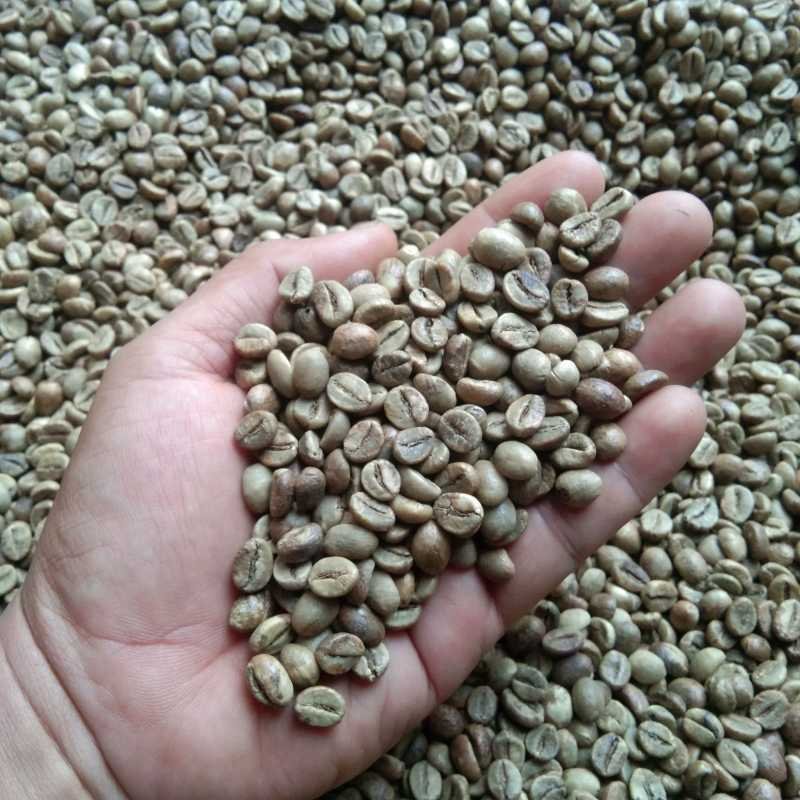
    Post-harvest processing is a crucial stage in determining the final taste of Aceh Gayo coffee. The traditional wet-hulling method, known locally as “Giling Basah,” is widely employed in the region. This process involves removing the outer skin of the coffee cherry before drying the beans to a moisture content of around 30%. The partially dried beans are then hulled, resulting in a distinct bluish-green appearance.

    The wet-hulling method is unique to the Gayo Highlands and contributes to the earthy and full-bodied characteristics of Aceh Gayo coffee. The process enhances the body of the coffee, creating a velvety mouthfeel while preserving the innate acidity and brightness of the beans.

    Flavor Profile:

    Aceh Gayo coffee is celebrated for its well-balanced and complex flavor profile that captivates coffee enthusiasts worldwide. The cup typically exhibits a harmonious blend of earthy tones, herbal notes, and a subtle acidity. The earthiness is reminiscent of cedar and tobacco, while herbal undertones evoke images of the lush vegetation surrounding the coffee farms.

    One of the standout features of Aceh Gayo coffee is its vibrant acidity, which adds a refreshing and lively element to the cup. The acidity is often described as bright and citrusy, providing a delightful contrast to the rich and full-bodied nature of the coffee. This unique balance of flavors distinguishes Aceh Gayo coffee from other varieties and contributes to its universal appeal.

    Aroma and Fragrance:

    The aromatic qualities of Aceh Gayo coffee are equally captivating. The beans emanate a fragrance that combines herbal and floral notes, creating an enticing olfactory experience. As the coffee is brewed, the aroma intensifies, releasing hints of chocolate, spice, and a touch of fruitiness. The fragrance of Aceh Gayo coffee is a prelude to the nuanced and layered taste that awaits in every sip.

    Brewing Recommendations:

    To fully appreciate the flavors of Aceh Gayo coffee, proper brewing methods are essential. The coffee is versatile and can be enjoyed through various brewing techniques such as pour-over, French press, and espresso. A medium to dark roast is often recommended to highlight the richness and depth of the flavor profile, although some coffee aficionados prefer a medium roast to accentuate the brightness and acidity.

    For an authentic experience, consider using fresh, high-quality water and adjusting grind size and brewing time to suit your personal preferences. Experimenting with different brewing methods allows you to unlock the full spectrum of flavors that Aceh Gayo coffee has to offer.

    Culinary Pairings:

    The versatile flavor profile of Aceh Gayo coffee makes it an excellent companion for a wide range of culinary pairings. Its earthy and herbal notes complement savory dishes such as grilled meats, hearty stews, and aged cheeses. Additionally, the bright acidity makes it a refreshing accompaniment to desserts like citrus-infused pastries and dark chocolate.

    Conclusion :

    In conclusion, Aceh Gayo coffee stands as a testament to the rich coffee heritage of the Aceh region, offering a distinctive taste that reflects its unique geographical characteristics, cultivation methods, and processing techniques. From the lush landscapes of the Gayo Highlands to the meticulous care taken by local farmers, every step of the coffee production process contributes to the unparalleled flavor profile that has captured the hearts of coffee connoisseurs around the world.

    The combination of earthy tones, herbal notes, vibrant acidity, and a velvety mouthfeel sets Aceh Gayo coffee apart as a truly exceptional brew. Whether enjoyed on its own or paired with culinary delights, this Indonesian gem continues to be a symbol of the dedication and craftsmanship of the local coffee community. In every cup of Aceh Gayo coffee, one can savor the essence of the region’s rich coffee culture, making it a truly unforgettable experience for coffee enthusiasts worldwide.

  • Richness of Lampung Green Coffee:  a Complete Guide

    Richness of Lampung Green Coffee: a Complete Guide

    Lampung Green Coffee, a hidden gem among coffee enthusiasts, has gained recognition for its unique flavor profile and exceptional quality. This Indonesian coffee variety hails from the lush landscapes of Lampung, a province on the southern tip of Sumatra. In this comprehensive guide, we will delve into the origins, cultivation methods, processing techniques, flavor characteristics, and the cultural significance of Lampung green coffee.

    I. Origins and Geography Lampung Green Coffee:

    Lampung, nestled between the Indian Ocean and the Sunda Strait, boasts an ideal climate and altitude for coffee cultivation. The region’s volcanic soil, combined with a tropical climate and elevation ranging from 600 to 1,500 meters above sea level, creates the perfect conditions for growing high-quality Arabica and Robusta coffee beans.

    II. Varieties of Lampung Green Coffee:

    Arabica Coffee :


    Lampung is known for producing Arabica beans that are characterized by a complex flavor profile. These beans are cultivated in higher elevations, where cooler temperatures and optimal soil conditions contribute to the development of unique and nuanced flavors.

    Robusta Coffee :


    Robusta beans from Lampung are celebrated for their bold and robust taste. These beans thrive in lower altitudes, where the warmer climate and well-drained soil result in a coffee with a distinctively strong flavor, often accompanied by earthy and woody notes.

    III. Cultivation and Harvesting:

    Lampung green coffee exceptional quality is attributed to the meticulous cultivation and harvesting processes employed by local farmers. The coffee plants are carefully tended, and the cherries are handpicked at the peak of ripeness. This attention to detail ensures that only the finest beans make their way into the production process.

    IV. Processing Methods :

    After harvesting, Lampung green coffee undergoes specific processing methods that contribute to its unique flavor characteristics. The two primary processing methods are:

    Wet Processing:


    In wet processing, the coffee cherries are pulped to remove the outer skin, and the beans are then fermented to break down the mucilage before being washed and dried. This method is favored for its ability to produce clean and bright flavors.

    Dry Processing:


    Dry processing involves sun-drying the whole cherries before mechanically removing the beans from the dried fruit. This method imparts a full-bodied and fruity flavor to the coffee, with distinct undertones that reflect the region’s terroir.

    V. Flavor Profile of Lampung Green Coffee:

    Lampung green coffee is celebrated for its unique and diverse flavor profile, influenced by factors such as altitude, climate, and processing methods. Common tasting notes include:

    Arabica:

    Floral and fruity undertones
    Bright acidity
    Wine-like complexity
    Sweet and well-balanced flavor
    Robusta:

    Bold and robust
    Earthy and woody notes
    Strong and full-bodied
    Lower acidity compared to Arabica


    VI. Cultural Significance:

    Lampung green coffee is deeply embedded in the local culture and economy. The coffee industry plays a vital role in sustaining the livelihoods of many Lampung farmers and their families. Additionally, the unique coffee varieties contribute to the cultural identity of the region, with traditional coffee ceremonies being an integral part of social gatherings.

    VII. Sustainability Practices:

    Many Lampung green coffee producers are adopting sustainable and environmentally friendly practices. From organic farming methods to eco-friendly processing, these efforts not only enhance the quality of the coffee but also contribute to the preservation of the region’s natural resources.

    VIII. Availability and Market Presence:

    While Lampung green coffee has been a well-kept secret for some time, its reputation is gaining momentum on the global stage. Specialty coffee shops and roasters are increasingly recognizing the distinct qualities of Lampung green coffee, leading to its availability in international markets.

    IX. Brewing Recommendations:

    To fully appreciate the flavors of Lampung green coffee, it is essential to choose appropriate brewing methods. Whether through pour-over, French press, or espresso, the unique characteristics of these beans shine through when brewed with precision.

    Conclusion:

    Lampung green coffee stands out as a testament to the rich coffee heritage of Indonesia. From its origins in the fertile soils of Lampung to its diverse flavor profile and cultural significance, this coffee variety is a true embodiment of the art and science of coffee production. As global interest in unique and high-quality coffees continues to grow, Lampung green coffee is poised to become a sought-after choice for discerning coffee connoisseurs worldwide.

  • Unveiling the Enigma of Luwak Coffee: A Journey Through Production and Taste

    Unveiling the Enigma of Luwak Coffee: A Journey Through Production and Taste

    Luwak coffee, also known as civet coffee, has earned a reputation as one of the most unique and sought-after coffee varieties globally. This exotic brew traces its origins to Indonesia, where a fascinating combination of nature and craftsmanship converges to create a distinctive and luxurious coffee experience. In this comprehensive exploration, we will delve into the origins, production process, flavor profile, ethical considerations, and the sustainable future of luwak coffee.

    Origins of Luwak Coffee:

    Luwak coffee finds its roots in the lush coffee plantations of Indonesia, particularly in Sumatra, Java, Bali, and Sulawesi. The term “luwak” refers to the civet, a small mammal native to these regions. The unique journey of luwak coffee begins with the civet’s selection of ripe coffee cherries as a part of its diet. The civet ingests the cherries, and during the digestion process, the beans pass through the civet’s digestive tract. This distinctive method of processing imparts a distinct flavor to the coffee beans, setting luwak coffee apart from conventional varieties.

    Production Process Luwak Coffee:

    The production of luwak coffee is an intricate process that involves careful cultivation, meticulous harvesting, and a unique fermentation phase facilitated by the civet’s digestive system.

    Cultivation and Harvesting :


    is typically cultivated in coffee estates that provide the civets with access to naturally grown coffee cherries. Farmers ensure that the cherries are ripe and of the highest quality before they are consumed by the civets.

    Digestive Fermentation :


    After ingestion, the coffee cherries go through the civet’s digestive system, where enzymes break down proteins surrounding the coffee beans. This fermentation process is crucial in imparting distinct flavors and reducing the bitterness associated with traditional coffee.

    Collection and Cleaning:


    Once the civets excrete the beans, they are carefully collected, thoroughly cleaned, and then dried. The cleaning process is meticulous to ensure the removal of any impurities while preserving the unique characteristics gained through fermentation.

    Flavor Profile:

    Luwak coffee is renowned for its exceptional flavor profile, characterized by a harmonious blend of earthy, chocolaty, and fruity notes. The fermentation process in the civet’s digestive system contributes to the coffee’s unique aroma and smooth, less acidic taste. The resulting brew is often described as rich, full-bodied, and with a lingering aftertaste that captivates the palate.

    Ethical Considerations:

    While presents a distinctive and luxurious coffee experience, ethical concerns have emerged regarding the treatment of civets in some production practices. In some cases, civets are kept in captivity and force-fed coffee cherries, leading to ethical and animal welfare issues. It is crucial for consumers to be aware of the ethical practices employed by coffee producers and choose brands that prioritize the well-being of civets.

    Sustainable Practices:

    In response to ethical concerns, an increasing number of coffee producers are adopting sustainable and ethical practices in luwak coffee production. These practices include:

    Wild Civet Coffee Production:


    Some coffee producers allow civets to roam freely in their natural habitat, selecting and consuming coffee cherries at their discretion. This ensures a more ethical and sustainable approach to luwak coffee production.

    Kopi luwak is a rare coffee. I drank in Bali.

    Certifications and Transparency:


    Ethical luwak coffee producers often obtain certifications such as Rainforest Alliance or UTZ to demonstrate their commitment to sustainability and ethical practices. Transparent supply chains that trace the journey of coffee from cultivation to cup are becoming more common.

    Community Engagement:
    Sustainable luwak coffee production involves engaging local communities in the process. This includes fair wages for coffee farmers, community development initiatives, and environmental conservation efforts.

    Conclusion:

    Luwak coffee stands as a testament to the intersection of nature, craftsmanship, and luxury in the world of coffee. Its unique production process and distinct flavor profile have captured the fascination of coffee connoisseurs globally. However, the ethical considerations surrounding luwak coffee production highlight the importance of choosing brands that prioritize the well-being of civets and embrace sustainable practices. As consumers, being informed about the origins and production methods of luwak coffee allows us to make choices that align with our values and contribute to the promotion of ethical and sustainable coffee practices.

  • Exploring the Richness of Indonesian Coffee: From Plantation to Cup

    Exploring the Richness of Indonesian Coffee: From Plantation to Cup

    the Richness of Indonesian Coffee, with its diverse archipelago, is not only a haven for breathtaking landscapes but also a treasure trove for coffee enthusiasts. Renowned for its distinctive flavors and unique processing methods, Indonesian coffee has carved a niche for itself in the global coffee market. In this comprehensive guide, we will delve into the world of the finest Indonesian coffee, exploring its origins, varieties, cultivation, processing techniques, and the unparalleled coffee culture that defines this Southeast Asian nation.

    The Origin the Richness of Indonesian Coffee

    The history of coffee cultivation in Indonesia dates back to the late 1600s when the Dutch brought Arabica coffee plants to the archipelago. The fertile volcanic soil, high altitudes, and tropical climate created ideal conditions for coffee cultivation. Over the centuries, Indonesia has become a major player in the international coffee industry, with several regions gaining recognition for producing some of the finest coffee beans in the world.

    Notable Indonesian Coffee Varieties

    Sumatra Mandheling the Richness of Indonesian Coffee

    Grown on the volcanic slopes of Mount Leuser in Sumatra, Mandheling coffee is celebrated for its full body, low acidity, and earthy, chocolatey undertones. The wet-hulling process unique to Sumatra contributes to its distinct flavor profile.
    Java Arabica

    indonesia coffee

    Java, one of the first places outside of Arabia to cultivate coffee, is renowned for its Arabica beans. These beans are characterized by a mild acidity, medium body, and a well-balanced flavor profile with hints of spice and a clean finish.


    Bali Kintamani the Richness of Indonesian Coffee

    Grown in the highlands of Mount Batur, Bali Kintamani coffee is distinguished by its bright acidity, medium body, and fruity notes. The unique microclimate of the Kintamani region contributes to the exceptional quality of these beans.
    Toraja Sulawesi

    Hailing from the highlands of Sulawesi, Toraja coffee is known for its full body, low acidity, and complex flavor profile. The beans are traditionally processed using the “Giling Basah” method, resulting in a unique cup with spicy and herbal notes.


    Cultivation and Processing Techniques

    Indonesian coffee is cultivated across various islands, each offering a distinct terroir that influences the final cup. The volcanic soil of islands like Sumatra and Java imparts unique mineral characteristics to the beans, while the high-altitude regions, such as Kintamani in Bali, contribute to the bright acidity found in their coffee.

    The processing methods employed in Indonesia are equally crucial to the flavor development of the beans. One distinctive technique is the wet-hulling process, locally known as “Giling Basah.” This method involves removing the parchment from the coffee beans at a higher moisture content, resulting in a distinctly bold and earthy flavor.

    Harvesting typically takes place between May and October, with farmers meticulously hand-picking the ripe cherries. The commitment to manual harvesting ensures the selection of only the highest-quality beans, contributing to the overall excellence of Indonesian coffee.

    Coffee Culture in Indonesia

    Coffee is not merely a beverage in Indonesia; it is a cultural experience that brings people together. The traditional method of serving coffee is often a ritualistic affair, involving intricate processes such as manual brewing using a “kopi tubruk” pot or a cloth filter known as a “kopi tubruk,” which enhances the richness of the coffee.

    Indonesian coffee shops, locally known as “warungs,” are integral to the social fabric. These establishments not only offer a place to savor a cup of freshly brewed coffee but also serve as communal spaces where locals gather to engage in conversation, share stories, and enjoy the warmth of their coffee culture.

    the Richness of Indonesian Coffee Keyword

    Among the diverse array of Indonesian coffee options, the term “finest Indonesian coffee” encapsulates the superior quality and exceptional characteristics that set these beans apart. Whether it’s the bold Sumatra Mandheling, the classic Java Arabica, the fruity Bali Kintamani, or the complex Toraja Sulawesi, the finest Indonesian coffee represents the pinnacle of coffee craftsmanship from the archipelago.

    Conclusion

    In conclusion, the world of Indonesian coffee is a captivating journey through diverse landscapes, rich history, and unparalleled craftsmanship. The finest Indonesian coffee, with its unique varieties, cultivation methods, and cultural significance, stands as a testament to the nation’s commitment to excellence in coffee production. Whether you’re a seasoned coffee connoisseur or a casual drinker, exploring the flavors of Indonesian coffee is an adventure that promises to delight the senses and leave a lasting impression on your palate.

  • Savoring Tradition: The Rich History of Toraja Coffee

    Savoring Tradition: The Rich History of Toraja Coffee

    The Rich History of Toraja Coffee,Nestled within the lush landscapes of Sulawesi, Indonesia, Toraja coffee stands as a testament to centuries-old traditions and a deep cultural connection to the land. The history of Toraja coffee is a captivating journey that intertwines with the region’s unique geography, the meticulous efforts of local farmers, and the cultural rituals that have shaped this exceptional brew.

    Geographical Roots:

    The Toraja region, characterized by its picturesque highlands and fertile soil, provides an ideal environment for coffee cultivation. The altitude, ranging from 1,000 to 2,000 meters above sea level, contributes to the distinct flavor profile of Toraja coffee. The Arabica coffee plants thrive in this cool climate, resulting in beans with a complex and nuanced taste.

    Cultural Significance:

    The Rich History of Toraja Coffee is deeply intertwined with the Torajan people’s cultural practices. Coffee is more than just a beverage; it is an integral part of their social and ceremonial rituals. Traditionally, Toraja coffee has been served during communal gatherings, weddings, and funerals, symbolizing hospitality and shared moments.

    Traditional Growing Methods:

    The cultivation of Toraja coffee involves a meticulous process that has been handed down through generations. Local farmers plant coffee trees in nutrient-rich volcanic soil and employ traditional farming techniques. The use of organic methods, combined with the region’s unique microclimate, contributes to the exceptional quality of Toraja coffee beans.

    Harvesting and Processing:

    The harvesting season, typically occurring from May to September, is a crucial period for Toraja coffee production. Farmers handpick ripe coffee cherries, ensuring only the highest-quality beans are selected. The cherries undergo a meticulous wet-hulling process, a method distinctive to Indonesian coffee production. This process imparts the coffee with its signature full body and earthy undertones.

    Historical Evolution:

    The history of Toraja coffee can be traced back to the introduction of coffee to Indonesia by Dutch colonizers in the 17th century. However, it wasn’t until the 19th century that coffee cultivation took root in Toraja. The Dutch colonial influence played a significant role in shaping the coffee industry in the region, with the establishment of coffee plantations and the introduction of new cultivation techniques.

    Challenges and Resilience The Rich History of Toraja Coffee:

    Throughout its history, Toraja coffee has faced various challenges, including economic fluctuations and changing global market demands. Despite these hurdles, the Torajan people have demonstrated resilience, maintaining their commitment to traditional farming methods and preserving the unique characteristics of their coffee.

    Global Recognition:

    In recent years, Toraja coffee has gained recognition on the global stage, with coffee enthusiasts and connoisseurs appreciating its distinctive flavor profile. The specialty coffee movement has played a pivotal role in bringing Toraja coffee to a broader audience, fostering a greater appreciation for the region’s coffee heritage.

    Preserving Tradition in the Modern Era:

    As Toraja coffee continues to gain popularity, there is a delicate balance between preserving traditional cultivation methods and adapting to modern agricultural practices. Efforts are underway to sustain the cultural heritage associated with Toraja coffee while ensuring the economic viability of local coffee farmers.

    Conclusion The Rich History of Toraja Coffee:

    The history of Toraja coffee is a captivating narrative that unfolds through the interplay of geography, culture, and tradition. From the fertile highlands of Sulawesi to the global coffee stage, Toraja coffee has evolved into a symbol of cultural identity and craftsmanship. As we savor a cup of Toraja coffee, we not only taste the rich flavors but also partake in a centuries-old tradition that continues to thrive in the modern world.

  • Exploring the Rich Tapestry of Indonesian Coffee: Unveiling the Finest Varieties

    Exploring the Rich Tapestry of Indonesian Coffee: Unveiling the Finest Varieties

    the Rich Tapestry of Indonesian Coffee, an archipelago of over 17,000 islands, is not only known for its breathtaking landscapes but also for its exceptional coffee. Among the diverse coffee-producing regions globally, Indonesia stands out with its unique and distinct coffee varieties. This article delves into the rich tapestry of Indonesian coffee, exploring its finest varieties, cultivation methods, cultural significance, and the delicate balance that makes Indonesian coffee truly exceptional.

    Indonesian Coffee Landscape

    Geography and Climate the Rich Tapestry of Indonesian Coffee

    The geography and climate of Indonesia create an ideal environment for cultivating coffee. The volcanic soil, combined with tropical temperatures and high humidity, contributes to the unique flavors that characterize Indonesian coffee. The coffee-producing regions, including Sumatra, Java, Bali, Sulawesi, and Papua, each contribute their own distinctive profile to the nation’s diverse coffee offerings.

    Finest Indonesian Coffee Varieties

    Sumatra Mandheling

    One of Indonesia’s prized coffee varieties, Sumatra Mandheling, hails from the northern part of the island of Sumatra. Grown at elevations between 2,000 and 5,000 feet, this coffee is celebrated for its full body, low acidity, and an earthy, chocolatey undertone. The unique wet-hulling process, known as “Giling Basah,” adds to its complex flavor profile.

    Java Arabica

    Java, an island synonymous with coffee history, produces a high-quality Arabica coffee. The well-balanced Java Arabica is grown on the island’s volcanic slopes, providing a medium body with a subtle acidity. Its distinct notes of herbs, spices, and a hint of fruitiness make it a favorite among coffee connoisseurs.

    Bali Kintamani

    The volcanic highlands of Kintamani in Bali give birth to a unique coffee experience. Bali Kintamani coffee is known for its bright acidity, medium body, and a combination of citrus and floral notes. The traditional Balinese farming methods, often involving organic practices, contribute to its exceptional quality.

    Sulawesi Toraja

    Hailing from the highlands of Sulawesi, Toraja coffee is a testament to the meticulous craftsmanship of Indonesian farmers. With its full body, low acidity, and a complex flavor profile that includes notes of caramel, chocolate, and a hint of spice, Sulawesi Toraja stands out as a jewel in Indonesia’s coffee crown.

    Papua Wamena

    The remote and rugged terrain of Papua in eastern Indonesia is home to the exquisite Papua Wamena coffee. Grown at high altitudes, this coffee boasts a bright acidity, medium body, and a unique combination of fruity and earthy tones. The labor-intensive traditional farming methods contribute to its exceptional quality.

    Cultivation and Processing the Rich Tapestry of Indonesian Coffee

    Traditional Farming Practices

    Indonesian coffee farmers often employ traditional methods that have been passed down through generations. The intricate combination of organic farming practices and the use of shade-grown techniques contributes to the unique flavor profiles of Indonesian coffee. Many farmers still harvest coffee by hand, ensuring that only the ripest cherries are selected.

    Wet-Hulling Process the Rich Tapestry of Indonesian Coffee

    A defining feature of Indonesian coffee, particularly in Sumatra, is the wet-hulling process. Unlike the more common dry-hulling process, wet-hulling involves removing the parchment layer from the coffee bean while it still contains a significant amount of moisture. This imparts a distinctive flavor and body to the coffee, setting Indonesian varieties apart from their counterparts.

    Sustainable and Organic Practices

    With an increasing global focus on sustainability, many Indonesian coffee farmers are adopting eco-friendly and organic practices. This commitment not only benefits the environment but also enhances the quality of the coffee. Certifications such as Fair Trade and Rainforest Alliance are becoming more prevalent in the Indonesian coffee industry, ensuring fair wages for farmers and promoting environmental conservation.

    Cultural Significance of Indonesian Coffee

    Coffee in Indonesian Daily Life

    Coffee holds a special place in Indonesian culture, woven into the fabric of daily life. From the bustling streets of Jakarta to the serene villages of Bali, coffee is not just a beverage but a ritual, a social connector, and a symbol of hospitality. Traditional coffee shops, known as “warungs kopi,” are integral to the communal experience of enjoying a cup of coffee.

    the Rich Tapestry of Indonesian Coffee Ceremonies and Celebrations

    Indonesian coffee is not only a daily indulgence but also plays a significant role in ceremonies and celebrations. In many regions, coffee is served during important life events, symbolizing community, connection, and the shared experience of life’s milestones.

    The Art of Coffee Preparation

    The preparation of coffee in Indonesia is an art form. From the meticulous roasting process to the traditional method of brewing, such as using a “kopi tubruk” (a Javanese method of brewing strong coffee), every step is a reflection of the cultural heritage and the pride that Indonesians take in their coffee.

    Challenges and Innovations in the Indonesian Coffee Industry

    Environmental Challenges

    Despite the inherent quality of Indonesian coffee, the industry faces challenges such as climate change, deforestation, and the impact of pests and diseases. These challenges necessitate innovative and sustainable approaches to ensure the longevity of the industry while preserving the unique flavors that make Indonesian coffee exceptional.

    Technological Advancements

    To address the challenges faced by the coffee industry, Indonesian farmers are increasingly embracing technological advancements. From precision agriculture to advanced processing methods, these innovations aim to enhance productivity, reduce environmental impact, and maintain the high quality of Indonesian coffee.

    The Finest Indonesian Coffee Experience

    Indonesian coffee offers a sensory journey that transcends the ordinary. The combination of unique varieties, traditional farming methods, and a deep cultural connection makes Indonesian coffee a standout in the global coffee landscape. Whether sipping a cup of Sulawesi Toraja or enjoying the boldness of Sumatra Mandheling, each variety tells a story of the land, the people, and the centuries-old artistry that defines Indonesian coffee.

    Conclusion the Rich Tapestry of Indonesian Coffee

    In the vast and diverse world of coffee, Indonesia’s offerings stand as a testament to the rich cultural heritage and natural bounty of this archipelagic nation. The finest Indonesian coffee is not just a beverage; it is a journey through the lush landscapes, traditional farming practices, and the warm hospitality of the Indonesian people. As the global appreciation for specialty coffee continues to grow, Indonesia’s coffee industry is poised to shine, offering a taste of the finest in every cup.

  • Unveiling the Rich Aroma: the Best Toraja Coffee Blend

    Unveiling the Rich Aroma: the Best Toraja Coffee Blend

    the Best Toraja Coffee Blend In the lush highlands of Sulawesi, Indonesia, nestled amidst the emerald green landscapes and mist-shrouded mountains, lies the enchanting region of Toraja. Renowned for its unique cultural heritage and breathtaking scenery, Toraja is also celebrated for its exceptional coffee. Among the myriad of coffee blends emerging from this region, one stands out as the epitome of excellence – the Best Toraja Coffee Blend.

    The Essence of the Best Toraja Coffee Blend

    Toraja coffee, often referred to as “The Jewel of Sulawesi,” owes its distinctive characteristics to the region’s volcanic soil, high altitudes, and the meticulous care invested by local farmers. The Arabica beans cultivated in Toraja are renowned for their full-bodied flavor, low acidity, and a hint of earthiness, creating a cup that is both robust and smooth.

    Crafting the Perfect Blend

    The best Toraja coffee blend is a harmonious marriage of carefully selected beans, each contributing unique qualities to the final cup. Expert coffee artisans in Toraja blend beans from various altitudes and microclimates, aiming to achieve a balanced flavor profile that captures the essence of the region.

    Bean Varietals in the Blend

    a. Sapan Minanga Arabica:

    Grown at high altitudes, Sapan Minanga Arabica beans lend a bright acidity and floral notes to the blend. These beans are often considered the heart of the Toraja coffee experience.

    b. Kalosi Toraja Arabica :

    Renowned for its full body and hints of chocolate and spice, Kalosi Toraja Arabica complements the brightness of Sapan Minanga, adding depth and complexity to the flavor.

    c. Makale Toraja Arabica:

    Known for its mild acidity and nutty undertones, Makale Toraja Arabica provides a smooth and creamy texture, balancing the overall flavor profile.

    d. Tana Toraja Robusta :

    To add a layer of boldness and intensity, a touch of Tana Toraja Robusta is incorporated into the blend. This robusta variety brings forth a delightful crema and a lingering, rich finish.

    Processing Techniques

    The journey from bean to cup involves meticulous processing techniques that enhance the intrinsic qualities of Toraja coffee. The beans are typically wet-processed to preserve their natural flavors, with a focus on sun-drying to maintain the unique characteristics imparted by the region’s microclimates.

    Flavor Profile of the Best Toraja Coffee Blend

    The Best Toraja Coffee Blend captivates the palate with a symphony of flavors. The initial sip reveals a burst of bright acidity, reminiscent of tropical fruits and citrus. As the coffee coats the palate, the richness of chocolate and the subtle spiciness unfold, creating a complex and layered experience. The finish is smooth and lingering, leaving a sweet aftertaste that invites another sip.

    Brewing Recommendations

    To fully appreciate the nuances of the Best Toraja Coffee Blend, the brewing process is crucial. Whether using a traditional pour-over method, a French press, or an espresso machine, maintaining the water temperature between 195°F to 205°F is essential. A medium grind is recommended to extract the full range of flavors, and a brew time of 4-5 minutes ensures a well-balanced cup.

    Sustainable Farming Practices

    The cultivation of the Best Toraja Coffee Blend is deeply intertwined with Toraja’s commitment to sustainable farming practices. Local farmers prioritize shade-grown coffee, which not only preserves the biodiversity of the region but also contributes to the unique flavor profile of the beans. Additionally, many coffee estates in Toraja actively participate in fair trade initiatives, ensuring that the farmers receive fair compensation for their labor.

    Culinary Pairings

    The versatility of the Best Toraja Coffee Blend extends beyond the cup, making it an ideal companion for various culinary delights. Its well-balanced acidity pairs harmoniously with creamy desserts such as cheesecake and tiramisu. For a savory experience, the coffee’s earthy undertones complement the richness of grilled meats and aged cheeses.

    Where to Find the Best Toraja Coffee Blend

    For coffee connoisseurs seeking the pinnacle of Toraja coffee, several reputable roasteries and specialty coffee shops offer the Best Toraja Coffee Blend. Look for those who source their beans directly from Toraja’s local farmers, ensuring authenticity and supporting sustainable practices.

    Conclusion

    In the world of coffee, the Best Toraja Coffee Blend stands as a testament to the artistry and dedication of Toraja’s coffee artisans. From the verdant highlands to your cup, this blend encapsulates the essence of the region, delivering a sensory journey that is both exquisite and memorable. Indulge in the rich aroma and flavor symphony of Toraja coffee – a true masterpiece crafted by nature and perfected by passionate hands.