document.documentElement.classList.add("cf-on");'; return; } ?>

Blog

  • Unveiling the Bold Character of Java Robusta: A Comprehensive Exploration of Flavor and Function

    Unveiling the Bold Character of Java Robusta: A Comprehensive Exploration of Flavor and Function

    Java Robusta, a coffee bean variety hailing from the lush Indonesian island of Java, has carved a distinct niche in the world of coffee. Often overshadowed by its more celebrated counterpart, Arabica, Robusta boasts a unique flavor profile and a potent punch that deserves exploration. This definitive guide delves into the essence of Java Robusta, dissecting its flavor characteristics, uncovering its benefits, and offering practical insights for incorporating it into your coffee experience.

    Unveiling the Allure: A Journey Through Java Robusta’s Flavor Landscape

    Java Robusta is renowned for its bold and assertive flavor profile. Unlike the nuanced acidity and delicate sweetness of Arabica, Robusta presents a more robust and intense taste experience. Here’s a breakdown of its key flavor components:

    • Bitterness: A defining characteristic of Robusta is its pronounced bitterness. This arises from a higher concentration of caffeine (nearly double that of Arabica) and the presence of chlorogenic acid.
    • Earthy Notes: Earthy and nutty undertones are prevalent in Robusta, adding a depth and richness to the flavor profile. These notes can be likened to roasted peanuts, dark chocolate, or even a hint of leather.
    • Grainy Texture: The Robusta bean is denser than Arabica, resulting in a slightly grainy texture in the cup. This can be perceived as a pleasant fullness or a touch of astringency, depending on brewing method and personal preference.

    However, the story doesn’t end there. Java Robusta, when cultivated and processed with care, transcends the stereotypical harshness sometimes associated with Robusta beans. Here’s where the magic of origin comes into play:

    • Indonesian Influence: The volcanic soils and unique climate of Java impart subtle nuances to the Robusta bean. Hints of spice, pepper, and even a touch of smokiness can emerge in expertly roasted Javanese Robusta.
    • Processing Techniques: The processing method employed can significantly influence the final flavor. Wet-hulled Robusta tends to be smoother and less bitter, while natural processing can enhance the earthy and nutty characteristics.

    Beyond these core elements, the specific flavor profile of Java Robusta can vary depending on factors like:

    • Roast Level: Lighter roasts tend to highlight the brighter, more acidic aspects of the bean, while darker roasts emphasize the chocolatey and earthy notes.
    • Freshness: Like any coffee, freshness is paramount. Properly stored, freshly roasted Java Robusta delivers the most vibrant and nuanced flavor experience.

    Beyond the Cup: Unveiling the Benefits of Java Robusta

    Java Robusta offers more than just a bold flavor profile. Here’s a closer look at its potential benefits:

    • Higher Caffeine Content: As mentioned earlier, Robusta boasts nearly double the caffeine content of Arabica. This translates to a more pronounced energy boost, making it a favorite among those who crave a stronger cup.
    • Creamier Texture: Robusta beans naturally contain higher levels of crema, the rich, foamy layer that forms on top of espresso. This can be a welcome addition for those who enjoy a thicker, more luxurious coffee experience.
    • Lower Acidity: For individuals with sensitive stomachs, Robusta’s lower acidity can be a welcome change from the acidity of Arabica. However, it’s important to note that brewing method can also significantly impact acidity levels.

    Brewing Java Robusta: Techniques to Unlock its Potential

    To fully appreciate the unique character of Java Robusta, consider these brewing methods:

    • Espresso: Robusta’s higher crema and bold flavor make it a popular choice for espresso blends. It adds body and intensity, creating a more robust espresso base for milk-based drinks.
    • Moka Pot: The Moka pot, also known as a stovetop espresso maker, is another excellent match for Robusta. It produces a strong, concentrated coffee brew that highlights Robusta’s boldness.
    • Vietnamese Phin: This traditional Vietnamese coffee filter allows for a slow drip brew that emphasizes the smoother, richer aspects of Robusta.
    • Cold Brew: Cold brewing can help tame Robusta’s bitterness, resulting in a smooth and refreshing coffee drink.

    Pro Tip: Experiment with grind size and brewing time to fine-tune the flavor profile to your preference. A coarser grind and shorter brewing time can help reduce bitterness.

  • Delicious Sumatran Mandheling Coffee: A Journey Through Earthy Elegance

    Delicious Sumatran Mandheling Coffee: A Journey Through Earthy Elegance

    Delicious Sumatran Mandheling Coffee,For coffee aficionados, the world is a vast tapestry woven with diverse flavors and aromas. Among this rich landscape, Sumatran Mandheling coffee stands out as a true gem. Cultivated in the heart of Indonesia’s largest island, Sumatra, these beans boast a unique character that has captivated coffee lovers for generations.

    This comprehensive guide delves into the world of Sumatran Mandheling coffee, exploring its history, cultivation methods, distinctive flavor profile, and brewing techniques. We’ll embark on a journey that unveils the secrets behind this exquisite coffee, equipping you with the knowledge to appreciate its full potential.

    A Legacy Steeped in Tradition

    Delicious Sumatran Mandheling Coffee,The story of Sumatran Mandheling coffee is intrinsically linked to the Mandailing people, an ethnic group indigenous to the Tapanuli region of Sumatra. Coffee cultivation has been a cornerstone of their way of life for centuries. Traditional methods, passed down through generations, have shaped the unique characteristics of Mandheling coffee.

    From Volcanic Soil to Your Cup: Unveiling the Cultivation Process

    Delicious Sumatran Mandheling Coffee volcanic soil provides a fertile ground for Arabica coffee plants to thrive. The Tapanuli region, nestled amidst lush rainforests and towering mountains, boasts a perfect blend of sunshine and rainfall, creating an ideal microclimate for coffee cultivation.

    Delicious Sumatran Mandheling Coffee people employ a unique wet-hulled processing method. After harvesting, the coffee cherries undergo a meticulous process of pulping, fermenting, and washing. Unlike many other wet-processed coffees, the Mandheling beans are partially dried with their parchment layer intact. This distinctive method contributes to the coffee’s earthy and full-bodied flavor.

    A Symphony of Flavors: The Distinctive Profile of Mandheling Coffee

    Delicious Sumatran Mandheling Coffee is renowned for its bold and complex flavor profile. Unlike coffees known for their bright acidity, Mandheling boasts a low-acidity character. This translates to a smooth and creamy mouthfeel, devoid of the sharp tanginess found in other varieties.

    Delicious Sumatran Mandheling Coffee,The dominant flavor notes in Delicious Sumatran Mandheling Coffee are often described as earthy, herbal, and spicy. Hints of dark chocolate, cedar, tobacco, and even licorice can emerge depending on the roast level. This symphony of flavors creates a truly unique and satisfying coffee experience.

    Beyond the Cup: The Benefits of Sumatran Mandheling Coffee

    Delicious Sumatran Mandheling Coffee,While the primary delight of Mandheling coffee lies in its exquisite taste, it also offers potential health benefits. Coffee, in general, is a rich source of antioxidants, which can help combat free radicals in the body. Some studies suggest that coffee consumption may be linked to improved cognitive function, alertness, and even a reduced risk of certain diseases.

    It’s important to note that moderation is key when it comes to enjoying coffee. Consulting your doctor is always recommended before increasing your coffee intake significantly.

    Objectives and Ideas: Exploring the Versatility of Mandheling Coffee

    Delicious Sumatran Mandheling Coffee,The true beauty of Mandheling coffee lies in its versatility. Whether you’re a seasoned coffee enthusiast or a curious newcomer, there’s a way to appreciate its unique character. Here are some objectives and ideas to consider:

    • Discover Your Perfect Roast: Mandheling coffee can be enjoyed in a variety of roasts, from light and bright to dark and full-bodied. Experiment with different roasts to find one that suits your taste preference. Lighter roasts tend to highlight the coffee’s earthy notes, while darker roasts emphasize the richer chocolatey and spicy flavors.
    • Brewing Techniques: The brewing method you choose can significantly impact the final taste of your coffee. Experiment with different brewing methods such as French press, pour-over, or drip coffee maker. Each method offers a slightly different experience, allowing you to explore the nuances of Mandheling coffee.
    • Pairing Perfection: Mandheling coffee pairs beautifully with various foods. Its bolder flavor profile complements richer desserts like chocolate cake or cheese. It can also stand up well to savory dishes with strong flavors.

    A World of Possibilities: Suggestions and Advantages

    Delicious Sumatran Mandheling Coffee,If you’re looking to delve deeper into the world of Sumatran Mandheling coffee, here are some suggestions and advantages to consider:

    • Support Local Roasters: Look for roasters who source their beans directly from Sumatra and prioritize fair-trade practices. This ensures you’re getting high-quality beans while supporting local communities.
    • Explore Single-Origin Coffee: Single-origin coffees, like Sumatran Mandheling, offer a unique flavor profile that reflects the specific growing region. Explore other single-origin coffees to discover a world of diverse coffee experiences.
    • Investment in Quality:Investing in quality equipment, such as a burr grinder and a reliable brewing device, can significantly enhance your coffee experience. Freshly ground beans release their aromatic oils more readily, leading to a more flavorful cup.
    • The Grind Delicious Sumatran Mandheling Coffee:The grind size plays a crucial role in the extraction process. For brewing methods like French press, a coarse grind is ideal. Conversely, pour-over methods require a medium-fine grind to ensure optimal water flow through the grounds. Experiment with different grind sizes to find the perfect balance for your chosen brewing technique.
    • Water Matters:Water makes up a significant portion of your brewed coffee, so its quality significantly impacts the final taste. Opt for filtered or spring water for the best results. Avoid using tap water with a strong mineral content, as it can alter the coffee’s flavor profile.

    Freshness is Key:Coffee beans are at their peak flavor shortly after roasting. To maximize the enjoyment of your Mandheling coffee, buy beans in small quantities and store them in an airtight container away from light and heat. Whole beans stay fresher for longer compared to pre-ground coffee.

    The Brewing Process Delicious Sumatran Mandheling Coffee:

    Delicious Sumatran Mandheling Coffee,Here’s a breakdown of a basic pour-over brewing method, ideal for highlighting the nuances of Sumatran Mandheling coffee:

    1. Preparation Delicious Sumatran Mandheling Coffee: Heat your kettle to just below boiling (around 195°F or 90°C). Rinse your filter and preheat your mug or carafe with hot water to maintain optimal brewing temperature.
    2. Grinding: Grind your Mandheling beans to a medium-fine consistency. A good rule of thumb is to use a grind that resembles coarse sand.
    3. Blooming: Place the coffee grounds in the filter and add a small amount of hot water (just enough to saturate the grounds). Let the coffee bloom for 30 seconds, allowing the grounds to release their CO2 and expand.
    4. Pouring: Slowly and gently pour the remaining hot water over the grounds in a circular motion. Aim for even saturation to ensure consistent extraction.
    5. Steeping and Enjoying: Allow the coffee to steep for a total of 2-3 minutes. Once brewing is complete, discard the filter and grounds, and savor your perfectly brewed cup of Sumatran Mandheling coffee.

    Beyond the Basics: Exploring Advanced Brewing Techniques

    Delicious Sumatran Mandheling Coffee,For the more adventurous coffee enthusiast, there’s a world of brewing techniques waiting to be explored. Here are a few methods that can unlock unique characteristics of Sumatran Mandheling coffee:

    • French Press: This immersion brewing method steeps the coffee grounds in hot water for a full-bodied and earthy cup.
    • AeroPress: This versatile brewer offers a quick and convenient way to brew coffee. By using pressurized hot water, the AeroPress produces a clean and flavorful cup with minimal bitterness.
    • Siphon Brewer: This visually stunning brewing method uses a vacuum to create a unique extraction process. The resulting cup is known for its clarity and bright acidity, potentially highlighting different aspects of the Mandheling bean.

    Aromatic Alchemy: Pairing Food with Delicious Sumatran Mandheling Coffee

    Delicious Sumatran Mandheling Coffee,The bold and earthy character of Sumatran Mandheling coffee makes it a versatile pairing partner for various foods. Here are some suggestions to elevate your coffee experience:

    • Sweet Treats: Pair your Mandheling coffee with decadent desserts like chocolate cake, brownies, or dark chocolate. The coffee’s richness complements the sweetness of the dessert, creating a harmonious flavor combination.
    • Spicy Delights: The earthy notes of Mandheling coffee can hold their own against spicy dishes. Consider pairing it with curries, chili, or peppery cheeses. The coffee can help cut through the heat and cleanse the palate.
    • Salty Snacks: Salty snacks like nuts, cheese, or cured meats can also be a delightful pairing with Mandheling coffee. The salt helps to enhance the coffee’s natural sweetness and complexity.

    A Sustainable Future: Ethical Sourcing and Environmental Responsibility

    Delicious Sumatran Mandheling Coffee industry has a significant impact on the environment and the lives of coffee farmers. When choosing Sumatran Mandheling coffee, consider these factors to ensure a more sustainable future:

    • Fair-Trade Practices: Look for certifications like Fairtrade or Rainforest Alliance that guarantee fair wages and sustainable farming practices for coffee producers.
    • Direct Trade: Supporting roasters who source their beans directly from farmers in Sumatra helps ensure that a larger portion of the profits goes back to the communities that cultivate these exceptional beans.
    • Organic Farming: Opting for organic coffee reduces the environmental impact of coffee production by minimizing the use of pesticides and fertilizers.

  • The Wondrous World of Coffee Cocktails: A Comprehensive Guide

    The Wondrous World of Coffee Cocktails: A Comprehensive Guide

    Coffee Cocktails, the beloved elixir of mornings and productivity, transcends its role as a simple beverage. It delves into the realm of mixology, offering a delightful and sophisticated twist: coffee cocktails. This guide explores the world of coffee cocktails, delving into their benefits, objectives, and a vibrant tapestry of ideas and suggestions for creating these unique libations.

    Unveiling the Allure of Coffee Cocktails

    Coffee cocktails combine the rich, stimulating flavors of coffee with the diverse world of spirits and liqueurs. This marriage creates a spectrum of possibilities, from invigorating pick-me-ups to decadent after-dinner treats. Coffee cocktails cater to a variety of palates, offering options for those who enjoy the robust bitterness of espresso to those who prefer the sweeter notes of flavored coffees.

    A Toast to the Benefits

    Coffee cocktails offer a multitude of advantages:

    • Enhanced Flavor Profile: Coffee’s inherent bitterness and acidity create a dynamic base for cocktails, complementing spirits and liqueurs in exciting ways.
    • Versatility: From light and refreshing to rich and decadent, coffee cocktails can be crafted for any occasion and season.
    • Social Lubricant: Coffee cocktails provide a unique conversation starter, offering a shared experience for friends and family.
    • Responsible Consumption: Coffee’s natural caffeine content can allow for a more measured approach to alcohol consumption.

    Objectives: Crafting the Perfect Coffee Cocktail

    Before embarking on your coffee cocktail journey, consider your objectives:

    • Desired Effect: Do you seek an invigorating morning pick-me-up, a post-dinner digestif, or a celebratory drink?
    • Flavor Profile: Do you prefer a bold and boozy concoction or something more delicate and nuanced?
    • Dietary Restrictions: Are there any allergies or preferences to consider (e.g., dairy-free, sugar-free)?

    Once you’ve established your goals, you can delve into the exciting world of recipe creation.

    A Tapestry of Ideas: Exploring Coffee Cocktail Variations

    The world of coffee cocktails is vast and ever-evolving. Here’s a glimpse into some popular variations:

    • Classics with a Twist: Revamp traditional cocktails like the Espresso Martini, Irish Coffee, or White Russian with different coffee brewing methods or flavored liqueurs.
    • Seasonal Sips: Incorporate seasonal flavors like pumpkin spice, peppermint, or spiced rum for festive cocktails.
    • Coffee Liqueur Delights: Experiment with coffee liqueurs like Kahlua, Tia Maria, or Baileys to create creamy and decadent drinks.
    • Cold Brew Creations: Utilize cold brew coffee’s smooth and naturally sweet character for refreshing summer cocktails.

    Unveiling the Toolbox: Essential Ingredients

    • Coffee: The foundation of your drink. Explore different roasts, brewing methods (espresso, cold brew, etc.), and flavored coffees.
    • Spirits: Vodka, rum, bourbon, tequila, and gin all work well in coffee cocktails, offering diverse flavor profiles.
    • Liqueurs: Coffee liqueurs are a natural choice, but experiment with chocolate, vanilla, or herbal liqueurs for added complexity.
    • Sweeteners: Simple syrup, maple syrup, honey, or flavored liqueurs can add sweetness and balance bitterness.
    • Garnishes: Coffee beans, chocolate shavings, citrus peels, or cinnamon sticks can elevate the visual appeal and add subtle flavor notes.

    Essential Techniques: Mastering the Craft

    • Shaking: Shaking chills and aerates the drink, creating a frothy texture for creamy coffee cocktails.
    • Stirring: Stirring gently dilutes and chills the drink without excessive aeration, ideal for spirit-forward cocktails.
    • Layering: Carefully pouring ingredients one over the other creates a visually stunning and flavorful layered drink.
    • Building: Building a drink directly in the glass allows for a visual presentation of the layered ingredients.

    A Symphony of Flavors: Pairing Coffee and Spirits

    • Bold Roasts: Pair with bolder spirits like bourbon, rum, or smoky mezcal for a robust and flavorful drink.
    • Light Roasts: Complement their delicate nature with lighter spirits like vodka, gin, or white rum.
    • Flavored Coffees: Choose spirits and liqueurs that complement the chosen flavor (e.g., hazelnut coffee with chocolate liqueur).

    Beyond the Basics: Experimentation and Personalization

    The beauty of coffee cocktails lies in their endless customization possibilities. Don’t be afraid to experiment!

    • Infused Coffees: Infuse coffee beans with spices, herbs, or citrus peels for unique flavor profiles.
    • Homemade Syrups:Craft syrups with flavors that complement your chosen coffee and spirit combination. Vanilla, lavender, cinnamon, or even rosemary can add unexpected depth.
    • Spice Up Your Life:Incorporate spices like cardamom, nutmeg, or cayenne pepper for a touch of warmth and complexity.
    • Fruity Fusion:Balance the bitterness of coffee with fresh fruit purees, muddled berries, or fruit liqueurs for a refreshing twist.
    • The Art of Presentation:Presentation is key! Utilize coupe glasses, martini glasses, or Irish coffee mugs for a visually appealing and Instagram-worthy drink.

    Coffee Cocktails for Every Occasion:

    Here are some specific coffee cocktail ideas to inspire your next gathering:

    • Brunch Buzz: A light and refreshing Espresso Tonic with cold brew coffee, tonic water, a squeeze of citrus, and a sprig of rosemary.
    • Afternoon Delight: A creamy and decadent White Russian with vodka, coffee liqueur, and a touch of vanilla syrup, served over ice cream.
    • After-Dinner Digestif: A sophisticated Spiked Coffee with dark roast coffee, cognac, orange liqueur, and a flamed orange peel for a touch of drama.
    • Summer Soiree: A tropical-inspired Caffeinated Colada with cold brew coffee, rum, pineapple juice, and a dash of coconut cream, served in a hollowed-out pineapple.

    Safety First: Responsible Coffee Cocktail Consumption:

    Coffee cocktails offer a delightful buzz, but remember to be mindful:

    • Moderate Consumption: Coffee is a stimulant, so enjoy your coffee cocktails responsibly.
    • Know Your Limits: Be aware of your alcohol tolerance and avoid overindulgence.
    • Consider Caffeine Content: Factor in the caffeine content of coffee when planning your day’s intake.
    • Designated Driver: Always have a designated driver if you plan on enjoying multiple coffee cocktails.

    The Future of Coffee Cocktails:

    Coffee cocktails are constantly evolving as new techniques and flavor combinations emerge. Here’s a glimpse into what the future might hold:

    • Sous Vide Coffee Infusions: Sous vide technology allows for precise temperature control, potentially leading to more nuanced and complex coffee infusions for cocktails.
    • Coffee-Based Spirits: The emergence of coffee-based spirits distilled from coffee beans opens exciting possibilities for unique coffee cocktail creations.
    • Sustainability Focus: Expect to see a focus on using sustainable coffee sources and eco-friendly practices in coffee cocktail creation.

    By embracing these trends and continuing to experiment, coffee cocktails will undoubtedly remain a vibrant and exciting domain for years to come.

    The world of coffee cocktails is a playground for creativity and exploration. So, unleash your inner mixologist, grab your favorite coffee and spirits, and embark on a delicious journey. With a little practice and these helpful tips, you’ll be whipping up impressive and delightful coffee cocktails in no time. Remember, the most important ingredient is your own personal taste. So, experiment, have fun, and enjoy the wonderful world of coffee cocktails!

  • The Uniqueness of Green Coffee: A Deep Dive into Flavor, Benefits, and Search Landscape

    The Uniqueness of Green Coffee: A Deep Dive into Flavor, Benefits, and Search Landscape

    Uniqueness of Green Coffee, the unroasted predecessor of our beloved cup of joe, holds a unique position in the world of caffeine. While roasted coffee dominates consumption, green coffee offers a distinct experience and potential health benefits that are only beginning to be explored. This article delves into the fascinating world of green coffee, examining its inherent uniqueness and the vast potential it holds for both consumers and the search landscape.

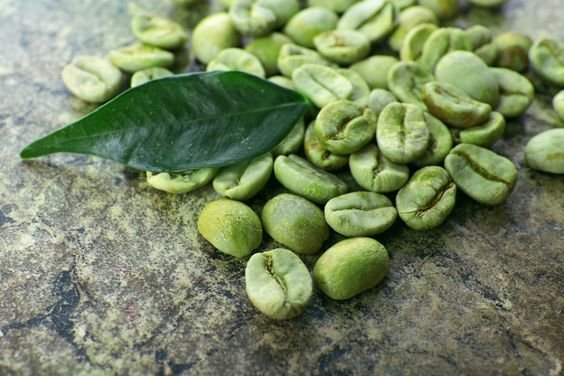
    Uniqueness of Green Coffee, in its roasted form, is a ubiquitous drink enjoyed by billions worldwide. However, the journey from coffee plant to steaming cup begins with a green bean, brimming with its own set of characteristics and flavors. Green coffee beans are the raw, unroasted seeds of Coffea plants, primarily Arabica and Robusta. These beans haven’t undergone the roasting process, which transforms their chemical makeup and unlocks the familiar taste and aroma of roasted coffee.

    The uniqueness of green coffee lies in its untouched state. Unlike roasted coffee, green coffee retains a higher concentration of chlorogenic acid, a compound linked to various potential health benefits. Additionally, green coffee boasts a distinct flavor profile, often described as grassy, herbal, and slightly acidic, a stark contrast to the roasted coffee’s complex and nuanced flavors.

    Benefits: Beyond the Buzz

    Uniqueness of Green Coffee has garnered attention for its potential health benefits, although more research is needed to solidify these claims. Here’s a glimpse into some of the promising areas:

    • Weight Management: Chlorogenic acid is believed to play a role in regulating blood sugar levels and potentially aiding weight management by promoting satiety and boosting metabolism.
    • Increased Energy: While it contains caffeine, green coffee might offer a more sustained energy boost compared to roasted coffee due to the presence of chlorogenic acid, which may slow down caffeine absorption.
    • Antioxidant Powerhouse: Green coffee is rich in antioxidants, which can help combat cell damage and potentially reduce the risk of chronic diseases.
    • Improved Brain Function: Some studies suggest that green coffee may enhance cognitive function and memory due to its caffeine content.

    Goals: Unveiling the Power of Uniqueness of Green Coffee

    For those seeking a unique taste experience and potential health benefits, incorporating Uniqueness of Green Coffee into their routine can be a worthwhile goal. Here’s how you can approach this:

    • Gradual Introduction: Due to its strong flavor, start with smaller portions of green coffee and gradually increase intake as your palate adjusts.
    • Exploration of Brewing Methods: Green coffee can be brewed using various methods, including cold brew, French press, and specialized green coffee machines. Experiment to find your preferred cup.
    • Focus on Quality: Look for reputable sellers who source high-quality, fresh green coffee beans. Opt for organic options whenever possible.
    • Combining with Flavors: The strong flavor profile of green coffee can be balanced with natural sweeteners, spices like cinnamon or nutmeg, or even a splash of citrus juice.

    Ideas: Unlocking the Potential of Uniqueness of Green Coffee

    Uniqueness of Green Coffee presents exciting possibilities beyond the realm of individual consumption. Here are some innovative ideas that can tap into its unique character:

    • Culinary Applications: Green coffee’s distinct flavor profile can be incorporated into culinary creations. Imagine savory rubs for meat or fish, or even green coffee-infused sauces and desserts for a touch of intrigue.
    • Green Coffee Blends: Coffee roasters can experiment with blending green coffee beans with roasted beans to create unique flavor profiles with a potential health boost.
    • Skincare Products: The antioxidant properties of green coffee can be harnessed for skincare products like scrubs, masks, and serums.
    • Weight Management Supplements: Green coffee extract, with its chlorogenic acid content, could be explored as an ingredient in weight management supplements, following further research and regulatory approval.

    Search Landscape: A Green Frontier

    The search landscape surrounding green coffee offers a fertile ground for exploration. Here’s a closer look at the current scenario and its potential:

    Current Landscape:

    • Limited Knowledge: Compared to roasted coffee, information about green coffee is scarce online. This presents an opportunity for content creators to educate consumers about its benefits, brewing methods, and unique qualities.
    • Untapped Keywords: “Green coffee” as a keyword holds significant potential for bloggers, health enthusiasts, and even coffee roasters looking to target a niche audience.
    • Recipe Inspiration: Recipes and brewing guides specifically designed for green coffee can be a valuable resource for curious consumers searching online.
    • Addressing Concerns: Some consumers might have concerns about the safety and taste of green coffee. Content creators can address these concerns through informative and balanced articles.

    Beyond the Bean: Exploring Green Coffee Sustainability

    The environmental impact of coffee production is an ongoing concern. Uniqueness of Green Coffee offers potential for a more sustainable approach:

    • Reduced Roasting Energy: Since green coffee skips the roasting process, it eliminates the associated energy consumption, lowering the environmental footprint.
    • Supporting Local Farmers: Green coffee production can empower coffee-growing communities by creating a market for unroasted beans, potentially increasing their income and promoting sustainable farming practices.

    Addressing Skepticism: Separating Fact from Fiction

    Uniqueness of Green Coffee has gained popularity as a weight-loss supplement, but it’s crucial to address some common misconceptions:

    • Magic Bullet Myth: Green coffee is not a miracle weight-loss solution. It may offer some benefits, but a healthy diet and exercise are essential for sustainable weight management.
    • Dosage Dilemma: There’s no universally recommended dosage for green coffee. It’s best to consult a healthcare professional before incorporating it into your routine, especially if you have any underlying health conditions.
    • Side Effects: Like regular coffee, green coffee contains caffeine, which can cause side effects like anxiety, insomnia, and digestive issues in some individuals. Moderation is key.

    The Science Behind Green Coffee: A Look at Ongoing Research

    While promising, research on Uniqueness of Green Coffee health benefits is ongoing. Here’s a glimpse into some key areas of study:

    • Weight Management: More research is needed to determine the long-term efficacy of green coffee for weight loss and its potential mechanisms of action.
    • Blood Sugar Regulation: Studies are investigating how green coffee might impact blood sugar levels and potentially benefit individuals with type 2 diabetes.
    • Antioxidant Properties: Research is ongoing to understand how green coffee’s antioxidants may contribute to overall health and potentially reduce the risk of chronic diseases.

    Navigating the Uniqueness of Green Coffee Market: Choosing Quality and Safety

    With increasing interest in green coffee, navigating the market requires some caution:

    • Beware of Exaggerated Claims: Be wary of products boasting unrealistic weight-loss promises or miraculous health benefits.
    • Source Matters: Look for reputable sellers who offer high-quality, fresh green coffee beans. Opt for organic options whenever possible.
    • Checking for Certifications: Consider brands with certifications that ensure safe and sustainable farming practices.

    Green coffee presents a unique opportunity for coffee enthusiasts and health-conscious individuals. It’s a journey of exploration, from discovering its distinct flavor profile to potentially reaping its health benefits. As research progresses, green coffee has the potential to become a more prominent player in the coffee world, offering a sustainable and potentially health-enhancing alternative.

  • Unique Green Coffee: Unlocking Flavor, Health Benefits, and Brewing Adventures

    Unique Green Coffee: Unlocking Flavor, Health Benefits, and Brewing Adventures

    Unique Green Coffee, the unroasted form of the familiar brown beans we brew, offers a world of unique flavors and potential health benefits. Unlike roasted coffee, green coffee remains in its raw state, preserving a higher concentration of chlorogenic acid, a compound linked to various health advantages. This article delves into the fascinating world of unique green coffee, exploring its characteristics, potential benefits, brewing methods, and exciting ideas for incorporating it into your daily routine.

    Unique Green Coffee

    Coffee beans undergo a roasting process that transforms their chemical composition and physical characteristics. Roasting develops the familiar coffee aroma and flavor profile we know and love. However, green coffee, untouched by heat, offers a distinct experience.

    Unique green coffee refers to unroasted beans that stand out from the ordinary in several ways:

    • Rare or Exotic Origins: Green coffee beans can come from specific regions known for exceptional quality and unique flavor profiles. These origins, like Ethiopian Yirgacheffe or Yemeni Mocha, may be unavailable in roasted form or offer a significantly different taste when unroasted.
    • Processing Techniques: Beyond origin, unique green coffee can be the result of specific processing methods. Honey processing, for example, creates a sweeter, fruitier cup compared to the more common washed process.
    • Varietals and Mutations: Coffee enthusiasts may seek out specific coffee bean varietals known for their unique characteristics. These varietals, like Geisha or Jamaican Blue Mountain, can offer distinct taste profiles even when green. Additionally, some mutations within a varietal can create truly unique flavor profiles not found in standard green coffee beans.

    Benefits of Exploring Unique Green Coffee

    The world of green coffee offers a variety of potential health benefits and a distinctive taste experience. Here’s a closer look:

    • Higher Chlorogenic Acid Content: Green coffee boasts higher levels of chlorogenic acid, an antioxidant linked to blood sugar regulation, improved cognitive function, and potentially even weight management.
    • Richer in Nutrients: Green coffee retains more nutrients than its roasted counterpart due to the lack of heat exposure. These nutrients can include vitamins, minerals, and beneficial phenolic compounds.
    • Unique Flavor Profiles: Unroasted coffee beans offer a spectrum of flavors not found in roasted coffee. Expect notes of citrus, green tea, berries, and even stone fruits depending on the origin and processing method.
    • Acidity and Clarity: Green coffee tends to be brighter and more acidic than roasted coffee. This acidity can be refreshing and can enhance the perception of certain flavors.
    • A Natural Energy Boost: Green coffee contains a small amount of caffeine, enough to provide a natural energy boost without the jitters often associated with roasted coffee.

    Goals for Incorporating Unique Green Coffee

    Whether you’re a seasoned coffee aficionado or simply curious about exploring new taste experiences, unique green coffee offers a variety of goals to pursue:

    • Expanding Your Coffee Palate: Green coffee introduces a whole new dimension to the world of coffee. By exploring different origins, processing methods, and varietals, you can develop a deeper appreciation for the diverse flavor profiles coffee can offer.
    • Optimizing Your Health Routine: If you’re interested in exploring natural ways to support your health and well-being, green coffee’s potential benefits in areas like blood sugar management and cognitive function might be intriguing.
    • Discovering New Brewing Methods: Green coffee requires different brewing techniques compared to roasted coffee. Experimenting with various methods like cold brewing or Turkish brewing can be a rewarding journey.
    • Sustainable Coffee Consumption: Green coffee often has a smaller environmental footprint compared to roasted coffee, as the roasting process consumes significant energy. If sustainability is a concern for you, incorporating green coffee into your routine can be a mindful choice.

    Ideas and Suggestions for Enjoying Unique Green Coffee

    Unique Green Coffee isn’t a replacement for your everyday cup, but rather a unique experience to enjoy occasionally or as part of a specific health regimen. Here are some ideas and suggestions for incorporating it into your life:

    • Start with Small Doses: Green coffee can have a stronger flavor and higher acidity than roasted coffee. Begin with smaller quantities and gradually increase as your taste buds adjust.
    • Explore Different Origins and Processing Methods: Research unique origins and processing methods like honey processing or black honey processing. These can offer a wide range of flavor profiles from floral and fruity to sweet and complex.
    • Experiment with Brewing Methods: Green coffee can be enjoyed through various brewing methods. Cold brewing is a popular option, resulting in a smooth, less acidic cup. Alternatively, explore Turkish brewing for a strong, concentrated brew. Consider specialized green coffee brewing devices for optimal results.

    Incorporating Green Coffee into Your Routine:

    • Green Coffee Smoothies: Blend green coffee beans with fruits, vegetables, and yogurt for a healthy and refreshing smoothie. This is a great way to mask the stronger flavors of green coffee while reaping its potential benefits.
    • Green Coffee Infused Drinks: Steep green coffee beans in hot water for a tea-like beverage. Add natural sweeteners like honey or stevia to taste. Experiment with spices like cinnamon or ginger for a warming and flavorful drink.
    • Green Coffee Icesicles: For a summery treat, brew a batch of green coffee and pour it into ice cube trays. Freeze and enjoy the refreshing coffee ice cubes on their own or add them to iced tea or lemonade for a unique twist.

    Considerations and Cautions:

    • Quality Matters: Choose high-quality green coffee beans from reputable sources. Look for beans that are fresh, free of defects, and properly stored.
    • Storage is Key: Green coffee beans are more susceptible to spoilage than roasted beans. Store them in an airtight container in a cool, dark place to preserve their freshness and flavor.
    • Gradual Introduction: As with any new dietary addition, introduce green coffee gradually to assess your individual tolerance. Some people may experience digestive discomfort, especially with larger quantities.
    • Consult a Healthcare Professional: If you have any pre-existing health conditions or are on medication, consult with your healthcare professional before consuming green coffee.

    Unique green coffee presents a fascinating and flavorful alternative to the world of roasted coffee. While it may not replace your daily cup, it offers a unique sensory experience, potential health benefits, and a chance to explore the diverse world of coffee origins and processing methods. With a little research and experimentation, you can incorporate green coffee into your routine and discover a whole new dimension of coffee enjoyment.

  • Matcha Coffee: A World of Flavor and Focus Awaits

    Matcha Coffee: A World of Flavor and Focus Awaits

    Matcha Coffee, a vibrant green powder made from finely ground green tea leaves, and coffee, the world’s most popular morning beverage, are both well-known for their unique flavor profiles and potential health benefits. But what happens when you combine these two powerhouses? Enter matcha coffee, a beverage that’s gaining traction among coffee and tea enthusiasts alike. This article delves into the world of matcha coffee, exploring its origins, brewing methods, potential benefits, and creative uses.

    While the exact origin of matcha coffee is unclear, anecdotal evidence suggests it emerged in cafes and homes in Asia and North America over the past decade. The growing popularity of matcha, coupled with the desire for a more nuanced coffee experience, likely fueled this innovation.

    Benefits of Matcha Coffee

    Matcha and coffee each offer a distinct set of benefits, and combining them creates a potentially powerful synergy. Let’s explore these benefits in detail:

    • Increased Focus and Energy: Matcha contains L-theanine, an amino acid that promotes relaxation and focus. Coffee, on the other hand, provides a jolt of caffeine. When combined, these two compounds can create a state of heightened alertness without the jitters often associated with high caffeine intake.
    • Enhanced Antioxidant Profile: Both matcha and coffee are rich in antioxidants, which can help protect cells from damage caused by free radicals.
    • Potential Health Benefits: Studies suggest that matcha consumption may support heart health, cognitive function, and weight management. Coffee may offer benefits for mood, athletic performance, and reducing the risk of certain diseases. However, further research is needed to confirm these potential benefits specifically in the context of matcha coffee.
    • Unique Flavor Profile: Matcha’s grassy, umami notes can complement the bitterness of coffee, creating a complex and intriguing flavor experience. Experimenting with different ratios allows you to tailor the taste to your preference.

    Goals for Drinking Coffee

    Here are some goals you might have when incorporating into your routine:

    • Boosting Morning Energy: The combined caffeine content of matcha and coffee can be an effective way to start your day feeling energized and focused.
    • Improving Focus and Concentration: L-theanine in matcha may help counter the jittery side effects of caffeine, leading to a more sustained focus.
    • Adding Variety to Your Coffee Routine: If you’re looking for a way to break the monotony of your daily coffee, matcha coffee offers a unique and exciting alternative.
    • Exploring New Flavors: Matcha coffee caters to those who enjoy complex and layered flavor profiles.

    Ideas and Suggestions for Using Matcha Coffee

    Brewing Techniques:

    • Simple Coffee: Whisk matcha powder with hot water to create a traditional matcha tea. Add a shot of espresso or brewed coffee to the matcha for a quick and easy matcha coffee.
    • Latte-Style Matcha Coffee: Steam milk and combine it with brewed matcha and coffee for a creamy and delicious latte. You can experiment with different milk alternatives like almond or oat milk.
    • Iced Coffee: This refreshing option is perfect for warmer months. Blend brewed matcha, coffee, ice, and your preferred milk for a cool and invigorating drink.

    Flavor Variations:

    • Spiced: Add a touch of cinnamon, ginger, or cardamom to your matcha coffee for a warm and comforting experience.
    • Vanilla: A splash of vanilla extract or vanilla bean powder can add a touch of sweetness and complexity to the drink.
    • Chocolate: Enhance the decadent side of your coffee by adding a drizzle of chocolate syrup or a spoonful of cocoa powder.
    • Fruity: For a bright and refreshing twist, try adding muddled berries or a splash of fruit juice to your matcha coffee.

    Considerations and Suggestions

    • Quality of Ingredients: Use high-quality matcha powder and freshly brewed coffee for the best flavor and potential health benefits.
    • Matcha to Coffee Ratio: Experiment with different ratios to find your ideal balance. Start with a smaller amount of matcha and adjust to your taste.
    • Sweeteners: If desired, choose natural sweeteners like honey or maple syrup to complement the flavors of matcha and coffee.
    • Milk Alternatives: For those with dairy sensitivities or vegan preferences, explore using various plant-based milk alternatives like almond, oat, or soy milk.

    Safety Considerations

    While generally safe for most people, there are a few things to keep in mind when consuming matcha coffee:

    • Caffeine Content: The combined caffeine content of matcha and coffee can be higher than a regular cup of coffee. Be mindful of your caffeine tolerance and avoid excessive consumption, especially if you’re sensitive to caffeine.
    • Potential for Interactions: Matcha may interact with certain medications. If you have any concerns, consult your doctor before consuming matcha coffee.
    • Quality Control: Choose reputable matcha brands to ensure quality and avoid potential contaminants.

    The Future of Coffee

    coffee is still a relatively new beverage, but its potential for growth is evident:

    • Cafe Innovation: As matcha coffee gains popularity, cafes might offer unique variations on this beverage, including nitro brews, cold brew options, and creative flavor combinations.
    • Home Experimentation: With its versatility, matcha coffee allows for endless experimentation at home. Explore different brewing methods, milk alternatives, and flavor combinations to personalize your matcha coffee experience.
    • Pairings: Matcha coffee can be enjoyed on its own or paired with breakfast items like pastries, fruit, or yogurt. Experiment with different pairings to discover what complements the flavors of your matcha coffee creation.

    Conclusion presents a unique opportunity for coffee and tea enthusiasts to explore a new and exciting beverage. With its potential benefits and intriguing flavor profile, matcha coffee can be a welcome addition to your daily routine. Whether you’re seeking a morning energy boost, a creative way to enjoy matcha and coffee, or simply want to experiment with new flavors, matcha coffee offers a world of possibilities. Remember to prioritize quality ingredients, experiment with different brewing methods and flavor variations, and be mindful of your caffeine tolerance. So, the next time you’re looking for a way to elevate your coffee or tea experience, give matcha coffee a try and discover a fusion of focus and flavor.

  • The Luwak Coffee Market: A Deep Dive into Luxury and Ethics

    The Luwak Coffee Market: A Deep Dive into Luxury and Ethics

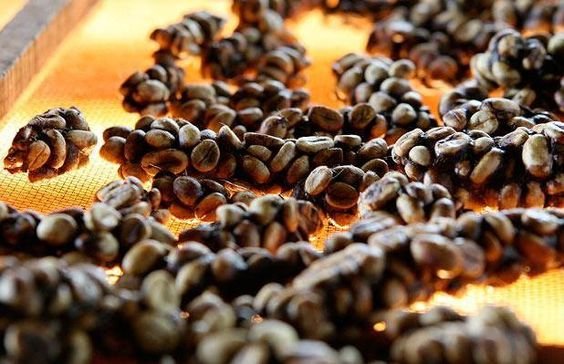
    Luwak Coffee Market, also known as Kopi Luwak, is a specialty coffee variety revered for its unique flavor profile and high price tag. Produced from coffee beans that have been eaten and partially digested by Asian palm civets, this coffee undergoes a natural fermentation process within the animal’s digestive tract, altering the taste and aroma of the final product. The Luwak coffee market caters to a niche audience seeking an exclusive and exotic coffee experience.

    This article delves into the complexities of the Luwak coffee market, exploring its history, production methods, economic landscape, and ethical considerations. We will analyze the factors driving market growth, potential challenges, and the future outlook for this unique beverage. Additionally, the article will explore potential market expansion strategies, ethical sourcing practices, and alternative approaches to capitalize on the consumer demand for high-quality coffee.

    History of Luwak Coffee

    The origins of Luwak Coffee Market can be traced back to the Indonesian islands of Java, Sumatra, and Sulawesi. Local farmers observed wild Asian palm civets, known as Luwaks, consuming coffee cherries. Upon finding partially digested coffee beans in the civet droppings, they began collecting and processing these beans, discovering a coffee with a distinct and smooth flavor profile.

    Traditionally, Luwak coffee was a local delicacy enjoyed by farmers and villagers. However, its fame gradually spread beyond Southeast Asia, attracting international attention for its rarity and unique taste. In recent decades, the Luwak coffee market has experienced significant growth, fueled by a growing global demand for luxury goods and exotic experiences.

    Production Methods

    The production process of Luwak coffee can be categorized into two main methods: wild collection and caged civet farming.

    • Wild Collection: This traditional method involves collecting coffee beans from the droppings of wild Luwaks in their natural habitat. It is a labor-intensive process, with limited yields due to the selective nature of civet feeding habits. Wild Luwaks consume only the ripest coffee cherries, further enhancing the quality of the beans. However, wild collection raises ethical concerns regarding animal welfare and the potential for habitat disruption.
    • Caged Civet Farming: This method involves raising Luwaks in captivity and feeding them a diet primarily consisting of coffee cherries. While this approach ensures higher yields, the ethical implications are significant. Confined animals often experience stress and inadequate living conditions, leading to concerns about animal cruelty. Additionally, the unnatural diet can negatively impact the quality of the coffee beans.

    Benefits and Drawbacks of Luwak Coffee

    Benefits:

    • Unique flavor profile: The enzymatic process within the civet’s digestive system removes bitterness and acidity, resulting in a smooth and complex flavor profile with notes of chocolate, caramel, and fruit.
    • Potential health benefits: Some proponents claim that Luwak coffee offers health benefits due to the civet digestion process, though these claims lack strong scientific backing.

    Drawbacks:

    • Ethical concerns: Animal cruelty associated with caged civet farming raises significant ethical dilemmas for consumers.
    • High price: The rarity and labor-intensive production process make Luwak coffee significantly more expensive than regular coffee.
    • Potential for fraud: Due to the high price tag, the Luwak coffee market is susceptible to fraud, with some retailers selling regular coffee beans as Luwak coffee.

    Goals and Ideas for the Luwak Coffee Market

    Goals:

    • Promoting ethical sourcing practices: The market can benefit from the adoption of certification programs that ensure ethical treatment of civets and sustainable harvesting methods.
    • Improving transparency: Consumers deserve clear information about the origin and production methods of Luwak coffee. Retailers could implement labeling systems that differentiate between wild-collected and farmed Luwak coffee.
    • Exploring alternative methods: Research into replicating the Luwak coffee fermentation process using enzymes could potentially deliver a similar taste profile without relying on animal involvement.

    Ideas

    • Focus on high-quality, ethically sourced Luwak coffee: Promote Luwak coffee produced through responsible wild collection practices, highlighting the rarity and unique flavor profile while maintaining ethical standards.
    • Develop Luwak coffee blends: Introduce blends that combine a small amount of ethically sourced Luwak coffee with other high-quality beans, offering a more accessible price point and a subtle Luwak flavor experience.
    • Target specialty coffee shops and connoisseurs: Cater to a niche market of coffee enthusiasts willing to pay a premium for a unique and ethically sourced Luwak coffee experience. Offer education and tasting sessions to build brand loyalty and appreciation for the product’s rarity and quality.
    • Invest in sustainable farming practices: Support the development of humane and sustainable civet farming methods that prioritize animal welfare and habitat conservation. This could involve larger enclosures, enrichment activities, and a diverse diet for the civets.
    • Direct-to-consumer marketing: Utilize online platforms and targeted marketing campaigns to connect directly with consumers interested in ethically sourced Luwak coffee. Provide transparent information about the origin, production methods, and ethical certifications of the product.
    • Partnerships with conservation organizations: Collaborate with wildlife conservation groups to promote responsible Luwak coffee production that supports wild civet populations and their natural habitats. This can enhance brand reputation and attract environmentally conscious consumers.

    Challenges and Future Outlook for the Luwak Coffee Market

    Despite the projected market growth, the Luwak coffee market faces several challenges:

    • Ethical concerns: Consumer awareness of animal cruelty in caged civet farming continues to rise, potentially impacting market demand.
    • Competition from alternative high-end coffees: The specialty coffee market offers a wide variety of high-quality, ethically sourced coffees that may compete with Luwak coffee.
    • Sustainability concerns: Ensuring sustainable wild collection practices and responsible civet farming will be crucial for the long-term viability of the market.

    Future Outlook:

    The future of the Luwak coffee market hinges on its ability to address ethical concerns and ensure responsible production methods. Consumers are increasingly demanding transparency and sustainability in their purchasing decisions.

    Here are some potential future scenarios:

    • Shift towards ethically sourced Luwak coffee: The market could evolve to focus solely on ethically sourced wild-collected Luwak coffee, with a premium price reflecting its rarity.
    • Emergence of alternative fermentation methods: Scientific advancements in replicating the civet digestion process using enzymes could lead to the development of Luwak-like coffee without relying on animals.
    • Decline of the market: If ethical concerns outweigh the appeal of the unique flavor profile, the Luwak coffee market could experience a decline.
  • The All-Encompassing Guide to Delicious Latte Coffee: A Symphony of Espresso and Milk

    The All-Encompassing Guide to Delicious Latte Coffee: A Symphony of Espresso and Milk

    Delicious Latte Coffee, a beloved coffee drink enjoyed worldwide, is a delightful combination of espresso and steamed milk. Its smooth texture, creamy consistency, and subtle sweetness have captivated coffee enthusiasts for decades. But the journey to a delicious latte goes beyond just pouring espresso and milk together. It’s a symphony of flavors, textures, and techniques that, when mastered, result in a truly exceptional beverage.

    This comprehensive guide delves into the world of delicious latte coffee, exploring its origins, the science behind its taste, and the techniques for crafting the perfect cup. Whether you’re a seasoned barista or a home coffee enthusiast, this guide will provide valuable insights and inspiration for creating lattes that tantalize your taste buds.

    A Rich History: The Humble Origins of the Delicious Latte Coffee

    Delicious Latte Coffee exact origins remain somewhat shrouded in mystery. However, its development is widely attributed to European cafes catering to American tourists in the mid-20th century. These cafes aimed to create a milder coffee drink to accommodate American preferences.

    The term Delicious Latte Coffee is derived from the Italian word “latte,” which simply means “milk.” This aptly describes the essence of the drink: a coffee beverage heavily dominated by steamed milk. The popularity of lattes surged in the late 20th century with the rise of specialty coffee shops. Today, lattes are a mainstay in coffee shops worldwide, enjoyed in countless variations.

    The Science of Deliciousness: Unveiling the Secrets of a Perfect Latte

    Delicious Latte Coffee,The taste and texture of a latte are influenced by several key factors:

    1. Espresso Base: A high-quality espresso forms the foundation of a delicious latte. Freshly roasted beans, properly ground, and expertly brewed espresso with a rich and balanced flavor profile is crucial.
    2. Steamed Milk: The milk plays a critical role in achieving the Delicious Latte Coffee signature creamy texture. Whole milk is traditionally preferred due to its higher fat content, which creates a smoother mouthfeel. However, other milk options like skim milk, almond milk, or oat milk can be used for dietary preferences, with adjustments made to steaming techniques to achieve desired results.
    3. Milk Steaming: The process of steaming milk is an art in itself. The ideal outcome is silky smooth milk with tiny, evenly distributed air bubbles (microfoam) that provide texture and sweetness to the drink. Overheating or uneven steaming can lead to a scalded, burnt taste or large, coarse bubbles, detracting from the latte’s quality.
    4. Milk-to-espresso Ratio: This ratio dictates the strength and flavor profile of the latte. A classic latte typically uses a 1:3 ratio (one part espresso to three parts steamed milk), offering a balanced combination of coffee and milk flavors. However, this ratio is adjustable, allowing for stronger or milder coffee tastes.
    5. Milk Frothing: While not always essential, a thin layer of milk froth on top of the Delicious Latte Coffee can add a touch of visual appeal and a slightly different textural experience. This froth is created by introducing larger air bubbles into a small portion of the steamed milk.

    Unveiling the Benefits of a Delicious Latte

    Delicious Latte Coffee,Beyond the pure pleasure of taste, lattes offer a range of potential benefits:

    1. Moderate Caffeine Boost: Compared to a straight shot of espresso, lattes offer a more moderate dose of caffeine, making them a suitable choice for those seeking a gentler energy pick-me-up.
    2. Nutritional Value: Milk adds protein, calcium, and other essential nutrients to the drink, making it a more well-rounded option compared to black coffee. The specific nutrients will vary depending on the type of milk used.
    3. Hydration: While primarily a caffeinated beverage, lattes still contribute to daily fluid intake, aiding in hydration.
    4. Focus and Alertness: The combination of caffeine and L-theanine (an amino acid found in tea) present in milk can promote focus and alertness.
    5. Mood Enhancement: The pleasurable experience of enjoying a delicious latte can elevate mood and contribute to a sense of well-being.

    Important Note: It is important to be mindful of sugar intake when consuming Delicious Latte Coffee. Many coffee shops offer flavored syrups and sweeteners that can significantly increase the caloric content of the drink.

    echniques for Achieving Latte Perfection:

    1. Espresso Brewing:
      • Freshly Roasted Beans: Invest in high-quality, freshly Delicious Latte Coffee beans for optimal flavor. Experiment with different roast profiles to discover your preference – lighter roasts tend to be brighter and more acidic, while darker roasts offer a bolder, chocolaty taste.
      • Grinding: Grind your beans just before brewing for maximum freshness. The ideal grind size for espresso is slightly finer than table salt.
      • Espresso Machine: An espresso machine is essential for crafting authentic lattes. There are various types of espresso machines available, ranging from manual lever machines to fully automatic super-automatics. Consider your budget, desired level of control, and skill level when choosing a machine.
    2. Milk Steaming:
      • Milk Choice: Whole milk is traditionally favored for its creamy texture, but feel free to experiment with skim milk, almond milk, oat milk, or other non-dairy alternatives. Each milk type will require slight adjustments to steaming techniques to achieve optimal results.
      • Steaming Pitcher: A stainless steel steaming pitcher with a spout is ideal for controlled pouring and creating microfoam.
      • Steaming Technique: Fill the pitcher with cold milk just below the spout. Submerge the steam wand tip just below the milk surface and angle it slightly towards the pitcher’s side. Introduce air during the initial steaming phase to create microfoam, then transition to stretching the milk by submerging the steam wand deeper to create a silky texture.
      • Temperature: Target a milk temperature between 140°F (60°C) and 150°F (65°C) for optimal taste and texture. A thermometer can be helpful for precise temperature control.
    3. The Pour:
      • Latte Art (Optional): For a visually appealing latte, master the art of latte art. This involves pouring steamed milk into the espresso in a specific manner to create designs like hearts, rosettes, or swans. While not essential for a delicious latte, latte art adds a touch of artistry and flair.
      • Free Pour: Begin by pouring a small amount of steamed milk to create a base layer. Then, tilt the cup and pour the main body of the milk in a slow, steady stream towards the center, creating a whirlpool effect. Finally, gently swirl the remaining milk with microfoam on top to create a homogenous latte.

    Tools of the Trade: Equipping Yourself for Latte Success

    Delicious Latte Coffee,Several tools can elevate your home latte-making experience:

    • Espresso Machine: As mentioned earlier, an espresso machine is crucial for crafting authentic lattes.
    • Burr Grinder: A quality burr grinder ensures consistent grind size, essential for optimal espresso extraction.
    • Milk Frother (Optional): While not essential for creating microfoam, a handheld milk frother can be a convenient option for steaming milk, particularly for those without an espresso machine.
    • Tamper: A tamper is used to compress the ground coffee in the espresso machine’s portafilter for proper extraction.
    • Milk Pitcher: A stainless steel steaming pitcher with a spout is ideal for controlled pouring and creating microfoam.
    • Latte Art Tools (Optional): For those interested in latte art, tools like etching needles and latte art pens can help create intricate designs.
    • Thermometer: A thermometer can be helpful for monitoring milk temperature during steaming, ensuring it reaches the optimal range.