document.documentElement.classList.add("cf-on");'; return; } ?>

Blog

  • The Complete Guide to Toraja Sulawesi Coffee Beans: Flavor, Origin, Brewing

    The Complete Guide to Toraja Sulawesi Coffee Beans: Flavor, Origin, Brewing

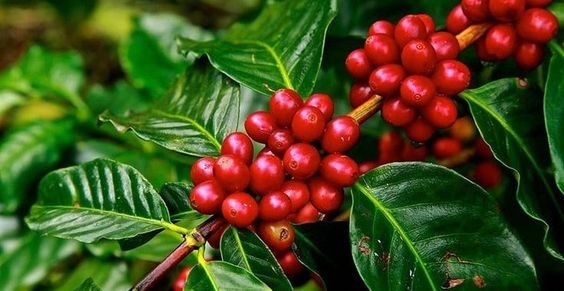
    Toraja Sulawesi Coffee beans lovers around the world hold a special reverence for Toraja Sulawesi coffee. Cultivated in the remote highlands of Indonesia’s Sulawesi island, these beans boast a unique and complex flavor profile, capturing the essence of volcanic soil, pristine mountain air, and generations-old traditions. This comprehensive guide delves into the world of Toraja Sulawesi coffee, exploring its origins, cultivation practices, unique characteristics, brewing methods, and the cultural significance it holds for the Toraja people.

    A Land Steeped in Tradition: The Toraja Highlands

    Nestled amidst the lush, emerald embrace of Sulawesi’s central mountains lies Tana Toraja, the ancestral homeland of the Toraja people. This region, renowned for its breathtaking landscapes and rich cultural heritage, provides the perfect setting for cultivating some of the world’s most prized coffee beans.

    The Toraja people have inhabited this region for centuries, developing a deep connection with the land and its resources. Coffee cultivation has become an integral part of their way of life, passed down through generations with meticulous care and a profound respect for nature’s bounty.

    Volcanic Origins: The Perfect Blend of Soil and Climate

    The volcanic soil of the Toraja Sulawesi Coffee beans highlands is a crucial factor contributing to the exceptional quality of the coffee beans. Rich in minerals and nutrients, this soil provides the perfect foundation for coffee plants to thrive. The high altitude, with its cool temperatures and ample rainfall, further fosters ideal growing conditions.

    Cultivation with Care: The Toraja Approach

    The Toraja Sulawesi Coffee beans people employ traditional, sustainable farming methods that minimize environmental impact. Small, family-owned farms dominate the landscape, with meticulous attention paid to every stage of the coffee-growing process. From hand-selecting the best beans to meticulously sun-drying them, each step is undertaken with a dedication to quality and preservation of tradition.

    The Unique Bean: Arabica vs Robusta

    While Arabica beans are typically the most widely recognized Toraja Sulawesi Coffee beans variety, Toraja Sulawesi Coffee beans is predominantly of the Robusta type. Robusta beans are known for their higher caffeine content and a bolder, earthier flavor profile compared to Arabica’s smoother, more delicate notes. However, Toraja Robusta beans stand out from the crowd with their unique characteristics.

    A Flavor Profile Defined: Earthy, Spicy, and Full-Bodied

    Toraja Sulawesi Coffee beans is celebrated for its complex and intriguing flavor profile. Unlike other Robusta varieties, Toraja beans display a surprising lack of bitterness. Instead, they present a rich tapestry of flavors, ranging from earthy and herbal notes to hints of spice, dark chocolate, and even subtle fruity undertones. This unique combination creates a full-bodied cup with a clean and lingering finish.

    Beyond the Cup: The Benefits of Toraja Sulawesi Coffee beans

    The enjoyment of a perfectly brewed cup of Toraja Sulawesi Coffee beans goes beyond its captivating flavor. Robusta beans are naturally higher in caffeine compared to Arabica beans, making Toraja coffee an excellent choice for those seeking an invigorating morning pick-me-up. Additionally, studies suggest that Robusta coffee may offer some health benefits, including improved blood sugar control and increased focus.

    Objectives for the Discerning Toraja Sulawesi Coffee beans Enthusiast

    For Toraja Sulawesi Coffee beans aficionados seeking a truly exceptional experience, Toraja Sulawesi coffee presents a unique opportunity. Here are some objectives to consider when exploring this exquisite bean:

    • Discover a new and exciting flavor profile: Move beyond the typical coffee experience and delve into the complex world of Toraja coffee.
    • Experience the culmination of tradition and quality: Appreciate the dedication and care invested in each cup by the Toraja people.
    • Support sustainable farming practices: Choose coffee beans cultivated with respect for the environment and the local community.

    Brewing Methods to Unlock the Full Potential

    To fully appreciate the nuanced flavors of Toraja Sulawesi coffee, selecting the appropriate brewing method is crucial. Here are a few suggestions:

    • French Press: This brewing method allows for a full immersion of the grounds, resulting in a robust and full-bodied cup that captures the essence of Toraja coffee.
    • Moka Pot: This stovetop brewer creates a strong and concentrated coffee with a touch of crema, highlighting the bold notes of the beans.
    • AeroPress: This versatile brewing method allows for experimentation with grind size and water temperature, enabling you to tailor the coffee to your preferences.
    • Pour-Over: This method offers precise control over the brewing process, allowing you to extract the delicate flavors and aromas of Toraja coffee.

    The Cultural Significance of Toraja Sulawesi Coffee beans: A Deeply Woven Tradition

    Coffee is not just a beverage for the Toraja people; it is deeply ingrained in their cultural fabric. Traditional ceremonies, known as Rambu Solo, often involve the consumption of coffee as a symbol of hospitality and respect. The elaborate preparation and serving rituals showcase the significance coffee holds within their society.

    A Window into the Torajan Way of Life

    Beyond its role in ceremonies, coffee serves as a social lubricant, fostering connections and conversations within the community. Farmers gather to share stories and knowledge while enjoying a cup of freshly brewed coffee. This shared experience strengthens community bonds and preserves their cultural heritage.

    The Economic Engine of Tana Toraja

    Coffee has become a vital economic driver for the Toraja people. The high demand for their specialty beans provides a source of income and supports local livelihoods. This economic empowerment contributes to the preservation of their traditional farming methods and ensures the continued production of this exceptional coffee.

    Challenges and Considerations: Ensuring a Sustainable Future

    While the future of Toraja coffee appears bright, there are challenges to be addressed. Climate change poses a significant threat, with rising temperatures and unpredictable rainfall patterns potentially impacting crop yields. Additionally, ensuring fair compensation for farmers and promoting sustainable farming practices remain ongoing concerns.

    Sustainable Practices: A Commitment to the Future

    Many Toraja coffee producers are actively adopting sustainable practices to ensure the long-term viability of the industry. These practices include:

    • Intercropping: Planting other crops alongside coffee trees provides shade and helps maintain soil health.
    • Organic farming methods: Utilizing natural fertilizers and pest control techniques protects the environment and ensures the quality of the beans.
    • Water conservation: Employing efficient irrigation techniques minimizes water usage and promotes responsible resource management.

    Fair Trade Initiatives: Empowering Farmers

    Fair trade initiatives play a crucial role in ensuring that Toraja coffee farmers receive fair compensation for their labor. These initiatives guarantee a minimum price for the beans, fostering economic stability and incentivizing sustainable practices.

    Supporting Sustainable Toraja Sulawesi Coffee beans: A Conscious Consumer’s Guide

    As a discerning coffee consumer, you can contribute to the sustainability of Toraja coffee production by making informed choices. Here are some ways to support responsible practices:

    • Look for Fair Trade certified coffee: Look for the Fair Trade certification label on coffee packaging. This ensures that farmers receive a fair price for their beans.
    • Purchase directly from small roasters: Small roasters often source their beans directly from Toraja farmers, allowing for a closer connection and potentially better prices for the producers.
    • Be willing to pay a premium: High-quality, ethically sourced coffee often commands a higher price. Recognizing the value of sustainable practices justifies paying a premium for your Toraja coffee.
  • Sumatran Coffee Taste: Unveiling a Unique Coffee Experience

    Sumatran Coffee Taste: Unveiling a Unique Coffee Experience

    Sumatran Coffee Taste, shrouded in the mystique of volcanic soils and ancient processing techniques, holds a unique place in the world of coffee. Unlike its brighter, fruitier counterparts, Sumatran coffee boasts a bold, earthy character, a full body, and a surprisingly low acidity. This distinctive flavor profile has captivated coffee enthusiasts for generations, and continues to surprise and delight newcomers to the world of specialty coffee.This comprehensive exploration delves into the essence of Sumatran coffee taste, dissecting its defining characteristics, the factors influencing its flavor, and the various ways to appreciate this remarkable bean.

    Unveiling the Allure: Defining Characteristics of Sumatran Coffee Taste

    Sumatran Coffee Taste is best known for its:

    • Full Body: Imagine a rich, smooth brew that coats your palate with a satisfying density. This is the hallmark of Sumatran coffee, a testament to the beans’ robust nature.
    • Low Acidity: Unlike coffees known for their bright, citrusy acidity, Sumatran coffee offers a smoother, more mellow experience. This makes it a favorite for those with sensitive stomachs or who simply prefer a gentler cup.
    • Earthy Notes: Earthy is a common descriptor for Sumatran coffee, encompassing a range of flavors like dark chocolate, tobacco, cedar, or even a hint of mushroom. These notes can be subtle or pronounced, depending on the specific bean and roast level.
    • Spicy Nuances: Peppery or herbal spice notes can add a touch of complexity to Sumatran coffee. These nuances add intrigue and depth to the overall flavor profile.

    Beyond the Basics: Exploring the Nuances of Flavor

    While the core characteristics above define Sumatran Coffee Taste, the flavor profile can vary depending on several factors:

    • Origin: Sumatra is a large island, and coffee is grown in diverse regions, each with its own microclimates and soil types. These variations can influence the final cup, with coffees from Lake Toba boasting a different character from those grown in Mandheling.
    • Processing Method: The way coffee cherries are processed after harvest significantly impacts flavor. Sumatra employs a unique wet-hulling method, where the outer fruit is removed while the bean is still wet. This can contribute to the earthy and herbal notes of the coffee.
    • Roast Level: Lighter roasts tend to highlight the bean’s natural characteristics, while darker roasts can accentuate the chocolatey and smoky notes. Experimenting with roast levels allows you to discover your preferred flavor profile.

    A Symphony of Flavor: Pairing Food with Sumatran Coffee Taste

    The robust nature of Sumatran Coffee Taste makes it a versatile pairing option for a variety of foods. Here are some suggestions:

    • Chocolate: The earthy notes of Sumatran coffee complement the richness of dark chocolate beautifully.
    • Spicy Dishes: The coffee’s spicy nuances can stand up to bold flavors in curries, chilies, and other spicy cuisines.
    • Cheese: Strong cheeses like cheddar or blue cheese create a delightful contrast with the coffee’s smooth texture.
    • Fruits: Pair Sumatran coffee with stone fruits like peaches or plums to create a delightful interplay of sweet and savory.

    Beyond the Cup: The Benefits of Sumatran Coffee Taste

    Beyond its captivating taste, Sumatran Coffee Taste offers several potential health benefits:

    • Rich in Antioxidants: Sumatran Coffee is a good source of antioxidants, which may help protect cells from damage.
    • Boosts Energy Levels: The caffeine content in Sumatran Coffee can help improve alertness and focus.
    • May Improve Mood: Studies suggest Sumatran Coffee consumption may have a positive impact on mood and cognitive function.

    A Toast to Tradition: The History and Culture of SSumatran Coffee Taste

    Coffee cultivation has a rich history in Sumatra, dating back to the 17th century. Dutch colonists introduced coffee plants to the island, and the unique processing methods developed over time continue to shape the character of Sumatran coffee today. Smallholder farmers play a vital role in Sumatran coffee production, their traditional practices contributing to the distinctive taste and quality of the beans.

    Brewing Bliss: Methods to Savor Sumatran Coffee

    Sumatran coffee can be enjoyed through various brewing methods, each highlighting different aspects of the flavor profile:

    • French Press: This immersion method allows for a full-bodied cup that captures the essence of Sumatran coffee.
    • Pour-Over: For a cleaner and brighter cup, try a pour-over method. This allows for more control over the extraction process.
    • AeroPress: This versatile brewer can produce a smooth and flavorful cup of Sumatran coffee.

    Finding Your Perfect Cup: Selecting Sumatran Coffee

    With the diverse landscape of Sumatran coffee, choosing the right beans can feel daunting. Here’s a guide to navigating your options:

    • Region: Explore coffees from different Sumatran regions like Lintong, Mandheling, or Aceh. Each boasts unique flavor profiles waiting to be discovered. Look for roasters who specify the origin of their beans.
    • Roast Level: Consider your taste preference. Lighter roasts showcase the natural character of the bean, while darker roasts offer a bolder, smokier cup. Experiment with different roasts to find your ideal balance.
    • Freshness is Key: As with all coffee, freshness is crucial. Look for roasters who prioritize fresh beans and offer roast dates. Whole beans tend to stay fresher longer than pre-ground coffee.

    The Art of Brewing: Techniques for Optimal Sumatran Coffee

    Beyond choosing the right beans, brewing technique significantly impacts the final cup. Here are some tips for brewing exceptional Sumatran coffee:

    • Grind Size: A medium grind is generally ideal for most brewing methods with Sumatran coffee. Too fine a grind can lead to over-extraction and bitterness.
    • Coffee to Water Ratio: A good starting point for most brewing methods is a 1:16 coffee to water ratio. This can be adjusted to taste preference – a stronger or weaker cup.
    • Water Temperature: Aim for water just off the boil (around 195°F or 90°C) for optimal extraction.

    Beyond the Basics: Advanced Brewing Techniques

    For the coffee enthusiast seeking further exploration, here are some advanced brewing techniques to unlock the nuances of Sumatran coffee:

    • Water Chemistry: Experimenting with water mineral content can subtly influence the flavor profile.
    • Pre-Infusion: A short pre-infusion bloom can help ensure even extraction and a more balanced cup.
    • Pour-Over Techniques: Different pour-over methods like the V60 or Kalita Wave offer varying levels of control over extraction, allowing for further customization.

    Storing Your Sumatran Coffee for Peak Flavor

    Proper storage is essential to preserve the freshness and quality of your Sumatran coffee beans. Here are some key points:

    • Airtight Container: Store your coffee beans in an airtight container to prevent them from absorbing unwanted flavors and aromas.
    • Cool, Dark Place: Heat and light can degrade coffee beans. Choose a cool, dark place for storage, ideally away from direct sunlight and appliances that generate heat.
    • Whole Beans vs. Ground Coffee: Whole beans retain freshness longer than pre-ground coffee. Grind beans just before brewing for optimal flavor.

    Sustainable Sipping: Ethical Considerations in Sumatran Coffee Taste

    The ethical sourcing of Sumatran Coffee Taste is becoming increasingly important. Here’s how to ensure your Sumatran coffee journey is sustainable and ethical:

    • Fair Trade Certified: Look for Fair Trade certifications that ensure fair prices are paid to Sumatran Coffee farmers.
    • Direct Trade: Supporting roasters who practice direct trade allows for fairer compensation for farmers and greater transparency in the supply chain.
    • Organic Certification: Opting for organic Sumatran coffee minimizes exposure to pesticides and promotes sustainable farming practices.
  • The World of Whole Bean Coffee Suppliers: A Deep Dive for Coffee Connoisseurs and Entrepreneurs

    The World of Whole Bean Coffee Suppliers: A Deep Dive for Coffee Connoisseurs and Entrepreneurs

    Whole Bean Coffee Suppliers, the unroasted and un-ground essence of the coffee experience, holds a special place in the hearts of coffee aficionados. It offers the purest form of the bean’s flavor profile and allows for complete control over the roasting and brewing process. But where does this magic ingredient come from? Enter the world of whole bean coffee suppliers.

    This comprehensive guide delves into the intricate landscape of whole bean coffee suppliers, exploring their role in the coffee industry, the benefits they offer, and the factors to consider when choosing the right one for your needs. Whether you’re a passionate coffee drinker seeking the ultimate cup or an entrepreneur venturing into the coffee business, this resource will equip you with the knowledge to navigate this exciting world.

    Introductory Content: From Bean to Cup – The Role of Whole Bean Coffee Suppliers

    The journey of a Whole Bean Coffee Suppliers, from its origin in lush plantations to your morning cup, involves a complex web of players. Coffee farmers meticulously cultivate and harvest the beans, followed by processing and grading. Here’s where whole bean coffee suppliers step in. They act as the bridge between farmers and roasters, or even directly to consumers, ensuring a steady flow of high-quality green coffee beans.

    These suppliers source beans from various origins, each boasting unique flavor profiles influenced by factors like soil conditions, altitude, and processing methods. They possess a deep understanding of the coffee market, forging relationships with trusted farms and ensuring ethical sourcing practices. This commitment to quality and fair trade is crucial for producing exceptional coffee experiences.

    Benefits of Working with Whole Bean Coffee Suppliers

    Choosing to source your coffee beans from a dedicated whole bean supplier offers numerous advantages:

    • Variety and Selection: Suppliers provide access to a vast array of beans from across the globe. Whether you seek classic Arabica from Colombia, the bold flavors of Ethiopian Yirgacheffe, or the unique notes of Sumatran Mandheling, a reliable supplier can source them for you.
    • Quality Assurance: Reputable suppliers meticulously inspect and grade their coffee beans to ensure consistent quality and optimal freshness. They work directly with farmers, often establishing long-term partnerships, which allows them to maintain high standards and source exceptional beans.
    • Expertise and Guidance: Experienced coffee suppliers possess a wealth of knowledge about different origins, processing methods, and roasting profiles. They can be invaluable resources, assisting you in selecting the perfect beans to suit your specific taste preferences and desired flavor outcome.
    • Competitive Pricing: Suppliers leverage their established relationships with farms and bulk purchasing power to offer competitive prices. This can be particularly beneficial for cafes and businesses that require large quantities of coffee beans.
    • Convenience and Efficiency: Sourcing directly from a supplier eliminates the need to navigate various farms and potentially inconsistent quality. They streamline the process, ensuring a reliable and consistent supply of coffee beans for your needs.

    Objectives of Whole Bean Coffee Suppliers: Ensuring a Sustainable Coffee Journey

    Beyond supplying high-quality beans, whole bean coffee suppliers play a significant role in the overall sustainability of the coffee industry. Their objectives often encompass:

    • Building Strong Relationships with Farmers: A focus on ethical sourcing and fair trade practices contributes to the livelihoods of coffee farmers. Suppliers establish partnerships that ensure fair prices for their crops and encourage sustainable farming methods.
    • Maintaining High-Quality Standards: Stringent quality control ensures that only the finest beans reach their customers. This involves proper storage, handling, and transportation to maintain optimal freshness and flavor.
    • Promoting Coffee Education: Many suppliers actively contribute to coffee education, working with roasters and consumers to raise awareness of different origins, brewing methods, and coffee appreciation.
    • Innovation and Transparency: Forward-thinking suppliers embrace new technologies and processes to optimize bean procurement, roasting techniques, and environmental sustainability. They strive for transparency throughout the coffee supply chain, allowing consumers to connect with the origins of their coffee.

    Ideas and Suggestions for Selecting the Right Whole Bean Coffee Supplier

    Choosing the ideal whole bean coffee supplier requires careful consideration. Here are some key aspects to keep in mind:

    • Reputation and Experience: Seek suppliers with a proven track record of providing high-quality beans and exceptional customer service. Look for positive testimonials and reviews within the coffee community.
    • Quality Standards and Sourcing Practices: Inquire about the supplier’s approach to sourcing and quality control. Are they committed to ethical sourcing and fair trade practices? Do they provide detailed information about the origins and processing methods of their beans?
    • Variety and Availability: Ensure the supplier offers a variety of beans to cater to your preferences and desired flavor profiles. Additionally, confirm their ability to consistently meet your required quantities and delivery timeframes.
    • Pricing and Minimum Order Requirements: Compare pricing structures from different suppliers. Consider any minimum order requirements, especially important for personal use versus commercial needs.

    Building a Strong Relationship with Your Whole Bean Coffee Supplier

    Once you’ve identified a reputable supplier that aligns with your needs, fostering a strong and collaborative relationship is key to a successful coffee journey. Here are some tips:

    • Open Communication: Maintain open communication with your supplier. Discuss your specific preferences – preferred origins, roast levels, and desired quantities.
    • Regular Communication: Schedule regular communication, whether monthly or quarterly, to discuss upcoming needs, explore new bean offerings, and address any concerns.
    • Sample Requests: Don’t hesitate to request samples of different beans before placing a larger order. Experimenting with various origins allows you to refine your preferences and discover new favorites.
    • Provide Feedback: Give your supplier feedback on your experiences with their beans. Sharing your insights helps them refine their offerings and ensure they continue to meet your expectations.

    Considerations for Roasters and Coffee Businesses:

    For roasters and coffee businesses, the partnership with a whole bean coffee supplier is even more crucial. Here are some additional factors to consider:

    • Minimum Order Quantities: Many suppliers have minimum order quantities, sometimes in large bulk bags. Ensure these quantities align with your roasting capacity and expected sales volume.
    • Custom Blending Capabilities: Some suppliers specialize in custom blending, allowing you to create unique house blends for your cafe. Explore this option if you wish to curate specific flavor profiles.
    • Roasting Profiles and Technical Support: Discuss roasting profiles with your supplier. Some may offer recommendations based on bean origins and desired results.
    • Contractual Agreements: For consistent supply and pricing, consider establishing a contractual agreement with your supplier. This can be especially beneficial for high-volume businesses.

    The Art of Home Roasting with Whole Bean Coffee Suppliers:

    For passionate home roasters, whole bean coffee suppliers open a world of possibilities. Here are some pointers for making the most of this experience:

    • Starter Kits and Resources: Many suppliers offer starter kits for home roasters, including small quantities of beans, roasting equipment, and informational resources.
    • Green Coffee Storage: Understand proper storage techniques for green coffee beans to protect their freshness and flavor potential. Consult your supplier for guidance.
    • Roasting Education: Invest in some basic roasting education. Online resources, books, or even workshops can equip you with the knowledge to unlock the full potential of your beans.

    Beyond the Bean: Exploring the World of Whole Bean Coffee Suppliers Subscriptions

    Coffee subscriptions are a convenient and exciting way to discover new whole bean options. These services often partner with reputable whole bean coffee suppliers, offering curated selections delivered regularly. Here’s what to consider before subscribing:

    • Subscription Models: Different subscription models cater to various preferences. Some offer single-origin beans, while others provide blends or a mix of both. Choose a model that aligns with your desire for variety or consistency.
    • Roast Level Preferences: Specify your preferred roast level – light, medium, or dark. Some subscriptions allow you to customize this option.
    • Frequency and Quantity: Choose a delivery frequency and quantity that suits your consumption habits. Weekly, bi-weekly, or monthly options are common.
    • Sustainability Efforts: Opt for subscriptions that support ethical sourcing practices and environmentally-friendly packaging.

    Whether you’re a home coffee enthusiast seeking the perfect cup or a business owner crafting a unique blend, understanding the role of whole bean coffee suppliers is essential. By prioritizing quality, ethical sourcing, and open communication, you can forge a rewarding partnership that fuels your coffee journey.

    This guide has provided a comprehensive overview of whole bean coffee suppliers, their benefits, and factors to consider when making your selection. With this knowledge in hand, you can confidently explore the vast world of coffee beans and discover the perfect supplier to fuel your passion for this exceptional beverage.

  • Specialty Coffee Roasting Suppliers: The Essential Guide to Sourcing Exceptional Beans

    Specialty Coffee Roasting Suppliers: The Essential Guide to Sourcing Exceptional Beans

    Specialty Coffee Roasting Suppliers,For any coffee aficionado, the journey from bean to cup is a sacred one. But the quest for the perfect cup begins long before the grinder hums. It starts with the selection of high-quality green coffee beans, a task entrusted to specialty coffee roasting suppliers. This comprehensive guide delves into the world of these suppliers, exploring their role, the benefits they offer, and how to navigate the landscape to find the perfect partner for your roasting needs.

    These beans are meticulously sourced, ensuring optimal growing conditions, harvesting techniques, and processing methods. This meticulous approach results in complex flavor profiles, vibrant aromas, and a truly exceptional coffee experience.

    The Role of a Specialty Coffee Roasting Supplier:

    Specialty coffee roasting suppliers act as the bridge between meticulous coffee farms and passionate roasters. They possess a deep understanding of coffee origins, harvest seasons, varietals, processing methods, and the intricate nuances that influence a bean’s character. Here’s a breakdown of their key roles:

    • Sourcing: Suppliers establish relationships with coffee farms worldwide, ensuring access to a diverse range of high-quality green beans. They travel to origin, building trust with farmers and understanding their practices.
    • Quality Control: Rigorous quality control measures are implemented, including cupping (sensory evaluation) to assess a bean’s flavor profile, aroma, acidity, and body. Only beans that meet strict quality standards are offered to roasters.
    • Logistics and Storage: Suppliers ensure efficient and safe transportation of green coffee beans, maintaining optimal storage conditions to preserve freshness and quality until they reach the roaster.
    • Market Knowledge: Suppliers stay abreast of market trends, varietal innovations, and emerging coffee regions, keeping roasters informed and ahead of the curve.
    • Relationships and Transparency: Building strong relationships with both roasters and farmers fosters transparency throughout the supply chain. Ethical sourcing practices and fair trade principles are often prioritized.

    Benefits of Partnering with a Specialty Coffee Roasting Supplier:

    Partnering with a reputable Specialty Coffee Roasting Suppliers offers a plethora of advantages for your roasting business:

    • Quality Assurance: Access to consistently high-quality green beans translates to superior roasted coffee and a satisfied customer base.
    • Variety and Innovation: Suppliers offer a diverse range of origins, varietals, and processing methods, allowing you to experiment and create unique coffee blends.
    • Market Expertise: Gain valuable insights into market trends, allowing you to cater to evolving consumer preferences and stay competitive.
    • Efficiency and Streamlining: Suppliers handle sourcing, logistics, and quality control, freeing you to focus on roasting and building your brand.
    • Relationships and Transparency: Building strong connections with a supplier fosters trust and allows you to source ethically and sustainably.

    Finding the Right Specialty Coffee Roasting Suppliers:

    With a vast array of suppliers, choosing the right one can seem daunting. Here are some key factors to consider:

    • Reputation and Experience: Seek suppliers with a proven track record of sourcing exceptional coffee beans and established relationships with reputable farms.
    • Focus on Specialty Coffee: Ensure the supplier prioritizes specialty-grade beans, with a deep understanding of the SCA scoring system and commitment to quality.
    • Diversity of Offerings: Choose a supplier with a diverse portfolio of origins, varietals, and processing methods to cater to your roasting needs and customer preferences.
    • Transparency and Sustainability: Look for suppliers who champion ethical sourcing practices, fair trade agreements, and sustainable farming methods.
    • Minimum Order Quantities: Understand a supplier’s minimum order quantities, ensuring they align with your roasting volume and business needs.

    Building a Strong Partnership:

    A successful partnership with your specialty coffee roasting supplier is crucial for long-term success. Here are some tips to nurture a strong relationship:

    • Open Communication: Maintain open communication, discussing your roasting goals, desired bean profiles, and any specific needs.
    • Regular Cuppings: Schedule regular cupping sessions with your supplier, allowing you to explore new offerings and refine your roasting profiles.
    • Transparency and Trust: Foster transparency by sharing your roasting techniques and providing feedback on the quality of beans you receive.
    • Commitment to Sustainability: Discuss shared values regarding ethical sourcing and explore ways to support sustainable farming practices.

    Beyond the Basics: Exploring Additional Services

    Some specialty coffee roasting suppliers extend their services beyond sourcing green beans. Here are some additional offerings you might encounter:

    • Roasting Education: Specialty Coffee Roasting Suppliers may offer roasting workshops or educational programs, helping you hone your roasting skills and explore new techniques.
    • Green Coffee Storage and Management: For roasters with limited storage space, some suppliers offer secure, climate-controlled storage facilities for green coffee beans.
    • Green Coffee Inventory Management: Suppliers can assist with inventory management, ensuring a consistent supply of beans to meet your roasting needs.
    • Custom Blending and Sourcing: Some suppliers may offer custom blending services, collaborating with you to create unique and innovative coffee blends.
    • Marketing and Branding Support: A few suppliers provide marketing and branding assistance, helping you develop a compelling brand story that resonates with your target audience.

    The Future of Specialty Coffee Roasting Suppliers:

    The future of specialty coffee roasting suppliers is brimming with exciting possibilities. Here are some trends to keep an eye on:

    • Focus on Sustainability: Expect even greater emphasis on sourcing beans from farms that implement sustainable practices, ensuring environmental and social responsibility.
    • Direct Trade Relationships: Increased focus on direct trade relationships between roasters and farms, fostering transparency and empowering producers.
    • Technology Integration: Integration of technology into the sourcing process, such as digital cupping tools and blockchain technology for supply chain traceability.
    • Micro-lot Sourcing: Growing interest in sourcing unique micro-lots from specific farms or regions, offering greater nuance and flavor complexity.

    Specialty coffee roasting suppliers are the unsung heroes of the coffee industry. They connect passionate roasters with exceptional beans, ensuring a continuous flow of high-quality coffee that delights consumers. By partnering with a reputable supplier, roasters gain access to diverse offerings, market expertise, and support, allowing them to focus on their craft and build thriving businesses. As the specialty coffee industry continues to evolve, expect these suppliers to play an increasingly essential role, driving innovation, sustainability, and the pursuit of the perfect cup.

  • Premium Flores Coffee: Directly Sourced Excellence

    Premium Flores Coffee: Directly Sourced Excellence

    Premium Flores Coffee, a captivating island nestled within the Indonesian archipelago, boasts not just stunning landscapes and vibrant culture, but also a treasure trove for coffee connoisseurs – premium Flores coffee. Renowned for its distinct flavor profile and exceptional quality, this coffee has carved a niche for itself in the world of specialty beans. This comprehensive exploration delves into the essence of premium Flores coffee, its unique characteristics, and the captivating journey from bean to cup.

    A Tapestry of History and Cultivation: The Origins of Premium Flores Coffee

    Coffee cultivation in Flores can be traced back to the 18th century, with Dutch colonists introducing the Arabica bean. However, the island’s distinct topography and volcanic soil played a pivotal role in shaping the character of Flores coffee. The high altitudes, cool temperatures, and mineral-rich soil contribute to the development of slower-maturing, denser beans, ultimately translating into a more complex and nuanced cup.

    Over time, Robusta beans were also introduced, offering a bolder and higher caffeine content. Today, Flores coffee boasts a blend of Arabica and Robusta varieties, with specific regions like Manggarai and Bajawa cultivating their own unique Arabica strains. These regional variations, coupled with meticulous farming practices, contribute to the diverse flavor profiles encountered within the umbrella of premium Flores coffee.

    Beyond the Bean: Unveiling the Allure of Premium Flores Coffee

    The allure of premium Flores coffee lies not just in its history, but in the exceptional cup it delivers. Here’s a closer look at what sets it apart:

    • Flavor Profile: Flores coffee offers a symphony of flavors, ranging from the bright acidity and citrus notes of Arabica to the earthy, chocolatey undertones of Robusta. Hints of spice, stone fruit, and even floral notes can also be present depending on the origin and roast profile.
    • Aroma: The fragrance of freshly brewed Flores coffee is a captivating experience. It offers a complex interplay of aromas, with elements of dark chocolate, caramelized sugar, and subtle floral hints enticing the senses.
    • Body: Premium Flores coffee boasts a medium to full body, providing a satisfyingly rich and smooth mouthfeel. This body weight allows the full spectrum of flavors to develop and linger on the palate.
    • Acidity: The acidity of Flores coffee is a beautiful balance between bright and sharp. It adds a lively character to the cup and enhances the overall flavor profile without being overpowering.

    Beyond the sensorial experience, premium Flores coffee offers a number of advantages:

    • Sustainable Practices: Many Flores coffee growers adhere to sustainable farming methods, protecting the environment and fostering a healthier ecosystem.
    • Fair Trade Opportunities: Several initiatives promote fair trade practices, ensuring fair compensation for farmers and contributing to the economic well-being of local communities.
    • Supporting Local Livelihoods: By choosing premium Flores coffee, you directly support the livelihoods of countless families who dedicate their lives to cultivating these exceptional beans.

    Brewing the Perfect Cup: Techniques for Bringing Out the Best in Premium Flores Coffee

    To unlock the full potential of your premium Flores coffee beans, mastering the brewing technique is crucial. Here are some key considerations:

    • Grind Size: The ideal grind size depends on your brewing method. A finer grind is suitable for espresso machines, while a medium grind works well for pour-over methods like V60 or Chemex. A coarser grind is ideal for French press brewing.
    • Water Quality: Water plays a vital role in extraction. Use filtered or spring water for optimal taste.
    • Freshness: Grind your coffee beans immediately before brewing to preserve the delicate volatile compounds responsible for the aroma and flavor.
    • Brew Temperature and Ratio: Experiment with different water temperatures and coffee-to-water ratios to find your sweet spot. Generally, a water temperature between 195°F (90°C) and 205°F (96°C) and a 1:16 coffee-to-water ratio are good starting points.
    • Brew Method: The choice of brewing method can significantly impact the final cup. Pour-over methods offer a clean and nuanced cup, while French press brews are full-bodied and robust. Explore different methods to discover your preference.
  • Aceh Gayo Coffee Beans: Unveiling the Enchantment of a Legendary Coffee

    Aceh Gayo Coffee Beans: Unveiling the Enchantment of a Legendary Coffee

    Aceh Gayo coffee beans, a name synonymous with exquisite aroma and captivating flavor, have carved a niche for themselves in the world of specialty coffee. Cultivated in the heart of the Gayo Highlands in Indonesia’s Aceh province, these beans boast a unique character that tantalizes the taste buds of coffee connoisseurs worldwide. This comprehensive exploration delves into the captivating world of Aceh Gayo coffee beans, unraveling their journey from volcanic slopes to your cup, their distinctive characteristics, and the reasons behind their global acclaim.

    A Legacy Steeped in Tradition: The Origins of Aceh Gayo Coffee Beans

    Coffee cultivation in the Gayo Highlands dates back centuries, with the Gayo people, known for their deep respect for nature, meticulously tending to their coffee trees. Traditional farming practices, passed down through generations, emphasize sustainability and a harmonious relationship with the environment. Volcanic soil rich in minerals, coupled with a cool, misty climate at high altitudes, provides the perfect canvas for these exceptional beans to flourish.

    The meticulous hand-picking process ensures only the ripest cherries are selected, further contributing to the exceptional quality of Aceh Gayo coffee. Following harvest, the beans undergo meticulous processing, often utilizing the wet-hulled method, which preserves the delicate flavors and aromas within the bean. This time-tested approach, combined with the ideal growing conditions, results in a truly remarkable coffee experience.

    A Symphony of Flavors: The Allure of Aceh Gayo Coffee Beans

    One of the defining characteristics of Aceh Gayo coffee is its complex flavor profile. Unlike some coffees dominated by a single note, Aceh Gayo beans present a harmonious blend of tastes. Expect subtle hints of earthiness, balanced with a touch of floral sweetness and a smooth, creamy body. The acidity is pleasantly low, making it a delightful choice for those with sensitive palates.

    The unique flavor profile of Aceh Gayo coffee can be attributed to several factors. The volcanic soil imparts a distinctive mineral character, while the high altitude contributes to a brighter acidity. The meticulous processing methods further enhance the inherent sweetness and floral notes present in the beans. Each sip offers a captivating journey, showcasing the perfect interplay between these elements.

    Beyond the Cup: The Benefits of Aceh Gayo Coffee Beans

    Indulging in a cup of Aceh Gayo coffee goes beyond the pure pleasure it delivers. These beans are known for their potential health benefits. Studies suggest that coffee, in moderation, can offer a range of advantages, including:

    • Enhanced cognitive function: Coffee can improve alertness, focus, and memory.
    • Protection against certain diseases: Studies suggest a link between moderate coffee consumption and a reduced risk of type 2 diabetes, Parkinson’s disease, and Alzheimer’s disease.
    • Improved physical performance: Coffee can enhance athletic performance by increasing endurance and reducing fatigue.

    While further research is ongoing, the potential health benefits of Aceh Gayo coffee, coupled with its exquisite taste, make it a truly compelling choice for health-conscious coffee enthusiasts.

    A Sustainable Choice: Supporting the Gayo Community

    Choosing Aceh Gayo Coffee Beans isn’t just about indulging in a luxurious beverage; it’s also about supporting a sustainable and ethical farming practice. Many Gayo coffee farmers employ traditional, sustainable methods that minimize environmental impact. By opting for Aceh Gayo beans, you can contribute to the economic well-being of the Gayo communities and promote responsible coffee production practices.

    Brewing Bliss: Unveiling the Perfect Cup of Aceh Gayo Coffee Beans

    The true magic of Aceh Gayo Coffee Beans lies in unlocking its full potential through proper brewing. Here are some tips to ensure you savor the full depth of flavor:

    • Grind: The ideal grind size depends on your brewing method. A medium grind works well for most methods, while a finer grind is suitable for espresso and a coarser grind for French press.
    • Freshness: Opt for freshly roasted beans for the most vibrant and nuanced flavor experience.
    • Water quality: Use filtered or bottled water for optimal taste.
    • Brewing method: Experiment with different brewing methods to discover your preference. Pour-over, French press, and AeroPress are all excellent options for highlighting the unique characteristics of Aceh Gayo coffee.

    Remember, brewing is a journey of exploration. Experiment with different ratios, water temperatures, and brewing times to personalize your coffee experience and discover your perfect cup of Aceh Gayo Coffee Beans.

    A Celebration of Culture: The Gayo Coffee Experience

    Aceh Gayo Coffee Beans is more than just a beverage in the Gayo Highlands; it’s deeply woven into the cultural fabric of the region. Traditional coffee ceremonies, known as “minum kopi,” are a cornerstone of Gayo hospitality. Guests are welcomed with steaming cups of freshly brewed coffee, fostering a sense of community and connection.

    Participating in a Aceh Gayo Coffee Beans ceremony allows you to experience the rich cultural heritage surrounding this beloved beverage firsthand. The meticulous preparation process, involving the roasting and grinding of beans using traditional tools, adds to the charm and authenticity of the experience. Witnessing the ceremony and savoring a cup of coffee prepared with such care fosters a deeper appreciation for the dedication and skill of Gayo coffee producers.

    Beyond the Beans: Exploring the Gayo Highlands

    The journey to discover Aceh Gayo coffee extends beyond the cup. The Gayo Highlands offer breathtaking landscapes, captivating local traditions, and a warm welcome from the Gayo people. Here are some suggestions to enrich your exploration:

    • Trekking adventures: Immerse yourself in the stunning scenery of the Gayo Highlands through trekking expeditions. Lush rainforests, cascading waterfalls, and majestic mountains provide a scenic backdrop for an unforgettable adventure.
    • Cultural immersion: Delve deeper into the rich cultural tapestry of the Gayo people. Visit traditional villages, learn about their customs and traditions, and witness the intricate art of weaving and embroidery.
    • Coffee farm tours: Embark on a guided tour of a Gayo coffee farm. Watch firsthand the meticulous care taken throughout the coffee production process, from cultivation to processing. Interact with local farmers, learn about their sustainable practices, and gain a deeper appreciation for the journey your coffee beans have taken.

    By immersing yourself in the culture and environment that nurtures these exceptional beans, you gain a profound appreciation for the artistry and dedication behind each cup of Aceh Gayo coffee.

    A Guide for the Discerning Coffee Enthusiast: Selecting High-Quality Aceh Gayo Coffee

    With the growing popularity of Aceh Gayo Coffee Beans, navigating the market can be challenging. Here are some pointers to ensure you’re selecting high-quality beans:

    • Look for reputable roasters: Seek out established roasters with a proven track record of sourcing high-quality Aceh Gayo beans. Look for roasters who prioritize ethical sourcing practices and sustainable farming methods.
    • Freshness is key: As with all coffee beans, freshness is paramount. Opt for roasters who practice small-batch roasting to guarantee the beans retain their vibrant flavors and aromas.
    • Transparent sourcing: Choose roasters who provide transparent information about their sourcing practices. Ideally, look for roasters who work directly with Gayo farmers, ensuring fair trade and supporting local communities.
    • Explore roast profiles: Aceh Gayo coffee can be roasted to various profiles, each highlighting different flavor characteristics. A light roast emphasizes the natural sweetness and floral notes, while a darker roast brings out a richer, more chocolatey body. Experiment with different roasts to discover your preference.

    By following these guidelines, you can confidently select high-quality Aceh Gayo coffee beans and embark on a rewarding coffee experience.

    A Sustainable Future: Ensuring the Legacy of Aceh Gayo Coffee

    The future of Aceh Gayo Coffee Beans hinges on ensuring the sustainability of its production. This involves supporting initiatives that promote:

    • Sustainable farming practices: Encouraging the adoption of eco-friendly farming methods that minimize environmental impact and protect the delicate ecosystem of the Gayo Highlands.
    • Fair trade initiatives: Supporting fair trade practices that ensure Gayo coffee farmers receive fair compensation for their labor and expertise. This empowers local communities and promotes economic stability within the region.
    • Coffee education programs: Investing in programs that educate Gayo coffee farmers about sustainable practices, roasting techniques, and market trends. This empowers them to adapt to changing demands and ensure the continued success of their craft.

    By promoting these initiatives, we can contribute to the long-term sustainability of Aceh Gayo coffee production and safeguard the legacy of this exceptional coffee for generations to come.

  • The Captivating World of Indonesian Coffee Sellers: From Local Legends to Global Players

    The Captivating World of Indonesian Coffee Sellers: From Local Legends to Global Players

    Indonesian Coffee Sellers, an archipelago nation adorned with emerald rainforests and volcanic landscapes, boasts a rich heritage in coffee cultivation. This legacy translates into a vibrant community of Indonesian coffee sellers, passionate individuals who bring the unique flavors of Indonesian beans to the world. This comprehensive exploration delves into the world of Indonesian coffee sellers, examining their diverse roles, the benefits they offer, and the exciting possibilities that lie ahead.

    Unveiling the Tapestry of Indonesian Coffee Sellers

    Indonesian coffee sellers come in a multitude of forms, each contributing to the vibrant tapestry of the coffee industry. Here’s a glimpse into some of the key players:

    • The Traditional Warung Owner: A cornerstone of Indonesian coffee culture, the warung owner operates a small, family-run establishment. Warungs offer a quintessential Indonesian coffee experience, brewing strong, aromatic coffee on traditional methods like the tubruk (boiling water poured over grounds in a cup). These warungs are not just coffee havens; they serve as social hubs where communities gather, fostering a sense of belonging.
    • The Specialty Coffee Roaster: A passionate advocate for high-quality beans, the specialty coffee roaster meticulously sources single-origin Indonesian beans. They roast these beans to perfection, unlocking their unique flavor profiles. Specialty coffee roasters often operate cafes or partner with local restaurants, providing a premium coffee experience for discerning consumers.
    • The Coffee Farmer & Direct Seller: Indonesia’s coffee story starts with the dedicated coffee farmers who nurture the precious beans. Some enterprising farmers have taken the initiative to sell their beans directly to consumers, bypassing middlemen. This allows them to capture a larger share of the profits and connect directly with coffee enthusiasts who appreciate the origin story behind their cup.
    • The Online Coffee Entrepreneur: The digital age has empowered a new breed of coffee seller – the online entrepreneur. These individuals leverage e-commerce platforms to connect with customers across Indonesia and even internationally. They offer a curated selection of Indonesian beans, often highlighting specific regions or processing methods.

    Beyond these primary roles, the world of Indonesian coffee sellers also encompasses wholesalers, exporters, and baristas, each playing a crucial part in the journey of Indonesian coffee from farm to cup.

    Unveiling the Allure: Benefits of Buying from Indonesian Coffee Sellers

    Indonesian coffee sellers offer a multitude of benefits for coffee aficionados. Here are some key advantages:

    • Unparalleled Freshness: Purchasing from local roasters and farmers guarantees the freshest possible beans. Freshly roasted beans haven’t had the opportunity to lose their volatile aromatic compounds, resulting in a more vibrant and nuanced cup.
    • Supporting Local Communities: Choosing Indonesian coffee sellers empowers local businesses and farmers. This injects income directly into the Indonesian economy and helps sustain traditional coffee-growing practices.
    • Unique Bean Varietals and Processing Methods: Indonesia boasts a wealth of unique coffee bean varietals, like Mandheling and Typica, each offering distinct flavor profiles. Indonesian coffee sellers often highlight specific regions and processing methods like wet hulled (Giling Basah) or sun-dried (natural) processing, allowing you to explore the diverse taste landscape of Indonesian coffee.
    • Transparency and Traceability: Many Indonesian coffee sellers, particularly specialty roasters and farmers, prioritize transparency. They might share details about the origin of the beans, the farming practices employed, and the roasting profile used. This level of transparency allows you to make informed choices about the coffee you consume.
    • Cultural Immersion: Indonesian coffee is more than just a beverage; it’s a cultural experience. Buying from Indonesian coffee sellers allows you to connect with the rich traditions and passionate people behind the coffee. You might even discover unique brewing methods or brewing equipment used in Indonesia.

    Objectives and Aspirations: A Vision for the Future

    The future of Indonesian coffee sellers is brimming with exciting possibilities. Here are some key objectives and aspirations for the community:

    • Elevating the Profile of Specialty Coffee: Indonesian coffee has a well-deserved reputation for bold flavors and earthy aromas. However, there’s also immense potential for showcasing the specialty coffee scene within Indonesia. Specialty coffee roasters can play a vital role in highlighting the delicate and nuanced flavors that can be achieved with high-quality Indonesian beans.
    • Promoting Sustainable Practices: Sustainability is a growing concern in the coffee industry. Indonesian coffee sellers have the opportunity to champion sustainable farming practices that protect the environment and ensure the long-term viability of coffee production.
    • Enhancing Farmer Livelihoods: There’s a need to bridge the gap between farmers and consumers. Supporting initiatives that provide farmers with fair prices and empower them to improve their livelihoods is crucial.
    • Embracing Innovation: Innovation plays a vital role in the coffee industry. Indonesian coffee sellers can explore and embrace new technologies in roasting, brewing, and packaging to further enhance the coffee experience.

    Cultivating Success: Ideas and Strategies for Indonesian Coffee Sellers

    The global coffee market is a dynamic landscape, brimming with opportunities for Indonesian coffee sellers. Here are some insightful ideas and strategies to help them navigate this exciting yet competitive space:

    Building a Brand Identity:

    • Storytelling is Key: Indonesian coffee boasts a rich history and diverse origins. Sellers can leverage storytelling to captivate consumers. Share the story behind the beans, highlighting the unique terroir, the meticulous farming practices, and the passionate people involved. This emotional connection can elevate a simple cup of coffee into a captivating experience.
    • Embrace Transparency: Consumers increasingly seek information about the products they consume. Indonesian coffee sellers can build trust by providing detailed information about their beans, sourcing practices, and roasting techniques. Sharing farm photos, processing methods, and roasting profiles showcases the dedication and expertise behind the coffee.
    • Visual Appeal Matters: In today’s digital world, visual presentation is crucial. Invest in high-quality photographs and captivating videos that showcase the beauty of the beans, the brewing process, and the final product. Create a consistent visual identity across all platforms, from packaging to social media, to build brand recognition.

    Expanding Reach and Engagement:

    • Harnessing the Power of E-commerce: The internet has revolutionized coffee sales. Indonesian coffee sellers should establish a user-friendly e-commerce platform or partner with existing platforms to reach a wider audience. Offer subscription services and curated coffee packages to attract loyal customers.
    • Exploring Social Media Marketing: Social media platforms provide a powerful tool for community engagement and brand awareness. Utilize platforms like Instagram and Facebook to share the coffee story, connect with potential customers, and build a loyal following. Run interactive campaigns, host live Q&A sessions with farmers or roasters, and collaborate with coffee influencers to expand reach.
    • Building Strategic Partnerships: Collaboration can be a powerful tool for growth. Partner with local coffee shops, restaurants, or hotels to showcase and distribute your coffee. Explore collaborations with travel companies or tourism boards to promote Indonesian coffee as a unique aspect of the tourism experience.

    Enhancing the Customer Experience:

    • Cultivating Expertise: Investing in training and education empowers staff to become coffee connoisseurs. Educate baristas about brewing methods, flavor profiles of different Indonesian beans, and the nuances of various processing methods. Knowledgeable staff can provide exceptional customer service and guide consumers towards the perfect cup.
    • Curating Coffee Experiences: Go beyond simply selling beans. Offer workshops and educational sessions on brewing techniques, coffee origins, and tasting. Host cupping events where customers can explore the diverse flavor profiles of Indonesian coffee. Create an immersive coffee experience that fosters a deeper appreciation for the beverage.
    • Personalization is Key: Consumers today seek personalized experiences. Offer subscription boxes with curated selections of beans based on customer preferences. Develop loyalty programs and reward repeat customers. This personalized approach fosters stronger relationships with your customers.
  • Flores Arabica Coffee: A Journey Through Taste and Tradition

    Flores Arabica Coffee: A Journey Through Taste and Tradition

    Flores Arabica coffee, a name synonymous with exquisite aroma and captivating flavor, hails from the heart of Indonesia. Cultivated on the idyllic island of Flores, this prized coffee bean boasts a unique character, captivating the palates of coffee connoisseurs worldwide. This comprehensive guide delves into the world of Flores Arabica coffee, exploring its origins, cultivation practices, distinctive flavor profile, and the profound impact it has on the local communities.

    Unveiling the Origins: A Legacy Steeped in History

    The story of Flores Arabica coffee unfolds in the lush highlands of Flores, a volcanic island adorned with breathtaking landscapes. Coffee cultivation can be traced back to the 17th century, when Dutch colonists first introduced the Arabica bean to the fertile soil of the island. Over centuries, the unique blend of volcanic soil, ideal climate, and traditional farming methods fostered a coffee bean unlike any other.

    The cultivation of Flores Arabica coffee is primarily concentrated in the Ngada Regency, specifically in the regions surrounding Bajawa, a town nestled amidst majestic mountains. Here, smallholder farmers meticulously tend to their coffee trees, adhering to time-honored practices passed down through generations. This dedication to tradition ensures the exceptional quality and distinctive character of Flores Arabica coffee.

    A Labor of Love: The Art of Cultivation

    The journey of a Flores Arabica coffee bean from seedling to steaming cup is an intricate process steeped in tradition. Here’s a glimpse into the meticulous cultivation practices that define this exceptional coffee:

    • Soil and Climate: The volcanic soil of Flores, rich in minerals, provides the perfect foundation for coffee trees to thrive. The high altitude, coupled with cool temperatures and ample rainfall, creates an ideal microclimate for slow, steady bean development. This slow maturation process contributes to the bean’s complex flavor profile.
    • Shade Cultivation: Flores Arabica coffee is traditionally grown under the shade of native trees. This practice mimics the natural forest environment, protecting the delicate coffee plants from harsh sunlight and regulating soil temperature. Additionally, the shade trees contribute to the biodiversity of the ecosystem, fostering a healthy balance in the coffee forests.
    • Hand-Picking: Selective hand-picking ensures only the ripest cherries are harvested. This meticulous process allows for optimal flavor development and guarantees a superior quality final product.
    • Traditional Processing: The most common processing method for Flores Arabica coffee is the wet-hulled, or Giling Basah, technique. The coffee cherries are pulped to remove the fruit flesh, then fermented in water tanks to break down the mucilage layer. Following fermentation, the beans are washed and sun-dried on patios, allowing for a slow, even drying process that preserves the delicate flavors.

    A Symphony of Flavors: The Allure of Flores Arabica

    The essence of Flores Arabica coffee lies in its captivating flavor profile. Unlike other Indonesian coffees renowned for their earthy and bold notes, Flores Arabica offers a more nuanced and delicate cup. Here’s a breakdown of the sensory experience that awaits you:

    • Aroma: The first encounter with Flores Arabica is an explosion of enticing aromas. Floral notes, reminiscent of jasmine and lavender, are often present, intertwined with subtle hints of citrus and spice.
    • Taste: The initial taste is smooth and well-balanced, with a gentle acidity that dances on the palate. As the coffee lingers, subtle sweetness emerges, often accompanied by hints of chocolate, nutty caramel, and a touch of stone fruit. The aftertaste is clean and long-lasting, leaving a lingering pleasantness.
    • Body: Flores Arabica boasts a medium body, offering a satisfying fullness without overwhelming the palate. This characteristic makes it ideal for those who appreciate a balanced and elegant cup.

    Beyond the Cup: The Ripple Effect of Flores Arabica

    The impact of Flores Arabica coffee extends far beyond the realm of taste. Coffee cultivation plays a pivotal role in the economic and social fabric of the Ngada Regency. Here’s how this treasured bean empowers the local community:

    • Economic Sustainability: Coffee farming provides a stable source of income for thousands of families in the region. The fair trade practices associated with Flores Arabica ensure farmers receive a fair price for their crop, contributing to improved livelihoods and fostering economic independence.
    • Environmental Preservation: The traditional shade cultivation practices employed in Flores Arabica production contribute to environmental sustainability. The shade trees help conserve soil moisture, prevent erosion, and promote biodiversity.
    • Cultural Heritage: Coffee cultivation in the Ngada Regency is deeply intertwined with local traditions and cultural identity. The meticulous hand-picking and processing methods are passed down through generations, preserving a rich cultural heritage and fostering a sense of community pride.

    Immersing Yourself in the Experience: Brewing the Perfect Cup

    The journey from bean to cup culminates in the brewing experience. Here are some tips to unlock the full potential of your Flores Arabica coffee:

    • Freshly Roasted Beans: Always opt for freshly roasted Flores Arabica beans for optimal flavor. Locally roasted options often provide the freshest beans and support local businesses.
    • Grind Size: The ideal grind size depends on your brewing method. For a pour-over, a medium-fine grind is recommended. A coarser grind is suitable for French press brewing, while a finer grind is preferred for espresso machines.
    • Brewing Method: There are various brewing methods that can beautifully showcase the delicate nuances of Flores Arabica coffee. Here are a few popular options:
      • Pour-Over: This method allows for precise control over the brewing process, resulting in a clean and flavorful cup. Utilize a pour-over dripper and filter paper for this method.
      • AeroPress: This versatile brewer offers a quick and convenient way to brew a delicious cup of Flores Arabica. Experiment with different brewing times and water temperatures to find your ideal cup.
      • French Press: The French press brewing method produces a full-bodied cup of coffee. Ensure you use a coarse grind and avoid over-extraction by plunging at the appropriate time.

    Beyond the Basics: Experimentation and Personalization

    Once you’ve mastered the basics, explore different brewing methods and water temperatures to tailor the flavor profile to your preference. Experiment with adding a pinch of salt to enhance the sweetness or a splash of milk for a touch of creaminess.

    Ethical Sourcing: Supporting Sustainable Practices

    Look for Flores Arabica coffee beans sourced through fair trade practices. This ensures fair compensation for farmers, promotes sustainable farming methods, and allows you to contribute positively to the Ngada community.

    Expanding Your Coffee Journey: Pairings and Culinary Adventures

    Flores Arabica coffee’s elegant flavor profile makes it a versatile beverage, perfectly complementing various culinary experiences. Here are some suggestions:

    • Sweet Pairings: The subtle sweetness and floral notes of Flores Arabica coffee pair beautifully with pastries, fruit tarts, and breakfast dishes. It also complements delicate chocolates and desserts with light sweetness.
    • Savory Pairings: The balanced acidity of Flores Arabica cuts through rich flavors, making it an excellent accompaniment to cheese platters, charcuterie boards, and smoked salmon.
    • Regional Inspiration: Embrace the spirit of Flores by pairing your coffee with local Indonesian delicacies. Consider indulging in a cup alongside sweet martabak pastries, savory rendang (spicy meat curry), or a light tempe (soybean cake) dish.

    Beyond the Bean: Exploring Flores and its Coffee Culture

    For the ultimate coffee enthusiast, a trip to Flores offers a truly immersive experience. Immerse yourself in the breathtaking landscapes, witness traditional coffee cultivation practices firsthand, and connect with the passionate coffee farmers. Here are some potential experiences:

    • Coffee Farm Tours: Several coffee farms in the Ngada Regency offer guided tours, allowing visitors to witness the entire coffee production process, from picking the cherries to drying the beans.
    • Homestays: Consider a homestay experience in a local village, allowing you to experience the rhythm of life in a coffee-producing community and engage with the farmers directly.
    • Coffee Festivals: Flores hosts several coffee festivals throughout the year, offering a vibrant celebration of the region’s coffee culture. These festivals often include tastings, competitions, and cultural performances.

    A Legacy Enduring: The Future of Flores Arabica Coffee

    The future of Flores Arabica coffee is bright. As consumer demand for ethically sourced, high-quality coffee continues to rise, this treasured bean has the potential to further empower the local communities of the Ngada Regency. Continued support for fair trade practices and sustainable farming methods are crucial in ensuring the longevity and prosperity of this unique coffee tradition.

    By appreciating the story behind each cup, you’re not just indulging in a delicious beverage; you’re contributing to a legacy steeped in tradition, environmental responsibility, and community empowerment. So, the next time you savor a cup of Flores Arabica coffee, take a moment to acknowledge the journey it has taken, from the volcanic soil of Flores to your cup, a testament to the dedication of generations of coffee farmers.