Whales are among the largest and most remarkable animals on Earth. These marine mammals live in oceans around the world, from warm tropical waters to the cold seas surrounding the poles.
Life Beneath the Surface
Although whales spend their lives in water, they breathe air through blowholes located on top of their heads. They must regularly return to the surface to breathe before diving again in search of food or traveling through the ocean.
Whales are warm-blooded, give birth to live young, and nurse their calves with milk. A thick layer of fat called blubber helps protect them from cold water and stores energy during long migrations.
Two Main Groups
Whales are generally divided into baleen whales and toothed whales. Baleen whales filter small animals from the water using flexible plates inside their mouths. This group includes blue whales, humpback whales, and gray whales.
Toothed whales use teeth to catch fish, squid, and other prey. Many of them also use echolocation, producing sounds and listening for returning echoes to understand their surroundings. Sperm whales, belugas, and orcas belong to this group.
The Blue Whale
The blue whale is the largest known animal to have ever lived. An adult can grow longer than a city bus and weigh well over one hundred tonnes. Despite its enormous size, it feeds mainly on tiny crustaceans called krill.
Communication and Migration
Whales communicate using clicks, whistles, pulses, and complex songs. Some sounds can travel across great distances underwater. Humpback whales are especially famous for their long, patterned songs.
Many species migrate thousands of kilometres each year. They often feed in cold, nutrient-rich waters before traveling to warmer regions where they mate and give birth.
Protecting Whales
Commercial hunting once caused severe declines in many whale populations. Today, whales also face threats from fishing gear, ship collisions, underwater noise, pollution, and changes to ocean ecosystems.
Conservation programs, safer fishing practices, protected habitats, and international cooperation can help whale populations recover. Protecting whales also supports healthier oceans because these animals play an important role in marine food webs and nutrient cycles.
Whales are among the largest and most remarkable animals on Earth. These marine mammals live in oceans around the world, from warm tropical waters to the cold seas surrounding the poles.
Life Beneath the Surface
Although whales spend their lives in water, they breathe air through blowholes located on top of their heads. They must regularly return to the surface to breathe before diving again in search of food or traveling through the ocean.
Whales are warm-blooded, give birth to live young, and nurse their calves with milk. A thick layer of fat called blubber helps protect them from cold water and stores energy during long migrations.
Two Main Groups
Whales are generally divided into baleen whales and toothed whales. Baleen whales filter small animals from the water using flexible plates inside their mouths. This group includes blue whales, humpback whales, and gray whales.
Toothed whales use teeth to catch fish, squid, and other prey. Many of them also use echolocation, producing sounds and listening for returning echoes to understand their surroundings. Sperm whales, belugas, and orcas belong to this group.
The Blue Whale
The blue whale is the largest known animal to have ever lived. An adult can grow longer than a city bus and weigh well over one hundred tonnes. Despite its enormous size, it feeds mainly on tiny crustaceans called krill.
Communication and Migration
Whales communicate using clicks, whistles, pulses, and complex songs. Some sounds can travel across great distances underwater. Humpback whales are especially famous for their long, patterned songs.
Many species migrate thousands of kilometres each year. They often feed in cold, nutrient-rich waters before traveling to warmer regions where they mate and give birth.
Protecting Whales
Commercial hunting once caused severe declines in many whale populations. Today, whales also face threats from fishing gear, ship collisions, underwater noise, pollution, and changes to ocean ecosystems.
Conservation programs, safer fishing practices, protected habitats, and international cooperation can help whale populations recover. Protecting whales also supports healthier oceans because these animals play an important role in marine food webs and nutrient cycles.
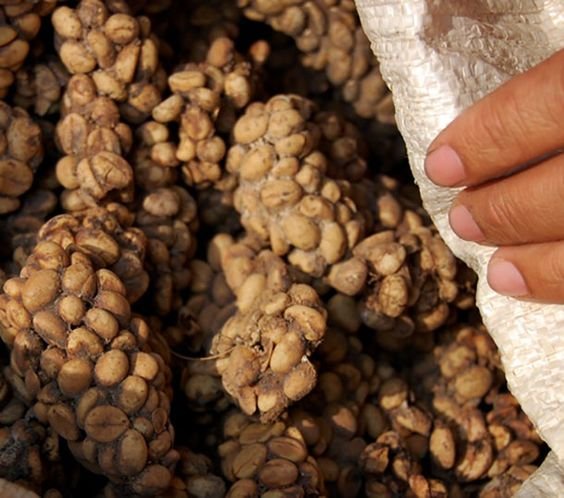
Civet Coffee Made, often known as “kopi luwak,” is a unique and exotic coffee that has garnered attention and curiosity worldwide. This specialty coffee is produced using beans that have been eaten and then excreted by the Asian palm civet, a small mammal native to Southeast Asia. The process of making civet coffee is unusual, and its flavor profile is distinct, which makes it highly sought after by coffee connoisseurs. This article delves into the world of civet coffee, exploring its benefits, goals, ideas, topic suggestions, advantages, and much more.
Civet Coffee Made is made from coffee cherries that have been consumed by the civet. The cherries pass through the civet’s digestive system, where enzymes break down proteins in the coffee beans. This process alters the beans’ chemical composition, resulting in a smoother and less acidic flavor once they are roasted and brewed.
The Production Process
Selection of Coffee Cherries: The process begins with the civet selecting and eating the ripest coffee cherries. Civets are known to be selective eaters, often choosing the best quality cherries.
Digestion and Fermentation: As the cherries pass through the civet’s digestive system, fermentation occurs. The digestive enzymes break down certain proteins that contribute to the bitterness of coffee.
Collection and Cleaning: After the beans are excreted, they are collected from the feces. This step requires thorough cleaning to remove any residue.
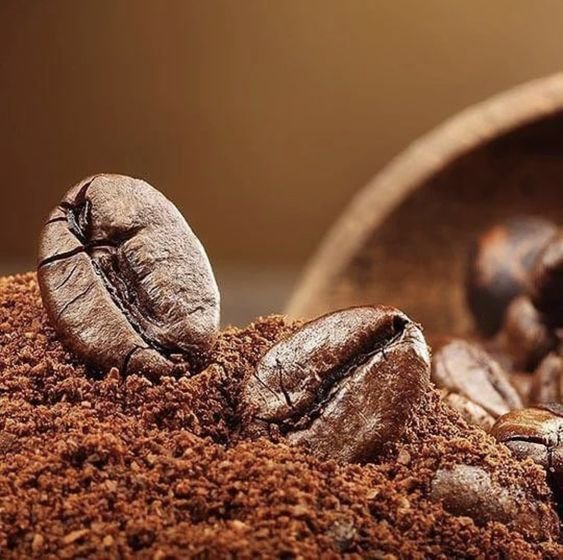
Drying and Roasting: The cleaned beans are then dried and roasted to perfection. The roasting process is crucial in developing the beans’ unique flavor profile.
The Benefits of Civet Coffee Made
Civet Coffee Made offers several benefits that contribute to its popularity:
1. Unique Flavor Profile
One of the most significant benefits of civet coffee is its distinct taste. The fermentation process it undergoes in the civet’s digestive system imparts a unique flavor that is less bitter and more aromatic than regular coffee.
2. Smooth and Rich Taste
Civet coffee is known for its smooth, rich, and complex taste. The beans’ exposure to digestive enzymes reduces their acidity, resulting in a cup of coffee that is smoother on the palate.
3. Enhanced Digestibility
The natural fermentation process that the beans undergo makes them easier to digest. This can be particularly beneficial for individuals who experience gastrointestinal discomfort from regular coffee.
4. Exotic and Exclusive
Civet coffee’s unique production process and limited availability make it an exotic and exclusive product. This exclusivity adds to its allure and prestige among coffee enthusiasts.
5. Potential Health Benefits
While scientific research is limited, some enthusiasts believe that the fermentation process may enhance certain health benefits of coffee, such as its antioxidant properties. However, more research is needed to substantiate these claims.
Goals of Civet Coffee Production
Civet Coffee Made,The production of civet coffee is driven by several goals, ranging from economic to cultural and environmental:
1. Economic Viability
Civet coffee production can be economically beneficial for local communities. The high market value of civet coffee can provide a significant source of income for farmers and collectors in rural areas.
2. Preservation of Traditional Practices
Producing civet coffee helps preserve traditional coffee-making practices and cultural heritage. It keeps alive the unique methods of coffee cultivation and processing that have been passed down through generations.
3. Promotion of Sustainable Practices
Many civet coffee producers are committed to sustainable and ethical practices. This includes ensuring the welfare of the civets and protecting their natural habitats, thus promoting environmental conservation.
4. Quality and Innovation
Producers aim to continuously improve the quality of civet coffee through innovative practices in farming, processing, and roasting. The goal is to provide the best possible product to consumers.
Ideas for Exploring Civet Coffee Made
Civet Coffee Made,For those interested in delving deeper into the world of civet coffee, here are some ideas to explore:
1. Tasting Events and Workshops
Organizing or attending civet coffee tasting events and workshops can provide a hands-on experience to appreciate its unique flavor and learn more about its production process.
2. Sustainable and Ethical Production Tours
Visiting coffee farms and production facilities that prioritize sustainable and ethical practices can offer insights into the efforts made to ensure the welfare of civets and the environment.
3. Research and Documentation
Conducting research and documenting the traditional methods of civet coffee production can contribute to preserving and sharing this unique cultural heritage.
4. Comparative Analysis
Comparing civet coffee with other specialty coffees can help understand its distinct characteristics and place in the broader coffee landscape.
Topic Suggestions for Further Exploration
1. The History and Origins of Civet Coffee
Exploring the historical background and origins of civet coffee, including its cultural significance in Southeast Asia.
2. Ethical Considerations in Civet Coffee Production
Analyzing the ethical considerations surrounding civet coffee production, including the welfare of civets and sustainable practices.
3. The Science Behind Civet Coffee’s Unique Flavor
Examining the scientific aspects of how the digestive enzymes of the civet alter the chemical composition of the coffee beans.
4. The Economic Impact of Civet Coffee on Local Communities
Investigating the economic benefits and challenges faced by local communities involved in civet coffee production.
5. Consumer Perceptions and Market Trends
Studying consumer perceptions of civet coffee and analyzing market trends to understand its demand and popularity.
Advantages of Civet Coffee Made
Civet Coffee Made offers several advantages that contribute to its appeal:
1. Superior Taste Experience
The unique fermentation process results in a superior taste experience that is smoother, less bitter, and more aromatic than conventional coffee.
2. Exclusive and Premium Product
Civet coffee’s limited availability and exotic nature make it a premium product that appeals to coffee aficionados seeking unique and exclusive experiences.
3. Supports Local Economies
By purchasing civet coffee, consumers can support local economies and contribute to the livelihoods of farmers and collectors in rural areas.
4. Promotes Sustainable Practices
Many producers of Civet Coffee Made are committed to sustainable practices, ensuring the welfare of civets and the protection of their natural habitats.
5. Cultural Preservation
Civet Coffee Made production helps preserve traditional methods and cultural heritage, contributing to the rich tapestry of global coffee culture.
Civet Coffee Made, or kopi luwak, is a fascinating and exotic coffee that has captivated the interest of coffee lovers worldwide. Its unique production process, distinct flavor profile, and the benefits it offers make it a sought-after specialty coffee. The goals of civet coffee production range from economic viability to cultural preservation and environmental sustainability. Exploring ideas such as tasting events, sustainable production tours, and research can deepen one’s understanding and appreciation of civet coffee. The advantages of civet coffee, including its superior taste, exclusivity, and support for local economies, further enhance its allure. As the world of coffee continues to evolve, civet coffee remains a testament to the rich diversity and innovation within the industry.
Robusta Coffee Quality, one of the world’s most beloved beverages, comes in many varieties and flavors, each with unique characteristics. Among the many coffee types, Robusta coffee stands out for its distinctive qualities. Robusta coffee, scientifically known as Coffea canephora, is renowned for its bold flavors and robust profile. This article delves into the intricacies of Robusta coffee quality, examining its characteristics, benefits, goals for improving quality, and more.
Overview of Robusta Coffee
What is Robusta Coffee?
Robusta coffee refers to coffee beans from the Coffea canephora plant, which is one of the two main species used in commercial coffee production, the other being Arabica (Coffea arabica). Robusta beans are typically grown at lower altitudes compared to Arabica and are known for their higher caffeine content and stronger, more bitter flavor profile.
Historical Context
Robusta coffee originated in Africa and is now grown in various tropical regions around the world. It is particularly prevalent in countries like Brazil, Vietnam, and Indonesia. Historically, Robusta has been favored for its resilience and lower cultivation costs compared to Arabica.
Characteristics of Robusta Coffee
Flavor Profile
Robusta coffee is characterized by its strong, bold flavor with a certain bitterness. The beans often impart earthy, woody, or nutty notes, sometimes with a hint of chocolate. The high caffeine content contributes to a more bitter taste compared to Arabica coffee.
Caffeine Content
One of the defining features of Robusta coffee is its higher caffeine content, typically ranging from 2.2% to 2.7% by weight. This is significantly higher than Arabica, which contains about 1.2% to 1.5% caffeine. The increased caffeine content not only affects the flavor but also enhances the coffee’s natural bitterness and contributes to its robust body.
Bean Appearance
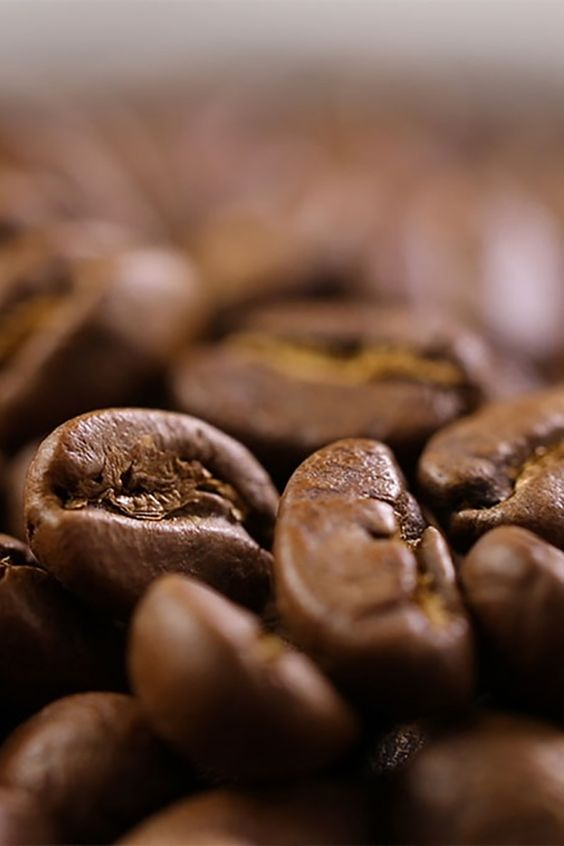
Robusta coffee beans are generally rounder and smaller than Arabica beans. They also have a straighter, less curved crease on one side. The beans are often considered to be of lower quality due to their more irregular shape and less smooth texture compared to Arabica beans.
Benefits of Robusta Coffee
Cost-Effectiveness
Robusta Coffee Quality is generally less expensive to produce than Arabica. The Robusta plant is more resistant to pests and diseases, which reduces the need for chemical interventions. Additionally, Robusta plants are hardier and can thrive at lower altitudes, which reduces cultivation costs.
Resilience and Yield
Robusta Coffee Quality plants are known for their high yield and resistance to environmental stressors. They can grow in harsher conditions and are more tolerant to temperature fluctuations and diseases, making them a reliable choice for farmers in less ideal conditions.
Stronger Flavor and Higher Caffeine
The bold, robust flavor of Robusta coffee is preferred by many coffee drinkers who enjoy a stronger, more intense taste. The higher caffeine content also provides a more pronounced kick, making it a popular choice for espresso blends and instant coffee.
Goals for Improving Robusta Coffee Quality
Enhancing Flavor Profile
Improving the flavor profile of Robusta coffee is a key goal for many producers. While Robusta is known for its strong and bitter taste, there is a growing interest in developing beans with more nuanced flavors. This involves careful cultivation practices, processing techniques, and selective breeding to enhance the overall taste experience.
Sustainable Farming Practices
Sustainability is a significant concern in coffee production. For Robusta coffee, goals include adopting environmentally friendly farming practices that reduce the impact on ecosystems. This includes implementing organic farming techniques, reducing water usage, and minimizing the use of synthetic pesticides and fertilizers.
Quality Control and Processing
The quality of Robusta coffee can be significantly affected by processing methods. Improving quality control measures during the harvesting, drying, and roasting stages can lead to a more consistent and higher-quality product. Investments in modern processing equipment and techniques are essential for achieving this goal.
Ideas for Enhancing Robusta Coffee Quality
Genetic Research and Development
Investing in genetic research to develop Robusta varieties with improved flavor profiles and disease resistance is a promising approach. By understanding the genetic makeup of Robusta coffee, researchers can selectively breed plants that produce higher-quality beans.
Advanced Processing Techniques
Exploring advanced processing techniques, such as fermentation and controlled drying, can help in enhancing the flavor profile of Robusta coffee. These methods can help in reducing bitterness and bringing out more complex flavor notes.
Collaboration with Coffee Experts
Collaborating with coffee experts, including baristas, roasters, and cuppers, can provide valuable insights into improving Robusta coffee quality. Their expertise can guide producers in refining their practices and achieving desired flavor profiles.
Topic Suggestions for Further Exploration
The Impact of Altitude on Robusta Coffee Quality
Examining how different altitudes affect the flavor and quality of Robusta coffee can provide insights into optimizing cultivation practices. This topic could explore how altitude influences the chemical composition of Robusta beans and its impact on taste.
Comparing Robusta and Arabica Coffee in Blends
Investigating the roles of Robusta and Arabica beans in coffee blends can shed light on how their unique characteristics complement each other. This topic could explore the benefits of blending these two types of coffee to achieve a balanced flavor profile.
The Role of Terroir in Robusta Coffee Quality
Exploring the concept of terroir—how environmental factors like soil, climate, and location influence coffee quality—can offer valuable insights into Robusta coffee production. This topic could investigate how different terroirs affect the flavor and characteristics of Robusta beans.
Advantages of Robusta Coffee Quality
Affordability
One of the primary advantages of Robusta coffee is its affordability. Due to its lower production costs and higher yields, Robusta coffee is generally more accessible to consumers. This makes it a popular choice for budget-conscious coffee drinkers and contributes to its widespread use in instant coffee and espresso blends.
Versatility
Robusta Coffee Quality strong flavor and high caffeine content make it versatile for various coffee products. It is commonly used in espresso blends to provide a rich, crema-producing base, and its robustness makes it suitable for instant coffee and cold brews.
Market Demand
The demand for Robusta coffee remains strong, particularly in emerging markets where its bold flavor and affordability are appreciated. As coffee consumption continues to grow globally, Robusta coffee is well-positioned to meet diverse consumer preferences.
Robusta Coffee Quality, with its distinctive qualities and robust profile, plays a significant role in the global coffee market. Understanding its characteristics, benefits, and the goals for improving its quality provides valuable insights for both producers and consumers. By focusing on enhancing flavor profiles, adopting sustainable practices, and exploring advanced processing techniques, the future of Robusta coffee can be shaped to meet evolving tastes and market demands.
Robusta Coffee Development, known scientifically as Coffea canephora, is one of the two main species of coffee plants cultivated for commercial purposes. The other primary species is Arabica (Coffea arabica). Robusta coffee is notable for its strong flavor, high caffeine content, and resilience in diverse growing conditions. This article delves into the development of robusta coffee, exploring its benefits, goals, and potential advancements within the industry.
Robusta Coffee Development originates from Central and Western Africa, with its cultivation spanning from the Congo Basin to Uganda. Its discovery dates back to the 19th century, but it wasn’t until the early 20th century that robusta coffee began to gain commercial significance. Unlike Arabica coffee, which is known for its complex flavors and aromatic qualities, robusta is valued for its hardiness and higher caffeine content, making it a popular choice for espresso blends and instant coffee.
Benefits of Robusta Coffee
1. Higher Caffeine Content
Robusta coffee beans contain about 2.2% caffeine compared to Arabica’s 1.2%. This higher caffeine content contributes to a more bitter flavor profile, but it also makes robusta a preferred choice for those seeking a stronger coffee experience. The increased caffeine content provides an additional boost and enhances the coffee’s preservative qualities.
2. Resilience and Adaptability
Robusta coffee plants are highly resilient and adaptable to various environmental conditions. They can thrive at lower altitudes and withstand higher temperatures compared to Arabica plants. This resilience makes robusta coffee cultivation less susceptible to pests and diseases, reducing the need for chemical interventions and making it a more sustainable option.
3. Cost-Effectiveness
The robusta coffee plant is easier to grow and requires less maintenance than Arabica. It is more resistant to adverse weather conditions and can yield more fruit per hectare. This translates to lower production costs and higher profitability for farmers. Additionally, robusta beans are generally less expensive than Arabica beans, which can benefit consumers seeking affordable coffee options.
4. Unique Flavor Profile
While robusta coffee is often described as having a more bitter and earthy flavor compared to Arabica, it offers a distinct taste that is favored by many coffee drinkers. Its strong, full-bodied flavor makes it an ideal component in espresso blends, providing a rich crema and robust flavor that is often preferred in coffee shops.
Goals of Robusta Coffee Development
1. Improving Quality and Flavor
One of the primary goals in robusta coffee development is to enhance the quality and flavor of the beans. Breeding programs and research are focused on developing robusta varieties with improved taste profiles, reduced bitterness, and enhanced aromatic qualities. By crossbreeding with Arabica or other robusta varieties, researchers aim to create a more refined and balanced coffee experience.
2. Increasing Yield and Productivity
Increasing the yield and productivity of robusta coffee plants is crucial for meeting growing global demand. Efforts are being made to develop high-yielding varieties that can produce more coffee cherries per plant. Advances in agricultural techniques, such as precision farming and soil management, also play a role in maximizing productivity.
3. Enhancing Disease and Pest Resistance
Robusta Coffee Development plants are generally more resistant to pests and diseases compared to Arabica. However, ongoing research aims to further enhance this resistance. Developing robusta varieties that are resistant to specific pests and diseases can reduce the reliance on chemical pesticides and ensure a more sustainable coffee supply.
4. Sustainable Farming Practices
Promoting sustainable farming practices is a key goal in robusta coffee development. This includes implementing environmentally friendly cultivation methods, reducing water usage, and minimizing the impact on local ecosystems. Sustainable practices help preserve biodiversity and ensure the long-term viability of coffee production.
Innovative Ideas in Robusta Coffee Development
1. Genetic Research and Breeding Programs
Genetic research is at the forefront of robusta coffee development. Scientists are exploring the genetic makeup of robusta plants to identify traits that can be improved through selective breeding. Innovations in biotechnology, such as gene editing and marker-assisted selection, are being employed to accelerate the development of high-quality robusta varieties.
2. Agroforestry Systems
Integrating robusta coffee cultivation into agroforestry systems offers multiple benefits. By growing coffee alongside other crops or trees, farmers can improve soil health, enhance biodiversity, and reduce the impact of coffee production on the environment. Agroforestry systems also provide additional income sources for farmers and contribute to the overall sustainability of coffee farming.
3. Precision Agriculture
Precision agriculture involves using technology to optimize farming practices and improve productivity. For robusta coffee, this includes the use of drones, sensors, and data analytics to monitor plant health, soil conditions, and weather patterns. By collecting and analyzing data, farmers can make informed decisions about irrigation, fertilization, and pest management, leading to increased efficiency and yield.
4. Post-Harvest Processing Innovations
Improving post-harvest processing methods is essential for enhancing the quality of robusta coffee. Innovations in processing techniques, such as advanced drying methods and fermentation controls, can influence the flavor profile and overall quality of the coffee. Investing in modern processing equipment and techniques helps ensure that the final product meets high standards.
Topic Suggestions for Further Exploration
The Role of Climate Change in Robusta Coffee Cultivation
Explore how changing climate conditions are affecting robusta coffee production and what strategies can be employed to mitigate these effects.
Economic Impact of Robusta Coffee on Global Markets
Analyze the economic significance of robusta coffee in international markets and its role in the global coffee trade.
Consumer Preferences: Robusta vs. Arabica
Investigate the differences in consumer preferences between robusta and Arabica coffee and how these preferences influence market trends.
The Future of Robusta Coffee: Trends and Predictions
Examine emerging trends and predictions for the future of robusta coffee, including potential innovations and market developments.
Sustainable Practices in Robusta Coffee Farming
Discuss the various sustainable practices that can be adopted in robusta coffee farming and their impact on the environment and local communities.
Advantages of Robusta Coffee Development
1. Economic Growth for Coffee-Producing Countries
Robusta coffee development contributes to the economic growth of coffee-producing countries, particularly in Africa and Southeast Asia. By improving productivity and quality, these countries can increase their export revenues and create job opportunities for local communities.
2. Enhanced Coffee Varieties
Developing high-quality robusta coffee varieties benefits both producers and consumers. Improved flavors and characteristics lead to higher market value and greater consumer satisfaction. The ability to offer a diverse range of coffee products also enhances the competitiveness of robusta coffee in the global market.
3. Sustainable Agriculture
Advancements in robusta coffee development promote sustainable agricultural practices. By focusing on environmental conservation and resource management, the coffee industry can reduce its ecological footprint and contribute to long-term sustainability.
4. Innovation and Technology Adoption
Robusta coffee development drives innovation and technology adoption within the coffee industry. From genetic research to precision agriculture, these advancements lead to more efficient and effective farming practices, benefiting all stakeholders involved in the coffee supply chain.
Robusta Coffee Development,The development of robusta coffee is a multifaceted process that involves enhancing quality, increasing productivity, and promoting sustainable practices. By focusing on these key areas, the coffee industry can ensure a steady supply of robusta coffee while meeting the evolving needs of consumers. Innovations in genetic research, agroforestry, precision agriculture, and post-harvest processing contribute to the continued growth and success of robusta coffee. As the global demand for coffee continues to rise, robusta coffee’s unique benefits and advantages make it a valuable component of the coffee industry’s future.
Best Brazilian Coffee, a country synonymous with vibrant culture, lush rainforests, and infectious rhythms, also holds a prestigious title ,the world’s largest coffee producer. This South American gem has cultivated a deep-rooted relationship with coffee, resulting in a product that has captured the palates of millions worldwide.
Best Brazilian Coffee delves into the captivating world of Brazilian coffee, exploring its rich history, diverse regions, unique characteristics, and the factors contributing to its global dominance. From the nuances of different bean varieties to the art of brewing the perfect cup, we will provide a comprehensive guide for coffee enthusiasts and industry professionals alike.
The Coffee Giant: Brazil’s Dominance
Best Brazilian Coffee industry is a behemoth, shaping the global market with its vast plantations, efficient production methods, and unwavering commitment to quality. Several key factors contribute to the country’s dominance:
Ideal Climate and Terrain: Brazil boasts a diverse geography, encompassing various altitudes, soil types, and climatic conditions. This diversity allows for the cultivation of a wide range of coffee varieties, each with its distinct flavor profile.
Extensive Cultivation: With millions of hectares dedicated to coffee cultivation, Brazil enjoys economies of scale, enabling efficient production and competitive pricing.
Focus on Quantity and Quality: While traditionally known for high-volume production, Brazil has made significant strides in enhancing coffee quality, with a growing number of specialty coffee farms emerging.
Strong Infrastructure: A robust infrastructure, including transportation and processing facilities, supports the coffee industry, ensuring efficient distribution of beans to domestic and international markets.
The Allure of Brazilian Coffee Beans
Best Brazilian Coffee are celebrated for their distinct characteristics that appeal to a wide range of coffee drinkers. Key attributes include:
Balanced Flavor Profile: Brazilian coffees are renowned for their well-rounded taste, combining subtle sweetness, low acidity, and a smooth, medium body.
Nutty and Chocolatey Notes: Many Brazilian coffees exhibit flavors reminiscent of nuts, chocolate, and caramel, creating a comforting and enjoyable experience.
Versatility: Brazilian beans excel in various brewing methods, from espresso to drip coffee, making them a versatile choice for coffee lovers.
Affordability: Due to large-scale production, Brazilian coffee is generally more affordable than coffees from other origins, making it accessible to a wider audience.
Exploring Different Regions of Brazil
Best Brazilian Coffee is a vast country with diverse coffee-growing regions, each contributing unique characteristics to the overall flavor profile. Some of the most prominent coffee-producing areas include:
Cerrado: Known for its high-altitude plantations, Cerrado produces coffees with bright acidity, floral notes, and complex flavors.
Minas Gerais: This region is famous for its mild, well-balanced coffees with hints of chocolate and caramel.
São Paulo: Home to a mix of traditional and modern farms, São Paulo offers a wide range of coffee styles, from classic Brazilians to specialty-grade beans.
Bahia: This northeastern state produces coffees with distinct fruity and floral characteristics, often with higher acidity levels.
Key Brazilian Coffee Bean Varieties
Best Brazilian Coffee primarily cultivates Arabica coffee beans, with several popular varieties:
Bourbon: A classic Brazilian variety known for its balance, sweetness, and medium body.
Catuai: A high-yielding variety that produces coffees with good acidity and clean flavor.
Mundo Novo: A hybrid of Bourbon and Arabica, offering a combination of sweetness and complexity.
Yellow Bourbon: A mutation of the Bourbon variety, characterized by yellow beans and a slightly sweeter flavor profile.
The Art of Brewing Best Brazilian Coffee
Best Brazilian Coffee,To fully appreciate the nuances of Brazilian coffee, proper brewing techniques are essential. Here are some tips:
Grind Size: Use a medium-coarse grind for drip coffee and a finer grind for espresso.
Water Temperature: Aim for water temperature between 195°F and 205°F (90°C and 96°C) for optimal extraction.
Brew Time: Adjust brew time according to your preferred strength and flavor intensity.
Experimentation: Don’t be afraid to experiment with different brewing methods and coffee-to-water ratios to find your perfect cup.
The Benefits of Drinking Best Brazilian Coffee
Best Brazilian Coffee,Beyond its delightful taste, Brazilian coffee offers several potential health benefits:
Antioxidant Power: Coffee, including Brazilian varieties, is rich in antioxidants that help protect cells from damage.
Improved Cognitive Function: Caffeine in coffee can enhance focus, alertness, and cognitive performance.
Boosted Metabolism: Coffee can temporarily increase metabolism, aiding in weight management.
Reduced Risk of Certain Diseases: Some studies suggest coffee consumption may lower the risk of type 2 diabetes, Parkinson’s disease, and liver disease.
Coffee Farming Practices
Shade-Grown vs. Sun-Grown: While Brazil has historically relied on sun-grown coffee, there’s a growing trend towards shade-grown cultivation. Shade-grown coffee is often associated with higher quality beans, as the slower ripening process allows for the development of richer flavors.
Harvesting Methods: Most Brazilian coffee is harvested by hand, a labor-intensive process that ensures only ripe cherries are picked. This meticulous approach contributes to the overall quality of the beans.
Sustainability Initiatives: The Brazilian coffee industry has recognized the importance of sustainability. Many farms are implementing eco-friendly practices, such as water conservation, soil management, and biodiversity preservation.
Coffee Processing Methods
The processing method significantly impacts the flavor profile of the coffee bean. Brazil primarily utilizes two main processing methods:
Natural Process: In this method, coffee cherries are dried with the fruit intact, resulting in beans with a sweeter and fuller body.
Pulped Natural Process: A hybrid of natural and washed processing, this method involves removing the outer skin but leaving the mucilage intact during drying. It produces coffees with complex flavor profiles.
The Rise of Specialty Coffee in Brazil
While Best Brazilian Coffee has long been associated with commodity-grade coffee, the country has experienced a remarkable transformation in recent years. A growing number of specialty coffee farms are emerging, producing exceptional beans that compete with the world’s finest.
Focus on Quality: Specialty coffee farmers in Brazil are investing in varietal selection, cultivation practices, and processing techniques to create unique and complex coffees.
Terroir and Microclimates: These farmers are exploring the influence of terroir and microclimates on coffee flavor, resulting in distinctive and terroir-driven coffees.
International Recognition: Brazilian specialty coffees are gaining recognition in international competitions, elevating the country’s coffee reputation.
Brazilian Coffee in the Global Market
Brazil’s coffee production has a profound impact on the global coffee market. As the world’s largest exporter, the country plays a crucial role in stabilizing coffee prices and ensuring a consistent supply.
Economic Importance: Coffee is a vital commodity for Brazil’s economy, generating significant revenue and employment opportunities.
Global Partnerships: Brazil maintains strong trade relationships with coffee-consuming countries, contributing to the global coffee culture.
Challenges and Opportunities: The Brazilian coffee industry faces challenges such as climate change, price fluctuations, and increasing competition. However, the country’s focus on quality and sustainability presents opportunities for growth and expansion.
Gayo Longberry,Nestled amidst the emerald embrace of Aceh’s Gayo Highlands in Indonesia, a unique coffee legend unfolds. Here, where cool mountain air and volcanic soil nourish the land, flourishes the Gayo Longberry – a prized Arabica coffee bean celebrated for its exceptional quality and captivating flavor profile. Cultivated with meticulous care and steeped in tradition, Gayo Longberry transcends the realm of a mere beverage, offering a sensory journey for discerning coffee connoisseurs.
This comprehensive guide delves into the captivating world of Gayo Longberry, exploring its origins, unique characteristics, brewing methods, and the reasons behind its esteemed reputation. We’ll navigate the landscape of its benefits, uncover the secrets to a perfect cup, and unveil a treasure trove of ideas for incorporating this exceptional coffee into your daily rituals.
The Gayo Longberry Legacy: A Story Steeped in Tradition
The narrative of Gayo Longberry is intricately woven with the rich cultural heritage of the Gayo people, indigenous to the highlands of Aceh. Coffee cultivation has been a cornerstone of their livelihood for generations, passed down through families with a deep reverence for the land and its bounty. Traditional methods, honed over centuries, ensure the exceptional quality of the beans. Selective handpicking, meticulous processing techniques, and a deep understanding of the microclimate all contribute to the final product’s excellence.
The Essence of Excellence: Distinguishing Characteristics of Gayo Longberry
sets itself apart from the plethora of coffee varieties with its distinctive characteristics. Here’s what makes this bean a true standout:
Size Matters: Unlike regular Arabica beans, Gayo Longberry boasts a larger and elongated form. This unique physical attribute is attributed to specific coffee varietals, such as Abyssinia and Tim-Tim Jantung, that thrive in the Gayo Highlands’ specific conditions.
Aromatic Symphony: The first encounter with Gayo Longberry is an olfactory delight. Its aroma is characterized by a refreshing and invigorating fragrance, often described as having herbal, spicy, and slightly citrusy notes. As you delve deeper, hints of dark chocolate and caramel may emerge, creating a multidimensional and enticing aroma.
Flavorful Tapestry: The taste profile of Gayo Longberry is a complex and captivating tapestry. It boasts a medium to high body, offering a rich and satisfying mouthfeel. The initial sip presents a refreshing wave of acidity, balanced perfectly by the underlying sweetness of ripe berries. As the coffee lingers on your palate, a hint of dark chocolate and caramel emerges, creating a truly memorable experience.
A Cup Brimming with Benefits: Why Choose Gayo Longberry?
Beyond its captivating flavor profile, offers a multitude of potential health benefits. Here are some reasons why incorporating it into your daily routine might be a wise decision:
Antioxidant Powerhouse: Coffee, in general, is recognized for its high antioxidant content. Gayo Longberry, with its meticulous processing methods, may retain a high concentration of these beneficial compounds. Antioxidants help combat free radicals, potentially reducing the risk of chronic diseases.
Enhanced Cognitive Function: The caffeine content in Gayo Longberry can provide a gentle boost in alertness and focus. It may improve cognitive function, reaction time, and even memory.
Potential Mood Elevator: Coffee consumption is often linked to improved mood and well-being. Gayo Longberry, with its stimulating properties, might contribute to feelings of increased energy and a more positive outlook.
Unlocking the Perfect Cup: Brewing Methods
The true magic of unfolds when brewed to perfection. Here are a few popular methods to help you unlock its full potential:
The Classic Pour Over: This method allows for a controlled and precise brewing experience. Using a pour-over dripper and a fine grind, slowly pour hot water (around 90-96°C) over the grounds, allowing it to bloom and release its nuanced flavors.
The French Press: This full-immersion method is a simpler yet effective way to brew Gayo Longberry. Coarsely grind the beans, add them to the French press, and let them steep in hot water for a few minutes before plunging. The resulting brew is full-bodied and robust.
The AeroPress: This versatile brewing device allows for experimentation and customization. With a medium grind and a quick press, you can achieve a clean and bright cup of Gayo Longberry.
Beyond the Brew: Creative Ideas with Gayo Longberry
versatility extends beyond a traditional cup of coffee. Here are some creative ideas for incorporating this exceptional bean into your culinary repertoire:
Culinary Infusion: Gayo Longberry’s complex flavor profile can elevate various culinary creations. Grind the beans to a fine powder and use it to infuse marinades for meats or seafood, adding a touch of depth and complexity
.Dessert Delights: A sprinkle of finely ground Gayo Longberry can add a delightful coffee kick to desserts like chocolate cakes, brownies, or ice cream.
Coffee Cocktails: Gayo Longberry’s unique flavor profile lends itself well to creative cocktails. Experiment with a cold brew concentrate, combining it with spirits like vodka or rum, and add exciting elements like citrus juices, syrups, or infused simple syrups.
DIY Coffee Liqueur: For a truly unique experience, consider creating your own coffee liqueur using Gayo Longberry beans. Steep the beans in high-proof alcohol for several weeks, then combine it with sugar syrup for a delightful after-dinner drink.
A Treasure Trove of Inspiration: Research and Topic Suggestions for Gayo Longberry Enthusiasts
The world of offers a wealth of information for those seeking to delve deeper. Here are some research and topic suggestions to fuel your intellectual curiosity:
Sustainable Practices and Fair Trade: Explore the farming practices employed by Gayo coffee producers. Research initiatives that promote sustainability, fair trade, and ethical sourcing within the Gayo Highlands.
Coffee Chemistry and Flavor Profiling: Delve into the scientific intricacies behind Gayo Longberry’s flavor. Understand the chemical compounds that contribute to its unique taste profile and how processing methods influence these characteristics.
The Gayo Culture and Coffee Tradition: Uncover the rich cultural heritage of the Gayo people and their deep connection to coffee cultivation. Learn about traditional brewing methods and the significance of coffee within their communities.
The Sensory Experience of Gayo Longberry: Explore the sensory aspects of Gayo Longberry coffee. Participate in online forums or coffee tasting events to share and discuss the unique flavor profile and aroma of this exceptional bean.
Good Raw Coffee has fueled our mornings, fueled creativity, and provided a comforting ritual. But have you ever considered the journey a coffee bean takes before it reaches your cup? This exploration delves into the fascinating world of raw coffee, the unroasted green beans that hold the potential for a symphony of flavors.Raw coffee, also known as green coffee beans, is the unroasted form of the coffee fruit’s pit. These beans, initially a vibrant green, are the starting point for the roasting process that transforms them into the familiar brown beans we typically associate with coffee.
The Allure of Raw Coffee: Why Choose Unroasted Beans?
Good Raw Coffee is the dominant choice, a growing number of coffee aficionados are discovering the unique appeal of raw coffee. Here are some reasons why unroasted beans are gaining popularity:
Customization: Raw coffee offers the ultimate control over the final flavor profile. By roasting the beans yourself, you can tailor the roast level to your preference, bringing out specific notes or achieving a desired boldness.
Freshness: Green beans retain their natural characteristics for longer periods compared to roasted coffee. Roasting releases volatile compounds, which contribute to the aroma and flavor, but also leads to a gradual decline in freshness.
Potential Health Benefits: Some studies suggest that raw coffee may retain higher levels of chlorogenic acid, an antioxidant with potential health benefits. However, more research is required to confirm these claims.
Unlocking the Potential: The Objectives of Raw Coffee Exploration
Those venturing into the world of raw coffee often have specific goals in mind:
Experimentation: Roasting at home allows for experimentation with different roast profiles, unlocking a wider range of flavor possibilities from a single origin bean.
Educational Journey: The roasting process itself becomes a learning experience, providing a deeper understanding of the factors that influence the final cup.
Sustainability: Home roasting allows for sourcing directly from ethical and sustainable coffee farms, potentially reducing the environmental impact of pre-roasted coffee.
Brewing Ideas: Sipping the Possibilities of Raw Coffee
While raw coffee beans are not typically consumed directly due to their bitterness and hardness, there are ways to enjoy their unique properties:
Cold Brew: Soaking raw coffee beans in cold water for an extended period extracts a smooth, less acidic concentrate.
Infused Water: Add raw coffee beans to water for a subtle coffee flavor and potential health benefits.
Grinding for Baked Goods: Finely grind raw coffee beans to incorporate them into recipes for muffins, cakes, or brownies, adding a subtle coffee twist.
Considerations and Cautions: Navigating the Raw Coffee Landscape
While Good Raw Coffee presents exciting possibilities, there are some important points to consider:
Roasting Expertise: Home roasting requires learning proper techniques to achieve a desirable roast profile and avoid under-roasting or burning the beans.
Safety: Raw coffee may contain bacteria that can be harmful if consumed raw. It’s essential to follow proper preparation methods like soaking or cold brewing.
Limited Research: More research is needed to fully understand the potential health benefits of raw coffee compared to roasted varieties.
Advantages of Good Raw Coffee: A Balancing Act
The decision between raw and roasted coffee depends on individual preferences and priorities. Here’s a breakdown of the advantages of raw coffee:
Customization: Unroasted beans offer the ultimate control over the final flavor profile through home roasting.
Freshness: Green beans retain their natural characteristics for longer periods compared to roasted coffee.
Potential Health Benefits: Studies suggest raw coffee may retain higher levels of chlorogenic acid, an antioxidant.
Sustainability: Home roasting allows for sourcing directly from ethical and sustainable coffee farms.
The Nuances of Flavor: A Sensory Exploration of Good Raw Coffee
The beauty of Good Raw Coffee lies in its potential for a diverse flavor experience. Unlike roasted coffee, where familiar notes of chocolate, caramel, or nuttiness dominate, raw coffee boasts a more subtle and nuanced profile. Here’s a breakdown of the key factors that influence the taste of raw coffee:
Origin: Just like with roasted coffee, the geographical origin of the green beans significantly impacts their flavor profile. Beans from Central America might offer bright citrusy notes, while African beans may present a deeper, fruitier character.
Varietal Differences: The specific coffee plant variety plays a role in flavor. Arabica beans, the most common type, are known for their balanced and complex flavors, while Robusta beans offer a stronger and more bitter taste.
Processing Methods: The way coffee cherries are processed after harvest influences the flavor profile. Washed processing results in a cleaner and brighter cup, while natural processing can introduce fruity or floral notes.
Developing Your Palate: Unlocking the Secrets of Good Raw Coffee
To truly appreciate the subtle nuances of Good Raw Coffee, it’s essential to develop your palate. Here are some tips to enhance your sensory experience:
Mindful Brewing: Use consistent brewing methods like cold brew or water infusion to isolate the specific flavor characteristics of the beans.
Comparative Tasting: Compare different origins or processing methods to identify subtle flavor variations.
Focus on Aromatics: Raw coffee beans possess unique aromas that can hint at the final flavor profile. Pay attention to floral, fruity, or earthy notes.
Vocabulary Development: Familiarize yourself with coffee tasting vocabulary to accurately describe the nuances you experience. This might include terms like “bright acidity,” “winey undertones,” or “chocolatey finish.”
The Art of Home Roasting: Transforming Good Raw Coffee into a Masterpiece
For those seeking the ultimate control over their coffee experience, home roasting presents a rewarding journey. Here’s a glimpse into the world of home roasting:
Choosing Your Roaster: From simple heat gun methods to more sophisticated air roasters or drum roasters, various equipment options cater to different needs and budgets.
The Roasting Process: Mastering the art of roasting involves understanding the science behind the Maillard reaction, which creates the complex flavors and aromas associated with roasted coffee. Factors like time, temperature, and airflow play a crucial role in achieving the desired roast profile.
The “Crack” Phenomenon: As coffee beans roast, they undergo a series of “cracks” that indicate progress. Learning to identify these cracks helps determine the roast level and avoid under-roasting or burning the beans.
Experimentation is Key: The beauty of home roasting lies in experimentation. Try different roast profiles with the same origin beans to discover variations in flavor and find your perfect cup.
Beyond the Cup: The Ethical Sourcing of Good Raw Coffee
The ethical sourcing of Good Raw Coffee is a crucial consideration for many coffee enthusiasts. Here’s how to make informed choices when purchasing raw coffee:
Fair Trade Certification: Look for Fair Trade certification on coffee beans, which ensures fair prices are paid to farmers and promotes sustainable farming practices.
Direct Trade Relationships: Consider sourcing directly from ethical coffee farms, fostering a closer connection with the origin and supporting responsible growing practices.
Researching Coffee Roasters: When purchasing pre-roasted coffee, research roasters who prioritize ethical sourcing and can provide information about the origin and processing methods of their beans.
Sustainability in the Coffee Industry: The Role of Good Raw Coffee
The coffee industry faces challenges related to environmental sustainability. Here’s how raw coffee consumption can contribute to a more sustainable future:
Reduced Packaging: Purchasing green beans often comes with less packaging compared to pre-roasted varieties, minimizing waste.
Supporting Sustainable Farms: Supporting ethically sourced coffee farms that prioritize sustainable practices like shade-grown coffee can contribute to a healthier environment.
Home Roasting and Waste Reduction: Home roasting allows for greater control over waste generated during the roasting process.
Exploring the world of Good Raw Coffee goes beyond simply brewing a cup. It’s a journey of exploration, experimentation, and appreciation for the complex world of coffee. From understanding the origins and processing methods that influence flavor to mastering the art of home roasting and making informed sourcing choices, Good Raw Coffee offers a deeper connection to this beloved beverage. Whether you’re a seasoned coffee enthusiast or just starting your exploration, the world of raw coffee invites you to discover the unique potential within each green bean, transforming your coffee experience into a truly personal adventure.