Category: Uncategorized

  • Potential of Green Coffee Beans: A Treasure Untouched for a Very Long Time

    Potential of Green Coffee Beans: A Treasure Untouched for a Very Long Time

    Potential of Green Coffee Beans has fueled our mornings, fueled our creativity, and fueled countless conversations. But the journey from bean to cup hides a secret treasure: green coffee beans. These unroasted gems hold the potential for a unique coffee experience, brimming with health benefits and a flavor profile waiting to be discovered. Let’s delve into the world of green coffee beans, a wellspring of potential that has remained untouched for a very long time.

    Understanding the Potential of Green Coffee Beans: A Journey Before the Roast

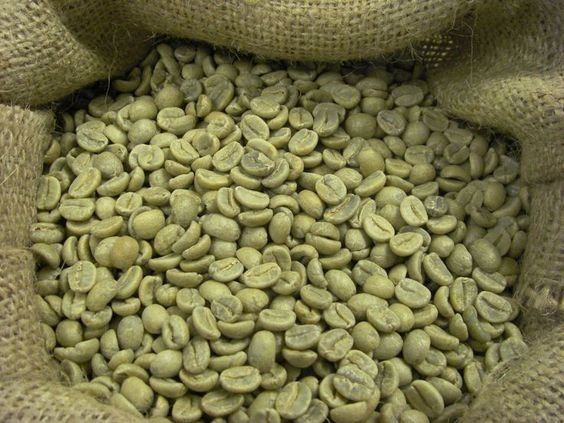
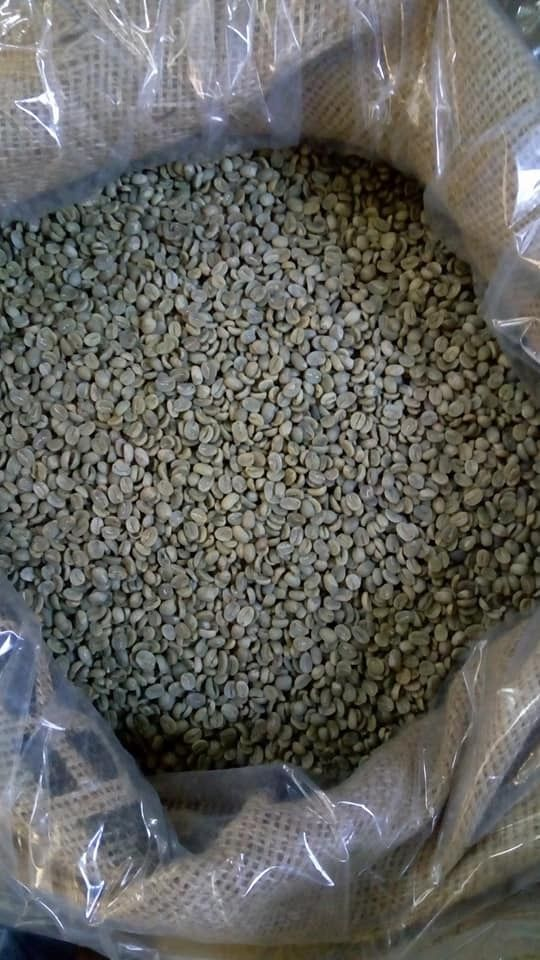
    Potential of Green Coffee Beans are the seeds of coffee cherries, the fruit of the Coffea plant. These cherries, typically red or purple when ripe, house two pits – our green coffee beans. After harvesting, the cherries undergo a rigorous process to remove the pulp and fruit, leaving behind the raw green beans.

    Unlike their roasted counterparts, green coffee beans haven’t undergone the transformative heat treatment that unlocks the familiar coffee aroma and flavor. This lack of roasting preserves a wealth of natural compounds within the bean, including chlorogenic acid, a key player in green coffee’s potential health benefits.

    For a very long time, green coffee beans remained a hidden gem. Roasting, a technique discovered millennia ago, became the dominant method of coffee preparation. However, with a growing interest in health and alternative brewing methods, green coffee beans are finally stepping into the spotlight.

    Unveiling the Benefits: Why Go Green?

    Potential of Green Coffee Beans offer a distinct advantage over roasted beans – their potential health benefits. Here are some of the reasons why including green coffee beans in your routine might be a wise choice:

    • Chlorogenic Acid: This powerful antioxidant is believed to play a role in regulating blood sugar levels and may even aid in weight management. Studies suggest chlorogenic acid helps the body absorb less sugar from food and may promote healthy metabolism.
    • Antioxidant Powerhouse: Green coffee beans are brimming with antioxidants, even more so than roasted beans. These antioxidants help combat free radicals in the body, potentially reducing the risk of chronic diseases.
    • Natural Energy Boost: Green coffee beans contain caffeine, albeit less than roasted beans. However, the presence of chlorogenic acid is believed to create a sustained release of energy, unlike the jittery burst often associated with roasted coffee.
    • Cognitive Enhancement: Studies suggest green coffee may improve cognitive function, memory, and focus. The combination of caffeine and chlorogenic acid might be responsible for this potential benefit.

    It’s important to note that these benefits are based on ongoing research, and more studies are necessary to confirm their efficacy. However, the potential for green coffee beans to contribute to a healthier lifestyle is undeniable.
    Advantages Beyond Health: Exploring the Green Bean Experience

    The benefits of Potential of Green Coffee Beans extend beyond the realm of health. Here are some advantages that might entice you to explore the world of unroasted beans:

    • Unique Flavor Profile: Green coffee beans offer a distinct taste compared to roasted coffee. They possess a grassy, earthy flavor with subtle hints of fruit and nut. This unique profile can be a refreshing change for seasoned coffee drinkers.
    • Customizable Experience: Roasting unlocks the flavor profile of coffee beans. By choosing green beans, you gain complete control over the roasting process. Experiment with different roast levels to discover the flavor profile that best suits your palate.
    • Sustainable Choice: Green coffee beans are denser than roasted beans, which means they require less storage space and transport. This translates to a potentially lower environmental impact.
    • Aromatic Adventure: Roasting releases the familiar coffee aroma we all know and love. However, green coffee beans possess their own subtle fragrance, often described as grassy or vegetal. This unique aroma adds another dimension to the green coffee experience.

    Goals and Aspirations: A Greener Cup for Everyone

    The rise of Potential of Green Coffee Beans signifies a shift in coffee culture. Here are some of the goals and aspirations driving this movement:

    • Promoting Healthier Coffee Consumption: Green coffee offers a potentially healthier alternative to traditionally roasted coffee.
    • Empowering Coffee Enthusiasts: By choosing green beans, coffee lovers gain control over the roasting process, allowing for a more personalized and artisanal coffee experience.
    • Sustainability in the Coffee Industry: Green coffee beans require less storage and transportation, potentially reducing the industry’s environmental footprint.
    • Exploring New Coffee Frontiers: Green coffee represents a new frontier in coffee exploration, offering unique flavors and brewing methods for adventurous coffee enthusiasts.

    The growing interest Potential of Green Coffee Beans signifies a collective desire for a more conscious and personalized coffee experience. It’s a movement towards a greener cup, not just in terms of health, but also in terms of sustainability and exploration.

    The Virtues of Green: A Celebration of Untapped Potential

    Potential of Green Coffee Beans embody several virtues that resonate with a growing segment of coffee drinkers:

    • Naturalness: Potential of Green Coffee Beans represent coffee in its purest form, untouched by the transformative heat of roasting. This appeals to those who seek a more natural and unadulterated coffee experience.
    • Simplicity: There’s a certain beauty in the simplicity of green coffee beans. They require minimal processing, highlighting the inherent qualities of the coffee cherry.
    • Discovery: Potential of Green Coffee Beans offers a world of flavor exploration. Experimenting with different roast levels and brewing methods allows coffee lovers to unlock the full potential of the bean, fostering a sense of discovery and connection with the coffee-making process.
    • Patience: Roasting green coffee beans requires patience and attention to detail. This slow and deliberate process is a welcome contrast to the fast-paced world we live in, encouraging mindfulness and appreciation for the craft of coffee.
    • Sustainability: As mentioned earlier, green coffee beans have a potentially lower environmental impact due to their denser form and reduced transportation needs. Choosing green coffee aligns with a growing awareness of sustainable practices.

    These virtues highlight the appeal Potential of Green Coffee Beans beyond just the potential health benefits. They represent a philosophy that celebrates naturalness, simplicity, and a deeper connection with the coffee we consume.

    The Greatness of Green: Embracing a New Chapter in Coffee

    Potential of Green Coffee Beans are more than just an unroasted version of their roasted counterparts. They represent a new chapter in coffee culture, driven by a desire for health, sustainability, and exploration. Here’s why green coffee beans have the potential for greatness:

    • Unveiling Hidden Potential: Green coffee highlights the inherent qualities of the coffee bean, offering a glimpse into the complex flavor profile waiting to be unlocked through roasting.
    • Empowering Coffee Enthusiasts: Choosing green coffee empowers coffee lovers to take control of the brewing process, fostering a sense of ownership and personalized coffee experience.
    • A Bridge Between Tradition and Innovation: Green coffee bridges the gap between traditional coffee roasting methods and innovative brewing techniques, offering a platform for experimentation and discovery.
    • Sustainability Champion: Green coffee beans have the potential to become a champion of sustainability in the coffee industry, with their lower environmental impact.

    The rise of Potential of Green Coffee Beans signifies a growing appreciation for the bean itself, not just the roasted product we’re accustomed to. It’s a movement towards a more conscious and personalized coffee experience, with the potential to redefine our relationship with this beloved beverage.

  • Unveiling the World of Specialty Coffee Roasters: A Celebration of Passion, Flavor, and Sustainability

    Unveiling the World of Specialty Coffee Roasters: A Celebration of Passion, Flavor, and Sustainability

    Specialty Coffee Roasters has fueled our mornings, fueled our conversations, and fueled our creativity. But within this ubiquitous beverage lies a world of meticulous craft and passionate pursuit: the realm of specialty coffee roasters. These dedicated individuals are the custodians of flavor, the alchemists who transform humble green beans into aromatic elixirs. This article delves into the fascinating world of specialty coffee roasters, exploring their motivations, their methods, and the profound impact they have on the coffee experience.

    Understanding Specialty Coffee Roasting: A Journey of Obsession

    Specialty coffee roasting transcends the act of simply applying heat. It’s a meticulous dance between science and art, a relentless pursuit of unlocking the inherent potential within each bean. Unlike commercial roasters who prioritize consistency and speed, specialty roasters are obsessed with coaxing out the unique flavor profiles of every origin. This obsession manifests in several key aspects:

    • Sourcing: Unlike mass-produced coffee, specialty coffee roasters forge direct relationships with farmers, ensuring ethical sourcing practices and premium quality beans. They travel to coffee-growing regions, building connections with growers and understanding the unique terroir that shapes each bean’s character.
    • Freshness: Time is the enemy of specialty coffee. Specialty roasters prioritize freshness, meticulously controlling the roasting process from green bean to your cup. This ensures the full spectrum of flavors, aromas, and acidity explodes in every sip.
    • Small-Batch Roasting: Unlike commercial roasters who roast in massive quantities, specialty roasters employ smaller roasters. This allows for closer monitoring of the roast profile, ensuring each batch reaches its peak potential. The meticulous control allows them to highlight the delicate nuances of each origin.
    • The Roast Profile: The time and temperature profile during roasting are the artist’s brushstrokes. Specialty roasters experiment with different roast profiles, aiming to accentuate the inherent sweetness, acidity, and body of each bean. This requires a deep understanding of coffee chemistry and the ability to translate that knowledge into a symphony of taste.
    • Sensory Evaluation: The final frontier lies in the cupping session, where trained palates meticulously evaluate the final product. This rigorous process ensures consistency and allows the roaster to identify any shortcomings in the roasting process.

    The Benefits of Brewing with Passion: Why Specialty Coffee Roasters Matters

    Investing in a cup of Specialty Coffee Roasters isn’t just about a caffeine fix; it’s an investment in taste, ethics, and the pursuit of excellence. Here’s how specialty coffee roasting elevates your coffee experience:

    • A Symphony of Flavor: Specialty coffee explodes with a kaleidoscope of flavors. Gone are the burnt, bitter notes of commercial coffee. Instead, you’ll experience the subtle nuances of fruit, chocolate, nuts, and florals, unique to each origin.
    • Ethical Sourcing: Specialty coffee roasters prioritize fair trade practices, ensuring farmers receive a fair price for their high-quality beans. This not only empowers communities but also incentivizes sustainable farming practices.
    • Freshness Guaranteed: Every cup of specialty coffee is a testament to freshness. The meticulous roasting process and focus on small batches ensure you’re experiencing coffee at its peak flavor potential.
    • Supporting Local Businesses: Choosing a specialty roaster often means supporting a local business, passionate about their craft. Your purchase fuels their mission to share exceptional coffee experiences.
    • The Art of Discovery: The world of specialty coffee is an ongoing adventure. With every cup, you embark on a journey to explore the diverse flavors and origins that the world of coffee has to offer.

    The Advantages of a Long-Term Commitment: Why Specialty Coffee Roasters Deserve Your Loyalty

    Specialty Coffee Roasters,In a world of instant gratification, the dedication of specialty coffee roasters is a rare gem. By forging long-term relationships with a specialty roaster, you unlock a multitude of advantages:

    • Curated Collections: Specialty roasters often offer carefully curated collections, introducing you to a wider variety of coffee origins and roast profiles. They become your guide on a journey of coffee exploration.
    • Personalized Recommendations: Developing a relationship with a roaster allows you to discover coffees that suit your palate. They can recommend origins and roast profiles based on your preferences, ensuring a consistently enjoyable coffee experience.
    • Seasonal Offerings: Coffee, like wine, is a seasonal product. Specialty roasters often source limited-edition, seasonal beans, offering you the chance to experience unique and fleeting flavor profiles.
    • Supporting Their Craft: Your continued patronage allows specialty roasters to invest in their craft, experimenting with new techniques and sourcing even more exceptional beans.
    • Building a Community: The world of specialty coffee fosters a sense of community. Engaging with your local roaster allows you to connect with other coffee enthusiasts, share brewing experiences, and learn from each other.

    The Goals of a Specialty Coffee Roaster: Beyond the Bottom Line

    Specialty coffee roasting transcends the pursuit of profit. It’s driven by a deep-seated passion that manifests in several key aspirations:

    • Elevating the Coffee Experience: At the heart of every specialty roaster lies a desire to share their love for exceptional coffee. They strive to educate consumers about the intricacies of coffee and empower them to appreciate the full spectrum of flavors a cup can hold.
    • Building Relationships: Specialty roasters value fostering connections with coffee farmers. They travel to origin countries, understanding the challenges faced by growers and working collaboratively to ensure sustainable practices and fair compensation.
    • Innovation and Experimentation: Specialty coffee roasting is a world of constant exploration. Roasters relentlessly experiment with new roast profiles, brewing techniques, and bean origins. This spirit of innovation pushes the boundaries of flavor and elevates the overall coffee experience.
    • Advocacy for Ethical Sourcing: Specialty roasters are champions of ethical sourcing practices. They advocate for transparency in the supply chain, ensuring fair pricing for farmers and sustainable agricultural practices.
    • Creating a Sustainable Future for Coffee: The future of coffee is intricately linked to environmental and social responsibility. Specialty roasters are at the forefront of sustainability initiatives, promoting eco-friendly practices and supporting communities that depend on coffee production.

    The Virtues of a Specialty Coffee Roaster: A Passion that Transforms

    The dedication of specialty coffee roasters goes beyond technical expertise. It’s fueled by a set of core virtues that permeate their daily operations:

    • Passion: The driving force behind every cup is a deep love for coffee. This passion translates into a relentless pursuit of perfection and a desire to share the joy of exceptional coffee.
    • Integrity: Specialty roasters prioritize ethical sourcing and fair trade practices. They believe in building long-term partnerships with farmers and ensuring a sustainable future for the coffee industry.
    • Curiosity: The world of coffee is a never-ending exploration. Specialty roasters are constantly seeking new knowledge, experimenting with new techniques, and pushing the boundaries of flavor profiles.
    • Dedication to Quality: Every step of the process, from sourcing to roasting, is meticulously controlled. Specialty roasters are relentless in their pursuit of the highest quality beans and the perfect roast profile.
    • Community Spirit: The world of specialty coffee fosters a sense of community. Roasters connect with coffee enthusiasts, share their knowledge, and create a space for shared appreciation of this remarkable beverage.

    The Greatness of Specialty Coffee Roasters: A Legacy of Flavor and Sustainability

    The dedication of specialty coffee roasters is more than just a profession; it’s a calling. They are the custodians of a rich tradition, ensuring the survival of high-quality coffee and sustainable farming practices. Their impact can be seen in several ways:

    • Preserving Coffee Diversity: With their focus on single-origin beans and unique micro-lots, specialty roasters ensure the preservation of diverse coffee varieties and terroirs. This diversity is crucial for a sustainable future of coffee production.
    • Elevating Coffee Appreciation: Through education and exceptional coffee experiences, specialty roasters are fostering a new generation of coffee enthusiasts. Consumers are becoming more discerning, appreciating the intricacies of flavor and the importance of ethical sourcing.
    • Building a Sustainable Future: Specialty coffee roasters are at the forefront of sustainability initiatives. They promote fair trade practices, work with farmers on environmentally friendly methods, and ensure the long-term viability of coffee-growing regions.
    • A Catalyst for Social Change: By forging direct relationships with farmers and advocating for fair trade practices, specialty roasters contribute to positive social change. They empower communities and ensure a better future for coffee producers around the world.
    • A Celebration of Craft: The world of specialty coffee is a testament to human ingenuity and meticulous craftsmanship. Every cup is a result of dedication, passion, and a desire to share the joy of exceptional coffee.
  • Unveiling the Allure of Natural Balinese Coffee: A Deep Dive into its Origins, Flavor Profile, and Benefits

    Unveiling the Allure of Natural Balinese Coffee: A Deep Dive into its Origins, Flavor Profile, and Benefits

    Natural Balinese Coffee,Nestled amidst the lush rainforests and volcanic slopes of Bali lies a secret whispered on the fragrant breeze – natural Balinese coffee. This exceptional coffee, meticulously cultivated and processed using time-honored traditions, boasts a unique flavor profile that has captivated coffee connoisseurs worldwide.

    This comprehensive guide dives deep into the world of natural Balinese coffee, exploring its fascinating origins, the meticulous processing methods that unlock its complexity, and the benefits it offers beyond the delightful cup.

    Unveiling the Origins: A Legacy Steeped in Tradition

    The story of natural Balinese coffee begins centuries ago, interwoven with the rich cultural tapestry of the island. Legend speaks of a 17th-century Dutch governor who introduced coffee plants to Bali, forever altering the agricultural landscape. Over generations, Balinese farmers perfected the art of coffee cultivation, adapting traditional methods to the island’s unique climate and volcanic soil.

    Today, Bali’s coffee-growing regions, primarily concentrated in the Kintamani highlands and around Mount Batur, are renowned for their ideal conditions. The fertile volcanic soil, enriched with essential minerals, provides the perfect foundation for coffee trees to thrive. The high altitude, with temperatures ranging from 13 to 28°C, allows for a slow and controlled maturation process, resulting in denser and more flavorful beans.

    The dedication of Balinese coffee farmers is evident in their meticulous approach. They handpick only the ripest coffee cherries, ensuring the highest quality and consistency. This commitment to quality shines through in every cup of natural Balinese coffee.

    The Essence of Natural Processing: Unveiling the Beans’ True Potential

    Natural processing, the heart and soul of Balinese coffee, is a method as old as coffee cultivation itself. This traditional technique involves leaving the coffee cherries intact after picking, allowing the fruit flesh to dry naturally around the coffee bean.

    Under the warm Balinese sun, the coffee cherries undergo a slow and meticulous drying process. The sugars from the fruit flesh are slowly absorbed by the bean, imparting a unique sweetness and complexity to the final cup. This natural process also allows the coffee’s inherent flavors and aromas to develop fully, resulting in a truly distinct taste profile.

    In contrast to other processing methods like washed or pulped natural, which involve removing the fruit flesh more quickly, the natural process allows for a more nuanced and layered flavor profile. This method also preserves the natural oils within the beans, contributing to a richer and more full-bodied coffee experience.

    A Symphony of Flavors: The Alluring Profile of Natural Balinese Coffee

    The magic of natural Balinese coffee lies in its captivating flavor profile. Unlike the bold bitterness often associated with coffee, natural Balinese coffee offers a delightful balance.

    The first sip often reveals a burst of sweetness, with hints of tropical fruits like jackfruit, mango, and even citrus. This sweetness is further complemented by subtle notes of chocolate, caramel, and sometimes even a touch of spice. The acidity is typically medium, adding a refreshing brightness to the overall experience.

    The body of natural Balinese coffee is typically described as medium to full-bodied, providing a satisfying and smooth mouthfeel. The natural oils preserved during processing contribute to this luxurious texture, leaving a lingering aftertaste that continues to tantalize the palate.

    The unique flavor profile of natural Balinese coffee is a testament to the interplay between the beans’ inherent characteristics, the volcanic soil, the high altitude, and the meticulous processing methods employed by Balinese coffee farmers. Every cup offers a symphony of flavors that is both familiar and surprisingly distinct.

    Beyond the Cup: Unveiling the Benefits of Natural Balinese Coffee

    Natural Balinese coffee offers more than just a delightful sensory experience. This exceptional coffee boasts a range of potential health benefits, making it a guilt-free indulgence.

    • Rich in Antioxidants: Coffee, in general, is a rich source of antioxidants, and natural Balinese coffee is no exception. These antioxidants help combat free radicals in the body, potentially reducing the risk of chronic diseases.
    • Enhanced Cognitive Function: The natural caffeine content in Balinese coffee can provide a gentle energy boost and improve cognitive function. It can enhance alertness, focus, and reaction time, making it a perfect pick-me-up.
    • Improved Mood: Coffee has been shown to have mood-boosting properties. Natural Balinese coffee, with its unique blend of flavors and aromas, can contribute to a sense of well-being and relaxation.
    • Potential Health Benefits: Studies suggest that moderate coffee consumption may offer various health benefits, including a reduced risk of type 2 diabetes, Parkinson’s disease, and Alzheimer’s disease.

    It’s important to note that these benefits are most pronounced when natural Balinese coffee is consumed in moderation. As with any caffeinated beverage, responsible consumption is key.

    Brewing Perfection: Tips for Unveiling the Full Potential of Natural Balinese Coffee

    Having explored the origins, processing methods, and captivating flavor profile of natural Balinese coffee, it’s time to delve into the art of brewing. Unlocking the full potential of these exceptional beans requires careful consideration of brewing techniques and equipment. Here are some tips to ensure you experience the magic of natural Balinese coffee in every cup:

    • Freshness is Key: As with any coffee, freshness is paramount. Opt for freshly roasted Balinese beans to experience the full spectrum of flavors and aromas. Look for beans with a roast date within the last few weeks, ideally from a reputable source that specializes in high-quality Indonesian coffee.
    • Grind Matters: The grind size significantly impacts the extraction process and ultimately, the flavor of your coffee. For most manual brewing methods like pour-over or V60, a medium-fine grind is ideal. This allows for optimal water flow and prevents over-extraction or under-extraction that can lead to bitterness or a weak brew. Experiment slightly to find the perfect grind size for your chosen brewing method.
    • Temperature Control: Hot water is crucial for brewing coffee, but excessively hot water can burn the delicate oils in the beans, resulting in a bitter taste. Aim for water between 90°C and 96°C (194°F and 205°F). This temperature range allows for optimal extraction without compromising the flavor profile.
    • Embrace the Ritual: Brewing coffee can be a meditative and enjoyable experience. Take your time, preheat your brewing equipment with hot water, and enjoy the aroma of the freshly ground beans. The process itself can be a delightful prelude to savoring the final cup.

    Brewing Methods: Unveiling Your Perfect Cup

    The beauty of natural Balinese coffee lies in its versatility. It can be enjoyed through various brewing methods, each highlighting different aspects of the flavor profile. Here are some popular methods to consider:

    • Pour-Over: This manual brewing method allows for precise control over the brewing process. By slowly pouring hot water over the coffee grounds in a circular motion, you can achieve a balanced and clean cup that showcases the delicate flavor nuances of natural Balinese coffee.
    • French Press: The French Press is a simple and effective brewing method known for producing a full-bodied cup. The immersion process allows for all the coffee’s flavors to be extracted, resulting in a rich and bold brew.
    • AeroPress: This innovative brewing method combines immersion and pressure brewing for a clean and flavorful cup. The AeroPress is known for its ability to produce a smooth and full-bodied coffee with minimal bitterness, highlighting the natural sweetness of Balinese beans.
    • Drip Coffee Maker: For a convenient option, a drip coffee maker can be used to create a pot of delicious Balinese coffee. Ensure you use a good quality filter and adjust the coffee-to-water ratio to suit your taste preference.

    Experiment with different brewing methods to discover your perfect cup. Each method offers a unique experience, allowing you to appreciate the versatility of natural Balinese coffee.

    Beyond the Basics: Exploring Advanced Brewing Techniques

    For coffee enthusiasts seeking to delve deeper, several advanced brewing techniques can further enhance your Balinese coffee experience:

    • Water Quality: The quality of your water significantly impacts the final taste of your coffee. Consider using filtered or bottled water to avoid impurities that can alter the flavor profile.
    • Coffee-to-Water Ratio: Experimenting with the coffee-to-water ratio allows you to tailor the strength and intensity of your coffee. A typical starting point for natural Balinese coffee is a 1:15 ratio (1 gram of coffee for every 15 grams of water). Adjust this ratio based on your preference for a stronger or weaker brew.
    • Bloom: The bloom is a crucial step in the pour-over brewing method. It involves pouring a small amount of hot water over the coffee grounds and letting them sit for 30 seconds. This allows the coffee to release CO2 and ensures even extraction during the main brewing process.
    • Water Pouring Technique: For pour-over brewing, mastering the water pouring technique is key. A slow and steady pour ensures even saturation of the coffee grounds, leading to a balanced and flavorful extraction.

    These advanced techniques, while not essential, offer a deeper understanding of coffee brewing and the ability to fine-tune your Balinese coffee experience to your exact preferences.

  • Sumatran Coffee Bean Culture: A Deep Dive into the World’s Boldest Brews

    Sumatran Coffee Bean Culture: A Deep Dive into the World’s Boldest Brews

    Sumatran Coffee Bean Culture, the largest island entirely within Indonesia, boasts a rich and vibrant coffee culture. Coffee cultivation here dates back to the early 19th century, meticulously nurtured by generations of farmers. This unique blend of tradition, geography, and meticulous processing methods has resulted in coffee beans renowned worldwide for their full-bodied character and bold flavors.

    This comprehensive exploration delves into the captivating world of Sumatran coffee bean culture. We’ll embark on a journey that unveils the history, cultivation practices, processing techniques, and the distinct flavor profiles that have captured the hearts (and taste buds) of coffee enthusiasts globally.

    Unveiling the History: From Colonial Introduction to Modern Cultivation

    Coffee’s arrival in Sumatra can be traced back to the Dutch colonial era in the early 18th century. Initially introduced in the northern region of Aceh, coffee cultivation gradually spread across the island, transforming Sumatra into a major coffee producer.

    Following Indonesia’s independence, coffee production continued to flourish. Today, Sumatra is responsible for over 60% of Indonesia’s coffee output, solidifying its position as a global leader in the coffee industry.

    The story of Sumatran coffee is deeply intertwined with the dedication of small-scale, family-owned farms. These farms, often nestled amidst volcanic soil and lush rainforests, have meticulously preserved traditional methods passed down through generations.

    A Geographic Gem: Volcanic Soil and Tropical Climates

    Sumatran Coffee Bean Culture unique geographical makeup plays a pivotal role in shaping the character of its coffee beans. The volcanic soil, rich in nutrients, provides an ideal foundation for robust coffee trees. These volcanic origins often contribute to the earthy and complex flavors found in Sumatran coffee.

    The island’s tropical climate, characterized by warm temperatures and ample rainfall, fosters optimal growing conditions for coffee trees. The high altitudes of the Gayo highlands and the Lake Toba region further contribute to the slow and steady maturation of coffee cherries, resulting in a denser bean with a more concentrated flavor profile.

    Unveiling the Secrets: Processing Techniques and Flavor Development

    One of the most distinctive aspects of Sumatran Coffee Bean Culture is the wet-hulled processing method, also known as the Giling Basah process. This unique approach deviates from the more common fully washed or natural processing methods.

    In the Giling Basah process, the coffee cherries are partially dried before the removal of the outer fruit layer. This partial fermentation stage imbues the beans with a characteristic low acidity and a complex flavor profile.

    The specific processing techniques employed by individual farms can vary, further contributing to the diversity of flavors found within Sumatran coffee. Some farms may incorporate sun-drying methods, while others may utilize mechanical hulling techniques. These variations contribute to the rich tapestry of flavors that defines Sumatran coffee.

    A Symphony of Flavors: Earthy, Bold, and Full-Bodied

    Sumatran Coffee Bean Culture,The distinctive processing methods and rich volcanic soil combine to create a truly unique flavor profile for Sumatran coffee. These beans are renowned for their:

    • Earthy Notes: Hints of earth, cedar, and even smoke are common characteristics of Sumatran coffee, reflecting the volcanic origins of the soil.
    • Boldness: Sumatran coffee boasts a full-bodied and intense flavor profile, making it a favorite amongst those who enjoy a strong cup of coffee.
    • Low Acidity: The wet-hulling process contributes to a smoother, less acidic taste compared to other coffee origins.
    • Herbal and Spicy Notes: Subtle hints of herbal and spicy notes can often be detected, adding further complexity to the flavor profile.

    The specific flavor profile of a Sumatran coffee bean can also be influenced by the specific region where it is grown. For example, beans from the Mandheling region are known for their intense, earthy taste, while those from the Lintong region tend to have a smoother and more balanced flavor profile.

    Beyond the Cup: The Cultural Significance of Coffee in Sumatra

    Sumatran Coffee Bean Culture is deeply woven into the social fabric of Sumatran life. Coffee ceremonies, known as “Kopi Luwak,” are a cherished tradition where friends and family gather to share freshly brewed coffee, often accompanied by local snacks and conversation. These ceremonies offer a glimpse into the warmth and hospitality that define Sumatran culture.Sumatran Coffee Bean Culture also plays an economic role in Sumatra, providing a livelihood for countless families. The meticulous care and dedication invested in coffee cultivation contribute to the island’s economic well-being.

    Sustainable Practices: Ensuring the Future of Sumatran Coffee Bean Culture

    The future of Sumatran coffee bean culture hinges on sustainable practices that ensure the longevity of this unique and valuable resource. Several initiatives are underway to promote sustainability, including:

    • Organic Farming: A growing number of Sumatran coffee farms are adopting organic practices, minimizing the use of chemical fertilizers and pesticides. This approach protects the environment and contributes to the production of healthier coffee beans.
    • Fair Trade Certification: Fair trade certification ensures that coffee farmers receive fair compensation for their labor, promoting economic stability within coffee-producing communities.
    • Agroforestry Techniques: Integrating trees and other vegetation within coffee plantations provides shade for the coffee trees, promotes biodiversity, and helps to maintain healthy soil conditions.
    • Water Conservation: Coffee cultivation requires significant water resources. Sustainable practices such as drip irrigation and rainwater harvesting are being implemented to conserve water and minimize environmental impact.

    These initiatives, coupled with ongoing research and development efforts, offer a promising outlook for the future of Sumatran coffee bean culture.

    Exploring the Options: Popular Sumatran Coffee Bean Culture Varieties

    Sumatra boasts a diverse range of coffee bean varieties, each with its own unique characteristics. Here’s a glimpse into some of the most popular options:

    • Mandheling Coffee: Hailing from the northern region of Sumatra, Mandheling coffee is renowned for its intense, earthy flavor profile with hints of chocolate and cedar. It’s a bold and robust choice for coffee enthusiasts who appreciate a strong cup.
    • Aceh Coffee: Coffee from the Aceh region is known for its smooth and balanced flavor profile with subtle herbal and spicy notes. This variety offers a slightly more nuanced taste compared to other Sumatran coffees.
    • Lintong Coffee: Grown in the high-altitude Lintong region, this coffee is prized for its clean and bright flavor profile with hints of citrus and caramel. It offers a lighter-bodied experience compared to other Sumatran varieties.
    • Gayo Coffee: Originating from the Gayo highlands surrounding Lake Tawa, Gayo coffee boasts a complex and well-balanced flavor profile with notes of chocolate, spice, and earth.

    These are just a few examples of the diverse range of Sumatran coffee varieties available. Exploring these options allows coffee lovers to discover the perfect cup that aligns with their individual taste preferences.

    Brewing the Perfect Sumatran Cup: Tips and Techniques

    Sumatran Coffee Bean Culture,To fully appreciate the distinct character of Sumatran coffee, proper brewing techniques are essential. Here are some tips for brewing the perfect cup:

    • Grind: A medium to coarse grind is ideal for Sumatran coffee. Too fine a grind can result in a bitter taste due to over-extraction.
    • Brew Method: French press, drip coffee makers, and AeroPress are all excellent choices for brewing Sumatran coffee. These methods allow for the full-bodied character of the beans to shine through.
    • Water Temperature: Use hot water (around 195-205°F) for optimal extraction. Boiling water can scald the coffee, resulting in a harsh taste.
    • Coffee-to-Water Ratio: A good starting point is a 1:16 coffee-to-water ratio (1 gram of coffee for every 16 grams of water). You can adjust this ratio based on your desired strength.

    By following these tips and experimenting with different brewing methods, you can unlock the full potential of your Sumatran coffee beans and create a truly exceptional cup.

    Beyond the Bean: Pairing Sumatran Coffee Bean Culture with Food

    Sumatran Coffee Bean Culture bold and earthy flavor profile makes it a versatile pairing option for a variety of foods. Here are some suggestions:

    • Chocolate: The rich chocolate notes in Sumatran coffee complement the sweetness of dark chocolate for a decadent pairing.
    • Spicy Food: The bold flavors of Sumatran coffee can stand up well to spicy dishes, offering a refreshing counterpoint to the heat.
    • Cheese: Aged cheeses with a strong flavor profile, such as cheddar or Gouda, create a harmonious pairing with Sumatran coffee.
    • Pastries: A cup of Sumatran coffee can be a delightful accompaniment to pastries with subtle sweetness, such as croissants or biscotti.

    Experimenting with different food pairings allows you to discover new and exciting ways to enjoy the unique flavors of Sumatran coffee.Sumatran coffee bean culture is a captivating tapestry woven from rich history, meticulous practices, and a deep connection to the land. The unique combination of volcanic soil, a tropical climate, and the Giling Basah processing method results in coffee beans renowned for their bold and earthy flavors. Beyond the cup, coffee serves as a cornerstone of Sumatran social life and plays a vital role in the island’s economy.

  • Exporters of Sumatran Coffee Beans: The Definitive Guide to Sourcing, Sustainability, and Success

    Exporters of Sumatran Coffee Beans: The Definitive Guide to Sourcing, Sustainability, and Success

    Exporters of Sumatran Coffee Beans, the largest island in Indonesia, boasts a rich volcanic landscape and a long history of coffee cultivation. Renowned for its full-bodied flavor profile and earthy aroma, Sumatra Mandheling and other Sumatran coffee varieties have captivated coffee enthusiasts worldwide. To bridge the gap between these exquisite beans and international markets, a network of dedicated Sumatra coffee exporters plays a crucial role.Exporters of Sumatran Coffee Beans,This comprehensive guide delves into the world of Sumatra coffee exporters, exploring their functions, benefits, and the intricate dance they perform within the global coffee industry. We’ll equip you with the knowledge to navigate the world of Sumatran coffee exports, whether you’re a potential buyer seeking a reliable source or a curious coffee aficionado eager to understand the journey of your favorite cup.

    Unveiling the Exporters of Sumatran Coffee Beans: Function and Facilitation

    A Exporters of Sumatran Coffee Beans acts as a vital intermediary between Sumatran coffee producers and international buyers. Their core functions encompass:

    • Sourcing: Exporters build strong relationships with coffee farmers and cooperatives across Sumatra. They possess a deep understanding of regional variations, processing methods, and bean quality. This expertise ensures a consistent supply of high-grade Sumatran coffee to meet international standards.
    • Quality Control: Maintaining impeccable quality is paramount. Exporters implement rigorous quality control measures throughout the supply chain. This includes bean inspection, cupping (sensory evaluation), and ensuring proper storage to preserve the unique characteristics of Sumatran coffee.
    • Logistics and Documentation: The journey from farm to roaster is a logistical feat. Exporters handle transportation, customs clearance, and export documentation, ensuring a smooth and efficient flow of coffee beans.
    • Marketing and Promotion: Building brand awareness for Sumatran coffee on the international stage falls to these exporters. They participate in trade shows, cultivate relationships with international buyers, and promote the unique qualities of Sumatran coffee to a global audience.
    • Risk Management: The coffee industry faces fluctuating prices and volatile market conditions. Exporters manage these risks through strategic planning, hedging strategies, and maintaining diverse buyer relationships.

    By fulfilling these functions, Sumatra coffee exporters act as a bridge connecting the passionate Sumatran coffee producers with a discerning international market.

    A Cup Full of Benefits: Why Source From Exporters of Sumatran Coffee Beans?

    Sourcing your Exporters of Sumatran Coffee Beans through a reputable exporter offers a multitude of benefits:

    • Quality Assurance: Exporters prioritize quality control, ensuring you receive consistently high-grade Sumatran coffee beans. Their expertise helps you navigate the complexities of bean variations and identify beans that suit your specific roasting profile and desired cup characteristics.
    • Efficiency and Convenience: Exporters handle the logistics and paperwork, saving you valuable time and resources. This allows you to focus on your core business, whether it’s roasting, brewing, or retail operations.
    • Market Knowledge: Exporters possess a deep understanding of the Sumatran coffee market, including current trends, pricing dynamics, and emerging producer groups. This knowledge empowers you to make informed purchasing decisions.
    • Volume and Variety: Working with an exporter enables you to access larger quantities of coffee beans, catering to both large-scale roasters and smaller specialty coffee businesses. Additionally, exporters can offer a wider variety of Sumatran coffee types, allowing you to explore the diverse flavor profiles this region offers.
    • Building Relationships: Through collaboration with exporters, you foster valuable relationships within the Sumatran coffee community. This fosters transparency and helps ensure ethical sourcing practices.

    By partnering with a Sumatra coffee exporter, you gain access to high-quality coffee, streamlined operations, and valuable market insights, ultimately contributing to the success of your coffee business.

    Objectives in Motion: The Goals of Exporters of Sumatran Coffee Beans

    Exporters of Sumatran Coffee Beans operate with a well-defined set of objectives:

    • Facilitating Sustainable Growth: Their success is intricately linked to the prosperity of Sumatran coffee producers. Exporters prioritize fair trade practices, offering competitive prices to farmers and cooperatives. Additionally, they may invest in education and training programs to help producers improve farming practices and bean quality.
    • Building Brand Reputation: Exporters strive to build a strong brand reputation for Sumatran coffee within the international specialty coffee market. This involves highlighting the unique characteristics of Sumatran coffee, its rich history, and the dedication of the coffee-growing communities.
    • Expanding Market Reach: Penetrating new international markets strengthens the demand for Sumatran coffee. Exporters actively participate in trade shows, build relationships with international buyers, and promote Sumatran coffee’s distinctive qualities.
    • Ensuring Transparency: Transparency throughout the supply chain is paramount. Exporters strive to build trust with buyers by providing information on sourcing practices, bean origins, and certifications.

    Cultivating Success: Ideas and Considerations for Exporters of Sumatran Coffee Beans

    The world of Exporters of Sumatran Coffee Beans is a dynamic one. To thrive in this competitive landscape, Sumatra coffee exporters must continuously adapt and innovate. Here are some key ideas and considerations to cultivate success:

    • Specialty Coffee Focus: The specialty coffee market values high-quality, ethically sourced beans with distinct flavor profiles. Exporters can cater to this segment by partnering with specialty coffee producers in specific Sumatran regions known for unique taste characteristics, like the citrusy notes of Lintong or the chocolatey undertones of Gayo.
    • Direct Trade Partnerships: Building direct trade relationships with Sumatran coffee farmers fosters transparency and ensures a greater share of profits reaches producers. This empowers farmers to invest in sustainable practices and improve bean quality, ultimately benefiting both exporter and producer.
    • Sustainability Initiatives: Sustainability is a growing concern for environmentally conscious consumers. Exporters can showcase their commitment to sustainability by promoting ethically sourced coffee, shade-grown practices, and eco-friendly processing methods. Certifications like Rainforest Alliance or Fairtrade can further strengthen their sustainability credentials.
    • Value-Added Services: Adding value beyond simply exporting green beans can differentiate an exporter in the market. This could include offering roasting services, customized blends, or educational resources for international buyers.
    • Technological Integration: Embracing technology can streamline operations and enhance efficiency. Implementing online ordering platforms, digital quality control tools, and blockchain technology for supply chain transparency can give an exporter a competitive edge.
    • Market Research and Innovation: Staying informed about market trends and consumer preferences is crucial. Exporters can conduct market research to identify emerging coffee roasting techniques or consumer preferences for specific flavor profiles. This knowledge allows them to tailor their offerings and cater to evolving market demands.

    By implementing these ideas and staying ahead of the curve, Exporters of Sumatran Coffee Beans can cultivate a sustainable and successful business model.

    A Tapestry of Flavor: Exploring the Diverse Landscape Exporters of Sumatran Coffee Beans

    Exporters of Sumatran Coffee Beans,Sumatra boasts a rich tapestry of coffee flavors, influenced by volcanic soil, unique processing methods, and regional variations. Here’s a glimpse into some of the most sought-after Sumatran coffee varieties:

    • Mandheling: Hailing from the Lake Toba region, Mandheling is a full-bodied coffee with earthy notes, hints of spice, and a smooth finish. The wet-hulled processing method, where the coffee cherries are de-pulped but not washed before drying, contributes to its distinctive earthy character.
    • Gayo: Cultivated in the Gayo Highlands, this coffee is prized for its clean, well-balanced cup with a complex flavor profile. Notes of chocolate, cedar, and citrus dance on the palate, thanks to the meticulous processing methods employed by Gayo farmers.
    • Aceh: From the northernmost tip of Sumatra, Aceh coffee offers a bright acidity with hints of fruit and floral notes. The dry-hulled processing method, where the coffee cherries are sun-dried whole, intensifies the bean’s natural sweetness and unique flavor profile.
    • Lintong: This coffee, grown in the Barisan mountain range, is known for its bright acidity, citrusy zest, and a hint of herbal aroma. The traditional wet-hulled processing method preserves the bean’s natural acidity and delicate flavors.
    • Kerinci: Nestled on the slopes of Mount Kerinci, the highest volcano in Indonesia, this coffee offers a unique cup with hints of dark chocolate, spice, and a smooth, lingering finish. The wet-hulled processing method contributes to its full-bodied character.

    This is just a taste of the diverse flavor profiles offered by Sumatra. By partnering with a reputable Exporters of Sumatran Coffee Beans, you can explore this vast landscape of flavors and discover the perfect Sumatran coffee to suit your specific preferences.

  • Papua Coffee Beans: A Rare Gem from Indonesia’s Pristine Highlands

    Papua Coffee Beans: A Rare Gem from Indonesia’s Pristine Highlands

    Papua Coffee Beans,Nestled amidst the emerald embrace of Indonesia’s Papua province lie fertile volcanic slopes cradling a unique treasure Papua coffee beans. Renowned for their exquisite flavor profile and limited availability, these beans have captured the hearts (and taste buds) of coffee aficionados worldwide. This comprehensive exploration delves into the world of Papua coffee beans, unveiling their fascinating history, exceptional characteristics, and the potential they hold for a truly remarkable coffee experience.

    Unveiling the Origins: A Journey Through Papua Coffee Beans History

    The story of Papua coffee beans begins in the early 20th century, during the Dutch colonial era in Indonesia. Dutch authorities, recognizing the island’s rich volcanic soil and ideal growing conditions, introduced coffee Arabica varietals from the famed Jamaican Blue Mountain region. These beans, thriving in Papua’s pristine highlands, adapted remarkably well, laying the foundation for what would become a coveted specialty coffee.

    However, Papua Coffee Beans production journey wasn’t without its challenges. Remote locations, rugged terrain, and occasional tribal conflicts hindered large-scale cultivation. Despite these obstacles, dedicated Papuan farmers persevered, employing traditional methods passed down through generations. This meticulous approach, combined with the unique Papuan environment, has resulted in a coffee unlike any other.

    A Sensory Symphony: The Alluring Characteristics of Papua Coffee Beans

    Papua coffee beans are celebrated for their exceptional flavor profile that tantalizes the senses. Here’s a closer look at the characteristics that set them apart:

    • Aroma: Upon brewing, Papua coffee releases an intoxicating aroma, often described as rich, earthy, and with hints of chocolate or cocoa. Some varieties may present subtle floral notes, adding a touch of complexity.
    • Taste: The first sip of Papua coffee is a revelation. A smooth, full-bodied flavor unfolds, often accompanied by notes of dark chocolate, caramel, and subtle hints of spice. The acidity is well-balanced, creating a pleasant and lingering finish.
    • Body: Papua coffee boasts a remarkably thick and syrupy body. This luxurious texture coats the palate, delivering a truly satisfying coffee experience.

    These characteristics can vary slightly depending on the specific region, bean variety, and roasting profile. Generally, Papuan Arabica beans are medium to dark roasted, further enhancing the inherent sweetness and depth of flavor.

    Beyond the Cup: The Benefits of Papua Coffee Beans

    Papua Coffee Beans offers more than just a delightful sensory experience. Here are some potential benefits associated with these exceptional beans:

    • Rich in Antioxidants: Like most coffee varieties, Papua Coffee Beans are packed with antioxidants, which can help combat free radicals and potentially reduce the risk of chronic diseases.
    • Improved Cognitive Function: The caffeine content in Papua coffee can enhance alertness, focus, and cognitive performance.
    • Mood-Boosting Potential: Studies suggest that coffee consumption can elevate mood and combat symptoms of depression.
    • Natural Energy Source: The moderate caffeine content in Papua Coffee Beans can provide a natural energy boost without the jitters often associated with stronger coffee varieties.

    A Sustainable Choice: Supporting Papuan Coffee Farmers,Papua Coffee Beans production is primarily focused on small-scale, sustainable farming practices. Local farmers often cultivate their beans under shade trees, promoting biodiversity and environmental conservation. By choosing Papua coffee, you can support these dedicated communities and contribute to the preservation of their unique agricultural heritage.

    Brewing the Perfect Cup: Unlocking the Full Potential of Papua Coffee Beans

    To truly appreciate the nuanced flavors of Papua Coffee Beans, proper brewing techniques are essential. Here are some suggestions:

    • Grind: The ideal grind size depends on your brewing method. For pour-over methods, a medium grind is recommended. For espresso, a finer grind is necessary.
    • Freshness: Opt for freshly roasted Papua beans to experience the full spectrum of flavors.
    • Water Quality: Use filtered or spring water for optimal taste.
    • Brewing Method: Experiment with different brewing methods like French press, pour-over, or drip coffee makers to discover your personal preference.

    By following these simple tips, you can unlock the full potential of your Papua coffee beans and savor a truly unforgettable cup.

    A Look Ahead: The Future of Papua Coffee Beans

    • Expanding Recognition: As awareness of Papua Coffee Beans grows, it’s likely to gain a wider audience among specialty coffee enthusiasts worldwide. This recognition can contribute to increased demand and potentially improve the economic livelihood of Papuan coffee farmers.
    • Fair Trade Practices: Implementing fair trade practices can ensure that Papuan farmers receive fair compensation for their high-quality beans. This not only benefits the farmers but also strengthens the sustainability of the industry.
    • Sustainable Farming Initiatives: Continued focus on sustainable farming methods, including organic practices and shade-grown coffee production, will be crucial in preserving the delicate Papuan ecosystem and ensuring the long-term viability of coffee cultivation.
    • Technological Advancements: New technologies and processing techniques can help improve efficiency and quality control in Papuan coffee production. This can lead to a more consistent product while maintaining the unique characteristics of the beans.
    • Innovation and Experimentation: Exploring new roasting profiles and brewing methods can further unlock the potential of Papua coffee flavor profiles. This can pave the way for exciting new coffee experiences for consumer

    Beyond the Bean: Exploring Papua Coffee Beans Experiences

    Papua Coffee Beans is more than just a beverage, it’s an experience. Consider these ideas to heighten your enjoyment:

    • Coffee Pairing: Papua coffee pairs exceptionally well with dark chocolate, pastries, and cheeses. Experiment to find your perfect combination.
    • Papua Coffee Tours: Immerse yourself in the world of Papua coffee by embarking on a tour of the coffee-growing regions. Witness firsthand the traditional farming methods and connect with the passionate coffee communities.

    Papua coffee beans represent a confluence of rich history, dedicated farmers, and a pristine natural environment. These exceptional beans offer a captivating sensory experience, with a depth of flavor and a luxurious body that set them apart. Beyond the cup, Papua coffee embodies a commitment to sustainability and supports the livelihoods of local communities. As awareness and appreciation for this unique coffee grow, the future of Papua coffee appears bright. So, the next time you seek a truly exceptional coffee experience, consider embarking on a journey to the heart of Papua with a steaming cup in hand.

  • Unveiling the Enchantment: A Deep Dive into Typical Balinese Coffee and Its Allure

    Unveiling the Enchantment: A Deep Dive into Typical Balinese Coffee and Its Allure

    Typical Balinese Coffee,Nestled amidst the lush rainforests and volcanic slopes of Bali, Indonesia, thrives a unique coffee culture. Beyond the idyllic beaches and vibrant temples lies a world of aromatic delights – the realm of Balinese coffee. This distinctive brew boasts not just captivating flavors but also a rich heritage, intertwined with the island’s very essence.

    This comprehensive exploration delves into the captivating world of Typical Balinese Coffee. We’ll embark on a journey to uncover its unique character, brewing traditions, and the cultural significance it holds. Prepare to be enveloped by the invigorating aroma and discover why a cup of Balinese coffee is more than just a beverage; it’s an experience.

    Unveiling the Beans: A Tapestry of Flavors

    Typical Balinese Coffee,When it comes to Balinese coffee, there’s no single origin story. The island’s diverse landscape cultivates a variety of coffee beans, each contributing its own symphony of flavors to the final cup. Here are the key players:

    • Arabica: The undisputed king of Balinese coffee, Arabica beans are prized for their smooth, well-balanced taste. Grown in the volcanic highlands of Kintamani, these beans develop a unique profile with hints of fruit, chocolate, and nuts, often accompanied by a lower acidity.
    • Robusta: A bolder alternative, Robusta beans offer a higher caffeine content and a more intense, earthy flavor. While less common in pure Balinese coffee, Robusta beans can be blended with Arabica to create a more robust and stimulating brew.
    • Kopi Luwak: The crown jewel of Balinese coffee, Kopi Luwak, is renowned for its unconventional processing method. These beans are partially digested by Asian palm civets, resulting in a unique and expensive coffee with a smooth, complex taste profile.
    • Lanang Coffee (Peaberry): A rare gem, Lanang coffee originates from a single, oval-shaped bean within a coffee cherry. This anomaly translates into a more concentrated and intense flavor, often described as brighter and more acidic than regular Arabica beans.

    Typical Balinese Coffee,The specific blend of these beans varies greatly depending on the region and roaster. However, what unites them is the meticulous care taken during cultivation, processing, and roasting, ensuring the highest quality in every cup.

    Beyond the Bean: Unveiling the Brewing Ritual

    Typical Balinese Coffee,The brewing methods employed in Bali are as unique as the coffee itself. Here are some of the most traditional techniques that capture the essence of Balinese coffee:

    • Kopi Tubruk: This simple yet effective method involves steeping coarsely ground coffee directly in hot water. A strainer separates the grounds from the brew, resulting in a strong and flavorful cup.
    • Kopi Filter: This method utilizes a reusable metal filter placed on top of a cup. Coffee grounds are added, and hot water is slowly poured over them, producing a cleaner and more delicate brew.
    • Kopi Panci: This traditional method translates to “pot coffee.” A small pot filled with water and coffee grounds is boiled over an open flame. The resulting brew is strong and intense, often served with palm sugar and condensed milk for a sweeter experience.

    These methods not only extract the rich flavors of the beans but also serve as a social ritual. Brewing coffee becomes a shared experience, fostering connection and conversation.

    A Tapestry of Benefits: Why Embrace Balinese Coffee?

    Typical Balinese Coffee,Beyond the captivating taste, Balinese coffee offers a multitude of benefits:

    • Rich in Antioxidants: Like most coffees, Balinese coffee boasts a wealth of antioxidants, which can help protect your cells from damage and potentially lower the risk of chronic diseases.
    • Enhanced Cognitive Function: The caffeine content in Balinese coffee can improve alertness, focus, and memory, giving you that extra edge throughout the day.
    • Mood Booster: Coffee is known to elevate mood and combat feelings of fatigue. The unique flavors and cultural significance of Balinese coffee can further enhance this effect.
    • Natural Source of Energy: The caffeine content in Balinese coffee provides a natural energy boost, helping you stay active and productive.
    • Supports Local Farmers: Choosing Balinese coffee directly supports local coffee farmers and their communities, promoting sustainable agricultural practices.

    Ideas and Suggestions Typical Balinese Coffee: Embracing the Balinese Coffee Experience

    Typical Balinese Coffee,Now that we’ve explored the essence of Balinese coffee, let’s delve into some ideas and suggestions to fully embrace this unique experience:

    • Visit a Coffee Plantation: Immerse yourself in the source by visiting a Balinese coffee plantation. Witness the meticulous care taken throughout the cultivation process, from cherry picking to drying and roasting. Many plantations offer tours and tastings, allowing you to experience the journey from bean to cup firsthand.

    • Attend a Coffee Ceremony: Witness a traditional Balinese coffee ceremony, a beautiful display of cultural significance. Observe the preparation rituals and offerings made with coffee, gaining a deeper understanding of its role in Balinese life.

    • Explore Local Coffee Shops: Venture beyond the tourist hotspots and explore local coffee shops. These establishments offer a more authentic experience, allowing you to sample a variety of brewing methods and blends favored by the locals.

    • Learn to Brew Balinese Coffee: Take a coffee brewing class and learn the art of traditional Balinese methods . Mastering these techniques allows you to recreate the Balinese coffee experience at home.

    • Support Sustainable Practices: Look for roasters who source their beans from sustainable and ethical farms in Bali. This ensures fair compensation for farmers and environmentally responsible practices.

    • Pair Balinese Coffee with Local Delights: Complement your coffee experience with traditional Balinese snacks like pisang goreng (fried bananas) or klepon (pandan-flavored dumplings). The distinct flavors create a delightful culinary adventure.

    • Bring Back a Piece of Bali: Purchase freshly roasted Balinese coffee beans or ground coffee to take home. This allows you to share your experience with friends and family and revisit the captivating flavors whenever you desire.

    Advantages and Considerations: Weighing the Options

    Typical Balinese Coffee,While Balinese coffee offers a multitude of advantages, there are a few considerations to keep in mind:

    • Accessibility: Finding authentic Typical Balinese Coffee outside of Bali can be challenging. Look for specialty coffee shops or online retailers who source directly from the island.

    • Price: Due to the unique processing methods and high-quality beans, some Balinese coffee varieties, particularly Kopi Luwak, can be quite expensive.

    • Taste Preferences: Balinese coffee, especially Robusta blends, can be more robust and bitter than some coffee drinkers might be accustomed to. Experiment with different blends and brewing methods to find your perfect cup.

    • Sustainability: Choose reputable roasters who prioritize sustainable farming practices and fair trade principles to ensure the long-term viability of Balinese coffee production.

    A Final Sip: The Enduring Allure of Typical Balinese Coffee

    Typical Balinese Coffee is more than just a beverage; it’s a captivating journey into the heart and soul of the island. From the diverse flavors cultivated by volcanic soil to the rich cultural significance, every cup tells a story. Whether you seek a burst of energy, a moment of connection, or a window into Balinese traditions, there’s a cup of Balinese coffee waiting to be discovered. So, embrace the experience, savor the unique flavors, and let the magic of Balinese coffee transport you to a world of captivating aromas and cultural delights.

  • Bali Kintamani Coffee Beans: A Sustainable Journey of Exquisite Flavor

    Bali Kintamani Coffee Beans: A Sustainable Journey of Exquisite Flavor

    Bali Kintamani Coffee Beans,Nestled amidst the lush rainforests and towering volcanoes of Bali, Indonesia, lies the Kintamani plateau, a region renowned for cultivating some of the world’s most prized coffee beans. Bali Kintamani coffee beans, boasting a unique flavor profile and rich history, have become a favorite amongst coffee enthusiasts seeking a distinctive and delightful cup.This comprehensive guide delves into the captivating world of Bali Kintamani coffee beans, exploring their origin, characteristics, cultivation practices, brewing methods, and the captivating experience they offer.

    Unveiling the Origins: A Land Shaped by Fire

    The story of Bali Kintamani coffee beans begins millions of years ago with the colossal Mount Batur, an active volcano that continues to shape the landscape. Volcanic eruptions enriched the soil with vital nutrients, creating a fertile ground ideal for coffee arabica, the esteemed coffee variety cultivated in Kintamani.Coffee cultivation in Kintamani is believed to have begun in the 17th century, introduced by the Dutch colonial rulers. Over time, coffee became an integral part of the region’s cultural and economic fabric. Smallholder farmers, adhering to traditional practices, meticulously tend to their coffee trees, ensuring the beans retain their distinctive characteristics.

    A Profile of Distinction: Flavorful Nuances

    Bali Kintamani coffee beans are celebrated for their well-balanced and complex flavor profile. The volcanic soil imparts a unique earthiness, often accompanied by subtle hints of citrus, chocolate, and even a touch of spice. The acidity level typically ranges from mild to medium, creating a smooth and pleasant experience on the palate.

    The specific flavor profile of Bali Kintamani Coffee Beans can be influenced by several factors, including:

    • Varietal: The S795, a high-quality Arabica variety, is predominantly cultivated in Kintamani. This varietal contributes to the coffee’s balanced flavor and aroma.
    • Processing Method: The traditional wet-hulled processing method, also known as “full wash,” removes the fruit flesh from the coffee cherry before drying the beans. This method helps preserve the bean’s inherent acidity and contributes to a cleaner cup.
    • Roast Profile: Lighter roasts tend to highlight the coffee’s natural acidity and fruity notes, while darker roasts showcase a richer and more chocolatey flavor profile.

    Beyond the Cup: The Allure of Bali Kintamani Coffee Beans

    The appeal of Bali Kintamani Coffee Beans extends far beyond its captivating taste. Here are some additional benefits associated with this exceptional coffee:

    • Sustainable Practices: Many Kintamani coffee farmers employ traditional and sustainable agricultural methods, minimizing their environmental impact and ensuring the long-term viability of coffee production.
    • Fair Trade Opportunities: Several initiatives promote fair trade practices in Kintamani, guaranteeing fair compensation to coffee farmers for their labor and expertise.
    • Cultural Significance: Coffee holds a deep cultural significance in Bali. The traditional coffee ceremony, known as “kopi luwak,” is a social gathering where coffee is brewed and enjoyed with friends and family.

    Brewing Bliss: Unveiling the Perfect Cup

    To fully appreciate the nuanced flavors of Bali Kintamani coffee beans, the brewing method plays a crucial role. Here are some suggestions to unlock the coffee’s full potential:

    • French Press: This brewing method allows for a full-bodied cup, highlighting the coffee’s earthy notes and smooth texture.
    • Drip Coffee Maker: A drip coffee maker offers a convenient way to brew a clean and balanced cup, showcasing the coffee’s delicate acidity and flavor profile.
    • Pour-Over Methods: Techniques like V60 or Chemex allow for greater control over the brewing process, enabling you to tailor the extraction to your preference and extract the coffee’s subtle nuances.

    Freshly ground beans are essential for optimal flavor. Choosing the appropriate grind size for your chosen brewing method ensures a balanced extraction and avoids over-extraction, which can result in bitterness.

    Experimenting with different brewing methods and grind sizes allows you to discover your perfect cup of Bali Kintamani Coffee Beans, catering to your individual taste preferences.

    Beyond the Basics: Exploring Unique Coffee Experiences

    For those seeking an adventurous coffee journey, Bali offers a plethora of unique opportunities to experience Bali Kintamani Coffee Beans:

    • Coffee Farm Tours: Immerse yourself in the world of Kintamani coffee by visiting a local coffee farm. Witness the coffee-growing process firsthand, learn about traditional cultivation practices, and perhaps even participate in a coffee-picking experience.
    • Coffee Tastings: Many cafes and restaurants in Bali offer coffee tastings, featuring locally sourced Kintamani beans. This allows you to sample different roasts and processing methods to discover your favorite flavor profile.

    Ethical Considerations: Sourcing Responsibly

    The global demand for specialty coffee has brought ethical considerations to the forefront. Here’s how you can ensure your Bali Kintamani Coffee Beans experience is not only delicious but also responsible:

    • Look for Certifications: Certifications like Fairtrade or Rainforest Alliance can provide assurance that farmers are receiving fair compensation and that sustainable practices are being employed.
    • Source Directly from Farms: Visiting local farms or purchasing directly from reputable online retailers connected to Kintamani coffee producers allows you to support the farmers directly.
    • Research Roasters: Choose roasters committed to ethical sourcing practices and transparent about their supply chain.

    By making informed choices, you can contribute to a sustainable coffee future for the Kintamani region and its dedicated coffee farmers.

    Beyond the Bean: The Allure of Kintamani

    The allure of Bali Kintamani Coffee Beans extends beyond the coffee cup. The Kintamani plateau boasts breathtaking scenery, with majestic volcanoes, emerald rice terraces, and captivating villages. Here are some suggestions to complement your coffee experience:

    • Explore the Landscape: Hike or bike through the scenic Kintamani plateau, marveling at the volcanic landscape and lush greenery.
    • Visit Local Villages: Immerse yourself in the rich culture of Kintamani by visiting traditional villages and interacting with the local community. Learn about their way of life and the significance of coffee in their culture.
    • Witness the Coffee Harvest: Visiting Kintamani during the coffee harvest season (typically May to August) allows you to witness the traditional harvesting methods and appreciate the farmers’ dedication.

    Combining a visit to a Kintamani coffee farm with exploration of the region’s natural beauty and cultural heritage creates a truly immersive and unforgettable experience.

    A Sustainable Future: Protecting the Legacy

    The future of Bali Kintamani coffee is intertwined with the region’s environmental and social well-being. Here are some ongoing efforts to ensure the coffee’s continued success:

    • Sustainable Farming Practices: Initiatives promote the adoption of sustainable agricultural techniques, such as organic farming and soil conservation methods, to protect the environment and ensure long-term coffee production.
    • Fair Trade Initiatives: Fair trade organizations work to ensure fair compensation for farmers and promote sustainable practices throughout the supply chain.
    • Coffee Cooperatives: Cooperatives empower Kintamani coffee farmers to collectively bargain for better prices and access resources, fostering a sense of community and economic stability.

    By supporting these initiatives and making informed choices, coffee enthusiasts can contribute to the sustainability and future prosperity of Bali Kintamani coffee.

    Bali Kintamani coffee beans offer a captivating journey for the senses. From their volcanic origins to their complex flavor profile and the cultural significance they hold, these exceptional beans represent a unique confluence of nature, tradition, and human ingenuity.Understanding the story behind Kintamani coffee, its cultivation practices, and the dedication of the farmers who produce it fosters a deeper appreciation for each cup. By making informed choices and supporting sustainable practices, coffee lovers can contribute to the continued success of this cherished Indonesian coffee tradition.