Category: Coffee Drink

  • Known by Young People to Old People: History of Cold Brew Coffee

    Known by Young People to Old People: History of Cold Brew Coffee

    history of cold brew coffee

    If we look closely at the history of cold brew coffee, this coffee crafting is not new in concept. Even more, it has been deeply rooted for generations, starting from its origin in Japan. It was until two big coffee shop chains – Starbucks and Dunkin Donuts – adopted and introduced it to the U.S. market, the so-called cold brew coffee experienced soaring popularity. 

    Becoming a favorite choice among young and old people to date, cold brew offers three essential differences, particularly in the discourse of cold brew vs hot brew. It is brewed in cold water, requiring a minimum brewing time of 12 to 14 hours, and less bitter. 

    Apart from cold brew’s past to recent times, this article will also explore more about the reasons for its popularity and its future.  

    Starting From Kyoto, Japan
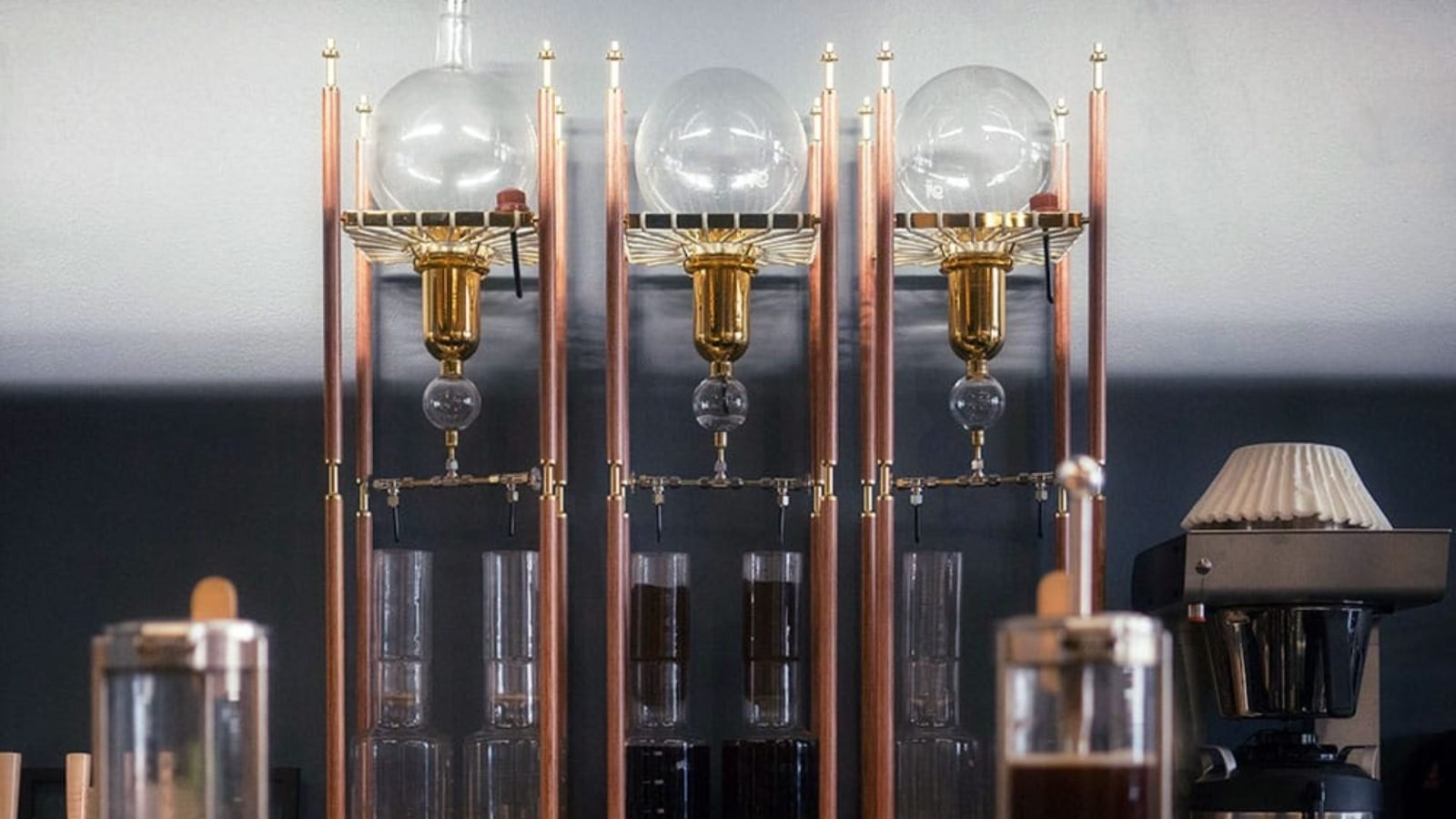
    Kyoto Style Cold Brew Coffee
    Kyoto Style Cold Brew Coffee

    Despite the debate on who initially developed cold brew, the Japanese or the Dutch, the first documented evidence of true cold-brewed coffee indeed comes from Japan. 

    1. Pre-1600 – Japan established cold brewing tea by soaking it in cool river water, saturating the tea leaves, and letting them brew. 

    2. 1600s – Kyoto-style coffee was the first record ever for cold-brewed coffee, derived its name due to its popularity in the city of Kyoto, Japan. There was an assumption that the Japanese learned the technique of cold brew coffee from Dutch traders and sailors. Dutch coffee was a boiled-down concentrate that needed no hazardous fire and could be bottled, easily carried on ships, and sold at ports. 

    3. Ca. 1640 – The Japanese developed their distinct brewing techniques, using their deep-rooted cold tea brewing to invent the machine for coffee brewing in public spaces. It was a hands-off method of a tall, elegant tower and gravity-based tubes.

    4. 1800s – A brand called Camp Coffee, similar to Dutch coffee, was bottled and shipped to European troops during wartime. 

    5. 1930s – Cuba gave cold-brewed coffee a makeover, resulting in the popularity of iced coffee all over the U.S.

    6. 1960 – The birth of The Toddy by Todd Simpson after witnessing the cold brew coffee process on his trip to Peru.

    7. 1990s – The trend of making coffee concentrate for blended drinks by coffee shops in America. 

    8. 2000s – Two innovative coffee houses adopted cold brew – New Orleans-style iced coffee by Blue Bottle and nitro cold brew by Stumptown Coffee Roaster.

    9. 2010 – More people can easily get and experience cold brew in the U.S., ranging from the availability at third-wave coffee shops to even corner stores. 

    The Rising Popularity of Cold Brew Coffee
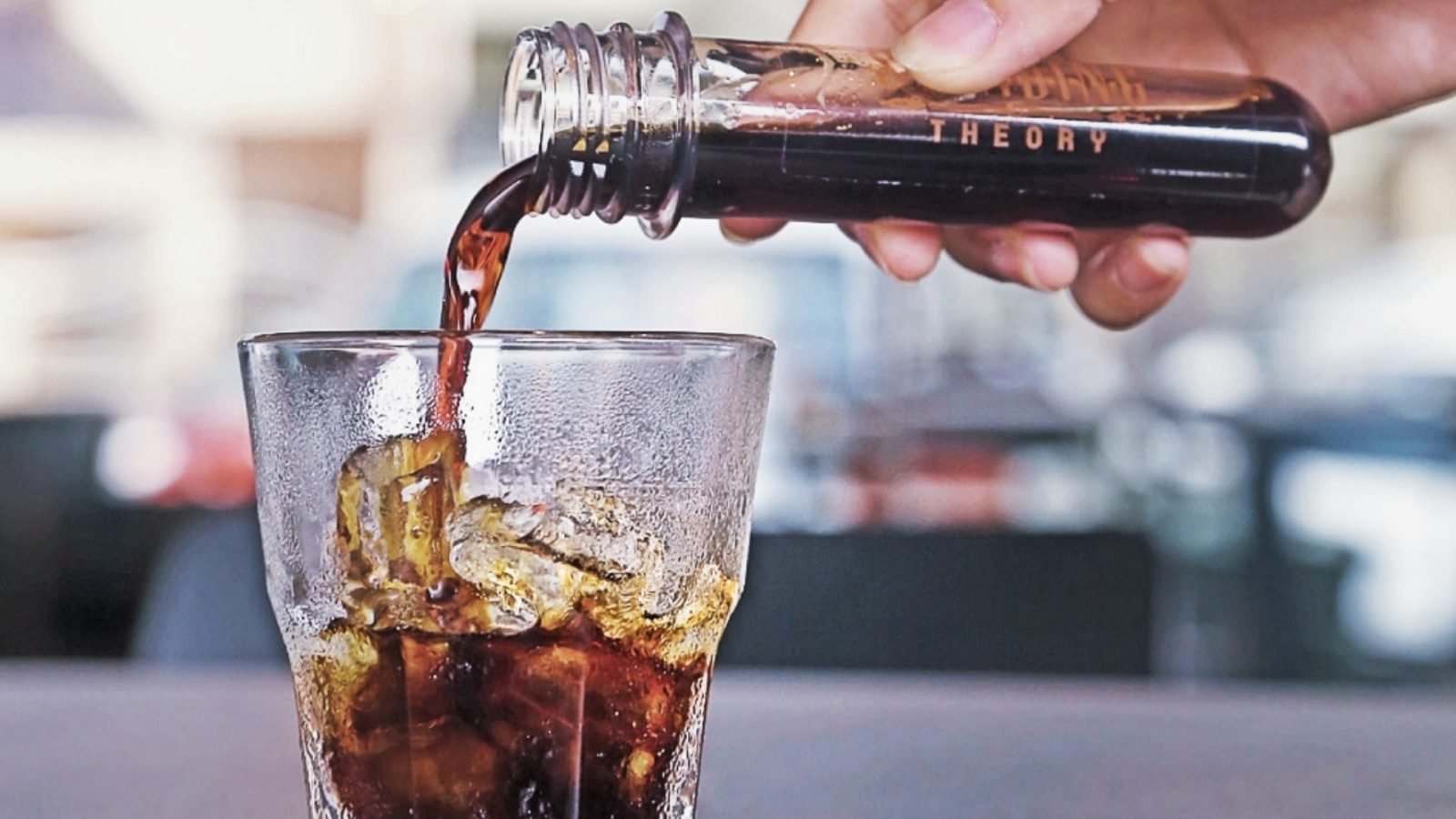
    Popularity of Cold Brew Coffee
    Popularity of Cold Brew Coffee

    A decade after the 2000s, the history of cold brew coffee witnessed staggering popularity ever, especially after the adoption of this coffee crafting by two major coffee shop chains – Starbucks and Dunkin Donuts. 

    Some reasons make cold brew so popular among coffee aficionados around the globe:

    1. Sweet and smooth taste

    Cold brew offers smoothness and sweetness in taste. If hot water generates acidity, cold water tends to be void of acids. That’s why cold brew makes a great pair with milk as milk complements a smooth and sweet taste. 

    2. Stable 

    Much more stable compared to hot coffee, cold brew is widely chosen for packaged beverages. 

    3. Longer shelf life

    For example, a keg (a small barrel or less than 30 gallons) of cold brew coffee may have about a 90-day shelf life. 

    4. Cost-effectiveness and ease

    In small or large batches, cold brew is relatively easy and cost-effective, even at home. The ease also has led to the invention of at-home cold brew machines. 

    More advanced technologies and machines

    The latest coffee-based technologies and machines have improved and reinvented cold brew, bringing it out to a larger market. 

    The Future of Cold Brew Coffee
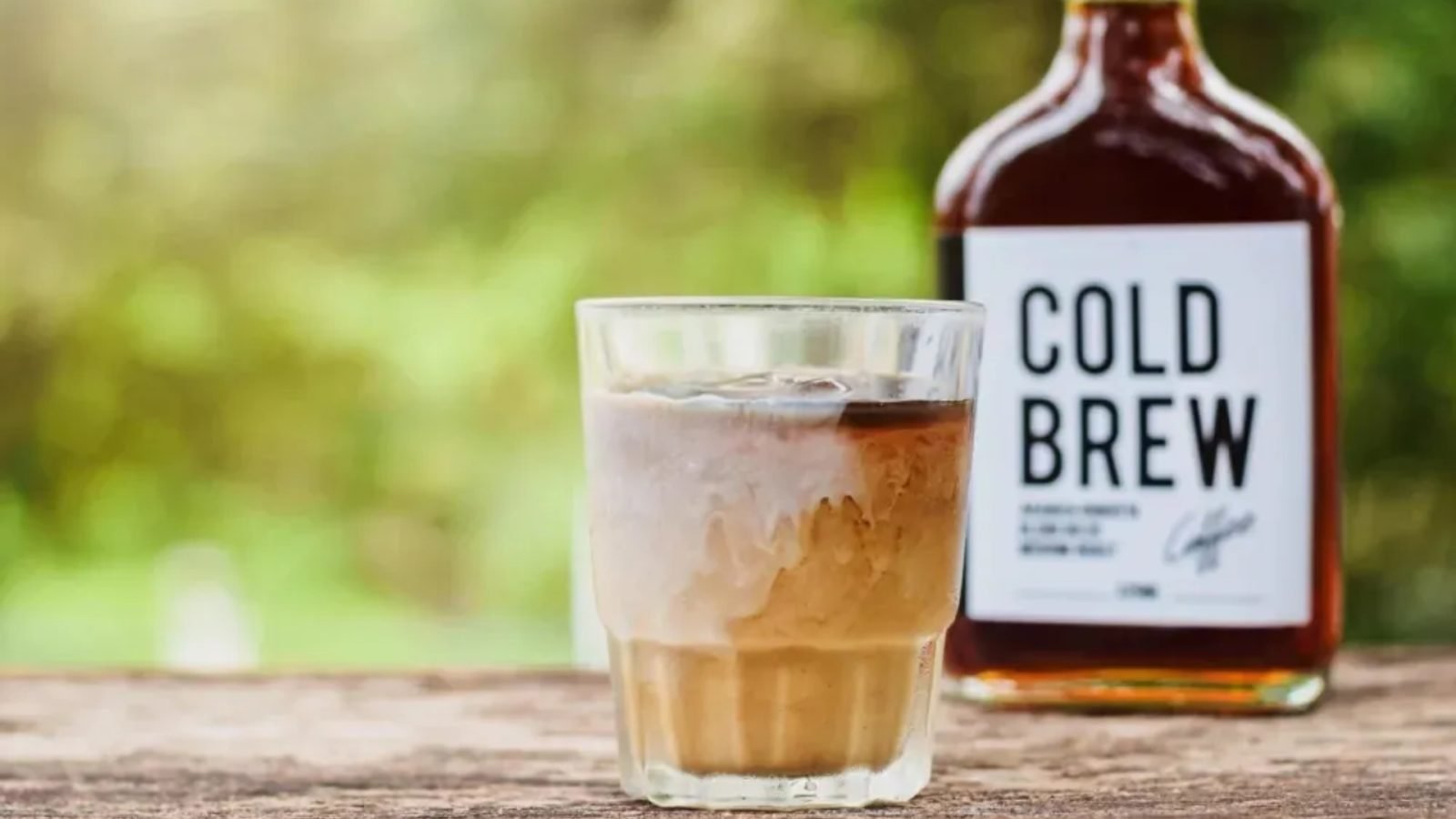
    Future of Cold Brew Coffee
    Future of Cold Brew Coffee

    Initially introduced as an elite drink in the industry of food service, cold brew has significantly shaken the coffee industry and history. New technologies and crafting methods have allowed the public, in general, to access and experience this once-exclusive beverage.

    As projected by Grand View Research, the popularity of cold brew does not seem to stop. Even, the global market of this unique coffee crafting can expect a growth of 25.1% in compound annual growth rate (CAGR) from 2019 to 2025. 

    A popular beverage in numerous specialty coffee shops, cold brew – the handcrafted and premium one – also has increasingly opened up profitable growth prospects for the world’s market. 

    The growing popularity of cold brew also can be attributable to the millennial those making up a sizable amount of the global coffee-drinking population. Cold brew can be a caffeinated alternative to soda or other artificially flavored or sweetened beverages. 

    Starting allegedly in Japan, the history of cold brew coffee has shown various makeovers and reinventions, peaking with its shocking popularity across the globe. Offering smoothness, sweetness, and low acidity, cold brew succeeds in appealing the old and young coffee drinkers, especially the millennials.
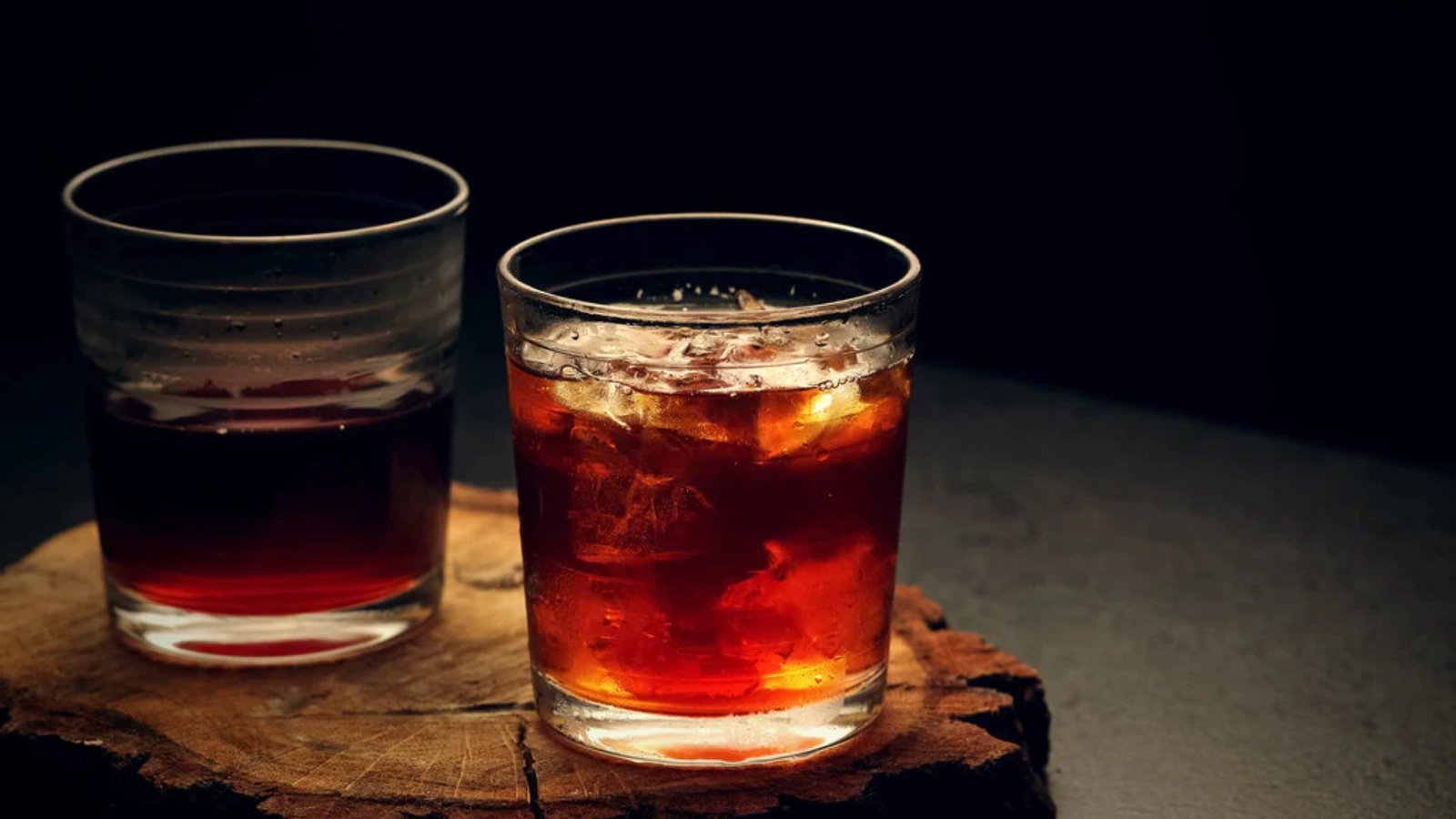
  • Cold Brew vs Hot brew: Everything You Need to Know

    Cold Brew vs Hot brew: Everything You Need to Know

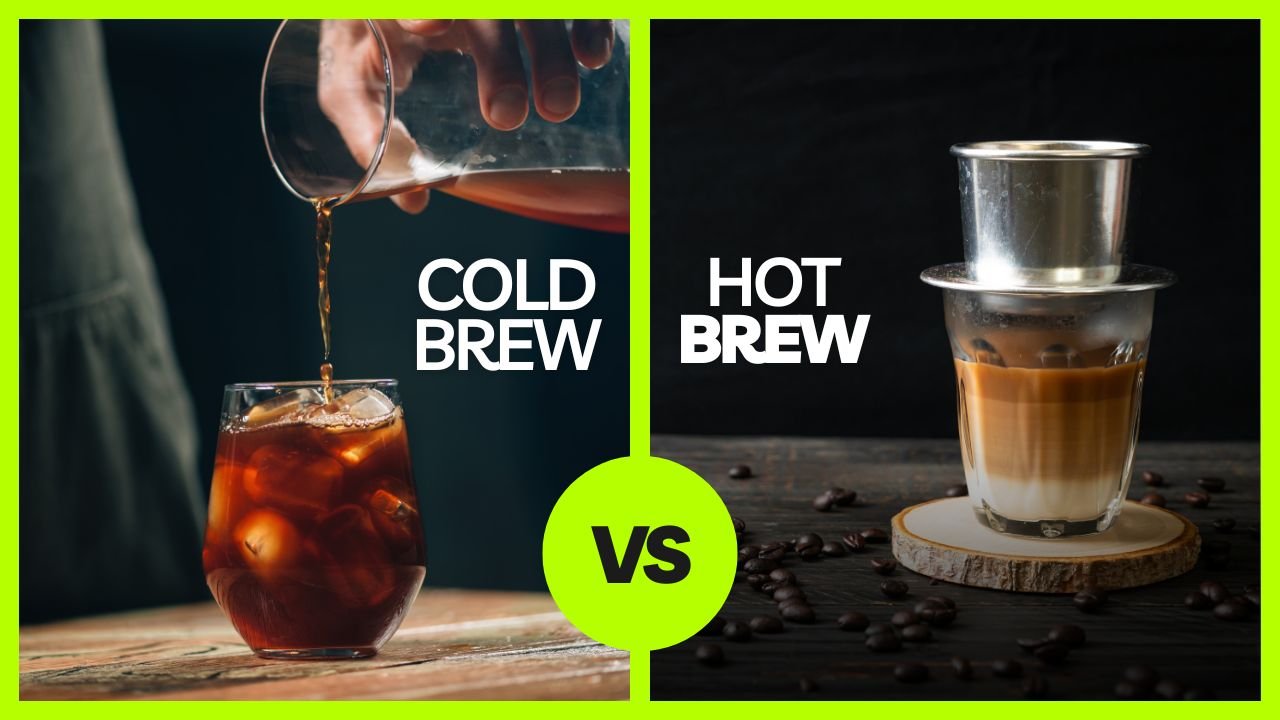
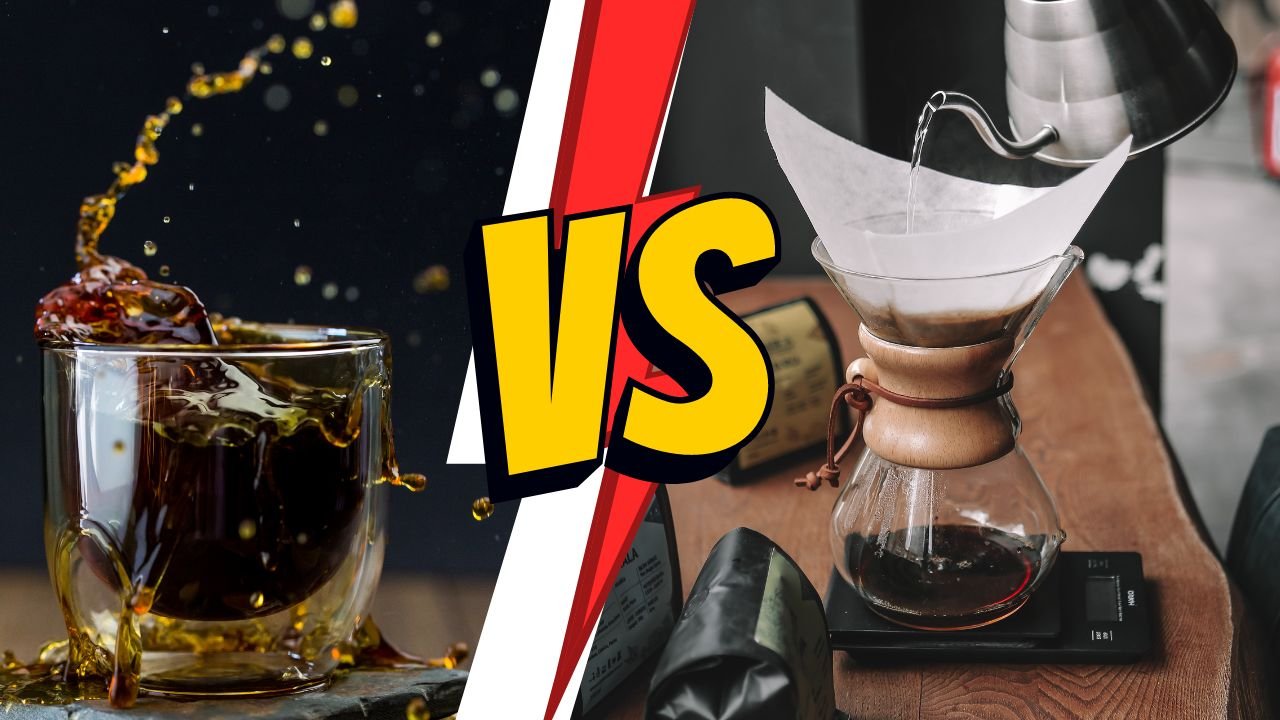
    Cold Brew vs Hot Brew

    Cold brew definitely owns a special place in coffee aficionados’ hearts. However, only a few know the essential differentiation between cold-brewing and hot-brewing coffee. Accordingly, we have collected this information to give you insight into the important distinctions and facts between cold brew vs hot brew.

    What Are The Definition of Cold Brew and Hot Brew 

    cold brew vs hot brew

    What is cold brew?

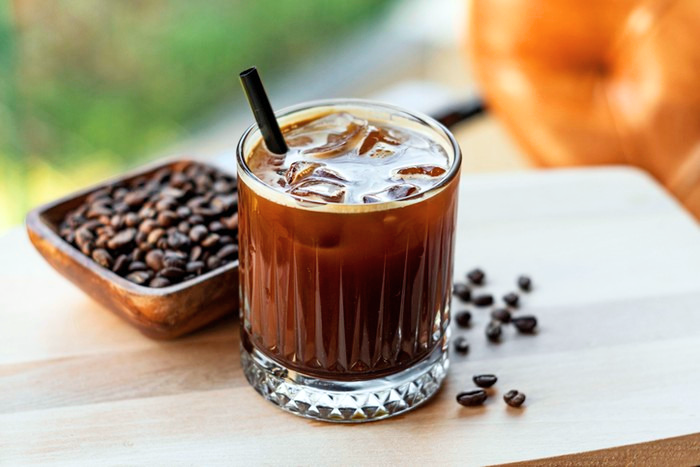
    Cold brew is made of ground coffee beans brewed with cold or room-temperature water for 24 hours. You can easily make this type of coffee at home and keep it in the refrigerator for up to 2 weeks. However, it should be noted that cold brew is totally different from iced coffee. That’s because iced coffee drinks are made by adding ice to freshly brewed coffee.

    What is hot brew?

    As the name suggests, hot-brewed coffee is made by brewing ground coffee beans with hot water. There are several tools commonly utilized to brew hot coffee, such as a drip machine or a French press coffee maker. The hot-brewing one is also fast to serve and the easiest to make.

    Cold Brew versus Hot Brew: Essential Distinctions to Know

    1. The Coffee Acidity Level 

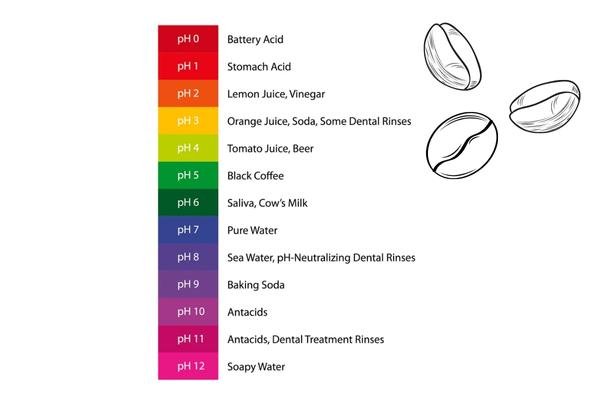
    Coffee Acidity Level Cold Brew vs Hot Brew

    Brewing ground coffee beans with hot or cold water will significantly affect their acidity. So, if you ask whether cold-brewing coffee is less acidic than hot-brewing one, the answer is yes. 

    Based on Thomas Jefferson University studies, a cold-brewing coffee has a slightly higher pH than a hot-brewing one. But still, you have to pay attention to some exceptions to this examination. That’s because the acidity of cold-brewed coffee can be a bit tricky, and the method chosen to brew your hot coffee also matters. 

    The pH of cold brew can vary from 5.10 to 6+, while espresso offers a ph of 4.9 to 6. To know the acidity level of coffee, you can use pH test strips. Meanwhile, the variety of acids in the coffee itself is eclectic, including citric acid, malic acid, phosphoric acid, acetic acid, tartaric, quinic acid, and chlorogenic acid.

    2. The Taste of Cold-Brewed and Hot-Brewed Coffee 

    Try to Taste of Hot Coffee

    Brewing techniques create a significant flavor difference in cold and hot brews. Aside from having a lower level of bitterness than hot-brewed coffee, cold-brewed one also has a smoother, rounded, and mellow taste. Meanwhile, hot brewing coffee offers a sharper, bitter, and direct flavor.

    3. The Caffeine Content in Cold-Brewing and Hot-Brewing Coffee 

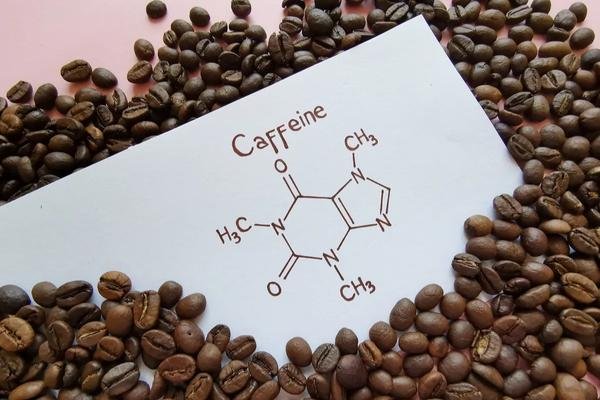
    Caffeine of Coffee

    Furthermore, many questions were raised about whether cold-brewed coffee has less caffeine than hot-brewed one. Referring to research by Caffeine Informer, ready-to-drink cold and hot brew coffee can have varying caffeine content. While the average cold-brewing coffee drink has 200 mg of caffeine per 16 fluid ounces (473 ml), regular hot coffee can contain 326 mg of caffeine at the same dose.

    Also Read: Decaf and Patented: Secret of Swiss Water Process Decaf Coffee

    4. Which One Is Easier to Mix?

    Coffee Mix

    Between cold brew and hot brew, which one is more flexible? Hot coffee is, for sure, very satisfying and cozy to sip. However, this kind of coffee isn’t considered flexible or easy to mix into other drinks. On the contrary, the cold brewing method can create a coffee concentrate easily blended with many different compounds. Because of this, many people agree that cold brew coffee is easier to mix into other tasty caffeine drinks.

    Cold Brew versus Hot Brew, Which One Is Stronger?

    Regarding health benefits, is cold brew better than hot brew? Or which one is stronger? Cold-brewing coffee has a stronger taste compared to hot-brewing one, but it can depend on how you prepare your hot coffee. If you use a regular recipe with a proportion of 1 (coffee) : 5 (water), cold-brewed coffee can contain 518 mg of caffeine per 236 ml. Meanwhile, standard drip coffee can contain 175 mg of caffeine per 236 ml. Then if you use a French press machine, your hot coffee can have roughly 204 mg of caffeine per 236 ml.

    Ergo, if you ask about cold brew vs hot brew coffee health, both have some differentiations in their health advantages. This is why it’s not necessary to determine who is the most healthy. For example, cold brew is the best choice for those with acid reflux or digestive issues; because its acidity level is less than hot brew. On the other hand, hot-brewed coffee offers higher levels of antioxidants that can prevent cancer and boost the body’s immunity.

    Also Read: Green Coffee Vs Black Coffee, Different and Which One is Better?

    Cold Brew vs Hot Brew, Which One Is More Pricey? 

    cold brew vs hot brew

    The cold brewing method needs more ground coffee beans. That’s why cold-brewing coffee is more pricey than hot-brewing coffee. As mentioned before, to make a perfect concentrated coffee using the cold-brewing technique, you have to use a proportion of 1:5. Because of that, don’t be surprised if the price for a cold brew coffee in a coffee shop tends to be costly. The process of making it takes a longer time, and there is also a load of electrical costs to be paid to ensure it’s refrigerated perfectly during its steeping process. Cold brew vs hot brew, each has its own advantages. So, it is not necessary to drop one of them.

  • You Must Try This Popular Kopi Joss from Yogyakarta, Indonesia

    You Must Try This Popular Kopi Joss from Yogyakarta, Indonesia

    Indonesia is land of various ethnicity and cultures. This includes the way Indonesian serve coffee. Since Indonesian cultures are so diverse, you can find many different traditional hot and iced coffee beverages while gallivanting around the country.

    Each region has produced a unique yet creative way to make coffee drinks. The distinctive methods of life of the local community caused this. Moreover, each island of Indonesia is famous as a major coffee producer. For example, Sumatra island is known for its Robusta coffee from Bengkulu and Mandheling coffee from North Sumatra. Kopi Luwak from Sumatra and Java islands is the most popular and expensive.

    Many locals and foreigners favour several Indonesian coffee drinks. If you are an avid coffee lover and plan to visit Yogyakarta City, we recommend these hot and iced coffee beverages popular in the city. Take the chance to have a taste!

    What is Kopi Joss?

    The Indonesian word for coffee is “kopi.” Hence, we will call this hot coffee drink by its original name. This hot coffee is a unique drink from Yogyakarta, Indonesia. This is not your usual coffee because Kopi Joss uses literal charcoal as one of the ingredients. This is the traditional Java method of serving hot coffee.

    This charcoal coffee (the non-native’s term for the coffee) is started by pouring boiling water straight into the coffee grounds in a glass. Sometimes, people choose to add sugar or condensed milk to the glass. Then, burnt charcoal is added on top of the coffee.

    You can find this coffee in many local food stalls in every crook of Yogyakarta City, especially at Tugu Muda, Malioboro, and Yogyakarta Station. Local food stalls in Yogyakarta refer to the wheelbarrow pushed by people, or simple food stands called angkringan. These food stalls are usually open during the night until dawn. The price for each cup is only IDR 5,000.

    Who Invented This Coffee Drink?

    An order started the invention of this charcoal coffee from the machinist at Tugu Station. The first food stall that made this coffee was Angkringan Lik Man in the late 1980s. A machinist then asked for a hot coffee drink by boiling the water in a can or klotok.

    Then, Lik Man (the owner) made the coffee and served it straight away. However, he added burnt charcoal because he thought it would cook the coffee more cooked by adding it. To his surprise, the machinist loved this coffee.

    Afterwards, Link Man started to offer this coffee drink to others. Many people liked the coffee due to its unique way of serving. To this day, this Yogyakarta coffee has become one of the most famous traditions in the region, even in Indonesia.

    The Health Benefits

    Ever since Kopi Joss received massive attention, many argued that this way of serving coffee could be fatal to someone’s health. However, this Yogyakarta coffee has several benefits for improving health.
    Activated charcoal is very effective in cleansing the body of many toxins. It has many health benefits, such as reducing abdominal cramps, flatulence, and bloating. In addition, activated charcoal can restore body condition when suffering from a cold. Moreover, the coffee drink can warm the body from the cold temperature of Yogyakarta during the night!

    The diversity of Indonesia culture has brought many innovative ways for the locals to create something new, especially in coffee. A random order from a customer in Yogyakarta created the unique coffee drink we know today.

  • Specialty Coffee Drinks at Home

    Specialty Coffee Drinks at Home

    Coffee is no longer a necessity but has become a lifestyle. In addition to being a mood booster, coffee can also help us be excited about carrying out activities—no need to go to a coffee shop. Now you can make your specialty coffee drinks but make them like an expert at home. However, we must also pay attention to how much coffee we drink so as not to harm our health.

    Best Specialty Coffee Drinks at Home

    You do not need to have branded or high-tech coffee maker. No matter what coffee maker you use, the most important thing is using fresh coffee beans. According to A couple cooks, here is the best specialty coffee drinks that you can make easily at home:

    1. Espresso

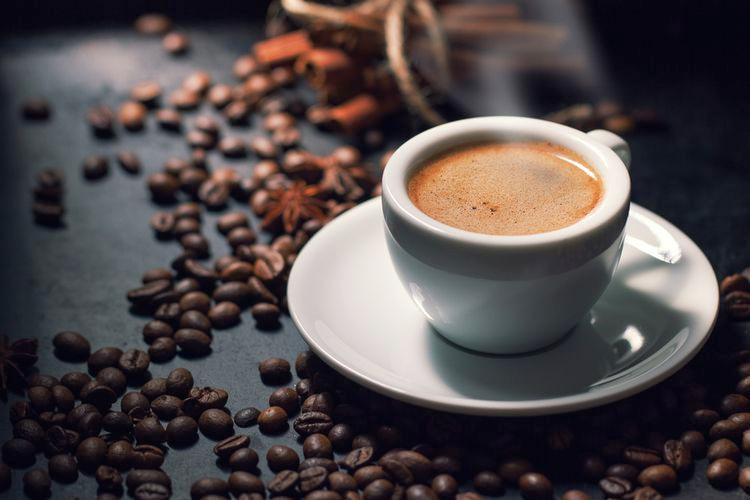
    Espresso Coffee

    This is the most basic coffee drink, usually served in demitasse or special espresso cups in 30 milliliters (one shot) to 118 milliliters. Espresso has a thick and bitter texture, with a white foam or crema on top that is formed from the oil pressure in the coffee beans.

    2. Americano

    Hot Americano

    An Americano consists of a single shot of espresso poured into a 178-milliliters cup mixed with hot water to fill the glass. Another type is doppio, a sip of Americano with two espresso shots. This drink is often served hot or cold and is called an iced Americano.

    3. Macchiato

    caramel macchiato

    If you don’t enjoy coffee that tends to be bitter, you can order a macchiato as an alternative. The ratio of steamed milk in this drink is more than the espresso, so there is a touch of milky and savory.

    4. Cold Brew

    "<yoastmark

    Cold brew is made using the “soaking” method for at least 8 hours. It is never exposed to heat (temperature), so it does not participate in extracting the acidity character of the coffee. In addition, the results of cold brew also tend to feel lighter and unique.

    5. Latte

    Coffee Latte

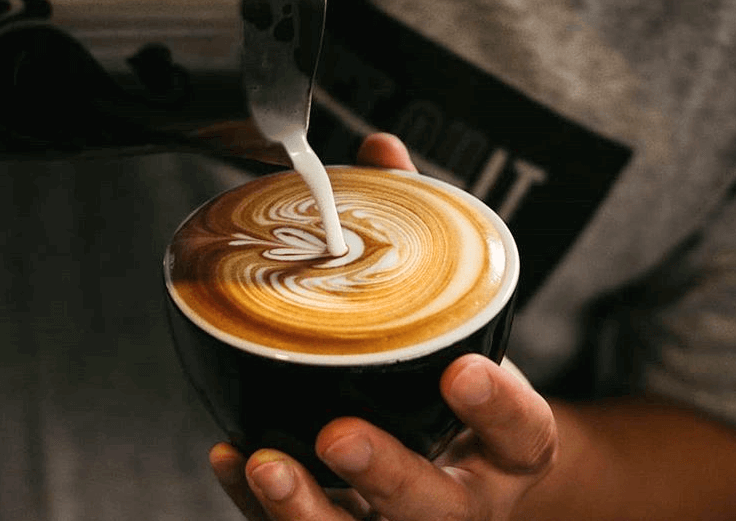
    Latte usually uses a 2:1 ratio of espresso and milk. In addition to its delicious taste, a latte is generally served in a cup with a beautiful motif or what is called latte art.

    Do you want to be an expert barista at home? Most importantly, use high-quality ingredients that you can get in here.

    – Kania Rana Deli

  • Here’s How to Grind Coffee Beans Best!

    Here’s How to Grind Coffee Beans Best!

    Here's How to Grind Coffee Beans Best!

    A cup of coffee… A cup of coffee… A cup of coffee… a drink adored worldwide and a way of life for its fans. On the same side, some people think that coffee is identical to a drink with no health benefits. However, this view does not seem to affect coffee connoisseurs. Here’s everything you need to know about how to grind coffee beans and the best scoops per cup.

    How Many Scoops Of Coffee Per Cup

    The most important thing to know is the acidity of the coffee, so it doesn’t affect stomach acid. If you feel the coffee you are brewing still doesn’t taste good, try checking the hot water you use for brewing. Make sure the water is just boiling, not the one stored in the thermos. Making 6 ounces of brewed coffee takes as much as 11.25 grams of ground coffee (equivalent to 2 tablespoons) with water. 

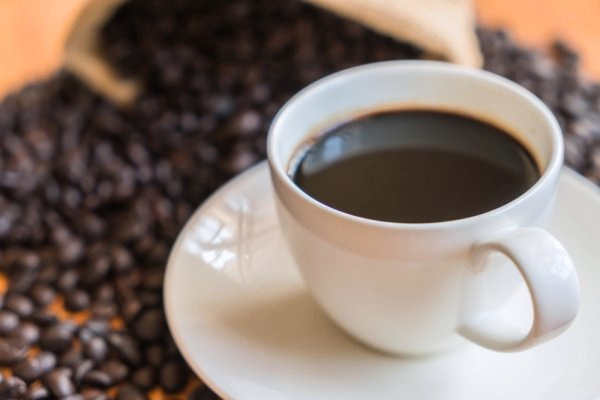
    Scoops of A Cup of Black Coffee (Black Coffee):

    • Two teaspoons of ground coffee.
    • Two teaspoons of sugar

    While the Scoops For Coffee Milk (Coffee Milk):

    • Two teaspoons of ground coffee.
    • One teaspoon of granulated sugar
    • Two teaspoons of powdered milk

    How To Grind Coffee Beans

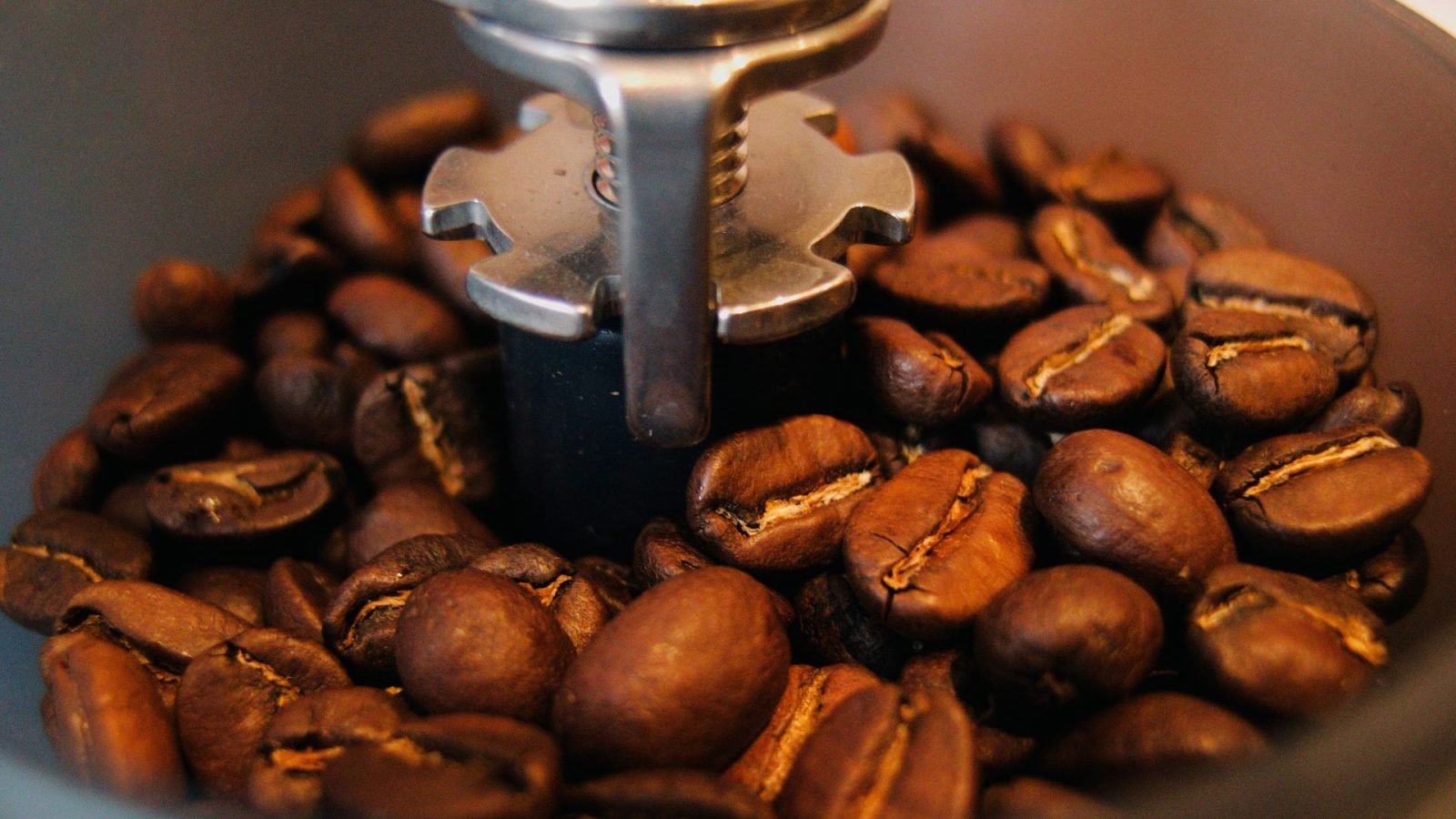
    How to grind coffee beans at home is very pleasant for coffee lovers. Because by grinding your coffee beans at home, you will no longer worry about losing the aroma and taste of each type of coffee beans. In addition, by grinding coffee beans at home, you can also try various manual brewing methods using Indonesian Arabica coffee.

    On this occasion, we will give tips on grinding coffee properly. Here are the tips you need to know:

    1. Never Pre-Grind

    Ground coffee has a longer shelf life than whole coffee beans. We recommend purchasing roasted beans rather than ground coffee so you can grind them yourself at home before brewing the coffee. How to grind coffee beans needs to start with your coffee beans kept away from sunlight and stored in an airtight container to maintain the quality of the coffee.

    2. Maintaining Consistency

    Consistency is vital when it comes to grinding coffee beans. The Consistency you need for your coffee grounds depends on how you brew it. Sure grinding Consistency works best with specific coffee brewing methods to give you the best cup.

    How to Grind Coffee Beans To Produce Peak Flavour

    You must have felt the taste of coffee that does not disappear from your memory, right? It could be the coffee that has the ideal extraction. The ideal extraction can occur due to several things, such as the Consistency of the grind size, the water used, the water temperature, and the water ratio to coffee.

    There are several levels of grind that you should know about, including:

    • Coarse / Coarse: The grind size is similar to the size of sea salt and is usually used for brewing using a French Press and cupping.
    • Medium: Similar to sand is this medium mill size. Pour-over brewing may be done with a medium grind size.
    • Fine: This grind resembles table salt in size. For brewing espresso, Moka pot, and Aeropress, utilize fine grind size.
    • Very Fine: The size of this mill is as fine as flour. The fine grind size suits the Ibrik brewing method or Turkish coffee.

    Also, only some grinders can produce the same coffee grind. That’s why we have to adjust the grinder to produce the level of fineness we want. Coffee brewing experiments, like gaining new concepts, are required to achieve the best outcomes.

    How FnB Tech Indonesia Grind Coffee Beans?

    You don’t have to worry about how to grind coffee beans perfectly because our Robusta beans, Arabica beans, and even our Green beans are perfect. A home grinding can slay it all! With the expertise of coffee farmers throughout Indonesia, FnB Tech Indonesia successfully produces, distributes, and delivers to you all coffee connoisseurs the best quality beans.

  • Do Coffee Beans Expire? Here’s What You Need To Know!

    Do Coffee Beans Expire? Here’s What You Need To Know!

    Before drinking coffee, it’s a good idea to check it first. Do coffee beans expire? Has your coffee still drinkable? It is important so that unwanted things don’t happen in the future.

    Do Coffee Beans Expire?

    Whole seeds can keep for three to nine years in the freezer if they are carefully kept without opening and put in containers with a degassing valve and many layers. But even so, if you store it wrong, the coffee beans will lose their quality in about six months.

    Characteristics of Expired Coffee 

    do coffee expire?

    1. The Smell of Coffee

    Do coffee beans expire? Yes, coffee is still drinkable, has the usual coffee scent’s aromatic aroma, and does not smell musty. Before drinking coffee, it’s a good idea first to sip the coffee to ensure it is in a drinkable condition.

    2. Krema

    When brewing coffee, you will find a layer resembling foam on a golden brown colour surface. The crema is the name of this stratum. Usually, the cream colour is slightly faded, and the thickness is somewhat reduced. Using krema, you can determine whether the coffee is fresh. If the coffee used is not fresh.

    3. Sluggish

    If storing coffee in the form of beans that have been roasted or commonly called roast beans, make sure the coffee beans are in decent condition. The way to find out “do coffee beans expire” or not is simply by taking a sample of one of the coffee beans and then biting or pressing it with your fingernails. Good coffee beans that are still worth using will look crispy and not tough.

    4. Expiration Date

    Before brewing coffee, ensure it is within the expiration date listed on the packaging.

    To get delicious and suitable coffee for consumption, visit our website at Official FnB Tech; produced by Indonesian coffee brewers, we provide various coffee products, arabica, robusta, and green coffee.

    Coffee Expiration

    Undoubtedly, coffee is the most delicious drink in the world. The taste and aroma combine perfectly to create incomparable natural pleasure. There are various kinds of coffee in the market, ranging from raw coffee beans (green beans) and roasted coffee beans (roasted beans) to coffee grounds ready to be brewed. You can buy it as needed.

    Do coffee beans expire? The expiration date of coffee varies according to its form. The longest-lasting food is green beans, which may be kept in storage for up to a year. Meanwhile, roasted coffee (roasted beans) has a shelf life of up to 5-6 months from the roasting date. It’s different from ground coffee. Ground coffee in cans can be stored for more than two years. But once the lid is opened, the expiration date of this coffee powder only reaches one month.

    Where Do You Get A Good Quality Coffee Bean?

    Want to buy authentic Indonesian coffee? FnB Tech is the place! Established in 1999 in Medan, North Sumatra, we are proud to provide the sensation of premium coffee beans from all over Indonesia. Original Indonesian Arabica coffee, Aceh Gayo Arabica Specialty, Kalosi of all grades, Bali Kintamani Arabica Specialty, Flores Specialty Arabica, Java Specialty Arabica, Mandheling Sumatran Arabica, and Toraja Arabica Specialty. 

    To get more content about coffee, check our Instagram.