Category: Coffee Drink

  • A Comprehensive Guide to Espresso Drinks: Exploring the World of Coffee Delights

    A Comprehensive Guide to Espresso Drinks: Exploring the World of Coffee Delights

    If you’re a coffee enthusiast, you probably understand that the world of espresso drinks can be quite complex and exciting. From the intense and concentrated flavors of black coffee to the creamy delights of milk coffee, there’s a vast array of options to satisfy every coffee lover’s taste buds. In this article, we will take you on a journey through the various espresso drinks, discussing their preparation, unique characteristics, and popularity.

    espresso drinks

    Also Read: Unroasted Green Coffee Beans: Better Tasting Espresso

    Exploring Black Coffee Espresso Drinks

    Single Espresso – The Essence of Coffee Intensity

    The Single Espresso stands as the pinnacle of coffee intensity, boasting unmatched richness and depth in the world of coffee. Crafted with precision and skill, this concentrated elixir captivates the senses with every sip. The barista’s artistry comes to life as they weigh and tamp the finely ground coffee, ensuring a perfect extraction.

    As the hot water flows through the grounds under pressure, the result is a bold and velvety brew graced with notes of dark chocolate, caramel, and nutty nuances. Each gentle stir before sipping harmonizes the layers, awakening the palate to an array of flavors that linger long after the last sip.

    For true coffee aficionados, the Single Espresso is more than a beverage—it’s a cherished ritual, a moment to savor the mastery of coffee-making. With its allure and complexity, this extraordinary shot embodies the essence of coffee culture. So, whenever you crave the finest coffee intensity, indulge in the timeless pleasure of a Single Espresso—a treasured favorite for connoisseurs around the globe.
    espresso drinks
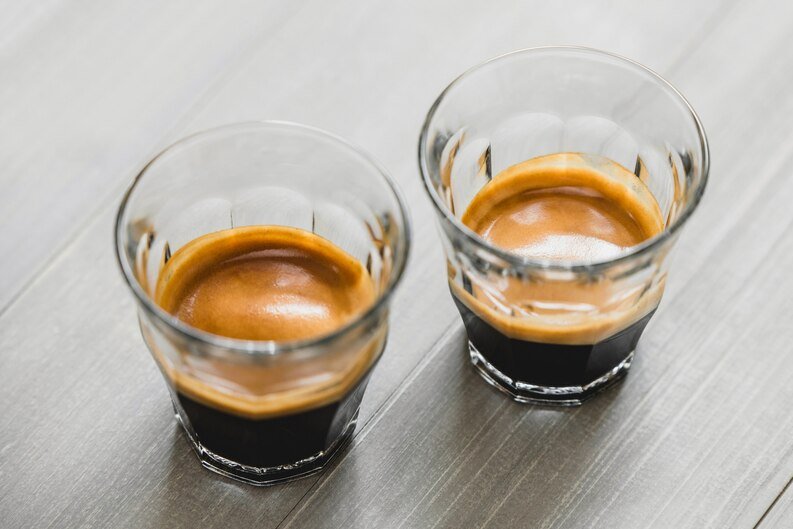
    • Served in a small cup, Single Espresso offers a rich and smooth taste.
    • Typically, two espresso shots are produced simultaneously from one spout.
    • The volume of a Single Espresso ranges from 20 to 30 milliliters (ml) or grams, with 21 grams being a common measurement.
    • Before sipping, it’s advisable to stir the espresso to ensure all layers mix harmoniously.

    Double Espresso – More Kick, Same Intensity

    For a bolder coffee experience without compromising intensity, the Double Espresso is the perfect choice. With twice the caffeine punch of a Single Espresso, this concentrated shot boasts rich flavors and a velvety texture. Ideal for those seeking an energizing pick-me-up, the Double Espresso remains a timeless favorite in the world of coffee.

    Crafted using the same precision and artistry as its single counterpart, the Double Espresso starts with finely ground coffee beans carefully measured, usually around 21 grams. The barista tamps the coffee grounds evenly in the portafilter, creating the ideal foundation for extraction.

    As the espresso machine unleashes its powerful force, hot water flows through the compacted grounds at high pressure, extracting the essence of the coffee beans. The result? Two shots of concentrated coffee, each typically measuring around 20 to 30 milliliters.
    espresso drinks
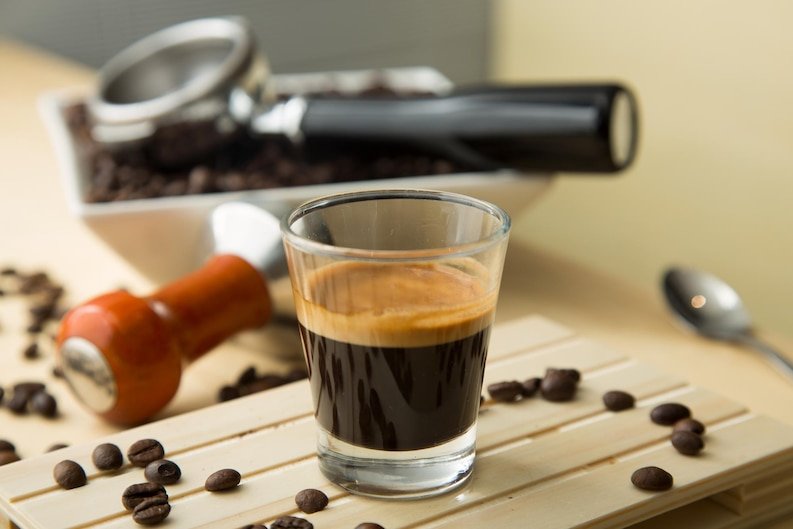
    • For those seeking a slightly larger serving without compromising intensity, Double Espresso or Espresso Doppio is the go-to choice.
    • It follows the same recipe as Single Espresso but uses a bigger cup. Often the one used for Cappuccinos.
    • Ordering a Double Espresso can sometimes be more cost-effective than two Single Espressos.

    Americano – A Diluted Delight

    For coffee enthusiasts seeking a milder yet satisfying experience, the Americano is the go-to choice. Crafted by diluting a shot of Espresso with hot water, this beverage retains the delightful characteristics of Espresso while offering a more approachable intensity. Served in a larger cup, the Americano provides a smooth and balanced flavor profile that captivates the palate. Whether enjoyed in the morning or as an afternoon indulgence, this diluted delight remains a popular favorite among coffee lovers worldwide.

    espresso drinks
    • For those who prefer a milder coffee experience, Americano is an excellent choice.
    • It involves adding 100 to 120ml of hot water to an Espresso shot, resulting in a less intense but flavorful drink.

    Lungo – The Longer Espresso

    For those who crave a longer and more leisurely coffee experience, the Lungo is the perfect choice. This extended version of Espresso is achieved by adjusting the grind or adding extra hot water, resulting in a larger shot, typically around 30 to 40 grams. The Lungo maintains the rich flavor characteristics of Espresso but offers a milder and more diluted taste, allowing coffee enthusiasts to savor the essence of coffee over a more extended period. Whether enjoyed on its own or blended with milk, the Lungo offers a delightful and versatile coffee experience that caters to varying preferences.
    espresso drinks
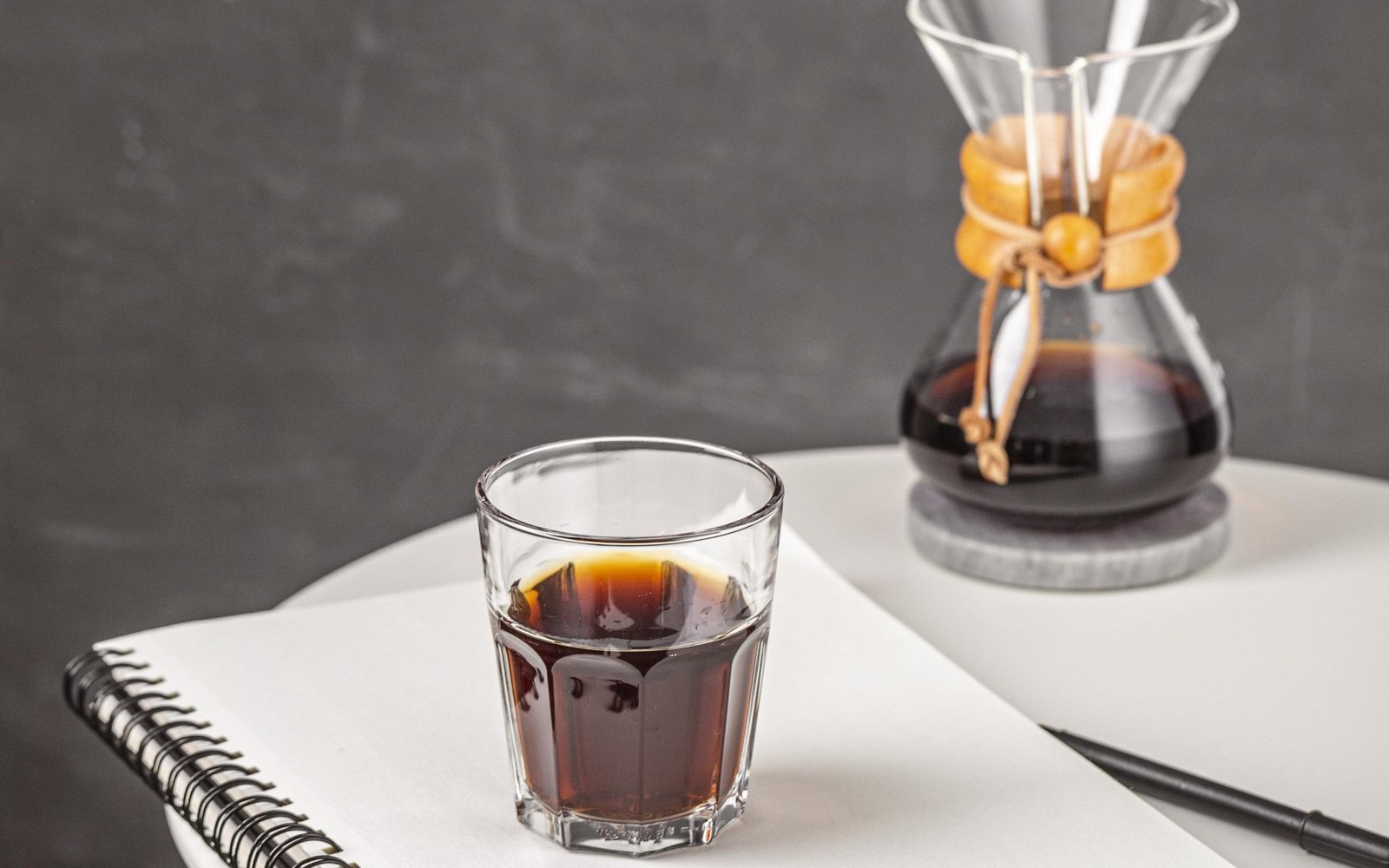
    • Lungo offers a longer and less intense Espresso experience.
    • It can be achieved by adjusting the grinder and running a longer shot or by adding extra hot water to a regular Espresso.
    • The customer can dilute it according to their preferred taste.

    Filter Coffee – A Non-Espresso Black Option

    For those who prefer a black coffee alternative to espresso-based drinks, the Filter Coffee is the perfect choice. Unlike espresso, this method involves brewing coffee by hand or using a batch brewer, resulting in a more refined and less intense flavor profile. Served in a larger cup, Filter Coffee offers a satisfying and enjoyable coffee experience for those seeking a big cup of rich and flavorful black coffee. As it cools down, the flavors develop and evolve, making every sip a delightful journey into the world of coffee enjoyment. Whether savored in the morning or as a comforting afternoon treat, Filter Coffee remains a beloved option among coffee enthusiasts seeking a non-espresso experience.

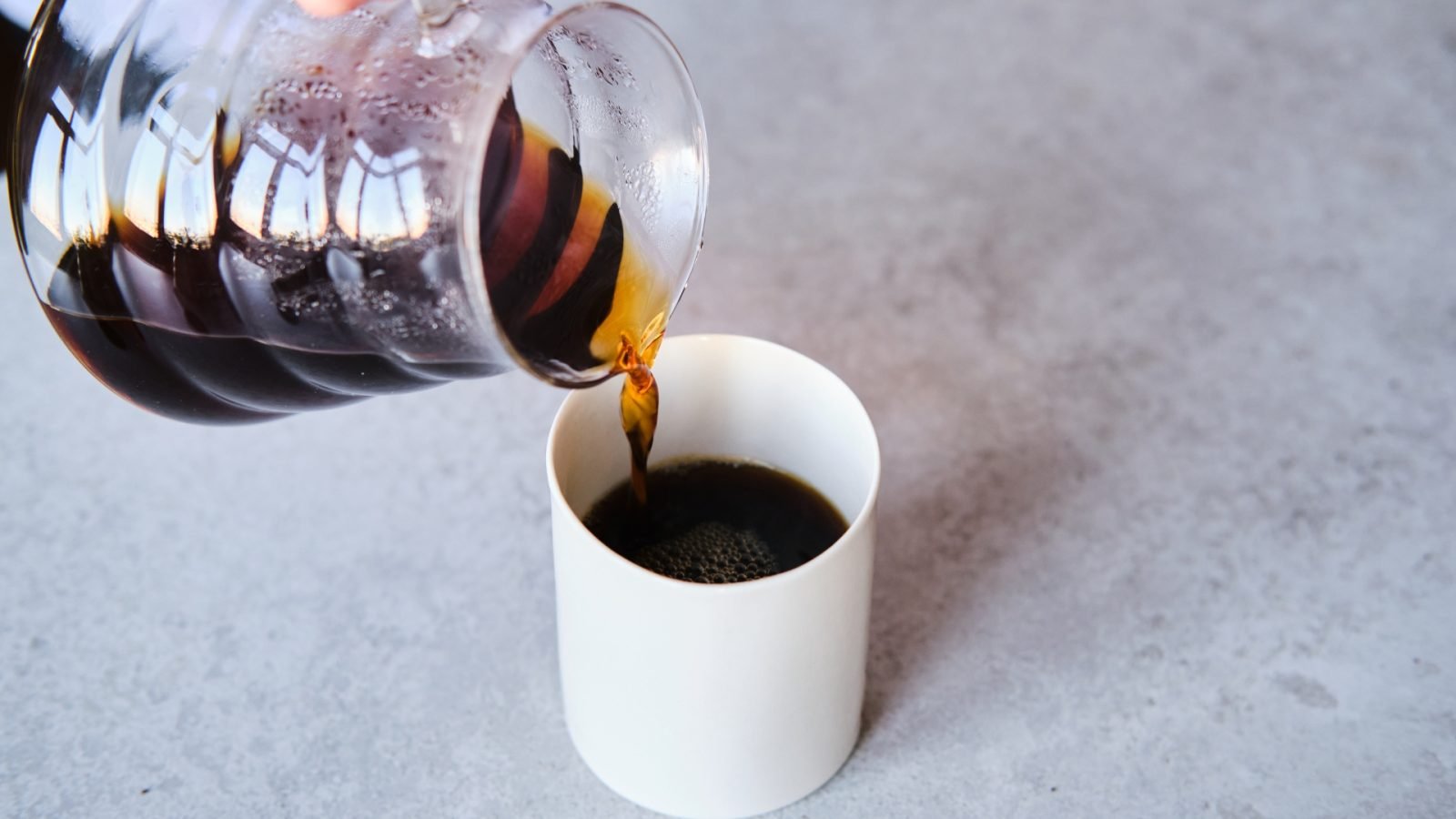
    • Though not produced with an espresso machine, Filter Coffee or Batch Brew is a great alternative for those desiring a larger cup of black coffee.
    • It provides a more refined and less intense flavor, which evolves as the coffee cools down.

    Also Read: Perfect Me Time! 4 The Best Way to Enjoy Coffee

    Indulging in Milk Coffee Espresso Drinks

    Cappuccino – A Global Favorite

    Among the wide variety of coffee beverages, the Cappuccino stands out as a timeless and beloved classic that is cherished by coffee enthusiasts all over the world. This iconic coffee drink combines a single shot of Espresso with delicately frothed milk, creating a delightful balance of flavors.

    The key to crafting a perfect Cappuccino lies in achieving the ideal ratio between coffee and milk, typically around 1:6 or 1:7. Baristas skillfully steam and froth the milk to create a creamy and velvety texture while the bold flavors of the espresso shine through with each sip.

    Whether enjoyed as a morning ritual or a comforting afternoon indulgence, the Cappuccino holds a special place in the hearts of coffee lovers everywhere. With its rich flavor, creamy texture, and enticing aroma, it remains an enduring favorite that unites coffee enthusiasts across cultures and continents.
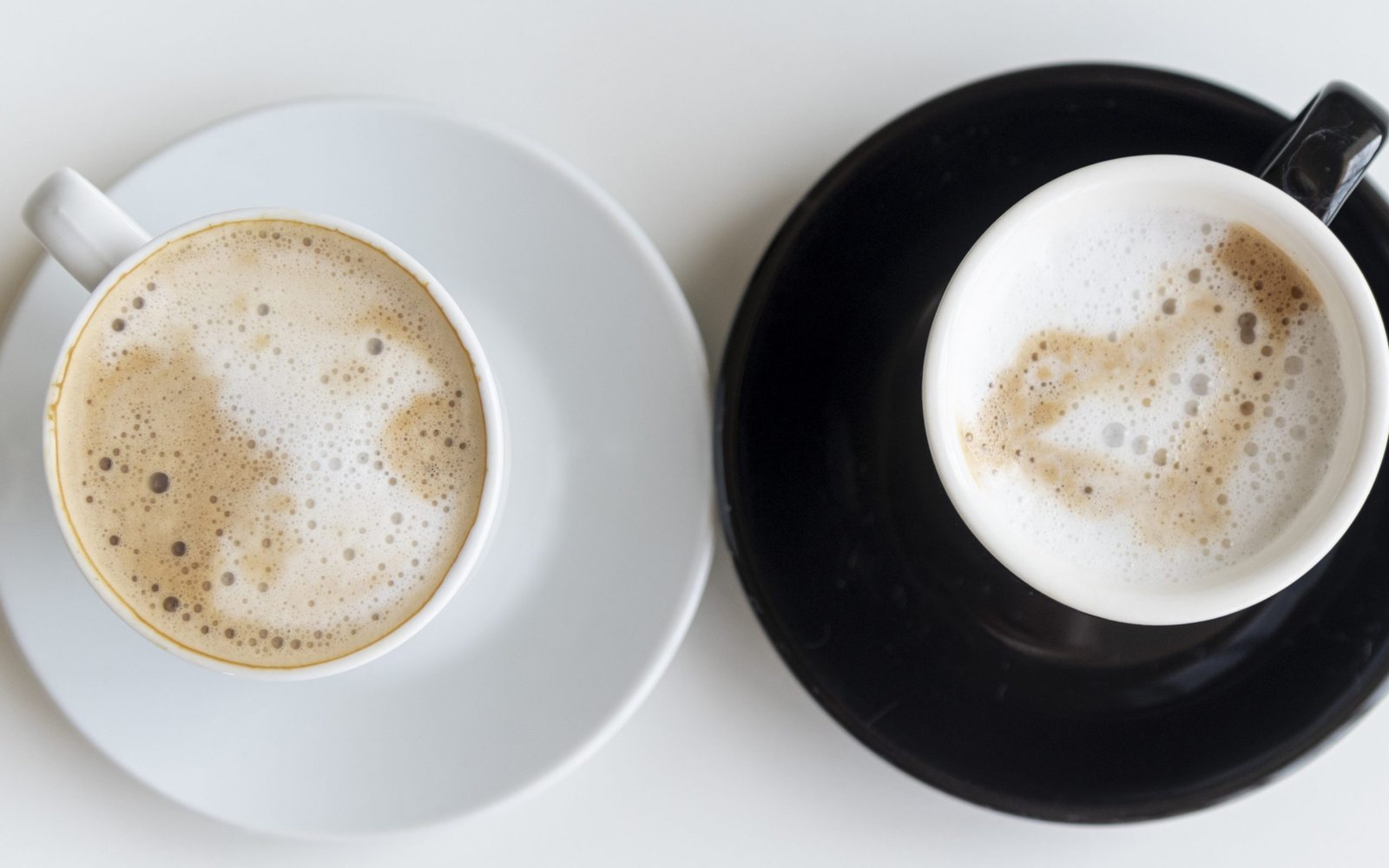
    espresso drinks
    • Perhaps the most beloved coffee drink worldwide, Cappuccino combines a single shot of Espresso with foamed milk.
    • The ratio of coffee to milk may vary between cafes and the size of their cups.
    • The artful latte designs created by skilled baristas add to the charm of this beverage.

    Espresso Macchiato – A Dash of Milk

    For coffee enthusiasts who appreciate a bold shot of Espresso with a touch of milk, the Espresso Macchiato is the perfect choice. This delightful coffee drink is served in a small espresso cup, where a single shot of Espresso is artfully mixed with just a little bit of frothed milk.

    The Espresso Macchiato offers a wonderful balance between the intensity of Espresso and the smoothness of milk, creating a harmonious and satisfying coffee experience. It is the perfect choice for those who desire a gentle variation of the classic Espresso, allowing them to appreciate the richness of the coffee with a hint of milk.
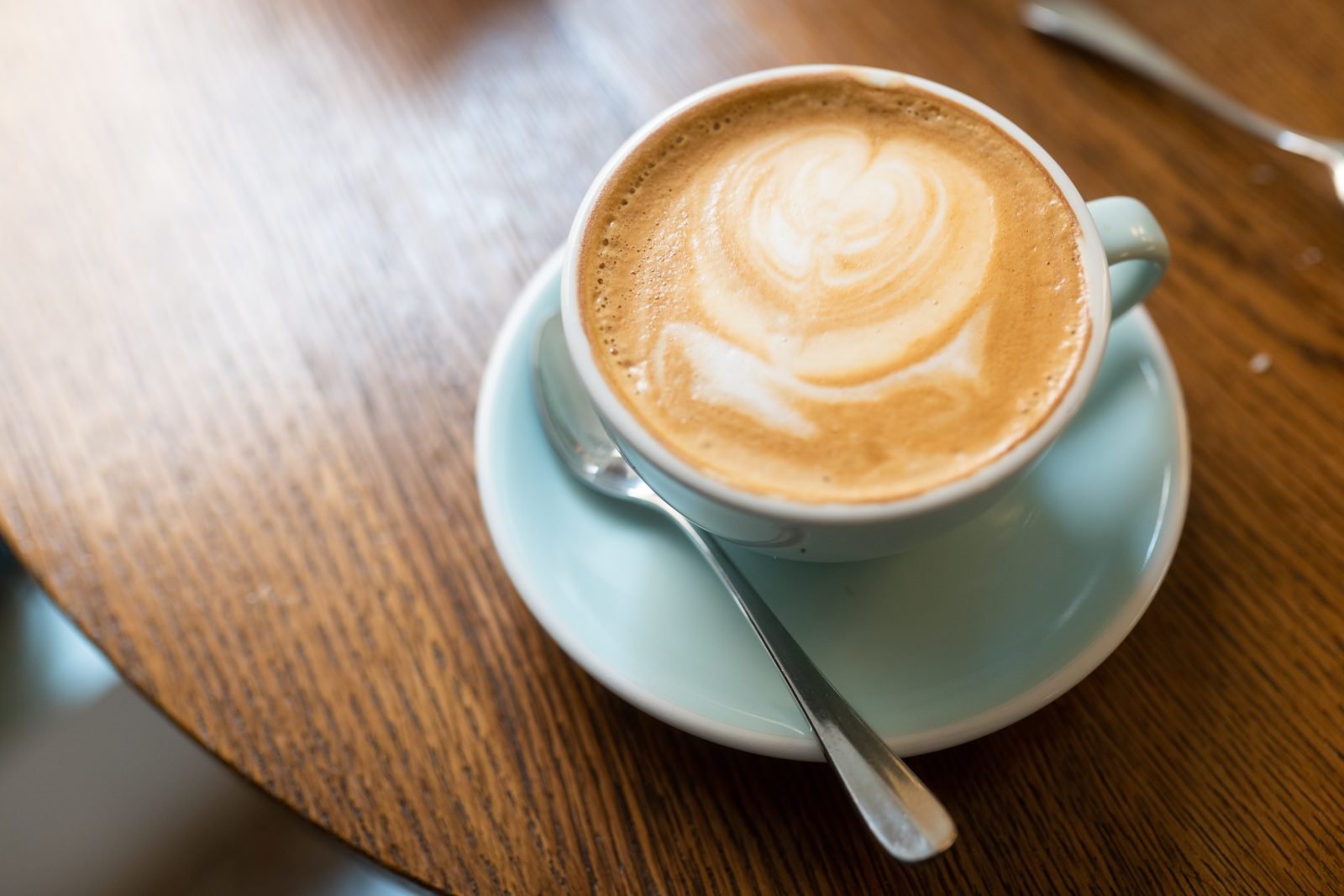
    espresso drinks
    • For those seeking a stronger coffee taste with a touch of milk, Espresso Macchiato is a delightful option.
    • Served in a small espresso cup, it features a single shot of Espresso mixed with a small amount of foamed milk, usually with a 1:1 or 1:2 ratio.

    Cortado or Piccolo – A Petite Milk Espresso

    Cortado or Piccolo, often used interchangeably, is a delightful and petite milk espresso drink that has gained popularity among coffee enthusiasts. This charming beverage blends a single shot of Espresso with a small amount of steamed milk, resulting in a balanced and mellow flavor profile. The Cortado or Piccolo is served in a glass cup, allowing the beautiful contrast between coffee and milk to be admired. This petite milk espresso is perfect for those seeking a lighter coffee experience without sacrificing the rich essence of a well-crafted Espresso.

    The Cortado or Piccolo is cherished for its versatility and adaptability. Its smaller size makes it an ideal choice for those who prefer a more concentrated coffee but with a hint of milk. The drink’s name, “Cortado,” originates from the Spanish word “cortar,” meaning “to cut,” which refers to the milk “cutting” through the Espresso. In contrast, “Piccolo” is an Italian word meaning “small” or “little,” reflecting its petite nature. Whichever name it goes by, the Cortado or Piccolo offers a delightful balance of flavors, making it a favored choice for coffee enthusiasts seeking a delightful and refined milk espresso experience.
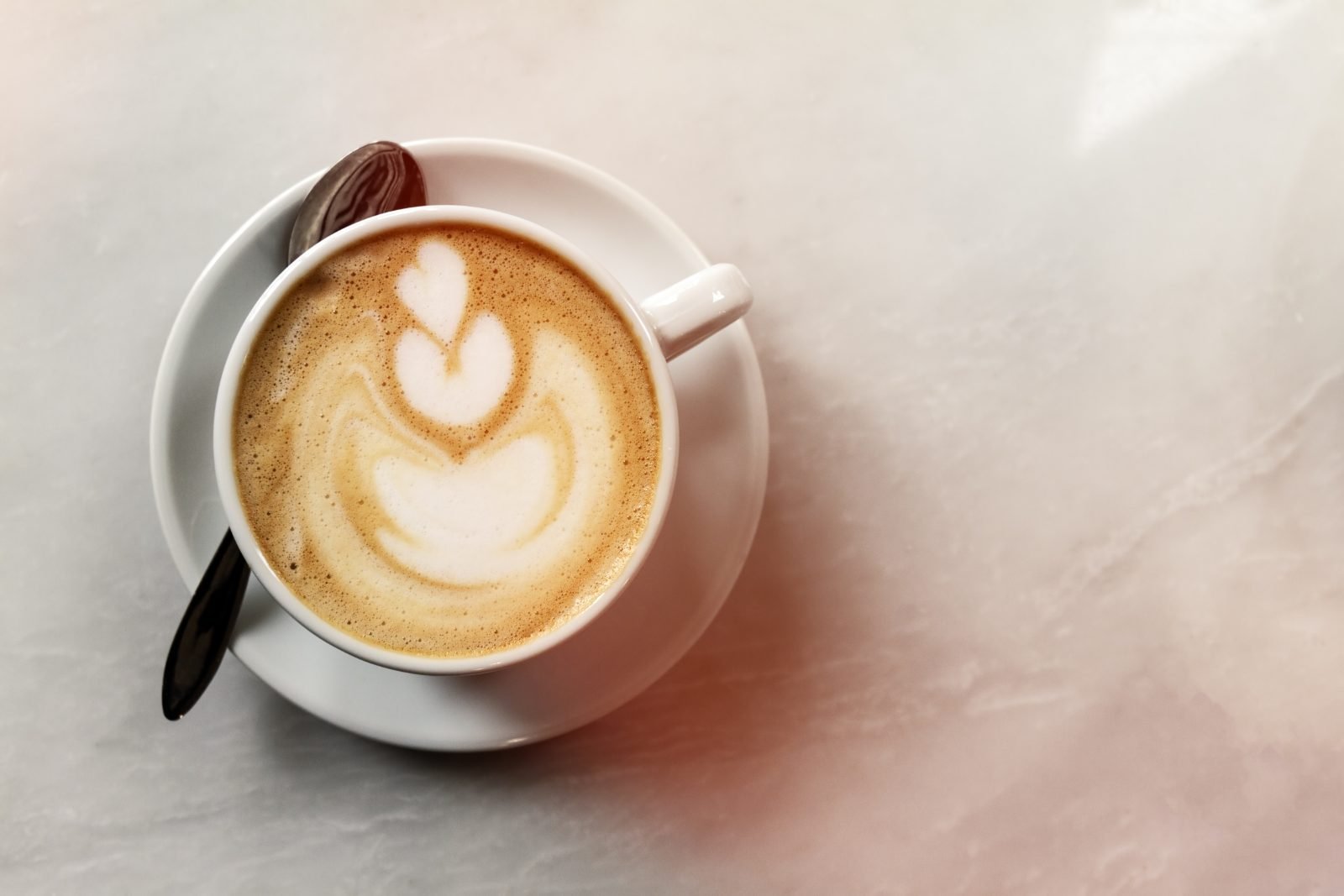
    espresso drinks
    • Cortado or Piccolo is a small milk espresso drink often served in a glass cup.
    • It blends a single shot of Espresso with a moderate amount of foamed milk, typically in a 1:4 ratio.

    Flat White – A Kiwi Specialty

    Originally hailing from New Zealand and Australia, the Flat White has become a beloved specialty coffee drink cherished by coffee enthusiasts worldwide. This exquisite coffee concoction combines a double shot of Espresso with a velvety microfoam milk texture, creating a smooth and creamy delight that tantalizes the taste buds.

    The Flat White’s popularity has extended beyond its birthplace, finding its place in coffee shops worldwide. Its ability to cater to both black coffee and milk coffee enthusiasts makes it a versatile choice. Whether served in a small cup or a larger mug, the Flat White is celebrated for its smoothness and simplicity, making it a delightful specialty that coffee aficionados continue to relish and appreciate.

    • Originating from Australia and New Zealand, Flat White is a popular Espresso milk drink.
    • It combines a double shot of Espresso with foamed milk in a cup similar to a Cappuccino but slightly smaller.
    • Flat White offers a stronger coffee kick and more coffee flavor than a Cortado.

    Caffé Latte – Embracing the Milkiness

    Caffé Latte, often simply referred to as a Latte, is a coffee indulgence that celebrates the art of embracing milkiness. This beloved coffee drink is created by combining a single shot of Espresso with steamed milk, resulting in a creamy and luxurious experience for coffee enthusiasts.

    Caffé Latte is enjoyed in a relatively large cup, allowing coffee lovers to savor every delightful sip of this milk-forward indulgence. Its mild and comforting nature makes it a perfect choice for those seeking a rich and satisfying coffee experience with a creamy twist. Whether relished as a morning ritual or a soothing afternoon treat, Caffé Latte remains a timeless favorite that captures the essence of embracing milkiness in coffee culture.

    espresso drinks
    • If you prefer a milky and less intense coffee experience, Caffé Latte is the perfect choice.
    • Served in a relatively large cup, it mixes a single shot of Espresso with foamed milk, typically in a 1:14 ratio.

    Also Read: Pour Over Coffee vs Drip: Which Brewing Method is Right for You?

    Conclusion

    Whether you’re a coffee connoisseur or a curious beginner, exploring the world of espresso drinks is a delightful journey. Each coffee drink offers a unique taste profile and provides a wide range of options to suit your preferences. Enjoy your coffee journey and savor every delightful sip!


  • The Perfect Cup: Brewing Sumatra Lintong Coffee at Home

    The Perfect Cup: Brewing Sumatra Lintong Coffee at Home

    sumatra lintong coffee

    Enjoy a cup of Sumatra Lintong coffee that will transport you to the lush landscapes of Indonesia. This coffee is well-known for its distinct flavor profile, which combines earthiness, sweetness, and a hint of spice. We’ll uncover the secrets to creating the ideal cup in this tutorial, from selecting the correct beans to mastering the brewing procedures. Join us on a flavor adventure as we learn how to brew Sumatra Lintong coffee like an expert, guaranteeing that each drink is a beautiful symphony of flavors. Prepare to experience coffee heaven in the comfort of your own home!

    Also Read: Pour Over Coffee vs Drip: Which Brewing Method is Right for You?

    The Unique Flavor Profile of Sumatra Lintong Coffee

    Sumatra Lintong coffee distinguishes itself from other coffee kinds due to its particular flavor character. The coffee beans are grown in the lush soils of Sumatra’s Lintong district, which gives the brew a distinct flavor. This coffee is well-known for its earthy flavor, with overtones of cedar, tobacco, and even dark chocolate. Its medium to full body creates a rich and gratifying mouthfeel, while the earthiness is nicely balanced by a mild sweetness, resulting in a very complex and delicious cup of coffee. Sumatra Lintong coffee has a gentle spiciness that adds an intriguing layer of taste with each sip, adding to its attraction.

    Now that you’re familiar with the delicious flavors of Sumatra Lintong coffee, let’s look at the benefits of brewing it at home. You have entire control over the brewing process when you make this coffee in the comfort of your own home, allowing you to personalize it to your preferences.

    Whether you prefer a pour-over, French press, or espresso-style brew, you may experiment with various techniques to bring out the best in your coffee. Furthermore, making Sumatra Lintong coffee at home means that you have access to freshly roasted beans, which maximizes the flavors and fragrances in each cup. It also allows you to enjoy the art of coffee preparation while immersing yourself in the sensory experience of brewing and savoring this great Indonesian coffee.

    Choosing the Right Beans for Sumatra Lintong Coffee

    Sumatra Lintong Coffee

    When it comes to brewing Sumatra Lintong coffee, choosing the proper beans is critical to obtaining the ideal flavor balance. Seek out freshly roasted beans purchased from reliable coffee manufacturers. To assure an authentic taste, pick beans cultivated in the Lintong district of Sumatra. To assure freshness, look for the roast date on the box, as coffee beans are at their best within a few weeks of being roasted. To keep the tastes longer, use whole beans rather than pre-ground coffee. Whole beans have less surface area exposed to air, which helps keep the coffee fresh. When you’ve obtained your beans, it’s time to grind and store them appropriately.

    Grinding and Storing Your Coffee Beans

    Grinding your coffee beans just before brewing is essential to unlock the full potential of the flavors. Invest in a good quality burr grinder, as it allows for more precise control over the grind size. For Sumatra Lintong coffee, a medium to coarse grind works best to accentuate the earthy and full-bodied characteristics. Avoid grinding the beans too fine, as it can result in over-extraction and a bitter taste.

    Once you’ve ground your beans, it’s important to store them properly to maintain freshness. Store your coffee beans in an airtight container in a cool, dark place, away from direct sunlight, heat, and moisture. Avoid storing them in the refrigerator or freezer, as the fluctuations in temperature can affect the flavor. Now that you have your freshly ground beans, let’s dive into the various brewing methods for Sumatra Lintong coffee.

    Brewing Methods for Sumatra Lintong Coffee

    There are several brewing methods that can bring out the best flavors in Sumatra Lintong coffee. Let’s explore a few popular options:

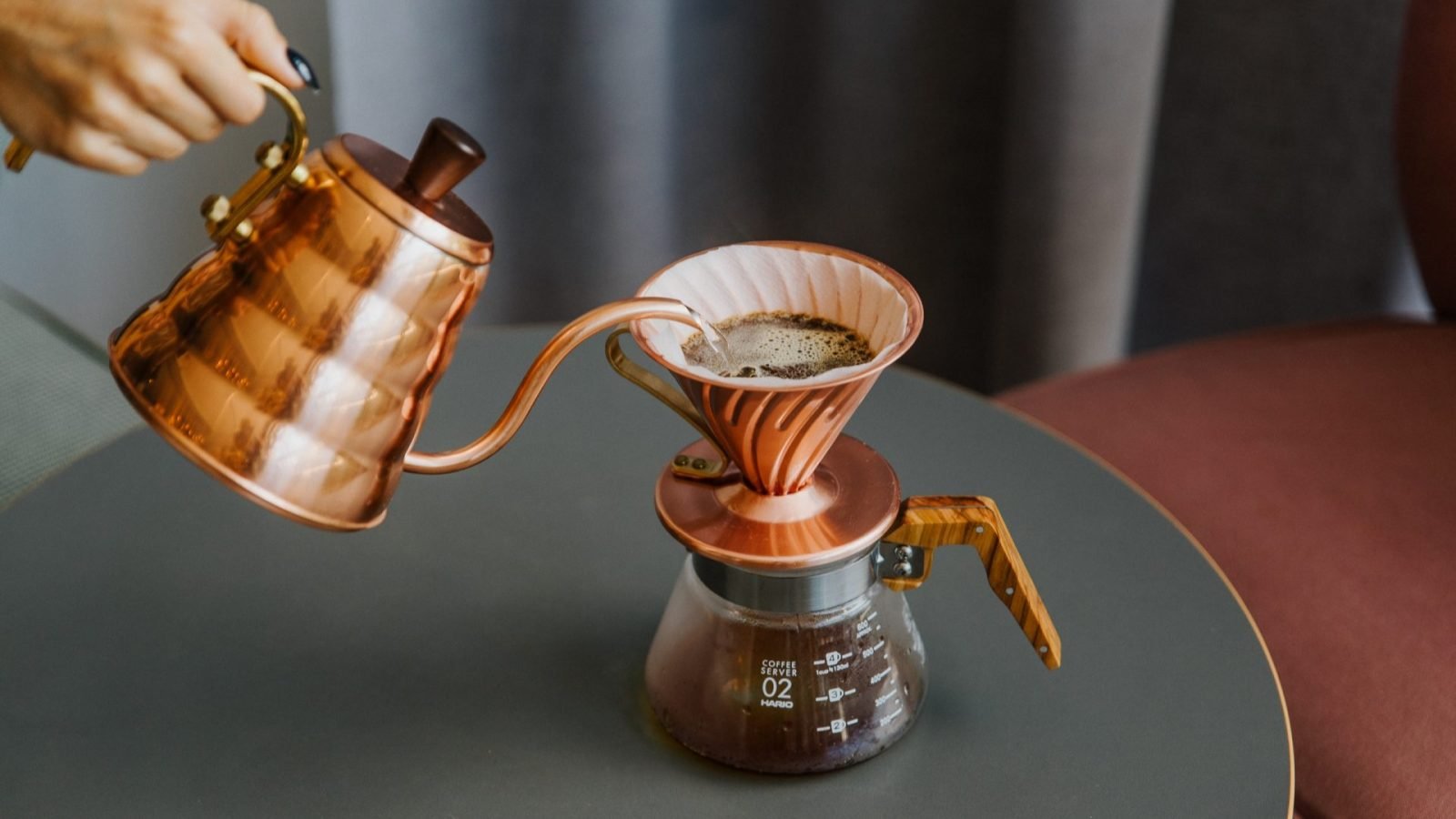
    1. Pour Over: The pour-over method, using a V60 or Chemex, allows for precise control over the brewing process. It involves pouring hot water over a bed of coffee grounds in a slow, circular motion, resulting in a clean and nuanced cup of coffee. This method is ideal for highlighting the delicate flavors of Sumatra Lintong coffee.
    2. French Press: The French press method is known for producing a full-bodied and robust cup of coffee. It involves steeping coarsely ground coffee in hot water for a few minutes before pressing down a plunger to separate the grounds. This method can bring out the earthy and spicy notes of Sumatra Lintong coffee.
    3. Aeropress: The Aeropress is a versatile and compact brewing device that allows for various brewing techniques. It uses air pressure to extract the flavors from the coffee grounds, resulting in a clean and vibrant cup of coffee. Experiment with different brewing methods, such as the inverted method or the standard method, to find your preferred style.

    Now that you’re familiar with the brewing methods, let’s dive into the step-by-step guide to brewing Sumatra Lintong coffee using the pour-over method.

    Also Read: From Bean to Cup: Discovering the Art of Brewing Bali Kintamani Coffee

    Step-by-Step Guide to Brewing Sumatra Lintong Coffee

    Sumatra Lintong Coffee
    1. Start by heating your water to around 200°F (93°C). If you don’t have a thermometer, bring the water to a boil and let it sit for a minute to cool slightly.
    2. Weigh out 22 grams of coarsely ground Sumatra Lintong coffee and place it in a pre-wetted paper filter in your pour-over device.
    3. Slowly pour a small amount of hot water over the coffee grounds, just enough to saturate them. Allow the coffee to bloom for 30 seconds, releasing the trapped gases.
    4. Gradually pour the remaining water in a circular motion, maintaining a steady and controlled pour. Aim to finish pouring within 3-4 minutes.
    5. Once all the water has passed through the coffee grounds, remove the filter and discard the grounds.
    6. Give the brewed coffee a gentle stir to ensure the flavors are well-distributed.
    7. Pour the coffee into your favorite mug and savor the aroma as you take your first sip.

    Congratulations! You’ve successfully brewed a delicious cup of Sumatra Lintong coffee using the pour-over method. But why stop there? Let’s explore some additional techniques to enhance the flavors even further.

    Enhancing the Flavors with Different Brewing Techniques

    If you’re looking to elevate the flavors of your Sumatra Lintong coffee, here are a few techniques to try:

    1. Cold Brew: Cold brewing involves steeping coffee grounds in cold water for an extended period, usually overnight. This method produces a smooth and less acidic cup of coffee, allowing the unique flavors of Sumatra Lintong coffee to shine.
    2. Siphon: The siphon brewing method uses a vacuum pot to create a visually stunning and flavorful cup of coffee. It involves using heat and vacuum pressure to extract the flavors, resulting in a clean and crisp brew.
    3. Espresso: If you have an espresso machine, you can extract a concentrated shot of Sumatra Lintong coffee. The pressure and short extraction time highlight the bold flavors and create a rich and intense cup.

    Feel free to experiment with these brewing techniques to find your favorite way of enjoying Sumatra Lintong coffee.

    Tips for Perfecting Your Home Brewing Skills

    1. Experiment with ratios: Adjust the coffee-to-water ratio to find your preferred strength. Start with a ratio of 1:16 (1 gram of coffee to 16 grams of water) and tweak it according to your taste preferences.
    2. Invest in quality equipment: While it’s possible to brew great coffee with basic equipment, investing in quality brewing tools can enhance your brewing experience and the flavors of your coffee.
    3. Use filtered water: The quality of your water can significantly impact the taste of your coffee. Consider using filtered water to avoid any unwanted flavors or impurities.
    4. Take notes: Keep a brewing journal and record your brewing parameters, ratios, and tasting notes. This will help you refine your brewing techniques and create consistency in your coffee.

    By incorporating these tips into your brewing routine, you’ll be well on your way to brewing the perfect cup of Sumatra Lintong coffee every time.

    Conclusion: Enjoying the Perfect Cup of Sumatra Lintong Coffee at Home

    sumatra lintong coffee

    Brewing Sumatra Lintong coffee at home is an art form that allows you to experience the distinctive flavors of this remarkable coffee varietal. Each step is critical in making the perfect cup of coffee, from selecting the proper beans to perfecting the brewing processes. Idea is to experiment, take notes, and modify to your personal tastes. You’ll soon be able to experience the symphony of earthy, sweet, and spicy flavors that Sumatra Lintong coffee has to offer with a little skill and a lot of devotion. So take your beans, heat up your kettle, and start brewing Sumatra Lintong coffee like a pro. Your taste buds will be grateful.

    Also Read: Single Origin Sumatra Coffee: A Journey Through the Indonesian Highlands

  • From Bean to Cup: Discovering the Art of Brewing Bali Kintamani Coffee

    From Bean to Cup: Discovering the Art of Brewing Bali Kintamani Coffee

    Discover the delicious flavors and fascinating history of Bali Kintamani coffee. Join us as we investigate the remarkable coffee’s sustainable agricultural practices, roasting procedures, and brewing ways. Awaken your senses and learn how to make Brewing Bali Kintamani coffee.

    The History and Origins of Bali Kintamani Coffee

    Bali Kintamani coffee has a long and illustrious history dating back centuries. Dutch colonists brought coffee trees to Bali in the late nineteenth century. Since then, Bali’s coffee business has thrived, with Kintamani becoming one of the island’s most known coffee-growing regions. The mountains’ volcanic soil and distinct atmosphere provide ideal conditions for growing high-quality coffee beans. Over decades, the farmers in this region have polished their trade, passing along their knowledge and expertise to assure the beans’ outstanding quality.

    Also Read: Everything You Need to Know About Arabica Bali Kintamani Coffee

    The distinctive features of Bali Kintamani coffee beans are due to the volcanic soil and altitude at which they are grown. The volcanic ash in the soil gives the beans a particular flavor profile, giving them a rich, earthy flavor with hints of citrus and flowery overtones. The altitude, in conjunction with the mild temperatures and abundant rainfall, slows the development of the coffee cherries, allowing the flavors to develop more fully. These elements contribute to the distinctive and nuanced flavors of Bali Kintamani coffee.

    The espresso method is ideal for individuals who desire a more concentrated and strong coffee experience. Hot water is blasted through finely ground coffee at high pressure using a specialized espresso machine, resulting in a short, concentrated shot of coffee. This technique is ideal for encapsulating the complex tastes of Bali Kintamani coffee in a single drink.

    Exploring Different Brewing Methods for Bali Kintamani Coffee

    Pour-over Method

    Step-by-Step Guide to the Pour-Over Method:

    • Grind the Beans: Start by grinding your Bali Kintamani coffee beans to a medium-coarse consistency. This ensures optimal extraction and flavor.
    • Prepare the Filter and Equipment: Place a paper filter in your pour-over dripper or coffee maker. Rinse the filter with hot water to eliminate any paper taste and preheat the equipment.
    • Add Coffee and Bloom: Place the ground coffee into the filter, leveling it out. Slowly pour a small amount of hot water (about twice the weight of the coffee grounds) in a circular motion, allowing the coffee to bloom. This releases carbon dioxide and enhances flavor extraction.
    • Begin the Pour: Starting from the center, pour hot water (just below boiling point) in a slow and controlled manner, using a circular motion. Ensure that all the coffee grounds are evenly saturated.
    • Maintain a Steady Pour: Continue pouring water in a slow and steady manner, maintaining an even flow over the coffee grounds. Avoid pouring directly onto the filter to prevent over-extraction.
    • Wait and Drip: Allow the coffee to drip through the filter into your cup or serving vessel. This process may take a few minutes, so be patient.
    • Serve and Enjoy: Once the dripping has slowed down, remove the dripper or coffee maker. Pour the freshly brewed Bali Kintamani coffee into your favorite cup and savor the enticing flavors and aromas.

    French press Method

    Step-by-Step Guide to the French Press Method:

    • Measure and Grind: Start by measuring the desired amount of Bali Kintamani coffee beans based on your preferred coffee-to-water ratio. Coarsely grind the beans for optimal extraction.
    • Heat the Water: Boil water to just below boiling point (around 200°F or 93°C). Preheating the French press with hot water is optional but can help maintain the temperature during brewing.
    • Add Coffee and Water: Place the coarsely ground coffee into the French press. Slowly pour hot water over the coffee, ensuring all the grounds are saturated. Use a gentle stir or swirl to ensure even extraction.
    • Steep the Coffee: Place the plunger and lid on the French press but do not plunge yet. Let the coffee steep for about 4 minutes. Adjust the steeping time based on your taste preferences for a stronger or milder brew.
    • Plunge and Pour: After the desired steeping time, slowly and steadily push the plunger down, separating the coffee grounds from the liquid. Pour the brewed Bali Kintamani coffee into your cup or serving vessel.
    • Serve and Enjoy: Pour the freshly brewed coffee into your favorite mug and savor the delightful flavors and aromas of Bali Kintamani coffee. If desired, add milk, sugar, or other flavorings according to your taste.

    Espresso methods

    Step-by-Step Guide to the Espresso Method:

    • Grind the Beans: Start by grinding your Bali Kintamani coffee beans to a fine consistency, suitable for espresso brewing. The grind should be fine enough to create a smooth and concentrated shot.
    • Preheat the Espresso Machine: Ensure your espresso machine is properly preheated and ready for brewing. This helps maintain a consistent temperature throughout the process.
    • Portafilter Preparation: Insert a clean and dry portafilter into the espresso machine. Distribute the freshly ground coffee evenly into the portafilter basket. Tamp the coffee grounds firmly and evenly using a tamper to create a compact puck.
    • Insert the Portafilter: Attach the portafilter back into the espresso machine. Ensure it is properly locked in place and secure.
    • Extraction Time and Pressure: Start the espresso extraction process. The ideal extraction time for a single shot of espresso is around 25-30 seconds. The espresso should flow out in a steady stream, with the first drops appearing as a dark, syrupy liquid.
    • Observe the Crema: Watch for the formation of a thick, golden crema on top of the espresso shot. This indicates a well-extracted and flavorful shot.
    • Adjust and Fine-Tune: If the extraction time is too fast (under 20 seconds) or too slow (over 30 seconds), adjust the grind size accordingly. Finer grind for slower extraction and coarser grind for faster extraction.
    • Serve and Enjoy: Once the desired extraction time is achieved and the crema is formed, stop the extraction by turning off the espresso machine. Pour the rich and aromatic Bali Kintamani espresso shot into a preheated cup or demitasse.

    Also Read: Pour Over Coffee vs Drip: Which Brewing Method is Right for You?

    Tips for Brewing the Perfect Cup of Bali Kintamani Coffee

    To ensure that you brew the perfect cup of Bali Kintamani coffee, here are a few tips to keep in mind:

    1. Use freshly roasted coffee beans: For the best flavor, opt for freshly roasted Bali Kintamani coffee beans. Look for a roast date on the packaging and aim to use the beans within a few weeks of the roast date.
    2. Grind your coffee just before brewing: Grinding your coffee beans right before brewing helps to preserve the flavors and aromas. Invest in a quality burr grinder for the best results.
    3. Use the right water-to-coffee ratio: The ideal ratio is generally around 1:16, which means one part coffee to 16 parts water. However, feel free to adjust this ratio to suit your personal taste preferences.
    4. Experiment with water temperature: Different brewing methods may require different water temperatures. As a general guideline, aim for water temperature between 195°F and 205°F for optimal extraction.
    5. Practice patience: Brewing Bali Kintamani coffee requires time and patience. Take your time to enjoy the process and savor each step, from grinding the beans to pouring the water.

    Where to Buy Authentic Bali Kintamani Coffee Beans

    There are several reliable sources where you can find original Balinese Kintamani coffee beans. Look for coffee specialty cafes that source coffee beans directly from the Kintamani area in Bali. In addition, online shops and coffee subscription services offer a wide selection of Bali Kintamani coffee beans that can be delivered easily to your door. To make sure you’re buying beans from the highest quality and ethical sources, read customer reviews and look for certification.

    If you specifically want to buy green beans FandB Tech Indonesia is a recommended destination. They specialize in sourcing and providing specialty coffee products.

    Conclusion

    The art of brewing Bali Kintamani coffee is a journey that combines history, craftsmanship, and sustainability from bean to cup. The distinct flavors and smells of Bali Kintamani coffee are a testament to the growers’ dedication and expertise in cultivating these fine beans. The Kintamani region has created a coffee that not only thrills the taste senses but also encourages environmental protection and community development by embracing sustainable cultivation practices.

    Whether you brew Bali Kintamani coffee with a pour-over, French press, or espresso machine, each cup is an opportunity to appreciate the creativity and workmanship that goes into every sip. So, appreciate the flavors, delight your senses, and immerse yourself in the world of Bali Kintamani coffee for a time.

  • Pulled Coffee Technique to Create the Optimal Taste For Aceh Gayo Coffee

    Pulled Coffee Technique to Create the Optimal Taste For Aceh Gayo Coffee

    pulled coffee

    Pulled coffee, also known as “kopi tarik” in Indonesian, is a traditional brewing method that originated in Southeast Asia, specifically in Indonesia and Malaysia. This process involves “pulling” the coffee between two containers, resulting in a characteristic foamy texture and enhanced flavors.

    Aceh Gayo coffee is highly recommended to be brewed using the coffee pull method so that you can fully enjoy the unique and distinctive taste of this coffee.

    Also Read: Ground Coffee vs Instant Coffee, Learn The Difference Here!

    The Pulled Coffee Technique

    Concept and Process

    Pulled coffee is a classic brewing method in which the coffee is “pulled” back and forth between two containers, resulting in a frothy and creamy texture. Pouring the coffee from one container to another from a height aerates the brew and improves its flavor and texture.

    Benefits of Pulled Coffee Technique

    This technique has several advantages, including:

    1. It improves taste extraction by facilitating thorough coffee blending and oxygenation. As a result, the flavor is more robust and well-rounded.
    2. The technique produces a creamy texture, enhancing the coffee-drinking experience. The distinct blend of flavors and texture distinguishes pulled coffee from other brewing methods.

    Traditional Method of Aceh Gayo Pulled Coffee

    Aceh gayo

    The traditional method of preparing pulled coffee in Aceh entails grinding the beans with a “penggiling dedak” or rice huller grinder. After that, the coffee grounds are placed in a long cloth filter bag known as a “kain celup,” and hot water is poured over them. After that, the coffee is poured back and forth between two containers to get the necessary frothy consistency. Finally, the pulled coffee is usually served in little cups with a dish of traditional delicacies.

    The Right Technique for Aceh Gayo Pulled Coffee

    Selecting the Beans

    • Importance of High-Quality, Freshly Roasted Beans
      It is critical to use high-quality, freshly roasted Aceh Gayo coffee beans to achieve the greatest flavors in pulled coffee. To ensure optimal freshness, look for beans that come from reliable coffee plantations and recently roasted.
    • Sourcing and Selecting Tips
      Consider buying beans from a specialty coffee roaster or a trustworthy internet source that places a premium on quality and traceability. Look for labels that indicate the bean’s origin, roast date, and flavor characteristics. Consider researching single-origin products to get a taste of the distinct features of Aceh Gayo coffee. Sourcing specialty roasted coffee Indonesia Specialty Coffee.

    Grinding for Optimal Extraction

    • Ideal Grind Size
      A medium-coarse grind is often suggested for Aceh Gayo pulled coffee. This grind size ensures optimal flavor extraction without over-extracting, resulting in a well-balanced cup. Experiment with various grind settings to find the one that best suits your taste preferences.
    • Importance of Consistent Grinding
      Grinding consistency and uniformity is critical for even extraction. Use a burr grinder, which gives you more control over the grind size and ensures that all of your coffee particles are the same size. Blade grinders should be avoided since they generate uneven grounds, resulting in variable flavor extraction.

    Water Temperature and Ratios

    • Recommended Water Temperature
      A water temperature of roughly 195 to 205°F (90 to 96°C) is commonly suggested for brewing Aceh Gayo pulled coffee. This series extracts flavors without burning the coffee or removing undesirable bitterness. Using a temperature-controlled kettle can help you achieve the ideal water temperature.
    • Coffee-to-Water Ratio Guidelines
      A proper coffee-to-water ratio is essential for producing the best flavors. A ratio of 1:15 to 1:17 (coffee to water) is commonly advised as a starting point. However, you are free to change this ratio to your liking. For example, if you prefer a stronger cup of coffee, you can slightly increase the amount of coffee.

    Brewing Time and Techniques

    • Recommended Brewing Time
      The recommended brewing time for Aceh Gayo pulled coffee is usually 3 to 4 minutes. Brewing time, on the other hand, can be changed depending on factors such as grind size, coffee-to-water ratio, and personal taste preferences. To get the ideal flavor profile, it is critical to experiment and fine-tune the brewing duration.
    • Alternative Brewing Methods
      While the typical way of preparing Aceh Gayo pulled coffee includes using a cloth strainer, you can also experiment with alternate brewing methods. For example, an espresso machine with a steam wand can produce the trademark frothy texture, while a French press can produce a full-bodied and flavorful cup.

    Also Read: Pour Over Coffee vs Drip: Which Brewing Method is Right for You?

    Tasting and Serving Aceh Gayo Pulled Coffee

    Tips for Tasting and Evaluating Flavors: Pay attention to the scent, acidity, body, and flavor notes when tasting Aceh Gayo pulled coffee. Deeply inhale the aroma and take note of any distinct odors. Take short sips to assess the acidity, noting if it is moderate or strong. Examine the coffee’s body, noting its thickness or lightness. Finally, taste the flavor notes, finding the distinct nuances that distinguish Aceh Gayo coffee.

    Suitable Serving Methods and Accompaniments: Aceh Gayo pulled coffee is frequently served in small cups, providing for a focused and concentrated coffee-drinking experience. To enhance the flavors of the coffee, serve it with typical Indonesian delicacies like fried bananas or sweet rice cakes. You might also provide a glass of water to refresh the palate between sips.

    Conclusion

    Finally, the proper procedure is critical in producing optimal flavors in Aceh Gayo pulled coffee. Coffee connoisseurs may uncover the unique features and flavors of this specialty coffee by acquiring high-quality beans, grinding them precisely, and mastering brewing variables such as water temperature and ratios. Remember to experiment and explore different brewing procedures to obtain your personal flavor profiles while enjoying Aceh Gayo pulled coffee’s traditional value.

  • Pour Over Coffee vs Drip: Which Brewing Method is Right for You?

    Pour Over Coffee vs Drip: Which Brewing Method is Right for You?

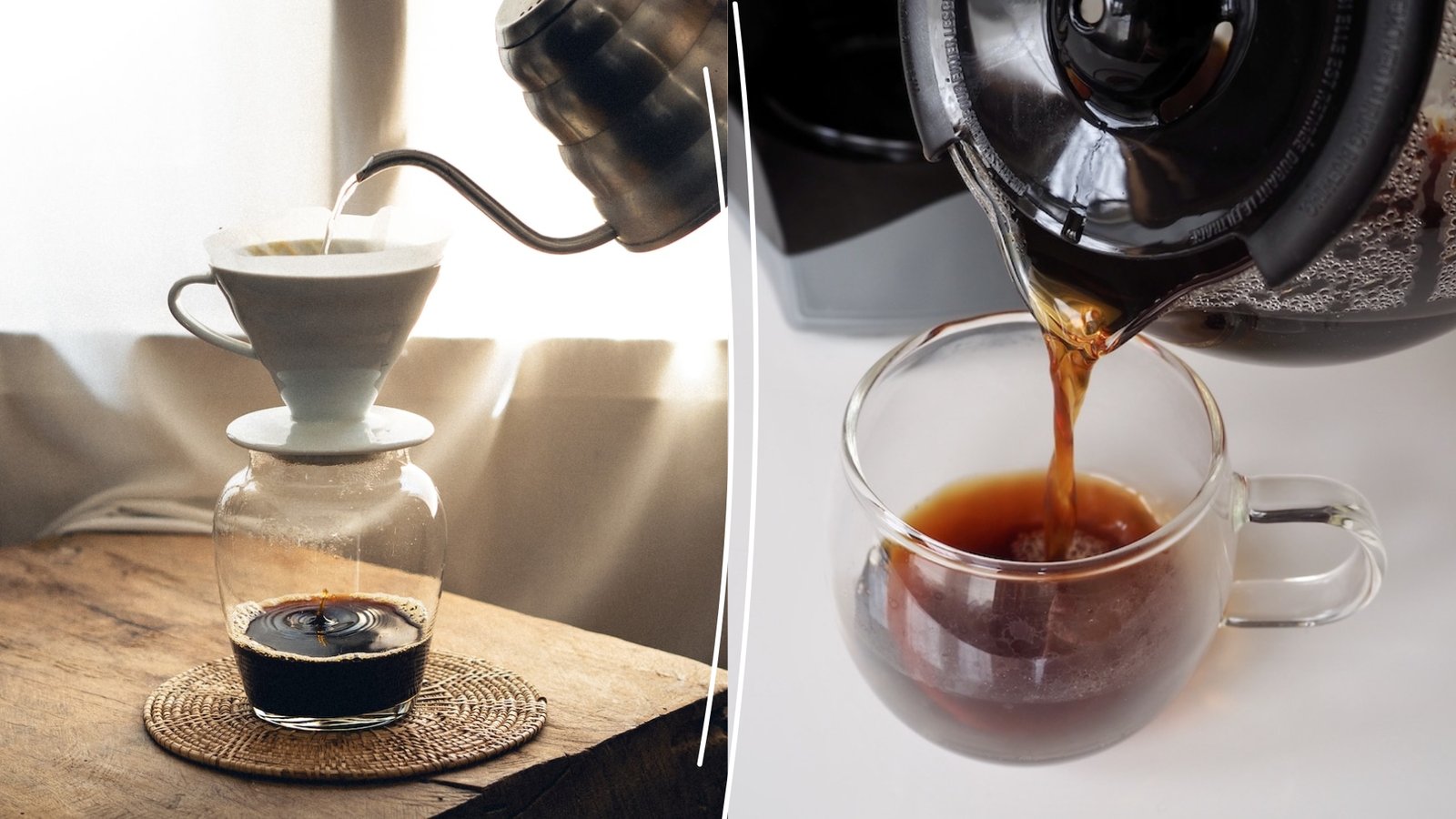
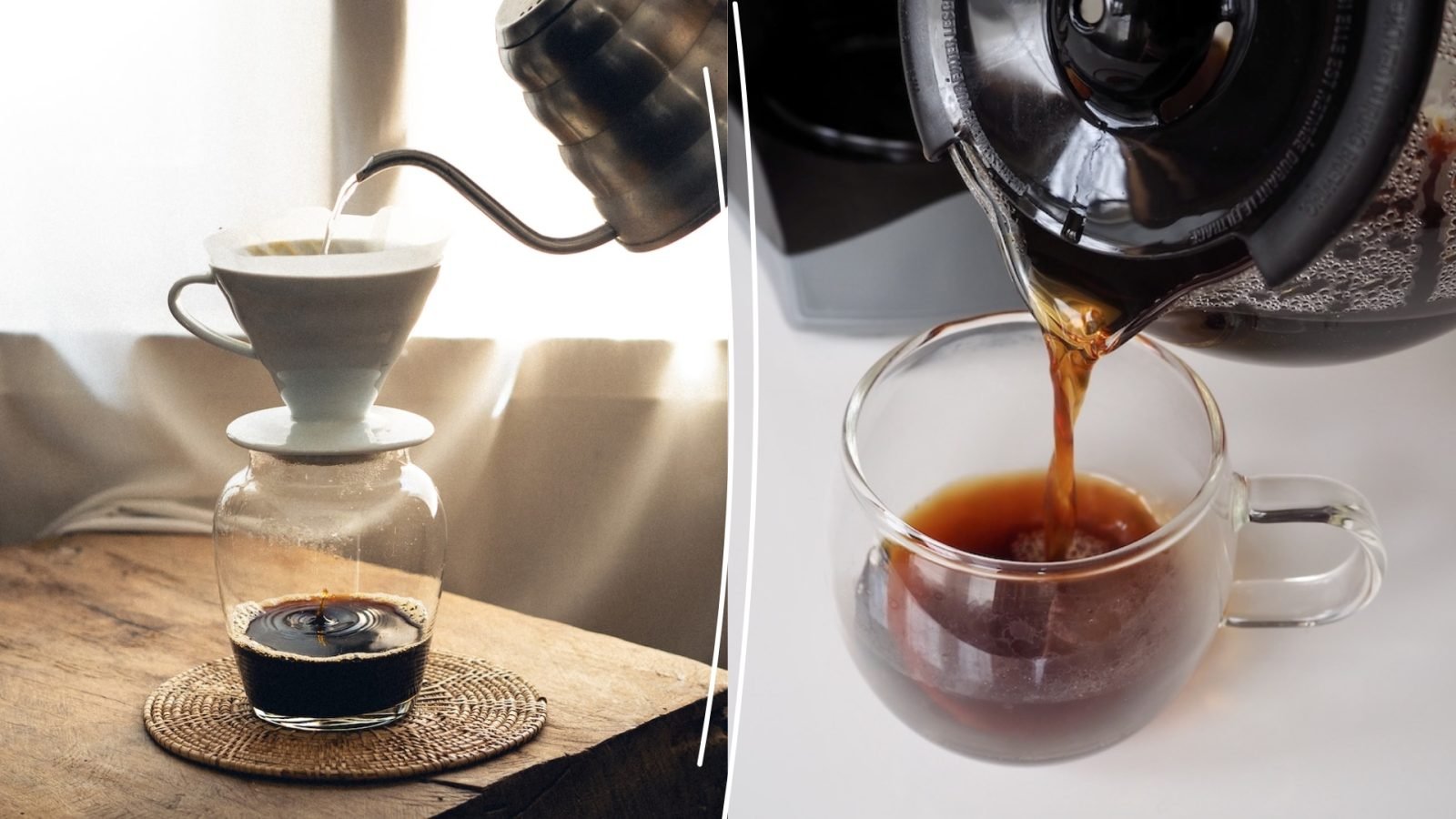
    Pour Coffee Coffee vs Drip Comparasion

    Some say coffee is the world’s second most consumed drink after water; others say it is tea. Either way, coffee remains one of the world’s most popular drinks. Its invention has resulted in various trends, including brewing methods. Two of the most well-known methods are pour over coffee vs drip. Then, which is the right one to produce a delectable cup of joe?

    Explanation of Pour Over Coffee

    Of all coffee processing methods, pour over could be considered the oldest. It was first introduced by Melitta Bentz in the early 1900s. It has become popular again because of third-wave coffee.

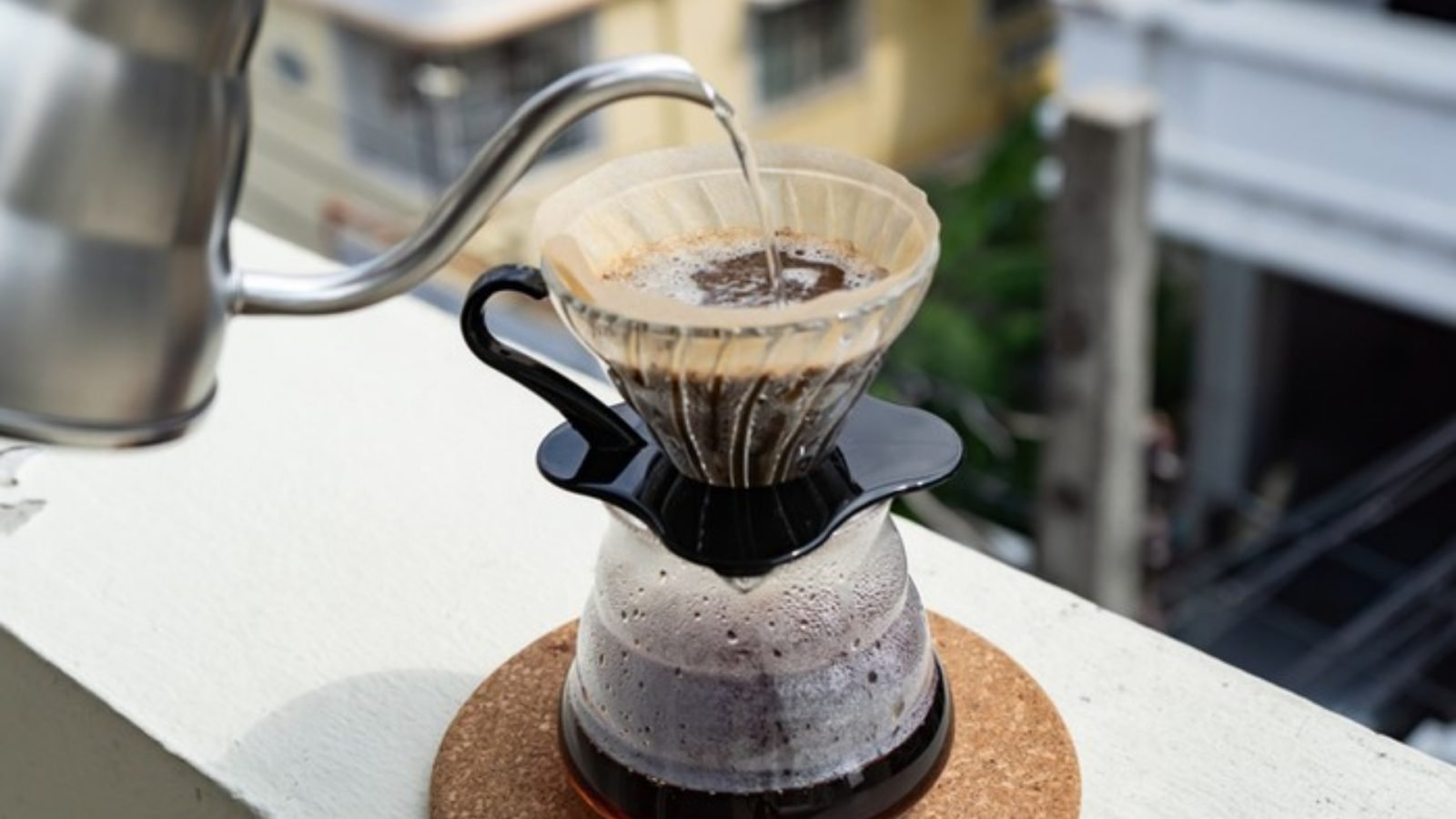
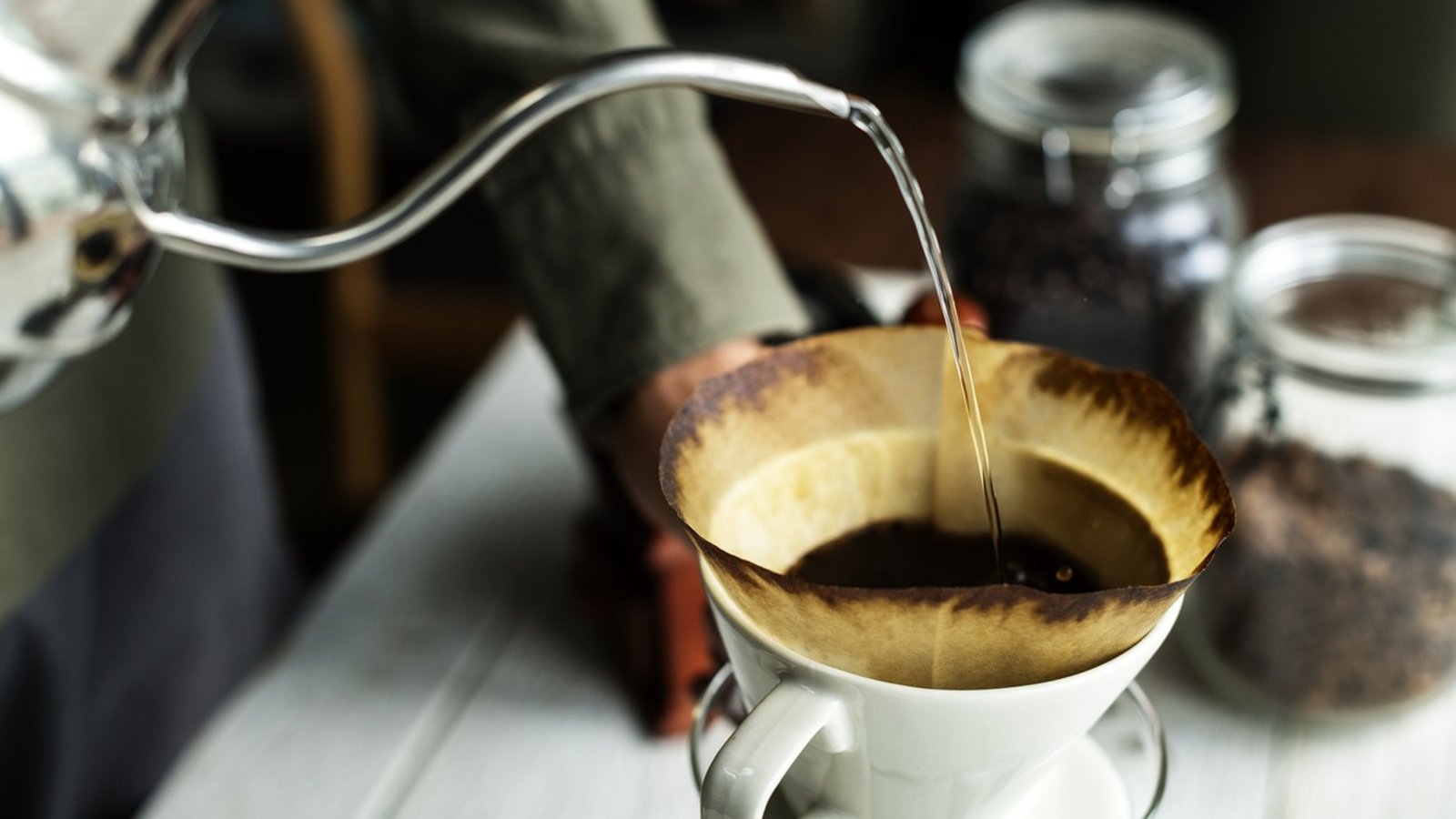
    Pour over is a brewing method using a paper filter. The coffee drains through the filter while the hot water is slowly poured over the grounds. This method allows you to control the brewing process and the coffee flavor. While it’s a simple concept, it may be laborious since it takes a lot of time, and there may be one or two adjustments.

    How Pour Over Coffee Works?

    Pour over doesn’t involve any automation process. This is how this method works: first, you heat the water in a kettle to 205 degrees to enjoy a hot cup of joe. If you want it to be slightly cooler, boil the water to 195 degrees or adjust it to your preference.

    Next up is the water pouring; you have complete control over it. Meaning you can ensure you pour the water over the coffee grounds evenly. Also, you can adjust the speed of your water pouring as necessary. 

    Why Do People Prefer Pour Over Coffee?

    There is one fundamental reason many coffee enthusiasts prefer the pour over method: it’s about control. This method grants you total control over the entire brewing process. As previously mentioned, you can control the water temperature, the pouring speed, and the placement of the water pouring.

    Aside from that, this method allows you to control the texture and final taste of the coffee. In addition, you can also control the strength and temperature of your brew. So, everything is about control with this pour over method.

    Explanation of Drip Coffee

    Both methods might be similar in theory when discussing pour over coffee vs drip. Still, both are different. Drip is more of a drip coffee maker, a machine created to automate the pour over the brewing process. It was first introduced in 1954 and popularized by Mr Coffee in the 1970s.

    The drip coffee machine is designed with convenience and simplicity in mind. However, for coffee connoisseurs, the device will give you less control than the pour over method, so the extraction may be uneven.

    Comparison of Pour Over and Drip Coffee

    Pour over and drip coffee methods share a similar concept. The two are also great for hot and cold brew. Yet, the finer details of the entire process and end product are where the two methods vary.

    Flavor and Taste

    The hotplate within the drip coffee maker, which keeps your coffee warm, accelerates the brewed coffee’s chemical oxidation. This makes the coffee has hints of astringent and bitter flavors. The pour over coffee can be the option to get most of the unique taste of quality coffee beans. It often offers a clean, crisp flavor because the paper filter captures most of the grounds’ oils.

    Control

    Drip coffee maker only allows you to control the coffee grounds and water ratio. Meanwhile, you have complete control with the pour over method. You can manage the ratio, quantity, water temperature, pour placement, speed, and brew time.

    Time and Quality

    The brewing process of both methods requires an equal amount of time. However, the pour over method requires more time for preparation and close attention. While practically the pour over takes a lenghty of time, it offers the potential for the most delicious fresh brewed coffee. Still, it’s all up to your skills.

    Versatility and Ease of Use

    This point is like the battle of ground coffee vs instant coffee. The former wins for the versatility category because you have control over it, much like the pour over method. Meanwhile, the latter wins for ease of use, much like a drip coffee maker in which its use doesn’t require any particular skills, and relatively easy to have a quick cup of joe.

    Durability

    Pour over coffee devices made of ceramic, glass, or stainless steel can last a last time as long as you attentively take care of them. Drip coffee makers, however, have a terrible reputation for being fickle. They can only last a few years if you get a lower-quality one.

    The Winner of Method is Right for You Is?

    Between pour over coffee vs drip, the former is typically preferred by many coffee connoisseurs. Yet ultimately, the ideal methods entirely depend on one’s own preferences. To find out which is fits your needs, try both ways and consider all factors, such as time and convenience.  

  • Knowing the Differences between Americano and Long Black Coffee

    Knowing the Differences between Americano and Long Black Coffee

    Americano vs Long Black Coffee

    How to enjoy espresso in different ways? You can try Americano or Long Black. At first, you may find both beverages look and taste alike, to the point that you can’t even distinguish them. Indeed, they are both espresso-based and use hot water in the making. However, there are interestingly some subtle differences between Americano and Long Black. 

    Let’s see what makes these two popular variations of black coffee different.

    What Is Americano Coffee

    Americano Coffee
    Americano Coffee

    A staple in most coffee shops, Americano is a black coffee made by combining a shot(s) of espresso with hot water. What will make it different from Long Black is how to make it – the making order. Based on the general consensus, you make Americano by adding espresso to the cup and then pouring hot water over it. 

    We can trace back the history of Americano to Italy – originally Café Americano – evolving from the Italian cafe culture. The Italian baristas realized that espresso was too strong and flavorful, especially for Americans. Therefore, they watered down the espresso and served it in a larger cup. 

    The flavor profile of Americano will depend on several factors, like the type of beans used, different regions where coffee beans grow, roasting processes, and many more. Generally speaking, darker roast coffee beans – dubbed as espresso beans – are preferable for making a great Americano. 

    Also read: Be The Master! 4 Coffee Roasting Levels Chart: W/ Image & Guide

    What Is Long Black Coffee

    Long Black Coffee
    Long Black Coffee

    Long Black is another type of black coffee, pretty similar to Americano, having the same ingredients – espresso and hot water. However, you make Long Black in a different order – add a small amount of hot water to a cup and then pull one or two shots of espresso into it.

    The order surprisingly makes a difference! You will get a distinct result of a stronger, bolder flavor compared to Americano since the aromatics of crema are not disrupted. Crema is a thin, tan-brownish foam layer you will get on top of a shot of espresso. It is said that crema maintains the taste of the espresso and the tiny bubbles boost the sweetness. 

    First made in Australia and New Zealand, the story was almost similar, namely to appease American tourists with milder espresso-based coffee drinks.

    The Difference in Caffeine Content in Americano and Long Black 

    The differences between Americano and Long Black also lie in their caffeine content. For both drinks, the caffeine content will greatly depend on the number of espresso shots they use. It also can vary due to other factors, such as the coffee quality and the barista’s preciseness. 

    By and large, the common serving of a single drink uses double shots of espresso. 

    Caffeine Content in Americano:

    If 1 shot of espresso equals 77mg of caffeine (on average), hence typically:

    • A serving size of 6-8 fl oz may have 77mg caffeine content
    • A serving size of 12-16 fl oz may have 154mg caffeine content, which is very high, and 5 calories
    • A serving size of 20-24 fl oz may have 231mg caffeine content

    Caffeine Content in Long Black:

    • A serving size of Long Black per fl oz contains 25.67mg of caffeine or about 86.79 mg of caffeine per 100 ml. 
    • A serving size of 6 fl oz contains total caffeine of 154mg, which is very high, and 2 calories.   

    Which Is Stronger between Americano and Long Black Coffee

    differences between americano and long black

    Originating from Americans who longed for a lighter version of espresso, Americano is a freshly brewed espresso topped with hot water. As a result, it is milder and smoother.

    On the other hand, Long Black is usually brewed with lesser water than Americano, therefore, it is stronger in aroma and fuller in taste. Pouring espresso on top of the water will preserve the so-called crema and richness. 

    Moreover, you can usually find Long Black in a serving size of 8oz cup (about 230ml). Meanwhile, you can order Americano in 8oz, 12oz (about 350ml), or even 16oz (about 470ml) serving cups. 

    Benefits of Drinking Americano and Long Black Coffee?

    So, what is the benefit of drinking Americano and Long Black? First, both of them give you incredible caffeine boosts – kick and shot. And second, they contain low-level calories which are good choices for health-conscious coffee drinkers, especially regarding their calorie intake. 

    Also read: Can We Drink Coffee During Pregnancy? Check Out These Facts!

    So, Which is Better between Americano and Long Black Coffee

    To sum up, both Americano and Long Black are espresso-based drinks that nearly have undistinguishable features. Invented in Italy, we make Americanos by pouring hot water on top of freshly brewed shots of espresso. Meanwhile, Long Black, originating from Australia and New Zealand, is made by the polar opposite of that. 

    Also read: Cold Brew vs Hot brew: Everything You Need to Know

    The making order may appear a trivial distinction, but the differences between Americano and Long Black, particularly in their flavors, are obvious. If you like espresso in milder and mellower versions, you can try Americano. If you prefer a stronger aroma and fuller taste than Americano, you can pick Long Black. 

  • Special Tips from Indonesia: How to Make Tubruk Coffee

    Special Tips from Indonesia: How to Make Tubruk Coffee

    Making Tubruk Coffee in Glass

    Tubruk Coffee is one of the immensely well-known hot black coffee beverages found and served in almost parts of Indonesia, especially in Java and Bali. Also, it is one of the simplest coffee brewing variations that preserves a traditional technique. Still, regardless of its simplicity, there are things to look for in how to make tubruk coffee at its very best. 

    The name “tubruk” here is a Javanese word for ‘collision.’ The name suitably implies the style or technique of its preparation. A manual coffee making at its most basic, tubruk coffee only requires ground coffee and hot water in a mug or a glass, without filtering. 

    You’ll need to wait for a moment to let the grounds or “the mud” ultimately sink to the bottom. That’s probably why it gets another moniker – mud coffee. Some others say it is quite similar to Turkish- and Greek-style coffee, as well as Polish’s Kawa Plujka.    

    Historically, it is said that the merchants of Middle East countries brought this kind of coffee to Indonesia. Unfortunately, the year of the origin is still unclear, no records tell when and in which areas of Indonesia where this beverage was first discovered. 

    Baca juga: 8 Best Coffee Plantation to Visit in Bali, Don’t Miss It!

    Things to Look For In Making Tubruk Coffee

    Making tubruk coffee

    Everyone can make tubruk coffee, but what about the taste consistency? There are some variables like the freshness or size of your coffee ground, the temperature of hot water you use, and many more. 

    The following are some things to consider when you want to try to brew this beverage at home. 

    Pay Attention to the Ratio of Coffee and Water

    According to the Specialty Coffee Association of America (SCAA), the best golden ratio (or, the Golden Cup Standard) for making a cup of coffee is 1:18. It means that for every 1gr of coffee, you need 18gr of water. 

    As for how to make tubruk coffee, you can use this golden ratio as a reference. Although making coffee is all about personal preference, still this ratio will give the best and the most balanced combo of coffee and water during the brewing process. 

    Determine the Type of Coffee Bean Grinder

    How coarse or fine your coffee ground will affect the taste of tubruk coffee. It will closely relate to the molecular size of the ground coffee grains. The coarser ones will create more room for water, producing a unique acidic flavor character during extraction. While the finer ones have no room for water thus slowing down the extraction and tending to generate a somewhat bitter character. 

    Another noticeable difference is that coarser grains usually will stay on the cup surface, whereas the finer ones will quietly sink to the bottom when you pour hot water. 

    Optimize Hot Water into Coffee

    In general, the optimum temperature of hot water for coffee brewing is about 92 – 96 degrees Celsius. If you want to be precise, you can use a thermometer for the best result during the process. 

    Step To Make Tubruk Coffee

    Prepared in utter simplicity, the following are steps of a brewing guide to making tubruk coffee. 

    1. Grind the coffee (if you have a manual or brewing grinder)

    If you have your manual grinder, you can grind the coffee beans according to your preference of the grind size as mentioned above – coarser or finer. 

    Also Read: 8 Types of Coffee Beans in Indonesia, Unique & You Must Try!

    2. Get the coffee ground

    You can buy it at many supermarkets, coffee bean retailers, or even small kiosks. 

    3. Put the ground coffee into the bottom of a mug or a cup

    You can use the above golden ratio between the coffee and water. Sugar is optional here. 

    4. Pour hot water over the ground coffee

    For example, if you use 14gr of ground coffee, you can add about 250ml of hot or freshly boiled water (based on the optimum temperature) on top of it. 

    5. Stir the mixture

    Stir the coffee and water so they can blend well.

    6. Wait for the beverage to cool down

    Leave it for a while (3 – 5 minutes) to let the coffee ground sink and settle at the bottom.

    7. Finish

    Enjoy your tubruk coffee! 

    How to Serve Tubruk Coffee

    Most Indonesian or traditional small coffee shops enjoy tubruk coffee by using a beer mug that functioned as a tea mug. Pay attention not to put over water so your coffee would be flavorless. Once again, you can add sugar to your tubruk coffee. Some modern variations even have condensed milk in them!

    This brewing method allows you to slow down a bit. You need to wait before your tubruk coffee reaches the point where it is enjoyable to sip. Since you brew this kind of coffee without any filter, the coffee grounds usually will coagulate at the bottom of your cup or glass. 

    Also Read: Differences Between Specialty and Commercial Coffee, See It!

    That’s how to make tubruk coffee and some best tricks to enjoy it. It is also easy and simple to brew. All you need is the right ratio between coffee grounds and water, as well as the right hot water temperature. Don’t forget to pay attention to the “mud” at the bottom. Or else, you will not drink but eat the coffee!

  • Ground Coffee vs Instant Coffee, Learn The Difference Here!

    Ground Coffee vs Instant Coffee, Learn The Difference Here!

    Ground Coffee and Instant Coffee Powder

    Which one do you prefer? Instant or ground coffee? If you ask Americans, for example, they will answer that regular brewed coffee, ground or beans, is king. Meanwhile, for people in the U.K., Europe, and some regions of Asia, instant coffee is ruling. It leaves us a question about ground coffee vs instant coffee what makes them different?

    Indeed, they have several differences that are worth knowing about – the making time, the caffeine content, the cost, the benefits, and many more. Let’s dive into more details.

    Definition of Instant Coffee

    Essentially, instant coffee is also made of brewed coffee beans a more concentrated, dried coffee extract. We get the powdered coffee extract is obtained from a speedy drying process or a freeze-drying process that goes to packaging. 

    Instant Coffee vs. Ground Coffee

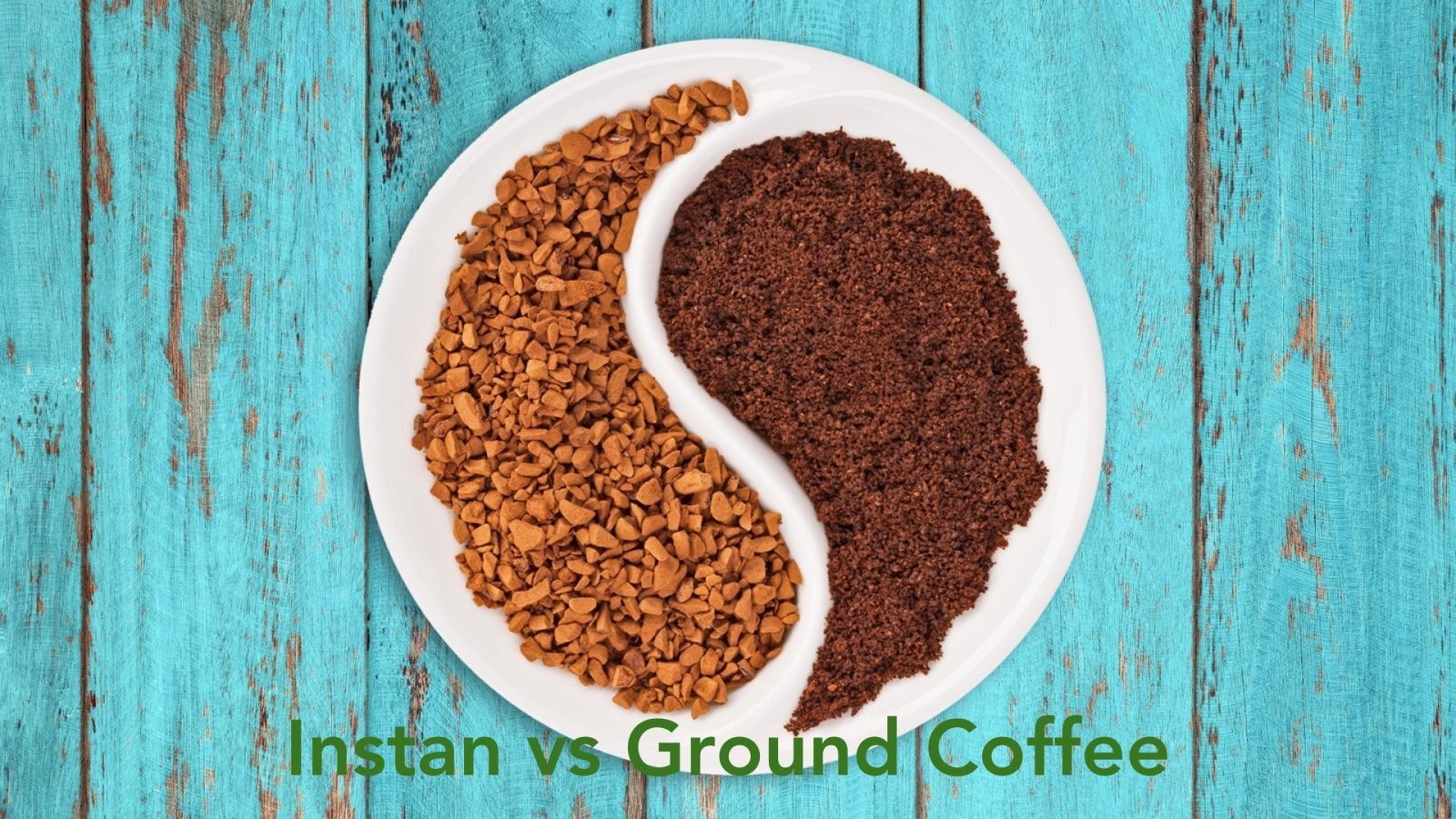
    As the name implies, instant coffee is pretty much instant, whereas ground coffee requires you to brew it first. Both of them have the same source coffee beans. They also provide you with a caffeine kick to go through the day.

    You may find that ground coffee is usually more expensive and better in terms of coffee bean quality, flavor, and caffeine content. Meanwhile, instant coffee wins with better shelf life and ease of making. 

    Difference between Ground vs. Instant Coffee

    ground coffee vs instant coffee

    The following are more in-depth differences between ground coffee and instant coffee. 

    1. Time of Making Coffee

    How to make instant coffee it? You simply need to put it into a cup and add hot water to dissolve it. And, voila! You can enjoy it – in no time. It is a great alternative for those who are in a rush or simply can hardly wait for the regular brewing process. 

    As for ground coffee, you need to set aside time only for preparing and brewing, not to mention cleaning afterward. Still, some people prefer this. 

    2. Brew Method

    Instant coffee does not require any brewing method since it usually has gone through the brewing or extraction process before packaging. 

    As for ground coffee, you have to follow some specific techniques before having the delicious liquid and putting it into your cup. There are some techniques you can choose from, like Aeropress, Chemex, drip coffee maker, French Press, etc. 

    Also Read: Cold Brew vs Hot brew: Everything You Need to Know

    3. The flavor of Ground and Instant Coffee

    The flavor is another key difference in ground coffee vs instant coffee discourse. 

    Robusta beans – with their somewhat edgy, bitter taste – are mostly used by instant coffee manufacturers. The drying and freezing process has caused the loss of the oils that affect the flavor during the brewing process. 

    Having the ability to hold all the essential oils, fresh-brewed ground coffee offers a lower acidic level compared to the instant one. The brewing process also produces more flavor varieties you can extract from. As a result, you can enjoy a fuller and richer taste in a cup. 

    4. Caffeine Content in Ground and Instant Coffee

    Robusta beans in instant coffee tend to have a higher level of caffeine to prevent further caffeine loss during production. Most instant coffee – in a regular cup – has an average caffeine content of 20 – 45%.

    Meanwhile, due to the brewing process, ground coffee contains higher caffeine. A cup of freshly brewed coffee retains about 80 – 120mg of caffeine. The caffeine content may vary due to brands, brewing methods, coffee-to-water ratio, and more. 

    5. Cost of Ground Coffee vs Instant Coffee

    Instant coffee is a lot less costly than regular ground coffee. Moreover, high-quality ground coffee will cost you more, not to mention investing some money to buy specialized brewing equipment. 

    Also Read: Known by Young People to Old People: History of Cold Brew Coffee

    6. Coffee Shelf Life 

    Instant coffee wins here as it has a longer shelf life, ranging from 2 to 20 years. Store them properly by using an airtight container or sealed package in a cool, dim place. Any exposure to moisture may trigger texture change and mold development. 

    Coffee beans expire approximately 6 months after you obtain them. Try to keep your ground coffee in a cooler and shadier place and store it away from any other food that has intense flavor and aroma. A coffee canister is the best option to maintain your blend’s freshness and flavor. 

    7. Uses of Ground and Instant Coffee

    This coffee is a best friend for those who are in a rush or always on the run – working, traveling, camping, hiking, etc. It is also helpful for any recipe that requires coffee as an ingredient since it has a longer shelf life and is more convenient.

    As for ground coffee, the slow brewing process might be a relaxing ritual for some people. Also, as part of their benefits, you can reuse or even recycle them – as facial scrubs, plant fertilizers, tough stain removers, freezer deodorizers, etc. 

    So, is Instant Coffee Better than Ground Coffee?

    Instant Coffee Making
    Instant Coffee Making

    When it comes down to ground coffee vs instant coffee, it is also a matter of preference and lifestyle. Both of them have their own aficionados and thus markets. Instant coffee may not be as good as ground coffee in terms of flavor, quality, or wholesomeness, but still, they cheer up some parts of the global population. Many manufacturers and suppliers – like FnB.co.id – are also there for those looking for first-rate coffee beans and blends.