Sumatra Coffee Roastery, the largest island in Indonesia, is not only renowned for its lush landscapes and diverse ecosystems but also for its exceptional coffee. Sumatra coffee, with its unique flavor profile, has gained global recognition, and at the heart of this coffee renaissance lies the Sumatra Coffee Roastery. In this comprehensive exploration, we delve into the origins, processes, and distinct characteristics that make Sumatra Coffee Roastery a symbol of Sumatra’s rich coffee culture.
A Heritage Unveiled:
Sumatra has a long history of coffee cultivation dating back to the late 17th century when Dutch colonists introduced arabica coffee plants to the region. Today, Sumatra is celebrated for producing arabica and robusta beans known for their full-bodied, earthy, and complex flavors.embraces this heritage, sourcing beans from local farmers committed to sustainable and traditional farming practices.
The Journey from Bean to Brew:
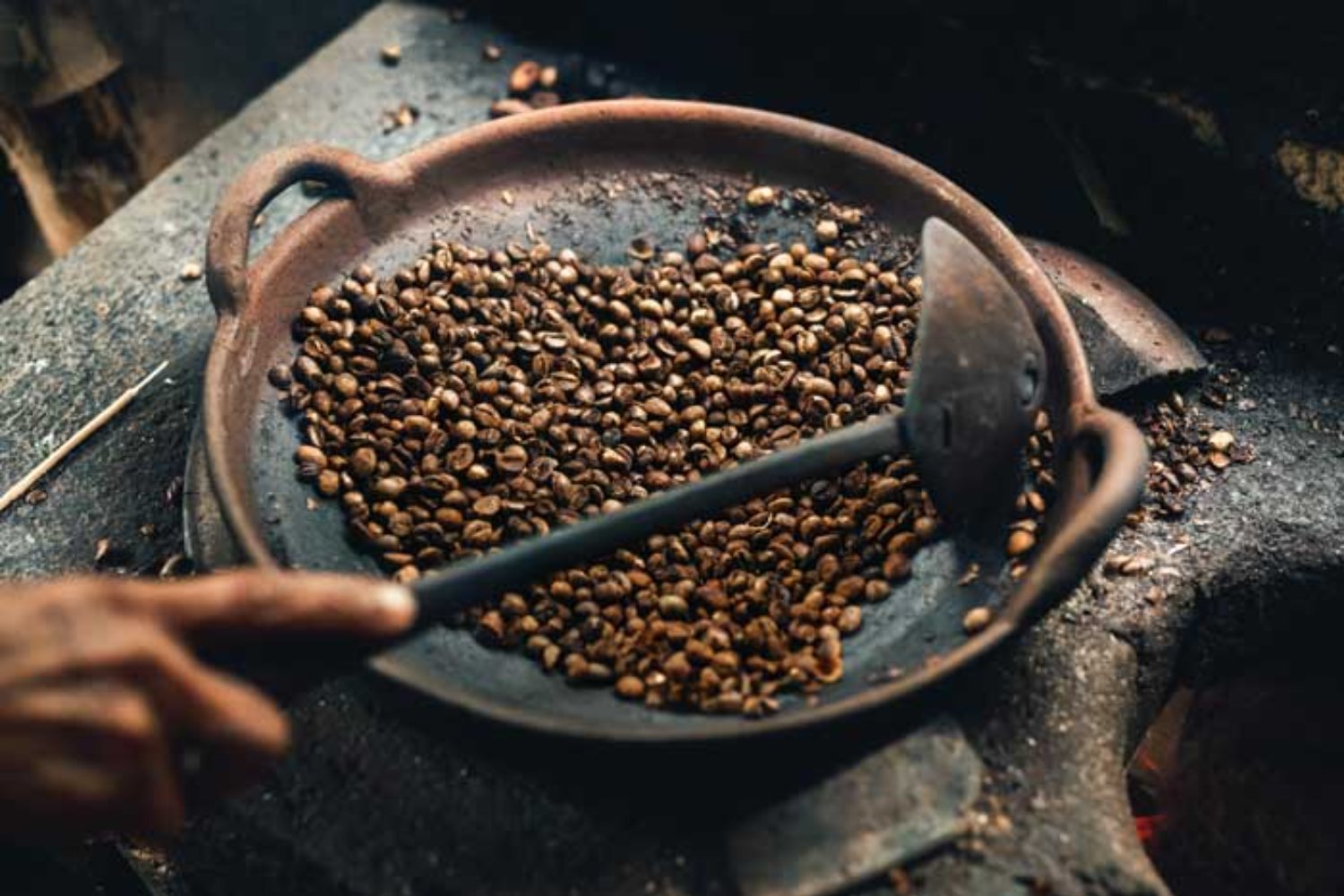
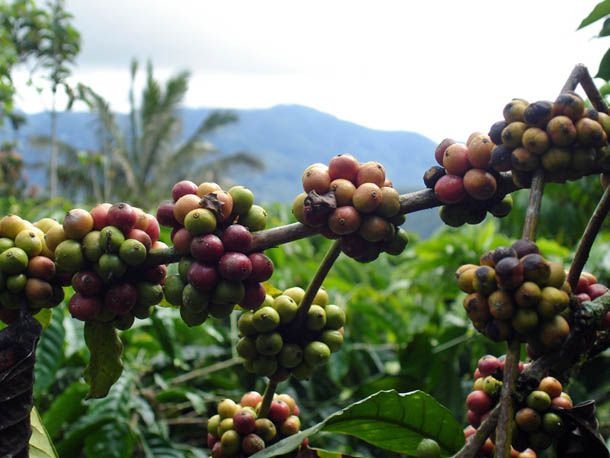
At the heart of Sumatra Coffee Roastery’s operations is a meticulous process that transforms raw coffee beans into a rich, aromatic cup. The journey begins with the careful selection of coffee cherries, followed by the meticulous process of harvesting, pulping, and fermenting. The beans are then sun-dried before being transported to the roastery. places a premium on quality control at every stage, ensuring a consistent and exceptional product.
The Roasting Craftsmanship:
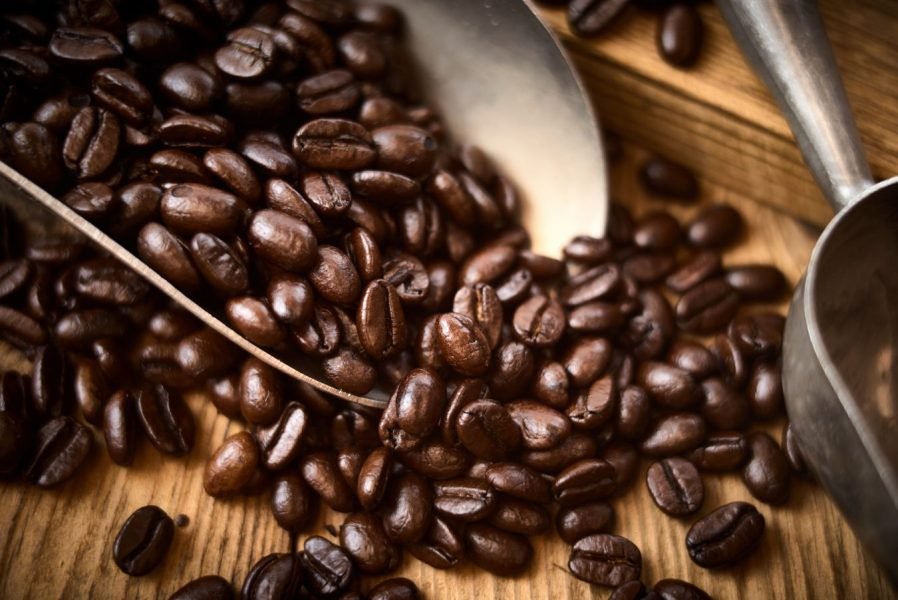
Sumatra Coffee Roastery prides itself on its artisanal approach to coffee roasting. Roasting is a delicate dance of time and temperature, and the roasters at Sumatra Coffee Roastery have mastered this art. Whether it’s a light roast that preserves the nuanced flavors or a dark roast that brings out bold, smoky notes, the roastery’s commitment to perfection is evident in every batch.
Signature Blends :
Sumatra Coffee Roastery offers a diverse range of signature blends that showcase the complexity and richness of Sumatra’s coffee beans. From single-origin offerings that highlight the unique terroir of specific regions to carefully crafted blends that balance acidity, body, and sweetness, each cup tells a story of Sumatra’s coffee heritage.
Sustainable Practices:
a not just about crafting exceptional coffee; it’s also about fostering sustainable and ethical practices. The roastery collaborates with local farmers, ensuring fair prices for their produce and promoting environmentally friendly cultivation methods. This commitment to sustainability is reflected not only in the quality of the coffee but also in the positive impact on local communities and ecosystems.
The Sumatra Coffee Roastery Experience:
Beyond the beans,Sumatra Coffee Roastery offers a unique and immersive experience for coffee enthusiasts. The roastery welcomes visitors to witness the roasting process firsthand, participate in tasting sessions, and learn about the intricate art of coffee brewing. This experiential approach enhances the connection between consumers and the rich cultural tapestry that is Sumatra coffee.
Sumatra Coffee Roastery Keyword:
The Sumatra Coffee Roastery keyword encapsulates the essence of this establishment. It signifies a commitment to excellence, a celebration of Sumatra’s coffee heritage, and a dedication to sustainable and ethical practices. Whether used in online searches, marketing materials, or conversations, the keyword becomes a gateway to a world where every sip tells a story of craftsmanship and culture.
Sumatra Coffee in the Global Market:
a not only captured the hearts of locals but has also made a significant impact on the global coffee market. The unique flavor profile of Sumatra coffee, coupled with the roastery’s dedication to quality, has garnered international acclaim. Sumatra Coffee Roastery’s beans are now sought after by coffee connoisseurs and businesses worldwide, contributing to the global appreciation of Sumatra’s coffee culture.
Challenges and Triumphs:
Like any venture, Sumatra Coffee Roastery has faced challenges along its journey. Climate change, market fluctuations, and logistical issues are among the hurdles. However, the roastery’s resilience, commitment to quality, and support for local communities have allowed it to overcome these challenges and emerge stronger.
Looking Ahead:
As continues to evolve, it remains rooted in its commitment to preserving Sumatra’s coffee heritage while embracing innovation. The future holds exciting possibilities, from exploring new blends to expanding the roastery’s reach. The Sumatra Coffee Roastery keyword will undoubtedly continue to be synonymous with excellence and a testament to the enduring allure of Sumatra’s coffee.
Conclusion:
In conclusion, Sumatra Coffee Roastery stands as a beacon of Sumatra’s rich coffee culture, embodying a perfect blend of tradition, craftsmanship, and sustainability. From the lush coffee plantations to the roasting chambers, every step in the process is a tribute to the legacy of Sumatra’s coffee heritage. The Sumatra Coffee Roastery keyword becomes a portal, inviting coffee enthusiasts to embark on a journey of discovery, one cup at a time.
Sumatra Coffee, the westernmost island of Indonesia, is not only known for its breathtaking landscapes and diverse cultures but also for producing some of the world’s most distinctive and sought-after coffee beans. Sumatra coffee, grown in the highlands of the region, has gained international acclaim for its unique flavor profile, bold body, and earthy undertones. In this comprehensive exploration, we will delve into the origins, cultivation methods, processing techniques, and most importantly, the unparalleled taste of Sumatra coffee.
The Origins of Sumatra Coffee
Sumatra has a long and storied history in the world of coffee cultivation. Introduced by Dutch colonists in the late 17th century, coffee found a fertile home in the volcanic soils and tropical climate of the island. Today, the coffee industry in Sumatra is deeply embedded in the cultural and economic fabric of the region, with numerous smallholder farmers and cooperatives contributing to its success.
Varieties of Sumatra Coffee
Several varieties of Arabica and Robusta coffee are grown in Sumatra, with Arabica dominating the specialty coffee market. The most notable Arabica varieties include Mandheling, Lintong, and Gayo. Each region contributes its own nuances to the coffee, influenced by factors such as altitude, soil composition, and climate.
Mandheling
Mandheling coffee, grown in the west-central part of Sumatra, is renowned for its full body, low acidity, and a complex flavor profile characterized by notes of chocolate, tobacco, and a syrupy sweetness. The beans are typically processed using the wet-hulling method, a unique technique that imparts a distinct character to the coffee.
Lintong
Lintong coffee hails from the Lintongnihuta district in North Sumatra. This variety is known for its bright acidity, herbal undertones, and a clean finish. Lintong beans are often wet-processed, contributing to their vibrant and crisp flavor profile.
Gayo
Grown in the Aceh province in the northern part of Sumatra, Gayo coffee is celebrated for its heavy body, low acidity, and herbal, spicy notes. The Gayo Highlands, with their high altitudes and volcanic soil, provide an ideal environment for cultivating this unique coffee.
Cultivation and Harvesting
The cultivation of Sumatra coffee involves meticulous attention to detail, from the selection of coffee varieties to the harvesting process. Smallholder farmers, often organized into cooperatives, play a crucial role in the production chain. The high altitudes of Sumatra’s coffee-growing regions contribute to the slow maturation of coffee cherries, resulting in beans with exceptional density and flavor complexity.
Harvesting typically occurs between May and September, with coffee cherries picked by hand at varying levels of ripeness. This selective harvesting method can be labor-intensive but ensures that only the ripest cherries are used in the final product.
Processing Methods
The unique character of Sumatra coffee is also shaped by the distinctive processing methods employed by local farmers. One of the most notable techniques is “Giling Basah” or wet-hulling. In this method, the coffee cherries are pulped, and the beans are partially dried before the parchment is removed. The beans then undergo a final drying stage, resulting in a distinctively Indonesian flavor profile.
Wet-hulling contributes to Sumatra coffee’s hallmark characteristics, including its full body, low acidity, and earthy notes. This processing method is closely tied to the region’s climate, allowing for the beans to absorb the tropical humidity during the final drying phase.
Sumatra Coffee Taste Profile
The taste of Sumatra coffee is a sensory journey that captivates coffee enthusiasts worldwide. Here are key elements that contribute to the unique taste profile:
Earthy Undertones
Sumatra coffee is renowned for its earthy and herbal notes. The wet-hulling process, combined with the volcanic soil, imparts a distinct earthiness to the beans. This flavor profile is often described as woody, mossy, or even reminiscent of tobacco.
Full Body
One of the most distinguishing features of Sumatra coffee is its full body. The beans’ density, slow maturation, and wet-hulling process result in a coffee with a robust and syrupy mouthfeel. This characteristic makes Sumatra coffee an excellent choice for those who appreciate a substantial and rich cup.
Low Acidity
Compared to coffees from other regions, Sumatra coffee is known for its low acidity. The slow maturation of the cherries and the wet-hulling process contribute to a mellow acidity that allows other flavor notes to shine. This makes Sumatra coffee particularly appealing to those who prefer a smoother and less tangy coffee experience.
Spicy and Herbal Notes
Sumatra coffee often exhibits spicy and herbal undertones. The Gayo variety, in particular, is known for its peppery notes, while other beans may showcase hints of cardamom, clove, or other spices. These complex flavor profiles add layers of intrigue to every sip.
Chocolate and Sweetness
Mandheling coffee, in particular, is celebrated for its chocolatey and sweet notes. The combination of the wet-hulling process and the region’s unique terroir results in a coffee with a natural sweetness that can range from fruity to syrupy, complementing the earthy and spicy elements.
Brewing Recommendations
To fully appreciate the nuanced flavors of Sumatra coffee, it’s essential to choose the right brewing method. Here are some recommendations:
French Press
The full-bodied nature of Sumatra coffee pairs exceptionally well with the French press. The coarse grind allows the coffee’s oils to infuse the brew, enhancing its richness and depth.
Pour-Over
For those who appreciate a cleaner cup with pronounced acidity, a pour-over method can highlight the unique qualities of Sumatra coffee. Use a medium grind to balance extraction and enjoy the subtle herbal and earthy notes.
Espresso
Sumatra coffee’s bold flavor profile makes it an excellent choice for espresso enthusiasts. The low acidity and full body contribute to a satisfying and intense shot. Experiment with the grind size and extraction time to find the perfect balance.
Cold Brew
The natural sweetness and low acidity of Sumatra coffee make it an ideal candidate for cold brew. Steep the coarse grounds in cold water for an extended period to extract the rich flavors without the bitterness.
Conclusion
Sumatra coffee stands as a testament to the harmonious interplay between nature, culture, and craftsmanship. From the lush highlands of the region to the hands of skilled farmers and processors, every step in the journey contributes to the unique taste profile that has captivated coffee connoisseurs worldwide. The earthy undertones, full body, low acidity, and complex flavor notes make Sumatra coffee a truly exceptional and memorable experience for those seeking a distinctive cup of java. Whether enjoyed alone or as part of a carefully crafted blend, Sumatra coffee continues to leave an indelible mark on the global coffee landscape, proving that sometimes, the finest things in life are best experienced one sip at a time
Exploring the Unique Flavors of Sumatra Coffee Beans, an island nestled in the heart of Indonesia, is renowned for producing some of the world’s most distinctive and sought-after coffee beans. Sumatra coffee, known for its unique flavor profile and complex characteristics, has captivated the palates of coffee enthusiasts around the globe. In this comprehensive exploration, we will delve into the origins, cultivation methods, processing techniques, and the unparalleled taste of Sumatra coffee beans.
I. Origins of Sumatra Coffee
A. Geographical Landscape
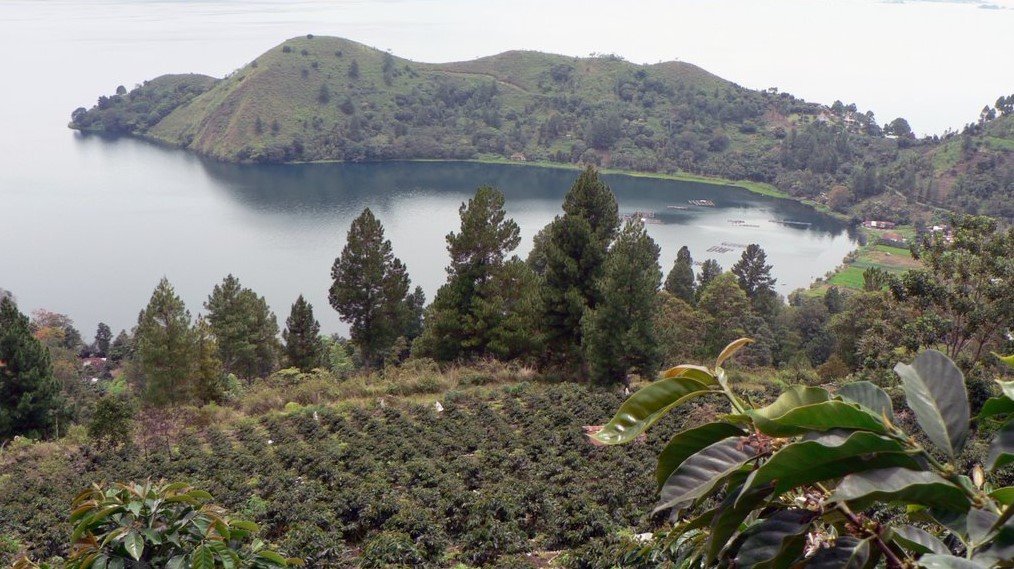
Sumatra, the sixth-largest island globally, boasts a diverse geography that plays a crucial role in shaping the flavors of its coffee. The island’s volcanic soil, high altitudes, and lush tropical climate contribute to the ideal conditions for cultivating Arabica and Robusta coffee varieties.
B. Coffee Growing Regions
Sumatra is home to several distinct coffee-growing regions, each imparting its unique characteristics to the beans. Notable regions include Aceh, Mandheling, Gayo, and Lintong, each known for specific flavor profiles and nuances.
II. Varieties of Sumatra Coffee
A. Arabica Varieties
Mandheling coffee, grown in the Mandheling region, is celebrated for its full body, low acidity, and earthy, chocolatey undertones. The beans undergo a wet-hulling process, a traditional method in Sumatra, contributing to the region’s signature flavor.
Gayo coffee, cultivated in the Gayo Highlands, is characterized by its vibrant acidity, herbal notes, and a hint of fruitiness. The unique microclimate and meticulous farming practices contribute to Gayo’s distinct taste.
B. Robusta Varieties
Aceh Gayo, a Robusta variety, hails from the Aceh region. Known for its bold, robust flavor, low acidity, and hints of spice, Aceh Gayo undergoes a wet-hulling process that enhances its earthy and intense characteristics.
III. Cultivation and Processing Exploring the Unique Flavors of Sumatra Coffee Beans
A. Traditional Farming Practices
Sumatra’s coffee farmers employ traditional and sustainable farming practices, often passed down through generations. The use of shade-grown methods and organic farming contributes to the overall quality and environmental sustainability of Sumatra coffee.
B. Wet-Hulling Process
One of the defining features of Sumatra coffee is its unique wet-hulling processing method, locally known as “Giling Basah.” This process involves removing the coffee parchment while the beans still have a high moisture content. It results in a distinct flavor profile, characterized by a full body, lower acidity, and a unique musty or herbal quality.
IV. Flavor Profile and Characteristics
Sumatra coffee’s flavor profile is a tapestry of rich and complex notes that set it apart from other coffee origins.
A. Tasting Notes
Earthy Undertones: Sumatra coffee is often praised for its earthy and woody characteristics, reminiscent of damp forest floors.
Full Body: The beans’ full body contributes to a creamy mouthfeel, providing a satisfying and robust coffee experience.
Low Acidity: Sumatra coffee is known for its low acidity, making it an excellent choice for those who prefer a smoother cup without the sharp tang.
Herbal and Spicy Notes: Depending on the region and processing method, Sumatra coffee can exhibit herbal and spicy undertones, adding layers of complexity to the flavor profile.
V. Brewing Recommendations
To fully appreciate the nuances of Sumatra coffee, it’s essential to use brewing methods that highlight its unique characteristics.
A. Recommended Brewing Methods
French Press: The full-bodied nature of Sumatra coffee shines in a French press, allowing the oils and flavors to be fully extracted.
Pour-Over: For a cleaner cup with pronounced acidity, a pour-over method can accentuate the nuanced flavors of Sumatra coffee.
Espresso: Sumatra coffee’s bold and intense qualities make it an excellent choice for espresso lovers, providing a rich and flavorful shot.
VI. Sumatra Coffee in the Global Market
A. Specialty Coffee Industry
Sumatra coffee has carved a niche in the specialty coffee market, where discerning consumers seek unique and high-quality beans. The distinctiveness of Sumatra coffee has led to its inclusion in various blends and single-origin offerings from specialty coffee roasters worldwide.
B. Sustainable Practices
Many coffee producers in Sumatra prioritize sustainability, implementing practices that benefit both the environment and local communities. Certification programs such as Fair Trade and Rainforest Alliance are increasingly common, ensuring that Sumatra coffee is not only delicious but also ethically sourced.
VII. Challenges and Opportunities
Despite its global popularity, the Sumatra coffee industry faces challenges such as climate change, pest pressures, and market fluctuations. However, opportunities for improvement and innovation exist, including the adoption of advanced farming techniques, increased sustainability efforts, and ongoing collaborations between farmers and the global coffee community.
Conclusion
Sumatra coffee stands as a testament to the rich tapestry of flavors that the world of coffee has to offer. From the volcanic slopes to the hands of skilled farmers, the journey of Sumatra coffee beans is a fascinating exploration of culture, tradition, and the pursuit of excellence. Whether enjoyed in a cozy café or brewed at home, Sumatra coffee continues to captivate coffee connoisseurs with its unparalleled taste and distinctive character, making it a true gem in the world of specialty coffee.
Welcome to the world of Arabica Mandheling Coffee, a true treasure among coffee enthusiasts seeking an unparalleled taste experience. Nestled in the lush landscapes of Sumatra, Indonesia, Arabica Mandheling Coffee stands as a testament to the artistry and excellence of coffee cultivation. The keywords “Arabica Mandheling Coffee” evoke a sensory journey through the rich tapestry of flavors, unique to this distinguished variety.
Renowned for its origins in the Sumatra region, this exceptional coffee variety derives its name from the Mandailing people, indigenous to the area. The term “Arabica” denotes not just a coffee bean type but a hallmark of quality, known for its nuanced and diverse flavor profile. Arabica Mandheling Coffee, characterized by its bold, earthy, and chocolatey undertones, presents a sensory symphony that delights the palate.
The lush highlands of Sumatra provide the ideal setting for the cultivation of Arabica coffee beans. Here, at higher elevations and nourished by volcanic soil, the Arabica plants thrive, slowly maturing to develop a depth of flavor unparalleled in the coffee world. The wet-hulling processing method, a hallmark of Sumatran coffee production, adds a distinctive touch, enhancing the coffee’s robustness while imparting low acidity, a defining trait of Mandheling coffee.
The combination of these factors results in a cup of coffee that embodies the keywords “Arabica Mandheling Coffee” in every sip—a harmonious blend of richness, depth, and a delightful absence of sharpness. This variety captivates with its strong yet smooth character, inviting enthusiasts to savor its unique qualities and indulge in a truly exceptional coffee experience.
Sumatra: Since Arabica Mandheling coffee originates from the Sumatra
The Sumatra region in Indonesia is renowned for producing some of the world’s most distinct and sought-after coffees, including the revered Arabica Mandheling variety. Nestled among the fertile lands of Sumatra, this coffee-growing region benefits from its unique geographical features, such as high elevations, volcanic soil, and a tropical climate with consistent rainfall.
The terroir of Sumatra plays a pivotal role in shaping the characteristics of Mandheling coffee. The volcanic soil imparts a deep richness to the beans, while the high altitudes contribute to the slow maturation of the coffee cherries, resulting in a complex flavor profile.
Moreover, the wet-hulling processing method, locally known as “Giling Basah,” is a hallmark of Sumatran coffee production. This method involves removing the parchment layer from the beans while they still contain a significant amount of moisture. It leads to Mandheling coffee’s distinctive earthy, full-bodied, and sometimes spicy notes, setting it apart from other coffees around the world.
Sumatra’s lush landscapes and diverse ecosystems create an ideal environment for Arabica coffee cultivation, allowing the Mandheling beans to develop their characteristic flavors of dark chocolate, herbal tones, and a syrupy, lingering finish. This region’s coffee heritage and commitment to traditional methods contribute to the exceptional quality and unique taste profile that coffee enthusiasts worldwide appreciate in Sumatran Arabica Mandheling Coffee.
Robust: Referring to its rich and full-bodied flavor profile.
“Robust” in the context of Arabica Mandheling Coffee signifies its remarkable and pronounced flavor profile, characterized by a rich, full-bodied taste that captivates coffee connoisseurs.
The robustness of Mandheling coffee emerges from a combination of factors. Firstly, its Arabica beans, grown in the high altitudes of Sumatra, develop a dense and concentrated flavor due to the slower maturation process. This prolonged growth period allows the beans to absorb more nutrients from the soil, resulting in a deeper, more intense taste.
Furthermore, Mandheling coffee’s unique processing method, the wet-hulling technique, contributes significantly to its robustness. This method, distinct to Sumatra, removes the coffee beans‘ parchment while they still retain a higher moisture content compared to other processing methods. As a result, the beans possess a distinct earthy, full-bodied flavor with lower acidity, enhancing their robust nature.
The flavor profile of Arabica Mandheling Coffee often exhibits bold, complex notes, such as dark chocolate, hints of spice, and sometimes herbal undertones. Its full-bodied nature encompasses a depth and richness that linger on the palate, offering a satisfying and indulgent coffee experience.
The term “robust” encapsulates the strength and depth of flavors present in Mandheling coffee, making it an excellent choice for those who appreciate a coffee with a substantial and satisfying taste profile.
Earthy: Describing its deep and natural taste notes.
“Earthy” is a sensory descriptor that vividly captures the profound and natural taste profile inherent in Arabica Mandheling Coffee. This characteristic arises from various elements in its cultivation, processing, and terroir, contributing to a flavor that resonates with the essence of the earth.
The Sumatra region’s volcanic soil, where Mandheling coffee thrives, plays a pivotal role in imparting earthy undertones to the beans. This rich, fertile soil infuses the coffee plants with minerals and nutrients, influencing the final flavor profile. The volcanic terrain adds depth to the taste, creating a grounded and organic essence that resonates in every sip.
Additionally, the wet-hulling processing method employed in Sumatra heightens the earthy notes in Mandheling coffee. This technique involves removing the beans’ parchment layer while they still retain a significant amount of moisture. The combination of moisture and unique processing imparts a distinct, earthy quality to the coffee, often characterized by deep, rustic, and sometimes woody or mossy notes.
The taste notes associated with “earthy” in Mandheling coffee often encompass a spectrum of flavors reminiscent of the natural world. These may include earthy nuances akin to forest floor aromas, hints of damp soil, moss, or even mild woody undertones. These elements create a sensory experience that connects drinkers to the origins of the coffee beans, evoking a sense of natural richness and authenticity.
The term “earthy” beautifully encapsulates the profound and genuine taste notes found in Arabica Mandheling Coffee, inviting enthusiasts to savor the grounded and authentic flavors derived from its unique geographical and processing characteristics.
Arabica: Highlighting its primary coffee bean type
Arabica, the primary coffee bean type in Arabica Mandheling Coffee, is esteemed across the globe for its exceptional quality and nuanced flavors, setting the standard for premium coffee experiences.
Arabica coffee beans, which originate from the Coffea arabica plant species, represent a pinnacle in the coffee world. These beans are cultivated at higher elevations, often in regions with temperate climates, offering optimal conditions for their growth. In the Sumatra region where Mandheling coffee flourishes, the Arabica plants benefit from the altitude, fertile volcanic soil, and a balance of sunshine and rainfall, all of which contribute to the beans’ superior quality.
What distinguishes Arabica beans are their nuanced and complex flavor profiles. They’re celebrated for exhibiting a wide range of flavors that can include floral and fruity notes, hints of acidity, varying levels of sweetness, and a pleasing balance. Mandheling coffee, being an Arabica variant, showcases these characteristics in a unique way, often highlighting rich, deep flavors with low acidity.
Furthermore, Arabica beans generally contain less caffeine compared to their counterpart, Robusta. This lower caffeine content contributes to their perceived smoother and more refined taste, making Arabica the preferred choice for those seeking a sophisticated and less intense coffee experience.
The cultivation of Arabica beans demands meticulous care and attention throughout the growing and harvesting process. The dedication of coffee farmers to nurture these delicate plants and ensure optimal conditions contributes significantly to the beans’ exceptional quality and the nuanced flavors that aficionados cherish.
In the world of specialty coffee, the term “Arabica” signifies not just a type of coffee bean, but a mark of excellence, known for its superior taste, complexity, and the ability to deliver a truly exquisite coffee experience. Arabica Mandheling Coffee, with its Arabica bean base, embodies these qualities, offering a captivating and distinguished flavor profile cherished by discerning coffee enthusiasts.
Bold: Indicating its strong and distinctive taste
“Bold” serves as a vibrant descriptor for the robust and distinct flavor profile found in Arabica Mandheling Coffee. This term encapsulates the coffee’s ability to deliver a memorable and striking taste experience that stands out among other varieties.
The boldness of Mandheling coffee arises from several factors intricately woven into its cultivation, processing, and inherent characteristics. Primarily, the Arabica beans grown in the high-altitude regions of Sumatra develop a concentrated and intense flavor due to a longer maturation period. This extended growth allows the beans to absorb rich nutrients from the volcanic soil, contributing to the coffee’s bold taste.
Moreover, the wet-hulling processing method specific to Sumatran coffee production infuses Mandheling beans with a robustness that resonates in every cup. This technique involves removing the beans’ parchment layer while they retain a higher moisture content, resulting in a distinct, full-bodied, and bold flavor profile.
The boldness of Mandheling coffee often showcases a powerful amalgamation of flavors that can include deep, earthy notes intertwined with hints of dark chocolate, herbal undertones, and sometimes a subtle spiciness. These elements contribute to a multi-dimensional taste experience that leaves a lasting impression on the palate.
In the realm of coffee descriptors, “bold” signifies not only a strong taste but also a rich and impactful flavor profile that distinguishes Mandheling coffee as a standout choice for those seeking an assertive and memorable coffee experience. Its ability to deliver a bold taste without compromising on complexity or depth makes Arabica Mandheling Coffee an enticing option for aficionados seeking a remarkable and robust cup of coffee.
Chocolatey: Hinting at its often chocolate-like undertones.
“Chocolatey” aptly describes one of the delightful and sought-after flavor nuances found in Arabica Mandheling Coffee, hinting at the delightful resemblance to chocolate in its taste profile.
The chocolatey undertones in Mandheling coffee emerge from a harmonious interplay of factors spanning its cultivation, processing, and inherent bean characteristics. Firstly, the Arabica beans cultivated in the Sumatra region benefit from the rich volcanic soil, high elevations, and tropical climate. These conditions contribute to the development of compounds within the beans that create flavors reminiscent of chocolate.
Additionally, the wet-hulling processing method employed in Sumatran coffee production accentuates these chocolatey notes. This unique method involves removing the beans’ parchment layer while they retain a higher moisture content, allowing for deeper flavors to develop. This process often results in the creation of compounds that lend the coffee its chocolate-like undertones.
The chocolatey aspect in Mandheling coffee is not necessarily a direct taste of chocolate but rather a pleasant and nuanced hint or aftertaste reminiscent of dark chocolate, cocoa, or even a mild sweetness akin to milk chocolate. These notes intertwine with the coffee’s overall profile, contributing to a delightful and complex taste experience.
The term “chocolatey” beautifully captures this aspect of Arabica Mandheling Coffee, inviting coffee enthusiasts to savor the delightful resemblance to chocolate in its flavor profile. It adds an additional layer of richness and depth to the overall taste, making it a beloved characteristic sought by those who appreciate the indulgent and nuanced aspects of a quality cup of coffee.
Low acidity: A characteristic of Mandheling coffee compared to other varieties.
The low acidity in Mandheling coffee stands as a defining characteristic that distinguishes it from many other coffee varieties, contributing to its unique and sought-after flavor profile.
Acidity in coffee refers to a bright, tangy, or sharp sensation experienced on the palate, often likened to the acidity found in fruits. While some coffee enthusiasts appreciate high acidity in their brew for its vibrancy and liveliness, others prefer a smoother, less acidic taste.
Mandheling coffee, known for its low acidity, offers a mellow and balanced flavor experience. This characteristic is influenced by various factors in its cultivation and processing. The Arabica beans grown in the Sumatra region mature at a slower pace due to the higher elevations and cooler temperatures. This extended maturation period results in beans with lower acidity levels compared to coffees grown in lower altitudes and warmer climates.
Furthermore, the wet-hulling processing method, distinctive to Sumatran coffee production, contributes to reducing the coffee’s acidity. This method involves removing the beans’ parchment layer while they still retain a higher moisture content. This process tends to soften the acidity in the beans, allowing other flavor profiles to shine through while maintaining a smooth and less sharp taste.
The low acidity in Mandheling coffee doesn’t compromise its complexity or depth of flavors. Instead, it allows the coffee to showcase its rich, earthy, and full-bodied characteristics without the sharpness commonly associated with higher acidity coffees.
For those who prefer a coffee with a smoother, more rounded taste that emphasizes its deep and nuanced flavor palette while minimizing any sharp tang, Mandheling coffee’s low acidity makes it an appealing choice, offering a gentle and balanced coffee experience.
Conclusion
Arabica Mandheling Coffee stands as a testament to the exquisite artistry embedded within the world of coffee. Its allure is undeniable, weaving a tapestry of flavors that captivate the senses and beckon the curious palate to indulge in its rich depths. The keywords “Arabica Mandheling Coffee” echo a sentiment of unparalleled quality and distinction in the realm of coffee aficionados.
For me, exploring Arabica Mandheling Coffee is akin to embarking on a sensory odyssey. Its bold yet harmonious blend of earthy, chocolatey, and nuanced notes creates an experience that transcends mere sips—it’s a journey through Sumatra’s fertile landscapes and the meticulous craftsmanship of its cultivation.
The magic begins with the beans themselves—Arabica, celebrated for its refined taste and Mandheling, a testament to the Sumatran terroir. This amalgamation yields a brew that delights with every sip, showcasing a depth of flavors that interplay harmoniously on the palate.
What truly sets Arabica Mandheling Coffee apart is its distinctive low acidity—a rarity among bold coffees. This characteristic adds a smoothness that complements its robustness, elevating the overall experience. It’s a symphony of flavors where each note, from the earthy undertones to the chocolatey richness, dances in perfect harmony.
In the world of specialty coffee, Arabica Mandheling stands tall, offering a sensorial escape that transcends the ordinary. The keywords “Arabica Mandheling Coffee” encapsulate not just a drink but an experience—one that invites exploration and appreciation of the intricate flavors woven into every cup, making it a cherished gem for discerning coffee enthusiasts seeking true excellence.
Nestled within the verdant landscapes of Indonesia, the diverse and enchanting world of Sumatra coffee unveils a tapestry of flavors, each region boasting its unique essence and distinct coffee varietals. Among the celebrated coffee-growing regions—Aceh Gayo, Mandheling, Sidikalang, and Lampung—Sumatra proudly presents a rich heritage steeped in the cultivation of some of the world’s most sought-after coffee beans.
Indonesia, renowned for its robust coffee culture, embraces a spectrum of coffee varieties that captivate aficionados worldwide. Amidst the archipelago’s fertile terrains and diverse climates, these Sumatran regions stand as beacons of exceptional coffee craftsmanship, each offering a flavor journey steeped in tradition, terroir, and meticulous cultivation methods.
From the boldness of Aceh Gayo to the richness of Mandheling, the brightness of Sidikalang, and the versatility of Lampung, the story of Sumatra coffee is one woven with a myriad of aromas, flavors, and cultural significance. Join us on an exploration through the fertile landscapes and thriving communities of Aceh, North Sumatra, and beyond, as we uncover the unparalleled richness and diversity of Sumatra’s most exquisite coffee varieties.
Sumatra, the largest island in Indonesia, boasts a rich coffee heritage. Within its diverse coffee-growing regions, Aceh Gayo, Mandheling, Sidikalang, and Lampung stand out as prominent areas renowned for producing some of the most flavorful and sought-after coffee beans globally. Let’s delve into the unique characteristics of each region and explore why they’re celebrated for their coffee.
Sumatra coffee: Aceh Gayo Coffee, Embodying Strength and Distinctiveness
Aceh Gayo coffee, cultivated in the picturesque highlands of Aceh in northern Sumatra, stands out prominently for its boldness in both aroma and flavor. Let’s explore this region’s coffee in greater detail:
Geographical Influence:
Aceh Gayo coffee thrives in the high-altitude regions of Aceh, situated between 1200 to 1700 meters above sea level. This elevation, coupled with the region’s temperate climate and fertile volcanic soil, creates an optimal environment for cultivating Arabica coffee beans of exceptional quality.
Fragrance/Aroma:
The aroma of Aceh Gayo coffee is captivating, offering a delightful blend of fresh, nutty scents that entice the senses. Upon brewing, these aromas fill the air, setting the stage for a remarkable sensory experience.
Flavor Profile:
Dive into a cup of Aceh Gayo coffee, and you’ll encounter a complex tapestry of flavors. The prominent coffee essence is complemented by nuanced hints of vanilla, adding a layer of subtle sweetness and depth to the brew.
Acidity and Body:
This variety is characterized by good acidity, which contributes to a well-balanced cup. The coffee exhibits a medium to high body, providing a rich and velvety texture that enhances the overall drinking experience.
Caffeine Content:
With a caffeine content ranging between 0.8 to 1.4%, Aceh Gayo coffee strikes a harmonious balance, offering a moderate caffeine level that appeals to both casual drinkers and enthusiasts alike.
Character Stew:
The blend of acidity and chocolate undertones creates a captivating character in each sip. The acidity intertwines with the deep chocolate notes, offering a harmonious marriage of flavors that dance on the palate.
Harvesting and Processing:
The process of bringing Aceh Gayo coffee from farm to cup involves meticulous methods. Harvesting is carried out through a combination of mechanical and hand-picking techniques, ensuring the selection of only the ripest cherries. The subsequent processing predominantly involves the wet processing method and wet hulling, preserving the coffee’s distinct flavors and characteristics. Smallholders may utilize a small quantity wet process, while larger processors might employ a dry hulling or fully washed process, catering to varying preferences and scale of production.
Optimal Conditions and Production Areas:
The optimal temperature range of 13 to 28°C, coupled with the high-altitude conditions, contributes significantly to the coffee’s exquisite quality. The production areas within Aceh, such as Takengon, Bener Meriah, Angkup, Sukarame, Bies, Jagung, Sabun, and Pondokbaru, are renowned for their contribution to Aceh Gayo’s rich coffee heritage.
Timeline and Yield:
From flowering to berry, Aceh Gayo coffee takes approximately 9 months to reach maturity. The production yield ranges between 800 to 1500 kilograms per hectare, showcasing the careful cultivation practices and dedication of local farmers.
Conclusion: A Remarkable Journey in Every Sip
Aceh Gayo coffee represents not just a beverage but a culmination of meticulous cultivation, unique terroir, and a legacy of craftsmanship passed down through generations. From the high-altitude regions of Aceh to your cup, each step in the process reflects a commitment to quality and a celebration of the diverse flavors encapsulated within this revered Indonesian coffee. With its fragrant aroma, complex flavor profile, and meticulous production methods, Aceh Gayo coffee continues to enchant coffee enthusiasts with every aromatic sip, inviting them to savor the essence of Aceh’s rich coffee heritage.
Mandheling Coffee: Embodying Richness and Complexity
Mandheling coffee from the captivating landscapes of North Sumatra holds a prominent place in the world of coffee. Let’s explore its multifaceted characteristics and the essence that makes it a cherished variety:
Geographical Influence:
Hailing from the lush highlands of North Sumatra, Mandheling coffee thrives in elevations ranging from 1200 to 1500 meters above sea level. The region’s volcanic loam soil, combined with a temperate climate, creates an ideal environment for cultivating high-quality Arabica coffee beans.
Fragrance/Aroma:
Upon brewing, Mandheling coffee releases a fresh and nutty aroma that wafts through the air, inviting coffee enthusiasts into its aromatic embrace.
Flavor Profile:
The flavor profile of Mandheling coffee is a testament to its complexity. It presents a rich tapestry of herbal and spicy notes intermingled with mild hints of caramel. This amalgamation of flavors creates a distinctive and satisfying taste experience.
Acidity and Body:
With a medium level of acidity, Mandheling coffee strikes a harmonious balance, allowing the flavors to shine without overpowering the palate. Its medium to high body contributes to a luxurious mouthfeel, enhancing the overall drinking experience.
Character Stew:
The combination of acidity and chocolate undertones in Mandheling coffee produces a delightful character, where the acidity uplifts the flavor profile, complementing the deep chocolate notes in each sip.
Harvesting and Processing:
The process of cultivating Mandheling coffee involves a meticulous approach. Harvesting is carried out through a combination of mechanical and hand-picking methods, ensuring the selection of only the finest, ripe coffee cherries. The subsequent processing typically utilizes the semi-wash method, contributing to the coffee’s distinct characteristics and flavor profile.
Optimal Conditions and Production Areas:
The optimal temperature range of 13 to 28°C and an optimal rainfall between 100 to 3000 mm play crucial roles in shaping the quality of Mandheling coffee. Production areas such as Berastagi, Sidikalang, Dolok Sanggul, Dolok Saribu, Lintong, Borong-borong, Tobasa, Sipirok, and Mandailing are renowned for their contribution to the cultivation of this esteemed coffee variety.
Timeline and Yield:
From flowering to berry, Mandheling coffee undergoes a maturation period of approximately 9 months. The production yield typically ranges between 800 to 1500 kilograms per hectare, showcasing the dedication and expertise of local coffee farmers.
Caffeine Content and Seed Characteristics:
Mandheling coffee boasts a caffeine content ranging between 0.8 to 1.4%, providing a moderate caffeine level suitable for a wide range of coffee enthusiasts. The coffee seeds are flat with a clear midline, characteristic of this particular variety.
Conclusion: A Journey of Depth and Diversity
Mandheling coffee embodies more than just a beverage; it encapsulates the heritage, craftsmanship, and diverse flavors of North Sumatra. From its distinctive aroma to the rich complexity of its flavor profile, each sip of Mandheling coffee takes enthusiasts on a journey through the captivating landscapes and meticulous production methods that define its essence. With its herbal and spicy notes complemented by a mild caramel undertone, Mandheling coffee remains an embodiment of richness and depth, inviting coffee aficionados to indulge in its multifaceted character and savor the legacy it carries from the fertile soils of North Sumatra.
Sidikalang Robusta Coffee: Embracing Strength and Distinctness
Sidikalang, known for its Robusta coffee in Indonesia, offers a unique coffee experience distinct from its Arabica counterparts. Let’s delve into the intricate details and characteristics of Sidikalang Robusta coffee:
Geographical Influence:
Sidikalang, situated in the fertile lands of Dairi, North Sumatra, cultivates Robusta coffee amidst an elevation ranging from 800 to 1,500 meters above sea level. This elevation, combined with the region’s tropical climate and volcanic soil, fosters the growth of high-quality Robusta beans.
Screen Size and Moisture Content:
Sidikalang Robusta coffee typically boasts a screen size ranging between 15-19, indicating the uniformity and quality of the beans. The moisture content is kept at a maximum of 13%, ensuring the preservation of the coffee’s optimal attributes.
Defect Value:
With a specified defect value of 25 (300 gr) as per the sample, Sidikalang Robusta coffee undergoes stringent quality control measures to maintain its excellence.
Fragrance/Aroma:
The aroma of Sidikalang Robusta coffee is earthy and robust, offering an intense olfactory experience that sets the tone for the coffee’s distinctiveness.
Flavor Profile:
The flavor profile of Sidikalang Robusta coffee is characterized by its boldness and spice. It exhibits spicy and hot notes, delivering a distinctive and invigorating taste profile that sets it apart from other varieties. The freshness in its flavor adds a vibrant dimension to each sip.
Body:
Renowned for its full-bodied nature, Sidikalang Robusta coffee envelops the palate with a rich and full-bodied texture, creating a satisfying and robust mouthfeel.
Origin and Significance:
Originating from Indonesia, Sidikalang Robusta coffee holds cultural significance in the region. The cultivation of Robusta beans in Sidikalang has been a source of livelihood for local farmers, contributing to the region’s economy and coffee heritage.
Harvesting and Processing:
The harvesting process involves meticulous techniques, combining both mechanical and manual methods to ensure the selection of ripe coffee cherries. Subsequent processing methods are tailored to preserve the robust flavors and characteristics inherent to Sidikalang Robusta coffee.
Optimal Conditions and Production Areas:
The optimal conditions for Sidikalang Robusta coffee include elevations ranging from 800 to 1,500 meters above sea level, coupled with the region’s specific climatic attributes. Production areas such as Dairi, North Sumatra, including Sidikalang, are known for their contribution to the cultivation of this robust coffee variety.
Conclusion: Robustness in Every Sip
Sidikalang Robusta coffee stands as a testament to the robustness and distinctiveness of Robusta beans. With its earthy aroma, spicy and hot flavor profile, and full-bodied nature, this coffee variety offers a unique and invigorating drinking experience. From the fertile lands of Sidikalang to the cups of coffee enthusiasts, each sip tells a story of strength, meticulous craftsmanship, and the vibrant flavors embedded within the robust Robusta beans cultivated in this Indonesian region.
Lampung Robusta Coffee: A Testament to Robustness and Flavor Complexity
Lampung, a renowned region in Indonesia, cultivates robust Robusta coffee known for its unique attributes and robust flavors. Let’s delve into the intricacies and characteristics that define Lampung Robusta coffee:
Geographical Influence:
Lampung, situated on the southern tip of Sumatra, provides an ideal environment for cultivating Robusta coffee. The region’s altitude, soil composition, and tropical climate contribute to the distinctive qualities of Lampung Robusta beans.
Screen Size and Moisture Content:
Lampung Robusta coffee is often distinguished by a screen size ranging between 15-19, showcasing consistency and quality. The moisture content is rigorously controlled, maintaining a maximum threshold of 13%, ensuring the preservation of its optimal characteristics.
Defect Value:
With a specified defect value of 25 (300 gr) as per the sample, Lampung Robusta coffee undergoes rigorous quality assessments to uphold its superior quality standards.
Fragrance/Aroma:
The aroma of Lampung Robusta coffee is characterized by earthy undertones, inviting enthusiasts into a sensory experience that speaks of the region’s rich terroir.
Flavor Profile:
Known for its robust and intense flavors, Lampung Robusta coffee delivers a spicy and hot taste profile that captivates the palate. The depth and intensity of its flavors contribute to its distinctive character.
Body:
Lampung Robusta coffee offers a full-bodied experience, enveloping the palate with a rich and satisfying texture that complements its robust flavor profile.
Origin and Significance:
Originating from Indonesia, Lampung Robusta coffee holds significance in the region’s coffee industry. It serves as a cornerstone of the local economy and contributes to the cultural heritage of Lampung.
Harvesting and Processing:
Harvesting practices in Lampung Robusta coffee cultivation involve a combination of mechanical and manual methods, ensuring the selection of ripe cherries. The subsequent processing methods are tailored to preserve the robust flavors and attributes characteristic of Lampung Robusta coffee.
Optimal Conditions and Production Areas:
Lampung Robusta coffee thrives in the optimal conditions provided by the region’s altitudes and climate. The production areas within Lampung, including various sub-regions, contribute to the cultivation and production of this robust coffee variety.
Conclusion: Embracing Robustness and Depth
Lampung Robusta coffee represents more than just a beverage; it encapsulates the resilience, robustness, and rich flavors nurtured by the fertile lands of Lampung. With its earthy aroma, spicy and hot flavor profile, and full-bodied nature, this coffee variety offers an intense and gratifying drinking experience. From the carefully tended plantations of Lampung to the cups of enthusiasts, each sip tells a story of strength, complexity, and the vibrant flavors embedded within the robust Robusta beans cultivated in this Indonesian region.
In the diverse tapestry of Sumatra coffee heritage, each sip tells a story—a tale of dedication, craftsmanship, and the vibrant terroir of Indonesia. From the rugged highlands of Aceh to the lush plantations of Lampung, the legacy of Sumatra coffee transcends mere taste; it’s a narrative of generations cultivating the perfect bean, preserving tradition, and sharing a piece of their land in every cup.
As we bid adieu to this flavorful expedition through Aceh Gayo, Mandheling, Sidikalang, and Lampung, let us carry with us the richness of these regions, the complexity of their aromas, and the depth of their flavors. The journey through Sumatra’s coffee-growing regions remains an invitation—an invitation to revisit, to savor, and to celebrate the diversity and excellence that define Sumatra coffee.
So, raise your cup—a toast to the dedication of the farmers, the uniqueness of the terroir, and the delight of experiencing Sumatra’s finest. As we partake in this global appreciation of coffee, let us remember that with each sip, we honor the heritage, craftsmanship, and the cherished story encapsulated within the beans of Sumatra. Cheers to the enduring legacy of Sumatra coffee—may its aroma linger and its flavor continue to delight, beckoning us to return for another exquisite taste of Indonesia’s remarkable brews.
Indonesia, with its rich coffee heritage, is home to a treasure trove of coffee varieties that tantalize the senses and delight the palate. Among these, Sumatran coffee stands as a testament to the country’s dedication to producing some of the finest coffee beans in the world. FnB Tech, a Sumatran coffee exporter company, hails from this remarkable region and takes pride in offering the world a taste of Indonesia’s coffee excellence.
Characteristics that Define Sumatran Coffee
Sumatran coffee is distinguished by its unique characteristics that make it a sought-after choice among coffee connoisseurs worldwide.
1. Fragrance/Aroma: Fresh and Nutty
The first encounter with Sumatran coffee often begins with its captivating fragrance. It exudes a fresh, inviting aroma that combines the earthiness of the region’s terroir with subtle nutty notes, promising an exceptional coffee experience.
2. Flavor: Herbal, Spicy, and Mild Caramel
As the brewed Sumatran coffee graces your taste buds, you embark on a flavor journey that’s both distinctive and memorable. The herbal and spicy undertones intermingle harmoniously, offering a rich and complex flavor profile. To add to the delight, a touch of mild caramel sweetness lingers, providing a perfect balance of tastes.
3. Acidity: Medium
Sumatran coffee boasts a medium acidity level, which contributes to its well-rounded flavor. The acidity is not overpowering, allowing the other flavor elements to shine through and create a delightful cup of coffee.
4. Body: Medium to High
The body of Sumatran coffee is a testament to its quality. Ranging from medium to high, the body gives the coffee a substantial and satisfying mouthfeel. It’s a coffee that can stand up to various brewing methods and remains consistently satisfying.
Exploring the Origin and Production
To truly understand Sumatran coffee, it’s crucial to delve into its origins and the meticulous production process that brings it to life.
1. Time from Flowers to Be Berry: 9 Months
The journey of a coffee bean in Sumatra is a patient one. From the bloom of the coffee flower to the formation of the ripe coffee berry, it takes approximately nine months. This extended maturation period contributes to the rich flavors and aromas found in Sumatran coffee.
2. Production (Kg/Ha): 800 to 1500
The production of Sumatran coffee varies but maintains a commendable standard. Coffee plantations in Sumatra yield between 800 to 1500 kilograms per hectare, showcasing the productivity and dedication of local coffee farmers.
3. Optimal Temperature: 13 to 28°C
Sumatran coffee thrives in a temperate climate, with an optimal temperature range of 13 to 28°C. This region-specific climate plays a vital role in shaping the unique characteristics of these coffee beans.
4. Altitude: 1200 to 1500 from Sea Level (asl)
The altitude at which coffee is grown can significantly impact its flavor profile. Sumatran coffee flourishes at altitudes ranging from 1200 to 1500 meters above sea level (asl), where the cool mountain air and volcanic soil contribute to its exceptional taste.
5. Country of Origin: Indonesia
Sumatran coffee proudly carries the banner of Indonesia as its country of origin. This archipelagic nation has a long history of cultivating and exporting coffee, with Sumatra being one of its most prominent coffee-producing regions.
6. Production Areas: Aceh (Takengon, Bener Meriah, Angkup, Sukarame, Bies, Jagung, Sabun, Pondokbaru)
Within Sumatra, Aceh province stands as a coffee-producing powerhouse. The subregions of Takengon, Bener Meriah, Angkup, Sukarame, Bies, Jagung, Sabun, and Pondokbaru are renowned for their coffee cultivation, each contributing to the diverse flavor profiles of Sumatran coffee.
7. Caffeine Content: 0.8 to 1.4%
The caffeine content of Sumatran coffee falls within the range of 0.8 to 1.4%, which is relatively moderate. This caffeine level complements the coffee’s other characteristics, ensuring a balanced and enjoyable cup.
8. Character Stew: Acid & Chocolate
Sumatran coffee can be likened to a flavorful stew, where the acidity and chocolate notes blend seamlessly. This combination creates a coffee experience that’s both bold and comforting, making it an ideal choice for those seeking a distinctive and memorable brew.
9. Method of Harvest: Mechanical and Hand Pick
The harvesting of Sumatran coffee beans is a blend of tradition and modernity. Coffee cherries are carefully hand-picked by skilled farmers, ensuring that only the ripest cherries are selected. In some cases, mechanical harvesting methods are employed to efficiently gather the precious harvest.
10. Processing Method: Semi-wash Method
Sumatran coffee undergoes a semi-wash processing method. This method involves pulping the coffee cherries to remove the outer layers and then allowing the beans to ferment naturally. It’s a method that retains the bean’s unique flavors while enhancing its overall quality.
Sumatran Coffee: A Taste of Tradition and Excellence
In conclusion, Sumatran coffee, as exemplified by FnB Tech, offers a sensory journey through the heart of Indonesia’s coffee culture. Its fresh and nutty fragrance, herbal and spicy flavor with a touch of mild caramel sweetness, and medium acidity create a truly unique and satisfying coffee experience. From its patient journey from flower to berry to its cultivation in the lush highlands of Sumatra, every aspect of Sumatran coffee production contributes to its exceptional quality. Whether you savor it as a daily ritual or a special treat, Sumatran coffee invites you to explore the rich heritage and dedication that make it one of the world’s most cherished coffee varieties.
Single Origin Sumatra Coffee is a distinctive and sought-after coffee variety that originates from the Indonesian Highlands. This article provides an overview of this unique coffee, highlighting its flavor profile, cultivation methods, cultural significance, and challenges for its future.
Single Origin Sumatra Coffee refers to coffee beans grown exclusively in the Indonesian Highlands, particularly in the regions of Aceh, North Sumatra, and Gayo. These beans are renowned for their rich flavors, earthy undertones, and unique processing methods.
The Indonesian Highlands are located in the western half of the Indonesian island of Sumatra. Aceh, North Sumatra, and Gayo are among the provinces that make up the region. The topography is harsh and mountainous, with numerous active and dormant volcanoes dotting the area. Mount Kerinci, Indonesia’s highest volcano, is located in the Indonesian Highlands.
Climate and Environmental Factors
The tropical climate of the Indonesian Highlands is impacted by the region’s equatorial location. Throughout the year, the climate is marked by high humidity and heavy rainfall. The average annual rainfall is between 2,500 and 3,500 millimeters, with some places receiving significantly more. The rainy season lasts from October to April, and the dry season lasts from May to September.
The high elevation of the region has a significant impact on the climate. Temperatures fall as height rises, creating a cooler and more temperate atmosphere than the lowlands. Temperatures in the Indonesian Highlands range from 18 to 24 degrees Celsius on average, making it ideal for coffee growth.
Impact on Coffee Cultivation
The Indonesian Highlands’ distinctive terrain and climate contribute to optimum circumstances for cultivating high-quality coffee. The region’s volcanic soil is rich in minerals and nutrients, creating a suitable setting for coffee plants to grow. The elevation, which ranges from 1,000 to 2,500 meters above sea level, contributes to the formation of a colder microclimate, slowing the maturation of the coffee cherries and allowing for more subtle flavor development.
The high amounts of rainfall and humidity encourage the establishment of lush vegetation, which provides natural shade for coffee plants. This shadow shields the coffee trees from direct sunshine, reducing heat stress and permitting a slower ripening process. Furthermore, the regular temperatures in the Indonesian Highlands aid in the balanced development of tastes in coffee beans.
History of Coffee in Sumatra
Arrival of Coffee to Indonesia
Sumatra’s coffee history extends back to the late 17th century when the Dutch East India Company brought coffee to the archipelago. The Dutch traders introduced Yemeni coffee seedlings to their Java colony, where they developed the first coffee plantations. Because of the success of coffee planting in Java, coffee production has spread to other parts of the Indonesian archipelago, including Sumatra.
Development of Sumatra as a Coffee-Producing Region
Sumatra’s coffee production rose to prominence during the Dutch colonial era. Local farmers began growing coffee, and the region became known for its unique processing methods, which resulted in the distinct flavors found in Single Origin Sumatra Coffee.
Unique Origin Sumatra Coffee is well-known for having a distinct flavor character. It has a full-bodied and earthy flavor with a low acidity. Complex undertones of dark chocolate, wood, tobacco, and spices like cinnamon and cardamom may be found in the flavors. Hints of tropical fruits, such as tamarind or mango, may also be present in the coffee, lending a touch of sweetness to the entire flavor.
Processing Methods
The unique processing procedure known as “Giling Basah” or wet-hulling is one of the distinguishing features of Single Origin Sumatra Coffee. This method entails removing the outer skin and some of the pulp from coffee cherries before drying them. Wet-hulling adds to the particular flavor profile by letting the beans absorb more moisture during the drying stage, resulting in reduced acidity and a heavier body.
Unique Qualities and Attributes
Single Origin Sumatra Coffee possesses several unique qualities that set it apart from other coffee varieties:
Heavy Body: The coffee has a thick, syrupy body that provides a rich, velvety mouthfeel. This feature gives the coffee a strong presence and improves the whole sensory experience.
Single Origin: Low Acidity Sumatra Coffee is distinguished by its low acidity when compared to other coffee kinds. The coffee’s low acidity allows the other tastes to shine through, contributing to its smooth and balanced flavor.
Flavor Retention: Single Origin Sumatra Coffee beans have an amazing capacity to keep their flavors over time. This makes them excellent for storage and transportation, guaranteeing that the particular flavor and scent remain intact even after long periods of time.
Single Origin Sumatra Coffee is widely sought after by coffee aficionados and connoisseurs due to its distinct flavor profile, wet-hulling processing method, and remarkable attributes. Its unusual qualities lead to its success in the specialty coffee industry, making it a popular choice for people looking for a robust and memorable coffee experience.
Processing and Production of Single Origin Sumatra Coffee
Harvesting and Sorting
The meticulous and selective selection of ripe coffee cherries begins the process of manufacturing Single Origin Sumatra Coffee. Handpicking the cherries ensures that only fully matured cherries are selected for further processing. This rigorous harvesting method is critical in preserving the coffee beans’ freshness and flavor.
Following harvest, the coffee cherries are sorted to remove any damaged or faulty cherries. This sorting procedure ensures that only the best beans are processed, which improves the overall cup quality of Single Origin Sumatra Coffee.
Traditional Wet-Hulling Method
Unique Origin Sumatra Coffee is famous for its distinct processing method known as “Giling Basah” or wet-hulling. This process is unique to the region and adds to the coffee’s distinct flavor profile.
The outer skin and portion of the pulp of the coffee cherries are removed mechanically or by hand during wet-hulling. Before the parchment coating is removed, the beans are briefly dried, typically to a moisture level of around 30-40%. This is in contrast to the more frequent dry processing approach, in which the cherries are dried completely before the parchment is removed.
The high humidity in the Indonesian Highlands aids the wet-hulling process by allowing for speedier drying. The earthy and full-bodied flavor characteristic associated with Single Origin Sumatra Coffee is enhanced by wet-hulling. It also imparts a characteristic bluish-green tint and a slightly mottled aspect to the beans.
Sun-Drying and Storage
The coffee beans are spread out on patios or raised beds to dry in the sun after being wet-hulled. Sun-drying is an important phase in the manufacturing process since it develops the taste and removes excess moisture from the beans. The drying process usually takes several days, during which the beans are turned on a regular basis to achieve even drying.
The coffee beans are carefully preserved once they have reached the desired moisture level of roughly 12%. Proper storage conditions, such as keeping the beans cool and dry, assist in preventing moisture re-absorption and preserving the coffee from external variables that can affect its flavor.
Single Origin Sumatra Coffee’s processing and production processes, such as selective harvesting, wet-hulling, and sun-drying, contribute to its distinct flavor profile and overall quality. These time-honored methods passed down through generations, are essential in the cultivation of this excellent coffee varietal.
Appreciating and Brewing Single Origin Sumatra Coffee
Choosing and Storing Beans When selecting Single Origin Sumatra Coffee, look for freshly roasted beans from reputable sources. Store the beans in an airtight container away from light, moisture, and strong odors to preserve their freshness.
Brewing Methods and Techniques Single Origin Sumatra Coffee can be brewed using various methods such as pour-over, French press, espresso, or cold brew. Experiment with different techniques to find the brewing method that best enhances the coffee’s flavor profile.
Tasting and Sensory Experience When tasting Single Origin Sumatra Coffee, pay attention to its full-bodied texture, earthy flavors, and unique notes. Observe the aromas, acidity, sweetness, and aftertaste to fully appreciate the complexity and richness of the coffee.
Conclusion
Exploring the Indonesian Highlands and the journey of Single Origin Sumatra Coffee reveals a rich and diverse coffee experience. From its unique flavor profile and traditional processing methods to its cultural significance and challenges, Single Origin Sumatra Coffee stands as a testament to the region’s rich coffee heritage. Embrace this distinctive coffee, appreciate its flavors, and contribute to its sustainable future in the world of specialty coffee.