Tag: roasting

  • Unveiling the Art and Science of Coffee Roast Process and Preparation

    Unveiling the Art and Science of Coffee Roast Process and Preparation

    Coffee Roast Process and preparation

    Introduction

    Coffee roast process, the beloved elixir of many, goes through a magical transformation before it reaches your cup. At the heart of this transformation is the coffee roast process. This intricate dance of time, temperature, and skill turns green coffee beans into the aromatic and flavorful beans we know and love. In this article, we’ll embark on a journey to uncover the secrets of the coffee roast process, exploring its stages, techniques, and the remarkable artistry behind it.

    The Green Beginnings

    The journey of coffee beans begins with their harvest as cherries from coffee trees. These cherries house the green coffee beans we’ve all heard of. Before roasting, these beans are dense, green, and relatively flavorless. The roasting process is where their potential is unlocked.

    Preparation

    Before roasting, coffee beans must be sorted, cleaned, and prepped. Any defective beans or foreign objects must be removed. Once they’re ready, it’s time for the roast.

    Roasting Stages

    The coffee roast process can be broken down into several distinct stages, each contributing to the final flavor profile:

    Drying Phase

    At the beginning of the roast, the beans lose moisture. They turn from green to yellow and begin to emit a grassy aroma.

    First Crack

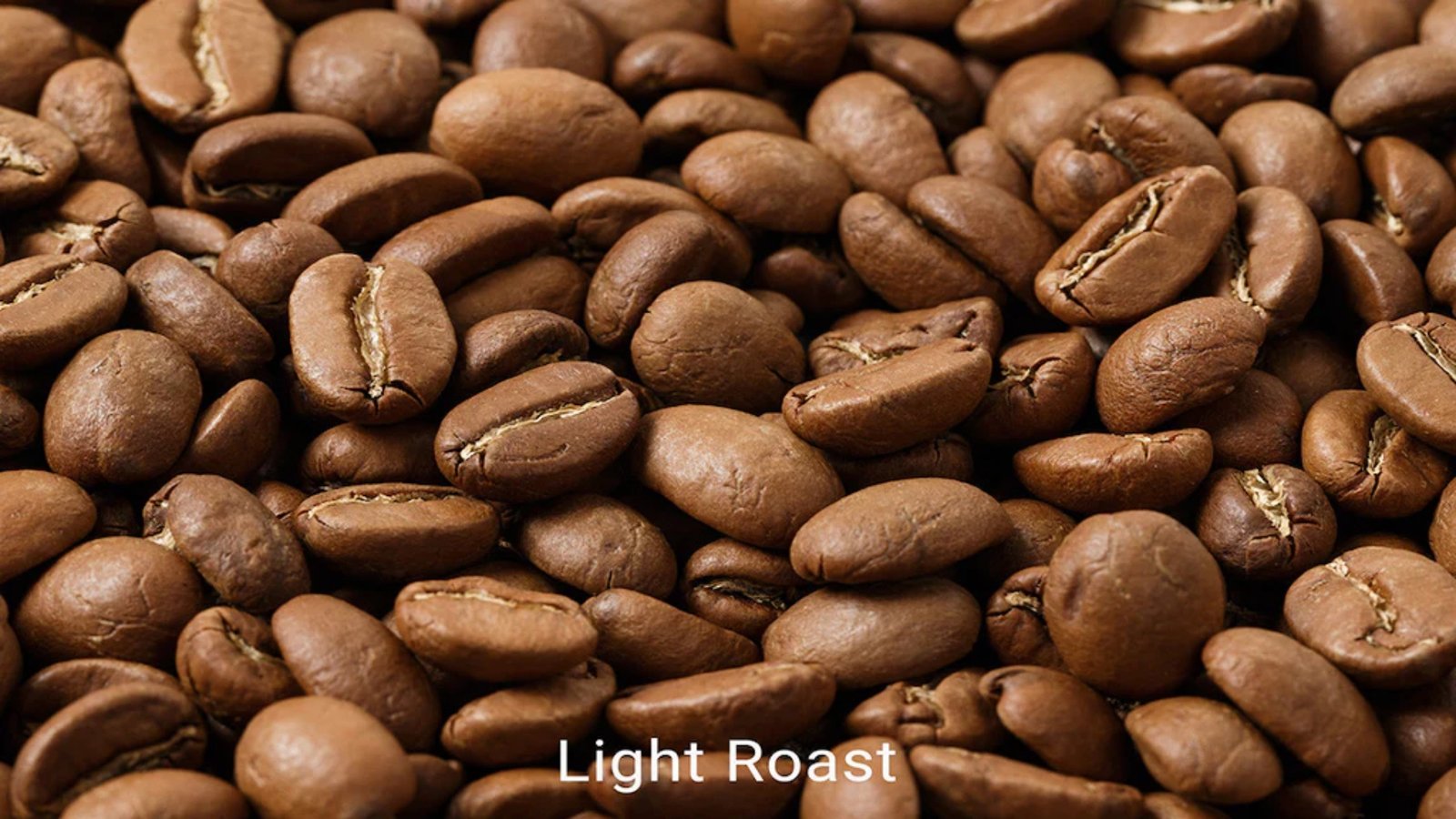
    As the temperature continues to rise, the beans undergo their first crack, a popping sound resembling popcorn. This marks the moment when the beans expand, and their sugars caramelize. The roast level at this point is often referred to as a light roast.

    Development Phase

    After the first crack, the roast enters the development phase. This is where the magic happens. The roaster carefully monitors the temperature to bring out specific flavors. The beans turn darker, and the roast level can vary from medium to dark roast depending on the desired flavor.

    Second Crack (Optional)

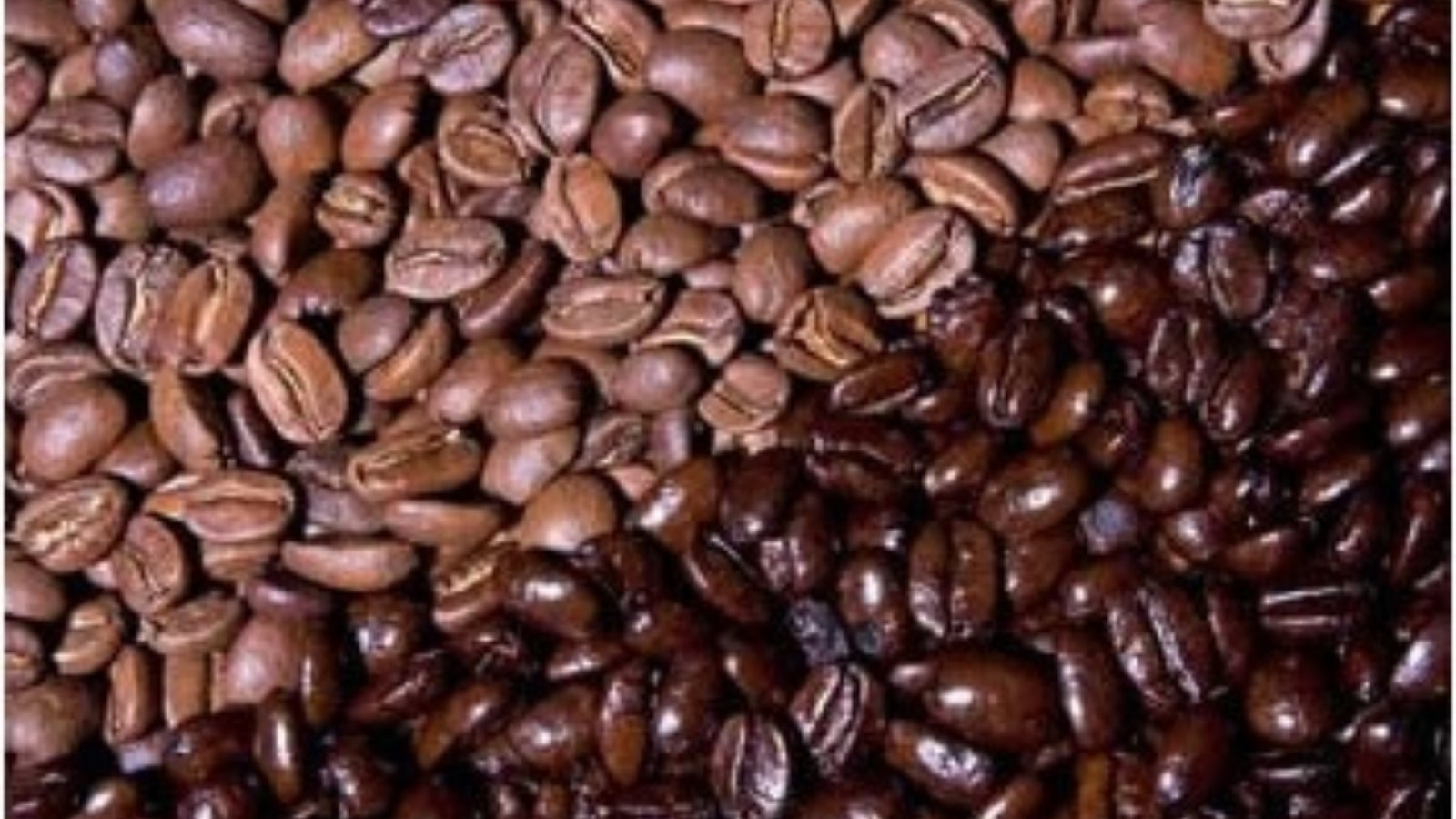
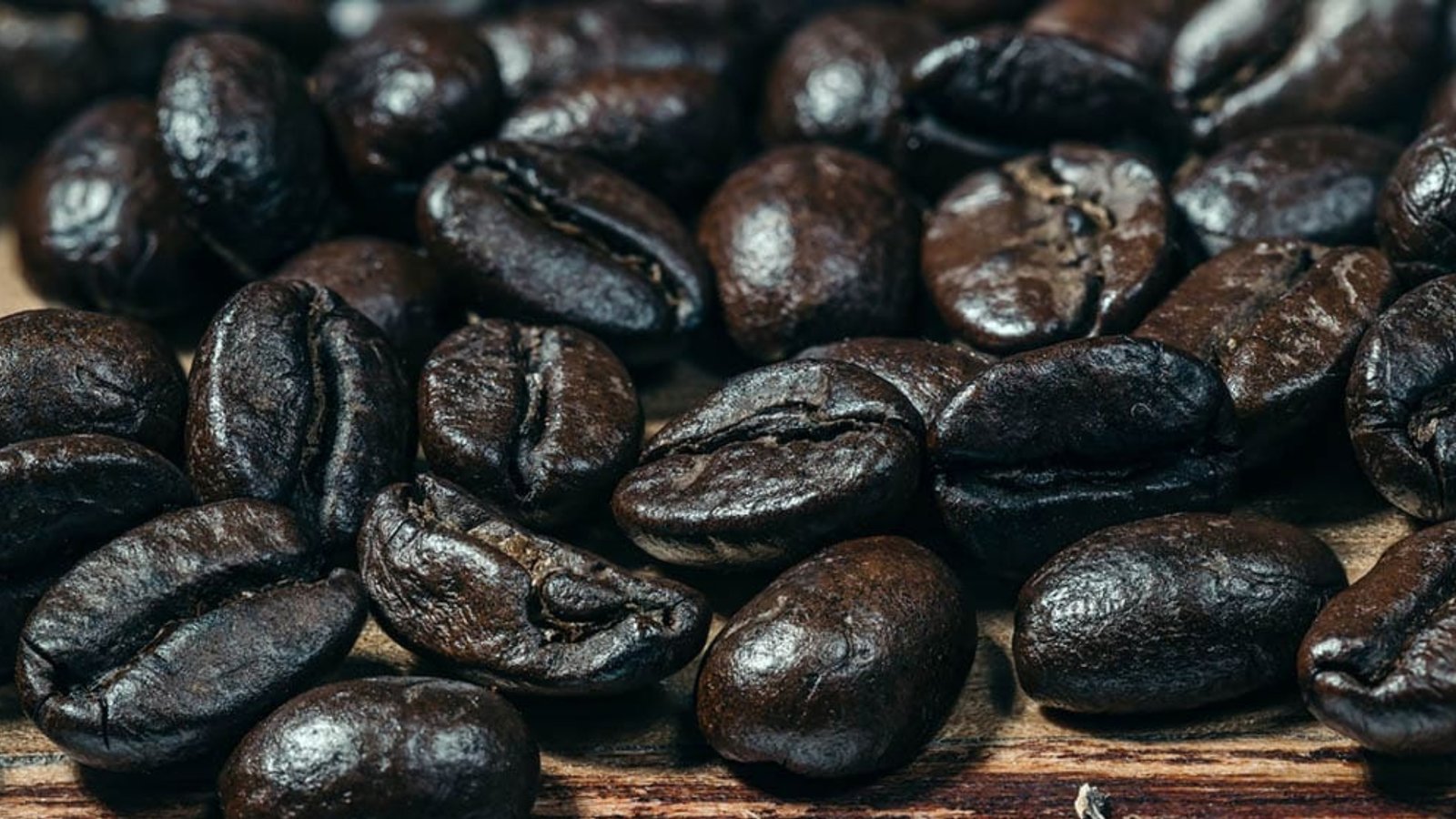
    Some beans may undergo a second crack, particularly those destined for dark roast profiles. This is when oils on the bean’s surface are released, resulting in a shiny appearance.

    Cooling

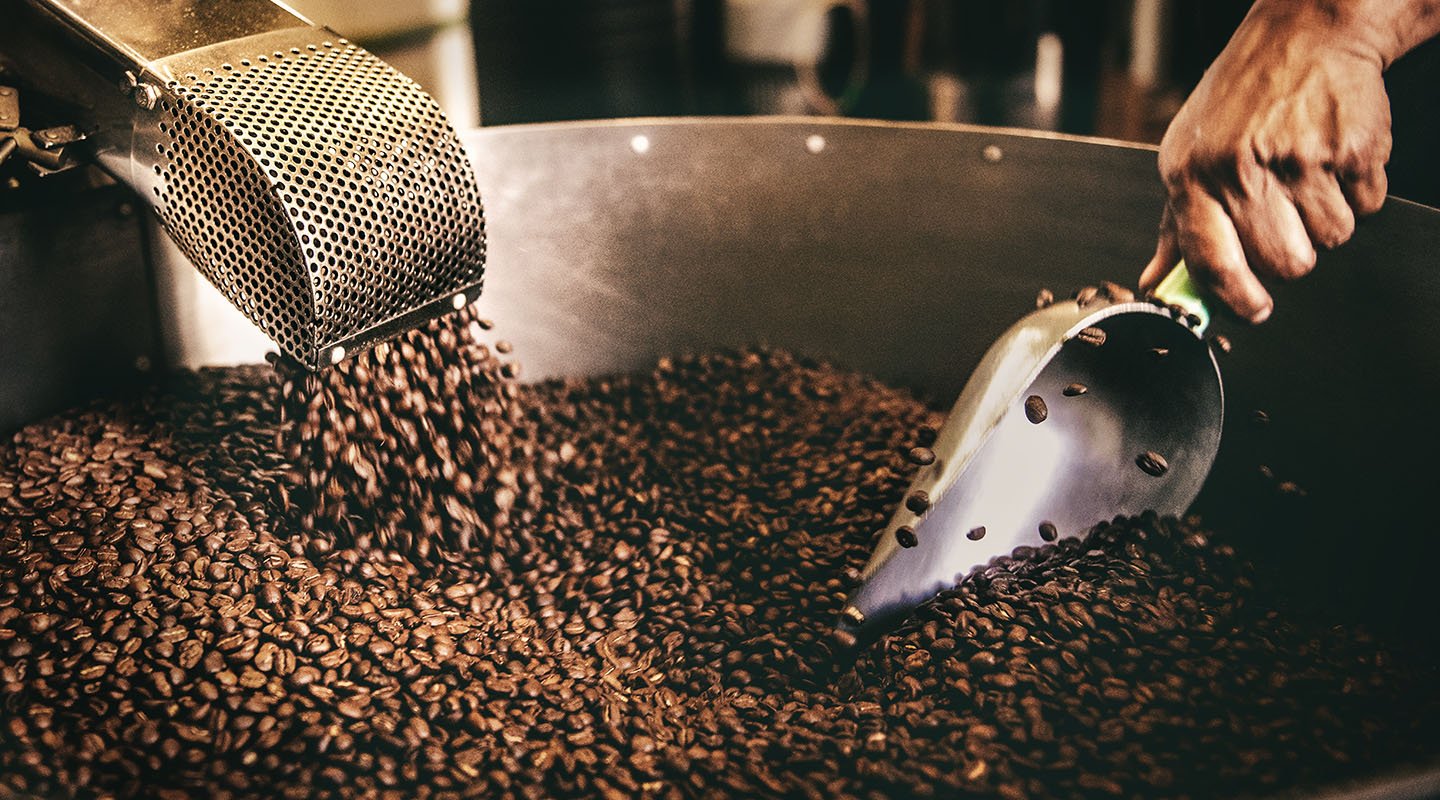
    After reaching the desired roast level, the beans are rapidly cooled to halt the roasting process. This step is critical to prevent over-roasting and to lock in the flavor.

    See we are product: coffee Best Product

    Art and Science

    Coffee roasting of Art and science. Roasters use their senses, experience, and knowledge to make decisions throughout the process. Factors such as bean origin, roast duration, and temperature profile all impact the final flavor.Factors such as bean origin, roast duration, and temperature profile all impact the final flavor.

    Flavor Profiles

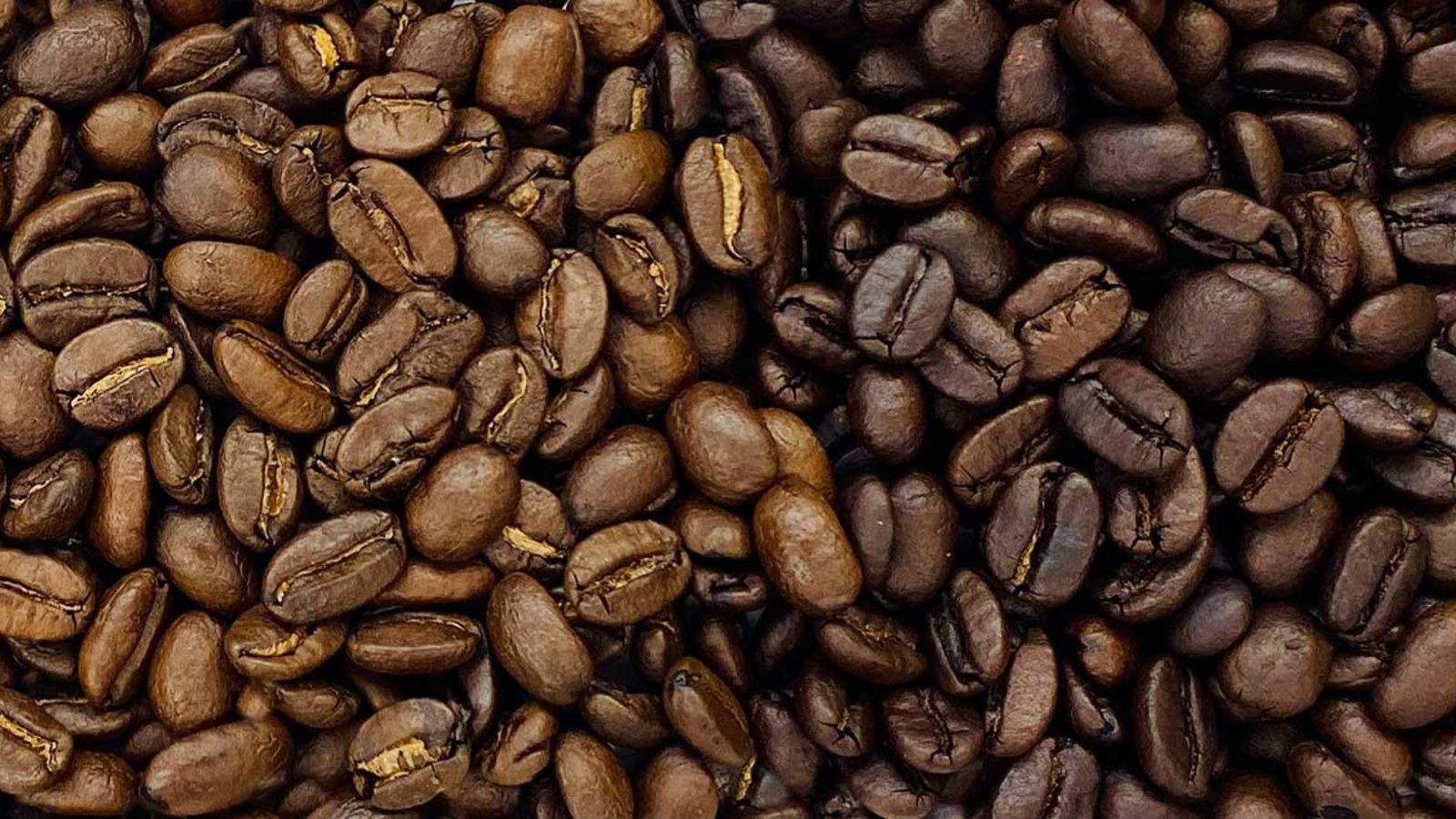
    The roast level significantly influences the flavor of the coffee. Light roasts often showcase the beans’ origin flavors, highlighting fruity or floral notes. Medium roasts strike a balance between origin and roast flavors, while dark roasts offer bolder, smokier notes with less emphasis on origin.

    Customization and Precision

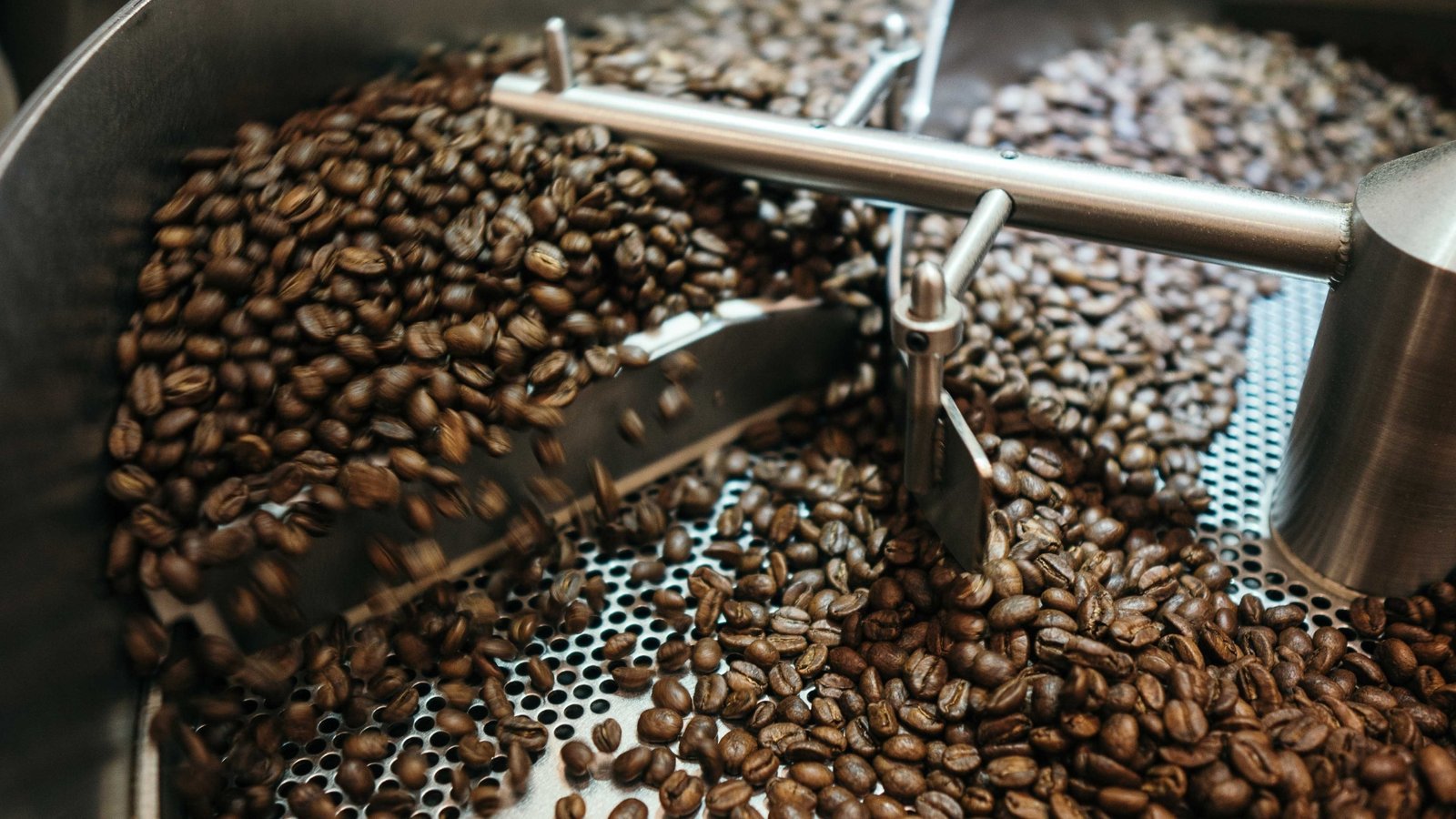
    Modern coffee roasters use advanced equipment and software to precisely control variables like temperature, airflow, and timing. This allows them to consistently produce the desired flavor profile and meet the preferences of coffee enthusiasts.

    Conclusion

    The coffee roast process is a captivating journey that transforms ordinary green coffee beans into the aromatic and flavorful beans that grace our cups.Their unique flavor profile, low acidity, and versatility in various coffee preparations make them a valuable component of the global coffee market. As you savor your next cup of coffee, take a moment to appreciate the craftsmanship behind each roast. The delicate balance of time, temperature, and skill is what brings out the unique character of every coffee bean, making every sip a journey of its own.
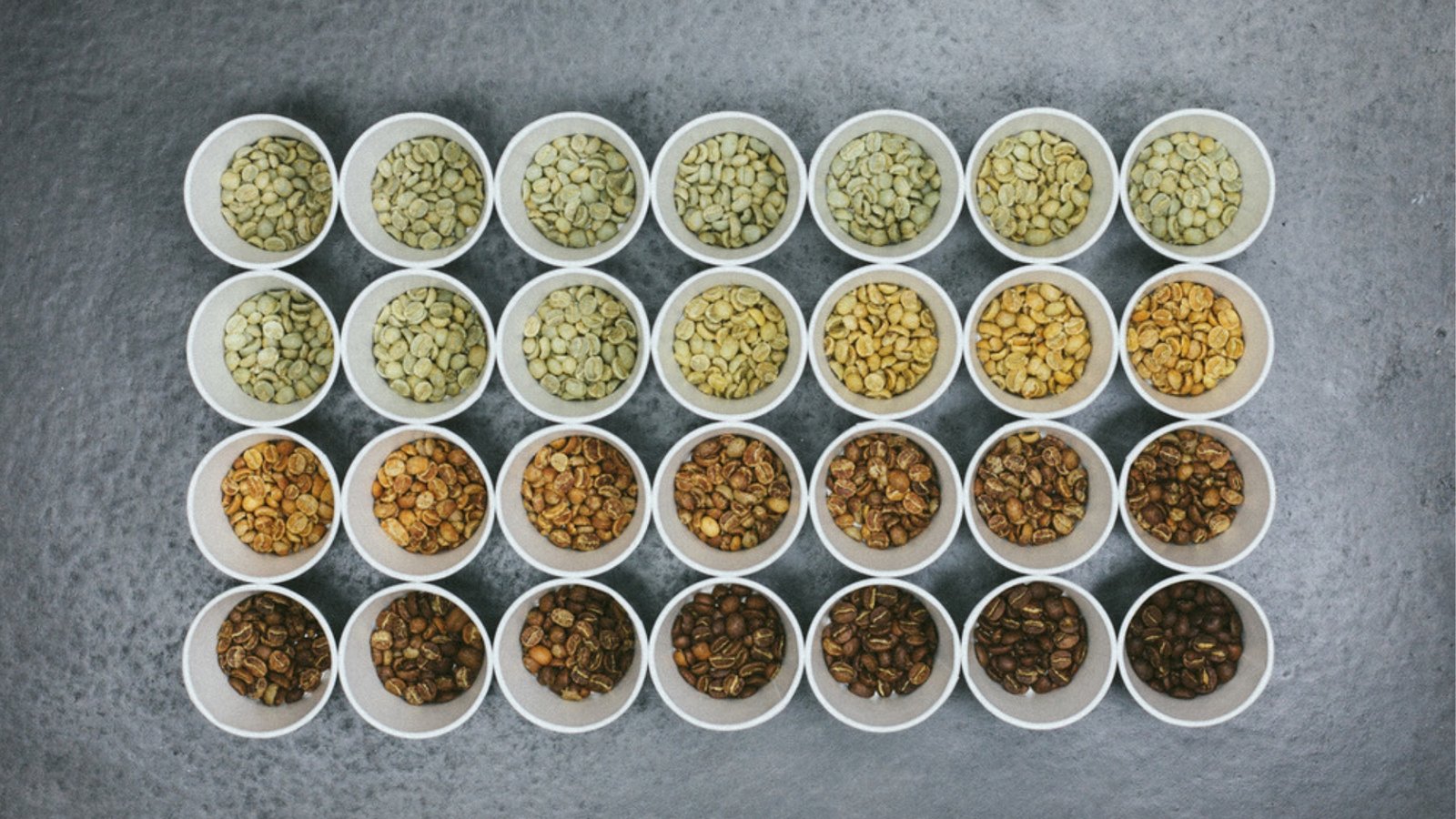
  • Be The Master! 4 Coffee Roasting Levels Chart: W/ Image & Guide

    Be The Master! 4 Coffee Roasting Levels Chart: W/ Image & Guide

    Coffee Roasting Level

    Want to know the secret behind the famously rich, dark liquid called coffee that has conquered the globe? Starting from the raw green seeds, the roasting process produces the well-known delicate, brown, intensely aromatic nodules. Even, there is the so-called coffee roasting levels chart to distinguish them. 

    Roasting Coffee or Toasting – Master the Craft

    Apart from the more advanced and helpful roasting machinery, there are two basic skills to master in the most common traditional roasting method, namely 

    Sight 

    Every coffee skilled processors know this visual sign, the changing color, and the texture of the raw coffee beans. This enables them to recognize the development process and determine the bean roasting level. For example, a light-roasted coffee will turn slightly brown without any oil trace on top, while a darker-roasted coffee will show dark brown glossier look. 

    Sound 

    Obvious cracking noises while roasting coffee beans will tell you about the different phases of the roasting process. You can hear the first crack through a popcorn-popping-like sound, it is when the moisture of the raw seed is evaporating and the bean is expanding. You can get light to medium roasts after this crack and darker roasts after the second crack. 

    Check This Out! Coffee Roasting Levels Chart

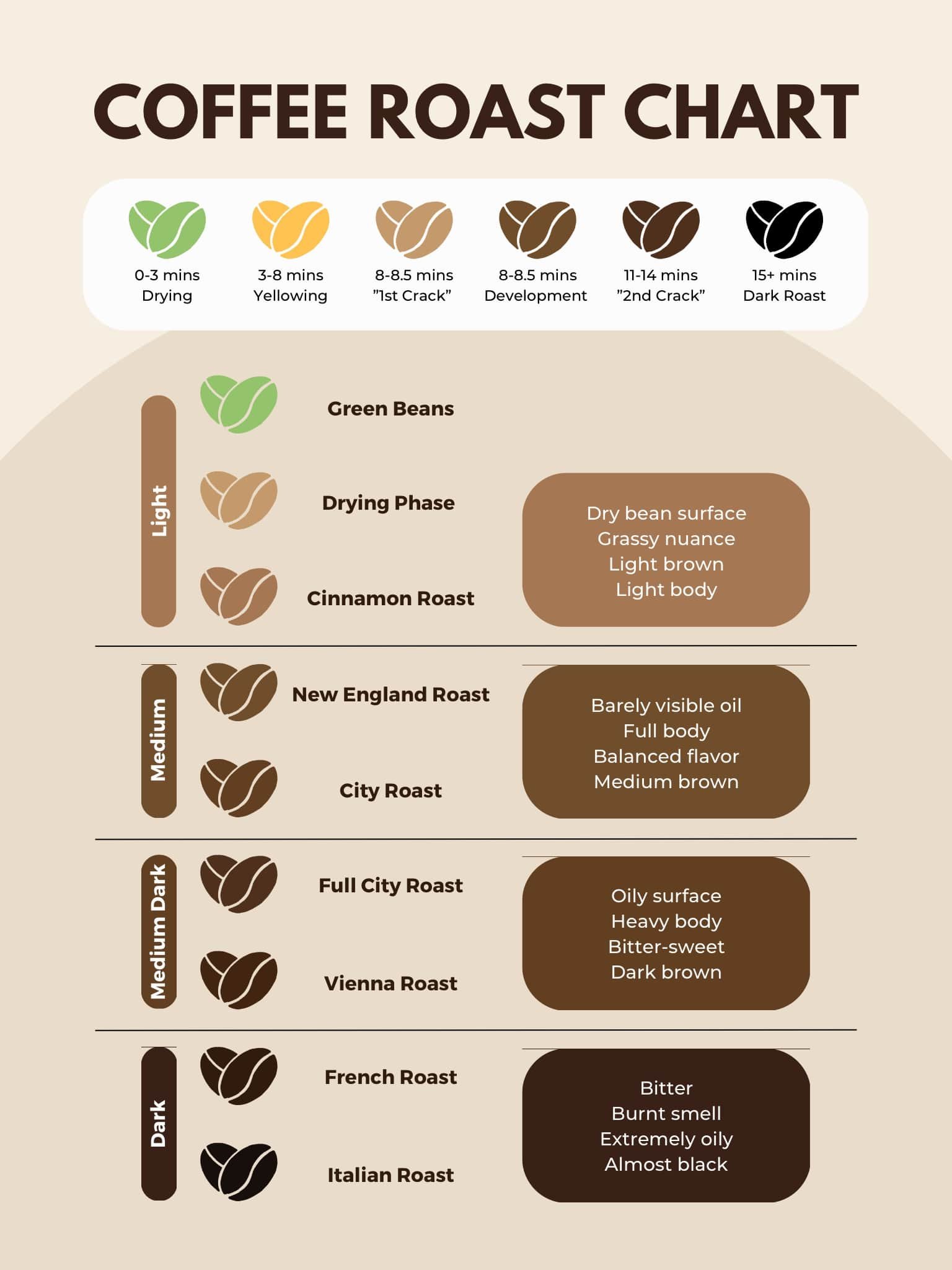
    Coffee Roasting Levels Chart
    Coffee Roasting Levels Chart

    You probably know the three typical categories of coffee roast levels in general – light, medium, and dark.  However, there is more story in the coffee roast levels chart. Let’s take a sip, I mean, a peek!

    1. Green Coffee – Unroasted Coffee Beans

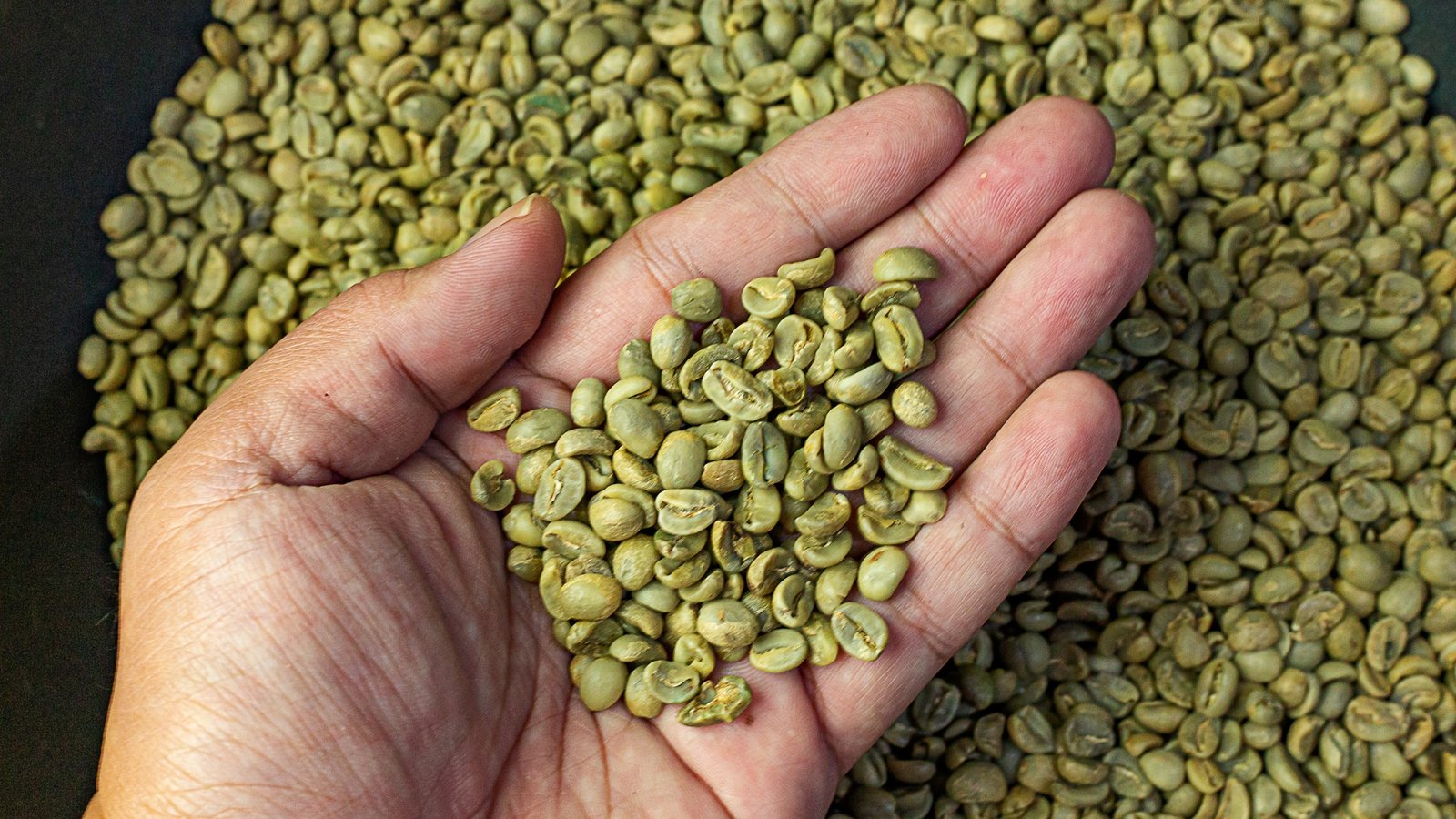
    Green Coffee Beans
    Green Coffee Beans

    They are the cherry seeds of coffee plants after being dried and intermittently treated with water following the decaffeination process before sending them to the roasting facility. 

    Also read: Green Coffee Vs Black Coffee, Different and Which One is Better?

    2. Drying Coffee

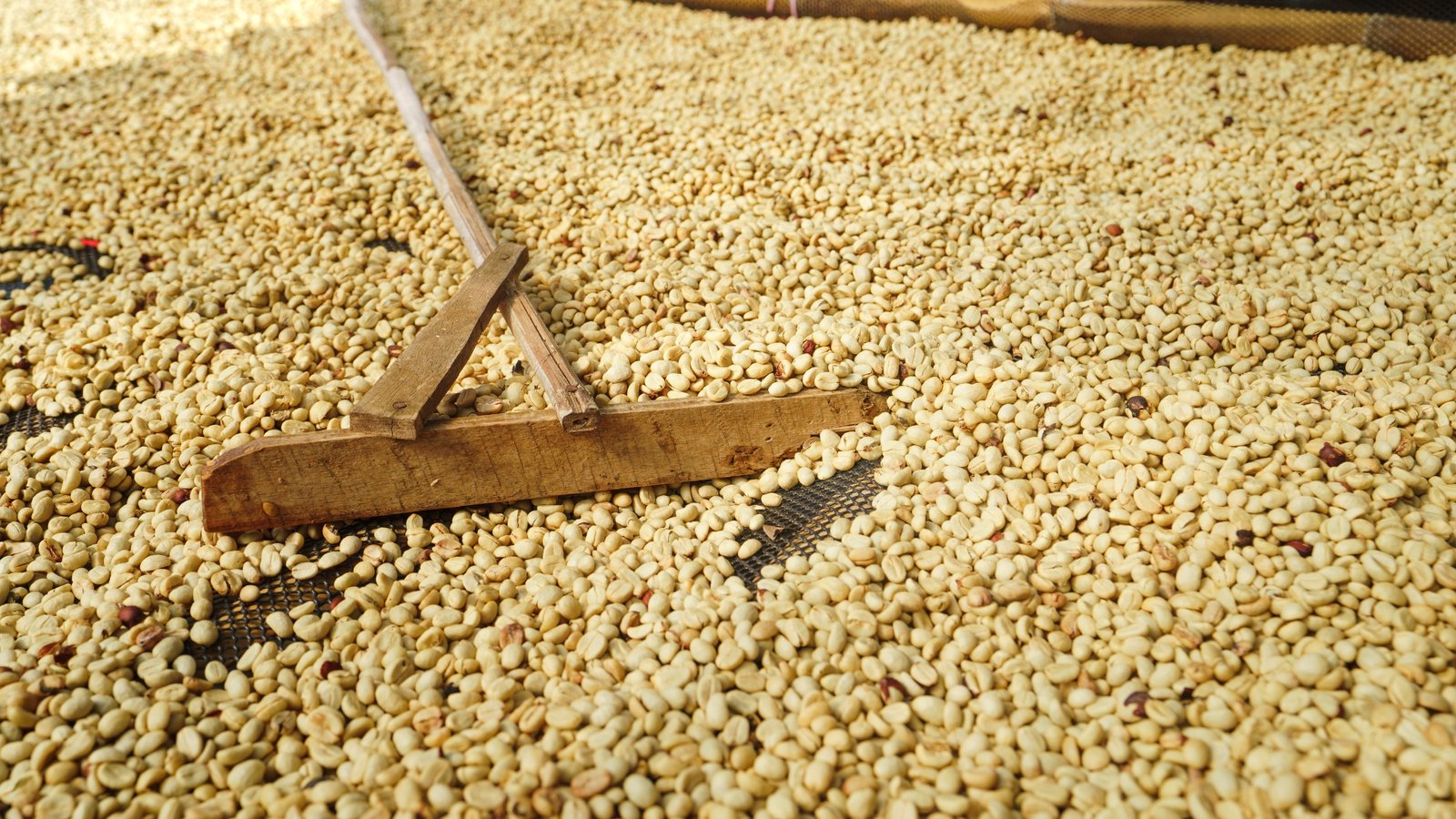
    Drying Coffee Beans
    Drying Coffee Beans

    It is the phase when the coffee beans are mid-roasted as the moisture evaporation process is ongoing well. Smell them, and you can tell a sweet scent of grass and hay, yet you better not grind them since they still taste shockingly awful.   

    3. Cinnamon Roast

    Cinnamon Roast Coffee Beans
    Cinnamon Roast Coffee Beans

    At this stage, coffee beans are becoming consumable. Having a cup of them will give you a subtle green, grassy flavor. But, please remember, they aren’t ready for brewing since the beans are still underdeveloped. 

    4. Light Roast

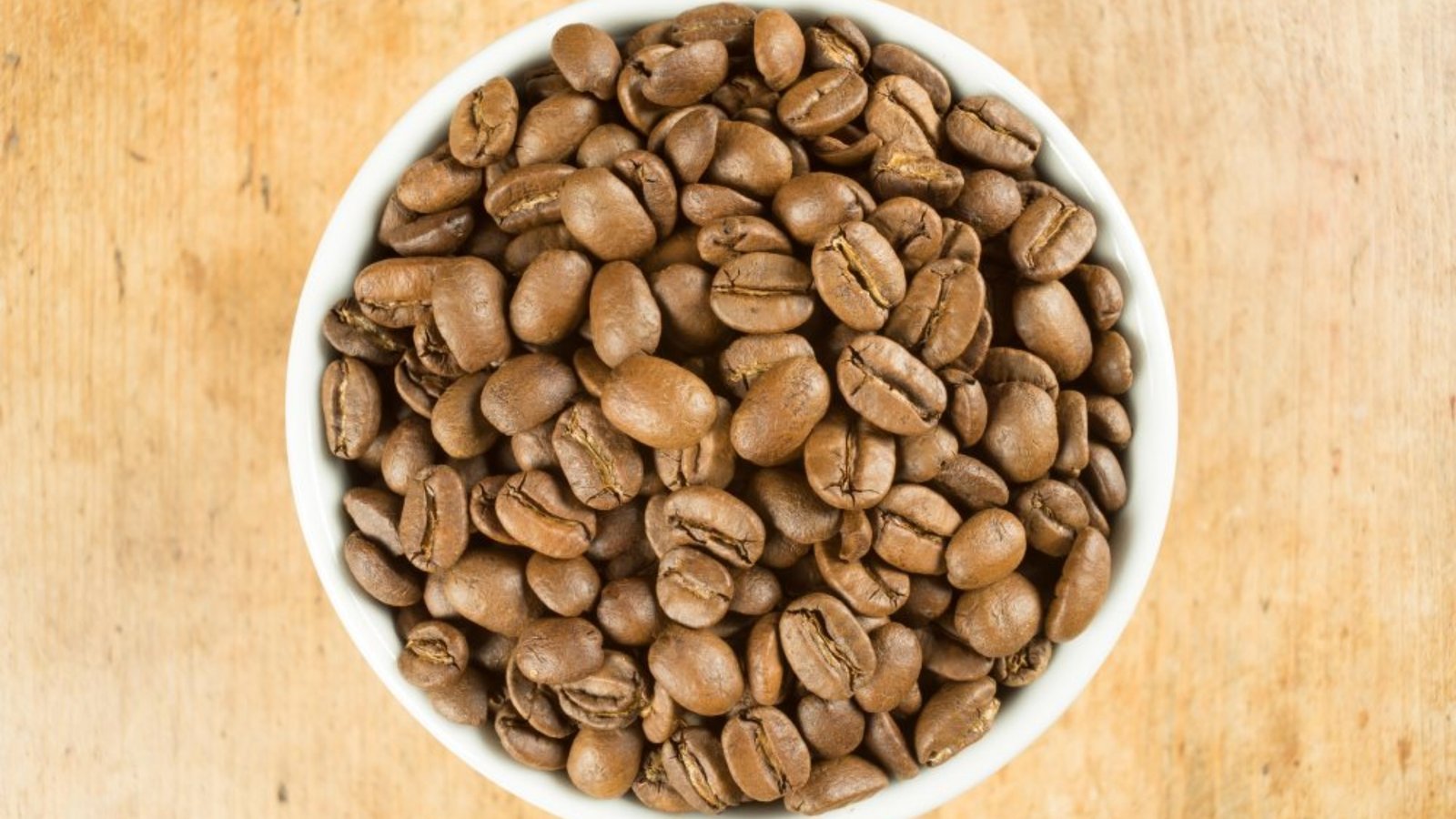
    Light Roast Coffee Beans
    Light Roast Coffee Beans

    Highly valued by a group of coffee enthusiasts worldwide, these coffee beans are also commonly referred to as city roast or New England roast. At this point, they start to have a pleasant nutty, and chocolaty smell. The pour-over brewing is the most recommended way to enjoy this coffee roasted level. 

    5. Light to Medium Roast

    Light to Medium Roast Coffee Beans
    Light to Medium Roast Coffee Beans

    In the final part of the first crack, light-medium roast coffee beans have no traces of oil. This allows you to experience the unique individual character and the flavor of the coffee. You can taste such a full-bodied and vibrant taste. 

    6. Full Medium

    Full Medium Roast Coffee Beans
    Full Medium Roast Coffee Beans

    You get this coffee level when the first crack finishes but the second crack hasn’t started yet. The beans do not have an oily characteristic, rather they generate a well-balanced flavor profile, a mixture of each bean flavor and the fresh aroma of the roasting process. 

    A cup made of this coffee has a perfect combo of balanced acidity and outstanding delectability – the best of both worlds.

    7. Medium-Dark

    Medium-Dark Roast Coffee Beans
    Medium-Dark Roast Coffee Beans

    You reach this level shortly after several shatters of the second crack, giving the beans lines of blackness. They will be somewhat oily, having a good blend of roasted and original flavors, plus less acidity. 

    The best choice for drip coffee, French Press, and cold brew methods, as well as the espresso process.  

    8. Dark Roast

    Dark Roast Coffee Beans
    Dark Roast Coffee Beans

    Also often called Vienna roast, this phase marks the entry of the beans into the dark realm. Natural coffee oil will make them shine, offering more roasted flavor compared to the original one. They are also more vibrant yet less acidic. 

    This kind of bean is the best pick for Aeropress and espresso methods. 

    9. French Roast

    French Roast Coffee Beans
    French Roast Coffee Beans

    You get French roast beans when the second crack finishes. They are usually coated with oil and lose their natural flavor.  We may say that any coffee roasted to the level of French toast will have the same taste. In addition, they may offer a burnt undertone and a thinner texture. 

    10. Spanish or Italian Roast 

    Spanish or Italian Roast Coffee Beans
    Spanish or Italian Roast Coffee Beans

    It is when you can smell like a burning tire and your beans go from brown to black. If there is only a roasting accident or simply an experiment, it is not recommendable to consume this sort of beans. 

    How to Roast Coffee

    Want to experiment by roasting your coffee beans at home? Let’s check out the following. 

    1. Buy unroasted green coffee beans (offline and online stores)
    2. Prepare or get the necessary roasting equipment (roaster)
    3. Carry out the roasting process
    • put the raw beans into the heating equipment
    • turn on the heat
    • start stirring 
    1. Cooling time 
    • whirl the beans between two metal strainers
    • lay them on a paper sheet

    Quite easy, isn’t it? Knowing the coffee roasting levels chart is a bonus skill, but the preference is subjective. You can keep on experimenting and expanding your mileage. The important thing is enjoying your personalized coffee tasting. Looking for premium-quality of green coffee beans? FnB.co.id is one of the best Indonesian suppliers you can get.