Tag: indonesia

  • Unroasted Coffee Beans: Health Benefits & Why Try Them

    Unroasted Coffee Beans: Health Benefits & Why Try Them

    unroasted coffee bg

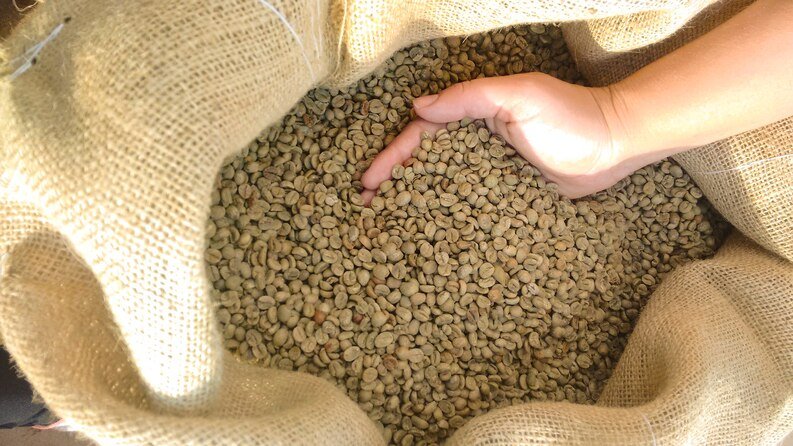
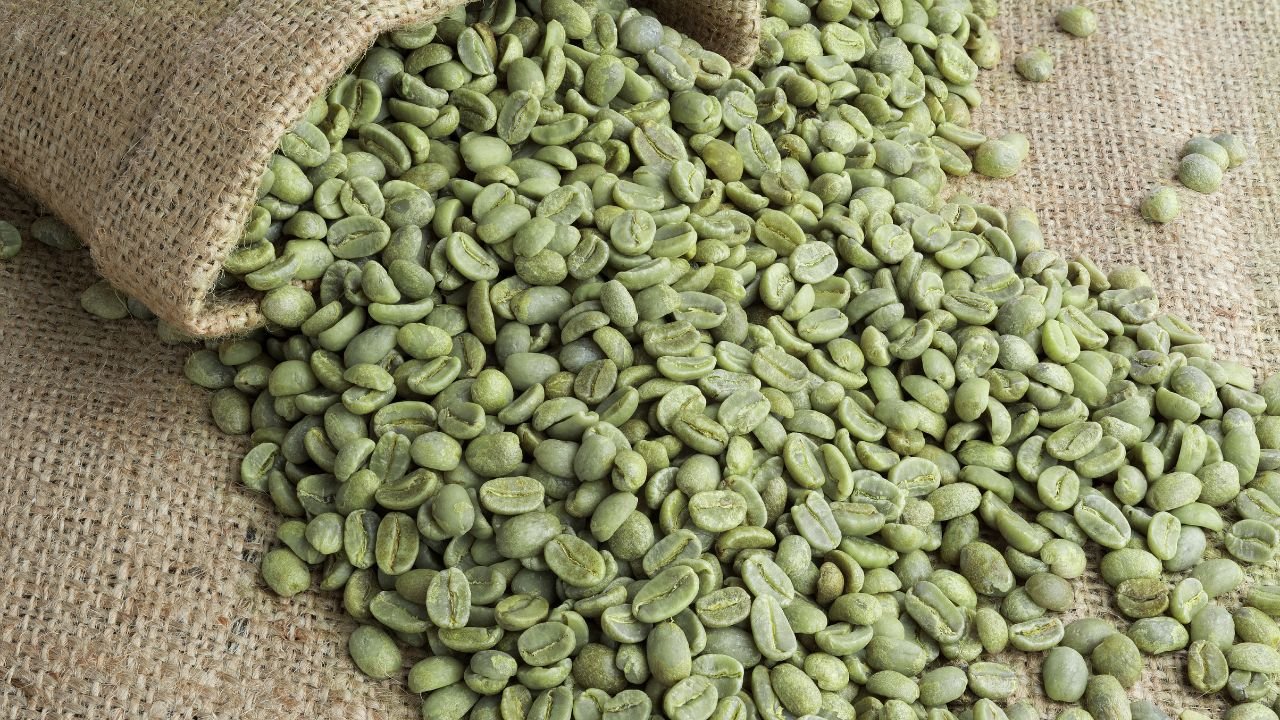
    Coffee is one of the world’s most popular beverages, but have you tasted unroasted coffee beans, commonly known as “green coffee beans“? These beans have recently acquired popularity due to their possible health advantages. They are thought to help with weight loss, metabolism, blood pressure control, and cognitive function. What distinguishes them is their distinct flavor profile – a grassy, slightly bitter taste that some people appreciate.

    Unroasted coffee beans are also versatile, making them perfect for a variety of recipes such as smoothies and baked products. By investigating this alternative kind of coffee, you can discover a new way to enjoy its flavor while perhaps reaping health benefits. Consider trying coffee beans for a unique coffee experience with potential health benefits.

    Also Read: Unroasted Green Coffee Beans: Better Tasting Espresso

    Health benefits of unroasted coffee beans

    This coffee Bean contains many beneficial compounds that are destroyed during the roasting process. This is why they are considered to be healthier than roasted coffee beans. Some of the health benefits of unroasted coffee beans are:

    Antioxidants in unroasted coffee beans

    These coffee beans are rich in antioxidants, which help to protect the body from damage caused by free radicals. Antioxidants are important because they can help to prevent a variety of diseases, including cancer. In fact, unroasted coffee beans have been found to contain more antioxidants than roasted coffee beans.

    Chlorogenic acid in unroasted coffee beans

    Chlorogenic acid is a compound found in coffee beans that has been linked to many health benefits. This compound has been shown to help with weight loss, lower blood pressure, and improve brain function. Chlorogenic acid works by inhibiting the absorption of carbohydrates, which can help to reduce blood sugar spikes after meals.

    Unroasted coffee beans for weight loss

    These coffee beans have been found to help with weight loss. This is because they contain chlorogenic acid, which has been shown to inhibit the absorption of carbohydrates. When carbohydrates are not absorbed, they are excreted from the body instead of being stored as fat. In addition to this, these coffee beans can also help to boost metabolism, which can further aid in weight loss.

    Comparison between roasted and unroasted coffee beans

    unroasted coffee beans

    Roasted and unroasted coffee beans have distinct characteristics that set them apart. Here’s a comparison between the two:

    • Flavor – Roasted coffee beans have a rich, complex flavor profile with notes of chocolate, caramel, and various other flavors depending on the roast level. On the other hand, unroasted coffee beans have a grassy, slightly bitter taste with herbal and earthy undertones.
    • Aroma – Roasted coffee beans produce a fragrant aroma, often described as nutty, toasty, or even fruity, depending on the roast. Unroasted coffee beans have a more subtle and raw aroma.
    • Caffeine Content – Unroasted coffee beans generally have a higher caffeine content compared to their roasted counterparts. The roasting process causes some of the caffeine to be lost, so if you’re looking for a stronger caffeine kick, unroasted beans might be the way to go.
    • Shelf Life – Roasted coffee beans have a longer shelf life compared to unroasted beans. The roasting process helps to stabilize the beans and preserve their flavor for an extended period. Unroasted beans, however, are more perishable and can lose their freshness relatively quickly.
    • Health Benefits – While roasted coffee is known for its antioxidant properties and potential health benefits, unroasted coffee beans, or green coffee beans, are believed to have higher levels of certain beneficial compounds. These include chlorogenic acid, which may aid in weight loss, blood sugar regulation, and other health benefits.

    Ultimately, the choice between roasted and unroasted beans comes down to personal preference, desired flavor profile, and specific health goals. Roasted beans offer a wide range of flavors and aromas, while unroasted beans provide a unique taste and potentially higher levels of certain beneficial compounds.

    Also Read: Be The Master! 4 Coffee Roasting Levels Chart: W/ Image & Guide

    How to make unroasted coffee

    unroasted coffee beans

    Making unroasted coffee is easy. All you need is a coffee grinder, a French press, and some unroasted coffee beans. Here’s how to do it:

    1. Grind the unroasted coffee beans in a coffee grinder.
    2. Add the ground coffee to the French press.
    3. Pour hot water over the coffee.
    4. Let the coffee steep for 3-4 minutes.
    5. Press down the plunger on the French press.
    6. Pour the coffee into a cup and enjoy!

    Where to buy unroasted coffee beans

    Unroasted coffee beans can be purchased from specialty coffee shops and online retailers. When purchasing unroasted coffee beans, it’s important to make sure that they are of good quality and have been ethically sourced.

    Risks and precautions

    Consuming unroasted coffee beans, or green coffee beans, may carry certain risks and precautions that you should be aware of:

    High caffeine content – Green Coffee beans generally contain higher levels of caffeine compared to roasted beans. Excessive consumption of caffeine can lead to side effects such as restlessness, increased heart rate, anxiety, digestive issues, and difficulty sleeping. It is important to moderate your intake and be aware of your caffeine sensitivity.

    Potential interactions with medications – Green coffee beans may interact with certain medications, including those for diabetes, blood pressure, and psychiatric disorders. The high levels of chlorogenic acid in unroasted beans can affect the absorption and metabolism of these medications. It is advisable to consult with your healthcare provider before consuming green coffee beans if you are taking any medications.

    Allergic reactions – Some individuals may be allergic to components present in coffee beans, both roasted and unroasted. If you have a known allergy to coffee or experience symptoms like itching, swelling, hives, or difficulty breathing after consuming coffee, it is best to avoid unprocessed coffee beans.

    Quality and contamination concerns – Green coffee beans can be susceptible to mold, fungi, and other contaminants. It is essential to ensure that you source your beans from reputable suppliers who follow proper quality control measures. Moldy or contaminated beans can pose health risks if consumed.

    Digestive issues – Unprocessed coffee beans contain higher amounts of certain compounds, such as chlorogenic acid, that can have a laxative effect and cause digestive discomfort, including stomach cramps and diarrhea, especially in sensitive individuals. It is recommended to start with small amounts and gradually increase your consumption to assess your tolerance.

    As with any dietary change or supplement, it is wise to consult with a healthcare professional before incorporating unroasted coffee beans into your routine, especially if you have any pre-existing health conditions or concerns. They can provide personalized advice based on your specific circumstances and help you make informed decisions.

    Conclusion

    Unroasted coffee beans are a great way to enjoy coffee while potentially reaping some health benefits. They are rich in antioxidants, chlorogenic acid, and other beneficial compounds that are destroyed during the roasting process. In addition to this, unroasted coffee beans have a unique flavor profile that some people find quite enjoyable. If you’re looking for a new way to enjoy coffee, give unroasted coffee beans a try! Just remember to consume them in moderation and check with your doctor if you are taking any medications.


  • 10 Reasons Why Java Ijen Coffee is the Perfect Morning Brew

    10 Reasons Why Java Ijen Coffee is the Perfect Morning Brew

    Java Ijen Coffee is a popular coffee variety that is known for its rich flavor and unique aroma. If you’re a coffee lover and haven’t tried Java Ijen Coffee yet, you’re missing out on a truly exceptional experience. Not only does Java Ijen Coffee taste amazing, but it also provides a range of health benefits that make it the perfect morning brew. From boosting your energy levels to reducing stress and anxiety, Java Ijen Coffee has a lot to offer. In this article, we’ll explore the top 10 reasons why Java Ijen Coffee is the perfect morning brew.

    Also Read: Java Arabica Coffee Beans: Characteristics, Taste & Where to Buy!

    History of Java Ijen Coffee

    why java ijen coffee

    Java Ijen Coffee has a long and colorful history. It is believed that coffee was first introduced to Indonesia in the 17th century by the Dutch. Java Ijen Coffee was first planted in the Ijen Plateau in the early 20th century. The coffee plants thrive in the volcanic soil and high altitude of the plateau, which gives the coffee its unique characteristics.

    Over the years, Java Ijen Coffee gained recognition for its exceptional taste and aroma. The beans are known for their medium to heavy body, low acidity, and rich, earthy flavor profile with hints of chocolate and spice. These unique characteristics have made Java Ijen Coffee highly sought after among coffee enthusiasts and specialty coffee markets.

    Despite facing challenges such as fluctuating weather conditions and increased competition, the coffee farmers of the Ijen Plateau have continued cultivating and producing high-quality Java Ijen Coffee. The beans are typically harvested by hand and undergo a meticulous process of sorting, drying, and roasting to preserve their distinctive attributes.

    Today, Java Ijen Coffee remains an important part of Indonesia’s coffee heritage and continues to be appreciated by coffee connoisseurs worldwide. Its rich history, coupled with the exceptional flavor profile derived from the unique terroir of the Ijen Plateau, makes Java Ijen Coffee a prized and cherished variety in the world of specialty coffee.

    Unique Characteristics of Java Ijen Coffee

    Java Ijen coffee is a unique and distinct coffee variety produced in the Ijen Plateau region of Java, Indonesia. It has several notable characteristics that set it apart from other coffee types. Here are some unique characteristics of Java Ijen coffee:

    1. Location and Terroir: Java Ijen coffee is grown in the Ijen Plateau region, located in eastern Java. The volcanic soil and high altitude of this region contribute to the coffee’s unique flavor profile.
    2. Flavor Profile: Java Ijen coffee is known for its rich, full-bodied flavor with low acidity. It often exhibits a smooth, well-rounded taste with notes of chocolate, nuts, and spices. The volcanic soil imparts a distinct earthiness to the coffee’s flavor.
    3. Unique Growing Conditions: The Ijen Plateau experiences a unique microclimate, with cooler temperatures and higher rainfall than other coffee-growing regions in Indonesia. These conditions contribute to slower maturation and the development of complex flavors in coffee beans.
    4. Traditional Processing: Java Ijen coffee is typically processed using the wet or washed method, which involves removing the coffee cherries’ outer skin before drying the beans. This method helps to preserve the coffee’s inherent flavors and produce a clean cup.
    5. Sustainable and Ethical Practices: Many coffee farmers in the Ijen Plateau region practice sustainable and ethical farming methods. They often employ shade-grown techniques and organic cultivation practices, minimizing the use of chemicals and promoting environmental conservation.
    6. Limited Production: Java Ijen coffee is produced in relatively small quantities compared to other coffee varieties. The limited production, combined with its unique characteristics, makes it a sought-after specialty coffee in the market.
    7. Cultural Heritage: Java has a rich history of coffee cultivation, and the Ijen Plateau region is deeply rooted in this tradition. The coffee industry in Java dates back to the 17th century when the Dutch brought coffee plants. Java Ijen coffee reflects this heritage and the expertise passed down through generations of coffee farmers.

    Overall, Java Ijen coffee stands out for its distinctive flavor, unique growing conditions, and cultural significance. It offers coffee enthusiasts a memorable and authentic experience with its rich taste and connection to the coffee traditions of Java.

    Also Read: Perfect Me Time! 4 The Best Way to Enjoy Coffee

    How Java Ijen Coffee is harvested and processed

    Java Ijen coffee is typically harvested and processed through several stages to ensure the production of high-quality coffee beans. Here is an overview of the common methods used for harvesting and processing Java Ijen coffee:

    1. Harvesting: The coffee cherries are selectively hand-picked when they reach the peak of ripeness. Skilled coffee farmers carefully choose cherries that are fully mature and have achieved the desired level of sweetness and flavor.
    2. Sorting: After harvesting, the coffee cherries undergo sorting to separate damaged or unripe cherries from the fully ripe ones. This step helps ensure that only the best-quality cherries move forward in the processing.
    3. Depulping: The next step involves removing the outer skin, pulp, and mucilage from the coffee cherries. This can be done using a de-pulping machine that mechanically separates the skin and pulp, leaving behind the coffee beans, also known as parchment coffee.
    4. Fermentation: The parchment coffee is then placed in fermentation tanks or bins, which are left to ferment for a specific period. Fermentation helps to break down any remaining mucilage and impart certain flavors to the beans.
    5. Washing: After fermentation, the coffee beans are thoroughly washed to remove any residual pulp or fermentation byproducts. This step is crucial to ensure the cleanliness and quality of the coffee.
    6. Drying: The washed coffee beans are spread out on drying beds or patios to dry under the sun. They are regularly turned and monitored to ensure even drying and prevent mold or other defects. Drying can take several days to weeks, depending on weather conditions.
    7. Hulling: Once the coffee beans have reached the desired moisture content, the dry parchment skin surrounding the beans is removed through a process called hulling. This reveals the green coffee beans inside.
    8. Sorting and Grading: The green coffee beans undergo further sorting and grading based on their size, shape, and density. This helps classify the beans into different quality grades and ensures consistency in the final product.
    9. Roasting: The green coffee beans are then roasted to develop their characteristic flavors and aromas. Roasting is a crucial step that requires skill and precision to achieve the desired roast profile.
    10. Packaging: Finally, the roasted coffee beans are packaged in various forms, including whole beans or ground coffee, and are ready to be distributed and enjoyed by coffee enthusiasts.

    It’s important to note that variations in harvesting and processing methods can occur depending on the specific practices of individual coffee farmers or cooperatives. The above steps provide a general outline of the typical process for Java Ijen coffee production.

    10 Reasons Why Java Ijen Coffee is the Perfect Morning Brew

    why java ijen coffee

    When it comes to kickstarting your day on a refreshing note, Java Ijen coffee stands out as the perfect morning brew. With its unique flavor profile and numerous health benefits, this Indonesian gem has captured the hearts of coffee enthusiasts worldwide. we’ll explore ten reasons why Java Ijen coffee is an exceptional choice to fuel your mornings with its invigorating aroma and exquisite taste.

    Unparalleled Flavor Experience

    Java Ijen coffee offers a delightful flavor experience that sets it apart from other coffee varieties. Grown in the rich volcanic soil of the Ijen Plateau, this coffee boasts a distinctively smooth and rich taste, often characterized by notes of dark chocolate, caramel, and subtle earthiness. Every sip is a journey for your taste buds.

    Exceptional Quality and Sourcing

    Java Ijen coffee is meticulously sourced and crafted with utmost care. The coffee beans are handpicked by skilled farmers who have mastered the art of selecting only the finest beans. The result is a premium quality coffee that reflects the dedication and expertise invested in its production.

    Sustainable Farming Practices

    The cultivation of Java Ijen coffee follows sustainable farming practices that prioritize environmental conservation. Farmers employ methods such as shade-grown cultivation and organic farming techniques, ensuring the coffee is not only delicious but also produced with a minimal ecological footprint.

    Rich in Antioxidants

    One of the remarkable health benefits of Java Ijen coffee lies in its antioxidant properties. Packed with natural antioxidants, this morning brew helps combat harmful free radicals in the body, promoting overall health and well-being.

    Increased Energy and Focus

    Java Ijen coffee contains caffeine, a natural stimulant that provides a welcome energy boost. By stimulating the central nervous system, it enhances focus, mental alertness, and productivity, making it an ideal choice to kickstart your day.

    Aids Cognitive Function

    Regular consumption of Java Ijen coffee has been associated with improved cognitive function. The caffeine content in this brew has been shown to enhance memory, attention, and concentration, giving your brain the boost it needs to tackle the day’s tasks.

    Boosts Metabolism

    For those aiming to manage their weight, Java Ijen coffee can be a valuable ally. The caffeine in this coffee variety temporarily increases metabolic rate, aiding in fat-burning and weight management.

    Enhances Physical Performance

    Java Ijen coffee’s caffeine content can improve physical performance by stimulating the nervous system and increasing adrenaline levels. This results in heightened endurance, reduced perceived exertion during exercise, and an overall improvement in athletic performance.

    Lower Risk of Diseases

    Research suggests that regular coffee consumption, including Java Ijen coffee, may be associated with a reduced risk of certain diseases. These include type 2 diabetes, liver disease, certain types of cancer, and cardiovascular conditions. Enjoying your morning cup of Java Ijen coffee may offer protection for your long-term health.

    Mood-Boosting Properties

    Starting your day with a cup of Java Ijen coffee can have a positive impact on your mood. The caffeine stimulates the release of neurotransmitters like dopamine and serotonin, which are known to uplift mood and promote a sense of well-being. Embrace the day ahead with a smile on your face.

    Also Read: Raw Coffee Beans: From Farm to Cup – The Enchanting Path of Fresh Flavors

    Conclusion: Why Java Ijen Coffee should be your new go-to morning brew

    Java Ijen Coffee is a delicious and unique coffee that provides a range of health benefits. From its rich, full-bodied flavor to its unique aroma, Java Ijen Coffee is the perfect morning brew. Whether you enjoy it black or with a splash of milk, Java Ijen Coffee is sure to become your new go-to coffee. So, what are you waiting for? Grab a bag of Java Ijen Coffee today and enjoy the perfect morning brew.

  • Wild Civet Coffee vs Captive Civet Coffee: Environmental Impact and Taste

    Wild Civet Coffee vs Captive Civet Coffee: Environmental Impact and Taste

    wild civet coffee vs cavtive civet coffee

    Are you a coffee connoisseur looking for the perfect cup of joe? If so, you’ve probably heard of the elusive and highly sought-after civet coffee. But did you know that there are two distinct types of civet coffee: wild civet coffee vs captive civet coffee? In this intriguing exploration, we will delve into the environmental impact and taste differences between the two.

    Wild civet coffee is known for its unique and rich flavor, as the civets roam freely in their natural habitat, selecting only the finest coffee cherries to feast on. On the other hand, captive civet coffee is produced by force-feeding civets in confined environments, raising concerns about animal welfare. Join us as we unravel the secrets behind these two contrasting methods of production and discover which one truly satisfies both your taste buds and your ethical standards. Get ready to embark on a flavorful journey that will leave you with a newfound appreciation for the fascinating world of civet coffee.

    Also Read: Do You Know? Fun Facts About Asian Palm Civet for You!

    Understanding the Difference between Wild Civet Coffee vs Captive Civet Coffee

    Civet coffee, also known as Kopi Luwak, is a unique and highly prized coffee produced from the feces of civet cats. These small, cat-like mammals are native to Southeast Asia and play an essential role in the production of civet coffee. However, the methods employed to obtain the coffee beans can vary significantly, resulting in two distinct types: wild civet coffee and captive civet coffee.

    Wild Civet Coffee

    These are obtained from civets that roam freely in their natural habitat. These nocturnal creatures have a natural affinity for coffee cherries and select only the ripest and finest cherries to eat. The cherries are then digested, and the coffee beans pass through the digestive system, undergoing a unique fermentation process. Afterward, the beans are collected from the feces, thoroughly washed, and roasted to perfection. The result is a coffee with a distinct and complex flavor profile, characterized by its smoothness, low acidity, and hints of chocolate and caramel.

    Wild Civet Coffee vs Captive Civet Coffee

    Captive Civet Coffee

    These Coffee, on the other hand, is produced under controlled conditions. Civets are captured and kept in captivity, often in cramped cages, where they have force-fed a diet consisting mainly of coffee cherries. This method of production aims to mass-produce civet coffee to meet the growing demand in the market. However, the force-feeding process raises ethical concerns as it goes against the natural behavior and welfare of the civets. Moreover, the quality of the coffee beans produced in these conditions is often compromised, resulting in a less desirable taste compared to its wild counterpart.

    Environmental Impact of Wild Civet Coffee Production

    The production of wild civet coffee has a minimal environmental impact compared to other forms of coffee production. In the wild, civets play a crucial role in the ecosystem as they help disperse the seeds of coffee plants. As they consume coffee cherries, the undigested seeds pass through their digestive system and are dispersed in their feces, leading to the growth of new coffee plants. This natural process contributes to the biodiversity and sustainability of the coffee ecosystem.

    Furthermore, This coffee production is typically practiced in small-scale and traditional farming systems. These farms often employ organic and sustainable farming practices, minimizing the use of synthetic pesticides and fertilizers. The coffee plants grow in harmony with the surrounding environment, resulting in healthier ecosystems and preserving the natural habitats of civets and other wildlife.

    Environmental Impact of Captive Civet Coffee Production

    In contrast to wild civet coffee production, this coffee production raises significant environmental concerns. The process involves capturing civets from their natural habitats and confining them in small cages for extended periods. This confinement not only affects the welfare of the animals but also disrupts the natural balance of the ecosystem.

    These coffee farms require large amounts of space to accommodate the growing demand for this luxury coffee. As a result, natural habitats are destroyed or altered to make way for these farms. Deforestation and habitat loss have severe consequences for the biodiversity of the region, leading to the displacement and extinction of many species.

    Additionally, These coffee farms often rely heavily on artificial fertilizers and pesticides to maximize production. These chemicals can contaminate the soil, water sources, and surrounding ecosystems, causing long-term damage to the environment and posing health risks to wildlife and nearby communities.

    Also Read: The History and Process of Civet Coffee in Indonesia

    The Ethical Concerns Surrounding Captive Civet Coffee

    This coffee production is marred by ethical concerns regarding the treatment and welfare of the civets involved. The practice of force-feeding civets a diet consisting mainly of coffee cherries goes against their natural behavior and can result in malnutrition, stress, and various health issues.

    Civets are solitary animals that require ample space to roam and exhibit natural behaviors. Confining them to small cages not only deprives them of their freedom but also leads to physical and psychological distress.

    Animal rights organizations have raised awareness about the unethical practices associated with this coffee production. The demand for this luxury coffee has led to an increase in the capture and trade of wild civets, further threatening their populations in the wild.

    Taste Comparison Between Wild and Captive Civet Coffee

    The taste of civet coffee is influenced by various factors, including the type of coffee cherries consumed, the fermentation process, and the roasting techniques. While both wild and captive civet coffee undergoes a similar fermentation process, the quality and taste can vary significantly.

    Wild civet coffee is renowned for its unique and complex flavor profile. The civets’ ability to select only the finest and ripest cherries results in a coffee with a smooth and mellow taste. The fermentation process in the civets’ digestive system adds depth and richness to the coffee, enhancing its flavor notes of chocolate, caramel, and even fruity undertones. The end result is a coffee that is highly prized by coffee enthusiasts for its distinct and luxurious taste.

    In contrast, captive civet coffee often fails to deliver the same level of quality and flavor. The force-feeding method used in this coffee production means that the civets consume a higher quantity of coffee cherries, including unripe and lower-quality cherries. This leads to a less refined taste, with increased bitterness and a lack of the unique flavor characteristics found in wild civet coffee.

    Factors Influencing the Taste of Civet Coffee

    Aside from the production method, several other factors can influence the taste of civet coffee. The origin of the coffee cherries, the altitude at which they are grown, and the processing techniques can all contribute to the final flavor profile. Additionally, the roasting process plays a crucial role in bringing out the unique flavors and aromas of civet coffee.

    Roasters who specialize in civet coffee often carefully control the roasting process to preserve the delicate flavors and nuances of the beans. This attention to detail ensures that the coffee retains its distinct characteristics, resulting in a premium cup of civet coffee that is truly a sensory delight.

    The Price and Availability of Wild Civet Coffee vs. Captive Civet Coffee

    Given the labor-intensive and limited production of civet coffee, it comes as no surprise that it is one of the most expensive coffees in the world. The rarity and exclusivity of civet coffee contribute to its high price tag, with wild civet coffee generally commanding a higher price than captive civet coffee.

    Wild civet coffee is produced in smaller quantities and requires a more meticulous collection process, making it considerably more scarce and expensive. The production of captive civet coffee, although more abundant, still comes at a premium due to the high demand and the costs associated with maintaining captive civet farms.

    When it comes to availability, wild civet coffee can be more challenging to find as it is produced in limited quantities and often sold through specialty coffee shops or online retailers. Captive civet coffee, on the other hand, is relatively more accessible, with a wider range of retailers and distributors offering this type of coffee.

    Also Read: Specialty vs Commercial Coffee: Which One is Right for You?

    Making an Informed Choice: Supporting Sustainable and Ethical Coffee Production

    As consumers, we have the power to make a difference by supporting sustainable and ethical coffee production. When choosing civet coffee, it is essential to consider not only the taste but also the environmental and ethical implications of the production method.

    Opting for wild civet coffee ensures that you are supporting a more sustainable and eco-friendly form of production. By purchasing coffee produced from civets in their natural habitat, you contribute to the preservation of biodiversity and the livelihoods of local communities.

    To ensure that the civet coffee you purchase is ethically sourced, look for certifications such as Rainforest Alliance or Fair Trade. These certifications guarantee that the coffee has been produced following strict environmental and ethical standards, ensuring that both the animals and the environment are treated with respect.

    By making an informed choice and supporting sustainable and ethical coffee production, you can enjoy a cup of civet coffee that not only tantalizes your taste buds but also aligns with your values and contributes to a better future for our planet.

    Conclusion: Balancing Taste, Ethics, and Environmental Impact in Coffee Consumption

    wild civet coffee

    In the world of coffee, wild civet coffee and captive civet coffee represent two distinct methods of production with significant differences in taste, environmental impact, and ethical considerations.

    Wild civet coffee, produced from civets in their natural habitat, offers a unique and rich flavor profile that is highly sought after by coffee enthusiasts. The production of wild civet coffee has a minimal environmental impact and supports sustainable farming practices.

    In contrast, captive civet coffee, produced through force-feeding civets in confined environments, raises ethical concerns and has a more significant environmental footprint. While captive civet coffee may be more accessible and affordable, it often falls short in terms of taste and quality.

    As consumers, it is crucial to consider the origins and production methods of the coffee we consume. By supporting sustainable and ethical coffee production, we can enjoy a cup of civet coffee that satisfies our taste buds while also respecting the environment and the welfare of animals.

    So, the next time you’re craving a cup of civet coffee, remember the choices you have. Choose wisely, and savor every sip of this unique and captivating beverage.

  • Why Gayo Coffee is the Perfect Choice for Coffee Connoisseurs

    Why Gayo Coffee is the Perfect Choice for Coffee Connoisseurs

    Gayo Coffee

    Coffee has become more than just a beverage it has evolved into a passion for many individuals, giving rise to the term “coffee connoisseurs.” These enthusiasts seek unique flavors and experiences in their pursuit of the perfect cup. Among the wide variety of coffee options available, Gayo Coffee stands out as an exceptional choice. With its distinct characteristics and rich cultural heritage, This Coffee captures the hearts of coffee lovers worldwide.

    Also Read: Pulled Coffee Technique to Create the Optimal Taste For Aceh Gayo Coffee

    Gayo Coffee: A Brief Overview

    Gayo Coffee finds its roots in the enchanting Gayo Highlands, located in Aceh, Indonesia. Nestled amidst the verdant landscapes of this region, benefits from its unique geographical attributes. The Gayo Highlands’ volcanic soil, coupled with its altitude and favorable climate, creates the perfect environment for cultivating exceptional coffee beans. This natural setting contributes to the distinctiveness and high quality of Gayo Coffee.

    Gayo Coffee is renowned for its remarkable flavor profile, captivating the palates of coffee connoisseurs. It boasts a medium to full body, providing a satisfying richness and depth. The coffee exhibits a low acidity level, making it smooth and gentle on the taste buds. Moreover, This Coffee delights with its intriguing notes of chocolate and subtle herbal undertones. This intricate combination of flavors contributes to a memorable and pleasurable coffee experience.

    Within the local community of the Gayo Highlands, this coffee has great cultural significance. It is closely related to traditional ceremonies and social gatherings, being an integral part of the regional cultural fabric. Coffee from Gayo plays an important role in various communal activities, symbolizing friendliness, connection and sharing of experiences. Her presence at weddings, festivals and religious ceremonies fosters a sense of community and celebration. Through this ritual, local people protect and respect their cultural heritage.

    Quality and Sustainability

    Meticulous Cultivation Process

    Gayo coffee is cultivated through a careful process that emphasizes the use of organic farming methods and shade growing practices. Organic farming avoids the use of synthetic fertilizers, pesticides and herbicides, ensuring coffee beans are free from harmful chemicals. This not only contributes to the quality and purity of Coffee but also protects the environment and the health of farmers and consumers.

    Additionally, this coffee is shade grown, which involves growing the coffee tree in the shade of a larger tree or using an artificial shade system. This approach promotes biodiversity, as it creates habitats for different species of plants and animals. Shade protects the coffee plant from direct sunlight, resulting in slower ripening and development of a more complex flavor in the bean.

    Careful Handpicking and Rigorous Sorting

    To ensure that only the highest quality beans are selected, Coffee Beans undergo a careful selection and sorting process. Skilled growers hand-pick the ripest coffee cherries, carefully selecting them based on color, size and ripeness. This selective harvesting ensures that only the best coffee beans are selected, thereby increasing the overall quality of the coffee bean. After harvest, the coffee beans undergo a rigorous sorting process, where any defective or underripe beans are removed. Attention to detail during the harvesting and sorting stages ensures that Gayo Coffee maintains exceptional taste quality and consistency.

    Sustainability Efforts

    The Gayo Coffee industry is committed to sustainability, implementing various practices to promote environmental preservation and fair trade. Fair trade practices ensure that farmers receive fair prices for their coffee beans, enabling them to support their families, invest in their farms, and improve their communities’ well-being. By providing equitable compensation, fair trade empowers farmers and contributes to the overall socio-economic development of the region.

    Furthermore, Gayo Coffee promotes environmentally friendly farming techniques. This includes the adoption of water conservation methods, responsible waste management, and soil conservation practices. These efforts help to preserve the natural resources of the Gayo Highlands, minimize the ecological footprint of coffee cultivation, and safeguard the long-term sustainability of the coffee industry.

    By choosing Gayo Coffee, coffee connoisseurs not only enjoy a superior cup of coffee but also support the ethical and sustainable practices associated with its production. The emphasis on organic farming, shade-grown cultivation, meticulous handpicking, and rigorous sorting ensures that Gayo Coffee consistently delivers a high-quality product. Additionally, the commitment to fair trade and environmental sustainability fosters a responsible and conscious coffee culture, benefiting both the farmers and the environment.

    Also Read: 7 Sustainable Coffee Farming Practices You Need to Know

    Ethical Considerations

    Gayo Coffee embraces fair trade practices, which have a profound positive impact on the Gayo Coffee community, particularly the farmers. Fair trade ensures that farmers receive fair prices for their coffee beans, providing them with a more stable and sustainable income. This allows them to improve their standard of living and invest in their farms, which leads to better agricultural practices and higher-quality coffee. Fair trade also promotes transparency and accountability in the supply chain, ensuring that the benefits of coffee production are shared equitably among all stakeholders.

    Gayo Coffee plays a significant role in empowering local farmers, bringing about tangible improvements in their living conditions. The fair prices obtained through fair trade enable farmers to access better housing, clean water, and improved sanitation facilities. Moreover, the increased income allows farmers to invest in education, providing their children with better opportunities for a brighter future. Additionally, Gayo Coffee initiatives often include healthcare programs, which offer access to medical facilities, health insurance, and preventive care, enhancing the overall well-being of the farming communities.

    The Gayo Coffee industry supports various social initiatives that aim to empower the community and foster sustainable development. One notable area of focus is women empowerment. Recognizing the vital role women play in coffee production, initiatives are implemented to provide them with training, resources, and support to actively participate in all aspects of the coffee value chain. By involving women in decision-making processes and income generation, Gayo Coffee promotes gender equality and improves the overall welfare of the community.

    Health Benefits

    Gayo Coffee, known for its distinct flavor and cultural significance, also offers potential health benefits for coffee connoisseurs. Here are some of the key health benefits associated with Gayo Coffee:

    1. Rich in Antioxidants: Gayo Coffee contains high levels of antioxidants, such as polyphenols and chlorogenic acids. Antioxidants help combat oxidative stress and protect the body’s cells from damage caused by harmful free radicals. These compounds have been linked to various health benefits, including reducing inflammation, supporting heart health, and boosting the immune system.
    2. Potential Positive Effects on Cognitive Function: The natural compounds present in Gayo Coffee, including caffeine and antioxidants, have been associated with improved cognitive function. Moderate consumption of Gayo Coffee may enhance focus, alertness, and mental performance. It can provide a natural boost to productivity and help maintain mental acuity.
    3. Reduced Risk of Chronic Diseases: Scientific studies suggest that moderate coffee consumption, including Gayo Coffee, may be associated with a reduced risk of certain chronic diseases. The antioxidants and other bioactive compounds in Gayo Coffee have been linked to a lower risk of conditions such as heart disease, type 2 diabetes, certain cancers, and neurodegenerative disorders.
    4. Liver Health Benefits: Some research indicates that regular, moderate coffee consumption may have protective effects on liver health. The bioactive compounds in Gayo Coffee have shown potential in preventing liver diseases, including liver cancer and cirrhosis. They may also help improve liver enzyme levels and reduce the risk of developing liver-related conditions.
    5. Mood and Mental Well-being: Gayo Coffee can positively impact mood and mental well-being. Caffeine, present in Gayo Coffee, stimulates the release of neurotransmitters like dopamine and serotonin, which are associated with improved mood and feelings of well-being. Enjoying a cup of Gayo Coffee can provide a pleasant and uplifting experience.

    It’s important to note that individual responses to Gayo Coffee and its health effects may vary. Factors such as individual health conditions, caffeine sensitivity, and overall lifestyle should be taken into consideration. Moderation is key, and it’s always advisable to consult with a healthcare professional regarding any specific health concerns or considerations related to coffee consumption.

    Also Read: You Never Know This! 7 Benefits of Gayo Coffee for Your Body

    Conclusion

    Gayo Coffee is the epitome of excellence for coffee connoisseurs. Its distinctive flavor profile, derived from the fertile Gayo Highlands, captures the essence of a truly remarkable coffee experience. Moreover, Gayo Coffee’s commitment to quality, sustainability, and fair trade practices makes it an ethically responsible choice. As you embark on your coffee journey, we encourage you to explore the wonders of Gayo Coffee, available at specialty coffee shops and online platforms. Indulge in its unique flavors and contribute to the upliftment of the Gayo Coffee community while savoring every sip.

  • Special Tips from Indonesia: How to Make Tubruk Coffee

    Special Tips from Indonesia: How to Make Tubruk Coffee

    Making Tubruk Coffee in Glass

    Tubruk Coffee is one of the immensely well-known hot black coffee beverages found and served in almost parts of Indonesia, especially in Java and Bali. Also, it is one of the simplest coffee brewing variations that preserves a traditional technique. Still, regardless of its simplicity, there are things to look for in how to make tubruk coffee at its very best. 

    The name “tubruk” here is a Javanese word for ‘collision.’ The name suitably implies the style or technique of its preparation. A manual coffee making at its most basic, tubruk coffee only requires ground coffee and hot water in a mug or a glass, without filtering. 

    You’ll need to wait for a moment to let the grounds or “the mud” ultimately sink to the bottom. That’s probably why it gets another moniker – mud coffee. Some others say it is quite similar to Turkish- and Greek-style coffee, as well as Polish’s Kawa Plujka.    

    Historically, it is said that the merchants of Middle East countries brought this kind of coffee to Indonesia. Unfortunately, the year of the origin is still unclear, no records tell when and in which areas of Indonesia where this beverage was first discovered. 

    Baca juga: 8 Best Coffee Plantation to Visit in Bali, Don’t Miss It!

    Things to Look For In Making Tubruk Coffee

    Making tubruk coffee

    Everyone can make tubruk coffee, but what about the taste consistency? There are some variables like the freshness or size of your coffee ground, the temperature of hot water you use, and many more. 

    The following are some things to consider when you want to try to brew this beverage at home. 

    Pay Attention to the Ratio of Coffee and Water

    According to the Specialty Coffee Association of America (SCAA), the best golden ratio (or, the Golden Cup Standard) for making a cup of coffee is 1:18. It means that for every 1gr of coffee, you need 18gr of water. 

    As for how to make tubruk coffee, you can use this golden ratio as a reference. Although making coffee is all about personal preference, still this ratio will give the best and the most balanced combo of coffee and water during the brewing process. 

    Determine the Type of Coffee Bean Grinder

    How coarse or fine your coffee ground will affect the taste of tubruk coffee. It will closely relate to the molecular size of the ground coffee grains. The coarser ones will create more room for water, producing a unique acidic flavor character during extraction. While the finer ones have no room for water thus slowing down the extraction and tending to generate a somewhat bitter character. 

    Another noticeable difference is that coarser grains usually will stay on the cup surface, whereas the finer ones will quietly sink to the bottom when you pour hot water. 

    Optimize Hot Water into Coffee

    In general, the optimum temperature of hot water for coffee brewing is about 92 – 96 degrees Celsius. If you want to be precise, you can use a thermometer for the best result during the process. 

    Step To Make Tubruk Coffee

    Prepared in utter simplicity, the following are steps of a brewing guide to making tubruk coffee. 

    1. Grind the coffee (if you have a manual or brewing grinder)

    If you have your manual grinder, you can grind the coffee beans according to your preference of the grind size as mentioned above – coarser or finer. 

    Also Read: 8 Types of Coffee Beans in Indonesia, Unique & You Must Try!

    2. Get the coffee ground

    You can buy it at many supermarkets, coffee bean retailers, or even small kiosks. 

    3. Put the ground coffee into the bottom of a mug or a cup

    You can use the above golden ratio between the coffee and water. Sugar is optional here. 

    4. Pour hot water over the ground coffee

    For example, if you use 14gr of ground coffee, you can add about 250ml of hot or freshly boiled water (based on the optimum temperature) on top of it. 

    5. Stir the mixture

    Stir the coffee and water so they can blend well.

    6. Wait for the beverage to cool down

    Leave it for a while (3 – 5 minutes) to let the coffee ground sink and settle at the bottom.

    7. Finish

    Enjoy your tubruk coffee! 

    How to Serve Tubruk Coffee

    Most Indonesian or traditional small coffee shops enjoy tubruk coffee by using a beer mug that functioned as a tea mug. Pay attention not to put over water so your coffee would be flavorless. Once again, you can add sugar to your tubruk coffee. Some modern variations even have condensed milk in them!

    This brewing method allows you to slow down a bit. You need to wait before your tubruk coffee reaches the point where it is enjoyable to sip. Since you brew this kind of coffee without any filter, the coffee grounds usually will coagulate at the bottom of your cup or glass. 

    Also Read: Differences Between Specialty and Commercial Coffee, See It!

    That’s how to make tubruk coffee and some best tricks to enjoy it. It is also easy and simple to brew. All you need is the right ratio between coffee grounds and water, as well as the right hot water temperature. Don’t forget to pay attention to the “mud” at the bottom. Or else, you will not drink but eat the coffee!

  • 8 Types of Coffee Beans in Indonesia, Unique & You Must Try!

    8 Types of Coffee Beans in Indonesia, Unique & You Must Try!

    Types Coffee Beans in Indonesia

    As one of the most consumed beverages globally, coffee is ranked as one of the top commodities in the world. According to Visual Capitalist data, Indonesia is positioned in the 4th rank among the largest producers of coffee in the world in 2020.

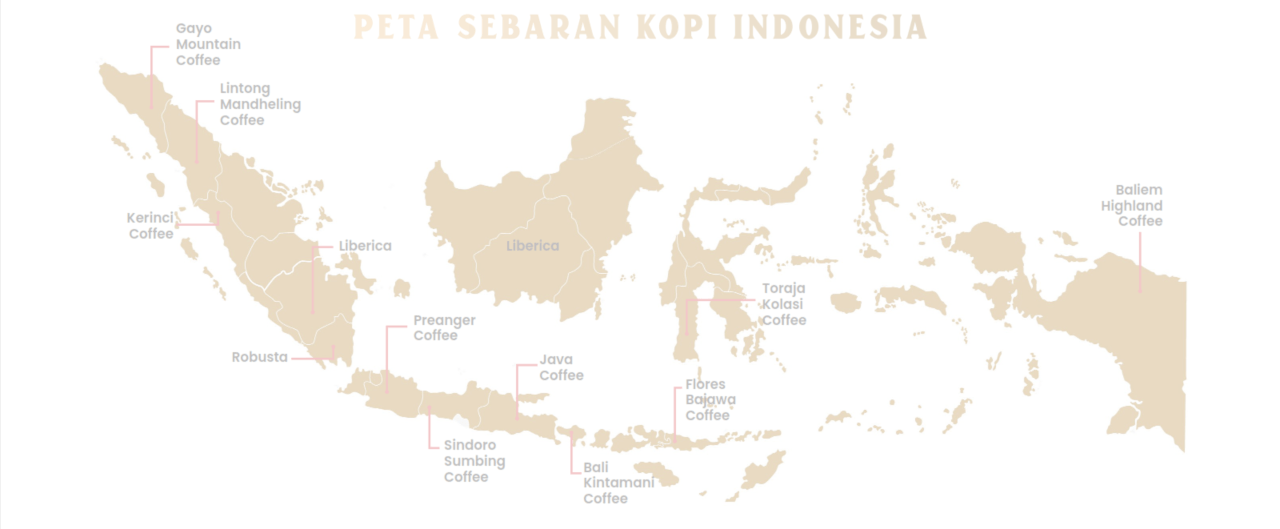
    Out of many types of coffee beans in Indonesia, there are four main coffee bean categories that Indonesia produces annually. They are the following types:

    • Arabica coffee beans, 
    • Robusta coffee beans,
    • Indonesian specialty coffee beans like Luwak coffee one of the rarest green coffee beans of Indonesia processed in the tummy of the Asian wild civet, and
    • Liberica coffee beans.

    The four types mentioned have captured both coffee lovers and casual people globally. They are known as well as the best Indonesian coffee beans.

    Best Coffee Beans from Indonesia 

    Coffee Beans From Province Indonesia
    Coffee Beans in Indonesia

    1. Gayo Coffee Beans, From Aceh (Arabica)

    Gayo coffee beans are produced in the Northern part of Indonesia in Aceh. The most producing areas of Gayo coffee beans are Central Aceh, Bener Meriah, and a part of Gayo Lues. 

    Gayo coffee beans is known widely for its rich yet remarkable taste, which tends to be buttery and nutty. It has a good acidity level that shapes powerful characteristics yet provides a clean aftertaste. The aroma may vary, but it is considered to have hints of spicy aroma.

    Also Read: You Never Know This! 7 Benefits of Gayo Coffee for Your Body

    2. Mandheling Coffee Beans, From North Sumatra (Arabica)

    The name was taken after a north Sumatranese ethnic group from the Batak region, Mandailing. The beans grow in volcanic soil at an altitude between 750 to 1500 above sea level in west-central Sumatra, Aceh. 

    The varieties of Arabica beans that are mostly used are the Catimor and Typica. Mandheling coffee beans taste is considered to have an enjoyable amount of acidity with a deep herbal aroma and woody yet clean earthy notes. 

    3. Kintamani Coffee Beans, From Bali (Arabica)

    Kintamani coffee beans provide a distinctive taste, suitable for those who do not like the bitter taste generally found in coffee. As a substitute, you’ll get a milder taste and sweet flavor with a hint of sour freshness. 

    The citrus-like sour taste is developed since the coffee farmers grow the coffee in the same areas as vegetables and oranges. They also implement subak irrigation systems to grow the coffee organically. Bali Beans Plantation is the best coffee plantation to visit in Bali to taste the coffee and know the end-to-end process better. 

    4. Toraja Coffee Beans, From Toraja (Arabica)

    Cultivated mostly by numerous individuals in the north of Makassar, South Sulawesi, the Toraja Coffee Beans have left a taste of sensation that has become a favorite for Northern European countries. 

    The flavor it offers is also complex. Aside from spicy notes similar to other Indonesian coffee beans, it hints at a savory note, along with an intensely fruity and earthy taste. In addition, it also offers a pleasant aroma mixed with spices like cinnamon, nutmeg, and cloves. Still, the aftertaste is clean and balanced. 

    5. Luwak Coffee Beans (Indonesian Specialty Coffee)

    Indonesian Luwak coffee beans are cultivated in only a few regions and become part of Indonesia specialty coffee beans. The largest producing regions are in the Sumatra Islands, which are Central Aceh, Sidikalang, West Sumatra, and Lampung. 

    It is called so since Luwak, or Asian palm civet, has a major role in its production. Civet eats coffee beans but only the perfectly ripe ones, then known to be the best quality coffee beans.

    It goes to their digestive system for around 24 to 36 hours before it comes out within the animal’s poop and can be washed, roasted, and grounded. The exclusivity in the process is what makes its flavor particular and pricey. 

    6. Temanggung Coffee Beans, From Central Java (Robusta)

    Robusta is still the largest coffee bean variety that is cultivated in Indonesia. One of the types comes from a region in Central Java, which is called Temanggung. 

    The Temanggung coffee beans offer a slight taste of tobacco. Generally, it has a medium level of acidity along with a balanced sweet and bitter taste and a toothsome aroma of mocha. 

    7. Ijen Raung’s Java Coffee, East Java (Arabica)

    Ijen Raung’s Java coffee beans taste exotic with thinner bitterness, lower acidity level with a nutty flavor, and hints of chocolate. This coffee bean cultivation is located in the eastern part of Java Island, in Bondowoso, precisely in the mountains of Ijen and Raung. 

    8. Wamena Coffee Beans, Papua (Arabica)

    If other coffee beans in Indonesia have a similar flavor with a spicy aroma and nutty hint, it is a different case for Wamena coffee beans. 

    The coffee plantation is located in the valley on the east side of Gunung Jaya Wijaya, the only snowy mountain in Indonesia, which offers a perfect climate and altitude to grow the best quality coffee beans. The farmers avoid using pesticides to grow their coffee, and it is what is considered to develop the floral aroma it has. Within the altitude of 1,200 – 1,600 masl, the volcanic soil is organically fertile and has the best climate for growing coffee, especially for the Arabica bean variety. 

    If you are curious about more types of coffee beans in Indonesia, find out the extensive list in Fnb Tech Indonesia!

  • The Timeline and History of Coffee in Indonesia

    The Timeline and History of Coffee in Indonesia

    Do you know the complete history of coffee in Indonesia? Are you aware that Indonesia has many renowned coffees throughout the world? If you don’t but want to understand more about this topic, read the rest of the article!

    Check This Out! History Of Coffee In Indonesia

    It is important to note that there are many theories about how they discovered coffee and who discovered the coffee beans before moving on to the main topic. The most famous story began in Kaffa, Ethiopia, in 1671. There was a shepherd named Kaldi.

    At that time, he discovered something strange about his goats. They behaved erratically energetic and would not sleep after eating some berries.

    Then, Kaldi took and brought some of the berries to the monastery. He explained the whole story about his goats, yet the chaplain considered the berries devil’s sustenance. When he tossed the berries into the fire pit, they smelled the berries’ aroma.

    After saving the coffee beans, they chose to brew the beans. After discovering the beans’ effect, they started making coffee drinks, which could keep them awake and do the long-hour prayer.

    The early history of coffee was brimmed with controversy. There were a lot of forbidden laws concerning the act of drinking coffee. For example, in Europe, King Charles II prohibited the existence of coffeehouses because the places had a link to rebellious activities. Yet it might be the most popular choice of drink nowadays.

    A Timeline of the History of Coffee in Indonesia

    1. In the 17th Century, the Dutch Colonization

    The history started in 1696 when Dutch traders bought coffee seeds from Mocha, Yemen, to Indonesia. Then, they began to plant these seeds in the Kedawoeng Estate, Batavia, Dutch East Indies (now known as Jakarta). However, the plantation failed because of floods.

    In the next three years, they tried to plant the seeds again until this effort was successful. Then, they began to cultivate coffee plants in areas with high altitudes. The sources were of the Arabica variety, which was grown into one of Indonesia’s majority of Arabica coffee.

    2. In the 18th Century, Global Coffee Trading

    After the success of cultivating Indonesian coffee in many areas of Java island, the Dutch began to ship these coffees to other continents. Thousands of tons of coffee became the most sought-after commodity in Europe in 1726.

    Since the trade was brimming with money, the Dutch colonial government took control of the monopoly. No Java coffee was approved to be shipped to Arabian Peninsula. 

    As such, Amsterdam City was known as the world’s coffee capital. To keep up with the overflowing demand, the Dutch began cultivating coffee plants in other areas of East Java, such as Sumatra, Sulawesi, and Bali.

    3. From the 20th Century to the Present Day

    In the years following the end of Dutch colonization, the colonial government gave Indonesians the right and ownership to cultivate the remaining coffee plantations. Afterward, with the spread of coffee in the country, the people began to raise plants on each island.

    Right now, Indonesian coffee has gained global recognition to be one of the best coffees in the world (Indonesia Specialty Coffee), such as Toraja from Sulawesi, Bali Kintamani from Bali, and Mandheling from Sumatra. In addition, our country will be the fourth biggest coffee producer in the world in 2022, with a total of 1,455,050,000 pounds (data provided by World Population Review).

    Despite the Dutch colonization of Indonesia coffee history, the current renowned coffees result from the people’s hard work. With its unique and distinct taste, it’s no wonder that many locals and foreign people favor coffee from Indonesia. You can get the coffee at FnB Tech Indonesia if you want to taste it.

  • You Must Try This Popular Kopi Joss from Yogyakarta, Indonesia

    You Must Try This Popular Kopi Joss from Yogyakarta, Indonesia

    Indonesia is land of various ethnicity and cultures. This includes the way Indonesian serve coffee. Since Indonesian cultures are so diverse, you can find many different traditional hot and iced coffee beverages while gallivanting around the country.

    Each region has produced a unique yet creative way to make coffee drinks. The distinctive methods of life of the local community caused this. Moreover, each island of Indonesia is famous as a major coffee producer. For example, Sumatra island is known for its Robusta coffee from Bengkulu and Mandheling coffee from North Sumatra. Kopi Luwak from Sumatra and Java islands is the most popular and expensive.

    Many locals and foreigners favour several Indonesian coffee drinks. If you are an avid coffee lover and plan to visit Yogyakarta City, we recommend these hot and iced coffee beverages popular in the city. Take the chance to have a taste!

    What is Kopi Joss?

    The Indonesian word for coffee is “kopi.” Hence, we will call this hot coffee drink by its original name. This hot coffee is a unique drink from Yogyakarta, Indonesia. This is not your usual coffee because Kopi Joss uses literal charcoal as one of the ingredients. This is the traditional Java method of serving hot coffee.

    This charcoal coffee (the non-native’s term for the coffee) is started by pouring boiling water straight into the coffee grounds in a glass. Sometimes, people choose to add sugar or condensed milk to the glass. Then, burnt charcoal is added on top of the coffee.

    You can find this coffee in many local food stalls in every crook of Yogyakarta City, especially at Tugu Muda, Malioboro, and Yogyakarta Station. Local food stalls in Yogyakarta refer to the wheelbarrow pushed by people, or simple food stands called angkringan. These food stalls are usually open during the night until dawn. The price for each cup is only IDR 5,000.

    Who Invented This Coffee Drink?

    An order started the invention of this charcoal coffee from the machinist at Tugu Station. The first food stall that made this coffee was Angkringan Lik Man in the late 1980s. A machinist then asked for a hot coffee drink by boiling the water in a can or klotok.

    Then, Lik Man (the owner) made the coffee and served it straight away. However, he added burnt charcoal because he thought it would cook the coffee more cooked by adding it. To his surprise, the machinist loved this coffee.

    Afterwards, Link Man started to offer this coffee drink to others. Many people liked the coffee due to its unique way of serving. To this day, this Yogyakarta coffee has become one of the most famous traditions in the region, even in Indonesia.

    The Health Benefits

    Ever since Kopi Joss received massive attention, many argued that this way of serving coffee could be fatal to someone’s health. However, this Yogyakarta coffee has several benefits for improving health.
    Activated charcoal is very effective in cleansing the body of many toxins. It has many health benefits, such as reducing abdominal cramps, flatulence, and bloating. In addition, activated charcoal can restore body condition when suffering from a cold. Moreover, the coffee drink can warm the body from the cold temperature of Yogyakarta during the night!

    The diversity of Indonesia culture has brought many innovative ways for the locals to create something new, especially in coffee. A random order from a customer in Yogyakarta created the unique coffee drink we know today.