Tag: beans

  • 10 facts you didn’t know about Robusta Coffee Beans Indonesia

    10 facts you didn’t know about Robusta Coffee Beans Indonesia

    Robusta coffee beans from Indonesia, known for their robust flavor and distinctive characteristics, have a story that goes beyond the cup. Here are eight intriguing facts about Robusta coffee in Indonesia.

    Robusta Coffee: Unveiling the Versatile Bean

    Scientifically known as Coffea canephora, is a species of coffee bean that has carved its place in the global coffee industry. Known for its distinct characteristics and versatility, Robusta beans offer a unique set of qualities that set them apart from their Arabica counterparts. Here’s a comprehensive overview of Robusta coffee

    Conclusion

    Robusta coffee, with its robust flavor, higher caffeine content, and unique characteristics, is an integral part of the global coffee landscape. Its versatile nature and practical advantages have secured its place not only in cups of espresso but also in various blends enjoyed by coffee enthusiasts around the world. Whether savored on its own or blended creatively, Robusta coffee continues to bring its own distinctive flair to the art of coffee consumption.

    Sustainability Considerations

    Robusta coffee’s resistance to pests means that it can often be grown with fewer pesticides, contributing to more sustainable farming practices. Additionally, its adaptability to different climates and altitudes makes it a viable option for regions where Arabica might struggle.

    Altitude Diversity

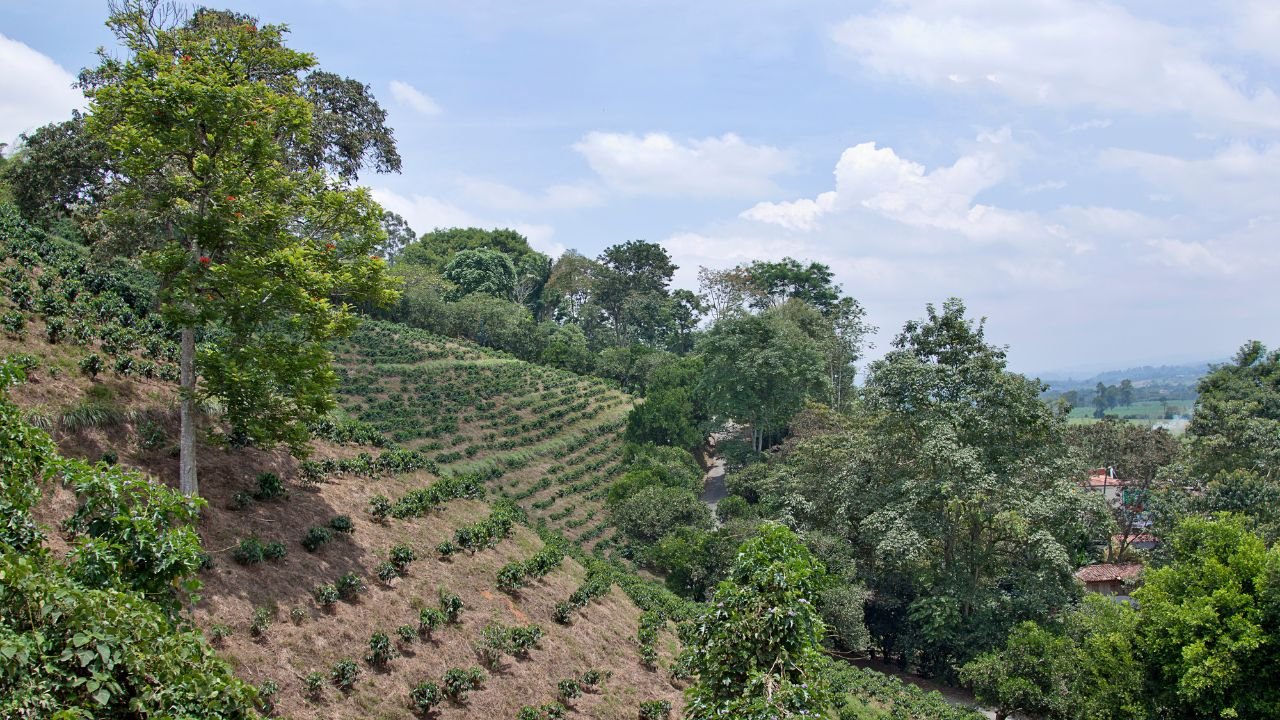
    Indonesia’s Robusta coffee is unique in its ability to thrive at various altitudes. While Robusta beans are typically associated with lower altitudes, Indonesian Robusta is cultivated at altitudes ranging from sea level to over 3,000 feet (1,000 meters) above sea level.

    Varied Flavors

    Indonesian Robusta beans offer a diverse range of flavors beyond the traditional bitterness associated with Robusta coffee. Depending on the region, you might encounter flavors like dark chocolate, nutty undertones, and even fruity notes.

    Shade-Grown Robusta

    Unlike the sun-drenched conditions in many Robusta-producing regions, some Indonesian farmers cultivate Robusta coffee in shaded environments. This practice helps develop more nuanced flavors and supports sustainable farming practices.

    Harvesting Techniques

    Indonesian Robusta beans are often handpicked, ensuring that only ripe cherries are selected. This meticulous approach to harvesting contributes to the quality and consistency of the beans.

    Processing Methods

    Traditional wet-hulling, a method called “giling basah,” is often used for processing Indonesian Robusta beans. This unique method contributes to the beans’ distinct flavor profiles.

    Unique Terroir

    Indonesia’s diverse geography, including volcanic soils and tropical climates, adds a unique terroir to Robusta beans. This terroir influences the beans’ characteristics, resulting in a wide array of flavor possibilities.

    Role in Blends

    Indonesian Robusta beans are frequently used in espresso blends due to their ability to produce a rich crema and contribute body to the cup. They complement the milder flavors of Arabica beans, creating a balanced and complex blend.

    Economic Importance

    Robusta cultivation is a crucial economic activity in Indonesia, providing livelihoods for many local communities. The beans contribute significantly to the country’s agricultural sector and export earnings.

    See we product : Robusta Coffee Beans Indonesia

    Unique Growing Regions

    Regions such as Lampung, Sumatra, and Java are known for their quality Robusta beans. These areas have harnessed their unique growing conditions to produce Robusta coffee that stands out on the global stage.

    Coffee Diversity

    Indonesia’s Robusta coffee represents a diverse range of flavor profiles that challenge the conventional notions of Robusta beans. The country’s innovative cultivation and processing methods have elevated the reputation of Indonesian Robusta in the coffee world.

    Indonesia’s Robusta coffee beans offer a more nuanced and diverse experience than is often attributed to Robusta varieties. With their unique cultivation practices, flavor profiles, and contribution to local communities, these beans play a significant role in both the global coffee industry and Indonesia’s cultural and economic landscape.
  • Robusta vs Arabica Coffee Beans: What Sets Them Apart?

    Robusta vs Arabica Coffee Beans: What Sets Them Apart?

    Difference Between Robusta and Arabica Coffee Beans

    Any casual coffee lovers can mention Arabica and Robusta, but do they know the difference between Robusta and Arabica coffee beans? Coffee is generally grouped in Coffea genus, with only two species consumed by humans: Coffea arabica and Coffea canephora (Robusta). 

    Despite being the only two consumable species from the same genus, Arabica and Robusta differ in many ways. If you are a true coffee lover, make sure to learn their major differences, seen from several important aspects.

    From the Taste

    Drink Tubruk
    Drink Coffee

    Arabica and Robusta have different growing conditions, which result in different flavor profiles. Arabica coffee is generally considered superior, with high acidity and crisp taste. A cup of well-made Arabica coffee may offer a fruity, tangy, or sweet flavor profile, and it is usually more complex and balanced than Robusta. These characteristics make Arabica coffee flavor able to stand on its own.

    On the contrary, Robusta coffee tends to be earthier and heavier, making it less desirable than Arabica. The sometimes-undesirable flavor results from the production of chlorogenic acids, a natural protection against disease and pests. This defense mechanism makes Robusta hardy but can compromise the flavor.

    From the Caffeine Content

    Caffeine of Coffee

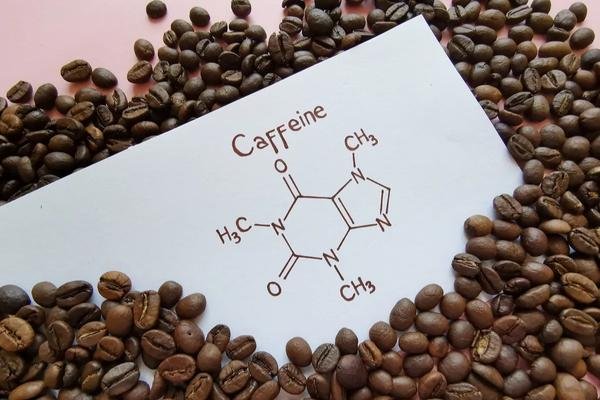
    Arabica vs. Robusta caffeine, who wins? Despite the less favorable profile, Robusta has more caffeine than Arabica. The caffeine content in Robusta is around 2.7 percent, while Arabica only holds 1.5 percent. The production of chlorogenic acids in Robusta contributes to this extra kick.

    Robusta is a better choice for making instant coffee, blend additives, and other coffee products thanks to the combination of heavier flavor and higher caffeine levels.

    Also Read: Decaf and Patented: Secret of Swiss Water Process Decaf Coffee

    From the Coffee Bean Growing Conditions

    Robusta is considered hardier species than Arabica, and it is true. Growing on low elevations and even the sea level, Robusta is less susceptible to disease and pests. The fruits are hardier, making them cheaper and a better option for coffee product manufacturing.

    Meanwhile, the more delicious Arabica is also the delicate one. It grows at a higher elevation than Robusta (more than 600 meters above sea level) and is usually cultivated in tropical regions. Arabica is more susceptible to pests and disease, making it more expensive.

    Also Read: Best Climate For Growing Coffee, There are Interesting Facts

    From the Sugar Content

    What makes many people prefer the flavor of Arabica as a standalone coffee drink? One cause is the sugar content; Arabica has higher sugar content than Robusta. It has twice sugar concentration level, which is also responsible for releasing important aromatic compounds during roasting.

    Sugar content also contributes to Arabica’s heavier “body” in the flavor profile. It is thanks to the higher soluble that dissolves in making coffee drink.

    From the Physical Characteristics of Coffee Beans

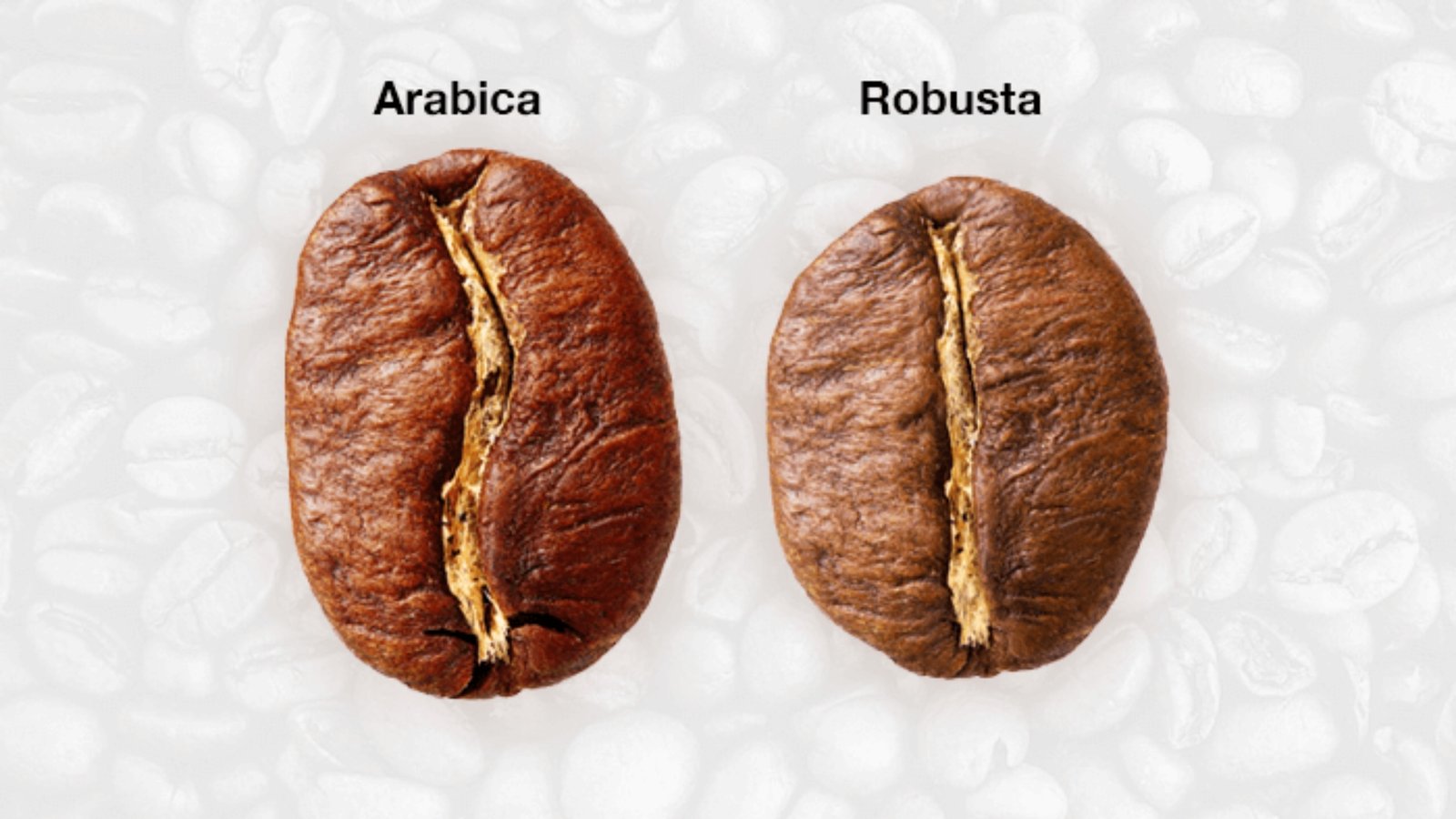
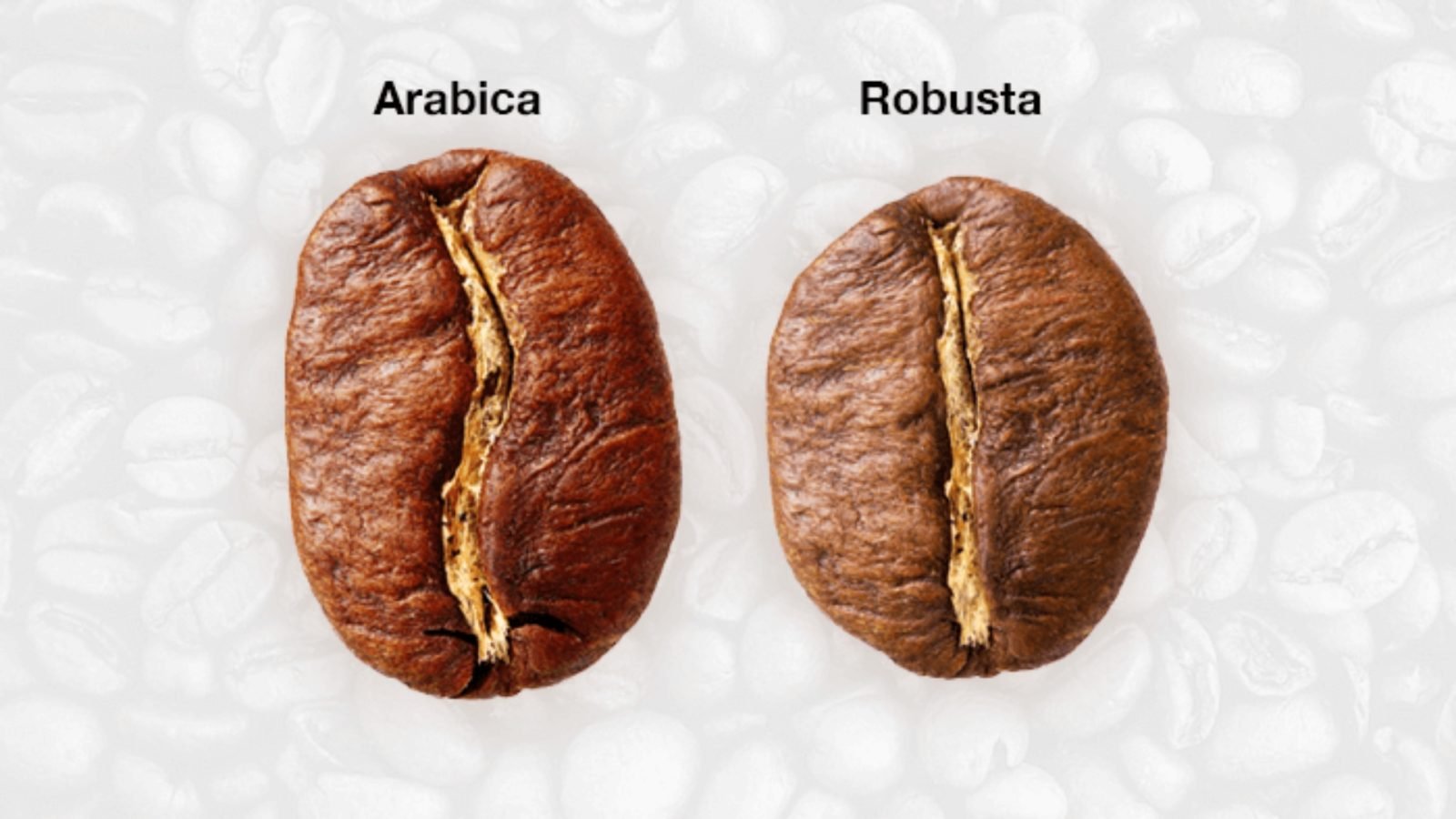
    Can you tell the difference between Robusta and Arabica coffee beans just by looking? Turn out you can! But only if you pay real attention to the individual beans.

    If you place Arabica and Robusta coffee beans side by side, you will notice that Robusta is slightly rounder. Arabica has a more oval-like shape, which gives it a slender appearance.

    You can also notice the difference between their brown colors. Robusta has a darker brown shade, while Arabica is lighter.

    Cultivations of Robusta VS Arabica Beans

    Around 75 to 80 percent of coffee production in the world consists of Arabica, thanks to its more favorable flavor. However, Robusta is also a precious commodity because of its many uses.

    According to the statistics of coffee producers from 2003 to 2021, Brazil is still the largest producer in the world. It produces around 3,556,000 metric tons of coffee annually, with Arabica dominating 69 percent of that.

    Vietnam is the second largest producer in the world, coming with 1,830,000 metric tons. However, 95 percent of those beans are dominated by Robusta.

    Robusta VS Arabica Coffee Beans: Which One Is Better?

    difference between robusta and arabica coffee beans

    While Arabica has a smoother, crisper, and more complex flavor compared to Robusta, it does not mean one coffee type is “better” than the other.

    Arabica is a great blend that gives you a wonderful coffee-drinking experience. Depending on the origins, you can experience variations in flavor profiles, from floral to fruity and even chocolate-like.

    On the other hand, Robusta is not only good as instant coffee. It is a preferred bean for espresso and other beverages, like cappuccino and café latte. Robusta can give espresso the sought-out crema and kick thanks to its higher caffeine content and heavier flavor.

    Therefore, when comparing Arabica and Robusta, it is not about which one is “better” but more like “how you will use them.”

    Also Read: Green Coffee Vs Black Coffee, Different and Which One is Better?

    In conclusion, Arabica and Robusta differ in many aspects, such as flavor profiles, caffeine level, hardiness, cultivations, and sugar level. However, they are useful for many uses, from traditional brewing to quick instant coffee and various coffee recipes. The most important thing is getting the best quality beans.

    FnB Tech is the best Indonesian supplier of high-quality Arabica and Robusta beans. After knowing the difference between Robusta and Arabica coffee beans, make sure you order only the best beans from this supplier to get the most out of them!