Tag: bali

  • Bali’s Coffee Plantations: A Taste of Paradise

    Bali’s Coffee Plantations: A Taste of Paradise

    Bali, often referred to as the “Island of the Gods,” is renowned for its breathtaking landscapes, rich culture, and warm hospitality. While many visitors flock to this Indonesian paradise for its pristine beaches and lush rice terraces, few are aware of Bali’s hidden gem: its coffee plantations. Nestled amidst the island’s picturesque landscapes, Bali’s coffee plantations offer a unique and immersive experience for coffee enthusiasts and curious travelers alike. In this article, we will explore the history, cultivation, and flavors of Bali’s coffee, as well as the cultural significance it holds for the Balinese people.

    A Rich History

    Coffee cultivation in Bali dates back to the early 19th century when the Dutch colonialists introduced coffee plants to the island. These pioneers recognized Bali’s ideal climate and fertile volcanic soil as the perfect conditions for growing high-quality Arabica coffee beans. Over the years, coffee farming in Bali has evolved from small-scale family enterprises to a thriving industry, earning a reputation for its unique coffee varieties and sustainable practices.

    Nayural Coffee Processing

    Cultivation and Varieties

    Bali’s coffee plantations predominantly produce two main varieties of coffee beans: Arabica and Robusta. Arabica coffee, known for its delicate flavors and complex profiles, thrives in Bali’s higher altitudes. The rich volcanic soil of the mountains, combined with the cool, misty climate, results in a coffee with a distinct taste characterized by floral and fruity notes. The Kintamani region in the central highlands is particularly famous for its Arabica coffee, often referred to as “Kintamani Coffee.” Visitors to Bali’s coffee plantations can witness the meticulous process of hand-picking these beans, which contributes to their premium quality.

    Robusta coffee, on the other hand, is cultivated in the lower elevations of Bali, offering a stark contrast to the Arabica variety. Robusta beans are known for their robust and earthy flavor, making them an integral component of many Balinese coffee blends. They are also known for their high caffeine content, which gives Balinese coffee its signature kick. Robusta coffee farms provide an opportunity for travelers to explore the heart of Bali’s agricultural practices and see the coffee cherries being harvested by skilled workers.

    Sustainable Farming Practices

    One of the remarkable aspects of Bali’s coffee plantations is their commitment to sustainable and organic farming practices. Many coffee farms on the island prioritize environmental conservation and ethical farming. Organic fertilizers, shade-grown coffee plants, and responsible water management are common practices. Additionally, several coffee plantations in Bali have adopted fair trade principles, ensuring that coffee farmers receive a fair wage for their hard work and dedication.

    Coffee Tours and Experiences

    Visiting a coffee plantation in Bali is more than just a tour; it’s a sensory journey through the world of coffee. Many plantations offer guided tours where visitors can learn about the entire coffee-making process, from planting and harvesting to roasting and brewing. During these tours, you’ll have the opportunity to pick your own coffee cherries, observe traditional coffee roasting techniques, and savor freshly brewed cups of Bali’s finest coffee.

    A highlight of any coffee plantation tour in Bali is the chance to taste a cup of “kopi tubruk.” This traditional Indonesian coffee is made by boiling coffee grounds with a lump of sugar, resulting in a strong, sweet, and aromatic brew. It’s a unique experience that showcases the rich coffee culture deeply ingrained in the Balinese way of life.

    Cultural Significance

    Coffee holds a special place in Balinese culture and traditions. It is often served as a gesture of hospitality to guests, and the act of making and serving coffee is considered an art form. The “kopi tubruk” ceremony is not only a way to enjoy coffee but also a symbol of unity and social bonding in Bali.

    Moreover, the coffee plantations themselves are integral to the island’s cultural heritage. They provide employment opportunities for local communities, preserving age-old farming practices and supporting the sustainable growth of the region. By visiting Bali’s coffee plantations, travelers not only savor exceptional coffee but also contribute to the preservation of Balinese culture.

    Conclusion

    Bali’s coffee plantations offer a window into the island’s natural beauty, cultural richness, and commitment to sustainable farming practices. From the lush terraces of Arabica coffee in Kintamani to the robust flavors of Robusta coffee in the lowlands, Bali’s coffee scene is a testament to the island’s diverse landscapes and cultural traditions. For those seeking a unique and immersive experience in Bali, a visit to a coffee plantation is a must. It’s a journey that tantalizes the taste buds, enlightens the senses, and leaves a lasting appreciation for the magic of Balinese coffee.
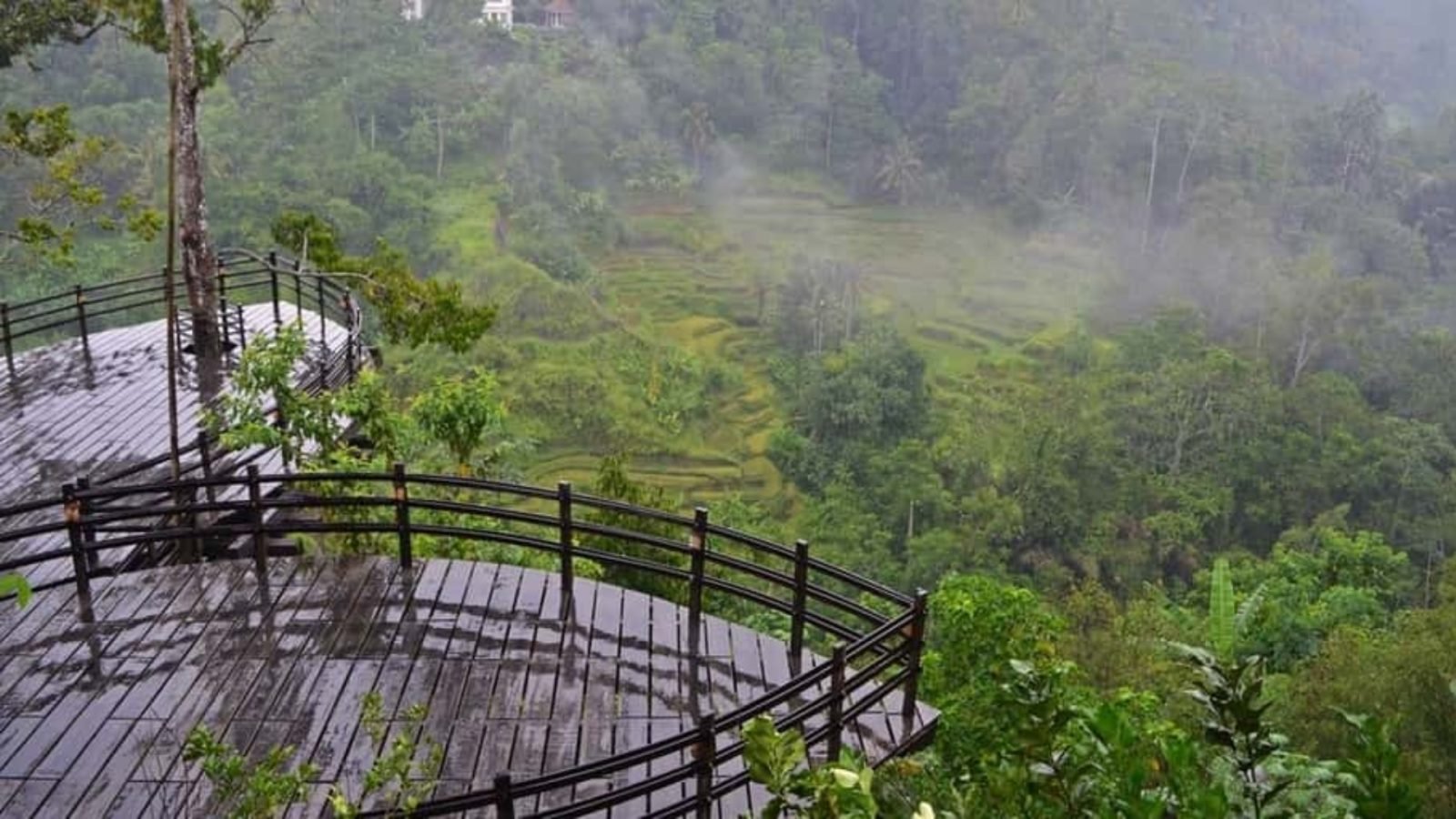
  • 8 Best Coffee Plantation to Visit in Bali, Don’t Miss It!

    8 Best Coffee Plantation to Visit in Bali, Don’t Miss It!

    Best coffee plantation to visit in bali

    As a coffee snob who’s deeply into coffee details, you must be curious about which place is famous for coffee plantation in Indonesia. The answer is Bali, an island internationally renowned for its culture and maritime tourism. Bali is also a paradise for every coffee snob who likes to explore various coffee plantations and enjoy brewing local coffee. 

    Then check the following review to find out the best coffee plantation to visit in Bali.

    1. Alas Harum Bali 

    Alas Harum Bali

    “Good place for rest, coffee, nature, and friendly staff.”

    Google Review

    Alas Harum is a famous agritourism serving civet coffee in Bali. Visitors can directly see the processing of the world’s most expensive coffee, which still uses traditional methods. Civet coffee, or Kopi Luwak, comes from digested coffee cherries eaten and defecated by the Asian palm civet. 

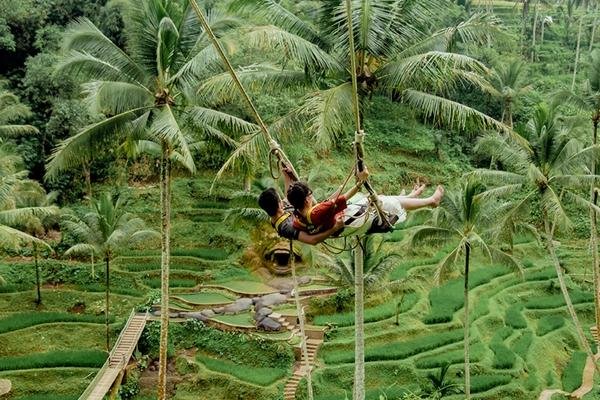
    Aside from seeing a panoramic Arabica plantation and doing a coffee tasting, this place will offer you other fun activities like zip line, swing, etc.

    • Address: Jalan Raya Tegallalang, Tegallalang, Kec. Tegallalang, Kabupaten Gianyar
    • Operating hours: Every day from 9am to 6pm
    • Entry fee: Rp50,000 per person

    2. Bali Pulina 

    Bali Pulina Plantation

    “Super friendly staff and amazing place for enjoying coffee and spices.”

    Google Review

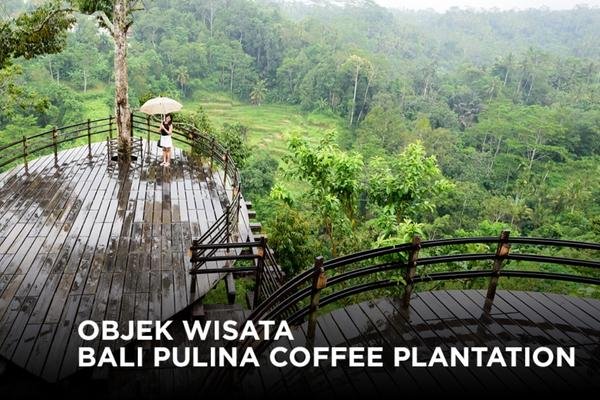
    For those seeking the best coffee plantation to visit in Bali, this place will be a great alternative. By visiting this plantation, you can see how local coffee plants grow as well as its making process. Luwak Coffee is also the best-selling coffee in Bali Pulina. Undoubtedly, it would be a fantastic experience to sip a cup of coffee in the middle of a serene green nature.

    • Address: Jalan Raya Pujung Kelod, Desa Sebatu, Tegallalang, Gianyar
    • Operating hours: Every day from 9am to 5pm
    • Entry fee: Rp250,000 per person

    3. Uma Pakel Agro Tourism & Swing 

    Uma Pakel Agro Tourism & Swing

    “Great service, pricing, and offer a broad variety of coffee and tea drinks.”

    Google Review

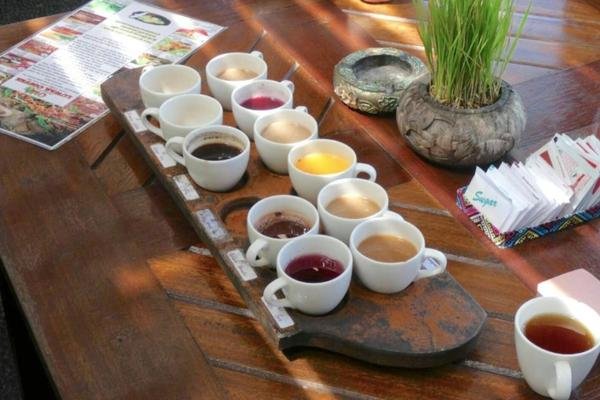
    Tourists will get the opportunity to taste 7 types of coffee drinks for free. Luwak coffee is also available here, becoming a flagship product of this agrotourism. More importantly, the coffee is harvested from Uma Pakel’s own plantation. They have a large Arabica plantation covering a 40 x 40 meters area.

    • Address: Jalan Raya Tegallalang, Tegallalang, Kec. Tegallalang, Kabupaten Gianyar 
    • Operating hours: Every day from 8am to 6pm 
    • Entry fee:  no entry ticket. But if you want to use the swing facility in the plantation area, you have to pay Rp200,000 per person

    4. OKA Agriculture Bali 

    OKA Agriculture Bali

    “Awesome place, great tasting experience of different coffees, teas, and the gift shop offers reasonable pricing.”

    Google Review

    OKA Agriculture Bali offers its guests the chance to explore their renowned Arabica plantation. Located on the slopes of Mount Batur, you can learn how Luwak coffee is harvested, sun-dried, and even processed into freshly brewed coffee.

    • Address: Manukaya, Tampaksiring, Gianyar Regency
    • Operating hours: –
    • Entry fee: No entry fee, but you have to pay about Rp60,000 for a coffee and tea testing set

    5. Segara Windhu Coffee Plantation 

    Segara Windhu Coffee Plantation

    “Excellent tour through the coffee garden and great knowledge about local coffee.”

    Google Review

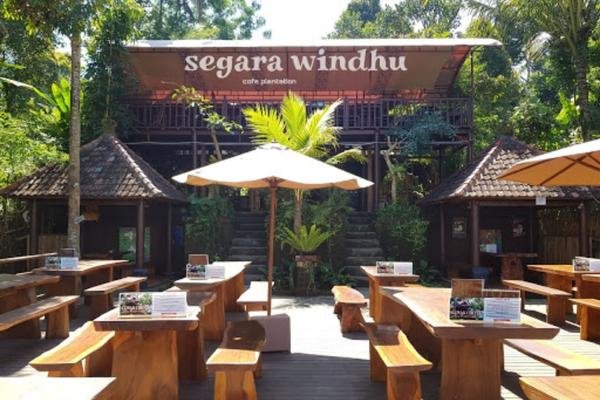
    A great place to see the Luwak coffee-making process. You can also enjoy Arabica and Robusta coffee products from this plantation. Furthermore, it has a small store selling various coffee drinks and yummy chocolates for gifting purposes.

    • Address: Banjar Temen, Jalan Raya Kintamani, Manukaya, Kec. Tampaksiring, Kabupaten Gianyar
    • Operating hours: Everyday from 8am to 5:30pm
    • Entry fee: Rp20,000 per person

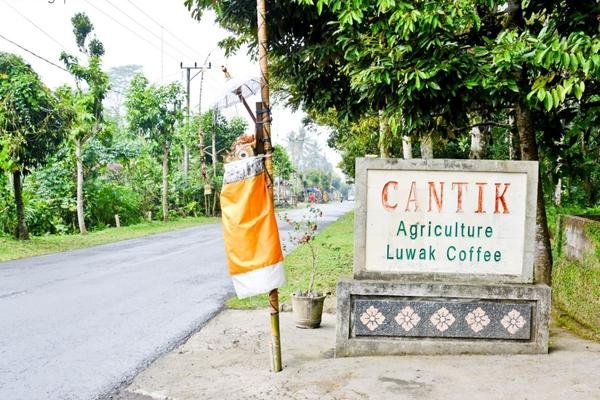
    6. Cantik Agriculture Luwak Coffee 

    Cantik Agriculture Luwak Coffee

    “Got free tasting and great explanation of coffee growth and its making process, as well as knowledge about Luwak coffee beans.”

    Google Review

    Three types of coffee beans are planted in Cantik Agriculture: Arabica, Robusta, and Balinese specialty coffee. More importantly, the local farmers who managed this plantation still harvest their coffee fruits through the traditional process. Hence, you can see Luwak coffee’s manufacturing process here and do some coffee tasting.

    • Address: Jalan Raya Kintamani Br. Temen, Manukaya, Kec. Tampaksiring, Kabupaten Gianyar
    • Operating hours: Everyday from 8am to 6pm
    • Entry fee: no free entry, but you must pay around Rp50,000 for a cup of Luwak coffee

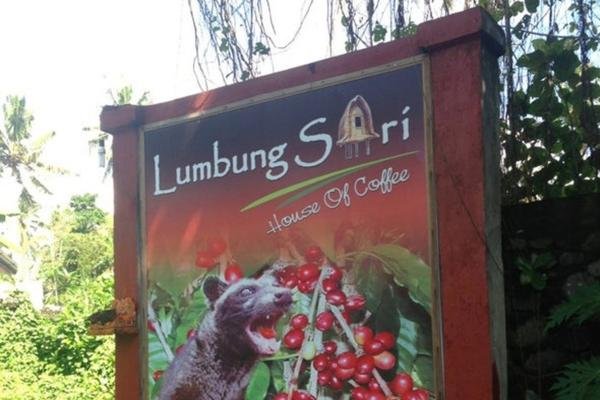
    7. Lumbung Sari House Of Luwak Coffee 

    Lumbung Sari House Of Luwak Coffee

    “Great place for sampling a wide variety of coffee.”

    Google Review

    Lumbung Sari is a great place to taste high-quality Bali Kintamani coffee. This local coffee is produced from Arabica coffee plants. Its Luwak coffee has also become the best-selling product sought-after by many tourists. In addition, this beautiful plantation serves complimentary tea and coffee tasting. 

    • Address: Jalan A.A. Gede Rai, Lodtunduh, Kecamatan Ubud, Kabupaten Gianyar
    • Operating hours: Everyday from 9am to 7pm
    • Entry fee: no entry fee and coffee testing is complimentary (except for Luwak coffee)

    8. Hidden Garden Agriculture 

    Hidden Garden Agriculture 

    “Nice place to have a short tour and coffee tasting.”

    Google Review

    As the name suggests, this place makes you feel like you are in a tranquil secret garden. Presenting a fun plantation tour where you can see the process of Tabanan coffee (Robusta) farming, there are additional attractions, such as a swing and some instagramable selfie spots.

    • Address: Jalan Baturiti – Mekarsari, Mekarsari, Kec. Baturiti, Kabupaten Tabanan
    • Operating hours: Everyday from 8am to 6pm
    • Entry fee: no entry fee, and it offers free testing of organic coffees

    Also Read: From Trees to Your Cup: 3 Types of Coffee Processing Methods

    That’s all about the best coffee plantation to visit in Bali. It would be great to fulfill your coffee plantation Bali tour by visiting one of them. Or, you can buy the best quality product from a trusted coffee bean supplier like FnB Tech Indonesia. Having been in coffee trading since 1999, their best-selling coffee also comes from Bali, such as Bali Kintamani Robusta Coffee and Bali Luwak Arabica Coffee.

  • Everything You Need to Know About Arabica Bali Kintamani Coffee

    Everything You Need to Know About Arabica Bali Kintamani Coffee

    Bali is one of the most famous islands in Indonesia. Aside from having beautiful nature, this island is also famous for its delicious Kintamani coffee. Arabica Bali Kintamani coffee is one of the most delicious coffees from Indonesia you need to try.

    Kintamani coffee is famous throughout the world thanks to its unique flavor. Compared to other types of coffee, this coffee has a superiority that you will not find anywhere else. That is why many coffee lovers worldwide are dying to taste Arabica BaliKintamani coffee.

    If you are a coffee lover, you are probably interested in Kintamani coffee. But before you have a little taste of this coffee, you might want to learn everything there is to know about this coffee. And luckily for you, we will tell you what you need to know about Arabica Bali Kintamani coffee.

    Also Read: 8 Best Coffee Plantation to Visit in Bali, Don’t Miss It!

    Where Does It Come From?

    First of all, let’s talk about where Kintamani came from. If you have ever been to Bali, you are probably familiar with Mount Batur. Mount Batur is located in the Kintamani District, where local traditional coffee farms can be found.

    While other coffee types in Indonesia came from Java and Sumatra during the Netherland colonial era, Kintamani coffee came from coffee farmers who brought their coffee beans from Lombok. And that was the start of the Kintamani coffee production in Bali.

    Just like any other coffee in Indonesia, Kintamani coffee is also named based on its growing region. Thanks to the unique production of Kintamani coffee, this coffee has a unique flavor that you will not be able to find anywhere else. That is why you have to try this coffee at least once in your life.

    The Production of Kintamani Coffee

    Now that you know where it is from, let’s talk about the production process of Kintamani coffee. Indonesian coffee farmers plant and grow Kintamani coffee 900 meters above sea level. And the unique thing about the production process is its agroecosystem, which is very suitable for the growth of arabica coffee.

    The plantation system in Kintamani is very homogenous. The unique thing about coffee farms in Bali is that the farmers usually grow coffee plants together with other plants, including vegetables and orange trees. On top of that, the farmers also manage these plants together while using organic fertilizers.

    The production of Bali Kintamani coffee involves a wet/washed process. This process helps remove the beans from the coffee fruit. As you can see, most coffee farmers in Indonesia use the dry process technique, which is why Kintamani coffee is different from other types of coffee in this country.

    On top of its unique production process, the harvesting process of Arabica Bali Kintamani coffee beans is also unique. The unique harvesting process produces more giant green coffee beans than Indonesia’s arabica coffee beans. That is why arabica Bali Kintamani has such a unique flavor.

    The Taste of Kintamani Coffee

    Thanks to its unique and traditional production process, Kintamani coffee has such a unique flavor. Once you sip this coffee, you will taste a fresh citrusy flavor that does not leave any sour aftertaste in your mouth. Other than that, the body of this coffee is also medium, providing a solid and sweet aroma.

    Unlike most coffees in Indonesia, you will not get a hint of any spice in Kintamani coffee. And that can be great if you dislike spice flavors in your coffee. And if you do not like bitter coffee, Kintamani coffee is the perfect coffee for you.

    The flavor of Arabica Bali Kintamani coffee is vibrant. You can taste this coffee’s sweetness, fruitiness, and chocolaty flavor. You will get a hint of sweetness like you would if you tasted caramel or brown sugar. And because the body is medium, this coffee is enough but not too strong.

    How to Serve Arabica Bali Kintamani Coffee

    You will be able to find a variety of ways to serve Kintamani coffee. The first way is to serve it traditionally. You can do this by grinding the coffee before adding sugar to it. And there you have it, a delicious cup of ground Kintamani coffee that you can enjoy.

    If you do not like the traditional way of serving Kintamani coffee, you can still enjoy this coffee in other ways. You can brew the coffee with v60, allowing you to enjoy a delicious clean coffee. And because the v60 method will produce a watery coffee, the fruity taste of Kintamani coffee will become more dominant.

    The “Tri Hita Karana” Philosophy

    Before trying Arabica Bali Kintamani coffee, you might want to learn about its history. And the history of Kintamani coffee is closely related to the Tri Hita Karana philosophy. As you already know, the production process of Kintamani coffee does not involve any chemicals, which is the primary purpose of this philosophy.

    Based on the Tri Hita Karana philosophy, all of the processes involved in producing Kintamani coffee are natural and traditional. When translated, Tri Hita Karana means three sources of happiness. And one of those sources is to maintain the balance of nature.

    Kintamani coffee farms put so much thought into the balance of nature. The farms use organic fertilizers, a unique irrigation system, and no pesticides. That is why Kintamani coffee beans is also known as a very eco-friendly coffee since the planting process is very mindful of the ecosystem.

    In 2008, Kintamani coffee got a Geographical Indication certificate thanks to its eco-friendly process. This certificate indicates that Kintamani coffee is known and recognized internationally. That is also one of the reasons why this coffee became very popular.

    If you are interested in Kintamani coffee, you can look at the products by PT FandB Tech Indonesia. On the website, you will be able to find a great selection of Indonesian coffees as well as their prices.

    Final Thoughts

    Kintamani coffee is one of the most delicious arabica coffees you can find in Indonesia. Because of its unique production process, this coffee has a delicious flavor profile. That is why you should try arabica Bali Kintamani coffee right now.