document.documentElement.classList.add("cf-on");'; return; } ?>

Blog

  • The Art of Freshly Roasted Coffee Beans: A Comprehensive Guide

    The Art of Freshly Roasted Coffee Beans: A Comprehensive Guide

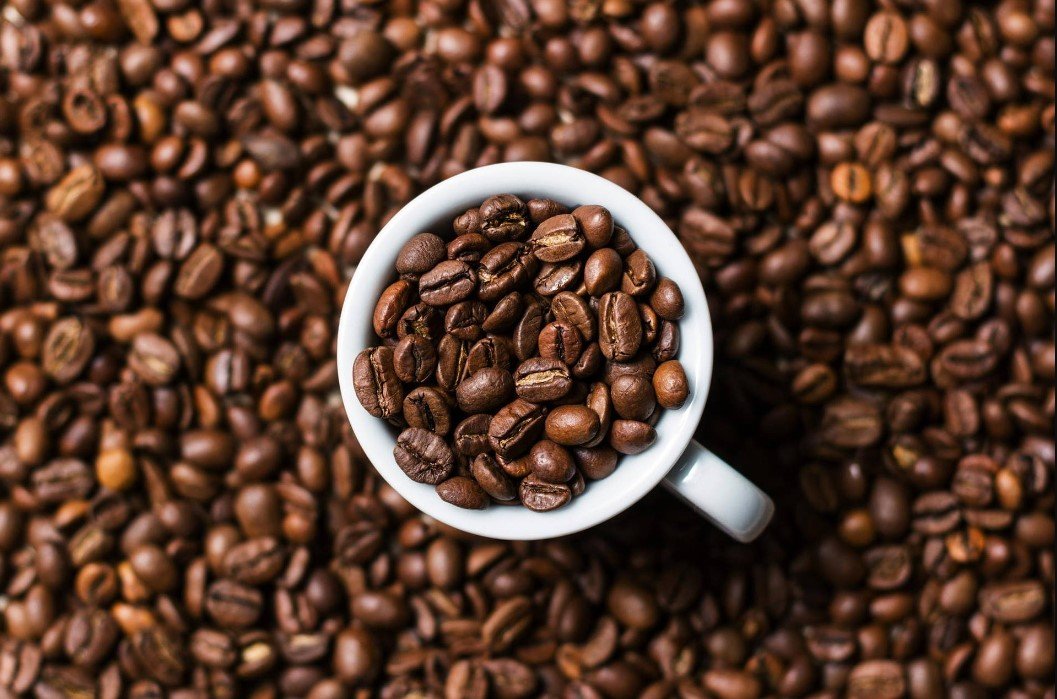
    Coffee, a beverage cherished across the globe, owes much of its rich flavor and aroma to the art of roasting. Among the myriad of coffee experiences, freshly roasted coffee beans stand out as the pinnacle of coffee indulgence. In this guide, we’ll delve into the fascinating world of freshly roasted coffee beans, exploring the intricacies of the roasting process, the impact on flavor profiles, and the best practices for brewing that perfect cup.

    Freshly Roasted Coffee Beans: The Roasting Process

    1. Green Beans to Golden Brew

    The journey of a coffee bean begins in the heart of coffee-producing regions worldwide, where coffee cherries flourish on the branches of the Coffea plant. Within these cherries lie the raw, green coffee beans, tightly nestled within the protective layers of pulp and parchment.

    Freshly Roasted Coffee Beans

    Harvested by skilled hands, the green beans are then subjected to meticulous processing methods. The goal is to extract the seeds from the cherry, leaving behind the essence of the coffee fruit. This process involves fermentation, washing, or a combination of both, ensuring that the beans retain their distinct flavors and characteristics.

    The Roasting Chamber: Where Magic Happens

    Once the green beans are ready, they embark on a remarkable journey within the roasting chamber. This chamber, often a rotating drum heated to precise temperatures, is where the alchemy of roasting unfolds.

    As the green beans make their entrance, they are met with intense heat, causing them to undergo a series of complex chemical reactions. First, the beans lose their moisture content, emitting a subtle hiss as steam escapes. This marks the inception of the roasting process.

    The Color Spectrum: A Visual Symphony

    The green beans, initially verdant and unassuming, gradually transform in color as the roasting progresses. They transition from a pale green to a light cinnamon hue and eventually reach the golden brown shade indicative of a well-roasted bean.

    This color transformation is not just aesthetic; it signifies the development of flavors within the beans. As the heat works its magic, sugars caramelize, oils migrate to the surface, and the beans undergo physical changes that contribute to the unique taste profile of the final brew.

    Aroma Unleashed: The Olfactory Prelude

    Simultaneously, the roasting process unleashes a captivating aroma. The once grassy and earthy scent of green beans evolves into a symphony of fragrances—notes of caramel, chocolate, and floral undertones dance through the air. This olfactory prelude is a testament to the artistry of the roaster, who skillfully navigates the variables to unlock the full potential of the beans.

    First Crack: A Milestone in Flavor Development

    As the roasting progresses, a crucial moment known as the “first crack” approaches. This audible phenomenon occurs when the beans reach a certain temperature, causing them to expand and crack open. It is a milestone that signals the completion of the roasting process for some coffee varieties.

    For those favoring a light to medium roast, this is often the endpoint, capturing the delicate nuances of the beans. However, for those seeking a darker, more robust flavor, the roasting journey continues beyond the first crack, delving deeper into the realms of rich, complex tastes.

    Cooling: Halting the Alchemy

    Once the desired roast level is achieved, the beans must undergo rapid cooling to halt the roasting process. This step is as crucial as the roasting itself. If the beans continue to roast even after reaching the desired level, it can lead to undesirable bitterness and a loss of the carefully cultivated flavors.

    Golden Brew: The Culmination

    After the cooling process, the once-green beans have transformed into golden brown gems, ready to fulfill their destiny in the hands of coffee enthusiasts. This is the culmination of the roasting journey—a testament to the roaster’s expertise, the quality of the beans, and the marriage of science and art.

    The golden brew, extracted from these freshly roasted beans, holds within it the essence of the coffee-producing regions, the meticulous craftsmanship of the roaster, and the anticipation of every coffee lover eager to savor a moment of pure delight.

    In each cup, the journey from green coffee beans to golden brew is a story told through taste and aroma, inviting enthusiasts to appreciate the intricate dance of chemistry and skill that transforms a humble seed into the beverage that fuels conversations, creativity, and camaraderie worldwide.

    2. Variables in Roasting

    Several variables come into play during the roasting process, each contributing to the final flavor profile:

    a. Time

    Roasting time is a crucial factor. A shorter roast will yield a lighter coffee with more acidity and floral notes, while a longer roast produces a darker, fuller-bodied coffee with pronounced bitterness.

    b. Temperature

    The temperature at which the beans roast impacts the flavor. Higher temperatures lead to a darker roast, intensifying smoky and bitter tones, while lower temperatures result in a lighter, fruitier cup.

    c. Bean Movement

    The way beans move in the roasting chamber affects evenness. Proper agitation ensures consistent roasting, preventing uneven flavor development.

    d. Cooling Process

    After roasting, the beans must be rapidly cooled to halt the process. This is as crucial as the roasting itself, influencing the beans’ internal structure and locking in flavors.

    Flavor Profiles

    1. Light Roast

    Lightly roasted beans maintain more of their original characteristics, boasting higher acidity, floral and fruity notes, and a subtle sweetness. This roast allows the nuances of different coffee varieties to shine through.

    2. Medium Roast

    Balancing body and acidity, medium roasts offer a versatile flavor profile. They possess a more pronounced caramelization, resulting in a well-rounded cup with moderate acidity and a fuller body.

    3. Dark Roast

    Dark roasts feature bold, robust flavors with low acidity. The extended roasting time brings out smoky, chocolate, and sometimes even charred notes. Dark roasts are ideal for those who appreciate a strong, intense coffee experience.

    Importance of Freshness

    1. The Aroma Dance

    Freshly roasted coffee beans emit an enchanting aroma. As the beans degas, they release carbon dioxide, a process that occurs in the days following roasting. This degassing is essential, as it prevents the CO2 from affecting the brewing process negatively.

    2. Peak Flavor Window

    Coffee is at its peak freshness shortly after roasting. Within the first two weeks, the beans offer an unparalleled depth of flavor. Beyond this window, the coffee may still be enjoyable, but it won’t capture the same vibrancy.

    3. Proper Storage

    To preserve the freshness of roasted beans, store them in an airtight container in a cool, dark place. Avoid refrigeration, as the beans can absorb unwanted odors.

    Brewing Techniques for Freshly Roasted Coffee

    1. Grinding

    Grinding is an intimate act in the coffee preparation process, a ritual that transforms whole beans into the fine particles that will eventually surrender their essence to hot water. This step is critical, as it directly impacts the extraction process and, consequently, the flavor profile of your coffee.

    The Importance of Freshness

    To fully appreciate the art of grinding, one must begin with fresh beans. Just as the roasting process brings out the best in coffee beans, grinding them fresh before brewing preserves the volatile compounds responsible for aroma and flavor. Oxidation is the enemy of freshness, and once coffee is ground, the surface area exposed to air dramatically increases, leading to a quicker loss of those precious aromas.

    The Grinder: A Coffee Alchemist’s Tool

    Central to the act of grinding is the coffee grinder itself—an essential tool that ranges from manual hand grinders to electric burr grinders. The choice of grinder significantly influences the size and consistency of the grounds, affecting the extraction process and, consequently, the final cup.

    a. Blade Grinders

    While convenient, blade grinders can yield uneven grounds due to their chopping motion. This inconsistency can result in over-extraction of finer particles and under-extraction of coarser ones, leading to a brew with imbalanced flavors.

    b. Burr Grinders

    Burr grinders, on the other hand, offer precision. Consisting of two revolving abrasive surfaces, they crush the beans to a consistent size. This uniformity ensures an even extraction, allowing the full range of flavors to be extracted from the coffee grounds.

    Grind Size Matters

    The grind size is a critical variable that must align with the chosen brewing method. Different methods, such as espresso, French press, or pour-over, require specific grind sizes to achieve optimal extraction.

    a. Coarse Grind

    Ideal for brewing methods like French press and cold brew, a coarse grind resembles breadcrumbs. This size allows for a slower extraction, resulting in a rich and robust cup without over-extraction.

    b. Medium Grind

    A grind akin to sea salt is well-suited for drip coffee makers and pour-over methods. This medium grind strikes a balance, offering a nuanced flavor profile with moderate extraction.

    c. Fine Grind

    Espresso machines, Moka pots, and Aeropress devices thrive on a fine grind, similar to powdered sugar. This grind size facilitates a quick extraction, capturing the concentrated flavors characteristic of these methods.

    The Ritual of Precision

    The act of grinding is not just a mechanical step; it is a dance of precision. The duration of grinding, the coarseness or fineness of the grind, and the consistency of particle size all contribute to the symphony of flavors waiting to be unleashed.

    Timing is Everything

    Timing is a key element in the precision of grinding. Grinding just before brewing is essential to preserve the volatile aromatic compounds within the coffee. The longer coffee grounds are exposed to air, the more those delicate aromas dissipate, diminishing the overall sensory experience.

    Storage of Grounds

    Once ground, coffee should be used promptly to capture the peak of its flavors. However, if storing is necessary, an airtight container in a cool, dark place is crucial. Avoid exposing the grounds to humidity or fluctuations in temperature, as these elements can compromise the freshness.

    Grounds for Celebration

    In the intricate ballet of coffee preparation, grinding stands as a pivotal act. It is the gateway to unlocking the full potential of freshly roasted beans, a step that demands attention, precision, and an appreciation for the alchemy of flavors waiting to be set free. Whether you’re savoring the ritual with a manual grinder or entrusting the task to a high-quality burr grinder, the result is the same—an invitation to indulge in a cup of coffee that transcends the ordinary, offering a symphony of flavors and aromas meticulously crafted from bean to brew.

    2. Brewing Methods

    a. Pour-Over

    The pour-over method allows for precise control over water temperature and pouring rate. It’s an excellent choice for showcasing the nuanced flavors of light to medium roasts.

    b. French Press

    The immersion brewing of the French press complements the richness of medium to dark roasts. The full-bodied, flavorful cup it produces is a testament to the quality of freshly roasted beans.

    c. Espresso

    Espresso enthusiasts benefit greatly from using freshly roasted beans. The concentrated nature of espresso magnifies the coffee’s intensity and highlights its unique characteristics.

    d. Cold Brew

    Cold brew extracts coffee slowly, resulting in a smoother, less acidic cup. Using freshly roasted beans enhances the complexity of flavors, making it a refreshing alternative.

    Sourcing Freshly Roasted Beans

    1. Local Roasters

    Supporting local roasters ensures access to beans at the peak of freshness. Establishing a relationship with your roaster allows for a deeper understanding of the coffee’s origins and roasting techniques.

    2. Online Specialty Retailers

    Numerous online retailers specialize in delivering freshly roasted beans directly to your doorstep. Look for those who provide roast dates on their packaging, ensuring you receive coffee at its freshest.

    Conclusion

    Embracing the world of freshly roasted coffee beans is a journey of sensory exploration. From the delicate dance of the roasting process to the intricate flavors unlocked in brewing, each step contributes to a symphony of taste and aroma. Whether you prefer the bright acidity of a light roast, the balanced notes of a medium roast, or the bold intensity of a dark roast, the key lies in savoring the freshness. Elevate your coffee experience by indulging in the artistry of freshly roasted beans—a journey that promises to awaken your senses with every sip.
  • Indonesian Palm Civet Coffee: The World’s Most Expensive Coffee

    Indonesian Palm Civet Coffee: The World’s Most Expensive Coffee

    Indonesian Palm Civet Coffee, often referred to as “Kopi Luwak,” is a rare and highly coveted coffee variety that has gained global recognition for its unique production process. This exotic and luxury coffee has intrigued coffee enthusiasts and connoisseurs for years, with its distinctive flavor and the fascinating role of civets in its production. In this comprehensive guide, we will delve into the world of Indonesian Palm Civet Coffee, exploring its history, production methods, flavor profile, sustainability concerns, and ethical considerations.

    The History of Indonesian Palm Civet Coffee

    The history of Indonesian Palm Civet Coffee can be traced back to the early 18th century when the Dutch colonists introduced coffee cultivation to the Indonesian archipelago, particularly on the island of Java. Coffee became a prominent crop in the region, and the Dutch plantations played a significant role in coffee production. However, the local farmers were prohibited from consuming coffee beans from the plantations, leading them to seek alternative means to access the coveted coffee.

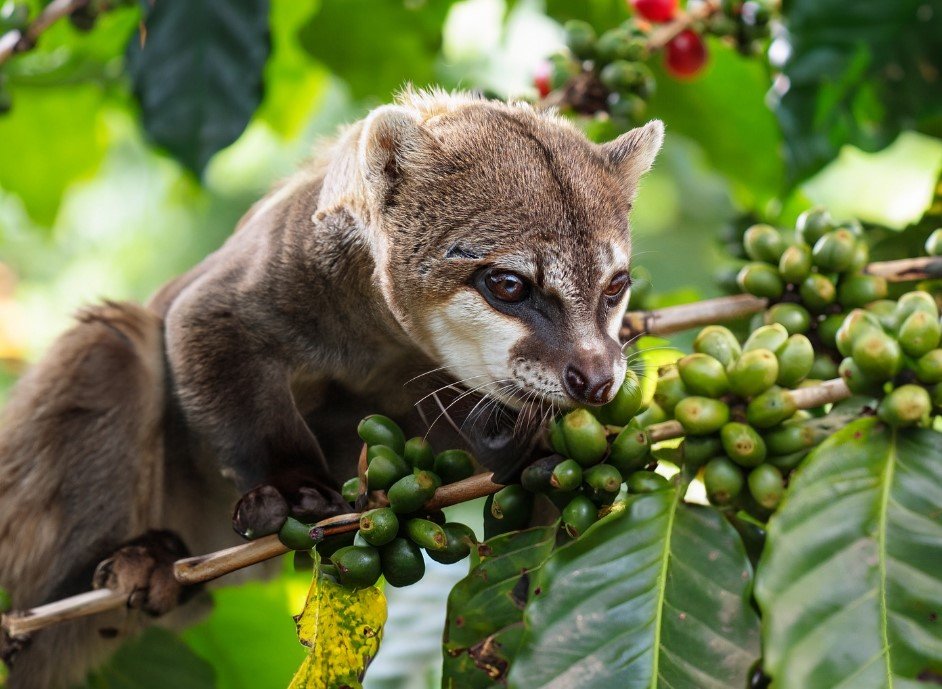
    Indonesian Palm Civet Coffee

    This desire for coffee gave rise to the innovative method of using civets, small nocturnal mammals found in the Indonesian jungles, to help produce coffee. Civets would selectively eat ripe coffee cherries, digest the fruit, and excrete the coffee beans. Local farmers would collect the beans from civet droppings, wash and process them, and ultimately produce a unique coffee that was highly prized for its distinctive flavor. This marked the birth of Indonesian Palm Civet Coffee, also known as Kopi Luwak.

    The history of Indonesian Palm Civet Coffee, also known as Kopi Luwak, is a fascinating journey that encompasses colonial influence, resourcefulness, and innovation in the world of coffee production. To understand the evolution of Kopi Luwak, we need to explore its historical context and the intricate relationship between humans, coffee, and the civet.

    1. Dutch Colonial Influence

    The story of Indonesian Palm Civet Coffee begins with the Dutch colonial presence in the Indonesian archipelago. During the early 18th century, the Dutch colonists introduced coffee cultivation to the region, focusing primarily on the island of Java. Coffee quickly became a significant crop in the region, and Java, in particular, became renowned for its coffee plantations.

    However, there was a significant divide between the colonial plantations and the local Javanese population. The Dutch colonists strictly controlled access to the coffee produced on the plantations, denying the local farmers and laborers the opportunity to enjoy the very product they helped cultivate. As a result, a sense of intrigue and longing for the rich flavors of coffee brewed among the local population.

    1. Resourcefulness of the Locals

    In response to the Dutch restriction on coffee consumption, the local Javanese farmers, who had cultivated a deep appreciation for coffee, embarked on a resourceful endeavor. Their quest was to find a way to access coffee beans without the constraints imposed by the colonial rulers. This creative and unique endeavor eventually led to the birth of Indonesian Palm Civet Coffee.

    1. Civets and Coffee

    In the lush and biodiverse jungles of Indonesia, a small, nocturnal mammal known as the palm civet (Paradoxurus hermaphroditus) played a pivotal role in the development of this exceptional coffee. Civets are opportunistic omnivores with a keen sense of smell and taste. They have a natural tendency to select and consume the ripest coffee cherries, identified by the scent of fermenting pulp. This behavior stems from the civet’s preference for high-quality, ripe fruit.

    The digestive system of the civet played an unexpected role in the coffee production process. As the civet consumed coffee cherries, enzymes in its stomach initiated the fermentation of the cherries’ pulp, breaking down proteins and other compounds. After passing through the civet’s digestive system, the coffee beans were excreted.

    The beans excreted by civets were collected by local farmers. These beans were then meticulously washed to remove any remnants of the civet’s digestive process, such as mucilage and other residues. Following thorough washing, the coffee beans were subjected to the customary coffee roasting process. This unique and somewhat unorthodox method of production resulted in the creation of what we now know as Indonesian Palm Civet Coffee, or Kopi Luwak.

    1. Distinctive Flavor Profile

    The fermentation process that occurs within the civet’s digestive system is widely believed to be responsible for the distinctive flavor profile of Kopi Luwak. This extraordinary process gives the coffee its unique characteristics, setting it apart from other coffee varieties. The precise combination of enzymes and chemical reactions during digestion imparts a smooth and full-bodied quality to the coffee, accompanied by low acidity and an array of nuanced flavors.

    The coffee is celebrated for its earthy and chocolaty undertones, with hints of caramel and nuts. It typically exhibits a mild bitterness that is balanced by a sweet, lingering finish. This intriguing flavor profile has earned Kopi Luwak a reputation as a delicacy and a sought-after luxury coffee variety.

    In conclusion, the history of Indonesian Palm Civet Coffee is a remarkable tale of ingenuity and resourcefulness that emerged in response to colonial restrictions on coffee consumption. The local farmers of Java harnessed the natural instincts of civets to create a unique and prized coffee variety. Kopi Luwak’s journey from the jungles of Indonesia to the global stage is a testament to the enduring allure of coffee and the innovative spirit of those who produce it.

    The Civet’s Role in Coffee Production

    The palm civet (Paradoxurus hermaphroditus) plays a pivotal and intriguing role in the production of Indonesian Palm Civet Coffee, also known as Kopi Luwak. Understanding the civet’s involvement in coffee production is central to appreciating the uniqueness of this luxury coffee variety.

    1. Civet Diet and Coffee Selection:
      Civets are small, nocturnal mammals native to the jungles of Southeast Asia, including Indonesia, where Kopi Luwak is predominantly produced. These creatures possess a remarkable sense of smell and taste, which they employ to select their food. Among their preferred foods are ripe coffee cherries. Civets exhibit a particular fondness for the sweet and aromatic pulp surrounding coffee cherries. Their keen olfactory senses allow them to detect the scent of fermenting coffee cherries from a considerable distance. This discerning behavior leads them to pick only the ripest and most delectable coffee cherries.
    2. Natural Fermentation Process:
      The key to Kopi Luwak’s distinctive flavor lies in the natural fermentation process that occurs within the civet’s digestive system. After the civet consumes the coffee cherries, the journey of the beans takes a unique turn. As the coffee cherries make their way through the civet’s digestive tract, they undergo a complex series of enzymatic reactions. The enzymes in the civet’s stomach break down proteins and other compounds within the cherries’ pulp. This fermentation process contributes to the coffee’s flavor development, enhancing its aromatic and flavor properties. While the beans are in the civet’s stomach, the outer pulp is digested, and the beans become covered with the mucilage produced during fermentation. It is this interaction between the beans and the civet’s digestive processes that creates the distinctive character of Indonesian Palm Civet Coffee.
    3. Excretion and Coffee Bean Collection:
      After passing through the civet’s intestines, the coffee beans, now coated with mucilage, are excreted by the civet. Local farmers are responsible for collecting these beans from the excrement. This step requires careful and thorough searching in the jungles where civets reside, as the beans are often scattered in their droppings. To ensure the beans’ safety and cleanliness, the collected beans undergo a rigorous cleaning process. This includes washing to remove any remaining mucilage, digestive residues, or contaminants. It is important to note that the cleaning process is meticulous to ensure that the unique flavors developed during the fermentation process remain intact.
    4. Roasting and Final Processing:
      Once the beans have been cleaned, they are ready for the final steps in their transformation into coffee. The cleaned beans are roasted, and this process is conducted with the same precision and expertise applied to traditional coffee roasting. The roast level can vary, allowing for a range of flavor profiles, but the goal is to maintain the unique characteristics developed during fermentation. After roasting, the beans are ground and brewed, resulting in a cup of Indonesian Palm Civet Coffee, Kopi Luwak, that is celebrated for its smoothness, full body, low acidity, and distinctive flavor notes. These flavor notes often include hints of earthiness, chocolate, caramel, and nuts, with a mild bitterness and a sweet finish.

    The civet’s role in coffee production represents the heart of the Kopi Luwak story. Its natural behavior, discerning palate, and the enzymatic processes that occur within its digestive system contribute to the creation of a coffee variety that is both unique and highly sought after by coffee enthusiasts and connoisseurs worldwide.

    The distinctive journey of coffee beans through the civet’s digestive system and the ensuing meticulous processing bring to life the extraordinary character of Indonesian Palm Civet Coffee, demonstrating that nature and human ingenuity can yield remarkable results in the world of coffee.

    Flavor Profile

    The flavor profile of Indonesian Palm Civet Coffee, also known as Kopi Luwak, is a complex and intriguing aspect that sets it apart from other coffee varieties. The unique fermentation process that occurs within the digestive system of civets imparts a distinctive character to this luxury coffee. Let’s explore the elements of Kopi Luwak’s flavor profile in greater detail:

    1. Smooth and Full-Bodied:
      One of the most prominent features of Kopi Luwak is its remarkable smoothness and full-bodied nature. The coffee has a velvety and luxurious texture that envelops the palate. This characteristic is often attributed to the enzymatic reactions that occur during the fermentation process within the civet’s digestive system. It results in a coffee that is remarkably mellow and less acidic than many other coffee varieties.
    2. Low Acidity:
      Kopi Luwak is celebrated for its low acidity, making it a coffee variety that is gentle on the stomach. The digestive process within the civet’s stomach appears to reduce the coffee’s natural acidity, resulting in a brew that is less likely to cause acid reflux or digestive discomfort. The subdued acidity contributes to the coffee’s overall smoothness and makes it particularly appealing to those who seek a less acidic coffee experience.
    3. Earthy and Chocolaty Undertones:
      Kopi Luwak often presents pronounced earthy notes with a hint of chocolaty undertones. The fermentation process in the civet’s digestive system influences the development of these flavors. The earthy notes are reminiscent of forest floors and the natural aromas of the jungle where civets forage for coffee cherries. The subtle chocolaty undertones add richness to the coffee’s flavor, making it a delightful treat for chocolate lovers.
    4. Hints of Caramel and Nuts:
      Beyond its earthiness and chocolate nuances, Kopi Luwak may also exhibit hints of caramel and nuts in its flavor profile. These notes contribute to the coffee’s complexity and depth, offering a delightful interplay of sweet and nutty elements that enhance the overall taste experience.
    5. Mild Bitterness and Sweet Finish:
      The flavor journey of Kopi Luwak typically includes a mild bitterness, which is beautifully balanced by a sweet finish. The bitterness is not overpowering but rather adds depth and character to the coffee. It’s the sweet finish that lingers on the palate, leaving a pleasant and memorable aftertaste. This combination of mild bitterness and sweetness is often a hallmark of high-quality coffee.

    It’s important to note that the specific flavor profile of Indonesian Palm Civet Coffee can vary based on various factors, including the civet’s diet, the region in which it was produced, the altitude at which the coffee was grown, and the degree of roasting applied. This variability is what makes each cup of Kopi Luwak a unique and sensory-rich experience.

    In conclusion, the flavor profile of Kopi Luwak is a complex tapestry of smoothness, low acidity, earthiness, chocolaty undertones, caramel and nut hints, and a balanced interplay of mild bitterness and sweet finish. These distinctive characteristics make Indonesian Palm Civet Coffee a sought-after delicacy for coffee enthusiasts and connoisseurs who seek a truly unique and luxurious coffee experience.

    Production Challenges and Sustainability Concerns

    Despite its popularity and high market value, the production of Indonesian Palm Civet Coffee faces several challenges, including sustainability concerns. Here are some of the key issues:

    a. Ethical Considerations: Traditionally, the coffee beans were collected from wild civet droppings. However, the increasing demand for Kopi Luwak has led to unethical practices, such as keeping civets in captivity and force-feeding them coffee cherries to produce more coffee. This practice has raised significant ethical concerns and led to animal welfare issues.

    b. Environmental Impact: The demand for Kopi Luwak has led to an increase in civet farming, which can have adverse environmental effects. Captive civets may be kept in suboptimal conditions, and their diets may not be as diverse as those of wild civets. This can impact the coffee’s quality and contribute to biodiversity loss in coffee-growing regions.

    c. Conservation Efforts: To address these concerns, some organizations and farmers are working towards more sustainable and ethical production methods. These efforts involve promoting wild civet coffee and improving civet welfare, while also emphasizing the importance of preserving the natural habitat of civets.

    Authenticity and Certification

    To ensure that you are purchasing genuine Indonesian Palm Civet Coffee, look for certifications from trusted organizations that promote ethical and sustainable practices. Organizations like the Specialty Coffee Association of Indonesia (SCAI) and various fair trade and sustainability certifications are working to establish guidelines and standards for the production of Kopi Luwak. These certifications can help consumers identify coffee that has been produced through ethical and sustainable means.

    The Future of Indonesian Palm Civet Coffee

    The future of Indonesian Palm Civet Coffee, also known as Kopi Luwak, is at a crossroads, where the pursuit of sustainability and ethical considerations is increasingly important. While Kopi Luwak remains a luxury coffee variety with a unique and intriguing production process, there are crucial challenges and opportunities that will shape its future.

    1. Ethical Considerations:
      One of the most significant challenges facing the future of Kopi Luwak is the ethical treatment of civets involved in its production. Historically, many civets were kept in captivity in suboptimal conditions and subjected to force-feeding to meet the growing demand for this exclusive coffee. Such practices raised serious concerns about animal welfare and prompted criticism from various quarters. To secure the future of Kopi Luwak, it is essential that the industry addresses these ethical issues. Ethical considerations must prioritize the well-being and humane treatment of civets. This shift towards more ethical practices is crucial to ensure the continued acceptance and appreciation of Kopi Luwak by consumers.
    2. Conservation Efforts:
      The future of Kopi Luwak is intertwined with the preservation of the civets’ natural habitat. In the wild, civets play a vital role in maintaining the ecosystem’s balance by controlling pests and aiding in seed dispersal. However, the expansion of civet farming to meet the demands of Kopi Luwak production has led to concerns about habitat destruction and biodiversity loss. Sustainable Kopi Luwak production can align with conservation efforts by promoting wild civet coffee. Wild civet coffee involves the collection of beans that civets forage naturally in their habitat. By maintaining a healthy and biodiverse environment for civets, the future of Kopi Luwak can be more ecologically responsible and sustainable.
    3. Certification and Transparency:
      To ensure the future of Kopi Luwak as a reputable and authentic coffee variety, the industry must focus on certification and transparency. Certification programs, such as those offered by the Specialty Coffee Association of Indonesia (SCAI), can help establish guidelines and standards for the ethical and sustainable production of Kopi Luwak. These certifications can provide consumers with the assurance that they are purchasing coffee that has been produced responsibly and under humane conditions.
    4. Supporting Small-Scale Producers:
      While large-scale civet farming operations have garnered attention, supporting small-scale, community-based producers can be a positive direction for the future of Kopi Luwak. Such producers often prioritize ethical and sustainable practices while also contributing to local economies. By connecting with these producers and raising awareness about their efforts, consumers can play a role in promoting the ethical production of Kopi Luwak.
    5. Consumer Awareness and Education:
      The future of Kopi Luwak also depends on consumer awareness and education. Coffee enthusiasts and connoisseurs need to be informed about the challenges and ethical concerns surrounding this coffee variety. Greater understanding can drive demand for ethically produced and sustainable Kopi Luwak, encouraging industry stakeholders to adopt more responsible practices.
    6. Balancing Demand and Sustainability:
      As the global appetite for Kopi Luwak continues to grow, finding a balance between meeting demand and ensuring sustainability is paramount. This balance may require innovative approaches, such as promoting eco-friendly practices, reducing the environmental footprint of production, and fostering a sense of responsibility among all players in the supply chain.

    In conclusion, the future of Indonesian Palm Civet Coffee, Kopi Luwak, is intricately tied to ethical considerations, conservation efforts, certification, and transparency in the industry. Sustainable practices that prioritize the well-being of civets, preserve their natural habitat, and support small-scale producers are essential for ensuring the long-term viability and ethical production of this unique coffee variety. By raising awareness, fostering responsible practices, and aligning with conservation efforts, we can work toward a future where Kopi Luwak is both a luxury coffee and an ethically produced and sustainable choice for coffee enthusiasts.

    Conclusion

    Indonesian Palm Civet Coffee, or Kopi Luwak, is a unique and highly sought-after coffee variety known for its distinct flavor profile and unconventional production process involving civets. The history, flavor, and production methods of Kopi Luwak make it a captivating subject for coffee enthusiasts and connoisseurs.

    However, the production of Indonesian Palm Civet Coffee has faced challenges related to sustainability and ethics, as the demand for this exotic coffee has grown. To ensure the future of Kopi Luwak, it is essential to promote ethical and sustainable practices in its production, prioritize civet welfare, and preserve their natural habitat. When seeking authentic Indonesian Palm Civet Coffee, look for certifications from reputable organizations to support the responsible and ethical production of this unique and rare coffee variety.

  • Top 10 Coffee Brands in Singapore: A Caffeine Lover’s Guide

    Top 10 Coffee Brands in Singapore: A Caffeine Lover’s Guide

    Singapore is a bustling metropolis that boasts a thriving coffee culture. With a plethora of coffee brands, cafes, and specialty coffee shops, the city-state has become a haven for coffee enthusiasts. Whether you prefer a traditional Kopi O, a rich Espresso, or a creamy Latte, Singapore has something to offer for every coffee lover. In this article, we will explore the top 10 coffee brands in Singapore, each offering unique flavors and experiences that cater to various tastes and preferences.

    1. Top 10 Coffee Brands in Singapore: Ya Kun Kaya Toast

    Ya Kun Kaya Toast is a household name in Singapore, known for its iconic kaya toast and Hainanese coffee. Founded in 1944, this brand has been serving traditional Singaporean breakfast for generations. The coffee, often referred to as “Kopi,” is a robust blend of coffee beans and sweet condensed milk, creating a strong and aromatic cup that pairs perfectly with their kaya toast.

    Ya Kun Kaya Toast
    Ya Kun Kaya Toast
    • Kaya Toast Set: This iconic Singaporean breakfast includes kaya toast, a delectable spread made from eggs, sugar, and coconut milk, paired with soft-boiled eggs. It’s typically served with a cup of traditional Kopi or Teh (tea). The Kopi is a strong coffee made by blending coffee beans with sweet condensed milk, offering a unique and robust flavor that perfectly complements the creamy kaya spread on the toast.

    Pros:

    • Heritage and Tradition: Ya Kun Kaya Toast boasts a rich history, making it a beloved part of Singapore’s heritage.
    • Affordability: Their offerings are reasonably priced, making it accessible to a wide range of customers.

    Cons:

    • Limited Coffee Variety: While their traditional Kopi is exceptional, the coffee menu is somewhat limited compared to specialty coffee shops.

    2. Toast Box

    Toast Box is another popular coffee brand in Singapore that specializes in traditional Kopi and kaya toast. Their coffee is brewed using a unique method called the “sock filter,” which results in a rich, full-bodied brew. The blend of coffee beans and condensed milk offers a delightful sweetness and a slightly bitter kick, making it a favorite among locals.

    Toast Box
    Toast Box
    • Kopi: Toast Box is renowned for its traditional Kopi, which is prepared using a unique method known as the “sock filter.” This technique results in a robust and full-bodied coffee. The blend of coffee beans and condensed milk in Kopi offers a delightful sweetness, coupled with a subtle bitterness, creating a classic Singaporean coffee experience.
    • Nanyang Old Coffee: This is another favorite, known for its rich and bold taste. It’s made from selected coffee beans and a secret sauce, giving it a unique flavor profile.

    Pros:

    • Authenticity: Toast Box is known for its authentic Singaporean breakfast experience.
    • Traditional Kopi: Their unique method of preparing Kopi appeals to those who love traditional Singaporean coffee.

    Cons:

    • Lack of Specialty Coffee: If you’re looking for specialty coffee or single-origin options, Toast Box might not be the best choice.

    3. Chye Seng Huat Hardware (CSHH)

    For those who appreciate specialty coffee, Chye Seng Huat Hardware, often abbreviated as CSHH, is a must-visit. Located in the vibrant Jalan Besar neighborhood, CSHH is a specialty coffee roastery and cafe that takes coffee seriously. They source high-quality beans from around the world, roast them in-house, and brew them to perfection. Their coffee menu is diverse, offering everything from Espresso to Pour-Over, ensuring a unique coffee experience.

    Chye Seng Huat Hardware (CSHH)
    Chye Seng Huat Hardware (CSHH)
    • Espresso: CSHH excels in specialty coffee, and their Espresso is a masterpiece. It’s a classic shot of espresso that captures the essence of the coffee bean’s unique characteristics. The baristas take great care in crafting a shot that’s rich, aromatic, and filled with flavors.
    • Single-Origin Pour-Over: CSHH offers a diverse range of single-origin coffees. Each cup is meticulously prepared using pour-over methods, allowing coffee enthusiasts to explore the distinct flavors of beans from different regions, whether it’s the bright acidity of an Ethiopian Yirgacheffe or the nutty sweetness of a Brazilian bean.

    Pros:

    • Specialty Coffee: CSHH is a paradise for specialty coffee enthusiasts, offering an extensive range of single-origin and carefully brewed coffee.
    • Coffee Education: They often conduct coffee workshops and events, making it an excellent place to learn about coffee.

    Cons:

    • Price: Specialty coffee can be relatively more expensive than traditional coffee brands.
    • Limited Food Menu: The focus is primarily on coffee, and the food menu is somewhat limited.

    4. Nylon Coffee Roasters

    Nylon Coffee Roasters is a well-regarded coffee brand in Singapore, known for its commitment to sourcing and roasting the finest beans. They offer an array of single-origin and blended coffees that cater to various taste preferences. Nylon Coffee Roasters’ cozy café is a great place to savor their carefully crafted brews or purchase freshly roasted beans to enjoy at home.

    nylon coffee roasters
    nylon coffee roasters
    • Espresso: Nylon Coffee Roasters’ Espresso is a true masterpiece. The beans are meticulously roasted in-house to bring out their unique flavors. The Espresso they serve is aromatic, balanced, and carries the character of the beans used.
    • Filter Coffee: If you prefer a different coffee experience, try their filter coffee. It can be prepared using pour-over or AeroPress methods, offering a cleaner and nuanced taste that highlights the beans’ intricate profiles.

    Pros:

    • Quality Roasting: Nylon Coffee Roasters excel in roasting high-quality beans in-house.
    • Diverse Coffee Offerings: Their diverse range of beans and brewing methods cater to a variety of coffee preferences.

    Cons:

    • Limited Seating: The café may have limited seating, which can be a challenge during busy hours.

    5. Tiong Hoe Specialty Coffee

    Tiong Hoe Specialty Coffee is one of the oldest and most respected coffee brands in Singapore, with a history dating back to 1960. The shop has maintained its reputation for high-quality beans and a meticulous roasting process. Tiong Hoe offers an extensive selection of beans from different regions and a range of roasting profiles to suit different tastes, making it a favorite among coffee connoisseurs.

    Tiong Hoe Specialty Coffee
    Tiong Hoe Specialty Coffee
    • Ethiopia Yirgacheffe: This is a single-origin coffee with floral and fruity notes. It’s often praised for its bright acidity and vibrant flavors. Tiong Hoe’s baristas ensure that the brewing process showcases the unique characteristics of this exceptional bean.
    • Espresso Blend: For a more traditional experience, Tiong Hoe’s Espresso Blend is a harmonious combination of carefully selected beans. It results in a well-balanced, full-bodied espresso with a hint of sweetness.

    Pros:

    • Legacy: With a history dating back to 1960, Tiong Hoe is a trusted source for coffee beans and expertise.
    • Wide Bean Selection: They offer an extensive selection of beans from different regions, allowing customers to explore various coffee profiles.

    Cons:

    • Limited Café Experience: Tiong Hoe’s café focuses more on selling beans and equipment, and the café experience is relatively simple.

    6. Common Man Coffee Roasters

    Common Man Coffee Roasters, often referred to as CMCR, is a brand with a global presence, originating from Singapore. Their commitment to ethical and sustainable sourcing is evident in their range of single-origin coffees. The café provides an inviting atmosphere for coffee enthusiasts, and their skilled baristas ensure that every cup is a work of art.

    Common Man Coffee Roasters
    Common Man Coffee Roasters
    • CMCR Espresso: Common Man Coffee Roasters’ house espresso is known for its balanced and aromatic profile. Whether enjoyed as a straight shot or in a milk-based coffee, it’s a crowd-pleaser that captures the essence of the coffee bean’s flavor.
    • Nitro Cold Brew: If you’re looking for a refreshing and innovative coffee experience, try their Nitro Cold Brew. The infusion of nitrogen gives the cold brew a velvety texture, making it both visually appealing and delicious.

    Pros:

    • Global Presence: Common Man Coffee Roasters is an internationally recognized brand, ensuring consistent quality.
    • Sustainability: They are committed to ethical and sustainable coffee sourcing.

    Cons:

    • Pricing: The high-quality coffee beans and specialty nature of this brand can be reflected in the prices.

    7. Oriole Coffee + Bar

    Oriole Coffee + Bar is a popular coffee brand in Singapore, offering an extensive range of coffee blends and brew methods. Their signature blend, the Oriole Signature Blend, is a harmonious combination of beans from Ethiopia, Brazil, and Guatemala, resulting in a well-balanced and full-bodied cup. The café also boasts a wide selection of alcoholic coffee concoctions for those who enjoy a little extra kick.

    Oriole Coffee + Bar
    Oriole Coffee + Bar
    • Oriole Signature Blend: Oriole’s Signature Blend is a well-balanced masterpiece made from beans sourced from Ethiopia, Brazil, and Guatemala. This blend offers a cup of coffee with rich chocolate and fruity notes, making it an all-time favorite among their customers.
    • Espresso Tonic: For a refreshing twist, you can opt for the Espresso Tonic, which combines a shot of espresso with tonic water, creating a bubbly, citrusy coffee experience that’s perfect for Singapore’s hot climate.

    Pros:

    • Signature Blend: The Oriole Signature Blend is a well-balanced coffee with a delightful flavor profile.
    • Innovative Coffee Drinks: They offer creative coffee beverages and alcoholic coffee concoctions for those seeking something different.

    Cons:

    • Crowded Space: Popular with both locals and tourists, the café can get quite crowded, leading to potential wait times.

    8. Stranger’s Reunion

    Stranger’s Reunion is another specialty coffee brand that has made a name for itself in Singapore. They offer a variety of single-origin coffees that cater to different palates. Their commitment to showcasing the unique flavors of each region’s beans sets them apart. Visitors can enjoy meticulously brewed coffee and indulge in delicious brunch offerings in a cozy atmosphere.

    Stranger's Reunion
    Stranger’s Reunion
    • Single-Origin Pour-Over: Stranger’s Reunion takes pride in offering a rotating selection of single-origin coffees. These pour-overs allow coffee enthusiasts to explore the unique flavors and aromas of coffee beans from different regions. Each cup tells a story of its origin.
    • Iced Magic: A unique and popular choice at Stranger’s Reunion is the Iced Magic, which blends espresso with homemade orange-infused milk. This delightful concoction combines the zest of orange with the boldness of coffee for a one-of-a-kind taste.

    Pros:

    • Rotating Single-Origin Coffee: Their selection of single-origin pour-overs allows coffee enthusiasts to explore unique coffee flavors.
    • Artistic Coffee Presentations: The café is known for its visually stunning coffee presentations.

    Cons:

    • Limited Seating: The café space may have limited seating, which can be a challenge during peak hours.

    9. Jewel Coffee

    Jewel Coffee is a contemporary coffee brand in Singapore that has gained popularity for its vibrant café spaces and a commitment to serving top-notch coffee. They source beans from all over the world, roast them in-house, and provide a diverse range of coffee styles, from Espresso to Cold Brew. Jewel Coffee’s friendly staff and modern aesthetics create a welcoming environment for coffee lovers.

    Jewel Coffee
    Jewel Coffee
    • Black Gold: Jewel Coffee’s Black Gold is a special blend, known for its rich and smooth taste. This dark roast coffee has a touch of chocolate notes, offering a comforting and bold coffee experience.
    • Cold Brew Latte: For a refreshing option, try their Cold Brew Latte. It’s a creamy and chilled coffee beverage that’s perfect for cooling down on a hot day.

    Pros:

    • Modern Aesthetics: The vibrant café spaces and modern design create an inviting atmosphere.
    • Diverse Coffee Offerings: They offer a range of coffee blends and brewing methods to cater to different tastes.

    Cons:

    • Pricing: Specialty coffee and modern aesthetics may come with a slightly higher price tag.

    10. Dapper Coffee

    Dapper Coffee is a hidden gem in the heart of Amoy Street, known for its innovative and unique coffee creations. In addition to the classic Espresso and Latte, Dapper Coffee offers creative coffee beverages like the Dirty Chai Latte and Salted Caramel Cold Brew. The café’s artistic flair extends to its visually stunning coffee presentations, making it a favorite among Instagram-savvy coffee enthusiasts.

    Dapper Coffee
    Dapper Coffee
    • Dirty Chai Latte: Dapper Coffee offers a creative twist with the Dirty Chai Latte, combining the flavors of chai spices with a shot of espresso and milk. It’s a delightful blend of aromatic spices and coffee for a unique taste.
    • Salted Caramel Cold Brew: If you’re in the mood for something sweet and savory, the Salted Caramel Cold Brew is a perfect choice. It features a cold brew coffee base with a caramel twist, creating a harmonious balance of flavors.

    Pros:

    • Innovative Coffee Creations: Dapper Coffee is known for its creative drinks, such as the Dirty Chai Latte and Salted Caramel Cold Brew.
    • Aesthetic Presentation: Their coffee creations are visually appealing and perfect for Instagram.

    Cons:

    • Limited Food Menu: The food menu is relatively small, with the primary focus on coffee.

    Conclusion

    Singapore’s coffee scene is a rich tapestry of tradition and innovation, catering to every coffee lover’s taste. Whether you’re craving a traditional Kopi, a meticulously brewed single-origin pour-over, or a creatively crafted coffee concoction, you’ll find a coffee brand in Singapore to satisfy your caffeine cravings. These top 10 coffee brands represent the diversity and quality of coffee experiences available in this bustling city-state. So, embark on a coffee journey in Singapore and savor the unique flavors and atmospheres offered by these outstanding coffee establishments.

    These special drinks capture the essence of each coffee brand, showcasing their commitment to providing a diverse and unique coffee experience for their customers. Whether you’re a fan of traditional Kopi, specialty coffee, or innovative coffee creations, you’ll find something to satisfy your coffee cravings in Singapore.

    Each of these coffee brands has its unique strengths and appeals to different customer preferences. While traditional brands like Ya Kun Kaya Toast and Toast Box offer an authentic taste of Singapore, specialty coffee brands like Chye Seng Huat Hardware and Common Man Coffee Roasters cater to those seeking a more refined and diverse coffee experience. The choice ultimately depends on individual preferences, whether it’s tradition, innovation, or a blend of both.

  • The Ultimate Guide to Making Perfect Cold Brew Coffee at Home

    The Ultimate Guide to Making Perfect Cold Brew Coffee at Home

    Cold brew coffee has become a beloved choice for coffee enthusiasts around the world. Its smooth, bold flavor and refreshing, low-acid profile make it a delightful alternative to traditional hot coffee. While it may seem like a complex process, making cold brew coffee at home is surprisingly straightforward. In this comprehensive guide, we’ll explore the best methods and techniques to create a perfect cold brew coffee in the comfort of your own home. From selecting the right beans to mastering the brewing process, we’ve got you covered.

    Making Perfect Cold Brew Coffee at Home, Part 1: Choosing the Right Coffee Beans

    Cold Brew Coffee

    Selecting the right coffee beans is the first crucial step in making a perfect cold brew coffee. The beans you choose will greatly influence the flavor and aroma of your final brew. Here, we’ll delve deeper into the key factors you should consider when picking the ideal coffee beans for cold brew:

    Coffee Roast:

    • The roast level of your coffee beans is a significant factor in determining the flavor profile of your cold brew. When it comes to cold brew, medium to dark roasts are generally favored. These roasts have been roasted longer and exhibit bolder, chocolatey, and often nutty flavors. The extended roasting process also helps reduce acidity, which is desirable for cold brew. Light roasts, while popular for their vibrant flavors, can be too acidic for cold brew and may not provide the smoothness many cold brew enthusiasts seek.

    Coffee Origin:

    • The origin of your coffee beans plays a vital role in shaping the flavor profile. Different coffee-producing regions around the world offer distinct taste characteristics. Here are a few popular coffee-producing regions and their associated flavor notes:
      • Colombia: Known for its well-balanced and slightly fruity flavor with a mild acidity.
      • Ethiopia: Offers bright and fruity flavors, often with floral and citrus notes.
      • Brazil: Renowned for its nutty and chocolatey notes with low acidity.
      You can choose single-origin beans from these regions to explore the unique flavor profiles they offer. Alternatively, you can opt for blends, which combine beans from various origins to create a balanced and well-rounded flavor.

    Coffee Freshness:

    • Freshness is of utmost importance when selecting coffee beans for cold brew. Coffee is at its best within a few weeks to a month after roasting. Look for coffee beans with a roast date on the packaging. The more recent the roast date, the better, as fresher beans will deliver more intense and vibrant flavors. Always opt for whole beans and grind them just before brewing to preserve their flavor and aroma.

    Grind Size:

    • The grind size of your coffee beans is a critical factor for achieving the perfect cold brew. For cold brew, it’s essential to use a coarse grind size, resembling breadcrumbs or even coarser. The coarse grind prevents over-extraction, which can result in bitterness, and it allows for a slow and gentle extraction process that yields a smooth and less acidic coffee.

    Brand and Quality:

    • Consider reputable coffee brands and specialty coffee shops when purchasing your coffee beans. While it’s not necessary to buy the most expensive beans, investing in quality beans can significantly enhance your cold brew experience. Specialty coffee retailers often offer detailed information about the beans’ origin, flavor notes, and roast levels, which can help you make an informed choice.

    Freshly Roasted:

    • Whenever possible, opt for freshly roasted beans from a local roastery. These beans are likely to be more recently roasted and, therefore, at their peak freshness. Local roasteries often take pride in their craft and can provide you with valuable recommendations based on your preferences.

    Experiment:

    • Don’t be afraid to experiment with different coffee beans. Try a variety of roasts and origins to discover the flavors you enjoy the most. Cold brew is an excellent canvas for exploration, as it allows you to taste the nuances of different beans without the interference of heat.

    In conclusion, selecting the right coffee beans for your cold brew is the foundation of a great coffee experience. By considering the roast level, origin, freshness, grind size, and the reputation of the coffee brand or roastery, you can tailor your cold brew to your taste preferences. Remember that there is no one-size-fits-all approach, and the fun of making cold brew lies in the endless possibilities for customization. Whether you prefer a rich, chocolatey brew from a Brazilian dark roast or a fruity and bright Ethiopian single-origin, the choice of coffee beans is where your cold brew adventure begins.

    Part 2: Equipment and Ingredients

    To create a perfect cold brew coffee, you’ll need the right equipment and quality ingredients. Properly selected equipment and ingredients are essential for ensuring a smooth and flavorful cold brew. Here’s a closer look at the elements you’ll need for a successful cold brew preparation:

    Equipment:

    a. Container or Cold Brew Coffee Maker:

    The vessel in which you steep your coffee grounds is a critical component. You can choose between a large, airtight container or a dedicated cold brew coffee maker. Both options work well, but the container should be made of glass or food-safe plastic, and it should have a tight-sealing lid to prevent any unwanted flavors or aromas from entering your brew.

    b. Coarsely Ground Coffee Beans:

    High-quality, coarsely ground coffee beans are the primary ingredient for cold brew. As discussed in Part 1, choosing the right coffee beans and grinding them just before brewing is crucial. The coarse grind size, similar to breadcrumbs, allows for a gentle extraction process and prevents over-extraction.

    c. Cold, Filtered Water:

    The quality of water used in your cold brew has a significant impact on the final flavor. It’s essential to use cold, filtered water to avoid any unwanted flavors or impurities. Tap water with a strong chlorine taste or mineral content can negatively affect your brew.

    d. Stirring Utensil:

    You’ll need a utensil, such as a wooden spoon, a long spoon, or a whisk, for stirring the coffee grounds and water together. A thorough mix at this stage ensures all the grounds are fully saturated, leading to even extraction.

    e. Fine-Mesh Sieve or Coffee Filter:

    After the steeping process is complete, you’ll need a method to separate the liquid from the coffee grounds. Common options include a fine-mesh sieve, a French press with the plunger fully depressed, or a coffee filter. The choice depends on what you have available and your preference.

    f. Optional: Funnel:

    If your chosen container for steeping has a narrow opening, a funnel can be helpful when transferring the cold brew to another vessel for filtration.

    Coffee-to-Water Ratio:

    • Maintaining the correct coffee-to-water ratio is crucial for achieving the desired strength and flavor in your cold brew. A standard ratio is 1 part coarsely ground coffee to 4 parts cold, filtered water. You can adjust this ratio to match your taste preferences. For a stronger brew, increase the coffee-to-water ratio, and for a milder brew, use more water.

    Water Quality:

    • Water quality can make or break your cold brew. To ensure a clean and pure taste, it’s highly recommended to use cold, filtered water. The filtration process removes impurities and undesirable tastes that can affect your final brew. Avoid using tap water with strong chlorine or mineral flavors.

    With the right equipment and ingredients in place, you’re well-prepared to begin the cold brew process. Keep in mind that the quality of your equipment and the precise measurements of your ingredients will have a direct impact on the final flavor and quality of your cold brew coffee.

    In the next section, we’ll cover the step-by-step brewing process, including the ideal steeping time and how to filter your cold brew effectively. These steps will help you produce a delicious and refreshing cold brew coffee that’s ready to be enjoyed in the comfort of your home.

    Part 3: Brewing Process

    Now that you have the right coffee beans, equipment, and ingredients, it’s time to dive into the cold brew coffee brewing process.

    Coffee Grounds to Container:

    • Add your coarsely ground coffee beans to the container. You can use a kitchen scale to measure the coffee accurately, following your chosen coffee-to-water ratio.

    Add Cold Water:

    • Pour the cold, filtered water over the coffee grounds. Ensure that all the grounds are fully saturated. Use a stirring utensil to gently mix the coffee and water to create a uniform slurry.

    Steeping Time:

    • Place the container in your refrigerator or a cool, dark place for an extended steeping period. The optimal steeping time for cold brew is usually 12-24 hours. This slow extraction process results in a less acidic and smoother coffee.

    Stirring:

    • During the steeping time, you can give the mixture a gentle stir once or twice to ensure even extraction. This step is optional but can help improve the consistency of your cold brew.

    Filtration:

    • Once the steeping time is complete, it’s time to filter your cold brew. You can use a fine-mesh sieve, a French press, or a coffee filter. If using a coffee filter, it may take some time for the liquid to pass through. Be patient, as this step is crucial for removing coffee grounds.

    Dilution (Optional):

    • Depending on your preference, you can dilute your cold brew with water or milk to achieve the desired strength. This is a highly customizable step, so feel free to experiment.

    Part 4: Serving and Enjoying

    Now that your cold brew is ready, it’s time to serve and enjoy. Here are some tips for serving and enhancing your cold brew experience:

    Serving Temperature:

    • Cold brew is meant to be served cold. You can serve it over ice or simply refrigerate it until it reaches your desired temperature.

    Sweeteners and Creamers:

    • Customize your cold brew by adding sweeteners (sugar, honey, syrup) and creamers (milk, cream, or alternative milk) to suit your taste.

    Flavor Additions:

    • Experiment with flavorings like vanilla, cinnamon, or cocoa for a unique twist on your cold brew.

    Garnishes:

    • Enhance the presentation of your cold brew by garnishing it with a citrus twist, a cinnamon stick, or even a few coffee beans.

    Glassware:

    • Use a glass or mason jar to showcase the visual appeal of your cold brew. It’s not only about taste but also about the aesthetics.

    Storage:

    • Store any leftover cold brew in the refrigerator in an airtight container. It can last up to two weeks without losing its quality.

    Part 5: Troubleshooting and Tips

    Even though making cold brew coffee is relatively simple, you may encounter some common issues. Here are some troubleshooting tips to help you overcome them:

    Bitterness:

    • If your cold brew turns out too bitter, you may have over-extracted it. Reduce the steeping time and use a coarser grind next time.

    Weak Flavor:

    • If your cold brew tastes weak, try increasing the coffee-to-water ratio or steeping for a longer time.

    Murky Brew:

    • If your cold brew is cloudy or muddy, you might need a finer filter or sieve to remove more fine coffee particles.

    Uneven Extraction:

    • Make sure to stir your coffee and water thoroughly at the beginning of the brewing process to ensure even extraction.

    Be Patient:

    • Don’t rush the brewing process. The extended steeping time is key to achieving the characteristic smoothness of cold brew.

    Experiment:

    • Feel free to experiment with different coffee beans, ratios, and steeping times to discover your perfect cold brew.

    Part 6: Conclusion

    Cold brew coffee is not only delicious but also an excellent choice for those seeking a lower-acid, refreshing alternative to hot coffee. Making cold brew at home can be a fun and rewarding process, allowing you to tailor your brew to your preferences.

    By selecting the right coffee beans, using quality equipment, and following the proper brewing steps, you can enjoy a perfect glass of cold brew coffee right in your own kitchen. So, the next time you crave a refreshing coffee experience, skip the coffee shop and embark on your cold brew adventure at home.

  • How Much Caffeine in Decaffeinated Coffee? A Comprehensive Guide

    How Much Caffeine in Decaffeinated Coffee? A Comprehensive Guide

    Caffeine is a natural stimulant found in various beverages, with coffee being one of the most popular sources. However, not everyone wants or can tolerate the same level of caffeine in their coffee. For those seeking a milder caffeine experience, decaffeinated coffee is a popular choice. But just how much caffeine is there in decaf coffee? In this comprehensive guide, we will explore the world of decaffeinated coffee, including the decaffeination process, caffeine content, potential health benefits, and tips for choosing the right decaf coffee for you.

    Understanding Decaffeinated Coffee: A Deeper Dive

    Decaffeinated coffee, often referred to as decaf, is coffee from which most of the caffeine has been removed. It’s an excellent option for individuals who want to enjoy the taste and aroma of coffee without the stimulating effects of caffeine. The process of decaffeination is a precise and regulated one, ensuring that decaf coffee meets specific standards.

    Decaffeinated Coffee

    Decaffeinated coffee, commonly known as decaf, has gained popularity among coffee enthusiasts for various reasons. It offers a way to enjoy the rich and aromatic flavors of coffee without the stimulating effects of caffeine. In this section, we will delve deeper into the world of decaffeinated coffee, exploring its history, reasons for consumption, and the precise process of decaffeination.

    Historical Background of Decaffeinated Coffee

    The concept of decaffeination dates back to the early 20th century, and it was initially developed in response to health concerns related to caffeine consumption. As coffee consumption increased, so did concerns about the potential negative effects of caffeine, including anxiety, sleep disturbances, and other health issues. The first commercially decaffeinated coffee was introduced in Europe in the early 1900s.

    How Much Caffeine in Decaffeinated Coffee? A Comprehensive Guide

    Caffeine is a natural stimulant found in various beverages, with coffee being one of the most popular sources. However, not everyone wants or can tolerate the same level of caffeine in their coffee. For those seeking a milder caffeine experience, decaffeinated coffee is a popular choice. But just how much caffeine is there in decaf coffee? In this comprehensive guide, we will explore the world of decaffeinated coffee, including the decaffeination process, caffeine content, potential health benefits, and tips for choosing the right…

    The history of decaffeinated coffee, often referred to as decaf, is intertwined with the evolution of coffee itself. It’s a story of discovery, innovation, and a response to the changing tastes and needs of coffee drinkers. Understanding the historical background of decaffeinated coffee sheds light on the evolution of this popular beverage and the motivations behind its creation.

    Early Coffee Consumption

    Coffee, originally hailing from the Ethiopian region, has been consumed for centuries. It gained popularity in the Arab world during the 15th century and eventually made its way to Europe in the 17th century. The stimulating effects of caffeine, found in coffee beans, were quickly embraced, as coffeehouses became hubs of social and intellectual activity.

    Emergence of Concerns about Caffeine

    As coffee became more widespread, so did concerns about its caffeine content. The stimulating effects of caffeine were not universally appreciated. Some people experienced side effects such as restlessness, sleep disturbances, and heart palpitations after consuming coffee. Over time, these concerns led to a desire for a milder coffee experience, giving rise to the demand for decaffeinated coffee.

    Early Attempts at Decaffeination

    The first decaffeinated coffee was introduced in Europe in the early 20th century. One of the earliest methods for decaffeination involved a simple and somewhat crude process of steaming green coffee beans to open their pores and then rinsing them with a solution of chemicals or hot water to remove caffeine. While this process was rudimentary compared to modern decaffeination methods, it marked the beginning of a new era in coffee consumption.

    Chemical Solvent Method

    The development of the chemical solvent decaffeination method marked a significant advancement in the history of decaffeinated coffee. The early 20th century saw the use of solvents such as benzene and chloroform, which were effective in removing caffeine from coffee beans but raised health concerns due to their toxic nature. Later, safer solvents like methylene chloride and ethyl acetate were introduced, which became more widely used in the decaffeination process. While these solvents were considered safe when used properly, they still raised concerns about potential residual traces in the decaffeinated coffee.

    Innovation and the Swiss Water Process

    In response to concerns about chemical solvents, the coffee industry sought more natural and environmentally friendly decaffeination methods. This led to the development of the Swiss Water Process, an innovative technique that relies on hot water and activated charcoal filters to extract caffeine from green coffee beans. It does not involve the use of chemical solvents, making it a preferred choice for those seeking a more natural decaffeination process.

    Carbon Dioxide (CO2) Method

    Another advancement in decaffeination methods came with the use of supercritical carbon dioxide (CO2) to extract caffeine. The CO2 method is highly efficient and environmentally friendly, as it does not involve the use of chemical solvents. It gained popularity among coffee producers and consumers alike.

    Triglyceride Process

    The more recent introduction of the triglyceride process represents a novel approach to decaffeination. This method combines water, heat, and a food-grade solvent to remove caffeine while aiming to preserve the flavor and aroma of coffee. The process reflects a continued effort to enhance the quality of decaffeinated coffee.

    Modern-Day Decaffeinated Coffee

    In the 21st century, decaffeinated coffee has become a well-established segment of the coffee industry. It is widely available in various forms, including whole beans, ground coffee, instant coffee, and specialty coffee beverages in coffee shops. Coffee brands often offer decaffeinated versions of their popular coffee blends, ensuring that individuals with different caffeine preferences can enjoy their products.

    Consumer Demand and Health Considerations

    The historical development of decaffeinated coffee mirrors the evolving demands of coffee consumers. Many individuals seek the rich flavor and aroma of coffee without the stimulating effects of caffeine. Decaf coffee is a response to the needs of those who are sensitive to caffeine, have health concerns related to caffeine consumption, or simply prefer to avoid caffeine for various reasons.

    The historical background of decaffeinated coffee is a story of adaptation and innovation within the coffee industry. From early attempts to crude decaffeination methods, the development of safer and more natural decaffeination processes like the Swiss Water Process and the CO2 method has transformed decaf coffee into a popular and widely available option. Today, decaffeinated coffee is enjoyed by a diverse range of individuals, providing them with the flavors and aromas of coffee, minus the stimulating effects of caffeine. It reflects a coffee culture that is responsive to the preferences and needs of a wide-ranging audience, making decaffeinated coffee an integral part of the coffee world.

    Reasons for Consuming Decaffeinated Coffee

    Decaffeinated coffee consumption is motivated by several factors:

    1. Caffeine Sensitivity: Some individuals are highly sensitive to caffeine, experiencing jitters, palpitations, and anxiety after consuming even small amounts. Decaffeinated coffee provides a way to enjoy coffee without these side effects.
    2. Health Concerns: Caffeine consumption can exacerbate certain medical conditions, such as acid reflux, heart arrhythmias, or sleep disorders. Decaf coffee allows individuals with these conditions to still savor their favorite beverage.
    3. Evening Enjoyment: Many people enjoy a warm cup of coffee in the evening, but the caffeine in regular coffee can interfere with sleep. Decaffeinated coffee provides a caffeine-free alternative for late-night coffee enjoyment.
    4. Pregnancy and Breastfeeding: Pregnant women are often advised to limit caffeine intake. Decaffeinated coffee is a safe choice for expectant mothers. Additionally, breastfeeding mothers who wish to avoid transmitting caffeine to their babies can opt for decaf.
    5. Lifestyle Preferences: Some individuals simply prefer the taste of coffee but wish to reduce their caffeine intake, whether for overall health or personal preferences.

    The Decaffeination Process

    The decaffeination process is a precise and regulated procedure designed to remove the majority of caffeine from coffee beans while preserving their flavor and aroma. As previously mentioned, there are several methods for decaffeination, each with its own set of advantages and considerations:

    1. Solvent-Based Process: This traditional method involves using chemical solvents like methylene chloride or ethyl acetate to extract caffeine from the coffee beans. While effective, there can be concerns about potential residual traces of solvents in the final product.
    2. Swiss Water Process: The Swiss Water Process is an environmentally friendly approach that relies on hot water to extract caffeine. The water, now containing caffeine and soluble compounds, passes through activated charcoal filters to remove caffeine. The “flavor-charged water” is then used to decaffeinate a new batch of beans. This process is completely chemical-free.
    3. Carbon Dioxide (CO2) Method: The CO2 method uses supercritical carbon dioxide to dissolve caffeine in coffee beans. This method is known for its efficiency and is also free of chemical solvents.
    4. Triglyceride Process: A newer method, the triglyceride process, utilizes water, heat, and a food-grade solvent to remove caffeine. Its focus is on retaining the coffee’s flavor and aroma while removing caffeine.

    The choice of decaffeination method can influence the flavor profile and aroma of the final coffee product. Coffee brands often select the decaffeination method that aligns with their commitment to quality, flavor preservation, and environmental considerations.

    Caffeine Content in Decaffeinated Coffee

    Decaffeination effectively reduces the caffeine content in coffee beans, but it rarely eliminates it entirely. An 8-ounce (240 ml) cup of regular brewed coffee typically contains around 95 milligrams of caffeine. In contrast, an 8-ounce cup of decaffeinated coffee usually contains between 2 to 5 milligrams of caffeine. However, these numbers can vary, with decaf coffee ranging from as low as 1 milligram to as high as 7 milligrams per 8-ounce cup.

    It’s important to note that the caffeine content in decaf coffee can be influenced by factors such as the decaffeination method, the type of coffee bean used, and the brewing process. For those with specific caffeine sensitivities or health concerns, it’s advisable to check the caffeine content on the coffee packaging or consult with coffee shops that provide transparency in this regard.

    Benefits of Decaffeinated Coffee

    Decaffeinated coffee offers numerous benefits beyond just reducing caffeine intake. Some of the advantages include:

    1. Reduced Anxiety and Sleep Disturbances: For individuals who are sensitive to caffeine or experience anxiety and sleep disturbances from regular coffee, decaf can provide a milder alternative.
    2. Antioxidants: Coffee, whether regular or decaffeinated, contains antioxidants that have potential health benefits, such as reducing the risk of chronic diseases.
    3. Digestive Benefits: Decaffeinated coffee is often less acidic than regular coffee, making it a more stomach-friendly choice for some individuals.
    4. Enjoyment without Jitters: With decaf coffee, you can savor the flavor, aroma, and social aspects of coffee without the caffeine-related jitters and energy crashes.

    Choosing the Right Decaffeinated Coffee

    Selecting the perfect decaffeinated coffee for your taste and preferences involves considering several key factors:

    1. Taste Profile: Decaffeinated coffee, like its caffeinated counterpart, comes in various flavor profiles, ranging from light and floral to dark and bold. Experimenting with different brands and roast levels can help you discover the flavor you enjoy the most.
    2. Coffee Beans: The type of coffee bean used significantly impacts the flavor of your decaf coffee. Arabica beans are known for their mild and aromatic qualities, while Robusta beans offer a more robust and bitter taste.
    3. Decaffeination Method: If you have specific concerns or preferences regarding the decaffeination process, look for coffee brands that clearly disclose the method they use on their packaging or websites.
    4. Freshness: Freshly roasted decaffeinated coffee tends to have a richer flavor. Look for brands that provide roast dates, and aim to consume your coffee within a few weeks of roasting for the best taste.
    5. Packaging: To preserve the flavor of your decaffeinated coffee, store it in an airtight container. Consider purchasing whole beans and grinding them just before brewing for the freshest taste.

    Potential Drawbacks of Decaffeinated Coffee

    While decaffeinated coffee offers many benefits, it’s important to be aware of potential drawbacks:

    1. Slight Caffeine Content: Decaffeinated coffee is not entirely caffeine-free. If you have a medical condition or specific caffeine sensitivities, it’s advisable to consult with a healthcare professional about your caffeine intake.
    2. Flavor Variability: Some decaffeinated coffees may not have the same richness of flavor as their caffeinated counterparts. The decaffeination process can affect the taste, and some people may notice a difference. It may take some experimentation to find the decaf coffee that suits your palate.
    3. Process Concerns: If you have specific preferences or concerns about the decaffeination process, you may need to do some research or choose brands that are transparent about their methods. Look for brands that align with your values and concerns regarding the decaffeination process.

    The Decaffeination Process

    There are several methods used to remove caffeine from coffee beans, each with its own advantages and drawbacks. The most common decaffeination methods include:

    1. Solvent-based Process: This method involves the use of chemical solvents like methylene chloride or ethyl acetate to extract caffeine from the coffee beans. The solvent is applied to the beans, and then the caffeine is removed using various techniques. While this method is effective, it can leave residual trace amounts of solvent, which some people may want to avoid.
    2. Swiss Water Process: In this method, green coffee beans are soaked in hot water to extract the caffeine. The water, now containing caffeine and other soluble compounds, is then passed through activated charcoal filters to remove the caffeine. This water is known as “flavor-charged water” and is used to decaffeinate a new batch of beans. Since no chemicals are involved, this process is considered more natural and environmentally friendly.
    3. Carbon Dioxide (CO2) Method: This process uses supercritical carbon dioxide to remove caffeine. The beans are soaked in liquid CO2, which acts as a solvent, and the caffeine is dissolved. The CO2 is then returned to a gaseous state, leaving decaffeinated coffee beans. This method is also chemical-free and highly efficient.
    4. Triglyceride Process: A newer method, the triglyceride process, uses a combination of water, heat, and a food-grade solvent to decaffeinate coffee. This method aims to retain the coffee’s flavor and aroma while removing caffeine.

    Caffeine Content in Decaffeinated Coffee

    The decaffeination process effectively reduces the caffeine content in coffee beans, but it rarely eliminates it entirely. The specific caffeine content in decaf coffee can vary depending on the decaffeination method, the type of coffee bean, and the brewing process.

    On average, an 8-ounce (240 ml) cup of regular brewed coffee contains around 95 milligrams of caffeine. In contrast, an 8-ounce cup of decaffeinated coffee typically contains between 2 to 5 milligrams of caffeine. However, it’s important to note that these numbers can vary widely. The caffeine content in decaf coffee can range from as low as 1 milligram to as high as 7 milligrams per 8-ounce cup.

    If you’re looking to minimize your caffeine intake but still enjoy the taste of coffee, decaf is a great option. However, if you have specific health concerns or are highly sensitive to caffeine, it’s essential to check the caffeine content listed on the coffee package or inquire about it at your favorite coffee shop.

    Benefits of Decaffeinated Coffee

    Decaffeinated coffee offers various benefits beyond just reducing caffeine intake. Some of these advantages include:

    1. Reduced Anxiety and Sleep Disturbances: For individuals who are sensitive to caffeine or experience anxiety or sleep disturbances from regular coffee, decaf can be a gentler alternative.
    2. Antioxidants: Coffee, whether regular or decaffeinated, contains antioxidants that have potential health benefits, such as reducing the risk of chronic diseases.
    3. Digestive Benefits: Decaffeinated coffee is often less acidic than regular coffee, making it a more stomach-friendly choice for some individuals.
    4. Enjoyment without Jitters: You can enjoy the flavor, aroma, and social aspects of coffee without the caffeine-related jitters and crashes.

    Choosing the Right Decaffeinated Coffee

    Selecting the perfect decaffeinated coffee for your taste and preferences involves considering a few key factors:

    1. Taste Profile: Just like regular coffee, decaf coffee comes in various flavor profiles, from light and floral to dark and bold. Experiment with different brands and roast levels to find the taste you love.
    2. Coffee Beans: The type of coffee bean used can significantly impact the flavor of your decaf coffee. Arabica beans are known for their mild and aromatic qualities, while Robusta beans offer a more robust and bitter taste.
    3. Decaffeination Method: If you have specific concerns about the decaffeination process, look for coffee brands that disclose the method they use on their packaging.
    4. Freshness: Freshly roasted decaffeinated coffee tends to have a richer flavor. Look for brands that provide roast dates, and aim to consume your coffee within a few weeks of roasting for the best taste.
    5. Packaging: Store your decaffeinated coffee in an airtight container to preserve its flavor. Consider buying whole beans and grinding them just before brewing for the freshest taste.

    Potential Drawbacks of Decaffeinated Coffee

    While decaffeinated coffee offers many benefits, it’s important to be aware of potential drawbacks:

    1. Slight Caffeine Content: Decaffeinated coffee isn’t entirely caffeine-free, so if you’re highly sensitive or have a medical condition that requires strict caffeine avoidance, consult with a healthcare professional.
    2. Flavor Variability: Some decaffeinated coffees may not have the same richness of flavor as their caffeinated counterparts. The decaffeination process can affect the taste, and some people may notice a difference.
    3. Process Concerns: If you have specific preferences or concerns about the decaffeination process, you may need to do some research or choose brands that are transparent about their methods.
    4. Cost: Decaffeinated coffee can be slightly more expensive than regular coffee due to the additional processing involved.

    Conclusion

    Decaffeinated coffee provides a fantastic option for those who love the taste of coffee but prefer to reduce their caffeine intake. The decaffeination process is highly regulated and offers several methods to suit various preferences. While it’s important to note that decaffeinated coffee still contains a small amount of caffeine, it is generally a safe choice for most people, including those with caffeine sensitivities.

    When choosing the right decaf coffee, consider your taste preferences, the type of coffee bean, the decaffeination method, freshness, and packaging. By taking these factors into account, you can enjoy a satisfying cup of decaffeinated coffee that suits your individual palate.

    Ultimately, decaffeinated coffee is a versatile and flavorful option that allows you to savor the warmth and comfort of coffee without the stimulating effects of caffeine. Whether you’re looking for a milder morning brew or a soothing evening beverage, decaf coffee offers a delightful alternative for coffee enthusiasts around the world.

  • Exploring the Delightful World of Super Sweet Corn Coffee

    Exploring the Delightful World of Super Sweet Corn Coffee

    Coffee is a beloved beverage enjoyed by people around the world. Its rich and diverse flavors range from bold and robust to subtle and nuanced. While traditional coffee beans have long been the primary source of this beloved brew, innovative coffee enthusiasts have expanded the boundaries of coffee by experimenting with various ingredients. One such fascinating creation is super sweet corn coffee, a unique and delightful concoction that combines the comforting warmth of coffee with the natural sweetness of corn. In this article, we will delve into the world of super sweet corn coffee, exploring its origins, flavor profile, preparation methods, and its potential as a rising star in the coffee industry.

    The Origins of Super Sweet Corn Coffee: A Delicious Fusion of Flavors

    Super sweet corn coffee is an intriguing fusion of two staples – coffee and corn. This innovative coffee blend is believed to have originated in the Philippines, a country known for its rich coffee culture and love for corn. Super sweet corn coffee is an ingenious way to combine the sweetness of corn with the aromatic qualities of coffee beans, creating a uniquely satisfying and comforting drink. The idea behind this creation is to enhance the natural sweetness of corn and add depth to the traditional coffee experience.

    Super Sweet Corn Coffee

    Super sweet corn coffee is a captivating blend that tantalizes the taste buds with the combination of the natural sweetness of corn and the aromatic allure of coffee. To truly appreciate the origins of this unique beverage, we need to explore its history, which finds its roots in the Philippines, a country with a rich coffee culture and a deep connection to corn.

    1. The Philippines: A Coffee-Producing Hub
      The Philippines, an archipelago in Southeast Asia, has a long history of coffee cultivation. During the Spanish colonial era, coffee was introduced to the country, and it quickly became one of the earliest coffee-producing regions in the world. Filipinos have a strong cultural attachment to coffee, and this affinity laid the foundation for innovation in the coffee industry.
    2. The Culinary Legacy of Corn
      In the Philippines, corn is not only a staple food but also a symbol of tradition and sustenance. Corn-based dishes like champorado (a chocolate rice porridge with corn) and bibingka (a rice cake often made with corn kernels) have a special place in Filipino cuisine. Corn’s versatility and cultural significance made it an ideal candidate for an innovative coffee blend.
    3. The Marriage of Coffee and Corn
      The idea of blending coffee with corn likely emerged as a result of Filipino culinary creativity. Coffee enthusiasts and food experimenters envisioned combining the inherent sweetness of corn with the inviting aroma of coffee beans, creating a truly unique and satisfying beverage. This marriage of flavors was not just a culinary experiment but also a tribute to the rich culinary heritage of the Philippines.
    4. A Flourishing Coffee Culture
      In recent years, the Philippines has witnessed a resurgence in its coffee culture. Local coffee growers have gained recognition on the international stage, and various regions within the country have become known for producing high-quality coffee beans. This revival in the local coffee industry has paved the way for exploring innovative coffee blends, including super sweet corn coffee, and has injected new life into the Filipino coffee scene.
    5. Embracing Local Ingredients and Sustainability
      Super sweet corn coffee’s distinctiveness is attributed to the use of locally sourced ingredients. Corn is abundantly grown in the Philippines, and coffee beans are procured from different regions across the country. This emphasis on locally grown produce underscores the commitment to sustainability, as it supports local farmers and encourages responsible agriculture practices.
    6. Catering to the Filipino Palate
      The Filipino palate is renowned for its appreciation of diverse and balanced flavors. Filipinos often prefer a delicate equilibrium between sweet and savory, and super sweet corn coffee epitomizes this balance. The blend harmonizes coffee’s earthy richness with the natural sweetness of corn, catering to the Filipino taste for comforting and sweet flavors. It has become an integral part of the local coffee culture, serving as a testament to the adaptability of Filipino cuisine.

    In conclusion, the origins of super sweet corn coffee represent a beautiful fusion of cultural heritage, culinary ingenuity, and a love for local flavors. This innovative beverage celebrates the Philippines’ rich coffee history, its deep connection to corn, and its commitment to using homegrown ingredients. Super sweet corn coffee is more than just a delightful blend of flavors; it is a symbol of Filipino culture and a testament to the nation’s enduring love for coffee.

    Flavor Profile of Super Sweet Corn Coffee: A Symphony of Tastes

    Super sweet corn coffee offers a flavor profile that is truly one-of-a-kind. It seamlessly merges the earthy, nutty notes of coffee beans with the delightful sweetness of corn. The combination results in a well-balanced cup that is both smooth and robust. The initial sip provides a mild coffee flavor, which then develops into a sweeter, more pronounced corn taste. This transition creates a harmonious blend that can be enjoyed by coffee aficionados and newcomers alike. The sweetness of the corn in super sweet corn coffee is not overwhelming but adds a pleasant twist to the coffee’s flavor profile, making it perfect for those who enjoy a little indulgence in their daily brew.

    Super sweet corn coffee is a fascinating concoction that harmonizes the natural sweetness of corn with the intricate flavors of coffee. Its flavor profile is a delightful interplay of elements that makes it an intriguing and enjoyable beverage. Let’s delve deeper into the flavor profile of super sweet corn coffee to appreciate its complexity and uniqueness.

    1. Initial Impressions:
      When you take your first sip of super sweet corn coffee, you’re greeted with the unmistakable warmth and familiarity of coffee. The initial impression is characterized by the classic attributes of coffee, such as its aromatic notes and the comforting bitterness that coffee enthusiasts adore.
    2. A Subtle Earthiness:
      As you continue to savor the brew, you’ll notice a subtle earthiness that is often associated with coffee. This element provides the backbone of the flavor profile, grounding the overall taste and lending it the depth and richness that coffee lovers seek.
    3. Natural Corn Sweetness:
      The defining feature of super sweet corn coffee is, of course, the natural sweetness of corn. As the initial coffee flavor recedes, the inherent sweetness of the corn becomes more pronounced. It gently emerges, adding a layer of sugary goodness to the brew. This sweetness is not overpowering but rather complements the coffee’s bitterness, creating a balanced and enjoyable contrast.
    4. A Gradual Transition:
      What makes the flavor profile of super sweet corn coffee so distinctive is the gradual transition from coffee’s traditional taste to the sweetness of corn. This seamless shift creates an engaging and evolving experience for your taste buds. It’s a journey from the familiar to the unexpected, making each sip an adventure.
    5. Well-Balanced and Smooth:
      The marriage of coffee and corn in this blend results in a well-balanced and smooth flavor profile. The sweet corn essence harmonizes with the coffee’s rich undertones, ensuring that no single element dominates. This equilibrium is what makes super sweet corn coffee appealing to a broad range of palates.
    6. A Pleasant Aftertaste:
      Once you’ve savored your cup of super sweet corn coffee, you’ll notice a pleasant aftertaste. It’s a lingering sweetness that rounds off the drinking experience, leaving a soothing and comforting sensation on your palate.
    7. Customizability:
      Part of the charm of super sweet corn coffee is its customizability. You can adjust the flavor profile to suit your personal preferences. If you prefer a stronger coffee taste, you can use more coffee beans in your brew. If you desire a sweeter note, you can increase the proportion of corn puree or add a sweetener of your choice.
    8. Versatility:
      Super sweet corn coffee is versatile and can be adapted to various preparations. Whether you enjoy it as a hot beverage or prefer it over ice, the flavor profile remains consistent. You can also experiment with different coffee bean varieties to introduce subtle variations in flavor while still retaining the unique sweetness of corn.

    In conclusion, the flavor profile of super sweet corn coffee is a beautifully orchestrated symphony of tastes. It blends the traditional allure of coffee with the natural sweetness of corn, resulting in a well-balanced and smooth beverage. Each sip offers a journey from the familiar to the unexpected, making it a delightful option for both coffee connoisseurs and those seeking a unique and satisfying coffee experience. The combination of earthy coffee and sweet corn creates a beverage that is both comforting and exciting, a true testament to the limitless possibilities within the world of coffee.

    Health Benefits of Corn in Coffee

    Incorporating corn into your coffee has more than just flavor benefits; it also brings health advantages. Corn is a nutritious grain, rich in essential vitamins and minerals. When blended into coffee, it can offer the following health benefits:

    1. Antioxidants: Corn contains carotenoids, which have antioxidant properties. These compounds can help protect your cells from damage caused by free radicals, contributing to overall health and well-being.
    2. Fiber: Corn is a good source of dietary fiber, which can aid in digestion and help regulate blood sugar levels. The added fiber in super sweet corn coffee can promote a feeling of fullness and assist in maintaining a healthy weight.
    3. Vitamins and Minerals: Corn is packed with essential vitamins and minerals, such as vitamin B6, thiamin, niacin, and folate. These nutrients play a crucial role in maintaining various bodily functions and can contribute to better health.
    4. Low Fat and Calories: Corn is naturally low in fat and calories, making it a suitable addition for those looking to manage their weight and calorie intake.

    Corn not only enhances the flavor of super sweet corn coffee but also brings these health benefits to the table, making it an enticing option for health-conscious coffee drinkers.

    Preparing Super Sweet Corn Coffee

    Creating a delicious cup of super sweet corn coffee at home is a straightforward process. Here is a step-by-step guide to preparing this delightful beverage:

    Ingredients:

    • Fresh or frozen super sweet corn kernels
    • Coffee beans of your choice
    • Water
    • Sugar or sweetener (optional)
    • Milk or cream (optional)

    Instructions:

    1. Corn Preparation:
      a. If using fresh corn, carefully remove the kernels from the cob. You can also use frozen super sweet corn for convenience.
      b. In a blender, combine the corn kernels with a small amount of water and blend until smooth. This will create a corn puree.
    2. Coffee Preparation:
      a. Grind your coffee beans to your desired coarseness. A medium-coarse grind is recommended for a pour-over or French press method.
      b. Brew your coffee using your preferred method, such as pour-over, French press, or espresso machine. Use the corn puree as part of your brewing liquid by mixing it with water.
    3. Combine and Serve:
      a. After brewing your coffee, mix the corn puree with the brewed coffee, adjusting the ratio to achieve your desired sweetness level. Start with a 1:1 ratio and adjust to taste.
      b. Add sugar or sweetener, if desired, to further enhance the sweetness.
      c. Optionally, add milk or cream for a creamier texture.

    Super sweet corn coffee is now ready to be enjoyed. The result is a cup of coffee that is both unique and comforting, with the sweet essence of corn beautifully complementing the coffee’s richness.

    Rising Popularity and Creative Variations of Super Sweet Corn Coffee

    Super sweet corn coffee is steadily gaining popularity as coffee enthusiasts and cafes experiment with it. It has become a trendy beverage for those looking to break away from traditional coffee flavors. The combination of the earthy coffee notes and the natural sweetness of corn is an appealing choice for people who want a change in their daily coffee routine.

    Variations of super sweet corn coffee have also emerged. Some adventurous coffee lovers experiment with different coffee bean varieties, such as Arabica or Robusta, to create unique taste experiences. Additionally, some cafes have introduced seasonal variations of super sweet corn coffee by incorporating additional ingredients like cinnamon, vanilla, or spices, which add depth and complexity to the flavor.

    Super sweet corn coffee, with its unique blend of the natural sweetness of corn and the rich depth of coffee, has been steadily gaining popularity in the world of coffee and culinary innovation. Its appeal lies not only in its delightful flavor profile but also in its versatility, allowing for a wide range of creative variations. Let’s delve into the rising popularity of super sweet corn coffee and explore the exciting variations that have emerged.

    Rising Popularity:

    1. Emerging Trend: Super sweet corn coffee has emerged as a notable trend in the coffee industry. Coffee enthusiasts and cafe owners are increasingly exploring the possibilities of this unique blend, which offers a fresh and appealing twist on traditional coffee flavors.
    2. Filipino Influence: The popularity of super sweet corn coffee has been significantly fueled by the Philippines, where the beverage is believed to have originated. In the Philippines, this coffee variation holds a special place in the local coffee culture, as it combines a love for coffee with a deep-rooted connection to corn-based dishes in Filipino cuisine.
    3. Appealing to a Diverse Audience: The gentle sweetness of corn in this coffee blend makes it accessible to a diverse audience. It’s an excellent choice for individuals who may not enjoy the strong bitterness of traditional coffee but still want to experience the rich coffee aroma and flavor.
    4. Nutritional Appeal: Super sweet corn coffee’s fusion of coffee and corn provides not only a unique taste but also nutritional benefits. The natural sweetness of corn adds a touch of indulgence without the need for excessive sugar or sweeteners. Additionally, corn is a good source of dietary fiber, vitamins, and minerals, making this blend a healthier alternative to sugary coffee drinks.

    Creative Variations:

    1. Coffee Bean Selection: One way to introduce variations in super sweet corn coffee is by experimenting with different coffee bean varieties. Coffee beans, such as Arabica or Robusta, can impart subtle variations in flavor, complementing the sweetness of corn in unique ways. This allows for a more customized coffee experience.
    2. Seasonal Flavors: Some cafes have taken the concept of super sweet corn coffee a step further by introducing seasonal variations. These variations may include ingredients like cinnamon, vanilla, or spices, which add depth and complexity to the flavor profile. Seasonal variations can capture the essence of different seasons, such as a warm, spiced blend for winter or a refreshing, citrus-infused version for summer.
    3. Iced Super Sweet Corn Coffee: As the popularity of cold coffee drinks continues to rise, super sweet corn coffee has made its way into the realm of iced coffee. The combination of coffee’s boldness and the subtle sweetness of corn is just as enjoyable over ice, making it a perfect choice for a refreshing and unique iced coffee experience.
    4. Coffee-Based Desserts: Super sweet corn coffee has also found its way into the world of desserts. It is used as an ingredient in various coffee-flavored desserts, including ice creams, cakes, and pastries. This offers a delightful way to enjoy the distinctive flavor profile of super sweet corn coffee in a different culinary context.
    5. Alcoholic Creations: Some creative mixologists have experimented with incorporating super sweet corn coffee into cocktails. The natural sweetness of corn in the coffee pairs well with various spirits, creating unique and satisfying coffee-infused alcoholic beverages. These cocktails offer a fresh take on both coffee and mixed drinks.
    6. Customized Sweetness Levels: To cater to a wider range of preferences, cafes and individuals often customize the sweetness level of their super sweet corn coffee. This allows coffee lovers to enjoy the blend with just the right amount of sweetness to suit their taste.

    In conclusion, the rising popularity of super sweet corn coffee is a testament to its unique and appealing flavor profile. Its versatility and adaptability have led to a creative explosion of variations, making it an exciting addition to the world of coffee and culinary exploration. Whether you enjoy it as a traditional hot beverage, an iced delight, or as an ingredient in innovative culinary creations, super sweet corn coffee offers a delightful and ever-evolving experience for coffee connoisseurs and enthusiasts alike. The combination of coffee and corn has opened up a world of possibilities for those seeking a fresh and enticing twist on their coffee journey.

    Conclusion

    Super sweet corn coffee is a delightful creation that showcases the boundless possibilities of the coffee world. Originating in the Philippines, this unique coffee blend combines the sweetness of corn with the aromatic qualities of coffee beans to create a harmonious and satisfying drink. Its flavor profile seamlessly blends the earthy richness of coffee with the delightful sweetness of corn, making it a perfect choice for those looking to enjoy a twist on their daily brew.

    Furthermore, super sweet corn coffee offers health benefits through the incorporation of corn, which is rich in antioxidants, fiber, vitamins, and minerals. The combination of coffee and corn creates a beverage that is both flavorful and nutritious.

    Preparing super sweet corn coffee at home is a straightforward process, allowing you to customize it to your taste preferences. By following a simple recipe, you can enjoy the unique taste of this innovative coffee blend whenever you desire.

    As super sweet corn coffee gains popularity, variations and creative adaptations are emerging, offering a diverse range of flavors and experiences for coffee lovers. Whether you’re a seasoned coffee connoisseur or simply curious to try something new, super sweet corn coffee is worth exploring for its distinctive and delectable qualities.

    Related Product

  • How to Enjoy Drinking Coffee in Every Country?

    How to Enjoy Drinking Coffee in Every Country?

    Coffee is a beloved beverage enjoyed by people all over the world. While the preparation and consumption of coffee can vary significantly from one country to another, the universal love for this caffeinated delight unites coffee enthusiasts globally. In this guide, we’ll explore how to enjoy drinking coffee in every continent, with each continent represented by a specific country known for its unique coffee culture.

    How to Enjoy Drinking Coffee in Every Country: Asia – Turkey

    When it comes to coffee in Asia, one of the most distinctive experiences can be found in Turkey. Turkish coffee, known for its strong, thick, and unfiltered brew, is a tradition that dates back centuries. To enjoy it, use finely ground coffee, sugar, and water. Served in a small cup, you can savor the rich flavors while also enjoying a piece of Turkish delight. Don’t forget to read your coffee grounds for your future, as it’s a popular Turkish tradition.

    Turkish coffee is a traditional coffee preparation method that involves finely ground coffee beans, sugar, and water. It’s brewed in a special pot called a cezve, and the coffee is unfiltered, resulting in a thick and strong beverage. It’s known for its intense flavor and is often served in small cups with a side of Turkish delight. Turkish coffee is not just a drink; it’s an experience that involves fortune-telling by interpreting the coffee grounds left in the cup.

    Europe – Italy

    Italy is the epitome of coffee culture in Europe. While there are various coffee styles available, the most iconic is the espresso. To truly appreciate an Italian espresso, stand at the counter, enjoy the intense aroma, and savor the shot of pure, unadulterated coffee. Pair it with a freshly baked pastry or biscotti for the complete experience. Italians also enjoy cappuccinos, but be aware that it’s considered a morning drink – locals rarely order it after breakfast.

    Enjoy Drinking Coffee

    Espresso is a concentrated coffee beverage made by forcing hot water through finely-ground coffee beans. It’s known for its rich and robust flavor, with a layer of crema on top. In Italy, ordering an espresso means enjoying a quick shot of pure, unadulterated coffee. It’s typically served in a small demitasse cup and can be consumed at the counter of a cafe, allowing you to savor the intense aroma and flavor.

    Africa – Ethiopia

    Ethiopia is the birthplace of coffee, and it offers a unique coffee experience. To enjoy coffee like a true Ethiopian, try a traditional coffee ceremony. Green coffee beans are roasted over an open flame, releasing an enticing aroma. Then, the coffee is brewed and served in small cups. It’s customary to savor the coffee slowly while engaging in conversations with friends and family.

    Coffee has its origins in Ethiopia, and the traditional Ethiopian coffee ceremony is a must-try experience. Green coffee beans are roasted over an open flame, filling the air with a captivating aroma. The coffee is brewed using a special pot called a jebena and served in small cups. The ceremony is a social event, with family and friends gathering to enjoy the coffee while engaging in conversations. The flavors of Ethiopian coffee can vary, but it often has a fruity and floral profile.

    North America – USA

    In the United States, coffee culture varies from coast to coast. On the West Coast, you’ll find a strong preference for artisanal coffee and trendy cafes, while the East Coast leans towards classic diners and cozy coffee shops. To enjoy coffee in the USA, you can explore a wide range of options, from craft pour-overs to classic diner-style brews. Don’t forget to try a good ol’ American drip coffee, often served in bottomless cups at local diners.

    Drip Coffee – In the United States, drip coffee is a widely enjoyed style of coffee. It’s made by brewing ground coffee beans with hot water in a drip coffee maker. This method produces a familiar, smooth, and approachable coffee, often served in large mugs. It’s a popular choice for those who appreciate a straightforward and consistent cup of coffee.

    South America – Colombia

    Colombia is renowned for its excellent coffee production. To enjoy coffee in this South American nation, visit a traditional finca (coffee farm) and take a coffee plantation tour. You’ll witness the coffee bean production process, from harvesting to roasting. Enjoy a fresh cup of Colombian coffee while surrounded by the lush coffee plants, and savor the unique flavors that the region has to offer.

    Colombia is renowned for its high-quality coffee beans. Colombian coffee is known for its balanced flavor, with a medium body and a hint of brightness. It’s often enjoyed in various forms, from black coffee to espresso-based drinks. Visiting a coffee finca (farm) in Colombia allows you to experience the entire coffee production process, from harvesting to roasting, and savor a fresh cup of Colombian coffee.

    Australia – Australia

    Australia has its own unique coffee culture that’s worth experiencing. Aussies love their flat whites, which are similar to lattes but with a stronger espresso shot and velvety microfoam milk. To enjoy coffee the Australian way, head to one of the country’s many specialty coffee shops. The coffee scene in Australia is thriving, with a strong emphasis on quality and consistency.

    Colombia is renowned for its high-quality coffee beans. Colombian coffee is known for its balanced flavor, with a medium body and a hint of brightness. It’s often enjoyed in various forms, from black coffee to espresso-based drinks. Visiting a coffee finca (farm) in Colombia allows you to experience the entire coffee production process, from harvesting to roasting, and savor a fresh cup of Colombian coffee.

    Africa – Morocco

    Morocco, located in North Africa, offers a unique take on coffee culture with its famous drink, Moroccan mint tea. While not a traditional coffee, it’s a must-try beverage when exploring the country. Made with green tea, fresh mint leaves, and a generous dose of sugar, this refreshing drink is served in ornate glasses. Pair it with traditional Moroccan pastries like almond-filled briouats for a delightful experience.

    While not a traditional coffee, Moroccan mint tea is a beloved beverage in Morocco. It’s made by brewing green tea with fresh mint leaves and a generous amount of sugar. The tea is often served in ornate glasses and is known for its refreshing and sweet flavors. Pair it with traditional Moroccan pastries for a delightful experience.

    South America – Brazil

    Brazil is the largest coffee producer in the world, and coffee is deeply ingrained in the country’s culture. To enjoy coffee in Brazil, try a cafezinho, a small but strong cup of coffee often served with sugar. Pair it with a slice of pão de queijo (cheese bread) or a piece of brigadeiro (chocolate truffle) for a delightful combination of flavors.

    Cafezinho is a strong and sweet coffee that’s a staple in Brazil. It’s made by brewing dark and finely ground coffee beans and served with sugar. Cafezinho is typically enjoyed in small cups and often accompanied by traditional Brazilian snacks or pastries.

    Asia – Japan

    Japan has a unique approach to coffee culture with its specialty coffee shops and dedication to the art of brewing. To experience Japanese coffee, visit a kissaten (traditional coffee shop) and enjoy a pour-over coffee made with precision and care. Japanese coffee culture is known for its meticulous attention to detail, from the selection of beans to the brewing process, resulting in a refined and aromatic cup of coffee.

    Japanese coffee culture places a strong emphasis on precision and craftsmanship. Pour-over coffee is a method where hot water is poured over coffee grounds in a controlled manner, allowing for a precise extraction. The result is a refined and aromatic cup of coffee, often enjoyed in kissaten (traditional coffee shops) in Japan.

    Europe – France

    France is famous for its café culture, and sipping coffee at a sidewalk café in Paris is a quintessential experience. While the French often enjoy espresso, café au lait (coffee with milk) is a popular choice. Pair your coffee with a buttery croissant or a delicate macaron, and take your time people-watching while sitting at a cozy table on a picturesque French street.

    In France, cafe au lait is a popular coffee choice. It’s made by combining equal parts of coffee and hot milk, resulting in a creamy and mild coffee. It’s often enjoyed throughout the day and pairs perfectly with buttery croissants or delicate macarons.

    North America – Canada

    In Canada, coffee culture is deeply ingrained, and Tim Hortons, a famous Canadian coffee chain, is practically a national institution. Canadians love their double doubles (coffee with two creams and two sugars) and Timbits (doughnut holes). To enjoy coffee in Canada, grab a cup at a local Tim Hortons or explore the growing number of artisanal coffee shops in cities like Vancouver and Toronto.

    Double Double is a popular coffee order in Canada. It refers to coffee with two creams and two sugars, creating a sweet and creamy beverage. It’s often ordered at coffee chains like Tim Hortons and is a comforting and familiar choice for many Canadians.

    South America – Argentina

    Argentina is known for its unique coffee drink, the cortado. This beverage combines espresso with a small amount of warm milk and is enjoyed throughout the day. The coffee culture in Argentina is deeply intertwined with social gatherings, and you’ll often find people sharing a cup of coffee while chatting with friends or colleagues. Pair your cortado with a medialuna, a sweet pastry similar to a croissant.

    The cortado is a classic coffee choice in Argentina. It’s made by combining a shot of espresso with a small amount of warm milk, resulting in a balanced and flavorful coffee. It’s a popular choice for a morning or afternoon pick-me-up and pairs well with traditional Argentine pastries.

    Australia – New Zealand

    While Australia and New Zealand share some similarities in their coffee culture, New Zealand has its own unique take on coffee. In New Zealand, you’ll find the flat white, which is similar to the Australian version but with a slightly creamier texture. To enjoy coffee in New Zealand, visit a local café and order a flat white while enjoying the country’s stunning natural landscapes.

    Similar to Australia, New Zealand also enjoys the flat white. It’s a coffee made by combining a shot of espresso with steamed milk, creating a smooth and creamy coffee with a strong espresso flavor. The flat white is a favorite among New Zealanders.

    Africa – Egypt

    Egypt offers a unique coffee experience with its traditional drink, Egyptian coffee. Known for its strong, dark brew, this coffee is flavored with cardamom and served in small cups. It’s often accompanied by a glass of water and a sweet treat like baklava. Enjoy Egyptian coffee while sitting in a traditional café taking in the bustling streets and vibrant atmosphere.

    Egyptian coffee is a strong and dark coffee flavored with cardamom and served in small cups. It’s often accompanied by a glass of water and sweet treats like baklava. Enjoying Egyptian coffee in a traditional café allows you to experience the lively and vibrant atmosphere of Egypt.

    South America – Peru

    Peru is home to some of the world’s finest coffee beans, and you can enjoy a distinct coffee culture in the country. Try a cafe pasado, which is similar to a drip coffee, but the coffee grounds are left to settle at the bottom of the cup, giving it a unique taste and texture. Enjoy your cafe pasado with traditional Peruvian pastries like picarones (sweet potato doughnuts) or alfajores (cookies filled with dulce de leche).

    Cafe pasado in Peru is similar to drip coffee but with a unique twist. The coffee grounds are left to settle at the bottom of the cup, providing a distinct taste and texture. Enjoy cafe pasado with traditional Peruvian pastries for an authentic Peruvian coffee experience.

    Asia – Vietnam

    Vietnam is famous for its strong and sweet coffee made with condensed milk, known as cà phê sữa đá. To enjoy coffee in Vietnam, visit a local café or street vendor, and savor a glass of this flavorful and aromatic coffee. Pair it with a bánh mì sandwich or a bowl of pho for a delightful combination of flavors.

    Cafe pasado in Peru is similar to drip coffee but with a unique twist. The coffee grounds are left to settle at the bottom of the cup, providing a distinct taste and texture. Enjoy cafe pasado with traditional Peruvian pastries for an authentic Peruvian coffee experience.

    Europe – Spain

    Spain has its own take on coffee culture, and a café con leche (coffee with milk) is a popular choice. It’s a balanced and creamy coffee that’s typically enjoyed throughout the day. When in Spain, visit a bustling cafe, and order a café con leche along with some churros or a Spanish omelet for a satisfying experience.

    In Spain, cafe con leche is a beloved coffee choice. It’s made by combining equal parts of coffee and hot milk, resulting in a creamy and mild coffee. It’s often enjoyed throughout the day and pairs wonderfully with Spanish pastries like churros.

    North America – Mexico

    Mexico has its own rich coffee traditions, with café de olla being a standout. This unique coffee is brewed with cinnamon and piloncillo (unrefined cane sugar) and often served in earthenware pots. Enjoy it with traditional Mexican pastries like conchas or pan dulce for an authentic experience. You can also savor espresso-based drinks and Mexican hot chocolate, which is sometimes spiced with chili.

    Cafe de olla is a traditional Mexican coffee made by brewing coffee with cinnamon and piloncillo (unrefined cane sugar). It’s often served in earthenware pots, adding to the traditional charm. This coffee is known for its sweet and aromatic flavors, making it a delightful choice when accompanied by Mexican pastries and treats.

    South America – Chile

    In Chile, a popular coffee drink is the café cortado. This is a shot of espresso “cut” with a small amount of warm milk, resulting in a balanced and flavorful coffee. It’s commonly enjoyed during the morning or as an afternoon pick-me-up. Pair your café cortado with a slice of kuchen, a traditional Chilean pastry similar to pie.

    The cafe cortado is a popular coffee choice in Chile. It’s made by combining a shot of espresso with a small amount of warm milk, resulting in a balanced and flavorful coffee. It’s a common choice for a morning or afternoon coffee break and pairs well with Chilean pastries like kuchen.

    Indonesia: Luwak Coffee

    Luwak coffee, also known as civet coffee, is a special and highly sought-after Indonesian coffee. What makes it unique is the unusual way it’s processed. The coffee cherries are eaten by civet cats, who digest the cherries but pass the coffee beans through their system. The beans are then collected, cleaned, roasted, and ground to produce luwak coffee.

    This unique process is said to enhance the beans’ flavor, resulting in a coffee with a smooth and less acidic profile. Luwak coffee is known for its earthy and slightly sweet taste, often with hints of chocolate and caramel. It’s a premium coffee choice in Indonesia and is enjoyed by coffee connoisseurs around the world.

    To savor luwak coffee, you can visit specialty coffee shops or farms in Indonesia that offer tastings and learn more about the fascinating process that makes this coffee so distinctive. It’s a must-try for those seeking a truly unique coffee experience.

    In conclusion, enjoying coffee in different countries offers a fascinating journey through various coffee cultures and traditions. Whether you’re sipping a strong Turkish coffee in Asia, indulging in a creamy café con leche in Spain, or relishing a cortado in South America, each country’s coffee experience is a unique adventure. So, wherever your travels take you, don’t forget to explore the local coffee scene and savor the distinctive flavors and traditions that make each cup a delightful experience.

  • How Many Cups of Coffee Can You Make from 1kg of Indonesian Coffee Beans?

    How Many Cups of Coffee Can You Make from 1kg of Indonesian Coffee Beans?

    Indonesia is renowned for its diverse and flavorful coffee, with regions like Sumatra, Java, Bali, and Sulawesi producing unique and distinctive coffee beans. If you’re a coffee enthusiast or just curious about the coffee-to-bean ratio, you might be wondering how many cups of coffee you can make from a 1kg bag of Indonesian coffee beans. The answer to this question depends on several factors, including the brewing method, coffee bean type, and personal preferences. In this comprehensive guide, we’ll explore these factors and provide you with a rough estimate of how many cups of coffee you can brew from 1kg of Indonesian coffee beans.

    1. How Many Cups of Coffee Can You: Coffee Bean Type

    Indonesia offers a wide range of coffee bean types, each with its own flavor profile and density. The most common Indonesian coffee varieties include Sumatra Mandheling, Java Arabica, Bali Kintamani, and Sulawesi Toraja. The density of these beans can vary significantly, affecting the number of beans in 1kg. Generally, Arabica beans are denser than Robusta beans, which means you’ll have fewer beans in 1kg of Arabica coffee.

    2. Coffee Roast Level:

    The roast level of your coffee beans also plays a role in determining how many cups of coffee you can brew from 1kg. Lighter roasts tend to be denser, resulting in a greater number of beans in 1kg. Conversely, darker roasts are less dense because they have lost more moisture during the roasting process. The roast level also affects the flavor and aroma of your coffee, so be sure to choose a roast level that aligns with your taste preferences.

    How Many Cups of Coffee

    Coffee roast level is a critical aspect of coffee preparation that significantly impacts the flavor, aroma, and overall character of your brewed cup of coffee. Roasting is the process by which green coffee beans are transformed into the aromatic, flavorful beans that we use to make our daily brew. Coffee beans can be roasted to varying degrees, resulting in different roast levels, each of which offers a distinct taste profile. Understanding the different roast levels is essential for coffee enthusiasts and allows them to tailor their coffee experience to their specific preferences.

    Here are the key roast levels, ranging from light to dark, and an exploration of their characteristics:

    1. Light Roast:

    Light roast coffee beans are roasted for a relatively short period and at a lower temperature. They are typically light brown in color and may still have a slightly dry surface. Light roasts are known for their bright acidity, floral and fruity notes, and a pronounced bean origin flavor. These roasts allow the unique characteristics of the coffee’s origin to shine through. Light roasts are favored for their vibrant, complex flavors and are commonly associated with specialty and single-origin coffees.

    2. Medium Roast:

    Medium roast coffee beans have a more balanced flavor profile compared to light roasts. They are roasted slightly longer and reach a medium brown color. Medium roasts maintain some of the acidity and brightness found in light roasts but also develop a fuller body and a well-rounded flavor. You can expect to taste notes of nuttiness, caramel, and a smoother finish. Medium roasts are versatile and popular in many brewing methods, making them a go-to choice for many coffee lovers.

    3. Medium-Dark Roast:

    Medium-dark roast coffee beans have a richer, more robust flavor profile. These beans have a dark brown color, and their surface may have a light sheen of oil. The acidity found in lighter roasts decreases, and you’ll experience more pronounced bittersweet chocolate, toasted nuts, and caramel notes. The body becomes even fuller, and there’s a noticeable balance between acidity and bitterness. This roast level is commonly used for espresso and some specialty blends.

    4. Dark Roast:

    Dark roast coffee beans are roasted to a deep brown or nearly black color. The surface of the beans is often shiny with oil. Dark roasts have significantly reduced acidity and a more dominant smoky, bitter, and roasted flavor. You might also detect notes of charred wood and dark cocoa. Dark roasts are known for their bold and intense taste, making them a preferred choice for espresso and traditional Italian coffee preparations.

    5. Very Dark Roast:

    Very dark roast coffee beans, also known as Italian or French roast, are roasted until they are nearly black and have a shiny, oily appearance. These beans have a strong, smoky flavor with minimal acidity and a very bold, often bitter taste. You’ll encounter intense notes of char, burnt sugars, and dark chocolate. Very dark roasts are not for everyone, as they can be quite overpowering, but they are favored by those who enjoy an intense, almost astringent coffee experience.

    How Many Cups of Coffee
    How Many Cups of Coffee

    It’s important to note that the choice of roast level is subjective and depends on personal preference. Some coffee lovers prefer the brightness and complexity of light and medium roasts, while others gravitate towards the bold and intense flavors of dark and very dark roasts. The roast level can also be influenced by the coffee’s origin and the specific characteristics of the beans themselves.

    When selecting your coffee roast level, consider your taste preferences, the brewing method you plan to use, and the specific coffee beans you have. Experimenting with different roast levels can be an exciting journey in exploring the vast world of coffee and discovering the flavors and aromas that resonate most with your palate.

    3. Coffee Grind Size:

    The grind size you use for your coffee significantly impacts the extraction and, therefore, the number of cups you can brew. For example, a finer grind is ideal for espresso and Turkish coffee, while a coarser grind is better suited for methods like French press and cold brew. The finer the grind, the more coffee you’ll need per cup, so be mindful of your brewing method when estimating the number of cups you can make.

    4. Brewing Method:

    The brewing method you choose is a critical factor in determining how many cups of coffee you can brew from 1kg of Indonesian coffee beans. Here are some popular brewing methods and the approximate coffee-to-water ratios they require:

    a. Drip Coffee Maker: A standard drip coffee maker typically uses a coffee-to-water ratio of 1 to 2, meaning for 1g of coffee, you’ll need 2g of water. With a 1kg bag of coffee, you could make roughly 50 pots (each containing 6 cups) of drip coffee, resulting in around 300 cups.

    b. French Press: For French press coffee, the recommended ratio is 1 to 15, so with 1kg of coffee beans, you can make about 66 pots of 8-cup French press coffee, totaling approximately 528 cups.

    c. Espresso: Espresso coffee typically requires a 1 to 2.2 ratio, meaning for every 1g of coffee, you’ll need 2.2g of water. With a 1kg bag of coffee beans, you can brew roughly 454 shots of espresso.

    d. AeroPress: AeroPress coffee uses a more concentrated ratio, approximately 1 to 12, which results in about 83 servings per 1kg of coffee beans.

    e. Cold Brew: Cold brew coffee requires a 1 to 4 ratio, meaning for every 1g of coffee, you’ll need 4g of water. With 1kg of coffee beans, you can make approximately 250 servings of cold brew coffee.

    f. Turkish Coffee: Turkish coffee uses a fine grind and a 1 to 10 ratio, so 1kg of coffee beans could make around 100 servings of this strong, aromatic brew.

    It’s important to note that these ratios are rough estimates, and personal preferences can vary. You may prefer a stronger or milder brew, which will affect the number of cups you can make from 1kg of coffee beans. Additionally, some coffee may be lost during grinding and brewing due to moisture loss and retained grounds in equipment.

    5. Coffee Strength and Cup Size:

    Your preferred coffee strength and cup size also influence the number of cups you can make. If you like your coffee stronger, you may use more coffee beans per cup. Similarly, larger cups will require more coffee to maintain the desired strength. Conversely, smaller cups and milder brews will stretch your 1kg bag further.

    6. Coffee Storage:

    Proper coffee storage is crucial to maintain the freshness and flavor of your beans. If you don’t store your coffee beans properly, they can lose flavor and aroma. To make the most of your 1kg bag of Indonesian coffee beans, keep them in an airtight container in a cool, dark place, away from moisture, light, and oxygen. This will ensure your coffee beans stay fresh and flavorful for longer.

    In summary, the number of cups of coffee you can make from 1kg of Indonesian coffee beans depends on various factors, including the type of coffee bean, roast level, grind size, brewing method, coffee strength, cup size, and proper storage. Rough estimates suggest that you can make approximately 300 cups of drip coffee, 528 cups of French press coffee, 454 shots of espresso, 83 servings of AeroPress coffee, 250 servings of cold brew, or 100 servings of Turkish coffee from 1kg of coffee beans. However, individual preferences and variations in these factors may affect the final count.

    Ultimately, the best way to determine the number of cups you can make from a 1kg bag of Indonesian coffee beans is to experiment and adjust according to your taste. By keeping these factors in mind, you can enjoy the rich and diverse flavors that Indonesian coffee has to offer while maximizing the number of cups you brew from your precious coffee beans.

slot thailand no 1