document.documentElement.classList.add("cf-on");'; return; } ?>

Blog

  • Coffee Cherries: The Heart of Quality Coffee Production and Sustainability

    Coffee Cherries: The Heart of Quality Coffee Production and Sustainability

    Coffee cherries are the fruit of the coffee plant, and they play a crucial role in determining the quality, flavor, and aroma of the coffee we drink. These small, round fruits are often overlooked, but they are the starting point for every cup of coffee. Understanding coffee cherries and their significance can provide valuable insights into the coffee industry, from farming to brewing. This article delves into the world of coffee cherries, exploring their benefits, goals, ideas, topic suggestions, advantages, and more.

    Coffee cherries are the fruit produced by the coffee plant, scientifically known as Coffea. Each cherry typically contains two coffee beans, although some may contain just one bean, known as a peaberry. The cherries grow on coffee plants that thrive in tropical regions around the world, particularly in countries along the “Coffee Belt,” which includes regions in Central and South America, Africa, and Asia.

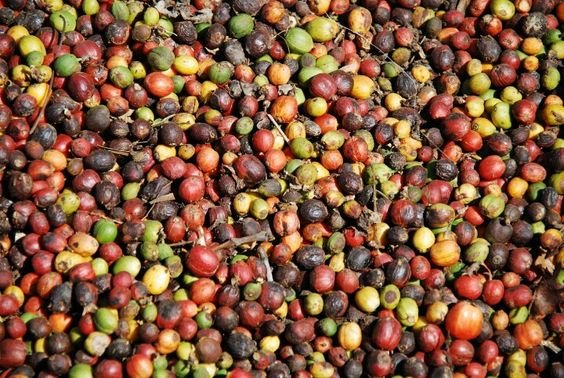
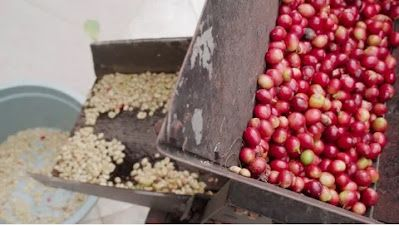
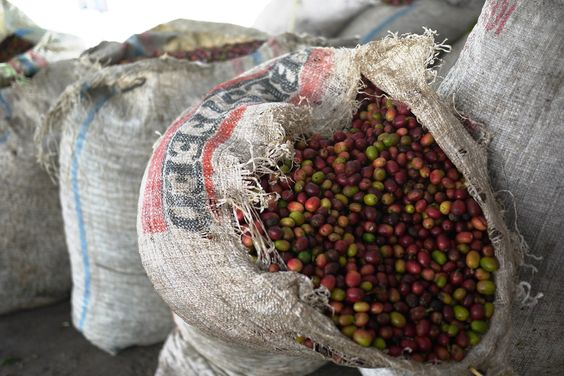
    The color of coffee cherries changes as they mature, transitioning from green to yellow, orange, and finally a deep red or purple when fully ripe. The ripeness of the cherry is a critical factor in determining the quality of the coffee beans inside. Harvesting coffee cherries at the right time is essential for producing high-quality coffee.

    The Anatomy of a Coffee Cherry

    A coffee cherry is composed of several layers, each of which plays a role in the development of the coffee beans:

    1. Skin (Exocarp): The outermost layer of the coffee cherry is the skin, which is smooth and firm. The color of the skin indicates the ripeness of the cherry.
    2. Pulp (Mesocarp): Beneath the skin is the pulp, a fleshy layer that surrounds the coffee beans. The pulp is rich in sugars, which are crucial for the fermentation process during coffee processing.
    3. Mucilage (Parenchyma): The mucilage is a sticky, sugary layer that adheres to the coffee beans. This layer is particularly important in the wet processing method, where it is fermented and then washed off.
    4. Parchment (Endocarp): The parchment is a protective, papery layer that encases the coffee beans. It remains intact during the drying process and is removed before roasting.
    5. Silverskin (Testa): The silverskin is a thin, papery layer that clings to the coffee beans even after the parchment is removed. It often comes off during roasting.
    6. Coffee Beans: Finally, at the center of the coffee cherry are the coffee beans themselves. These are the seeds of the coffee plant and are the most valuable part of the cherry.

    Benefits of Coffee Cherries

    Coffee cherries offer a multitude of benefits that extend beyond just the production of coffee beans. Their impact is felt throughout the entire coffee industry, affecting everything from flavor development to sustainability, nutritional value, and economic impact. Here’s an in-depth look at these benefits:

    1. Flavor Development

    One of the most significant benefits of coffee cherries is their crucial role in flavor development. The sugars, acids, and other organic compounds within the cherry contribute directly to the flavor profile of the coffee beans. The ripeness of the cherries at the time of harvest is particularly important; only ripe cherries contain the ideal balance of sugars and acids that will develop into complex flavors during roasting. Cherries that are overripe or underripe can impart undesirable flavors, leading to a less refined cup of coffee.

    Moreover, the processing method of the coffee cherries—whether dry, wet, or honey processed—also plays a vital role in determining the final flavor of the coffee. For instance, naturally processed coffee cherries, where the fruit is dried with the bean still inside, often result in a coffee that has fruity and sweet undertones. On the other hand, wet processing, where the fruit is removed before drying, tends to produce a cleaner, more acidic flavor. The interplay between the cherry’s inherent characteristics and the processing methods used is what ultimately defines the unique taste of each coffee variety.

    2. Nutritional Value

    Beyond their role in coffee production, coffee cherries themselves are a valuable source of nutrition. They are rich in antioxidants, particularly polyphenols, which help protect the body against free radicals and reduce the risk of chronic diseases. Coffee cherries also contain essential vitamins and minerals, including vitamin C, potassium, and iron, contributing to overall health and well-being.

    In many coffee-growing regions, the cherries are not discarded after the beans are extracted but are instead used to produce cascara, a tea-like beverage made from the dried skins of the cherries. Cascara is gaining popularity not only for its unique flavor, which is often described as a mix between coffee and herbal tea, but also for its health benefits. Cascara is low in caffeine compared to coffee and is packed with antioxidants, making it an appealing choice for health-conscious consumers.

    3. Sustainability

    Sustainability is a growing concern in the coffee industry, and coffee cherries have a role to play in this area as well. Traditionally, much of the coffee cherry—particularly the pulp and skin—was considered waste after the beans were extracted. However, by finding innovative uses for these by-products, the industry can reduce waste and promote more sustainable practices.

    For instance, the production of cascara from the skins of coffee cherries provides an additional product that can be sold, thereby creating new income streams for farmers and reducing the amount of organic waste. Additionally, the pulp from coffee cherries can be composted and used as a natural fertilizer, enriching the soil for future coffee crops and reducing the need for chemical inputs. These practices not only make coffee production more sustainable but also contribute to the overall environmental health of coffee-growing regions.

    4. Economic Impact

    The economic impact of coffee cherries cannot be overstated. They are the foundation of the global coffee industry, which supports millions of farmers, laborers, and workers worldwide. The quality and yield of coffee cherries directly influence the livelihoods of those involved in coffee production, from small-scale farmers to large coffee plantations.

    High-quality coffee cherries fetch higher prices in the market, which can significantly improve the income of coffee farmers. This, in turn, can lead to better living standards and increased investment in sustainable farming practices. Furthermore, the global demand for coffee continues to grow, and with it, the economic opportunities associated with coffee cherries. By maximizing the quality and yield of their coffee cherries, farmers can tap into this demand and secure a better future for their communities.
    Goals in Coffee Cherry Cultivation and Processing

    The primary goals in the cultivation and processing of coffee cherries include:

    1. Maximizing Quality: Achieving the highest quality coffee cherries is a top priority for coffee farmers. This involves selecting the right coffee variety, optimizing growing conditions, and carefully timing the harvest.
    2. Sustainability: Sustainable practices in coffee cherry cultivation are essential for protecting the environment and ensuring the long-term viability of coffee farming. This includes minimizing the use of chemical inputs, conserving water, and promoting biodiversity.
    3. Efficiency in Processing: Efficient processing methods are crucial for preserving the quality of coffee cherries and reducing waste. Different processing methods, such as wet, dry, and honey processing, have specific goals in terms of flavor development and resource use.
    4. Increasing Yield: Maximizing the yield of coffee cherries per plant is important for the economic sustainability of coffee farming. This involves implementing best practices in farming techniques, pest management, and plant nutrition.

    Ideas for Enhancing Coffee Cherry Production and Utilization

    1. Improved Farming Techniques: Advancements in agricultural practices, such as precision farming and agroforestry, can enhance coffee cherry production. These techniques help optimize growing conditions, reduce environmental impact, and improve crop yields.
    2. Selective Breeding: Developing coffee plant varieties that produce higher-quality cherries with improved resistance to pests and diseases can significantly benefit the coffee industry. Selective breeding programs focus on traits like bean size, flavor profile, and plant resilience.
    3. Innovative Processing Methods: Exploring new and innovative processing methods can lead to unique coffee flavors and reduce waste. For example, anaerobic fermentation and carbonic maceration are experimental techniques that are gaining popularity among specialty coffee producers.
    4. Cascara and By-Product Utilization: Cascara, the dried skin of coffee cherries, is an underutilized by-product with potential for various applications. Beyond making cascara tea, it can be used in food products, cosmetics, and even biofuels.
    5. Fair Trade and Direct Trade Models: Promoting fair trade and direct trade practices ensures that coffee farmers receive a fair price for their cherries. This, in turn, supports sustainable farming practices and improves the quality of life for farmers.

    Topic Suggestions for Further Research on Coffee Cherries

    1. Impact of Climate Change on Coffee Cherry Production: Investigate how changing weather patterns and environmental conditions are affecting coffee cherry yields, quality, and the global coffee supply chain.
    2. Exploration of Coffee Cherry By-Products: Research the potential uses of coffee cherry by-products, such as cascara, and their impact on sustainability and the economy.
    3. Comparative Study of Processing Methods: Compare the effects of different coffee cherry processing methods (wet, dry, honey, and experimental) on the flavor profile and quality of the final coffee beans.
    4. Genetic Diversity in Coffee Plants: Study the genetic diversity of coffee plants and its impact on coffee cherry production, with a focus on developing resilient coffee varieties.
    5. Economic Impact of Coffee Cherry Quality: Analyze the relationship between coffee cherry quality and the economic outcomes for coffee farmers, including pricing, market access, and income stability.

    Advantages of High-Quality Coffee Cherries

    1. Superior Flavor Profile: High-quality coffee cherries produce beans with a richer, more complex flavor profile, leading to a better-tasting cup of coffee. This is especially important for specialty coffee markets where consumers seek unique and premium flavors.
    2. Increased Market Value: Coffee beans derived from high-quality cherries command higher prices in the market. This is beneficial for both farmers and retailers, as it allows them to capture a premium for superior products.
    3. Sustainability: Focusing on quality over quantity encourages sustainable farming practices. High-quality coffee cherries often come from farms that prioritize environmental stewardship and ethical labor practices.
    4. Consumer Satisfaction: Coffee consumers are increasingly discerning and willing to pay more for high-quality coffee. Providing them with coffee made from premium cherries enhances customer satisfaction and loyalty.
    5. Global Recognition: Regions known for producing high-quality coffee cherries gain global recognition, boosting tourism and local economies. For example, areas like Ethiopia’s Yirgacheffe and Colombia’s Huila are celebrated for their exceptional coffee cherries.
    The Processing of Coffee Cherries

    Coffee cherry processing is a crucial step in determining the final quality of the coffee beans. There are several methods of processing coffee cherries, each with its own impact on the flavor and characteristics of the coffee.

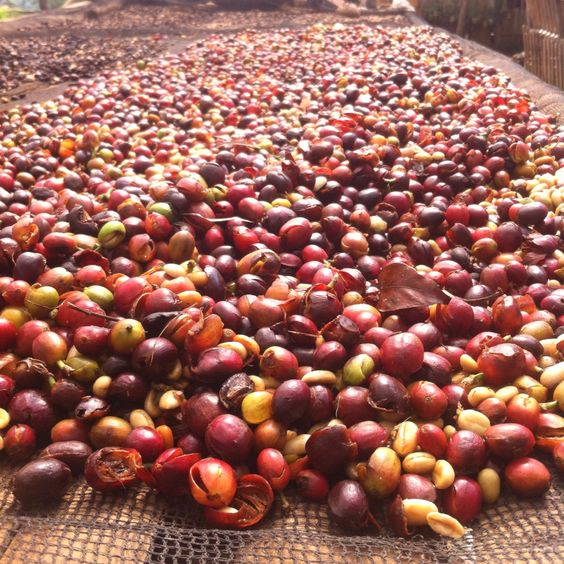
    1. Dry Processing (Natural Processing): In this method, the entire coffee cherry is dried in the sun after harvesting. The cherries are spread out in thin layers on drying beds or patios and turned regularly to ensure even drying. Once the cherries are fully dried, the beans are removed from the dried fruit. Dry processing often results in a fruity, full-bodied coffee with unique flavor notes.
    2. Wet Processing (Washed Processing): Wet processing involves removing the pulp from the cherries shortly after harvesting. The beans are then fermented in water to break down the mucilage before being washed and dried. This method tends to produce cleaner, brighter coffee flavors with a pronounced acidity.
    3. Honey Processing: Honey processing is a hybrid method that falls between dry and wet processing. In this method, the pulp is removed from the cherries, but some or all of the mucilage is left on the beans during drying. The amount of mucilage left on the beans determines the “color” of the honey process (white, yellow, red, or black), with each variation influencing the final flavor profile.
    4. Experimental Processing: Some producers are experimenting with new processing techniques, such as anaerobic fermentation, where cherries are fermented in oxygen-free environments. These methods can result in unique and innovative flavor profiles, appealing to the specialty coffee market.

    The Impact of Coffee Cherry Quality on Coffee Flavor

    The quality of coffee cherries directly affects the flavor, aroma, and overall experience of the coffee. Several factors contribute to the quality of coffee cherries:

    1. Ripeness: Fully ripe cherries produce the best coffee beans. Unripe or overripe cherries can lead to off-flavors and bitterness in the final product.
    2. Harvesting Practices: Selective harvesting, where only ripe cherries are picked, ensures that only the best cherries are processed. This method requires more labor but results in higher-quality coffee.
    3. Processing Methods: The method used to process the cherries has a significant impact on the flavor of the coffee. Each processing method highlights different aspects of the coffee’s flavor profile, from fruity and wine-like to clean and bright.
    4. Fermentation: The fermentation process during wet processing can influence the development of complex flavors in the coffee. Properly controlled fermentation enhances the coffee’s natural characteristics.
    5. Drying: The drying process is crucial for preserving the quality of the coffee beans. Slow, even drying helps develop the beans’ flavor while preventing defects like mold or fermentation issues.

    Sustainability and Coffee Cherries

    Sustainability in coffee cherry production is essential for the long-term health of the coffee industry and the environment. Several practices contribute to the sustainability of coffee cherries:

    1. Shade-Grown Coffee: Growing coffee under the shade of trees mimics the coffee plant’s natural habitat and promotes biodiversity. Shade-grown coffee cherries often have better flavor and are less susceptible to pests and diseases.
    2. Organic Farming: Organic coffee farming avoids the use of synthetic pesticides and fertilizers, reducing the environmental impact of coffee production. Organic coffee cherries are in demand for their health and environmental benefits.
    3. Water Conservation: Processing coffee cherries, especially wet processing, requires significant amounts of water. Implementing water-saving technologies and practices is crucial for conserving this valuable resource.
    4. Waste Reduction: Utilizing coffee cherry by-products, such as cascara, helps reduce waste in the coffee industry. This not only benefits the environment but also provides additional income for coffee farmers.
    5. Fair Trade and Ethical Practices: Supporting fair trade and ethical practices ensures that coffee farmers receive fair compensation for their labor. This promotes social sustainability and improves the livelihoods of those involved in coffee production.
    Coffee Cherry Varieties and Their Impact on Coffee

    There are several varieties of coffee plants, each producing coffee cherries with distinct characteristics. The two main species of coffee are Arabica (Coffea arabica) and Robusta (Coffea canephora), but within these species, there are numerous varieties, each contributing unique qualities to the coffee.

    1. Arabica Varieties: Arabica coffee cherries are known for producing high-quality beans with complex flavor profiles. Some popular Arabica varieties include Bourbon, Typica, SL28, and Geisha. Arabica cherries are typically grown at higher altitudes and are more susceptible to pests and diseases than Robusta.
    2. Robusta Varieties: Robusta coffee cherries are hardier and more resistant to pests and diseases. They thrive at lower altitudes and produce beans with a stronger, more bitter flavor and higher caffeine content. Robusta is often used in espresso blends and instant coffee.
    3. Hybrid Varieties: Hybrid coffee varieties are bred to combine the best traits of Arabica and Robusta, such as disease resistance and flavor. Some hybrids, like Castillo and Catimor, are popular in regions prone to coffee diseases like leaf rust.

    Coffee cherries are the foundation of the coffee industry, and their quality and processing have a profound impact on the coffee we enjoy. From the anatomy of the cherry to the various processing methods, each step in the journey from cherry to cup is crucial in determining the final flavor, aroma, and quality of the coffee.

    The benefits of high-quality coffee cherries extend beyond the cup, influencing the economic sustainability of coffee farming, promoting environmental stewardship, and supporting the livelihoods of millions of people around the world. By focusing on sustainability, innovation, and quality, the coffee industry can continue to thrive and deliver exceptional coffee to consumers.

  • Civet Coffee Processing: Exploring the Unique Advantages and Innovations

    Civet Coffee Processing: Exploring the Unique Advantages and Innovations

    Civet Coffee Processing also known as kopi luwak, is one of the most unique and sought-after coffees in the world. The processing of civet coffee is a complex and fascinating journey from bean to cup, involving a unique fermentation process facilitated by the civet cat. This article delves into the intricacies of civet coffee processing, exploring its benefits, goals, and the many advantages of this distinct coffee. We will also discuss ideas and topic suggestions for further exploration within this specialty coffee segment.

    Civet Coffee Processing: Step-by-Step

    Collection of Beans

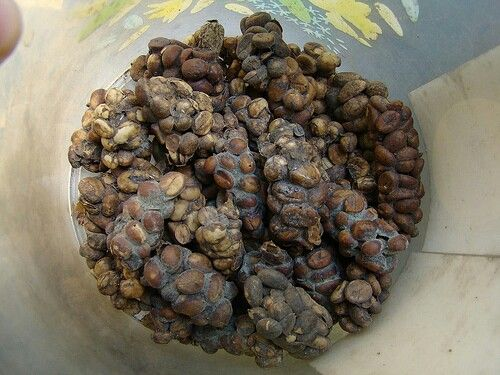
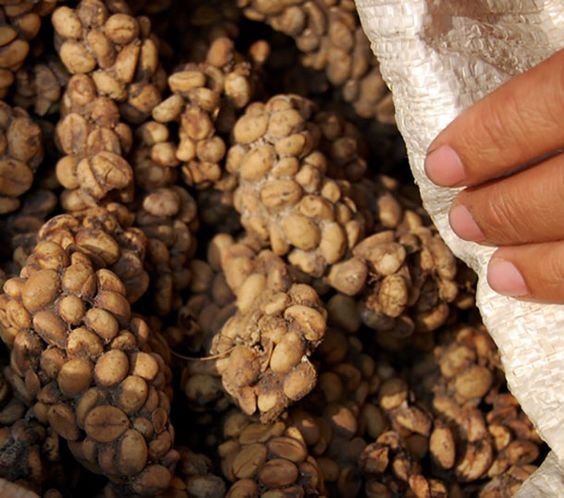
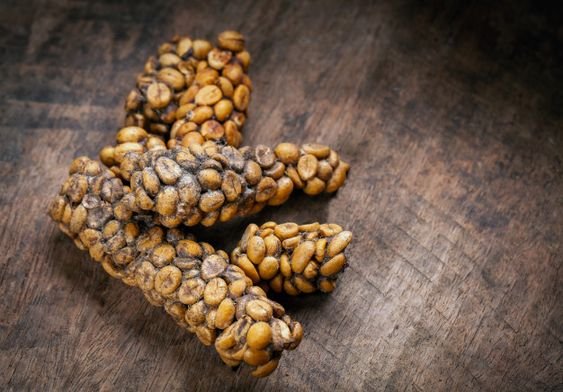
    • Initial Discovery: Civet coffee beans are collected from the feces of the civet cat in the wild or from captive civets in coffee plantations. The beans are initially cleaned of any external contaminants before further processing.
    • Sorting: The collected beans are sorted to remove any damaged or defective beans. This ensures that only high-quality beans proceed to the next stages of processing.

    Cleaning

    • Initial Cleaning: Beans are thoroughly washed to remove any remaining fecal matter and impurities. This step is crucial to ensure the beans are hygienic and ready for fermentation.
    • Further Inspection: After washing, beans are inspected for quality, and any remaining debris is removed.

    Fermentation

    • Natural Fermentation: The beans are left to ferment naturally, either in a controlled environment or in traditional settings. The fermentation process can vary in duration, depending on environmental conditions and desired flavor profiles.
    • Monitoring: During fermentation, the beans are monitored for temperature and moisture levels to ensure optimal fermentation conditions. This stage is vital for developing the unique flavors associated with civet coffee.

    Drying

    • Sun Drying: After fermentation, the beans are spread out under the sun to dry. This process can take several days and helps to reduce the moisture content of the beans.
    • Mechanical Drying: In some cases, mechanical dryers are used to expedite the drying process, especially in regions with high humidity.

    Roasting

    • Roasting Techniques: The dried beans are roasted to develop their full flavor profile. Roasting can be done using various techniques, including drum roasting or air roasting.
    • Flavor Development: The roasting process is carefully controlled to enhance the unique flavors of the beans, which are influenced by the fermentation and drying stages.

    Grinding and Brewing

    • Grinding: After roasting, the beans are ground to the desired consistency, depending on the brewing method. Grinding size can affect the flavor and strength of the coffee.
    • Brewing: Civet coffee can be brewed using various methods, including drip coffee makers, espresso machines, or French presses. Each method can highlight different aspects of the coffee’s flavor profile.

    Benefits of Civet Coffee Processing

    Unique Flavor Profile

    Civet Coffee Processing,One of the primary benefits of civet coffee processing is its distinctive and complex flavor profile. The fermentation process that the beans undergo in the civet’s digestive system plays a crucial role in shaping the coffee’s taste.

    • Reduced Bitterness: Traditional coffee beans can sometimes have a harsh, bitter taste due to certain proteins that are present in the beans. However, during the fermentation process in the civet’s stomach, these proteins break down, which significantly reduces the coffee’s bitterness. This results in a smoother, more balanced coffee that is less likely to cause the unpleasant, bitter aftertaste often associated with other coffees. This reduced bitterness enhances the overall drinking experience, making civet coffee more palatable and enjoyable.
    • Complex Flavors: Civet Coffee Processing,The unique fermentation process also leads to the development of a range of complex flavors that are less common in regular coffee. Civet coffee often exhibits rich, nuanced flavors, including notes of chocolate, caramel, and fruit. These flavors are a result of the intricate chemical transformations that occur during fermentation. The combination of these complex flavors creates a more sophisticated and pleasurable coffee experience, which is highly prized by coffee connoisseurs and enthusiasts.

    Exclusive Market Appeal

    Civet Coffee Processing exclusivity and rarity further enhance its market appeal and value.

    • High Demand: Civet coffee is relatively rare compared to other types of coffee due to its unique production process and limited supply. The process involves capturing beans from the feces of civet cats, which requires both careful handling and significant labor. This rarity contributes to its high demand among coffee lovers who seek out unique and premium products. The exclusivity of civet coffee makes it a sought-after commodity in the coffee market, adding to its allure and desirability.
    • Premium Pricing: The labor-intensive and time-consuming nature of civet coffee processing, combined with its limited availability, results in higher prices for this specialty coffee. The high cost is reflective of the effort required to produce it and the rarity of the product. As a result, civet coffee is positioned as a luxury item within the coffee market. This premium pricing not only reinforces its status as a high-end product but also ensures that it remains a coveted choice among those willing to invest in a unique and exceptional coffee experience.

    Natural Fermentation Benefits

    Civet Coffee Processing,The natural fermentation process involved in civet coffee processing offers several benefits that contribute to the coffee’s overall quality.

    • Enhanced Aroma: Civet Coffee Processing,One of the key benefits of the natural fermentation process is the enhancement of the coffee’s aroma. During fermentation, the beans undergo chemical changes that amplify their aromatic compounds. This results in a coffee with a more pronounced and pleasing fragrance. The enhanced aroma contributes to a richer sensory experience, as the smell of coffee often influences its perceived taste and quality. A fragrant coffee not only enhances the enjoyment of the beverage but also adds to its appeal.
    • Flavor Development: Civet Coffee Processing,The natural fermentation process is instrumental in developing the complex flavor profiles of civet coffee. As the beans ferment, various chemical reactions occur, leading to the creation of unique and intricate flavors. This process allows for the development of taste notes that are not typically present in other types of coffee. The result is a coffee with a rich and multifaceted flavor profile that stands out from conventional varieties. The depth and complexity of flavors in civet coffee make it a distinctive and valued choice for coffee enthusiasts seeking a unique and premium coffee experience.

    Goals of Civet Coffee Processing

    Preserving Quality

    Maintaining the quality of civet coffee is a central goal throughout its processing. This involves several key objectives aimed at ensuring that the final product remains true to its unique characteristics.

    • Maintaining Standards: Civet Coffee Processing,One of the primary goals of civet coffee processing is to uphold high standards throughout every stage of production. This means that from the moment the beans are collected to their final roasting and packaging, meticulous care must be taken to preserve their quality. Proper handling, cleaning, and fermentation are essential to maintaining the beans’ integrity and flavor. By adhering to strict quality control measures, producers can ensure that each batch of civet coffee meets the high expectations of consumers and maintains the distinctive characteristics that make it unique.
    • Consistency: Civet Coffee Processing,Achieving consistency in flavor and quality is another crucial goal. Civet coffee is valued for its unique taste, which results from its specialized processing. To meet consumer expectations, it is important to control the processing methods carefully and ensure that each batch of coffee delivers a consistent flavor profile. This involves monitoring variables such as fermentation time, roasting temperature, and grinding size. Consistent quality not only enhances consumer satisfaction but also helps in building and maintaining a strong brand reputation.

    Sustainable Practices

    Civet Coffee Processing,As the demand for civet coffee grows, adopting sustainable practices becomes increasingly important to address environmental and ethical concerns.

    • Ethical Sourcing: Emphasizing ethical practices in the collection and processing of civet coffee is a key goal for promoting sustainable and responsible production. This includes ensuring that civets are treated humanely, whether they are wild or kept in captivity for coffee production. Ethical sourcing involves verifying that the beans are collected in a manner that does not harm the animals or their natural habitats. Additionally, it encompasses fair labor practices and supporting local communities involved in the coffee production process. By focusing on ethical sourcing, producers can contribute to a more sustainable and responsible coffee industry.
    • Environmental Impact: Minimizing the environmental impact of civet coffee processing is another important goal. This can be achieved through the implementation of eco-friendly practices throughout the production stages. For instance, using organic methods for growing coffee, reducing water usage during cleaning and fermentation, and employing energy-efficient roasting techniques can all contribute to a lower environmental footprint. By adopting these practices, producers can help preserve natural resources and reduce waste, aligning with global sustainability efforts and appealing to environmentally conscious consumers.

    Market Expansion

    Civet Coffee Processing,Expanding the market for civet coffee involves several strategic goals aimed at increasing its reach and accessibility.

    • Increasing Awareness: Civet Coffee Processing,Educating consumers about the unique qualities of civet coffee and its processing methods is crucial for expanding its market reach. This involves raising awareness about the distinctive attributes of civet coffee, such as its reduced bitterness, complex flavors, and exclusive nature. Marketing campaigns, educational materials, and events can help inform consumers about what makes civet coffee special and why it is worth the premium price. Increased awareness can drive demand and attract new customers who are interested in experiencing this unique coffee.
    • Diversification: Civet Coffee Processing,Exploring new markets and distribution channels is essential for increasing the availability and accessibility of civet coffee. This can involve targeting emerging markets where consumer interest in specialty coffee is growing, as well as expanding distribution through online platforms and specialty coffee shops. By diversifying market strategies and distribution methods, producers can reach a broader audience and enhance the accessibility of civet coffee. This not only helps in growing the market but also ensures that more consumers have the opportunity to enjoy this distinctive coffee.

    Ideas for Further Exploration in Civet Coffee

    Civet Coffee Varieties

    Civet Coffee Processing,Exploring the different varieties of civet coffee and the factors that influence their unique characteristics offers valuable insights for both producers and consumers.

    • Different Regions: Civet coffee is produced in various regions around Southeast Asia, each imparting distinct flavors and processing techniques to the beans. For example, civet coffee from Sumatra, Java, and the Philippines each have their own unique profiles due to regional differences in climate, soil, and processing methods. Sumatra’s civet coffee is often noted for its earthy, full-bodied flavor, while Java’s might present more nuanced, aromatic notes. The Philippines’ civet coffee could offer a different spectrum of fruity and floral flavors. Exploring these regional variations can provide a deeper understanding of how geography and local practices influence the flavor profile and quality of civet coffee. Researchers can delve into how different environmental conditions and traditional processing techniques affect the final product, offering consumers a broader selection and a more nuanced appreciation of civet coffee.
    • Processing Innovations: Innovations in civet coffee processing can lead to enhanced flavors and more efficient production methods. Exploring new technologies, such as advanced fermentation techniques, precise temperature controls during drying, or improved methods for cleaning and handling beans, can significantly impact the quality and consistency of civet coffee. Investigating these innovations could lead to the development of more refined processing practices that enhance the unique characteristics of civet coffee while also improving sustainability and efficiency in production. By staying at the forefront of technological advancements, producers can offer even more distinctive and high-quality products to the market.

    Ethical and Sustainable Practices

    As Civet Coffee Processing continues to gain popularity, it is crucial to address ethical and sustainable practices to ensure responsible production.

    • Animal Welfare: The impact of civet coffee production on animal welfare is a significant area of concern. It is essential to examine how civets are treated during the production process and to explore humane and ethical farming practices. This includes ensuring that civets are kept in appropriate conditions that allow them to express natural behaviors and are not subjected to stress or harm. Implementing standards for humane treatment and certifying ethical practices can improve the welfare of the animals involved and address consumer concerns about animal cruelty. Researching and developing guidelines for the ethical treatment of civets can enhance the overall reputation of civet coffee and contribute to more responsible production practices.
    • Environmental Sustainability: Sustainable practices in civet coffee farming and processing are crucial for minimizing environmental impact. Researching methods for reducing water usage, managing waste, and using organic farming practices can contribute to more eco-friendly production. Additionally, exploring ways to minimize the carbon footprint of transportation and processing can further support environmental sustainability. Implementing these practices not only helps preserve natural resources but also appeals to environmentally conscious consumers who prioritize sustainability in their purchasing decisions.

    Consumer Trends

    Understanding consumer preferences and trends is key to successfully marketing and expanding the reach of Civet Coffee Processing.

    • Market Preferences: Analyzing current consumer preferences and trends related to civet coffee can provide valuable insights into market demands. This includes studying preferences for specific flavor profiles, packaging, and price points. Identifying trends in consumer behavior, such as an increasing interest in specialty and luxury coffees, can help producers tailor their offerings to meet market demands. Conducting market research and surveys can provide data on consumer preferences, allowing producers to adjust their products and marketing strategies accordingly.
    • Educational Campaigns: Developing educational campaigns to inform consumers about the unique aspects of civet coffee and its processing can enhance market engagement and increase awareness. Educating consumers about the distinctive qualities of civet coffee, the ethical and sustainable practices involved in its production, and the benefits of its unique processing can build a deeper appreciation for the product. Effective educational campaigns can include informational materials, online content, and interactive events that highlight the value and uniqueness of civet coffee. By fostering a better understanding of civet coffee, producers can attract more informed and engaged consumers who are eager to explore this specialty coffee.

    Advantages of Civet Coffee Processing

    Distinctive Quality

    One of the most notable advantages of civet coffee processing is the distinctive quality that it imparts to the coffee. This unique processing method results in several key benefits:

    • Flavor Profile: Civet coffee is renowned for its exceptional and unique flavor profile, which sets it apart from other coffee varieties. The fermentation process that occurs in the civet’s digestive system breaks down proteins and other compounds in the coffee beans, leading to a smoother and less acidic taste. This process enhances the coffee’s natural flavors and introduces complex notes that are highly sought after. As a result, civet coffee often features rich, nuanced flavors such as chocolate, caramel, and hints of fruit. These distinctive flavors contribute to the coffee’s allure and make it a standout choice in the competitive coffee market. The unique taste experience provided by civet coffee is a significant advantage that appeals to both casual coffee drinkers and connoisseurs alike.
    • Aromatic Experience: The enhanced aroma of civet coffee is another significant advantage. The fermentation process not only improves the flavor but also intensifies the coffee’s aromatic compounds. This results in a more fragrant and aromatic coffee that appeals to the senses. The pleasing aroma of civet coffee adds to the overall drinking experience, making it a premium choice for those who appreciate a rich and full-bodied coffee. The combination of unique flavors and an enhanced aroma makes civet coffee a luxury product that offers a superior sensory experience.

    Luxury Market Appeal

    Civet coffee’s distinctive processing method and limited availability contribute to its appeal in the luxury market.

    • Exclusivity: The rarity of civet coffee is a key factor in its luxury status. The complex and labor-intensive processing method, combined with the limited supply of beans that can be harvested, creates a sense of exclusivity. Civet coffee is produced in small quantities, which adds to its prestige and allure. This exclusivity appeals to high-end consumers who seek unique and rare products. The perception of rarity and luxury enhances the coffee’s desirability and helps position it as a premium product in the market.
    • High Value: The high price point of civet coffee is justified by its labor-intensive production process and limited supply. The meticulous care required to collect and process the beans, coupled with the small-scale nature of production, contributes to the coffee’s high value. Consumers are willing to pay a premium for civet coffee due to its unique qualities and the effort involved in its production. The high value of civet coffee not only reflects its exclusivity but also underscores the craftsmanship and dedication that go into creating this luxury product.

    Innovation and Tradition

    Civet coffee processing represents a blend of traditional methods and modern innovations, highlighting the rich heritage of coffee production.

    • Cultural Heritage: The processing of civet coffee reflects a deep cultural heritage, combining traditional practices with innovative techniques. The methods used in civet coffee production have been passed down through generations, showcasing the historical significance of this unique coffee. By preserving traditional practices while integrating new technologies, producers can maintain the cultural essence of civet coffee while enhancing its quality. This blend of tradition and innovation adds to the coffee’s appeal and helps preserve the rich heritage of coffee production.
    • Ongoing Research: Continuous research and development in civet coffee processing offer opportunities for new discoveries and improvements. Ongoing studies into fermentation techniques, processing methods, and the impact of different variables on flavor can lead to advancements in the quality and taste of civet coffee. Research efforts contribute to refining the processing methods, ensuring that civet coffee remains at the forefront of specialty coffee. Innovations in this field can lead to the development of new processing techniques that further enhance the coffee’s unique characteristics and maintain its status as a premium product.
    1. Unique Luwak Coffee: Discover the World’s Most Exotic Brew

      Unique Luwak Coffee: Discover the World’s Most Exotic Brew

      Unique Luwak coffee, also known as Civet coffee, is a rare and exotic type of coffee that has garnered significant attention and curiosity around the world. This coffee is produced using beans that have been eaten and excreted by the Asian palm civet, a small mammal found in Southeast Asia. The unique fermentation process that occurs in the civet’s digestive tract is believed to impart a distinctive flavor and aroma to the beans, making it one of the most sought-after and expensive coffees in the world.

      The Origins of Unique Luwak Coffee

      Unique Luwak coffee originates from Indonesia, particularly from the islands of Sumatra, Java, and Bali. The tradition of producing Luwak coffee dates back to the Dutch colonial era when local farmers were forbidden from harvesting coffee for personal use. They began collecting coffee beans from the droppings of wild civets, discovering that the beans, after being processed by the civet’s digestive enzymes, produced a unique and smoother coffee.

      The Unique Production Process

      The production process of Unique Luwak coffee is what sets it apart from other types of coffee. It involves several steps:

      1. Consumption by Civet: The process begins when civets consume ripe coffee cherries. They are known to be selective eaters, often choosing the best and ripest cherries.
      2. Digestion: As the cherries pass through the civet’s digestive system, the pulp is digested, but the beans remain intact. During this process, the beans undergo fermentation, which is believed to break down proteins and reduce the bitterness of the coffee.
      3. Collection: After the beans are excreted, they are collected from the feces of the civets. This is a labor-intensive process that requires careful cleaning and sanitizing of the beans.
      4. Processing: The collected beans are thoroughly cleaned, dried, and then roasted to produce the final product. The roasting process further enhances the flavor and aroma of the coffee.

      Benefits of Unique Luwak Coffee

      Unique Luwak coffee is not just known for its novelty; it also offers several benefits:

      1. Unique Flavor Profile: The fermentation process that occurs in the civet’s digestive system imparts a distinctive flavor to the coffee. It is often described as smooth, rich, and less bitter than regular coffee.
      2. Health Benefits: Like other types of coffee, Luwak coffee contains antioxidants that can help protect against certain diseases. Additionally, the reduced bitterness might make it more palatable for people who are sensitive to the acidity of regular coffee.
      3. Exclusive Experience: Drinking Unique Luwak coffee is often seen as a luxury experience due to its rarity and the labor-intensive production process.

      Goals for Exploring Unique Luwak Coffee

      The primary goals for exploring and understanding Unique Luwak coffee include:

      1. Appreciating the Unique Production Process: Understanding the meticulous and natural process behind Luwak coffee can enhance appreciation for this exotic beverage.
      2. Exploring Flavor Profiles: Tasting Unique Luwak coffee allows coffee enthusiasts to experience a distinct and rare flavor that differs significantly from conventional coffee.
      3. Promoting Ethical Practices: Given the concerns about animal welfare, it is crucial to support producers who ensure humane and ethical treatment of civets in the production process.

      Ideas for Incorporating Unique Luwak Coffee into Daily Life

      1. Special Occasions: Due to its exclusivity and price, Unique Luwak coffee can be reserved for special occasions, providing a memorable experience for coffee lovers.
      2. Gourmet Recipes: Incorporating Luwak coffee into gourmet recipes, such as desserts or specialty beverages, can add a unique twist and enhance the flavor profile of the dish.
      3. Gifts: Given its uniqueness, Luwak coffee makes for an exceptional gift for coffee enthusiasts or those who appreciate rare and exotic items.

      Topic Suggestions for Further Exploration

      1. The History and Cultural Significance of Luwak Coffee: Exploring the historical context and cultural importance of Luwak coffee in Southeast Asia.
      2. Ethical and Sustainable Production Practices: Investigating the efforts being made to ensure ethical treatment of civets and sustainable production methods.
      3. Comparative Analysis of Luwak Coffee and Regular Coffee: Conducting a detailed comparison of the taste, aroma, and health benefits of Luwak coffee versus traditional coffee.
      4. Economic Impact on Local Communities: Examining how the production of Luwak coffee affects the economies of local communities in Indonesia and other regions.

      Advantages of Unique Luwak Coffee

      1. Distinctive Taste: The unique fermentation process results in a coffee that is smoother and less acidic than many other types of coffee, making it highly appealing to those who find regular coffee too harsh.
      2. Exclusivity and Prestige: The rarity and labor-intensive production process make Luwak coffee a prestigious item, often sought after by coffee aficionados and those looking for a unique experience.
      3. Natural Processing Method: The natural fermentation process that occurs in the civet’s digestive system is a unique, organic method of processing coffee, which appeals to those interested in natural and artisanal products.

      Challenges and Controversies

      Despite its allure, Unique Luwak coffee is not without its challenges and controversies:

      1. Animal Welfare Concerns: There have been reports of unethical practices where civets are kept in captivity under poor conditions to mass-produce Luwak coffee. Ensuring humane and ethical treatment of civets is a critical concern.
      2. High Cost: The labor-intensive production process and rarity of Luwak coffee contribute to its high price, making it inaccessible to many consumers.
      3. Quality Control: The quality of Luwak coffee can vary significantly depending on how it is produced and processed. Ensuring consistent quality is a challenge for producers.

      Unique Luwak coffee represents a fascinating intersection of tradition, luxury, and controversy. Its unique production process, distinctive flavor profile, and exclusivity make it a highly sought-after beverage among coffee enthusiasts. However, it is essential to address the ethical concerns and support sustainable and humane production practices to ensure the long-term viability of this exotic coffee.

    2. Civet Coffee Made: A Comprehensive Guide

      Civet Coffee Made: A Comprehensive Guide

      Civet Coffee Made, often known as “kopi luwak,” is a unique and exotic coffee that has garnered attention and curiosity worldwide. This specialty coffee is produced using beans that have been eaten and then excreted by the Asian palm civet, a small mammal native to Southeast Asia. The process of making civet coffee is unusual, and its flavor profile is distinct, which makes it highly sought after by coffee connoisseurs. This article delves into the world of civet coffee, exploring its benefits, goals, ideas, topic suggestions, advantages, and much more.

      Civet Coffee Made is made from coffee cherries that have been consumed by the civet. The cherries pass through the civet’s digestive system, where enzymes break down proteins in the coffee beans. This process alters the beans’ chemical composition, resulting in a smoother and less acidic flavor once they are roasted and brewed.

      The Production Process

      1. Selection of Coffee Cherries: The process begins with the civet selecting and eating the ripest coffee cherries. Civets are known to be selective eaters, often choosing the best quality cherries.
      2. Digestion and Fermentation: As the cherries pass through the civet’s digestive system, fermentation occurs. The digestive enzymes break down certain proteins that contribute to the bitterness of coffee.
      3. Collection and Cleaning: After the beans are excreted, they are collected from the feces. This step requires thorough cleaning to remove any residue.
      4. Drying and Roasting: The cleaned beans are then dried and roasted to perfection. The roasting process is crucial in developing the beans’ unique flavor profile.

      The Benefits of Civet Coffee Made

      Civet Coffee Made offers several benefits that contribute to its popularity:

      1. Unique Flavor Profile

      One of the most significant benefits of civet coffee is its distinct taste. The fermentation process it undergoes in the civet’s digestive system imparts a unique flavor that is less bitter and more aromatic than regular coffee.

      2. Smooth and Rich Taste

      Civet coffee is known for its smooth, rich, and complex taste. The beans’ exposure to digestive enzymes reduces their acidity, resulting in a cup of coffee that is smoother on the palate.

      3. Enhanced Digestibility

      The natural fermentation process that the beans undergo makes them easier to digest. This can be particularly beneficial for individuals who experience gastrointestinal discomfort from regular coffee.

      4. Exotic and Exclusive

      Civet coffee’s unique production process and limited availability make it an exotic and exclusive product. This exclusivity adds to its allure and prestige among coffee enthusiasts.

      5. Potential Health Benefits

      While scientific research is limited, some enthusiasts believe that the fermentation process may enhance certain health benefits of coffee, such as its antioxidant properties. However, more research is needed to substantiate these claims.

      Goals of Civet Coffee Production

      Civet Coffee Made,The production of civet coffee is driven by several goals, ranging from economic to cultural and environmental:

      1. Economic Viability

      Civet coffee production can be economically beneficial for local communities. The high market value of civet coffee can provide a significant source of income for farmers and collectors in rural areas.

      2. Preservation of Traditional Practices

      Producing civet coffee helps preserve traditional coffee-making practices and cultural heritage. It keeps alive the unique methods of coffee cultivation and processing that have been passed down through generations.

      3. Promotion of Sustainable Practices

      Many civet coffee producers are committed to sustainable and ethical practices. This includes ensuring the welfare of the civets and protecting their natural habitats, thus promoting environmental conservation.

      4. Quality and Innovation

      Producers aim to continuously improve the quality of civet coffee through innovative practices in farming, processing, and roasting. The goal is to provide the best possible product to consumers.

      Ideas for Exploring Civet Coffee Made

      Civet Coffee Made,For those interested in delving deeper into the world of civet coffee, here are some ideas to explore:

      1. Tasting Events and Workshops

      Organizing or attending civet coffee tasting events and workshops can provide a hands-on experience to appreciate its unique flavor and learn more about its production process.

      2. Sustainable and Ethical Production Tours

      Visiting coffee farms and production facilities that prioritize sustainable and ethical practices can offer insights into the efforts made to ensure the welfare of civets and the environment.

      3. Research and Documentation

      Conducting research and documenting the traditional methods of civet coffee production can contribute to preserving and sharing this unique cultural heritage.

      4. Comparative Analysis

      Comparing civet coffee with other specialty coffees can help understand its distinct characteristics and place in the broader coffee landscape.

      Topic Suggestions for Further Exploration

      1. The History and Origins of Civet Coffee

      Exploring the historical background and origins of civet coffee, including its cultural significance in Southeast Asia.

      2. Ethical Considerations in Civet Coffee Production

      Analyzing the ethical considerations surrounding civet coffee production, including the welfare of civets and sustainable practices.

      3. The Science Behind Civet Coffee’s Unique Flavor

      Examining the scientific aspects of how the digestive enzymes of the civet alter the chemical composition of the coffee beans.

      4. The Economic Impact of Civet Coffee on Local Communities

      Investigating the economic benefits and challenges faced by local communities involved in civet coffee production.

      5. Consumer Perceptions and Market Trends

      Studying consumer perceptions of civet coffee and analyzing market trends to understand its demand and popularity.

      Advantages of Civet Coffee Made

      Civet Coffee Made offers several advantages that contribute to its appeal:

      1. Superior Taste Experience

      The unique fermentation process results in a superior taste experience that is smoother, less bitter, and more aromatic than conventional coffee.

      2. Exclusive and Premium Product

      Civet coffee’s limited availability and exotic nature make it a premium product that appeals to coffee aficionados seeking unique and exclusive experiences.

      3. Supports Local Economies

      By purchasing civet coffee, consumers can support local economies and contribute to the livelihoods of farmers and collectors in rural areas.

      4. Promotes Sustainable Practices

      Many producers of Civet Coffee Made are committed to sustainable practices, ensuring the welfare of civets and the protection of their natural habitats.

      5. Cultural Preservation

      Civet Coffee Made production helps preserve traditional methods and cultural heritage, contributing to the rich tapestry of global coffee culture.

      Civet Coffee Made, or kopi luwak, is a fascinating and exotic coffee that has captivated the interest of coffee lovers worldwide. Its unique production process, distinct flavor profile, and the benefits it offers make it a sought-after specialty coffee. The goals of civet coffee production range from economic viability to cultural preservation and environmental sustainability. Exploring ideas such as tasting events, sustainable production tours, and research can deepen one’s understanding and appreciation of civet coffee. The advantages of civet coffee, including its superior taste, exclusivity, and support for local economies, further enhance its allure. As the world of coffee continues to evolve, civet coffee remains a testament to the rich diversity and innovation within the industry.

    3. The Most Expensive Luwak Coffee: A Comprehensive Guide

      The Most Expensive Luwak Coffee: A Comprehensive Guide

      The Most Expensive Luwak Coffee, also known as civet coffee, has captivated the world with its unique production process and luxurious appeal. Renowned for being one of the most expensive coffees globally, it has intrigued coffee enthusiasts and connoisseurs alike. This article delves into the intricacies of Luwak coffee, exploring its origins, production process, benefits, goals, and more, providing a complete guide to understanding this extraordinary beverage.

      The Most Expensive Luwak Coffee

      Luwak coffee is made using beans that have been eaten and subsequently excreted by the Asian palm civet, a small mammal native to Southeast Asia. The civet’s digestive process is believed to enhance the flavor profile of the coffee beans, resulting in a unique and highly sought-after brew.

      Luwak coffee originates from Indonesia, particularly the islands of Sumatra, Java, Bali, and Sulawesi. The name “Luwak” comes from the local term for the civet. The tradition of using civet-processed beans dates back to the Dutch colonial period when Indonesian farmers began collecting and processing these beans.

      The Production Process

      1. Civet Consumption

      The first step in producing Luwak coffee involves the Asian palm civet consuming ripe coffee cherries. These animals select the ripest and most flavorful cherries, which are then ingested.

      2. Fermentation

      As the cherries pass through the civet’s digestive system, they undergo a fermentation process. The enzymes in the civet’s stomach alter the chemical composition of the beans, reducing their bitterness and enhancing their flavor.

      3. Collection

      Once the beans are excreted, they are collected from the forest floor or civet farms. This part of the process is labor-intensive, as the beans must be carefully gathered and cleaned.

      4. Cleaning and Drying

      The Most Expensive Luwak Coffee,The beans are thoroughly cleaned to remove any remaining residue and are then dried. This drying process is crucial to ensure that the beans retain their unique flavor profile.

      5. Roasting

      Finally, the beans are roasted to perfection. The roasting process is tailored to bring out the distinctive flavors that have developed during the fermentation process.

      Benefits The Most Expensive Luwak Coffee

      1. Unique Flavor Profile

      The Most Expensive Luwak Coffee is renowned for its smooth, rich flavor with a distinctive aroma. The fermentation process reduces the acidity and bitterness, resulting in a well-balanced cup.

      2. Antioxidant Properties

      The Most Expensive Luwak Coffee,Like other high-quality coffees, Luwak coffee contains antioxidants that can help protect the body against free radicals, potentially reducing the risk of certain diseases.

      3. Digestive Benefits

      The Most Expensive Luwak Coffee,The fermentation process that the beans undergo in the civet’s digestive system is believed to make the coffee easier on the stomach for some individuals, reducing the likelihood of acid reflux and other digestive issues.

      The Most Expensive Luwak Coffee Goals

      1. Luxury Experience

      For many, drinking Luwak coffee is about indulging in a luxury experience. The rarity and unique production process make it a prestigious choice for coffee aficionados.

      2. Exploration of Unique Flavors

      Coffee enthusiasts often seek out Luwak coffee to explore its distinctive flavor profile, which differs significantly from other types of coffee.

      3. Cultural Appreciation

      The Most Expensive Luwak Coffee,Consuming Luwak coffee can also be a way to appreciate the cultural heritage of Indonesia and the traditional methods used in its production.

      The Most Expensive Luwak Coffee Ideas and Topic Suggestions

      1. Ethical Considerations

      The Most Expensive Luwak Coffee,The production of Luwak coffee has raised ethical concerns, particularly regarding the treatment of civets. Exploring the impact of this industry on wildlife and discussing ethical alternatives can be a compelling topic.

      2. Comparisons with Other Luxury Coffees

      The Most Expensive Luwak Coffee,Comparing Luwak coffee to other high-end coffees, such as Jamaican Blue Mountain or Hawaiian Kona, can provide insights into what sets it apart and why it commands such a high price.

      3. Brewing Methods

      The Most Expensive Luwak Coffee,Investigating the best brewing methods for Luwak coffee can help readers make the most of their investment. From French press to pour-over, each method can highlight different aspects of the coffee’s unique flavor.

      4. The Economics of Luwak Coffee

      The Most Expensive Luwak Coffee,Examining the economics behind Luwak coffee, including the costs of production, marketing, and distribution, can shed light on why it is so expensive.

      Advantages of Luwak Coffee

      1. Exclusivity

      The Most Expensive Luwak Coffee,The limited availability and labor-intensive production process of Luwak coffee contribute to its exclusivity, making it a prized possession for coffee connoisseurs.

      2. Conversation Starter

      Serving Luwak coffee can be a fascinating conversation starter, allowing individuals to share the unique story behind this extraordinary beverage.

      3. Memorable Experience

      For many, trying Luwak coffee is a memorable experience, often enjoyed on special occasions or as part of a luxury coffee tasting.

      The Most Expensive Luwak Coffee stands out in the world of luxury beverages due to its unique production process, distinctive flavor profile, and the cultural heritage it represents. While it is one of the most expensive coffees available, the experience it offers can be unparalleled for those who appreciate fine coffee. Whether you are a seasoned coffee enthusiast or a curious newcomer, Luwak coffee provides an opportunity to explore a unique and luxurious side of coffee culture.

      Ethical and Sustainable Considerations

      1. Impact on Civet Welfare

      One of the major ethical concerns surrounding Luwak coffee production is the welfare of the civets. In some cases, civets are kept in captivity under poor conditions, which raises significant animal welfare issues. Ensuring that the coffee is sourced from wild civets or from farms that adhere to high standards of animal care is crucial.

      2. Environmental Impact

      The production of Luwak coffee can also have environmental implications. Sustainable farming practices and efforts to protect the natural habitats of civets are essential to mitigate these impacts. Supporting brands that prioritize environmental sustainability can help reduce the negative effects on the ecosystem.

      Alternatives to Traditional Luwak Coffee

      1. Ethical Luwak Coffee

      Some producers focus on ethical practices by ensuring civets are kept in natural, free-range environments. These producers often have certifications and transparent sourcing practices to reassure consumers about the ethical standards of their coffee.

      2. Synthetic Luwak Coffee

      In recent years, researchers have developed methods to replicate the fermentation process of Luwak coffee without using civets. This synthetic approach aims to produce coffee with similar flavor characteristics while avoiding ethical and environmental concerns.

      How to Choose the Best Luwak Coffee

      1. Certifications

      Look for certifications that indicate ethical and sustainable practices, such as Fair Trade, Rainforest Alliance, or specific certifications for animal welfare.

      2. Transparency

      Choose brands that provide detailed information about their sourcing and production processes. Transparency is a good indicator of ethical practices.

      3. Reviews and Recommendations

      Read reviews and seek recommendations from trusted sources or coffee experts. Personal experiences can offer valuable insights into the quality and authenticity of the coffee.

      Brewing the Perfect Cup of Luwak Coffee

      1. Selecting the Right Equipment

      The quality of your brewing equipment can significantly impact the final cup. High-quality grinders, filters, and coffee makers are essential to bring out the best in Luwak coffee.

      2. Grinding

      Freshly ground beans are crucial for a superior cup of coffee. Grind the beans just before brewing to preserve their unique flavors and aromas.

      3. Water Quality

      Use filtered water to avoid any impurities that might alter the taste of the coffee. The water temperature should be around 195-205°F (90-96°C) for optimal extraction.

      4. Brewing Methods

      Each brewing method can highlight different aspects of Luwak coffee’s flavor profile. Experiment with various methods to find your preferred taste:

      • French Press: Offers a full-bodied and robust flavor.
      • Pour-Over: Provides a clean and nuanced cup.
      • Espresso: Intensifies the unique characteristics of the coffee.
      • Aeropress: Combines the best of both immersion and pressure brewing.

      The Future of Luwak Coffee

      1. Technological Advancements

      Advances in technology may lead to improved methods of replicating the fermentation process, making synthetic Luwak coffee more accessible and sustainable.

      2. Increased Awareness

      Growing awareness of ethical and environmental issues is likely to drive demand for more sustainable and humane production practices. This shift could lead to industry-wide changes and improvements.

      3. Market Trends

      As consumer preferences evolve, the market for luxury coffees, including Luwak coffee, may expand. Innovations in marketing and distribution could also play a role in shaping the future of this unique beverage.

      Luwak coffee remains a symbol of luxury and exclusivity in the coffee world. Its unique production process, rich history, and distinctive flavor profile make it a fascinating subject for coffee enthusiasts and casual drinkers alike. By understanding the intricacies of Luwak coffee, from its origins to its ethical considerations, consumers can make informed choices and fully appreciate this extraordinary beverage. Whether enjoyed as a rare treat or a topic of conversation, Luwak coffee offers a unique and memorable experience that continues to captivate and intrigue.

    4. Special Luwak Coffee: A Comprehensive Exploration

      Special Luwak Coffee: A Comprehensive Exploration

      Special Luwak coffee, also known as civet coffee, is one of the most unique and expensive coffees in the world. It is produced using a method that involves the Asian palm civet, a small mammal native to Southeast Asia. The civet eats the coffee cherries, and during digestion, the beans undergo a fermentation process that enhances their flavor. After being excreted by the civet, the beans are collected, thoroughly cleaned, roasted, and brewed to produce this extraordinary coffee.

      Special Luwak coffee has gained significant attention and a reputation for its smooth and rich taste. Despite its high price and the controversy surrounding its production, it continues to attract coffee enthusiasts worldwide. This article delves into the history, benefits, goals, and various aspects of Special Luwak coffee, providing a thorough understanding of what makes it so special.

      History of Coffee

      Origins

      The origins of Special Luwak coffee can be traced back to Indonesia during the Dutch colonial period in the early 18th century. Coffee plantations were established by the Dutch, but the local farmers and workers were prohibited from consuming the coffee beans. However, they noticed that the civets would eat the coffee cherries and excrete the beans. Curious, the farmers collected these beans, cleaned, roasted, and brewed them, discovering that the resulting coffee had a distinctive and pleasant flavor.

      Evolution

      Over time, the unique process of producing Luwak coffee became widely known, and its popularity grew. Today, it is produced in various parts of Southeast Asia, including Indonesia, the Philippines, Vietnam, and Thailand. The traditional method of collecting wild civet droppings has largely been replaced by farming civets in captivity to meet the growing demand, which has sparked ethical concerns and debates.

      Benefits of Coffee

      Unique Flavor Profile

      One of the primary benefits of Special Luwak coffee is its unique flavor profile. The fermentation process that the beans undergo in the civet’s digestive system reduces acidity and enhances the coffee’s smoothness and richness. This results in a coffee that is less bitter and has complex flavor notes that are often described as earthy, nutty, and chocolaty.

      Low Acidity

      The low acidity of Special Luwak coffee makes it an excellent choice for individuals who have sensitive stomachs or acid reflux issues. The fermentation process breaks down some of the proteins responsible for acidity, making the coffee gentler on the digestive system.

      Antioxidant Properties

      Like other types of coffee, Special Luwak coffee is rich in antioxidants, which help protect the body against damage from free radicals. Regular consumption of coffee has been linked to a reduced risk of several chronic diseases, including Parkinson’s disease, Alzheimer’s disease, and certain types of cancer.

      Mental Alertness and Mood Improvement

      The caffeine content in Special Luwak coffee provides the usual benefits associated with coffee consumption, such as improved mental alertness, enhanced concentration, and elevated mood. These effects can help boost productivity and improve overall well-being.

      Goals of Producing Special Luwak Coffee

      Preserving Traditional Methods

      One of the main goals of producing Special Luwak coffee is to preserve the traditional methods and cultural heritage associated with its production. This involves maintaining ethical and sustainable practices, such as using wild or free-range civets and ensuring their well-being.

      Promoting Sustainable Agriculture

      Producers of Special Luwak coffee aim to promote sustainable agriculture by implementing environmentally friendly practices. This includes using organic farming methods, reducing the use of pesticides and fertilizers, and conserving natural habitats for civets and other wildlife.

      Supporting Local Communities

      The production of Special Luwak coffee provides economic opportunities for local communities in coffee-growing regions. By supporting small-scale farmers and local businesses, the industry can contribute to the social and economic development of these areas.

      Enhancing Quality and Consistency

      Another goal is to enhance the quality and consistency of Special Luwak coffee. This involves improving the methods of collecting, processing, and roasting the beans to ensure that the final product meets high standards of excellence.

      Ideas for Enjoying Special Luwak Coffee

      Savoring the Experience

      To fully appreciate the unique flavors of Special Luwak coffee, it is recommended to savor the experience. Use a method of brewing that highlights the coffee’s distinct characteristics, such as a French press or pour-over. Take the time to enjoy the aroma and taste, noting the subtle flavor notes and smooth texture.

      Pairing with Complementary Foods

      Pairing Special Luwak coffee with complementary foods can enhance the overall experience. Consider pairing it with dark chocolate, nuts, or a cheese platter to bring out the coffee’s nutty and chocolaty flavors. Experimenting with different pairings can create a memorable and enjoyable coffee experience.

      Sharing with Friends and Family

      Sharing Special Luwak coffee with friends and family can make the experience more special. Hosting a coffee tasting event or serving it during gatherings can introduce others to this unique coffee and create lasting memories.

      Gifting Special Luwak Coffee

      Special Luwak coffee makes an excellent gift for coffee lovers and connoisseurs. Its uniqueness and luxury status make it a thoughtful and impressive gift for special occasions, such as birthdays, anniversaries, or holidays.

      Topic Suggestions for Further Exploration

      Ethical Considerations

      Explore the ethical considerations surrounding the production of Special Luwak coffee. Discuss the impact of civet farming on animal welfare and the environment, and highlight the importance of supporting ethical and sustainable producers.

      Comparison with Other Specialty Coffees

      Compare Special Luwak coffee with other specialty coffees, such as Jamaican Blue Mountain, Kona, and Ethiopian Yirgacheffe. Analyze the differences in flavor profiles, production methods, and price points.

      Health Benefits and Risks

      Investigate the health benefits and potential risks associated with consuming Special Luwak coffee. Provide scientific evidence and expert opinions on its nutritional value, antioxidant content, and potential side effects.

      Economic Impact

      Examine the economic impact of Special Luwak coffee on local communities and the global coffee market. Discuss the challenges and opportunities faced by producers, exporters, and retailers.

      Sustainable Practices

      Highlight sustainable practices in the production of Special Luwak coffee. Discuss the role of certifications, such as Fair Trade and Rainforest Alliance, in promoting ethical and environmentally friendly practices.

      Advantages of Special Luwak Coffee

      Exclusivity and Luxury

      One of the main advantages of Special Luwak coffee is its exclusivity and luxury status. Its unique production process and limited availability make it a sought-after commodity among coffee enthusiasts and connoisseurs.

      Enhanced Flavor

      The fermentation process that the beans undergo in the civet’s digestive system enhances the flavor of the coffee, resulting in a smooth, rich, and complex taste. This sets it apart from other types of coffee and appeals to those who appreciate fine coffee.

      Health Benefits

      Special Luwak coffee offers several health benefits, including its antioxidant properties and low acidity. Regular consumption can contribute to overall health and well-being.

      Economic Opportunities

      The production and sale of Special Luwak coffee provide economic opportunities for local communities in coffee-growing regions. It supports small-scale farmers and businesses, contributing to social and economic development.

      Cultural Heritage

      Special Luwak coffee is a part of the cultural heritage of Southeast Asia. Its production and consumption preserve traditional methods and practices, promoting cultural appreciation and awareness.

      Special Luwak coffee is a fascinating and unique coffee that offers a distinctive flavor profile, health benefits, and economic opportunities. Despite the ethical considerations and controversy surrounding its production, it continues to be a popular and sought-after coffee among enthusiasts and connoisseurs.

    5. Robusta Coffee Taste: A Comprehensive Guide to Its Flavor, Benefits, and Advantages

      Robusta Coffee Taste: A Comprehensive Guide to Its Flavor, Benefits, and Advantages

      Robusta Coffee Taste, one of the world’s most beloved beverages, comes in various types and flavors, largely determined by the species of coffee beans used. Among the prominent species, Arabica and Robusta are the most notable. While Arabica beans dominate the high-end coffee market due to their smooth, complex flavor, Robusta beans present a different profile with their own unique set of characteristics. This article will delve into the taste of Robusta coffee, its benefits, goals, and advantages, providing a comprehensive overview of why this coffee variety deserves attention.

      Robusta Coffee Taste Profile

      Robusta Coffee Taste, derived from the Coffea canephora plant, is distinct from its Arabica counterpart in both flavor and structure. The taste of Robusta coffee is often described as earthy, woody, or nutty. Unlike the complex acidity and subtle fruity notes found in Arabica beans, Robusta coffee is characterized by a stronger, more robust flavor.

      Flavor Characteristics:

      • Earthy and Woody Notes: Robusta coffee beans are known for their deep, earthy undertones. This taste can be reminiscent of wet soil or freshly turned earth, contributing to a rich, grounded flavor profile.
      • Nuttiness: Some varieties of Robusta coffee have a pronounced nutty taste, often described as similar to peanuts or almonds.
      • Bitterness: Robusta coffee is generally more bitter than Arabica. This bitterness is due to the higher concentration of chlorogenic acids present in Robusta beans.
      • Strong and Bold: The overall taste of Robusta coffee is stronger and more intense, making it a popular choice for espresso blends where a robust flavor is desired.

      Comparison with Arabica:

      • Acidity: Robusta coffee is less acidic than Arabica, which contributes to its smoother taste but with less of the bright, fruity notes found in Arabica.
      • Body: Robusta coffee typically has a fuller body, giving it a heavier mouthfeel compared to the lighter body of Arabica coffee.
      • Sweetness: Arabica coffee tends to have a sweeter profile due to its higher sugar content, whereas Robusta’s natural sugars are less pronounced.

      Benefits of Robusta Coffee Taste

      Robusta Coffee Taste isn’t just known for its distinctive taste but also offers several benefits, which can appeal to different types of coffee drinkers.

      Higher Caffeine Content:

      • Increased Stimulation: Robusta beans contain about twice as much caffeine as Arabica beans. This higher caffeine content contributes to a stronger, more stimulating effect, making it a popular choice for those needing a more potent energy boost.

      Cost-Effectiveness:

      • Economic Value: Robusta coffee is generally less expensive to produce than Arabica coffee. The Robusta plant is hardier and more resistant to pests and diseases, which can lead to lower production costs and, subsequently, lower prices for consumers.

      Better Resilience:

      • Climate Adaptability: Robusta plants thrive in lower altitudes and can withstand harsher growing conditions. This resilience makes them a more reliable crop in regions where Arabica might struggle due to climate change or disease.

      Health Benefits:

      • Antioxidant Properties: Like all coffee, Robusta contains antioxidants that can help combat free radicals in the body, potentially reducing the risk of certain diseases.
      • Improved Cognitive Function: The higher caffeine content in Robusta coffee can help improve alertness and cognitive function, providing mental clarity and focus.

      Goals of Drinking Robusta Coffee

      Robusta Coffee Taste,Understanding the goals of drinking Robusta coffee can help consumers appreciate why it might be the right choice for them.

      Seeking Bold Flavors:

      • Preference for Robust Taste: Those who prefer a stronger, more intense coffee experience might gravitate toward Robusta due to its bold flavor and higher bitterness.

      Energy Boost:

      • Enhanced Caffeine Effect: Individuals looking for a more potent caffeine kick will find Robusta beneficial due to its higher caffeine concentration.

      Economic Considerations:

      • Affordable Choice: For those seeking a more budget-friendly option, Robusta coffee offers an economical alternative to the more expensive Arabica.

      Ideas for Incorporating Robusta Coffee

      Robusta Coffee Taste,There are several ways to enjoy and make the most of Robusta coffee, whether you are brewing at home or exploring coffee blends.

      Espresso Blends:

      • Creating Depth: Robusta coffee is often used in espresso blends to add depth and a rich crema, enhancing the overall espresso experience.

      Cold Brew Coffee:

      • Smooth and Strong: Robusta Coffee Taste strong flavor makes it a good choice for cold brew coffee, where its robust taste can shine through and provide a satisfying cold coffee experience.

      Blending with Arabica:

      • Balanced Flavor: Blending Robusta with Arabica beans can create a balanced coffee that combines the smooth, nuanced flavors of Arabica with the bold, intense characteristics of Robusta.

      International Coffee Recipes:

      • Exploring Varieties: Experimenting with Robusta in various international coffee recipes can reveal its versatility and potential in different coffee cultures and preparations.

      Topic Suggestions Related to Robusta Coffee

      If you’re interested in exploring further, here are some related topics that can provide additional insights into Robusta coffee and its broader context.

      The Growing Regions of Robusta Coffee:

      • Geographical Influence: Explore the key regions where Robusta coffee is cultivated and how geographical factors influence its taste and quality.

      Robusta vs. Arabica: A Detailed Comparison:

      • In-Depth Analysis: A deeper look into the differences between Robusta and Arabica coffee, including taste, cultivation, and economic aspects.

      Sustainable Practices in Robusta Coffee Farming:

      • Environmental Impact: Examine the sustainability practices in Robusta coffee farming and their impact on the environment and local communities.

      The History and Evolution of Robusta Coffee:

      • Cultural Significance: Investigate the historical development of Robusta coffee and its role in the global coffee market.

      Advantages of Robusta Coffee Taste

      Robusta Coffee Taste offers several advantages that can cater to different preferences and needs:

      Affordability:

      • Budget-Friendly: Robusta coffee is often less expensive than Arabica, making it a more accessible option for consumers on a budget.

      Consistency:

      • Reliable Production: Due to its hardiness, Robusta coffee tends to have more consistent quality and availability compared to Arabica.

      Higher Caffeine Content:

      • Enhanced Alertness: The increased caffeine levels in Robusta coffee provide a stronger stimulant effect, beneficial for those needing an energy boost.

      Robust Flavor Profile:

      • Distinct Taste: The unique taste characteristics of Robusta coffee make it a distinctive choice for those who enjoy a more intense coffee flavor.

      Robusta Coffee Taste stands out in the world of coffee for its robust flavor profile, higher caffeine content, and cost-effectiveness. While it may not have the complex flavors of Arabica, its distinct taste and practical benefits make it a valuable choice for many coffee enthusiasts. Understanding Robusta coffee’s characteristics, benefits, and applications can enhance your coffee experience and help you appreciate the diverse world of coffee beans. Whether you’re an espresso aficionado, a budget-conscious consumer, or simply curious about different coffee varieties, Robusta coffee offers something unique to explore and enjoy.

    6. Robusta Coffee Quality: A Comprehensive Guide to Its Characteristics, Benefits, and Improvements

      Robusta Coffee Quality: A Comprehensive Guide to Its Characteristics, Benefits, and Improvements

      Robusta Coffee Quality, one of the world’s most beloved beverages, comes in many varieties and flavors, each with unique characteristics. Among the many coffee types, Robusta coffee stands out for its distinctive qualities. Robusta coffee, scientifically known as Coffea canephora, is renowned for its bold flavors and robust profile. This article delves into the intricacies of Robusta coffee quality, examining its characteristics, benefits, goals for improving quality, and more.

      Overview of Robusta Coffee

      What is Robusta Coffee?

      Robusta coffee refers to coffee beans from the Coffea canephora plant, which is one of the two main species used in commercial coffee production, the other being Arabica (Coffea arabica). Robusta beans are typically grown at lower altitudes compared to Arabica and are known for their higher caffeine content and stronger, more bitter flavor profile.

      Historical Context

      Robusta coffee originated in Africa and is now grown in various tropical regions around the world. It is particularly prevalent in countries like Brazil, Vietnam, and Indonesia. Historically, Robusta has been favored for its resilience and lower cultivation costs compared to Arabica.

      Characteristics of Robusta Coffee

      Flavor Profile

      Robusta coffee is characterized by its strong, bold flavor with a certain bitterness. The beans often impart earthy, woody, or nutty notes, sometimes with a hint of chocolate. The high caffeine content contributes to a more bitter taste compared to Arabica coffee.

      Caffeine Content

      One of the defining features of Robusta coffee is its higher caffeine content, typically ranging from 2.2% to 2.7% by weight. This is significantly higher than Arabica, which contains about 1.2% to 1.5% caffeine. The increased caffeine content not only affects the flavor but also enhances the coffee’s natural bitterness and contributes to its robust body.

      Bean Appearance

      Robusta coffee beans are generally rounder and smaller than Arabica beans. They also have a straighter, less curved crease on one side. The beans are often considered to be of lower quality due to their more irregular shape and less smooth texture compared to Arabica beans.

      Benefits of Robusta Coffee

      Cost-Effectiveness

      Robusta Coffee Quality is generally less expensive to produce than Arabica. The Robusta plant is more resistant to pests and diseases, which reduces the need for chemical interventions. Additionally, Robusta plants are hardier and can thrive at lower altitudes, which reduces cultivation costs.

      Resilience and Yield

      Robusta Coffee Quality plants are known for their high yield and resistance to environmental stressors. They can grow in harsher conditions and are more tolerant to temperature fluctuations and diseases, making them a reliable choice for farmers in less ideal conditions.

      Stronger Flavor and Higher Caffeine

      The bold, robust flavor of Robusta coffee is preferred by many coffee drinkers who enjoy a stronger, more intense taste. The higher caffeine content also provides a more pronounced kick, making it a popular choice for espresso blends and instant coffee.

      Goals for Improving Robusta Coffee Quality

      Enhancing Flavor Profile

      Improving the flavor profile of Robusta coffee is a key goal for many producers. While Robusta is known for its strong and bitter taste, there is a growing interest in developing beans with more nuanced flavors. This involves careful cultivation practices, processing techniques, and selective breeding to enhance the overall taste experience.

      Sustainable Farming Practices

      Sustainability is a significant concern in coffee production. For Robusta coffee, goals include adopting environmentally friendly farming practices that reduce the impact on ecosystems. This includes implementing organic farming techniques, reducing water usage, and minimizing the use of synthetic pesticides and fertilizers.

      Quality Control and Processing

      The quality of Robusta coffee can be significantly affected by processing methods. Improving quality control measures during the harvesting, drying, and roasting stages can lead to a more consistent and higher-quality product. Investments in modern processing equipment and techniques are essential for achieving this goal.

      Ideas for Enhancing Robusta Coffee Quality

      Genetic Research and Development

      Investing in genetic research to develop Robusta varieties with improved flavor profiles and disease resistance is a promising approach. By understanding the genetic makeup of Robusta coffee, researchers can selectively breed plants that produce higher-quality beans.

      Advanced Processing Techniques

      Exploring advanced processing techniques, such as fermentation and controlled drying, can help in enhancing the flavor profile of Robusta coffee. These methods can help in reducing bitterness and bringing out more complex flavor notes.

      Collaboration with Coffee Experts

      Collaborating with coffee experts, including baristas, roasters, and cuppers, can provide valuable insights into improving Robusta coffee quality. Their expertise can guide producers in refining their practices and achieving desired flavor profiles.

      Topic Suggestions for Further Exploration

      The Impact of Altitude on Robusta Coffee Quality

      Examining how different altitudes affect the flavor and quality of Robusta coffee can provide insights into optimizing cultivation practices. This topic could explore how altitude influences the chemical composition of Robusta beans and its impact on taste.

      Comparing Robusta and Arabica Coffee in Blends

      Investigating the roles of Robusta and Arabica beans in coffee blends can shed light on how their unique characteristics complement each other. This topic could explore the benefits of blending these two types of coffee to achieve a balanced flavor profile.

      The Role of Terroir in Robusta Coffee Quality

      Exploring the concept of terroir—how environmental factors like soil, climate, and location influence coffee quality—can offer valuable insights into Robusta coffee production. This topic could investigate how different terroirs affect the flavor and characteristics of Robusta beans.

      Advantages of Robusta Coffee Quality

      Affordability

      One of the primary advantages of Robusta coffee is its affordability. Due to its lower production costs and higher yields, Robusta coffee is generally more accessible to consumers. This makes it a popular choice for budget-conscious coffee drinkers and contributes to its widespread use in instant coffee and espresso blends.

      Versatility

      Robusta Coffee Quality strong flavor and high caffeine content make it versatile for various coffee products. It is commonly used in espresso blends to provide a rich, crema-producing base, and its robustness makes it suitable for instant coffee and cold brews.

      Market Demand

      The demand for Robusta coffee remains strong, particularly in emerging markets where its bold flavor and affordability are appreciated. As coffee consumption continues to grow globally, Robusta coffee is well-positioned to meet diverse consumer preferences.

      Robusta Coffee Quality, with its distinctive qualities and robust profile, plays a significant role in the global coffee market. Understanding its characteristics, benefits, and the goals for improving its quality provides valuable insights for both producers and consumers. By focusing on enhancing flavor profiles, adopting sustainable practices, and exploring advanced processing techniques, the future of Robusta coffee can be shaped to meet evolving tastes and market demands.