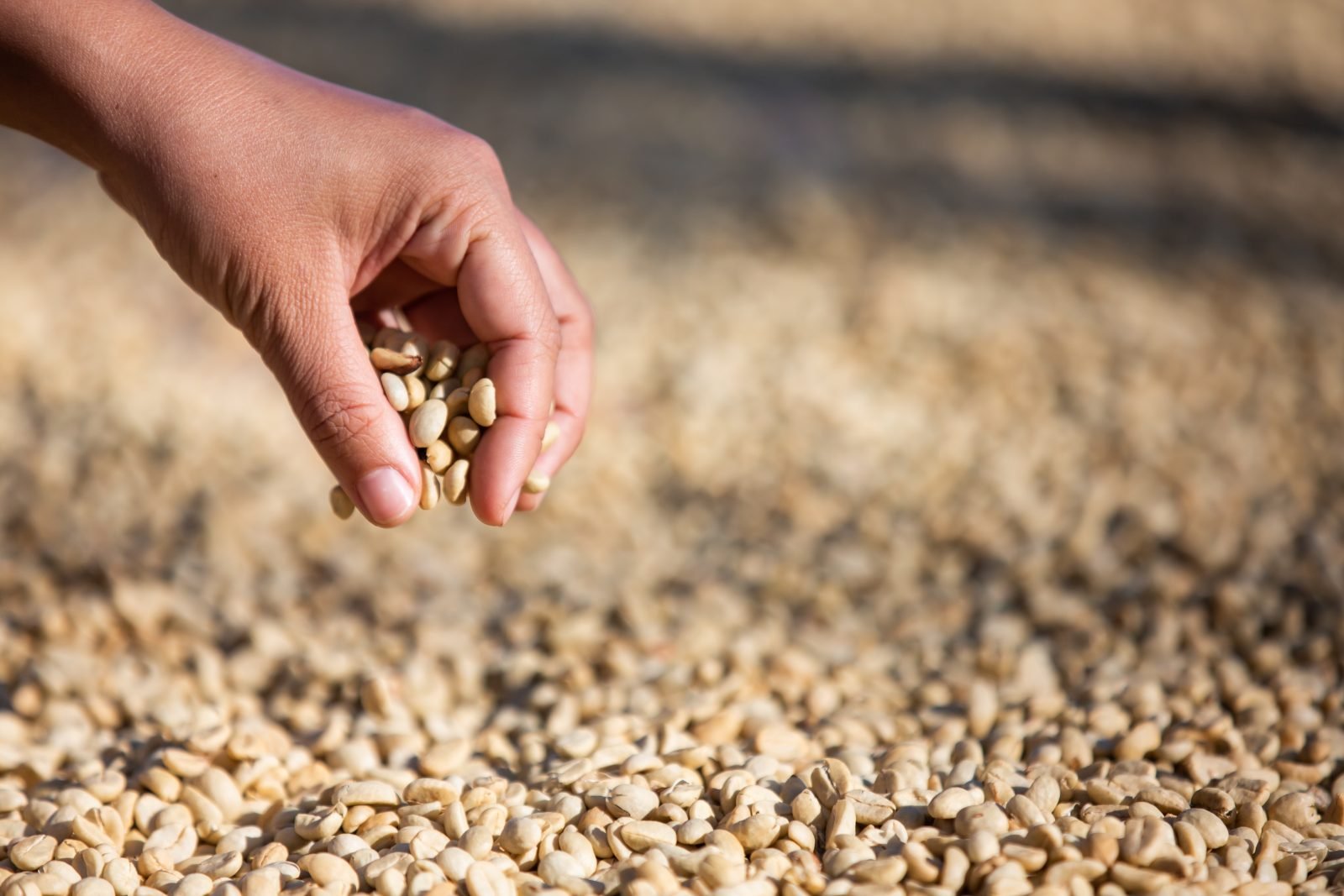
In the heart of the lush coffee plantations in Tekengon, Aceh Gayo, Sumatera, Indonesia, lies the thriving coffee processing plant of FnB Tech Indonesia. Established in 1999, FnB Tech embarked on a journey that began as a small trading and export company in Medan, North Sumatra, with a primary focus on selling green coffee beans. Fast forward to today, FnB Tech has evolved into an international coffee powerhouse, trading with more than 33 countries and boasting over 17,811 buyers. What sets them apart is not just the scale of their operations but a commitment to sustainable practices, community engagement, and a holistic approach to the coffee industry.
FnB Tech Indonesia: Rooted in Tradition, Committed to Sustainability
FnB Tech’s story is interwoven with the rich history of Indonesian coffee. The 75-hectare coffee processing plant in Tekengon is a testament to their commitment to the entire coffee value chain. From the very beginning, FnB Tech recognized the importance of sustainable farming practices and the need to preserve the natural beauty of the region. Through tree rejuvenation, replanting initiatives, and sustainable farming practices, they not only ensure the quality of their coffee beans but also contribute to the environmental well-being of Aceh Gayo.
The company’s roots in Medan mark the starting point of a journey that led them to establish deep connections with local and international markets. FnB Tech’s dedication to sustainable farming practices is matched only by their commitment to building strong relationships with the communities that surround their plantations. It’s not just about growing coffee; it’s about nurturing an ecosystem where both the land and the people thrive.
Diversification and Innovation: A Comprehensive Approach to Coffee
As the coffee industry evolved, so did FnB Tech’s role within it. What began as a trading and export company transformed into a dynamic player engaged in both upstream and downstream aspects of the coffee business. The company diversified its portfolio across the entire coffee value chain, ranging from plantation to retail and from coffee machines to coffee shops.
The foray into the upstream segment involves meticulous attention to every step of the cultivation process. FnB Tech’s plantations are a harmonious blend of traditional wisdom and cutting-edge agricultural practices. The commitment to excellence is evident in the quality of the green coffee beans they produce. With each harvest, FnB Tech strives to raise the bar and position itself as Indonesia’s foremost source of premium green coffee beans.
On the downstream side, FnB Tech’s involvement extends to the retail and commercial aspects of the coffee industry. By venturing into coffee machines and coffee shops, they bring a holistic approach to their customers. The idea is not just to provide coffee beans but to be an integral part of the entire coffee experience—from the moment the beans are harvested to the aromatic cup poured in a cozy coffee shop.
International Presence, Local Impact
FnB Tech’s success is not confined to the international stage alone; it resonates deeply within the local communities. The company’s commitment to sustainable farming practices goes hand in hand with its dedication to social responsibility. FnB Tech believes in giving back to the communities that have been an integral part of their journey.
Through various community engagement initiatives, FnB Tech ensures that the benefits of their success are shared with the people around them. From education programs to infrastructure development, FnB Tech strives to create a positive impact that extends beyond the boundaries of their plantations.
Excel as Indonesia’s Finest Green Coffee Beans Source
FnB Tech’s journey is a testament to the fact that success in the coffee industry is not just about producing high-quality beans; it’s about fostering sustainable practices, building strong community ties, and embracing innovation. As they continue to push forward to excel as Indonesia’s finest green coffee beans source, FnB Tech serves as an inspiration to the entire industry.
In every cup of coffee brewed from FnB Tech’s beans, there’s a story of dedication, sustainability, and a commitment to excellence. It’s not just a beverage; it’s a journey that begins in the rich soil of Aceh Gayo and reaches coffee lovers across the globe. FnB Tech Indonesia is not just a supplier; it’s a guardian of tradition, an advocate for sustainability, and a pioneer in the ever-evolving world of coffee. So, the next time you savor a cup of coffee, know that it might just be a sip from the finest beans, nurtured and crafted with passion by FnB Tech Indonesia.
Luwak coffee, also known as civet coffee, is a rare and exotic coffee variety with a distinctive production process. Originating from Indonesia, this coffee is prized for its unique flavor profile and the involvement of civets in the harvesting process. In this comprehensive guide, we will delve into the art of adding aroma to Luwak coffee beans, highlighting the key characteristics of this coffee and the steps involved in its production.
Understanding Luwak Coffee Characteristics
Before we explore the enhancement of aroma, let’s understand the fundamental characteristics of Luwak coffee:
Aroma Profile
Luwak coffee boasts a fragrant blend of fresh nutty, vanilla, and strong yet gentle almond aromas. These enticing scents create a sensory experience that sets Luwak coffee apart from other varieties.
Flavor Palette
The flavor profile of Luwak coffee is characterized by herbal notes, refreshing undertones, and a hint of spiciness. This unique combination contributes to a distinct and memorable taste that captivates coffee enthusiasts.
Acidity and Body
With a soft to medium acidity and a soft to mild body, Luwak coffee strikes a balance that appeals to those who appreciate a smoother and more approachable cup. This characteristic stew of balance includes elements of acidity, sweetness, fine chocolate, and almond.
Production Details
Luwak coffee is grown in specific regions of Indonesia, including Sumatra, Java, and Bali, in Arabica plantations. The altitudes ranging from 1200 to 1700 meters above sea level (asl) contribute to the coffee’s exceptional quality. The beans are characterized by a flat shape with a clear midline and have a caffeine content ranging from 0.8 to 1.4%.
Factors Influencing Aroma in Luwak Coffee: A Deeper Dive
The aroma of Civet coffee is a symphony of nuanced fragrances that arises from a combination of factors deeply intertwined with its growth, harvesting, and processing. To truly understand and appreciate the aromatic complexities of this unique coffee, let’s delve deeper into the factors that exert a profound influence on its olfactory profile.
Altitude and Microclimate
Altitude plays a pivotal role in the development of Luwak coffee’s aroma. The specific altitude range of 1200 to 1700 meters above sea level (asl) in the coffee plantations of Sumatra, Java, and Bali creates a microclimate that fosters the slow ripening of coffee cherries. This extended ripening period allows for the accumulation of intricate flavors and aromatic compounds within the beans.
The optimal temperature range of 13 to 28°C complements this altitude, creating a climate that encourages the beans to mature gradually, allowing the development of the sought-after aroma. Simultaneously, the ideal rainfall between 100 to 3000 mm ensures a consistent supply of moisture essential for the growth of robust, aromatic coffee cherries.
Soil Composition and Micro-Nutrients
The soil in which Luwak coffee plants thrive is a key contributor to the beans’ aromatic richness. The black soil, formed from young, fertile, volcanic materials, imparts unique mineral content and micro-nutrients to the coffee plants. These essential elements not only influence the overall health of the coffee plants but also contribute to the synthesis of aromatic compounds within the beans.
The volcanic nature of the soil adds another layer of complexity to Luwak coffee’s aroma, infusing it with subtle earthy undertones that harmonize with the overarching fragrance profile. The careful management of soil composition through regular analysis ensures that the coffee plants receive the necessary nutrients for optimal aromatic development.
Harvesting Practices and Civet Selection
The unconventional harvesting method of Luwak coffee, involving civets selecting and consuming ripe coffee cherries, is a unique factor contributing to its distinctive aroma. Civets, being discerning creatures, naturally gravitate towards the ripest and highest-quality cherries. This selective process introduces an element of natural fermentation, influencing the aroma through the civets’ digestive enzymes.
The time from flowers to fully ripe berries is approximately 9 months, during which the cherries undergo a transformative journey guided by the civets’ choices. This extended duration allows for a gradual development of complex aromas within the beans.
Processing Methods: Semi-Washed Cleaning and Manual Dry Hull
The meticulous processing of Luwak coffee is a critical phase that directly impacts its aroma. The semi-washed cleaning method involves removing the outer pulp while leaving some mucilage intact during the fermentation process. This nuanced approach contributes to the aromatic depth by allowing certain compounds to linger within the beans.
The subsequent manual dry hull processing adds another layer of finesse to the beans. Careful drying under controlled conditions ensures that the beans retain their unique aromatic signatures without being overwhelmed by external factors. The combination of these methods preserves the distinct characteristics of Luwak coffee, making it a testament to the artistry involved in its production.
Post-Harvest Fermentation and Flavor Development
Post-harvest fermentation is a stage where the aroma of Luwak coffee undergoes further refinement. By manipulating the fermentation process, coffee producers can emphasize specific aromatic notes, such as nutty or vanilla undertones. This stage requires a delicate balance, as too much fermentation can overpower the subtle fragrances, while too little may not fully unlock the aromatic potential of the beans.
Experimentation with fermentation times and conditions allows for the creation of bespoke Luwak coffee blends, each with its own aromatic identity. This customization contributes to the diversity of Luwak coffee offerings, satisfying a range of preferences among discerning coffee connoisseurs.
In conclusion, the aroma of Luwak coffee is a result of a meticulous interplay between environmental factors, harvesting methods, processing techniques, and post-harvest practices. Understanding and respecting these factors is essential for those who seek to not only enjoy but also enhance the aromatic allure of this exceptional coffee variety. Luwak coffee stands as a testament to the intricate harmony between nature, craftsmanship, and the pursuit of a sensory experience that transcends the ordinary.
Steps to Enhance Aroma in Luwak Coffee
Now, let’s delve into practical steps to amplify the aroma of Luwak coffee:
1. Quality Control in Plantations
Maintain strict quality control measures in coffee plantations, ensuring optimal altitude, temperature, and rainfall conditions. Regular soil analysis will help in maintaining the ideal soil composition.
2. Selective Harvesting
Implement careful and selective harvesting practices, allowing civets to choose ripe cherries. This natural selection process contributes to the unique flavors and aromas associated with Luwak coffee.
3. Meticulous Processing
Pay meticulous attention to the processing methods, especially during semi-washed cleaning and manual dry hull processing. These steps should be conducted with precision to retain the distinct aroma and flavor notes.
4. Post-Harvest Fermentation
Explore controlled fermentation techniques post-harvest to further enhance the aromatic compounds in Luwak coffee beans. This step can be adjusted to bring out specific notes, such as nutty or vanilla undertones.
5. Blend Development
Experiment with different blends of Luwak coffee beans to create a harmonious balance of aromas. Blending allows for the customization of flavor profiles, emphasizing specific fragrance notes.
6. Roasting Expertise
Roasting plays a critical role in preserving and amplifying the aromas. Optimal roasting times and temperatures can be fine-tuned to bring out the best in Luwak coffee’s fragrance.
7. Packaging Considerations
Choose packaging methods that preserve the freshness of Luwak coffee. Airtight and opaque packaging helps to retain the aromatic compounds, ensuring that consumers experience the coffee at its best.
Conclusion
Enhancing the aroma of Luwak coffee is a delicate and multi-faceted process that begins in the plantations and extends through harvesting, processing, and roasting. By understanding and optimizing the factors that contribute to Luwak coffee’s unique characteristics, coffee enthusiasts can embark on a journey to create a sensory experience that truly captures the essence of this rare and exceptional brew.
Indonesia’s pride, Gayo coffee, hails from the lush landscapes of Aceh, where fertile volcanic soil and a wet climate near the equator create the perfect conditions for cultivating this exquisite bean. With a rich history and a unique set of characteristics, mastering the art of roasting Gayo coffee is a journey into the heart of flavor complexity and aromatic brilliance.
The Symphony of Gayo Coffee Characteristics
Before delving into the roasting process, it’s essential to understand the key characteristics that define Gayo coffee. The beans emanate a fresh and nutty fragrance, setting the stage for a coffee experience like no other. The flavor profile is a dance of complexity, with hints of vanilla weaving through the rich, full-bodied texture. The acidity is lively, adding a vibrant note to the overall symphony.
The coffee beans have a distinctive screen size of 15-19, ensuring a uniform roast, while the moisture content is capped at a maximum of 13%. Triage falls between 8-10%, and the defect value should not exceed 11. Gayo coffee beans boast a caffeine content ranging from 0.8 to 1.4%, a testament to the robust nature of these beans.
The journey of Gayo coffee begins with a patient gestation period of 9 months, from flowers to berry. The optimal temperature for cultivation ranges from 13 to 28°C, with rainfall ideally falling between 100 to 3000 mm. These beans thrive at altitudes ranging from 1200 to 1700 meters above sea level, in the pristine production areas of Aceh.
The Canvas of Roasting: Art and Science
Roasting Gayo coffee is an art as much as it is a science. The goal is to bring out the unique character stew of acidity and chocolate, ensuring that each cup tells a story of the region’s terroir and meticulous cultivation. To embark on this journey, one must pay careful attention to the following steps:
1. Bean Selection:
Begin with high-quality Gayo coffee beans. Look for beans with a uniform size, rich color, and minimal defects. A meticulous selection ensures a consistent roast.
2. Understanding the Roast Profile:
Gayo coffee benefits from a medium to high full-body roast. The roast profile should accentuate the complexity of flavors while preserving the inherent freshness and nuttiness. Aim for a roast level that brings out the chocolate undertones without overshadowing the vanilla hints.
3. Roasting Time and Temperature:
Roast the Gayo beans at a temperature between 205 to 220°C. The duration of the roast is crucial; a medium roast typically takes around 10-12 minutes. Monitor the color changes closely, aiming for a medium to dark brown hue.
4. Cooling Process:
Once the beans reach the desired roast level, ensure a quick cooling process. This step is vital for halting the roasting and preserving the delicate flavors developed during the process.
5. Storage and Degassing:
Allow the freshly roasted Gayo coffee beans to degas for 12 to 24 hours before sealing them in an airtight container. This degassing period allows the flavors to mature and harmonize.
6. Brewing Method:
Whether using a French press, pour-over, or espresso machine, choose a brewing method that complements the rich, full-bodied nature of Gayo coffee. Experiment with grind size and brewing time to find the perfect balance.
Sustainable Practices in Gayo Coffee Roasting
Beyond the technicalities of roasting, it’s essential to embrace sustainable practices. As Gayo coffee is often grown by smallholders, supporting ethical and environmentally friendly initiatives is crucial. This includes fair trade practices, responsible sourcing, and a commitment to minimizing the ecological footprint of the entire coffee production chain.
In the heart of Aceh, where the fertile volcanic soil and a wet equatorial climate nurture the extraordinary Gayo coffee beans, sustainability becomes not just a choice but a responsibility. The journey from cultivation to the roasting of Gayo coffee offers a unique opportunity to embrace practices that ensure the well-being of the environment, the community, and the coffee industry at large.
1. Fair Trade and Ethical Sourcing:
Sustainable Gayo coffee roasting begins with fair trade practices and ethical sourcing. Roasters must establish transparent and fair relationships with smallholder farmers, ensuring they receive a just price for their labor. This empowers local communities, fostering economic stability and prosperity.
2. Environmental Conservation:
The lush landscapes of Aceh that give birth to Gayo coffee deserve protection. Roasters should actively engage in environmentally friendly practices, such as using energy-efficient roasting equipment and minimizing water usage. The goal is to reduce the carbon footprint associated with the entire roasting process.
3. Certifications and Standards:
Seek out and support Gayo coffee that adheres to recognized certifications and standards for sustainability. Certifications such as Rainforest Alliance, Organic, or Fair Trade not only ensure the quality of the coffee but also guarantee that the beans are produced with a commitment to social and environmental responsibility.
4. Community Empowerment:
Sustainable practices extend beyond the coffee farms to the communities that depend on coffee cultivation. Roasters can contribute by investing in community development projects, such as education, healthcare, and infrastructure. Empowered communities are more likely to adopt sustainable agricultural practices and contribute to the long-term health of the coffee industry.
5. Biodiversity Conservation:
The unique ecosystem of Aceh plays a crucial role in the distinct flavors of Gayo coffee. Roasters should actively support initiatives that promote biodiversity conservation, protecting the flora and fauna that contribute to the overall health of the region. This includes preserving natural habitats, supporting reforestation efforts, and minimizing the use of harmful agrochemicals.
6. Waste Reduction and Recycling:
Implementing waste reduction strategies in the roasting process is a key aspect of sustainability. This includes efficient packaging practices, recycling coffee chaff, and exploring innovative ways to repurpose or recycle used coffee grounds. Sustainable roasters aim for minimal waste and responsible disposal of any byproducts.
7. Education and Training:
Knowledge is a powerful tool for sustainability. Roasters can contribute by providing education and training programs for both farmers and consumers. Farmers benefit from learning about sustainable farming practices, while consumers gain an understanding of the environmental and social impact of their coffee choices.
8. Traceability and Transparency:
Establishing a transparent supply chain with traceability from bean to cup is essential for sustainability. Roasters should be able to trace the origin of their Gayo coffee beans, ensuring that they come from environmentally responsible and socially conscious sources.
9. Investment in Renewable Energy:
Transitioning to renewable energy sources for roasting operations is a significant step towards sustainability. Solar or wind-powered roasting facilities can greatly reduce the environmental impact of the entire coffee production process.
10. Continuous Improvement:
Sustainability is an ongoing commitment. Regularly assess and reassess roasting practices, seeking ways to improve and adapt to evolving standards. Embrace innovation in sustainability, whether it’s in packaging materials, energy-efficient technology, or waste reduction strategies.
In essence, sustainable practices in Gayo coffee roasting are about recognizing the interconnectedness of the coffee industry with the environment and the livelihoods of those involved. By adopting ethical and environmentally responsible practices, roasters contribute to the preservation of the rich tapestry that produces the exceptional Gayo coffee, ensuring its legacy for generations to come.
Conclusion
Roasting Gayo coffee is a celebration of flavors, aromas, and the rich cultural heritage of Aceh, Indonesia. It’s a journey that requires precision, patience, and a deep appreciation for the nuances of this exceptional bean. As you embark on your roasting adventure, remember that each cup is a testament to the artistry of the roaster and the bountiful gifts of the Gayo coffee terroir. Enjoy the symphony of flavors that unfold with every sip, and savor the magic of Gayo coffee.
In the world of coffee aficionados, there’s a mystical and exotic brew that often finds itself at the center of discussions – Luwak coffee, also known as civet coffee. This unique and fascinating beverage hails from the lush coffee plantations of Indonesia, particularly in regions such as Sumatra, Java, and Bali. Known for its distinct aroma and flavor profile, Luwak coffee is truly one-of-a-kind, and when paired with the creamy goodness of coffee milk, it creates a harmony of tastes that will awaken your senses. In this article, we’ll explore the enchanting world of Luwak coffee, its characteristics, and how to enjoy it to the fullest with the addition of Kopi Susu, or coffee with milk.
Luwak Coffee: A Glimpse into Its Origin and Characteristics
Before we dive into the delightful pairing of Luwak coffee and Kopi Susu, let’s take a moment to understand what makes this coffee so special. Luwak coffee, also known as civet coffee, owes its uniqueness to the involvement of a small, furry creature known as the Asian palm civet. These civets are responsible for an unconventional step in the coffee-making process – they consume ripe coffee cherries and later excrete the beans. The beans, after being collected, cleaned, and processed, yield Luwak coffee.
Flavor and Aroma
One of the defining features of Luwak coffee is its aromatic profile. When you bring a steaming cup of Civet coffee close to your nose, you’re greeted with a captivating blend of fresh nutty notes, hints of vanilla, and a gentle almond undertone. These fragrances are like a prelude to the sensory symphony that’s about to unfold.
In terms of flavor, Luwak coffee boasts a complex palate. It delivers herbal nuances that are refreshing and slightly spicy. The acidity in Civet coffee is soft to medium, making it a smooth and balanced choice for those who may find highly acidic coffees overpowering. The body of this coffee is soft and mild, providing a pleasant mouthfeel.
Bean Characteristics
The beans used to create Luwak coffee are characterized by specific attributes:
Screen Size: Typically falling in the range of 15-18, these beans are carefully sorted for uniformity.
Moisture Content: Luwak coffee beans have a maximum moisture content of 13%, ensuring they are sufficiently dry for storage and roasting.
Triage and Defect Value: The Triage value remains within the range of 6-8, indicating good quality control during processing. The Defect Value also falls within this range, ensuring a minimal presence of defects in the beans.
Time from Flowers to Be Berry: The coffee cherries take approximately 9 months to ripen, contributing to the unique flavor profile of Civet coffee.
Caffeine Content: Luwak coffee typically contains caffeine levels ranging from 0.8% to 1.4%, which is relatively moderate compared to some other coffee varieties.
Form of Seeds: The coffee beans have a flat shape with a clear midline, making them visually distinct.
Character Stew: Luwak coffee is known for its balanced body, acidity, and sweetness, often featuring fine chocolate and almond notes that create a harmonious flavor profile.
Production Conditions
The production of Civet coffee is highly dependent on the environmental conditions in its growing regions. Here are some vital factors to consider:
Optimal Temperature: Luwak coffee thrives in temperatures ranging from 13 to 28°C, which are typical of the Indonesian coffee regions.
Optimal Rainfall: These coffee plants require a moderate amount of rainfall, ideally ranging from 100 to 3000 mm, to flourish.
Altitude: Luwak coffee is typically grown at altitudes between 1200 to 1700 meters above sea level (asl), which contributes to its unique flavor profile.
Soil Type: The coffee plants benefit from the fertile and volcanic soils found in Indonesia, enriched with micro-nutrients essential for healthy growth.
How to Enjoy Luwak Coffee with Coffee Milk: A Sensory Experience
How to brew and enjoy Civet coffee with a classic Indonesian twist – Kopi Susu, or coffee with milk.
The rich characteristics of Luwak coffee, let’s delve into the art of savoring this exceptional brew with the addition of coffee milk.
Ingredients You’ll Need:
Freshly brewed Luwak coffee
High-quality coffee milk (preferably made with condensed milk for a rich and creamy texture)
A coffee cup or glass
A spoon for stirring
Step 1: Brew the Civet Coffee
Start by brewing a fresh cup of Civet coffee using your preferred method. Whether you opt for a French press, pour-over, or espresso machine, make sure to use freshly ground Luwak coffee beans to preserve its aromatic qualities.
Step 2: Prepare the Coffee Milk
In a separate container, heat your coffee milk until it’s warm but not boiling. If you’re using condensed milk, you can dilute it with hot water to achieve your desired level of creaminess and sweetness. Stir the coffee milk thoroughly to ensure a homogeneous mixture.
Step 3: Pour and Savor
Pour the brewed Civet coffee into your coffee cup or glass, leaving some space at the top. Now, gently pour the prepared coffee milk into the coffee, allowing it to blend naturally. The contrast between the rich, earthy tones of the Luwak coffee and the creamy sweetness of the milk creates a delightful marriage of flavors.
Step 4: Stir and Enjoy
Give your Luwak coffee with coffee milk a gentle stir to ensure that the flavors are well integrated. Take a moment to inhale the captivating aroma as it wafts up from your cup. Then, take your first sip and relish the exquisite balance of herbal, nutty, and sweet notes dancing on your palate. The soft-medium acidity and mild body of Luwak coffee provide a smooth and enjoyable drinking experience, enhanced by the creamy texture of the coffee milk.
As you sip and savor this unique concoction, you’ll discover the magic that Luwak coffee and coffee milk create together. It’s a sensory journey that combines the exotic allure of Indonesian coffee with the comforting familiarity of creamy coffee milk.
Conclusion: A Symphony of Flavors
Luwak coffee, with its intriguing origin and distinctive flavor profile, is a testament to the diversity and complexity of the coffee world. When paired with coffee milk, it becomes a symphony of flavors that can delight even the most discerning coffee connoisseur. So, the next time you seek a coffee experience that transcends the ordinary, consider indulging in the enchanting combination of Luwak coffee and coffee milk, and let your taste buds embark on a sensory journey unlike any other.
If you’re a coffee enthusiast, you probably understand that the world of espresso drinks can be quite complex and exciting. From the intense and concentrated flavors of black coffee to the creamy delights of milk coffee, there’s a vast array of options to satisfy every coffee lover’s taste buds. In this article, we will take you on a journey through the various espresso drinks, discussing their preparation, unique characteristics, and popularity.
The Single Espresso stands as the pinnacle of coffee intensity, boasting unmatched richness and depth in the world of coffee. Crafted with precision and skill, this concentrated elixir captivates the senses with every sip. The barista’s artistry comes to life as they weigh and tamp the finely ground coffee, ensuring a perfect extraction.
As the hot water flows through the grounds under pressure, the result is a bold and velvety brew graced with notes of dark chocolate, caramel, and nutty nuances. Each gentle stir before sipping harmonizes the layers, awakening the palate to an array of flavors that linger long after the last sip.
For true coffee aficionados, the Single Espresso is more than a beverage—it’s a cherished ritual, a moment to savor the mastery of coffee-making. With its allure and complexity, this extraordinary shot embodies the essence of coffee culture. So, whenever you crave the finest coffee intensity, indulge in the timeless pleasure of a Single Espresso—a treasured favorite for connoisseurs around the globe.
Served in a small cup, Single Espresso offers a rich and smooth taste.
Typically, two espresso shots are produced simultaneously from one spout.
The volume of a Single Espresso ranges from 20 to 30 milliliters (ml) or grams, with 21 grams being a common measurement.
Before sipping, it’s advisable to stir the espresso to ensure all layers mix harmoniously.
Double Espresso – More Kick, Same Intensity
For a bolder coffee experience without compromising intensity, the Double Espresso is the perfect choice. With twice the caffeine punch of a Single Espresso, this concentrated shot boasts rich flavors and a velvety texture. Ideal for those seeking an energizing pick-me-up, the Double Espresso remains a timeless favorite in the world of coffee.
Crafted using the same precision and artistry as its single counterpart, the Double Espresso starts with finely ground coffee beans carefully measured, usually around 21 grams. The barista tamps the coffee grounds evenly in the portafilter, creating the ideal foundation for extraction.
As the espresso machine unleashes its powerful force, hot water flows through the compacted grounds at high pressure, extracting the essence of the coffee beans. The result? Two shots of concentrated coffee, each typically measuring around 20 to 30 milliliters.
For those seeking a slightly larger serving without compromising intensity, Double Espresso or Espresso Doppio is the go-to choice.
It follows the same recipe as Single Espresso but uses a bigger cup. Often the one used for Cappuccinos.
Ordering a Double Espresso can sometimes be more cost-effective than two Single Espressos.
Americano – A Diluted Delight
For coffee enthusiasts seeking a milder yet satisfying experience, the Americano is the go-to choice. Crafted by diluting a shot of Espresso with hot water, this beverage retains the delightful characteristics of Espresso while offering a more approachable intensity. Served in a larger cup, the Americano provides a smooth and balanced flavor profile that captivates the palate. Whether enjoyed in the morning or as an afternoon indulgence, this diluted delight remains a popular favorite among coffee lovers worldwide.
For those who prefer a milder coffee experience, Americano is an excellent choice.
It involves adding 100 to 120ml of hot water to an Espresso shot, resulting in a less intense but flavorful drink.
Lungo – The Longer Espresso
For those who crave a longer and more leisurely coffee experience, the Lungo is the perfect choice. This extended version of Espresso is achieved by adjusting the grind or adding extra hot water, resulting in a larger shot, typically around 30 to 40 grams. The Lungo maintains the rich flavor characteristics of Espresso but offers a milder and more diluted taste, allowing coffee enthusiasts to savor the essence of coffee over a more extended period. Whether enjoyed on its own or blended with milk, the Lungo offers a delightful and versatile coffee experience that caters to varying preferences.
Lungo offers a longer and less intense Espresso experience.
It can be achieved by adjusting the grinder and running a longer shot or by adding extra hot water to a regular Espresso.
The customer can dilute it according to their preferred taste.
Filter Coffee – A Non-Espresso Black Option
For those who prefer a black coffee alternative to espresso-based drinks, the Filter Coffee is the perfect choice. Unlike espresso, this method involves brewing coffee by hand or using a batch brewer, resulting in a more refined and less intense flavor profile. Served in a larger cup, Filter Coffee offers a satisfying and enjoyable coffee experience for those seeking a big cup of rich and flavorful black coffee. As it cools down, the flavors develop and evolve, making every sip a delightful journey into the world of coffee enjoyment. Whether savored in the morning or as a comforting afternoon treat, Filter Coffee remains a beloved option among coffee enthusiasts seeking a non-espresso experience.
Though not produced with an espresso machine, Filter Coffee or Batch Brew is a great alternative for those desiring a larger cup of black coffee.
It provides a more refined and less intense flavor, which evolves as the coffee cools down.
Among the wide variety of coffee beverages, the Cappuccino stands out as a timeless and beloved classic that is cherished by coffee enthusiasts all over the world. This iconic coffee drink combines a single shot of Espresso with delicately frothed milk, creating a delightful balance of flavors.
The key to crafting a perfect Cappuccino lies in achieving the ideal ratio between coffee and milk, typically around 1:6 or 1:7. Baristas skillfully steam and froth the milk to create a creamy and velvety texture while the bold flavors of the espresso shine through with each sip.
Whether enjoyed as a morning ritual or a comforting afternoon indulgence, the Cappuccino holds a special place in the hearts of coffee lovers everywhere. With its rich flavor, creamy texture, and enticing aroma, it remains an enduring favorite that unites coffee enthusiasts across cultures and continents.
Perhaps the most beloved coffee drink worldwide, Cappuccino combines a single shot of Espresso with foamed milk.
The ratio of coffee to milk may vary between cafes and the size of their cups.
The artful latte designs created by skilled baristas add to the charm of this beverage.
Espresso Macchiato – A Dash of Milk
For coffee enthusiasts who appreciate a bold shot of Espresso with a touch of milk, the Espresso Macchiato is the perfect choice. This delightful coffee drink is served in a small espresso cup, where a single shot of Espresso is artfully mixed with just a little bit of frothed milk.
The Espresso Macchiato offers a wonderful balance between the intensity of Espresso and the smoothness of milk, creating a harmonious and satisfying coffee experience. It is the perfect choice for those who desire a gentle variation of the classic Espresso, allowing them to appreciate the richness of the coffee with a hint of milk.
For those seeking a stronger coffee taste with a touch of milk, Espresso Macchiato is a delightful option.
Served in a small espresso cup, it features a single shot of Espresso mixed with a small amount of foamed milk, usually with a 1:1 or 1:2 ratio.
Cortado or Piccolo – A Petite Milk Espresso
Cortado or Piccolo, often used interchangeably, is a delightful and petite milk espresso drink that has gained popularity among coffee enthusiasts. This charming beverage blends a single shot of Espresso with a small amount of steamed milk, resulting in a balanced and mellow flavor profile. The Cortado or Piccolo is served in a glass cup, allowing the beautiful contrast between coffee and milk to be admired. This petite milk espresso is perfect for those seeking a lighter coffee experience without sacrificing the rich essence of a well-crafted Espresso.
The Cortado or Piccolo is cherished for its versatility and adaptability. Its smaller size makes it an ideal choice for those who prefer a more concentrated coffee but with a hint of milk. The drink’s name, “Cortado,” originates from the Spanish word “cortar,” meaning “to cut,” which refers to the milk “cutting” through the Espresso. In contrast, “Piccolo” is an Italian word meaning “small” or “little,” reflecting its petite nature. Whichever name it goes by, the Cortado or Piccolo offers a delightful balance of flavors, making it a favored choice for coffee enthusiasts seeking a delightful and refined milk espresso experience.
Cortado or Piccolo is a small milk espresso drink often served in a glass cup.
It blends a single shot of Espresso with a moderate amount of foamed milk, typically in a 1:4 ratio.
Flat White – A Kiwi Specialty
Originally hailing from New Zealand and Australia, the Flat White has become a beloved specialty coffee drink cherished by coffee enthusiasts worldwide. This exquisite coffee concoction combines a double shot of Espresso with a velvety microfoam milk texture, creating a smooth and creamy delight that tantalizes the taste buds.
The Flat White’s popularity has extended beyond its birthplace, finding its place in coffee shops worldwide. Its ability to cater to both black coffee and milk coffee enthusiasts makes it a versatile choice. Whether served in a small cup or a larger mug, the Flat White is celebrated for its smoothness and simplicity, making it a delightful specialty that coffee aficionados continue to relish and appreciate.
Originating from Australia and New Zealand, Flat White is a popular Espresso milk drink.
It combines a double shot of Espresso with foamed milk in a cup similar to a Cappuccino but slightly smaller.
Flat White offers a stronger coffee kick and more coffee flavor than a Cortado.
Caffé Latte – Embracing the Milkiness
Caffé Latte, often simply referred to as a Latte, is a coffee indulgence that celebrates the art of embracing milkiness. This beloved coffee drink is created by combining a single shot of Espresso with steamed milk, resulting in a creamy and luxurious experience for coffee enthusiasts.
Caffé Latte is enjoyed in a relatively large cup, allowing coffee lovers to savor every delightful sip of this milk-forward indulgence. Its mild and comforting nature makes it a perfect choice for those seeking a rich and satisfying coffee experience with a creamy twist. Whether relished as a morning ritual or a soothing afternoon treat, Caffé Latte remains a timeless favorite that captures the essence of embracing milkiness in coffee culture.
If you prefer a milky and less intense coffee experience, Caffé Latte is the perfect choice.
Served in a relatively large cup, it mixes a single shot of Espresso with foamed milk, typically in a 1:14 ratio.
Whether you’re a coffee connoisseur or a curious beginner, exploring the world of espresso drinks is a delightful journey. Each coffee drink offers a unique taste profile and provides a wide range of options to suit your preferences. Enjoy your coffee journey and savor every delightful sip!
Coffee is one of the world’s most popular beverages, but have you tasted unroasted coffee beans, commonly known as “green coffee beans“? These beans have recently acquired popularity due to their possible health advantages. They are thought to help with weight loss, metabolism, blood pressure control, and cognitive function. What distinguishes them is their distinct flavor profile – a grassy, slightly bitter taste that some people appreciate.
Unroasted coffee beans are also versatile, making them perfect for a variety of recipes such as smoothies and baked products. By investigating this alternative kind of coffee, you can discover a new way to enjoy its flavor while perhaps reaping health benefits. Consider trying coffee beans for a unique coffee experience with potential health benefits.
This coffee Bean contains many beneficial compounds that are destroyed during the roasting process. This is why they are considered to be healthier than roasted coffee beans. Some of the health benefits of unroasted coffee beans are:
Antioxidants in unroasted coffee beans
These coffee beans are rich in antioxidants, which help to protect the body from damage caused by free radicals. Antioxidants are important because they can help to prevent a variety of diseases, including cancer. In fact, unroasted coffee beans have been found to contain more antioxidants than roasted coffee beans.
Chlorogenic acid in unroasted coffee beans
Chlorogenic acid is a compound found in coffee beans that has been linked to many health benefits. This compound has been shown to help with weight loss, lower blood pressure, and improve brain function. Chlorogenic acid works by inhibiting the absorption of carbohydrates, which can help to reduce blood sugar spikes after meals.
Unroasted coffee beans for weight loss
These coffee beans have been found to help with weight loss. This is because they contain chlorogenic acid, which has been shown to inhibit the absorption of carbohydrates. When carbohydrates are not absorbed, they are excreted from the body instead of being stored as fat. In addition to this, these coffee beans can also help to boost metabolism, which can further aid in weight loss.
Comparison between roasted and unroasted coffee beans
Roasted and unroasted coffee beans have distinct characteristics that set them apart. Here’s a comparison between the two:
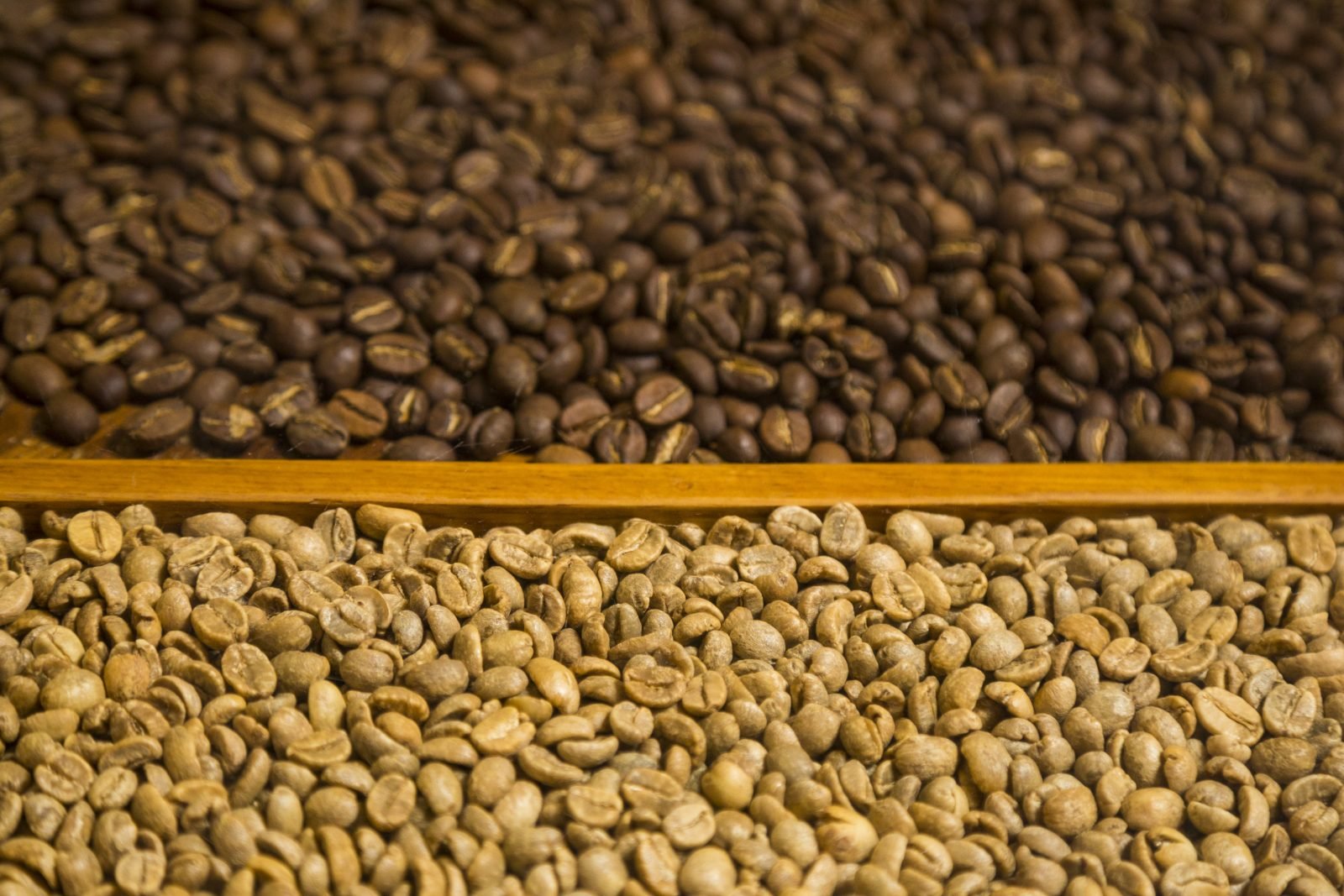
Flavor – Roasted coffee beans have a rich, complex flavor profile with notes of chocolate, caramel, and various other flavors depending on the roast level. On the other hand, unroasted coffee beans have a grassy, slightly bitter taste with herbal and earthy undertones.
Aroma – Roasted coffee beans produce a fragrant aroma, often described as nutty, toasty, or even fruity, depending on the roast. Unroasted coffee beans have a more subtle and raw aroma.
Caffeine Content – Unroasted coffee beans generally have a higher caffeine content compared to their roasted counterparts. The roasting process causes some of the caffeine to be lost, so if you’re looking for a stronger caffeine kick, unroasted beans might be the way to go.
Shelf Life – Roasted coffee beans have a longer shelf life compared to unroasted beans. The roasting process helps to stabilize the beans and preserve their flavor for an extended period. Unroasted beans, however, are more perishable and can lose their freshness relatively quickly.
Health Benefits – While roasted coffee is known for its antioxidant properties and potential health benefits, unroasted coffee beans, or green coffee beans, are believed to have higher levels of certain beneficial compounds. These include chlorogenic acid, which may aid in weight loss, blood sugar regulation, and other health benefits.
Ultimately, the choice between roasted and unroasted beans comes down to personal preference, desired flavor profile, and specific health goals. Roasted beans offer a wide range of flavors and aromas, while unroasted beans provide a unique taste and potentially higher levels of certain beneficial compounds.
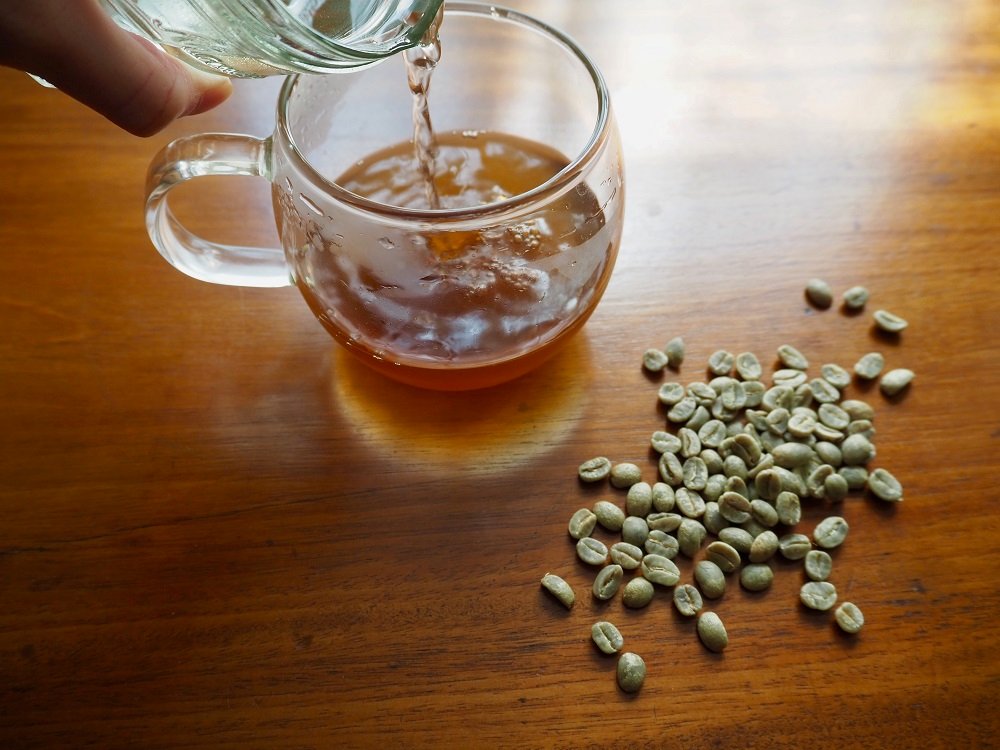
Making unroasted coffee is easy. All you need is a coffee grinder, a French press, and some unroasted coffee beans. Here’s how to do it:
Grind the unroasted coffee beans in a coffee grinder.
Add the ground coffee to the French press.
Pour hot water over the coffee.
Let the coffee steep for 3-4 minutes.
Press down the plunger on the French press.
Pour the coffee into a cup and enjoy!
Where to buy unroasted coffee beans
Unroasted coffee beans can be purchased from specialty coffee shops and online retailers. When purchasing unroasted coffee beans, it’s important to make sure that they are of good quality and have been ethically sourced.
Risks and precautions
Consuming unroasted coffee beans, or green coffee beans, may carry certain risks and precautions that you should be aware of:
High caffeine content – Green Coffee beans generally contain higher levels of caffeine compared to roasted beans. Excessive consumption of caffeine can lead to side effects such as restlessness, increased heart rate, anxiety, digestive issues, and difficulty sleeping. It is important to moderate your intake and be aware of your caffeine sensitivity.
Potential interactions with medications – Green coffee beans may interact with certain medications, including those for diabetes, blood pressure, and psychiatric disorders. The high levels of chlorogenic acid in unroasted beans can affect the absorption and metabolism of these medications. It is advisable to consult with your healthcare provider before consuming green coffee beans if you are taking any medications.
Allergic reactions – Some individuals may be allergic to components present in coffee beans, both roasted and unroasted. If you have a known allergy to coffee or experience symptoms like itching, swelling, hives, or difficulty breathing after consuming coffee, it is best to avoid unprocessed coffee beans.
Quality and contamination concerns – Green coffee beans can be susceptible to mold, fungi, and other contaminants. It is essential to ensure that you source your beans from reputable suppliers who follow proper quality control measures. Moldy or contaminated beans can pose health risks if consumed.
Digestive issues – Unprocessed coffee beans contain higher amounts of certain compounds, such as chlorogenic acid, that can have a laxative effect and cause digestive discomfort, including stomach cramps and diarrhea, especially in sensitive individuals. It is recommended to start with small amounts and gradually increase your consumption to assess your tolerance.
As with any dietary change or supplement, it is wise to consult with a healthcare professional before incorporating unroasted coffee beans into your routine, especially if you have any pre-existing health conditions or concerns. They can provide personalized advice based on your specific circumstances and help you make informed decisions.
Conclusion
Unroasted coffee beans are a great way to enjoy coffee while potentially reaping some health benefits. They are rich in antioxidants, chlorogenic acid, and other beneficial compounds that are destroyed during the roasting process. In addition to this, unroasted coffee beans have a unique flavor profile that some people find quite enjoyable. If you’re looking for a new way to enjoy coffee, give unroasted coffee beans a try! Just remember to consume them in moderation and check with your doctor if you are taking any medications.