document.documentElement.classList.add("cf-on");'; return; } ?>

Category: Uncategorized

  • Unveiling the Artistry of Indonesian Coffee Filter: A Deep Dive into Brewing Perfection

    Unveiling the Artistry of Indonesian Coffee Filter: A Deep Dive into Brewing Perfection

    Indonesian Coffee Filter , the vast tapestry of global coffee cultures, Indonesia stands out as a gem, renowned not only for its breathtaking landscapes but also for its exquisite coffee. At the heart of Indonesia’s rich coffee heritage lies a distinct brewing method—the Indonesian coffee filter. In this exploration, we will delve into the origins, varieties, and brewing techniques of Indonesian coffee filters, shedding light on the intricate artistry that defines this unique facet of the country’s coffee culture.

    The Origins of Indonesian Coffee Filters

    Indonesia’s association with coffee dates back to the 1600s when the Dutch East India Company introduced coffee plants to the archipelago. The fertile volcanic soil and tropical climate proved to be a perfect match for coffee cultivation, leading to the establishment of coffee plantations across the islands of Java, Sumatra, Sulawesi, and Bali.

    As the coffee culture flourished, so did the methods of brewing. Traditional Indonesian coffee filters have evolved over the centuries, blending indigenous practices with influences from the diverse regions of the archipelago.

    Types of Indonesian Coffee Filters

    Originating from Java, Kopi Tubruk is a traditional brewing method that involves boiling coarse coffee grounds along with a solid lump of sugar.
    This method produces a robust and sweet cup of coffee, celebrating the bold flavors inherent in Indonesian coffee.
    The brewing process often takes place in a specially designed pot called the “tubruk pot” or “cezve.”

    Known as “pulled coffee,” Kopi Tarik is a visually captivating brewing method where coffee is poured back and forth between two containers.
    This process creates a frothy texture, showcasing the artistry of the barista and delighting coffee enthusiasts in Indonesian coffee shops and street stalls.
    Kopi Klothok:

    Unique to certain regions, Kopi Klothok involves pouring hot water over a coffee-filled filter made of cloth, allowing the coffee to slowly drip into the container below.
    The cloth filter, known as klothok, imparts a distinct flavor to the coffee, contributing to its unique profile.
    Kopi Tubruk Tanpa Ampas:

    Similar to Kopi Tubruk but without the sediment.
    A specialized narrow-necked pot is often used for brewing, resulting in a cleaner and more refined cup of coffee.


    Manual Drip Coffee

    A modern adaptation of traditional brewing methods, Manual Drip Coffee involves using various filters, including paper and cloth, for a controlled brewing process.
    This method allows coffee enthusiasts to experiment with factors such as brewing time and water temperature, offering a personalized touch to the brewing experience.
    Brewing Techniques for Indonesian Coffee Filters

    Selecting the Right Coffee Beans:

    Indonesian coffee filters work harmoniously with medium to dark roast beans, highlighting the inherent richness and complexity of Indonesian coffee varieties.


    Grinding the Coffee:

    Achieving the perfect grind is crucial for optimal extraction. For most Indonesian coffee filters, a coarse grind is preferred to prevent over-extraction and bitterness.
    Water Quality:

    The quality of water used directly influences the coffee’s taste. Using fresh, clean water is imperative for a pristine and flavorful brew.


    Brewing Time and Temperature:

    Brewing times and temperatures vary depending on the specific method. For example, Kopi Tubruk requires a short brewing time with boiling water, while Manual Drip Coffee allows for more control over these variables.


    Experimenting with Ratios:

    Coffee enthusiasts often enjoy experimenting with the coffee-to-water ratio to achieve their desired strength and flavor profile, adding a personal touch to the brewing process.
    Indonesian Coffee Filter Keywords

    Conclusion

    Indonesia’s coffee filters are not just tools for brewing; they are vessels that carry the essence of the nation’s diverse coffee culture. From the traditional charm of Kopi Tubruk to the visual spectacle of Kopi Tarik and the nuanced flavors of Kopi Klothok, each method encapsulates the artistry and passion that define Indonesia’s love affair with coffee. As you embark on your journey into the world of Indonesian coffee filters, savor not just the brew but the rich tapestry of history and tradition woven into every cup.

  • the Rich Aroma and Exquisite Flavor of Deluxe Indonesia Coffee

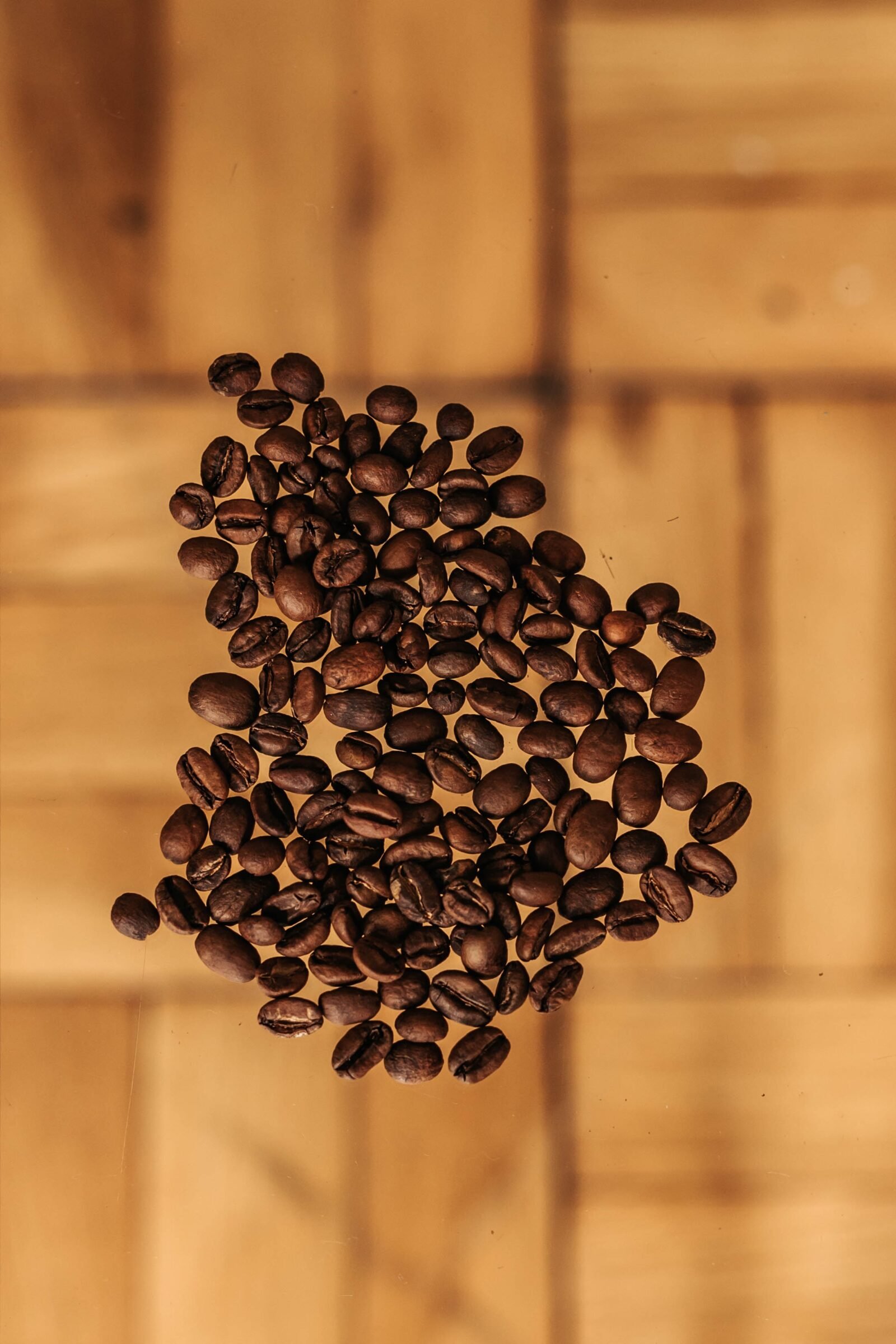
    the Rich Aroma and Exquisite Flavor of Deluxe Indonesia Coffee

    Deluxe Indonesia Coffee, a tropical paradise known for its stunning landscapes, diverse culture, and warm hospitality, is also celebrated for its exquisite coffee. Among the myriad of coffee varieties that grace the archipelago, Deluxe Indonesia Coffee stands out as a pinnacle of flavor and aroma. In this comprehensive exploration, we will delve into the unique characteristics that make Deluxe Indonesia Coffee a true delight for coffee enthusiasts worldwide.

    I. The Origin of Deluxe Indonesia Coffee:

    Indonesia Coffee traces its roots to the fertile soils of the Indonesian archipelago. The country’s ideal climate, with its combination of tropical heat and abundant rainfall, creates the perfect conditions for cultivating premium coffee beans. The primary regions contributing to the production of Deluxe Indonesia Coffee include Sumatra, Java, Sulawesi, and Bali.

    Sumatra, renowned for its Mandheling and Gayo coffee beans, produces a rich and full-bodied cup with earthy undertones. Java, with its historical significance in the world of coffee, contributes beans with a balanced profile, often noted for their mild acidity. Sulawesi, known for Toraja coffee, offers a unique and distinct flavor with herbal notes. Bali, emerging as a prominent coffee region, adds to the diversity with its semi-washed and honey-processed beans.

    II. Flavor Profile :

    Aroma:

    Indonesia Coffee is celebrated for its captivating aroma, a symphony of earthy, spicy, and fruity notes. The beans’ exposure to the lush environment of Indonesia imparts a distinct fragrance that sets it apart from other coffee varieties.

    Tasting Notes:

    Earthy Undertones: The volcanic soils of Indonesia contribute to a characteristic earthiness in Deluxe Indonesia Coffee, offering a robust and grounding experience.
    Spicy Accents: Hints of spice, such as clove and nutmeg, elevate the flavor profile, providing a warm and inviting complexity.
    Fruity Nuances: Depending on the region, Deluxe Indonesia Coffee may exhibit subtle fruity undertones, ranging from citrus to tropical fruits, adding a delightful sweetness to the cup.
    Body and Acidity:

    Full-bodied: One of the defining features of Deluxe Indonesia Coffee is its full-bodied nature, creating a luxurious and velvety mouthfeel.
    Low Acidity: Compared to coffees from other regions, Deluxe Indonesia Coffee tends to have a milder acidity, contributing to a smooth and well-balanced taste.


    Cultivation and Processing:

    Growing Practices:

    Shade-Grown: Many Deluxe Indonesia Coffee plantations embrace shade-grown practices, allowing the coffee plants to flourish under the protective canopy of taller trees. This not only enhances the quality of the beans but also promotes environmental sustainability.
    Processing Methods:

    Wet-Hulling: A traditional method known as Giling Basah is commonly used in Indonesia, involving the removal of parchment from the coffee beans while they still retain a high moisture content. This process contributes to the unique flavor profile of Deluxe Indonesia Coffee.

    Semi-Washed and Honey Processing: In recent years, some Indonesian coffee producers have adopted semi-washed and honey processing methods, adding a layer of complexity to the coffee’s taste and highlighting the industry’s commitment to innovation.

    The Role of Terroir Indonesia Coffee:

    Terroir, the unique environmental factors that influence the characteristics of a crop, plays a significant role in shaping the flavor profile of Deluxe Indonesia Coffee. Factors such as altitude, climate, and soil composition contribute to the distinctiveness of the beans from each region, offering a diverse range of flavor profiles within the overarching category of Deluxe Indonesia Coffee.

    Sustainability and Ethical Practices:

    Deluxe Indonesia Coffee producers are increasingly recognizing the importance of sustainable and ethical practices. Many coffee estates in Indonesia are actively engaged in initiatives that focus on environmental conservation, fair labor practices, and community development. This commitment not only contributes to the long-term viability of the coffee industry but also ensures that consumers can enjoy Deluxe Indonesia Coffee with a clear conscience.

    Brewing Recommendations:

    To fully savor the richness of Deluxe Indonesia Coffee, careful attention to the brewing process is essential. Here are some recommendations:

    Grind Size:

    Opt for a medium to coarse grind to extract the full flavor without overemphasizing acidity.
    Brewing Methods:

    Indonesia Coffee is versatile and can be brewed using various methods such as pour-over, French press, or espresso. Experimenting with different brewing techniques allows coffee enthusiasts to discover the nuances of flavor inherent in these beans.
    Water Temperature:

    Aim for a water temperature between 195°F to 205°F (90°C to 96°C) to ensure proper extraction without scalding the delicate flavors.
    Ratio:

    A general starting point is a coffee-to-water ratio of 1:15, but adjustments can be made based on personal preferences.


    The Global Appeal of Deluxe Indonesia Coffee:

    In recent years,Indonesia Coffee has gained international recognition and popularity. Its unique flavor profile, coupled with the cultural allure of Indonesia, has positioned it as a sought-after choice among discerning coffee enthusiasts worldwide. The rise of specialty coffee culture has further elevated the status of Deluxe Indonesia Coffee, making it a staple in cafes and homes alike.

    Conclusion:

    Indonesia Coffee is a true testament to the rich tapestry of flavors that the Indonesian archipelago has to offer. From the volcanic slopes of Sumatra to the cultural heartland of Java, each cup tells a story of the land from which it hails. As the global appreciation for fine coffee continues to grow, Deluxe Indonesia Coffee stands proudly as an ambassador of Indonesia’s vibrant and diverse coffee heritage. Embracing both tradition and innovation, Deluxe Indonesia Coffee invites coffee lovers on a sensory journey, promising a delightful experience with every sip.

  • A Comprehensive Guide to Luwak Coffee Shop

    A Comprehensive Guide to Luwak Coffee Shop

    Luwak Coffee Shop, also known as civet coffee, is a unique and exotic beverage that has captured the attention of coffee enthusiasts worldwide. The fascinating process of producing luwak coffee involves civets, small mammals native to tropical regions, selectively eating ripe coffee cherries and later excreting the beans. These beans are then collected, cleaned, and processed to create one of the most sought-after and expensive coffees globally. In this comprehensive guide, we will delve into the captivating world of luwak coffee, focusing on the enchanting experience offered by luwak coffee shops.

    Understanding Luwak Coffee:

    Luwak coffee is renowned for its smooth, low-acidic, and unique flavor profile, attributed to the fermentation process that occurs in the civet’s digestive tract. The beans retrieved from the feces are thoroughly cleaned, fermented, dried, roasted, and ground to produce a luxurious coffee experience. The rarity of luwak coffee, coupled with its distinctive taste, has made it a delicacy enjoyed by connoisseurs around the globe.

    The Luwak Coffee Shop Experience:

    Historical Perspective:


    Luwak coffee has a rich history rooted in various coffee-producing regions, such as Indonesia, Vietnam, and the Philippines. Luwak coffee shops often showcase this history, providing visitors with insights into the traditional methods of harvesting, processing, and brewing luwak coffee.

    Farm Tours:


    Many luwak coffee shops offer farm tours that allow visitors to witness the entire coffee production process firsthand. These tours typically include visits to coffee plantations, where civets roam freely, and guests can observe the selection of ripe coffee cherries by these fascinating creatures.

    Coffee Tasting Sessions:


    Luwak coffee shops provide an opportunity for visitors to indulge in guided coffee tasting sessions. Knowledgeable staff guide patrons through the nuances of luwak coffee, explaining the flavor profile, aroma, and mouthfeel of different varieties. This hands-on experience enhances the appreciation for the intricate craftsmanship involved in producing this exclusive beverage.

    Café Atmosphere:


    Luwak coffee shops often boast charming and serene settings, creating a perfect ambiance for enjoying a cup of this rare brew. The décor is thoughtfully designed to reflect the natural and cultural elements of the region, providing a relaxing and immersive experience for coffee enthusiasts.

    Exclusive Coffee Varieties:


    In addition to the signature luwak coffee, these establishments often offer a range of other exotic and locally sourced coffee varieties. Visitors can explore different brewing methods and flavor profiles, expanding their palate and understanding of the diverse world of coffee.

    Educational Workshops:


    To further enrich the visitor experience, luwak coffee shops frequently host educational workshops. These sessions cover topics such as coffee cultivation, processing techniques, and the importance of sustainable and ethical practices in the coffee industry.

    Souvenir Shops:


    Luwak coffee shops often feature souvenir shops where visitors can purchase freshly roasted luwak coffee beans, unique coffee-related merchandise, and traditional crafts. These souvenirs serve as reminders of the memorable visit to a luwak coffee plantation.

    Culinary Experiences:


    Some luwak coffee shops extend their offerings beyond beverages, incorporating luwak coffee into culinary delights. From luwak coffee-infused desserts to savory dishes, these establishments showcase the versatility of this exceptional coffee in gastronomy.

    Benefits of Visiting Luwak Coffee Shops:

    Supporting Sustainable Practices:


    By visiting luwak coffee shops, patrons contribute to the promotion of sustainable and ethical coffee production. Many establishments prioritize responsible farming practices, ensuring the well-being of civets and maintaining the ecological balance of coffee plantations.

    Cultural Immersion:


    Luwak coffee shops often serve as cultural hubs, providing visitors with a deeper understanding of the local traditions, customs, and folklore associated with coffee cultivation. This cultural immersion adds an extra layer of significance to the overall experience.

    Community Engagement:


    These establishments frequently collaborate with local communities, creating economic opportunities and fostering a sense of community pride. The symbiotic relationship between luwak coffee shops and the surrounding communities contributes to the overall sustainability of the region.

    Conclusion:

    In conclusion, a visit to a luwak coffee shop is not merely a chance to savor a rare and exquisite beverage; it is a holistic experience that combines the elements of history, culture, and sustainability. From the captivating farm tours to the delightful coffee tasting sessions, luwak coffee shops offer a unique journey into the world of civet coffee. By patronizing these establishments, coffee enthusiasts not only indulge in a luxurious coffee experience but also actively contribute to the preservation of traditional practices and the well-being of local communities. So, for those seeking a truly enchanting coffee adventure, a visit to a luwak coffee shop is an absolute must.

  • the Rich Essence of Aceh Ground Coffee: A Culinary Journey into Indonesia’s Finest Brew

    the Rich Essence of Aceh Ground Coffee: A Culinary Journey into Indonesia’s Finest Brew

    Aceh Ground Coffee, with its vast archipelago and diverse cultures, has long been celebrated as a haven for coffee enthusiasts. Among the plethora of exquisite coffee varieties that emerge from this tropical paradise, Aceh Ground Coffee stands out as a true gem, offering a unique and captivating flavor profile that reflects the rich heritage of the Aceh region. In this exploration, we delve into the origins, cultivation methods, and distinctive qualities of Aceh Ground Coffee, showcasing why it has become a beloved choice for coffee connoisseurs worldwide.

    Aceh’s Unique Coffee Heritage

    Nestled on the northern tip of Sumatra, the Aceh region boasts a captivating landscape of lush highlands and fertile valleys. Aceh’s elevation, coupled with its proximity to the equator, creates an ideal microclimate for cultivating high-quality Arabica coffee beans. The history of coffee in Aceh dates back centuries, and today, the region stands as one of Indonesia’s leading coffee producers.

    Aceh Ground Coffee: The Art of Cultivation

    Aceh Ground Coffee owes its exceptional quality to meticulous cultivation practices employed by local farmers. The fertile volcanic soil, combined with the ideal altitude, contributes to the unique characteristics of Aceh coffee beans. Farmers in Aceh predominantly cultivate Arabica coffee, known for its nuanced flavors and aromatic qualities.

    The cultivation process begins with selecting the finest coffee varietals and nurturing them in nurseries until they are ready for transplantation. Aceh’s coffee plantations are often situated on the slopes of the region’s mountainous terrain, where the beans benefit from optimal sunlight and well-drained soil. The meticulous care invested in each coffee plant is evident in the rich flavors that develop during the growing process.

    Harvesting and Processing

    Aceh Ground Coffee undergoes a careful harvesting process to ensure that only ripe coffee cherries are picked. This labor-intensive process is often done by hand, emphasizing the commitment of Aceh’s coffee farmers to quality. The cherries are then meticulously processed to extract the coffee beans within.

    The two primary methods of processing Aceh coffee beans are the dry and wet methods. The dry method involves sun-drying the cherries before extracting the beans, imparting a distinct fruity and full-bodied flavor to the coffee. In contrast, the wet method includes fermenting the cherries before extracting the beans, resulting in a cleaner and brighter cup profile.

    Flavor Profile of Aceh Ground Coffee

    The hallmark of Aceh Ground Coffee lies in its distinctive flavor profile. A well-brewed cup of Aceh coffee unveils a harmonious balance of earthy tones, complemented by hints of dark chocolate and a subtle fruity sweetness. The medium to full body of Aceh coffee provides a satisfying richness, while its low acidity contributes to a smooth and lingering finish. Coffee enthusiasts often appreciate the complexity and depth that Aceh Ground Coffee brings to the palate, making it a sought-after choice for those who relish a premium coffee experience.

    Sustainable Practices and Community Impact

    Beyond its exceptional taste, Aceh Ground Coffee embodies a commitment to sustainability and community well-being. Many coffee farmers in Aceh adhere to environmentally friendly and organic farming practices, minimizing the use of synthetic pesticides and fertilizers. Additionally, various initiatives promote fair trade practices, ensuring that farmers receive fair compensation for their hard work.

    The cultivation of Aceh Ground Coffee significantly contributes to the economic development of the region. By empowering local farmers and fostering sustainable practices, the coffee industry becomes a catalyst for positive change within Aceh’s communities.

    Brewing Aceh Ground Coffee: A Ritual of Flavor

    Brewing Aceh Ground Coffee is an art form in itself, allowing enthusiasts to unlock the full spectrum of its flavors. Whether using a traditional pour-over method, a French press, or an espresso machine, the key lies in balancing the grind size, water temperature, and brew time. Aceh coffee’s versatility lends itself well to various brewing techniques, offering a personalized experience for every coffee lover.

    For a true Aceh coffee experience, consider the traditional “kopi tubruk” method. This involves boiling finely ground coffee with sugar in a special pot called a “tubruk pot,” resulting in a robust and sweetened brew that encapsulates the essence of Aceh’s coffee culture.

    Aceh Ground Coffee in the Global Market

    In recent years, Aceh Ground Coffee has gained recognition on the global stage, with specialty coffee shops and roasters showcasing its unique qualities. The distinctiveness of Aceh coffee appeals to a growing market of discerning consumers who seek more than just a caffeine fix – they crave an authentic and memorable coffee experience.

    The international acclaim for Aceh Ground Coffee has opened doors for collaborations between local farmers and global coffee enthusiasts. This exchange not only promotes cultural appreciation but also creates economic opportunities for Aceh’s coffee-producing communities.

    Conclusion

    Aceh Ground Coffee, with its rich heritage, meticulous cultivation, and distinctive flavor profile, stands as a testament to Indonesia’s prowess in the world of coffee. From the fertile soils of Aceh to the cups of coffee aficionados worldwide, the journey of Aceh coffee is one of passion, tradition, and exceptional taste. As we savor each cup, we not only partake in a delightful sensory experience but also contribute to the sustainable development of Aceh’s vibrant coffee industry. Indeed, Aceh Ground Coffee is more than a beverage; it is a celebration of culture, community, and the artistry of brewing that transcends borders and captivates the hearts of coffee lovers around the globe.

  • Exploring the Rich Tapestry of Sumatran Coffee Flavor

    Exploring the Rich Tapestry of Sumatran Coffee Flavor

    Sumatran Coffee Flavor stands as a jewel in the crown of the global coffee industry, renowned for its distinctive flavors and unique characteristics. This Indonesian island, with its diverse microclimates and rich volcanic soil, provides an ideal environment for cultivating coffee that is distinctively Sumatran. In this comprehensive guide, we will delve into the intricate details of Sumatran coffee flavor, exploring the key factors that contribute to its uniqueness, the varieties available, and how these flavors have captivated coffee enthusiasts worldwide.

    I. Geography and Coffee Cultivation Sumatran Coffee Flavor:

    Geographical Overview:

    Sumatra, the sixth-largest island globally, boasts a diverse geography that plays a crucial role in shaping the flavors of its coffee. The archipelago’s volcanic soil, high altitudes, and equatorial climate create an environment conducive to growing high-quality Arabica and Robusta coffee beans.

    Coffee Growing Regions Sumatran Coffee Flavor:

    Sumatra is home to several distinct coffee-growing regions, each contributing its own nuances to the flavor profile of Sumatran coffee. Key regions include Aceh, Gayo, Mandheling, Lintong, and Sidikalang, each known for specific characteristics in their coffee beans.

    II. Varieties of Sumatran Coffee:

    Arabica vs. Robusta:

    Sumatra predominantly produces Arabica and Robusta coffee varieties, each offering a unique taste experience. Arabica beans are known for their smooth, nuanced flavors, while Robusta beans provide a bolder, more robust profile with higher caffeine content.

    Mandheling, Gayo, and Lintong Varieties:

    Mandheling coffee, grown in the west-central region of Sumatra, is celebrated for its full body, low acidity, and notes of chocolate and earthiness. Gayo coffee, from the Gayo Highlands, offers a bright acidity and herbal undertones. Lintong coffee, produced near Lake Toba, is distinguished by its medium body and fruity, wine-like acidity.

    III. Processing Methods Sumatran Coffee Flavor:

    Wet-Hulling Process:

    One of the defining characteristics of Sumatran coffee is the unique wet-hulling processing method, known locally as “Giling Basah.” This method involves removing the parchment layer from the coffee bean while it still contains high moisture, contributing to the bold and earthy flavors associated with Sumatran coffee.

    Natural and Semi-Washed Processes:

    While wet-hulling is predominant, some Sumatran coffees are also processed using natural or semi-washed methods, providing a diverse range of flavor profiles. These processes allow for the development of fruity, wine-like notes in the cup.

    IV. Flavor Profile Sumatran Coffee Flavor:

    Earthy and Herbal Notes:

    Sumatran coffee is often characterized by its earthy, woody, and herbal notes, attributed to factors such as the wet-hulling process and the island’s unique terroir. These flavors create a rich, complex cup that sets Sumatran coffee apart from other origins.

    Full Body and Low Acidity:

    The full body and low acidity of Sumatran coffee contribute to its smooth and mellow profile. Coffee enthusiasts appreciate the well-balanced nature of Sumatran coffee, making it a versatile choice for various brewing methods.

    Chocolate and Spice Undertones:

    Many Sumatran coffees exhibit chocolate and spice undertones, adding depth and complexity to the flavor profile. These notes, combined with the earthy and herbal elements, create a harmonious and satisfying cup of coffee.

    Mandheling Grade 1:

    Mandheling Grade 1 is among the most sought-after Sumatran coffees, prized for its full body, low acidity, and notes of dark chocolate and tobacco. The beans are often grown at high altitudes, further enhancing their unique characteristics.

    Gayo Coffee:

    Hailing from the Gayo Highlands, Gayo coffee is known for its bright acidity, herbal notes, and a distinct sweetness. The combination of the region’s altitude and unique processing methods contributes to its exceptional flavor profile.

    Lintong Coffee:

    Lintong coffee, grown near Lake Toba, is distinguished by its medium body, wine-like acidity, and fruity undertones. It is often favored for its balanced flavor profile, making it suitable for a wide range of coffee preferences.

    VI. Brewing Recommendations:

    Espresso:

    Sumatran coffee’s bold and earthy flavors make it an excellent choice for espresso enthusiasts. The full body and low acidity contribute to a rich and intense shot, with the potential to highlight the chocolate and spice undertones.

    Pour-Over:

    For those who prefer pour-over brewing methods, Sumatran coffee can shine in devices like the Chemex or Hario V60. The slow extraction process allows the nuanced flavors to unfold, offering a well-balanced and aromatic cup.

    French Press:

    The full-bodied nature of Sumatran coffee makes it particularly well-suited for French press brewing. The immersion method extracts the coffee’s oils, enhancing its richness and emphasizing the earthy and herbal notes.

    VII. Sumatran Coffee and Sustainability:

    Organic and Shade-Grown Practices:

    Many Sumatran coffee producers prioritize sustainable and eco-friendly practices. Organic farming and shade-grown coffee contribute to the conservation of biodiversity, making Sumatran coffee an ethical choice for environmentally conscious consumers.

    Fair Trade Initiatives:

    Fair trade practices in Sumatra ensure that coffee farmers receive fair compensation for their labor. These initiatives support local communities and contribute to the overall well-being of those involved in the coffee production chain.

    Conclusion:

    Sumatran coffee flavor is a tapestry woven with the rich influences of geography, climate, processing methods, and unique coffee varieties. From the earthy and herbal notes to the chocolate and spice undertones, every sip tells a story of Sumatra’s diverse landscapes and the dedicated farmers who cultivate these exceptional beans. Whether enjoyed as a single-origin espresso, pour-over, or French press brew, Sumatran coffee stands as a testament to the artistry and complexity found in the world of specialty coffee. As the global coffee community continues to explore and appreciate diverse flavors, Sumatra remains a shining star, captivating the palates of coffee enthusiasts around the world.

  • Indonesia Coffee Pods: A Taste of Exotic Elegance in Every Cup

    Indonesia Coffee Pods: A Taste of Exotic Elegance in Every Cup

    Indonesia Coffee Pods, a country renowned for its rich cultural heritage and diverse landscapes, has made a significant mark on the global coffee scene. Among its numerous coffee varieties, the emergence of Indonesia coffee pods has added a new dimension to the coffee experience. In this comprehensive guide, we will delve into the world of Indonesia coffee pods, exploring the unique characteristics, production processes, flavor profiles, and the cultural significance of this aromatic delight.

    The Origin of Indonesia Coffee Pods

    Indonesia boasts a long-standing tradition of coffee cultivation, with its beans gaining recognition for their unique flavors and profiles. The most prevalent coffee-growing regions in Indonesia include Sumatra, Java, Bali, Sulawesi, and Flores. The fertile volcanic soil, coupled with a tropical climate, contributes to the distinctive taste that sets Indonesian coffee apart from other varieties.

    Coffee pods, a relatively recent innovation, have gained popularity for their convenience and consistent brewing results. These pods encapsulate the essence of Indonesian coffee, providing a quick and easy way to enjoy the country’s finest brews.

    Types of Indonesian Coffee Pods

    Sumatra Coffee Pods

    Sumatra, known for its Mandheling and Gayo coffee beans, produces pods with a bold and earthy flavor. Sumatra coffee pods often exhibit low acidity, a full body, and notes of cedar, chocolate, and a hint of herbal spiciness.

    Java Coffee Pods

    Java, with its long history of coffee cultivation, offers pods characterized by a medium body and a well-balanced flavor profile. These pods may showcase a mix of nutty, chocolaty, and slightly fruity notes, making for a delightful cup of coffee.

    Bali Coffee Pods

    Bali coffee pods, grown in the highlands of the island, deliver a unique combination of bright acidity and a sweet, fruity aroma. These pods often feature notes of citrus, jasmine, and a distinct floral character.

    Sulawesi Coffee Pods

    Sulawesi, formerly known as Celebes, produces coffee pods with a medium to full body and a bright acidity. The flavors are often complex, offering a mix of herbal, fruity, and spicy notes, creating a captivating sensory experience.

    Flores Coffee Pods


    Flores, a lesser-known but equally enchanting coffee region, contributes pods with a medium body and a sweet, wine-like acidity. The flavor profile may include hints of dark chocolate, tropical fruits, and a subtle earthiness.

    Production of Indonesia Coffee Pods

    Indonesia coffee pods undergo a meticulous production process to preserve the integrity of the beans and ensure a consistent brew. The steps typically include:

    Harvesting

    Coffee beans are handpicked at peak ripeness to ensure optimal flavor development. The selective harvesting process contributes to the unique characteristics of Indonesian coffee.

    Processing

    Post-harvest, the beans undergo processing, which can vary based on the region. Wet processing and dry processing are common methods, each influencing the flavor profile of the coffee pods.

    Roasting

    Roasting is a critical step that requires precision and expertise. The level of roasting influences the final taste, aroma, and acidity of the coffee pods. Indonesian coffee is often roasted to a medium or dark level to enhance its bold flavors.

    Pod Production

    The roasted coffee beans are then ground to the optimal consistency and carefully encapsulated in coffee pods. This process ensures freshness and allows for a convenient brewing experience.

    Flavor Profiles of Indonesia Coffee Pods

    The flavor profiles of Indonesia coffee pods are a testament to the diverse terroir and meticulous processing methods.

    Common flavor notes include:

    Earthy: Reflecting the volcanic soil, many Indonesian coffee pods exhibit earthy undertones.
    Spicy: Some varieties showcase a delightful spiciness, adding complexity to the flavor profile.
    Chocolatey: Notes of dark chocolate are often present, contributing to the overall richness of the coffee.
    Fruity: Depending on the region, fruity undertones such as citrus, tropical fruits, or berries may be detected.
    Herbal: Herbal notes add a layer of sophistication, creating a multi-dimensional taste experience.

    Cultural Significance of Indonesia Coffee Pods

    Coffee holds a special place in Indonesian culture, with socializing often centered around the ritual of sharing a cup. The introduction of coffee pods has not only made this tradition more accessible but has also allowed enthusiasts worldwide to savor the unique flavors of Indonesian coffee without leaving their homes.

    The production of coffee pods also plays a crucial role in supporting local farmers and communities. By embracing this modern method of coffee consumption, consumers contribute to the sustainability of Indonesian coffee cultivation, helping preserve a cultural legacy.

    Brewing Indonesia Coffee Pods: Tips for Optimal Enjoyment

    To fully appreciate the rich flavors of Indonesia coffee pods, consider the following brewing tips:

    Water Temperature: Use water heated to around 195-205°F (90-96°C) for a balanced extraction.
    Grind Size: Adjust the grind size based on your brewing method. For most pod systems, a medium grind is recommended.
    Brewing Time: Follow the recommended brewing time for your specific coffee pod system to achieve optimal extraction.

    The Future of Indonesia Coffee Pods

    As the demand for specialty coffee continues to grow, the future of Indonesia coffee pods looks promising. The industry is witnessing innovative developments, including the introduction of single-origin pods, organic options, and sustainable packaging practices. These advancements not only cater to the evolving preferences of consumers but also contribute to the overall sustainability of the Indonesian coffee industry.

    Conclusion

    In conclusion, Indonesia coffee pods offer a journey into the heart of one of the world’s most esteemed coffee-producing regions. From the lush landscapes of Sumatra to the highlands of Bali and beyond, each pod encapsulates the essence of Indonesia’s rich coffee heritage. Embracing the convenience of coffee pods allows enthusiasts worldwide to savor the intricate flavors and aromas that make Indonesian coffee a truly exceptional and unforgettable experience. So, whether you are a seasoned coffee connoisseur or a curious newcomer, indulge in the world of Indonesia coffee pods and discover the unparalleled joy that each cup brings

  • the Richness of Indonesia Arabica Coffee: A Comprehensive Guide

    the Richness of Indonesia Arabica Coffee: A Comprehensive Guide

    Indonesia Arabica Coffee, a country known for its diverse landscapes and rich agricultural heritage, has emerged as a prominent player in the global coffee industry. Among its coffee varieties, Indonesia Arabica Coffee stands out for its unique flavor profile, exquisite aroma, and the meticulous cultivation processes that make it a favorite among coffee enthusiasts worldwide. In this comprehensive guide, we will delve into the origins, cultivation, processing methods, flavor characteristics, and the significance of Indonesia Arabica Coffee in the global coffee market.

    I. Origins and Geography Indonesia Arabica Coffee:

    Indonesia Arabica Coffee traces its roots to the fertile volcanic soils of the Indonesian archipelago. The country’s diverse geography, spanning over 17,000 islands, provides ideal conditions for coffee cultivation. Regions like Sumatra, Java, Bali, Sulawesi, and Flores are renowned for producing high-quality Arabica beans. The altitude, climate, and volcanic soil composition in these areas contribute to the unique flavor profile that sets Indonesia Arabica apart.

    II. Cultivation Practices Indonesia Arabica Coffee:

    Cultivating Indonesia Arabica Coffee involves a combination of traditional methods and modern agricultural practices. Farmers carefully select high-altitude locations, where the coffee plants receive the right amount of sunlight and rainfall. Shade-grown Arabica plants are a common sight, promoting slow ripening and allowing the development of complex flavors. Many coffee farms in Indonesia follow organic and sustainable farming practices, emphasizing the preservation of the environment.

    III. Varieties of Indonesia Arabica Coffee:

    1. Sumatra Mandheling:

    Grown in the volcanic region of North Sumatra.
    Known for its full body, low acidity, and earthy, chocolate undertones.
    Distinctive processing method, including a semi-wet hulling process.

    1. Java Arabica:

    Cultivated in the highlands of Java, one of Indonesia’s main islands.
    Exhibits a well-balanced flavor with a medium body and bright acidity.
    Often characterized by floral and fruity notes.

    1. Bali Kintamani:

    Grown in the volcanic highlands of Bali.
    Features a vibrant acidity, medium body, and citrusy, floral notes.
    Grown using traditional agroforestry systems.

    1. Sulawesi Toraja:

    Hailing from Sulawesi’s mountainous region.
    Known for its full body, low acidity, and hints of spice and herbal notes.
    Unique processing method involving the “giling basah” or wet hulling process.

    1. Flores Bajawa:

    Grown on the island of Flores in East Nusa Tenggara.
    Exhibits a medium body, bright acidity, and a combination of fruity and nutty flavors.
    Often processed using the washed method.


    IV. Processing Methods:

    The processing methods employed in Indonesia contribute significantly to the distinct characteristics of Arabica coffee from the region.

    1. Wet-Hulling (Giling Basah):

    A unique processing method prevalent in Sumatra and Sulawesi.
    Involves removing the parchment layer when the coffee beans still have high moisture content.
    Results in a distinct flavor profile with lower acidity and fuller body.

    1. Natural (Dry) Process:

    Commonly used in regions like Bali and Flores.
    Involves drying the coffee cherries with the beans inside, allowing natural fermentation.
    Produces a coffee with intense, fruity flavors.

    1. Washed Process:

    Employed in various regions, including Java.
    Involves removing the cherry pulp before drying the beans.
    Yields a cleaner cup with bright acidity and well-defined flavors.


    V. Flavor Profile Indonesia Arabica Coffee:

    Indonesia Arabica Coffee is celebrated for its diverse flavor spectrum, influenced by factors such as altitude, soil composition, and processing methods.

    Aroma: Rich, earthy, with hints of spice and floral notes.
    Acidity: Ranges from low to moderate, offering a smooth and mellow cup.
    Body: Full-bodied, often accompanied by a velvety or syrupy texture.
    Flavor Notes: Varied and complex, encompassing chocolate, nutty, fruity, and herbal elements depending on the region.


    VI. Significance in the Global Coffee Market:

    Indonesia Arabica Coffee holds a significant position in the global coffee market, contributing to the country’s economic growth and showcasing its coffee-growing prowess.

    Export Volume: Indonesia is a major exporter of Arabica beans, catering to the demands of international markets.
    Global Recognition: The unique flavor profile of Indonesian Arabica has gained recognition and appreciation among coffee connoisseurs globally.
    Sustainable Practices: Many Indonesian coffee farms prioritize sustainability, earning certifications like Rainforest Alliance and Fair Trade.


    VII. Challenges and Opportunities:

    Despite its prominence, Indonesia’s coffee industry faces challenges, including climate change impacts, fluctuating prices, and the need for infrastructure development. However, there are opportunities for growth through the promotion of specialty coffees, improved processing techniques, and continued emphasis on sustainable practices.

    VIII. Conclusion:

    In conclusion, Indonesia Arabica Coffee stands as a testament to the country’s rich agricultural heritage and the dedication of its coffee farmers. From the volcanic landscapes to the meticulous processing methods, every aspect contributes to the uniqueness of the final cup. As global demand for high-quality and specialty coffees continues to rise, Indonesia’s Arabica beans are poised to remain a cherished and sought-after choice for coffee enthusiasts around the world.

    By exploring the origins, cultivation practices, varieties, processing methods, flavor profiles, and global significance of Indonesia Arabica Coffee, we gain a comprehensive understanding of the intricate world behind this exceptional coffee variety. Whether you are a coffee aficionado or someone new to the world of specialty coffee, Indonesia Arabica promises a journey of flavors that reflects the diverse beauty of this archipelagic nation.

  • the Rich Aroma:the World of the Cheapest Indonesian Coffee

    the Rich Aroma:the World of the Cheapest Indonesian Coffee

    the Cheapest Indonesian Coffee, a sprawling archipelago known for its stunning landscapes and diverse culture, is also renowned for its exceptional coffee. Among the various coffee varieties produced in this tropical paradise, there exists a hidden gem—the cheapest Indonesian coffee. In this comprehensive guide, we will delve into the rich history, unique characteristics, and the affordability of Indonesian coffee, with a focus on the budget-friendly options that cater to coffee enthusiasts on a budget.

    The Rich History the Cheapest Indonesian Coffee:

    the Cheapest Indonesian Coffee has a long and storied history of coffee cultivation, dating back to the late 1600s when the Dutch East India Company brought the first coffee plants to the archipelago. Over the centuries, coffee production has become deeply embedded in the country’s cultural and economic fabric. Today, Indonesia is the fourth-largest coffee producer globally, and its diverse range of coffee beans has captivated the taste buds of coffee connoisseurs around the world.

    Diversity of Indonesian Coffee Varieties:

    Indonesia’s unique geography and climate contribute to the cultivation of a wide array of coffee varieties, each with its distinct flavor profile. Among the notable varieties are:

    Sumatra Mandheling: Grown on the island of Sumatra, Mandheling coffee is celebrated for its full body, low acidity, and distinctive earthy, chocolatey notes. It is often considered one of the best options for those seeking a bold and robust cup of coffee.

    Java Arabica: With a history dating back to the Dutch colonial era, Java Arabica is characterized by its well-balanced flavor, moderate acidity, and a hint of spiciness. The volcanic soil of Java contributes to the unique characteristics of this coffee.

    Flores Bajawa: Hailing from the island of Flores, Bajawa coffee is gaining popularity for its winey acidity, floral aroma, and a delightful combination of fruity and spicy notes. The elevation at which it is grown contributes to its exquisite quality.

    Sulawesi Toraja: Grown in the highlands of Sulawesi, Toraja coffee is known for its complex flavor profile, combining bright acidity with a full body. Its unique processing methods, including the “wet hulling” technique, contribute to its distinct taste.

    Affordability of Indonesian Coffee:

    While some Indonesian coffees are celebrated for their premium quality and unique flavors, there are also budget-friendly options that allow coffee enthusiasts to enjoy the richness of Indonesian coffee without breaking the bank. The affordability of Indonesian coffee can be attributed to various factors:

    Abundance of Local Resources: Indonesia’s favorable climate and fertile soil provide ideal conditions for coffee cultivation. This abundance of natural resources allows for cost-effective farming practices, making it possible to produce quality coffee at a lower cost.

    Traditional Farming Practices: Many Indonesian coffee farmers adhere to traditional and sustainable farming methods. By maintaining a close connection to the land and employing time-tested techniques, they can keep production costs down while preserving the quality of the coffee.

    Economic Considerations: Indonesia is a major player in the global coffee market, and the country’s coffee industry contributes significantly to its economy. The sheer volume of coffee production, combined with efficient processing and distribution channels, helps keep prices competitive.

    the Cheapest Indonesian Coffee Options:

    For those seeking affordable yet flavorful options, several varieties of Indonesian coffee offer an excellent balance between taste and cost:

    Luwak Coffee Blends: While authentic Kopi Luwak, produced through a unique fermentation process in the digestive tract of civet cats, can be expensive, blends incorporating Luwak coffee offer a more budget-friendly alternative. These blends retain some of the unique characteristics of Luwak coffee at a fraction of the cost.

    Robusta Blends: Robusta coffee, known for its bold flavor and higher caffeine content, is often more affordable than Arabica varieties. Indonesian Robusta blends, particularly those from regions like Lampung and Bali, provide a cost-effective option for those who prefer a stronger cup of coffee.

    Local Market Finds: Exploring local markets in Indonesia can lead to the discovery of hidden gems. Small-scale producers often offer freshly harvested beans at reasonable prices, allowing consumers to support local farmers while enjoying a budget-friendly cup of coffee.

    Conclusion the Cheapest Indonesian Coffee:

    Indonesian coffee, with its rich history, diverse varieties, and affordability, offers a delightful experience for coffee enthusiasts of all budgets. From the bold and earthy Sumatra Mandheling to the floral and fruity notes of Flores Bajawa, the world of Indonesian coffee beckons with a myriad of flavors waiting to be explored. Whether you are a seasoned coffee aficionado or a budget-conscious consumer, the cheapest Indonesian coffee options provide an excellent opportunity to savor the unique and aromatic brews that this tropical paradise has to offer.

slot thailand no 1